Quick Response in Bosnia and Herzegovina
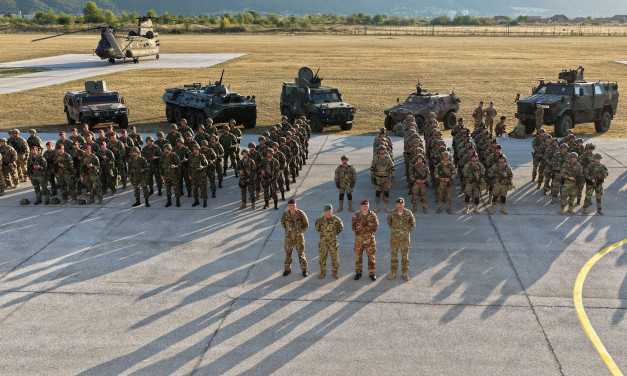
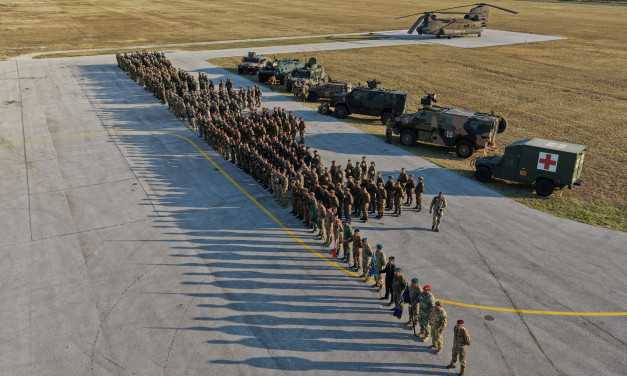
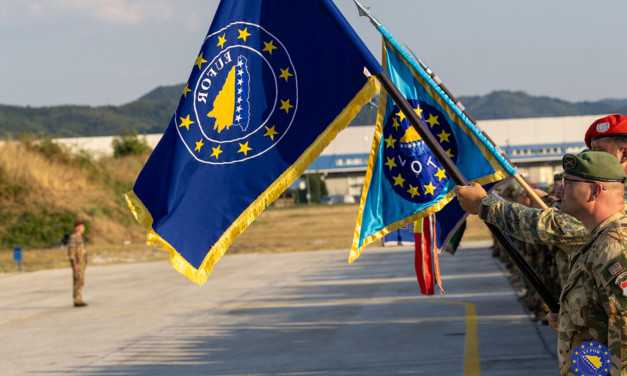
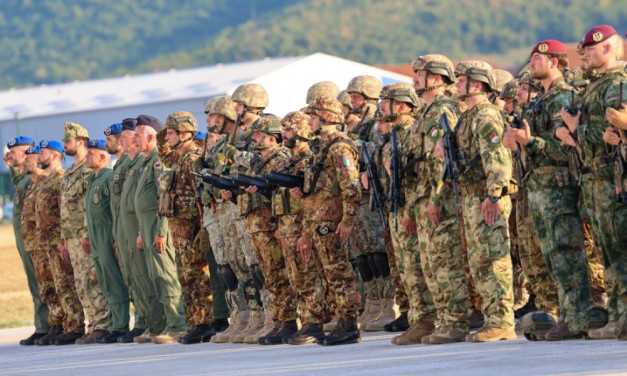
Text: General Staff of the Hungarian Defence Forces | Photo: 1st Lt. Ábel Sövény, 2nd Lt. Máté Albert and EUFOR | 18:16 September 8, 2026Hungarian peacekeepers took part in spectacular tasks at EUFOR’s largest training event. During Exercise Quick Response 2026, conducted at numerous locations in Bosnia and Herzegovina between August 22 and September 3, the peacekeeping mission of the European Union practiced how to rapidly reinforce its in-theatre forces and respond in a coordinated manner to a rapidly changing security situation.
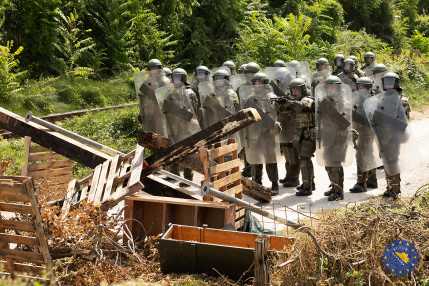
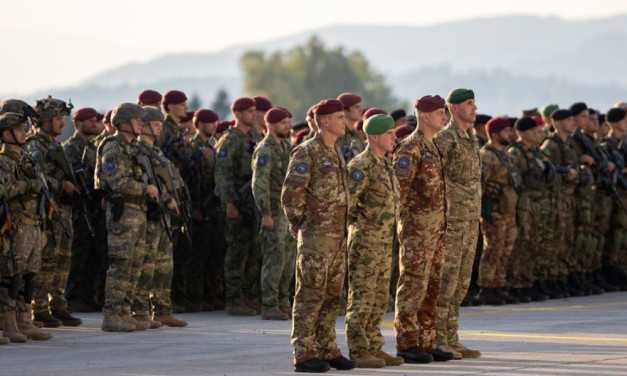
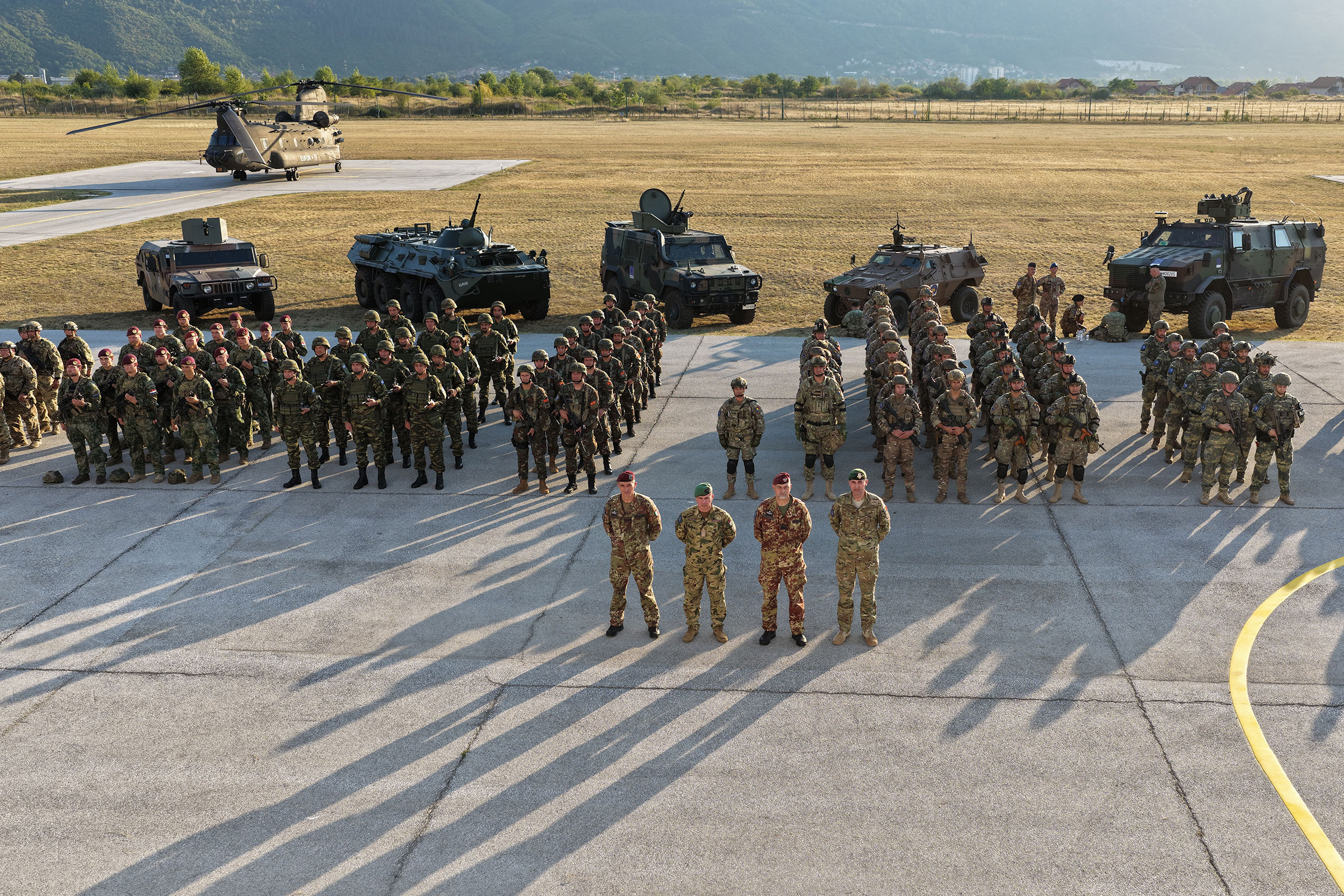
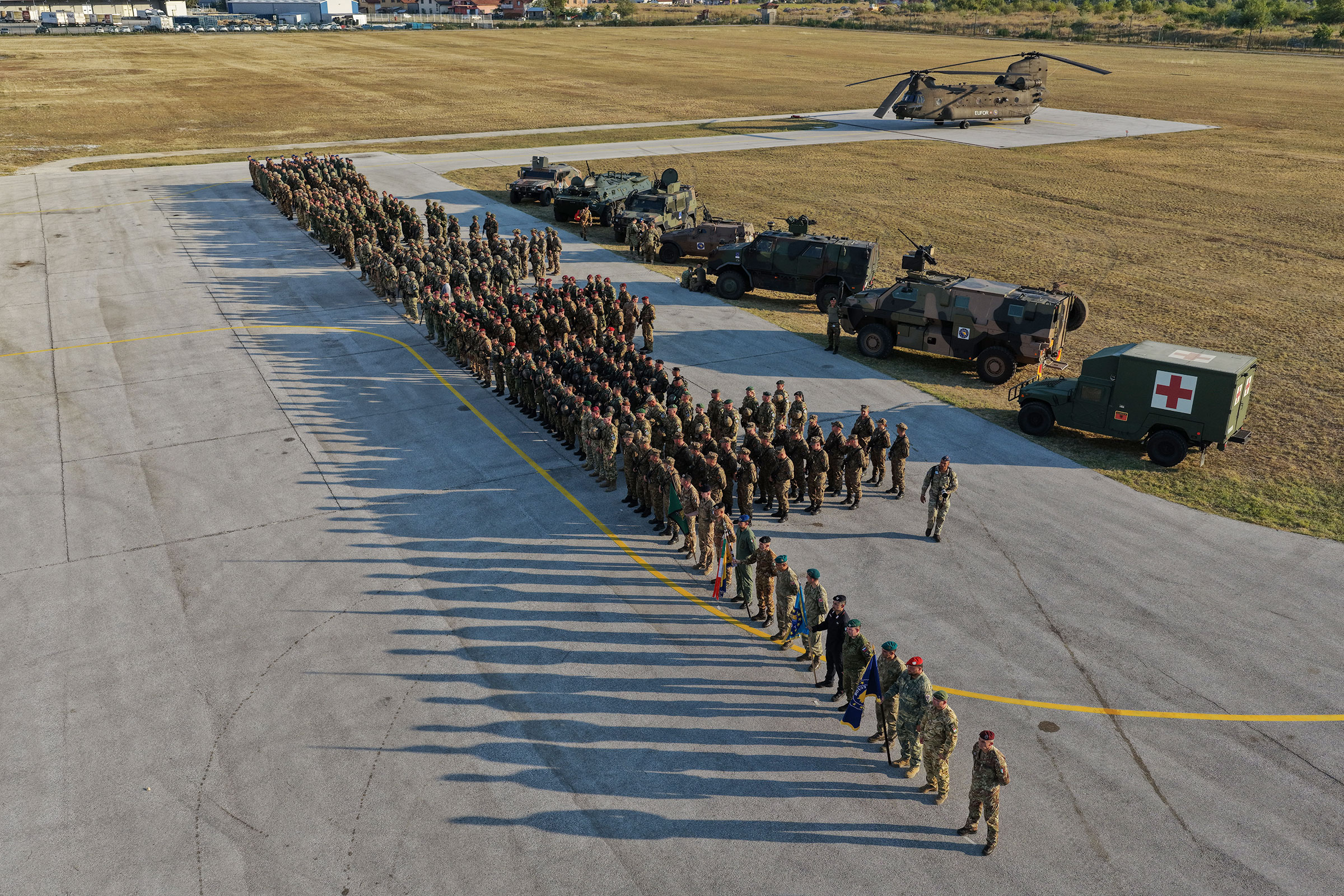
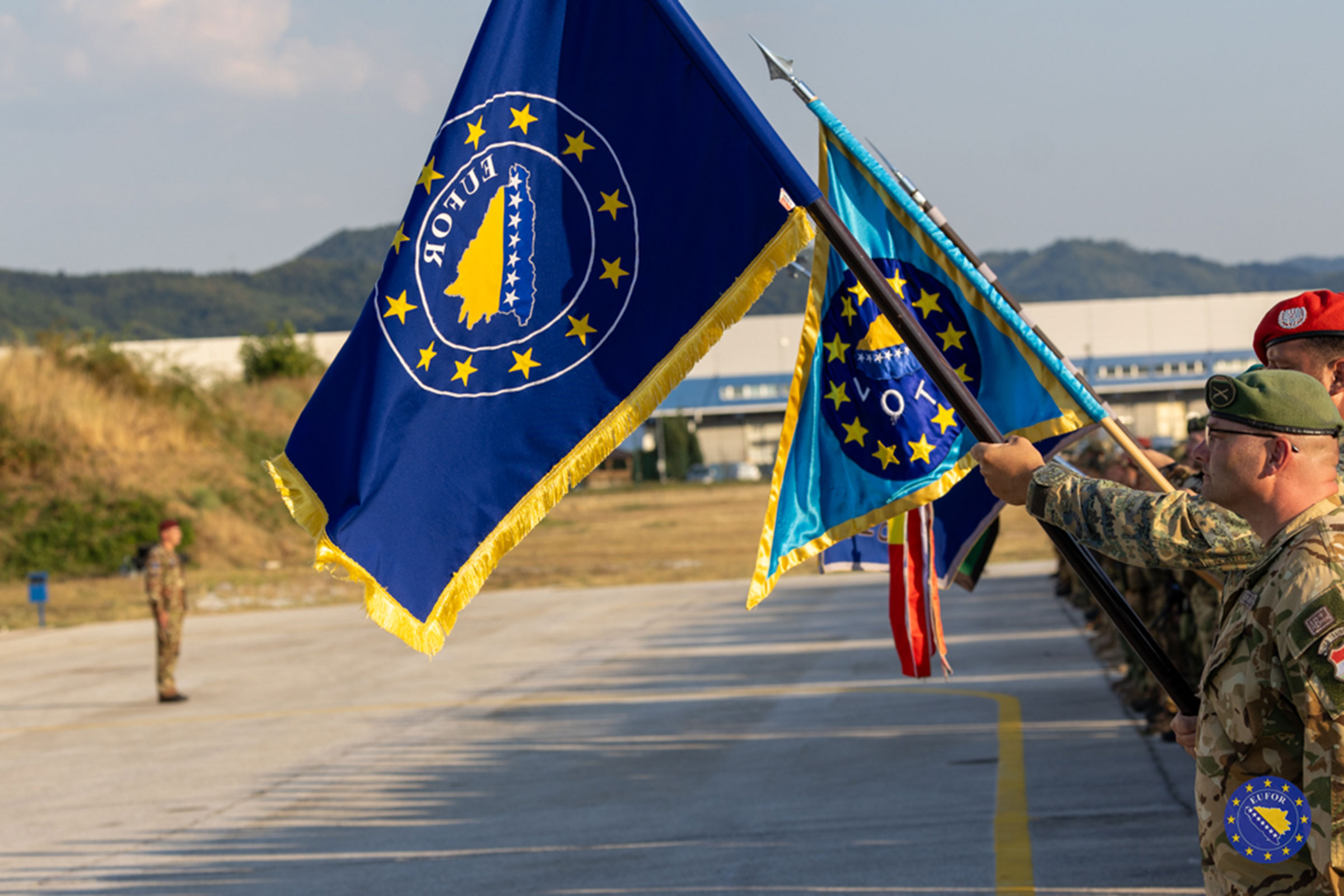
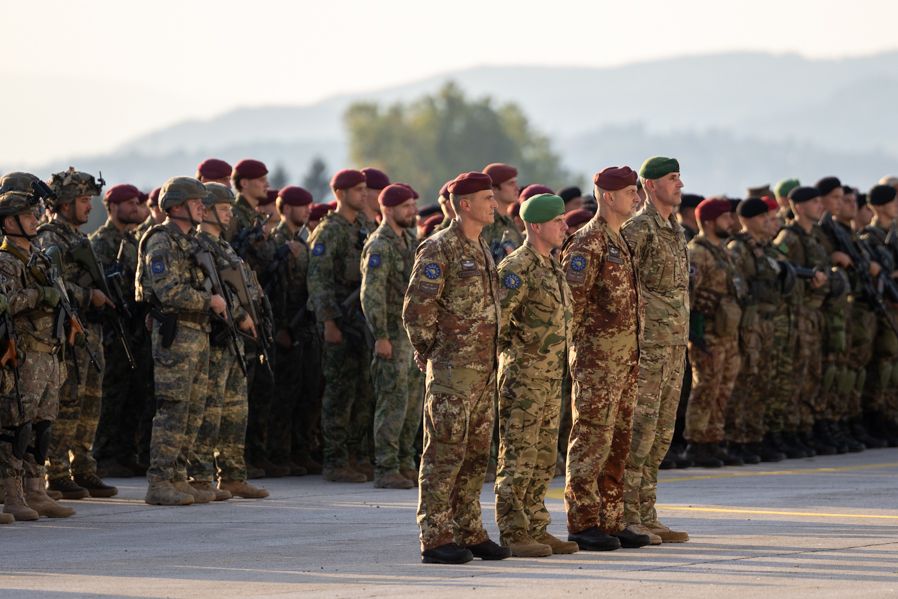
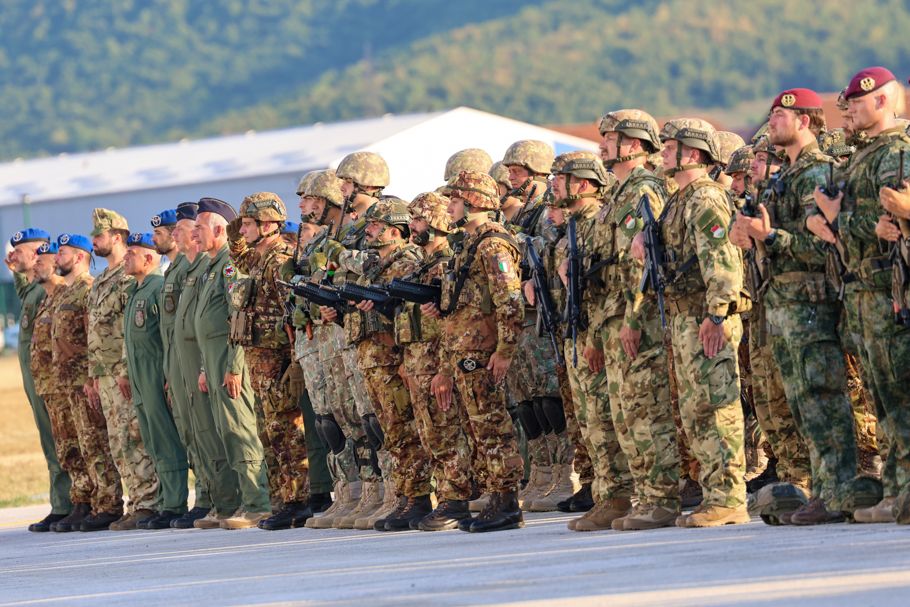
All 24 troop-contributing nations of EUFOR Operation Althea took part in this annual training exercise; for the duration of the exercise, the troops serving in the area of operations were joined by reserve forces offered by eight countries — Albania, Austria, Bulgaria, France, Greece, Hungary, Italy, and Romania—as well as a response cell from KFOR, NATO’s mission in Kosovo. One of the exercise’s most important objectives was precisely to test how quickly additional personnel and military equipment could be deployed to Bosnia and Herzegovina, if necessary, and then integrated into EUFOR’s operational framework in order to maintain the high level of readiness required by the mission’s UN mandate. The Armed Forces of Bosnia and Herzegovina, local authorities, and law enforcement agencies supported the exercise, just as they support EUFOR’s ongoing operations, thereby fulfilling another objective of the Quick Response 2026 exercise: effective cooperation with partners.
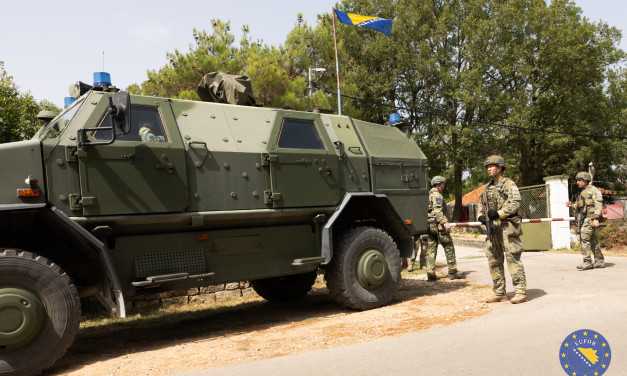
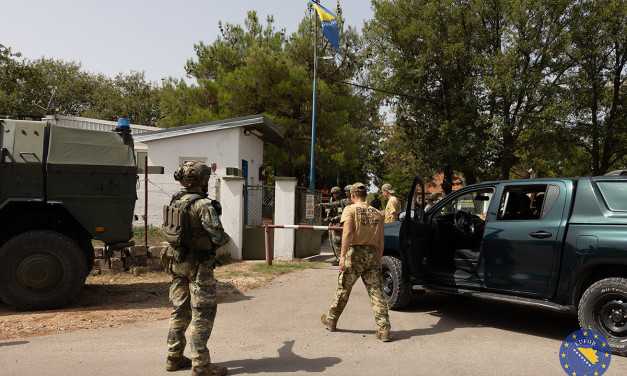
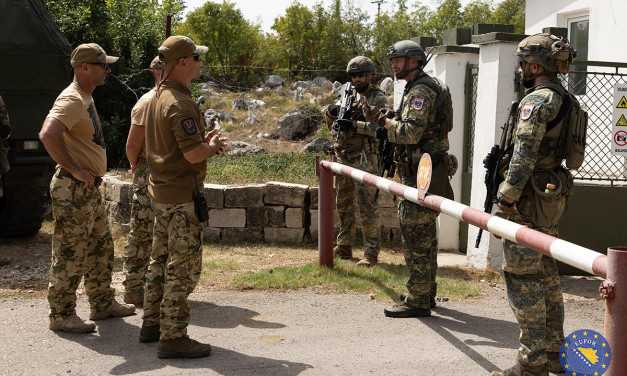
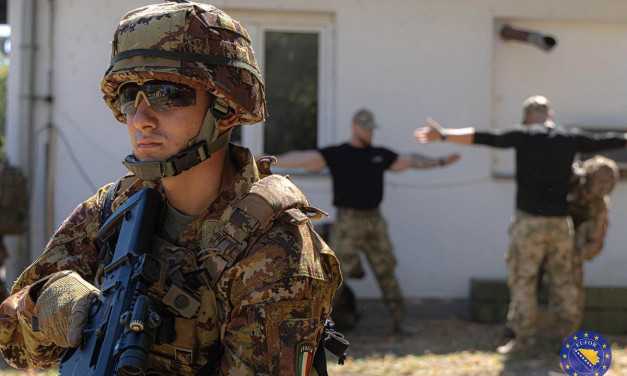
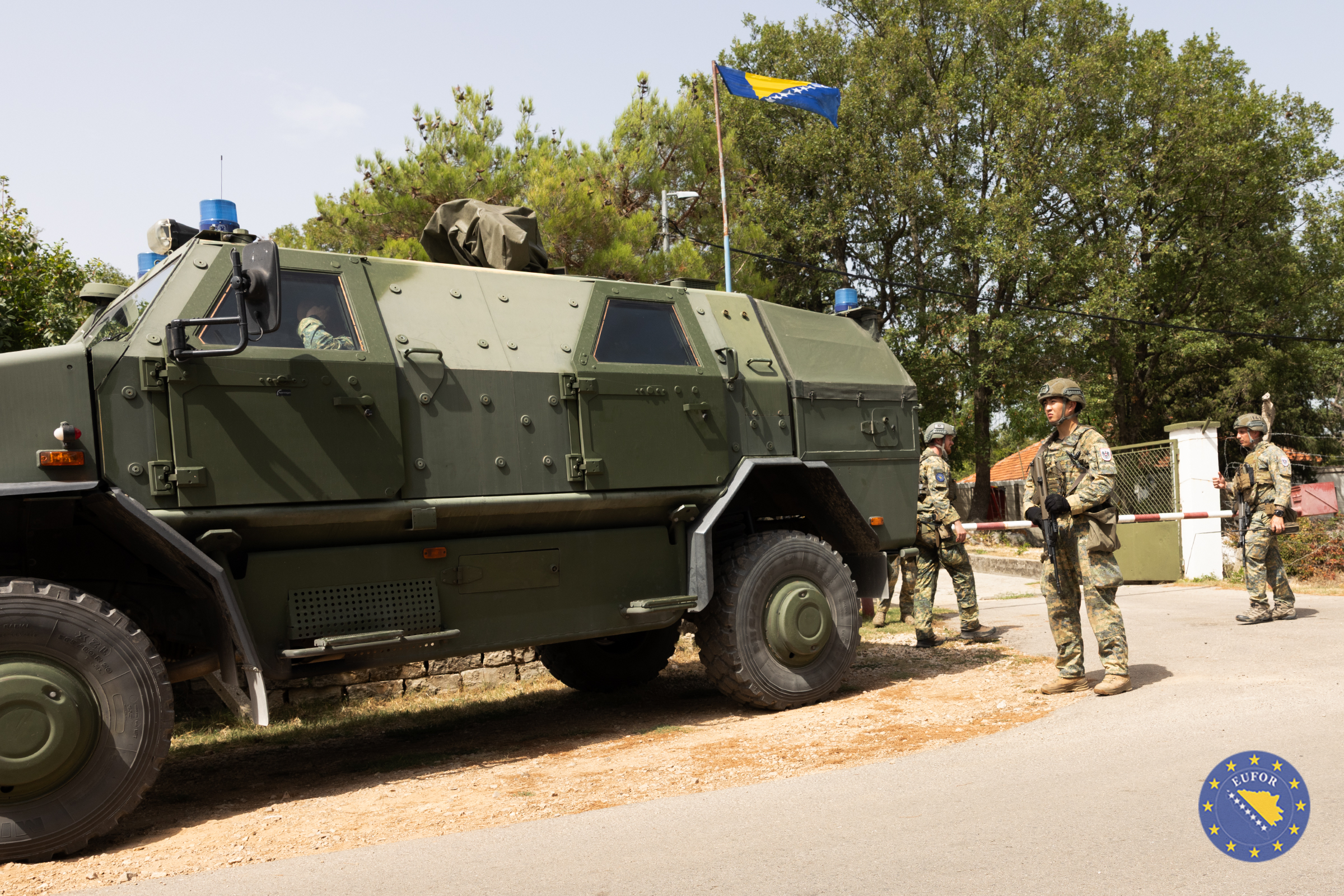
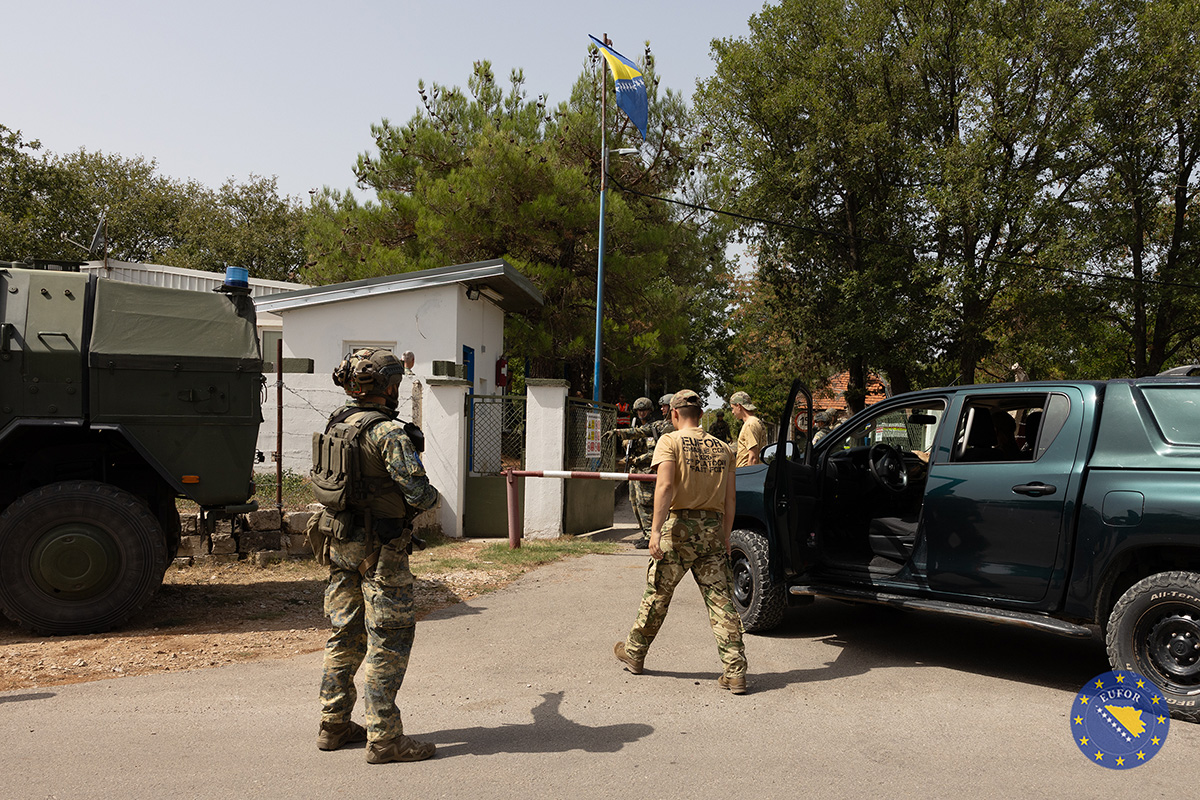
Quick Response 2026 was not a response to a specific security incident, but rather a preplanned, annual EUFOR exercise. The training activities took place at numerous locations across the country, including training areas, temporary staging areas as well as elements of civilian infrastructure in the regions of Sarajevo, Mostar, Bijeljina, Višegrad, Krčmarice, Trebinje, Čapljina, Drvar, Tuzla, and Banja Luka. Participants carried out tasks simultaneously at multiple locations, testing rapid redeployment, command and control, logistics, communications, and cooperation among different nations and capabilities.
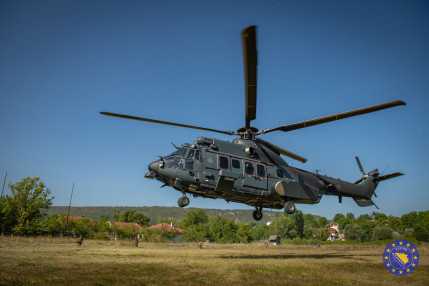
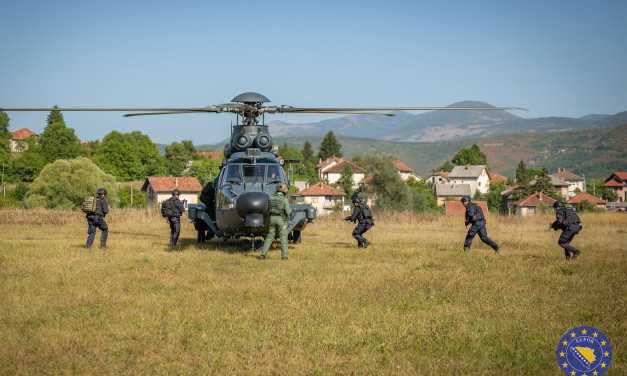
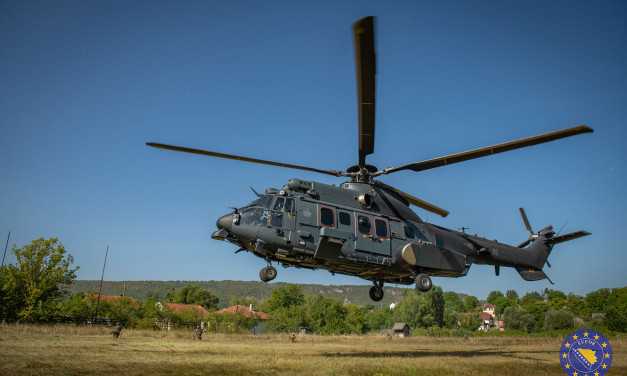
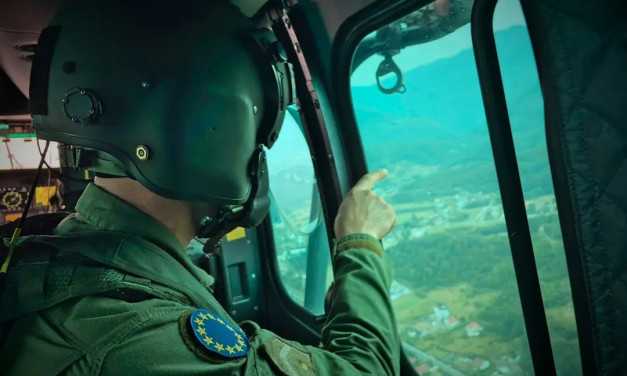
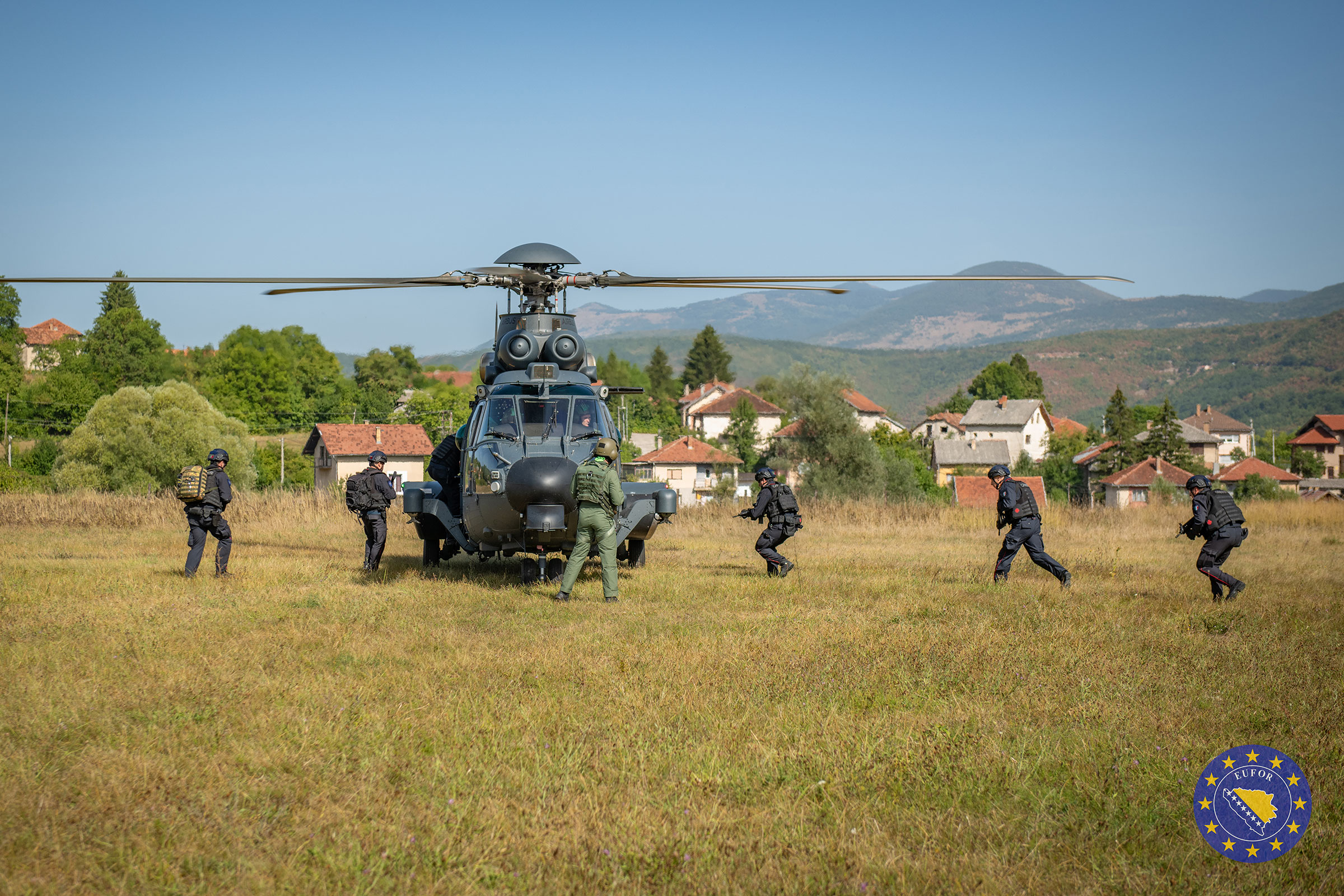
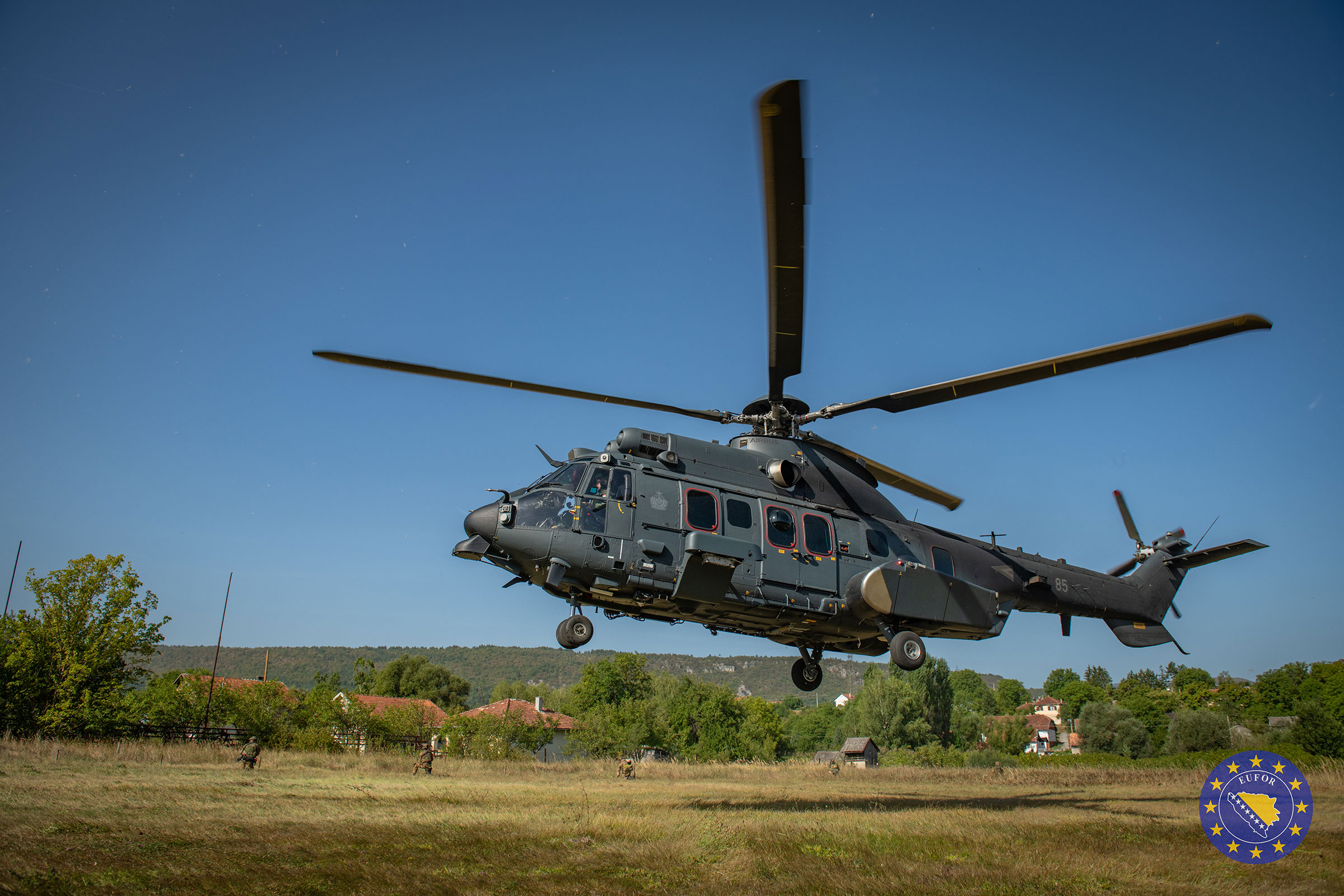
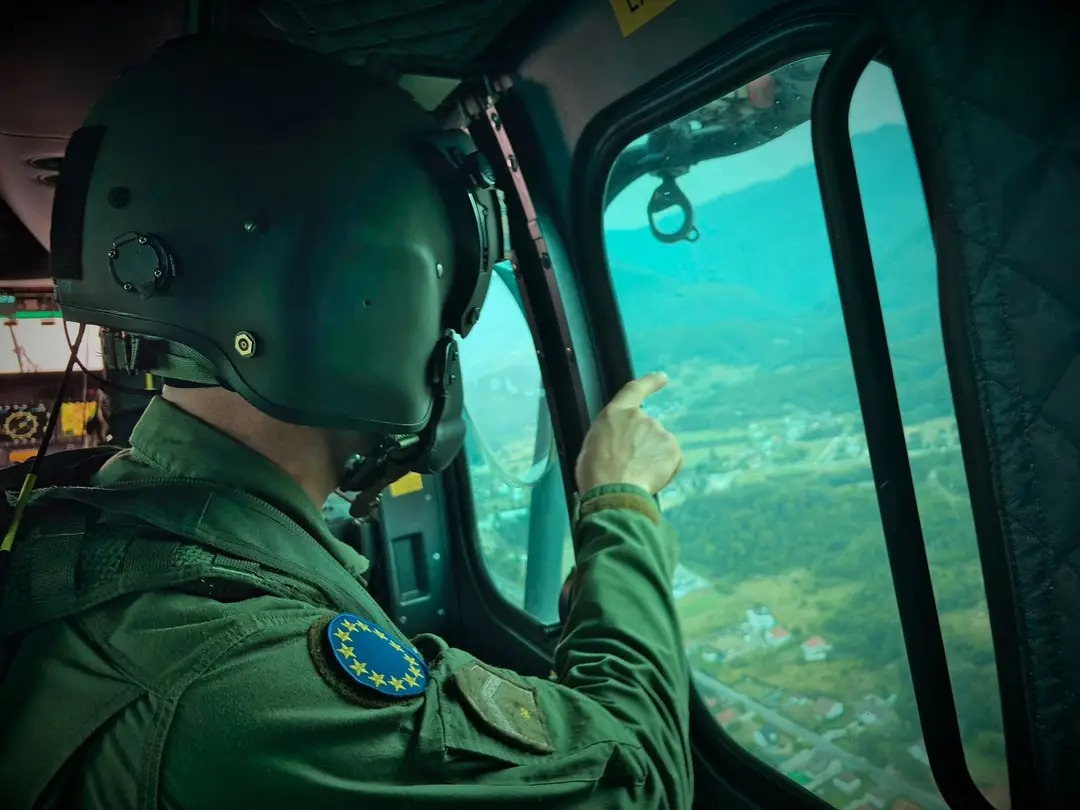
Deployment of the reserve forces was itself part of the exercise: troops and equipment arrived at the area of operations by land, air, and — via the port of Ploče in Croatia — by sea. The Hungarian reserve force activated for the exercise — an element from the Hungarian Defense Forces 86th Szolnok Helicopter Brigade consisting of two H225M helicopters and their crews — deployed to Camp Butmir in Sarajevo on August 23, where the Hungarian helicopters reinforced the EUFOR air component. During the exercise, the Hungarian helicopters participated in multinational missions; for example, one of the Hungarian H225M helicopters transported Austrian engineering and military police units, as well as the Greek Explosive Ordnance Disposal (EOD) team, to the Mostar airport, where, together with forces already on site, they practiced securing critical infrastructure and rapidly coordinating various specialized capabilities. The mission was not limited to airlift; it also examined how quickly subunits of different nationalities and with different roles could organize themselves into a joint operational structure. For the Hungarian helicopter crew, the Quick Response 2026 exercise also served as a direct test of their responsiveness. During the exercise, the flight crew’s reaction times and crisis management procedures were tested in unexpected situations. The goal of the preparation was to ensure that the Hungarian rotary-wing capability offered to the EUFOR reserve force could be deployed quickly, if necessary, as part of a multinational task force.
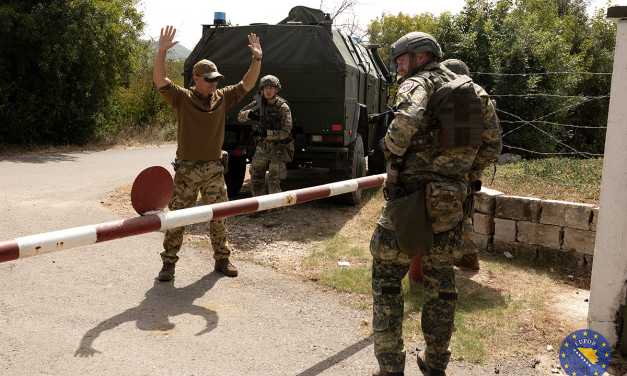
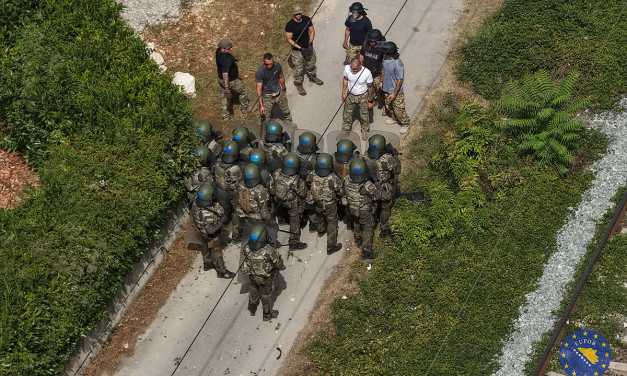
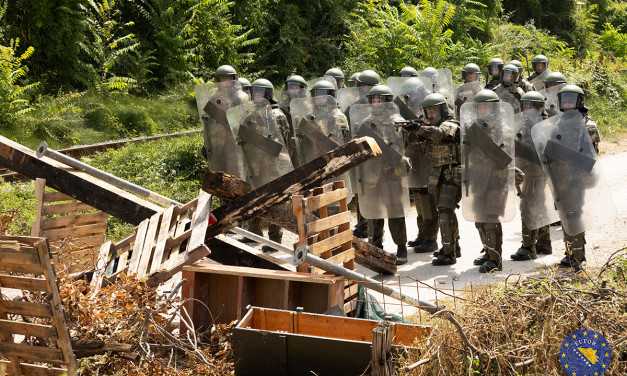
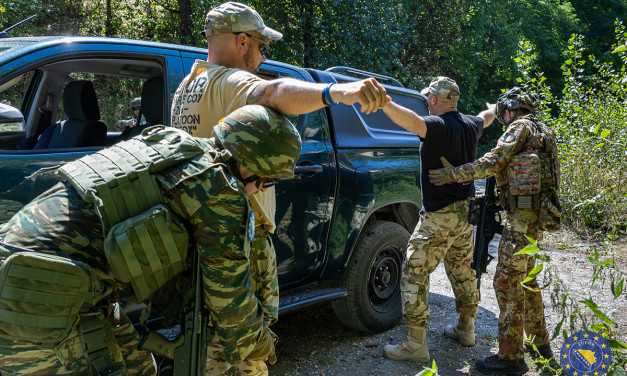
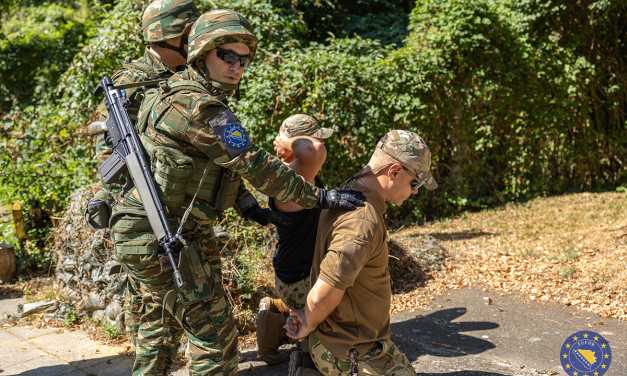
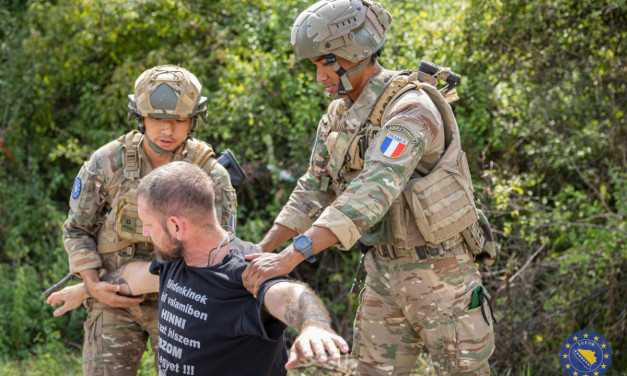
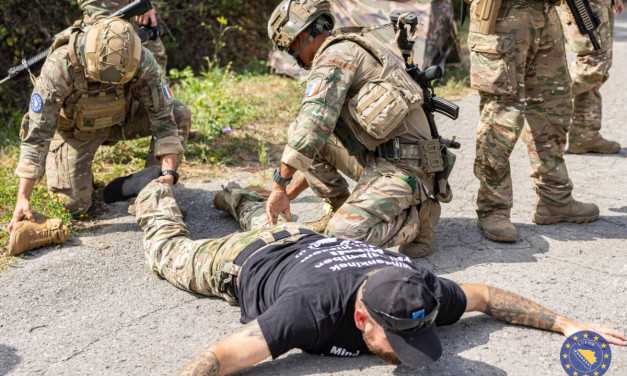
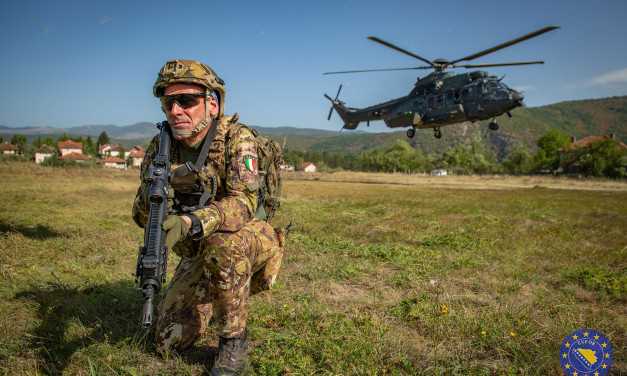
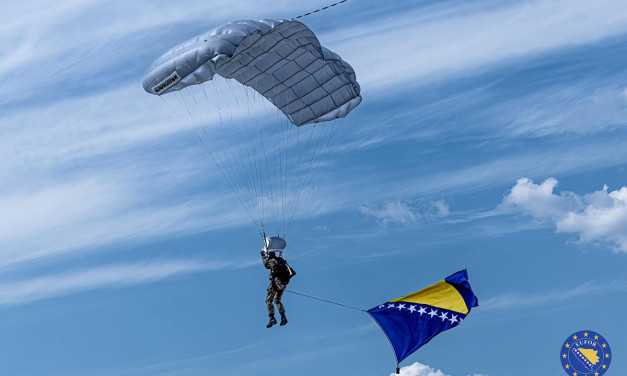
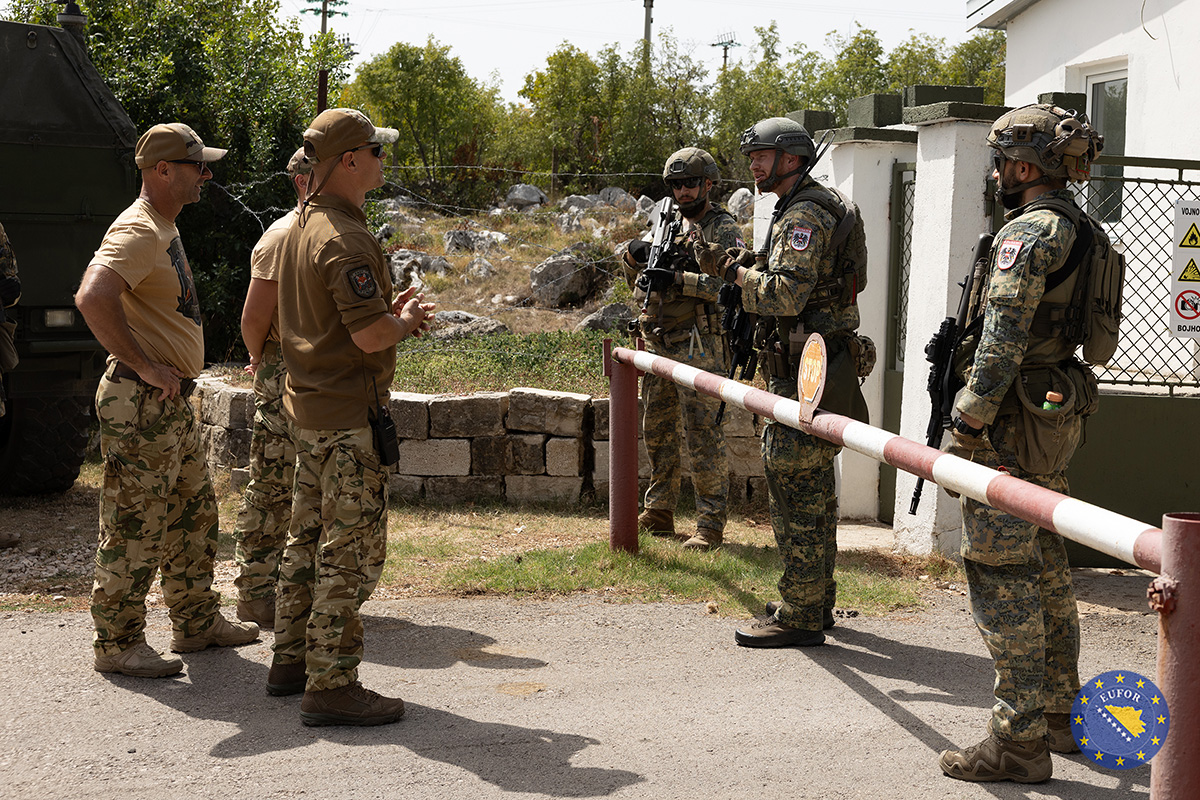
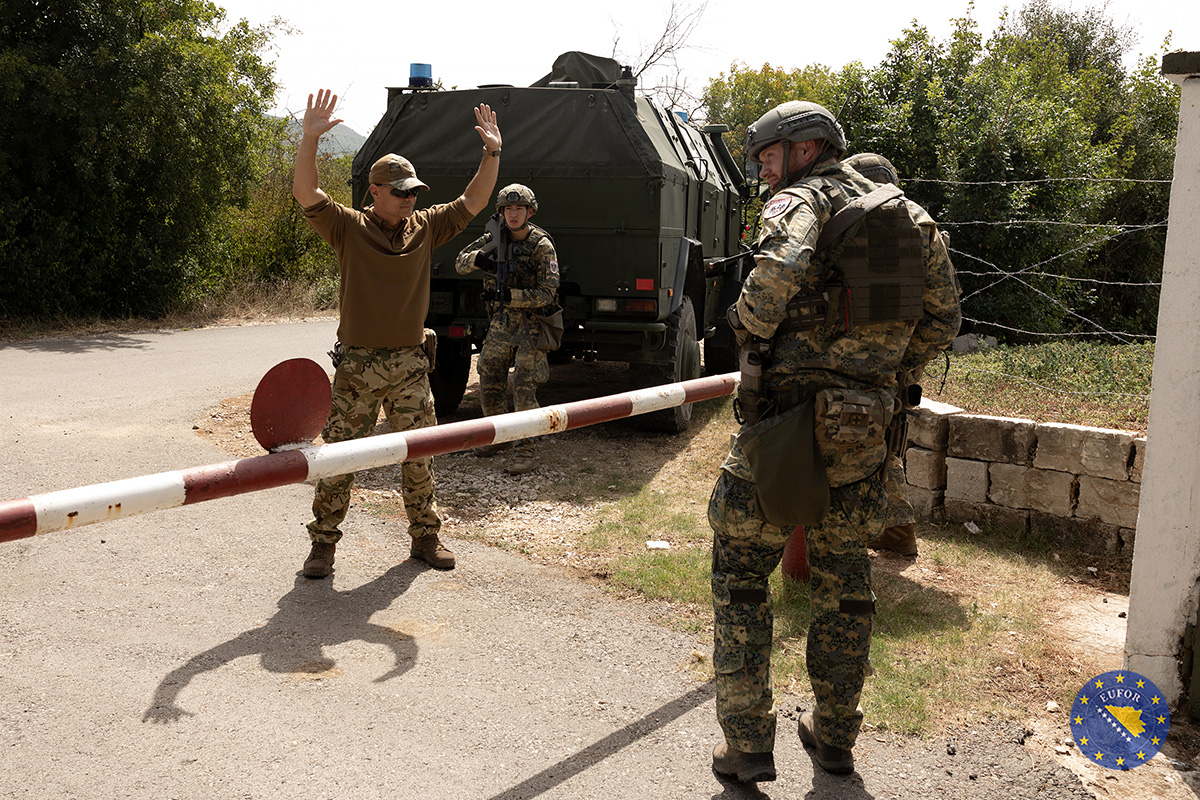
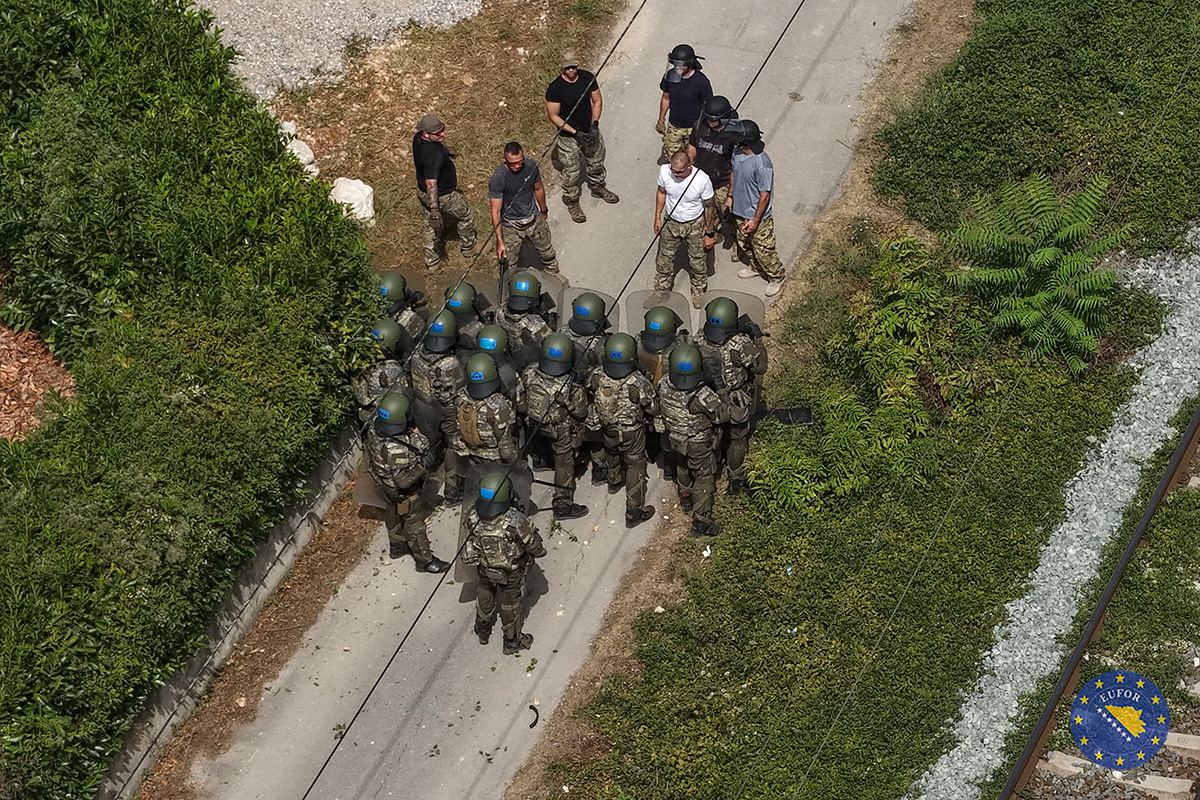
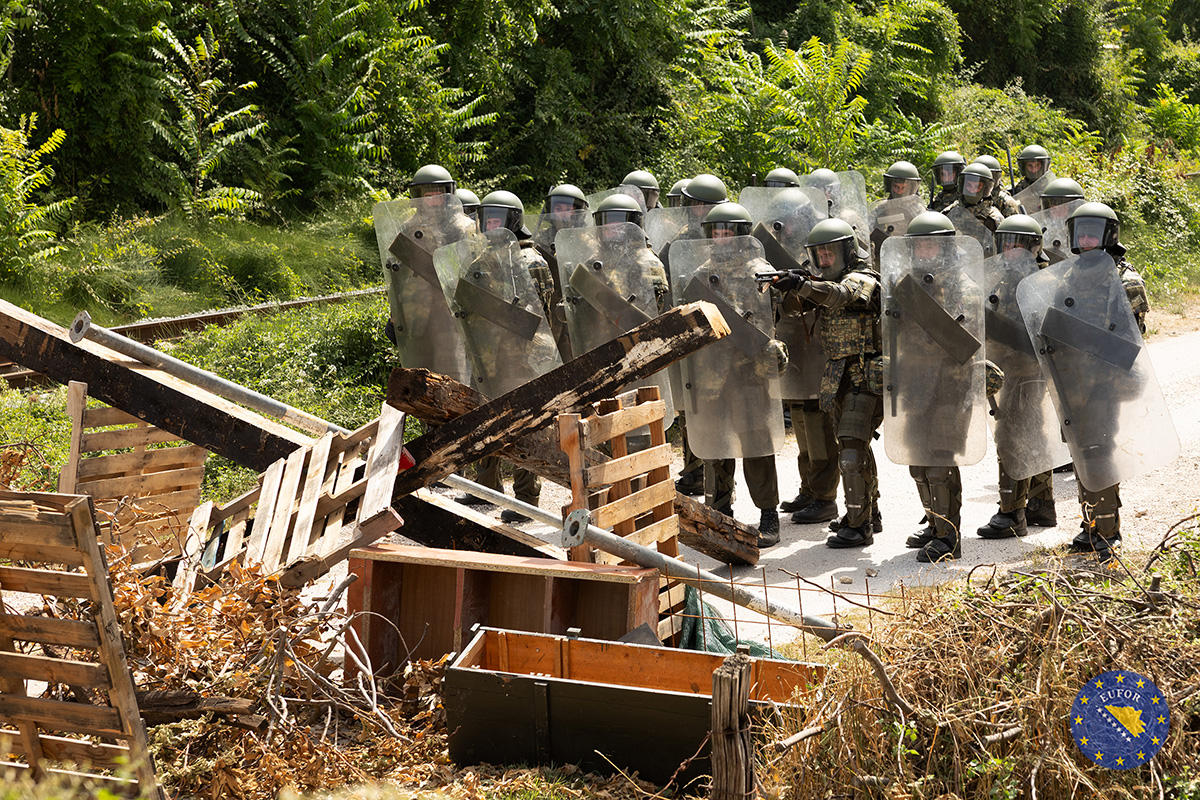
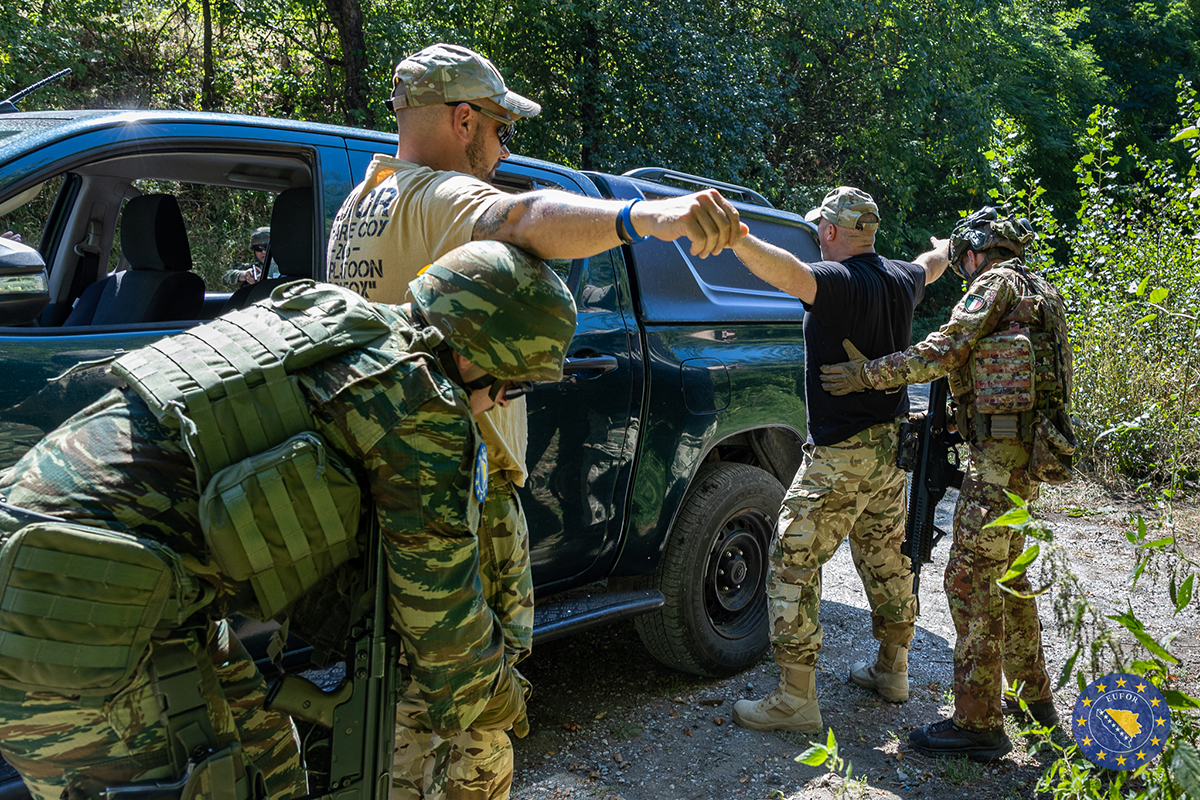
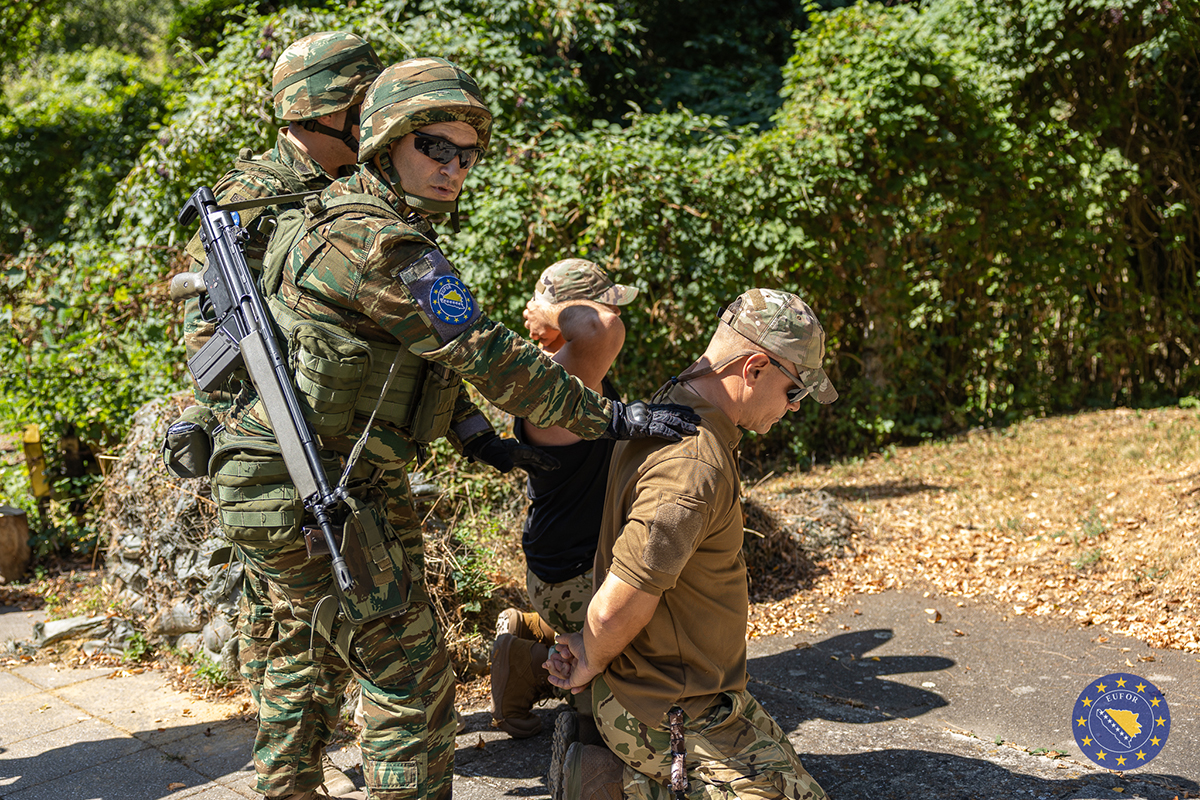
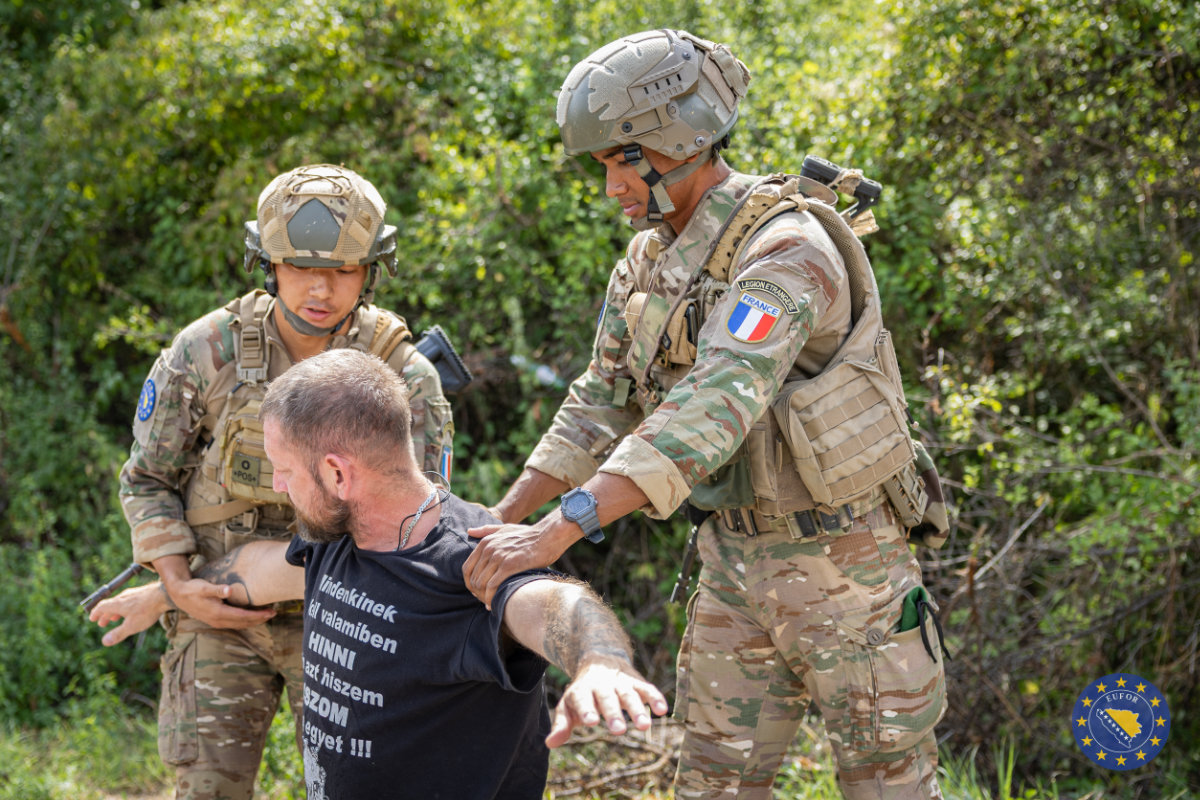
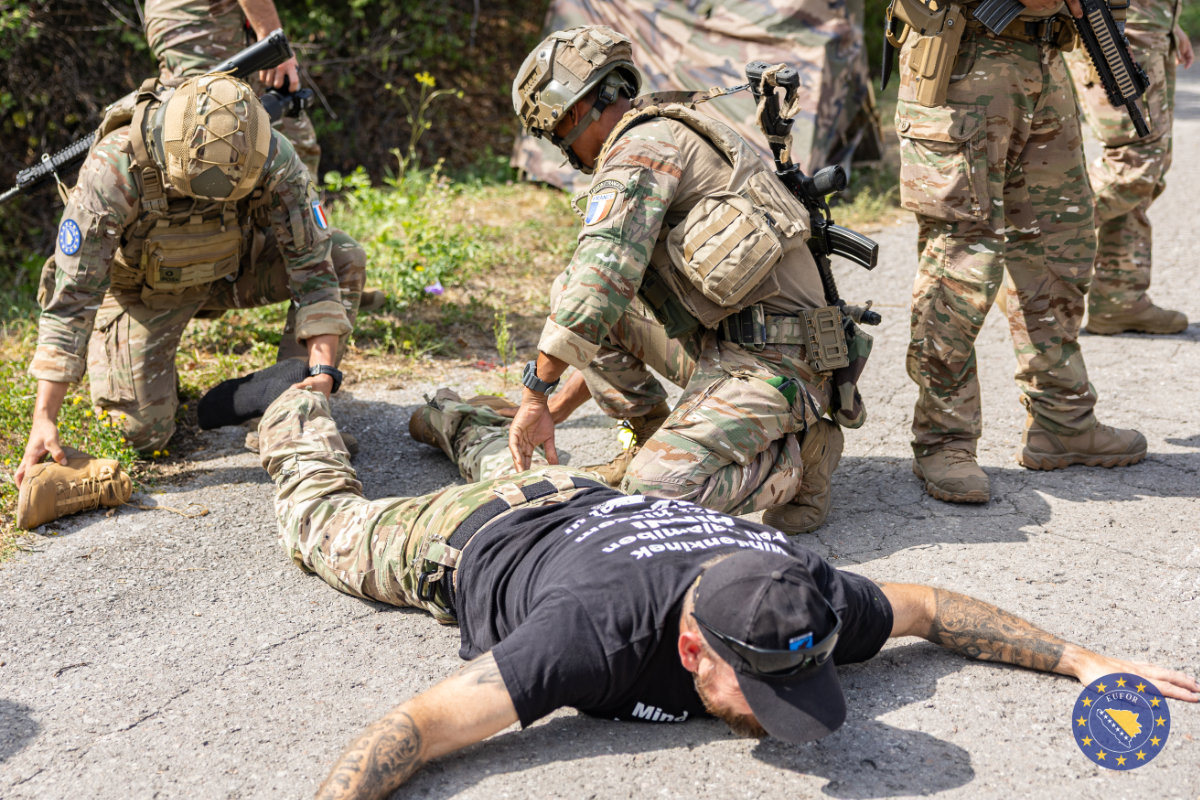
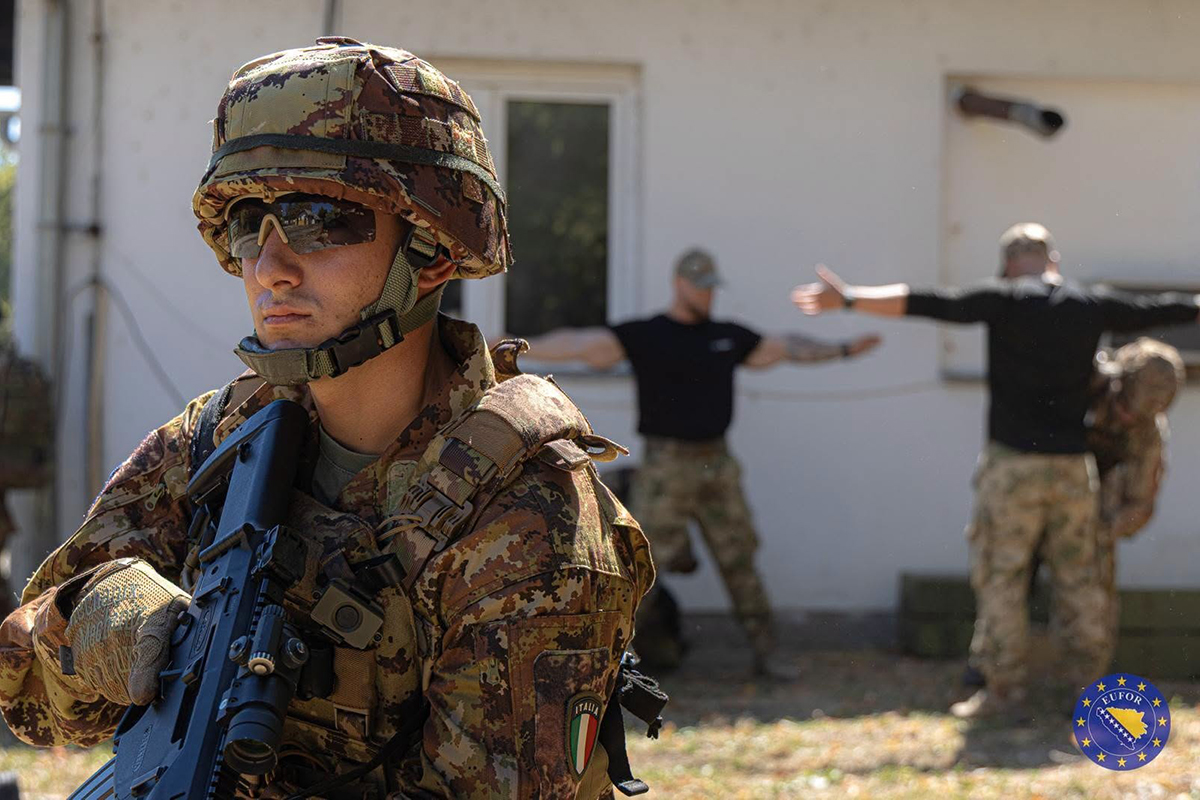
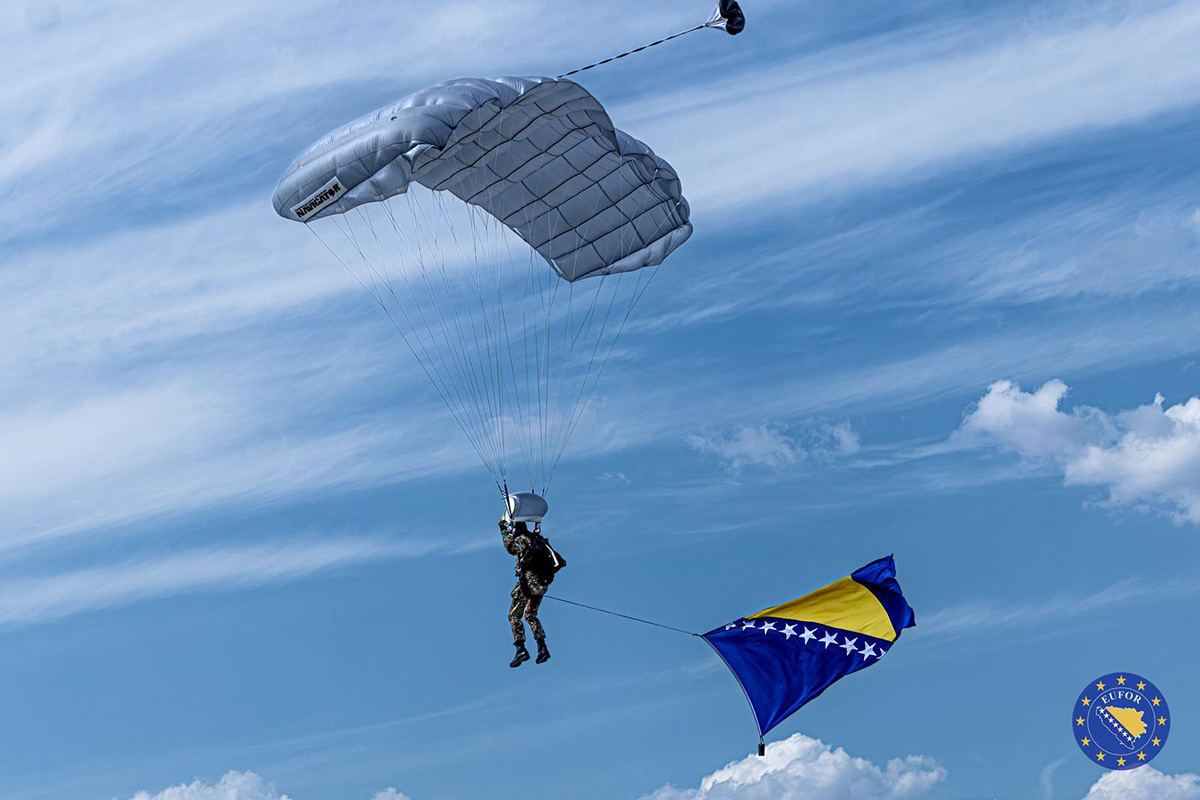
During the two-week exercise, significantly different scenarios were simulated. In Sarajevo, EUFOR members practiced the evacuation of personnel from the Greek embassy, in Čapljina, they carried out the withdrawal of personnel from one of EUFOR’s Liaison and Observation Teams; at other locations, tasks included securing weapons and ammunition depots, patrolling, securing areas, airborne operations, and helicopter redeployment of various forces. The Hungarian Company of the EUFOR Multinational Battalion acted as an opposing force (OPFOR) during the exercise, contributing to its intensity and realism. For the first time in the exercise’s history, airborne forces were also deployed as part of the operation’s reinforcement.
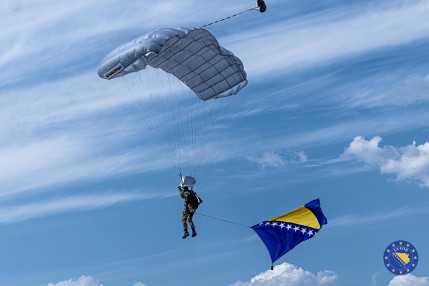
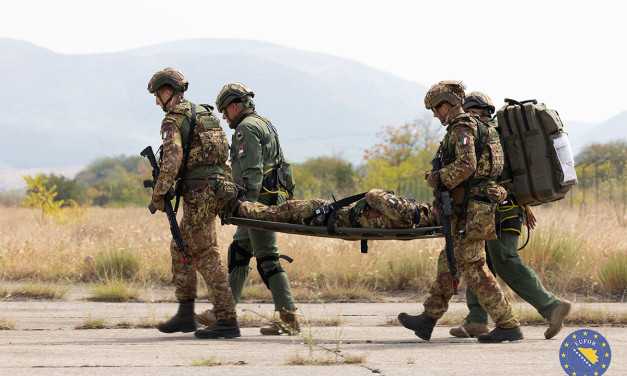
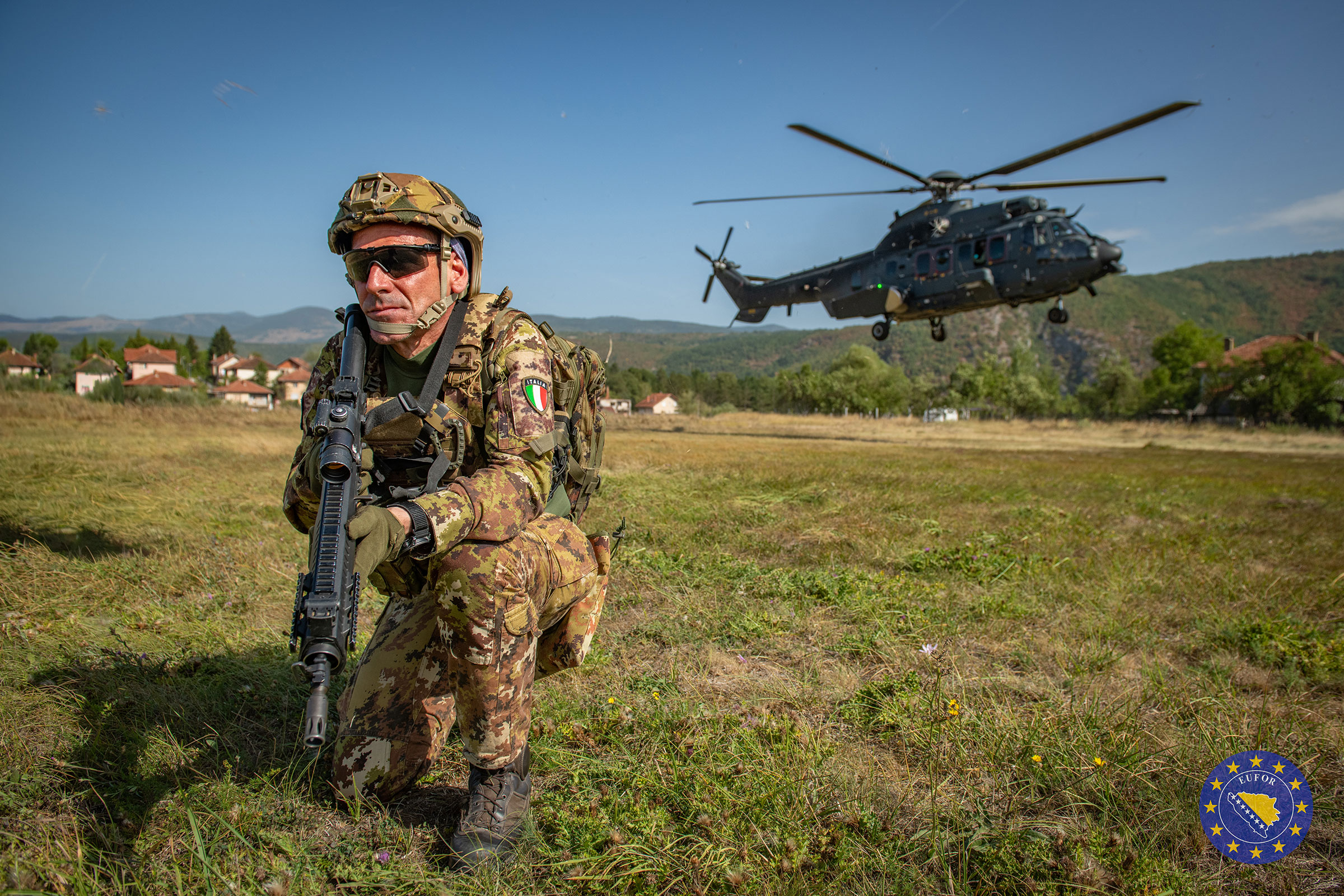
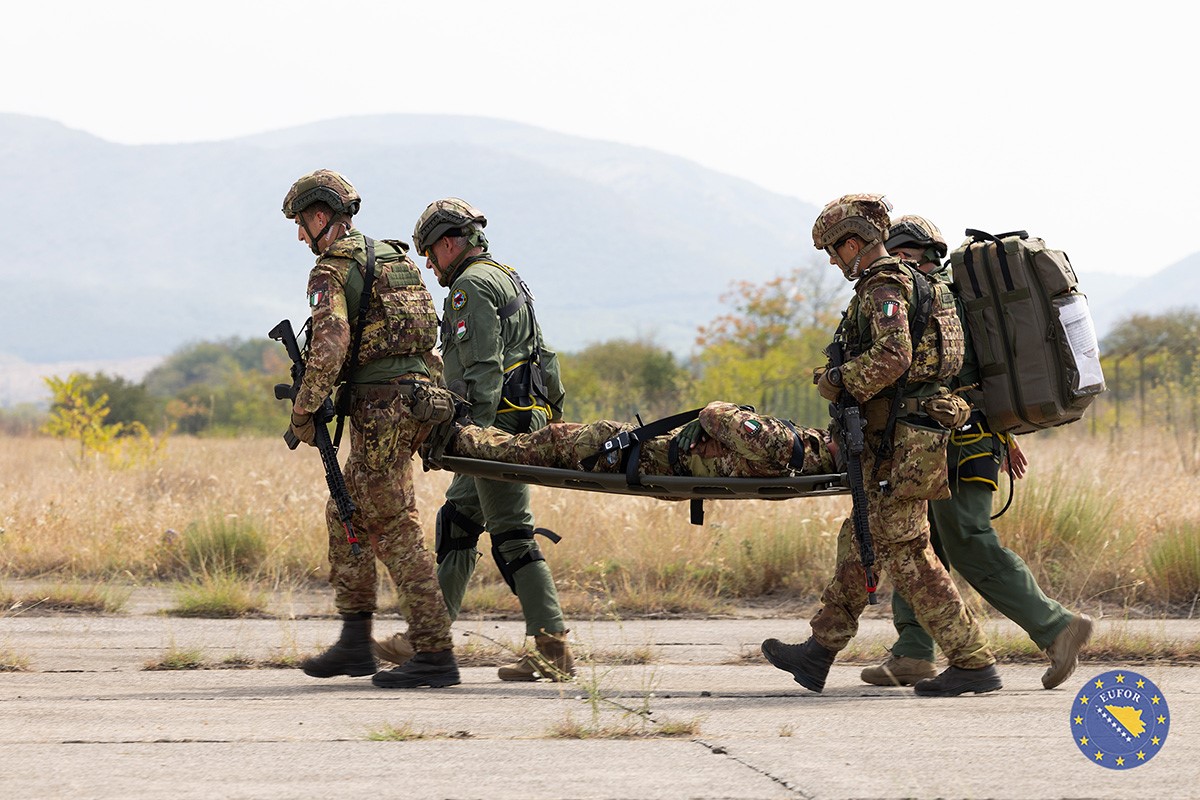
Quick Response 2026 reached its climax on September 3 with an operation carried out at the Mostar airport, an event that also served as the exercise’s distinguished visitors’ day. French, Austrian, and Romanian soldiers established security across the area; Italian and Dutch paratroopers conducted and airborne insertion at the designated zone; and a Hungarian-Greek EOD team responded to a simulated improvised explosive device. Following this, a Hungarian medical team was deployed to the scene via the Szolnok-based unit’s H225M helicopter, treated the simulated casualty, and then carried out the casualty’s air evacuation. The closing event in Mostar integrated ground maneuvers, airborne deployment, force protection, explosive ordnance disposal tasks, and medical evacuation into a single operational scenario.
Quick Response 2026 not only tested EUFOR’s rapid reinforcement capability but also demonstrated the role played by the Hungarian Defense Forces’ ground maneuver, rotary-wing, and medical capabilities in this context. Hungary’s involvement, however, extends beyond the Quick Response exercise, as the country has participated in international peacekeeping operations in Bosnia and Herzegovina since the end of the war. Since March 2026, for a year, EUFOR Operation Althea’s deputy commander is Brigadier General Bálint Legoza, and on September 3, the Hungarian government announced that the authorized strength of the reserve forces designated for EUFOR and kept on standby in Hungary will increase from 150 to a maximum of 300 soldiers. Under this decision, these forces may be deployed to the area of operations for up to 380 days, if necessary, instead of the previous 90 days.
Quick Response 2026_EUFOR (2)
Quick Response 2026_EUFOR (1)
Quick Response 2026_EUFOR (3)
Quick Response 2026_EUFOR (4)
Quick Response 2026_EUFOR (5)
Quick Response 2026_EUFOR (6)
Quick Response 2026_EUFOR (7)
Quick Response 2026_EUFOR (8)
Quick Response 2026_EUFOR (9)
Quick Response 2026_EUFOR (10)
Quick Response 2026_EUFOR (11)
Quick Response 2026_EUFOR (12)
Quick Response 2026_EUFOR (13)
Quick Response 2026_EUFOR (14)
Quick Response 2026_EUFOR (15)
Quick Response 2026_EUFOR (16)
Quick Response 2026_EUFOR (17)
Quick Response 2026_EUFOR (18)
Quick Response 2026_EUFOR (19)
Quick Response 2026_EUFOR (20)
Quick Response 2026_EUFOR (21)
Quick Response 2026_EUFOR (22)