Test of Excellence
Hungarian soldiers prove themselves in Germany
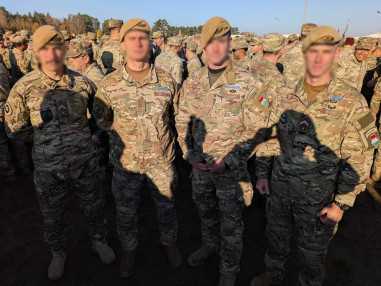
Text: First Lieutenant G. M. | Photo: HDF SOC | 13:19 November 17, 2026More than 1,500 soldiers had to prove themselves in a seemingly endless series of varied tasks this year in Grafenwöhr, Germany, as they sought to earn the U.S. Army’s Expert Infantryman Badge (EIB). Among the few foreign guests invited, soldiers form the Hungarian Defence Forces Special Operations Command also had the opportunity to put their skills to the test.
Since World War II, the EIB has symbolized the infantryman’s outstanding professional preparedness, the precise application of standardized procedures, and individual proficiency. The leaders of U.S. military recognized during the war that, despite technological advances, the infantryman continues to bear one of the heaviest burdens of battlefield tasks. At the initiative of General George C. Marshall, the badge was adopted in 1944 with the aim of recognizing battlefield performance and to establish an objective standard for evaluating professional knowledge, weapon handling, and tactical proficiency.
The badge’s emblem – a musket set against a blue infantry background – pays tribute to the traditions of the branch. To this day, wearing it signifies outstanding professional recognition among infantrymen.
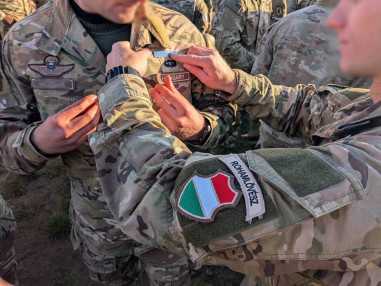
Earning the EIB goes far beyond a traditional military physical fitness test. The assessment simulates the battlefield tasks of infantrymen, where even the slightest mistake – a wrong step in weapon-clearing, a missed radio adjustment, or an improperly secured tourniquet – results in immediate disqualification.
All the exam tasks can be mastered, but mere knowledge of the motions and routine are not enough to succeed. Candidates must apply the knowledge they have acquired accurately and confidently within strict time limits, while the examiners assess the infantrymen’s fundamental professional skills. Flawless performance is expected at each of the navigation, weapons, medical, and communications stations, while a high level of physical endurance remains a basic requirement. A single mistake in any area could prevent a candidate from earning the badge.
One of the branch’s most prestigious professional challenges put the candidates’ physical and mental preparedness, endurance, and concentration to the test. Throughout the weeks of preparation and certification, they had to retain their precision and stay focused at all times. Typically, only a small fraction of the applicants can meet these strict requirements.
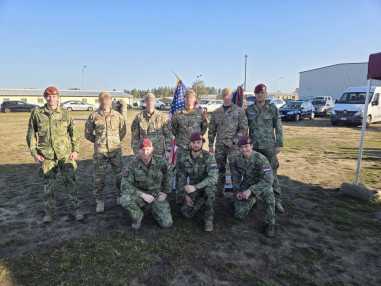
However, the Hungarian soldiers performed exceptionally well: several of them completed the challenge with a “True Blue” rating, meaning they performed the tasks flawlessly. This placed them among the top performers, demonstrating their preparedness on the international stage.
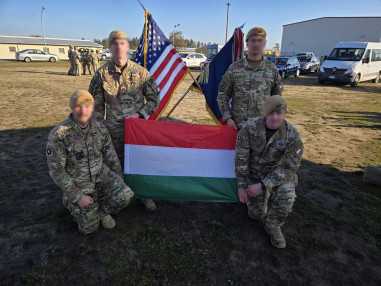
Wearing the badge with the silver musket is a recognition of individual professional achievement. For the Hungarian soldiers, however, it was even more important that their hard work, persistent training and professional dedication put the Hungarian flag among those flying over the successful participants.