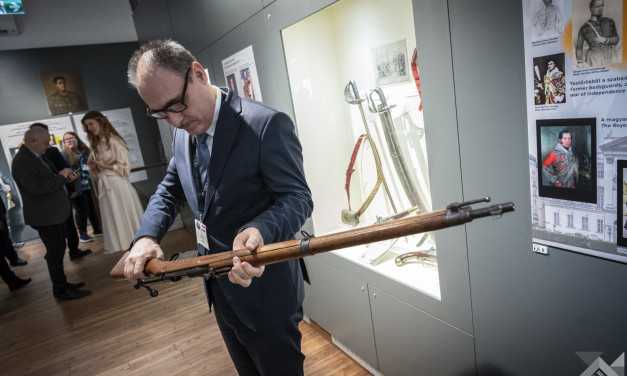
Using simulation to train soldiers of the future within a European framework
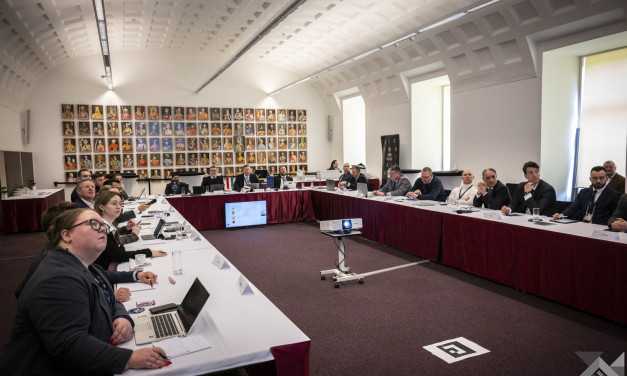
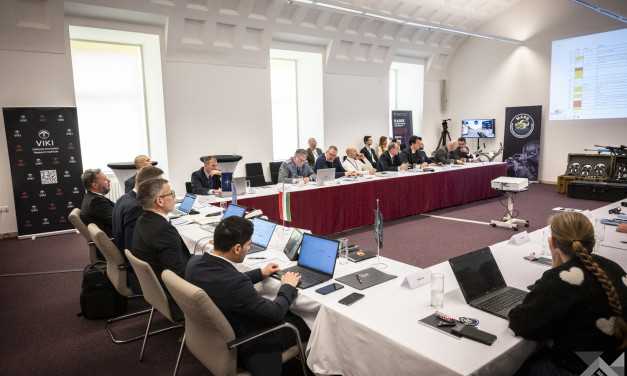
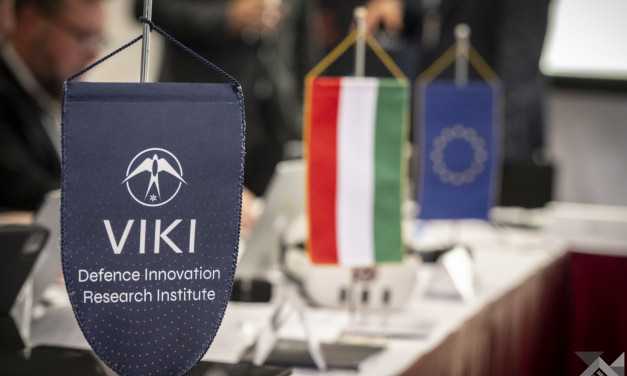
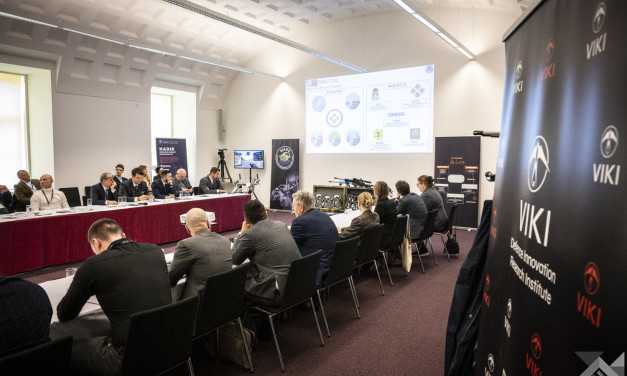
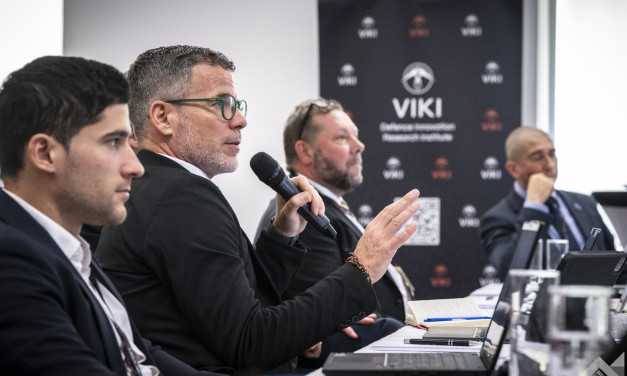
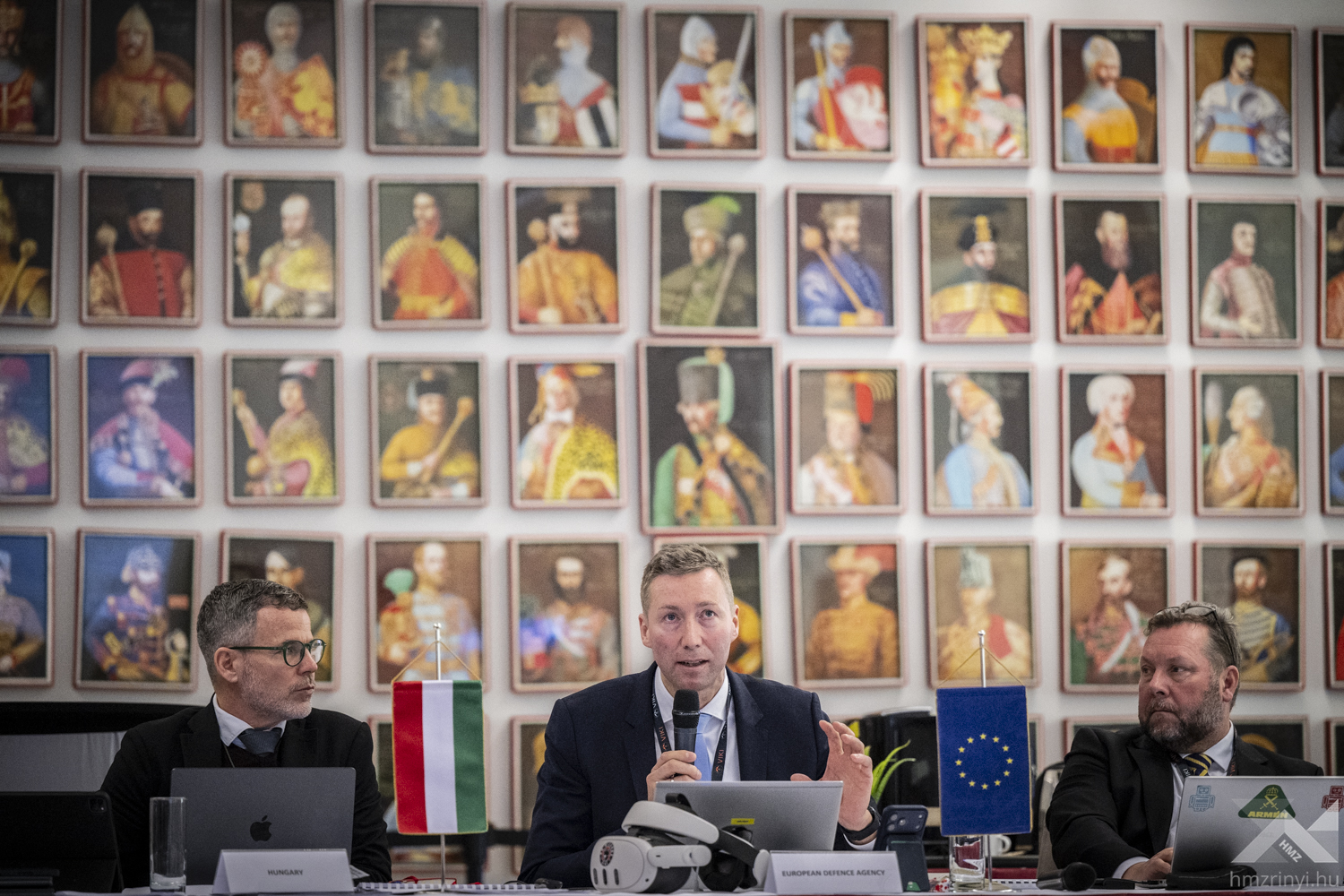
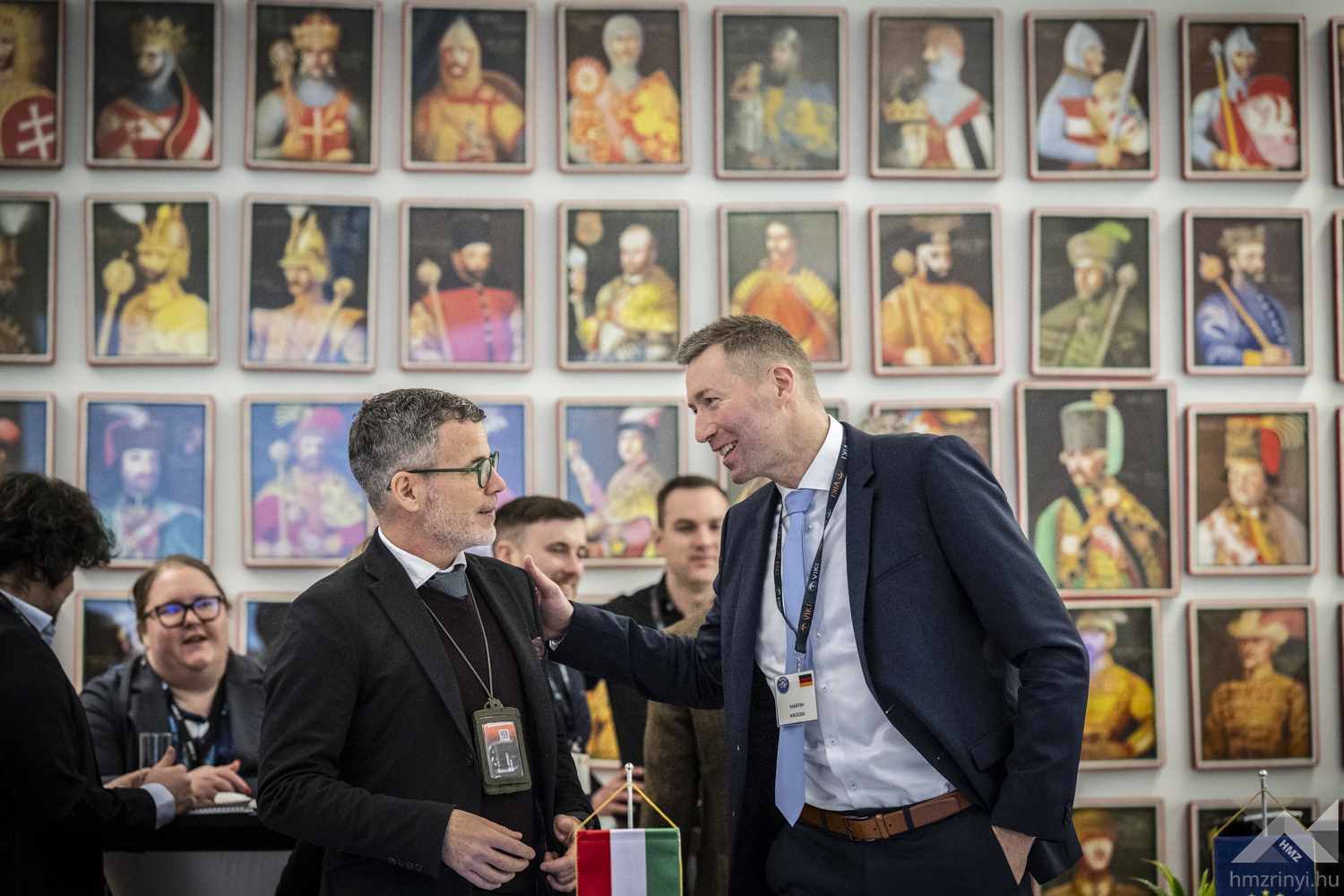
Text: defence.hu | Photo: Tamás Kovács | 12:06 March 4, 2026European defence cooperation has moved into a new phase in the field of modern simulation technologies: established by the European Defence Agency (EDA), the Modern Army Readiness with Simulation (MARS) working group held its session in Budapest on 25-26 February.
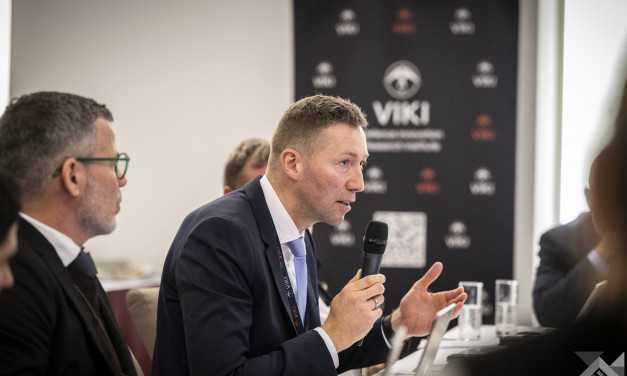
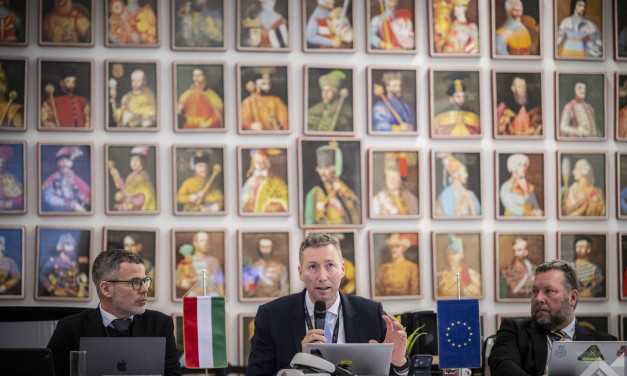
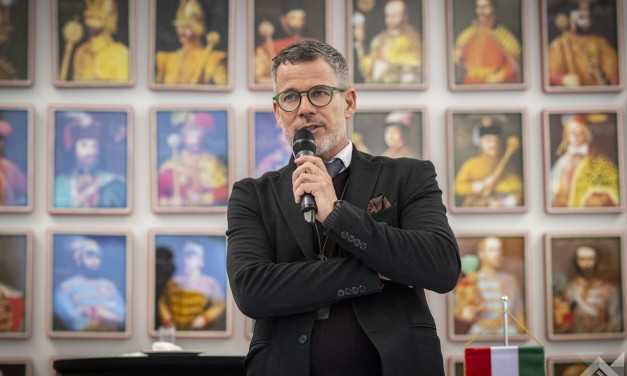
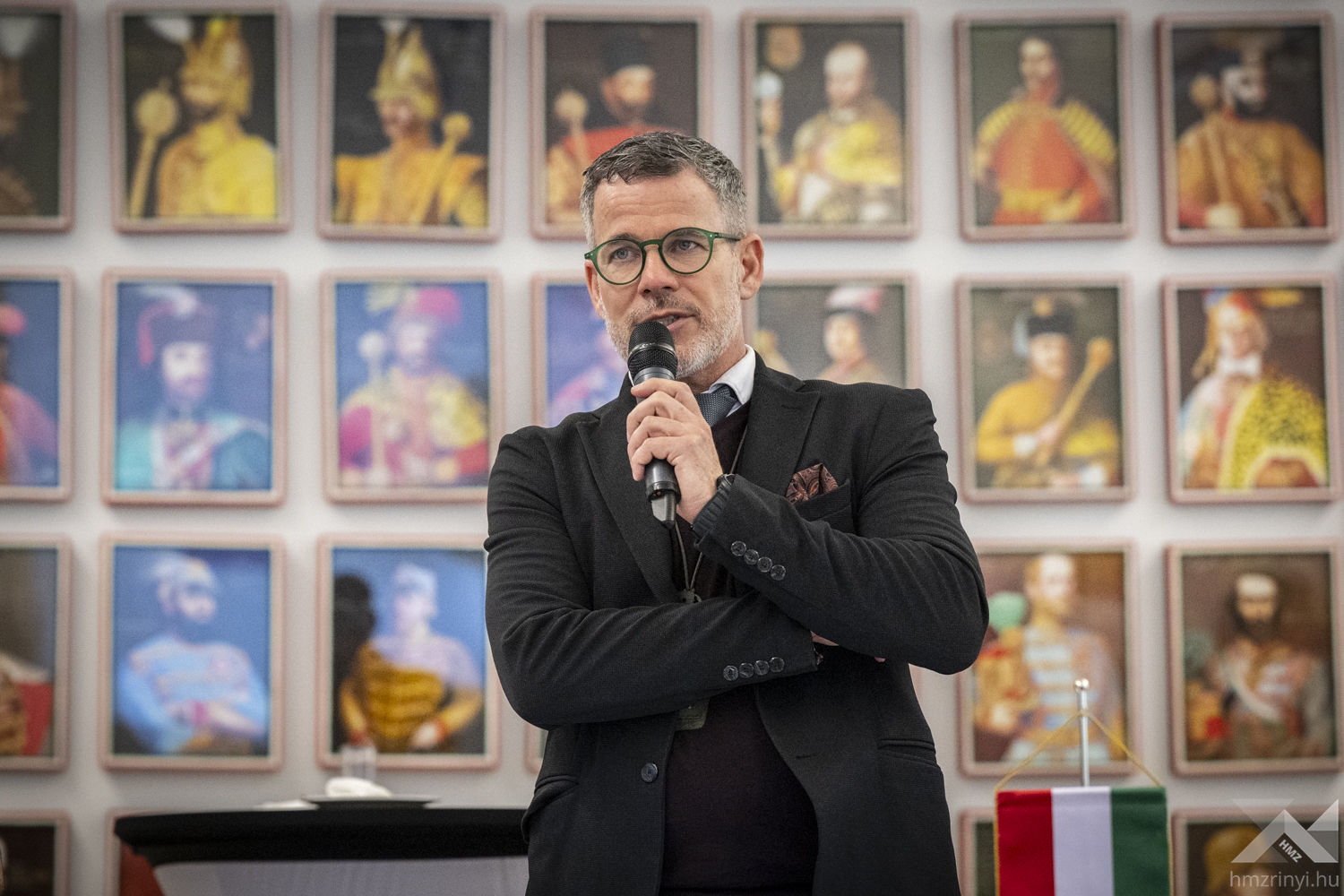
The MARS initiative is aimed at having the member states coordinate their modern simulation solutions used in military training, especially in the field of virtual and extended reality-based systems. In 2025, EDA requested the Defence Innovation Research Institute of Hungary (VIKI), in consideration of the professional results achieved by VIKI in the field of synthetic training capabilities and the level of its ongoing research projects. The chair of the working group is Gergely Kovács, Head of VIKI’s research into Extended Reality/Augmented Reality (XR/AR) simulation solutions.
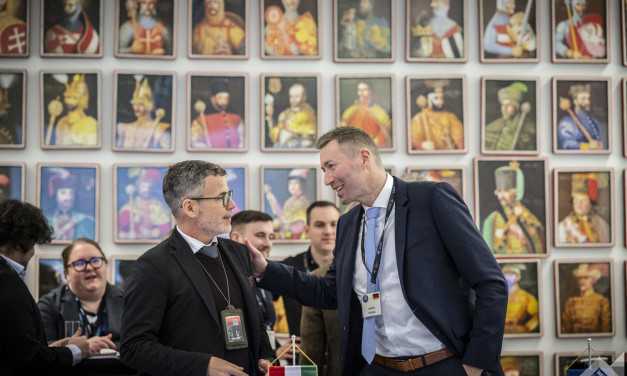
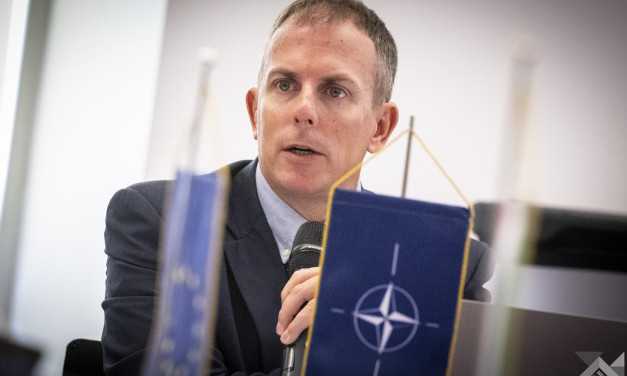
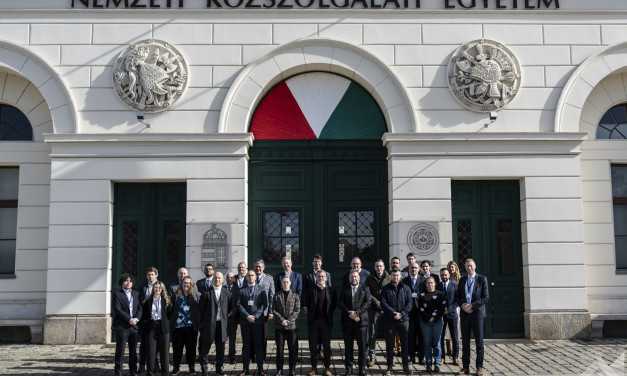
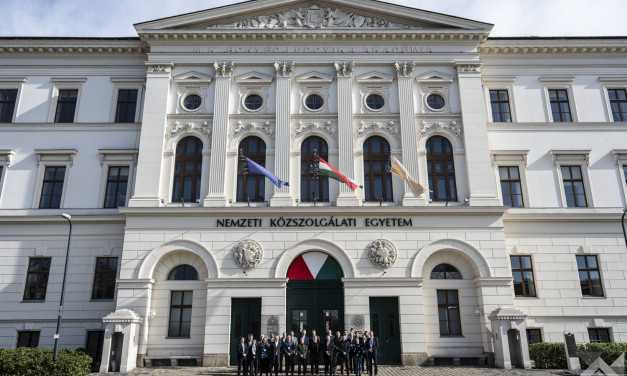
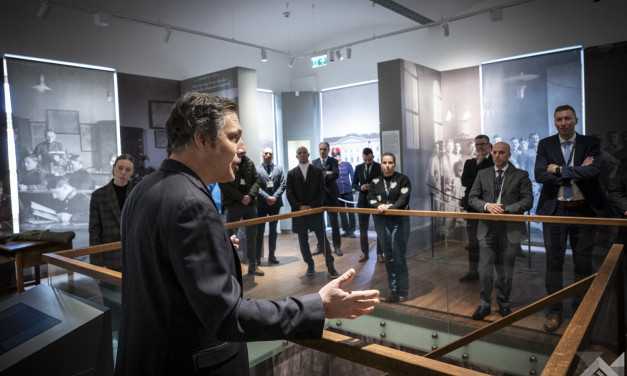
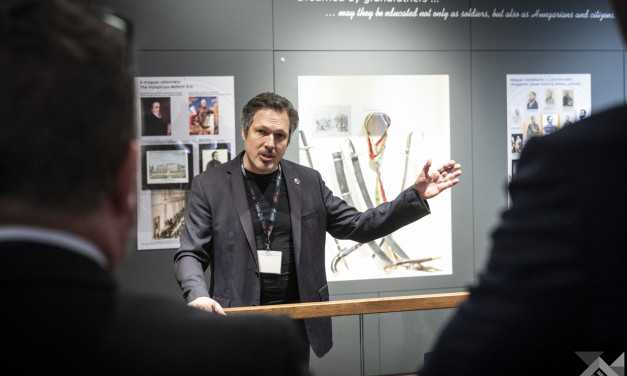
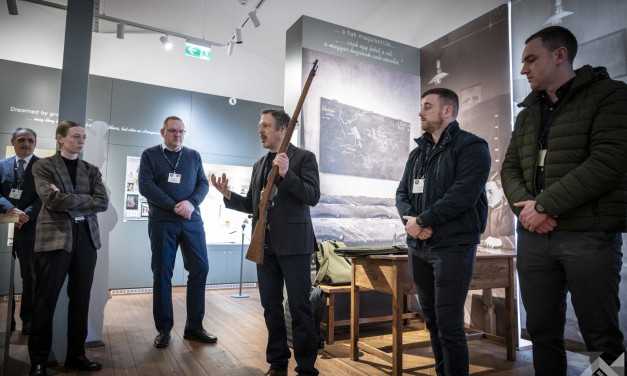
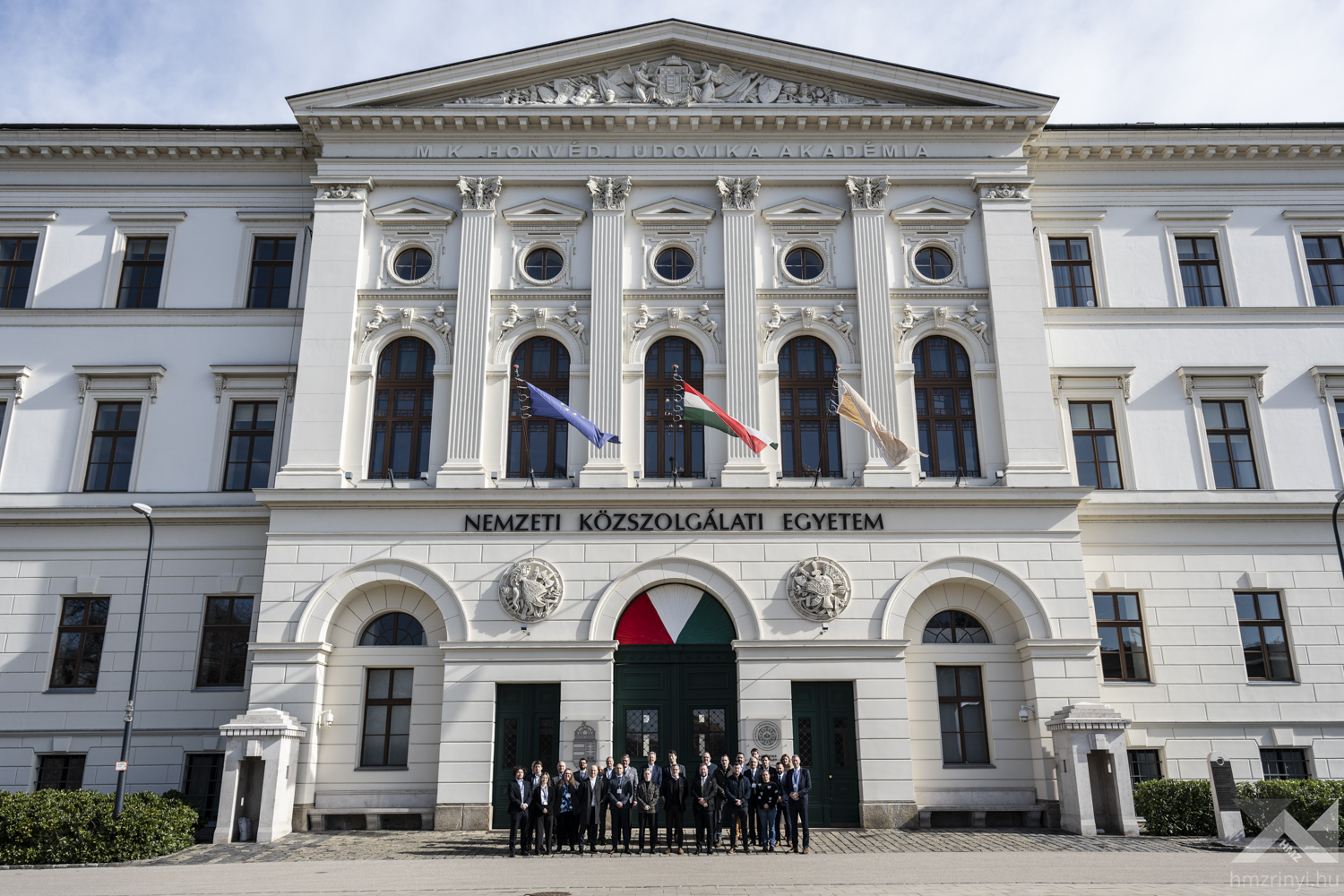
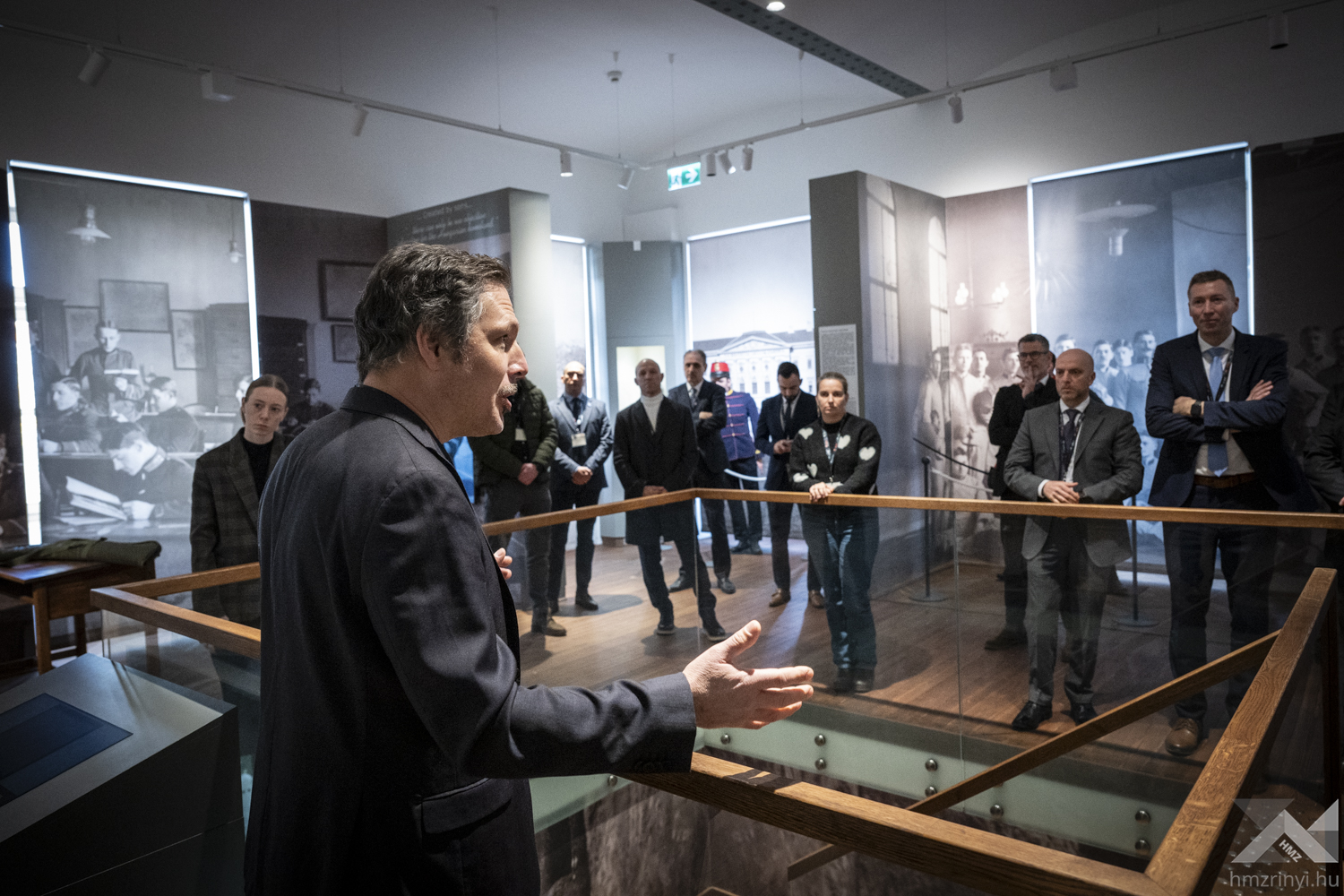
The first day of the event was housed by the Ludovika University of Public Service. The workshop was attended by experts from ten European member states, as well as those of the NATO Modelling and Simulation Centre of Excellence (M&S CoE) and the NATO Center of Excellence for Military Medicine (MILMED CoE). The discussions focused on how the already available cost-effective simulation devices can be better utilized in practice, how they can support the development of Individual Common Core Skills (ICCS) and how to share the lessons learned by member states in this context. One main direction of joint thinking is the strengthening of interoperability, that is, ensuring that systems with different focus at different stages of development can work together and may form the basis of joint European development projects and procurement procedures in the long run.
The purpose of modern simulation technologies is not to replace but rather to complement traditional training. They provide soldiers with the opportunity to practice their basic tasks in a repeatable way with measurable performance in a safe and controlled environment. Besides, they can also contribute to accelerating the training of large numbers of personnel in emergencies in a more organized manner. The Budapest meeting has been an important step in the process aimed at strengthening professional cooperation among member states and making coordinate use of modern simulation solutions in military training.
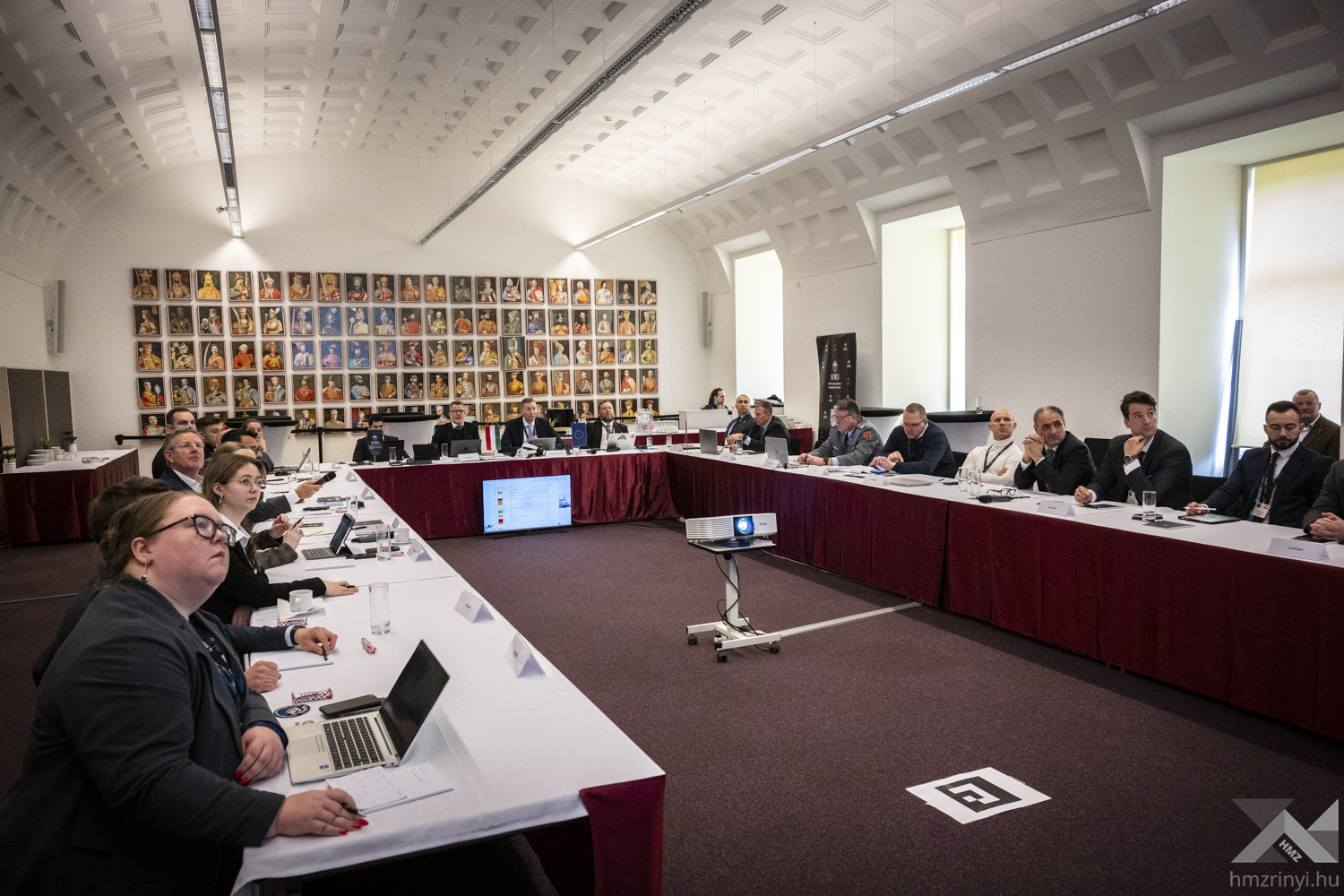
KT20260225viki konferencia1
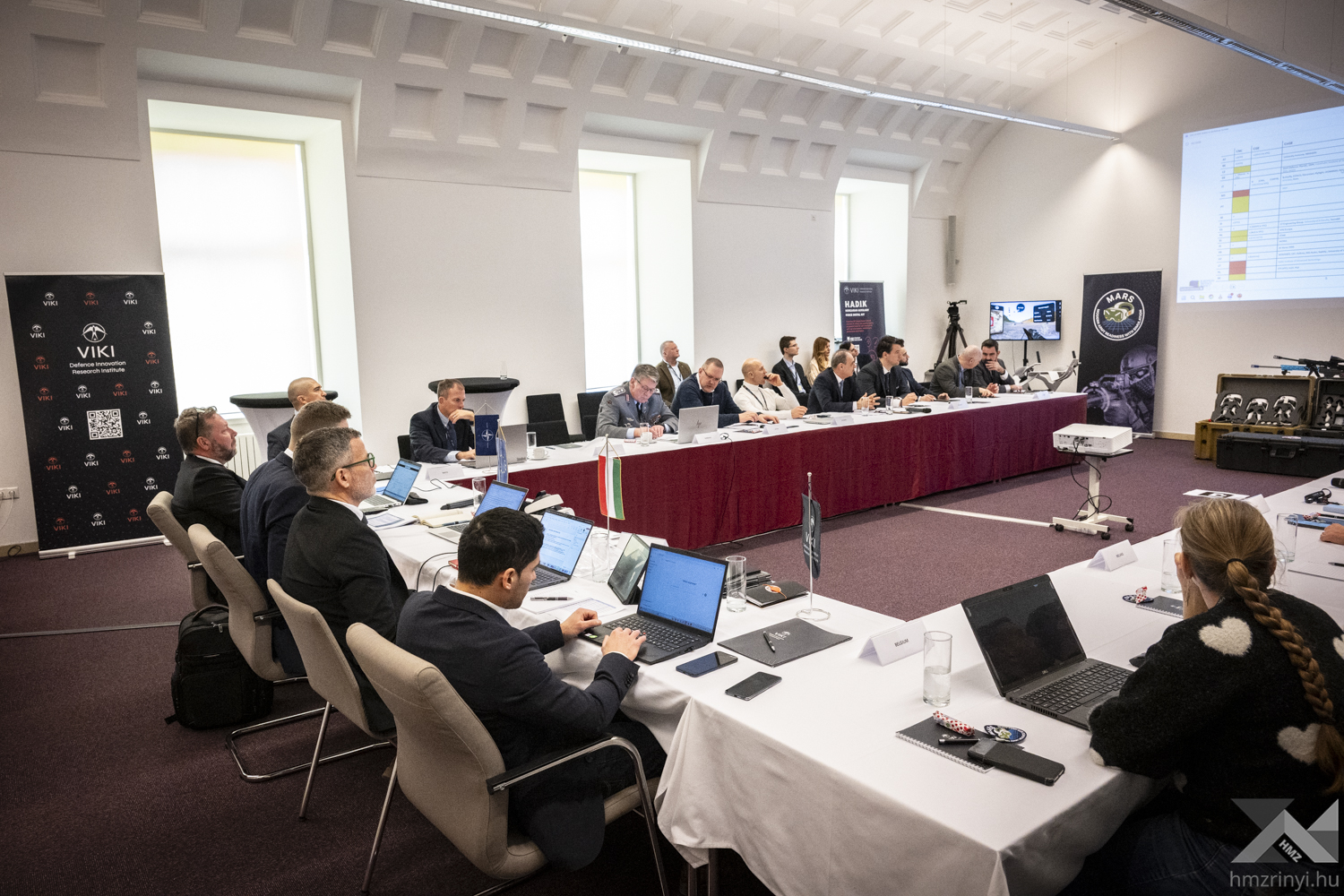
KT20260225viki konferencia2
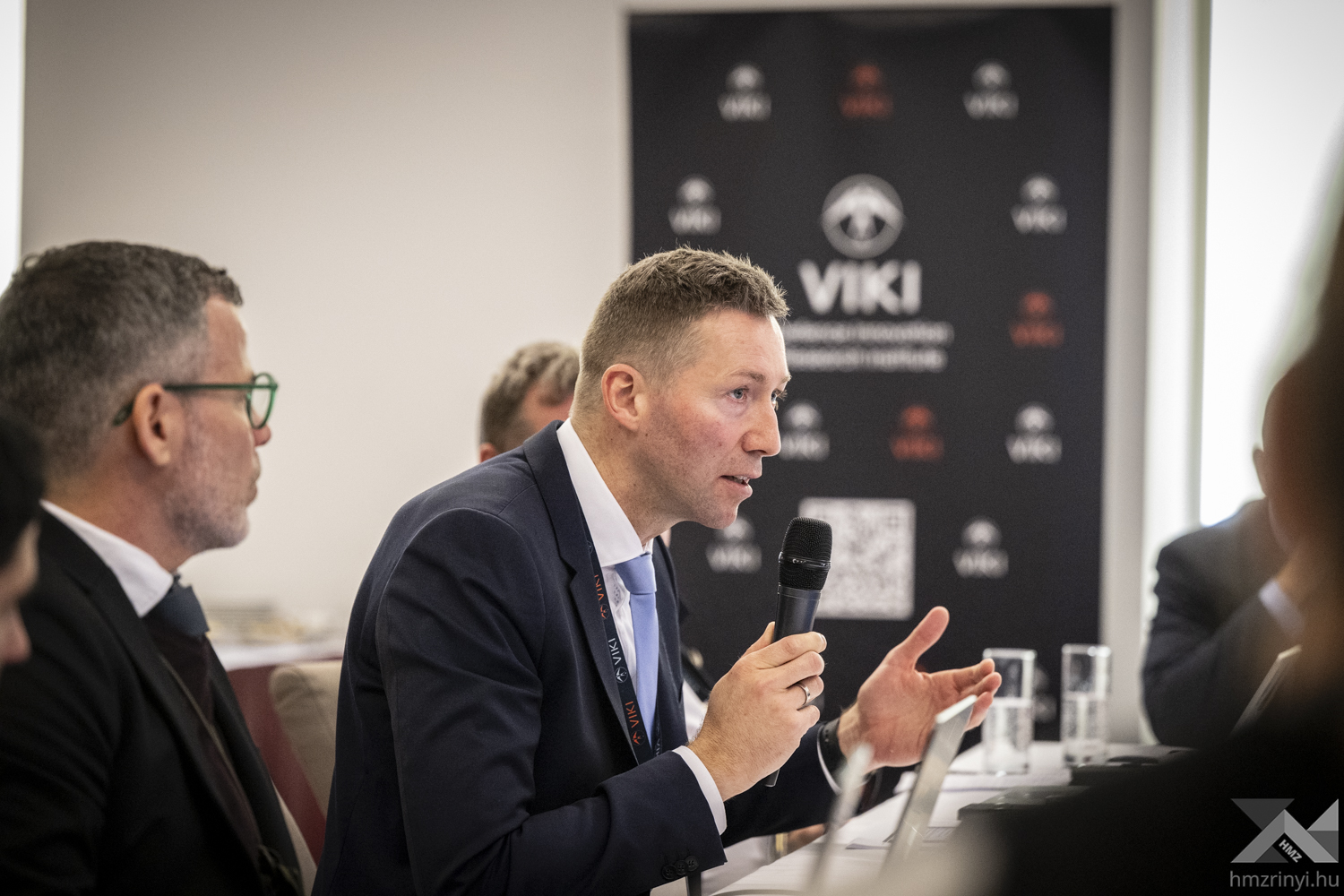
KT20260225viki konferencia3
KT20260225viki konferencia4
KT20260225viki konferencia5
KT20260225viki konferencia6
KT20260225viki konferencia7
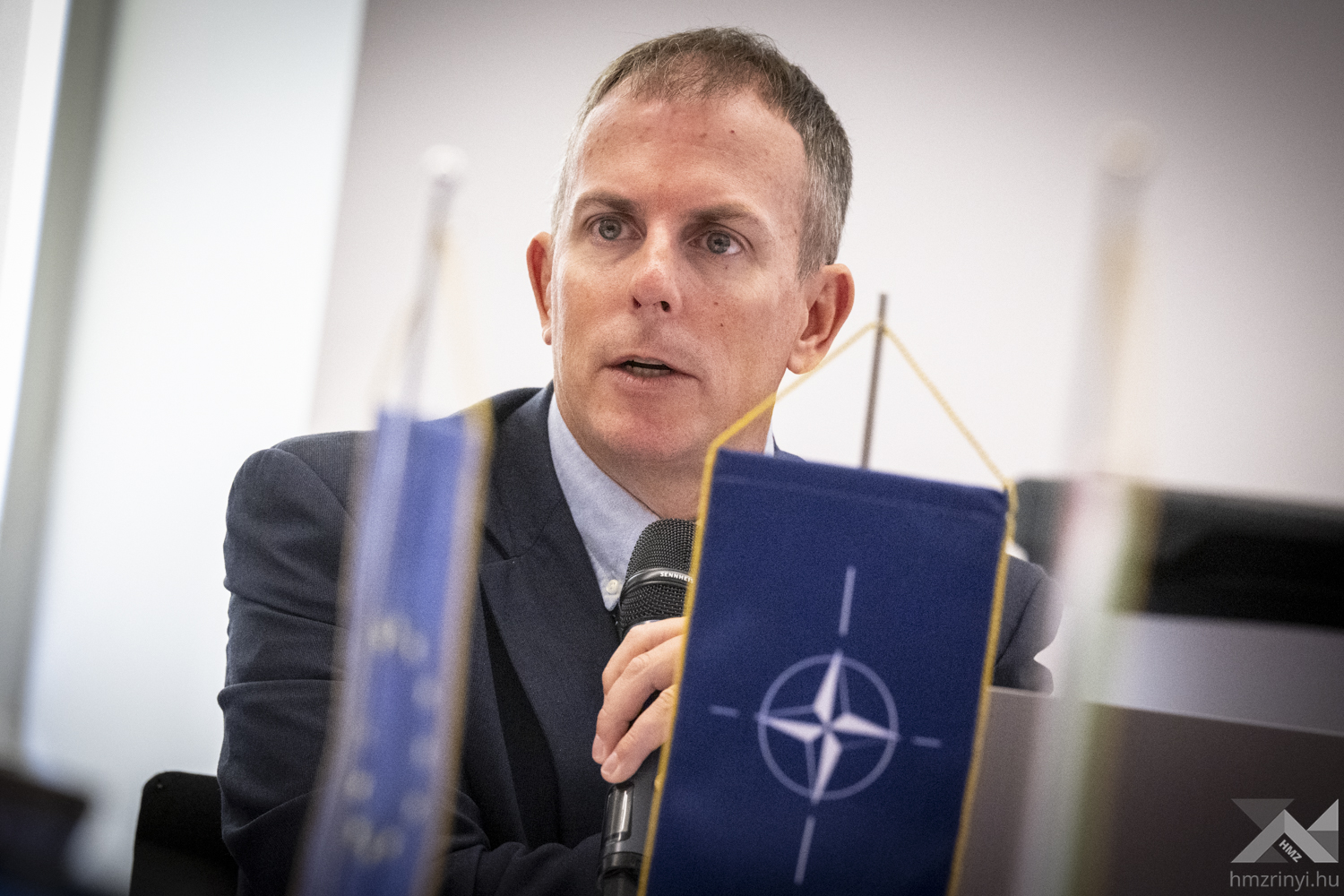
KT20260225viki konferencia9
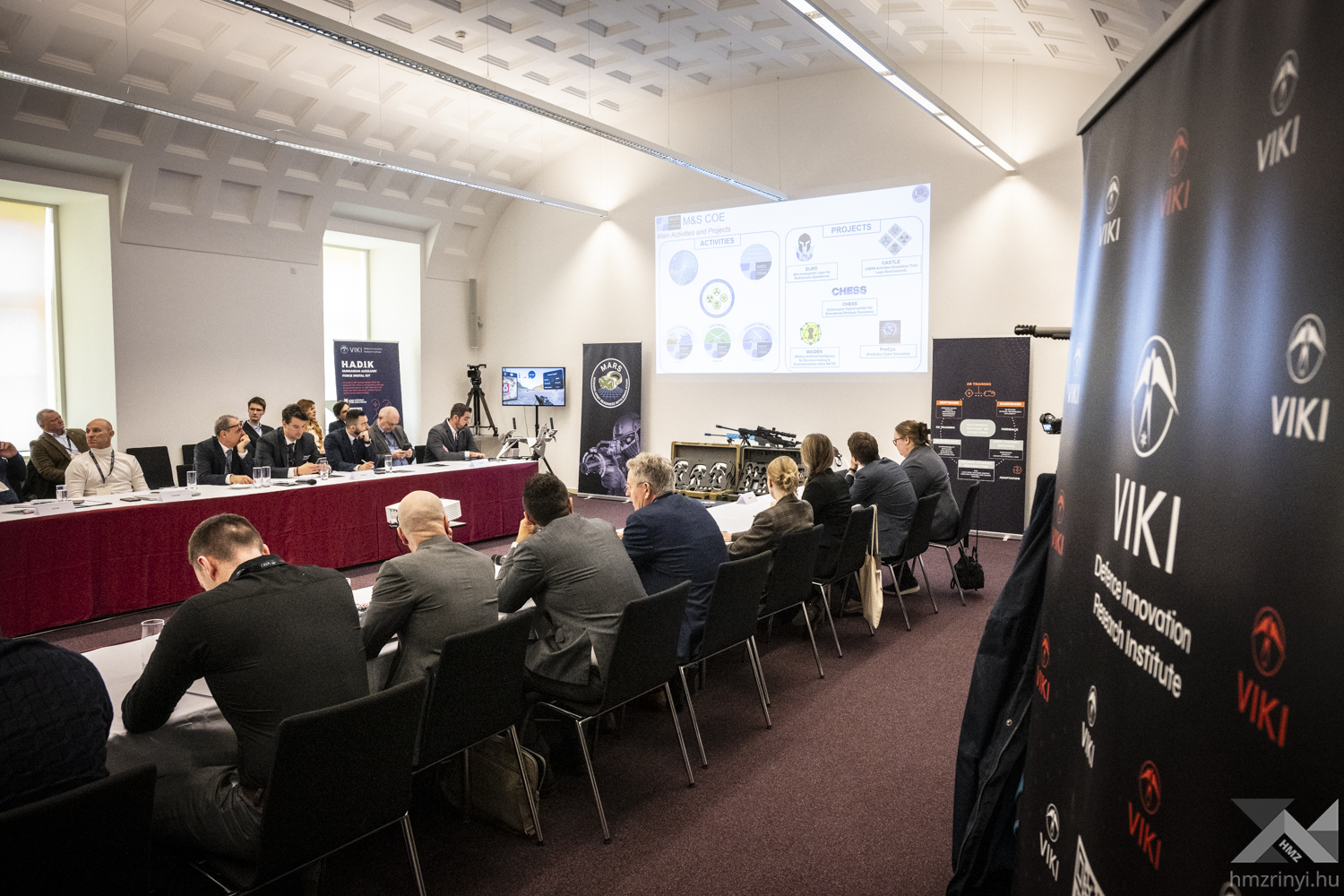
KT20260225viki konferencia10
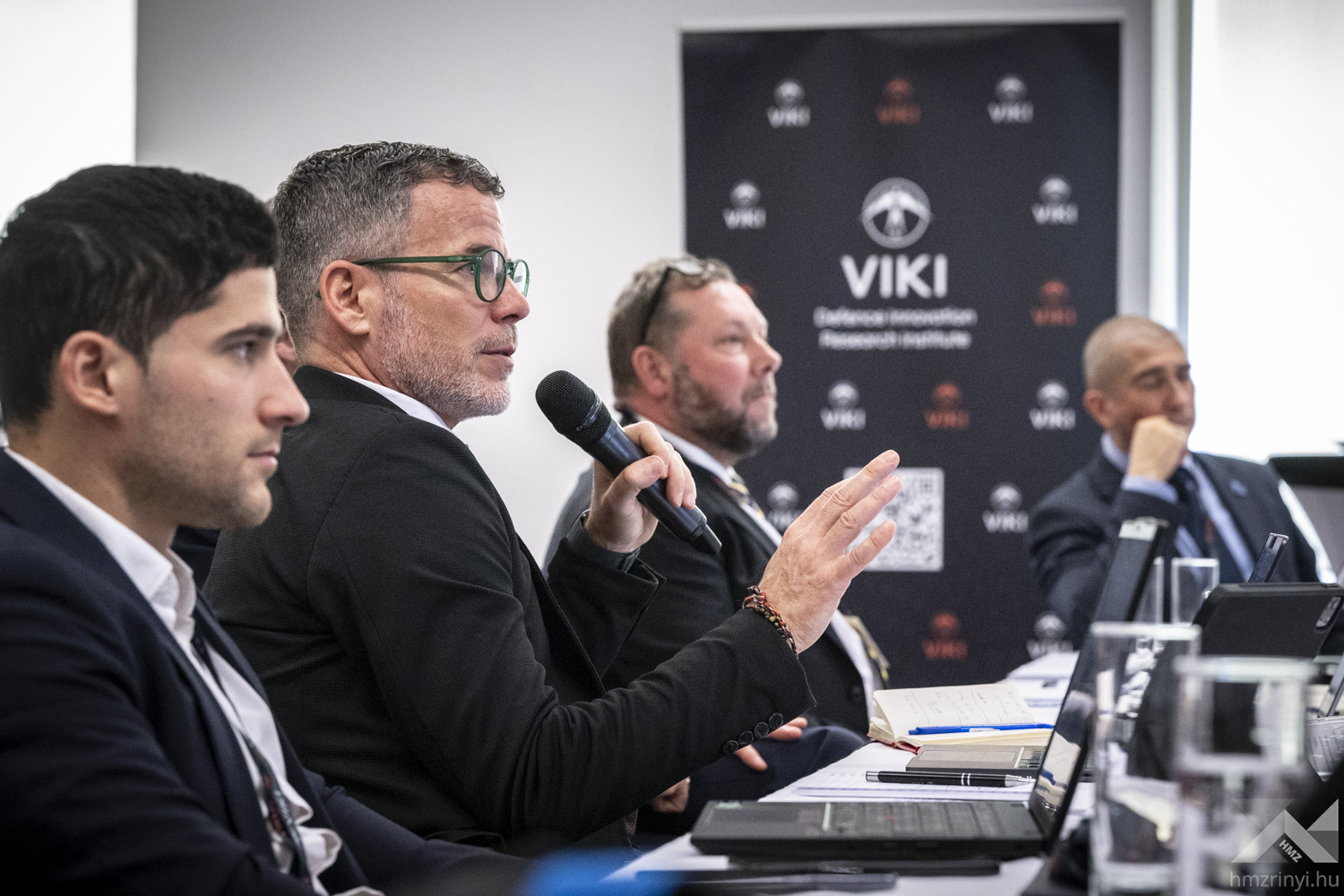
KT20260225viki konferencia11
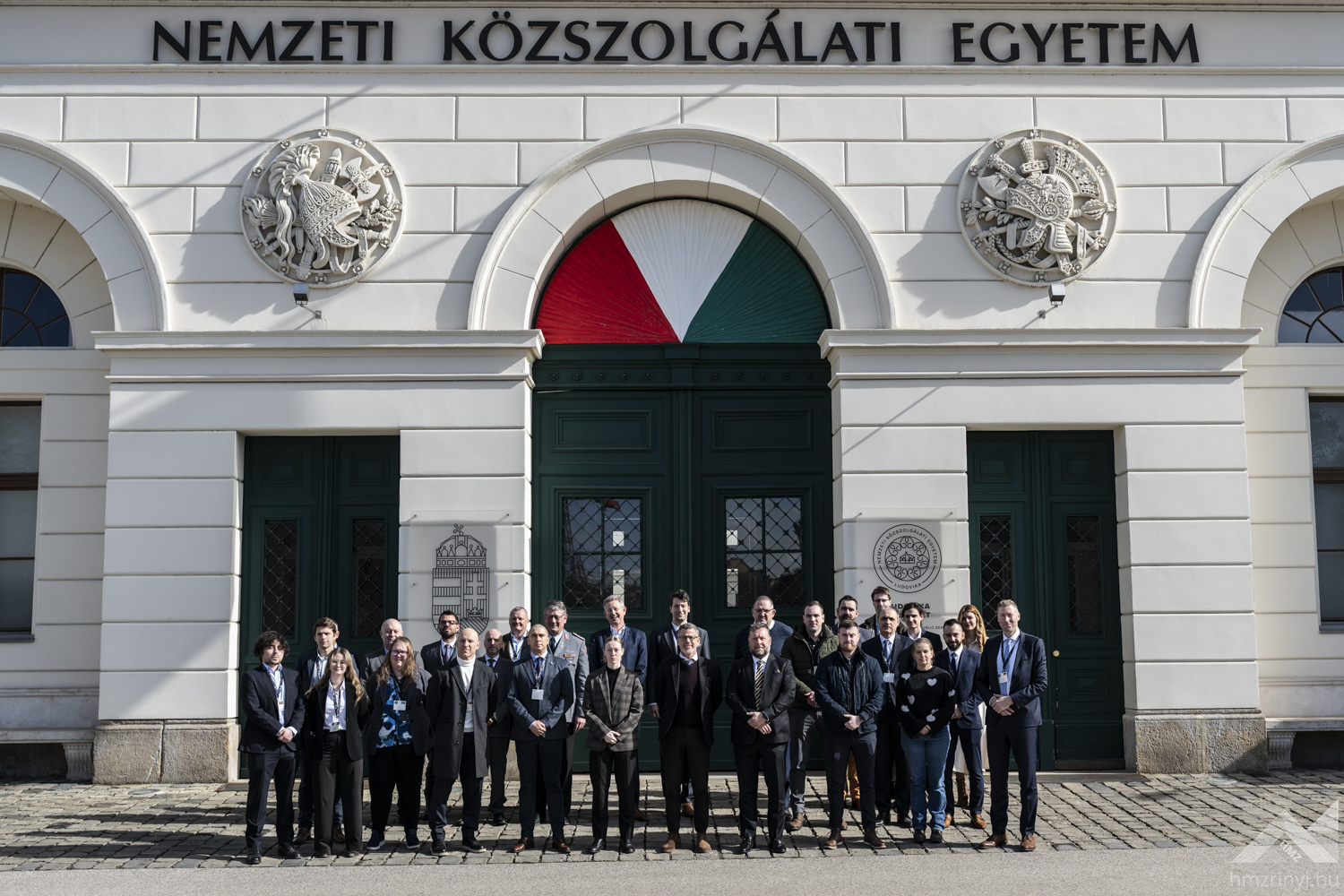
KT20260225viki konferencia13
KT20260225viki konferencia14
KT20260225viki konferencia17
KT20260225viki konferencia19
KT20260225viki konferencia20
KT20260225viki konferencia21
KT20260225viki konferencia24