Hungarian Cadet Successes
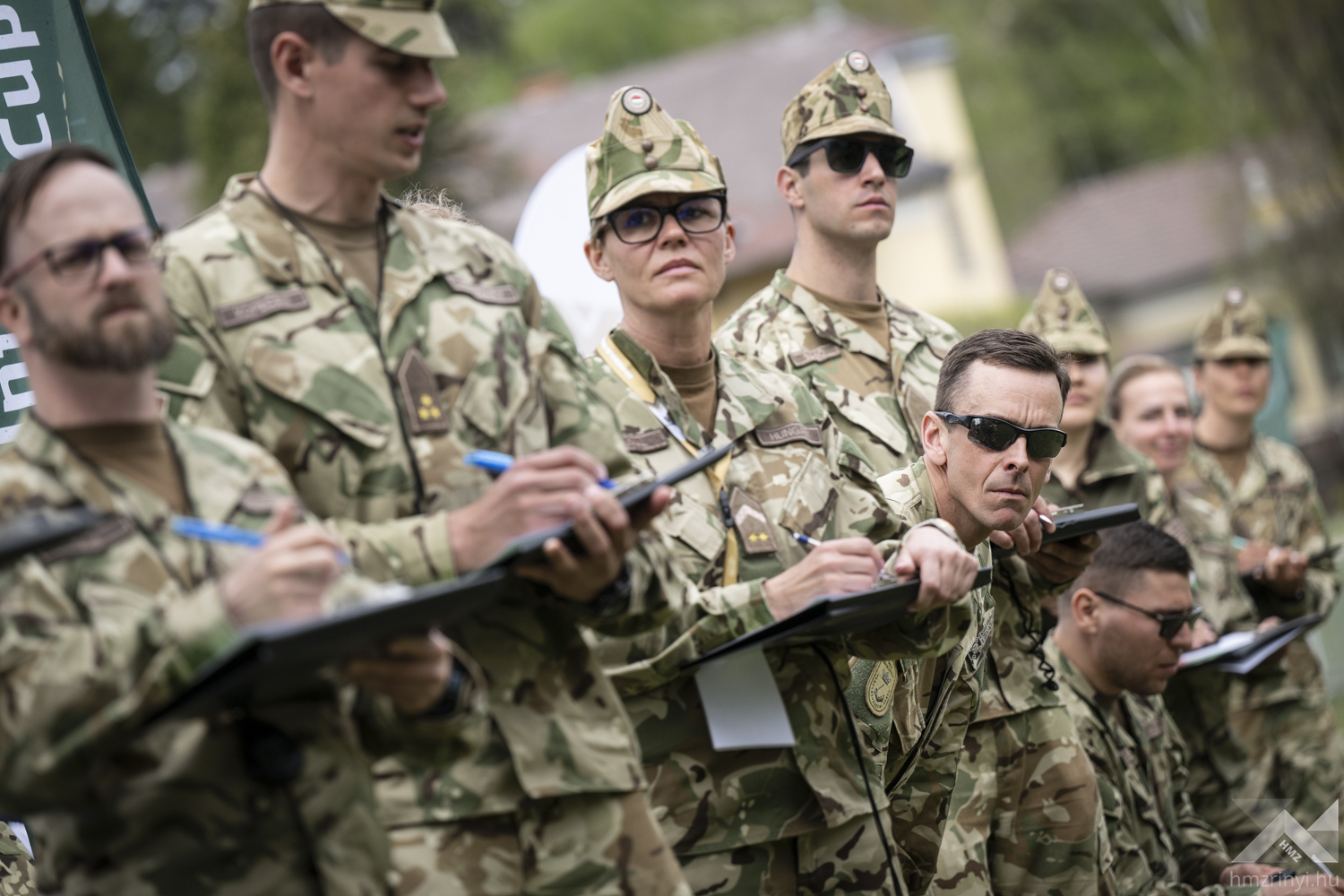
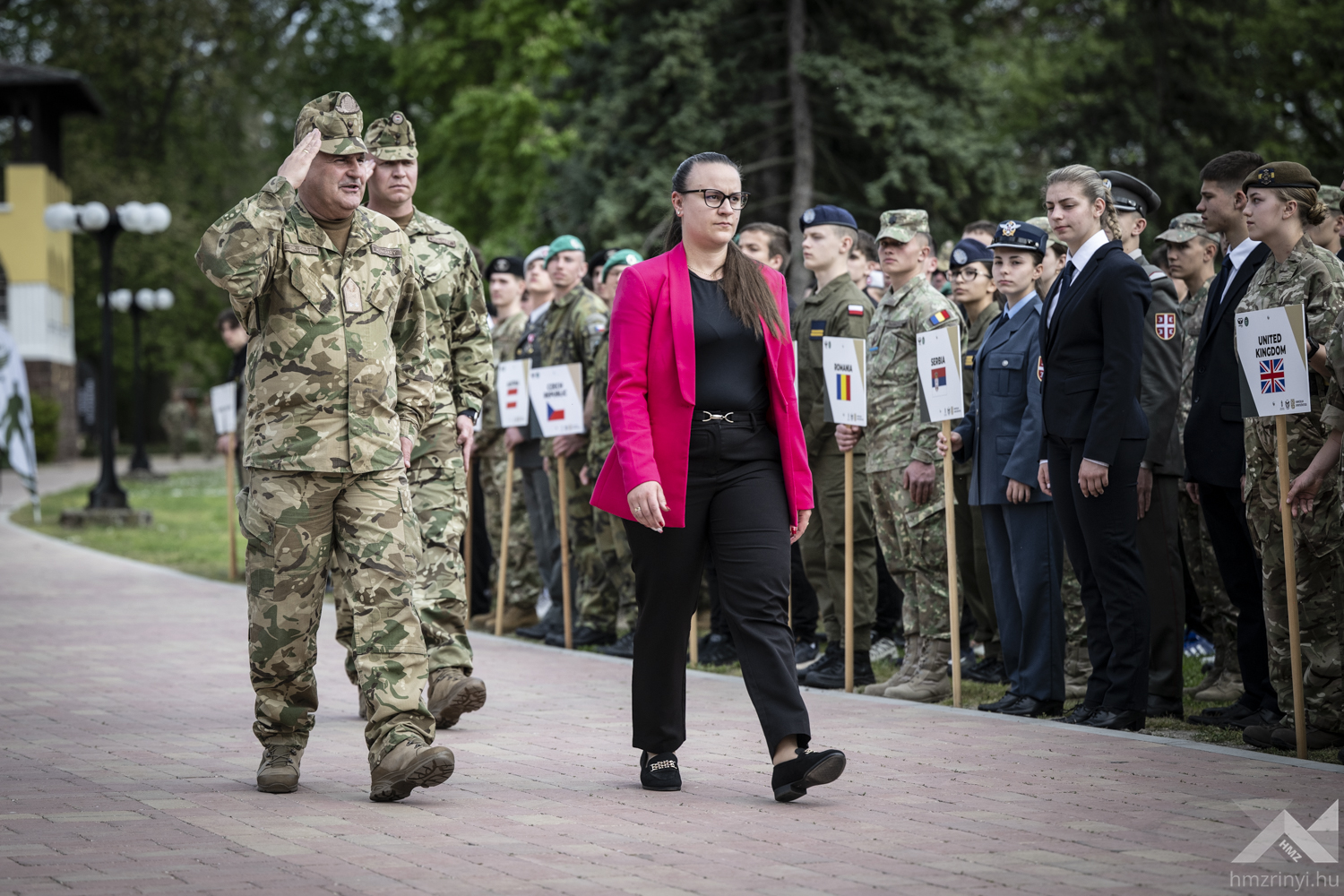
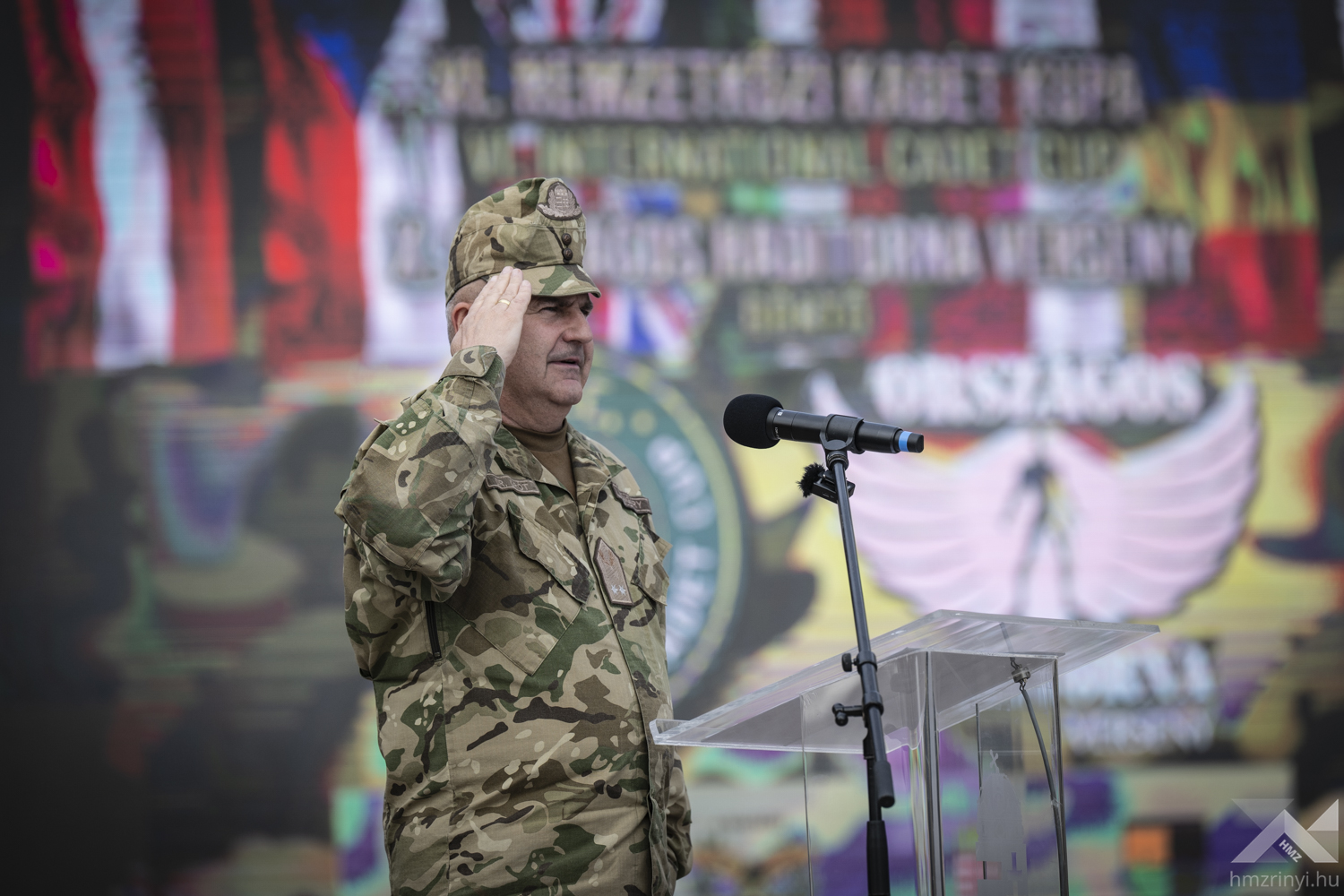
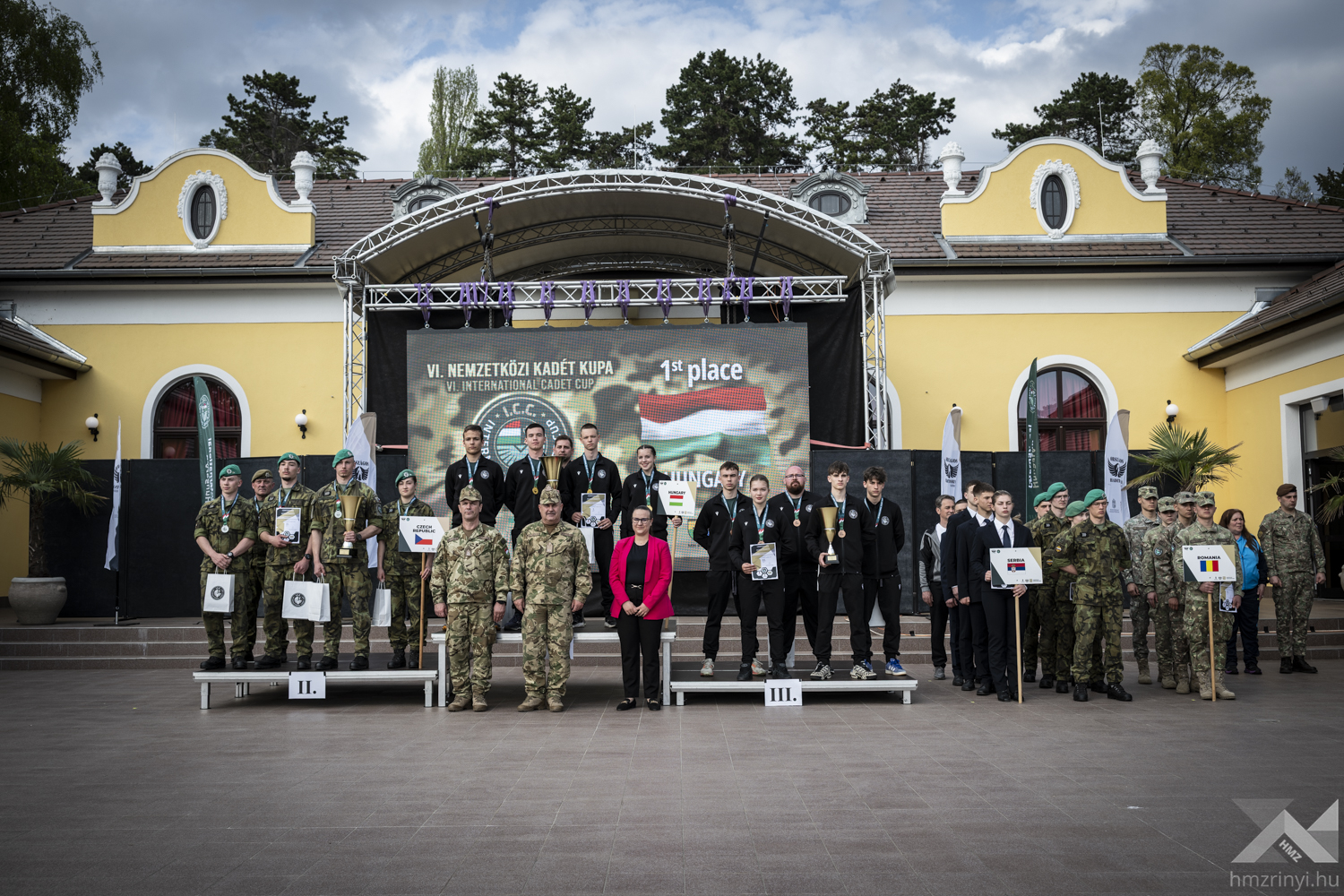
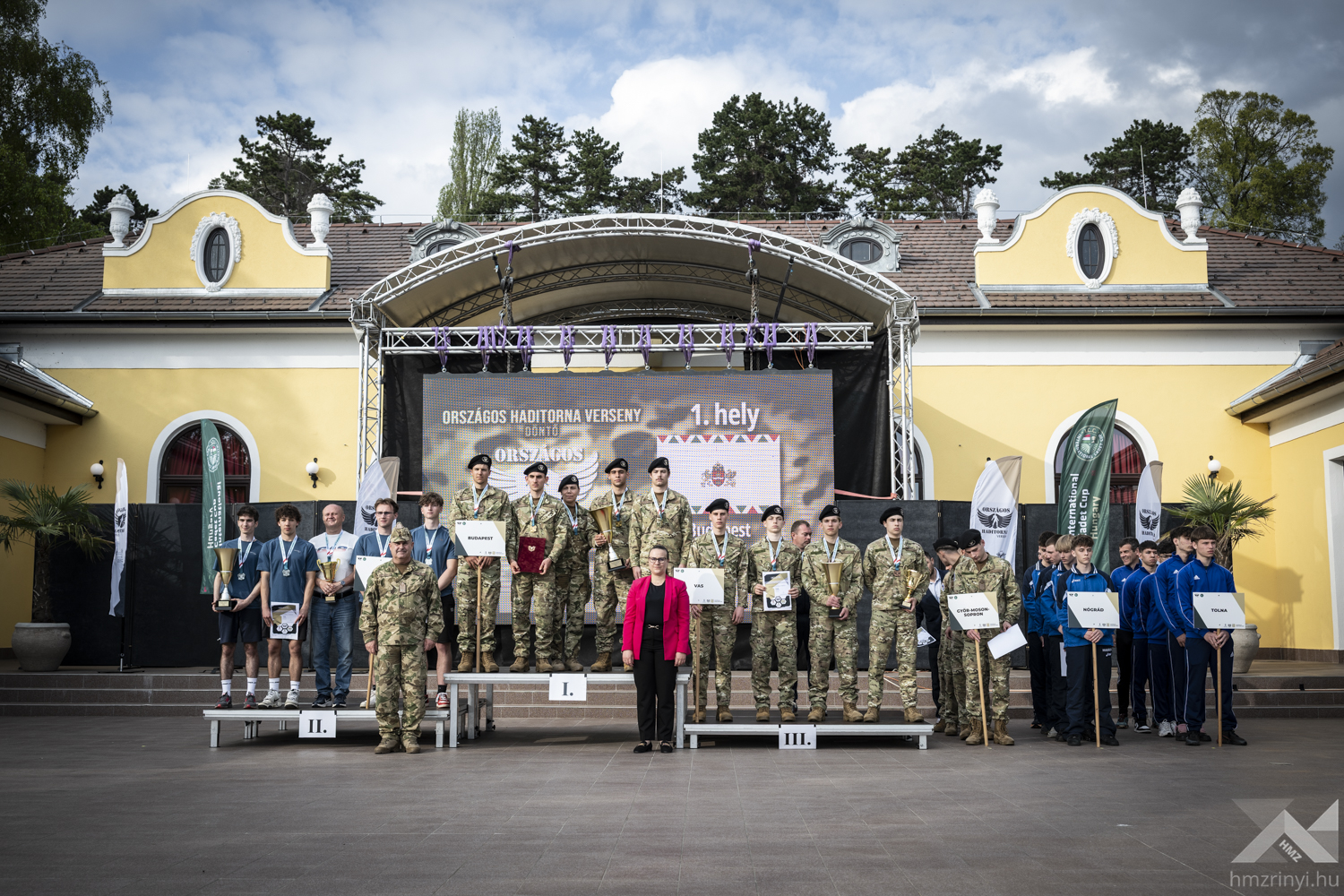
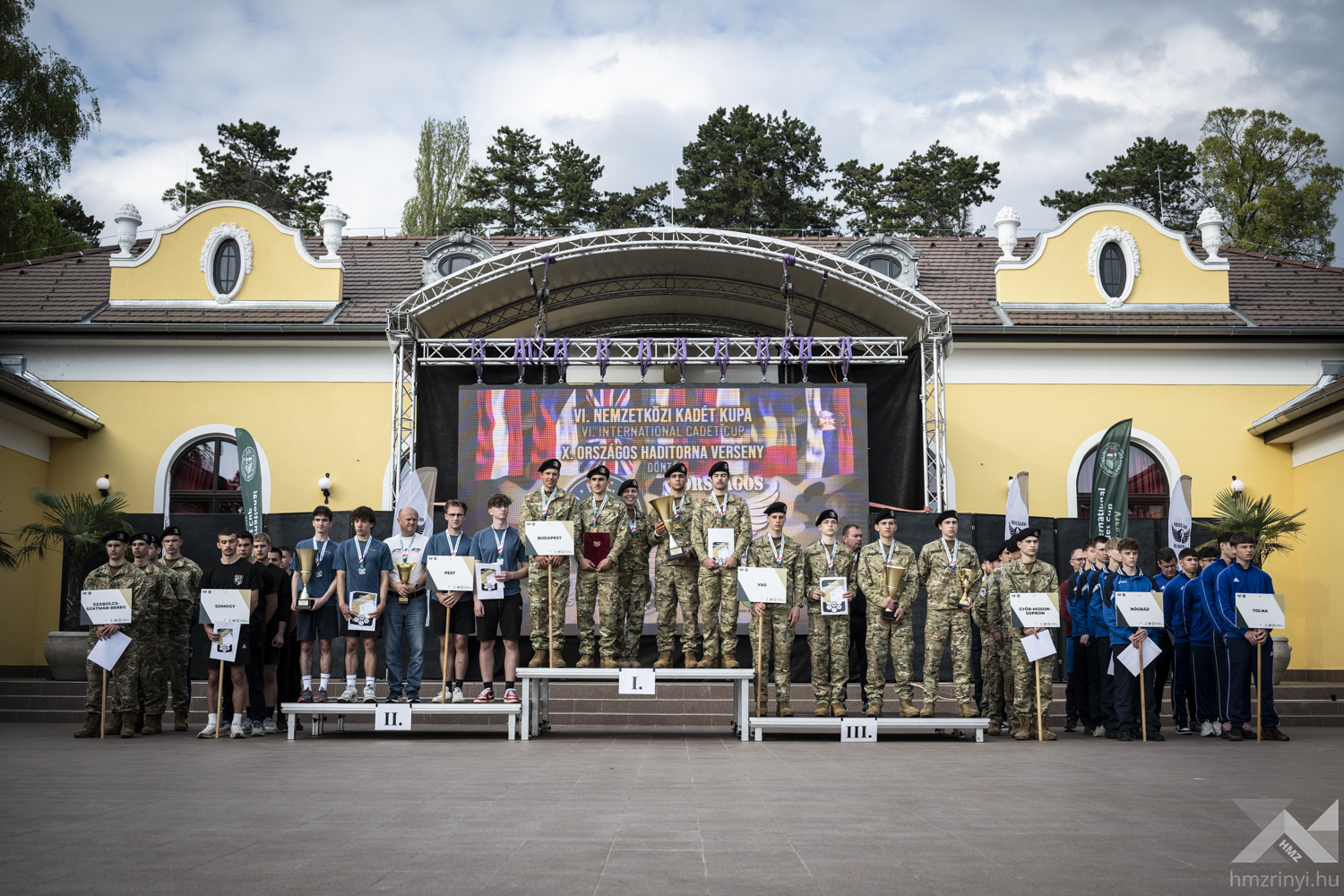
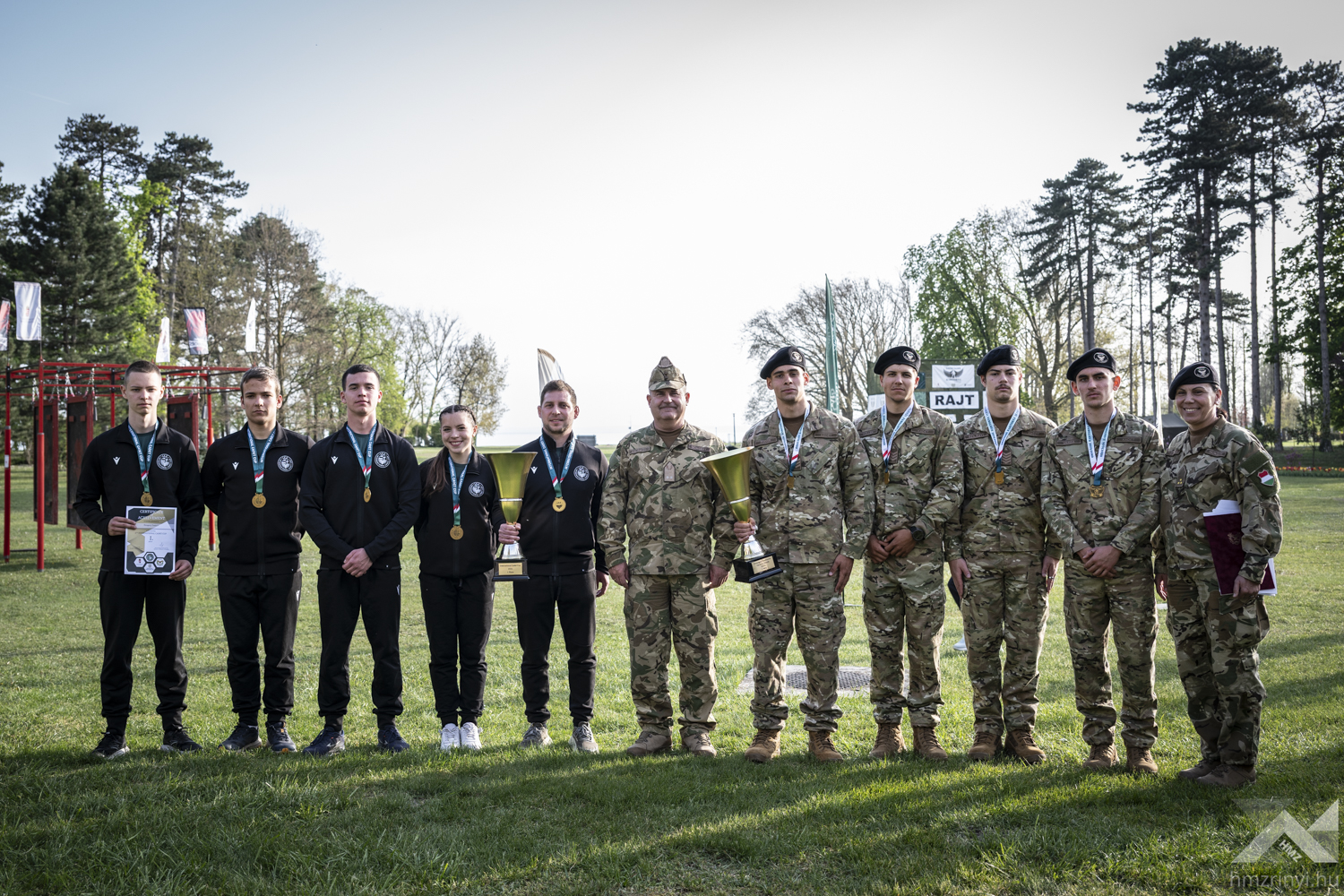
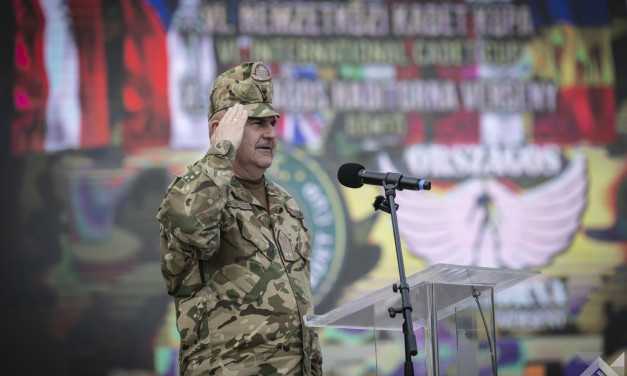
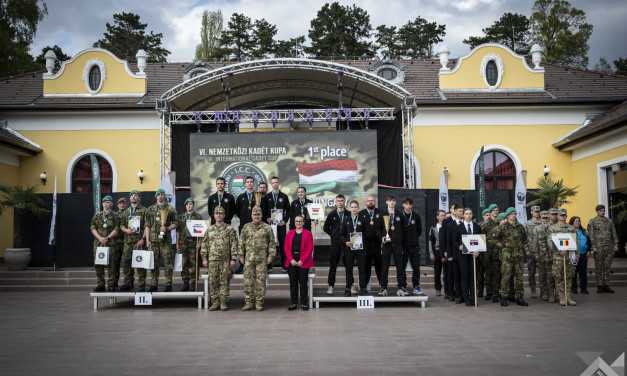
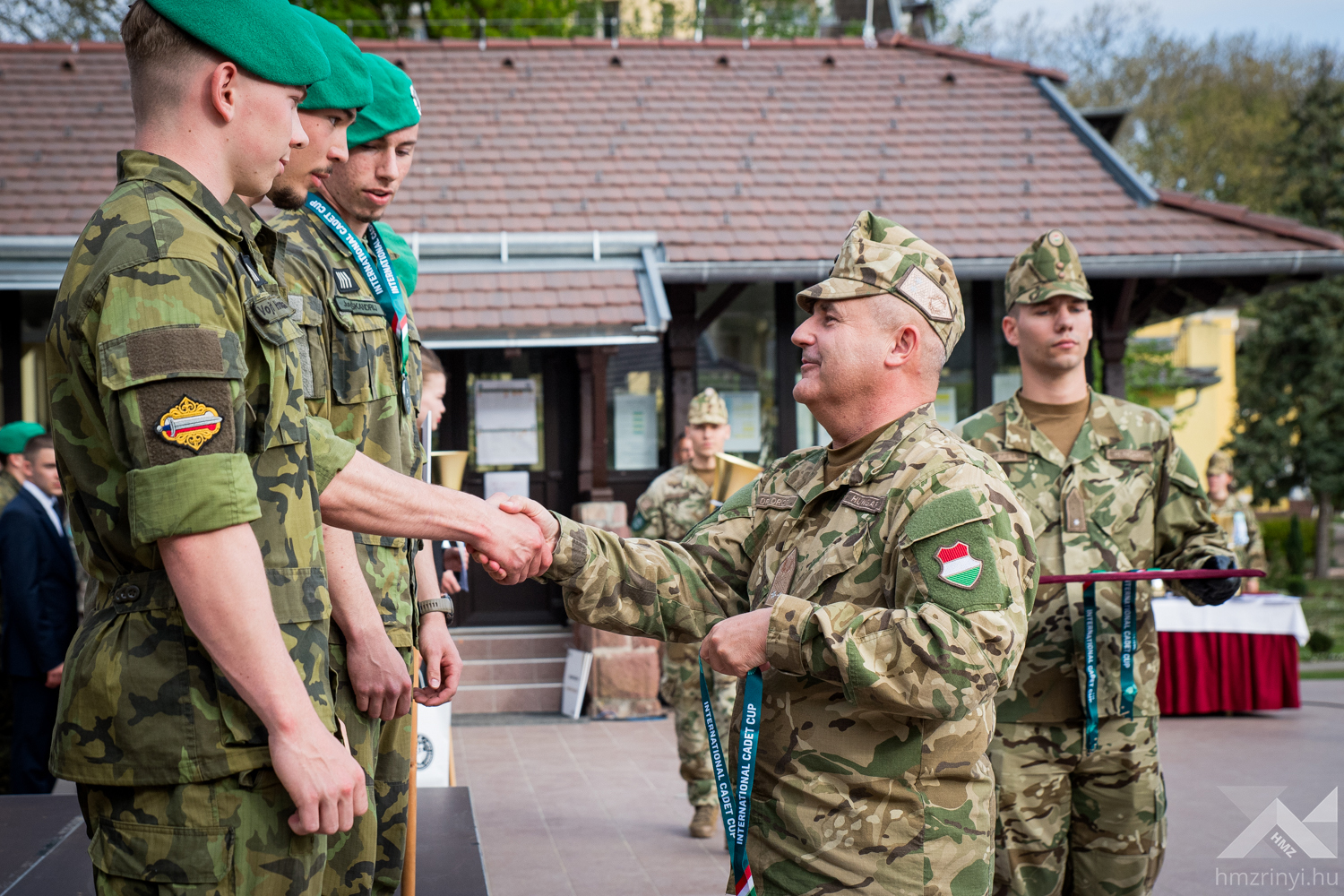
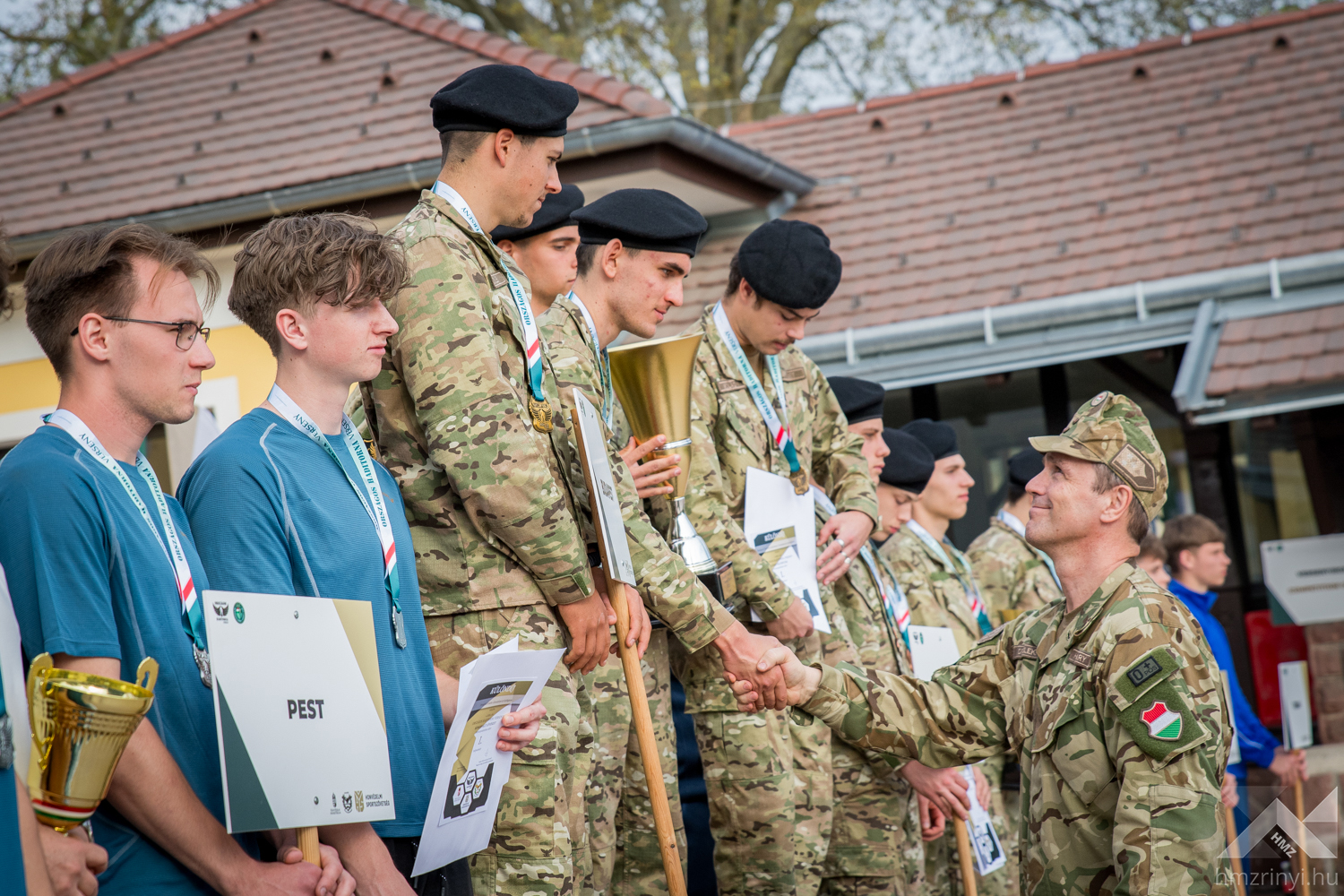
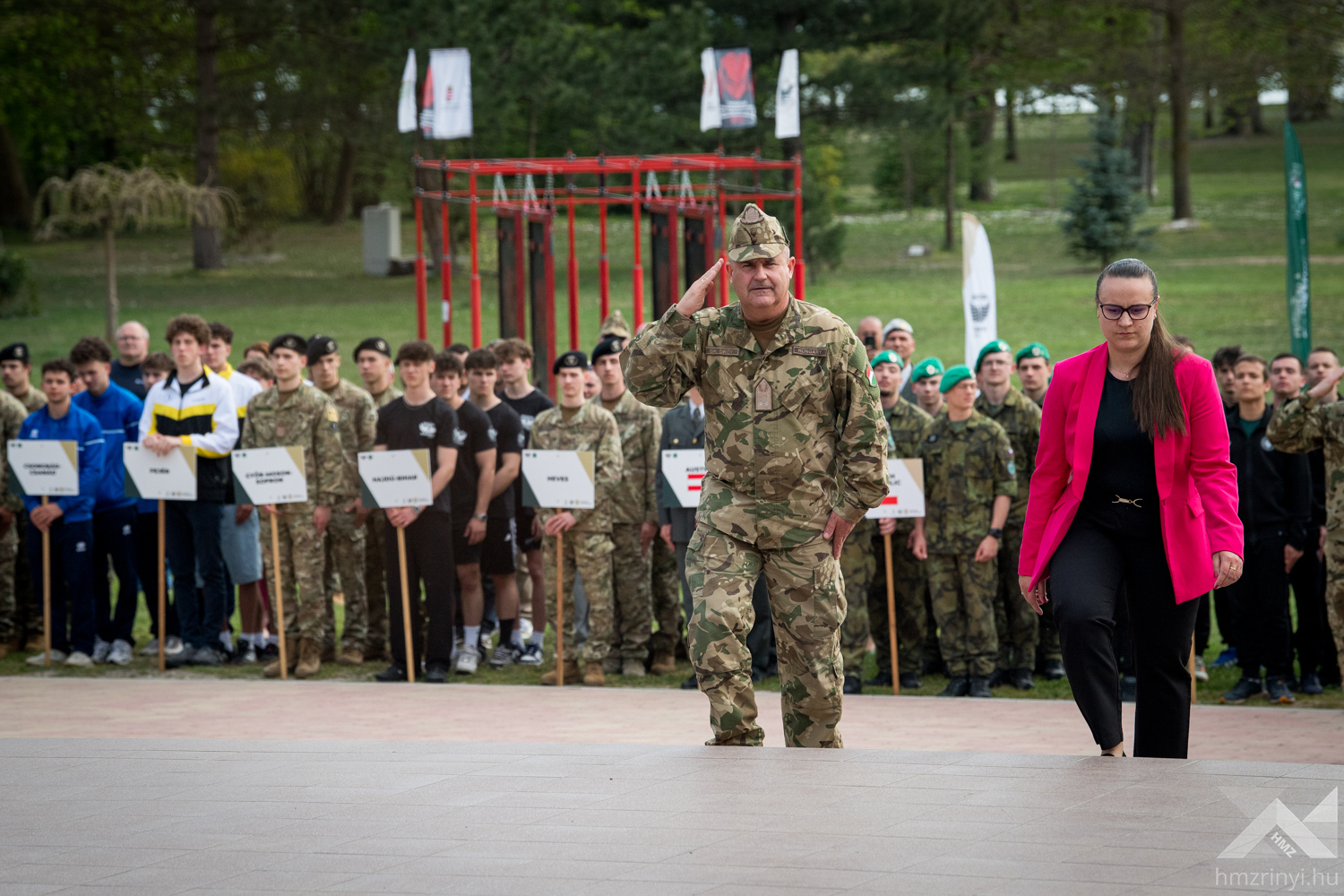
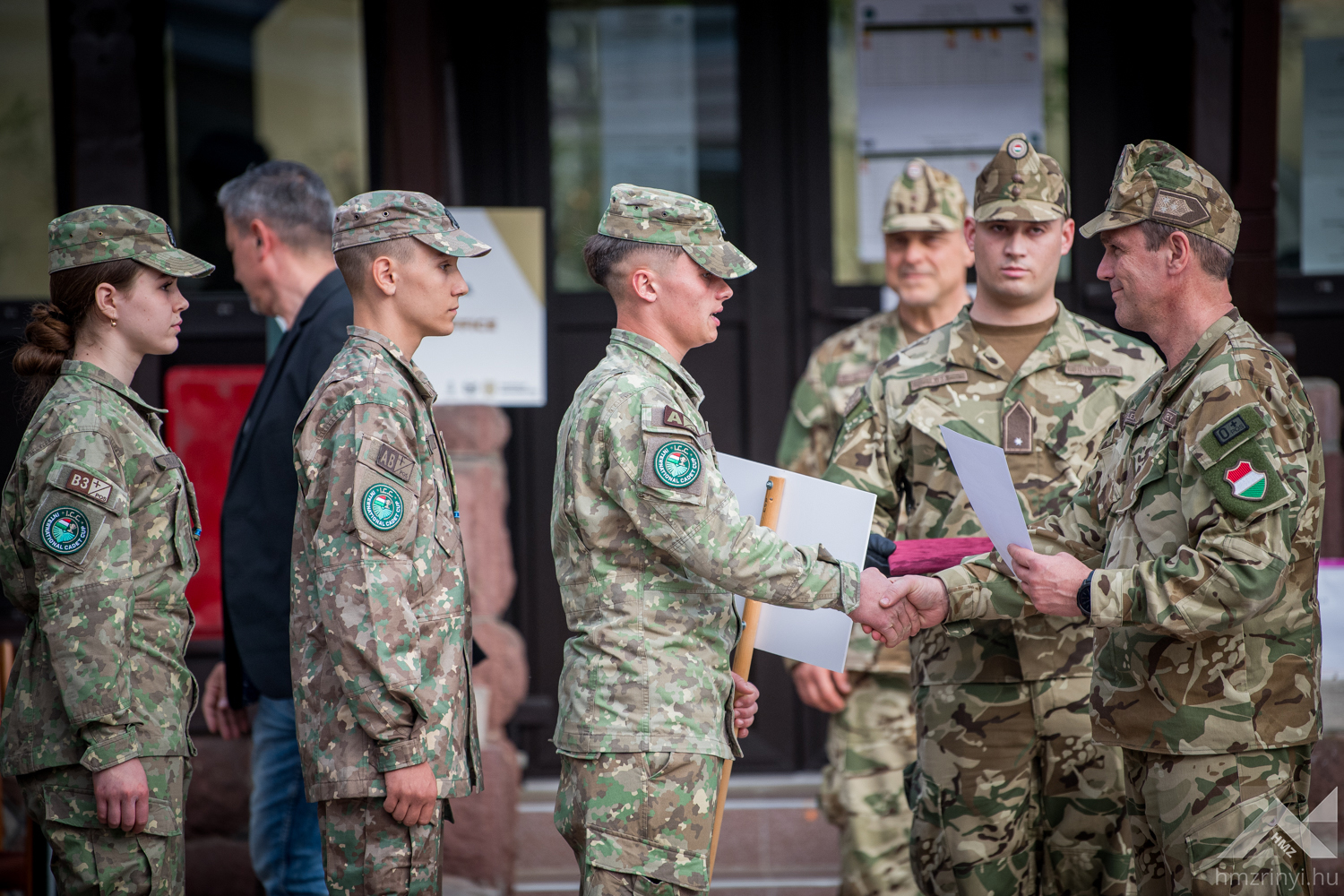
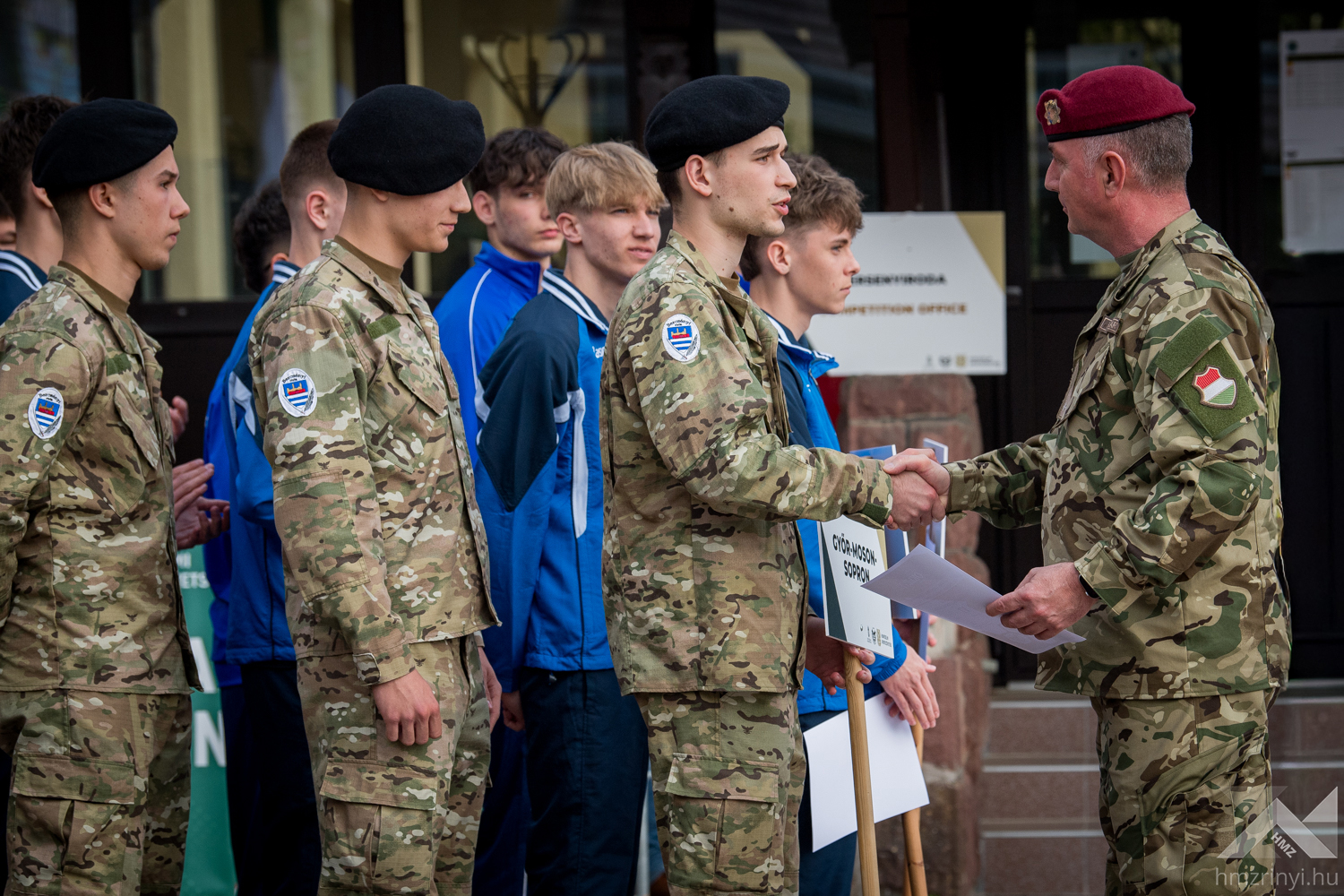
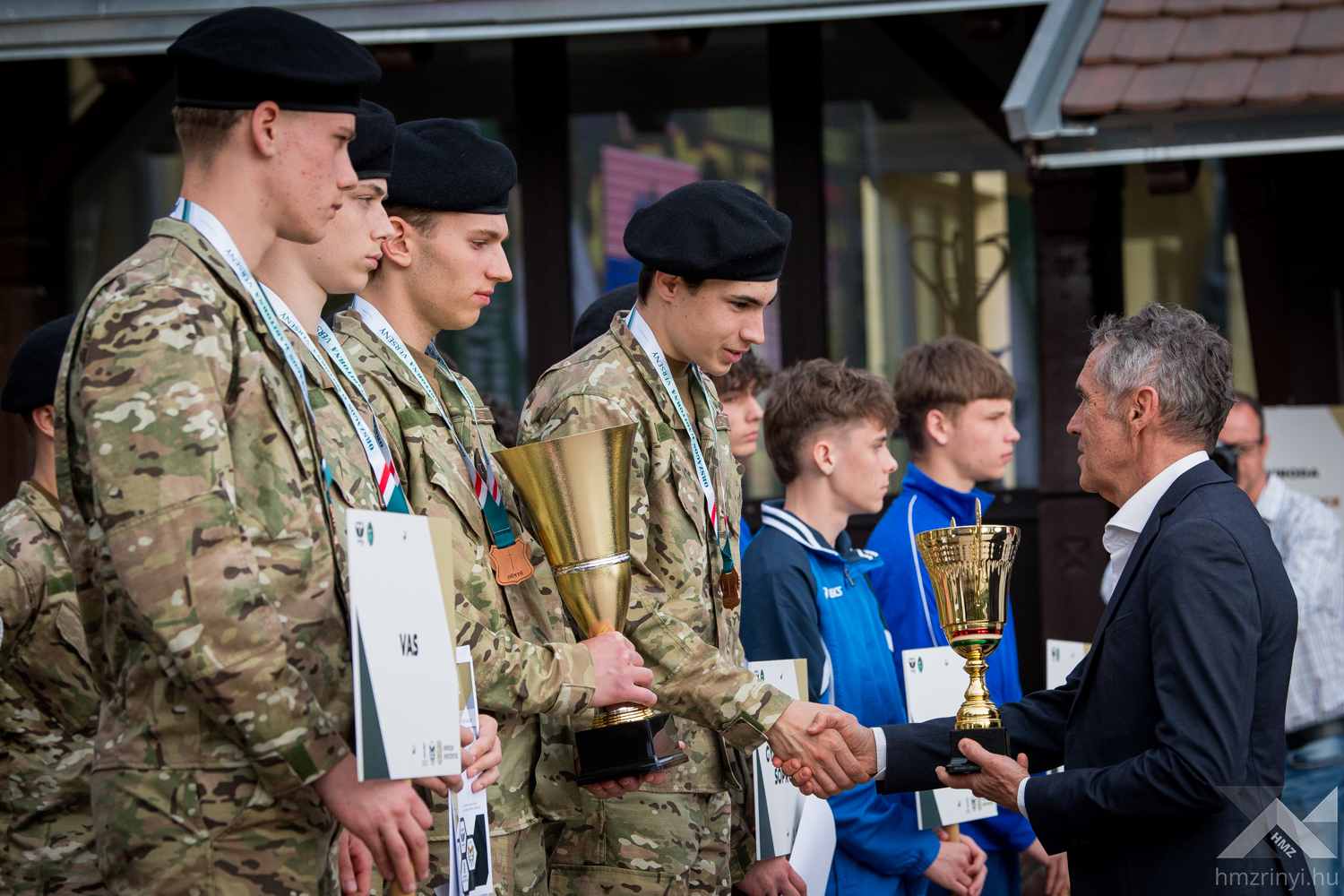
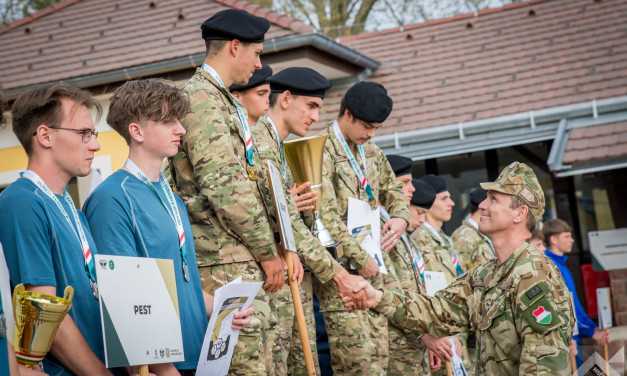
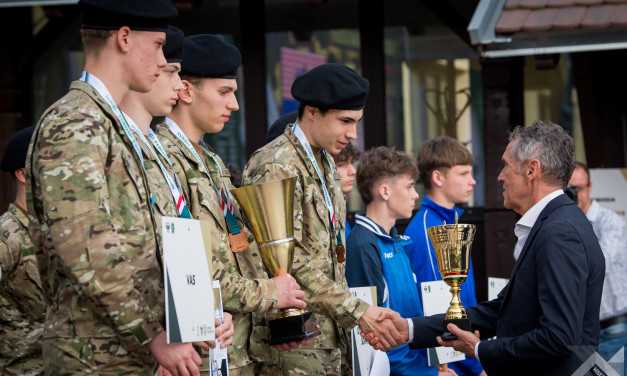
Text: Marcell Burillák | Photo: Franciska Veres, Tamás Kovács | 13:45 April 17, 2026“This is an event where secondary school students can demonstrate how well prepared they are,” said Major General Dr. László Drót about the competitors of the 10th National Military Tournament Competition (NMTC) and the 6th International Cadet Cup (ICC). The Commander of the Hungarian Defence Forces Territorial Defence and Military Augmentation Command presented the awards to the podium finishers on 15 April in Balatonakarattya.

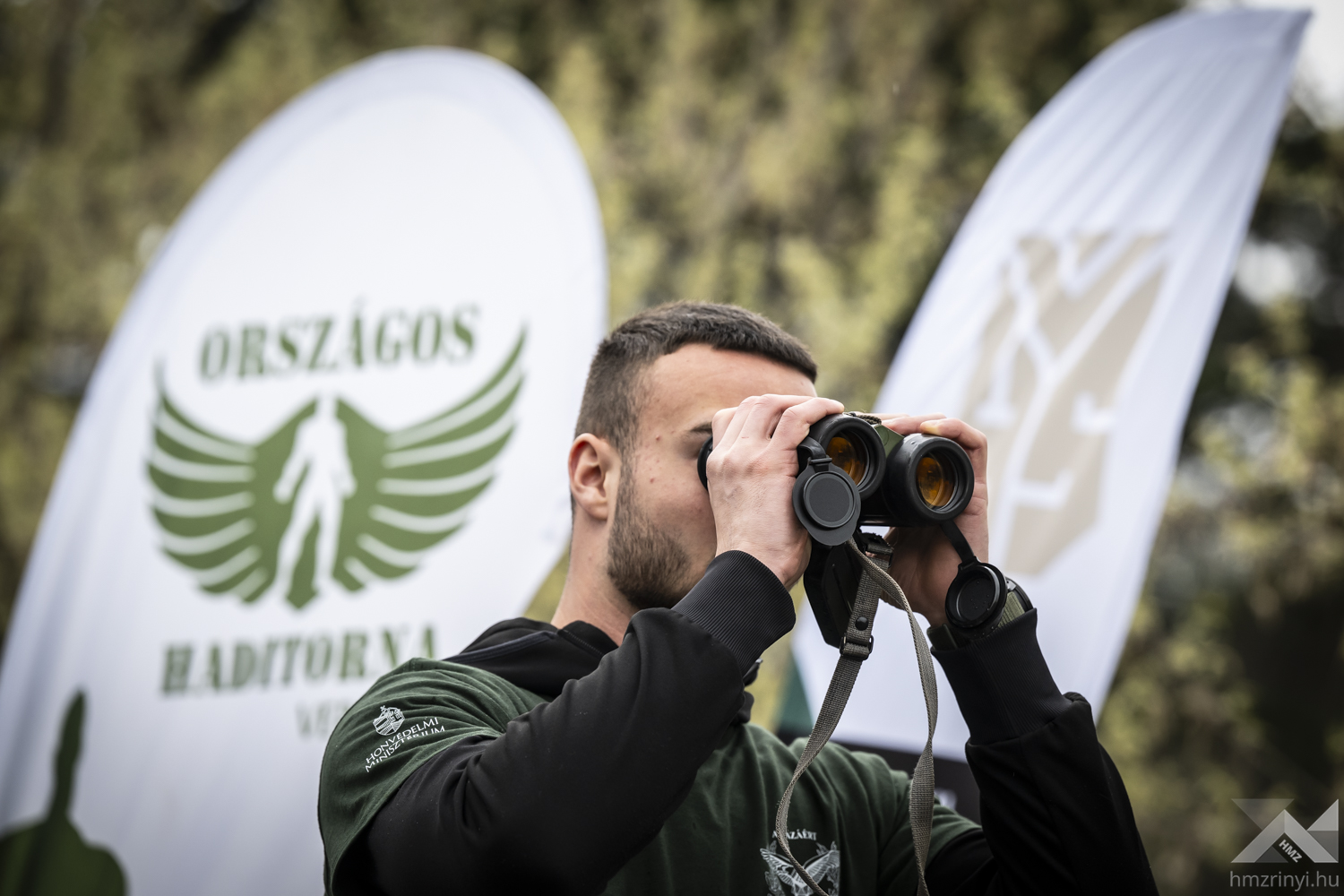
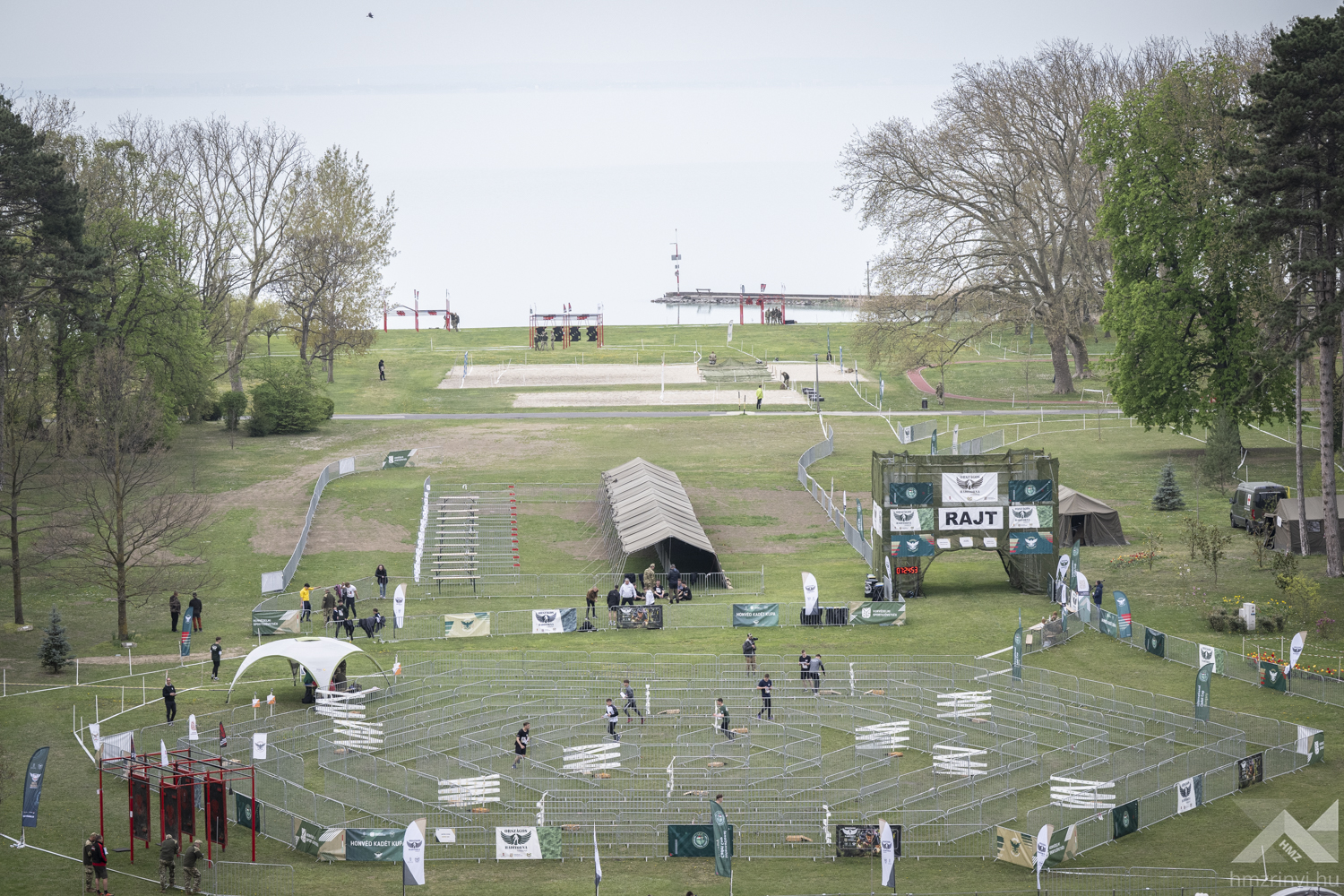
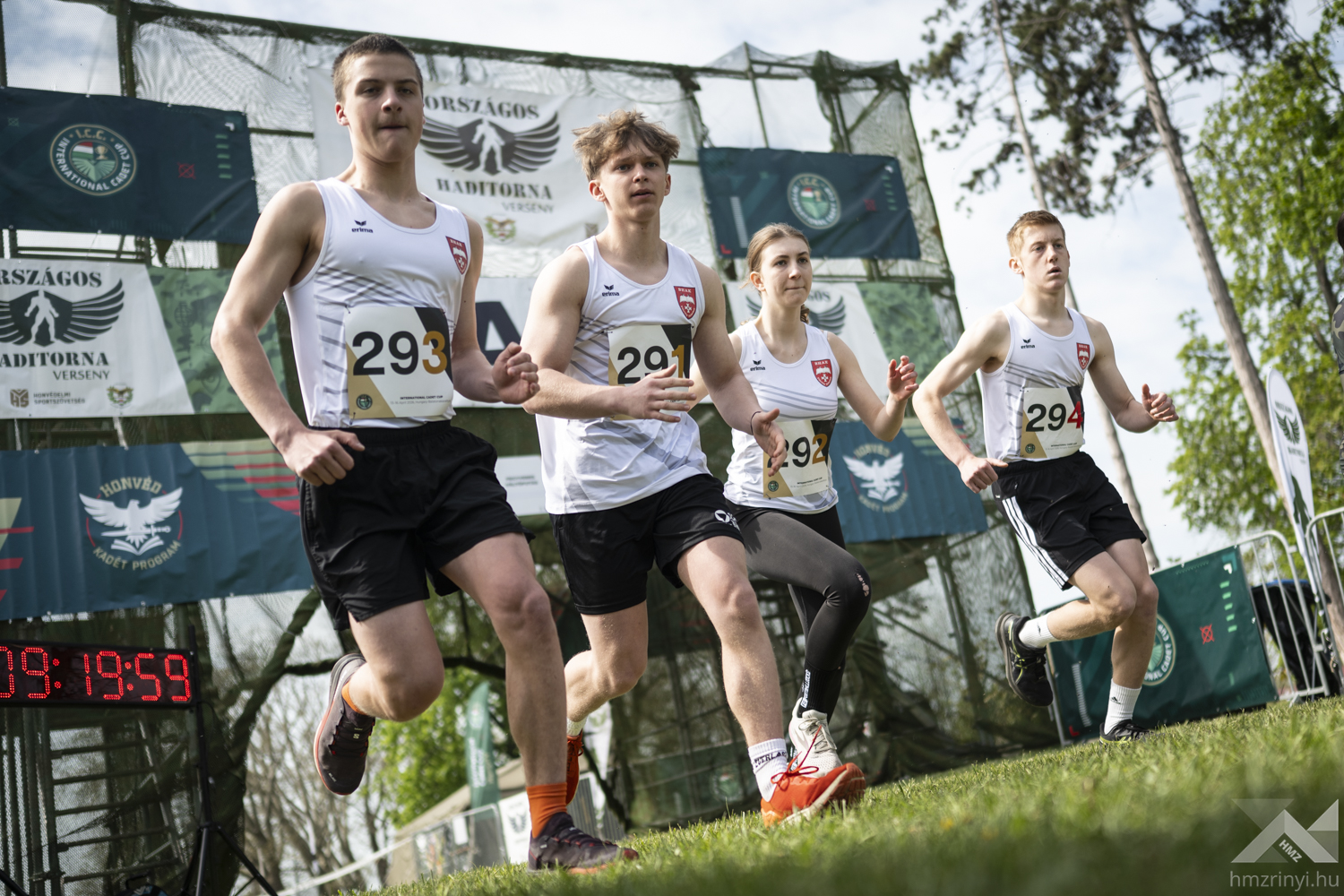
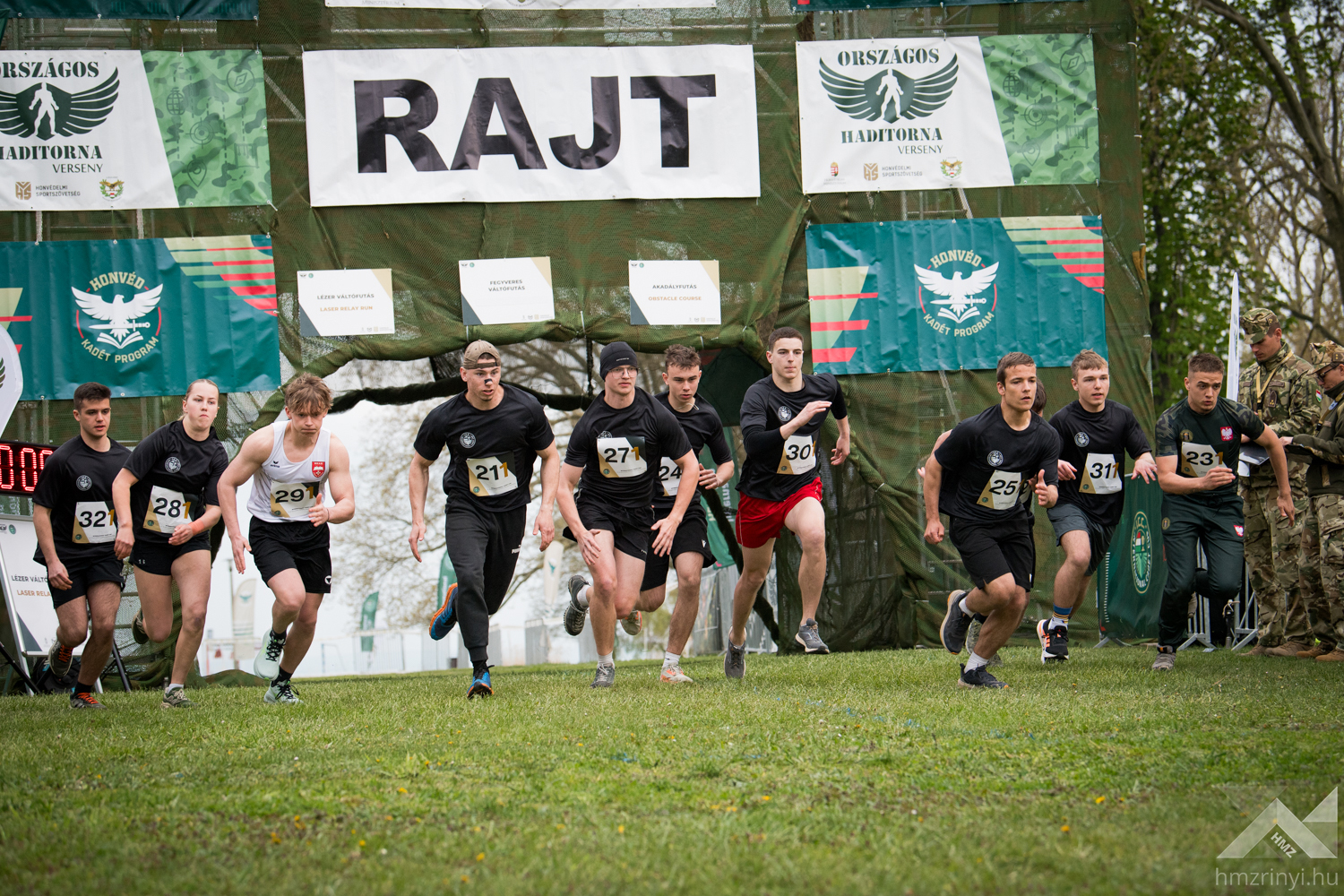
The NMTC final and the ICC – traditionally held in parallel – ended at the Hungarian Defence Forces Recreation, Training and Conference Centre (HDF RTCC). In the national competition, the winners of the autumn county rounds competed by carrying out the same tasks as the participants of the international cup. Civilian secondary school teams also entered the dayslong competition held on the shores of Lake Balaton, though the winner was largely decided among military cadets.
“Cadet education is particularly important for the Hungarian Defence Forces, as we expect these young people to join the military in some form in the future,” said Major General Dr. László Drót, who went on praising all participants for their performance in the demanding competitions.
Sport is an activity that conveys values to young people that are important to the Hungarian Defence Forces, the major general pointed out. For this reason, defence sports competitions and tournaments are regularly organized for young people. “Our main partner is the Defence Sports Association, which provides venues, equipment, and programs for our efforts,” he added.

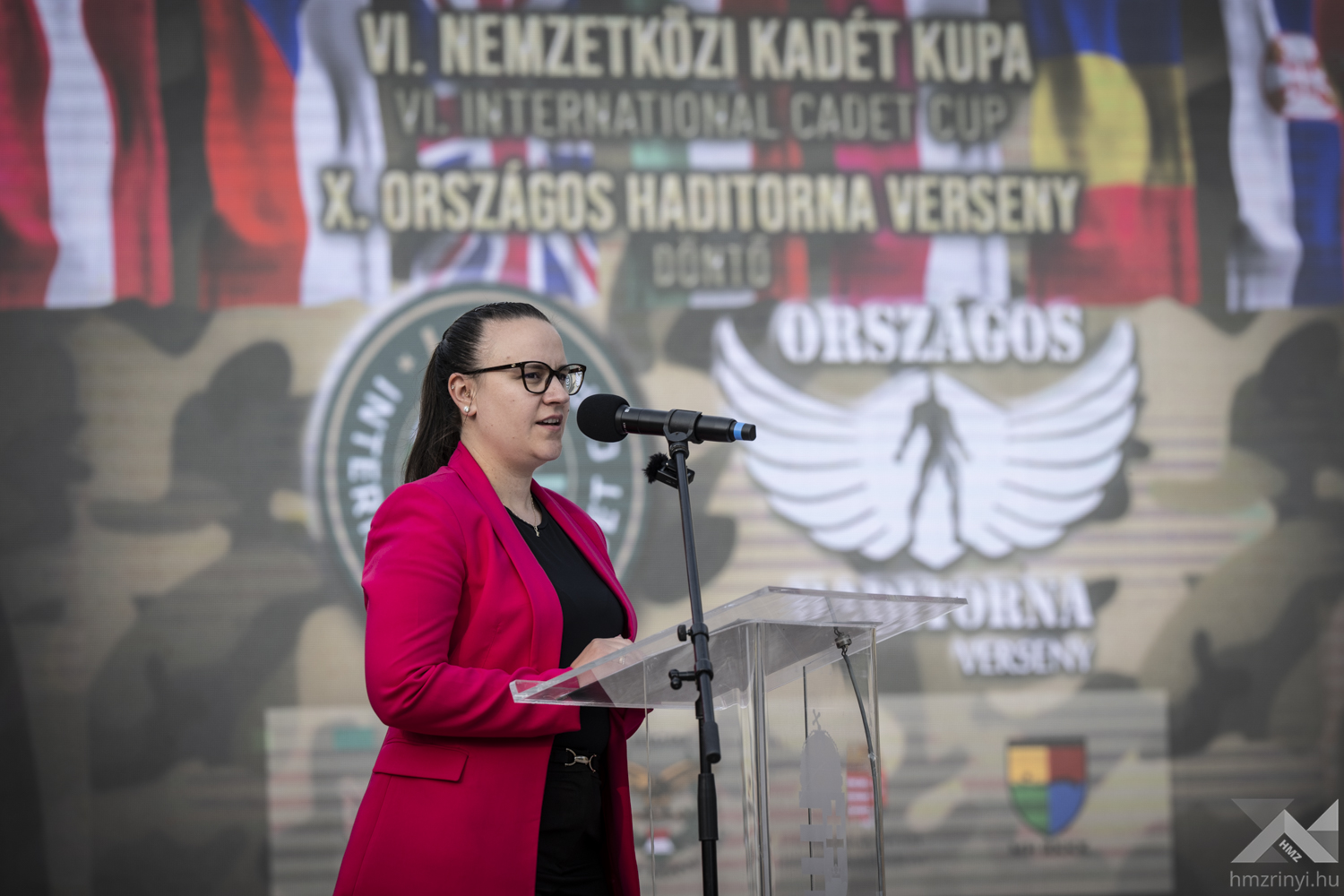
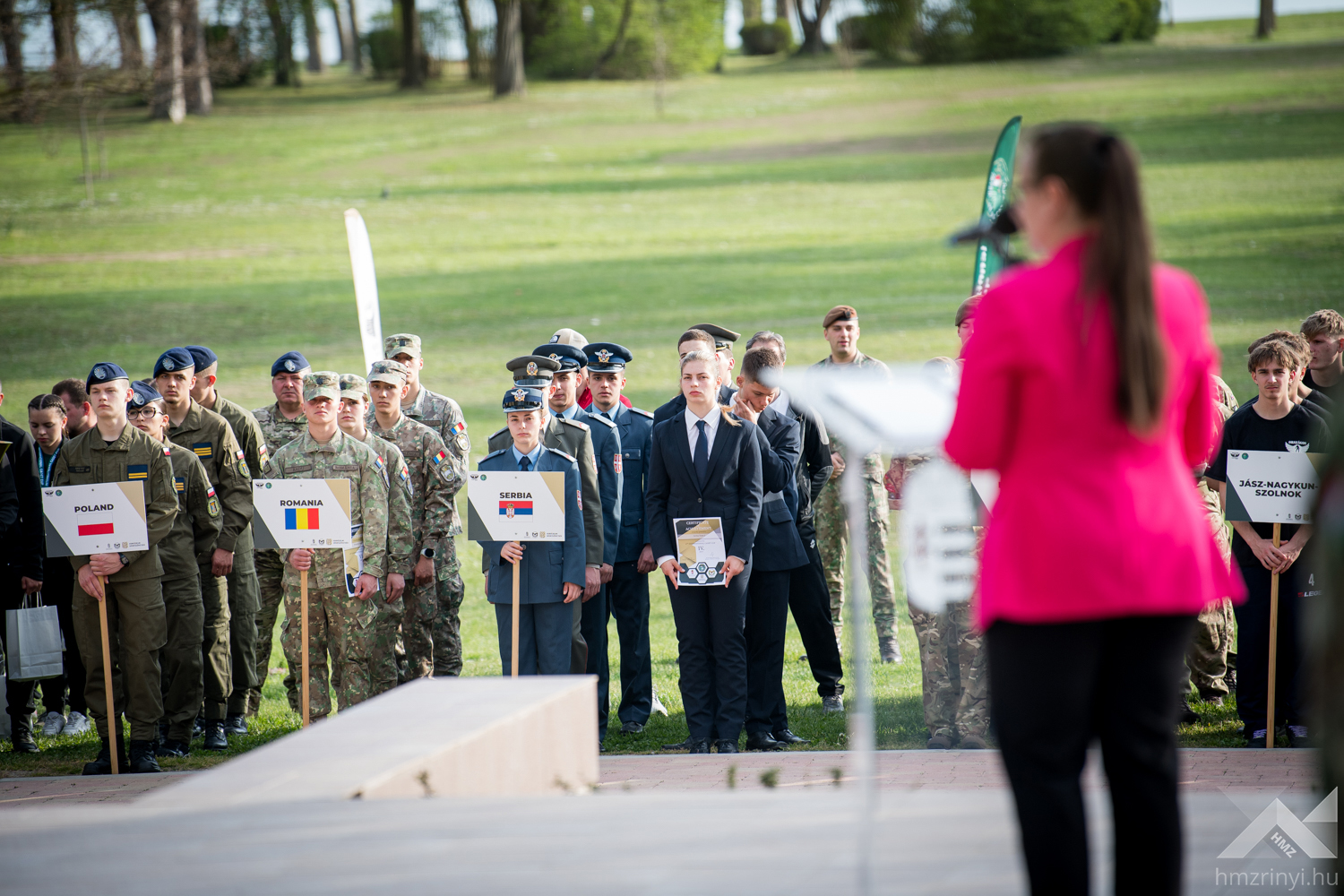
“This competition is not only about sport-related experiences but also an important stage in fostering community values and defence education,” emphasized Nikolett Zsigmond-Dányi at the closing ceremony. According to the Head of the MoD Recruitment and Manpower Planning Department, defence education is not merely military training, but rather the promotion of human values such as respect, camaraderie, responsibility and team spirit.
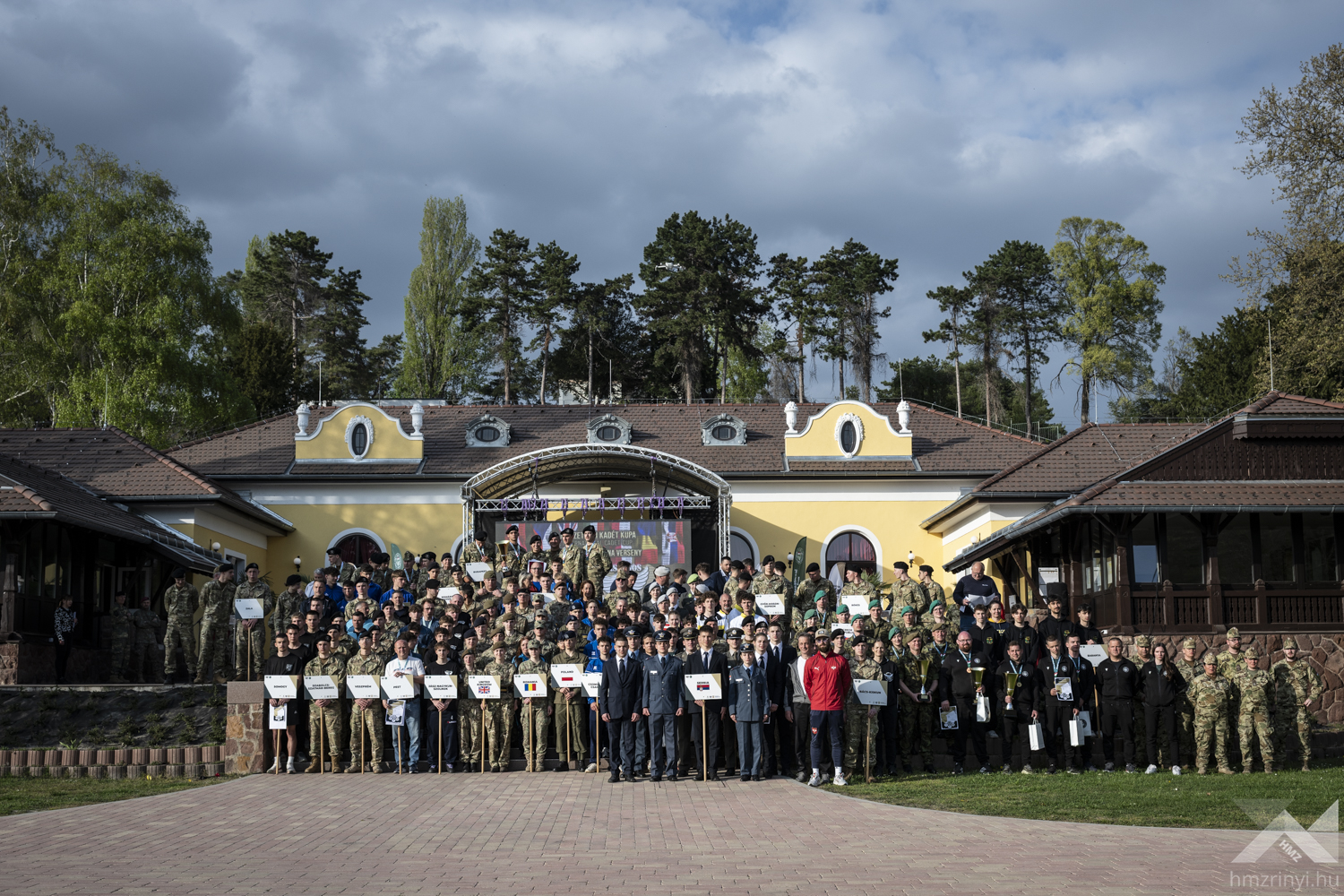
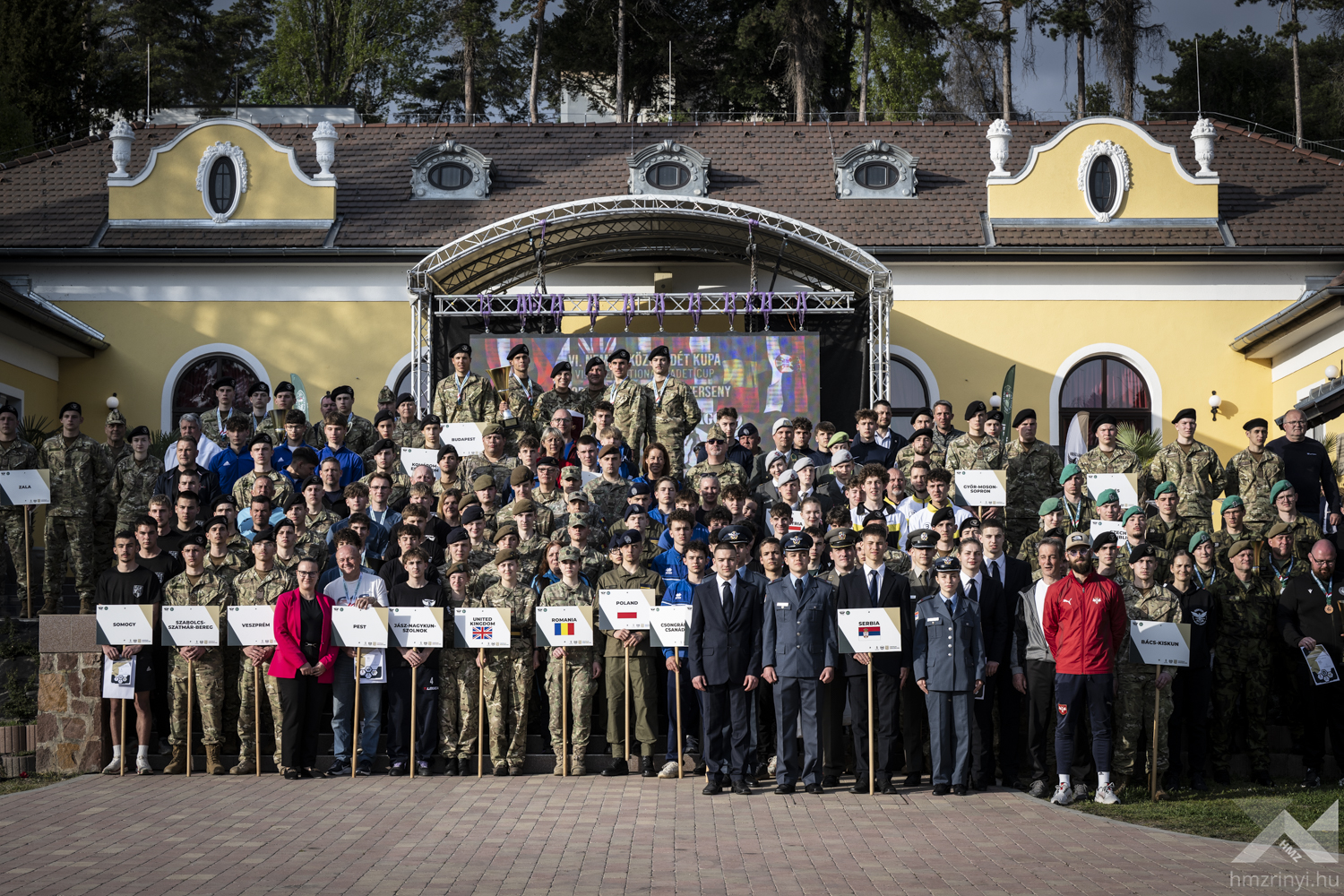
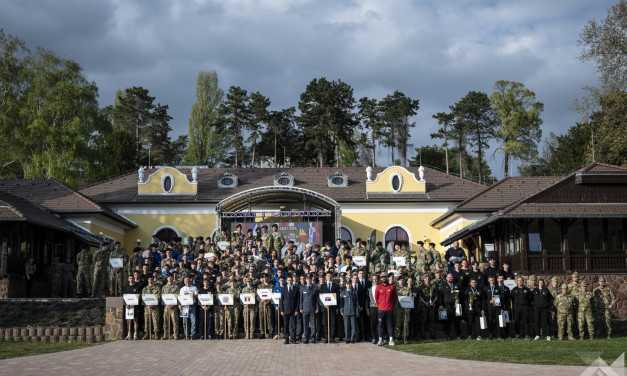
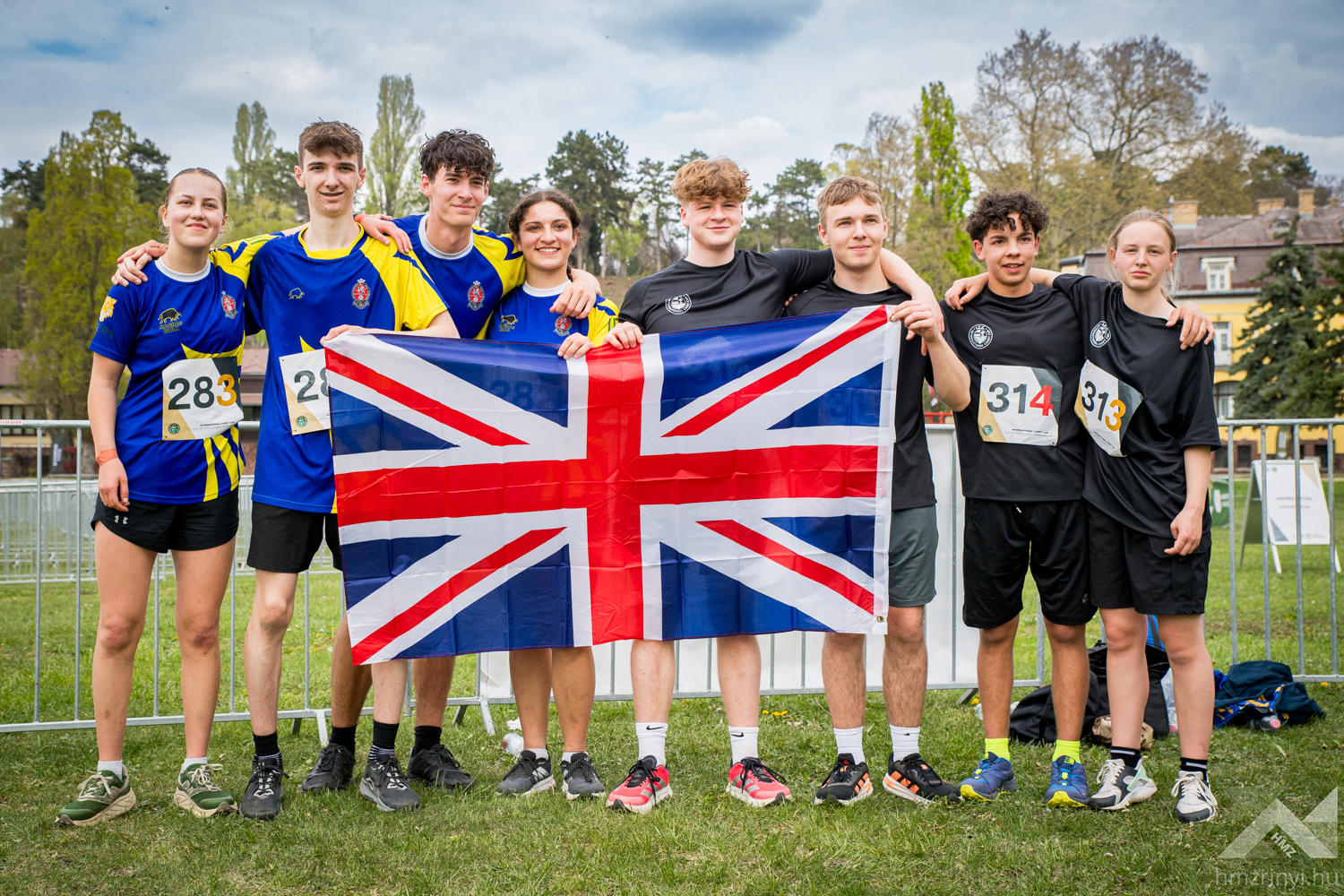
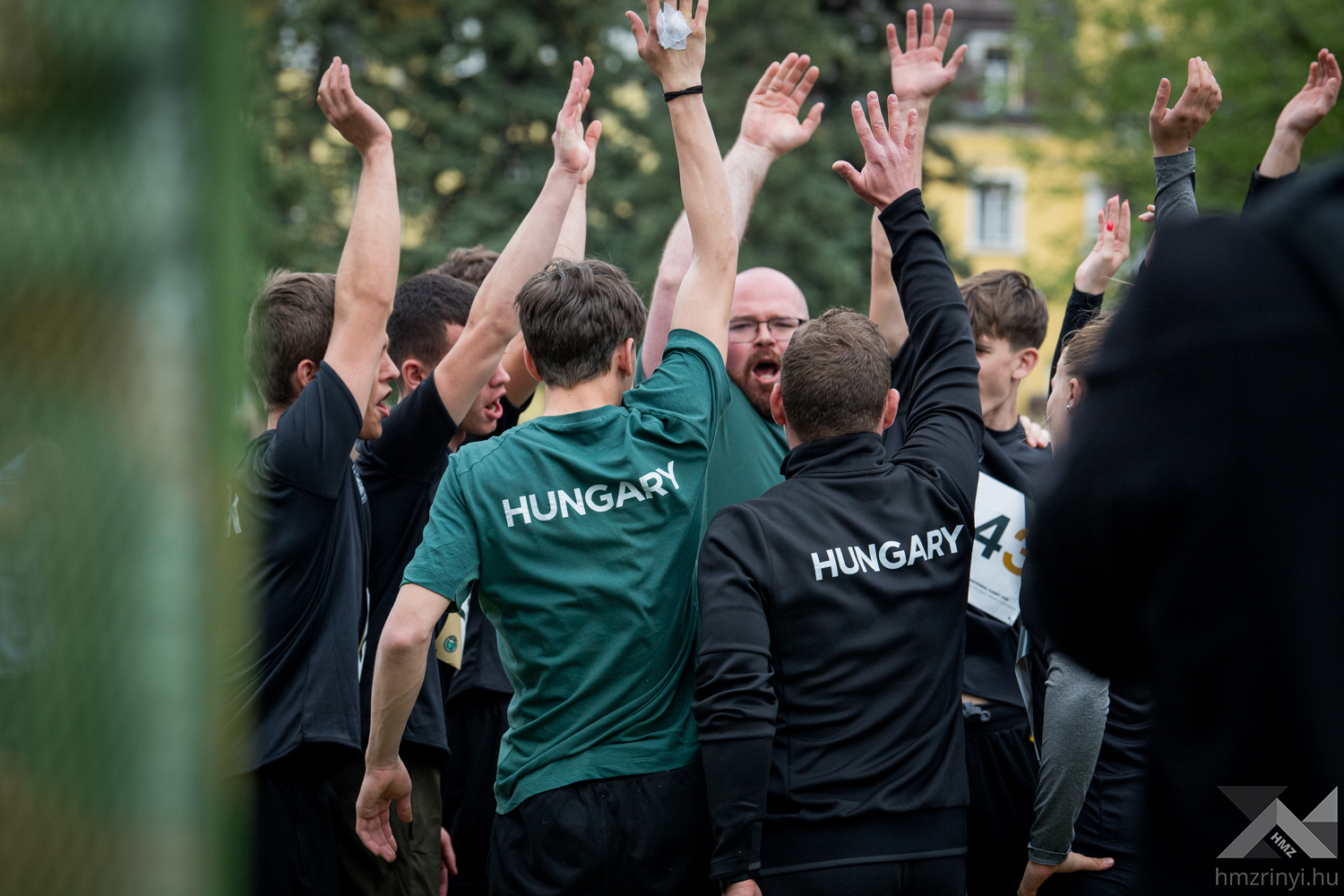
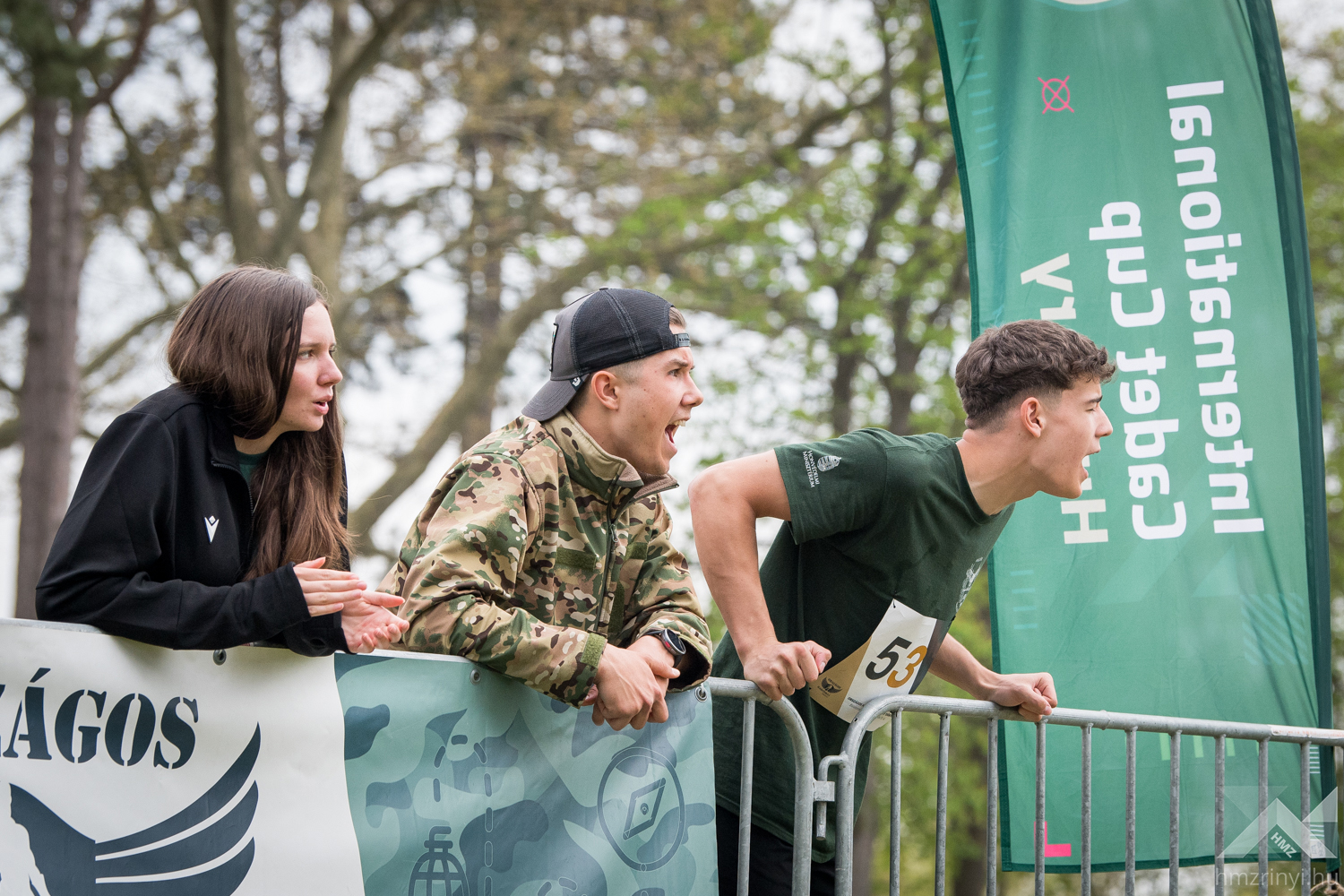
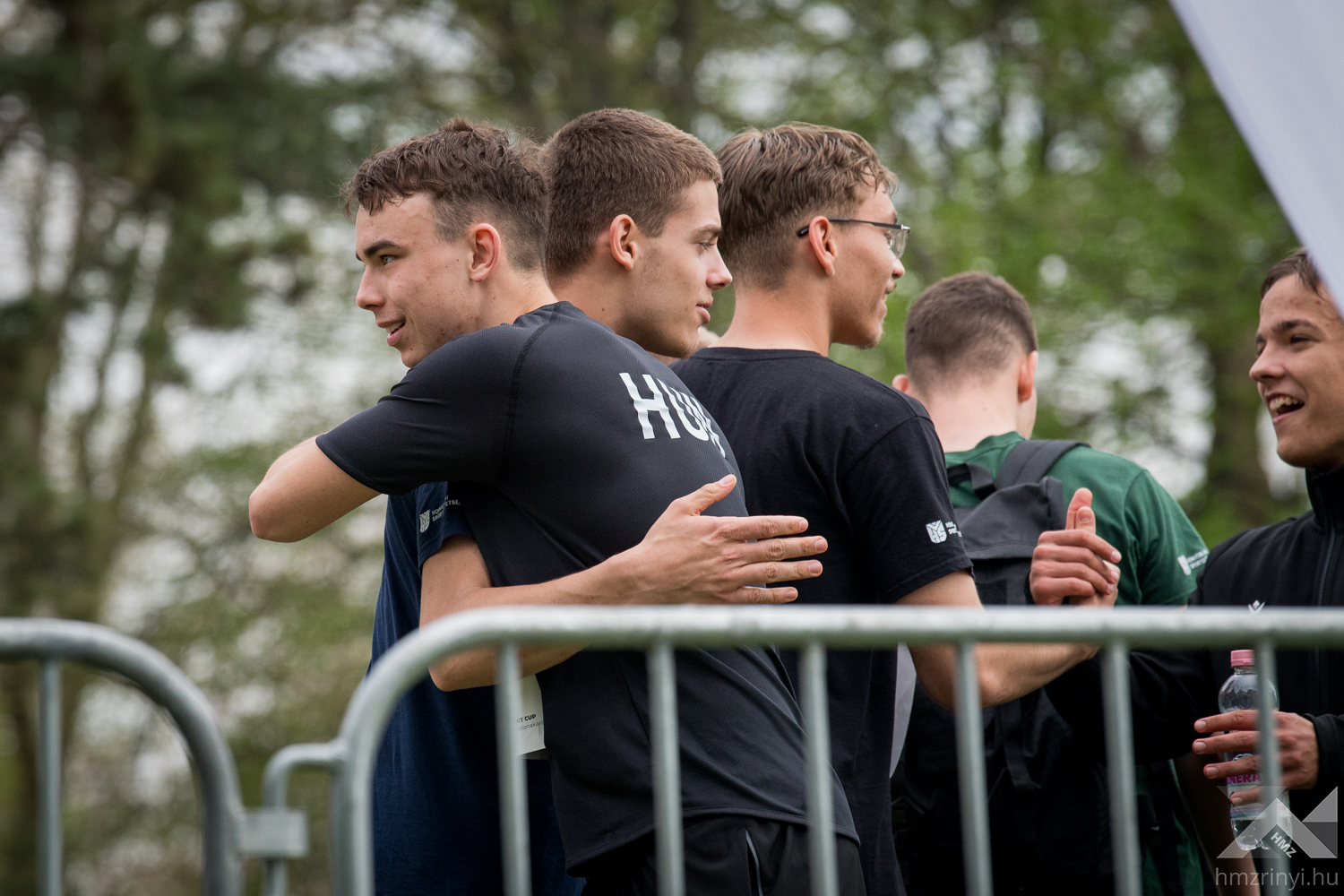
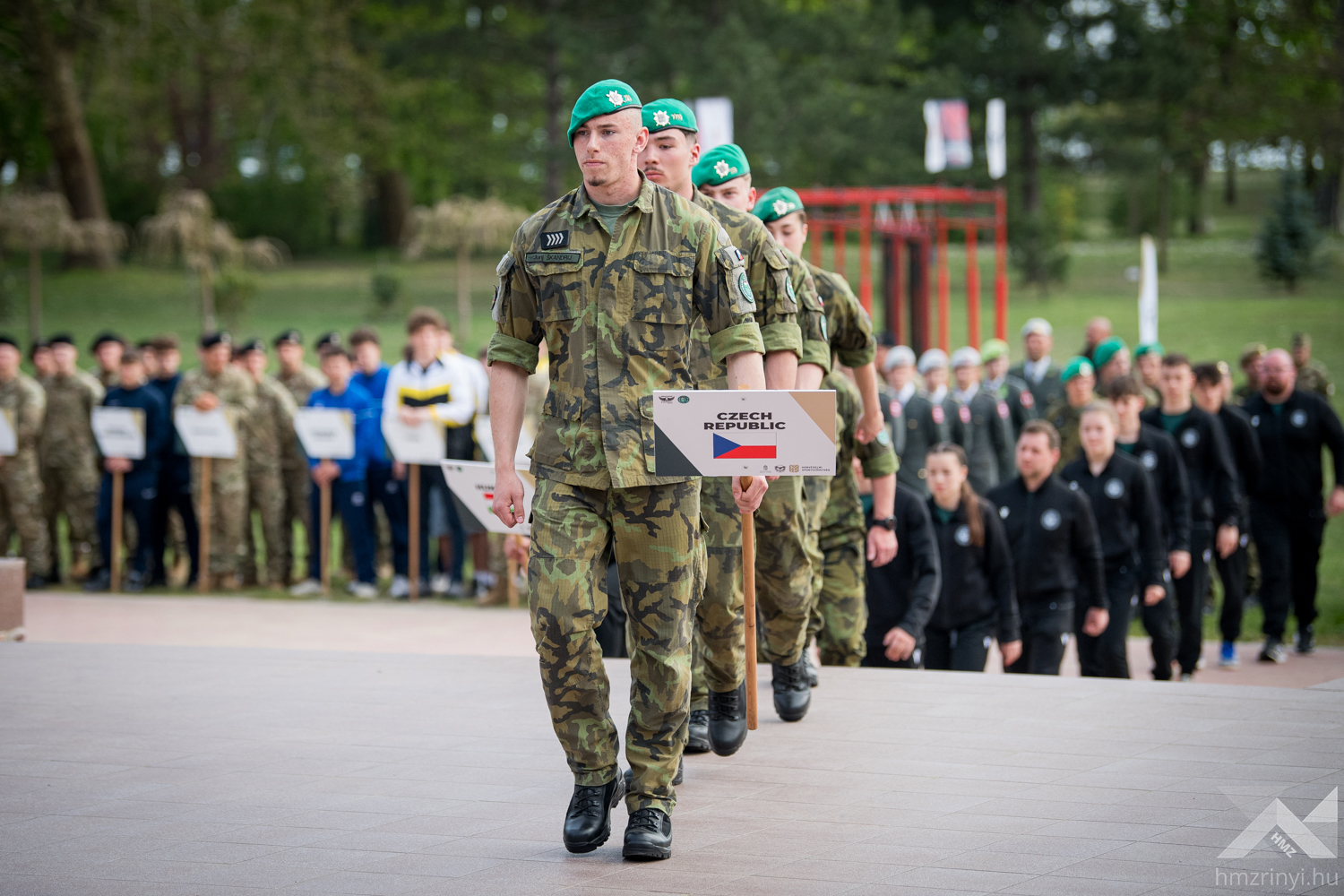
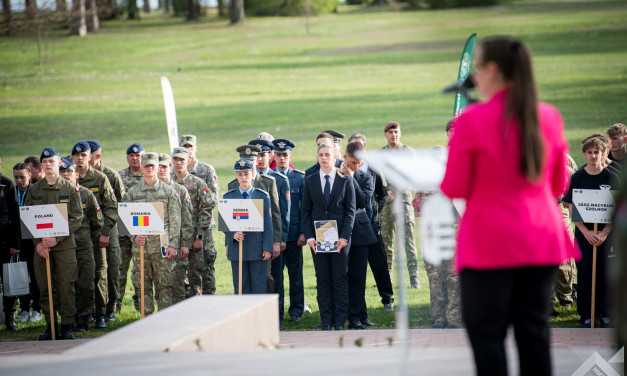
“The competition is not only about challenges, but also about human relations” she said. This is because the diverse field offers opportunities to form new acquaintances and friendships, while international entrants can feel that they are representing their countries, said the head of the department. Twenty teams qualified for the NMTC final, while the ICC featured teams from Serbia (2), the Czech Republic (2), the United Kingdom (2), Hungary (2), and one each from Poland, Romania, and Austria – several of them are returning participants.
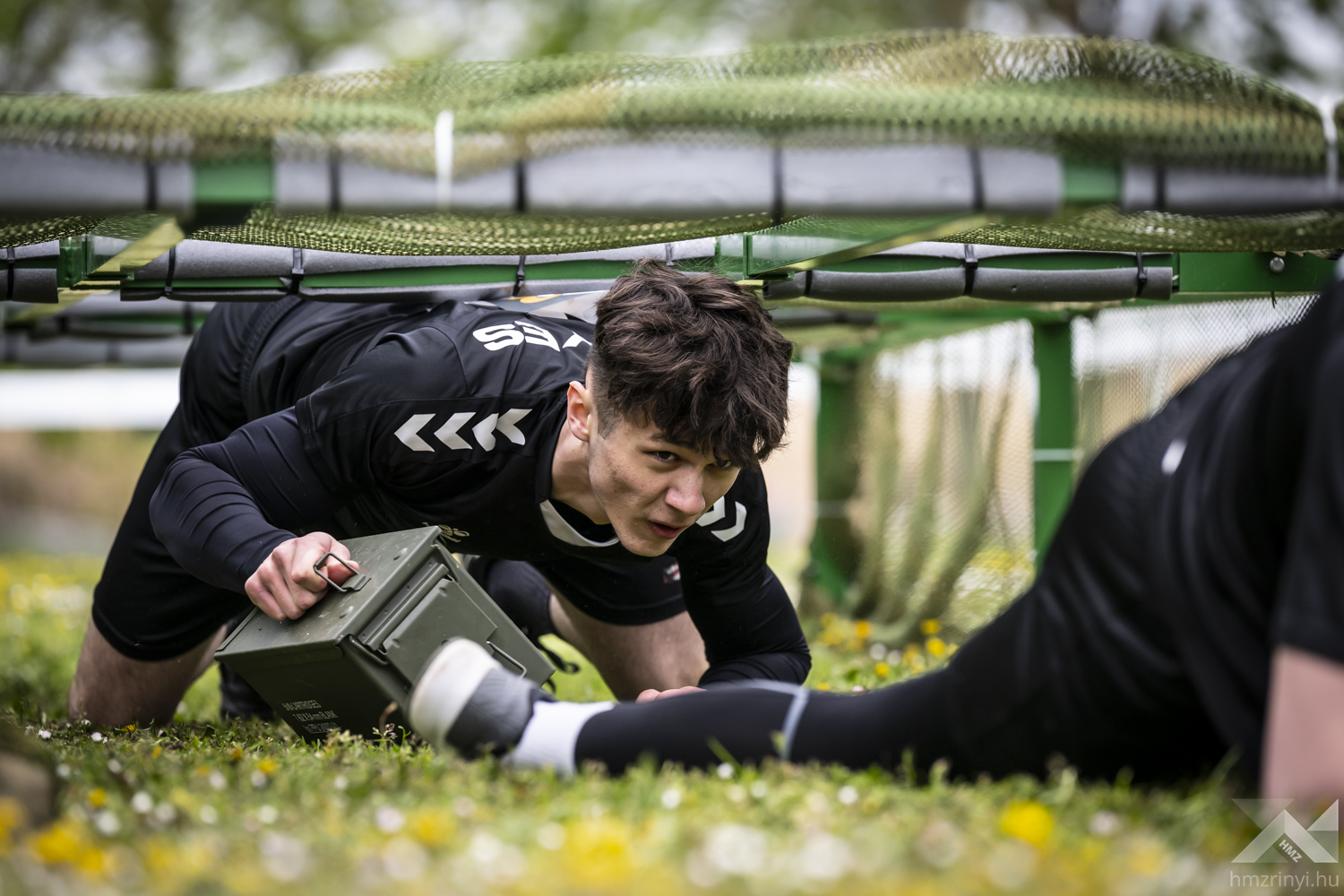
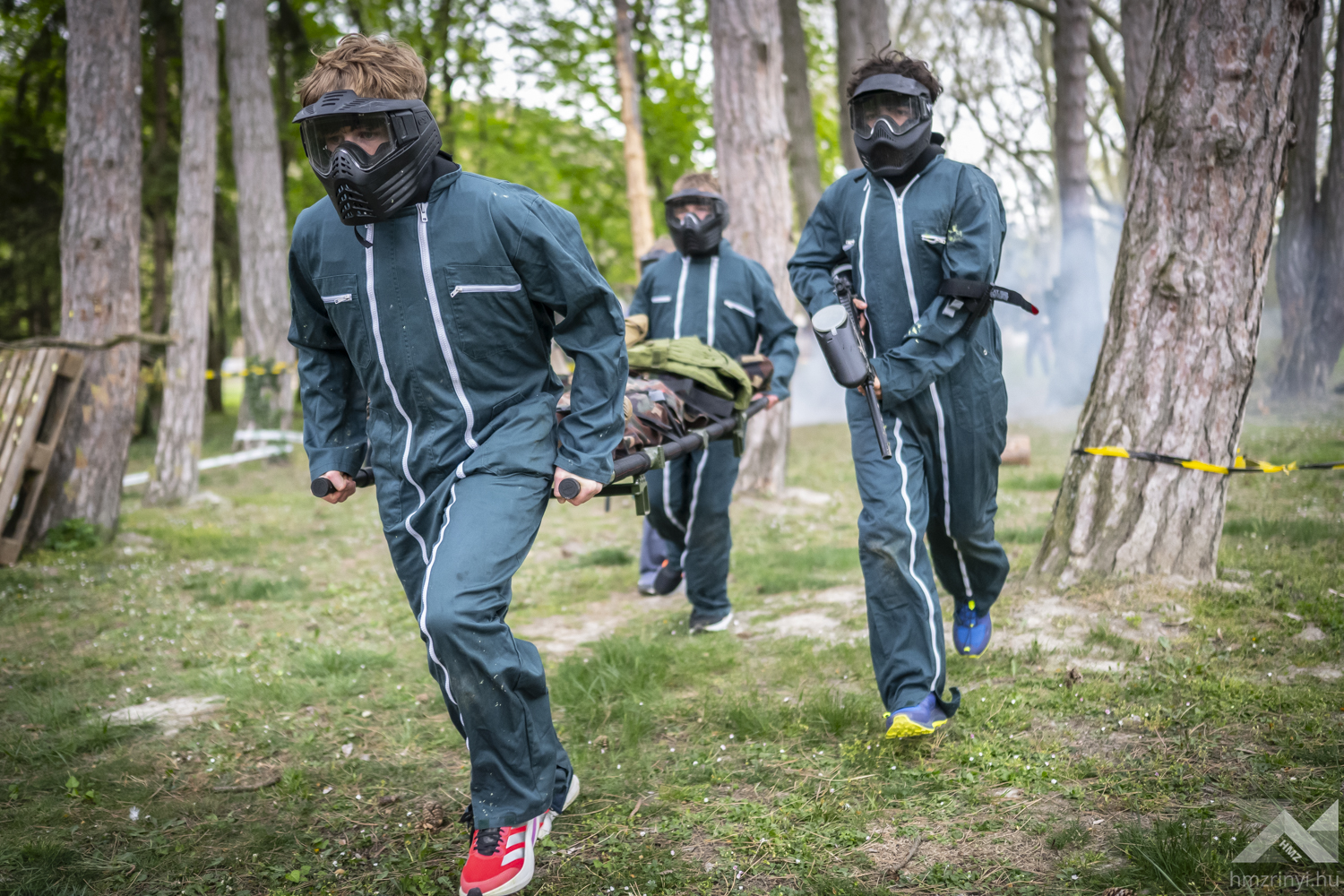
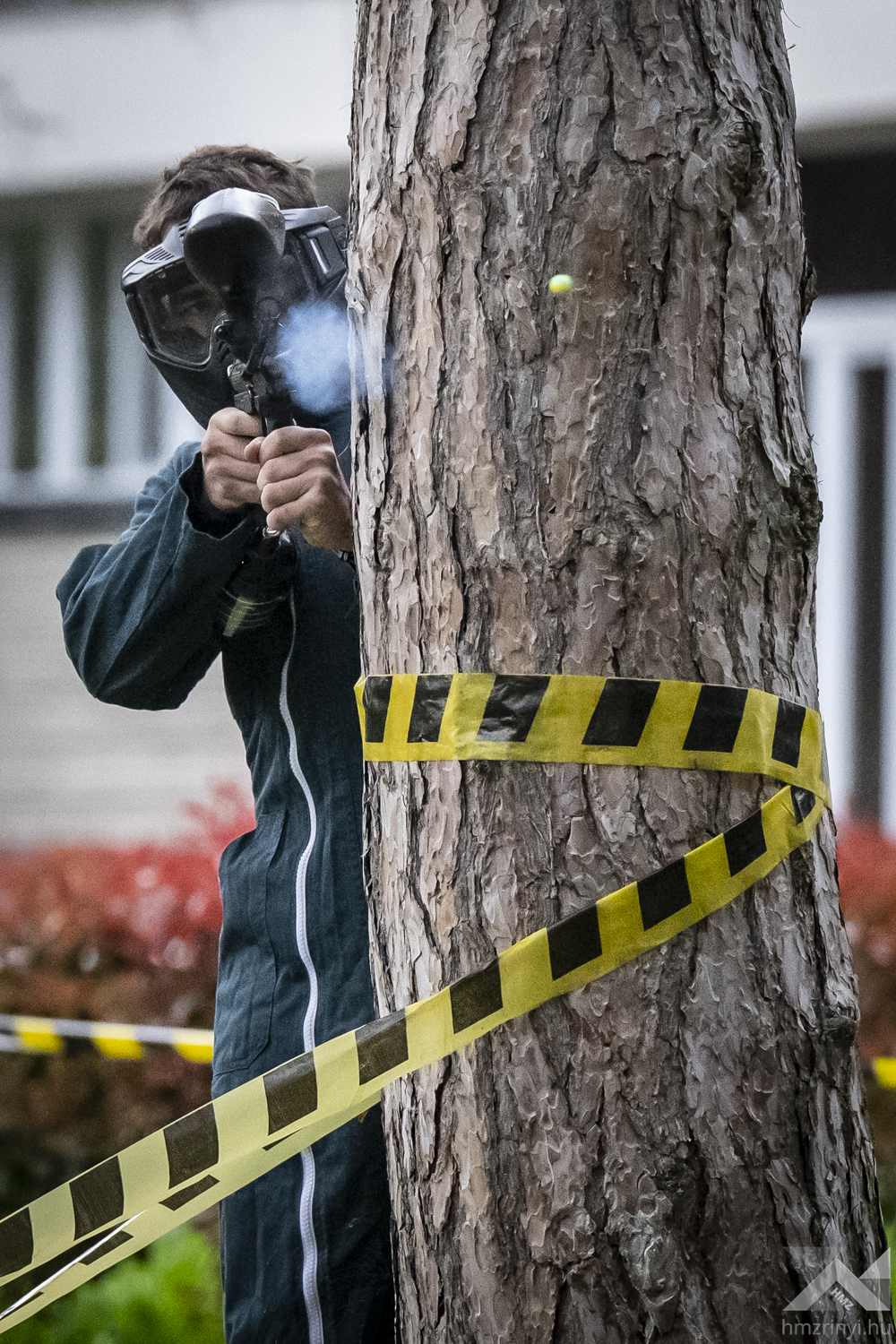
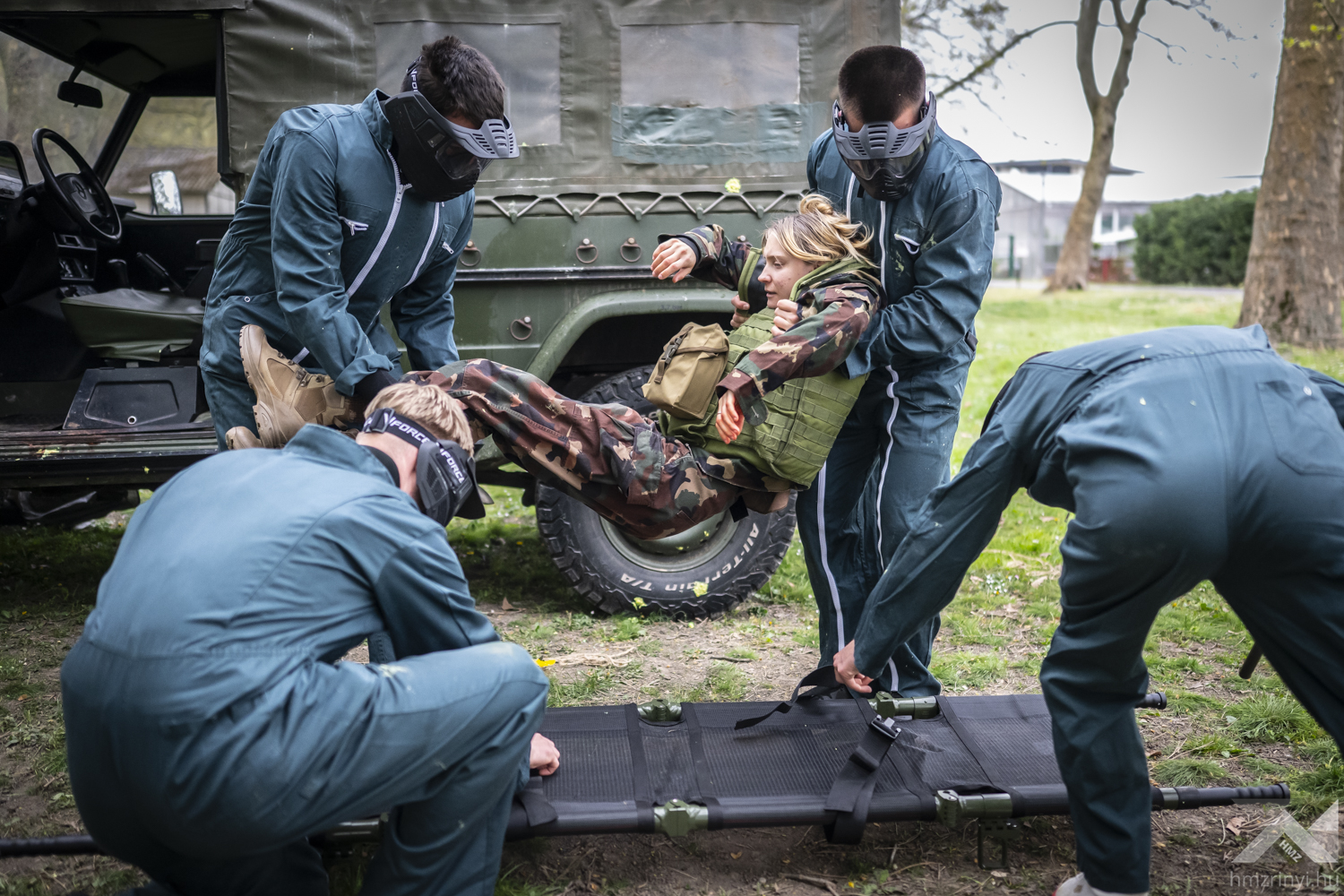
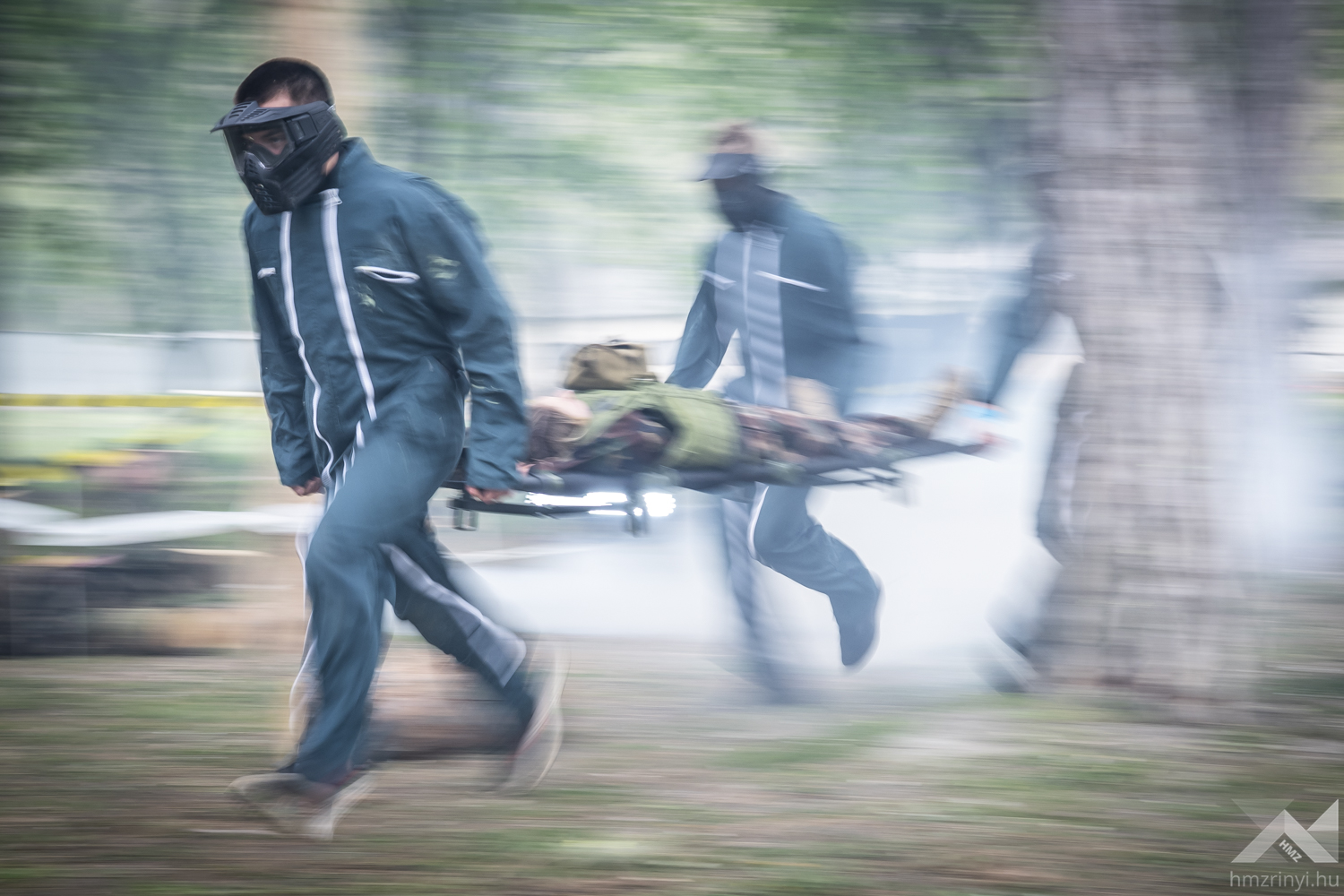
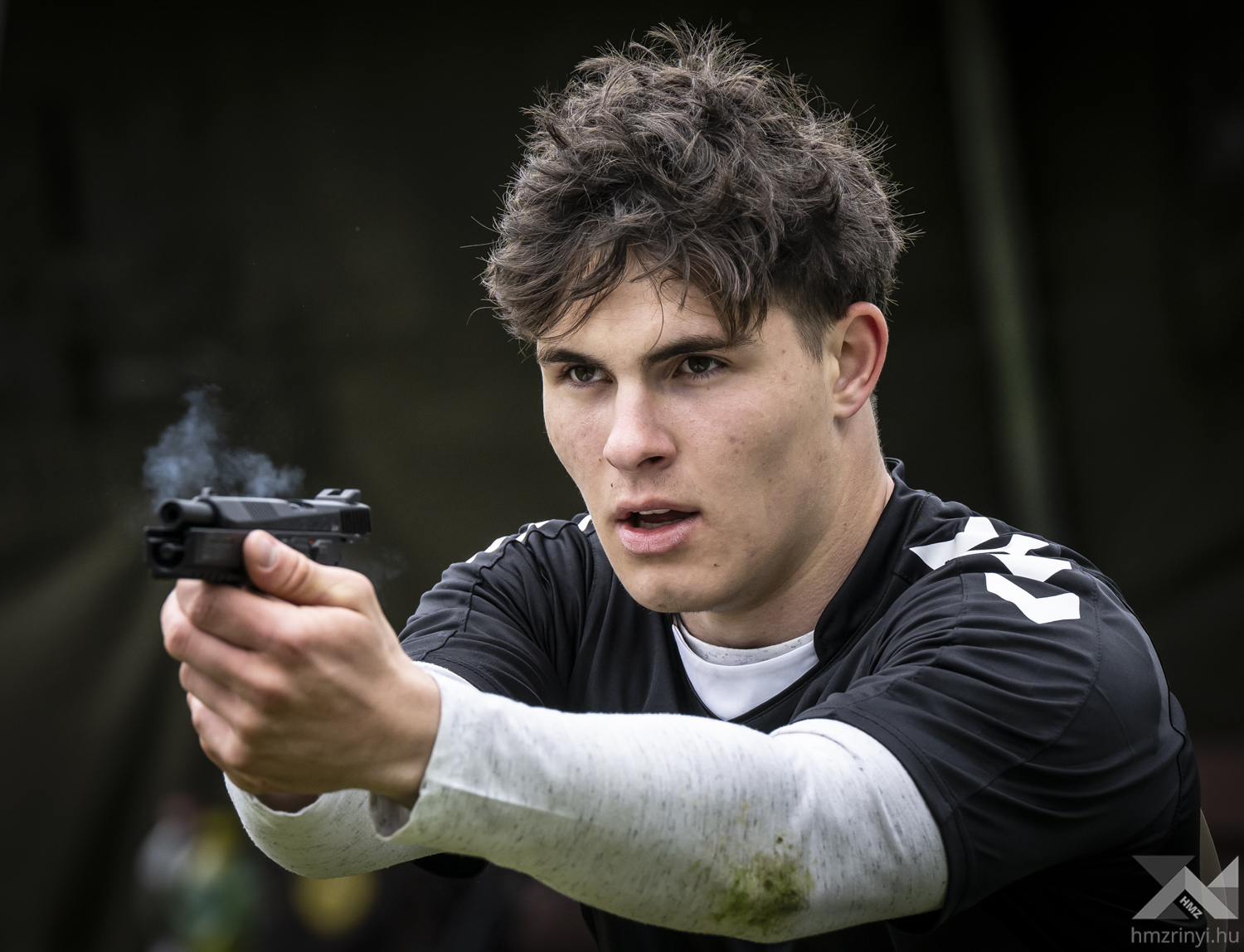
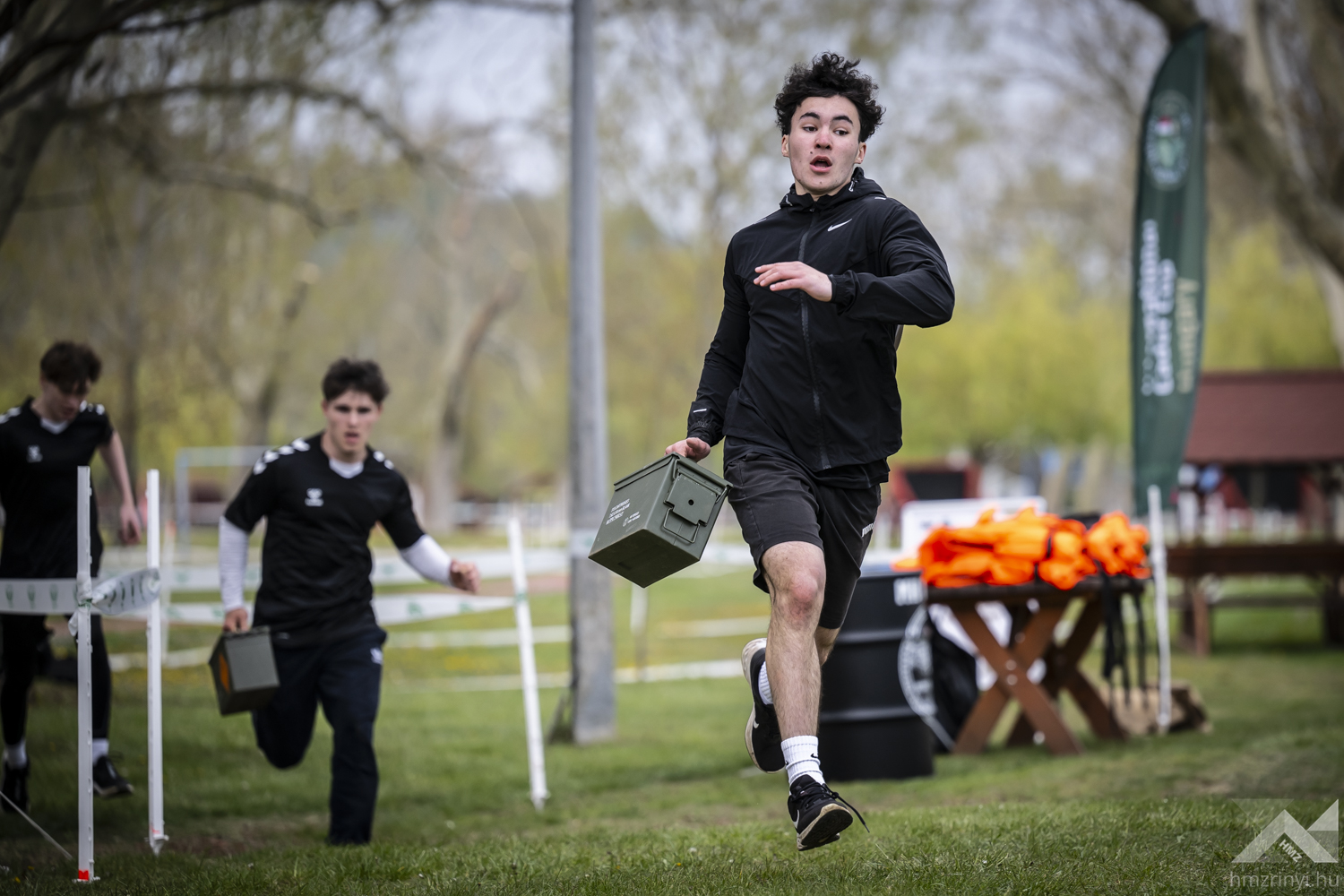
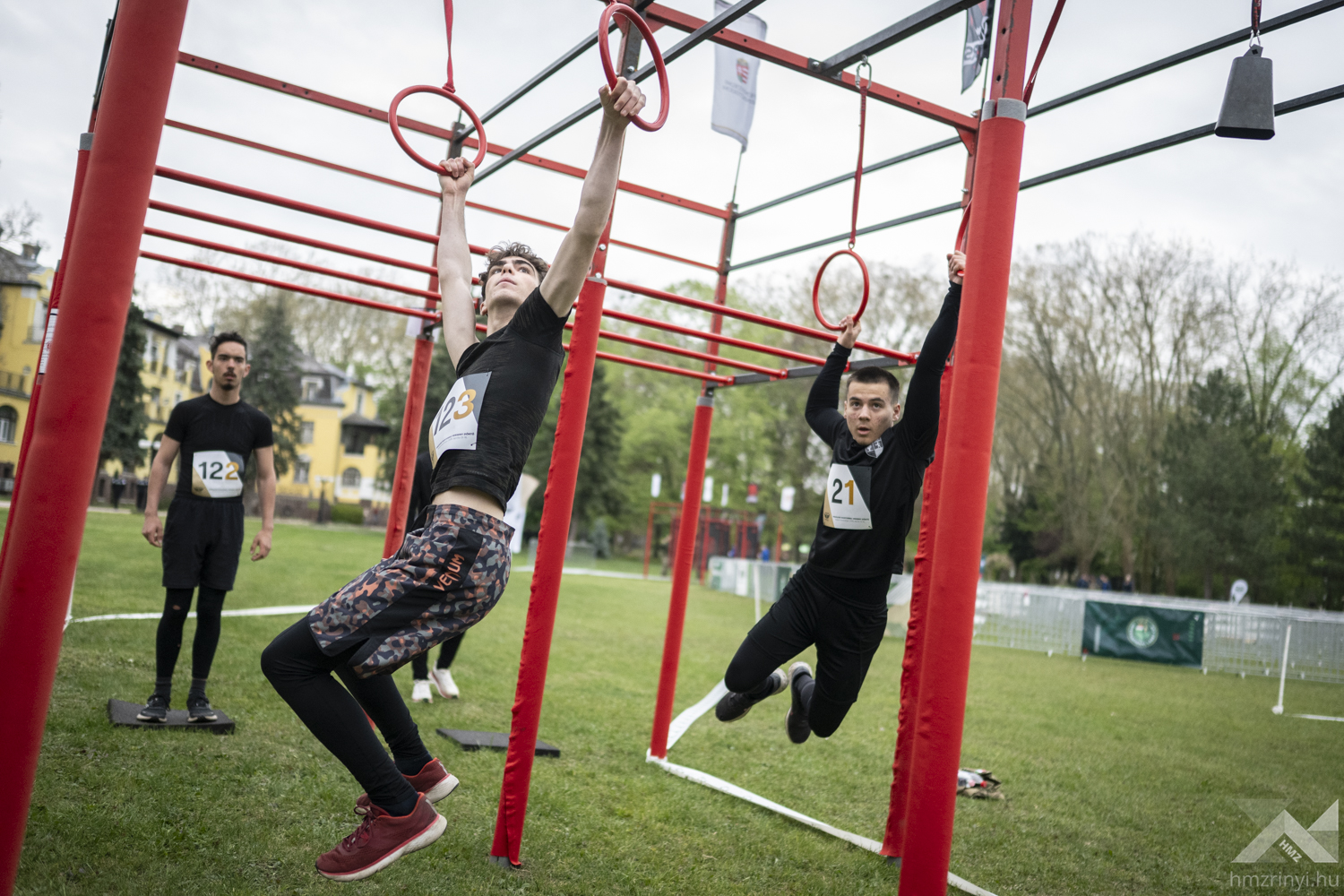
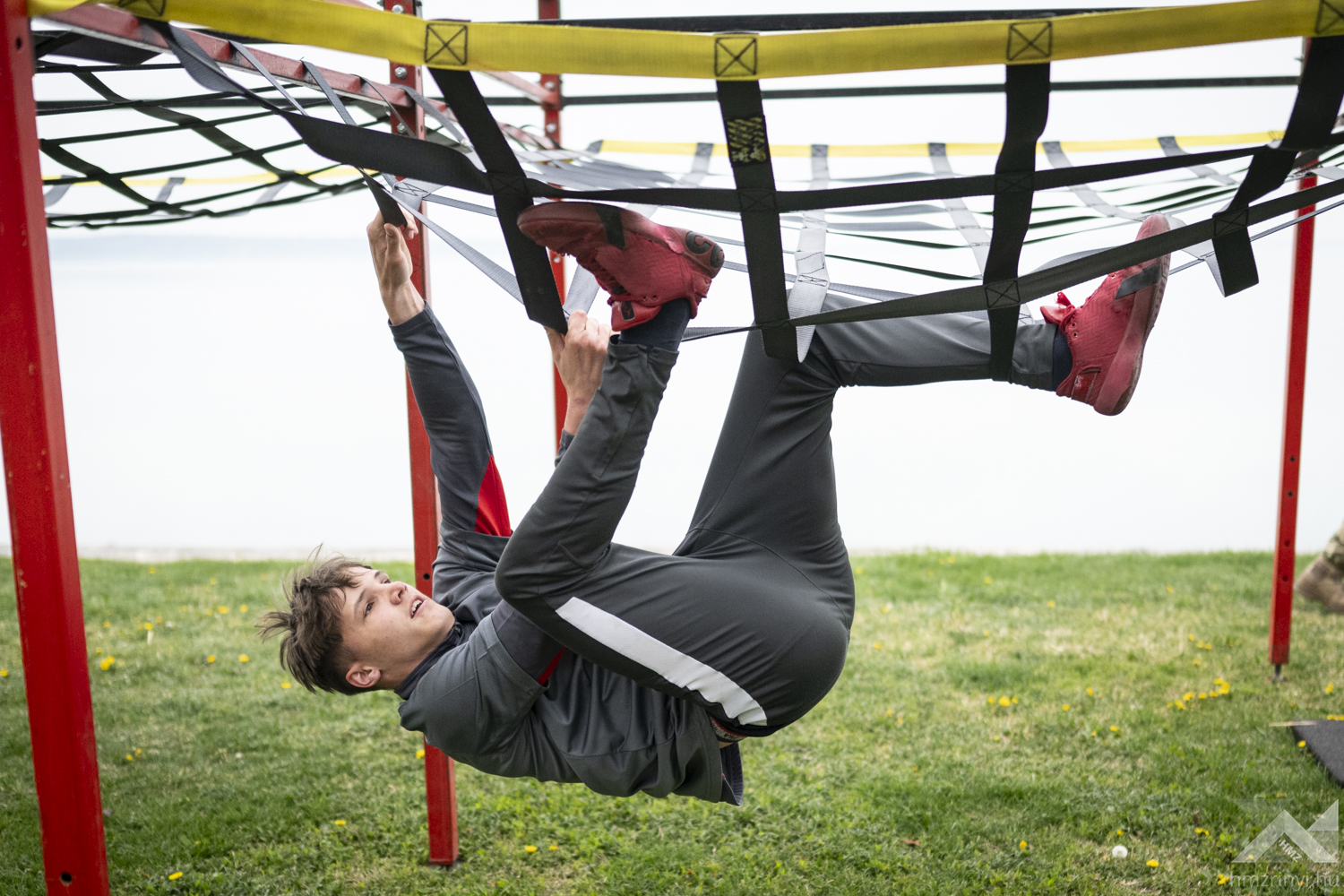
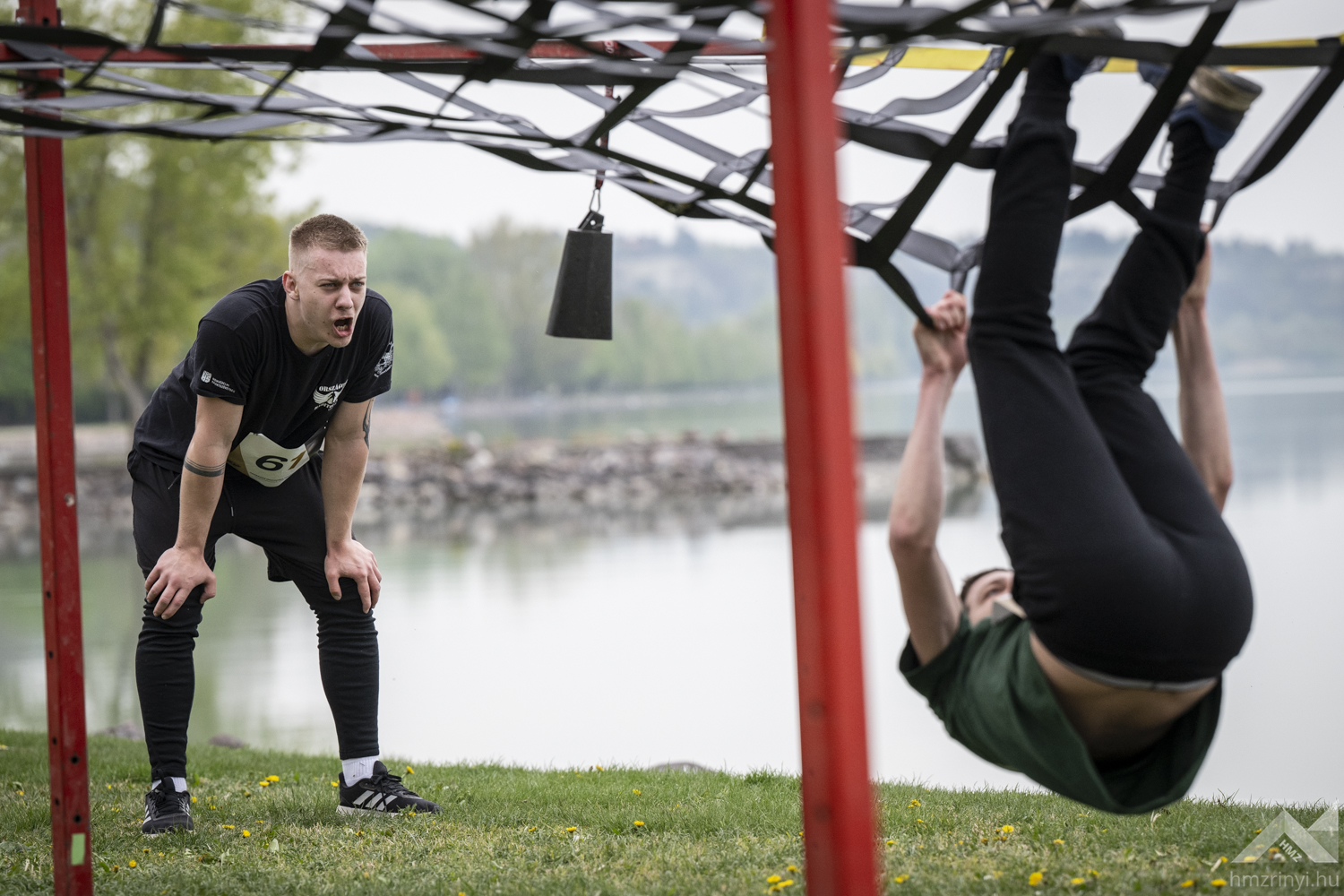
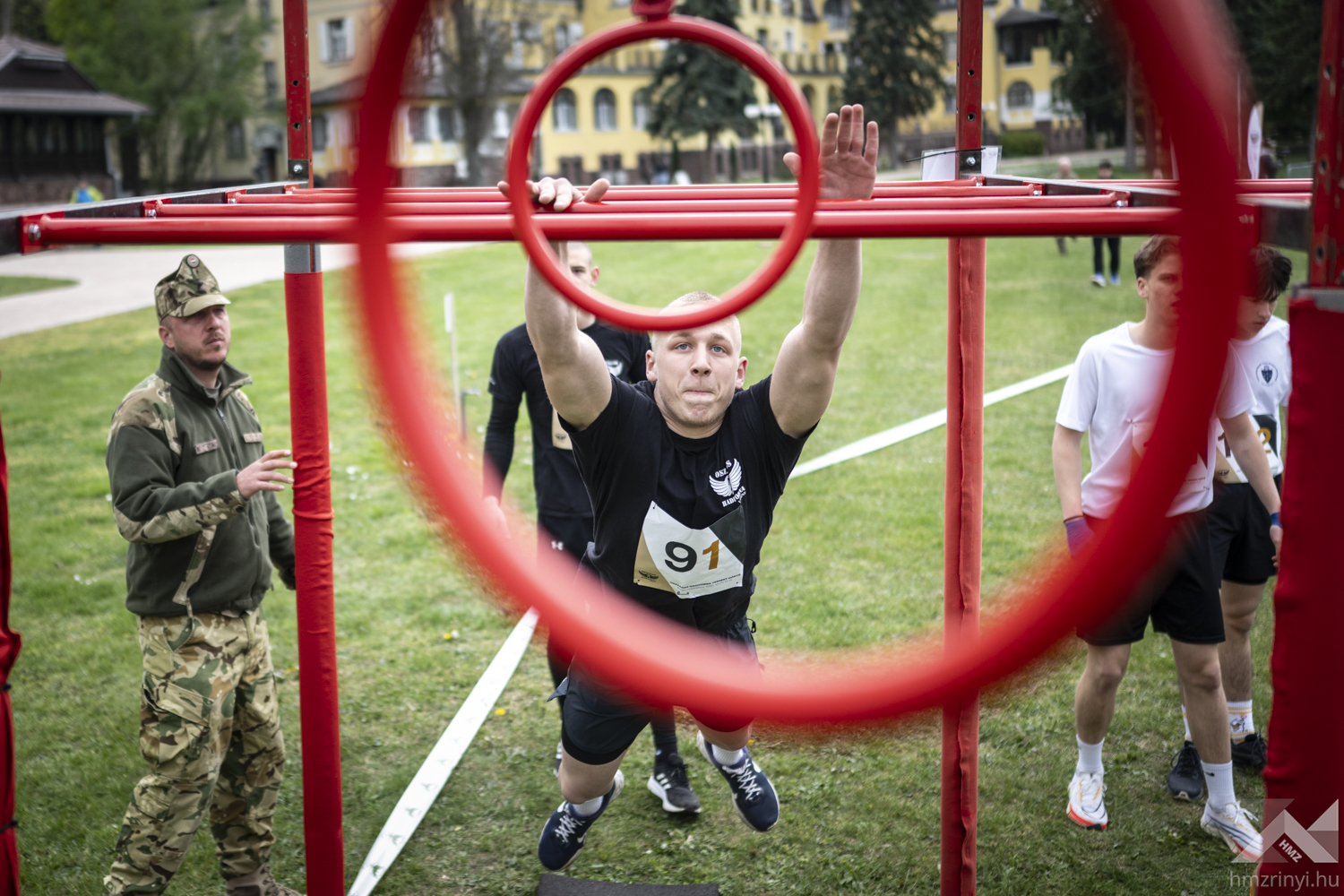
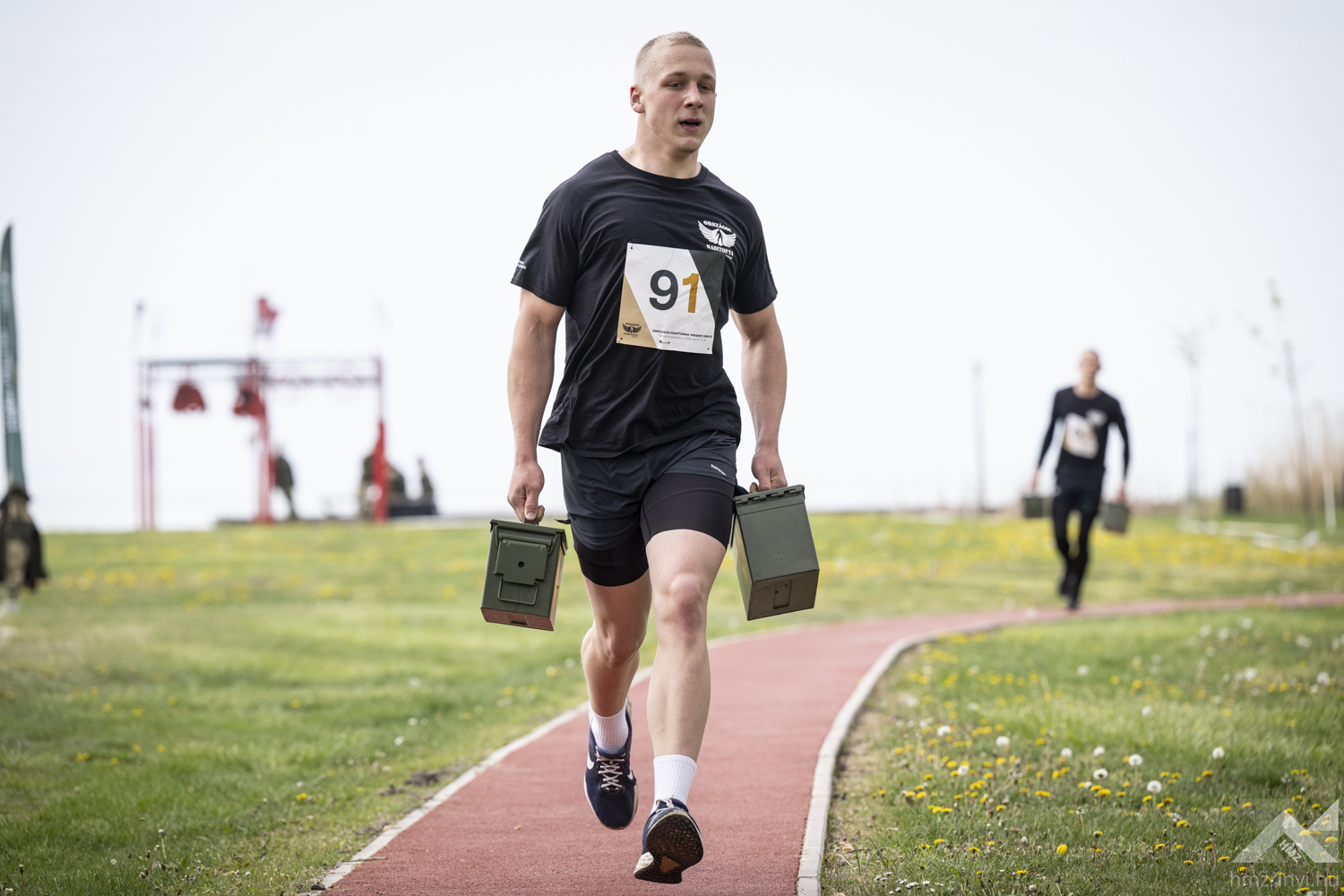
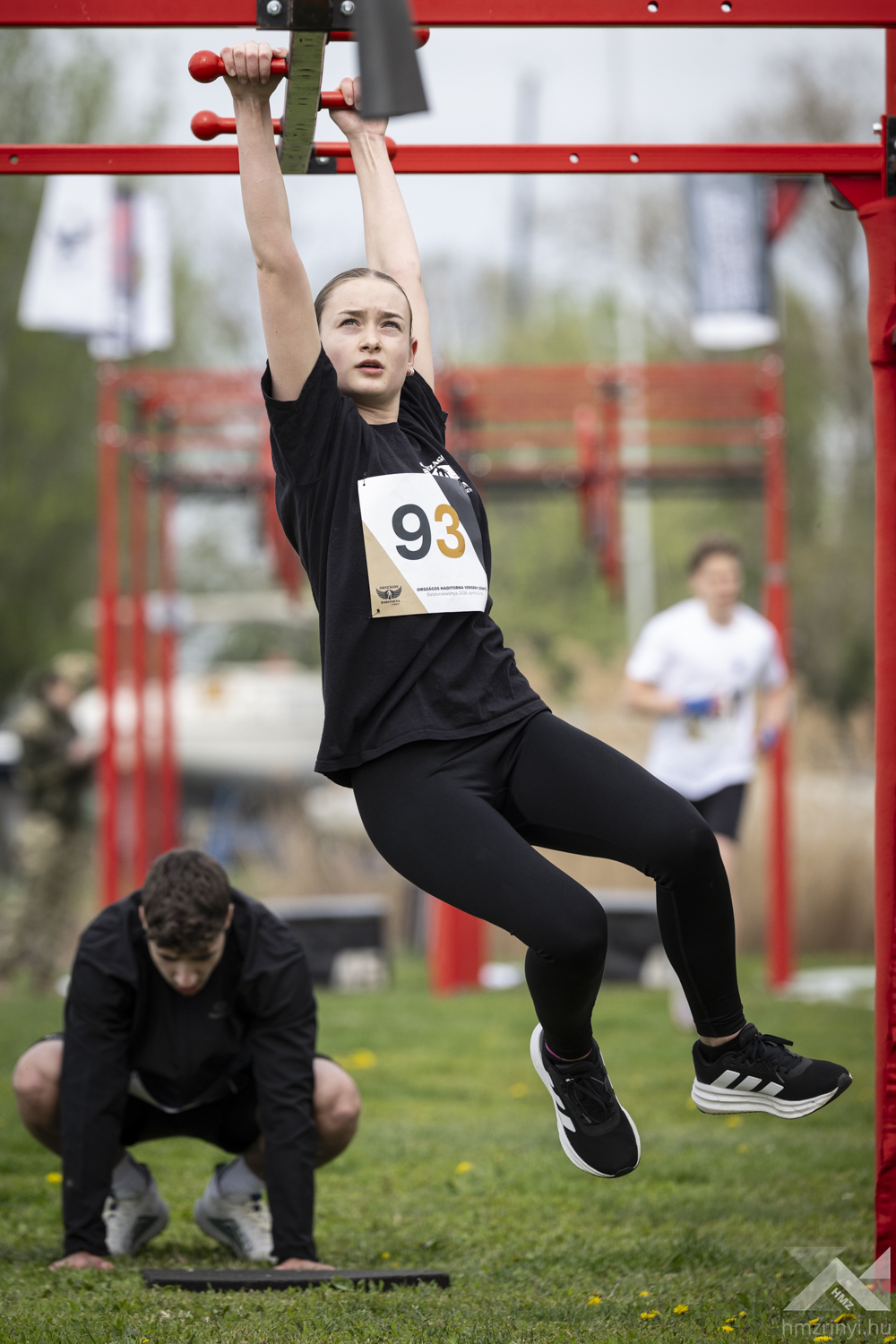
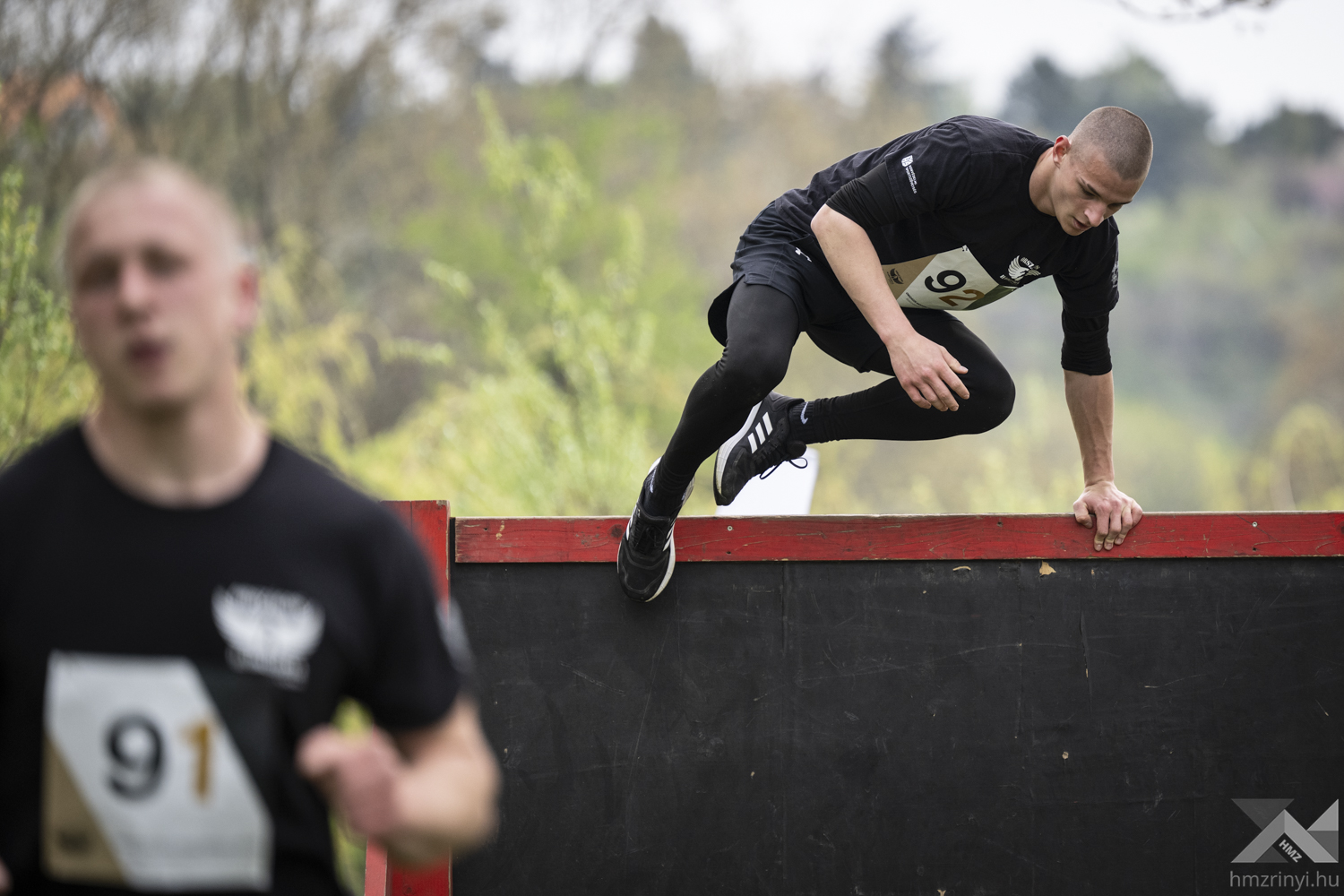
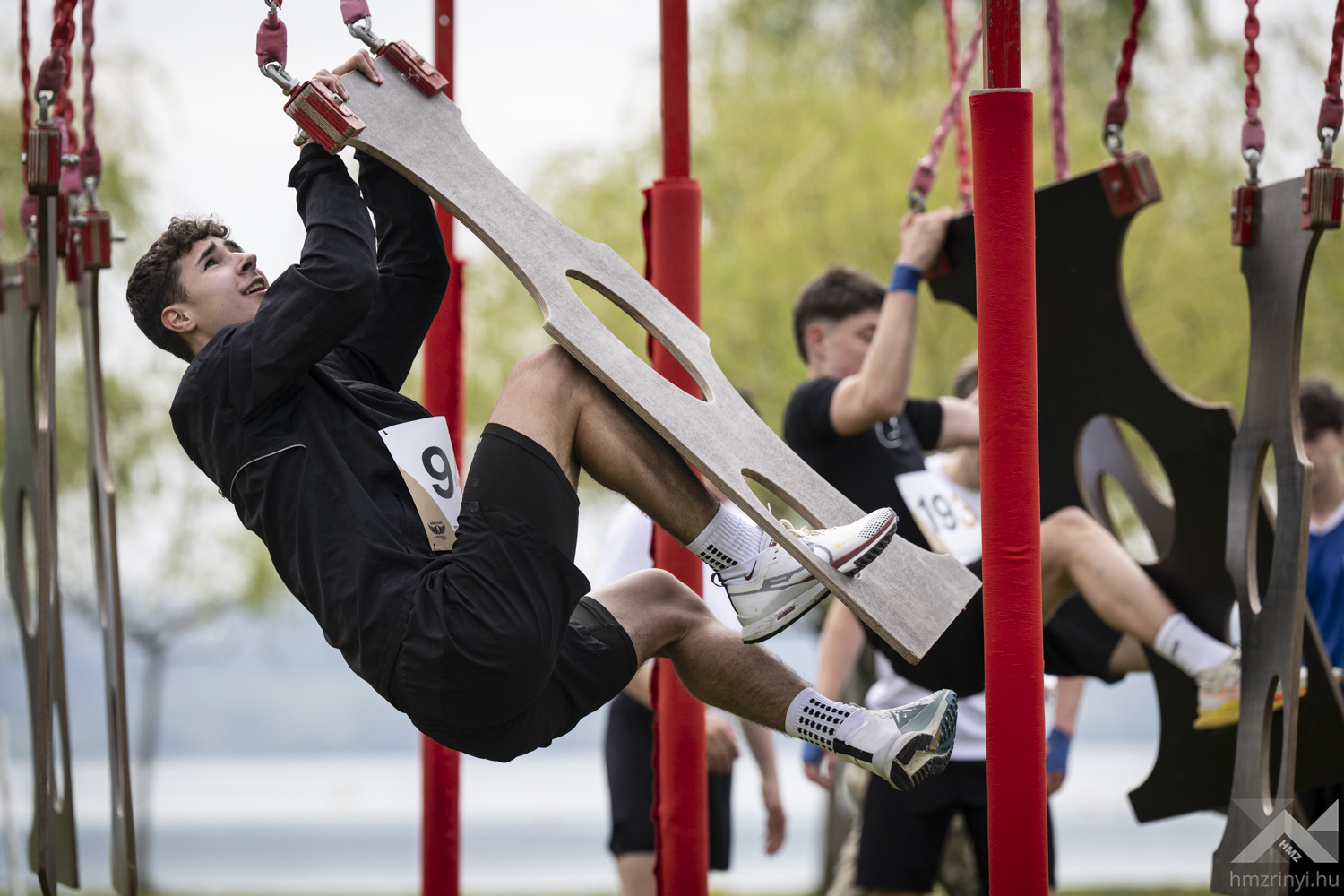
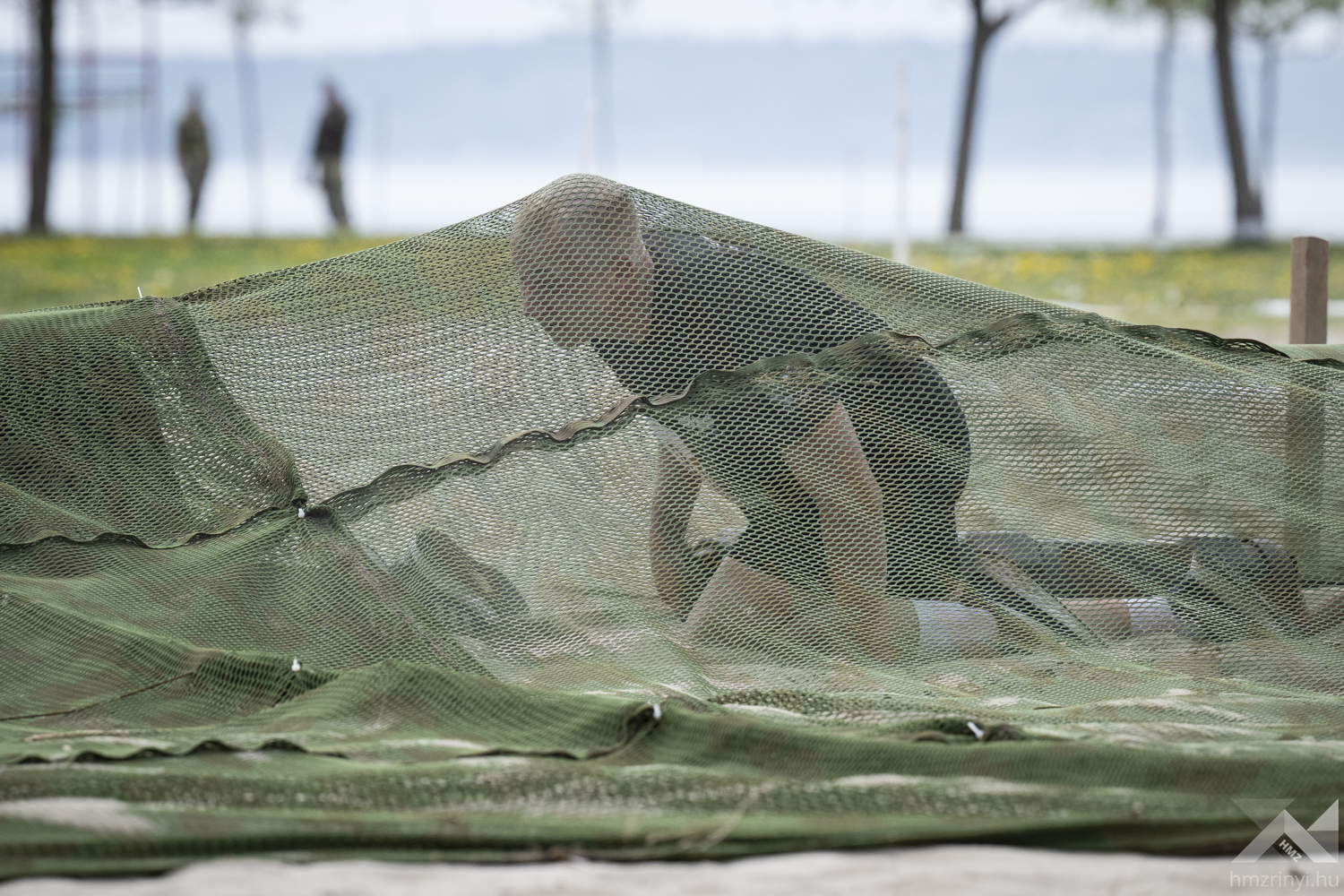
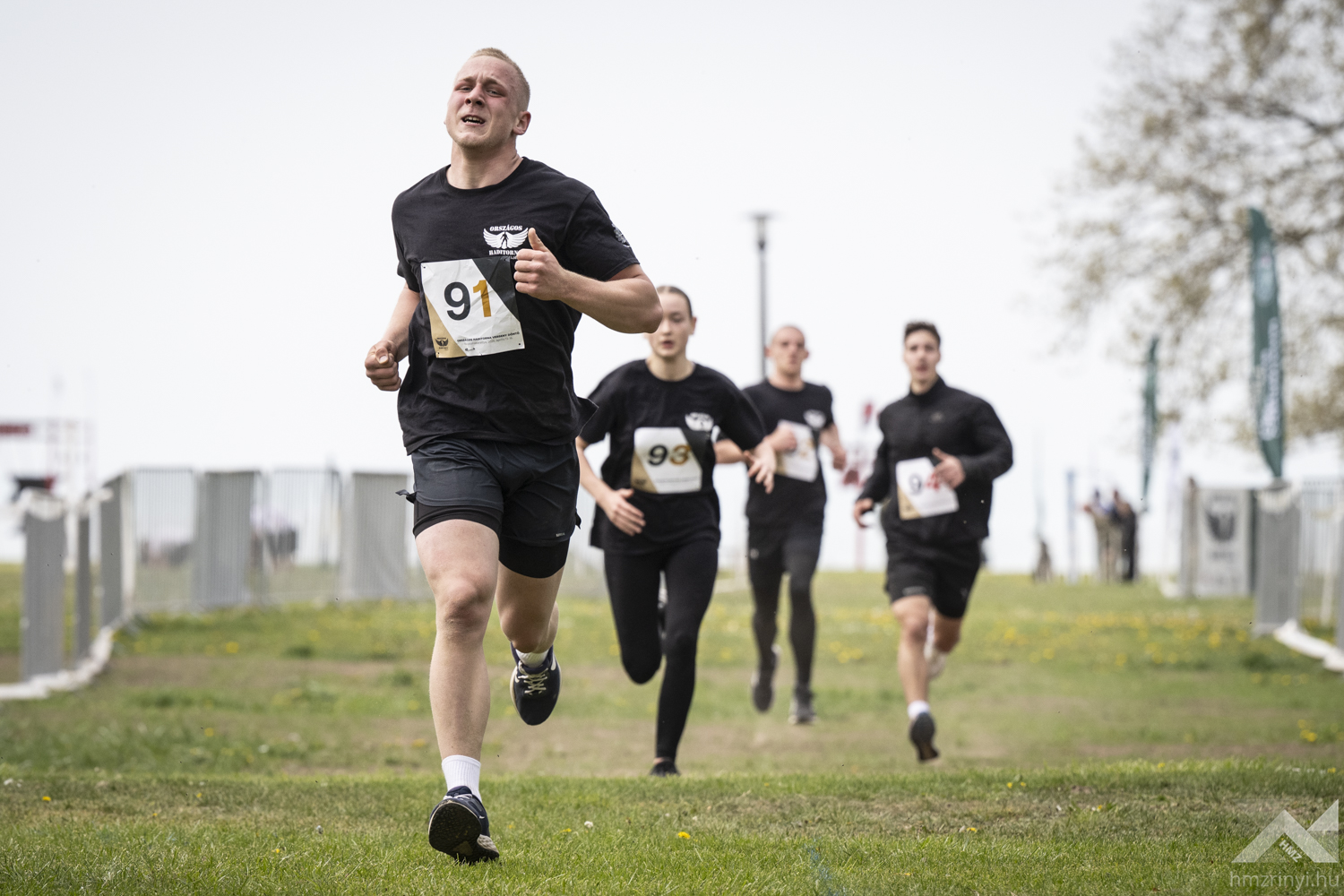
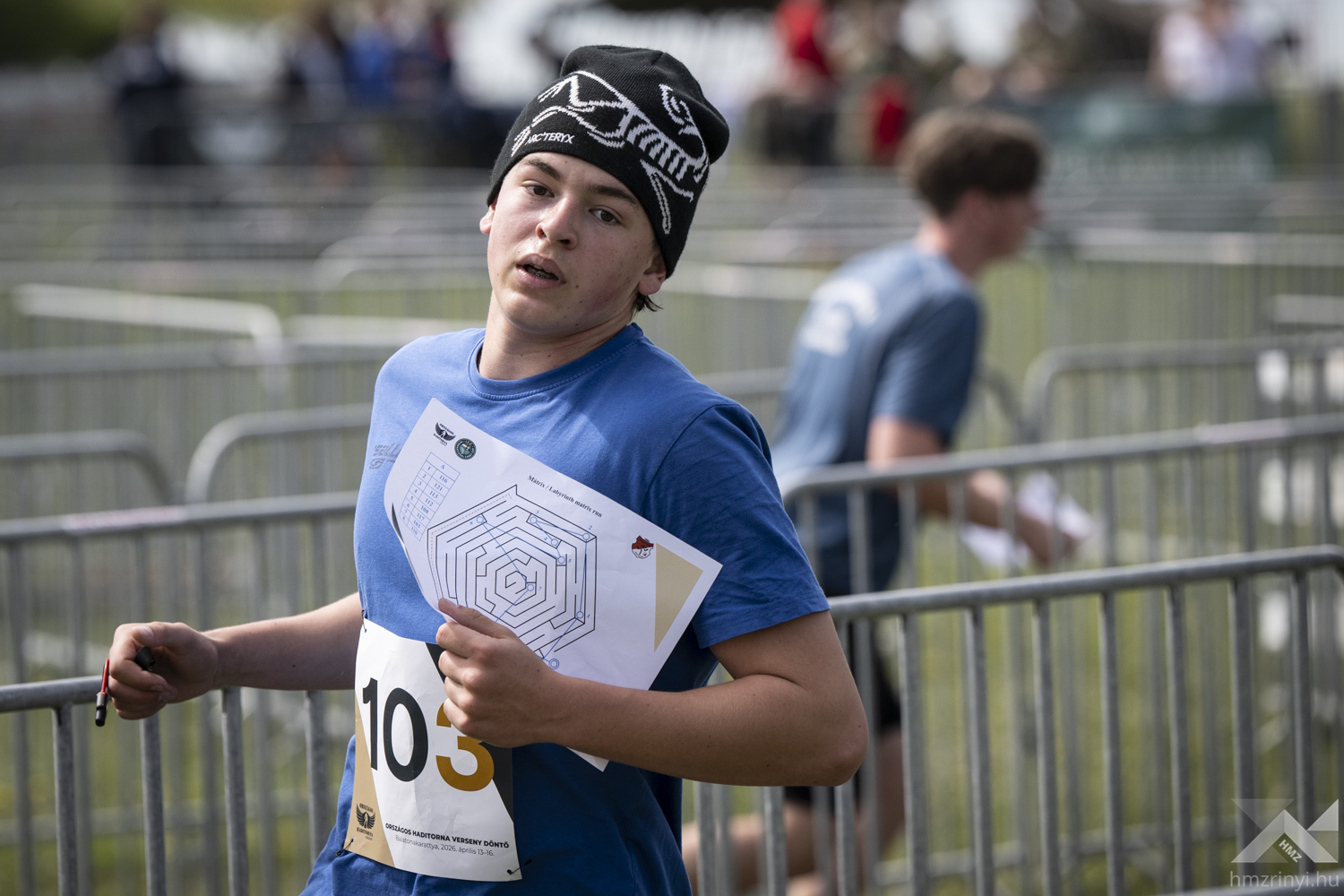
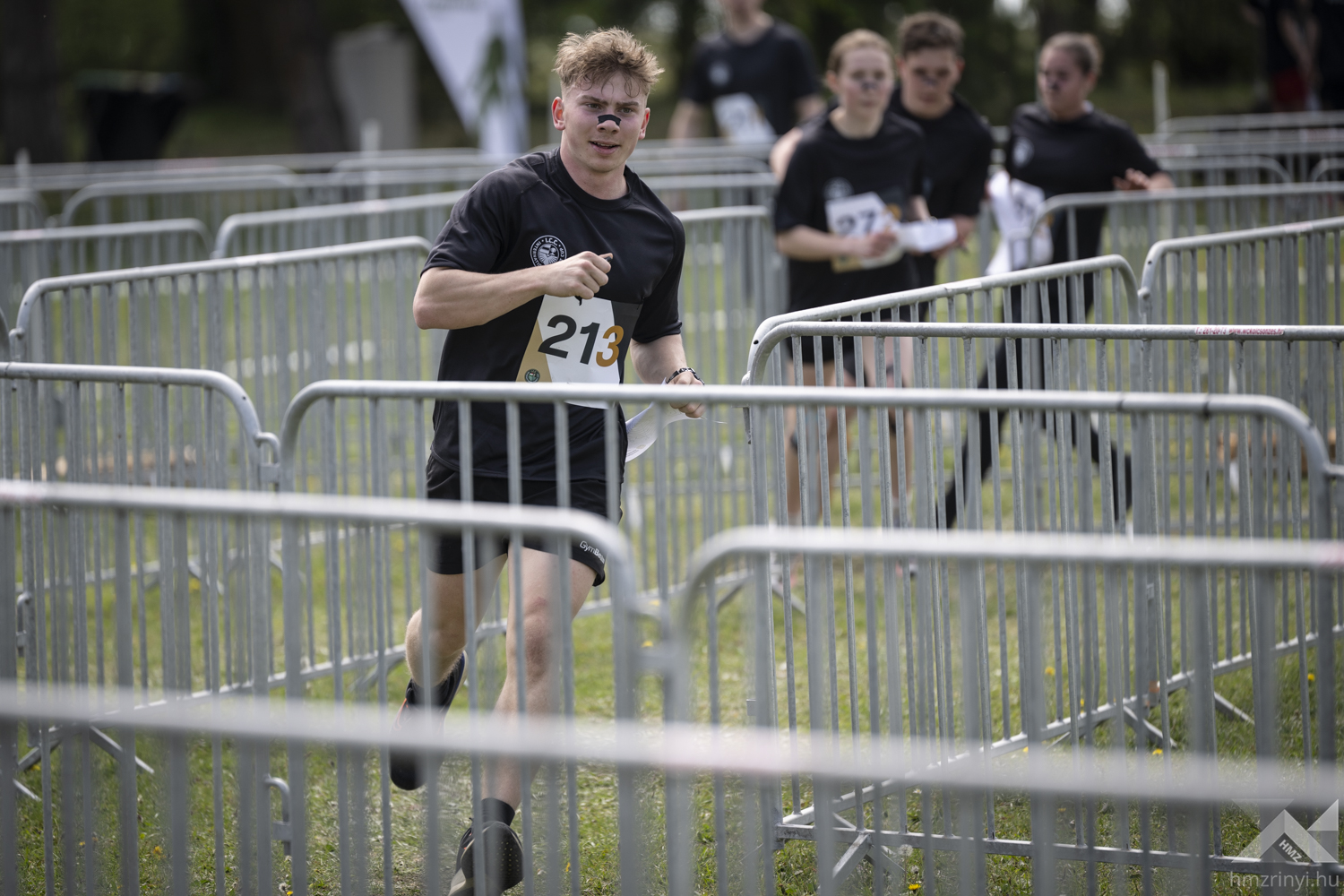
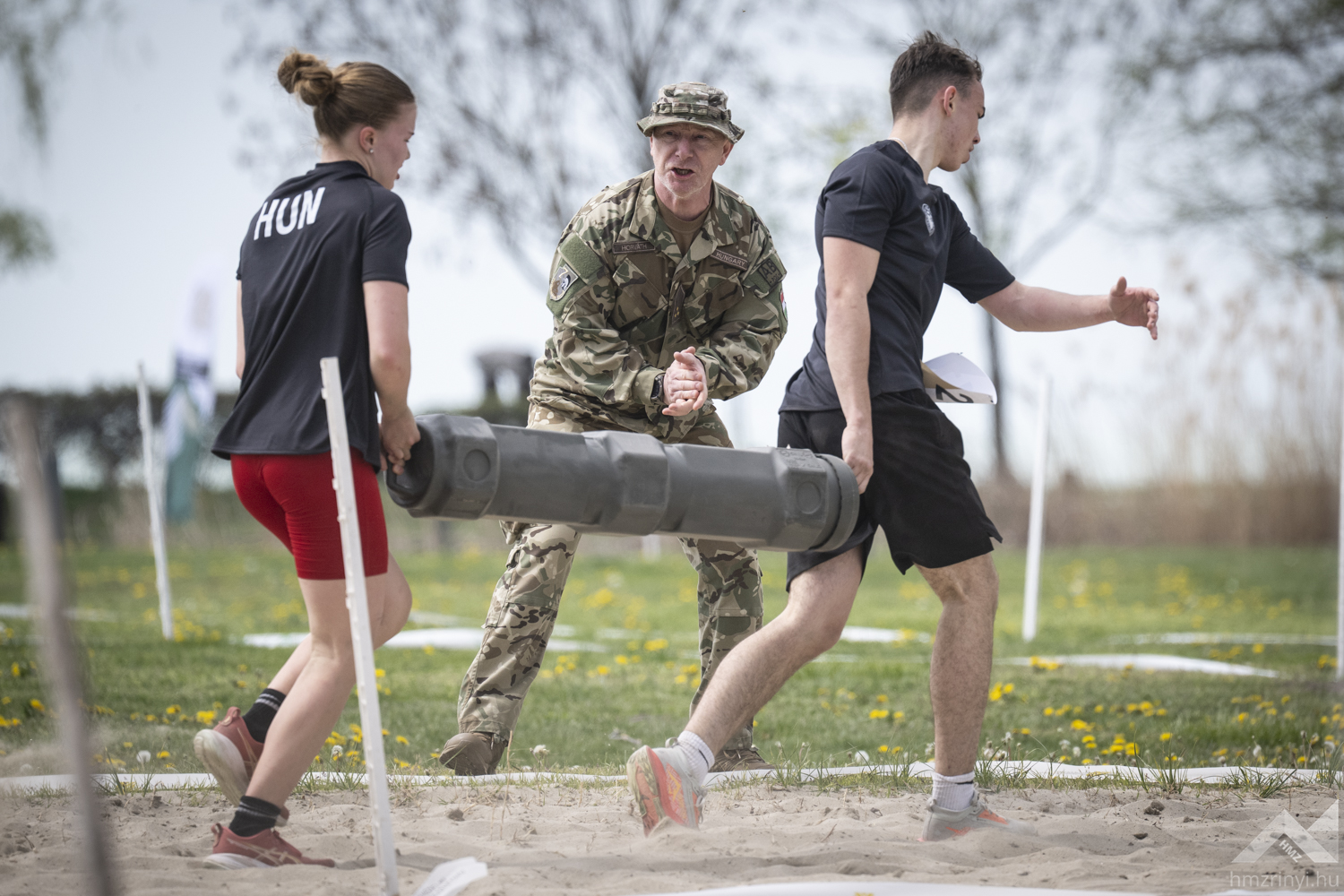
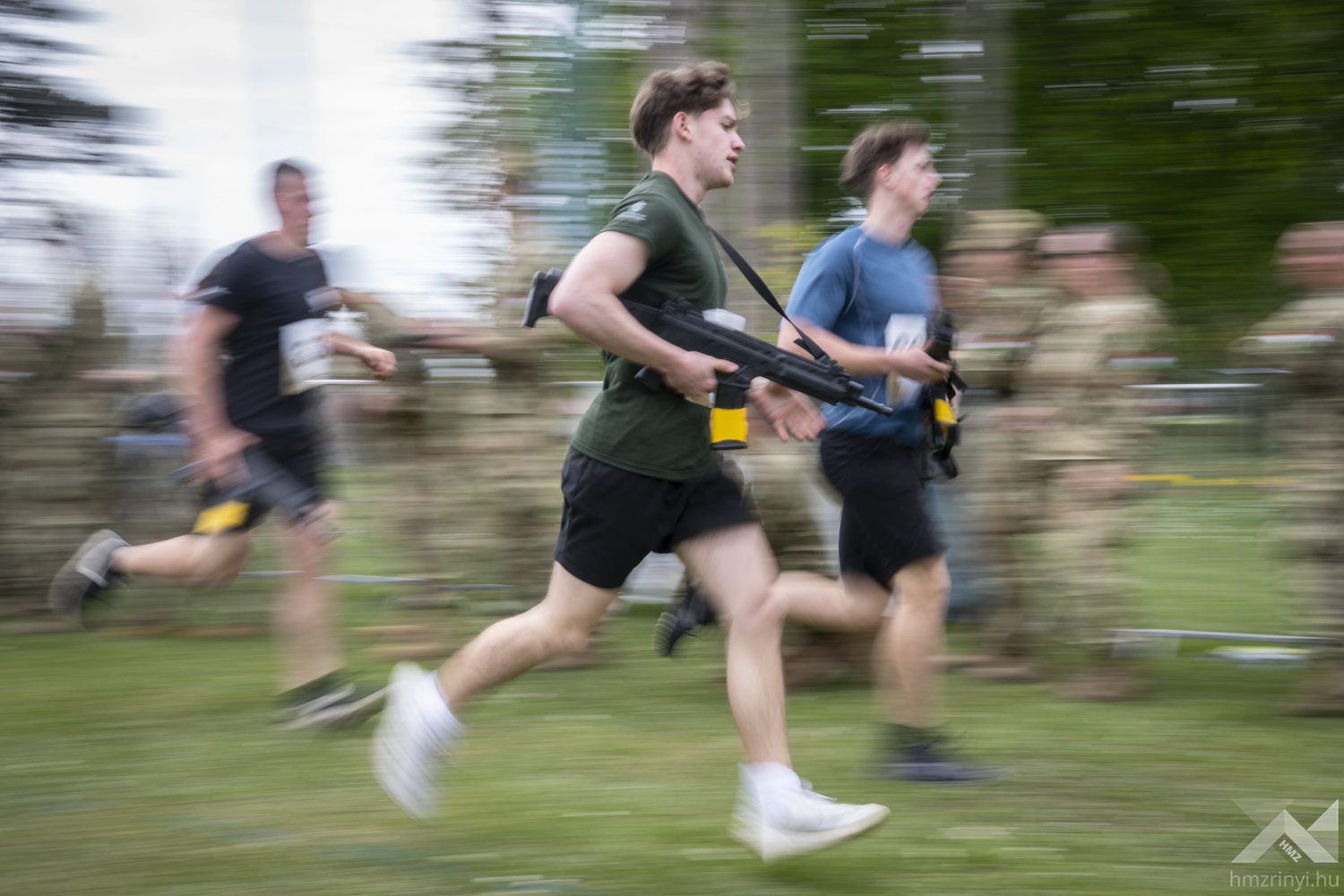
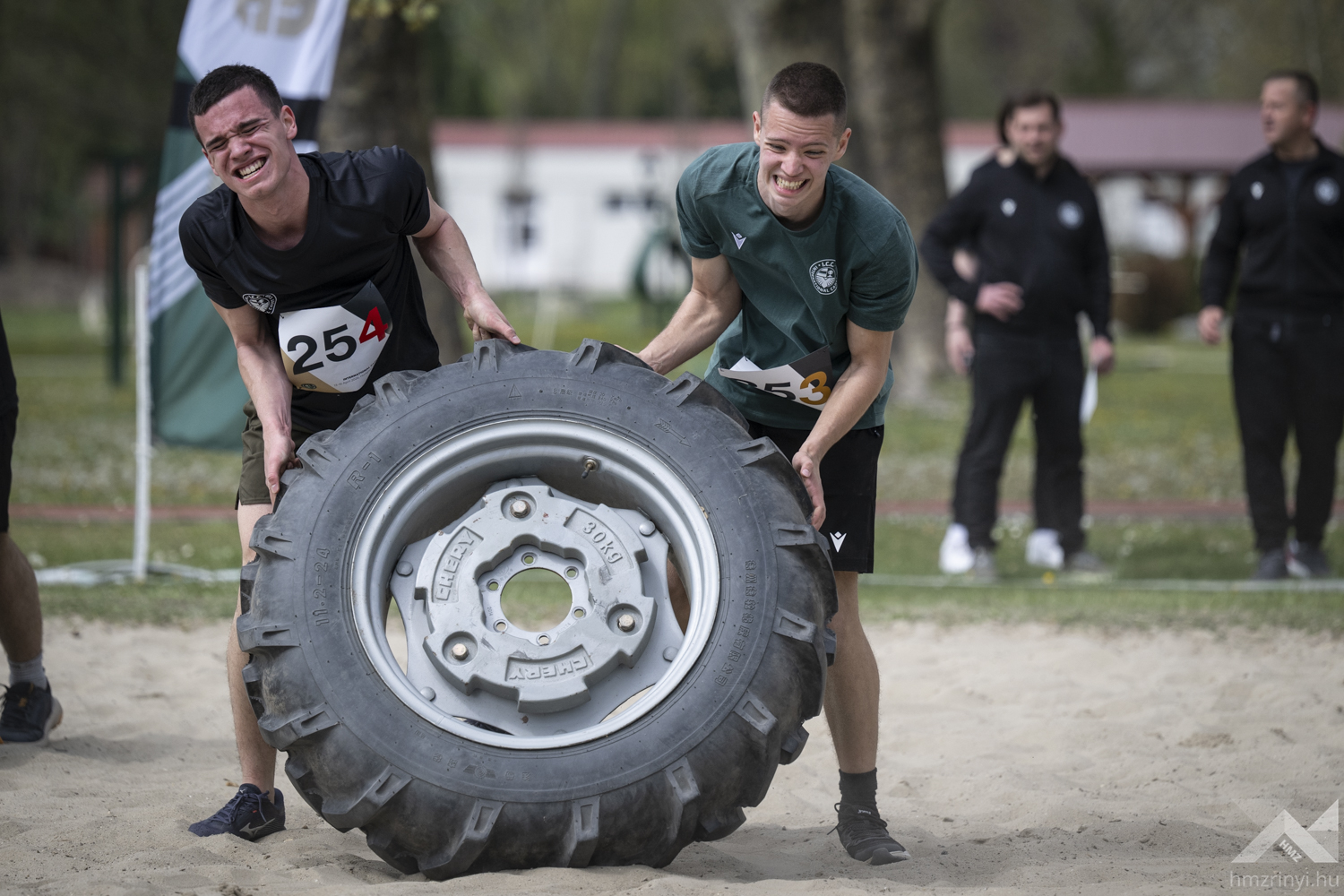
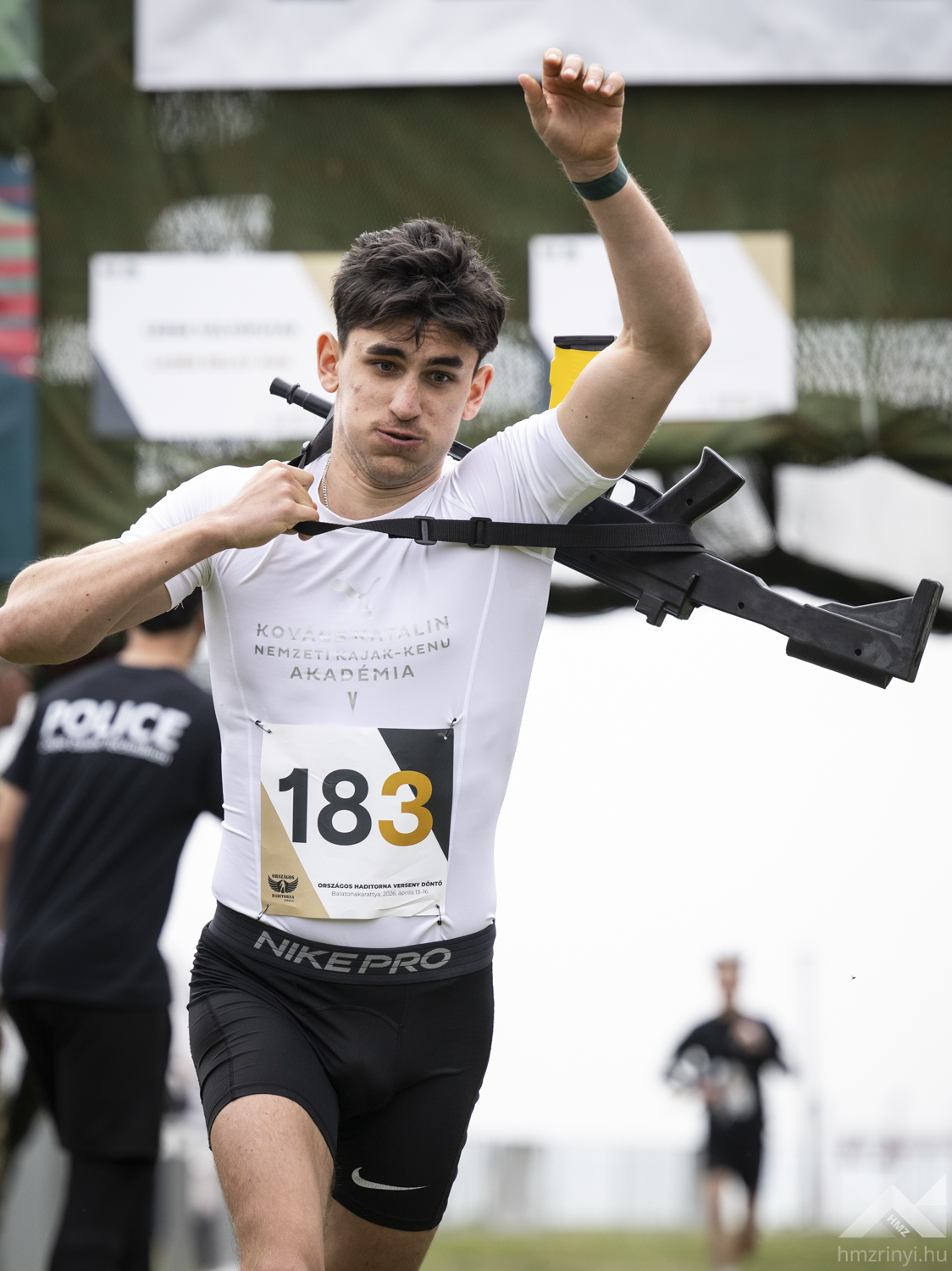
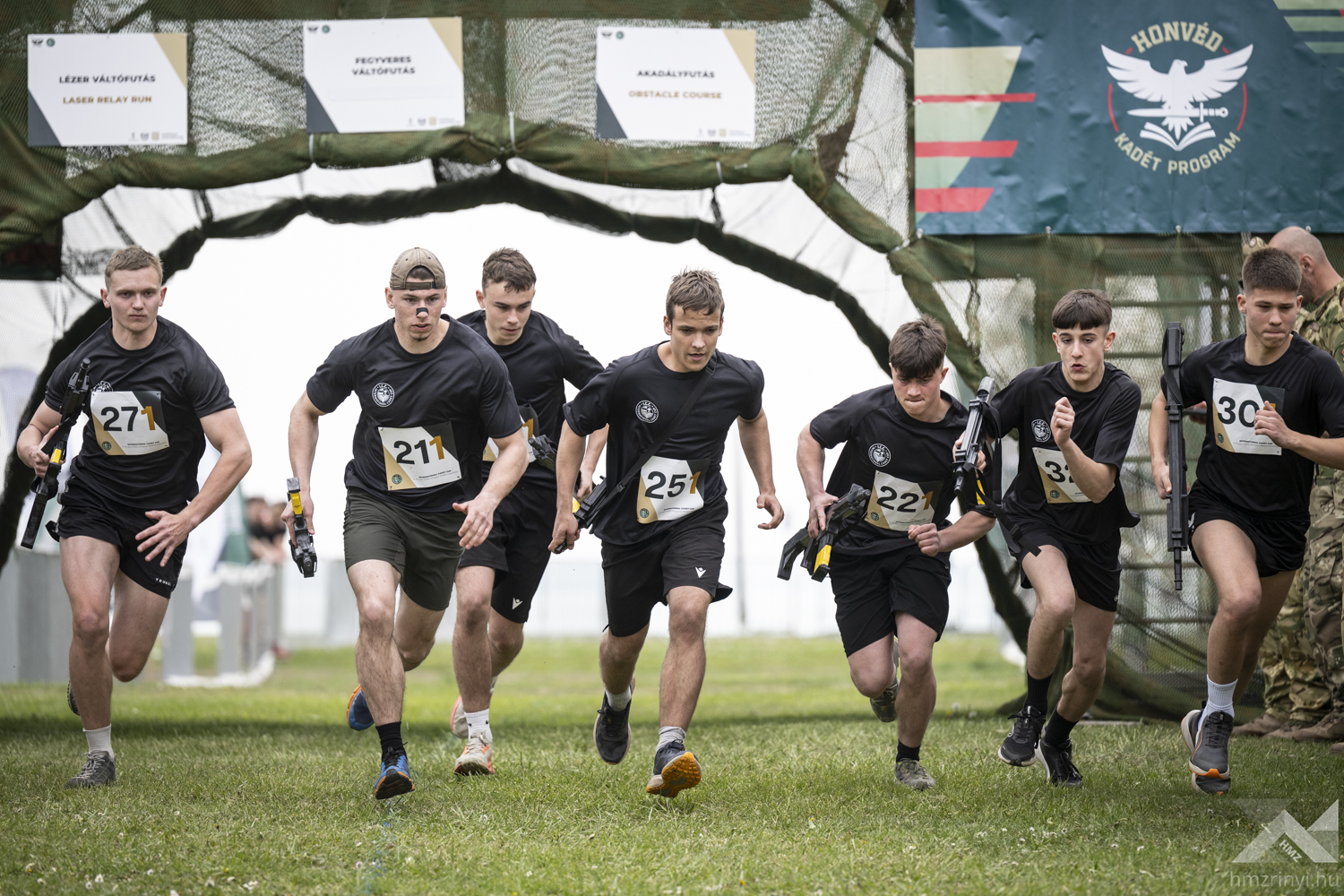
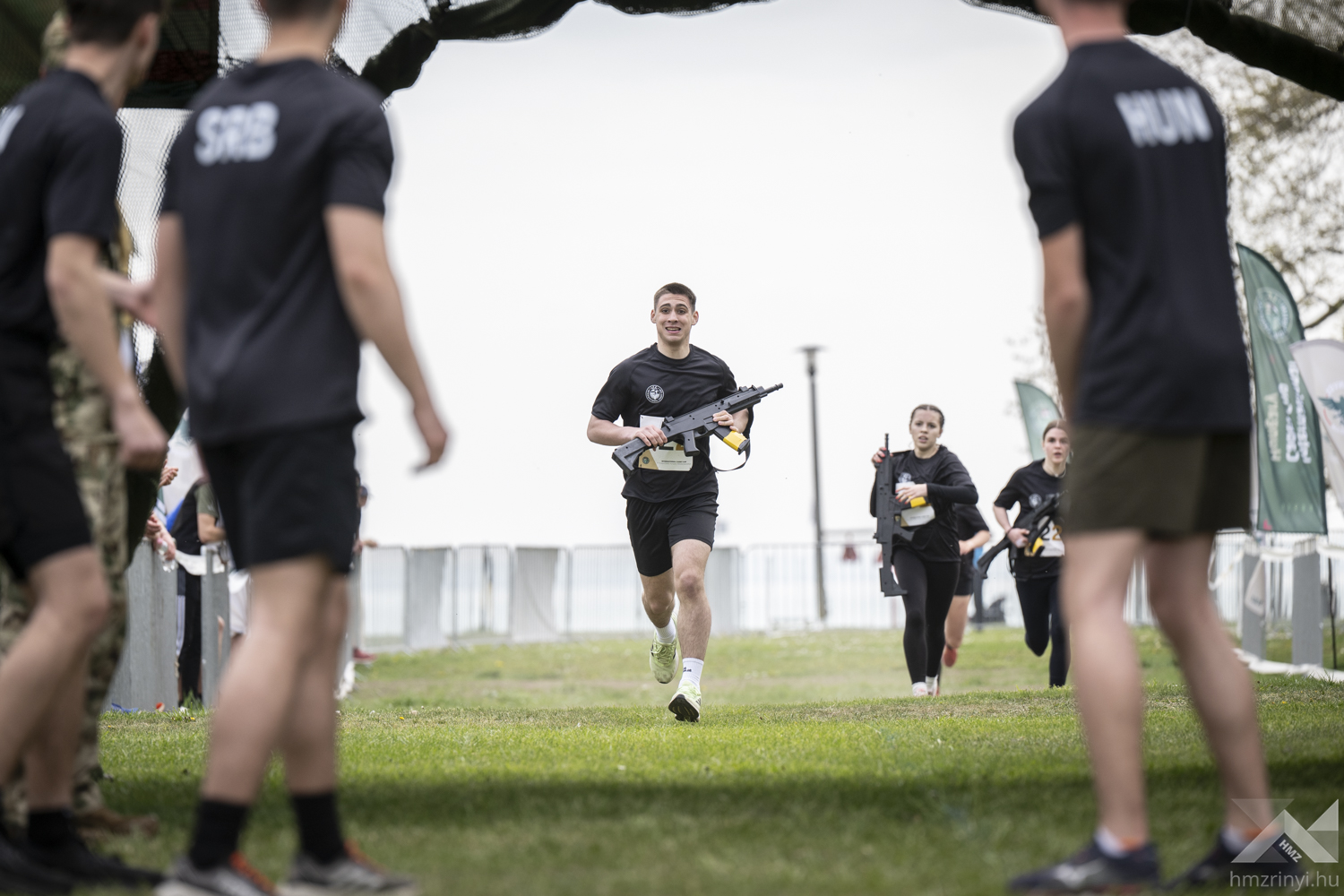
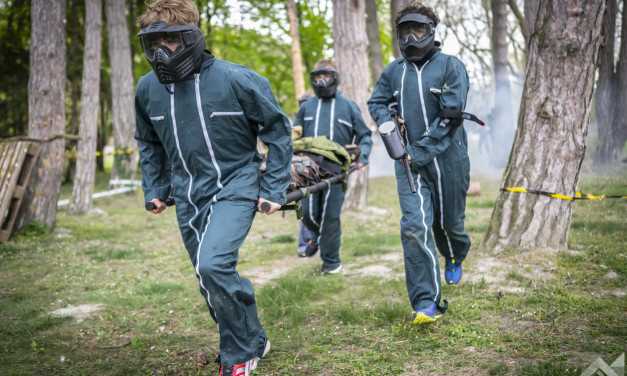
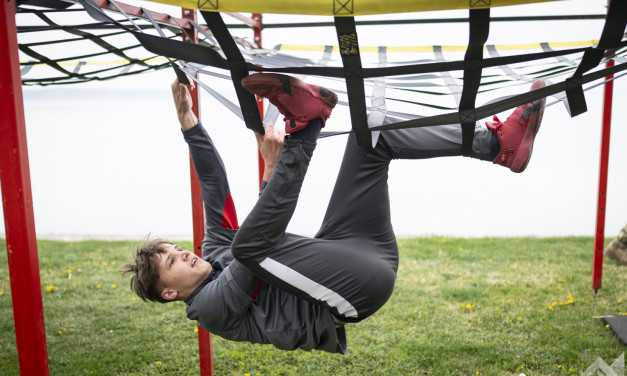
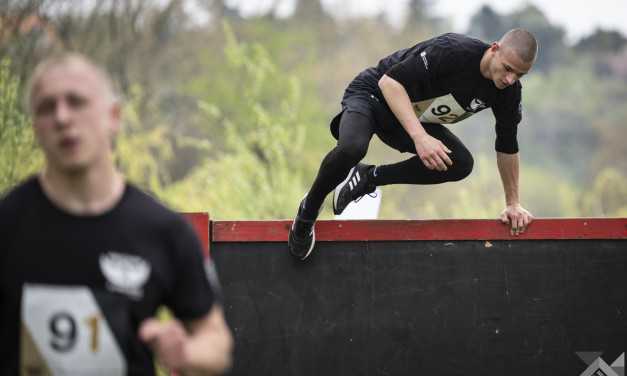
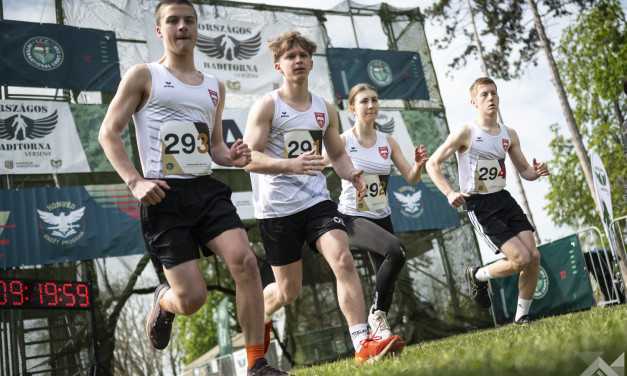
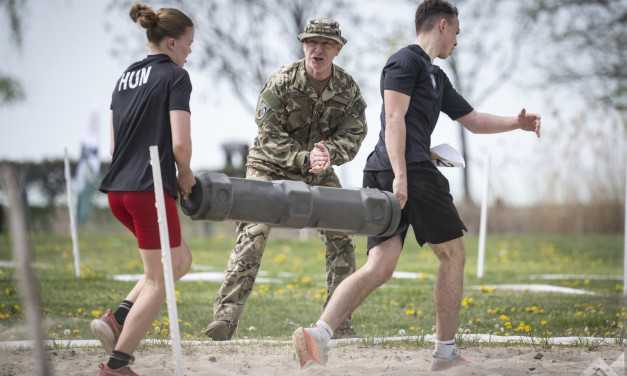
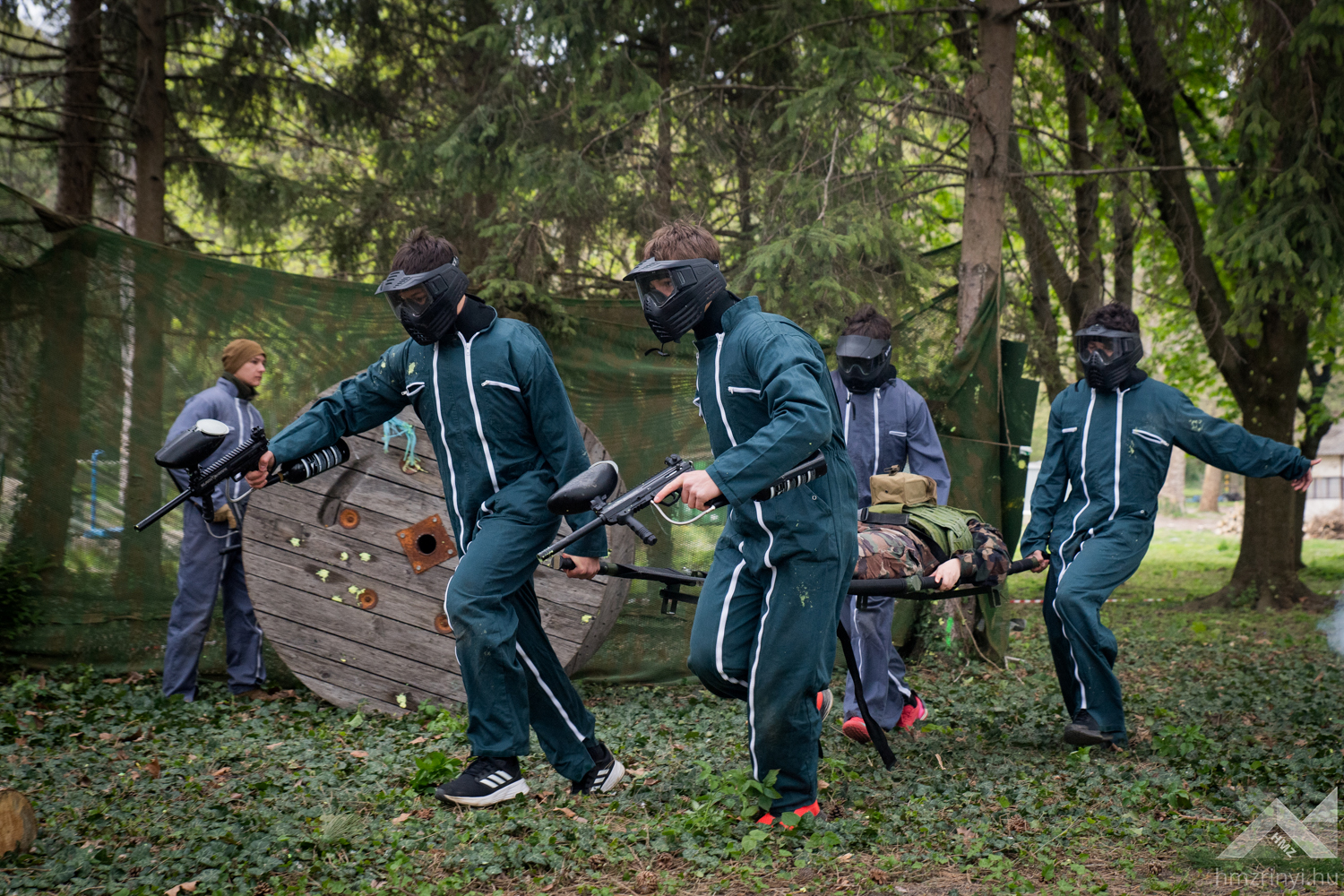
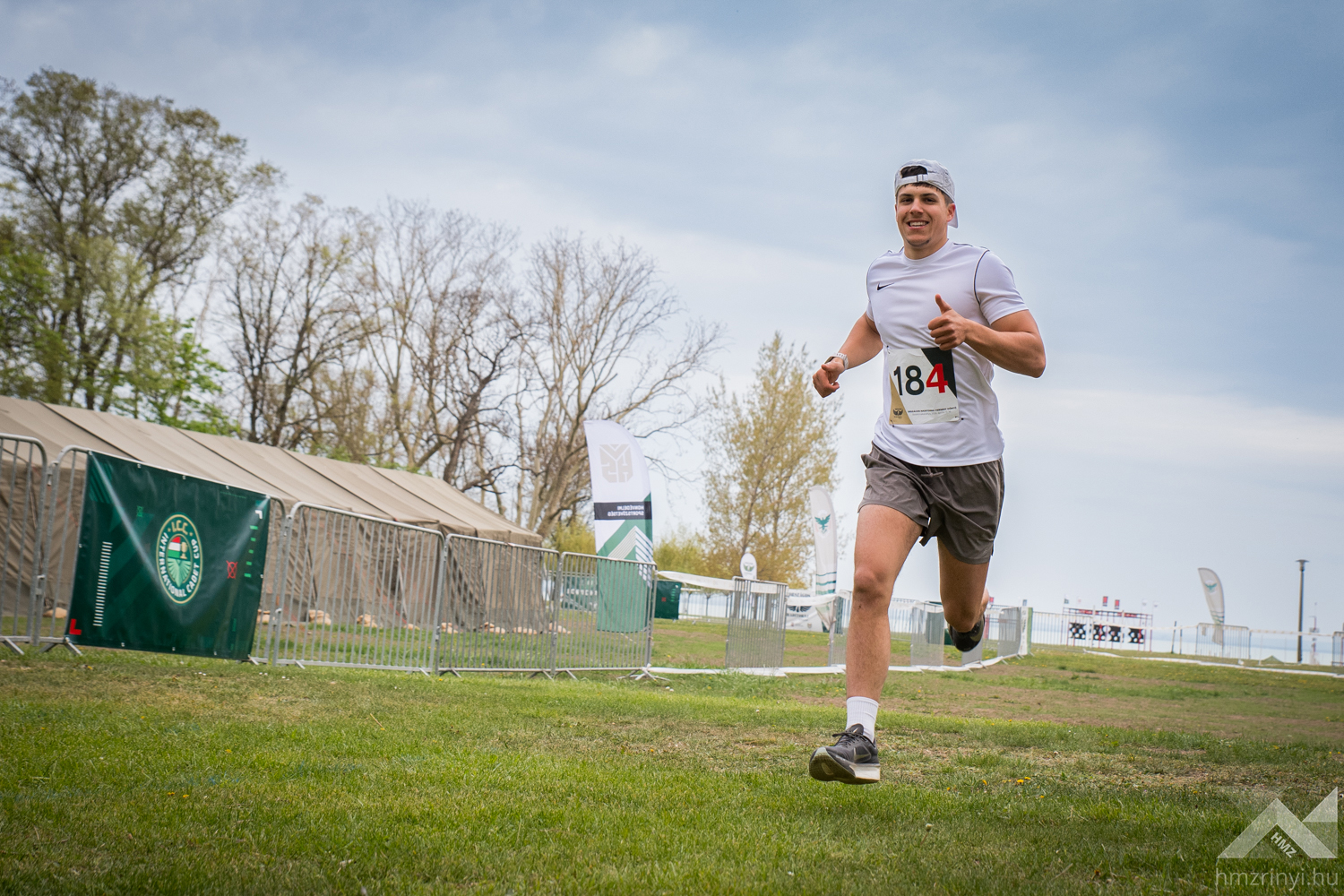
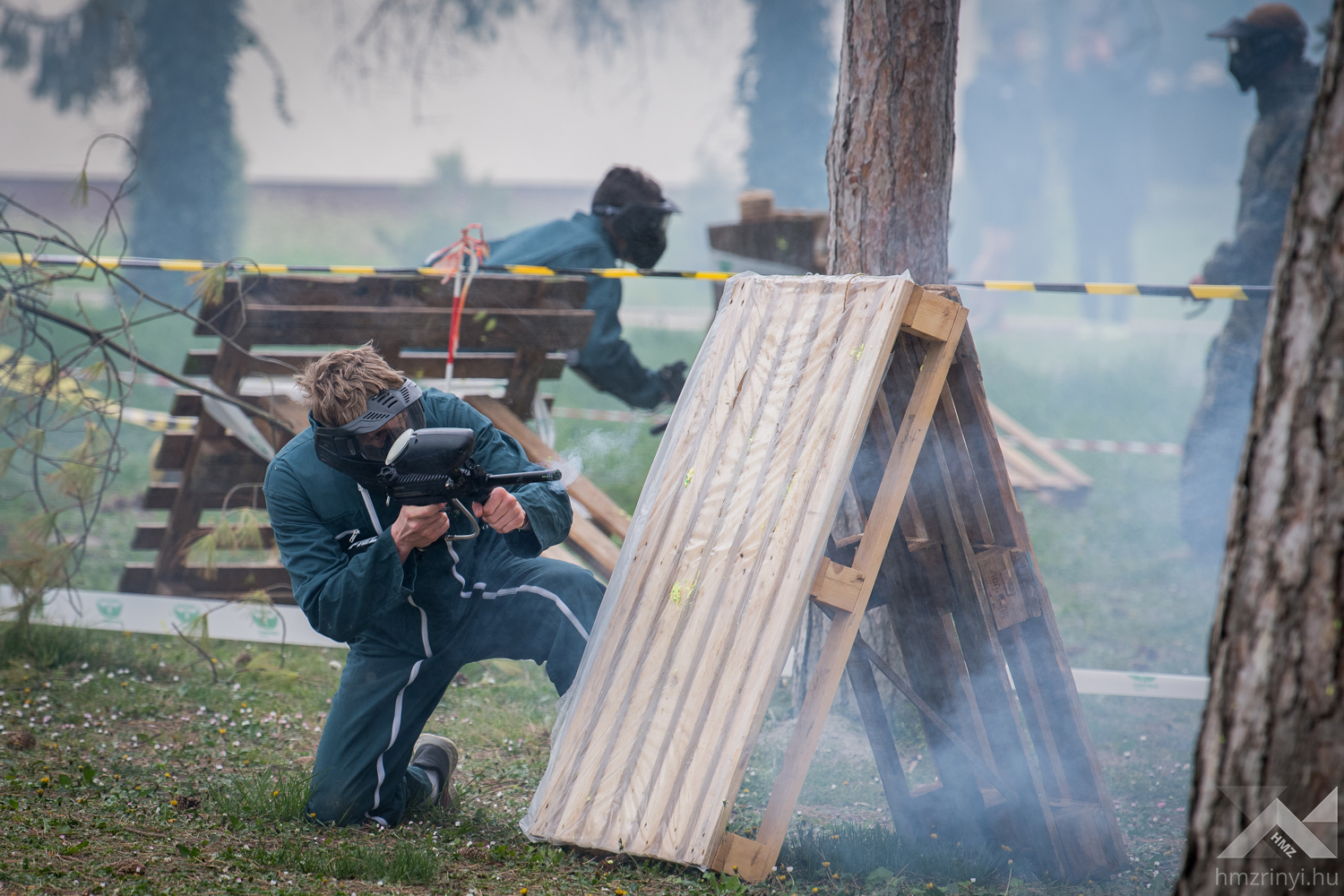
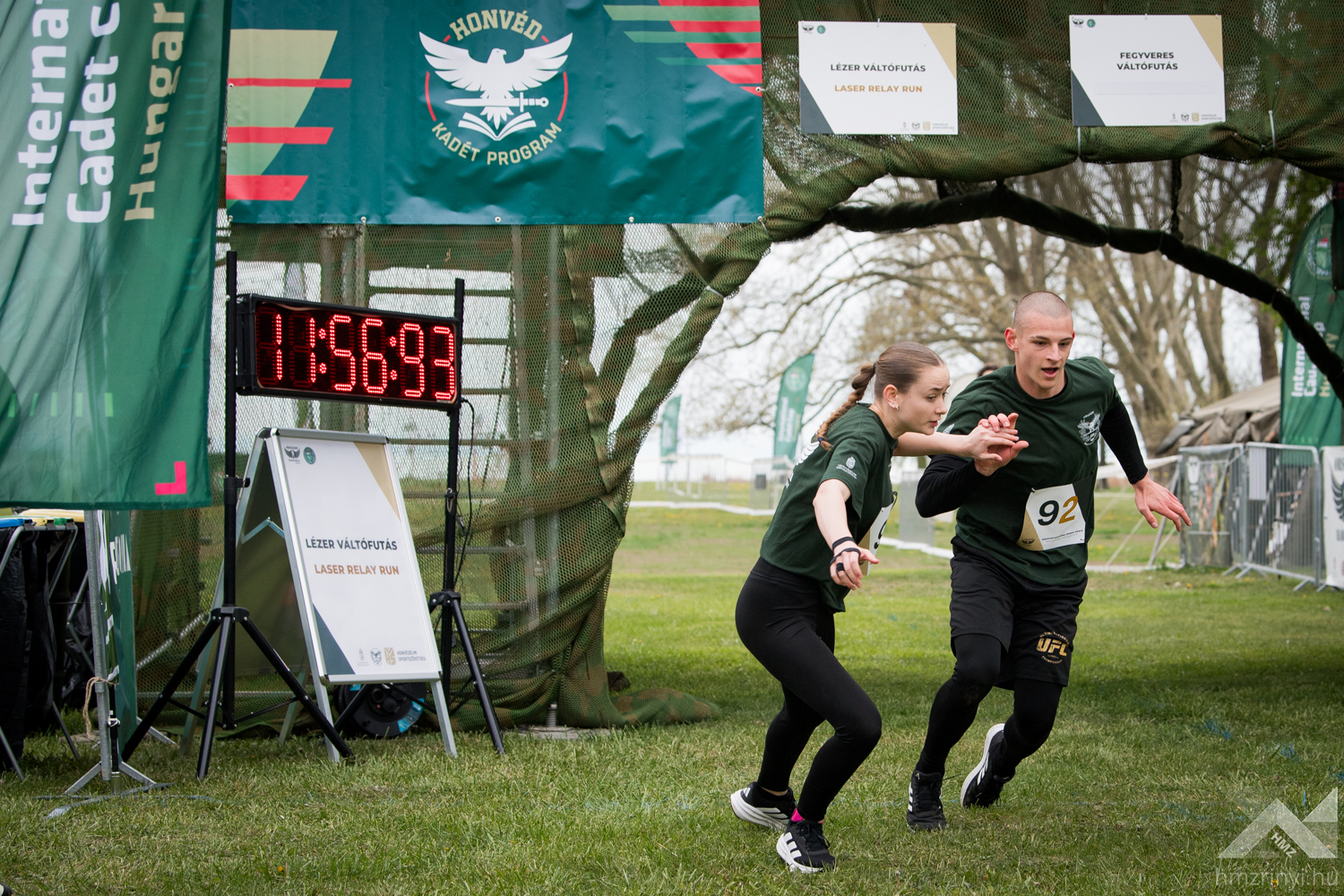
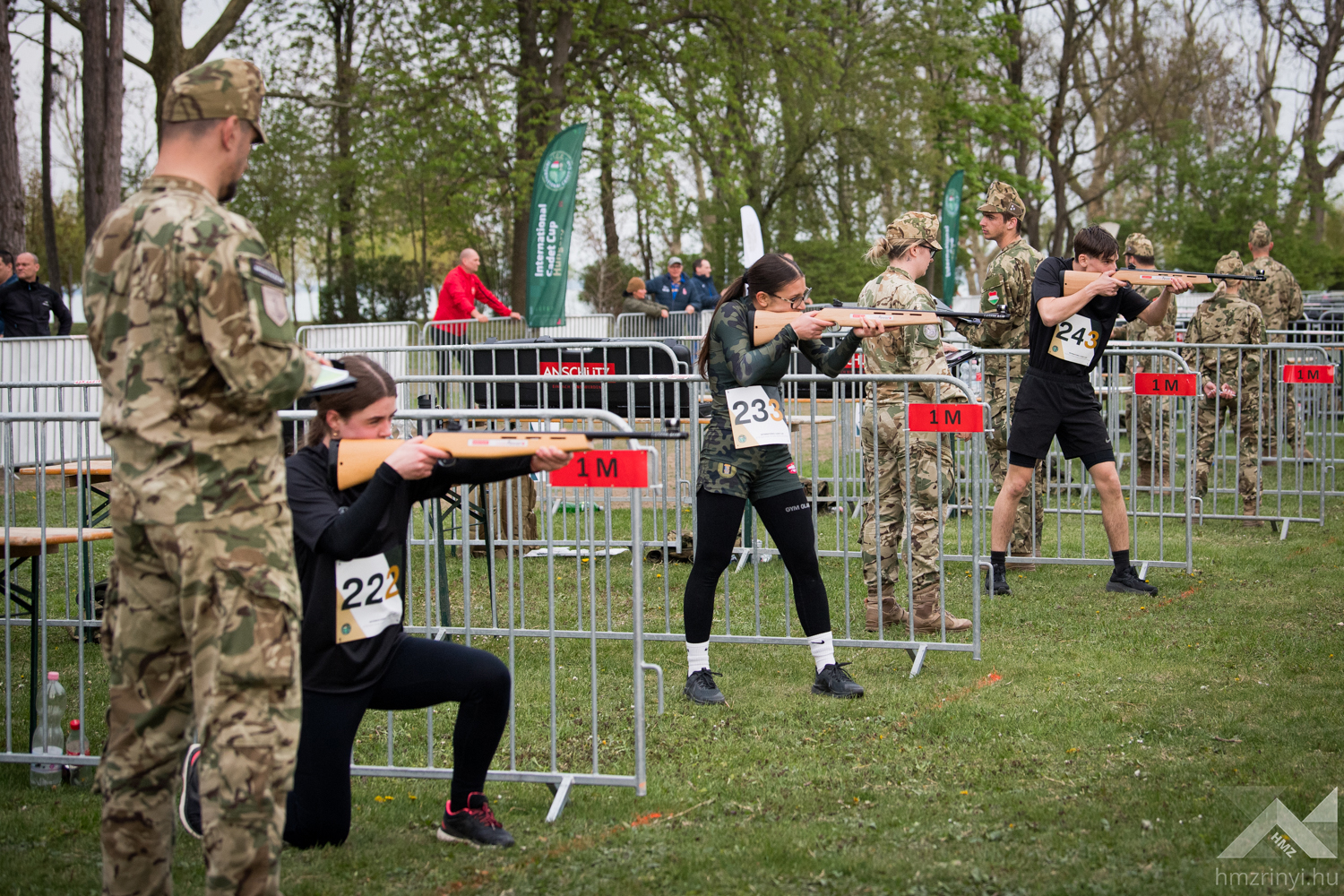
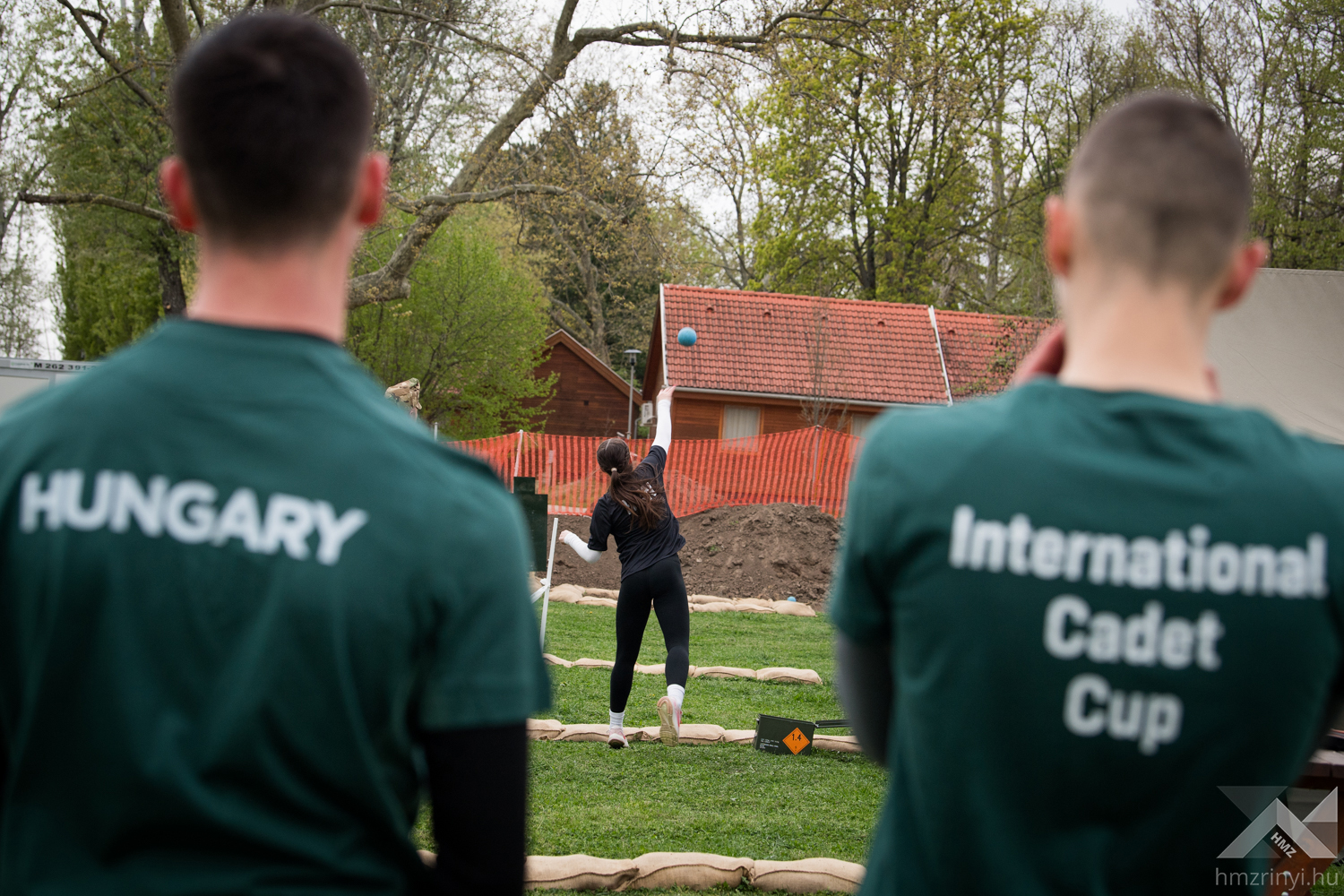
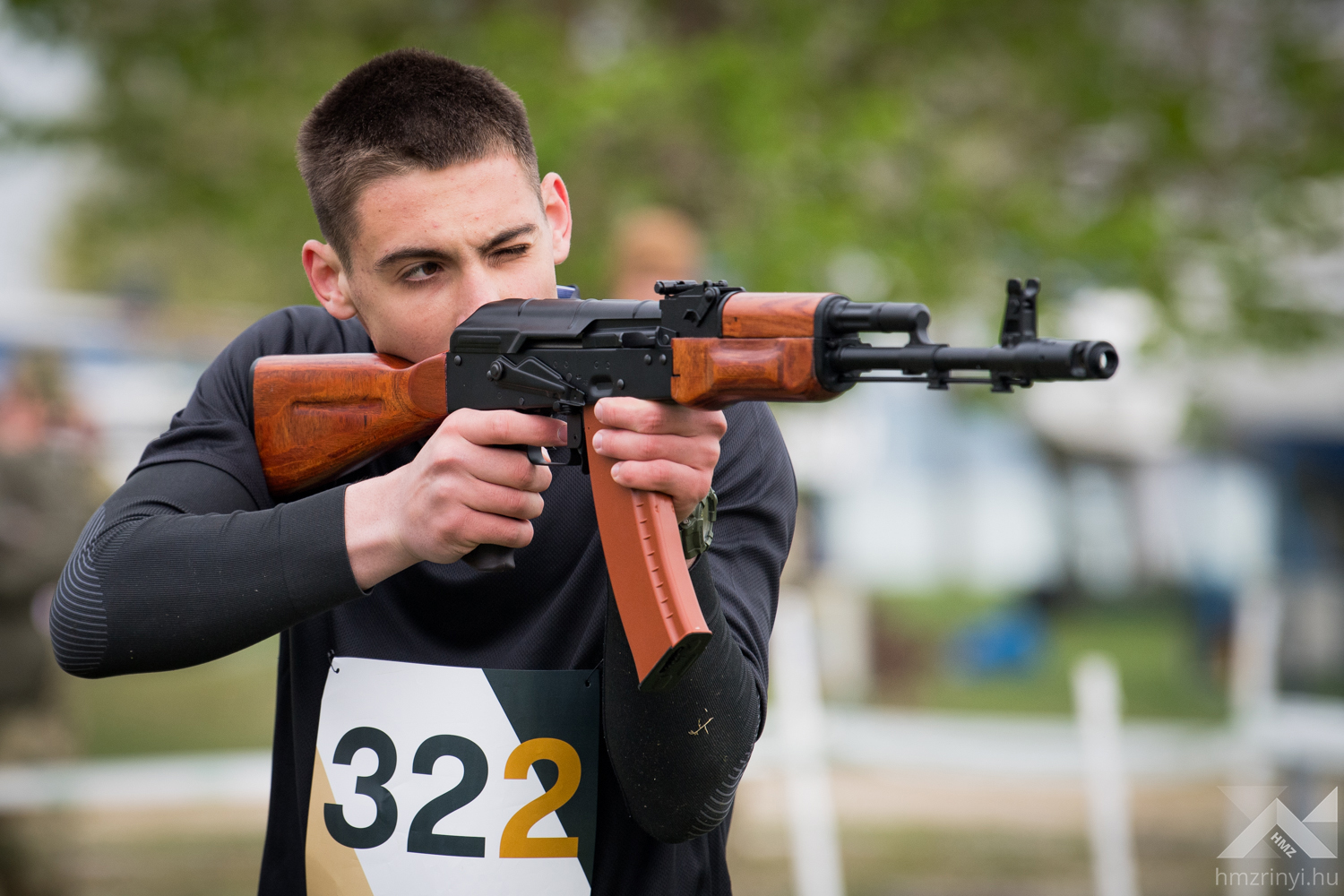
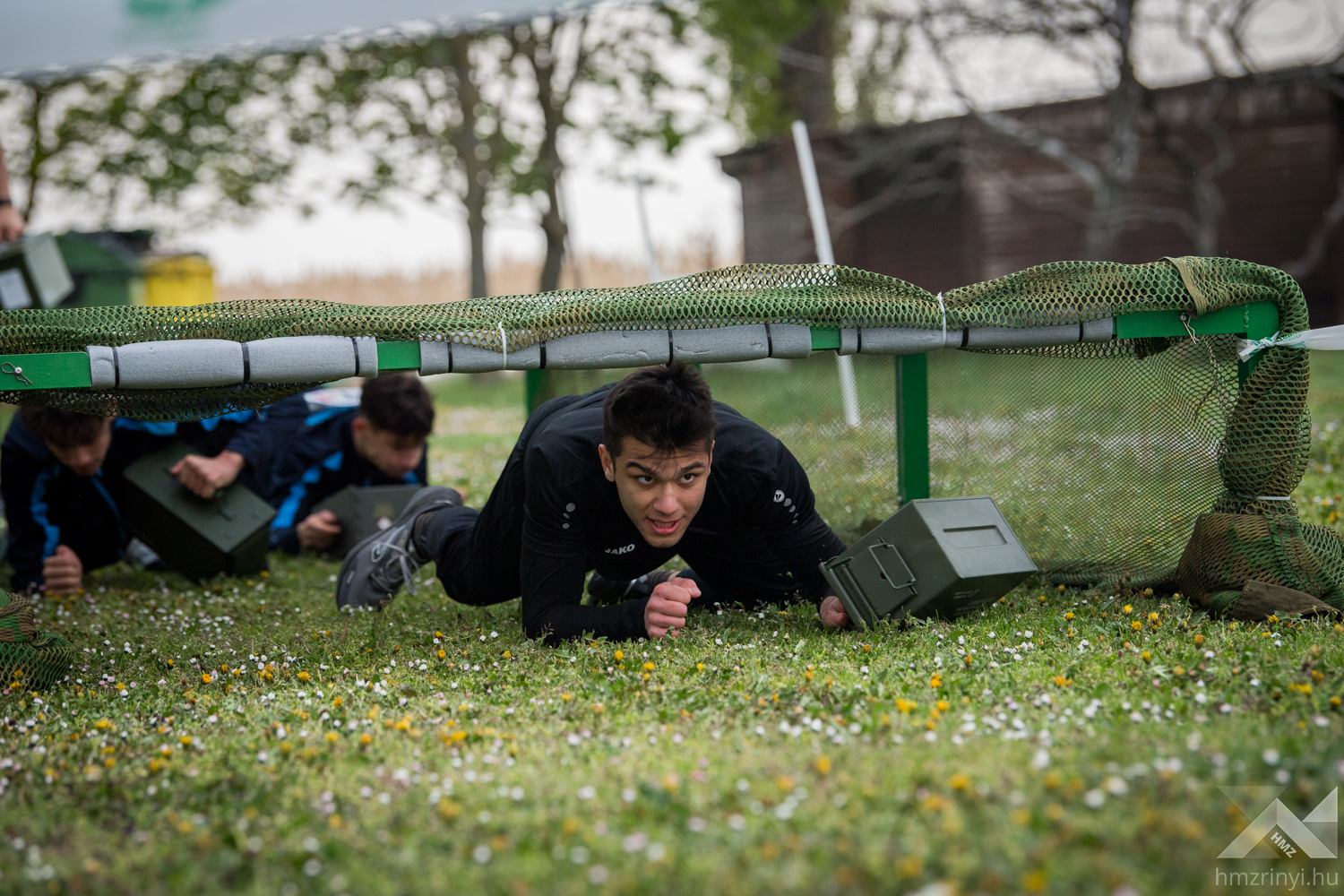
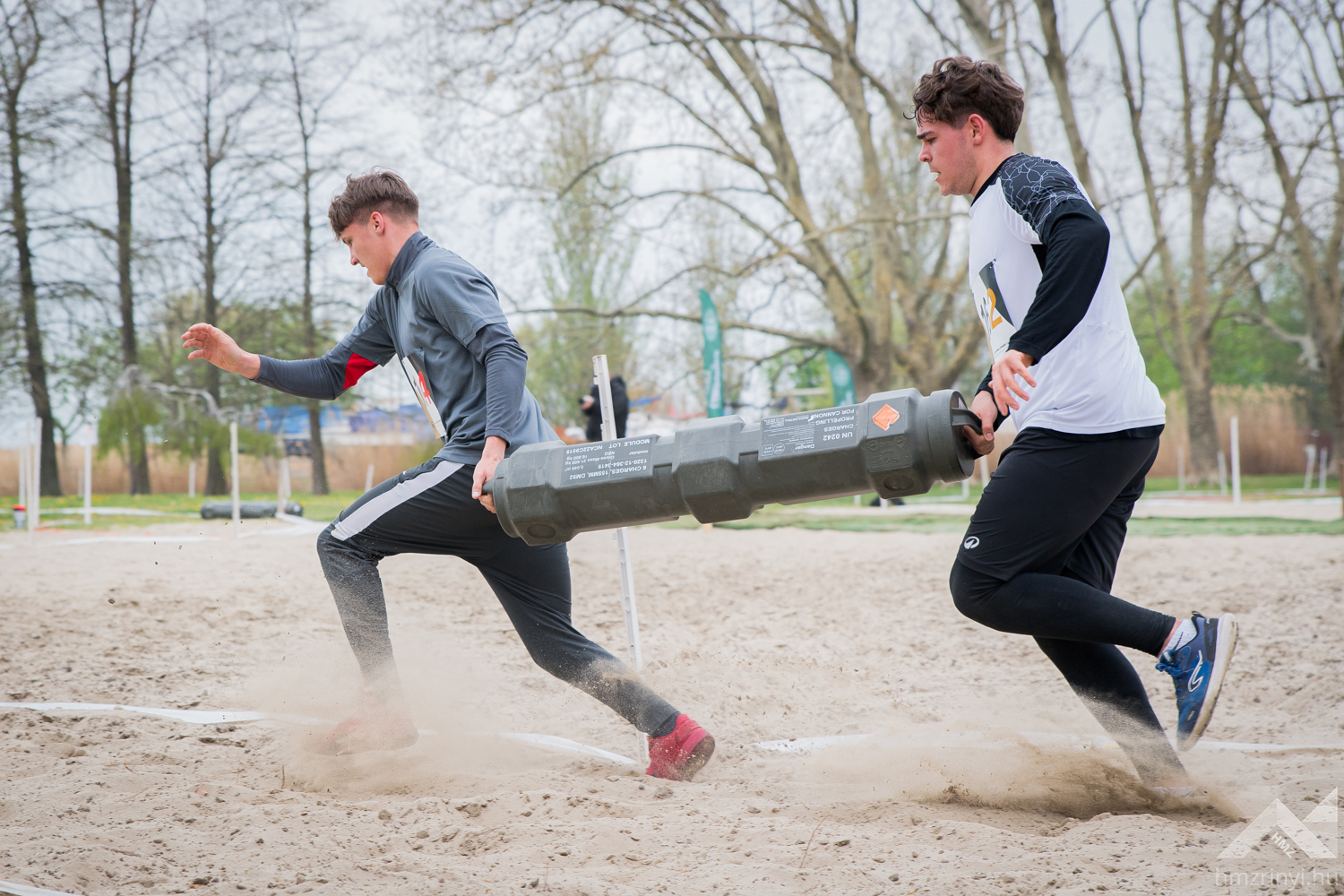
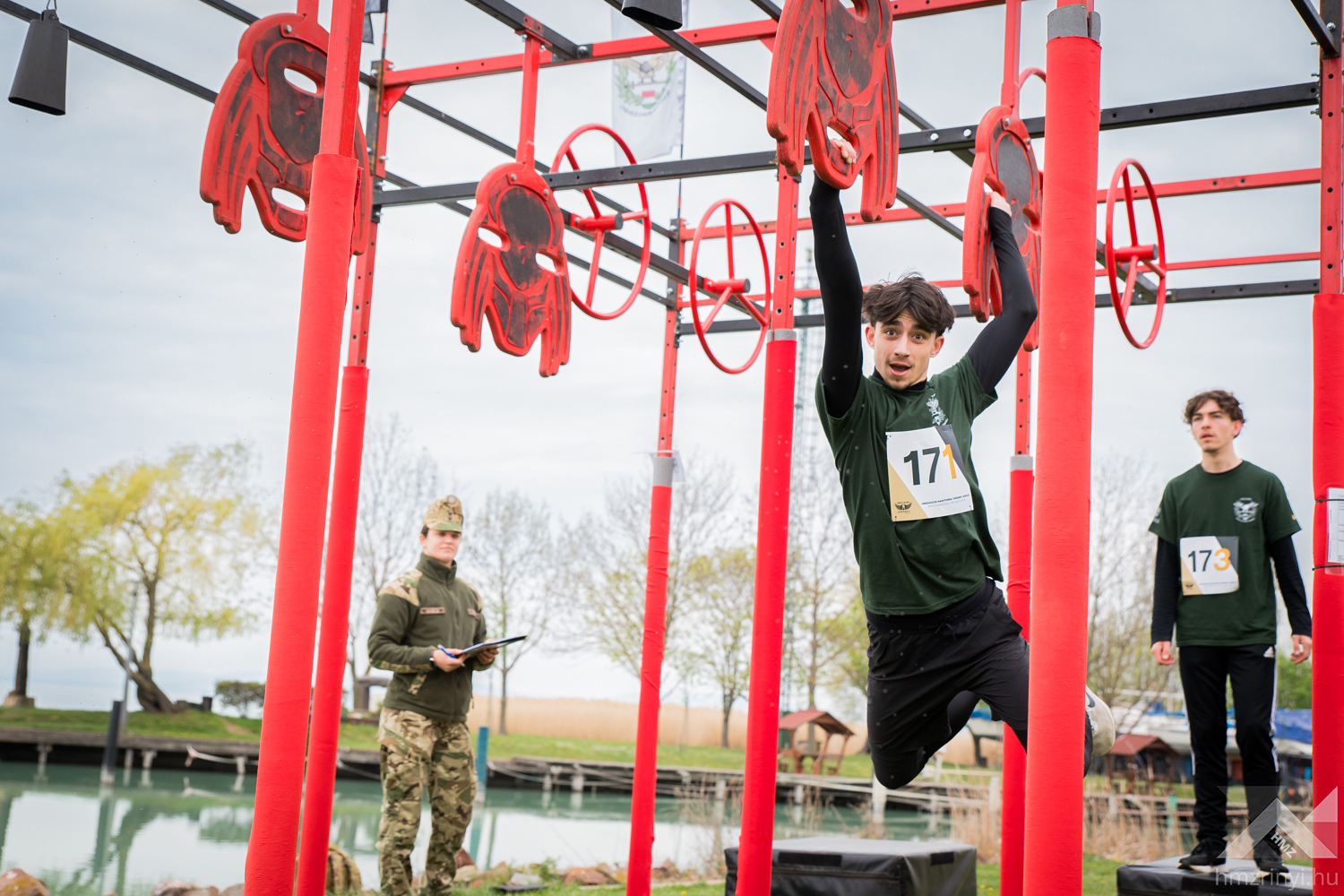
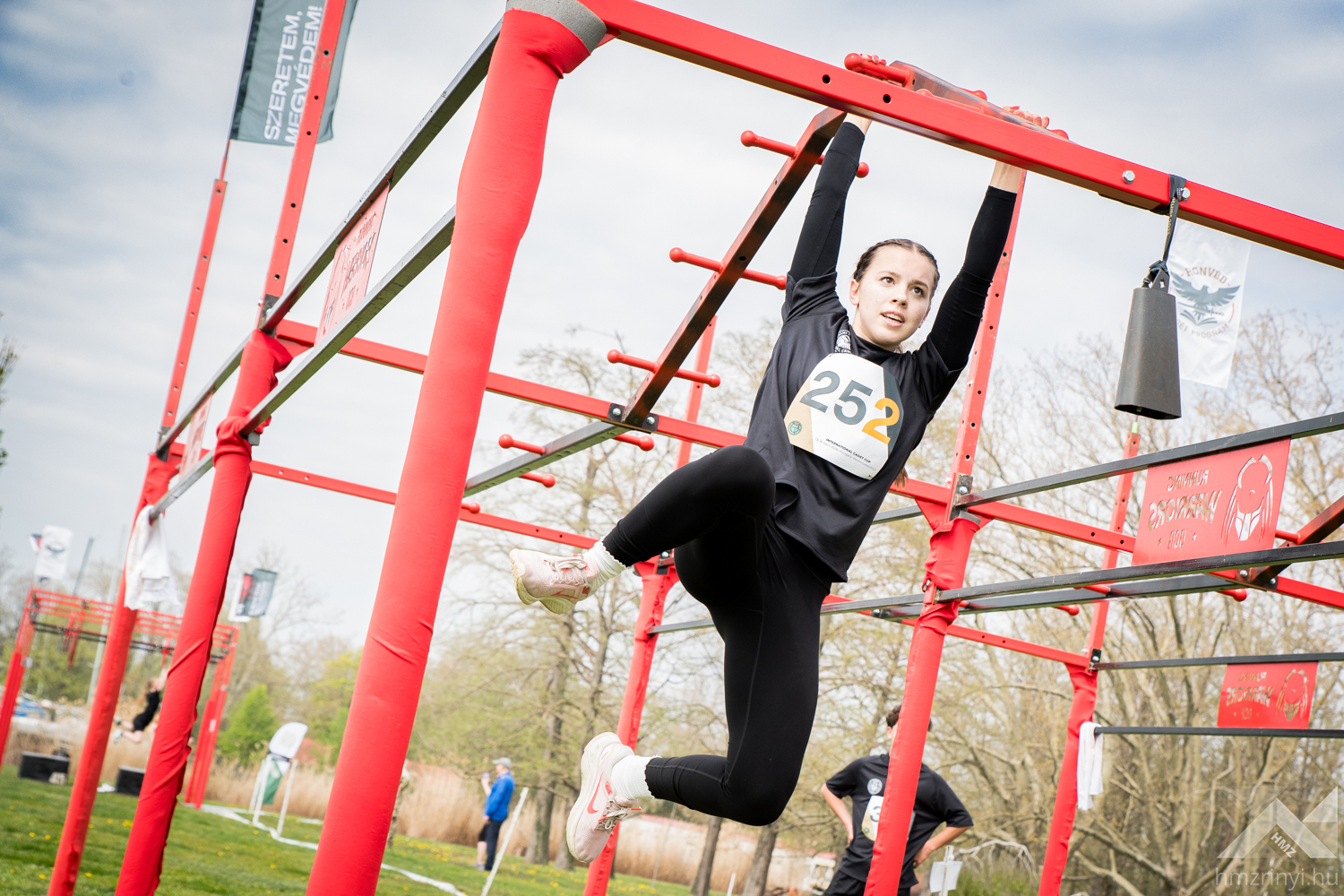
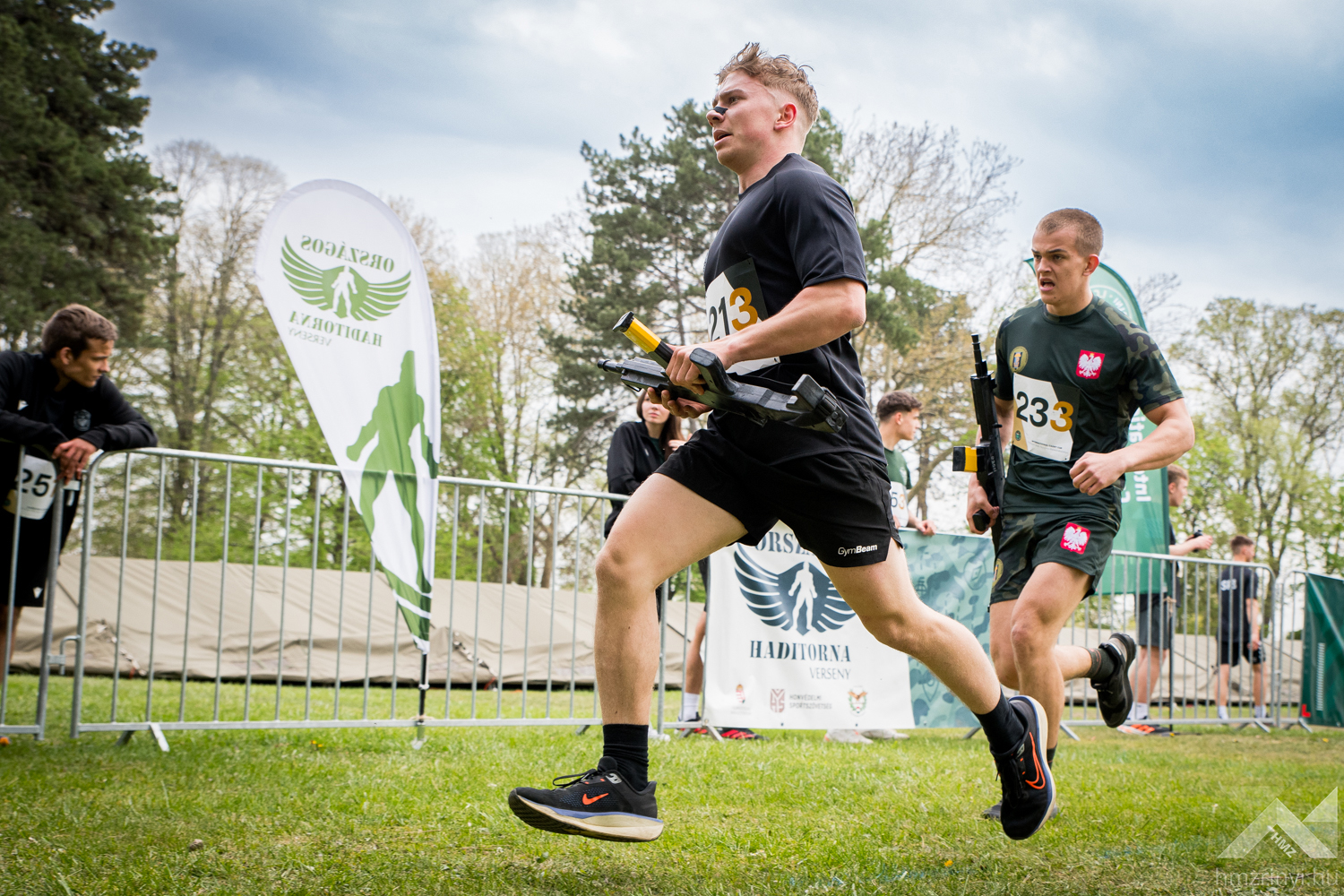
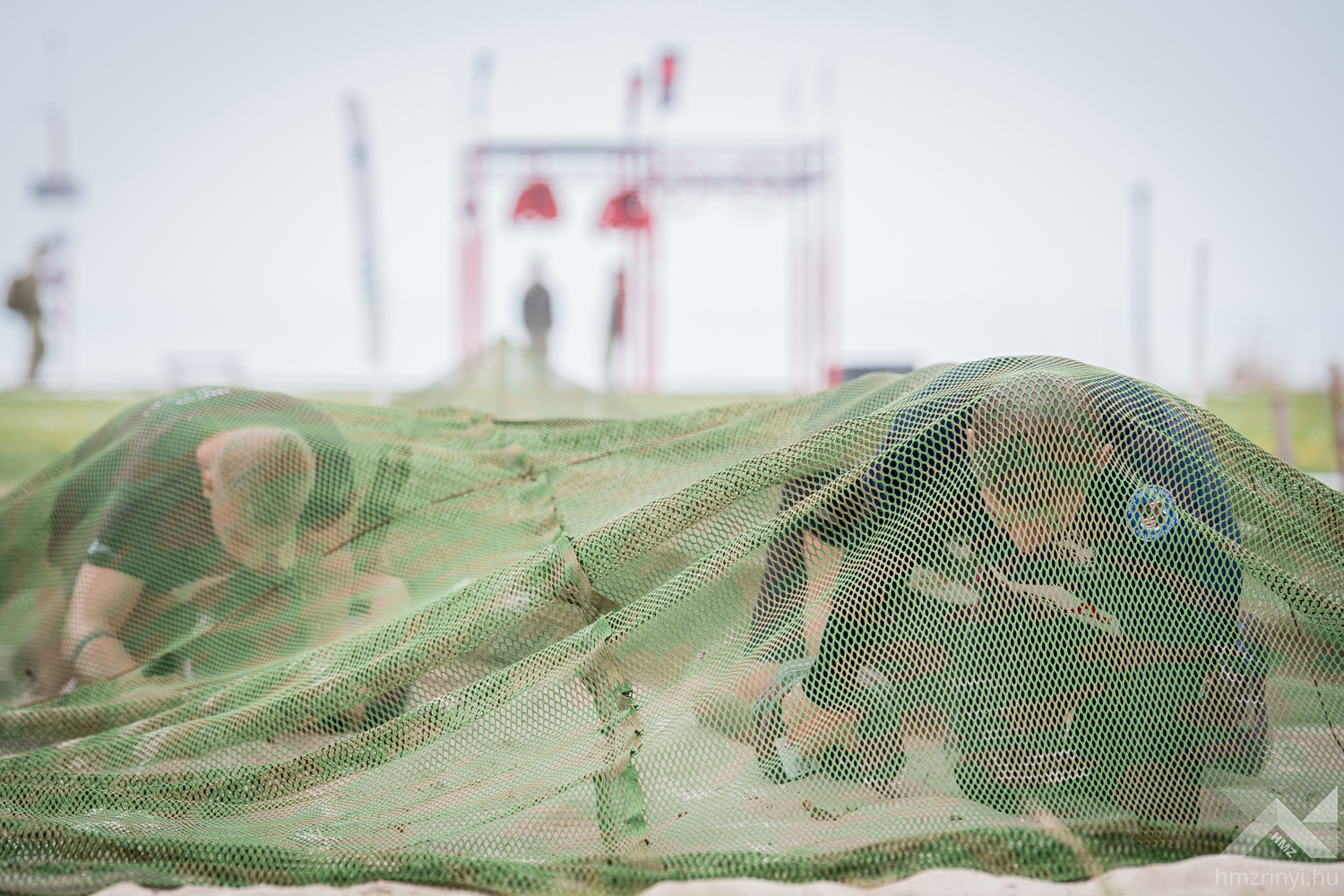
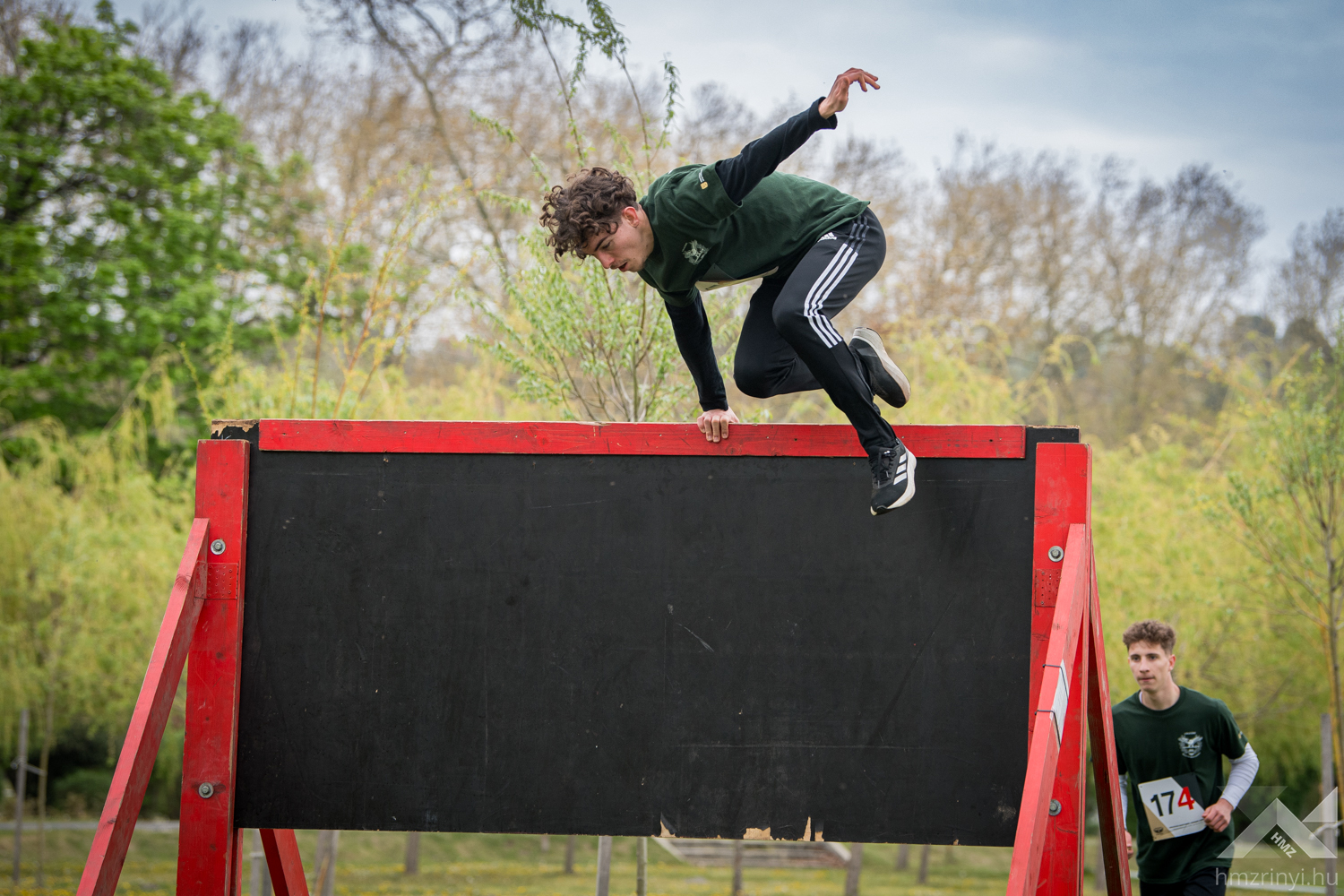
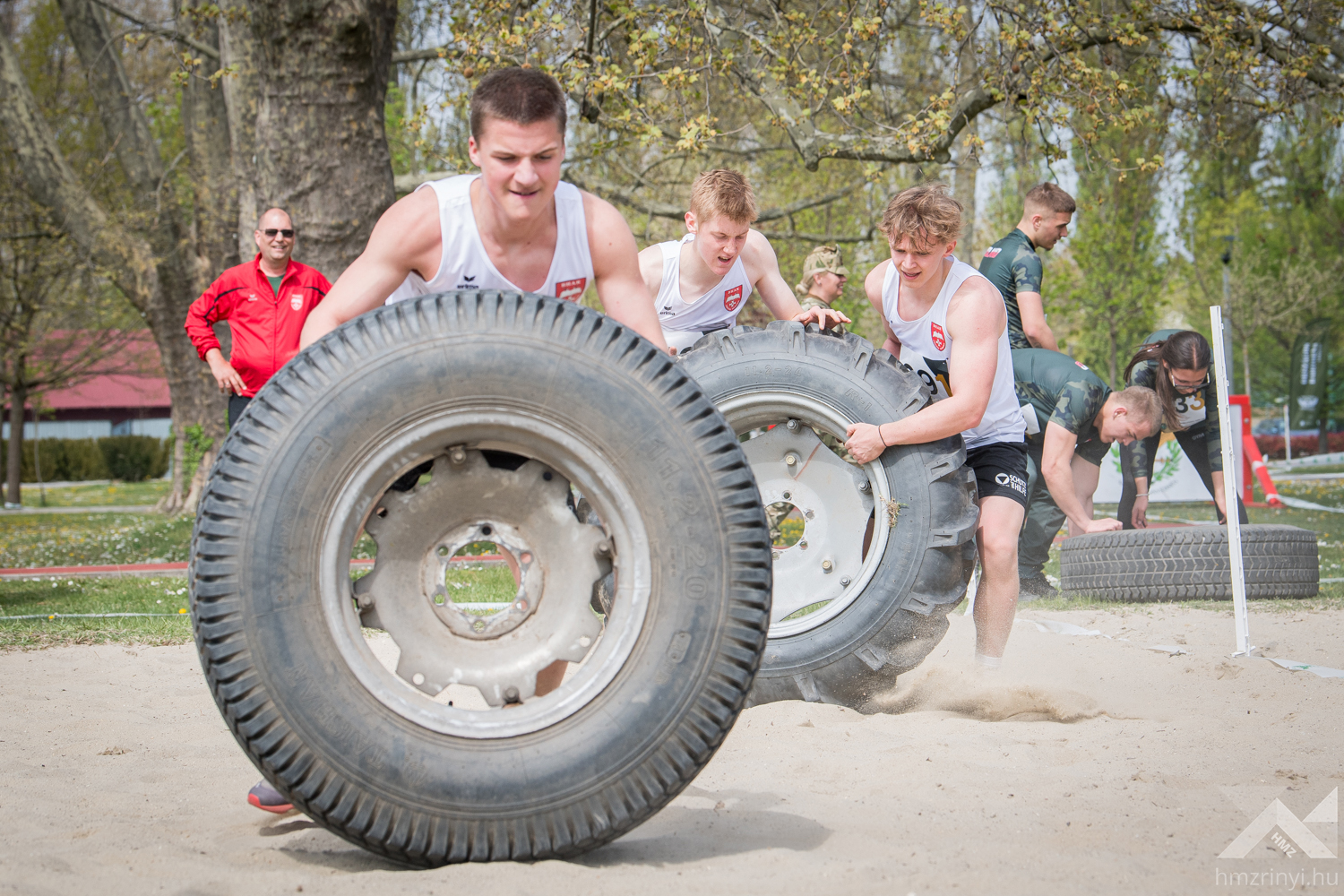
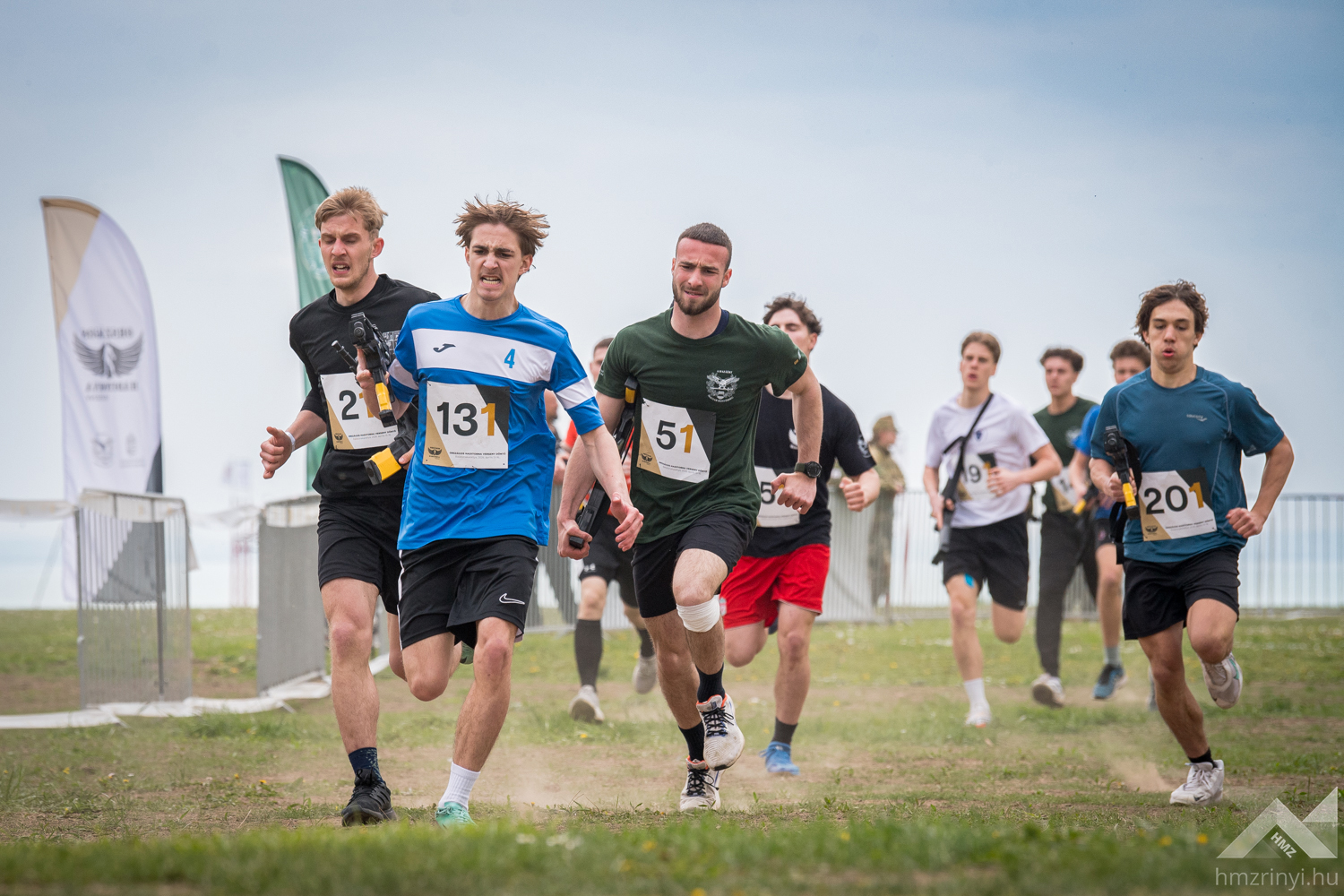
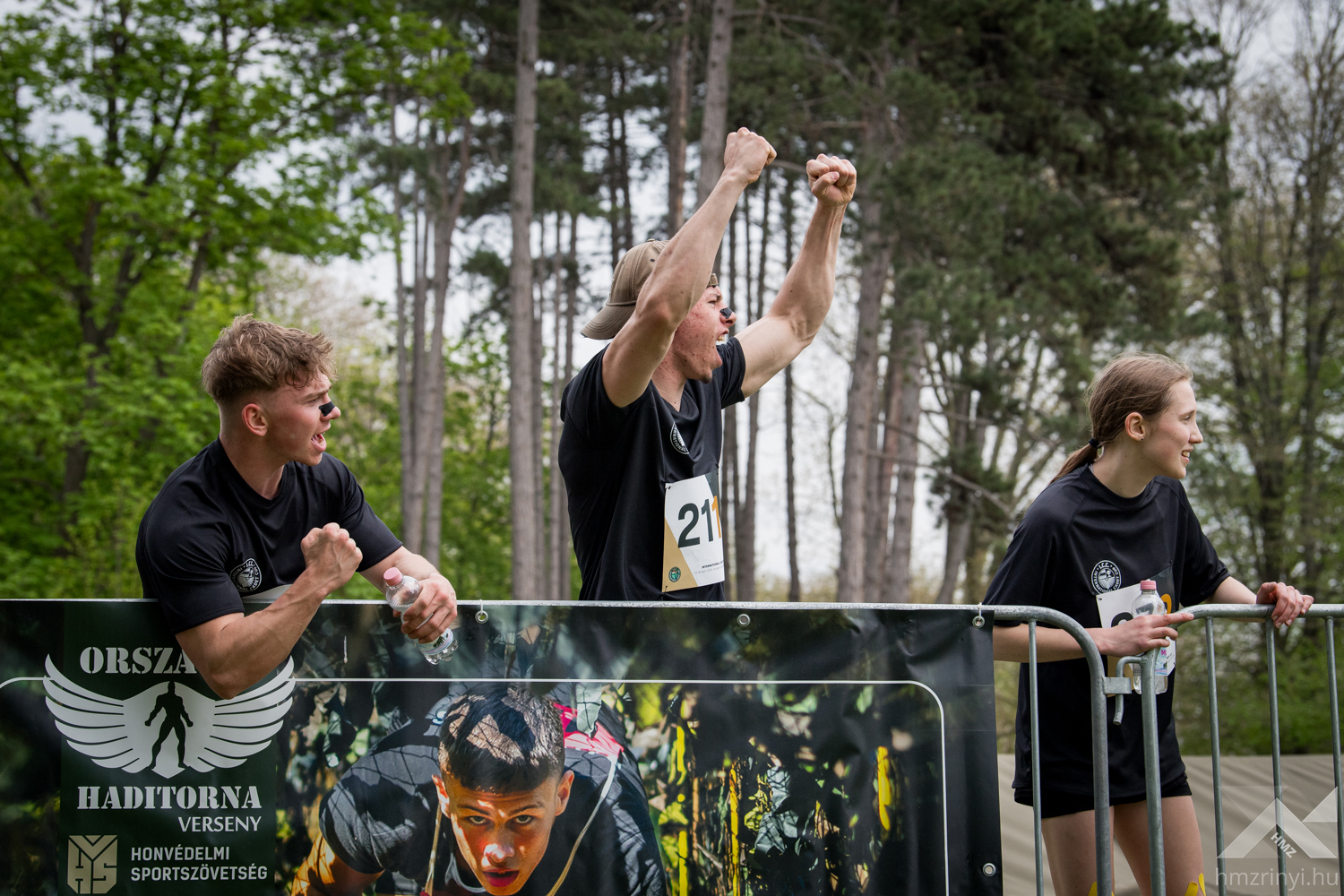
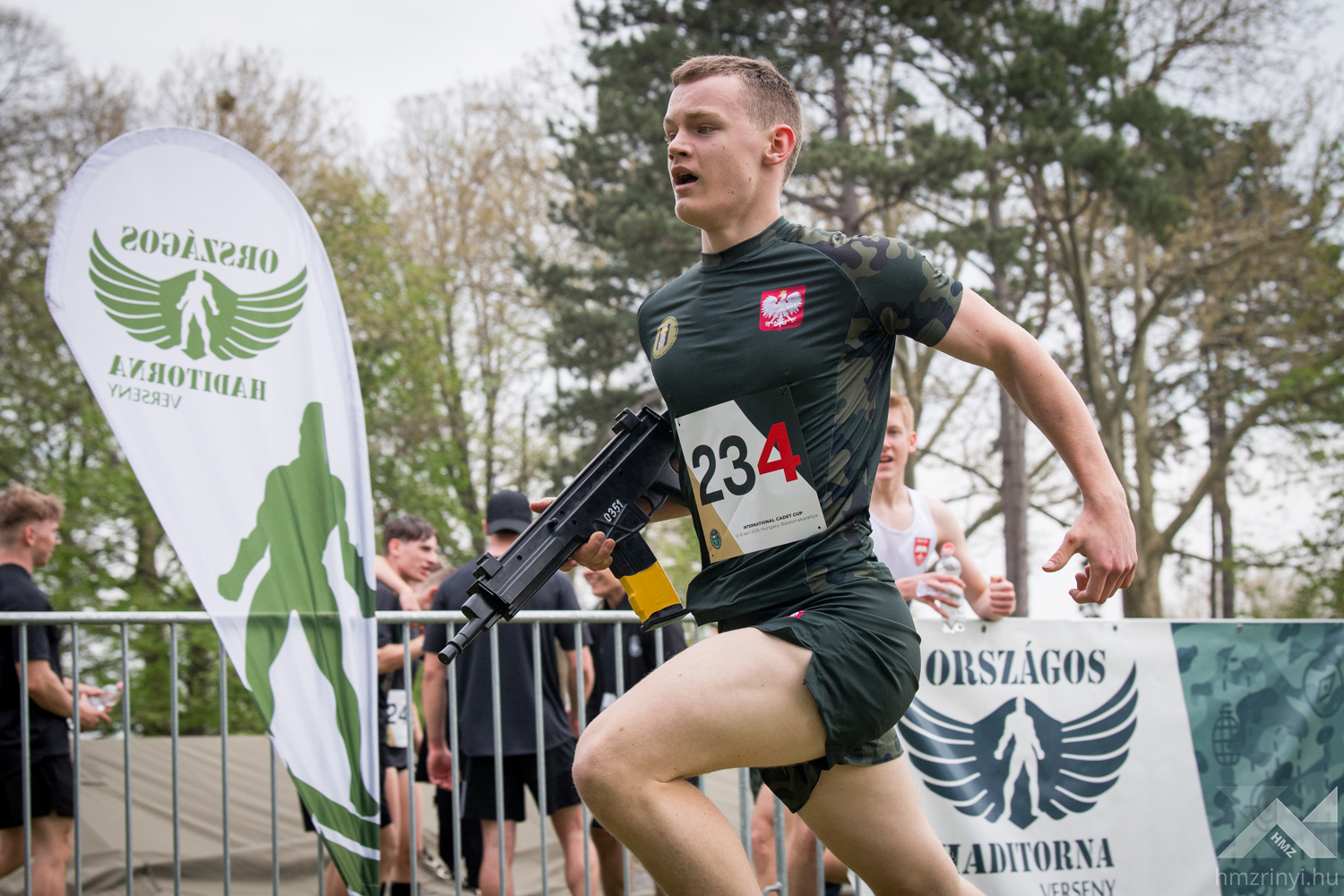
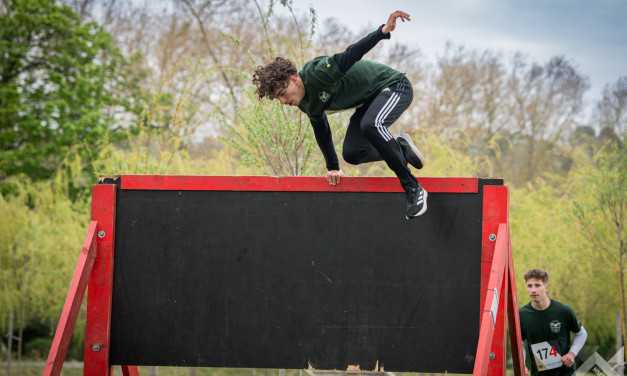
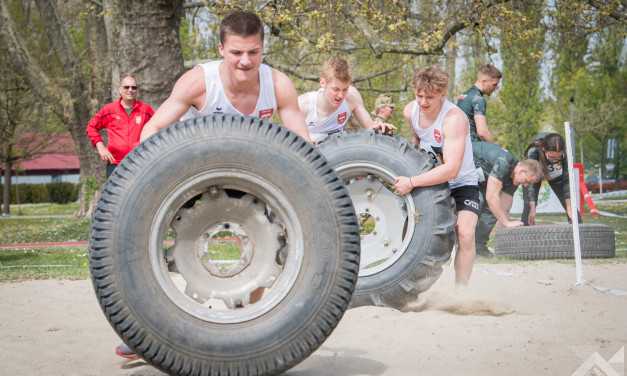
A total of 121 secondary school students, divided into four-member teams, competed in seven events. This year, a longer-than-ever obstacle course made things more difficult, and the usual first aid task had to be performed during a simulated attack. In addition to the laser run (borrowed from pentathlon) and an armed relay race, competitors faced a matrix labyrinth and other challenges.

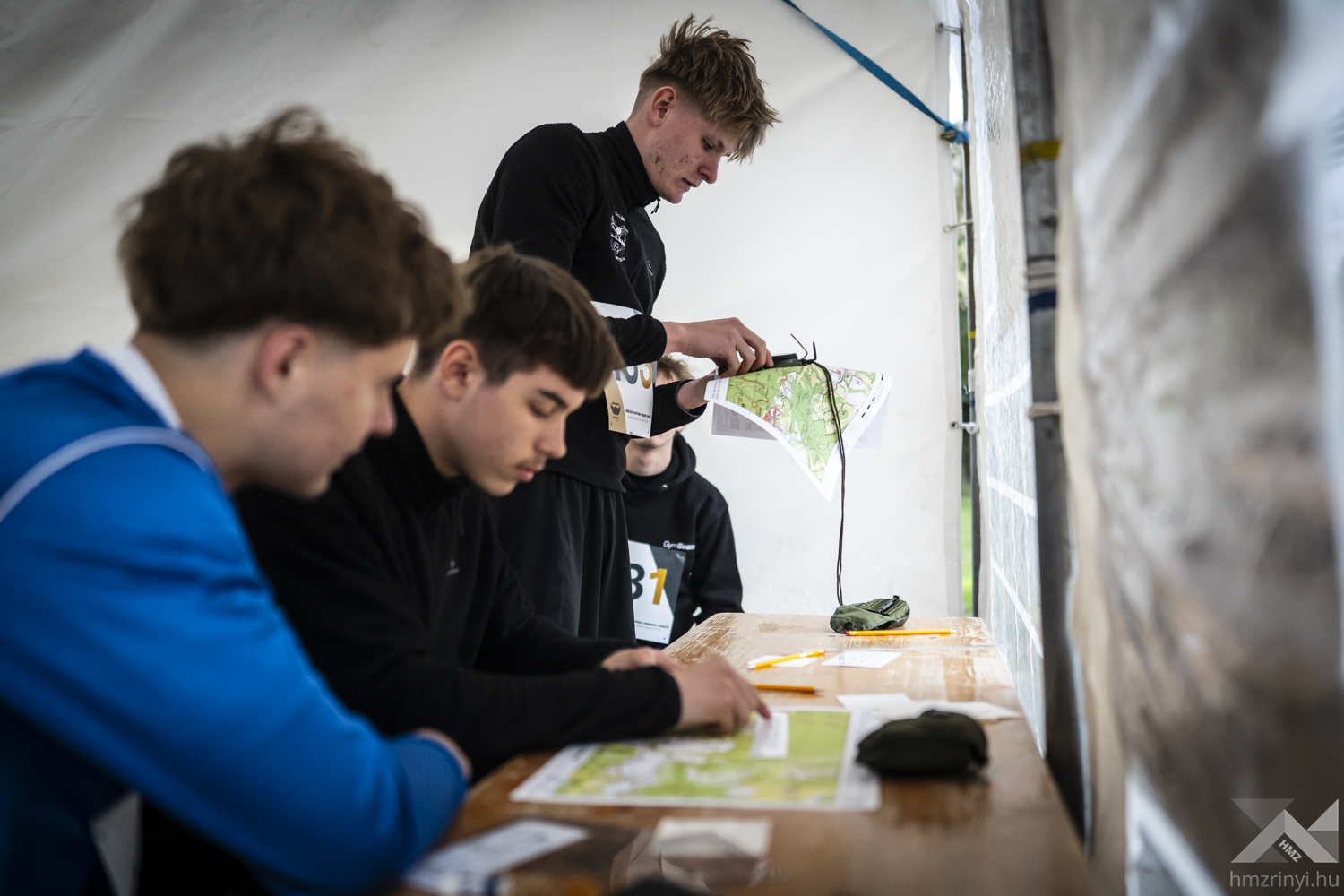
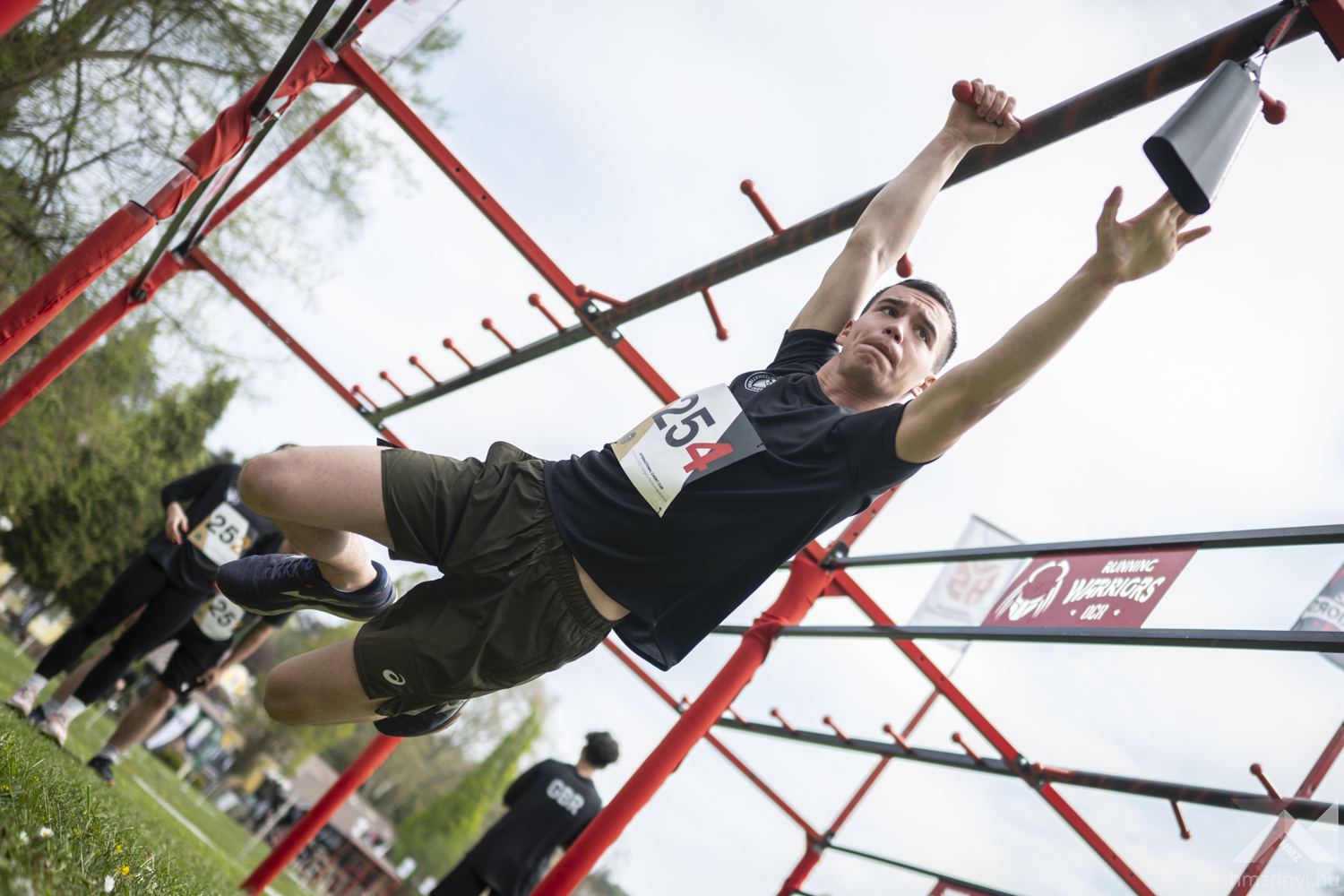
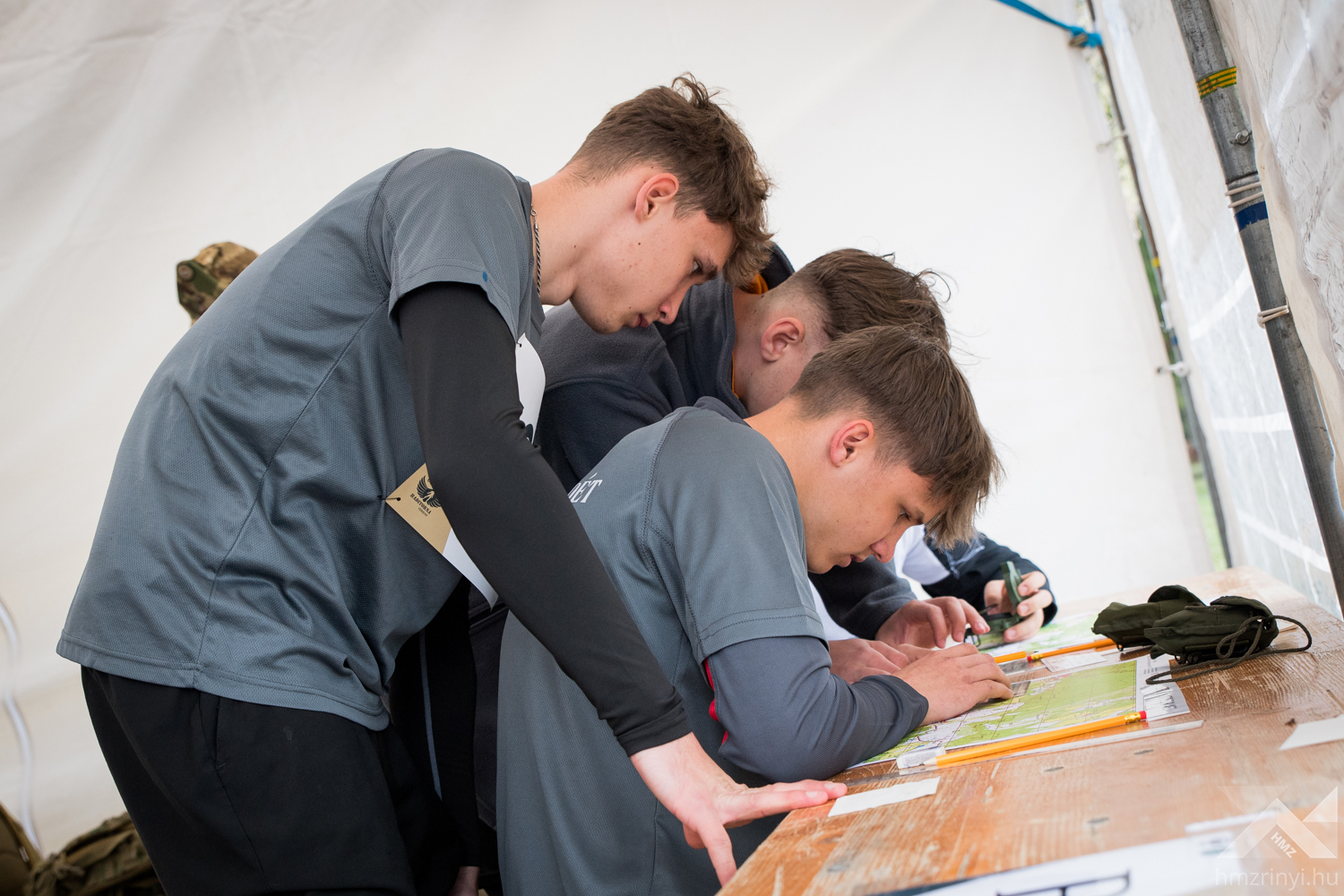
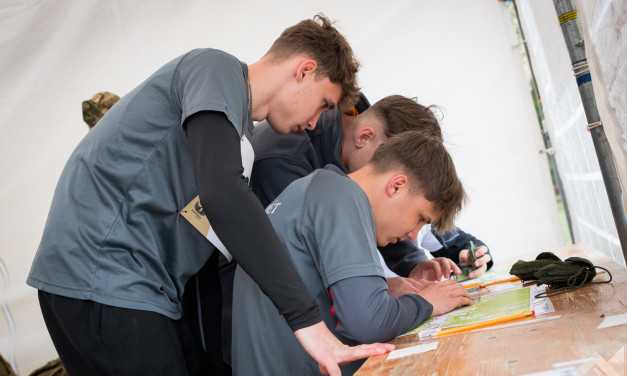
“I first got acquainted with drones over the summer in a circle of friends,” said Mihály Ármós, who benefited greatly from this experience, as this year the land navigation and map-reading station was expanded with a drone operation task. The student from the Heves County Vocational Training Centre Bornemissza Gergely Technical School in Eger added that they also prepared thoroughly for the most complex event, the obstacle course, as it takes nearly 30 minutes to negotiate it. “We didn’t set a specific goal, but we would like to finish in the top ten.”
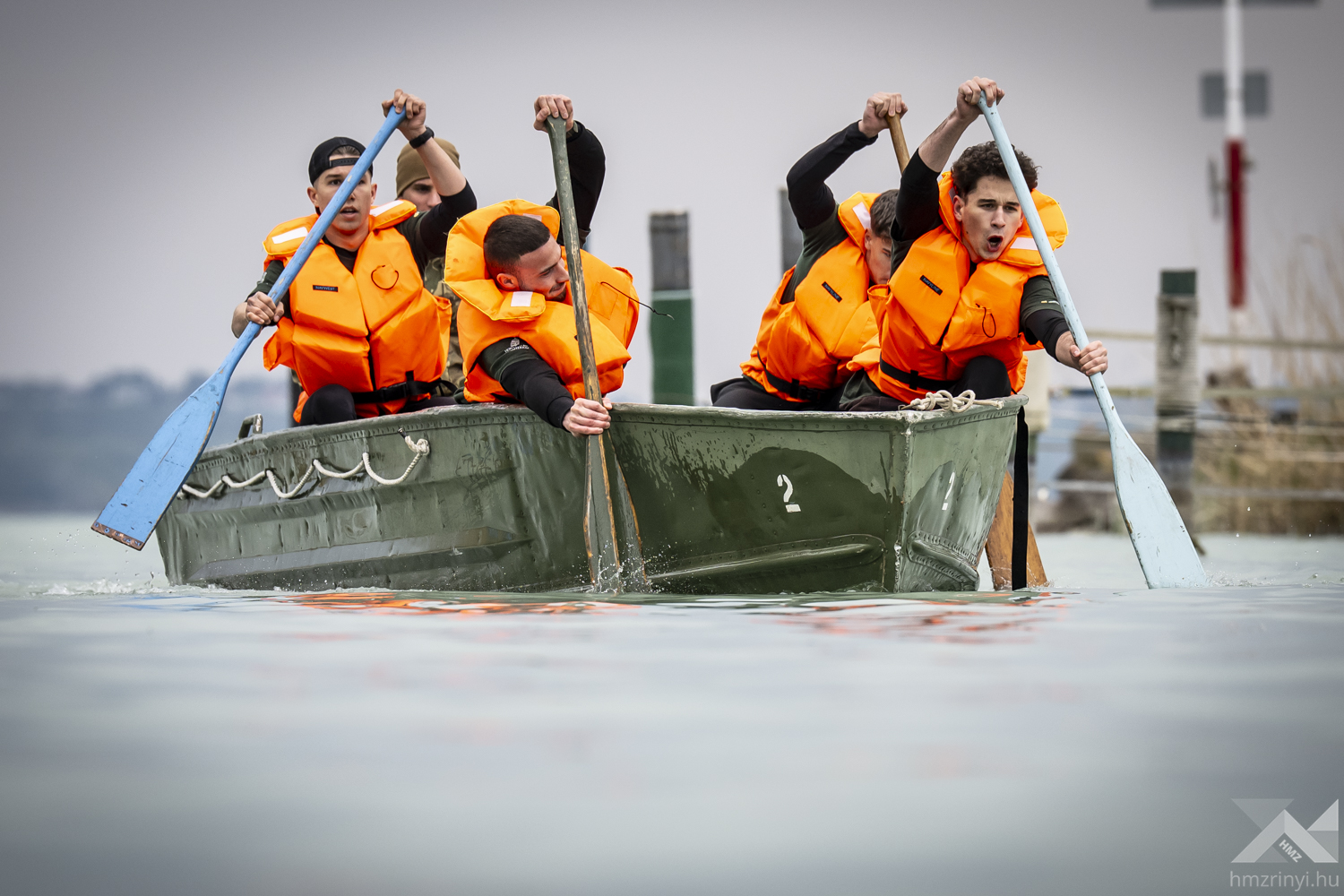
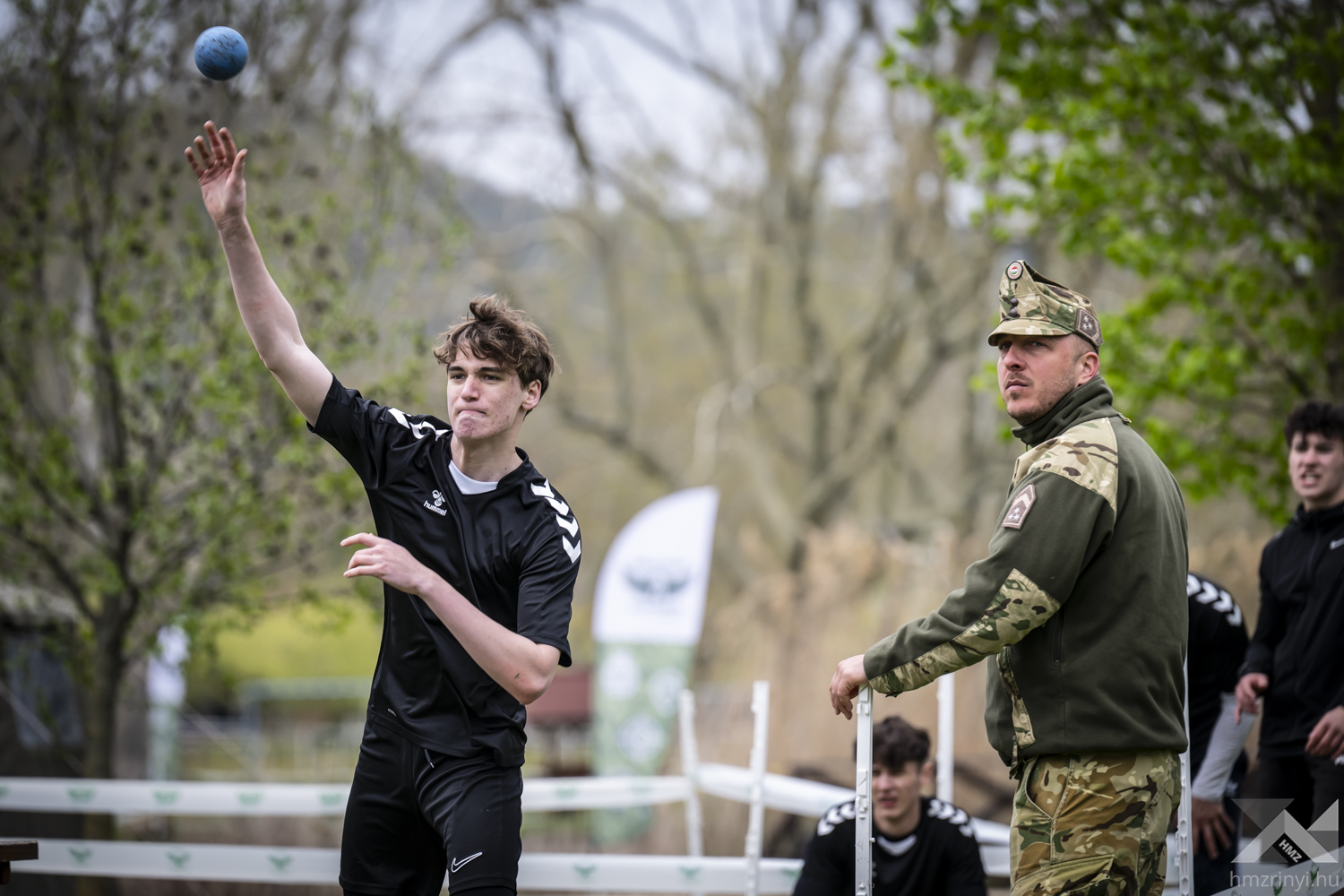
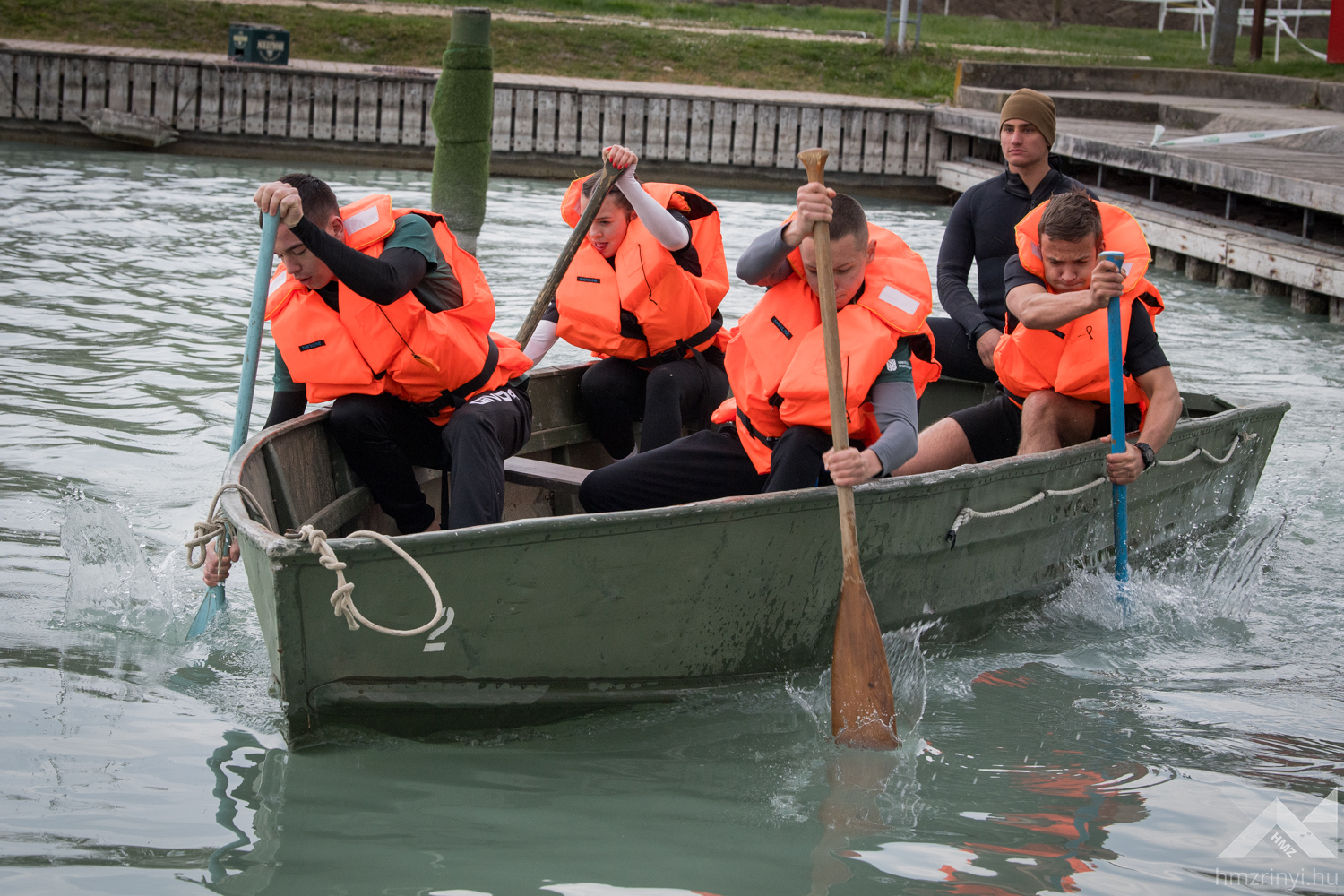
“We did everything we could in recent weeks to give a good performance”, stated Hunor Darvasi, who had already competed in Balatonakarattya the year before last as a member of the team from the Széchenyi Zsigmond Agricultural Technical School, Vocational School and Dormitory, Southern Agricultural Vocational Training Centre in Somogyzsitfa. He noted that thanks to their coach, they were even able to practice rowing – the first event of the combined competition, preceding small ball throwing. “The obstacle course was the biggest challenge, which we also prepared for under professional conditions at the Nagyatád track.”
Others, following a successful county qualification, focused more on mental and theoretical preparation rather than physical workouts. “We needed this because compared to cadets, we are at a disadvantage in military knowledge, such as medical skills and weapons handling,” explained Zsolt Csepecz of the University of Dunaújváros Bánki Donát Technical School team. “Despite this disadvantage, it is a huge experience to compete beside Lake Balaton on such exciting courses.”

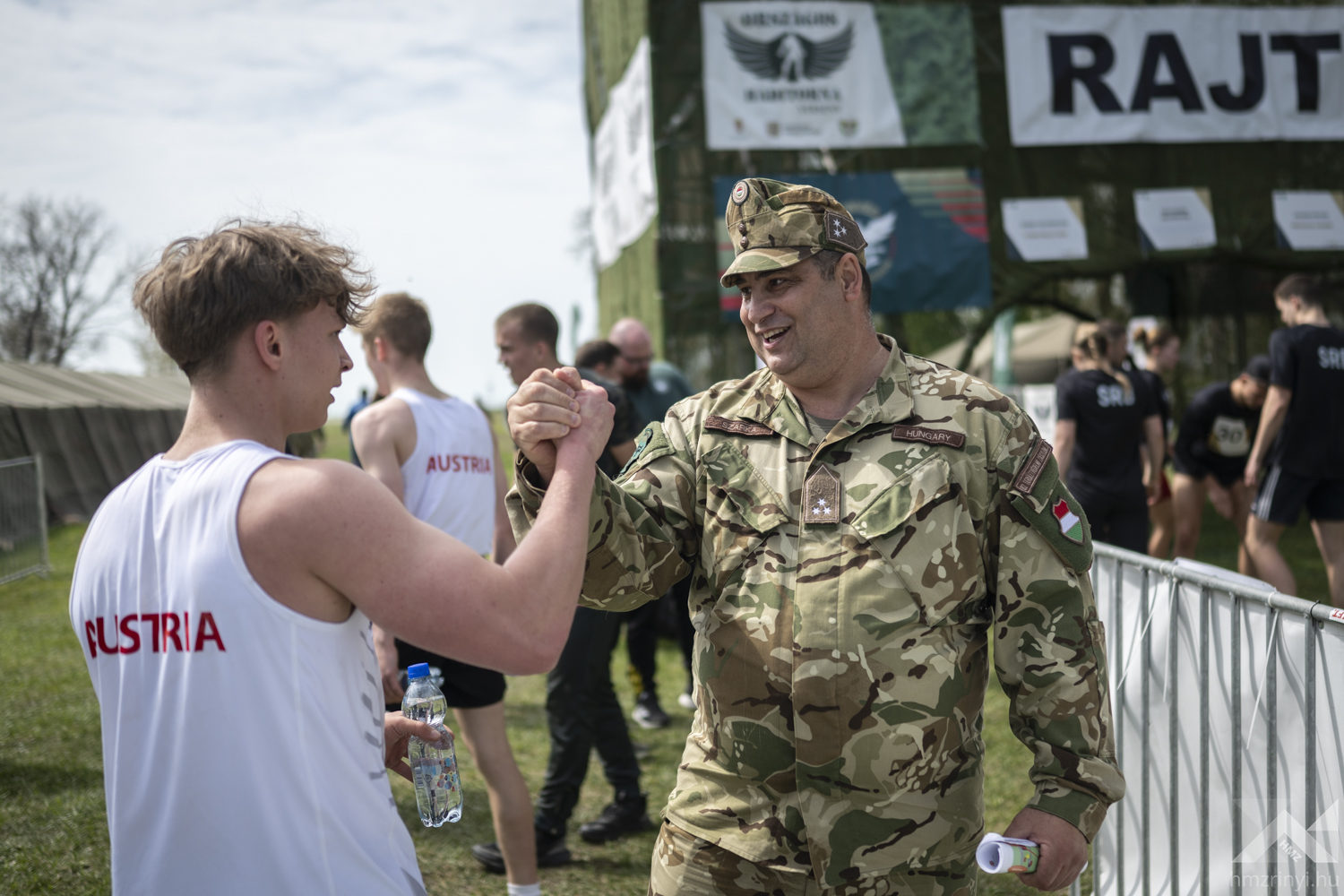
“It was an honor for us to come here and represent our country,” said David Zeljkovics, one of the top Serbian competitors. “As students of a military school, we regularly participate in patrol competitions, conduct shooting exercises as part of the curriculum, and do a lot of sports, so none of us was taken by surprise during the obstacle course event. We enjoyed these three days.”
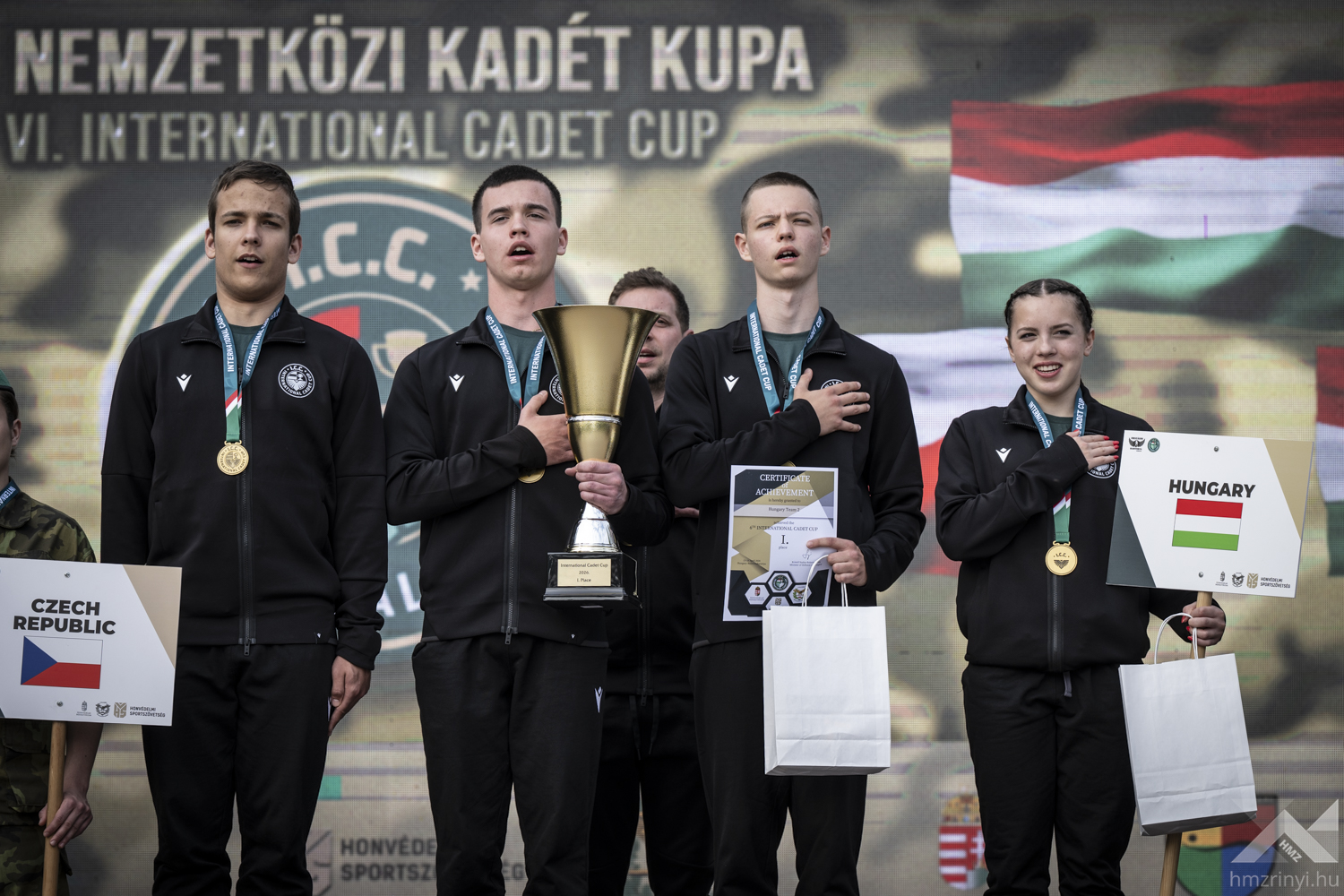
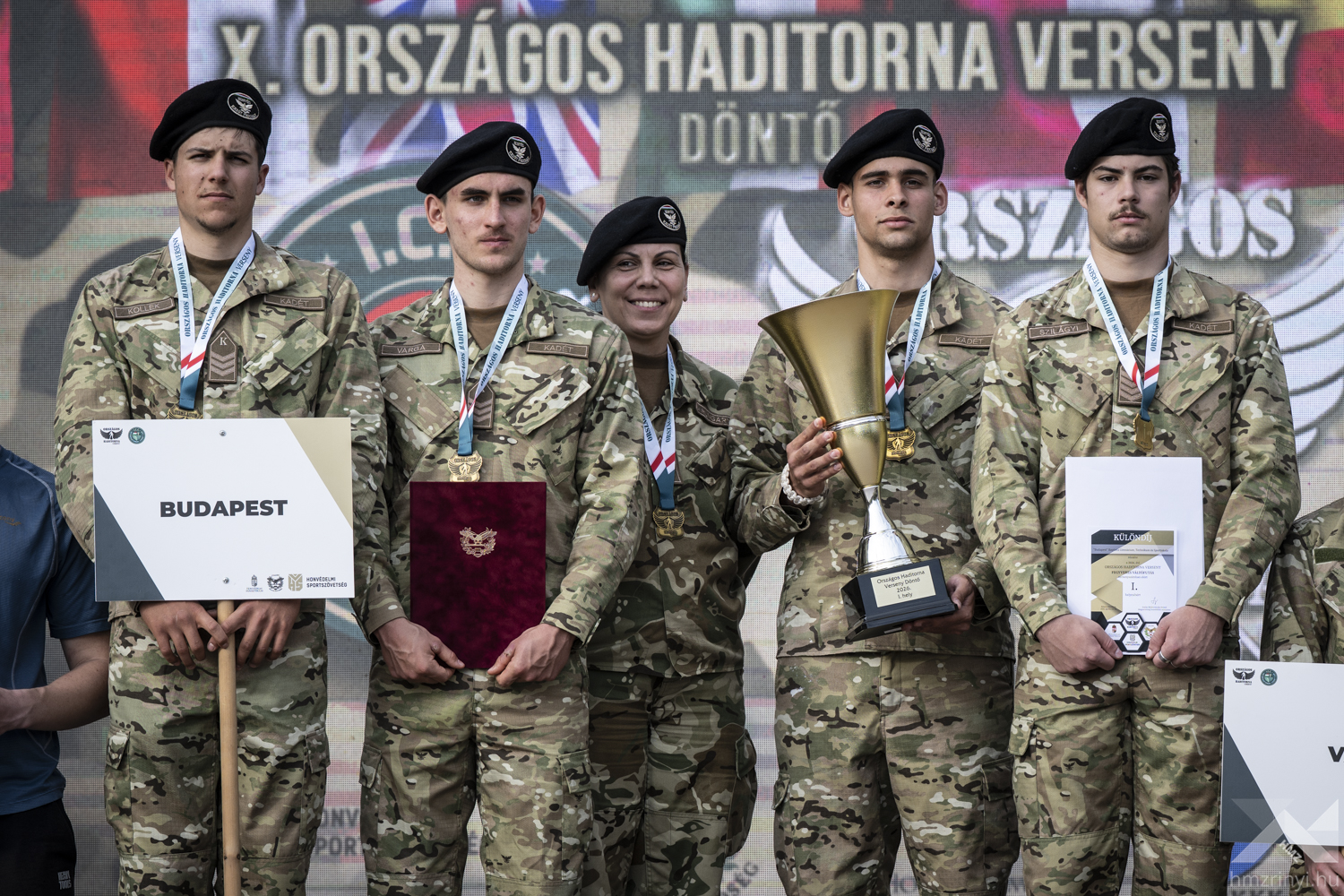
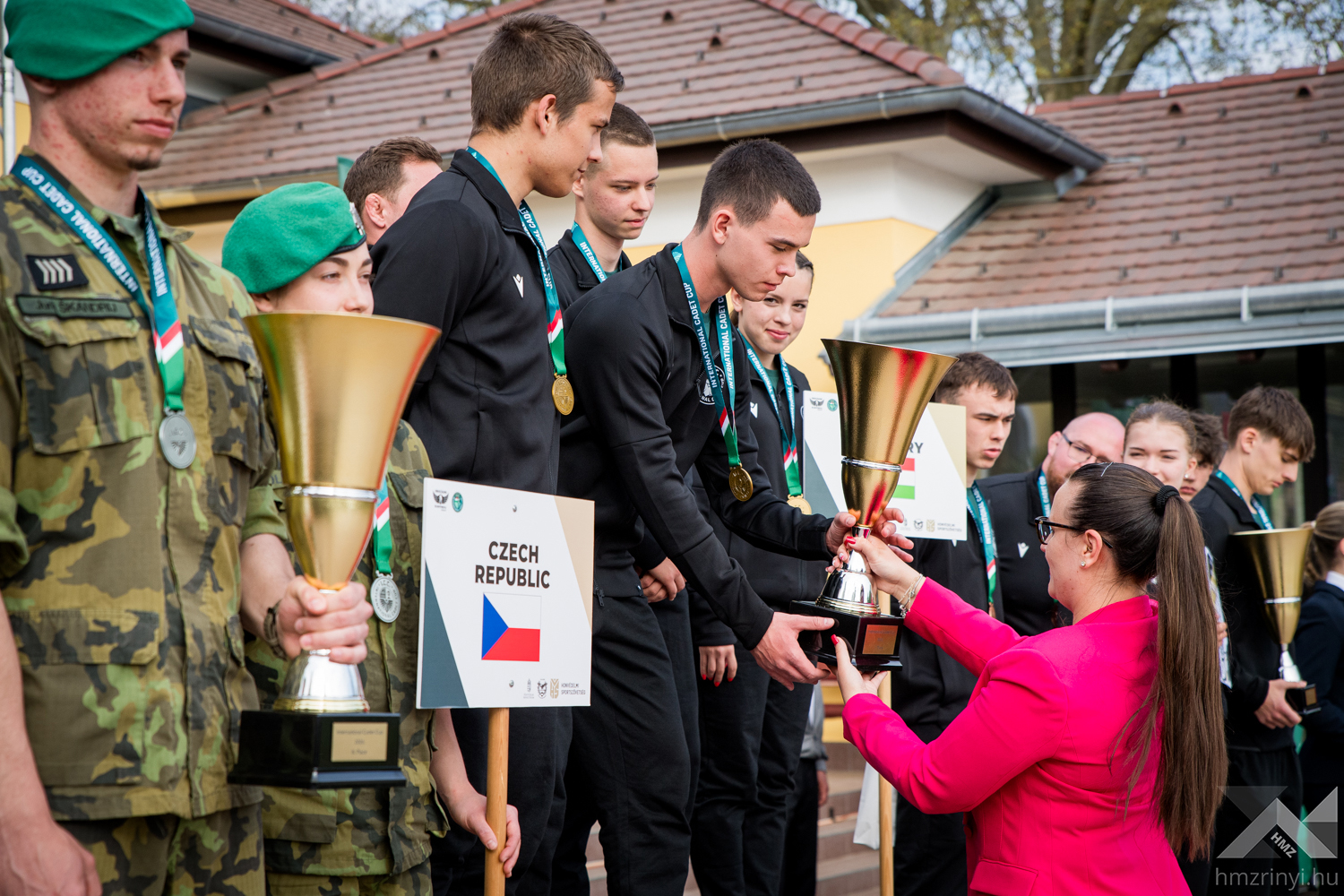
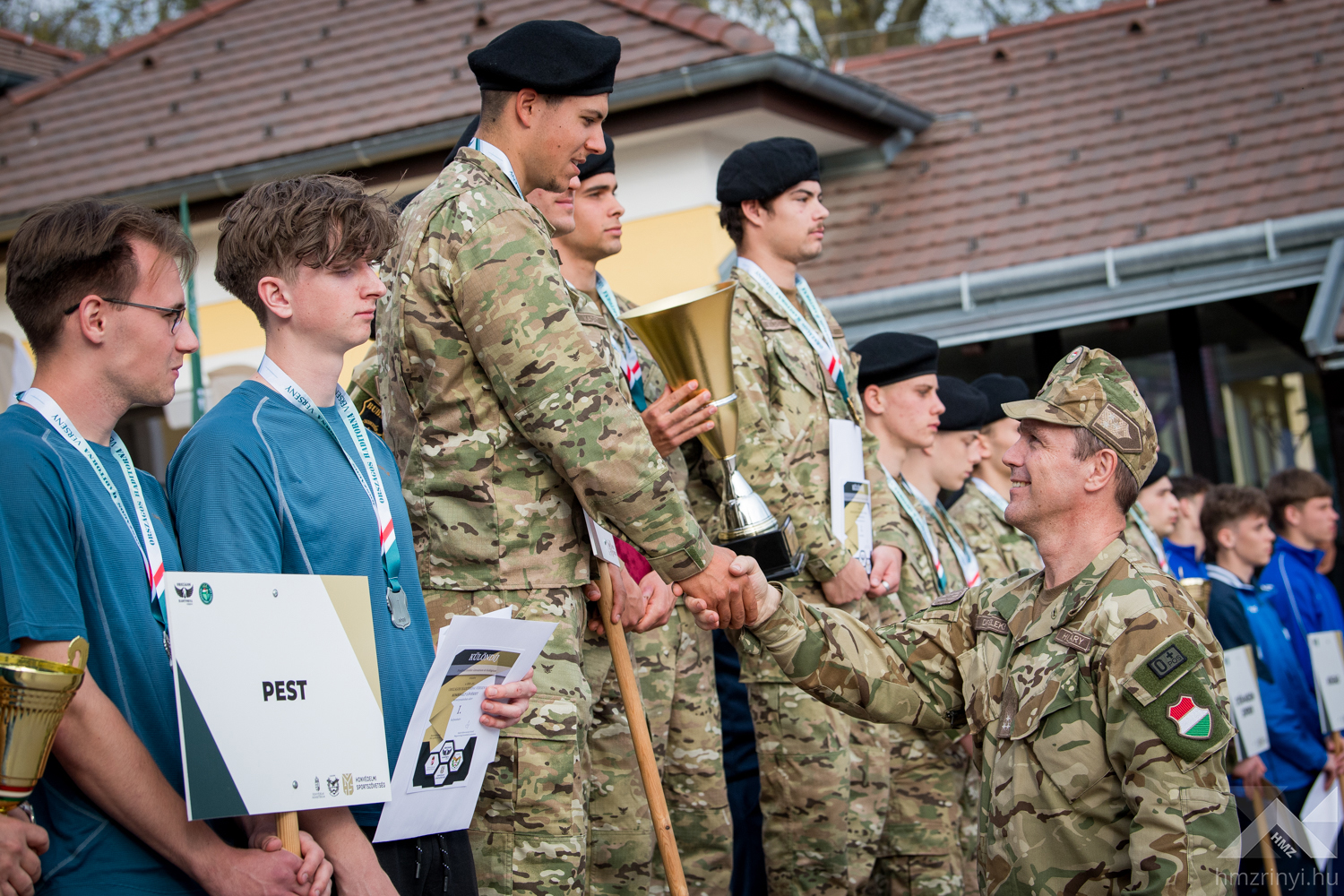
The 2025/26 National Military Tournament Competition was won by the team of the Budapest Baptist Secondary School, Technical School and Sports School. They were joined on the podium by students from the Pilisvörösvár-based Friedrich Schiller Secondary School and Dormitory and the Szombathely-based Premonstratensian St. Norbert Secondary Grammar School. The ICC trophy went to a Hungarian team this year, followed by the Czech team and another Hungarian team.
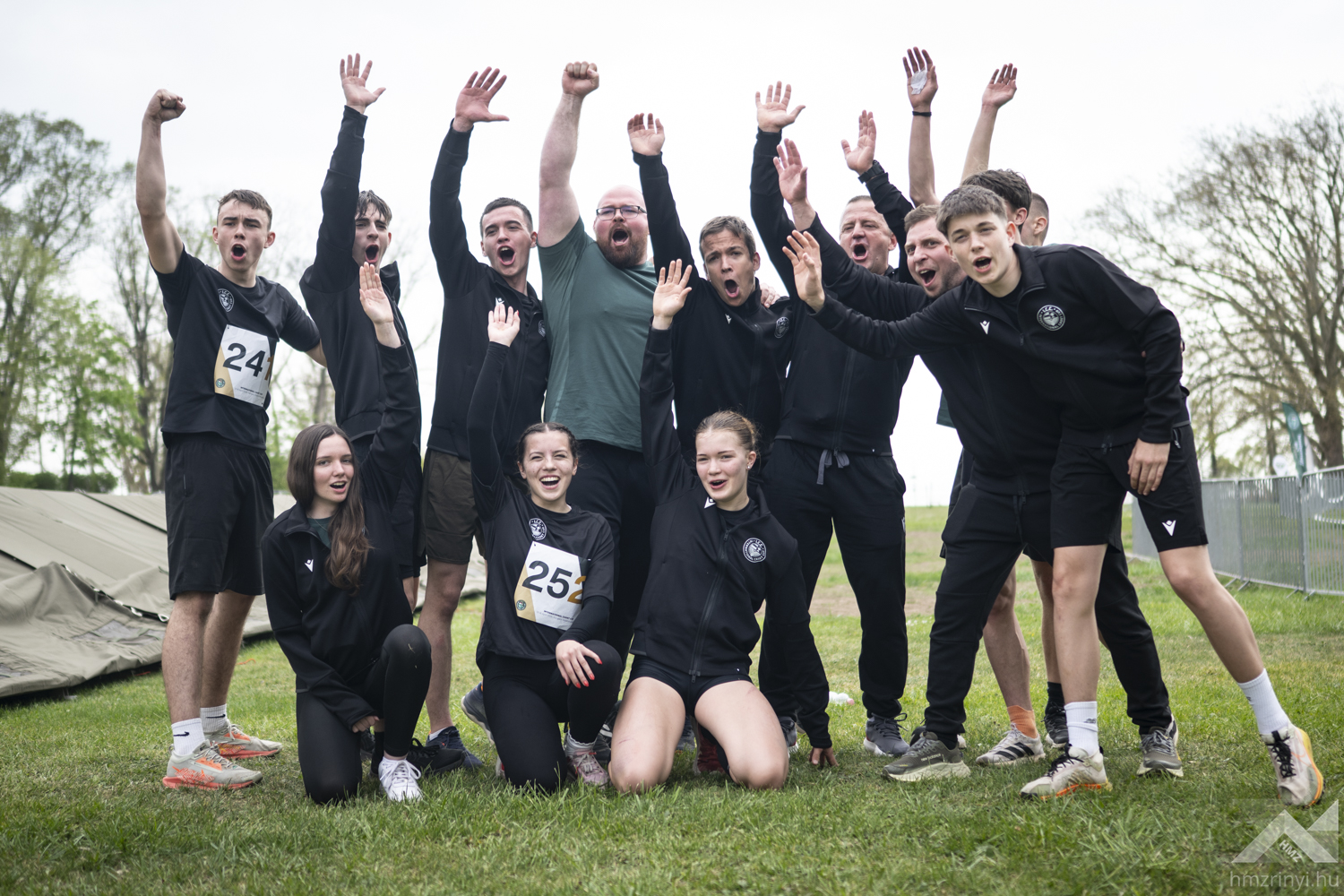
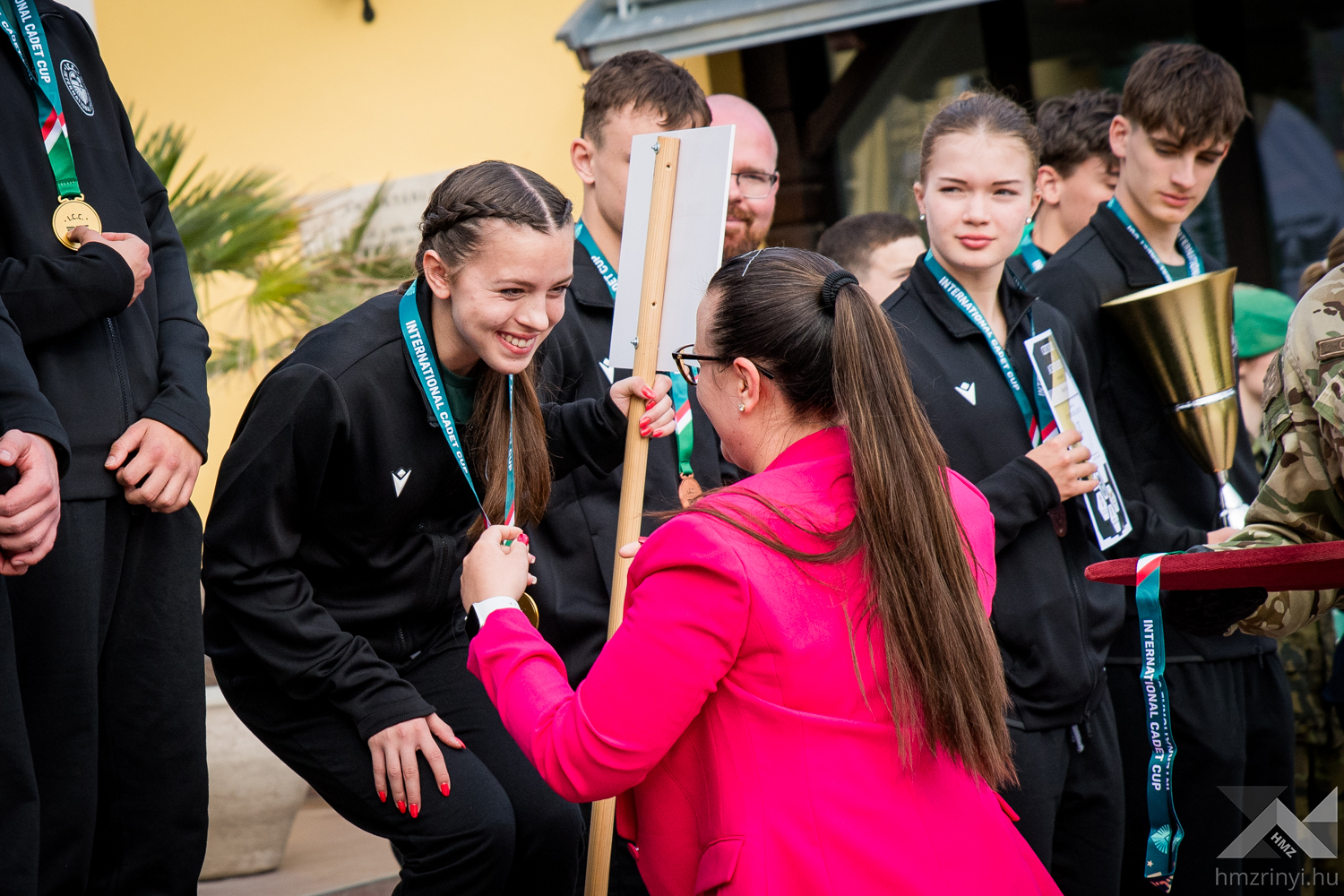
Although members of the bronze medal-winning team of the international competition had not known each other beforehand, they motivated one another to perform better through their perseverance, said Sára Tasi. “My attitude was to do my all I can. That’s what I did, but I think I can do even better,” added the youth national champion silver medalist kayaker, in referring to her intention to return to the cadet cup in Balatonakarattya next year.

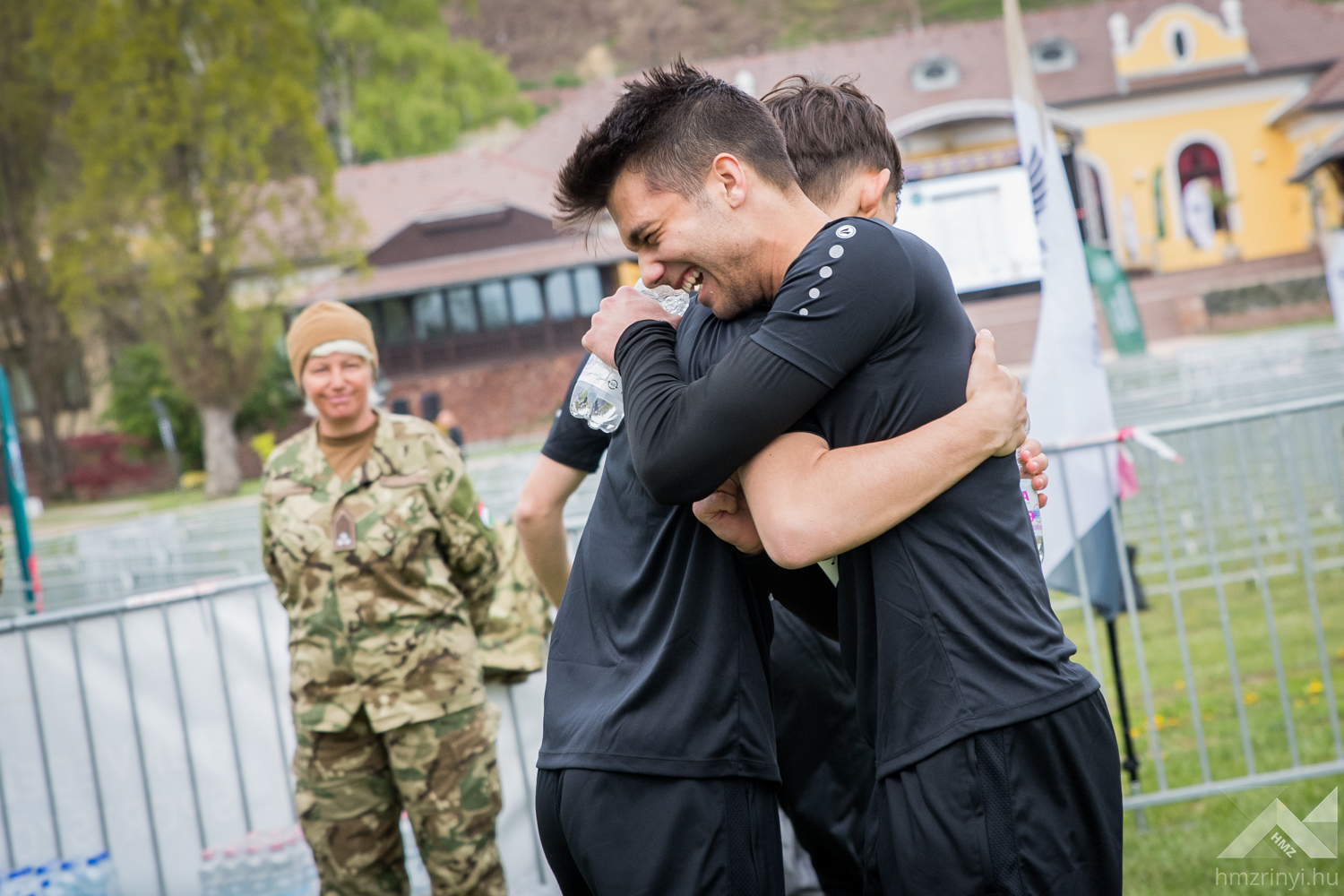
Another kayaker, Máté Kollek, and his teammates had pledged before the competition to turn last year’s silver medal into gold. “We prepared separately for the matrix course, the land navigation task, and the obstacle race, and even used our school’s OCR track. It paid off, as for the third time in the history of the NMTC, a Budapest school managed to win the trophy.”
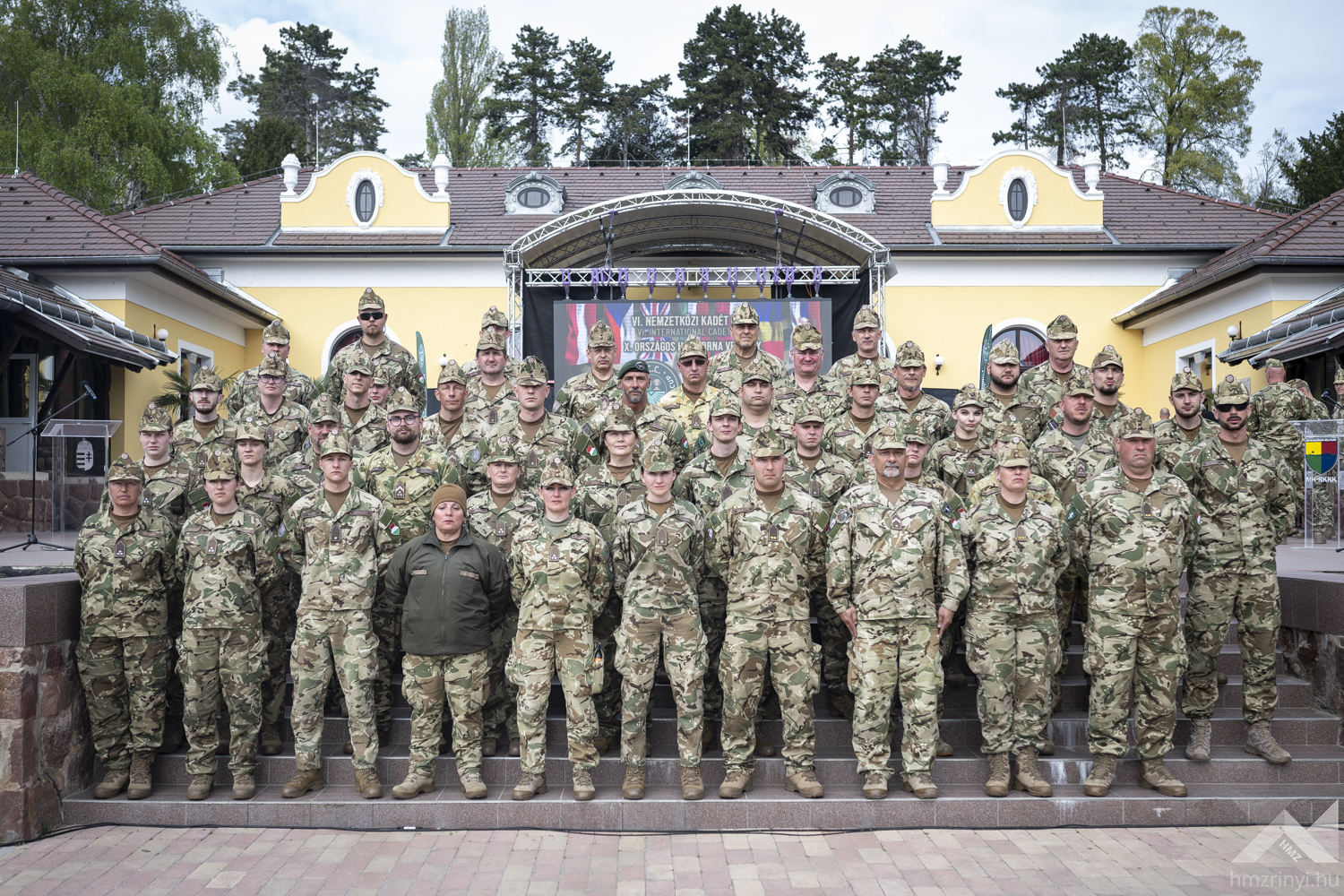
Among those attending the award ceremony were Colonel Dr. Zoltán Eleki, Deputy Chief of the Training Directorate of the Hungarian Defence Staff; Lieutenant Colonel Ferenc Fehér, Acting Commander of HDF RTCC; Dr. György Nébald, Olympic champion fencer and Vice President of the Defence Sports Association; Major General Hanzl Manfred, Austrian Defence Attaché and Dean of the Budapest Military Attaché Corps; and Lieutenant Colonel Ionut Popa, Romanian Defence Attaché.
Photos by Tamás Kovács
KT20260414haditorna_akarattya1nap31
KT20260414haditorna_akarattya1nap3
KT20260414haditorna_akarattya1nap1
KT20260414haditorna_akarattya1nap10
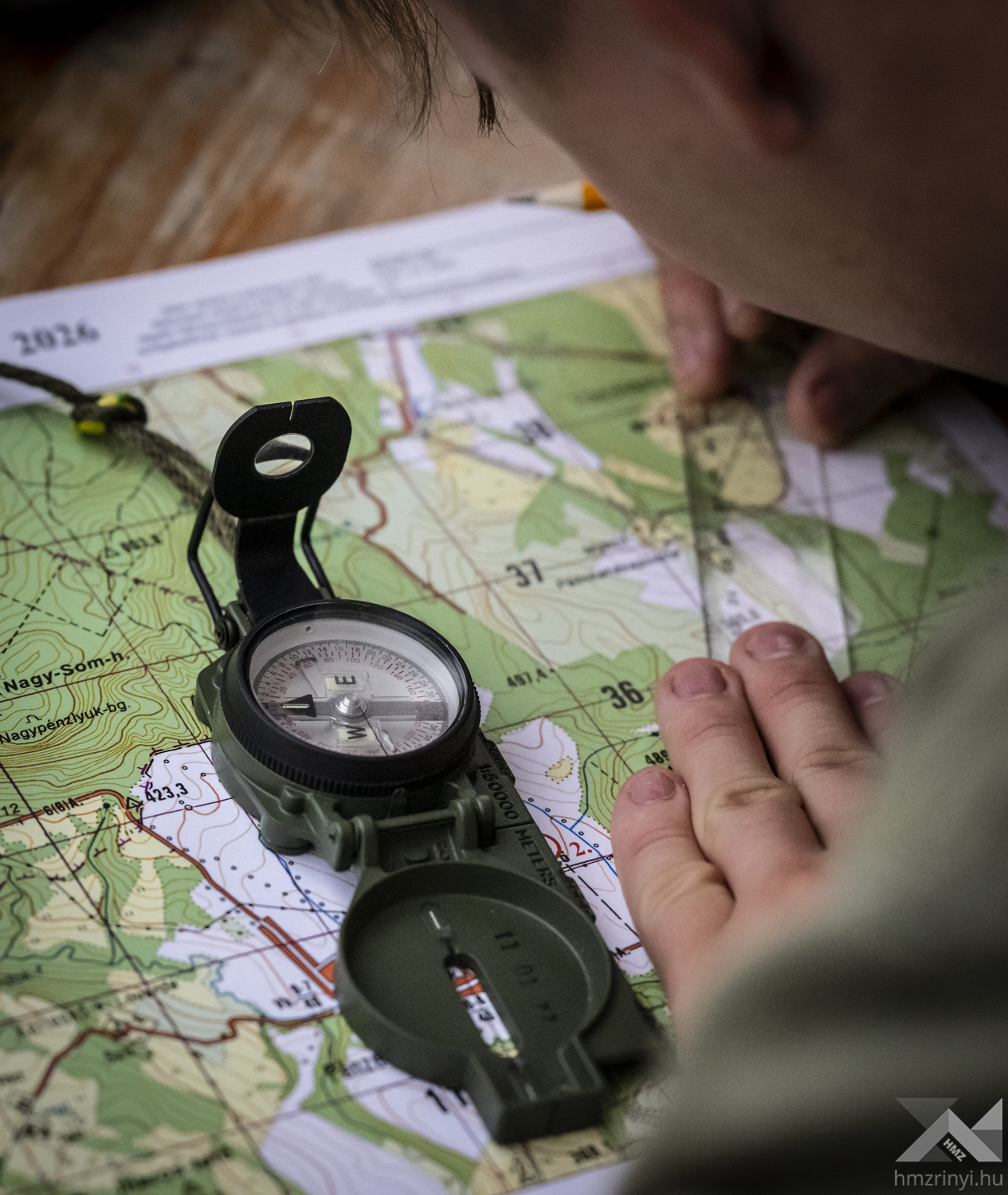
KT20260414haditorna_akarattya1nap12
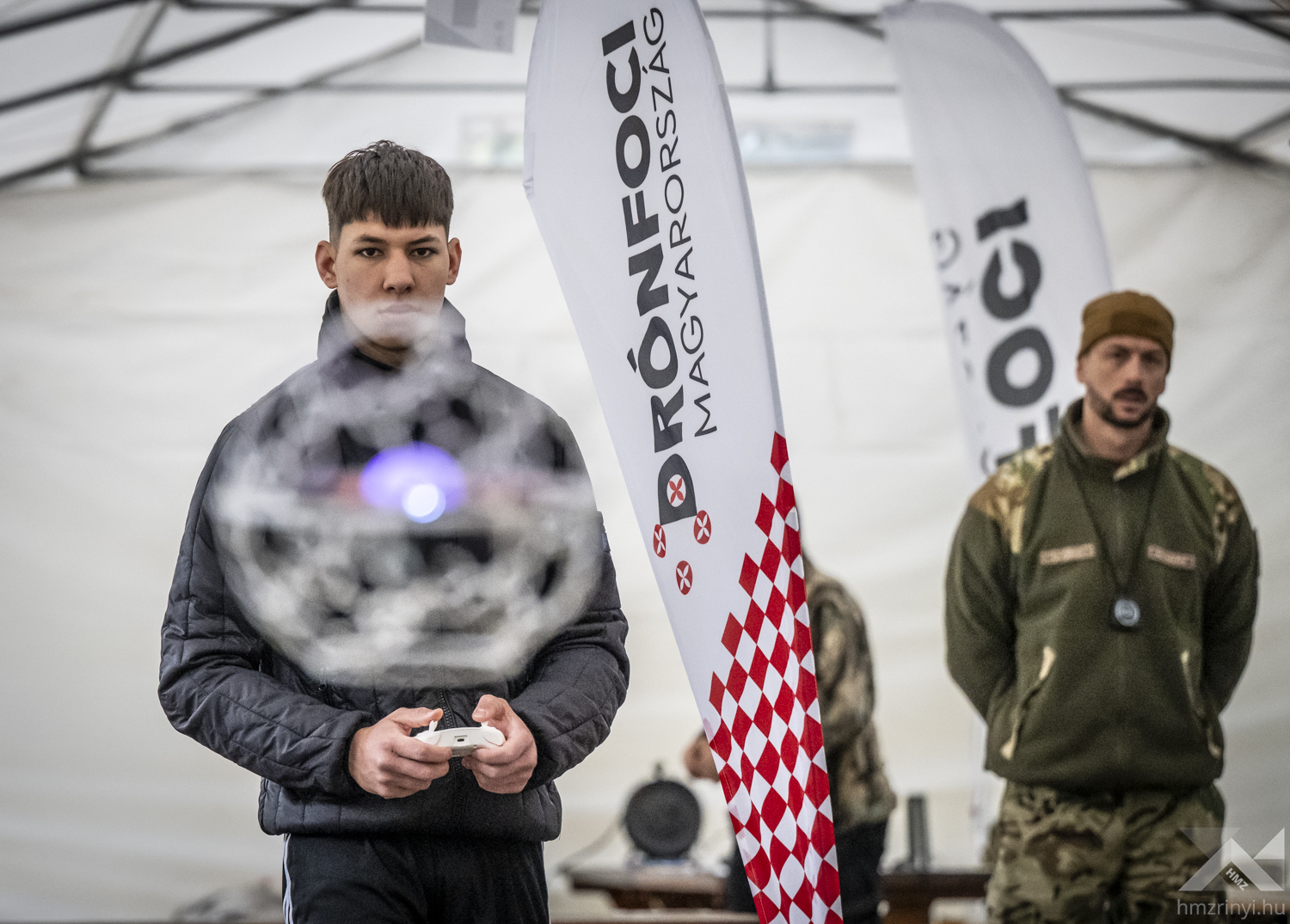
KT20260414haditorna_akarattya1nap15
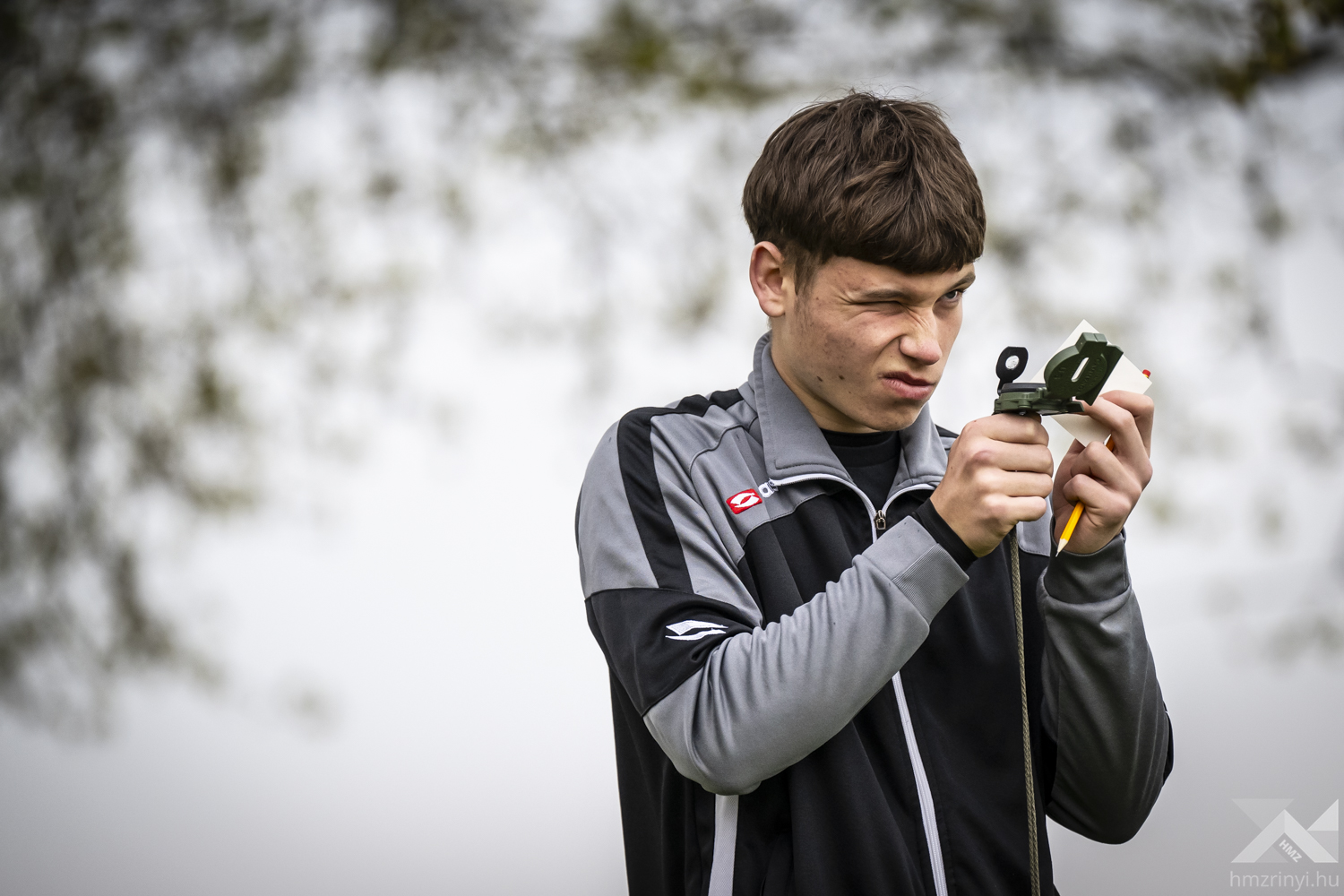
KT20260414haditorna_akarattya1nap18
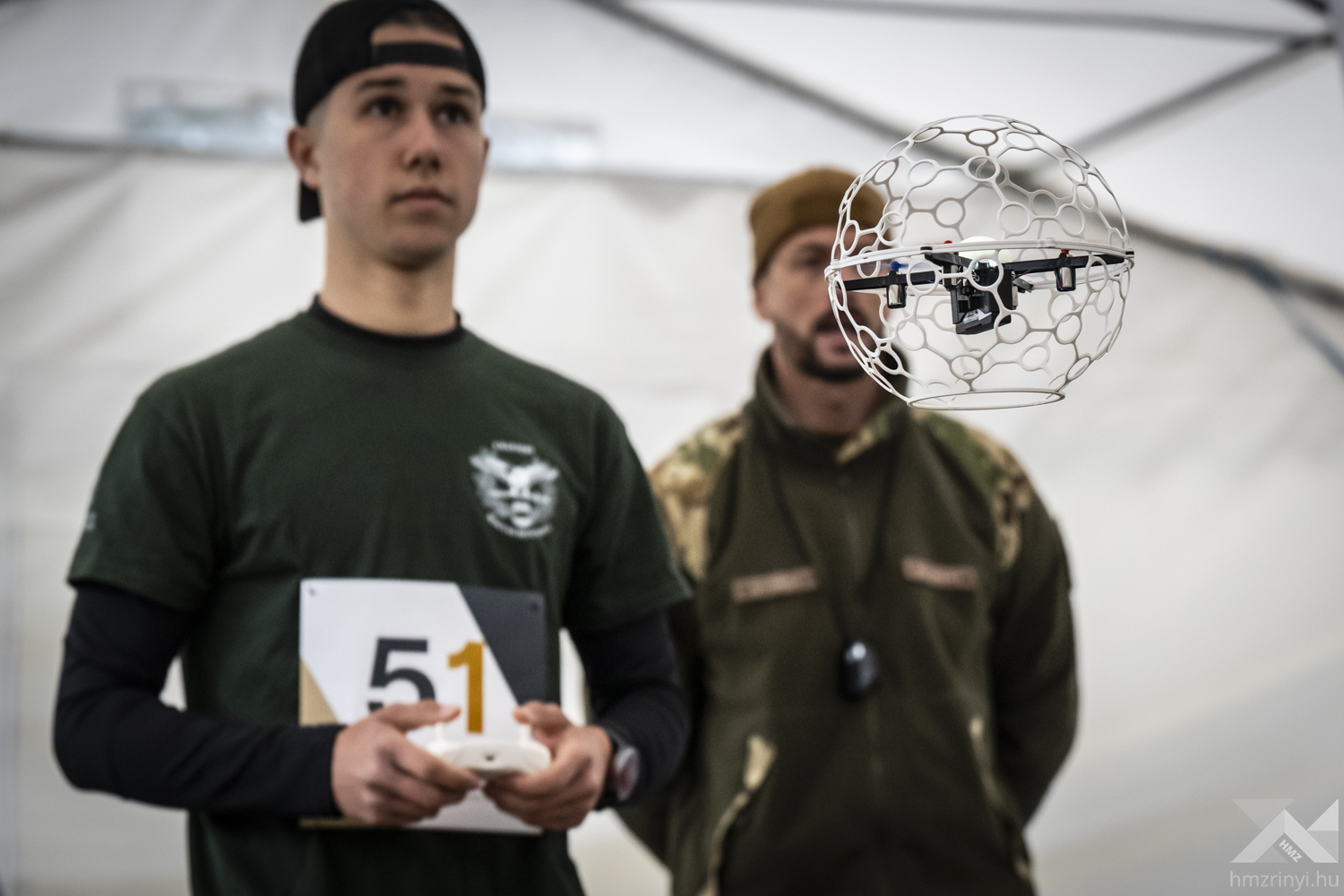
KT20260414haditorna_akarattya1nap19
KT20260414haditorna_akarattya1nap20
KT20260414haditorna_akarattya1nap23
KT20260414haditorna_akarattya1nap24
KT20260414haditorna_akarattya1nap29
KT20260414haditorna_akarattya1nap33
KT20260414haditorna_akarattya1nap35
KT20260414haditorna_akarattya1nap37
KT20260415haditorna_akarattya2nap1
KT20260415haditorna_akarattya2nap6
KT20260415haditorna_akarattya2nap8
KT20260415haditorna_akarattya2nap10
KT20260415haditorna_akarattya2nap11
KT20260415haditorna_akarattya2nap13
KT20260415haditorna_akarattya2nap15
KT20260415haditorna_akarattya2nap17
KT20260415haditorna_akarattya2nap18
KT20260415haditorna_akarattya2nap19
KT20260415haditorna_akarattya2nap20
KT20260415haditorna_akarattya2nap23
KT20260415haditorna_akarattya2nap25
KT20260415haditorna_akarattya2nap26
KT20260415haditorna_akarattya2nap28
KT20260415haditorna_akarattya2nap33
KT20260415haditorna_akarattya2nap35
KT20260415haditorna_akarattya2nap42
KT20260415haditorna_akarattya2nap39
KT20260415haditorna_akarattya2nap45
KT20260415haditorna_akarattya2nap50
KT20260415haditorna_akarattya2nap61
KT20260415haditorna_akarattya2nap63
KT20260415haditorna_akarattya2nap69
KT20260415haditorna_akarattya2nap71
KT20260415haditorna_akarattya2nap72
KT20260415haditorna_akarattya2nap73
KT20260415haditorna_akarattya2nap74
KT20260415haditorna_akarattya2nap76
KT20260415haditorna_akarattya2nap77
KT20260415haditorna_akarattya2nap79
KT20260415haditorna_akarattya2nap81
KT20260415haditorna_akarattya2nap82
KT20260415haditorna_akarattya2nap83
KT20260415haditorna_akarattya2nap84
KT20260415haditorna_akarattya2nap85















Photos by Franciska Veres
20260414_Balatonakarattya_Haditorna verseny 2.nap_VF__6
20260414_Balatonakarattya_Haditorna verseny 2.nap_VF_
20260414_Balatonakarattya_Haditorna verseny 2.nap_VF__2
20260414_Balatonakarattya_Haditorna verseny 2.nap_VF__9
20260414_Balatonakarattya_Haditorna verseny 2.nap_VF__10
20260414_Balatonakarattya_Haditorna verseny 2.nap_VF__12
20260414_Balatonakarattya_Haditorna verseny 2.nap_VF__18
20260414_Balatonakarattya_Haditorna verseny 2.nap_VF__23
20260414_Balatonakarattya_Haditorna verseny 2.nap_VF__26
20260414_Balatonakarattya_Haditorna verseny 2.nap_VF__27
20260414_Balatonakarattya_Haditorna verseny 2.nap_VF__28
20260414_Balatonakarattya_Haditorna verseny 2.nap_VF__30
20260415_Balatonakarattya_Haditorna verseny 3.nap_VF__1
20260415_Balatonakarattya_Haditorna verseny 3.nap_VF__2
20260415_Balatonakarattya_Haditorna verseny 3.nap_VF__7
20260415_Balatonakarattya_Haditorna verseny 3.nap_VF__12
20260415_Balatonakarattya_Haditorna verseny 3.nap_VF__13
20260415_Balatonakarattya_Haditorna verseny 3.nap_VF__17
20260415_Balatonakarattya_Haditorna verseny 3.nap_VF__20
20260415_Balatonakarattya_Haditorna verseny 3.nap_VF__21
20260415_Balatonakarattya_Haditorna verseny 3.nap_VF__28
20260415_Balatonakarattya_Haditorna verseny 3.nap_VF__29
20260415_Balatonakarattya_Haditorna verseny 3.nap_VF__30
20260415_Balatonakarattya_Haditorna verseny 3.nap_VF__36
20260415_Balatonakarattya_Haditorna verseny 3.nap_VF__39
20260415_Balatonakarattya_Haditorna verseny 3.nap_VF__43
20260415_Balatonakarattya_Haditorna verseny 3.nap_VF__46
20260415_Balatonakarattya_Haditorna verseny 3.nap_VF__48
20260415_Balatonakarattya_Haditorna verseny 3.nap_VF__50
20260415_Balatonakarattya_Haditorna verseny 3.nap_VF__51
20260415_Balatonakarattya_Haditorna verseny 3.nap_VF__53
20260415_Balatonakarattya_Haditorna verseny 3.nap_VF__55
20260415_Balatonakarattya_Haditorna verseny 3.nap_VF__56
20260415_Balatonakarattya_Haditorna verseny 3.nap_VF__59
20260415_Balatonakarattya_Haditorna verseny 3.nap_VF__61
20260415_Balatonakarattya_Haditorna verseny 3.nap_VF__62
20260415_Balatonakarattya_Haditorna verseny 3.nap_VF__63








Taking up an international challenge
13:49 April 16, 2026


