Hungarian–Slovak cooperation for doctrines of the future
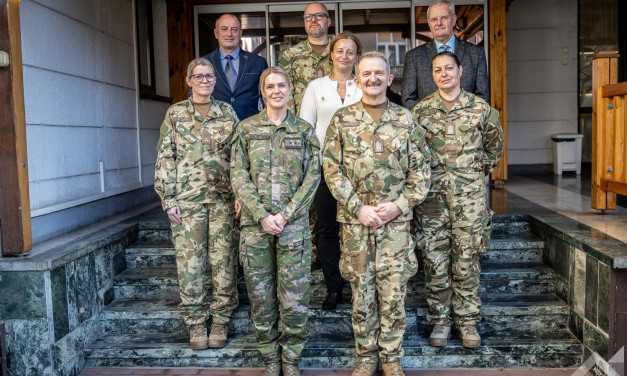
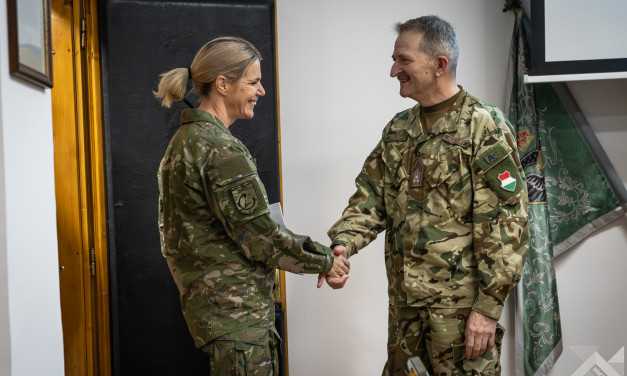
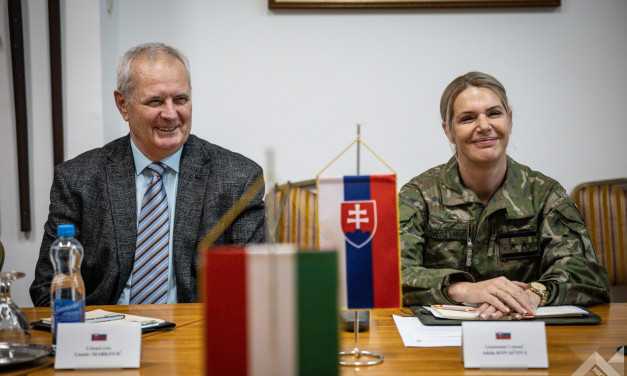
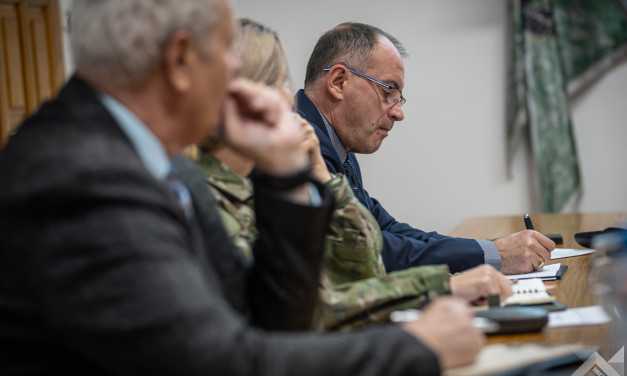
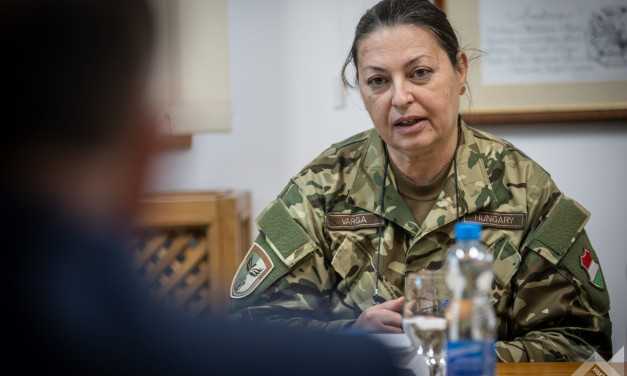
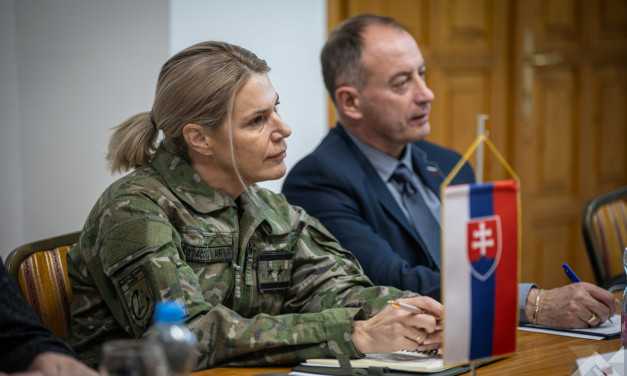
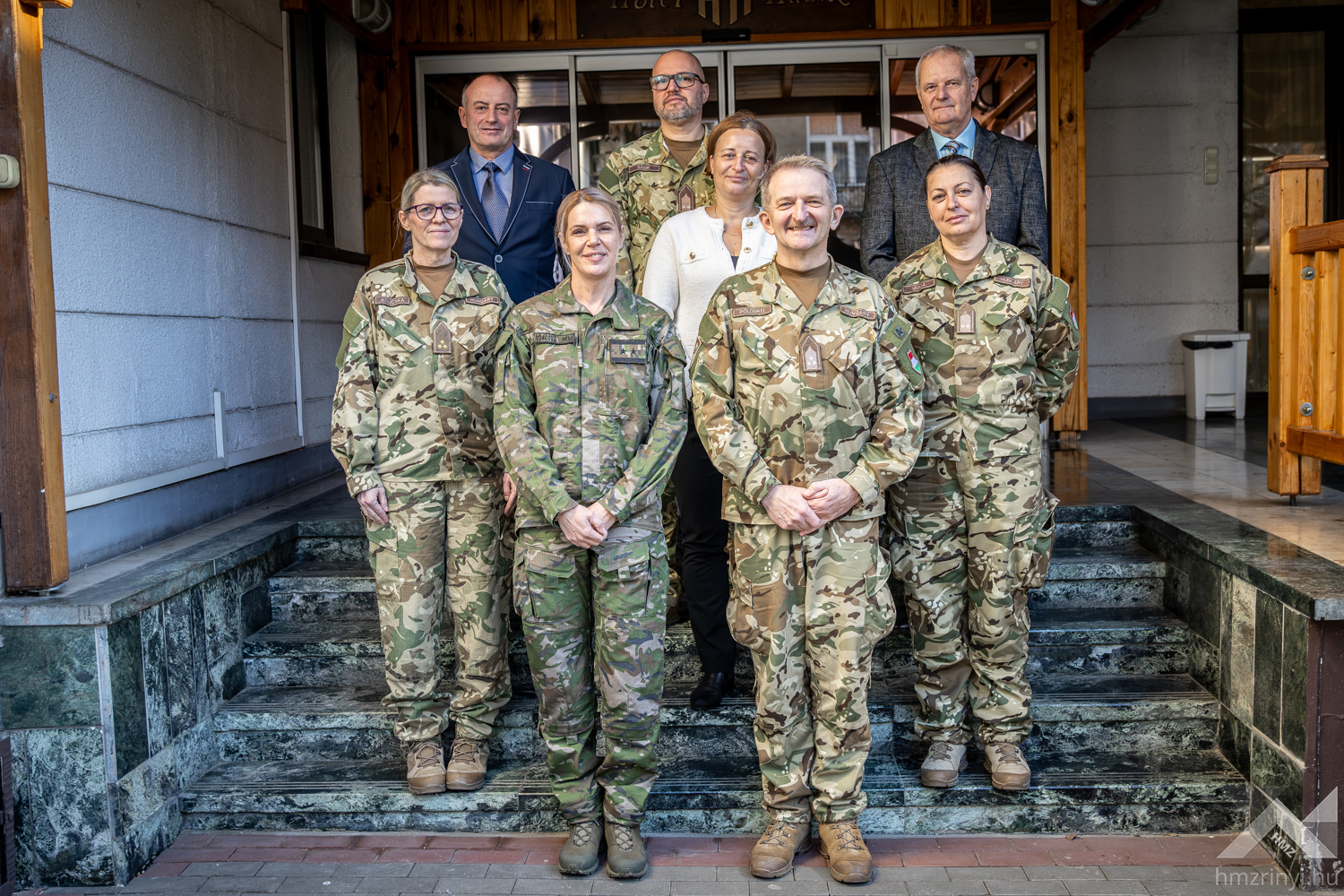
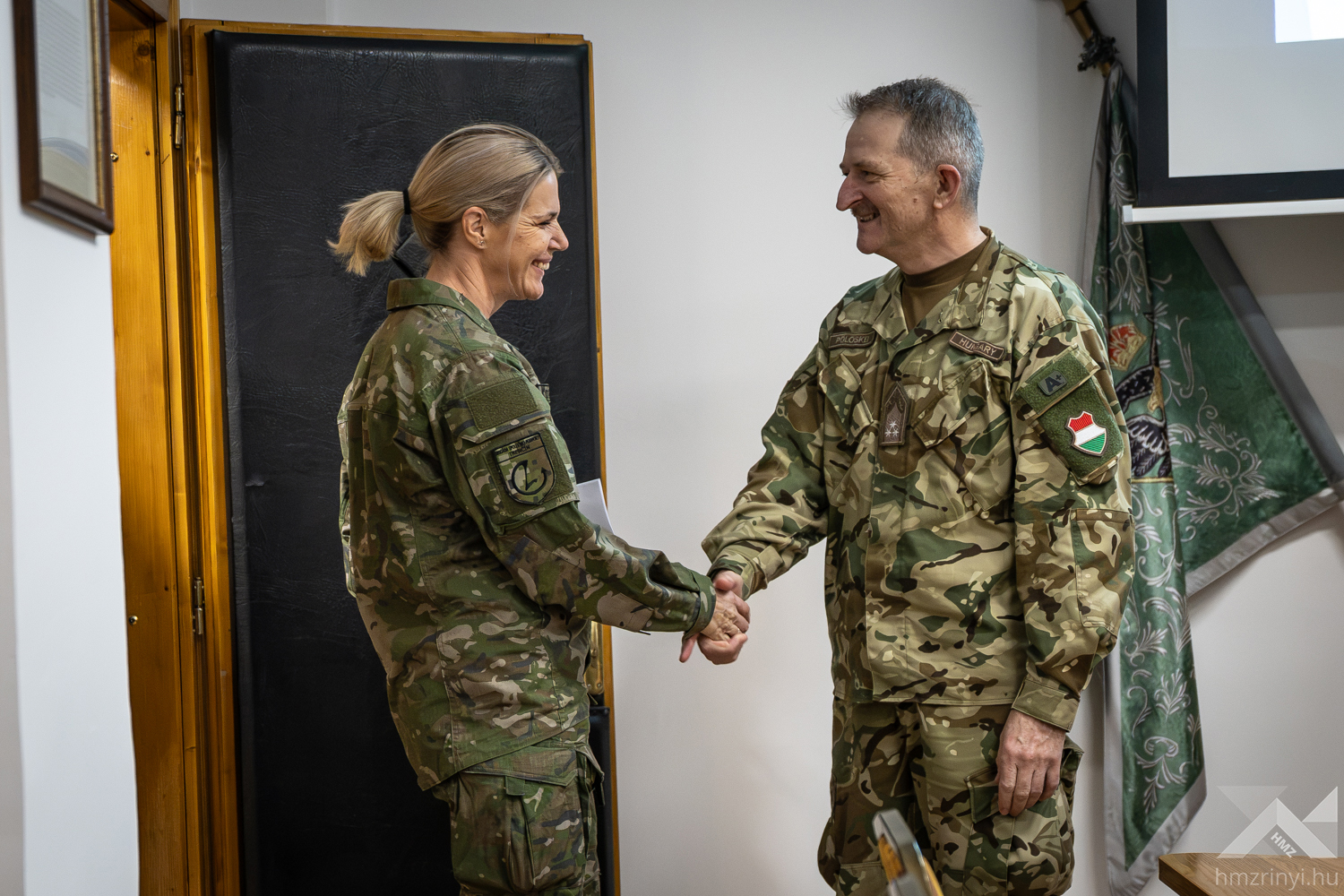
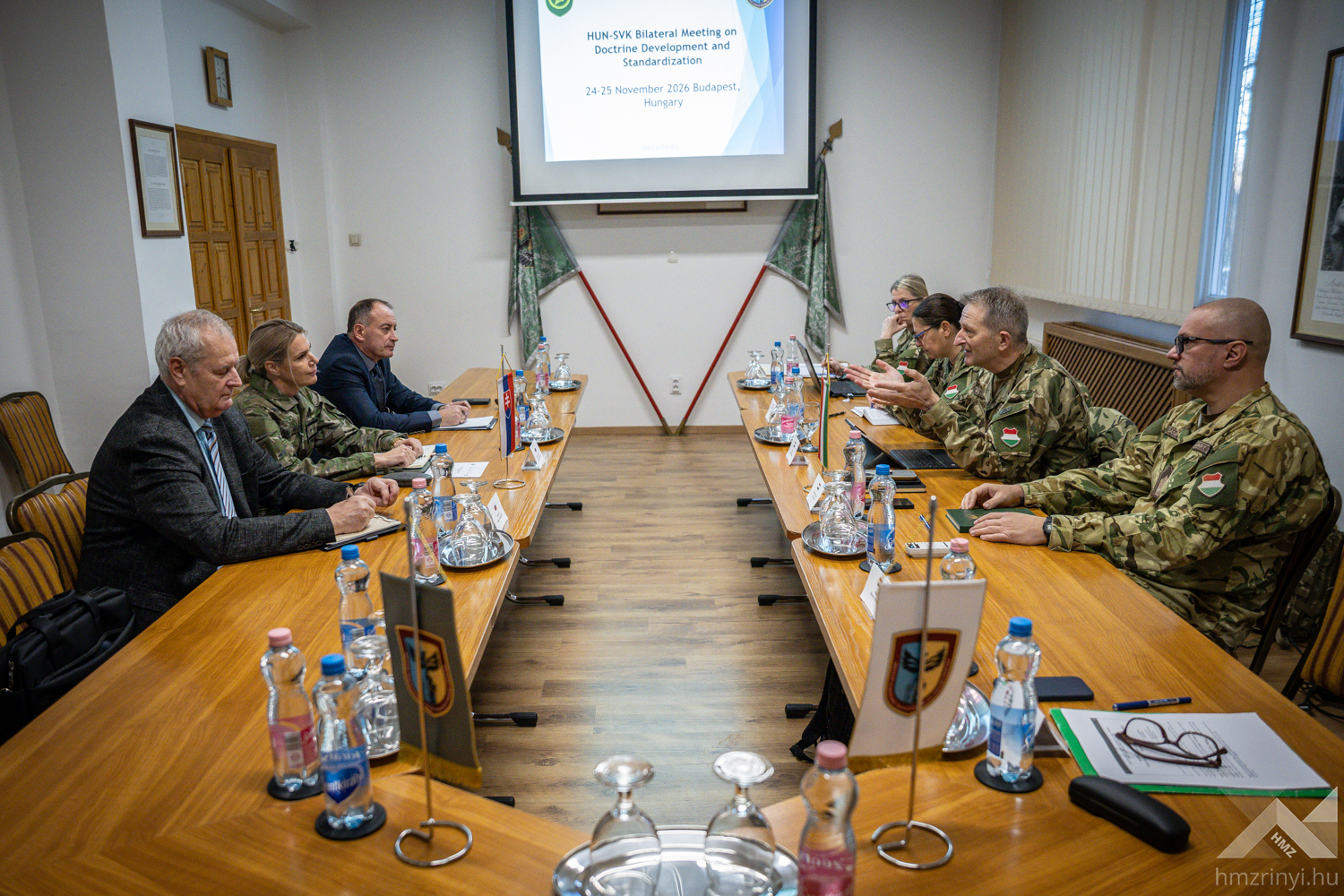
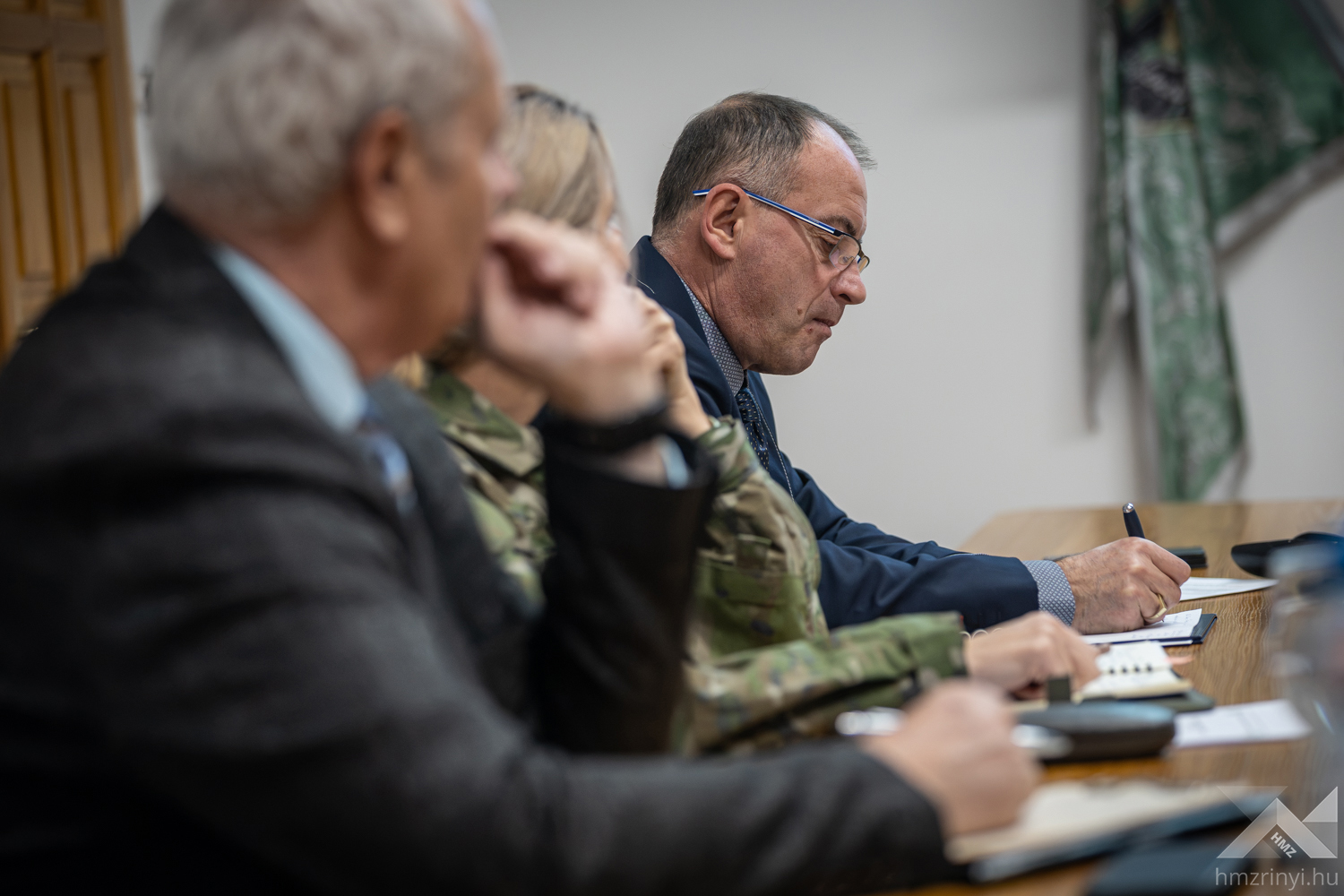
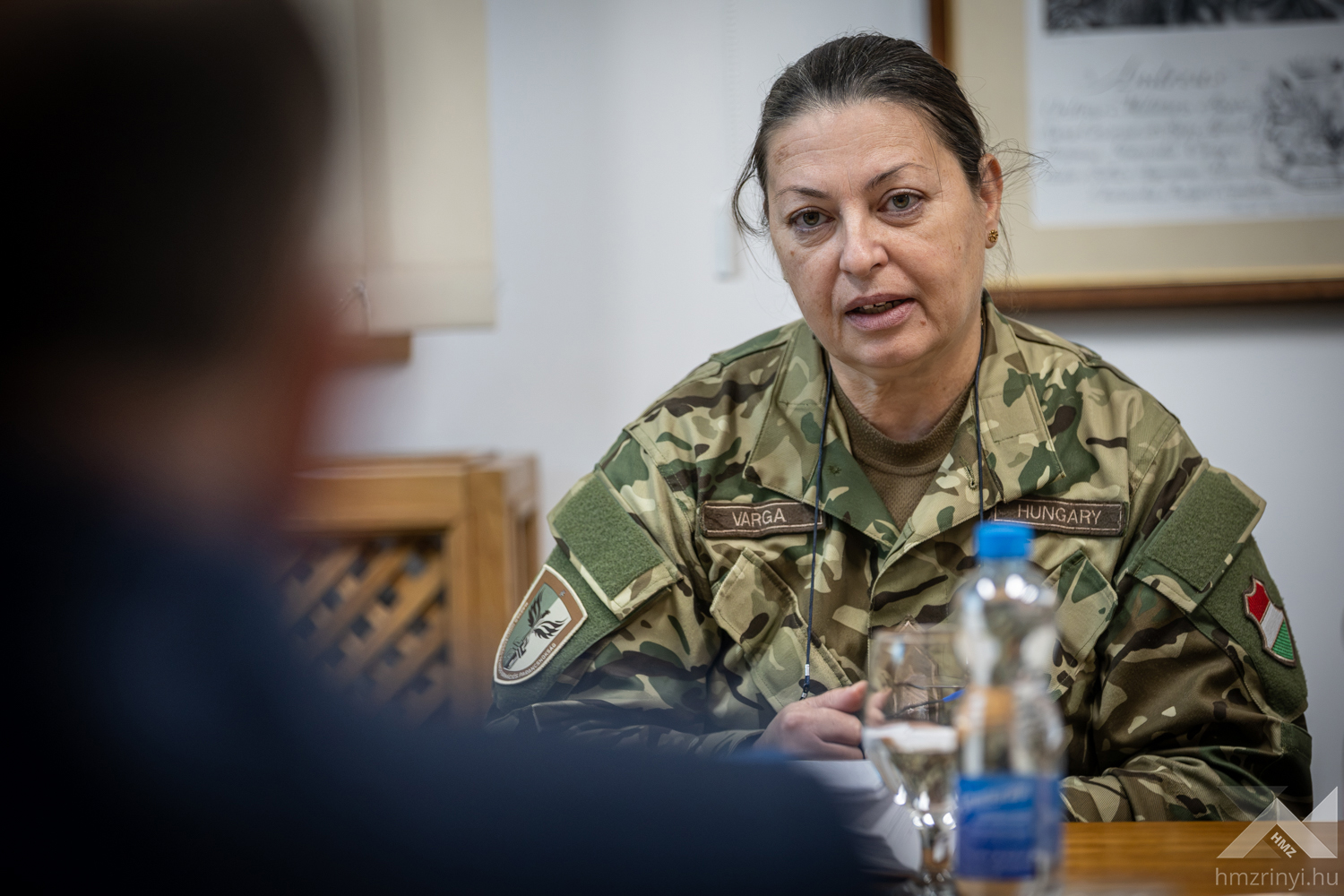
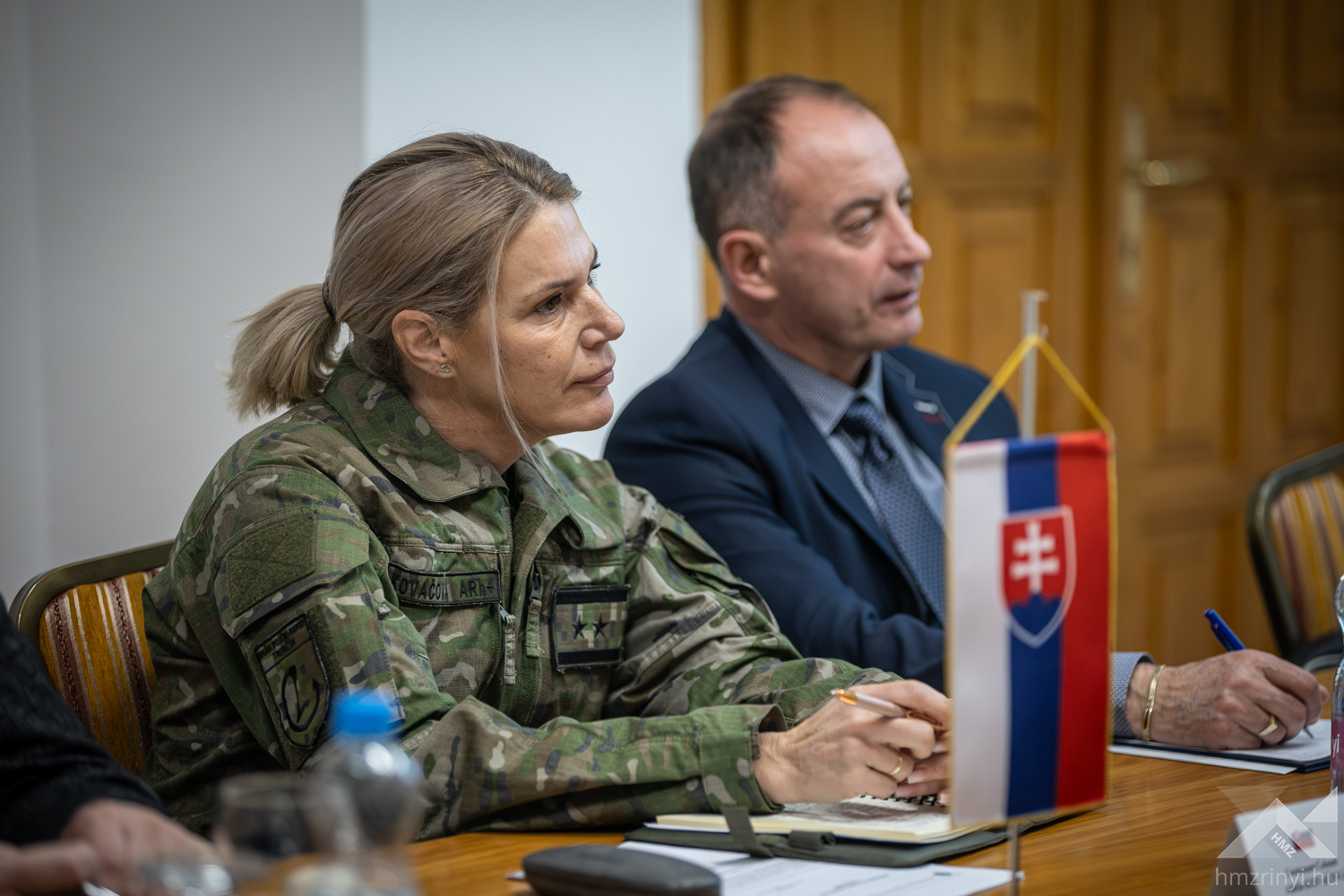
Text: Bettina Sin | Photo: Franciska Veres | 11:19 November 26, 2026Today’s rapidly changing security environment, advances in military technology and communication among NATO member states require the continuous development of military doctrines. In the spirit of these goals, the HDF Transformation Command and the Doctrine Centre of the Slovak armed forces recently held a two-day professional meeting. The two delegations have also laid the foundations for future joint doctrine development projects.
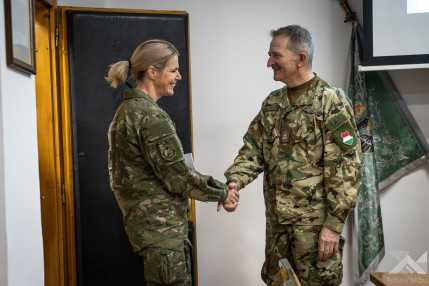
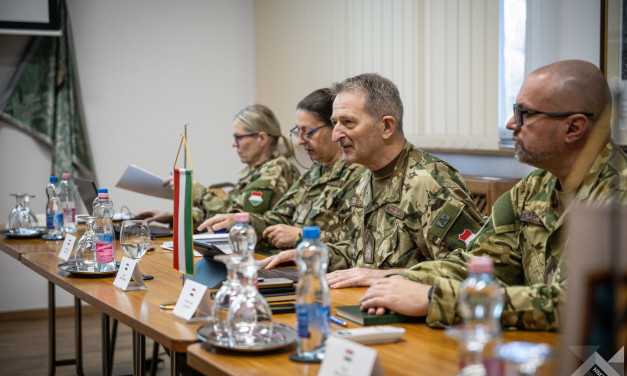
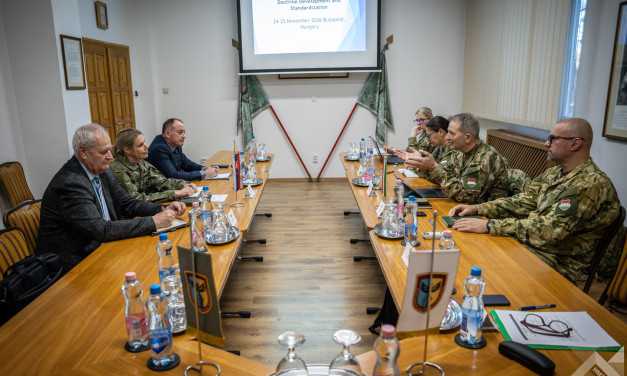
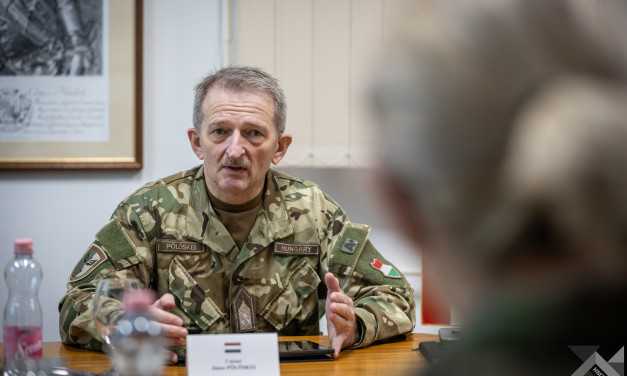
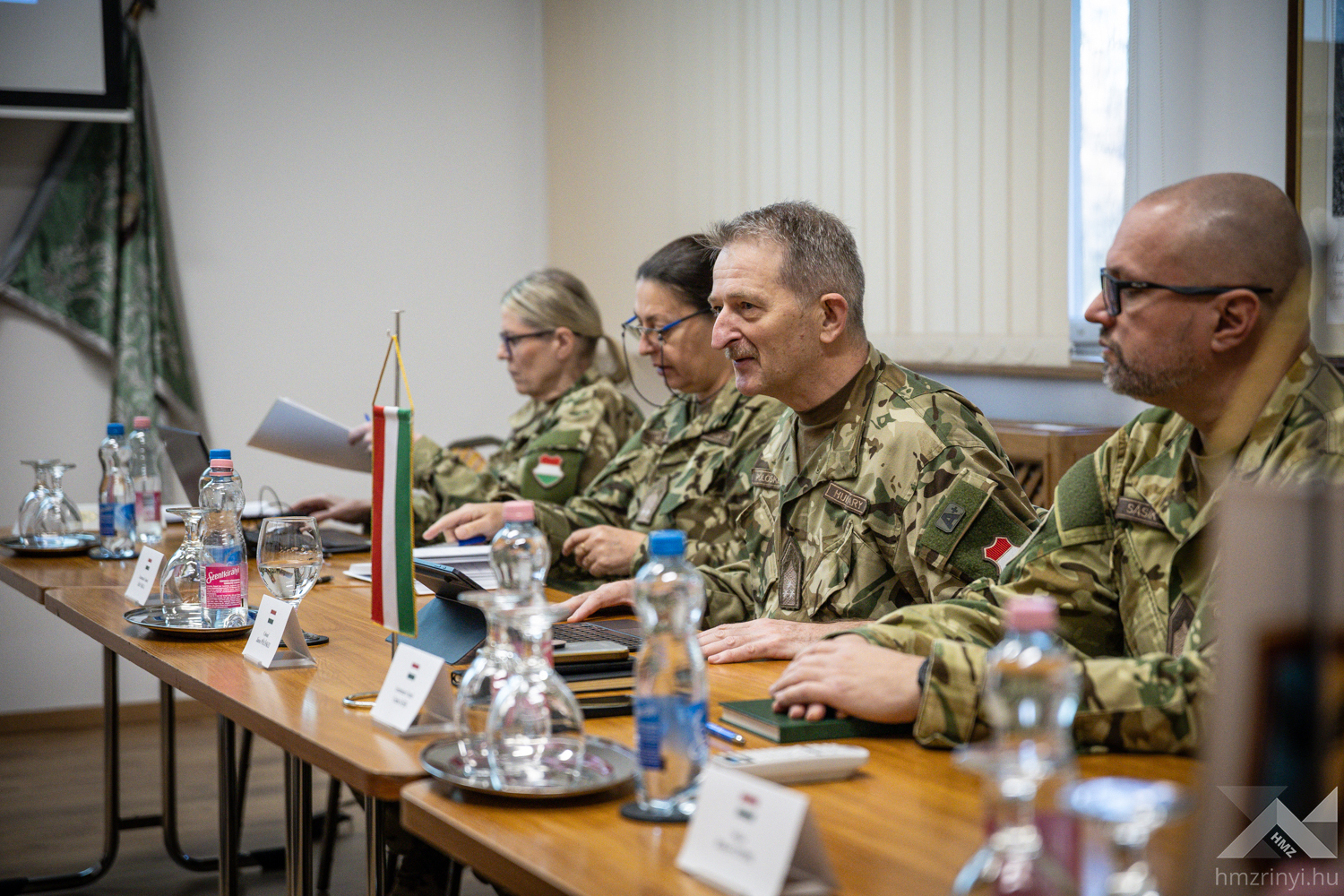
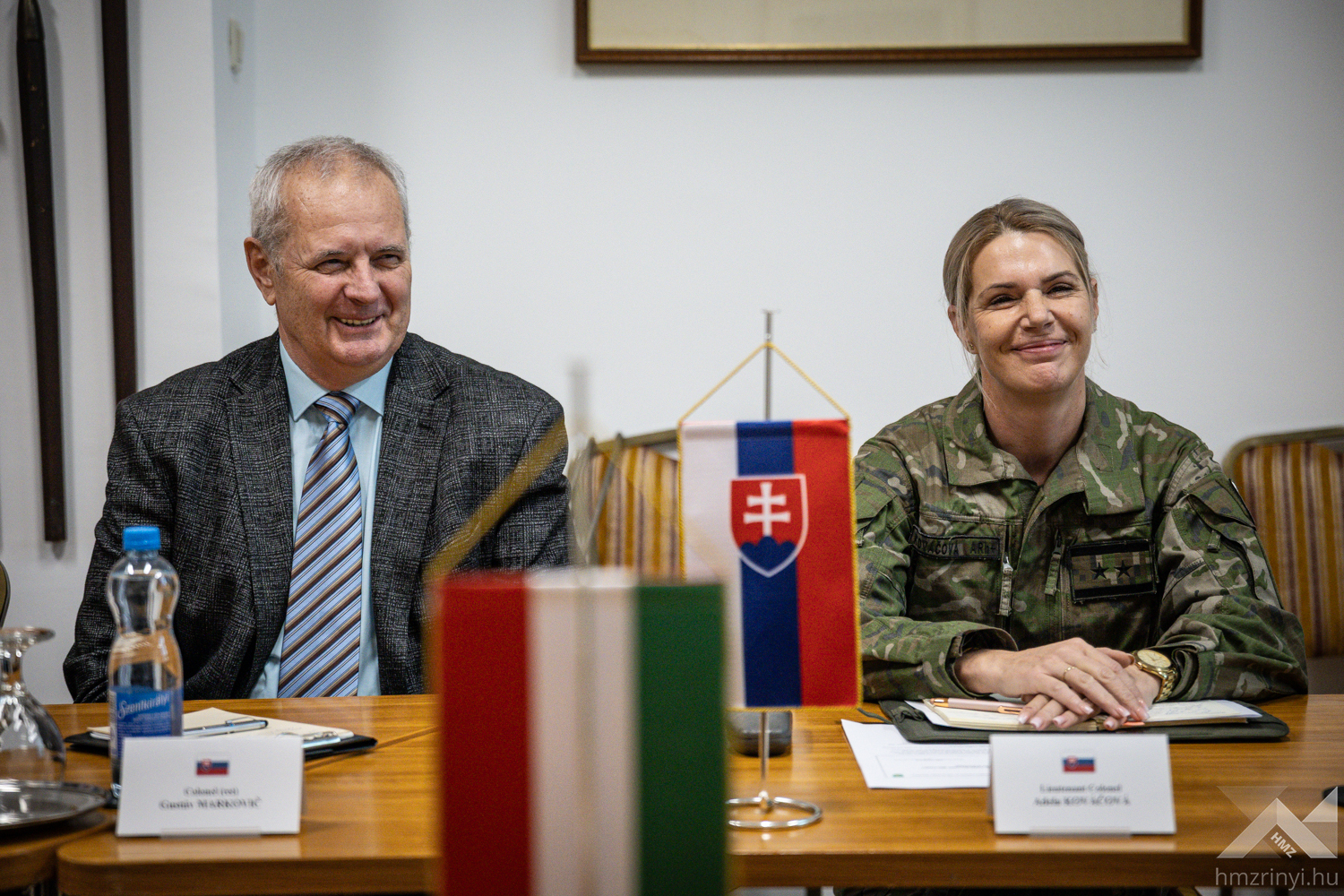
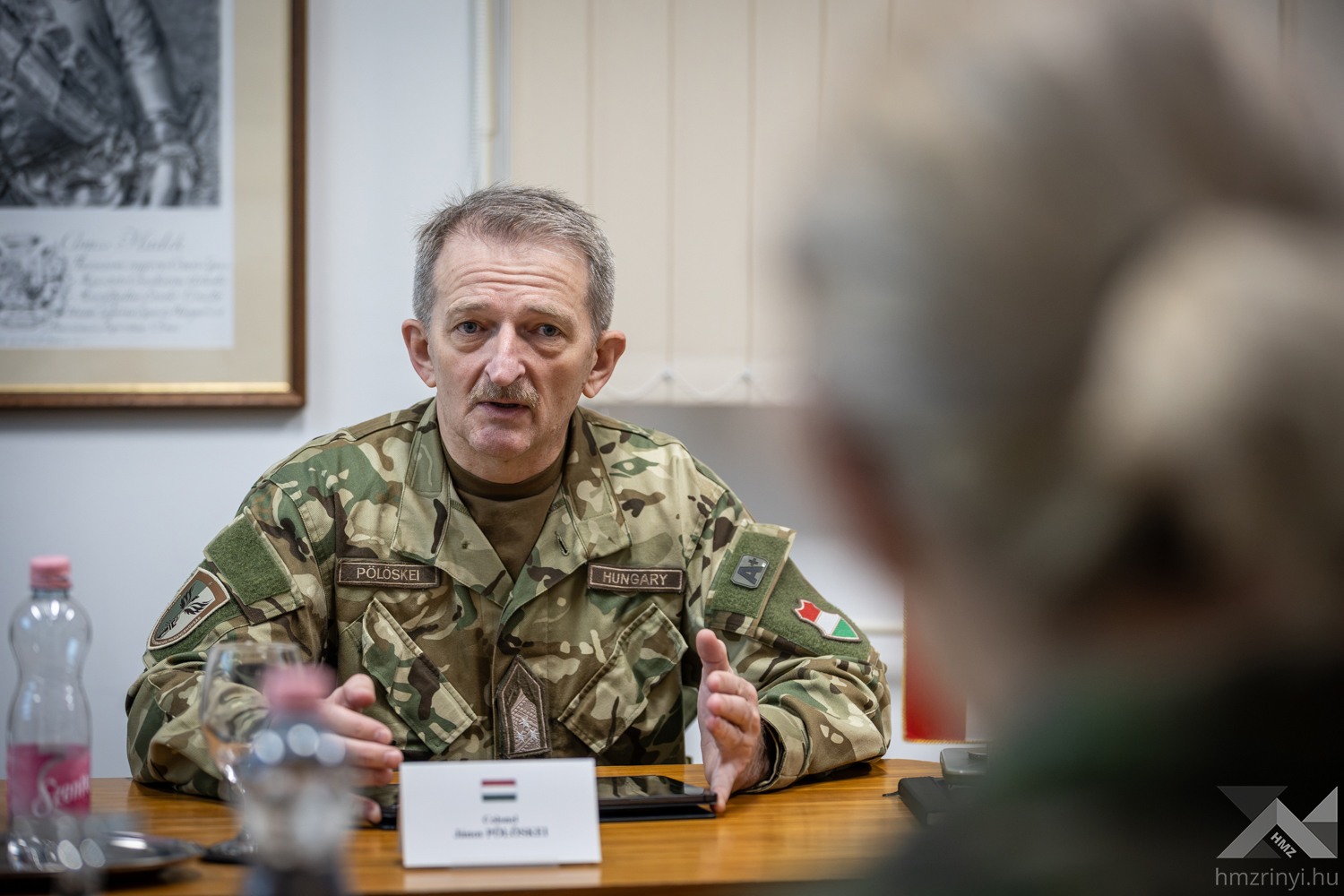
In parallel with radical changes in combat tactics, NATO member states have to develop their own procedures as well as those joint doctrines and standards which ensure interoperability among Allied armed forces. Within the framework of the Hungarian–Slovak bilateral professional cooperation for doctrine development and standardization launched in 2026, a three-member delegation from the Doctrine Centre of the 82nd Joint Support Brigade of the Slovak armed forces arrived in Budapest. The event was opened by Colonel János Pölöskei, Director, Directorate of Doctrine and Field Manual Development, HDF Transformation Command. In his words of welcome, the colonel said that “the security environment is unpredictable and keeps changing at a fast pace, so we need to work more quickly as well. “While earlier the revision of professional publications was done in four- or five-year cycles, this is no longer sufficient in the current operational environment. If a change occurs, it must appear, in a few weeks, in a tactical-level publication which soldiers can use immediately.” This shift of approach well illustrates that doctrine development today is not a long-term regulatory activity but rather a supportive framework system extending all the way down to the level of operations.
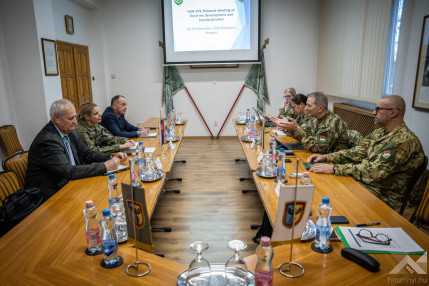
According to the colonel, the international exchange of lessons learned is useful due to the quicker task execution. “Bilateral events help us transfer the best practices to each other. Sharing the lessons learned enables the parties to more efficiently build their own systems as well, by building on each other’s solutions.” The program of the two-day meeting included a number of topics that are equally timely for the Hungarian and the Slovak armed forces. On the first day, the Hungarians’ presentations introduced the doctrinal, terminological and special translation tasks of new capabilities and emerging and disruptive technologies as well as military drone strategy. Besides, they gave a detailed picture of the directions of terminological and translation processes. On the second day, members of the Slovak delegation shared their own experiences in force development, the standardization requirements for new weapon systems and the creation of the doctrinal background. Prominent among the topics were unmanned aerial systems (UAS), long-range air assets and the issues of countering them.
Mutual learning
In speaking about the strengths of the Slovak doctrine development system, Colonel Pölöskei highlighted its structured architecture. “Thanks to their well-functioning system, our neighbors are making very good progress in terminology and the development of service publications”. The long-term goal of the meeting is to make sure that professional consultations result in joint development activities over time, primarily in the fields of artillery and joint fire support, as well as military medicine. The similarities and common interests of the two countries also promote cooperation. Being a small nation, Hungary must join forces with the V4 countries to be able to achieve more than it could on its own” – emphasized the director of the Directorate of Doctrine and Field Manual Development, HDF Transformation Command.
20261124_szlovák magyar doktrínafejlesztési találkozó_VF__5
20261124_szlovák magyar doktrínafejlesztési találkozó_VF_
20261124_szlovák magyar doktrínafejlesztési találkozó_VF__1
20261124_szlovák magyar doktrínafejlesztési találkozó_VF__2
20261124_szlovák magyar doktrínafejlesztési találkozó_VF__3
20261124_szlovák magyar doktrínafejlesztési találkozó_VF__7
20261124_szlovák magyar doktrínafejlesztési találkozó_VF__8
20261124_szlovák magyar doktrínafejlesztési találkozó_VF__10
20261124_szlovák magyar doktrínafejlesztési találkozó_VF__11