International visit in the Bakony Hills
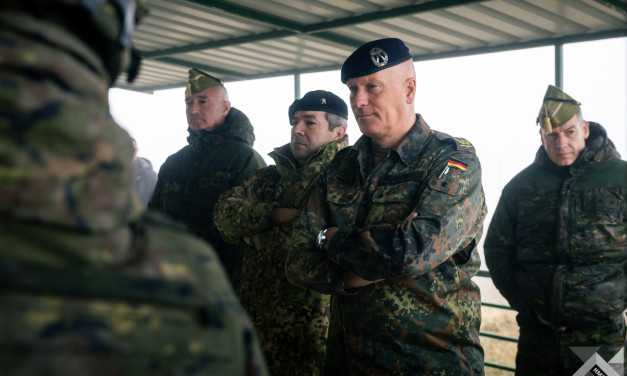
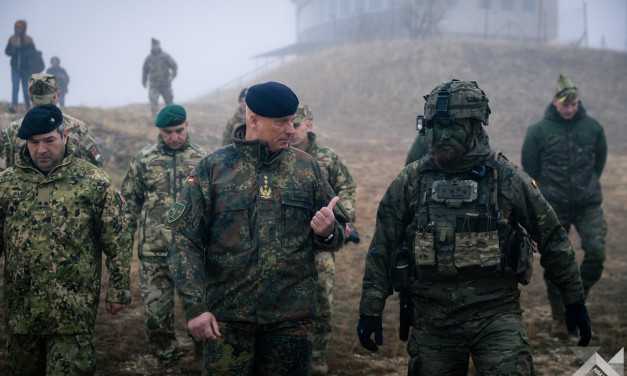
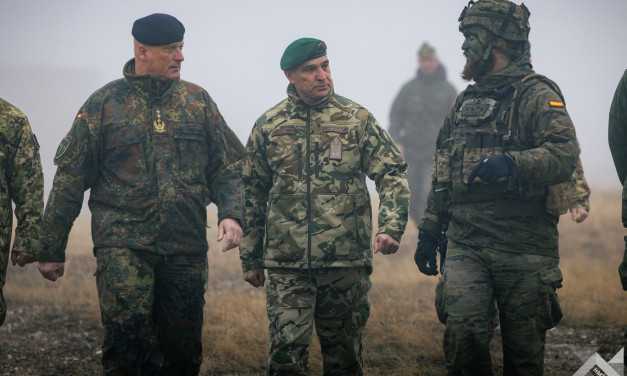
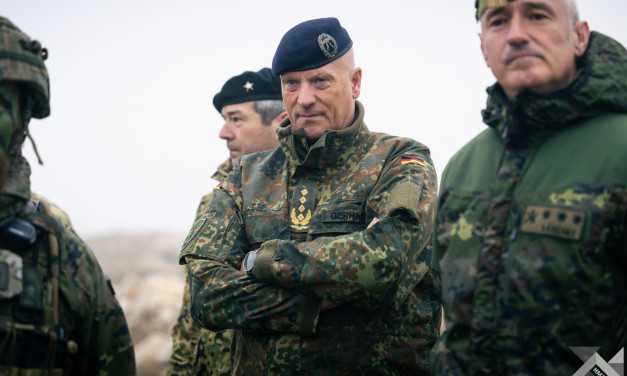
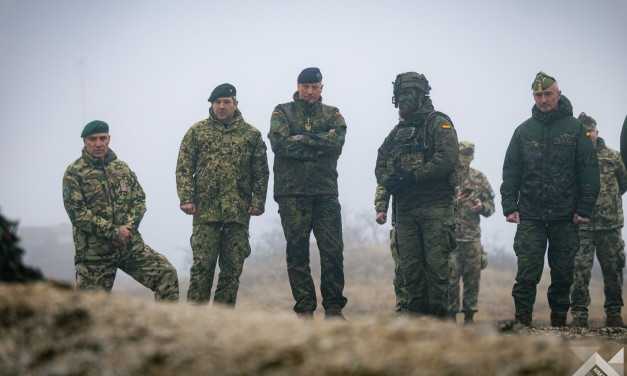
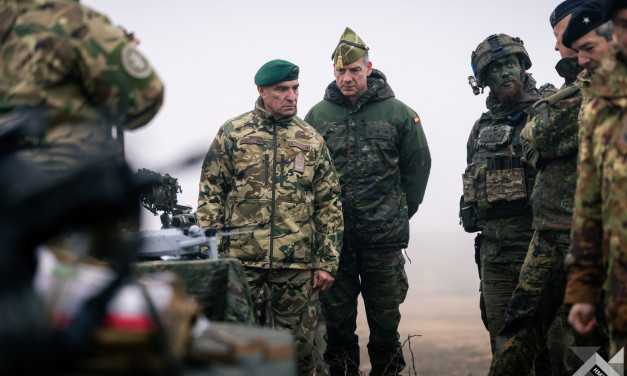
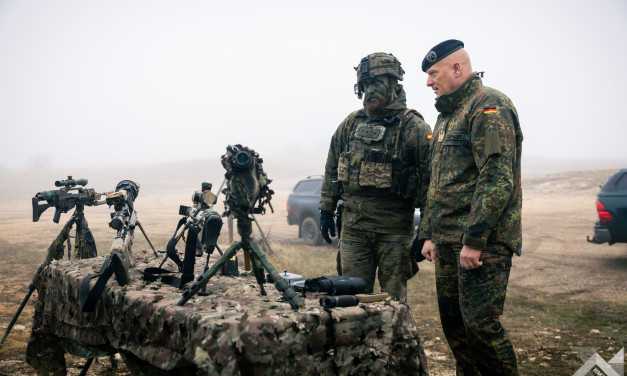
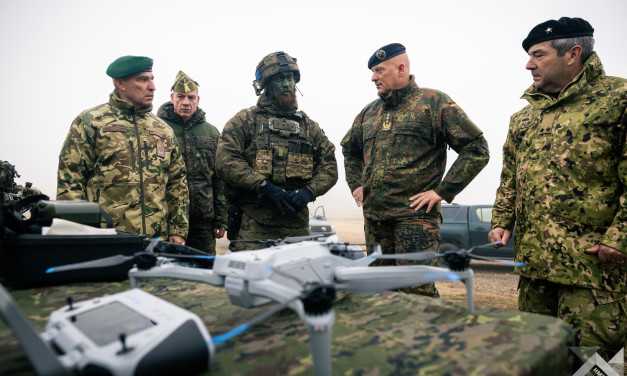
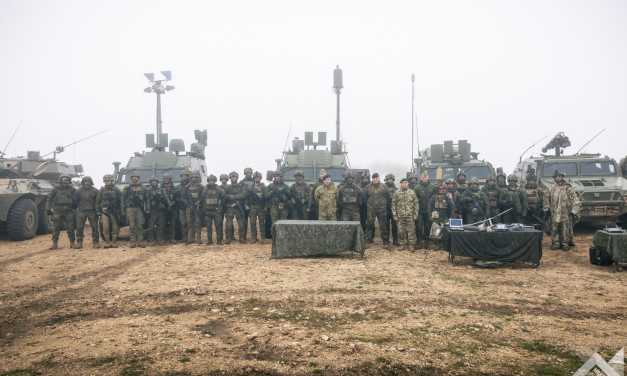
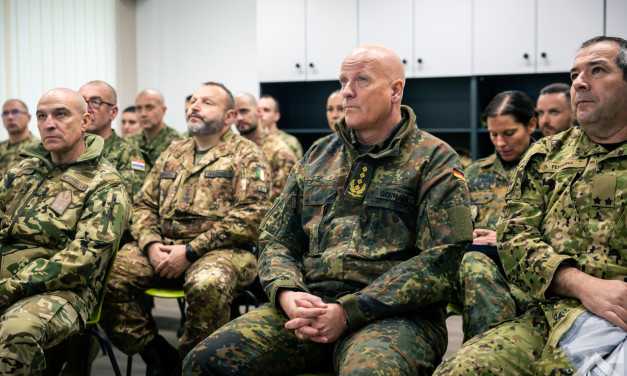
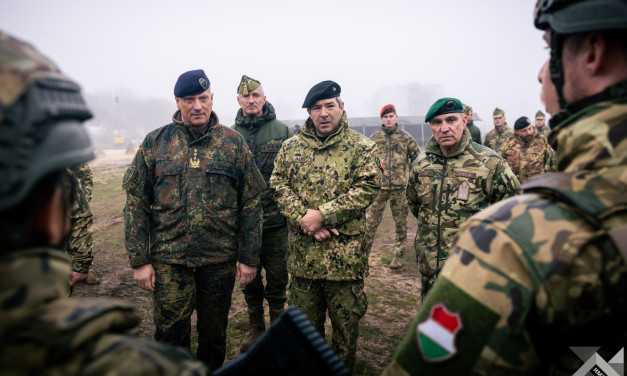
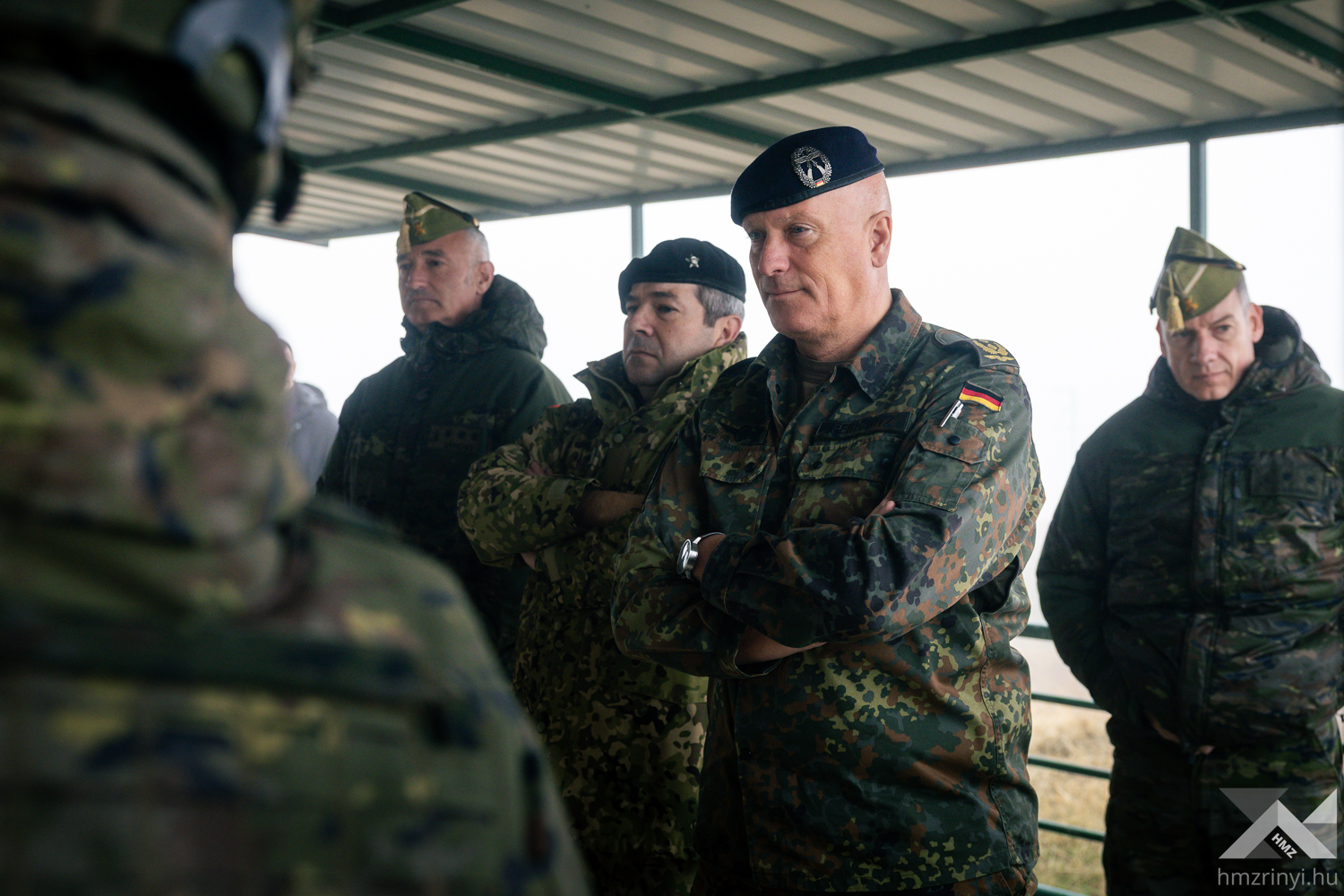
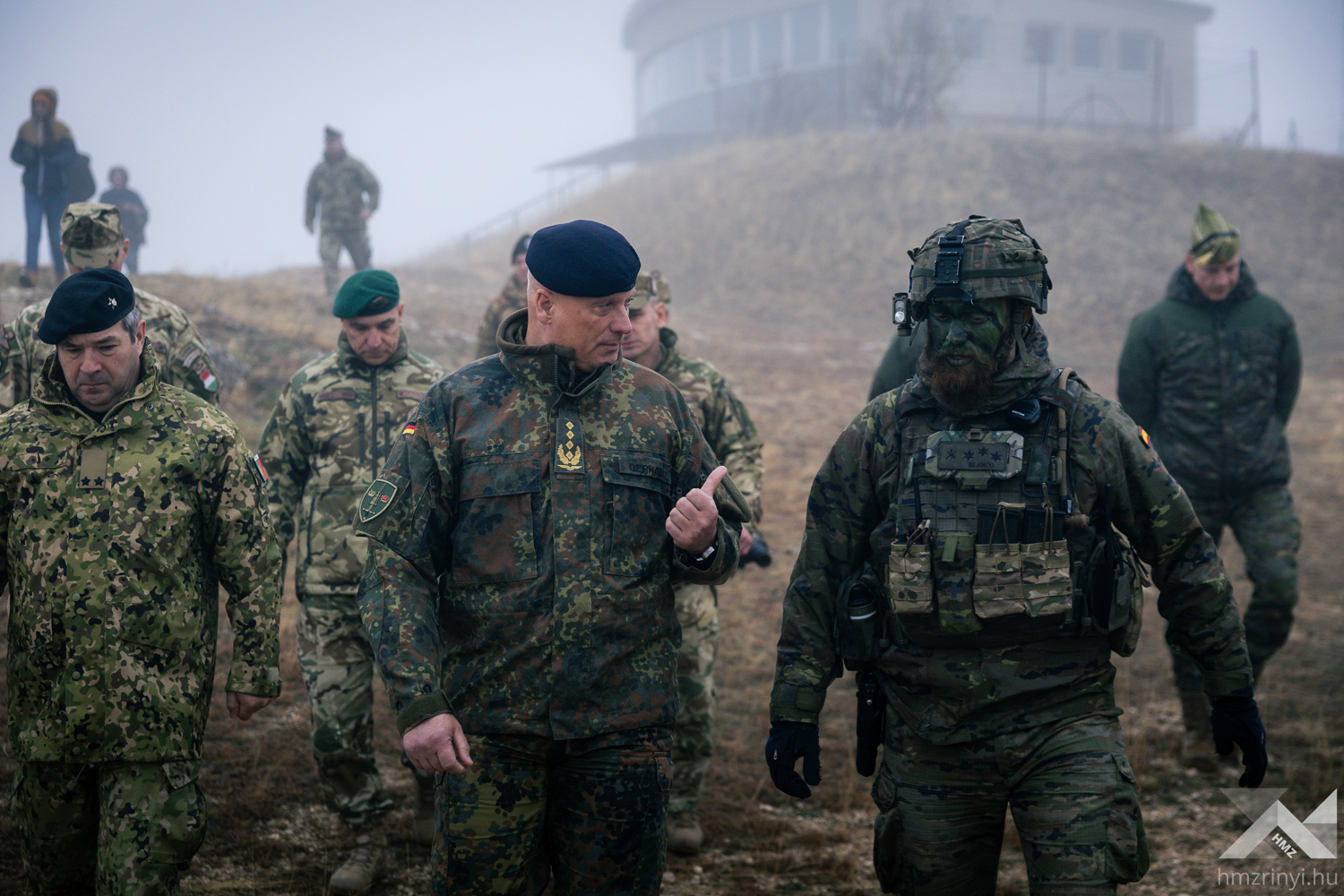
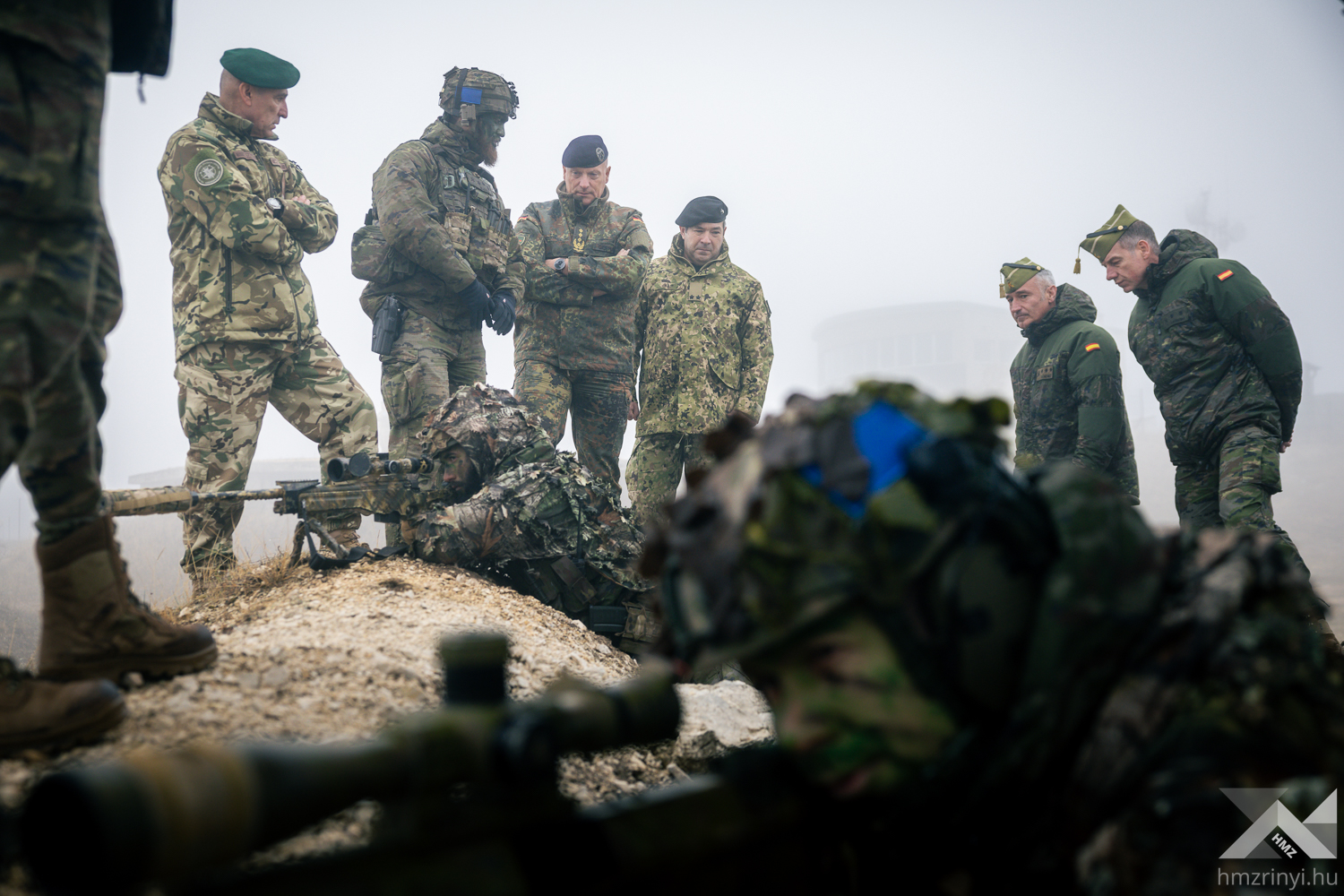
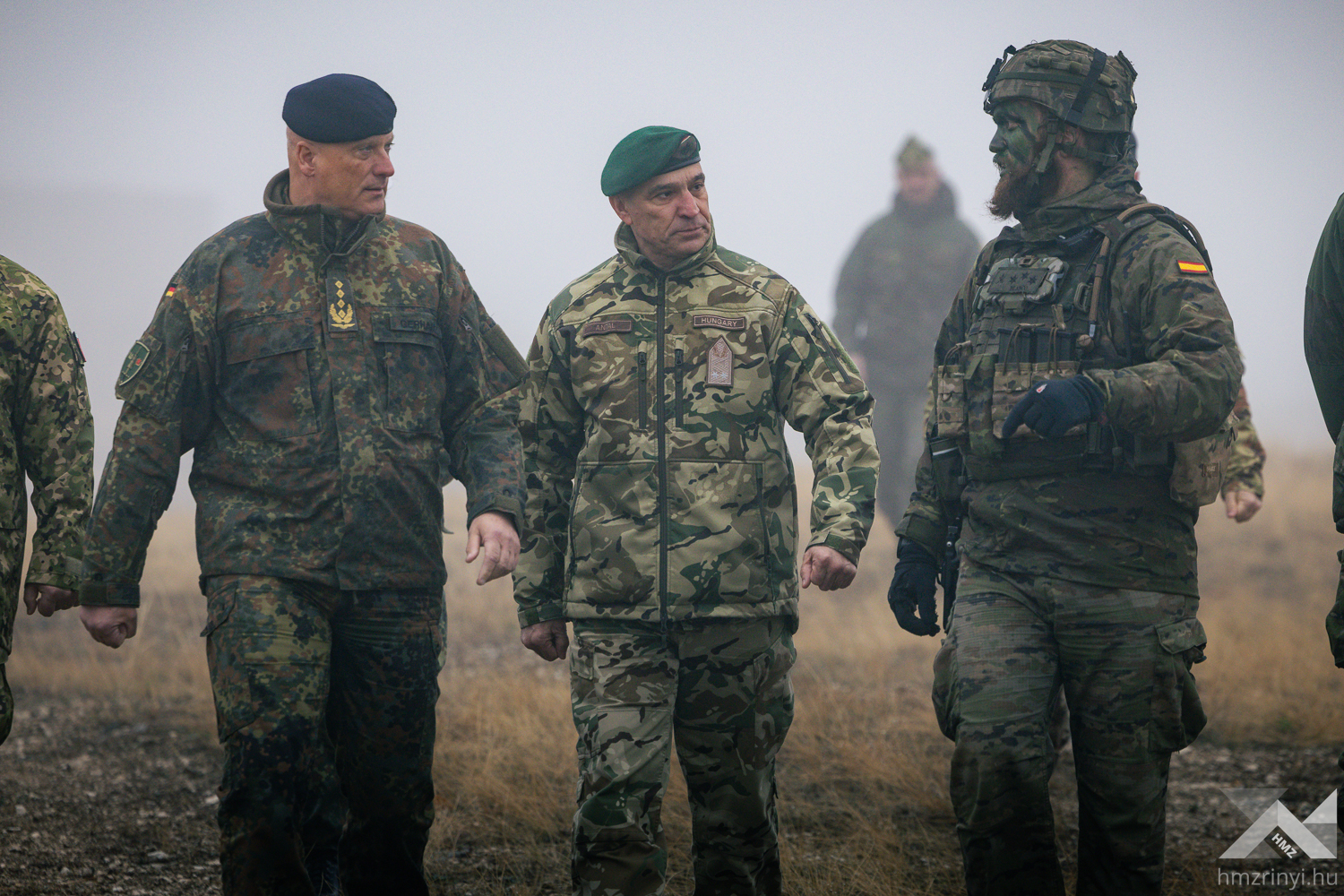
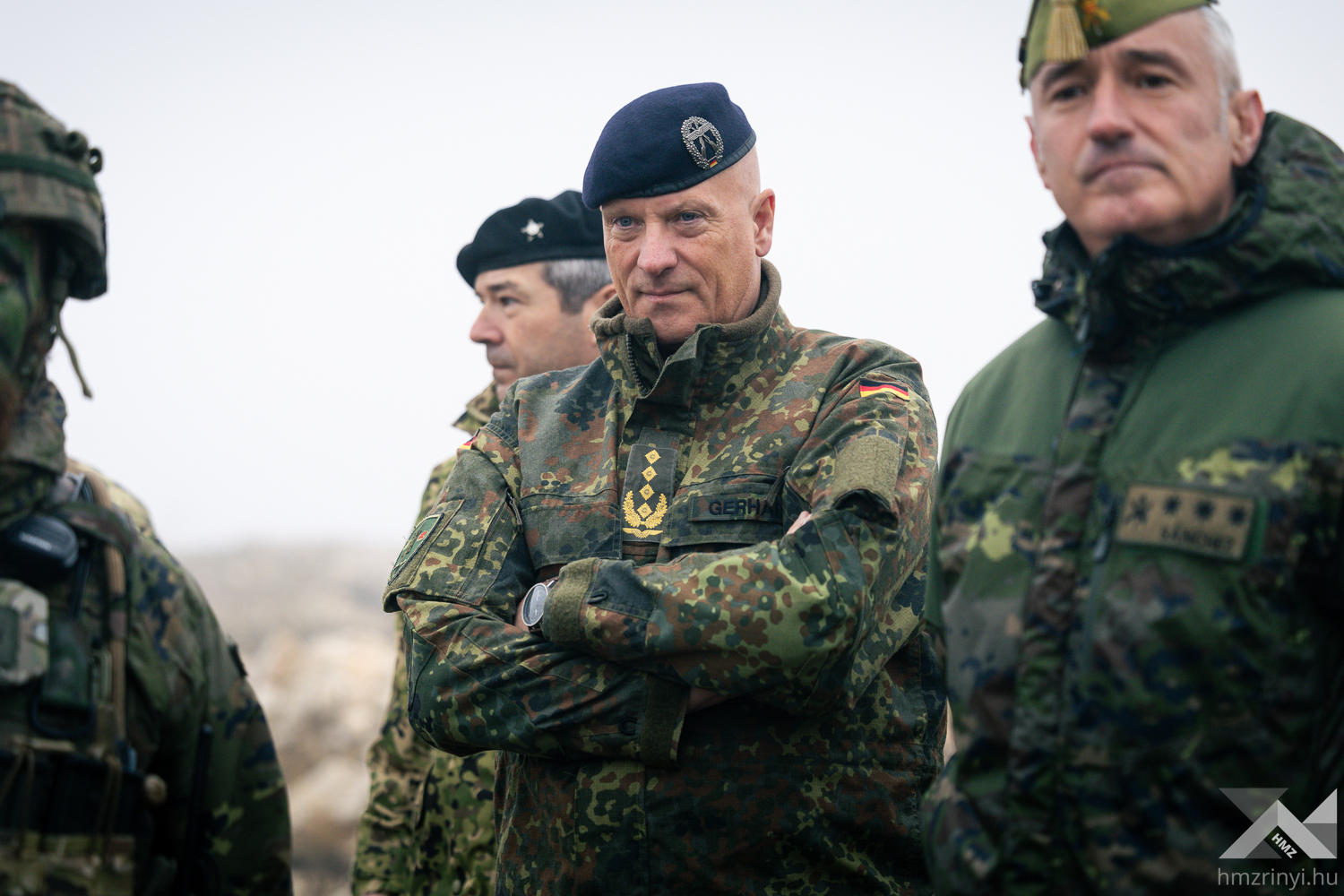
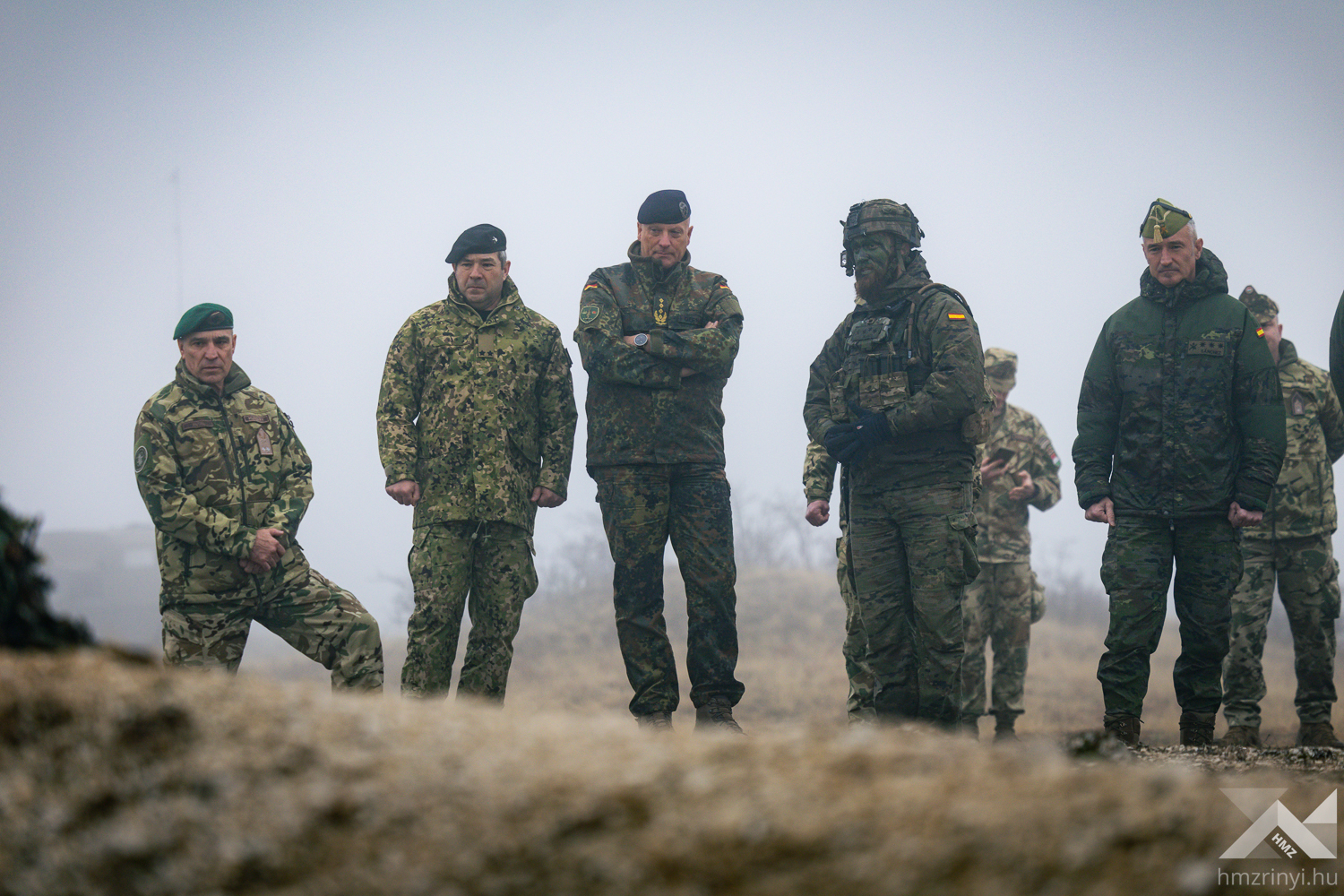
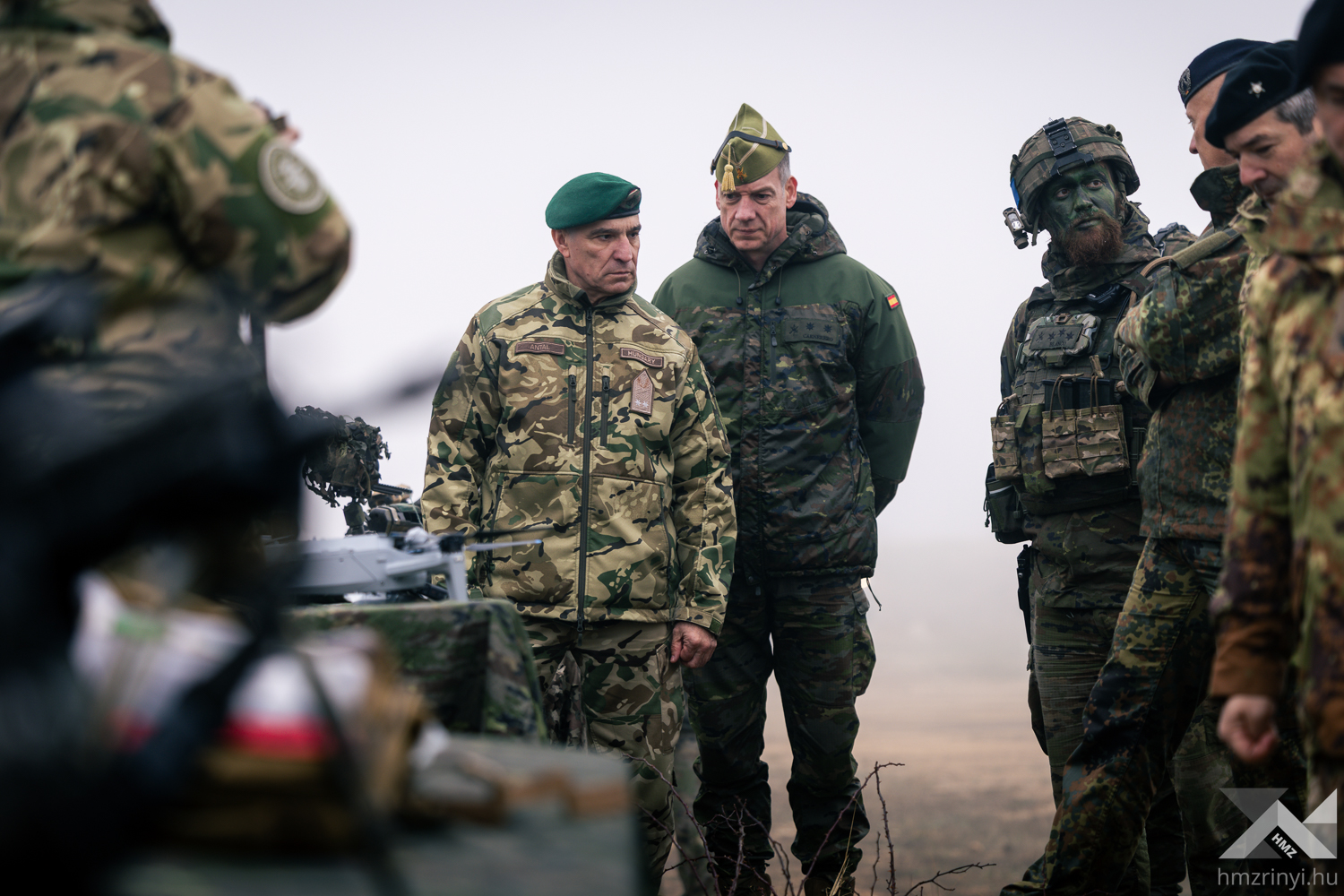
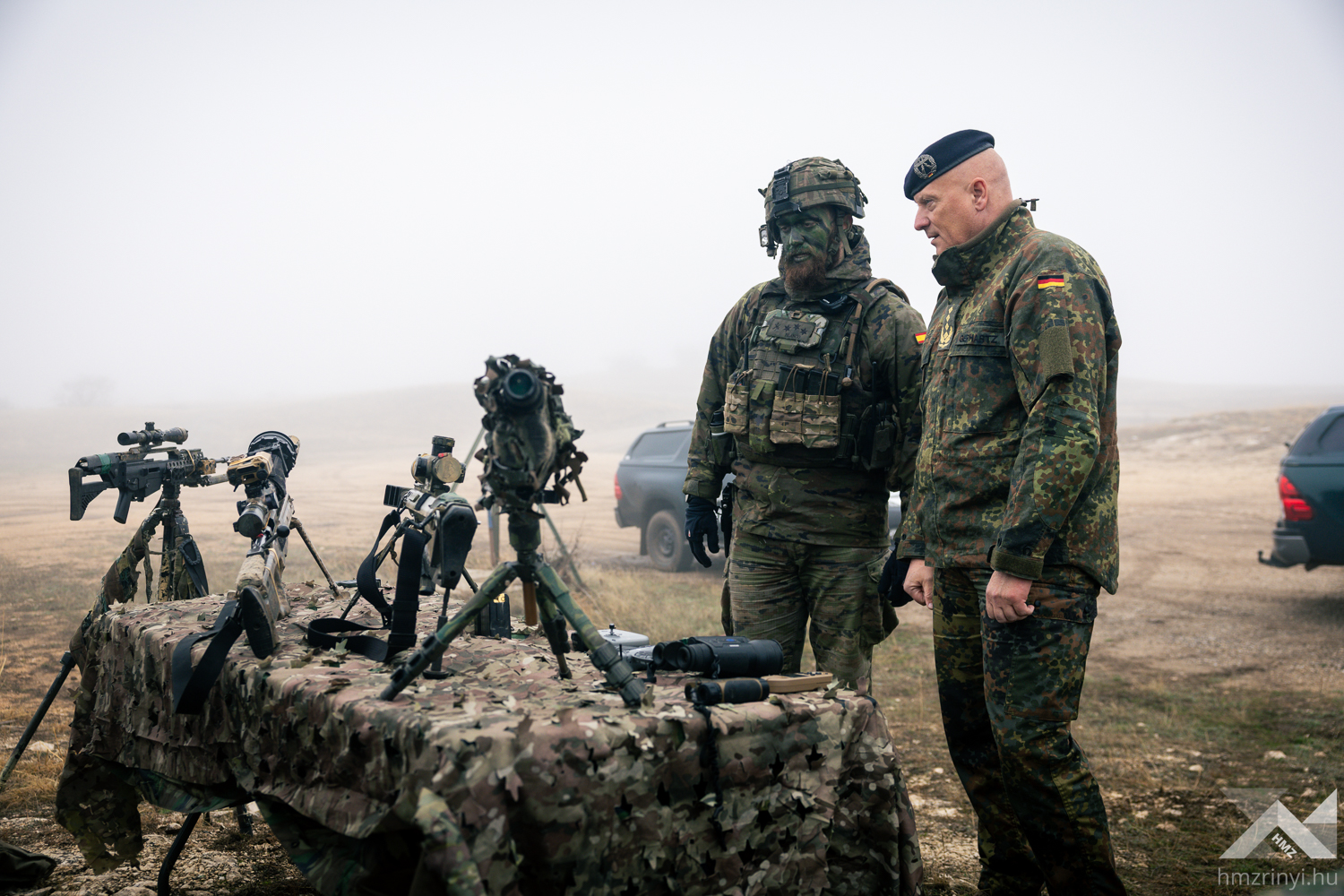
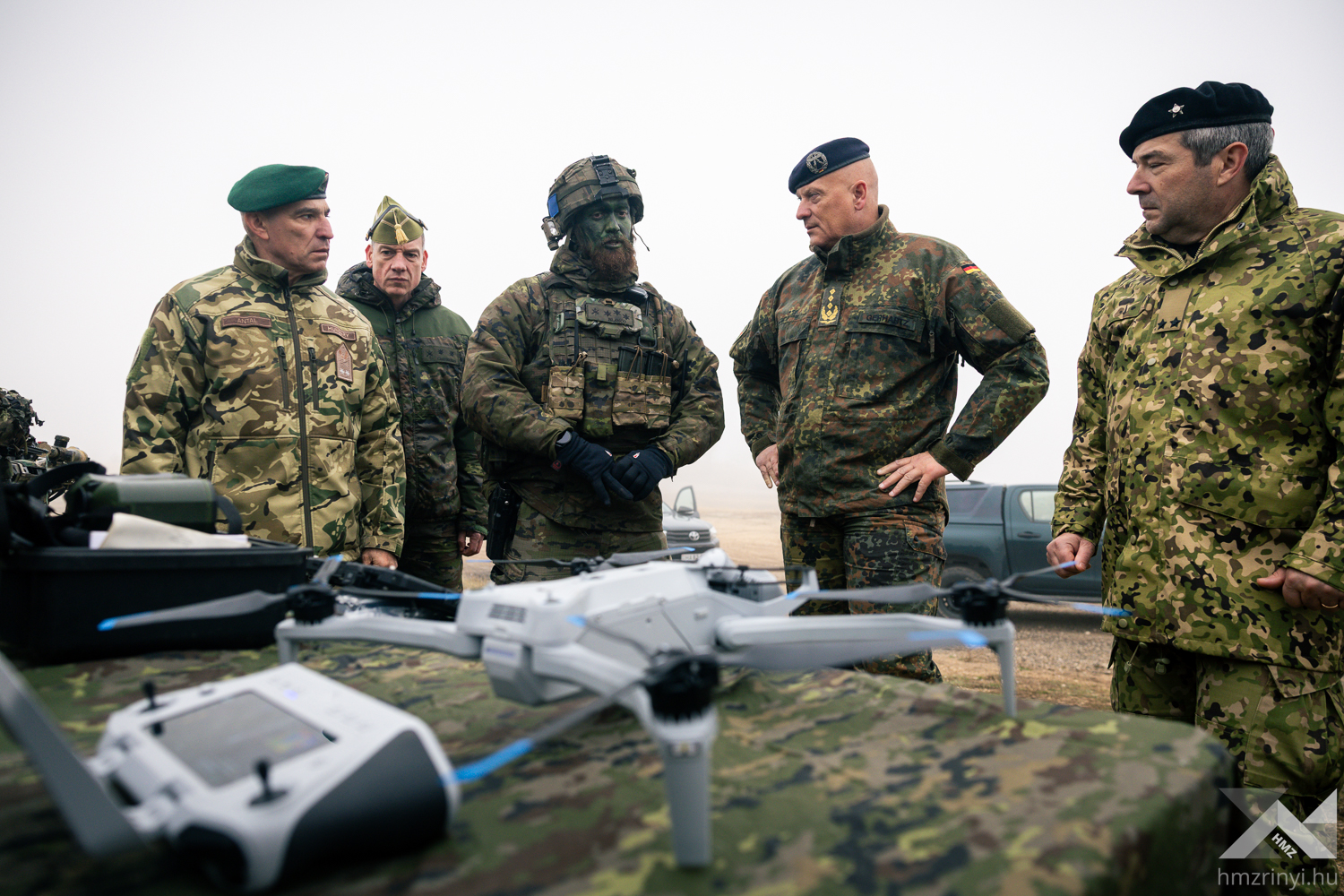
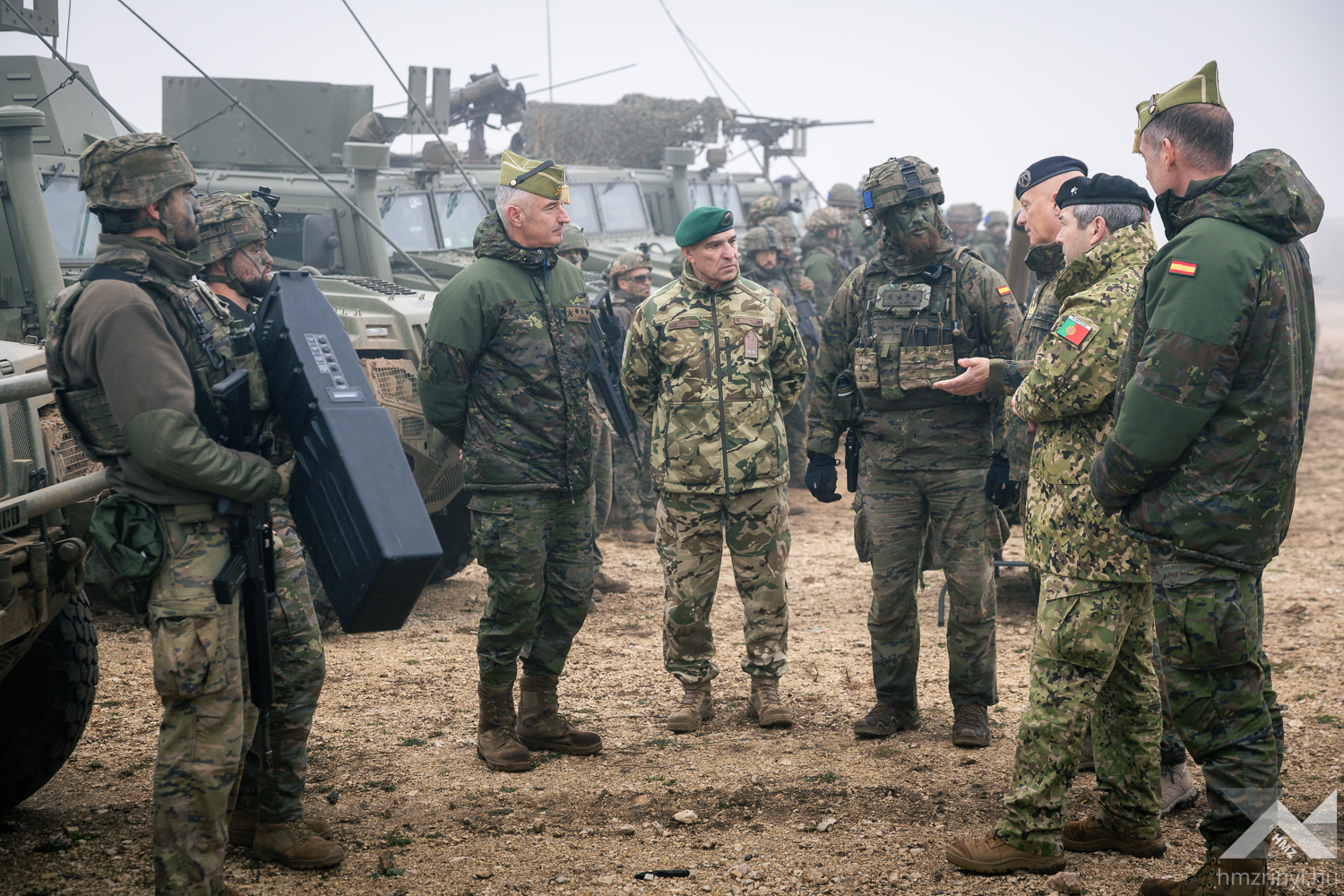
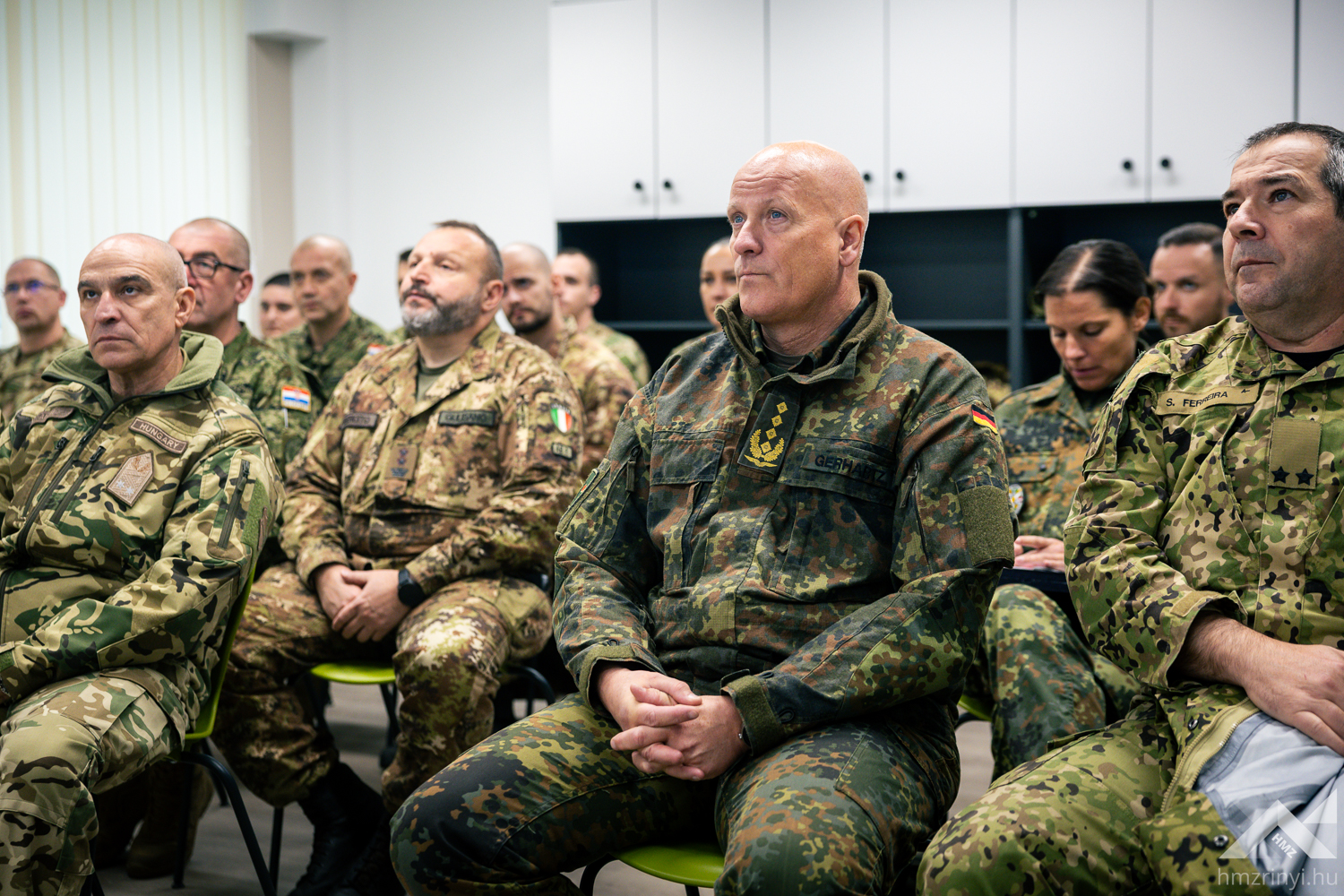
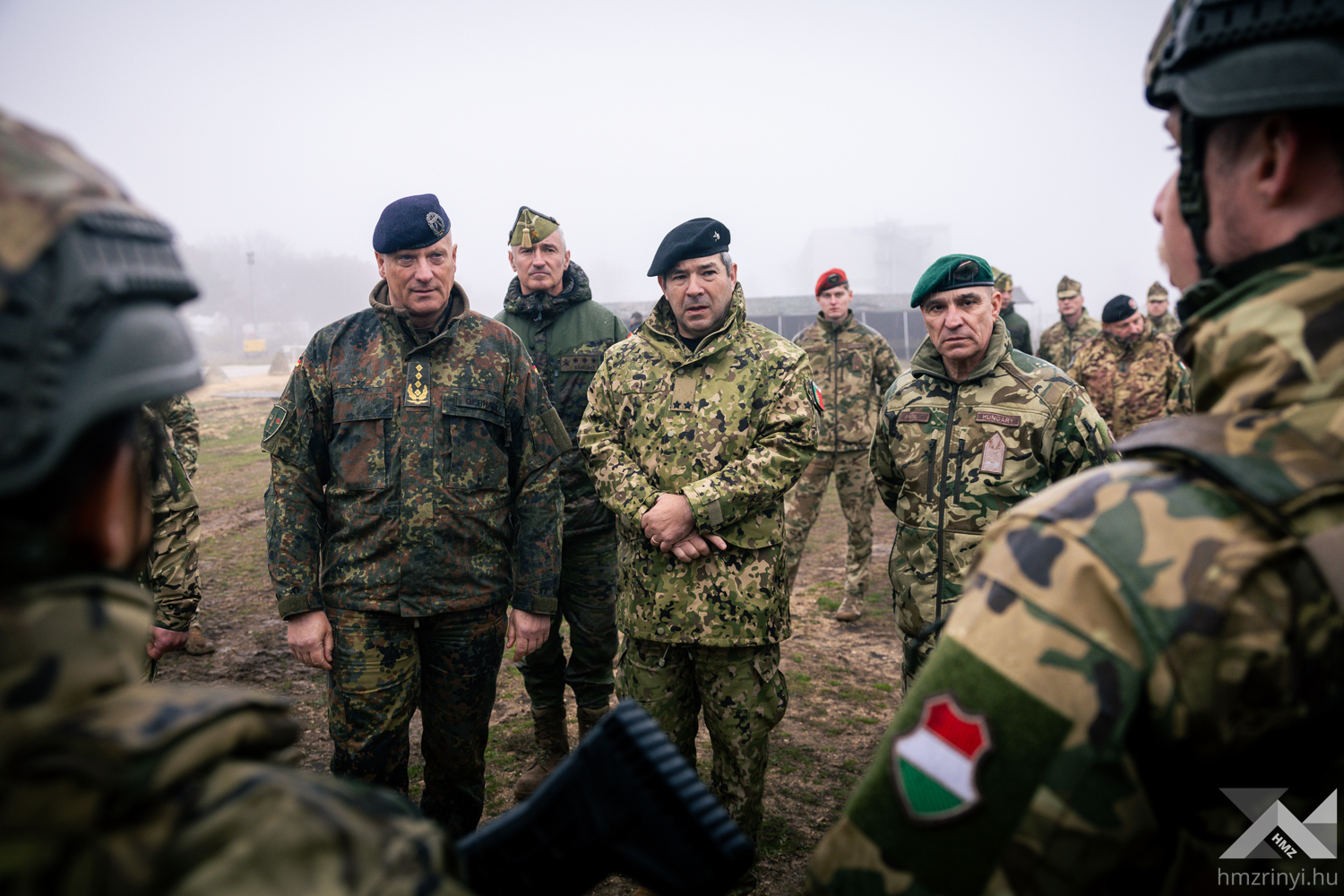
Text: Marcell Burillák | Photo: Gábor Kormány | 12:40 November 23, 2026The eastern flank of the North Atlantic Alliance is secure. The preparedness of the multinational NATO Forward Land Forces Battle Groups stationed in Hungary and Slovakia (NATO FLF BG HUN, SVK) is a proof of this statement. General Ingo Gerhartz, Commander, NATO Joint Force Command Brunssum (NATO JFC Brunssum) visited the troops of these battle groups on November 18 and 19. Accompanied by Major General László Antal, Commander, Headquarters Multinational Division Centre (HQ MND-C) and Major General Jorge Filipe Da Silva Ferreira, Deputy Commander, Headquarters NATO Rapid Deployable Corps Spain (HQ NRDC-ESP), General Gerhartz witnessed a static display and a dynamic demonstration in the Central Training Area of the Hungarian Defence Forces.
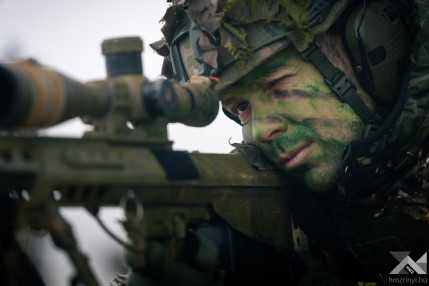
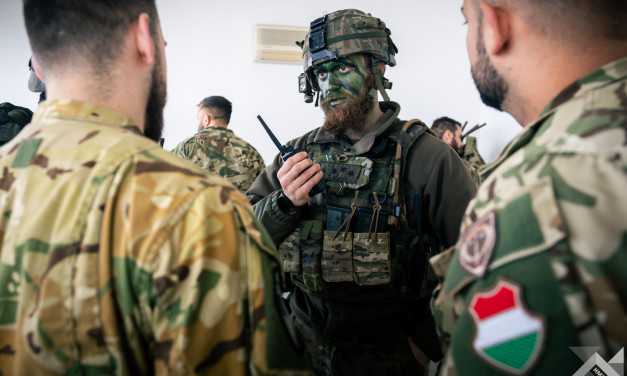
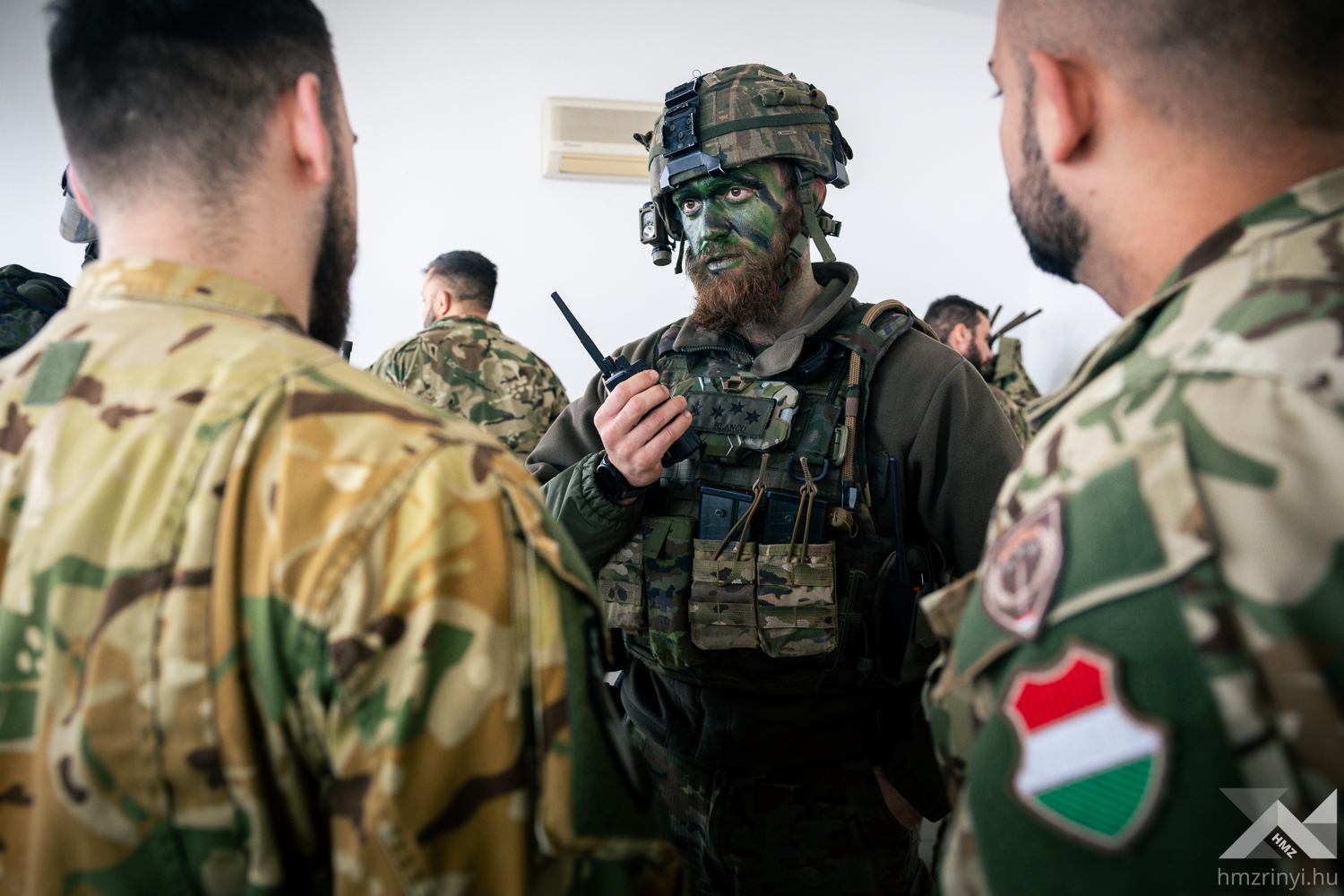
When the Russians launched an all-out attack against Ukrainians back in 2022, NATO leaders decided to create an protective umbrella (“Eastern Shield”) on the eastern flank of the Alliance. Thus, a number of Forward Land Forces Battle Groups were fielded along the line running from the Baltic Sea to the Black Sea, among others in Hungary and Slovakia. “In Hungary, Italian, Croatian, Turkish and Hungarian soldiers are cooperating in a way that portions of the personnel are rotated on a six-month basis. The primary mission of the NATO FLF BG HUN is to strengthen the defences on NATO’s eastern flank, ensure Allied presence and maintain the level of operational readiness necessary for collective defence. If needed, the battlegroup can be reinforced with further Allied forces in accordance with NATO’s defence plans” – explained Major General László Antal, who proudly reminded his international guests of the fact that both the Slovak and the Hungarian battlegroups were recently successfully certified in practice.
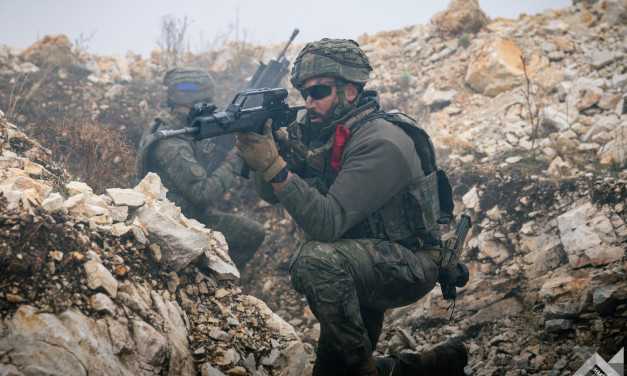
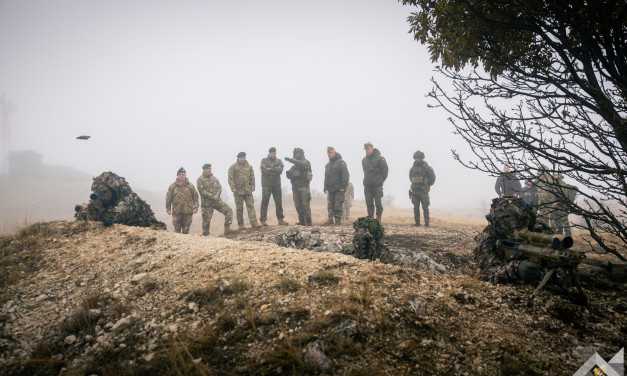
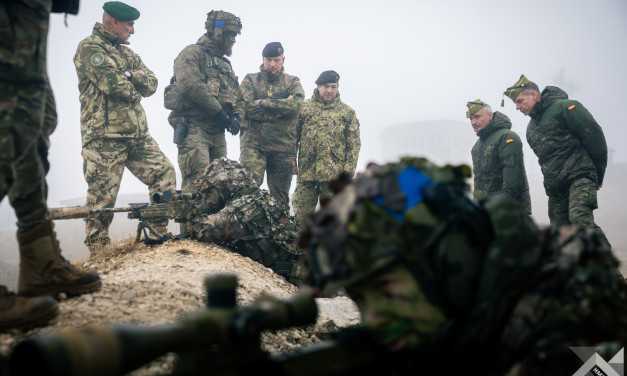
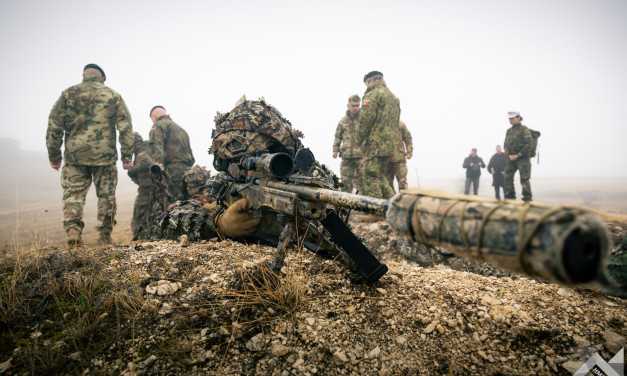
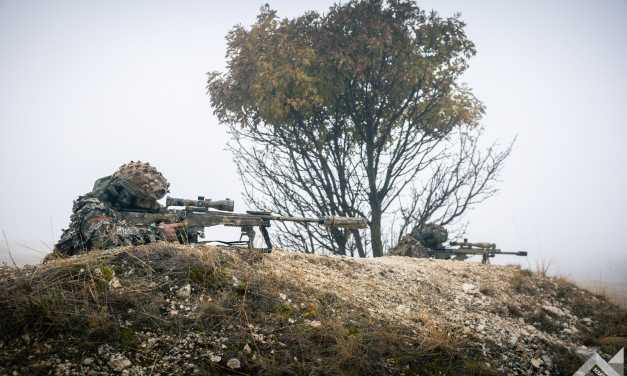
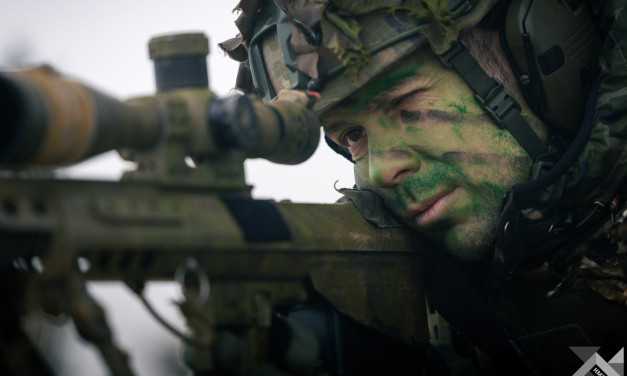
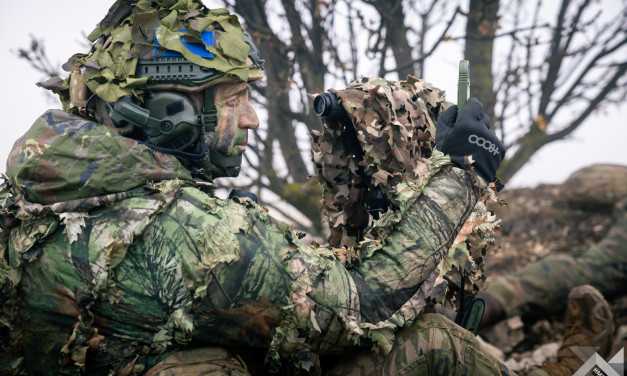
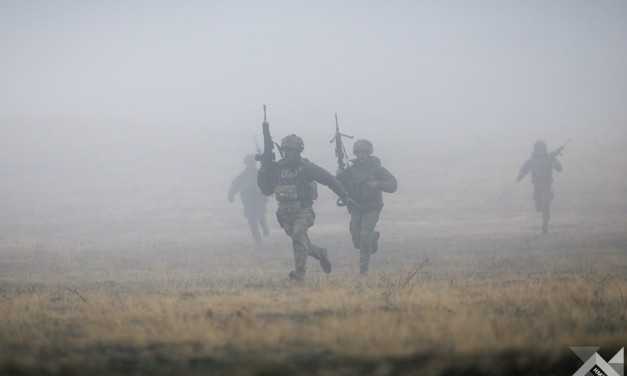
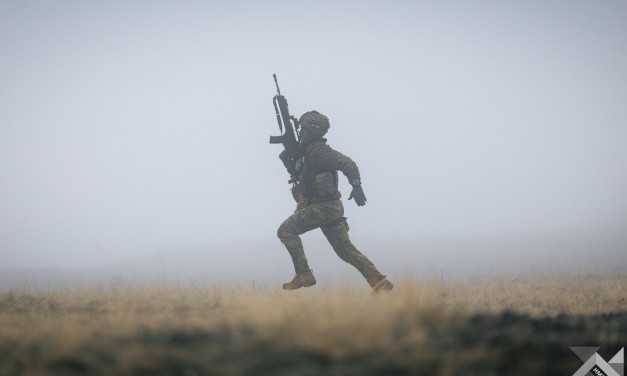
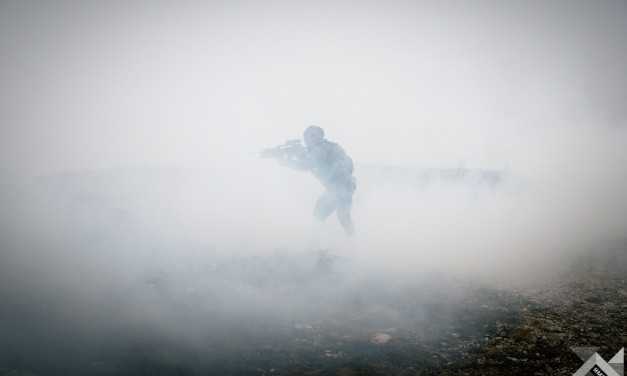
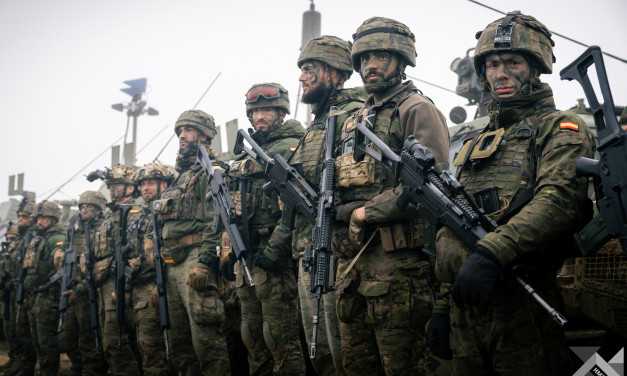
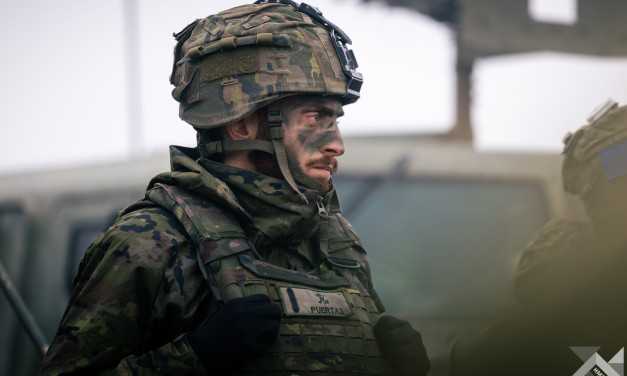
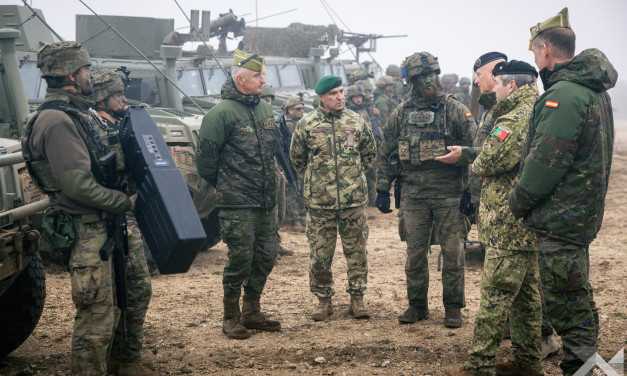
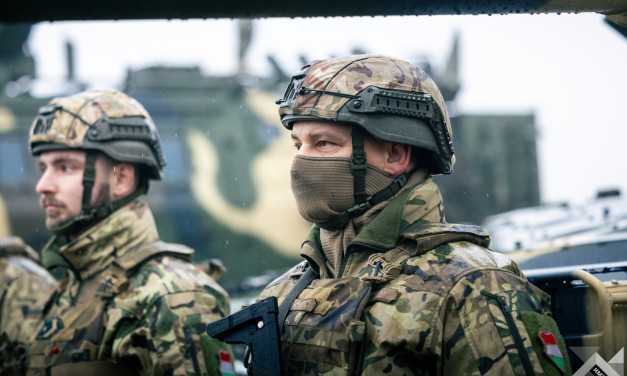
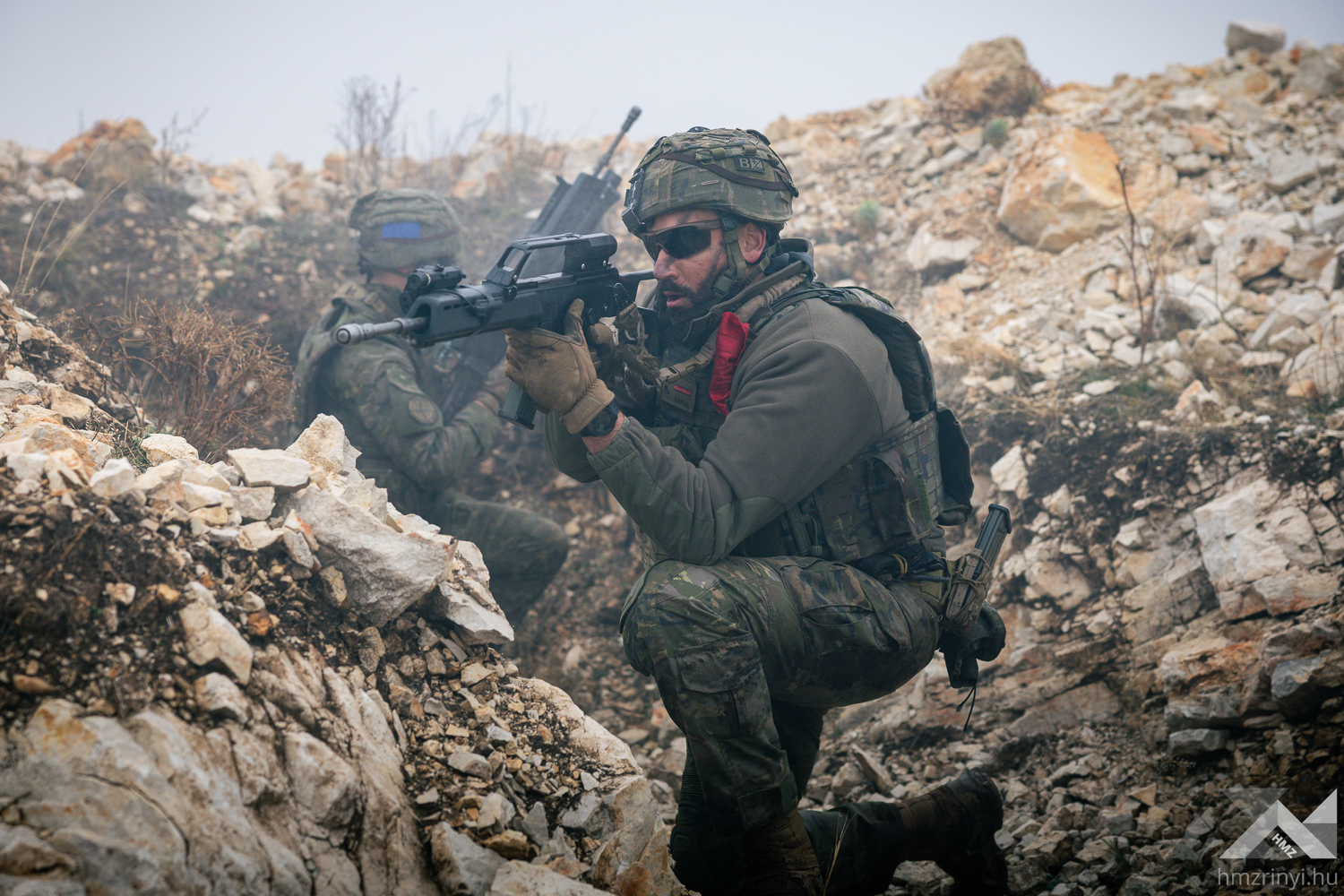
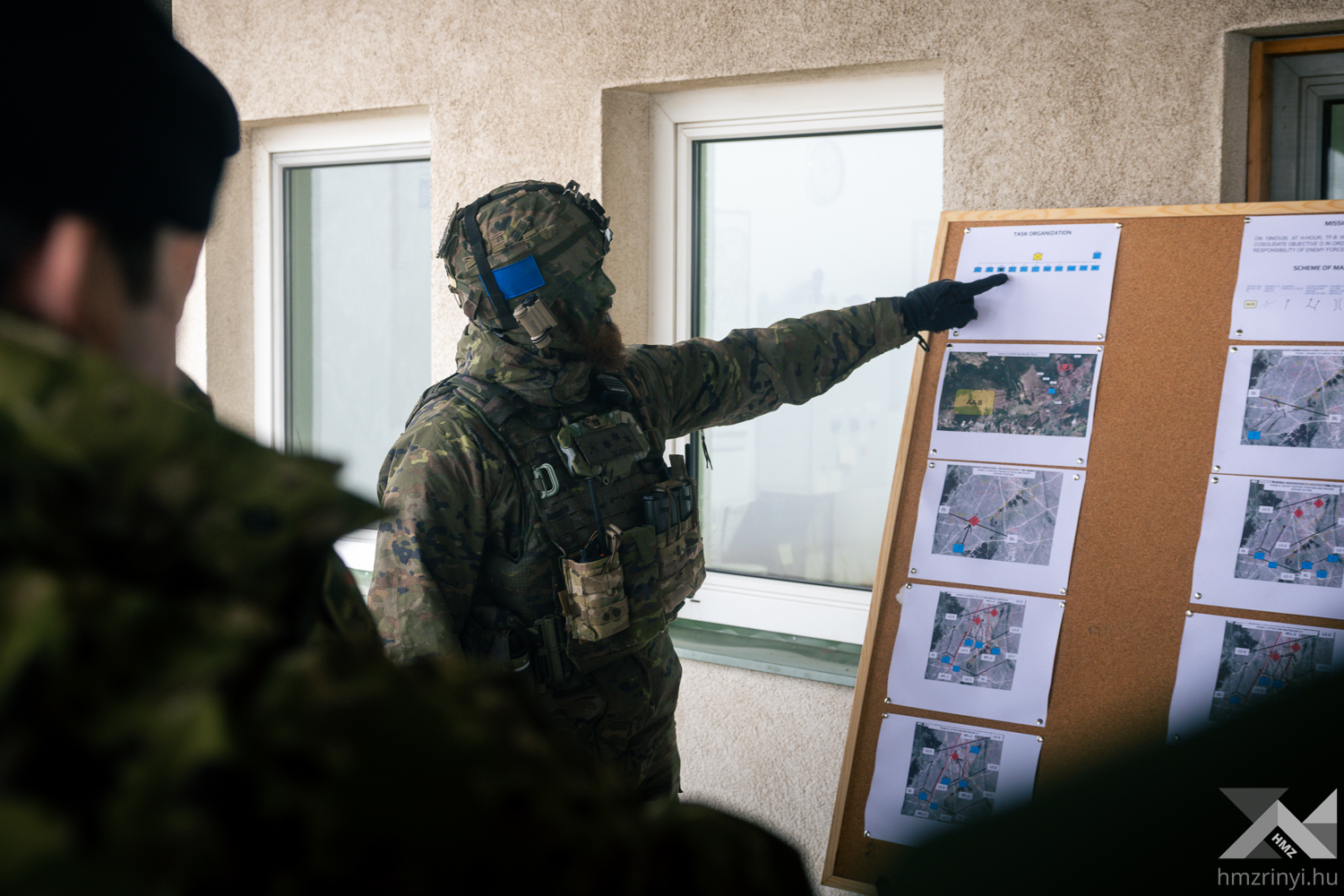
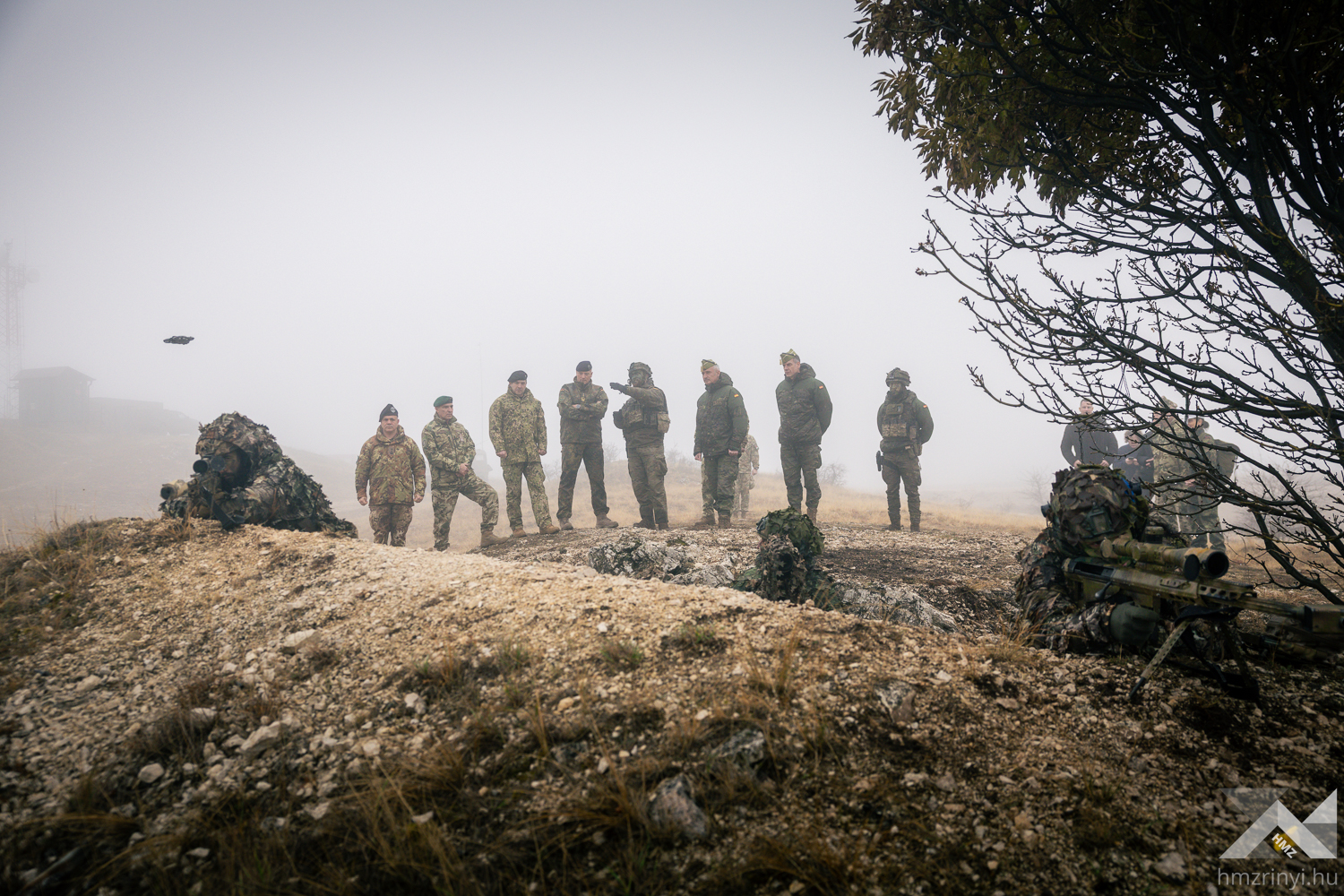
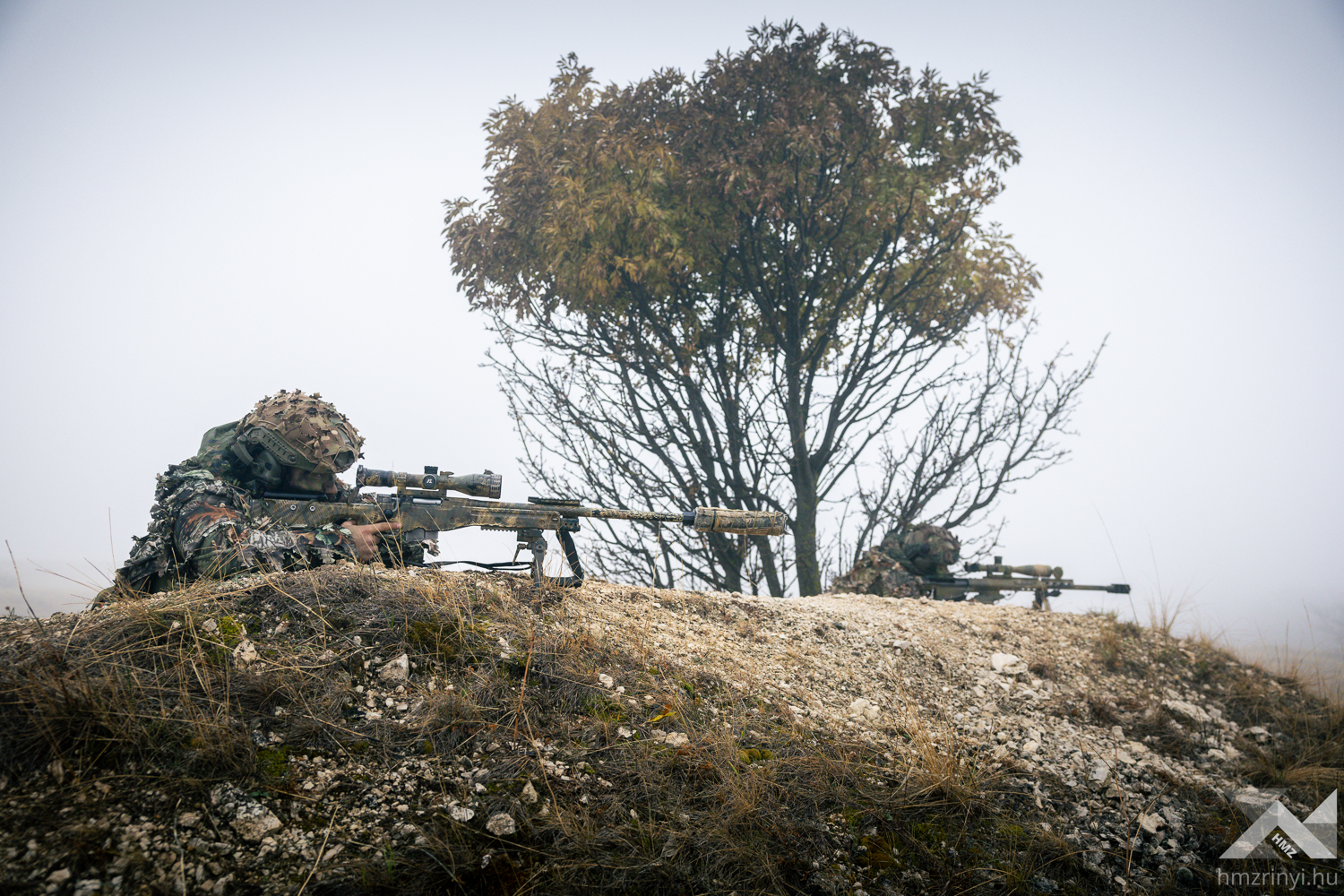
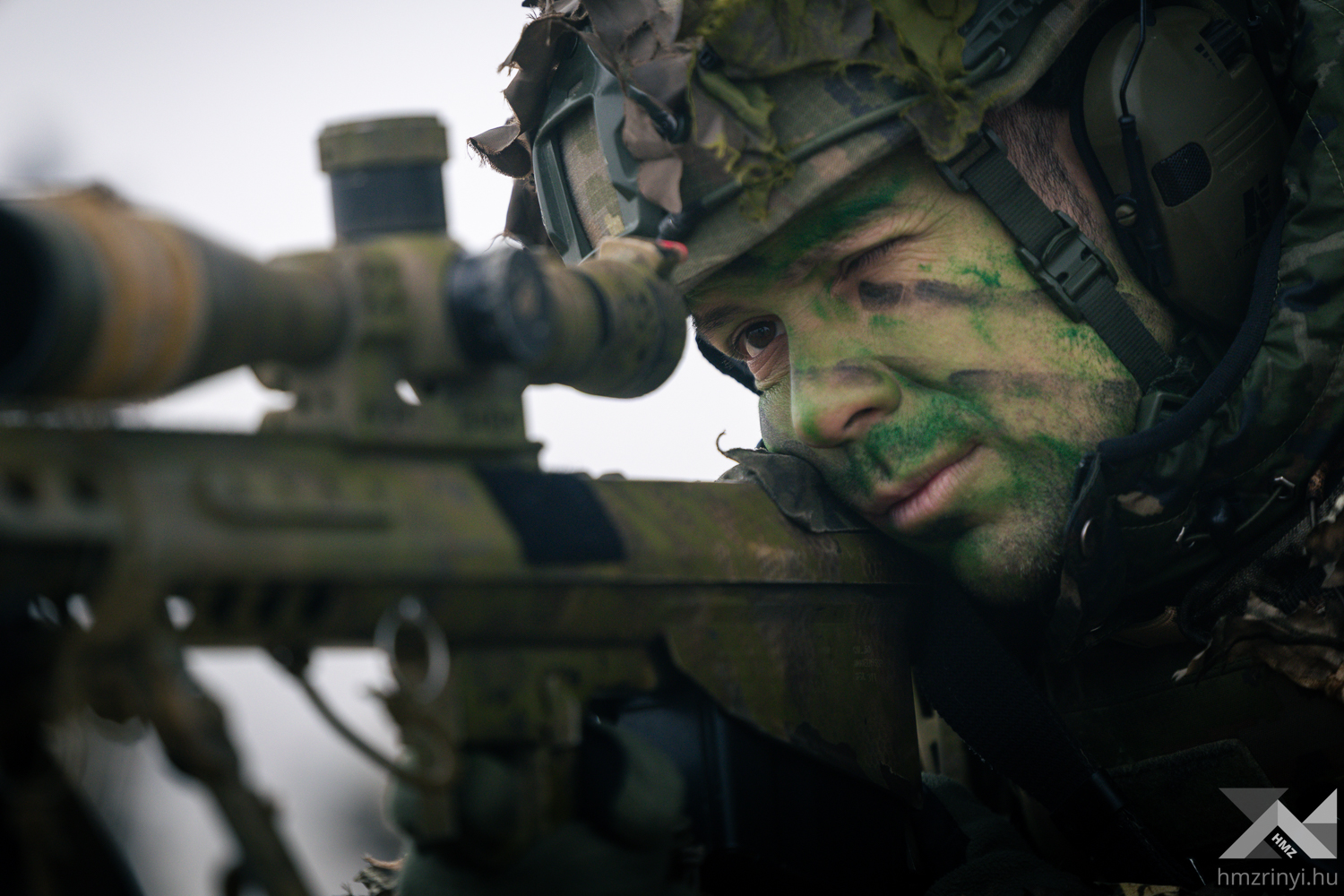
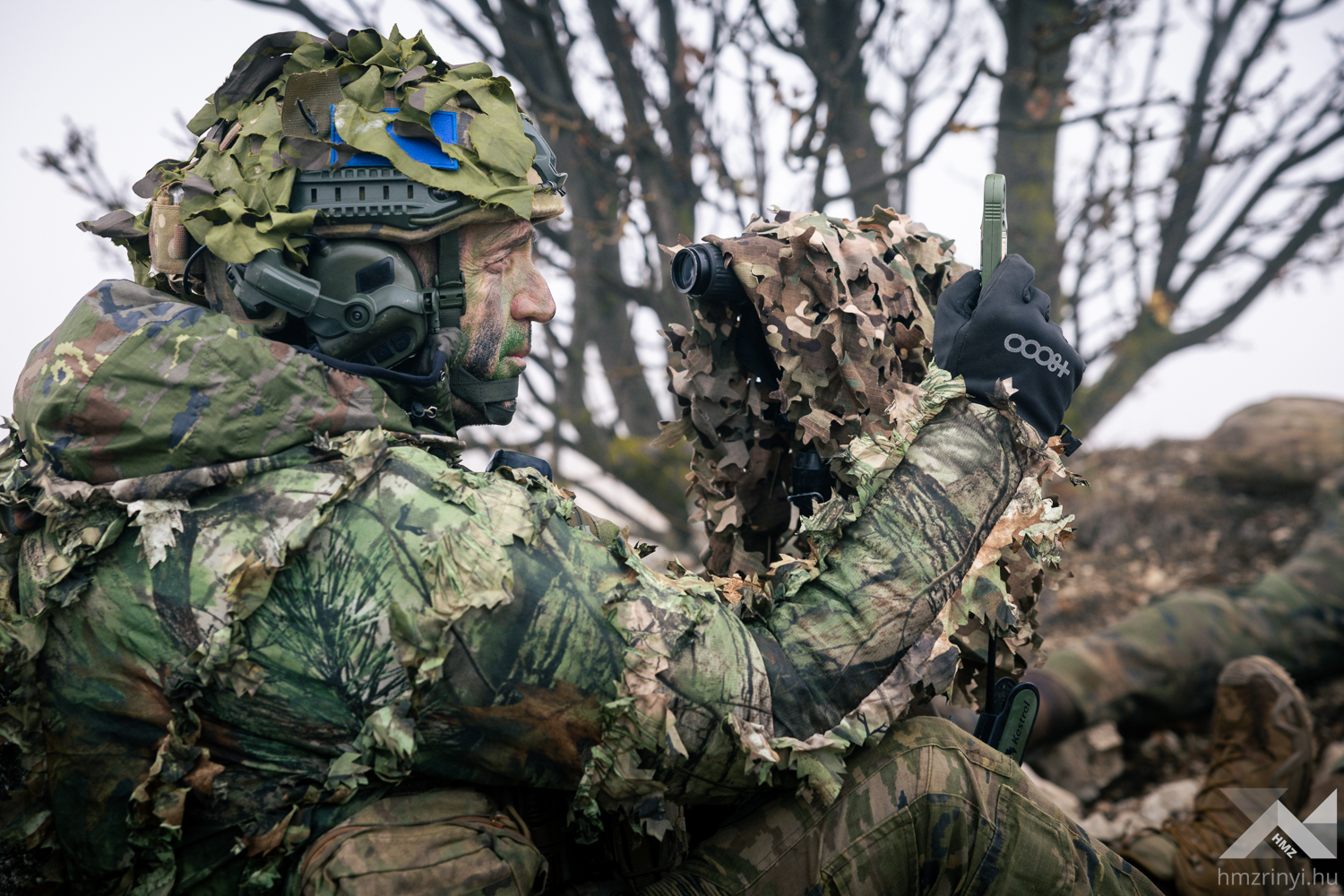
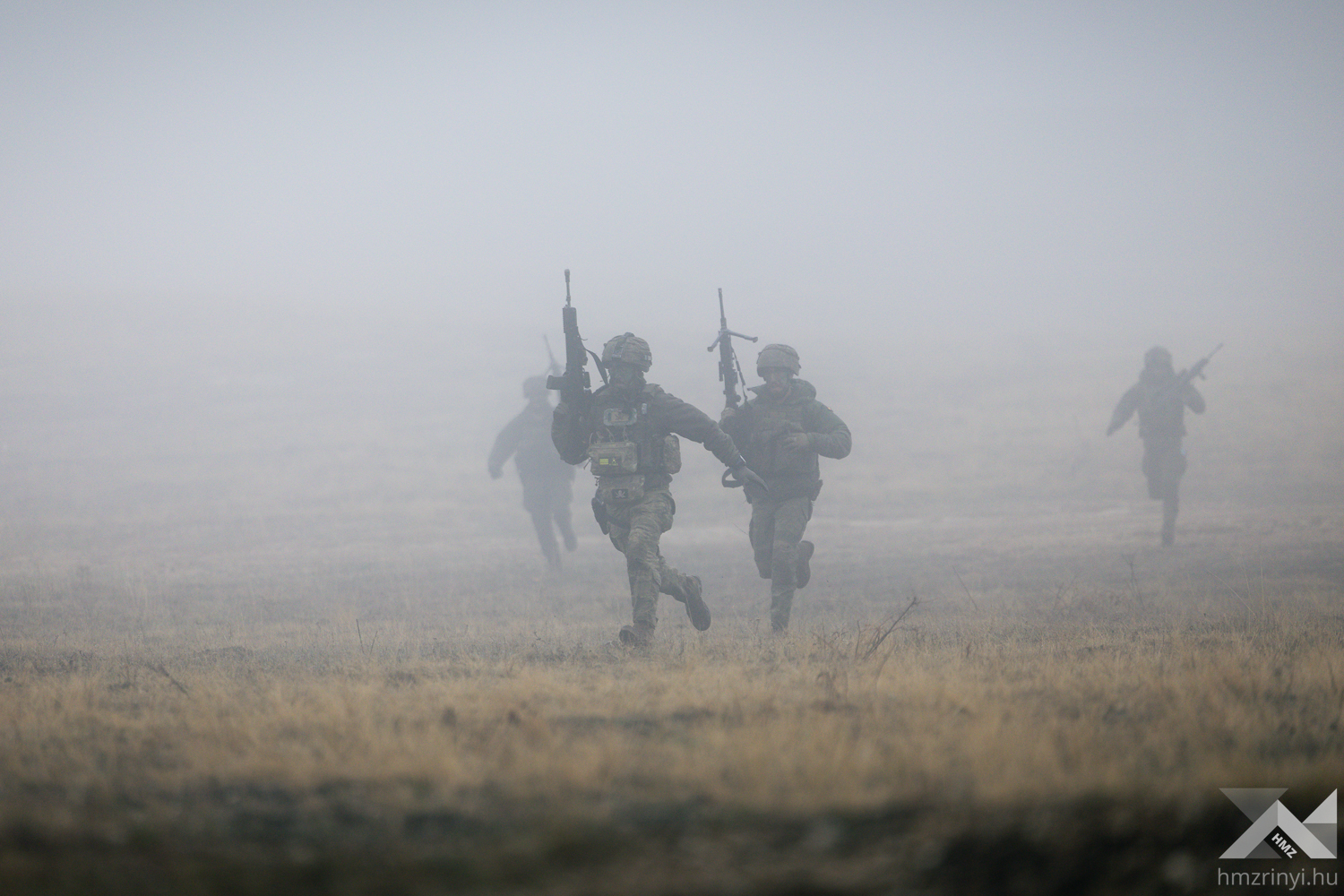
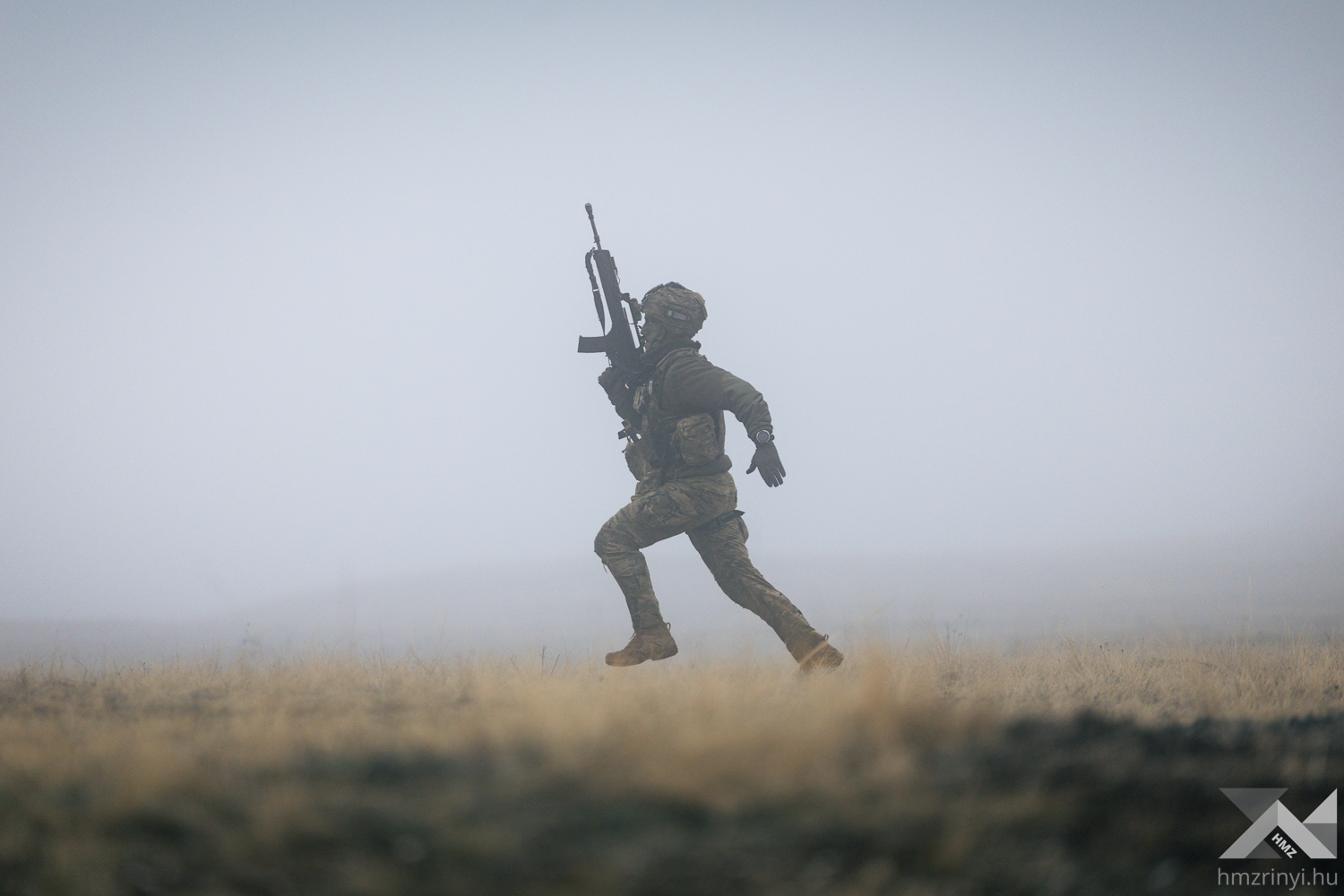
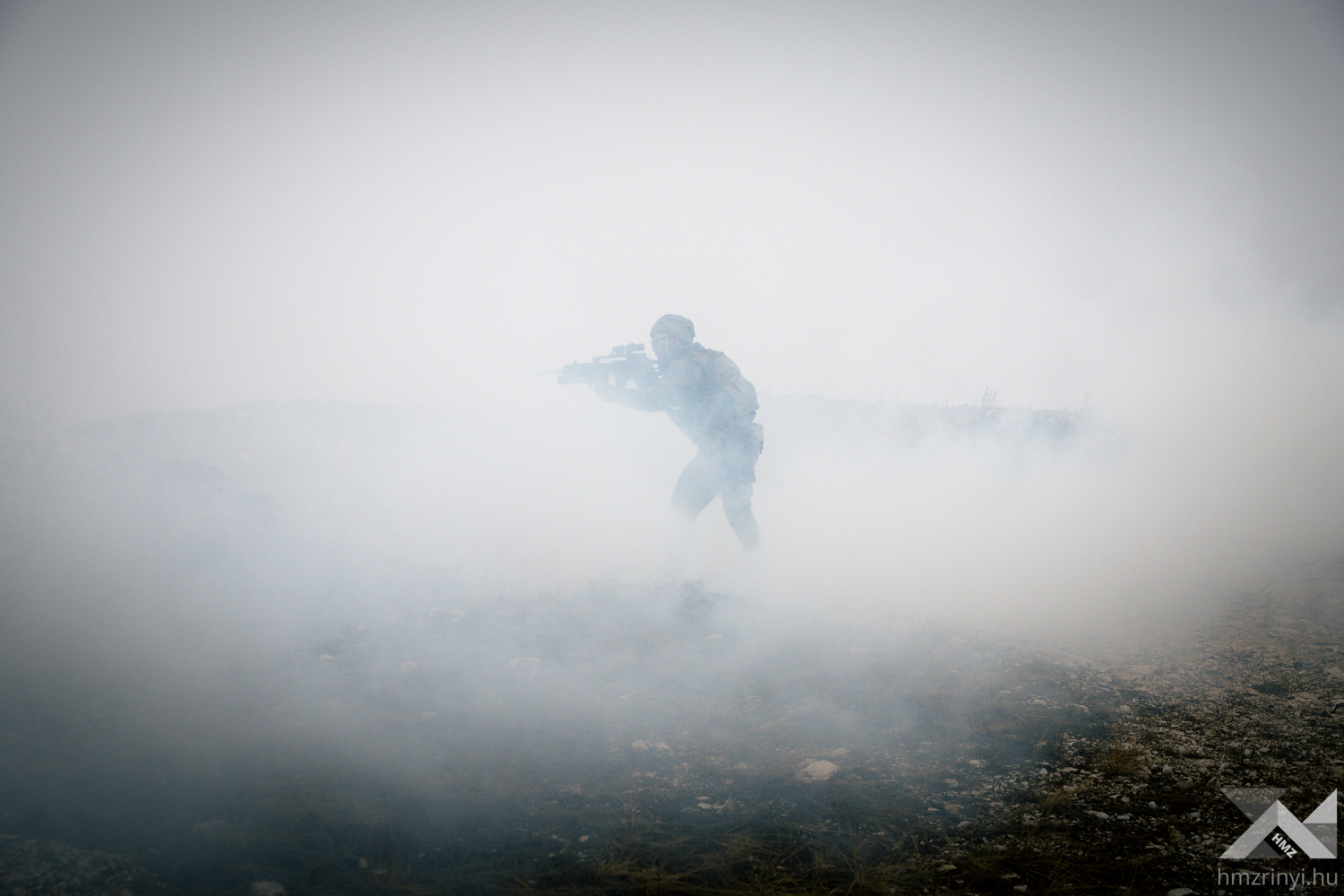
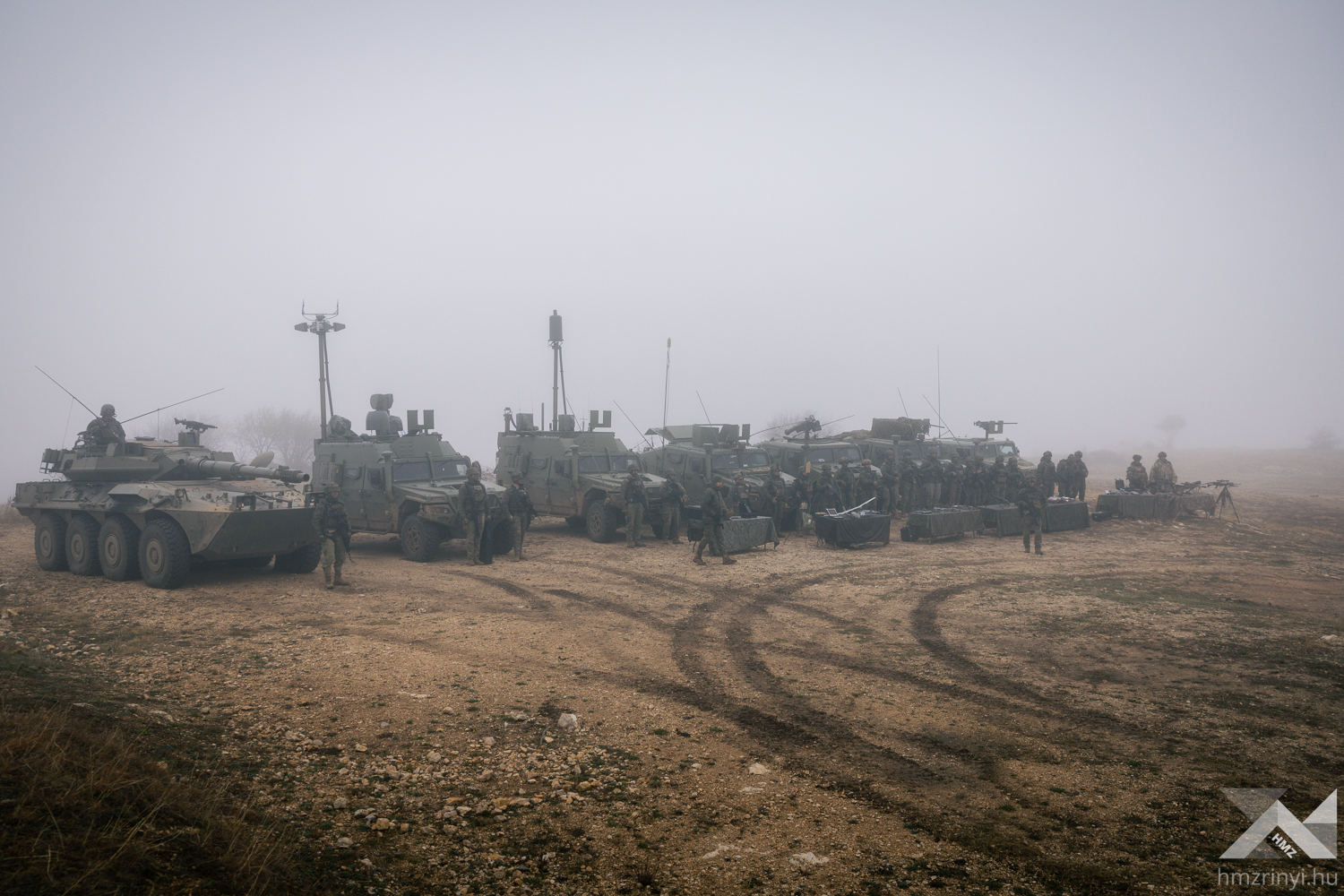
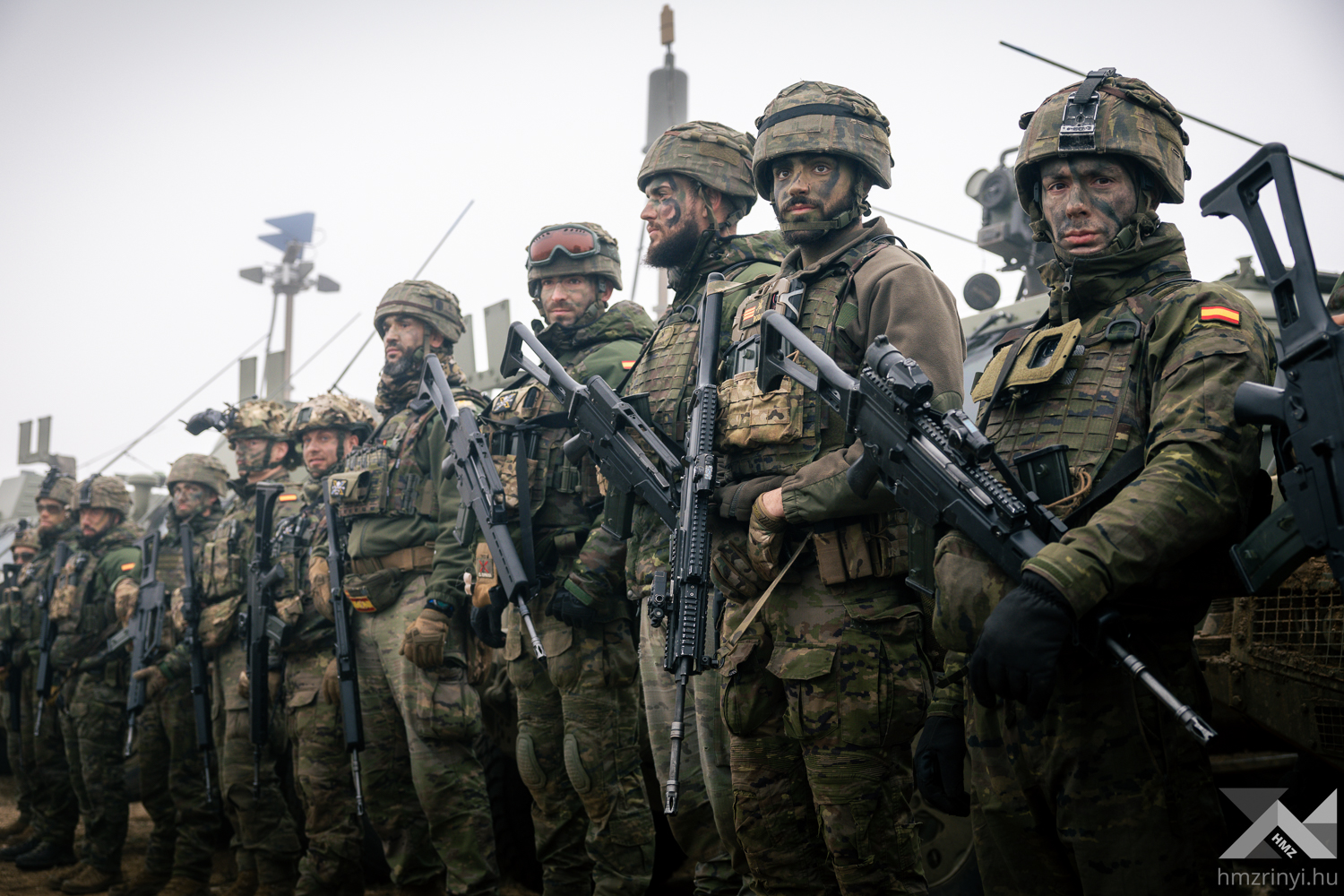
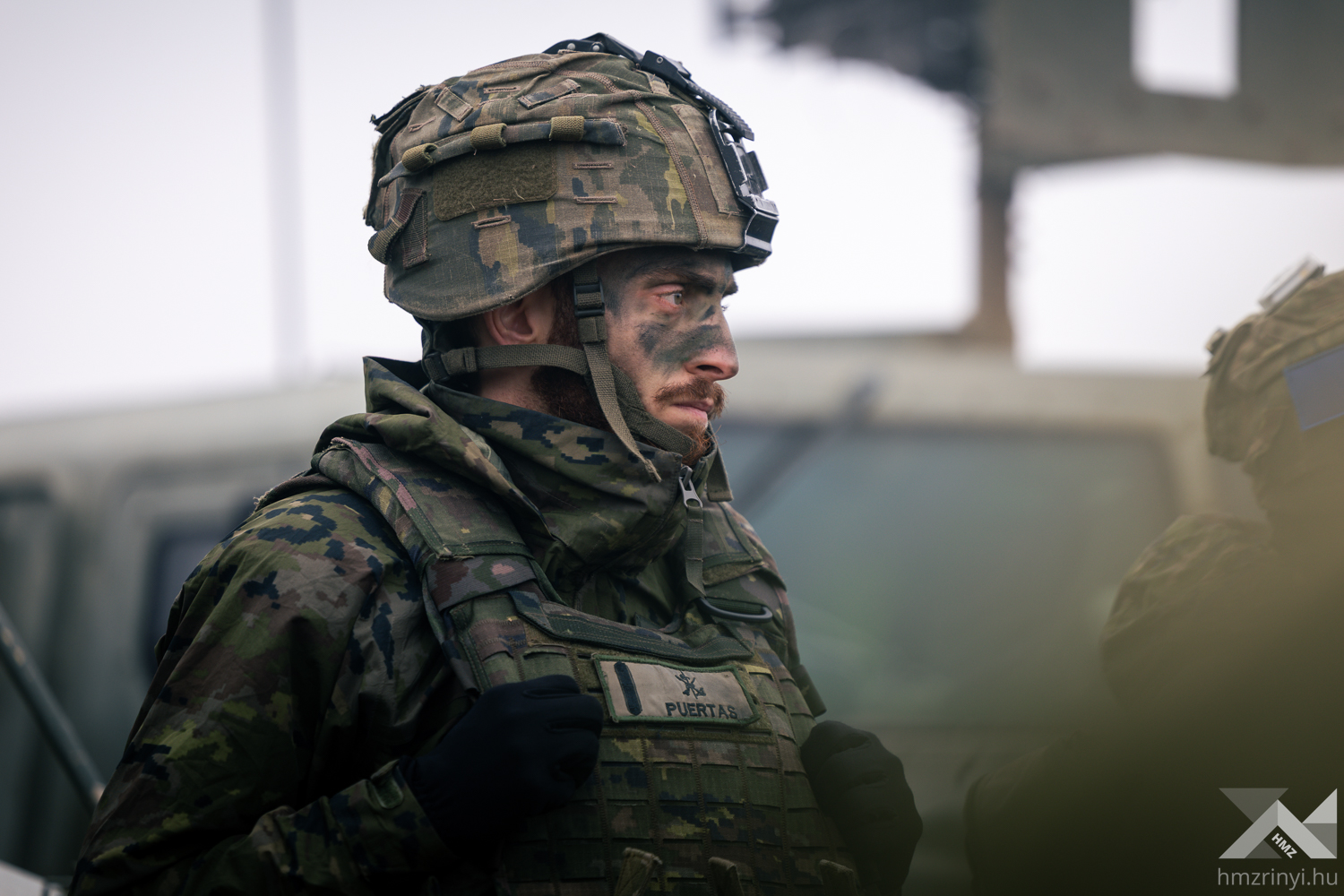
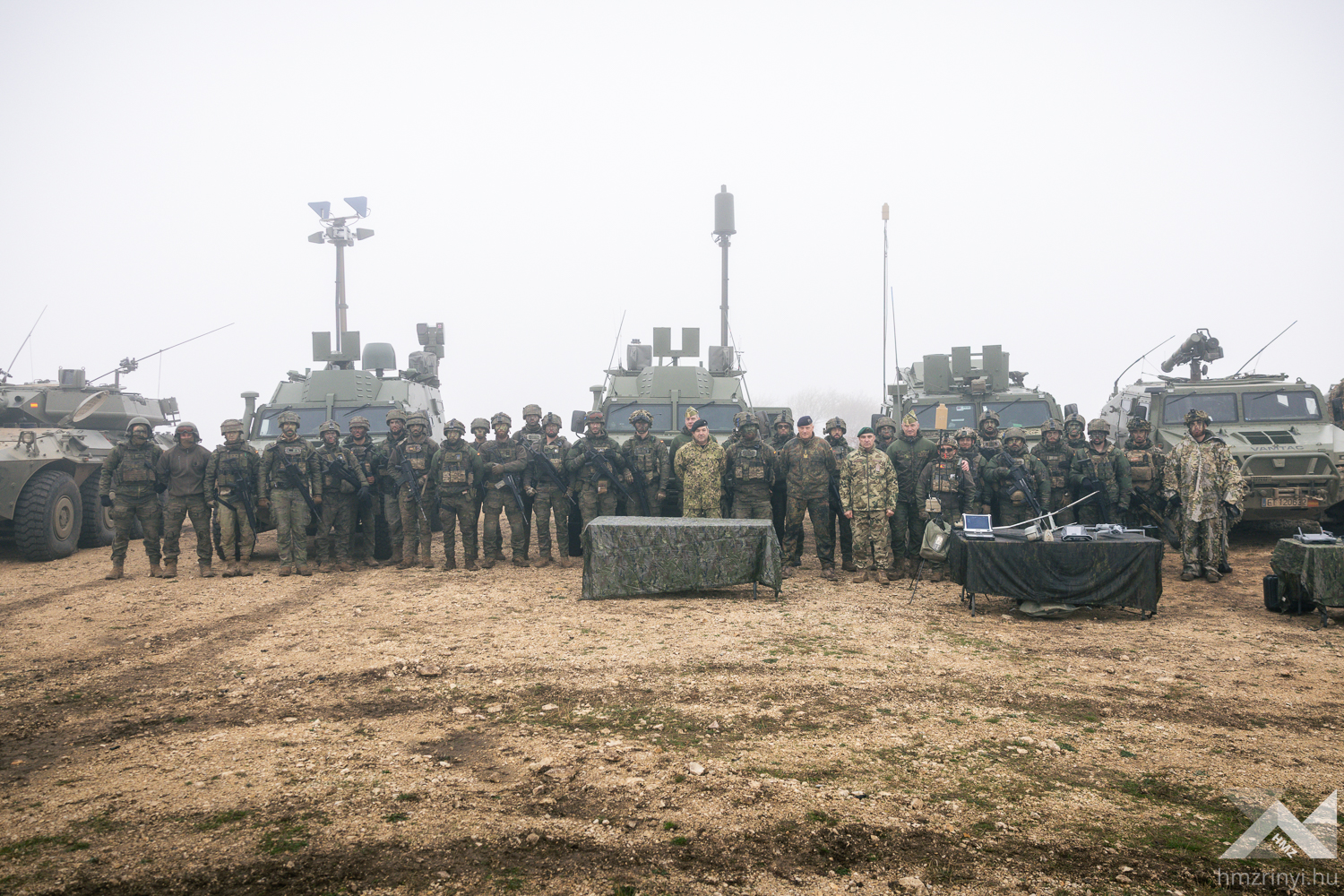
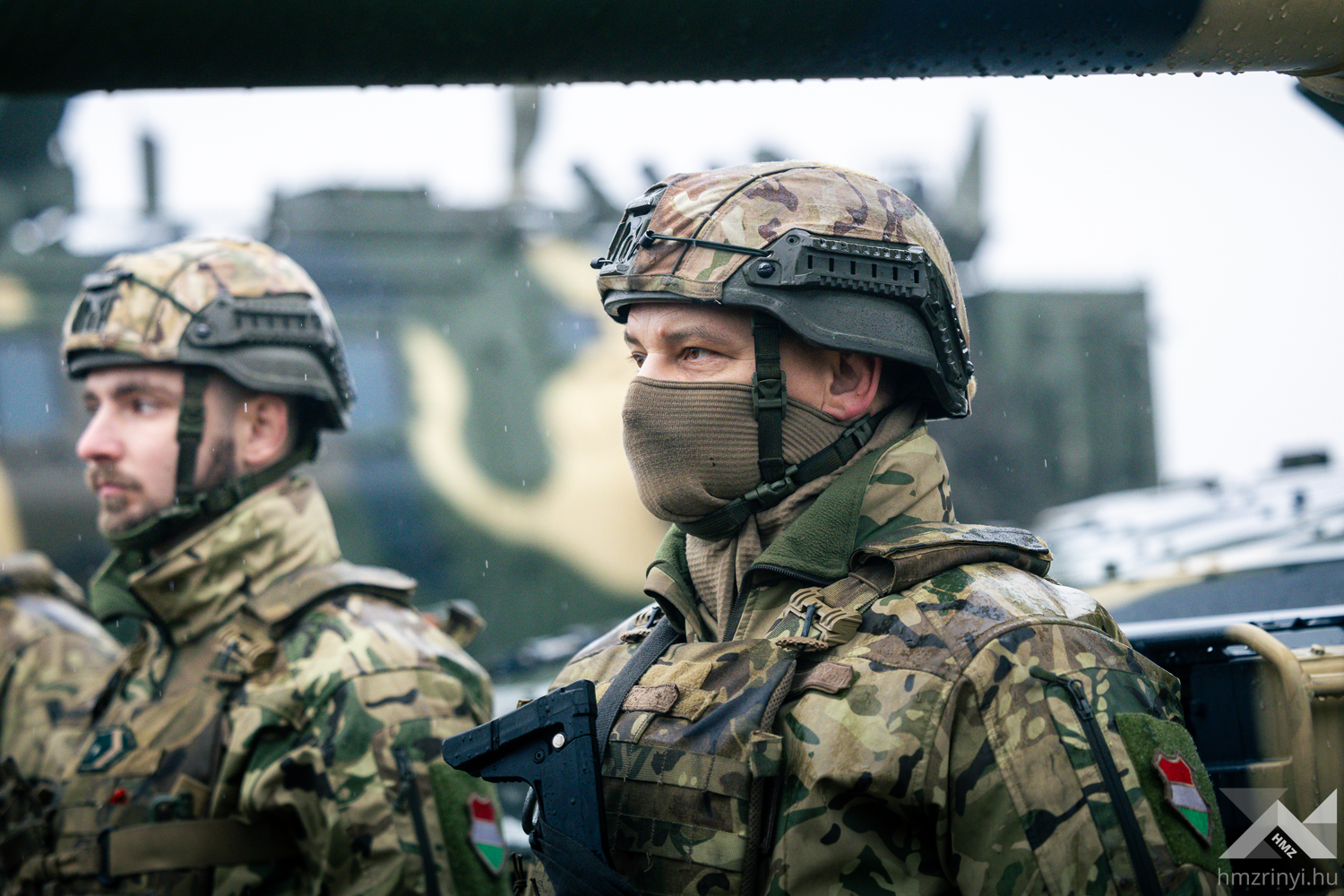
The phase demonstrated during the Kőröshegy visit showcased those capabilities that NATO evaluators usually assess at certification exercises (CERTEX), namely force-level cohesion, and it demonstrated the soldiers’ preparedness. Under the scenario, a Spanish rifle platoon (drawn from FLF BG SVK) carried out platoon-level tactical assault – with high-level precision despite the extremely foggy and chilly weather.
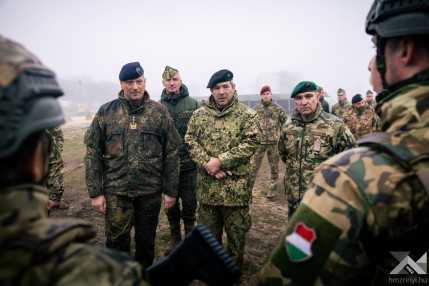
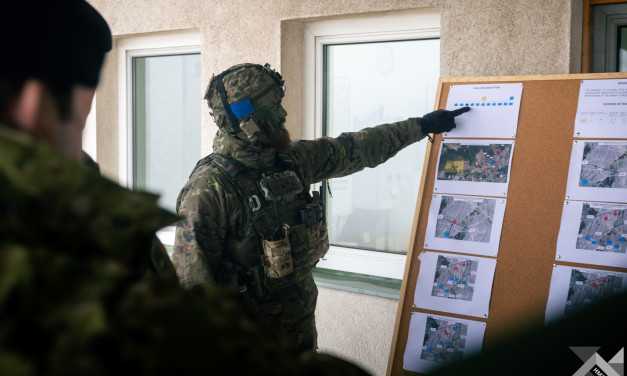
In line with the CERTEX criteria, the superiors examined operational readiness (personnel, organizational and technological prerequisites), the command and control chain (planning–decision-making–information flow–coordinated execution) as well as the quality of the logistic and medical support provided for the phase. Rather than a show of force for its own sake, the soldiers tested and emphasized the harmony among the unit components. While the CERTEX serves to certify the readiness of a given unit based on specific requirements, the aim of the Combat Readiness Evaluation of Land Headquarters and Units (CREVAL) is to give an overall assessment of the combat readiness and operational capabilities of land forces, including Allied interoperability.
“We need to practice more than just procedures and principles. We need to know each other’s weapons and military equipment so that the soldiers of different nations can operate not only beside each other but in a coordinated way. This is the precondition of collective defence” – pointed out Major General Antal. Following the platoon-level tactical assault demonstration, General Ingo Gerhartz also inspected Camp Croft, where the multinational personnel are stationed. The reason is that the main objective of his visit was to gain first-hand insight into the service circumstances of the troops.
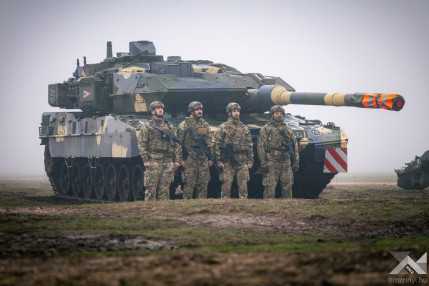
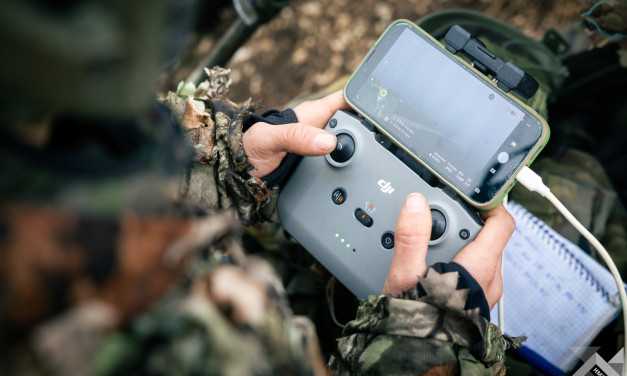
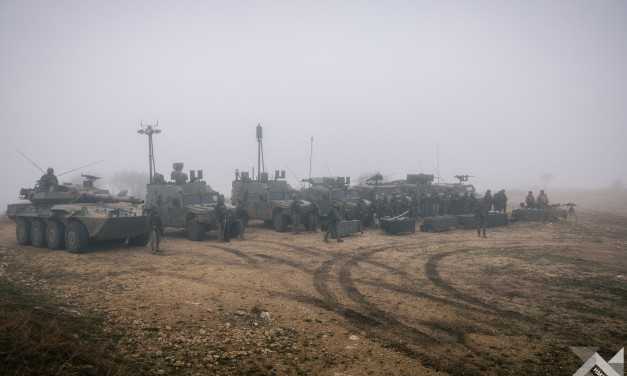
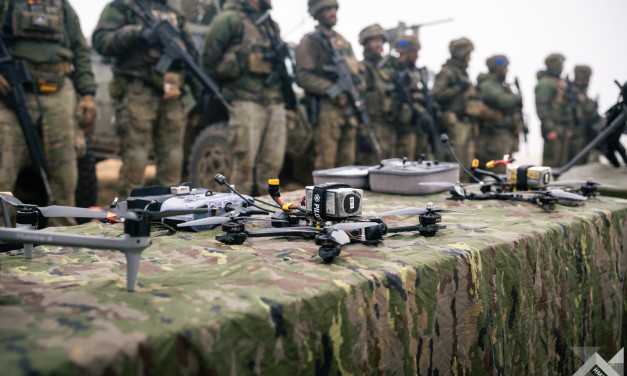
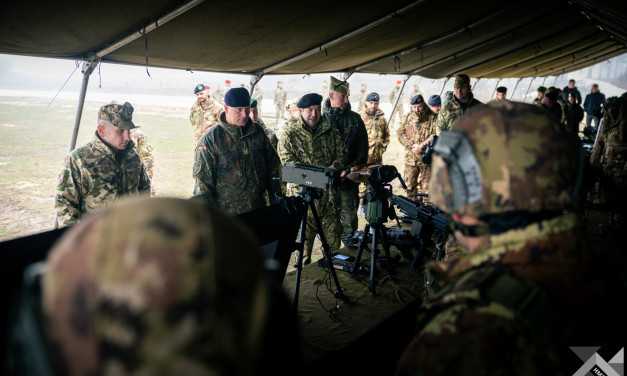
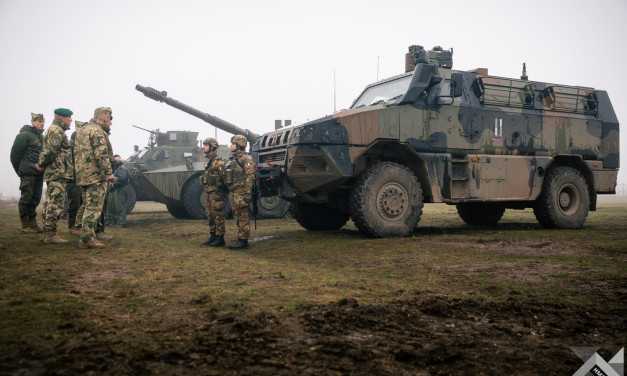
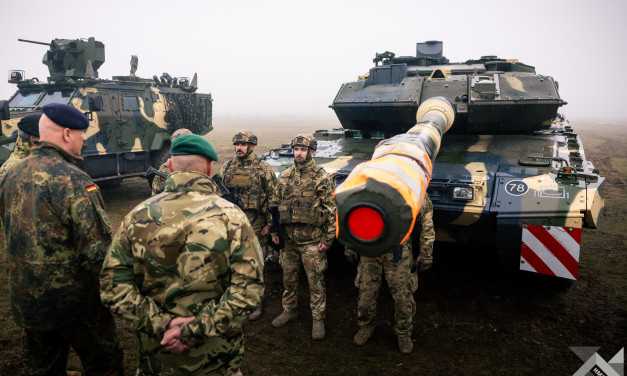
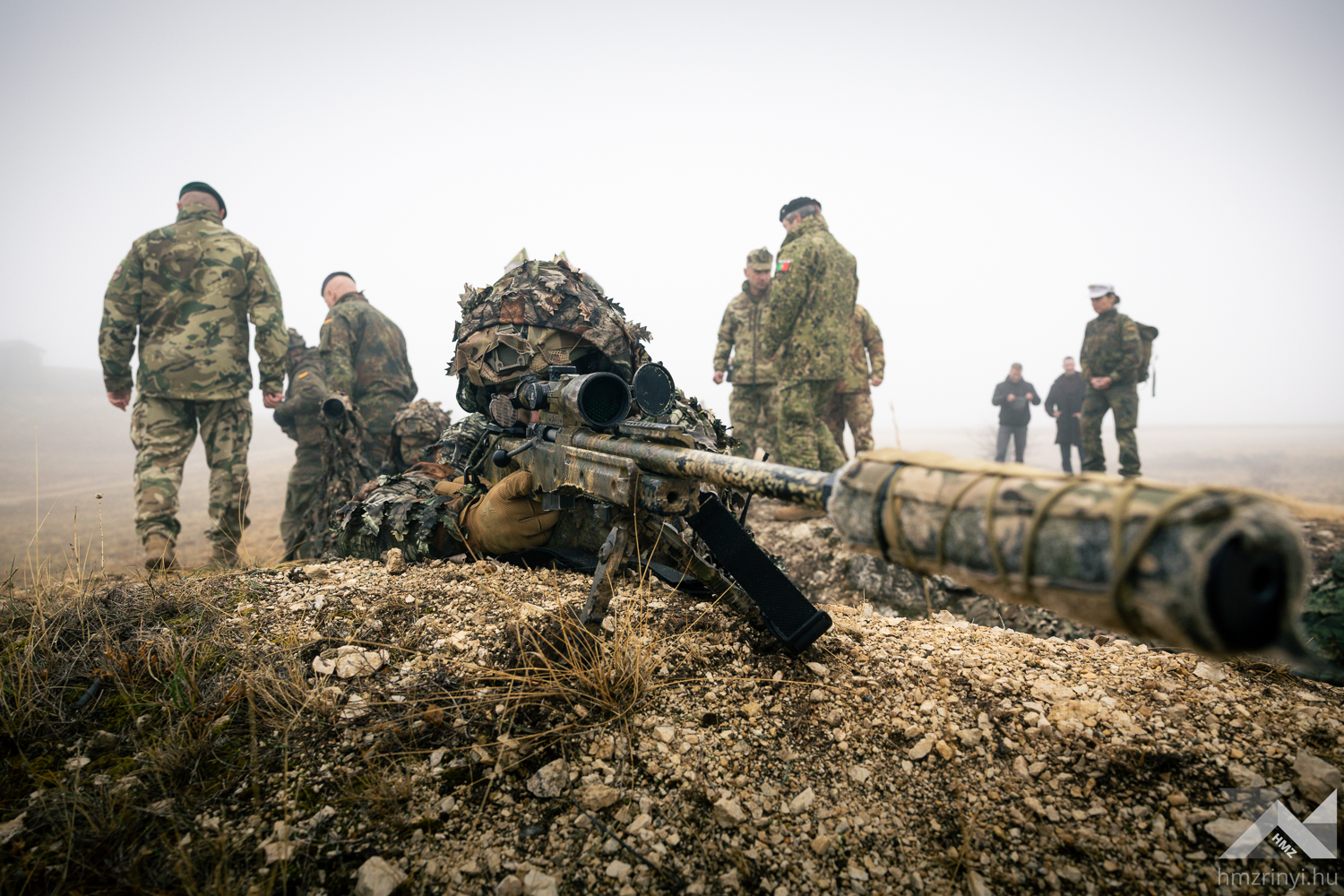
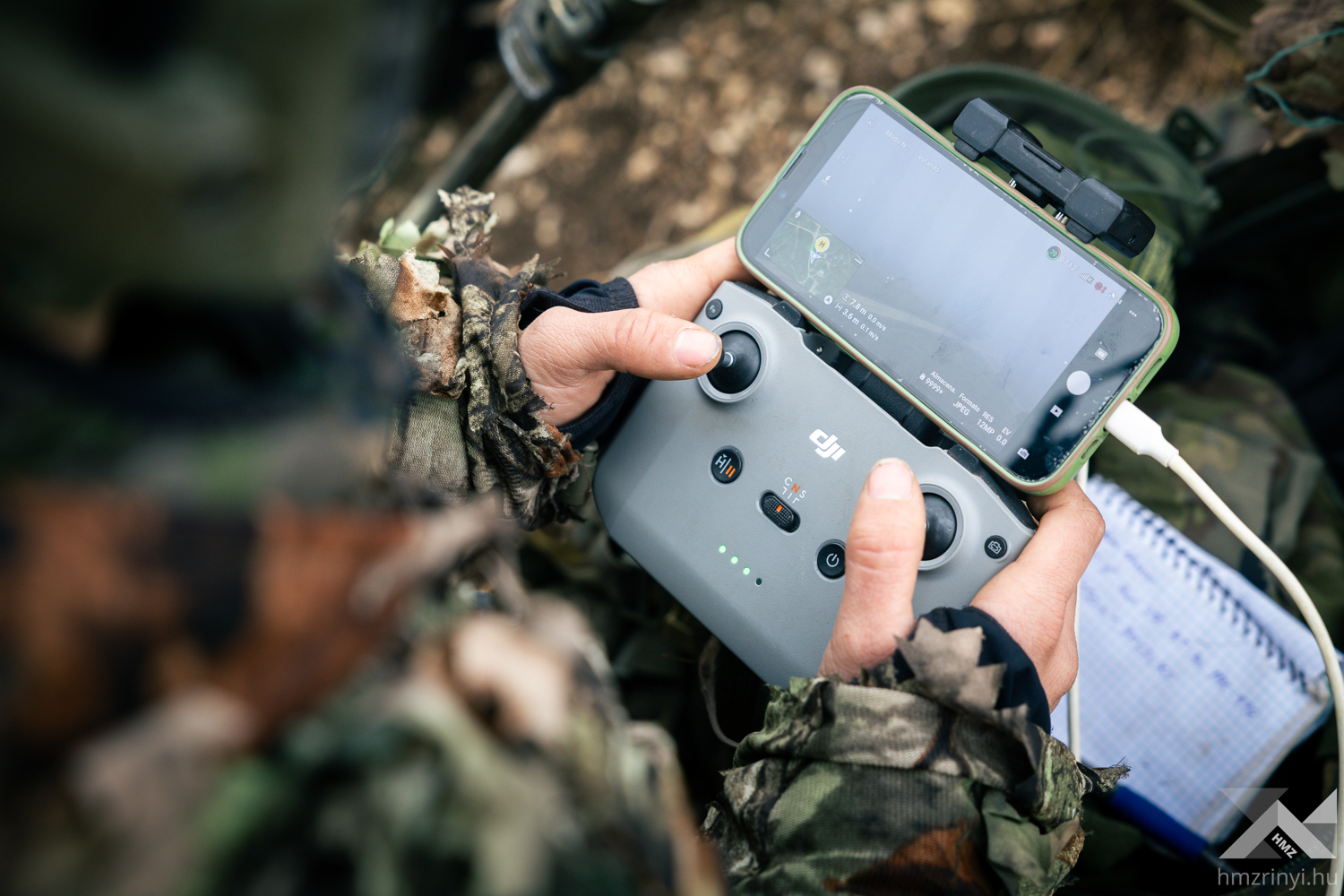
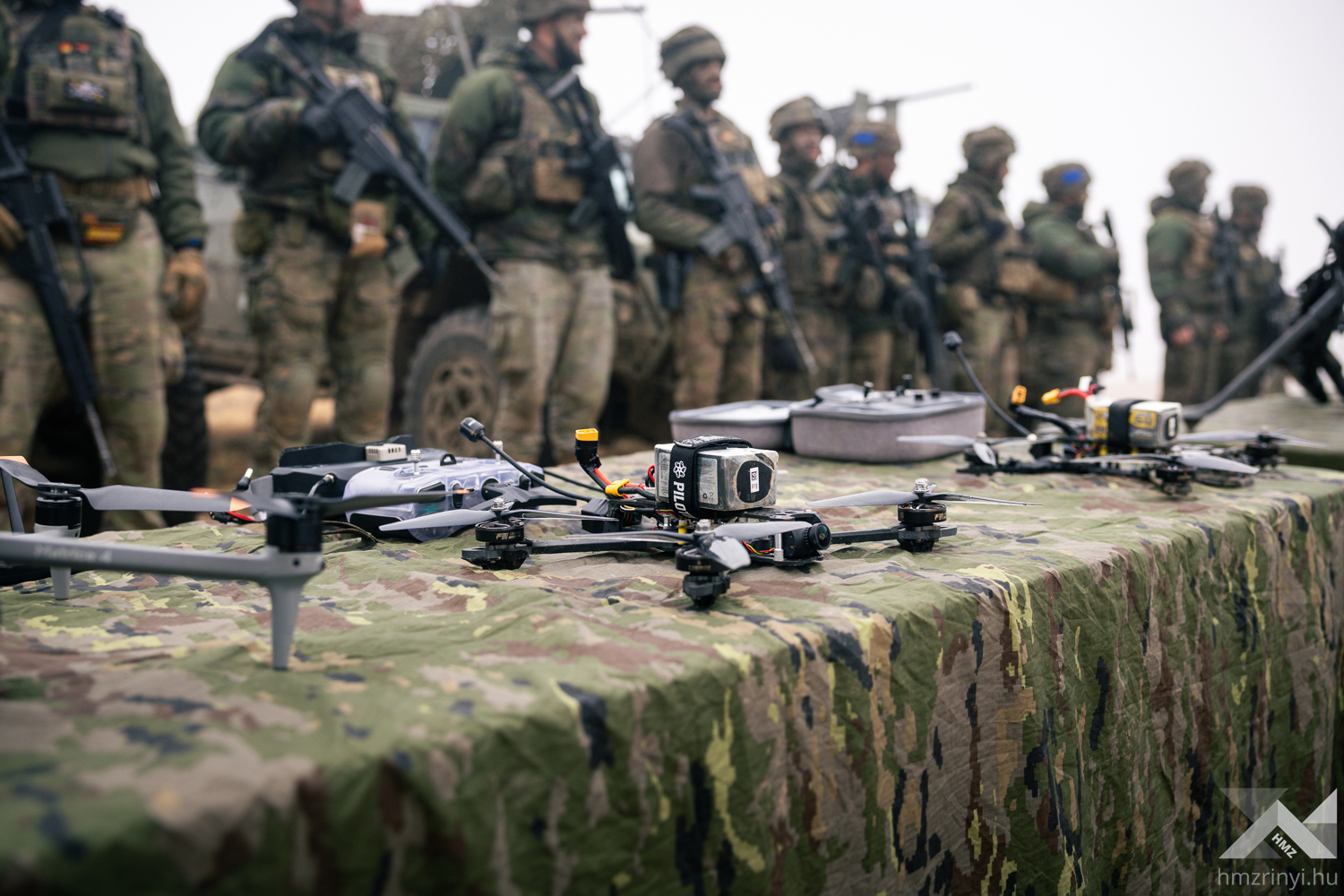
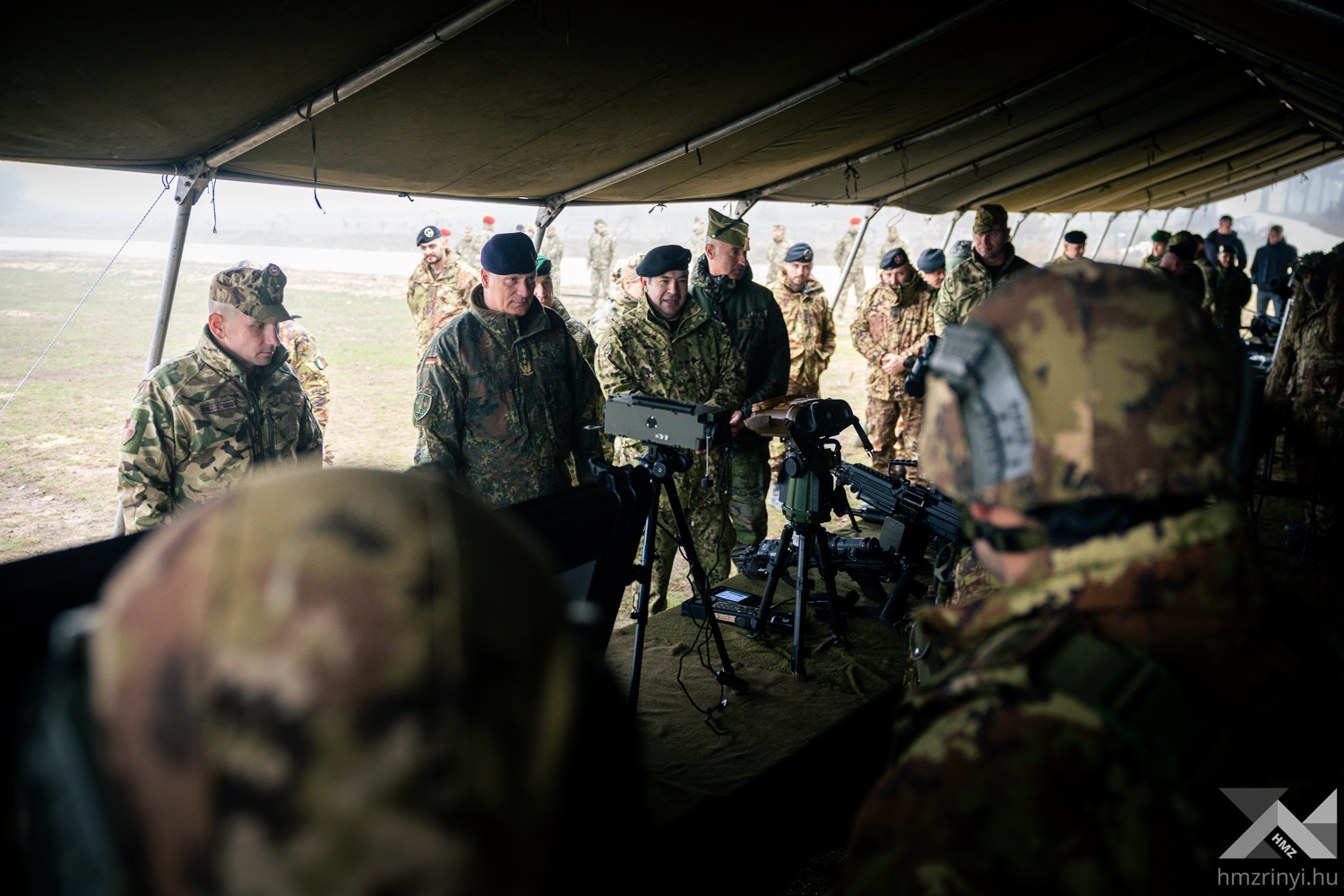
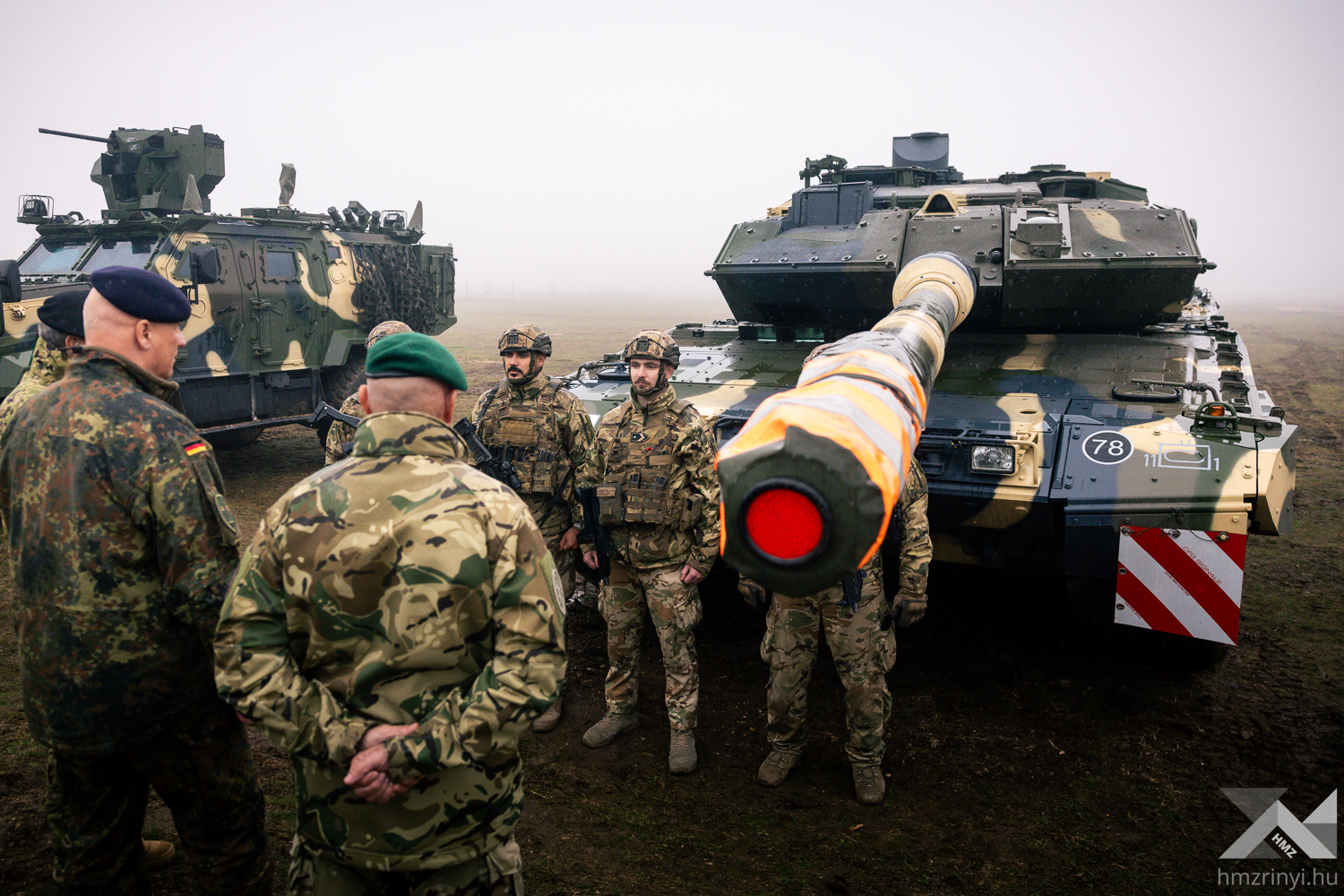
“They are interested in everything, from the soldiers’ daily routine to the level of their preparedness to their quarters and weapons” – listed Major General Antal. The guests personally inspected the individual weapons and equipment, unmanned aerial systems, Vector laser rangefinders, air defence assets, electronic warfare capabilities and camouflage methods used by the Allies, as well as the elements of tactical combat casualty care (TCCC) and the heavy equipment.
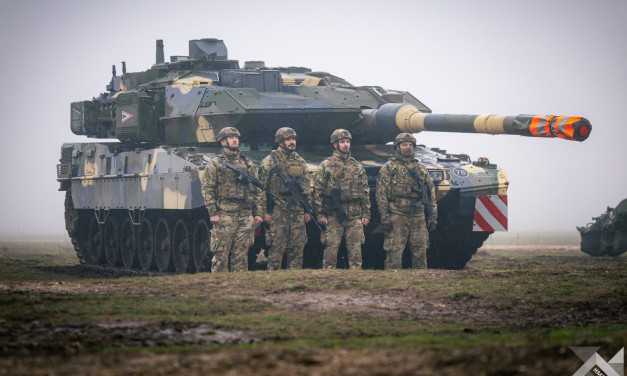
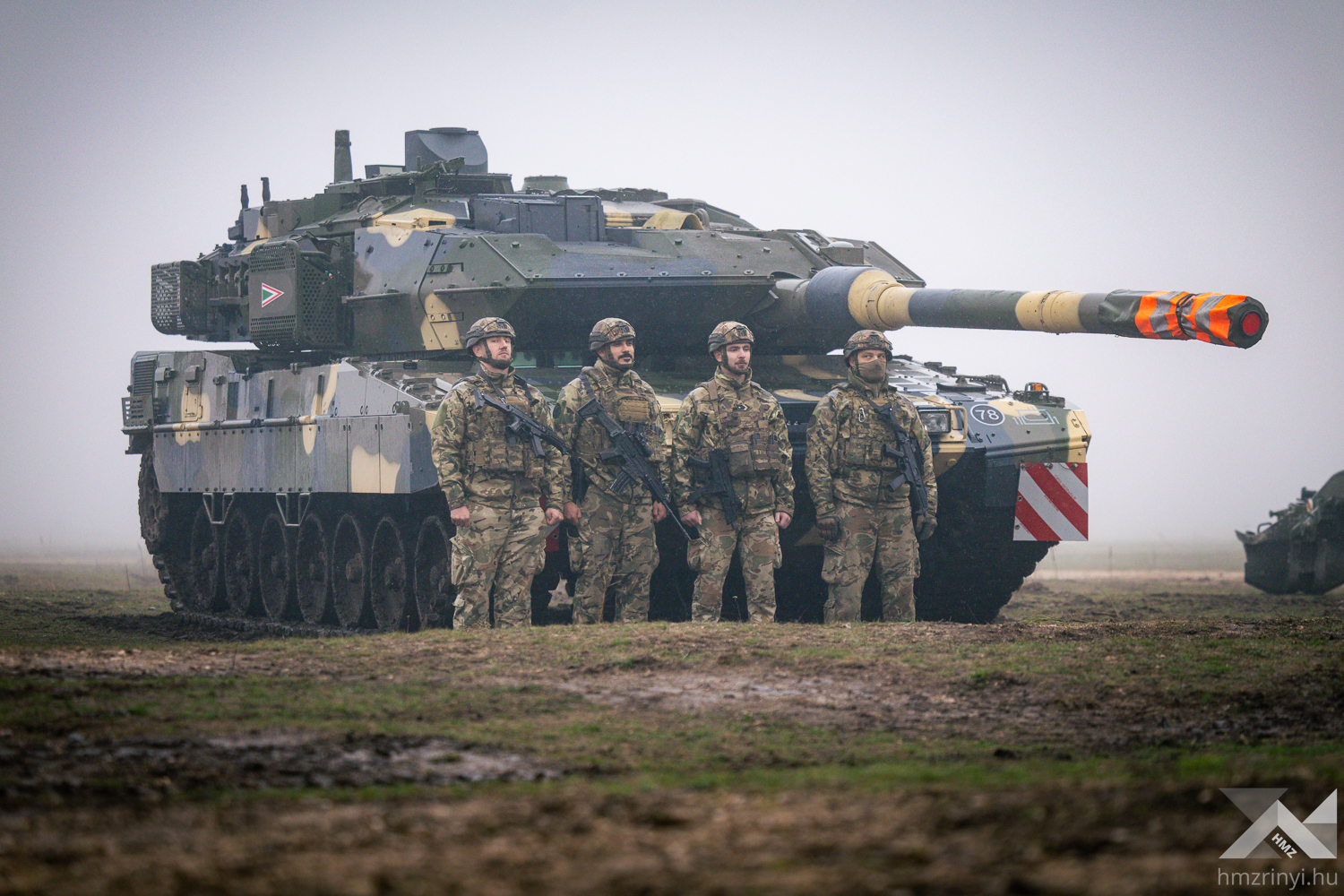
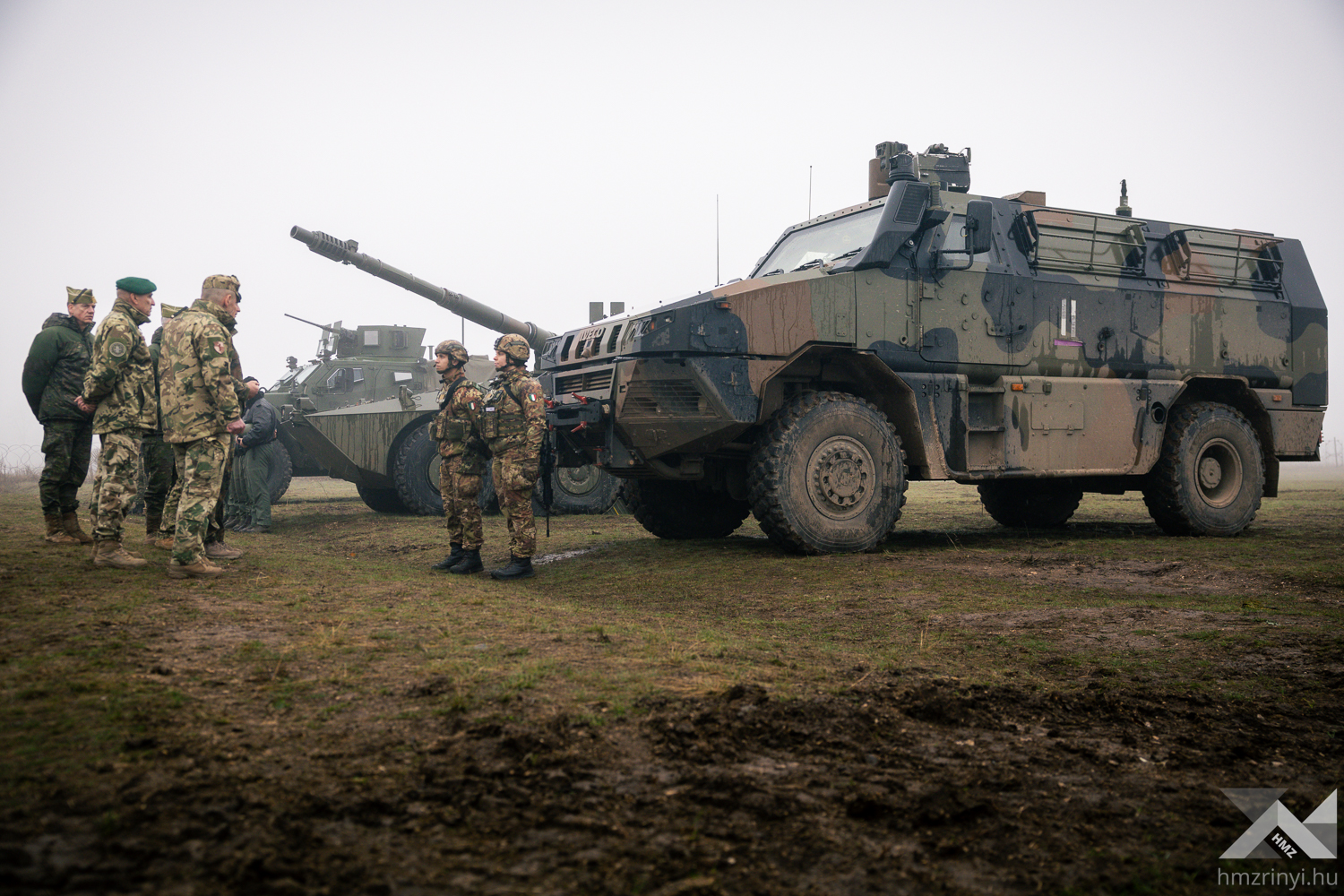
While the Hungarians presented Leopard 2A7HU main battle tanks, PzH 2000HU self-propelled howitzers as well as Gidrán tactical vehicles and BTR-80 armored personnel carriers, the Croatians brought their Oshkosh Mine-Resistant Ambush Protected All-Terrain Vehicles (MATVs), and the Italian contingent the Blindo Centauro wheeled tank destroyer, the Lince light tactical multirole vehicle, the FH-70 towed field howitzer, the Spike Anti-Tank Guided Missile (ATGM) system and the 60mm and 120mm mortars.
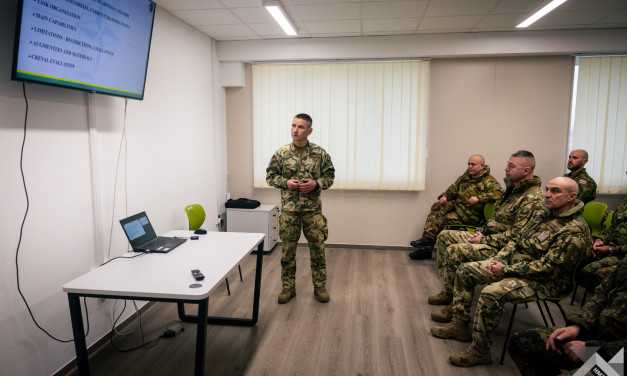
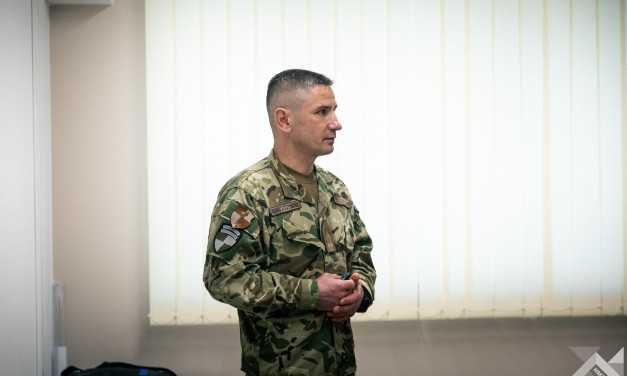
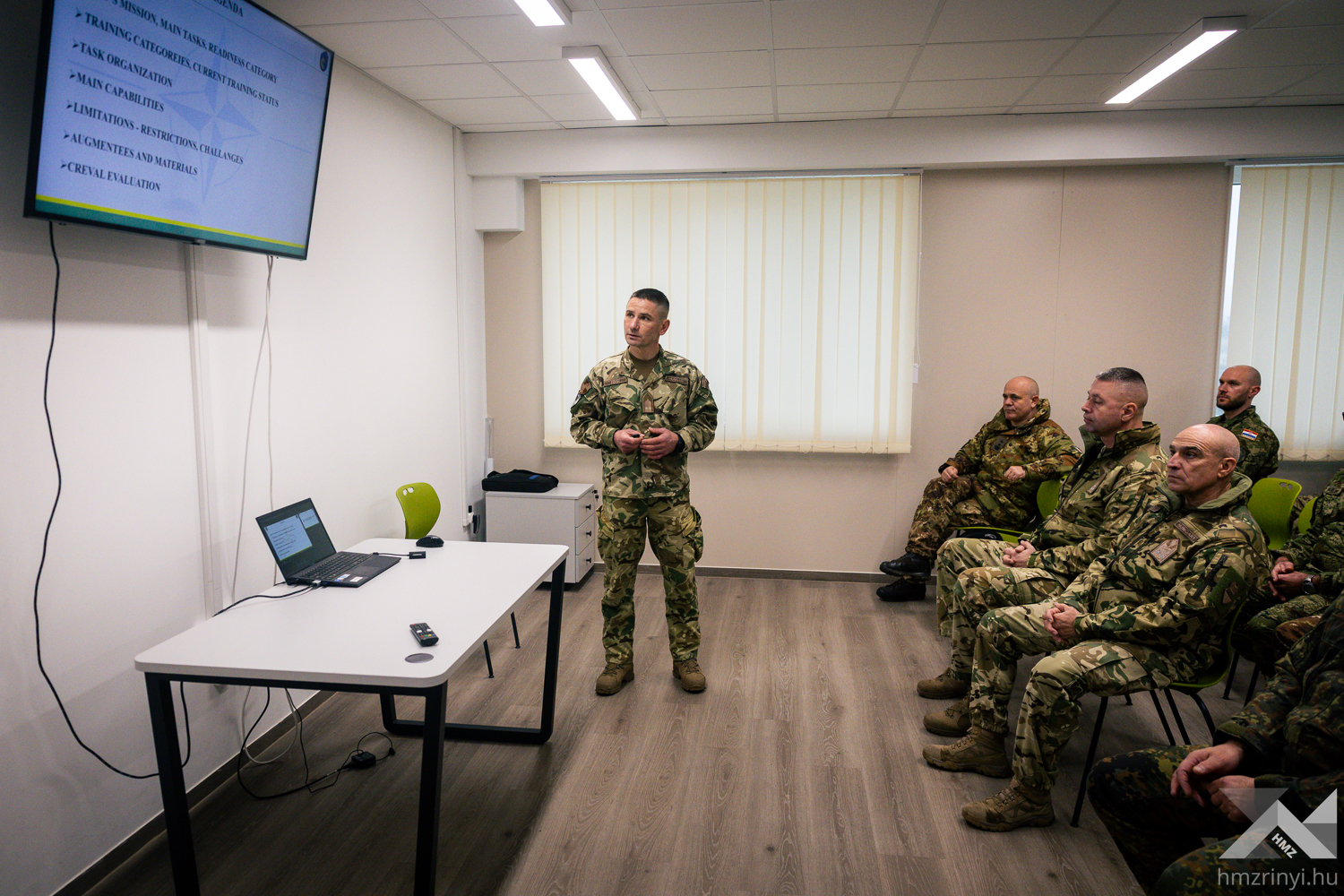
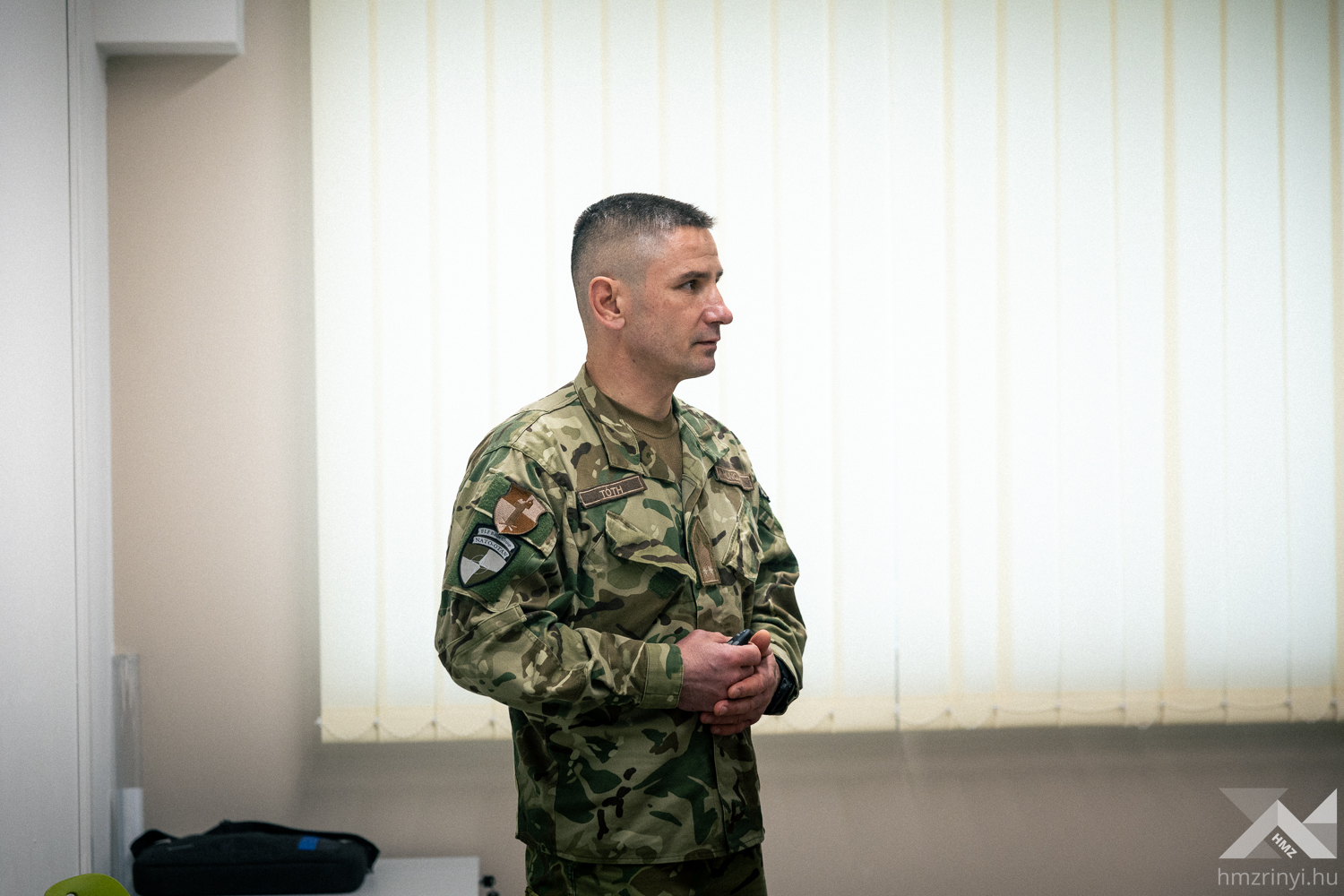
Following a presentation by Lieutenant Colonel Attila Tóth, Commander, NATO FLF BG HUN, the participants had the opportunity to put questions to General Ingo Gerhartz, and then jointly discussed the possibilities for further cooperation. At the end of the program, the guests left the camp of the multinational battlegroup with satisfaction.
20261119_JFC_Brunssum_parancsnoki_latogatas_1500px_KG017
20261119_JFC_Brunssum_parancsnoki_latogatas_1500px_KG002
20261119_JFC_Brunssum_parancsnoki_latogatas_1500px_KG001
20261119_JFC_Brunssum_parancsnoki_latogatas_1500px_KG003
20261119_JFC_Brunssum_parancsnoki_latogatas_1500px_KG004
20261119_JFC_Brunssum_parancsnoki_latogatas_1500px_KG005
20261119_JFC_Brunssum_parancsnoki_latogatas_1500px_KG006
20261119_JFC_Brunssum_parancsnoki_latogatas_1500px_KG007
20261119_JFC_Brunssum_parancsnoki_latogatas_1500px_KG008
20261119_JFC_Brunssum_parancsnoki_latogatas_1500px_KG009
20261119_JFC_Brunssum_parancsnoki_latogatas_1500px_KG010
20261119_JFC_Brunssum_parancsnoki_latogatas_1500px_KG011
20261119_JFC_Brunssum_parancsnoki_latogatas_1500px_KG012
20261119_JFC_Brunssum_parancsnoki_latogatas_1500px_KG013
20261119_JFC_Brunssum_parancsnoki_latogatas_1500px_KG014
20261119_JFC_Brunssum_parancsnoki_latogatas_1500px_KG015
20261119_JFC_Brunssum_parancsnoki_latogatas_1500px_KG016
20261119_JFC_Brunssum_parancsnoki_latogatas_1500px_KG018
20261119_JFC_Brunssum_parancsnoki_latogatas_1500px_KG019
20261119_JFC_Brunssum_parancsnoki_latogatas_1500px_KG020
20261119_JFC_Brunssum_parancsnoki_latogatas_1500px_KG021
20261119_JFC_Brunssum_parancsnoki_latogatas_1500px_KG022
20261119_JFC_Brunssum_parancsnoki_latogatas_1500px_KG023
20261119_JFC_Brunssum_parancsnoki_latogatas_1500px_KG024
20261119_JFC_Brunssum_parancsnoki_latogatas_1500px_KG025
20261119_JFC_Brunssum_parancsnoki_latogatas_1500px_KG026
20261119_JFC_Brunssum_parancsnoki_latogatas_1500px_KG027
20261119_JFC_Brunssum_parancsnoki_latogatas_1500px_KG028
20261119_JFC_Brunssum_parancsnoki_latogatas_1500px_KG029
20261119_JFC_Brunssum_parancsnoki_latogatas_1500px_KG030
20261119_JFC_Brunssum_parancsnoki_latogatas_1500px_KG031
20261119_JFC_Brunssum_parancsnoki_latogatas_1500px_KG032
20261119_JFC_Brunssum_parancsnoki_latogatas_1500px_KG033
20261119_JFC_Brunssum_parancsnoki_latogatas_1500px_KG034
20261119_JFC_Brunssum_parancsnoki_latogatas_1500px_KG035
20261119_JFC_Brunssum_parancsnoki_latogatas_1500px_KG036