More than a jump…
Airborne capability development on international level
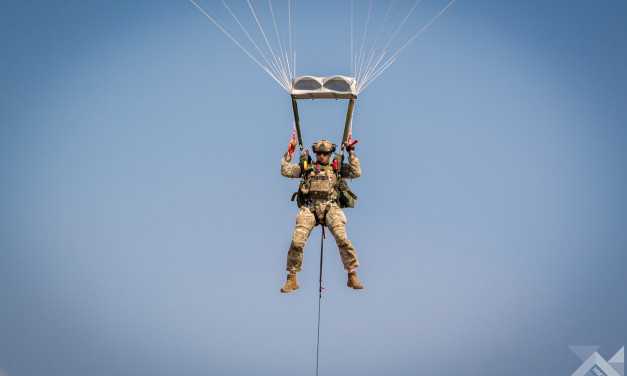
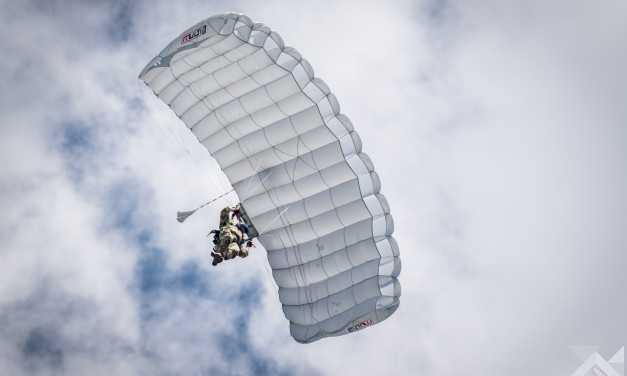
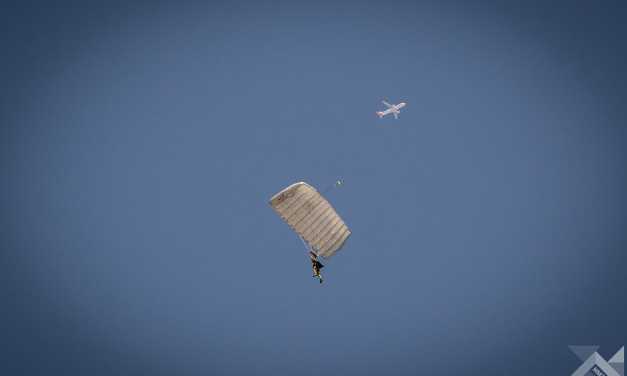
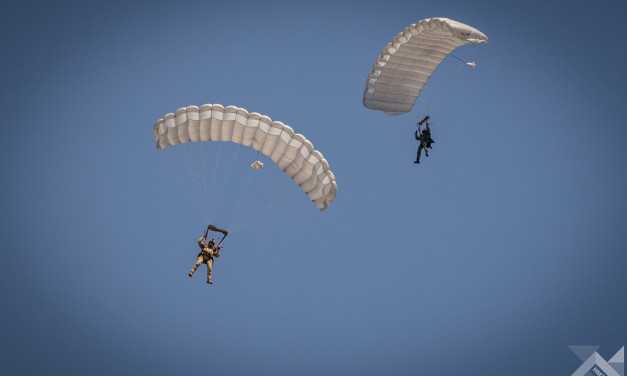
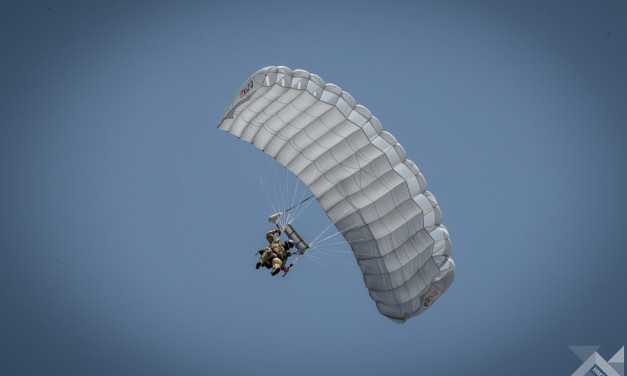
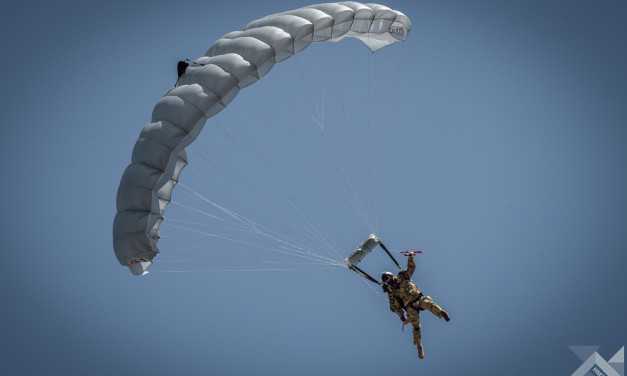
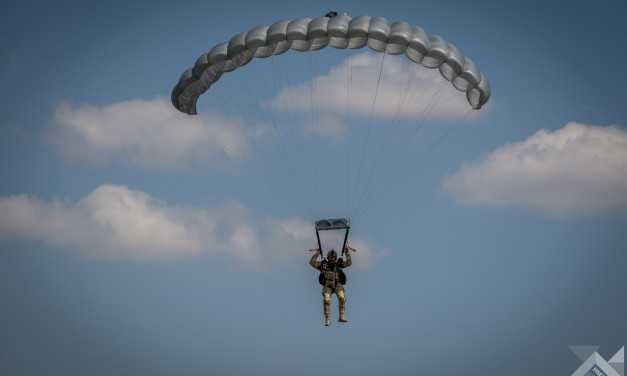
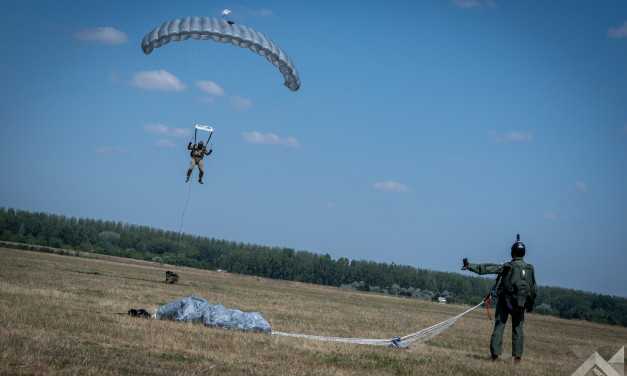
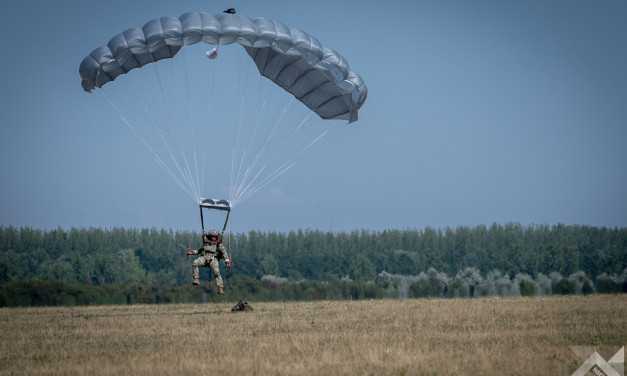
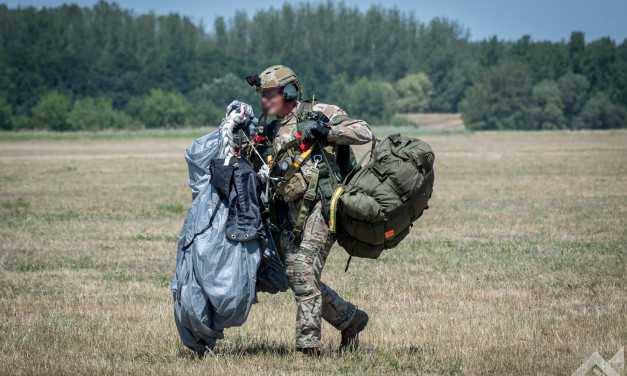
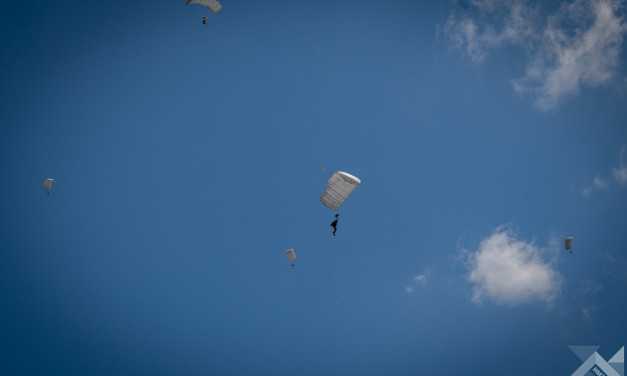
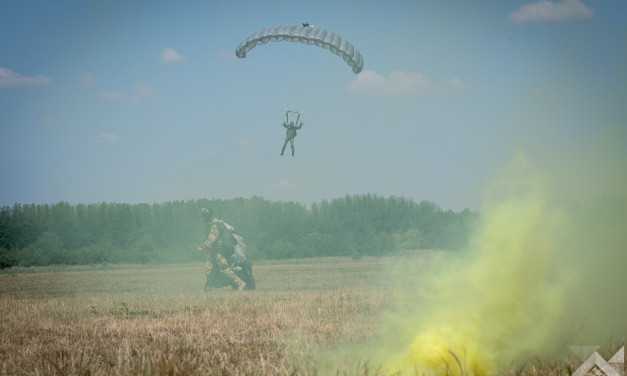
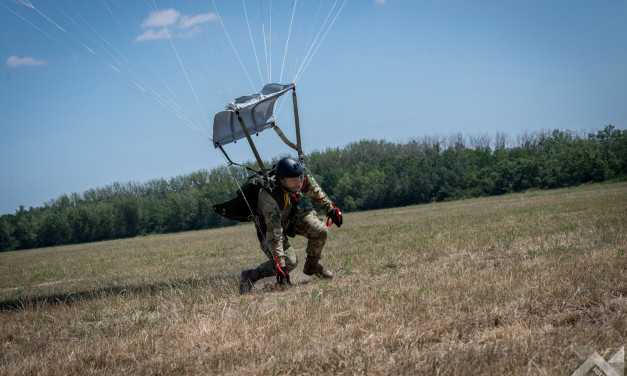
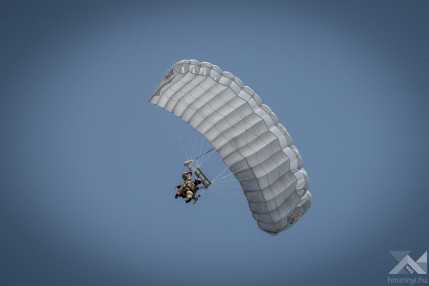
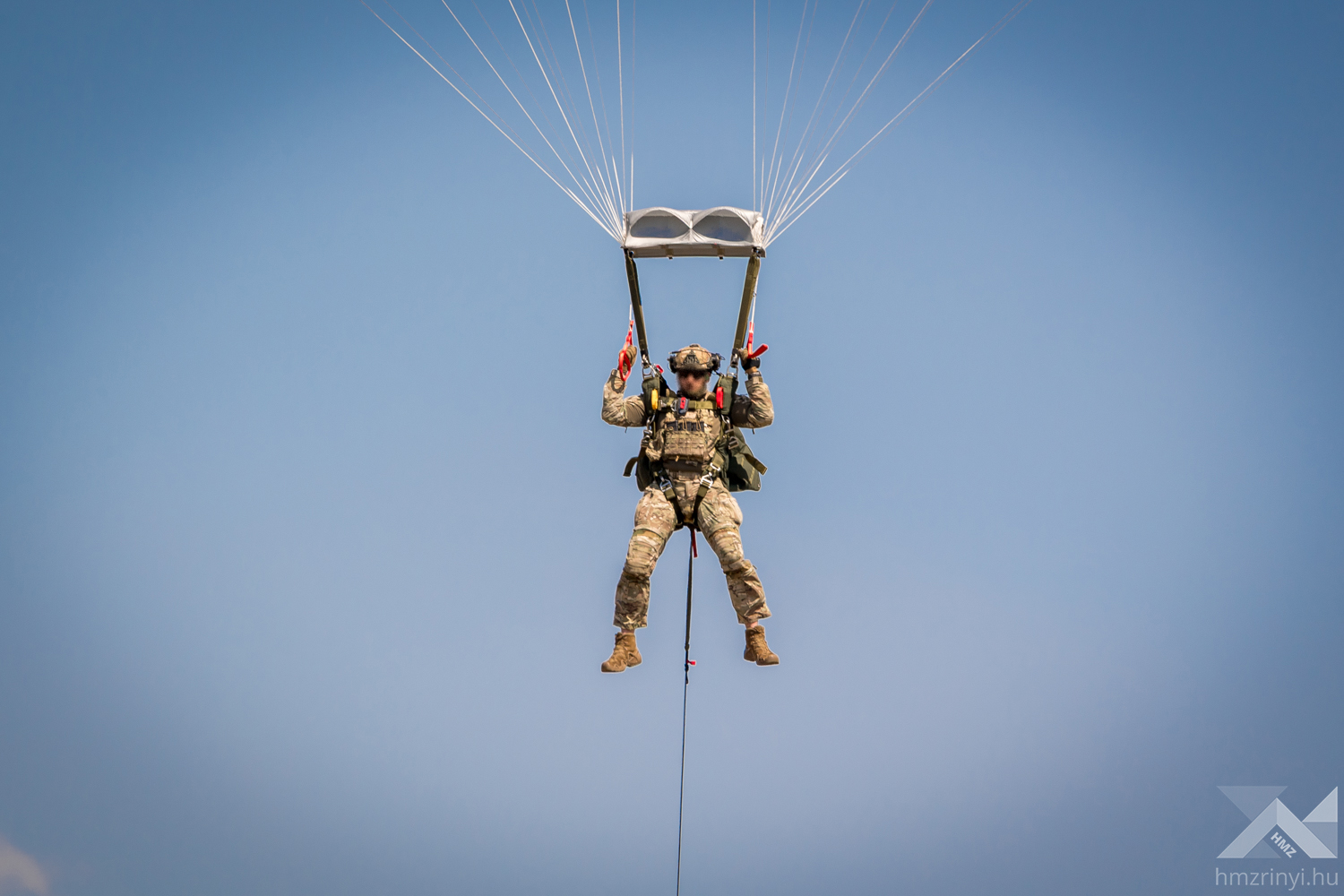
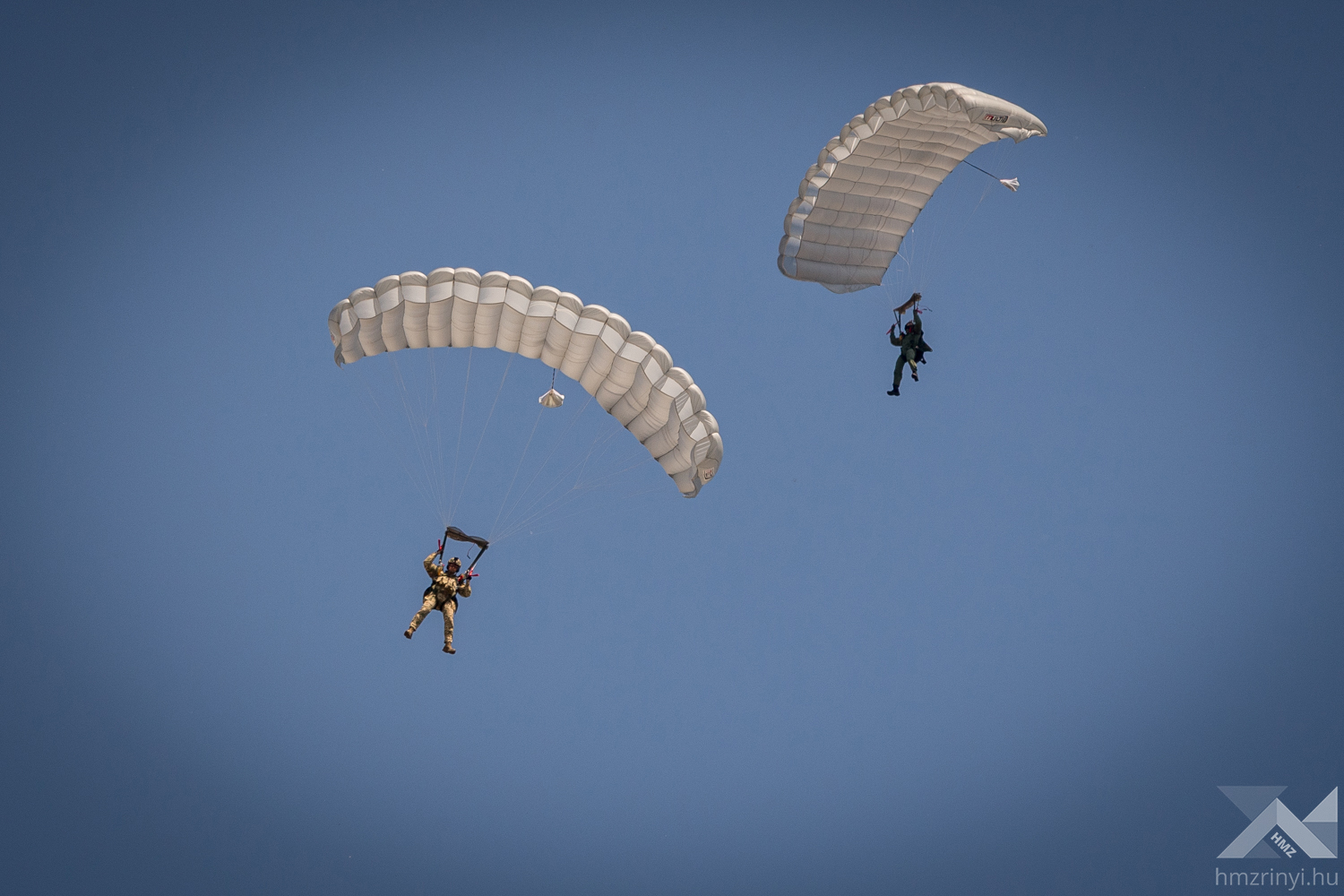
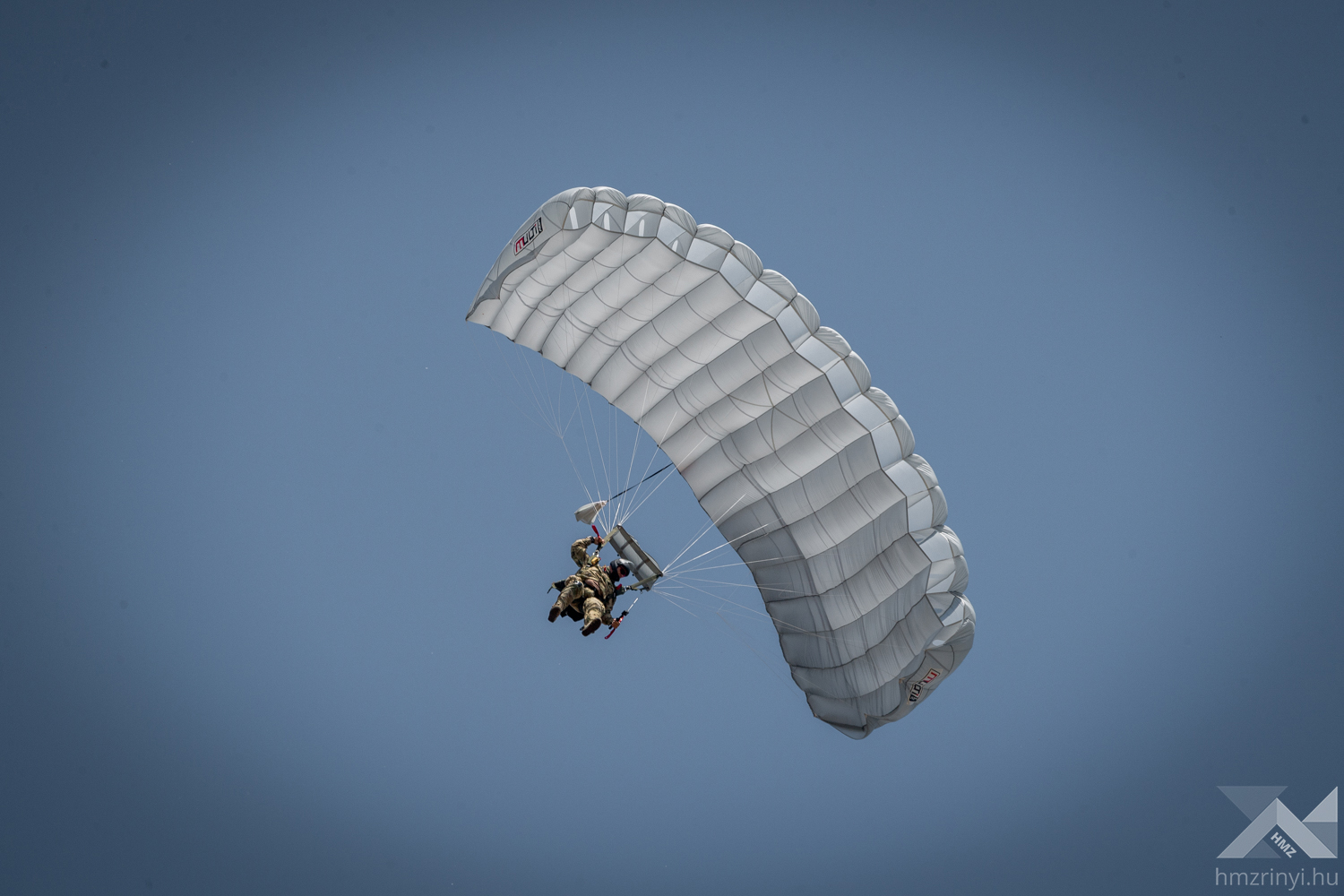
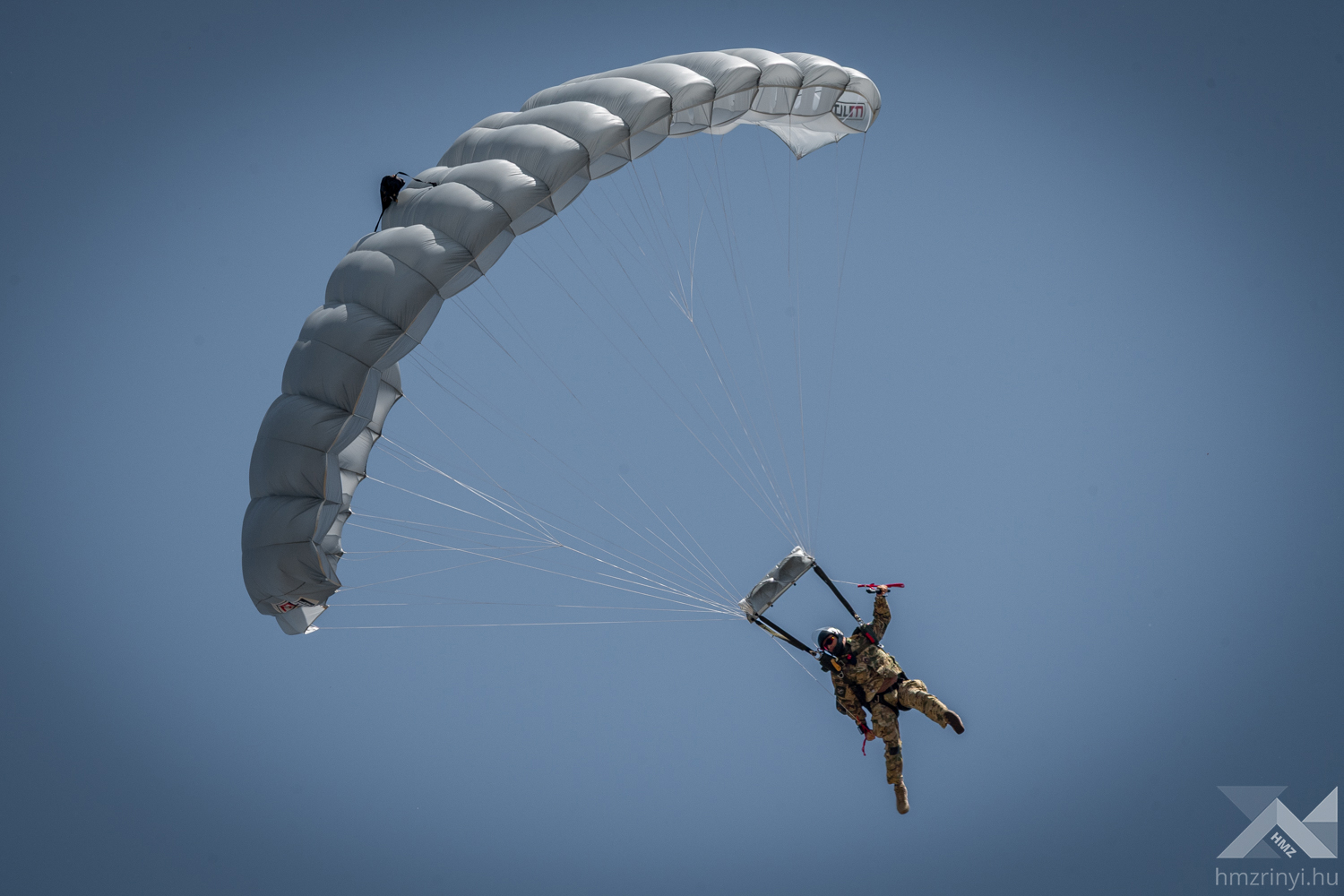
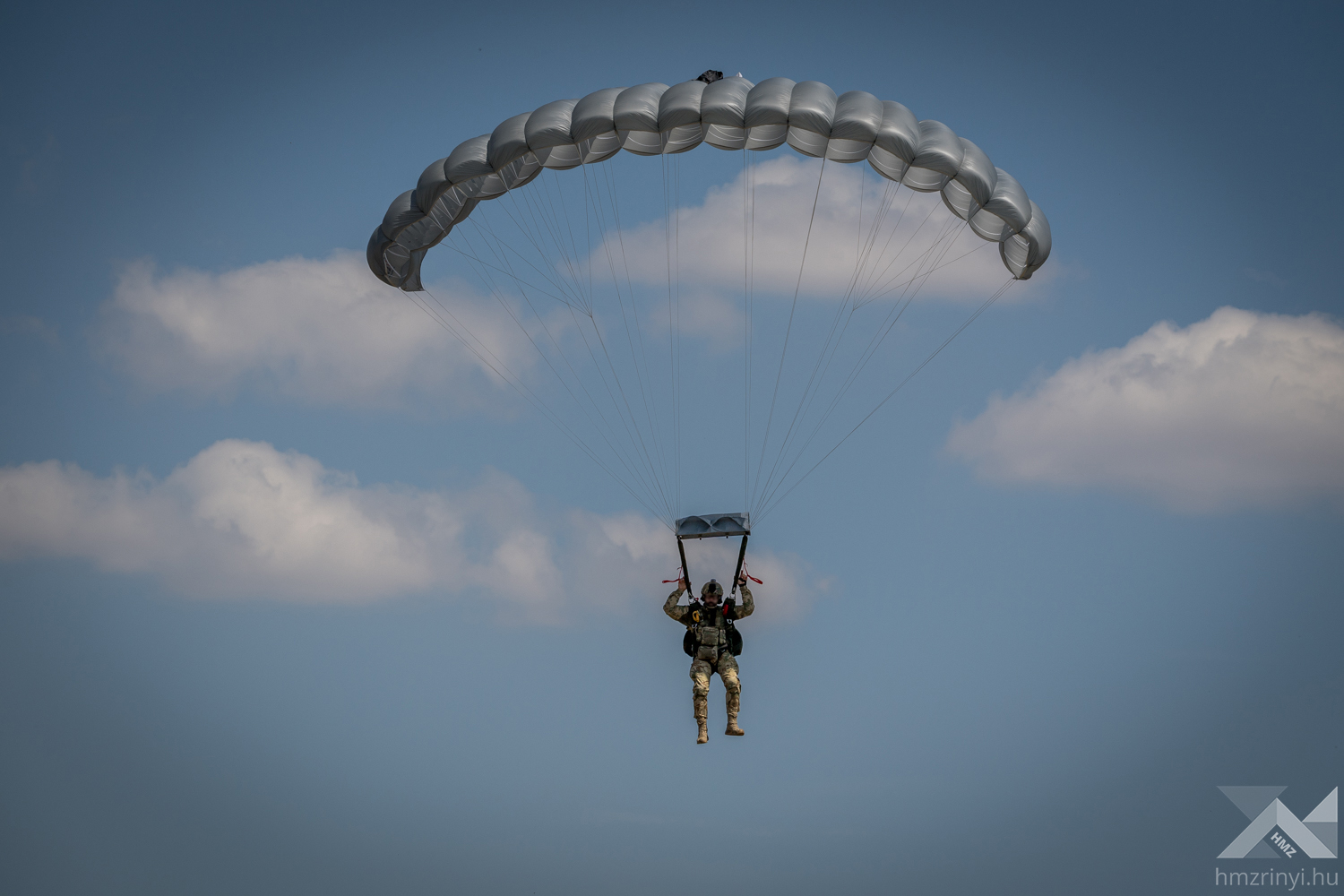
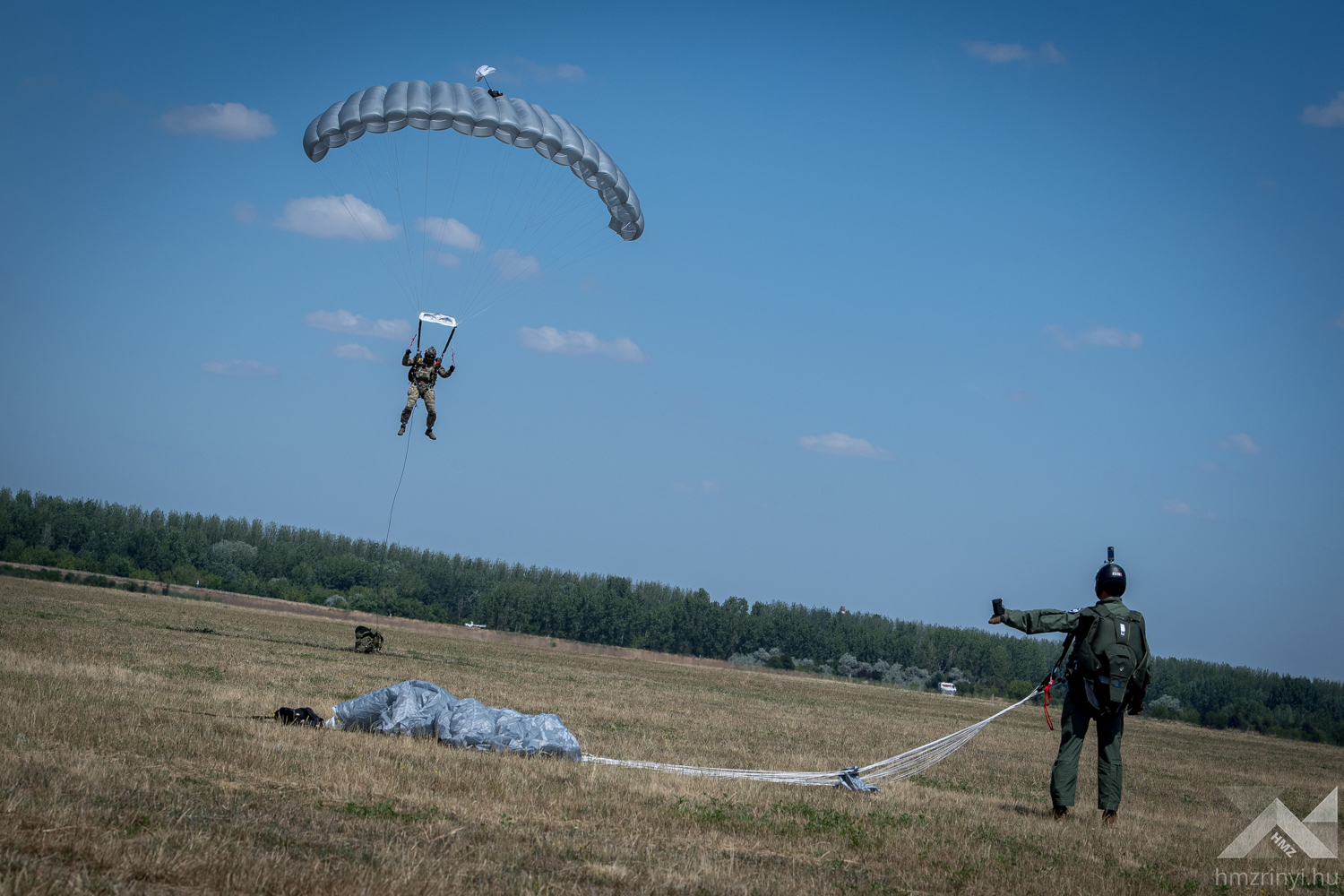
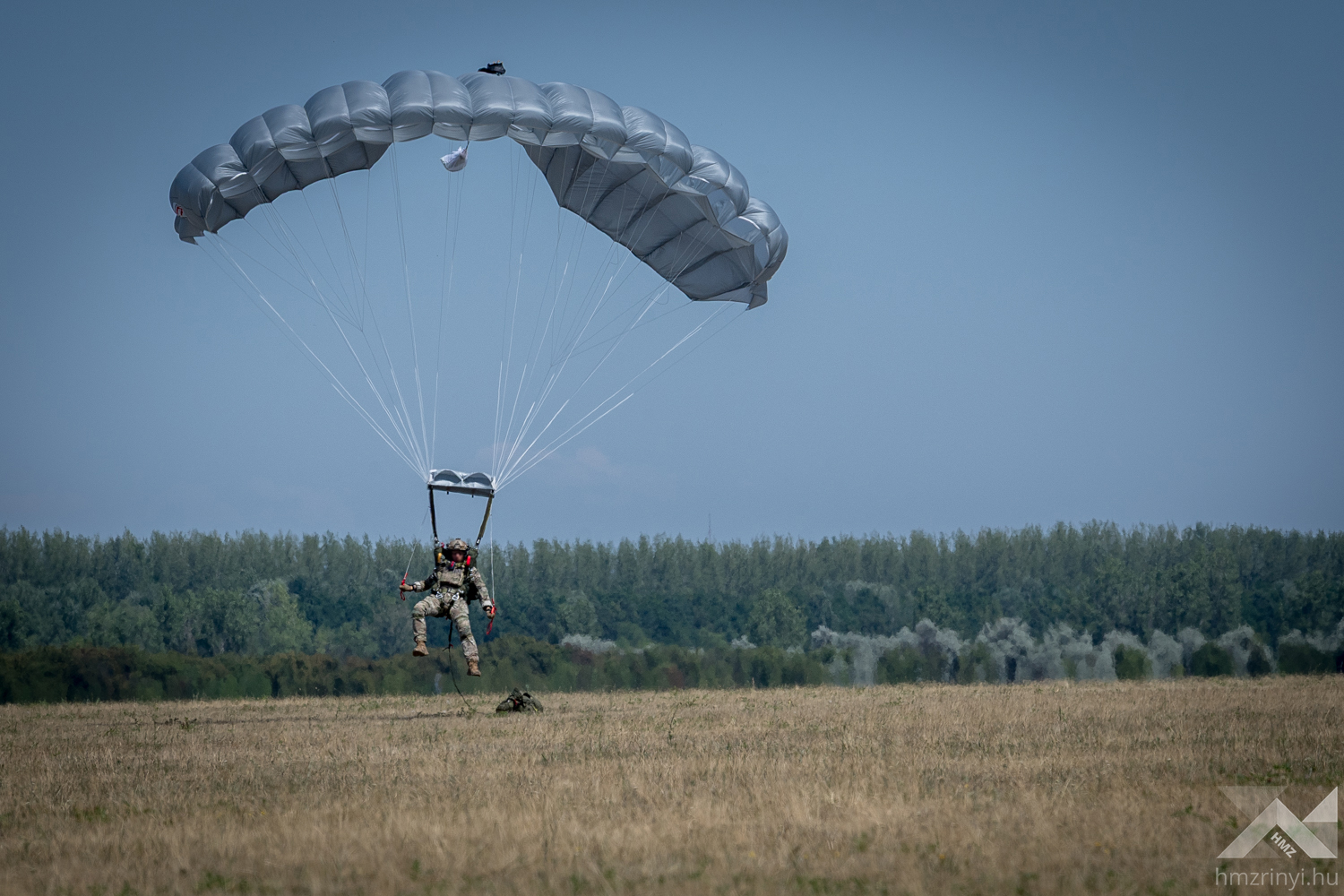
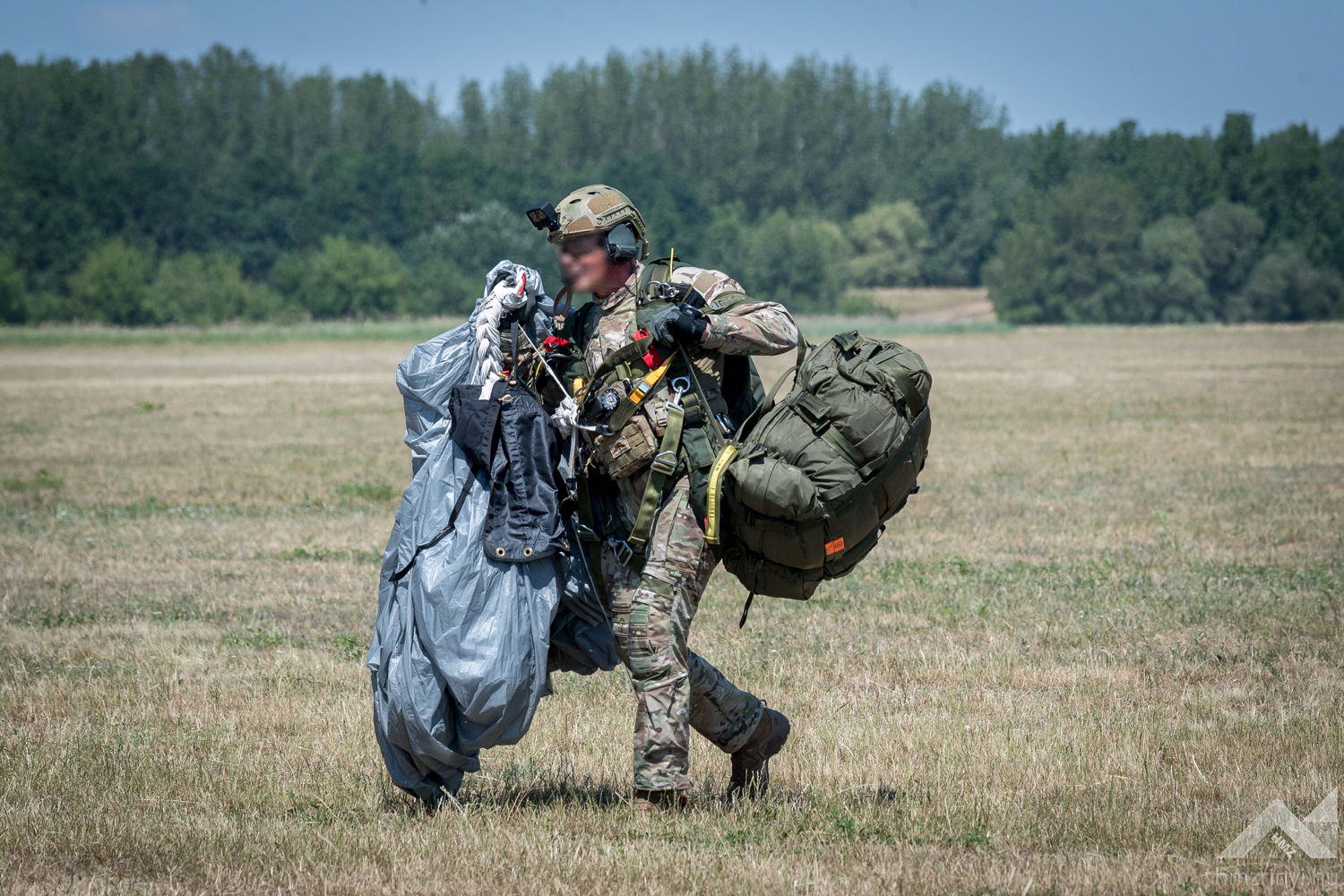
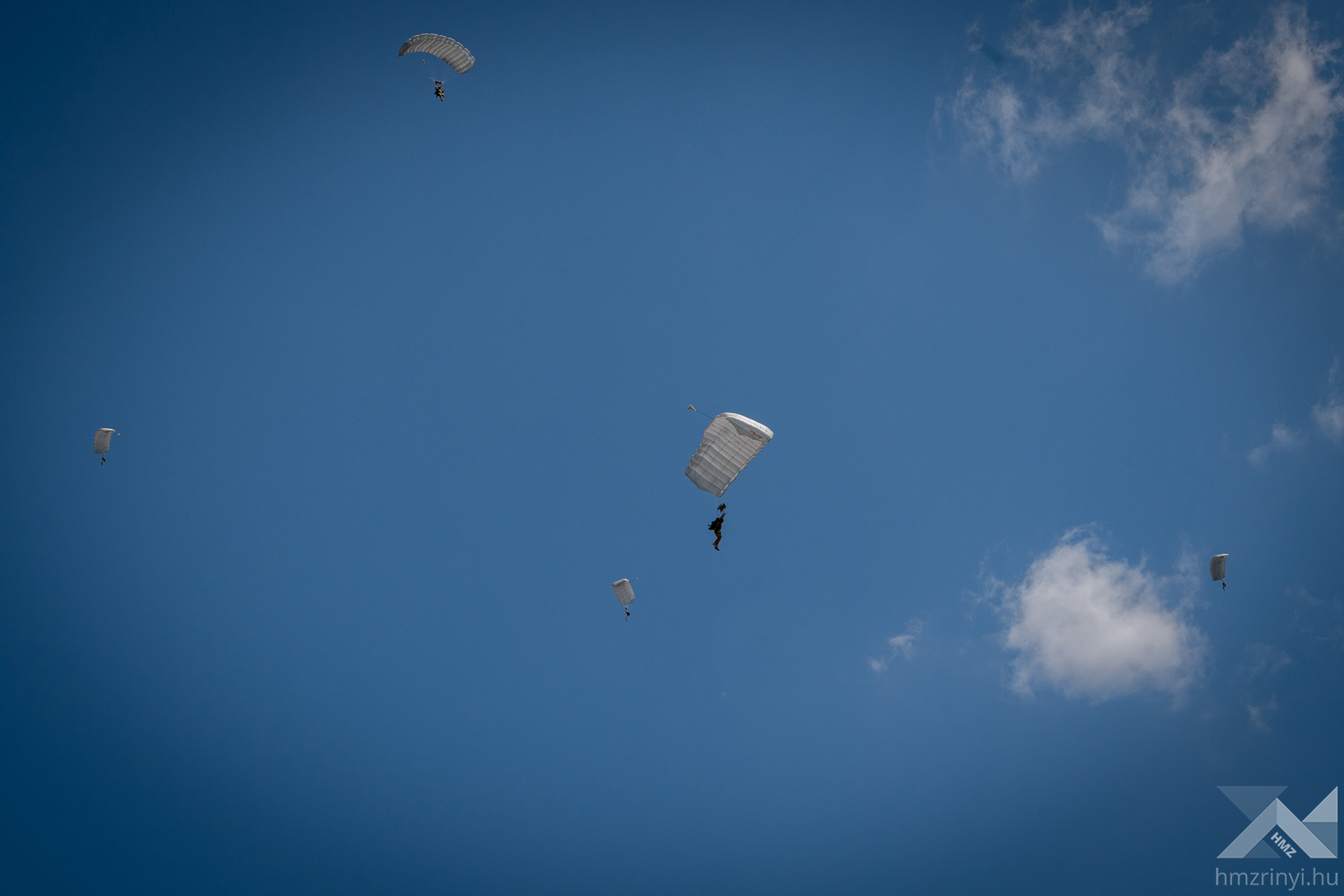
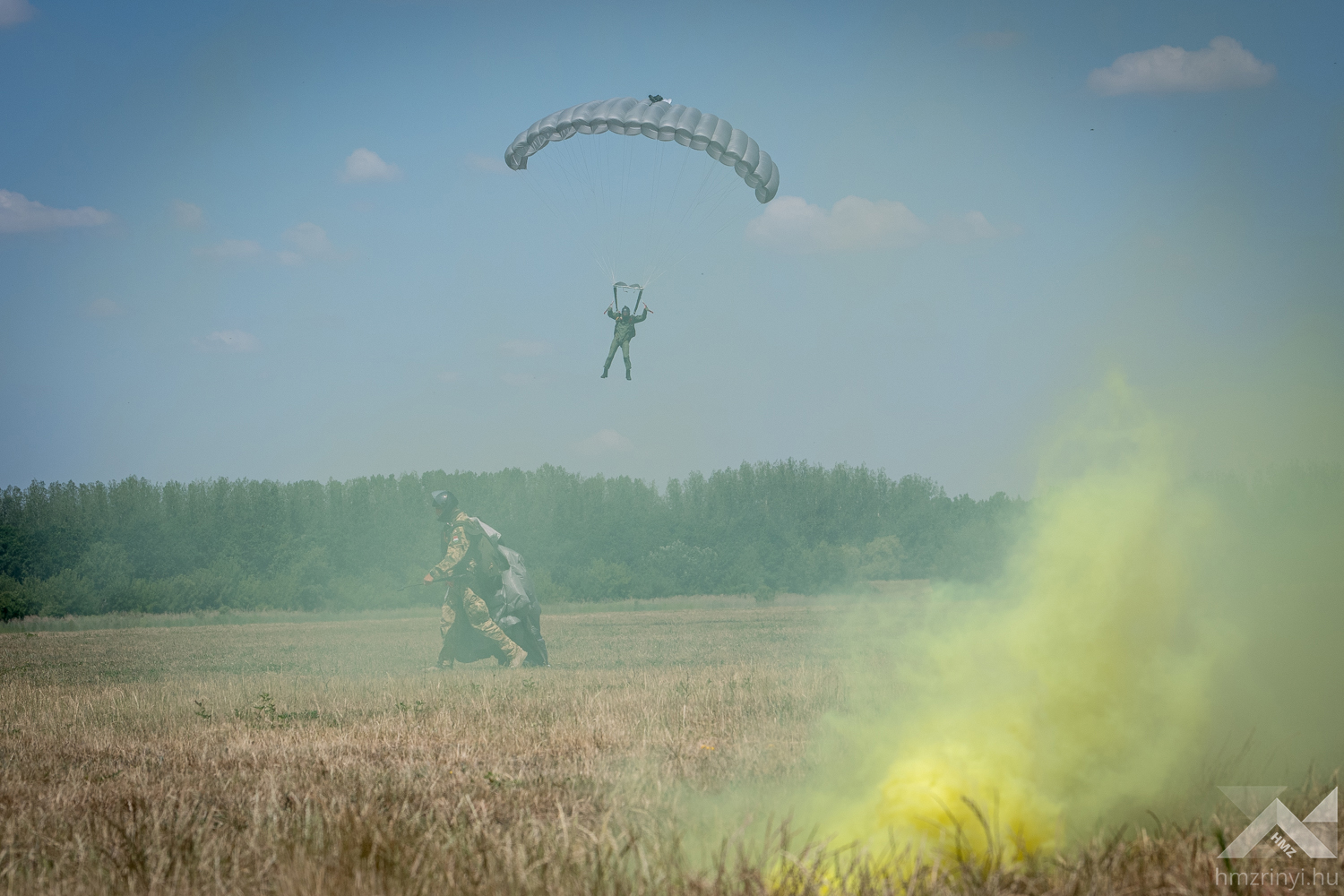
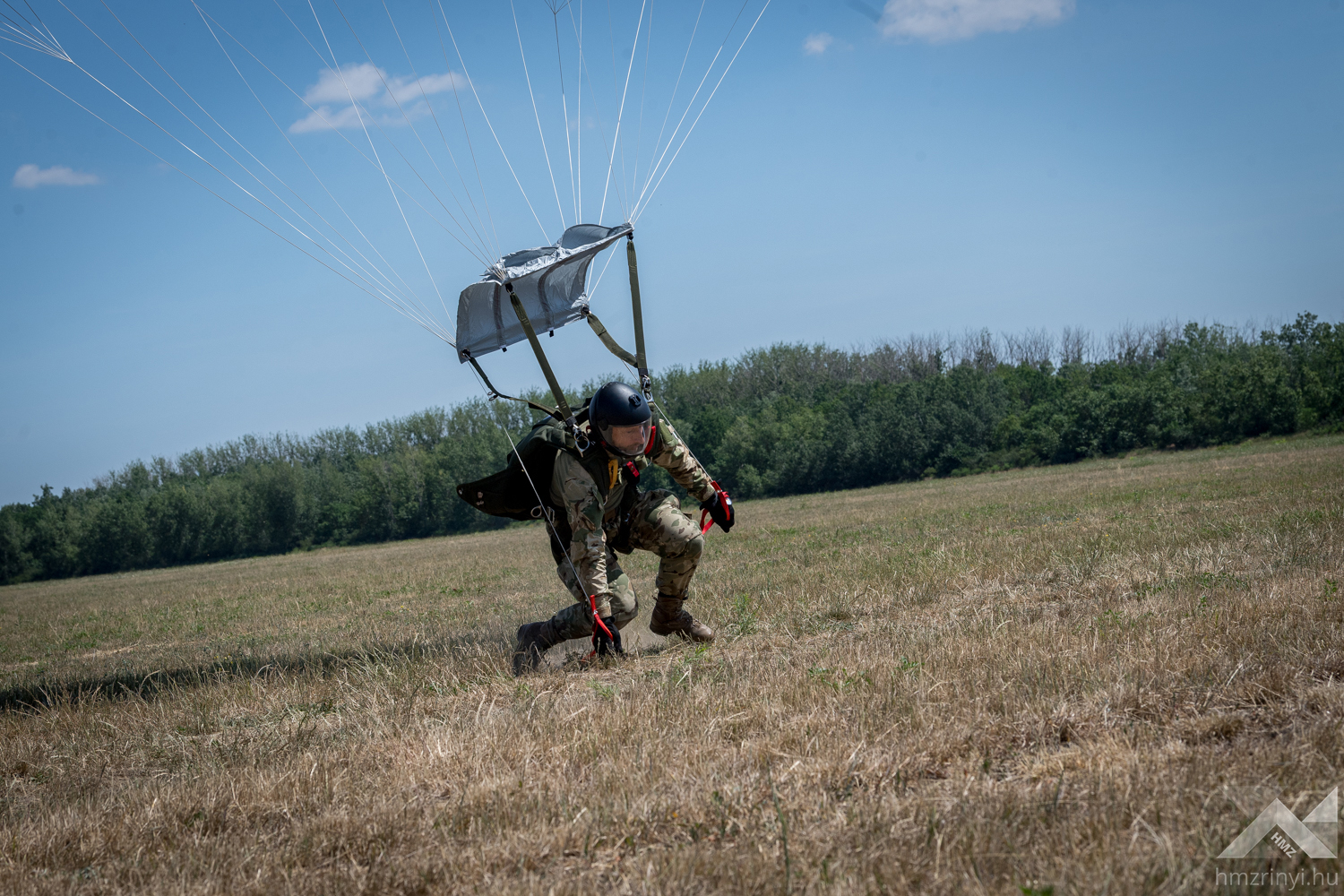
Text: Vendel Teszler | Photo: Franciska Veres | 12:19 June 22, 2026Together with their comrades coming from further units, he soldiers of the HDF Special Operations Command executed jumps with ram-air parachutes at an altitude of 3000 meters from the Boeing C-17 Globemaster III cargo aircraft of the Pápa-based Heavy Airlift Wing to the landing zone designated at Szolnok–Szandaszőlős Airport. Parachute jumps are very important during special operations, and because the Special Operations Forces (SOF) can rarely practice them from one of NATO’s most significant strategic airlifters, this airborne training provided them with a highly valuable opportunity for capability development on the international level.
“This day has a huge significance” – said Captain Anikó Fábián before the jumps, because Hungarian service members have not participated in such training for years. The chief of the Special Air Operations Support Branch of the HDF Special Operations Command told us that the revival of their cooperation with the Heavy Airlift Wing (HAW) – a unit that carries out its missions through the joint service of military personnel from 12 NATO member states – had been followed by a long and persistent planning period.
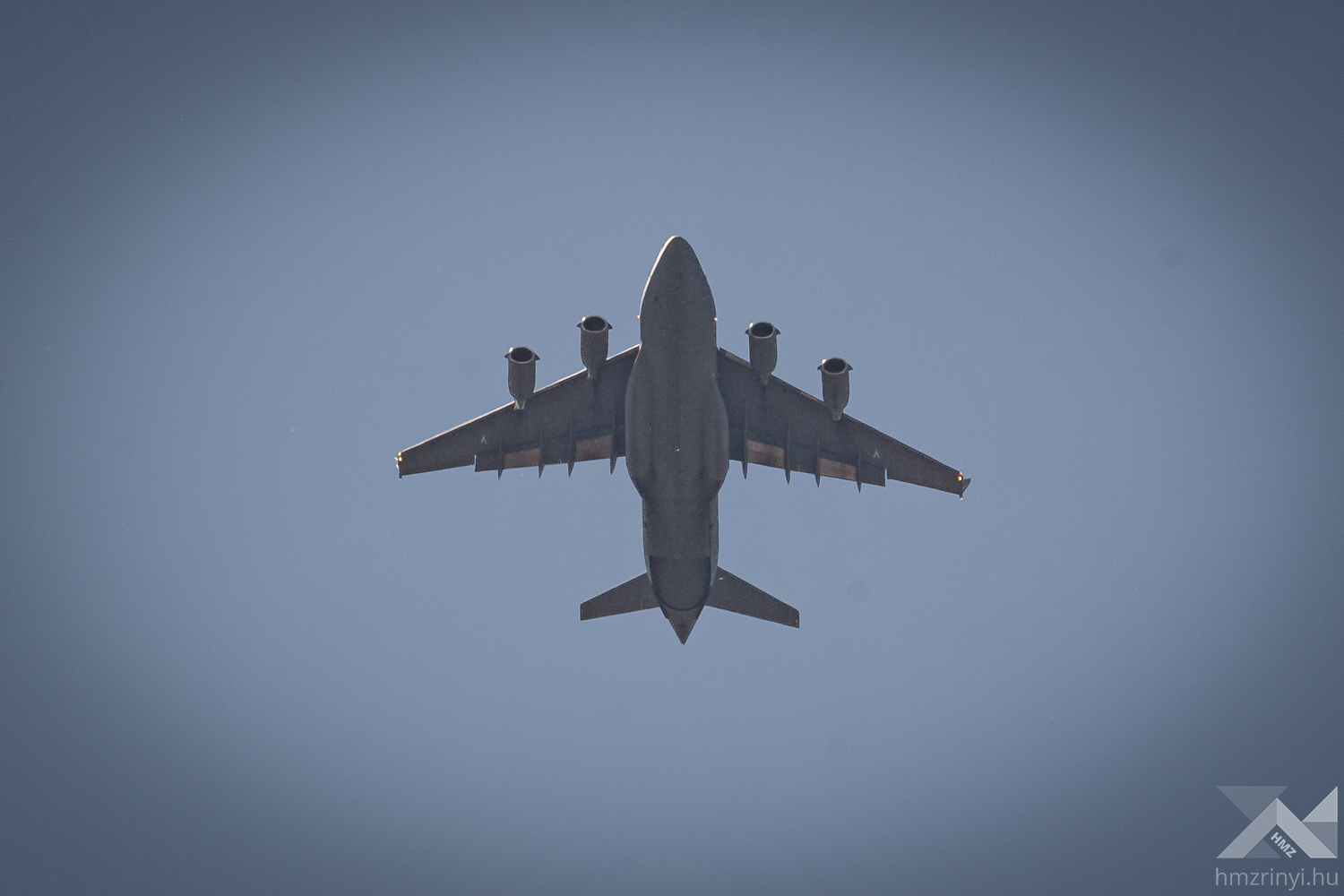
The Boeing C-17 aircraft of the HAW play an important role in guaranteeing the military capabilities of the Alliance and the partner countries. While executing training and operational tasks, these giant American airlifters provide Hungarian service members with an opportunity to practice as well.
Nineteen soldiers are to jump with ram-air parachutes – told us Captain Fábán. “They embarked the aircraft after checking and receiving and their equipment at Pápa, and they are already airborne, so we are waiting for them”.
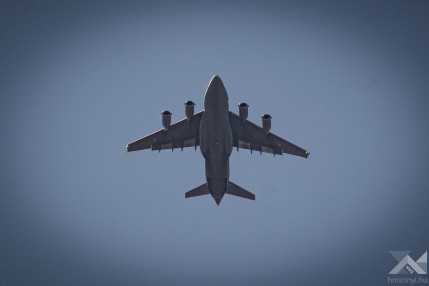
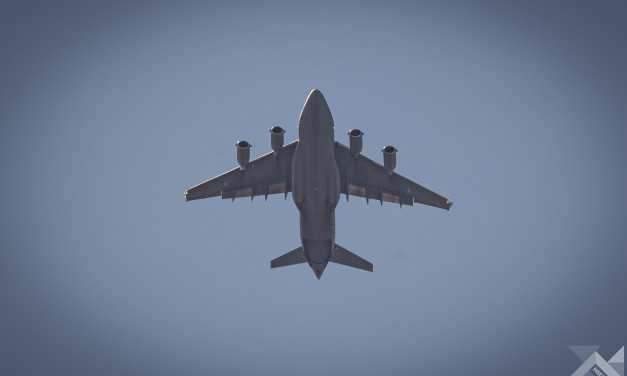
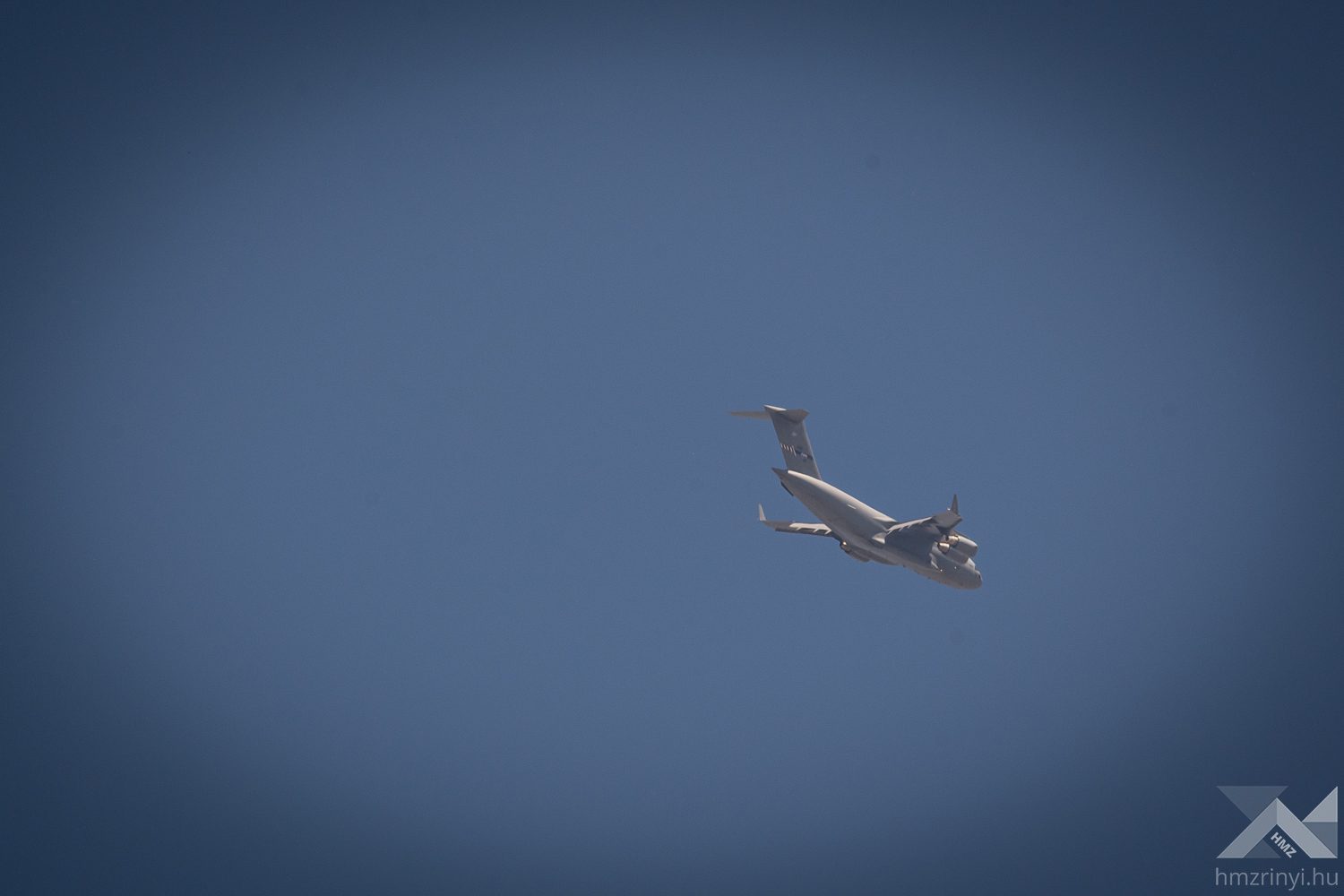
The 23-ton roaring aircraft capable of carrying 77 tons of cargo arrived on schedule. Although various spectacular military air assets frequently appear in the Szolnok sky, the arrival of the C-17 with a wingspan of more than 50 meters was a special sight even for the seasoned SOF operators who were stationed at the airport to support their comrades’ jumps.
The Globemaster III is capable of airlifting combat vehicles and up to more than 100 troops with their equipment into areas of operations, even across intercontinental distances. Its special design allows it to operate through small, austere airfields, while its range can be practically unbounded due to air-to-air refueling. Besides military operations, it regularly flies humanitarian and disaster relief missions as well.
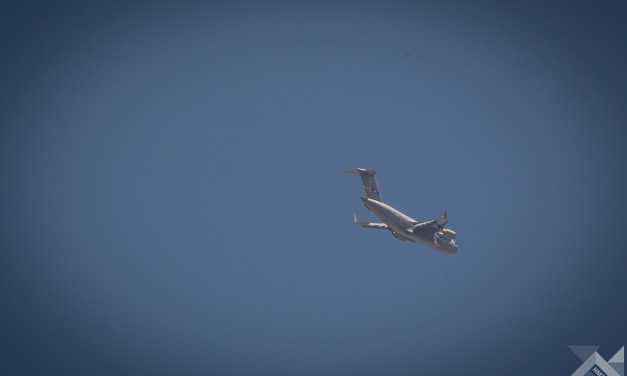
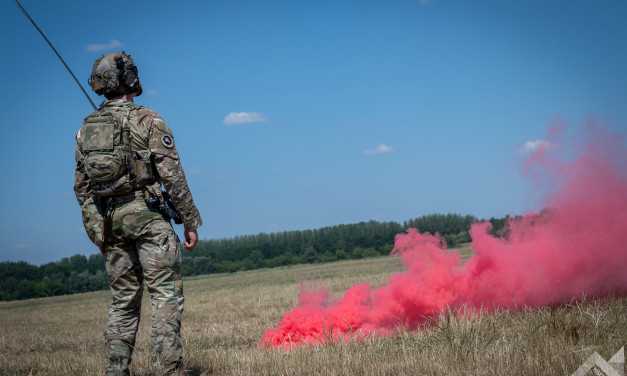
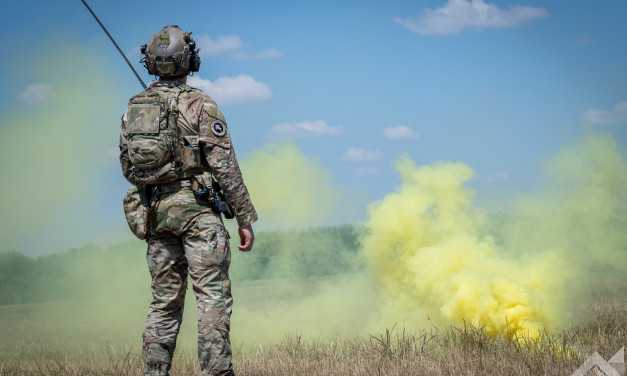
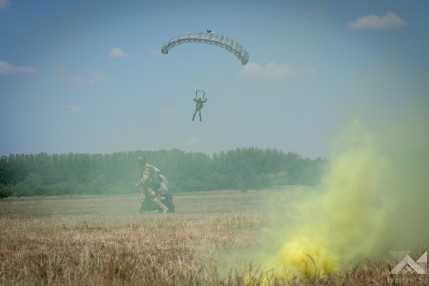
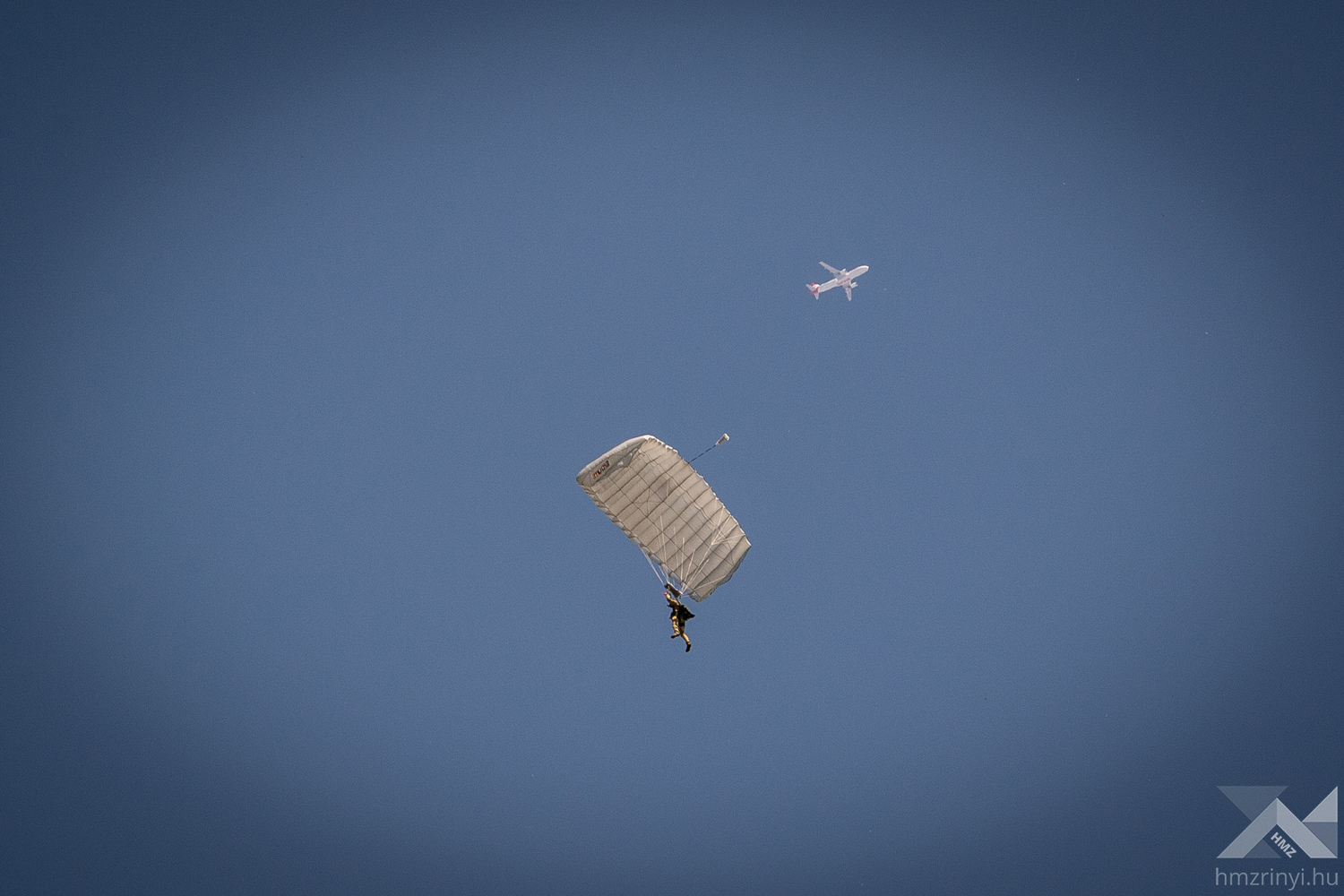
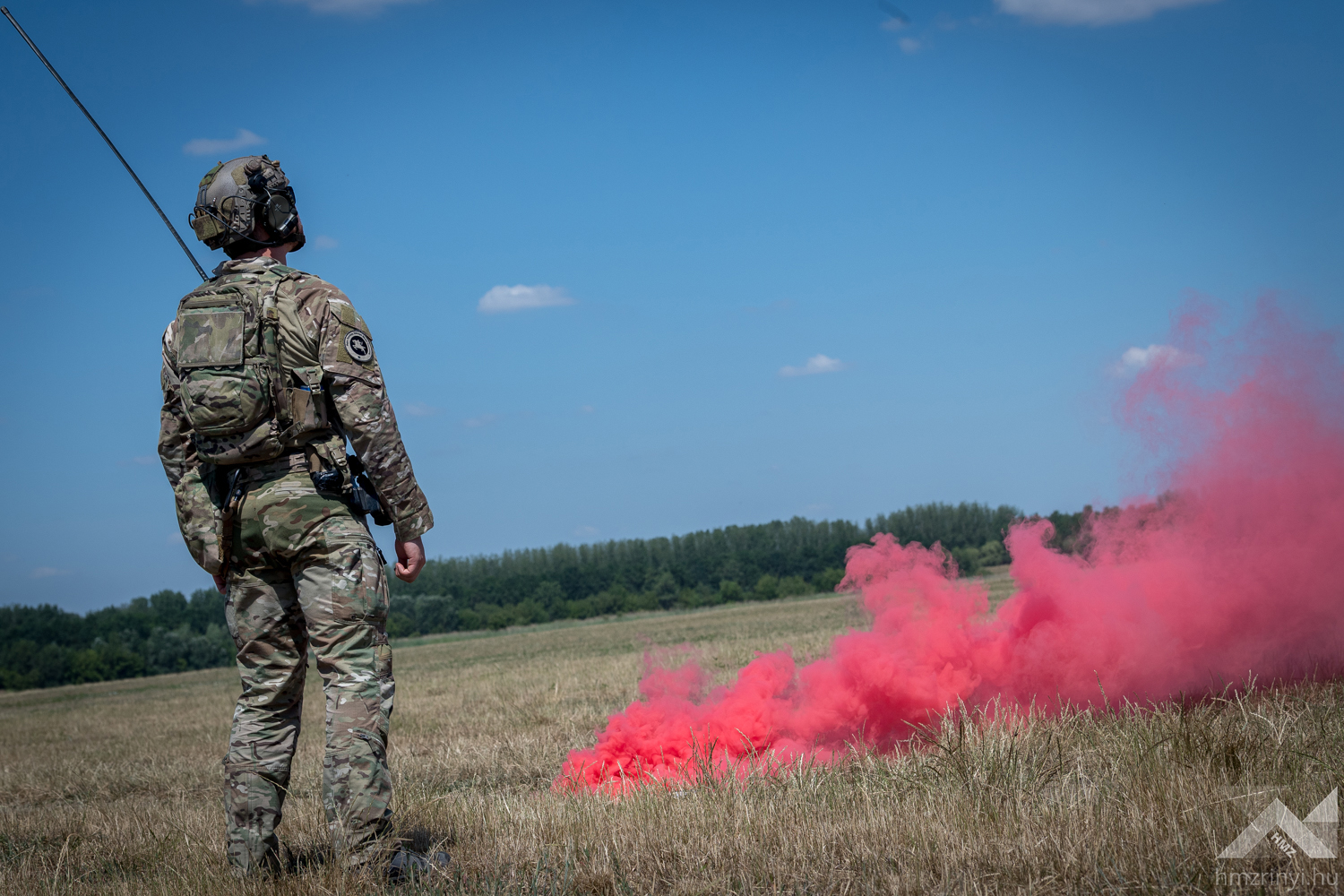
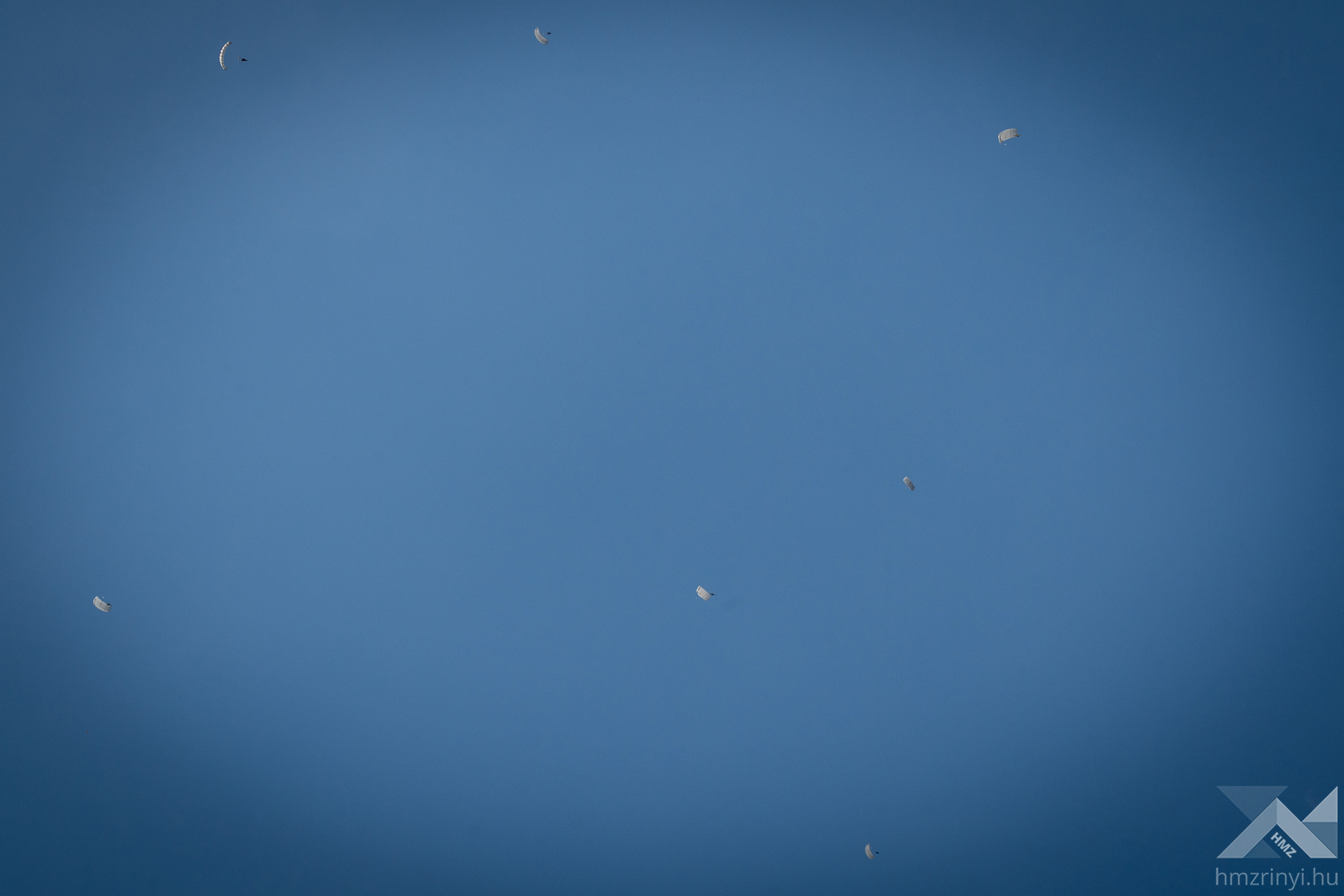
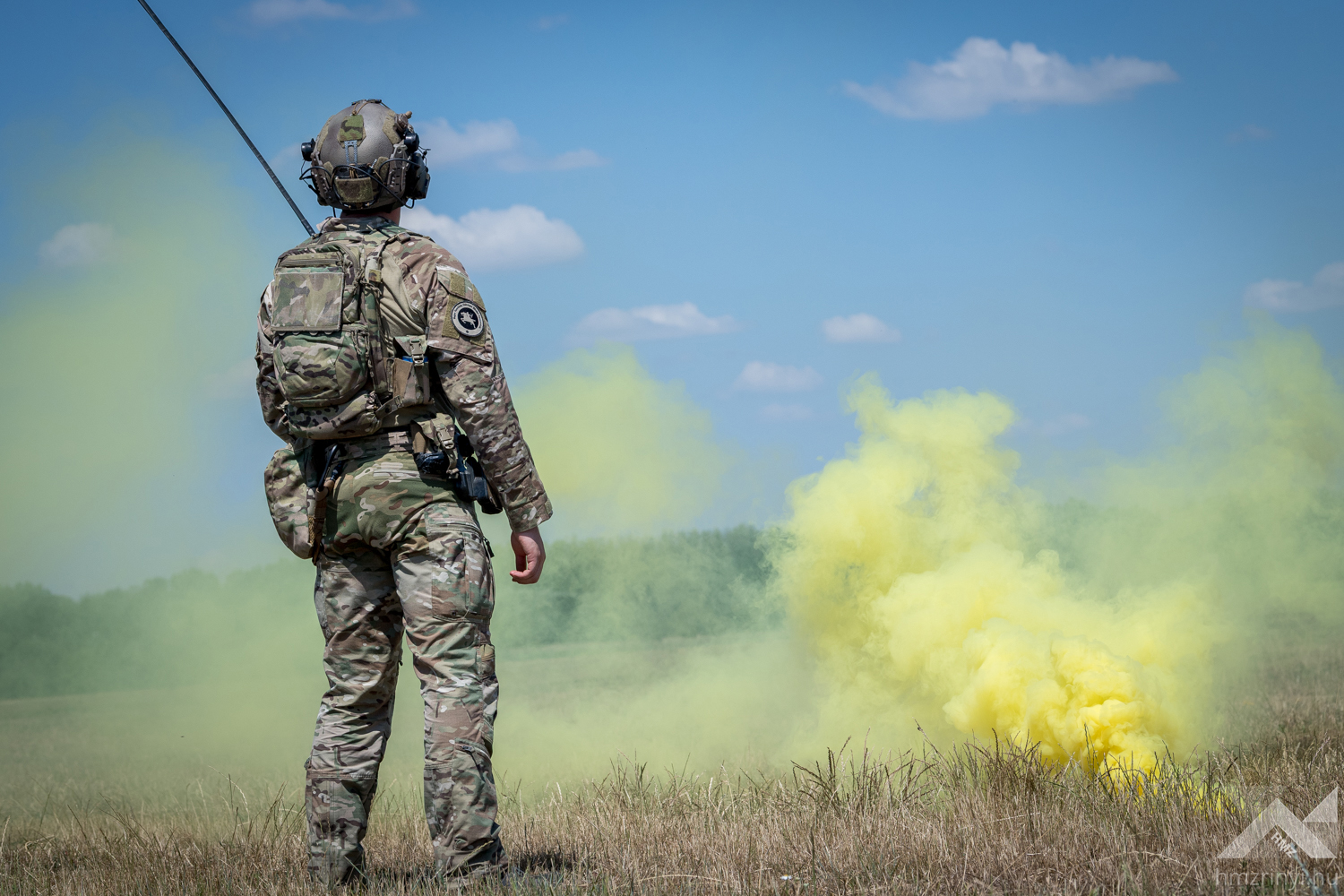
As the aircraft was approaching Szandaszőlős, a soldier on the ground threw a smoke grenade, and the paratroops in the sky started dropping from the edge of an open ramp. The first nine soldiers arrived in the landing zone as they should. After making a circle, the Boeing returned (the rest of the paratroops jumped out), and then, it soared up again with a spectacular “low turn” above the trees of the Tisza region and disappeared in the light blue sky.
The significance of airborne insertion
Parachute jumps can provide precision support for various troop movements even in difficult-to-access areas during special operations. It enables soldiers to get very close to the objective area in a short time even in woody, mountainous terrain without other infrastructure. Parachute jumps may offer the opportunity of covert infiltration into enemy territory with quick reaction and surprise action.
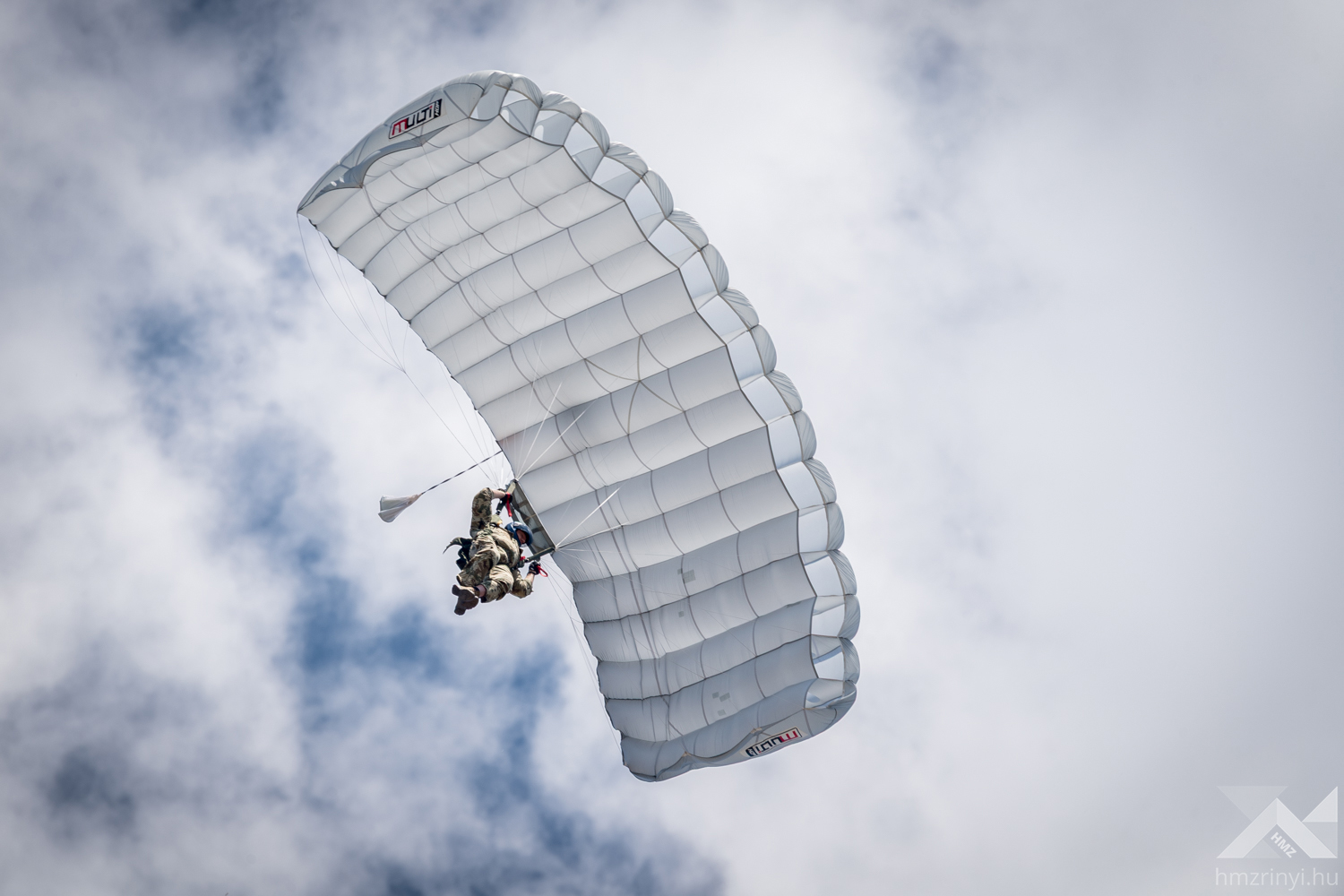
“The use of ram-air parachutes enables soldiers to arrive in a given objective area more precisely and with better maneuverability” – added Captain Fábián, who went on listing the further cooperating units, highlighting the support from the HDF 86th Helicopter Wing in the successful accomplishment of the training task.
The organizers and the participants of the productive exercise were satisfied to share the lessons learned during the day among themselves in the summer warmth of late June. The training and the capability development of the Hungarian Defence Forces’ airborne personnel continue, and thanks to the military development program, Hungarian soldiers can already use for training purposes their “own big planes”, namely the two KC-390 Millenium military transport aircraft.
20260619_Szolnok_C19 ejtőernyős ugrás_VF_
20260619_Szolnok_C19 ejtőernyős ugrás_VF__1
20260619_Szolnok_C19 ejtőernyős ugrás_VF__2
20260619_Szolnok_C19 ejtőernyős ugrás_VF__3
20260619_Szolnok_C19 ejtőernyős ugrás_VF__4
20260619_Szolnok_C19 ejtőernyős ugrás_VF__5
20260619_Szolnok_C19 ejtőernyős ugrás_VF__6
20260619_Szolnok_C19 ejtőernyős ugrás_VF__7
20260619_Szolnok_C19 ejtőernyős ugrás_VF__8
20260619_Szolnok_C19 ejtőernyős ugrás_VF__9
20260619_Szolnok_C19 ejtőernyős ugrás_VF__10
20260619_Szolnok_C19 ejtőernyős ugrás_VF__11
20260619_Szolnok_C19 ejtőernyős ugrás_VF__12
20260619_Szolnok_C19 ejtőernyős ugrás_VF__13
20260619_Szolnok_C19 ejtőernyős ugrás_VF__14
20260619_Szolnok_C19 ejtőernyős ugrás_VF__15
20260619_Szolnok_C19 ejtőernyős ugrás_VF__16
20260619_Szolnok_C19 ejtőernyős ugrás_VF__17