Joint Challenges, Joint Solutions
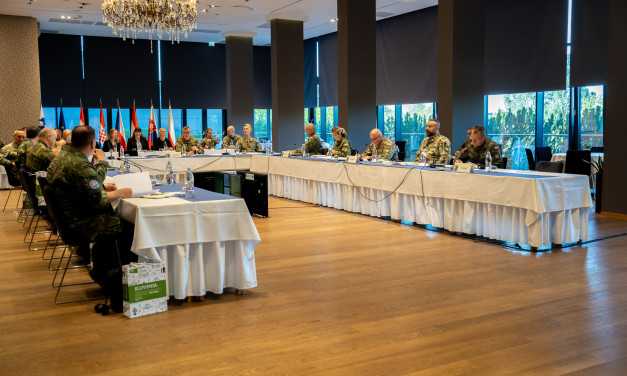
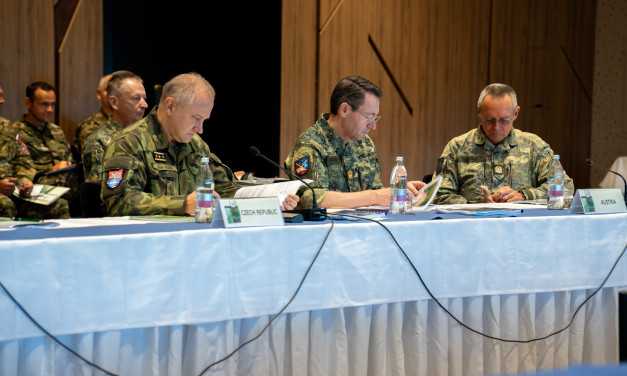
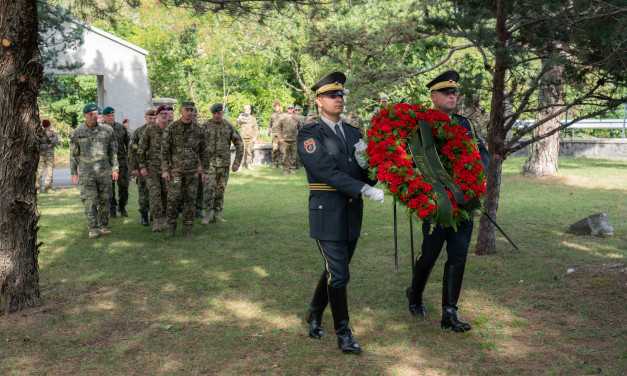
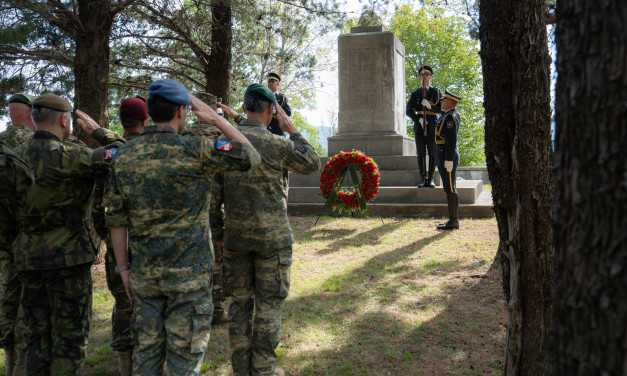
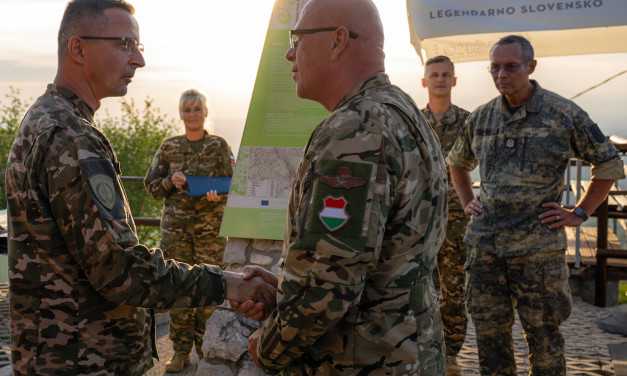
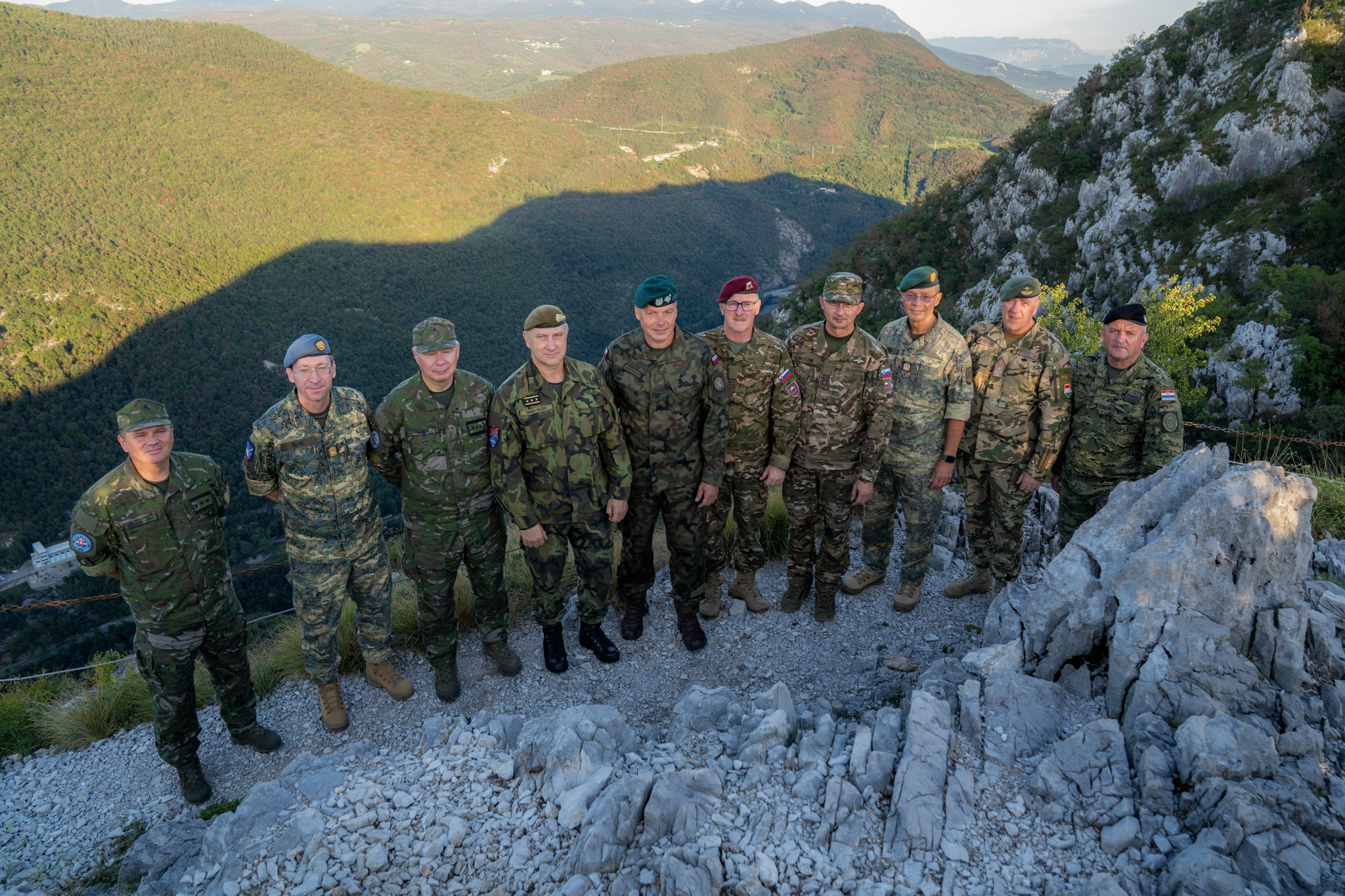
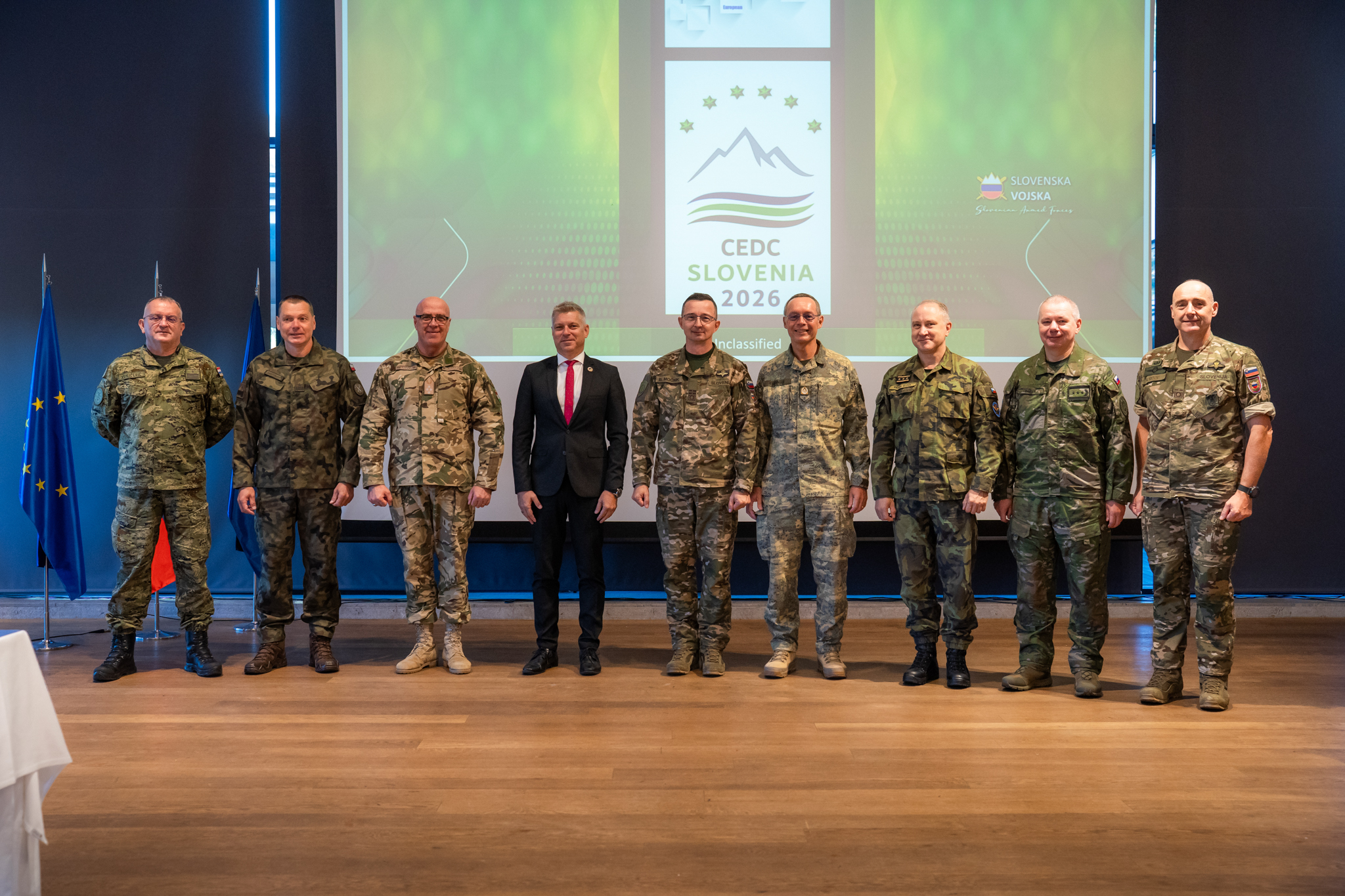
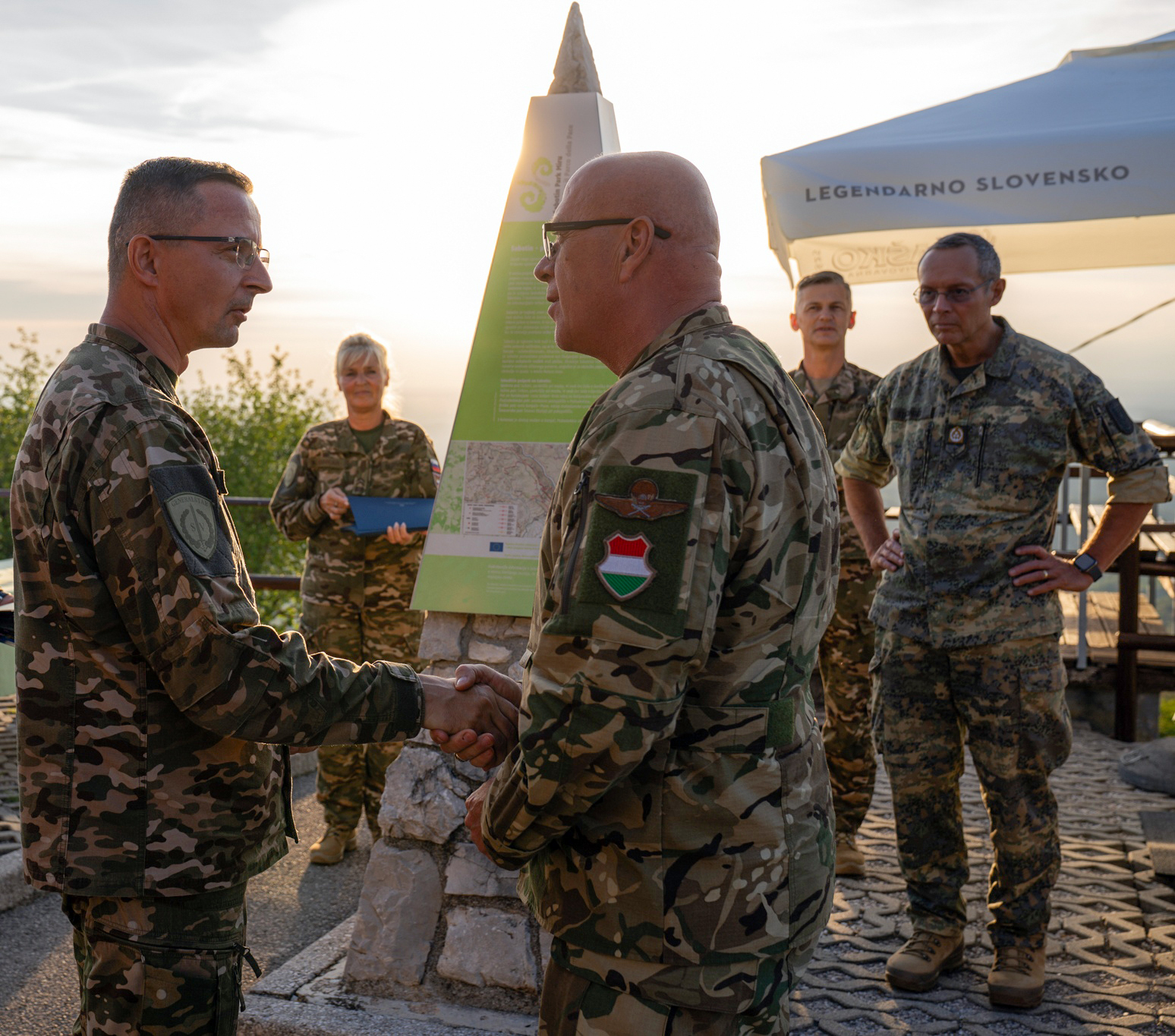
Text: HDF Defence Staff | Photo: Borut Cirnski / Slovenian Armed Forces | 13:52 September 7, 2026Central European armed forces face similar challenges when it comes to reaching out to young people, recruitment and personnel retention, which is why it is important to learn about each other’s best practices and examine which of these can be applied in the Hungarian context as well – emphasized General Zsolt Sándor, Chief of the HDF Defence Staff, following the Central European Defence Cooperation (CEDC) Chiefs of Defence meeting held in Slovenia.
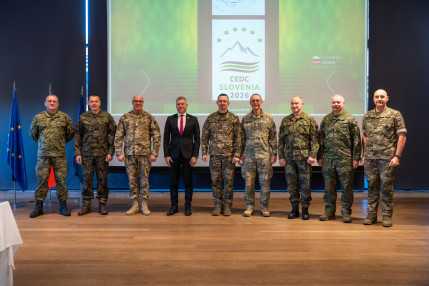
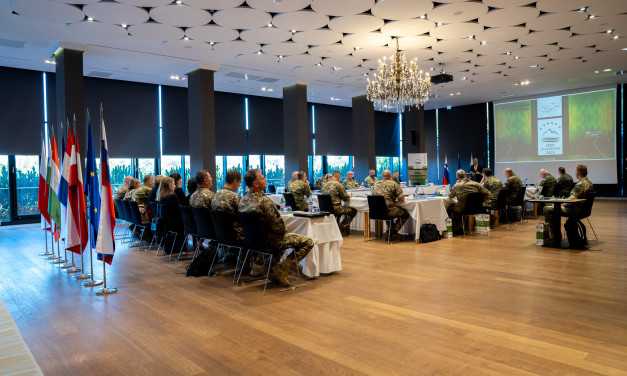
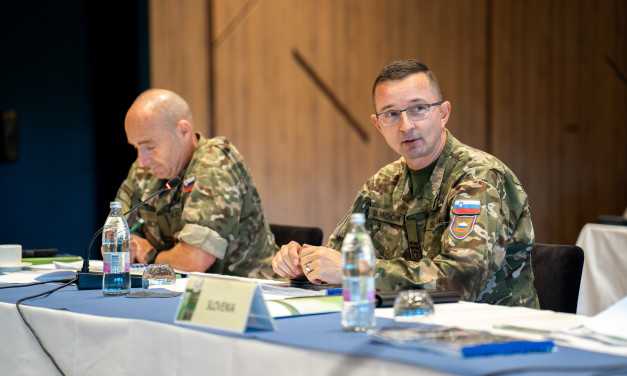
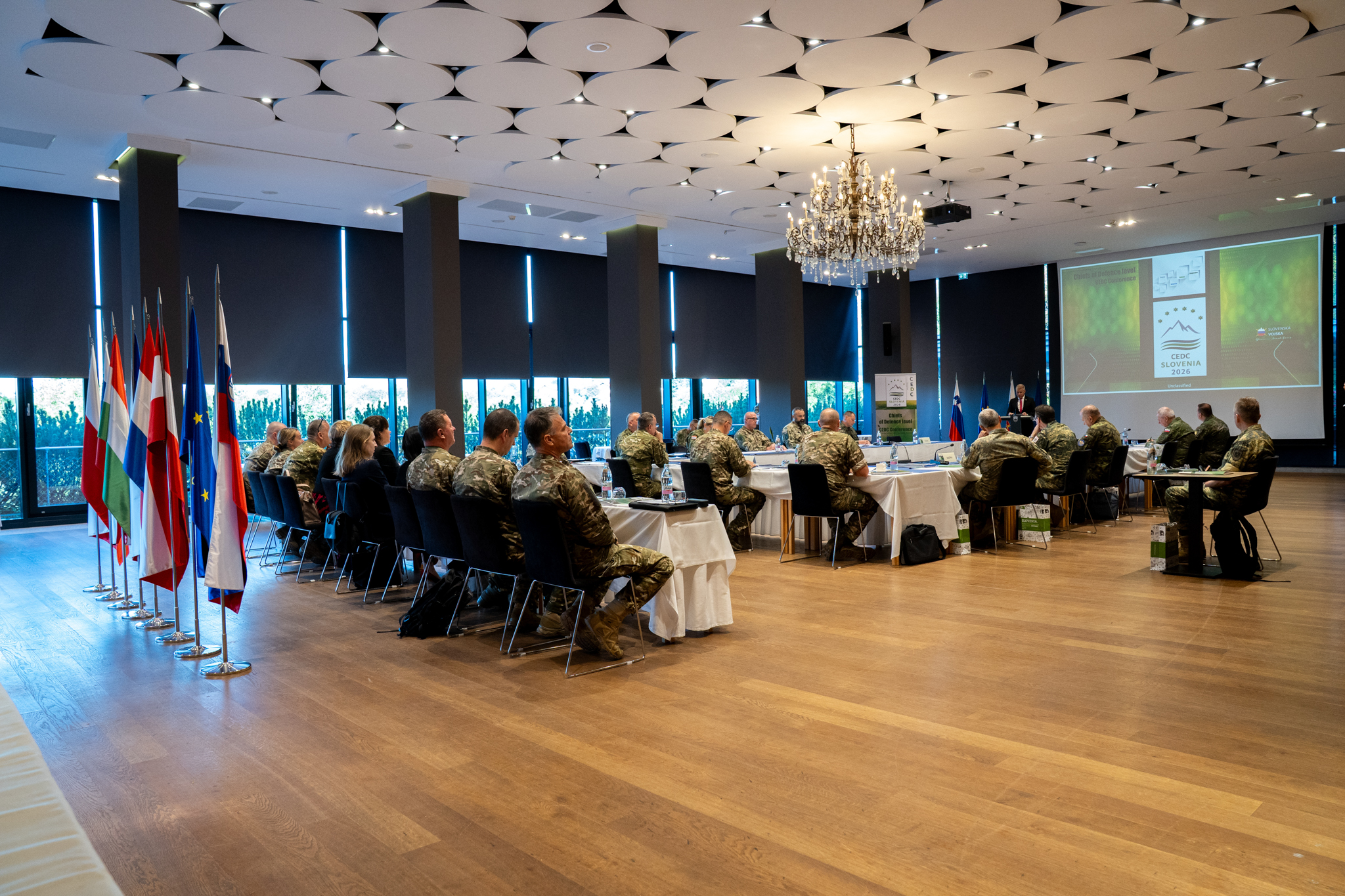
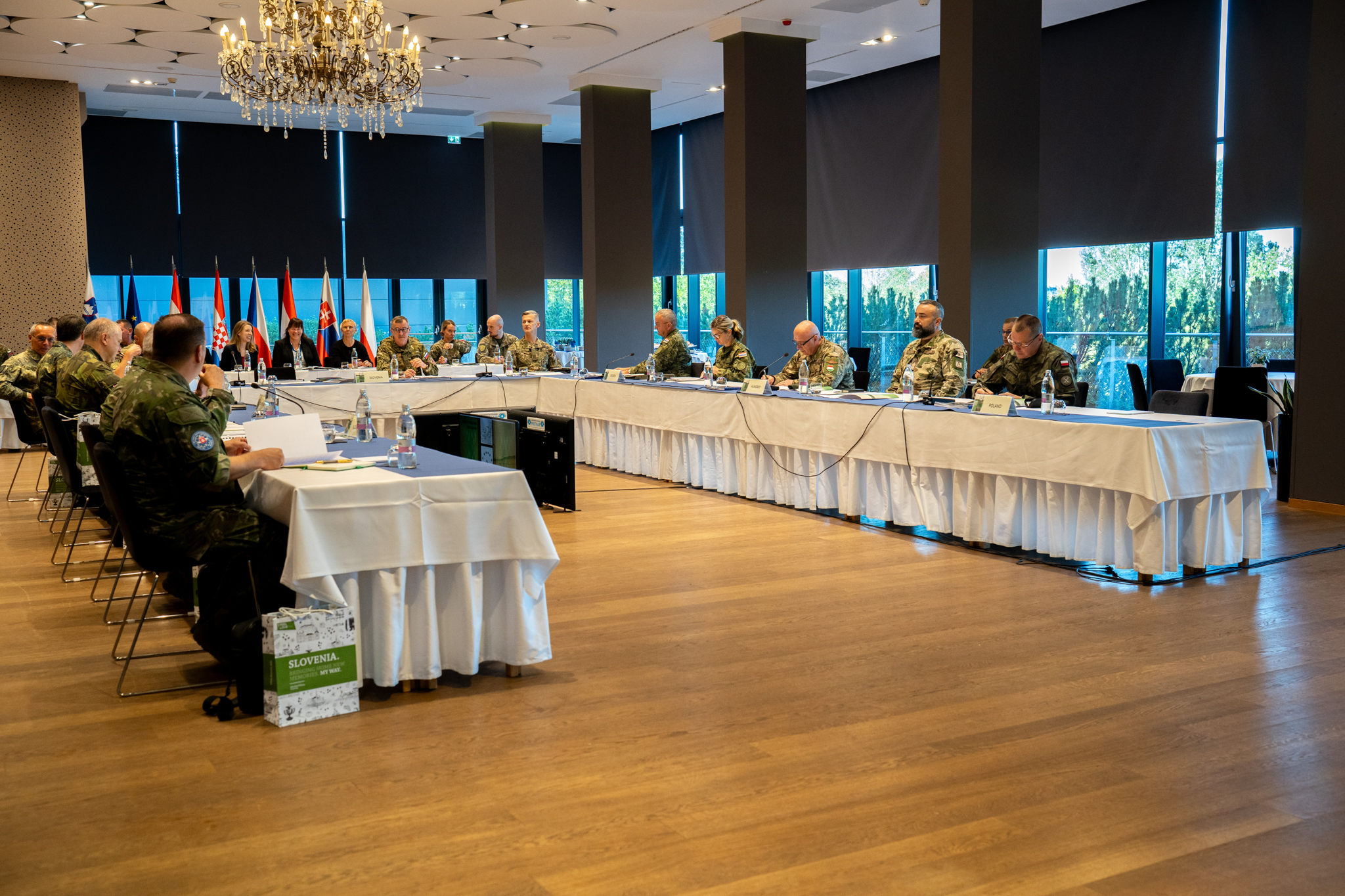
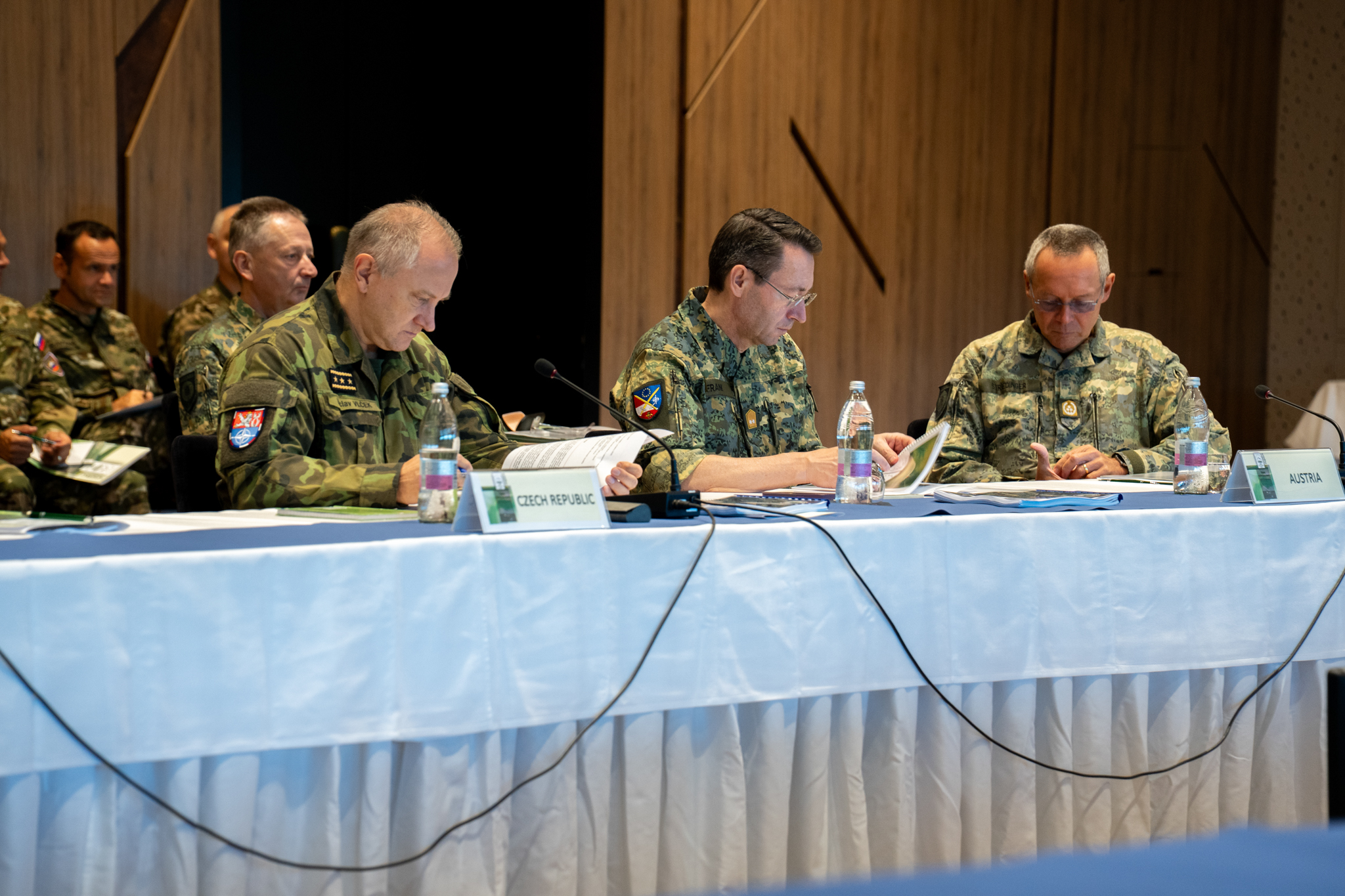
At the conference held between 2 and 4 September, discussions centered on two topical issues affecting the region’s armed forces: military mobility and the recruitment of military personnel, with particular regard to young people. Apart from reaching out to the younger generations, another key issue was how to make a military career attractive to them and how to retain personnel already in service in the long term.
“It’s worth listening to what solutions other countries facing similar problems are considering, what solutions they have found, and how these can be adapted to the circumstances of Hungary and the Hungarian Defence Forces,” said General Zsolt Sándor. He highlighted that one of the key values of the consultations was that the participants shared their lessons learned and best practices they are using within their own armed forces to address joint challenges.
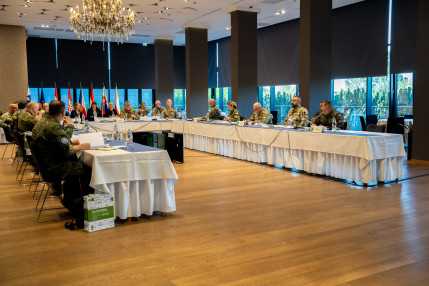
The other key topic of the meeting was military mobility. The participants reviewed the conditions necessary for the rapid and efficient movement of military forces. They noted that, for a country to ensure the safe and unhindered passage of military convoys moving through its area, it is important to have adequate transport infrastructure, to coordinate border-crossing and transit procedures, and to provide logistical and host nation support.
They also agreed that military mobility extends beyond the duties of the armed forces. Therefore, in addition to military capabilities, adequate civil transport, energy, healthcare and communications infrastructure is also required. Host nation support must cover a wide range of areas, from the arrival and transit of allied forces, through their accommodation and operations, to their sustainment.
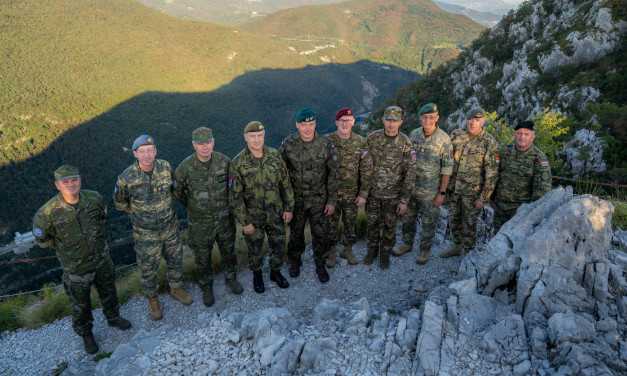
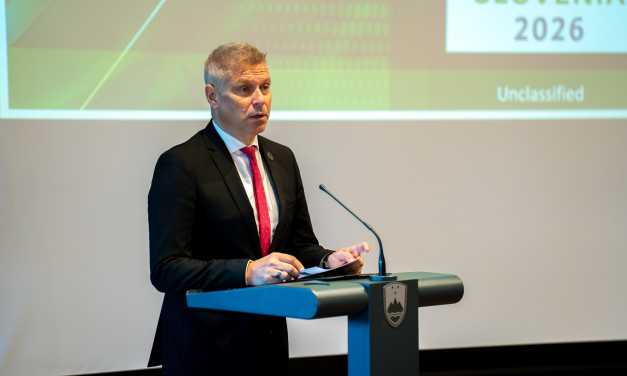
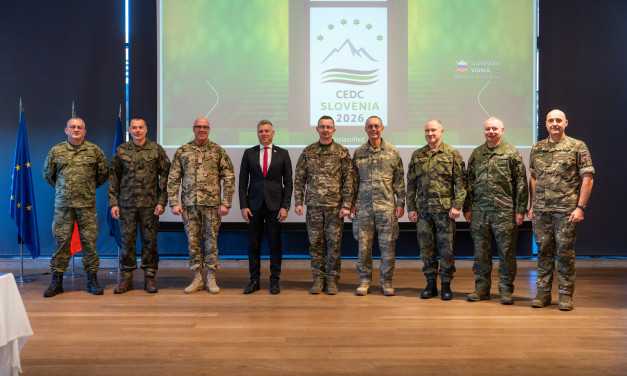
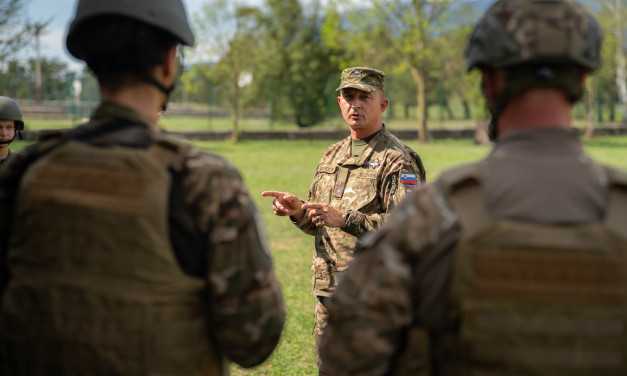
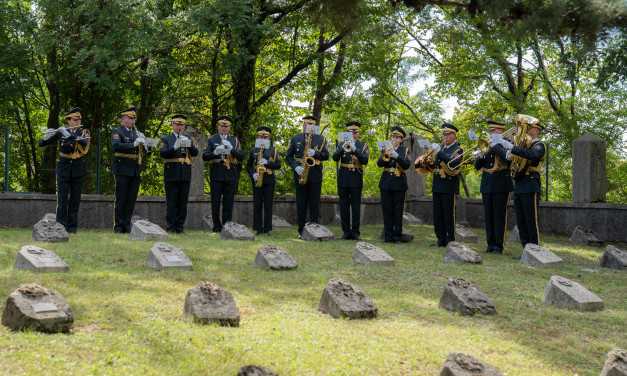
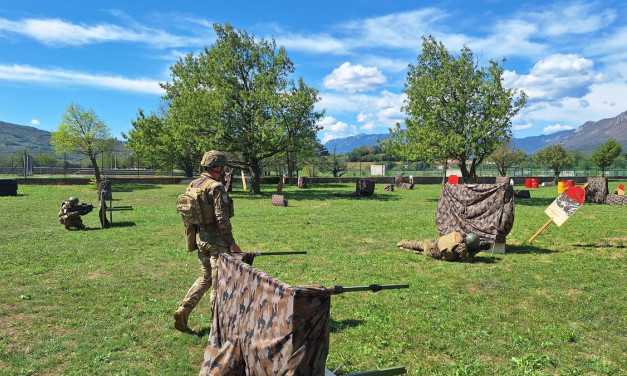
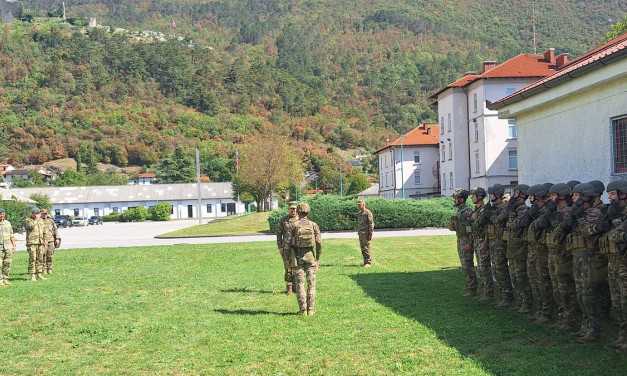
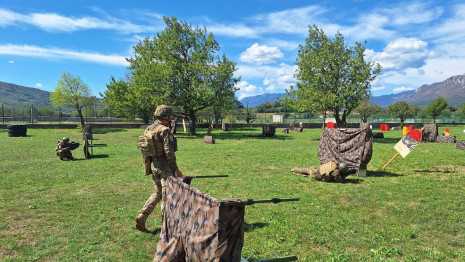
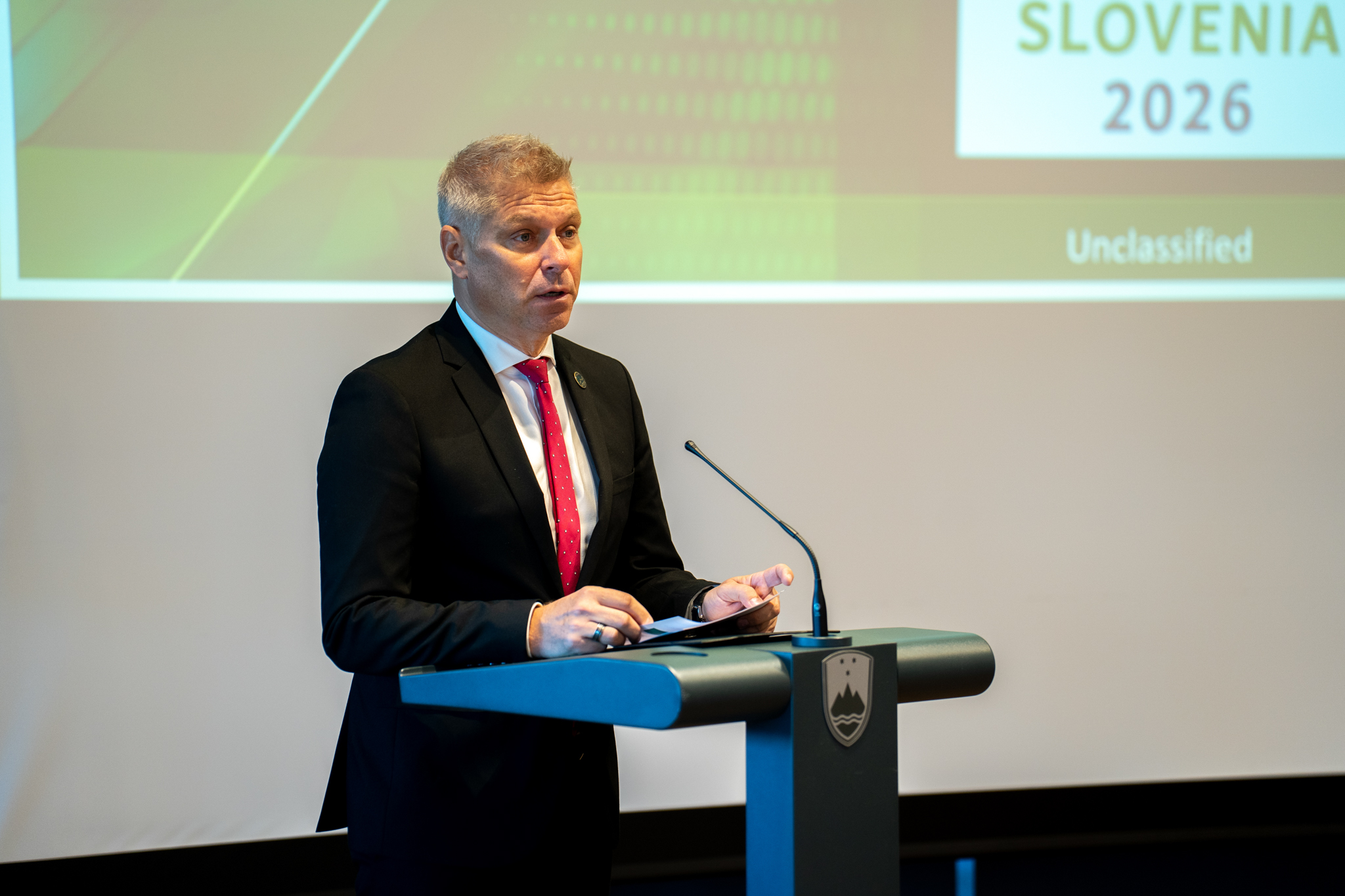
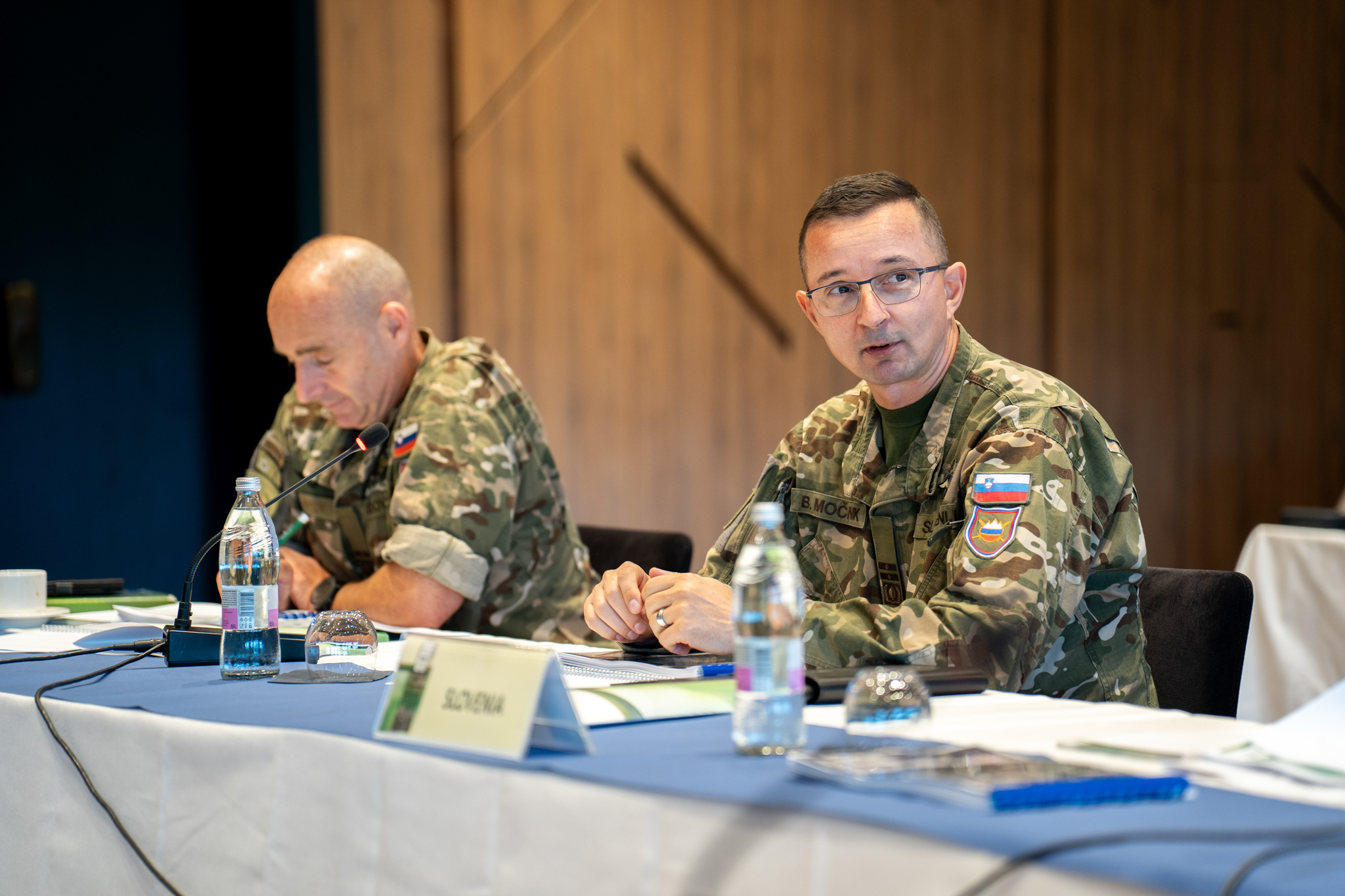
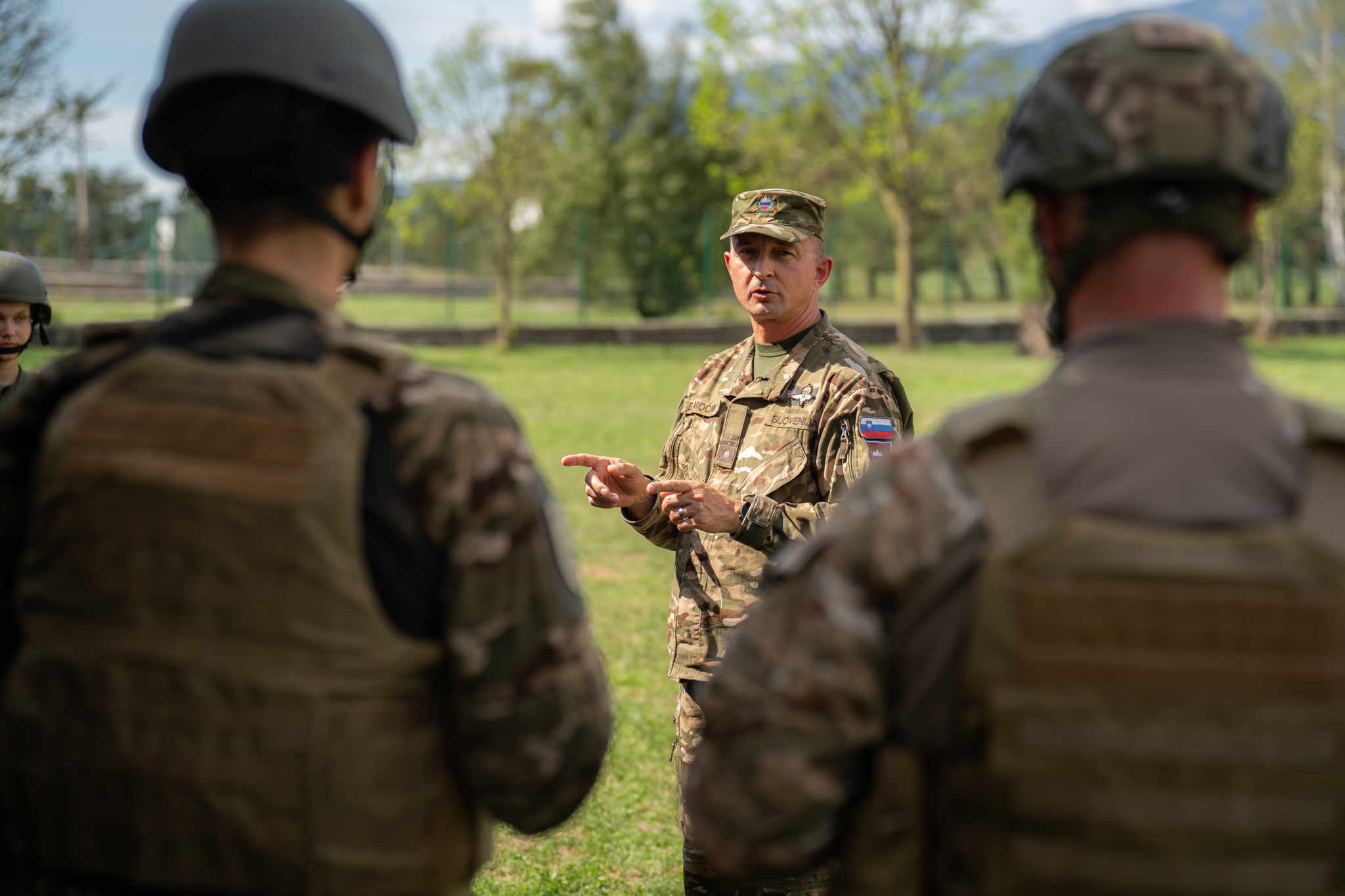
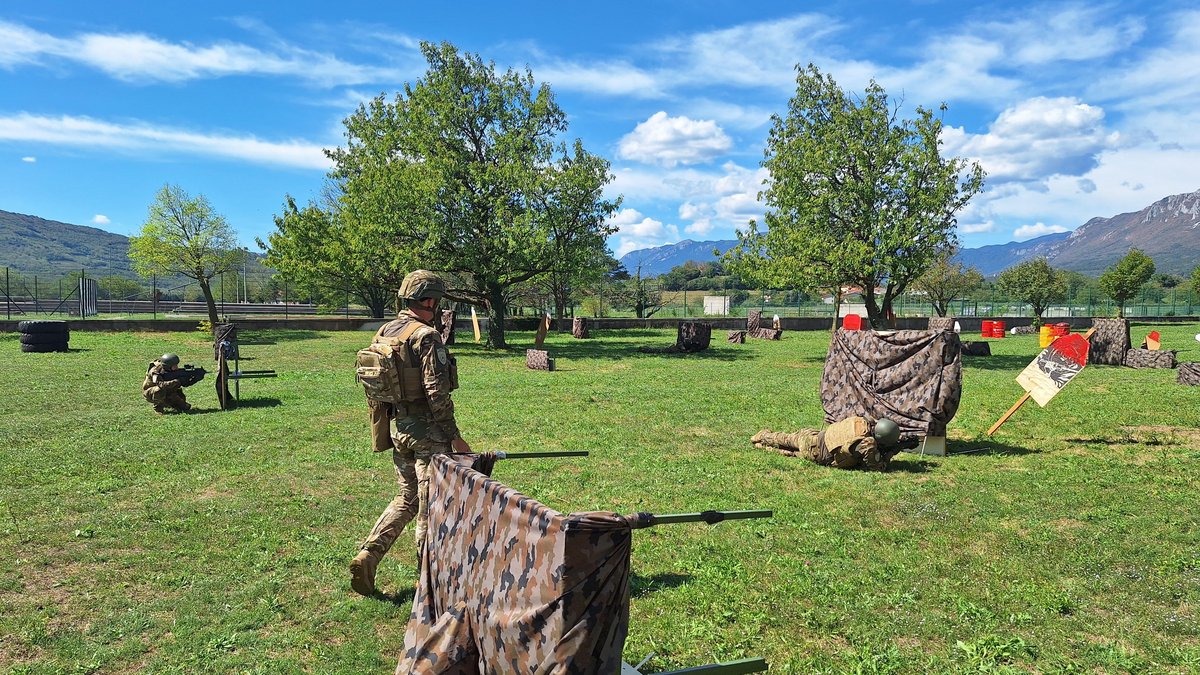
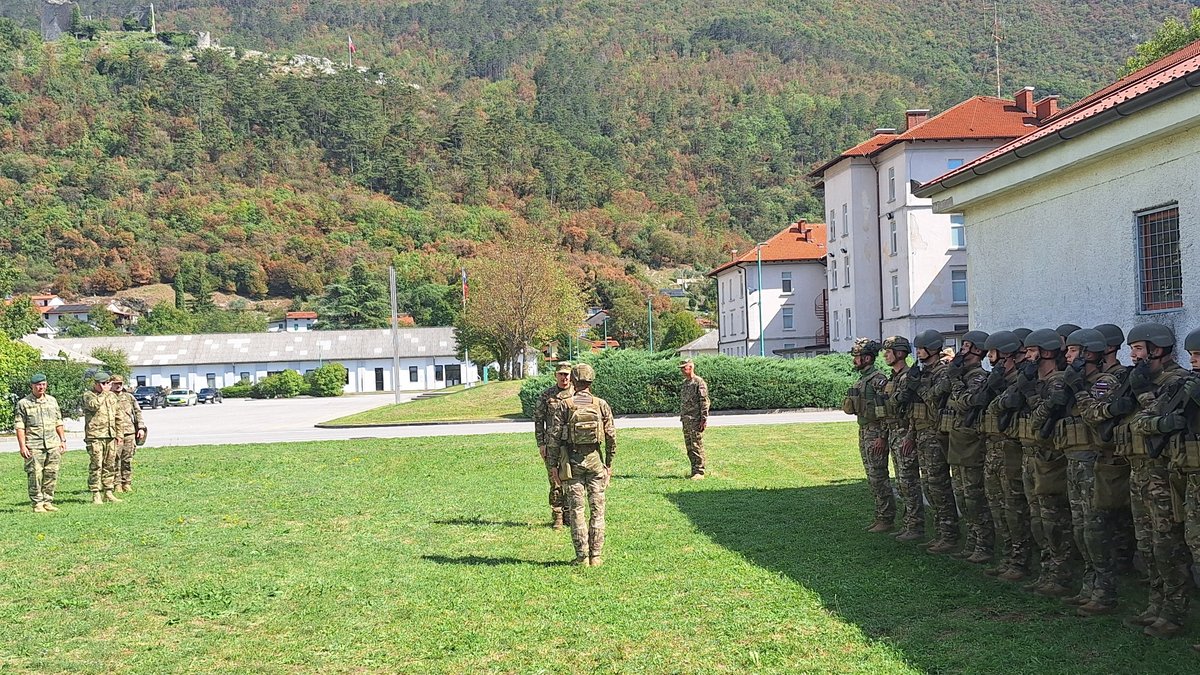
The guests, who have been invited by Major General Boštjan Močnik, Chief of the Slovenian General Staff, were welcomed by Slovenian Defence Minister Valentin Hajdinjak at the conference held at Postojna. Following the two panel discussions on Wednesday, the military leaders visited the training center at Vipava, where they observed the basic military training of recruits.
The Central European Defence Cooperation was established in 2010 on the initiative of Austria and Hungary. The members of this regional cooperation are Austria, Croatia, the Czech Republic, Hungary, Slovakia and Slovenia, while Poland participates as an observer. The CEDC provides a forum for discussing common security and defence challenges, coordinating regional interests, and strengthening cooperation and interoperability between the armed forces.
Slovenia holds the rotating presidency of the CEDC in 2026. The motto of this year’s presidency – “From Policy to Practice – Building a Stronger Central Europe” – emphasizes practical military cooperation, capability development and the strengthening of regional interoperability, alongside political dialogue.
202609_CEDC_vezérkarfőnöki találkozó_Szlovénia (11)
202609_CEDC_vezérkarfőnöki találkozó_Szlovénia (1)
202609_CEDC_vezérkarfőnöki találkozó_Szlovénia (2)
202609_CEDC_vezérkarfőnöki találkozó_Szlovénia (3)
202609_CEDC_vezérkarfőnöki találkozó_Szlovénia (4)
202609_CEDC_vezérkarfőnöki találkozó_Szlovénia (5)
202609_CEDC_vezérkarfőnöki találkozó_Szlovénia (6)
202609_CEDC_vezérkarfőnöki találkozó_Szlovénia (7)
202609_CEDC_vezérkarfőnöki találkozó_Szlovénia (8)
202609_CEDC_vezérkarfőnöki találkozó_Szlovénia (9)
202609_CEDC_vezérkarfőnöki találkozó_Szlovénia (10)
202609_CEDC_vezérkarfőnöki találkozó_Szlovénia (12)
202609_CEDC_vezérkarfőnöki találkozó_Szlovénia (13)
202609_CEDC_vezérkarfőnöki találkozó_Szlovénia (14)