There is only one language under the water
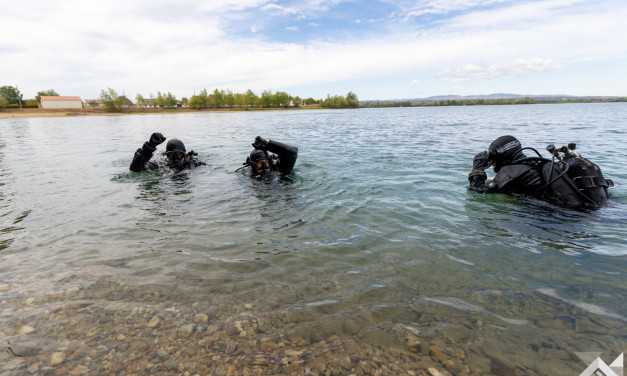
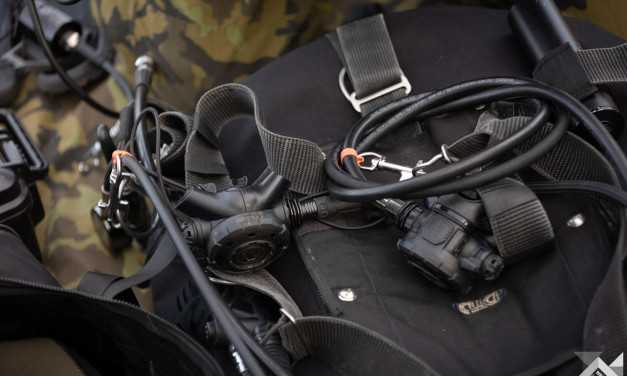
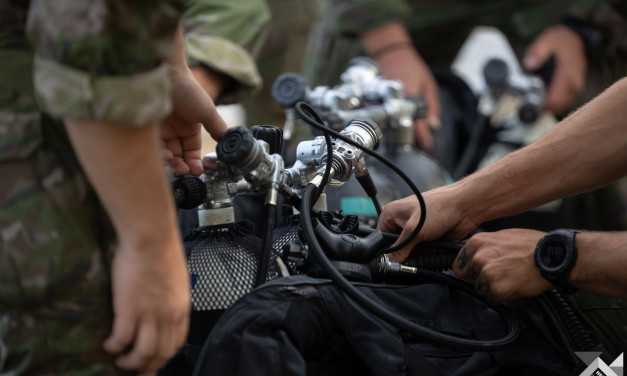
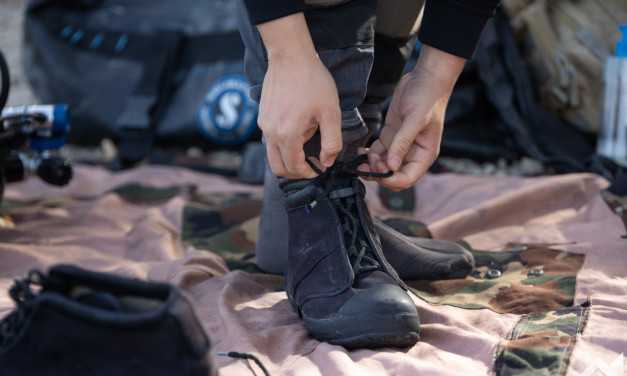
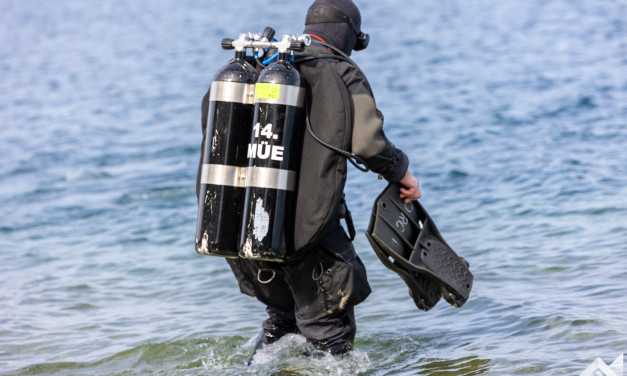
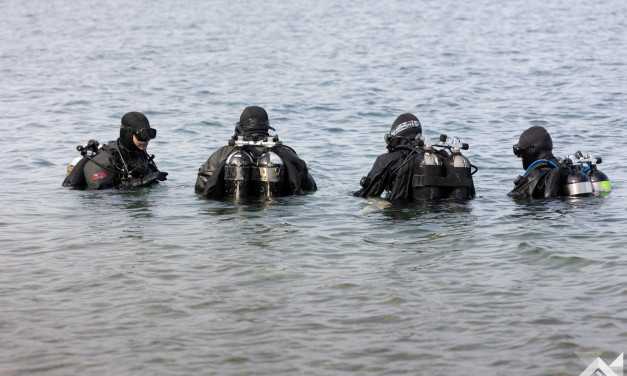
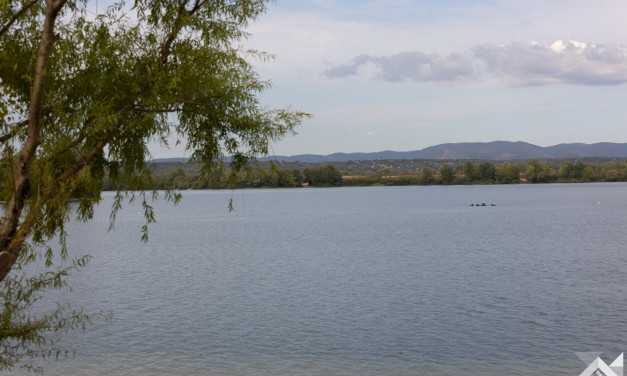
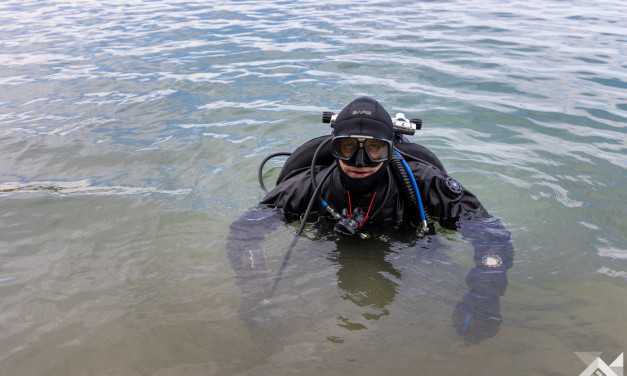
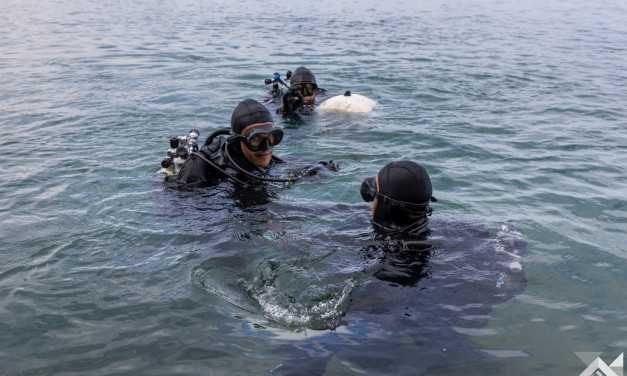
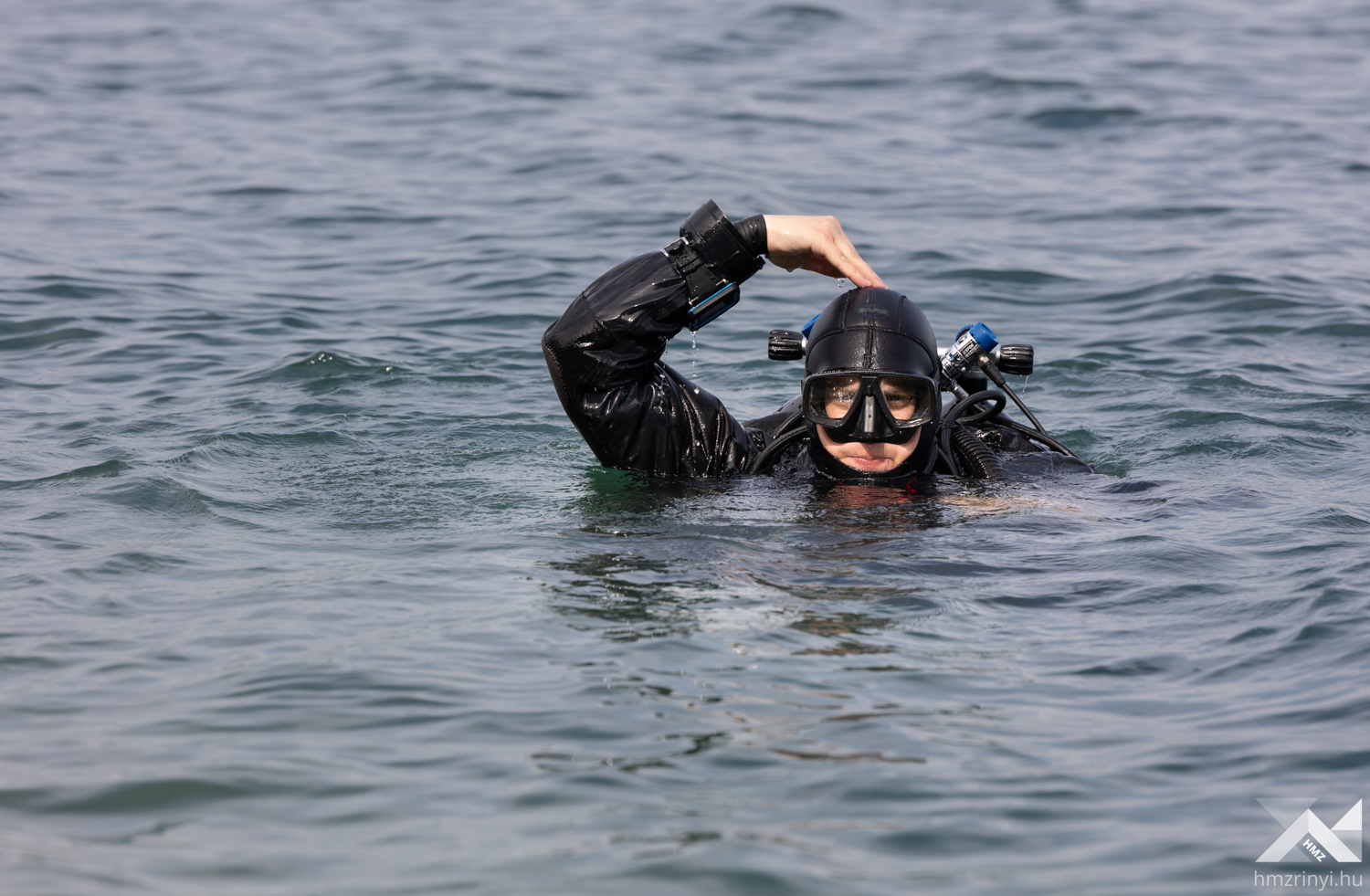
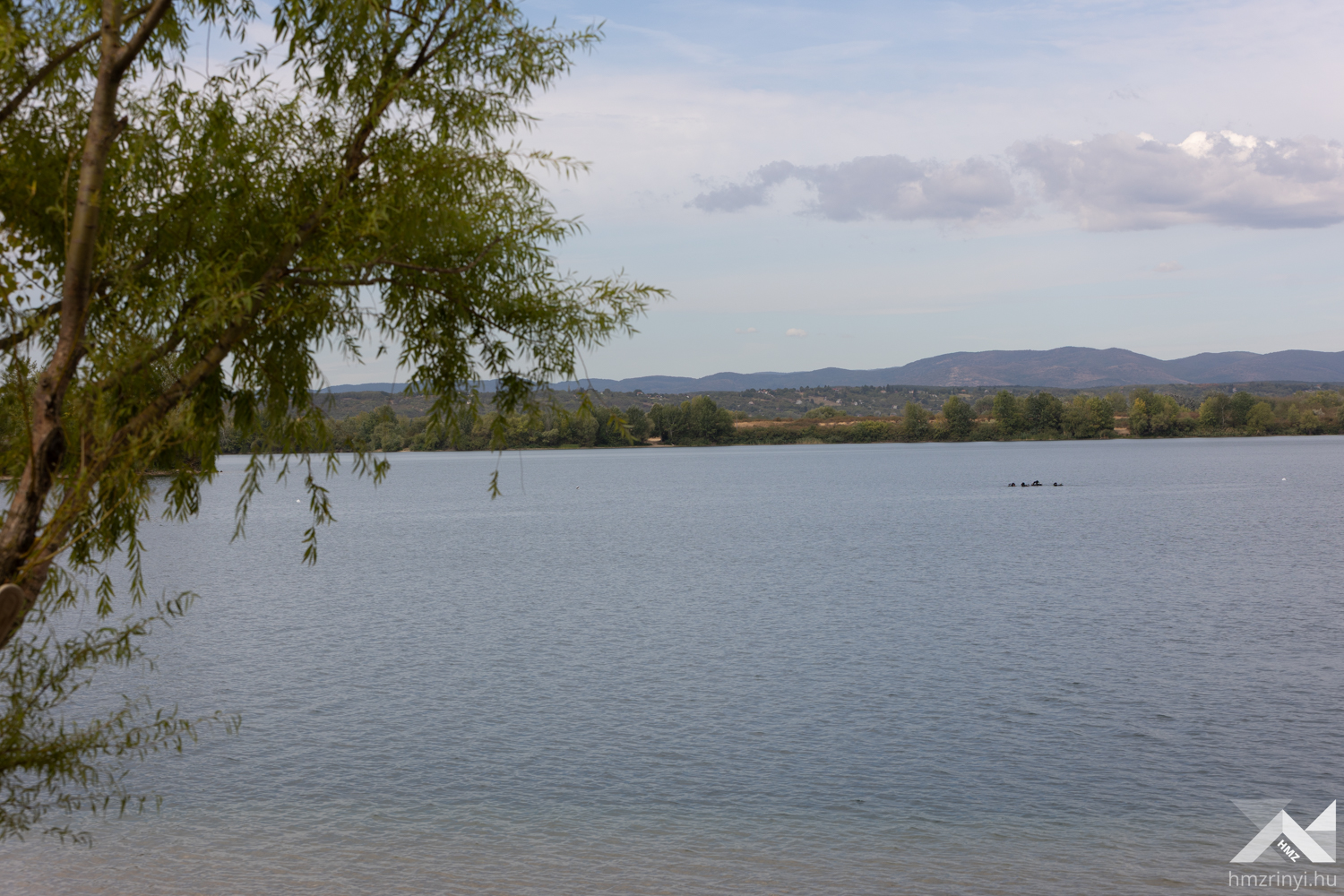
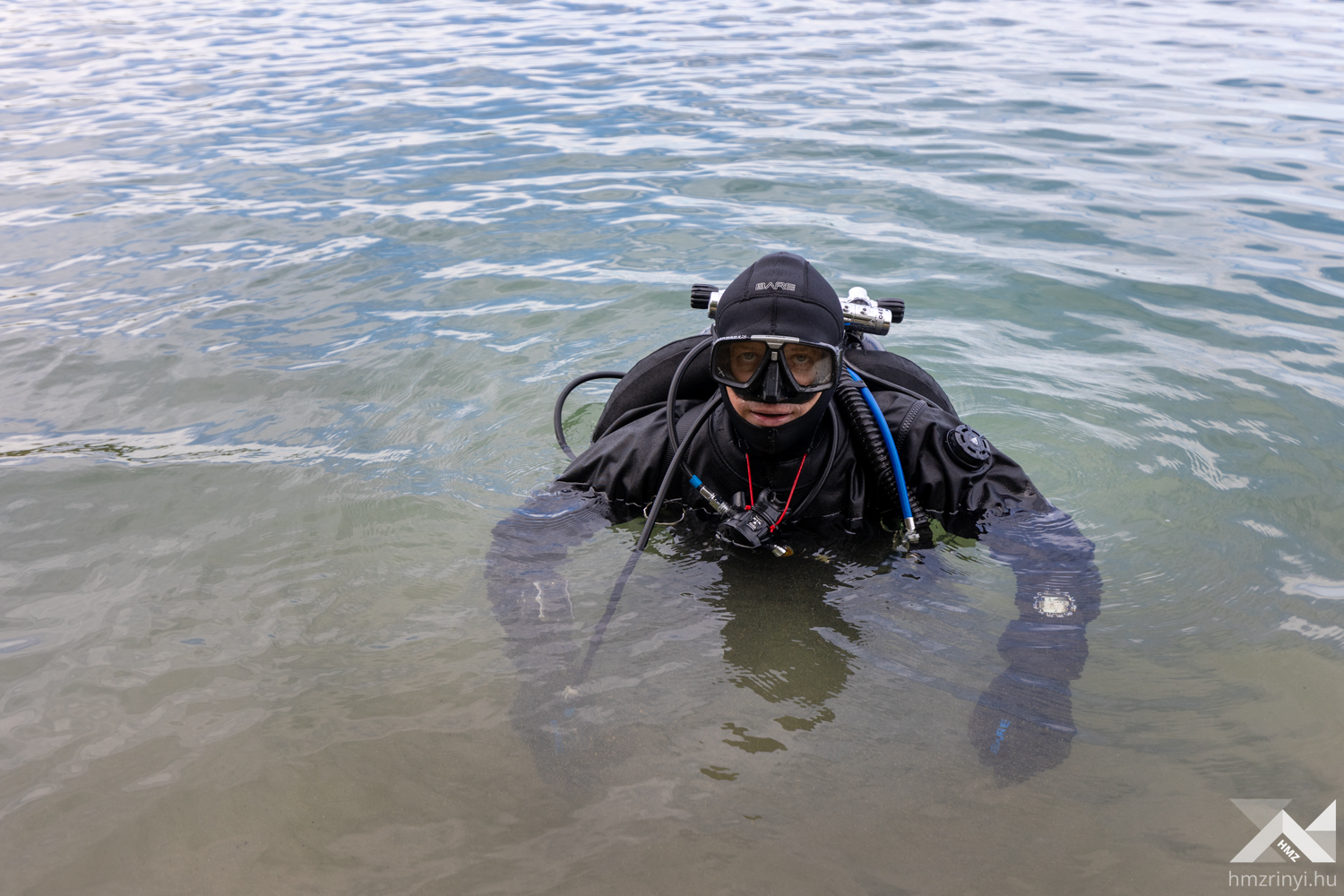
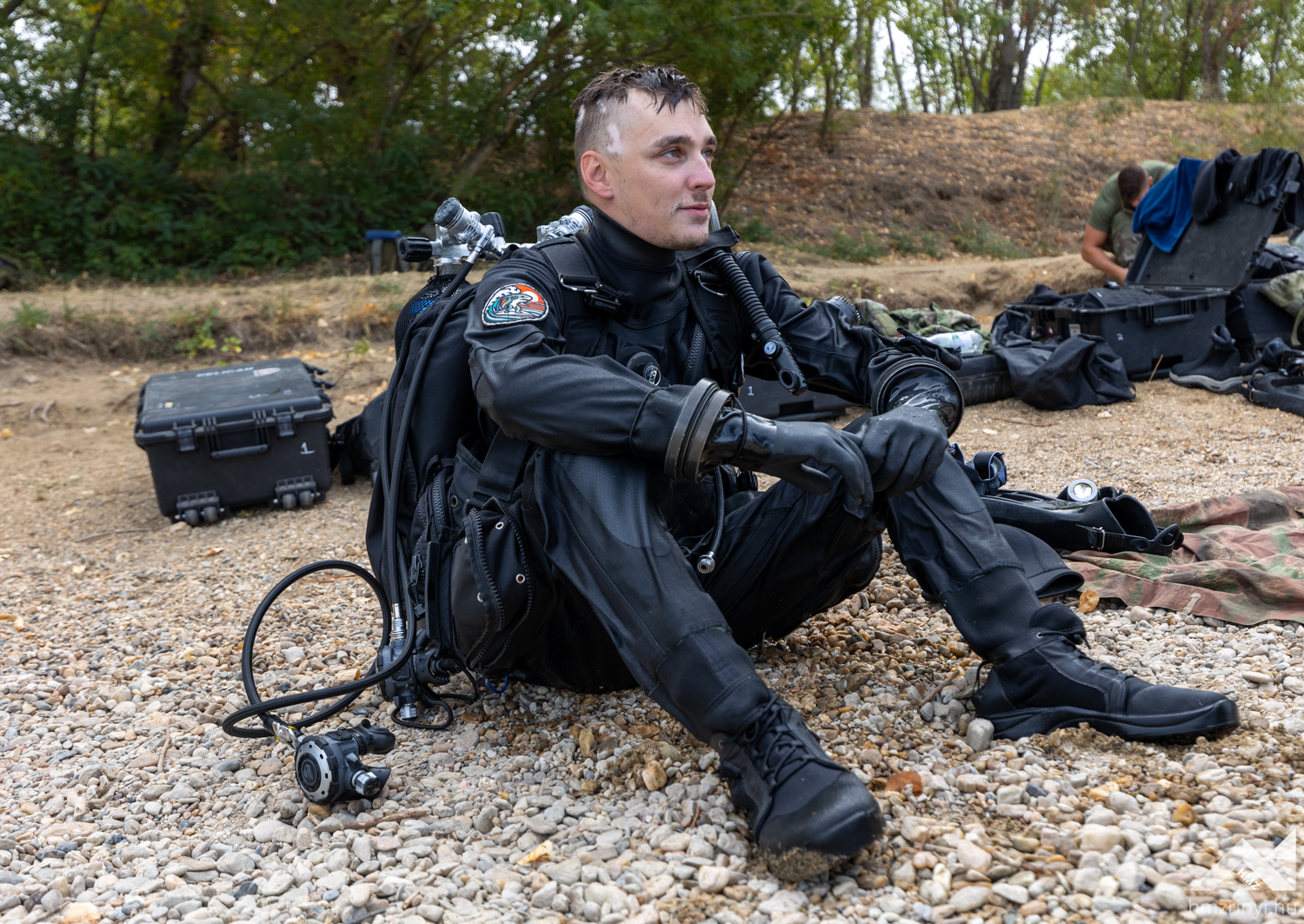
Text: Bettina Sin | Photo: Zsuzsa Szűcs-Horváth | 12:35 September 7, 2026Deep-water diving equipment, orientation tasks, mental math, day and night dives await Hungarian, Czech and Slovak military divers during the one-week Exercise Open Water organized at the Nyéki Lakes in Hungary. In the middle of the week, the participants put their professional knowledge to the test by making decompression dives in Debreczeni Lake.
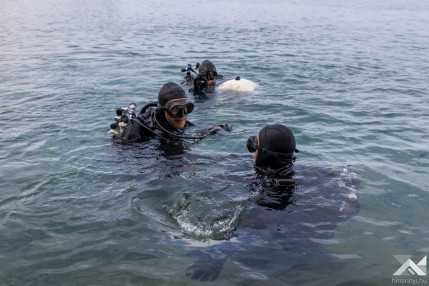
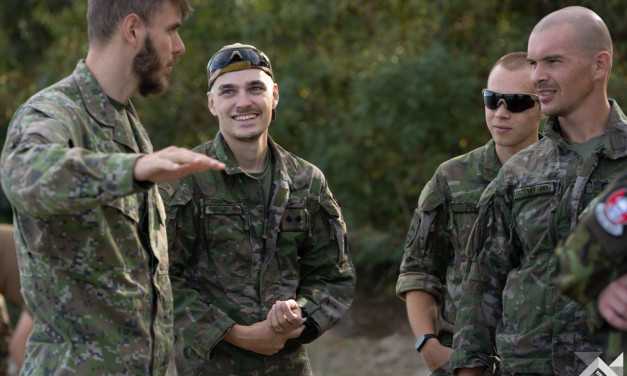
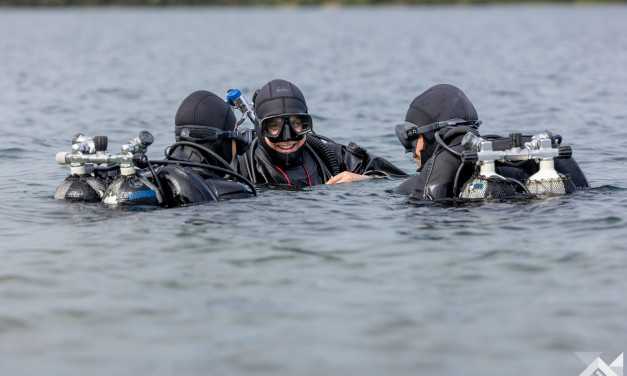
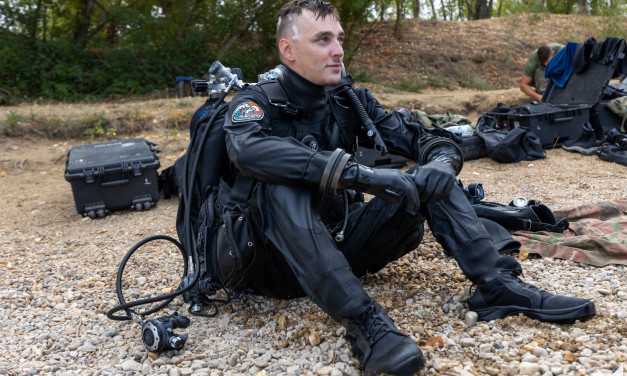
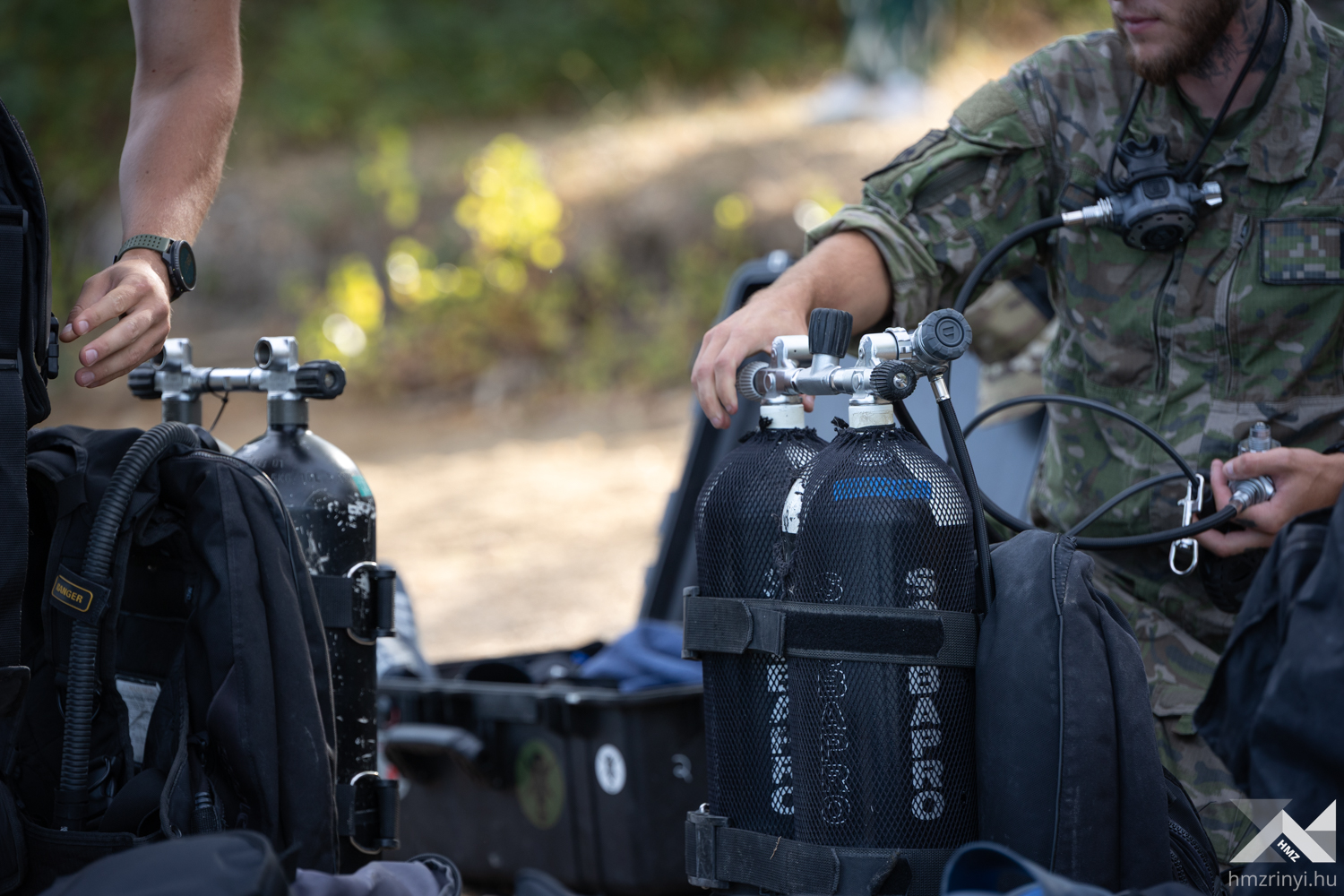
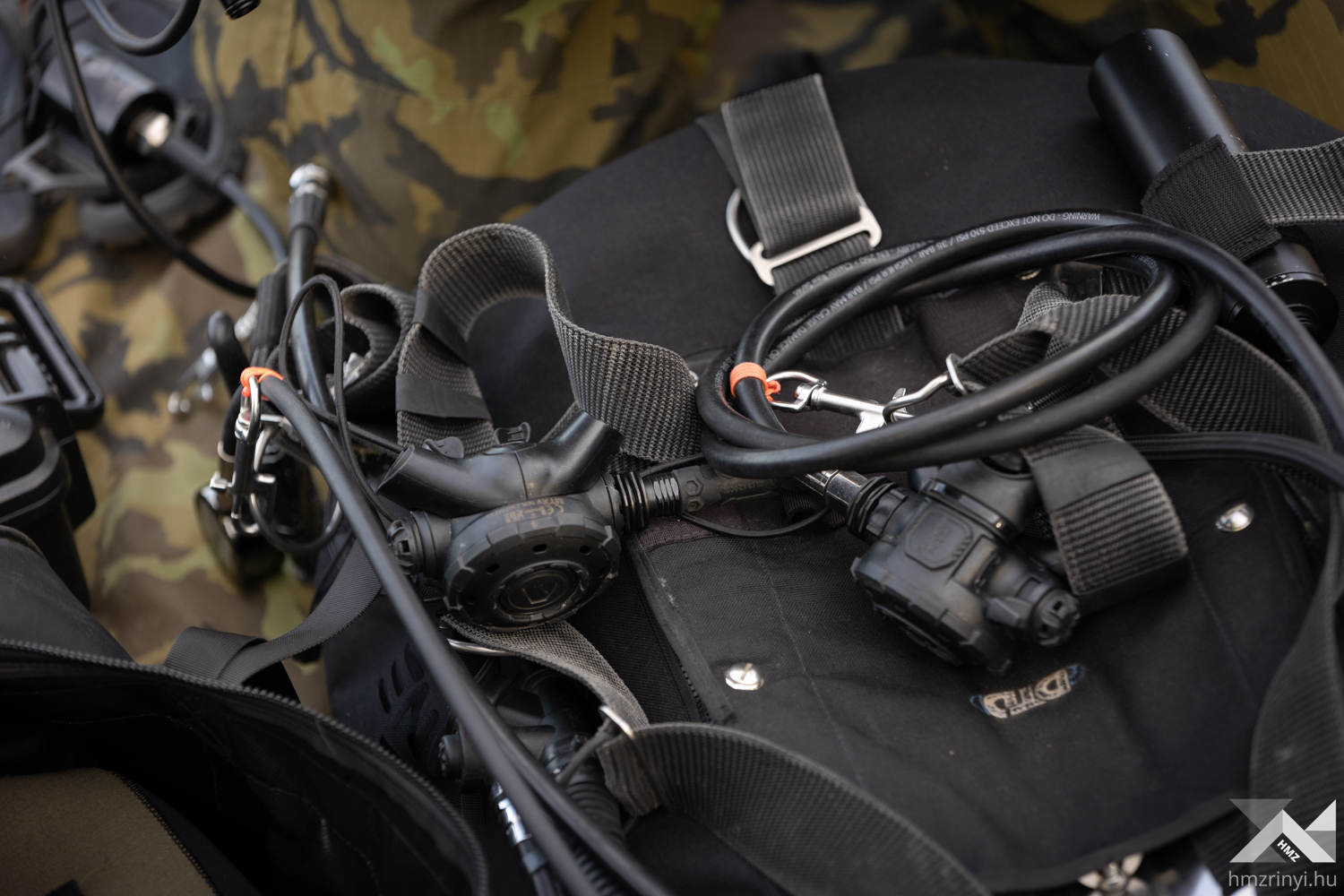
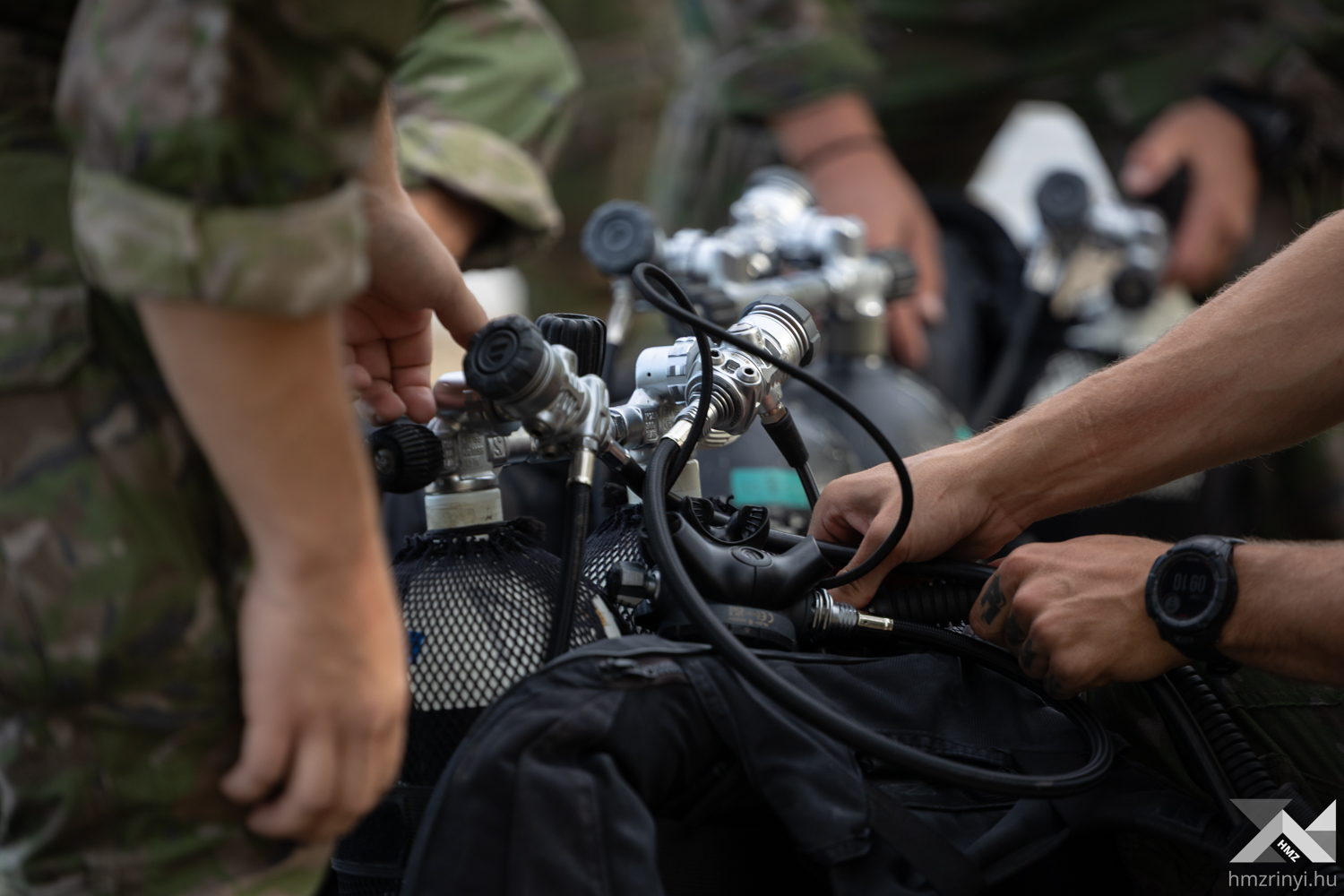
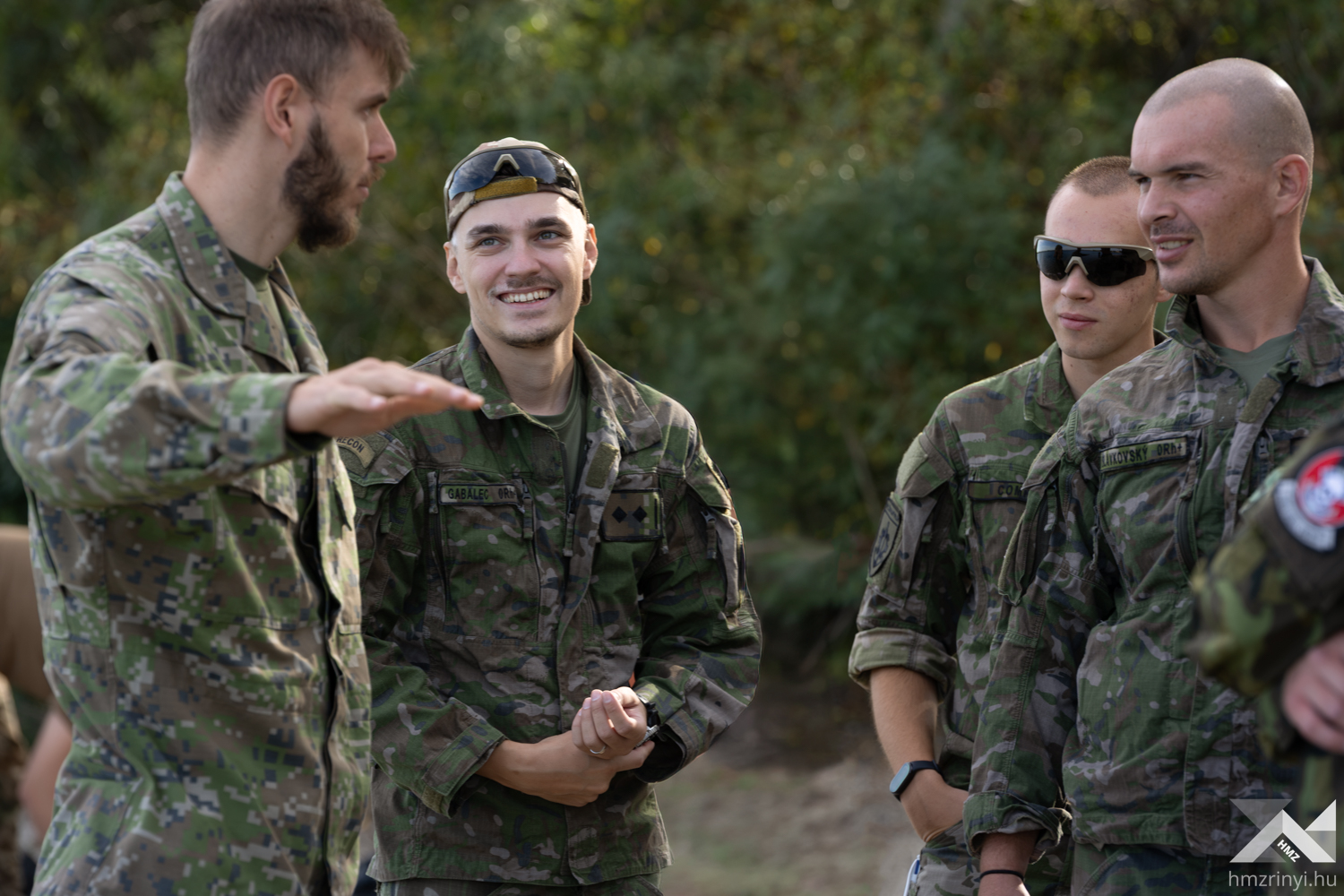
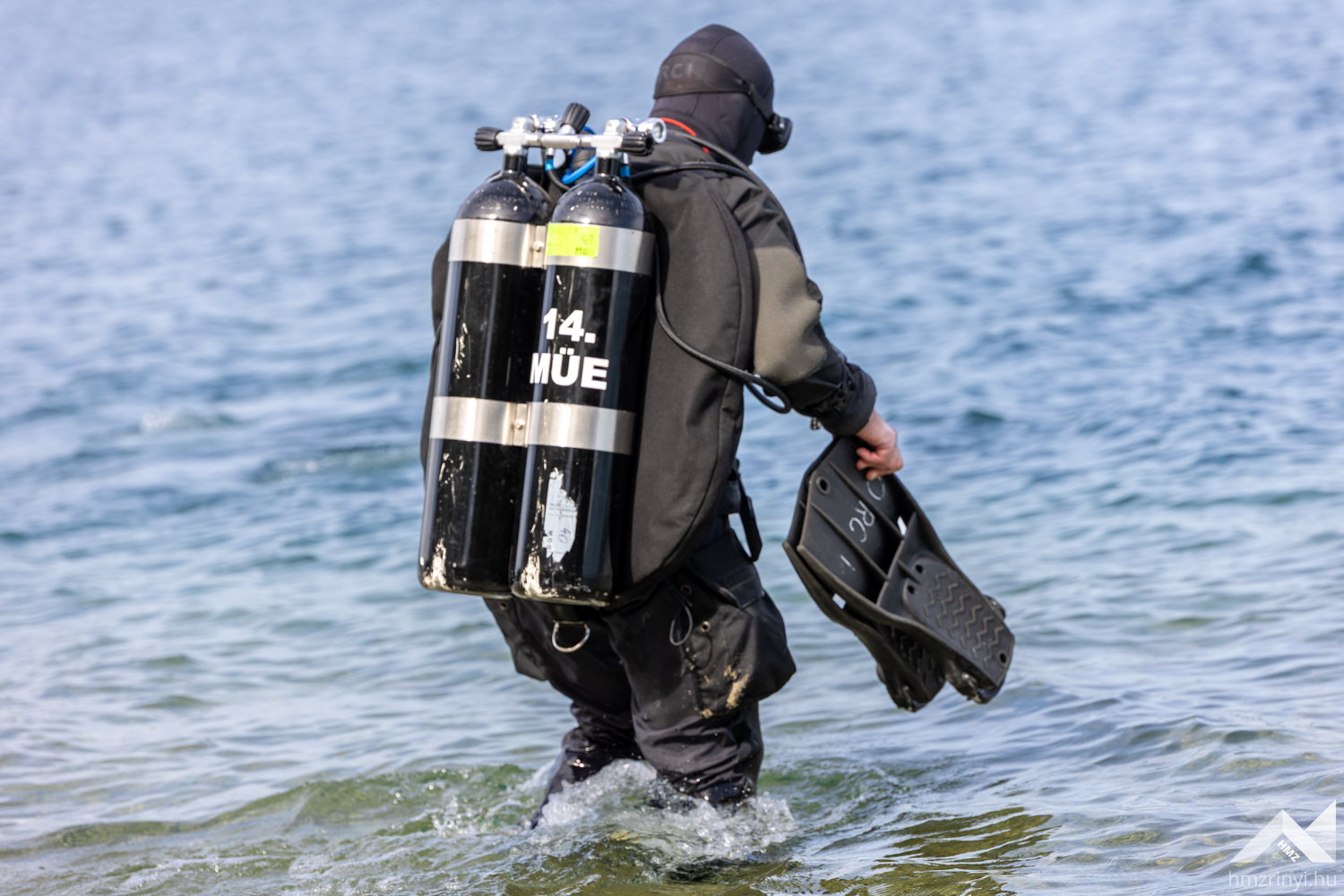
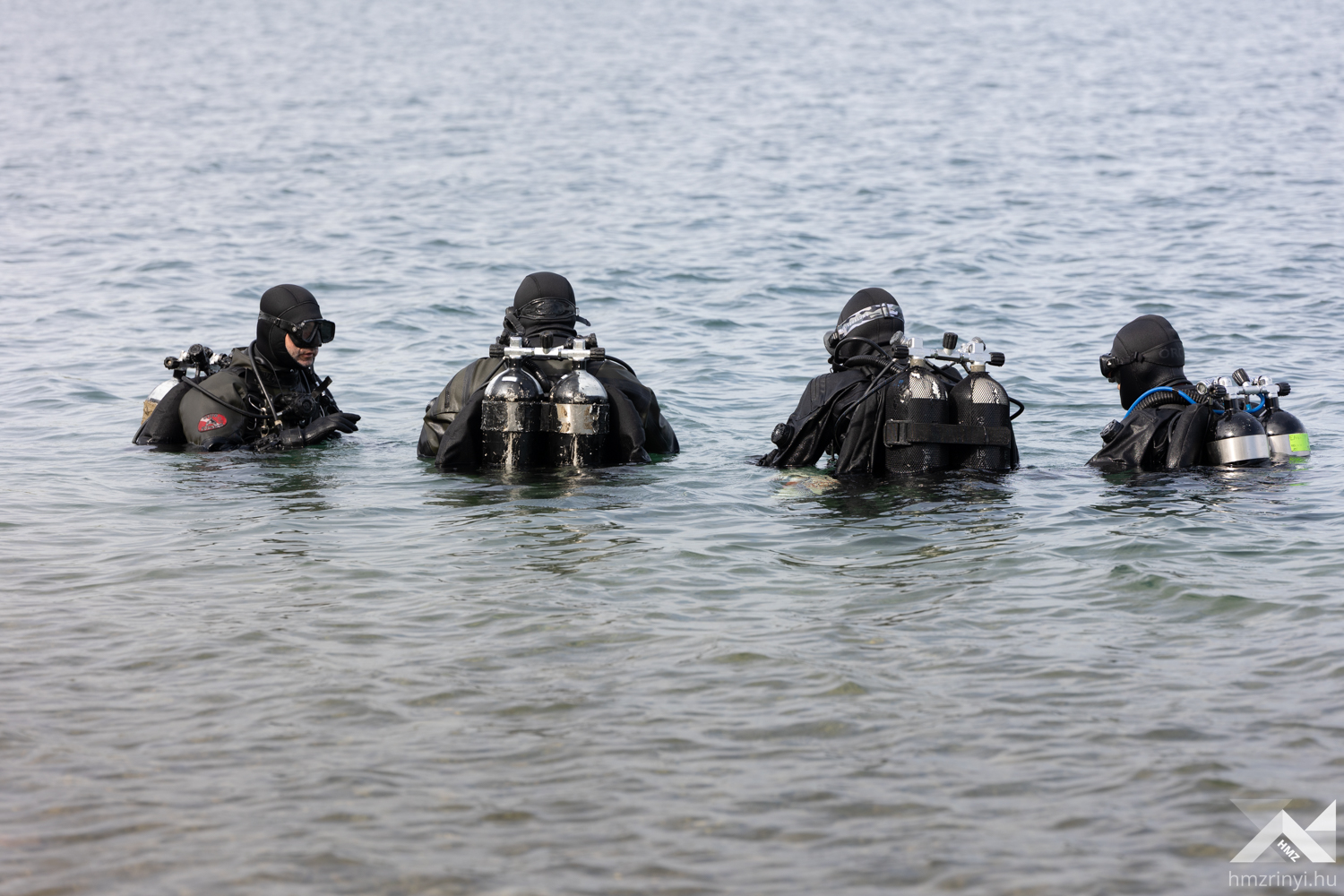
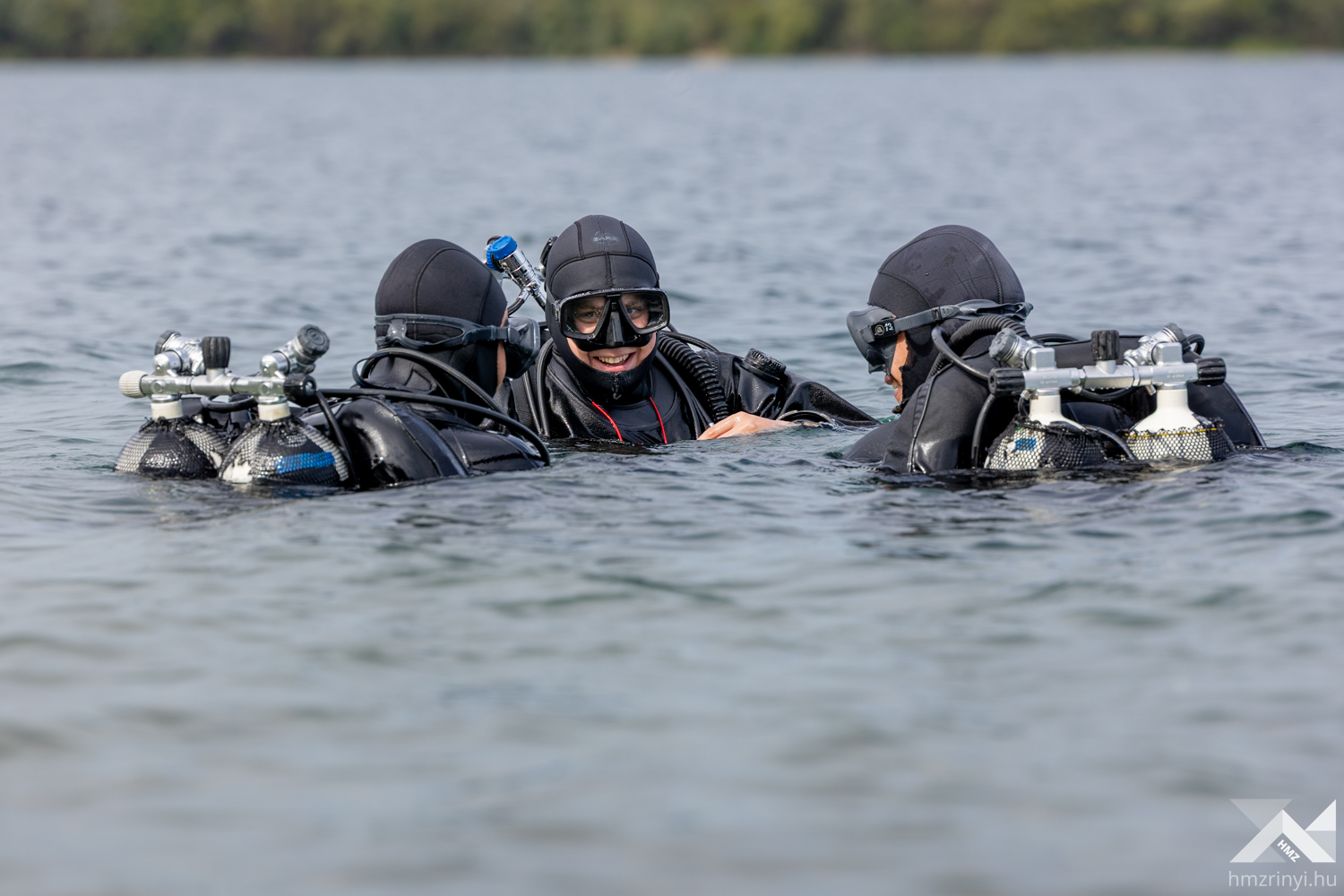
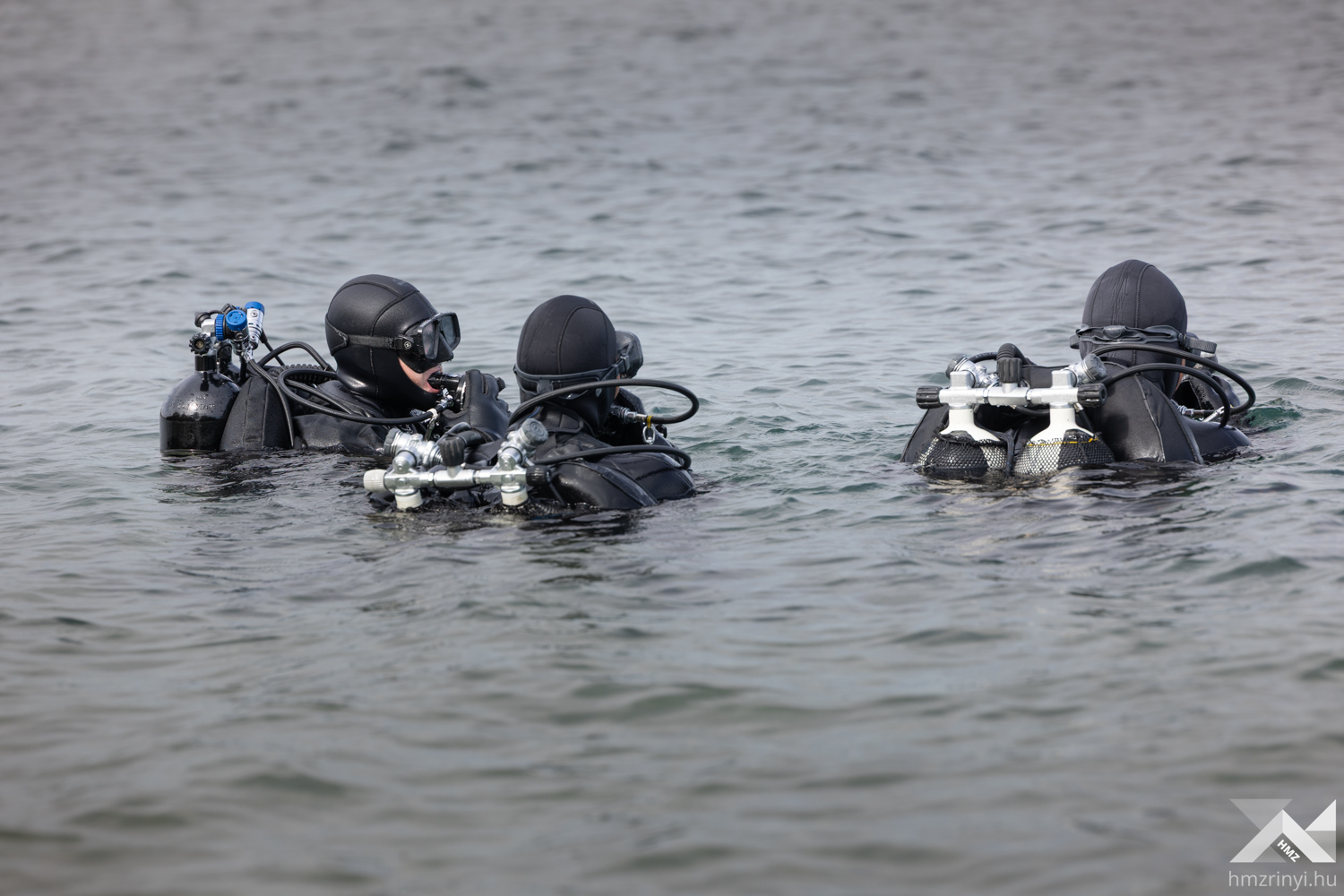
The designated personnel of the HDF 37th Ferenc Rákóczi II Engineer Regiment and the HDF Special Operations Command are participating in Exercise Open Water together with designated divers of the 15th Engineer Regiment of the Czech Armed Forces and the 91st Engineer Regiment of the Slovak Armed Forces.
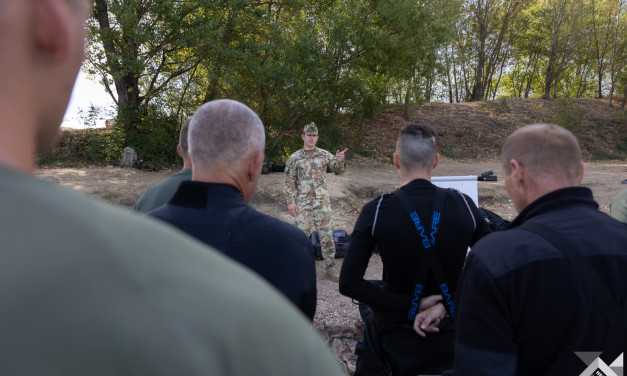
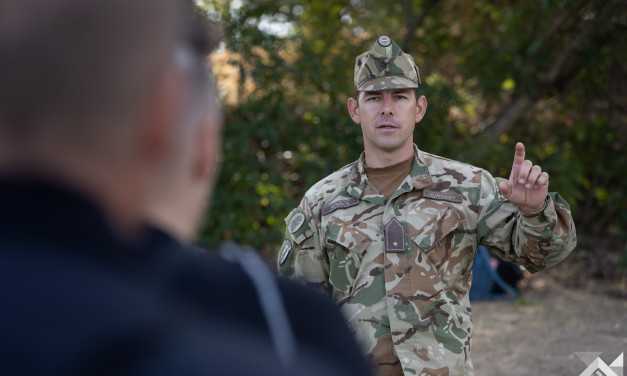
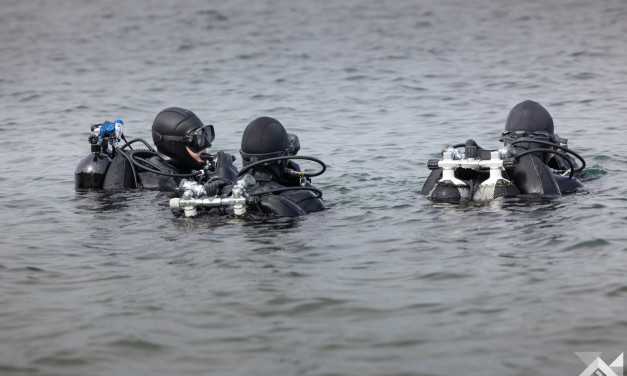
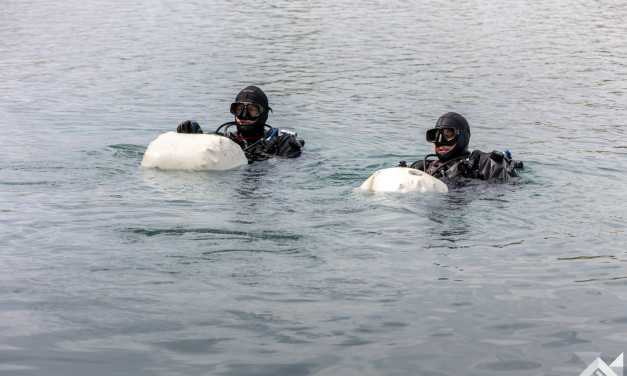
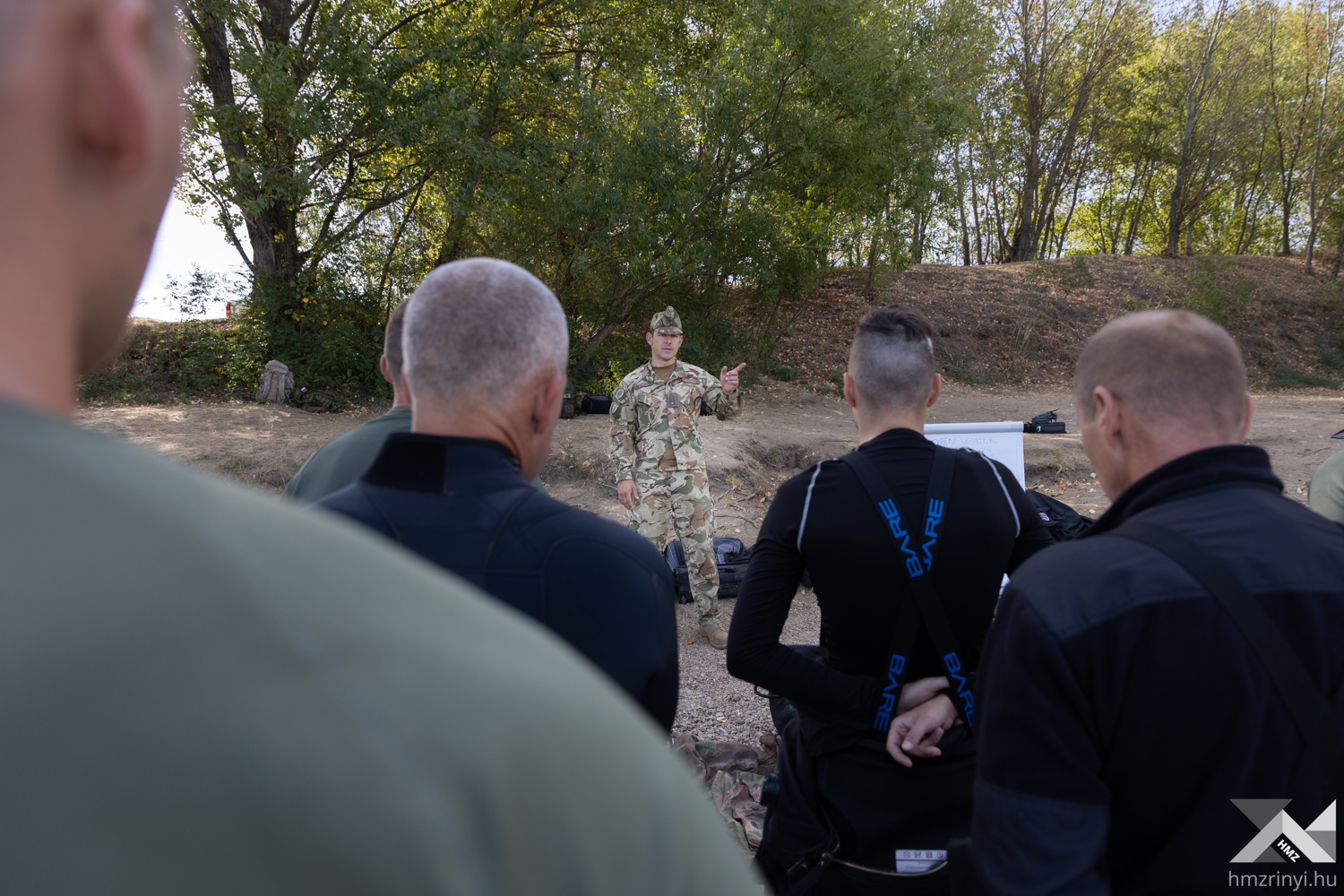
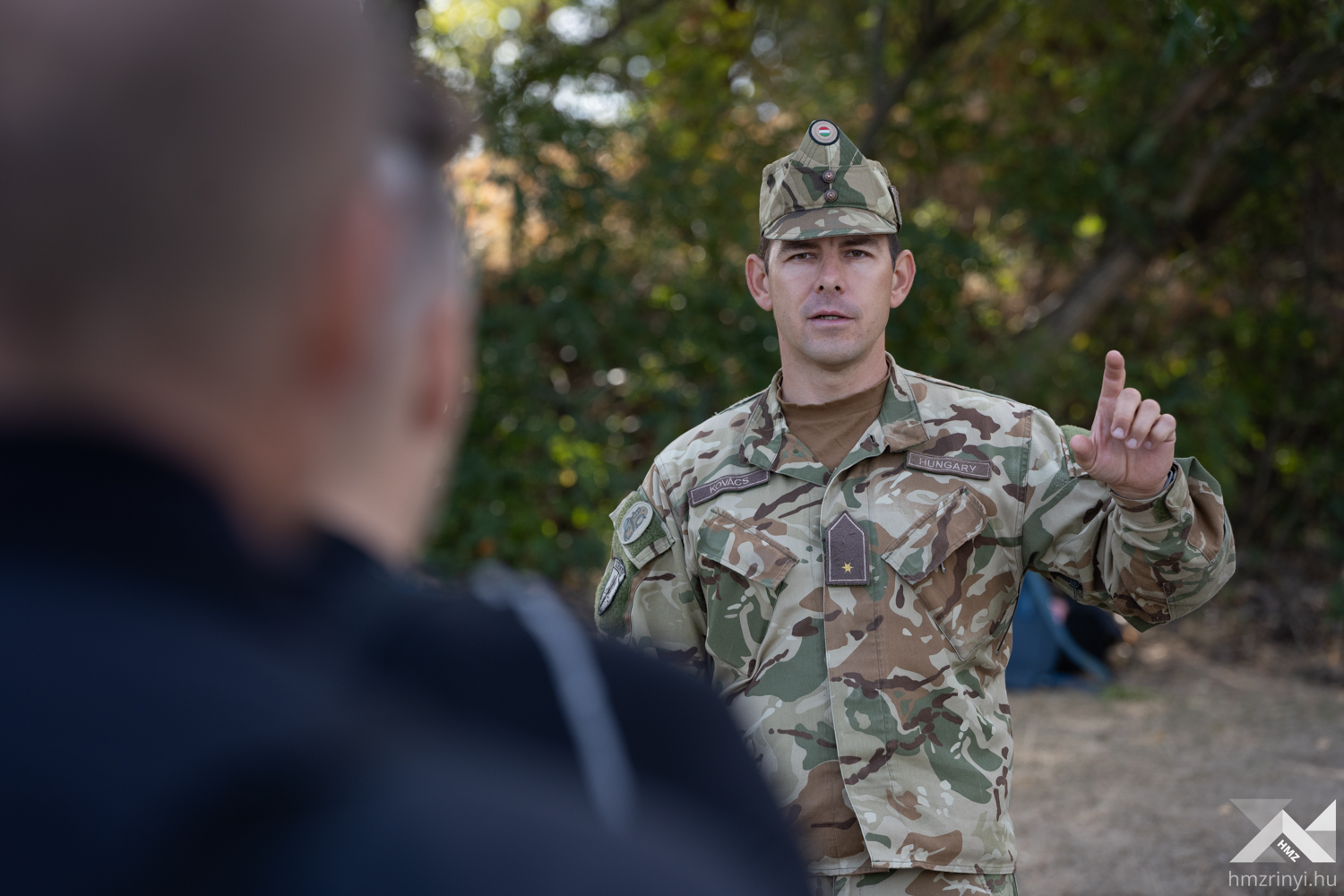
“Today, the divers first set out to find a buoy where they will be tasked with solving a math problem. The solution provides them with the next direction and distance. At the next point, they will receive another task, solving which gives them again the data necessary for going further. Orientation is to take place in a depth of about five meters, while the divers must pay attention not only to keeping direction but also to continuous cooperation and keeping the adequate depth” – explained Platoon Leader Lieutenant Richárd János Kovács.
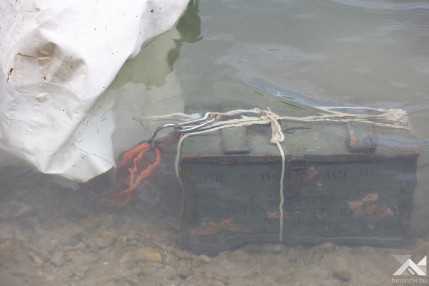
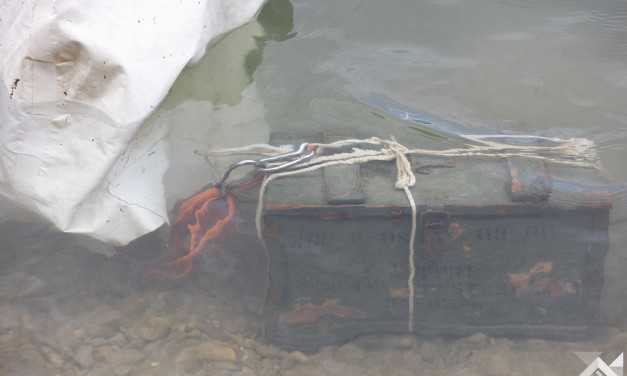
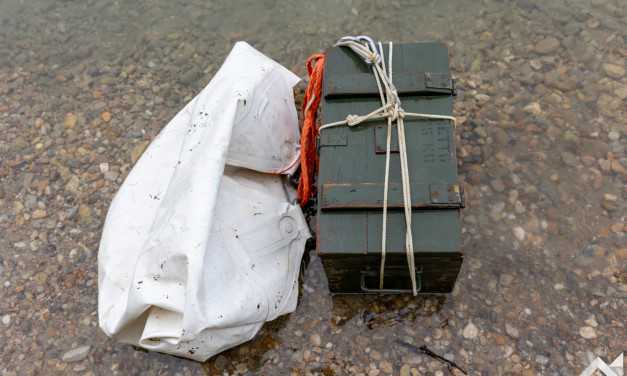
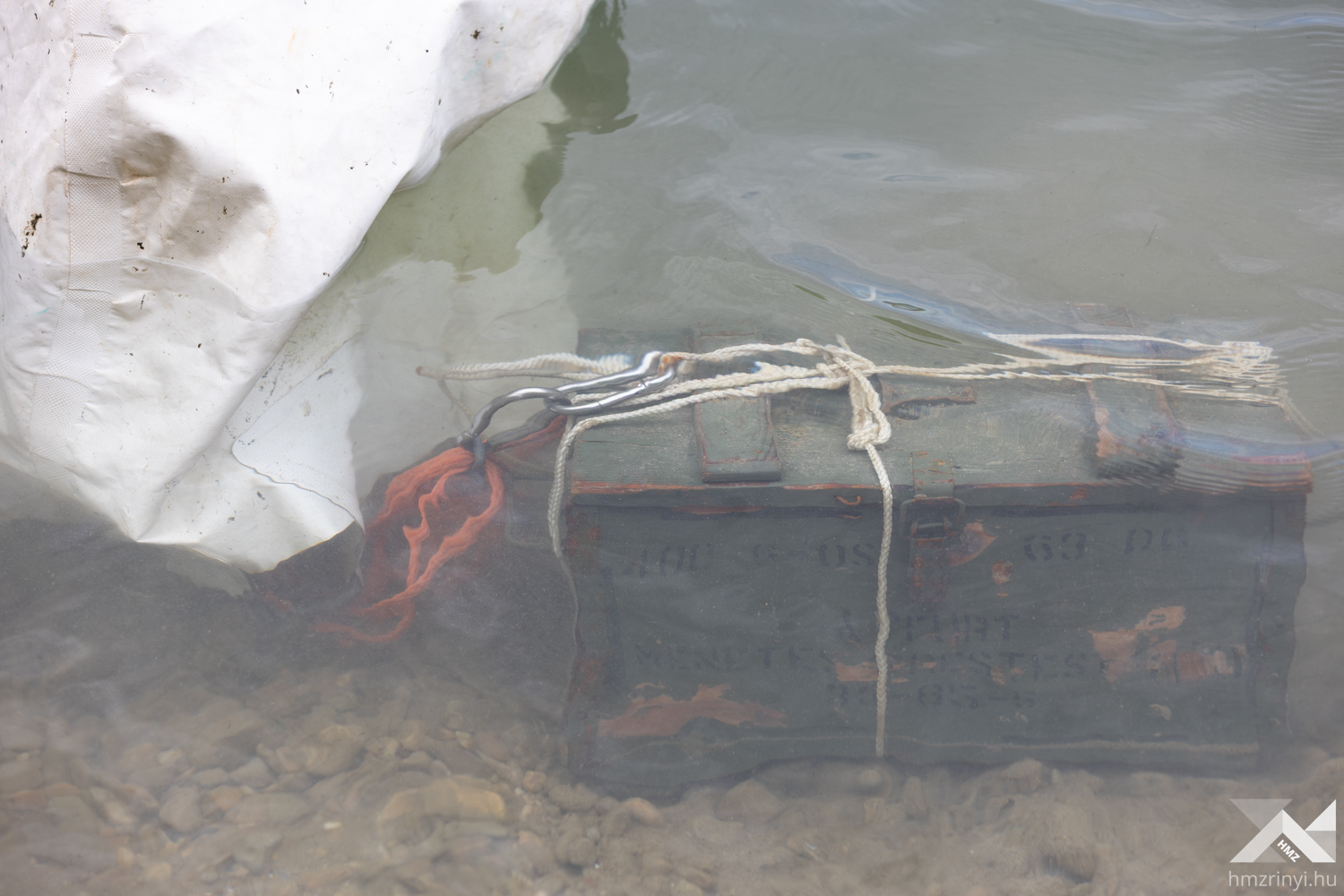
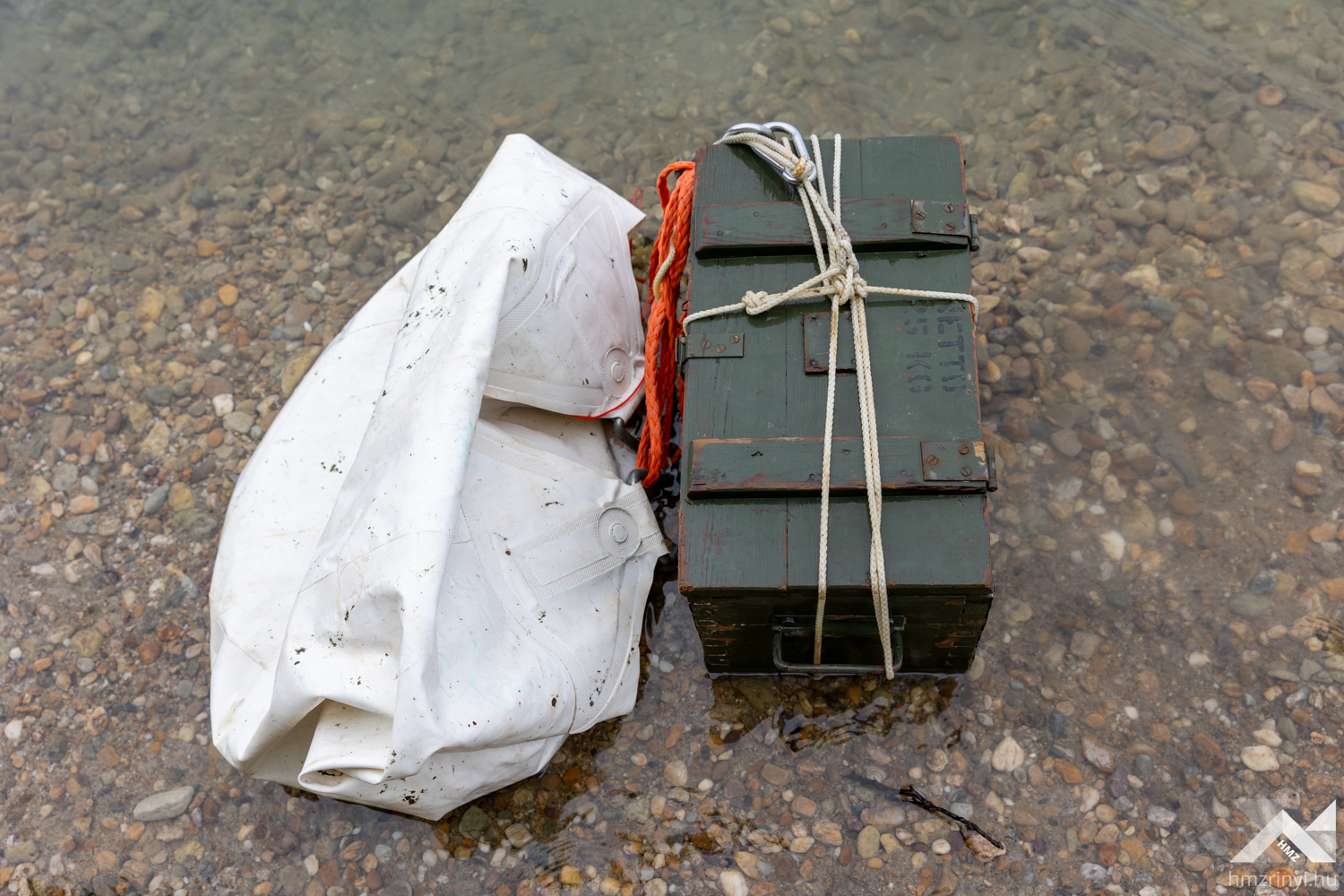
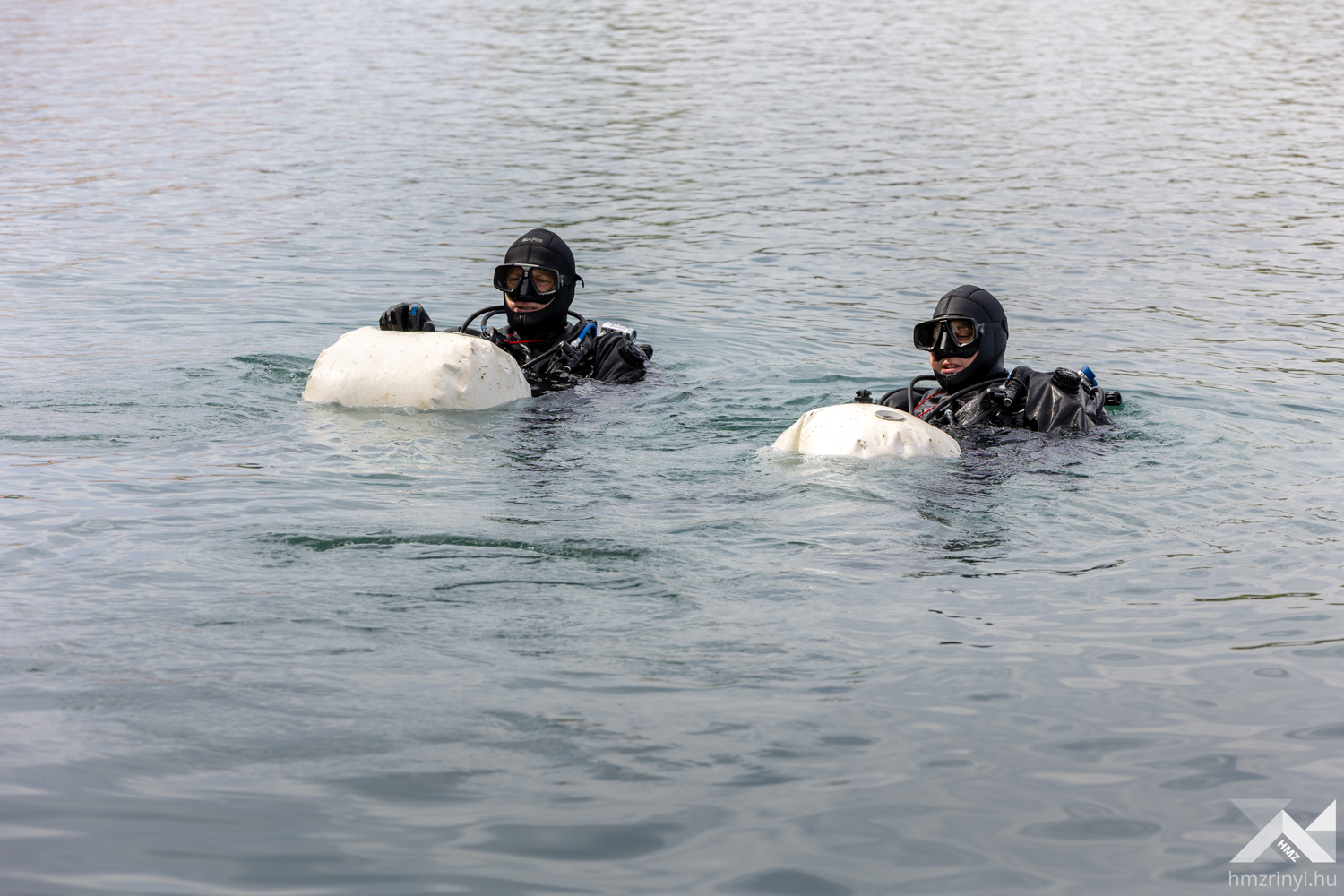
“In what follows, they are tasked with brining to the surface a number of gravel-filled wooden boxes from a depth of 10 meters with the help of a lifting bag. The objective of the exercise is to make sure that the divers precisely keep to the specified depth levels and properly execute the necessary decompression procedures” – told us the officer of the HDF 37th Ferenc Rákóczi II Engineer Regiment.
And what does decompression mean? During descent, nitrogen builds up in the human body due to increased pressure. As the diver is ascending towards the surface, the accumulated nitrogen must be released from the body in parallel with the pressure decrease. If their ascent is too quick, the dissolved nitrogen begins to bubble, which may lead to decompression sickness (bends, caisson disease). That is why it is so important for them to make decompression stops at specified depths for specified periods. This also means that the divers must continuously control their own depth and position as well.
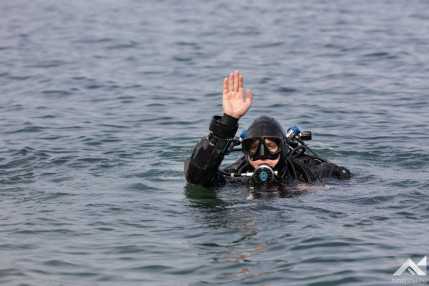
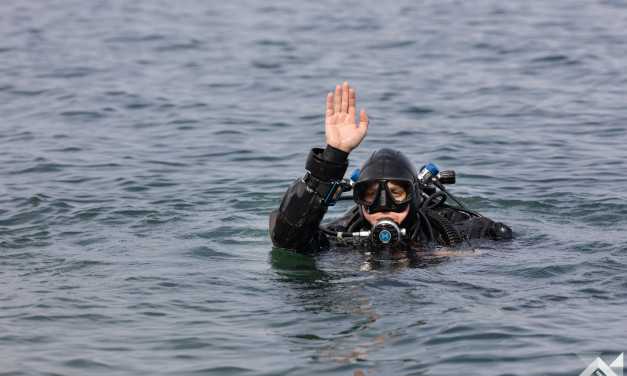
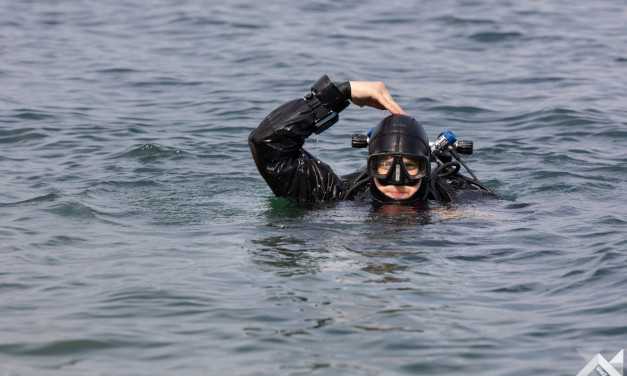
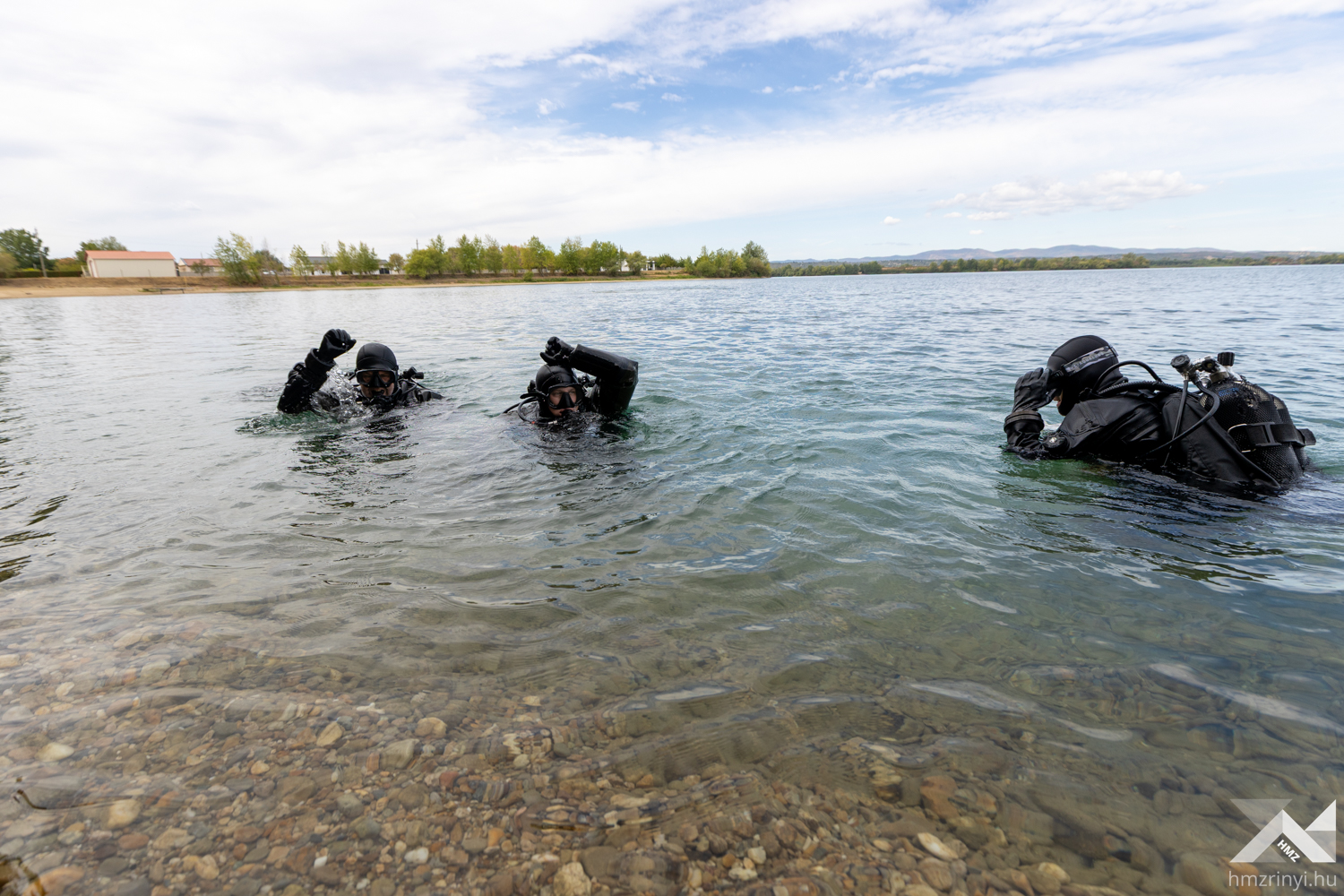
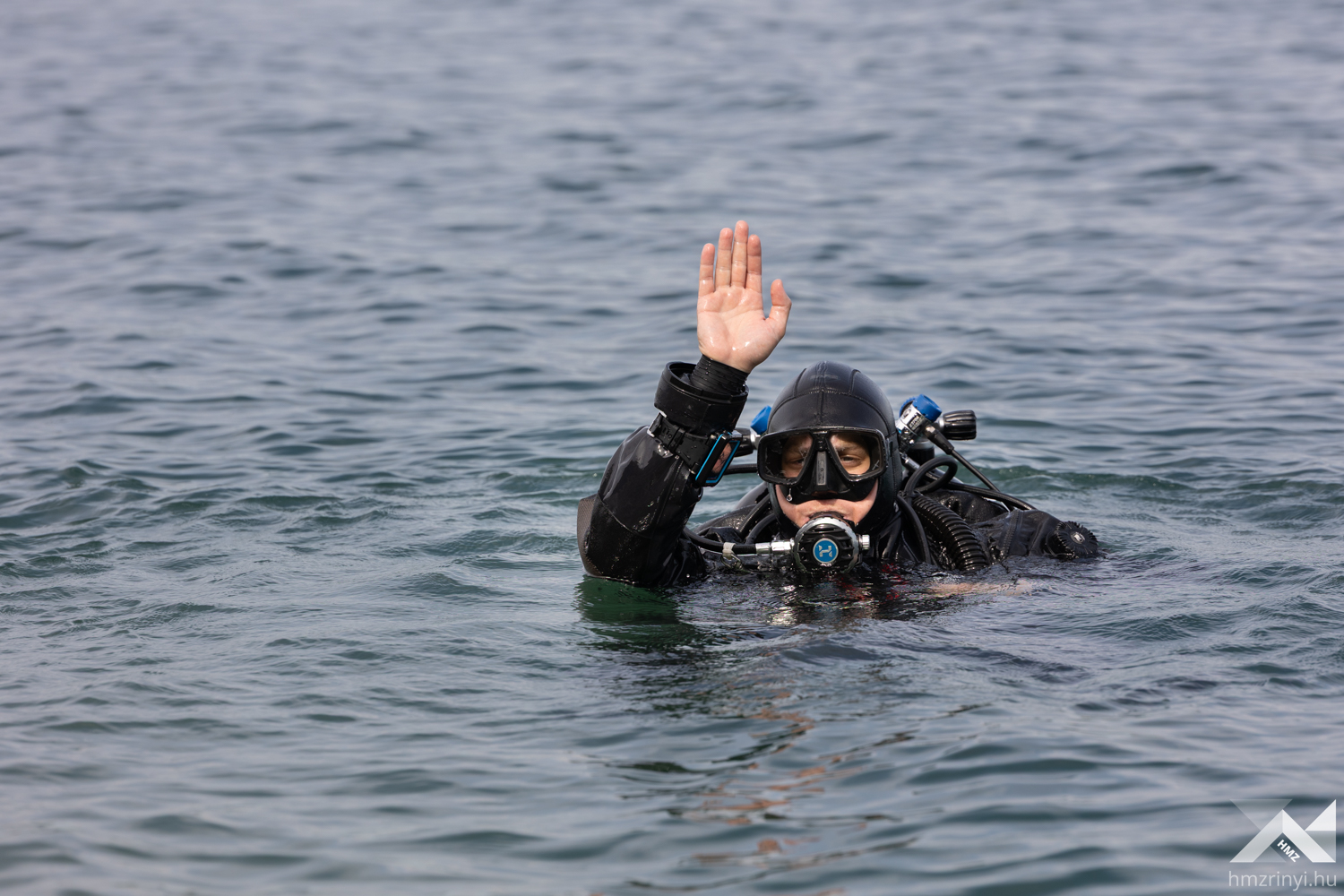
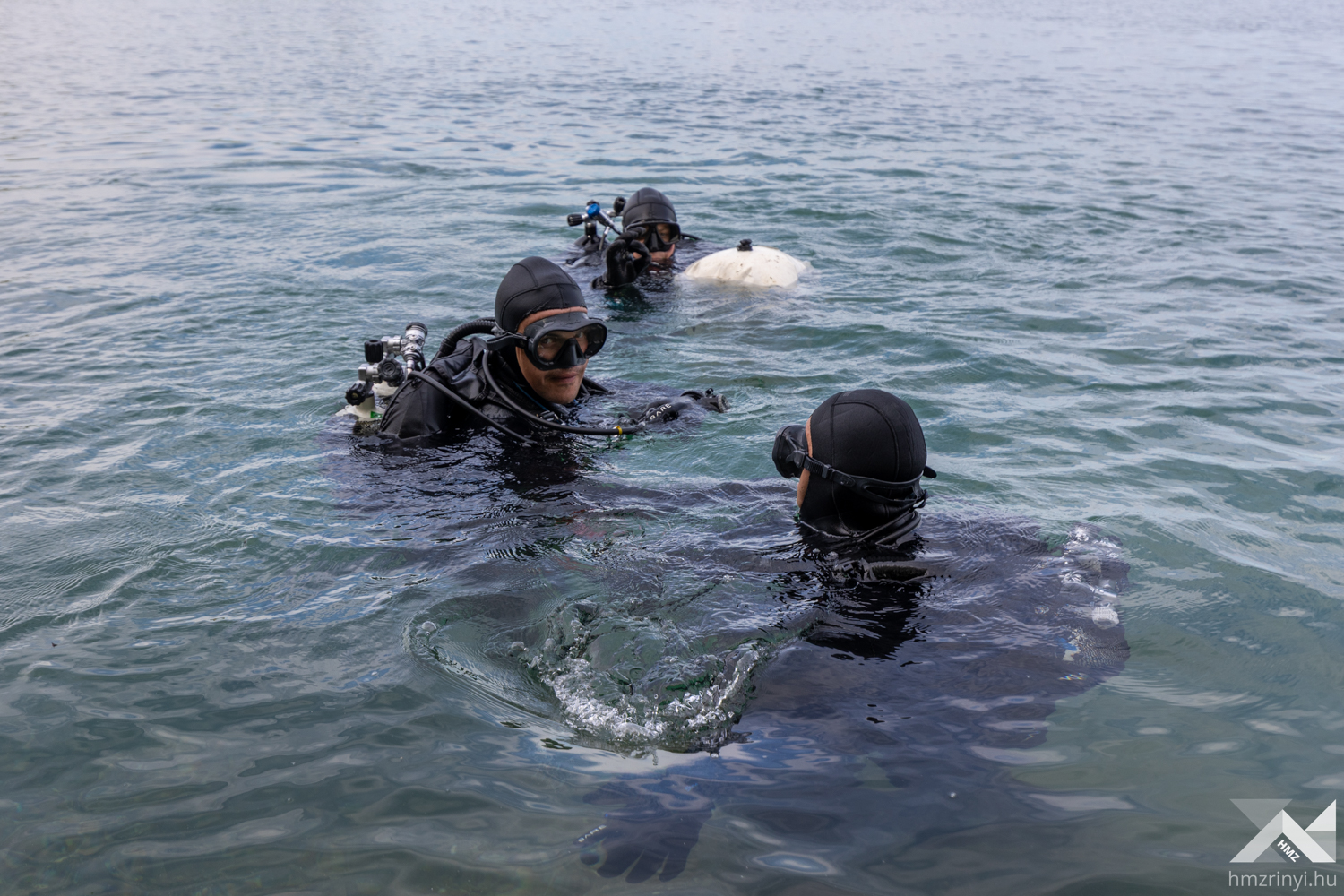
Communication, too, changes underwater. English as a working language is replaced by hand signals, communication with flashlight and sometimes knocking. This is especially important in executing a task that involves Hungarian, Czech and Slovak soldiers working together in a team. The organizers intentionally had them form mixed teams so that the team members can cooperate during the one-week exercise and learn each other’s working methods as well. In a given case, they even swap their tasks. All this is especially useful because there are newbies as well as intermediate- and advanced-level divers among the participants.
One of the greatest values of joint diving is that the soldiers learn lessons which they can later utilize in international operational environments. This is the real objective of Open Water: to develop a kind of cooperative skill which the soldiers can rely on even when they don’t have much time to discuss a task on the surface.
20260902_Open_Water_HZS-27
20260902_Open_Water_HZS
20260902_Open_Water_HZS-2
20260902_Open_Water_HZS-3
20260902_Open_Water_HZS-4
20260902_Open_Water_HZS-5
20260902_Open_Water_HZS-6
20260902_Open_Water_HZS-9
20260902_Open_Water_HZS-10
20260902_Open_Water_HZS-11
20260902_Open_Water_HZS-13
20260902_Open_Water_HZS-14
20260902_Open_Water_HZS-15
20260902_Open_Water_HZS-16
20260902_Open_Water_HZS-18
20260902_Open_Water_HZS-19
20260902_Open_Water_HZS-20
20260902_Open_Water_HZS-21
20260902_Open_Water_HZS-22
20260902_Open_Water_HZS-23
20260902_Open_Water_HZS-24
20260902_Open_Water_HZS-26
20260902_Open_Water_HZS-28
20260902_Open_Water_HZS-29
20260902_Open_Water_HZS-30
20260902_Open_Water_HZS-31