On this and the far side of River Danube…
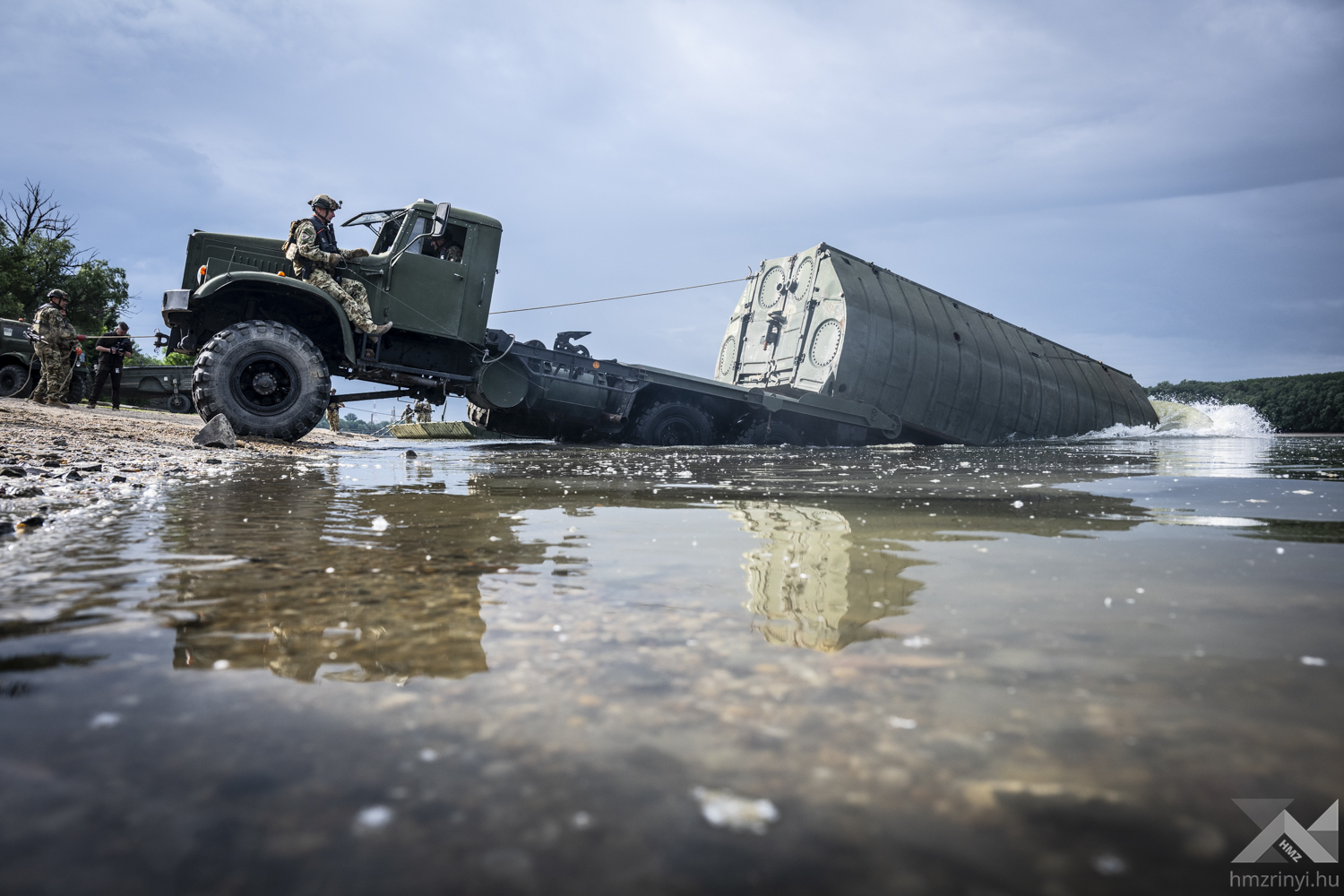
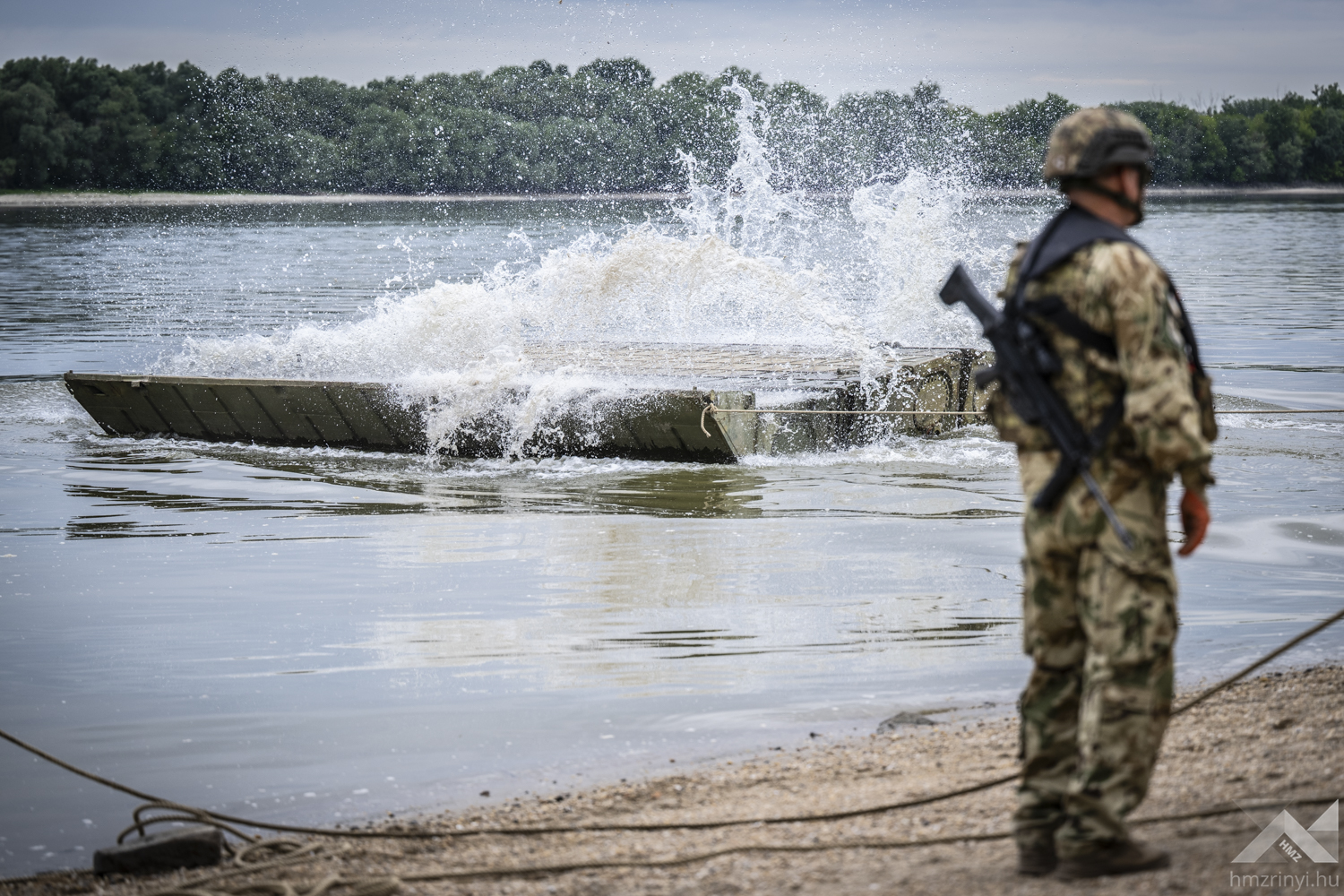
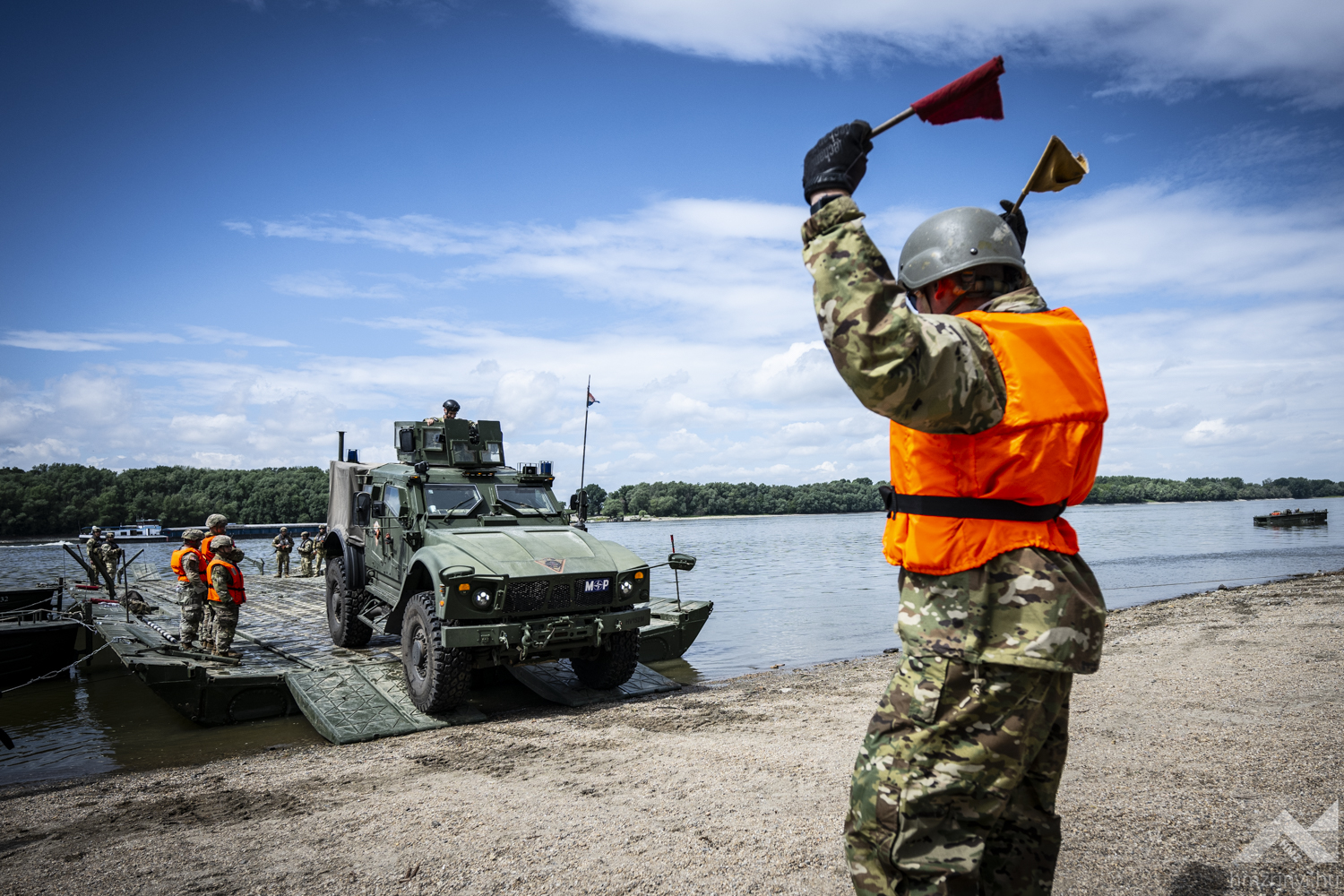
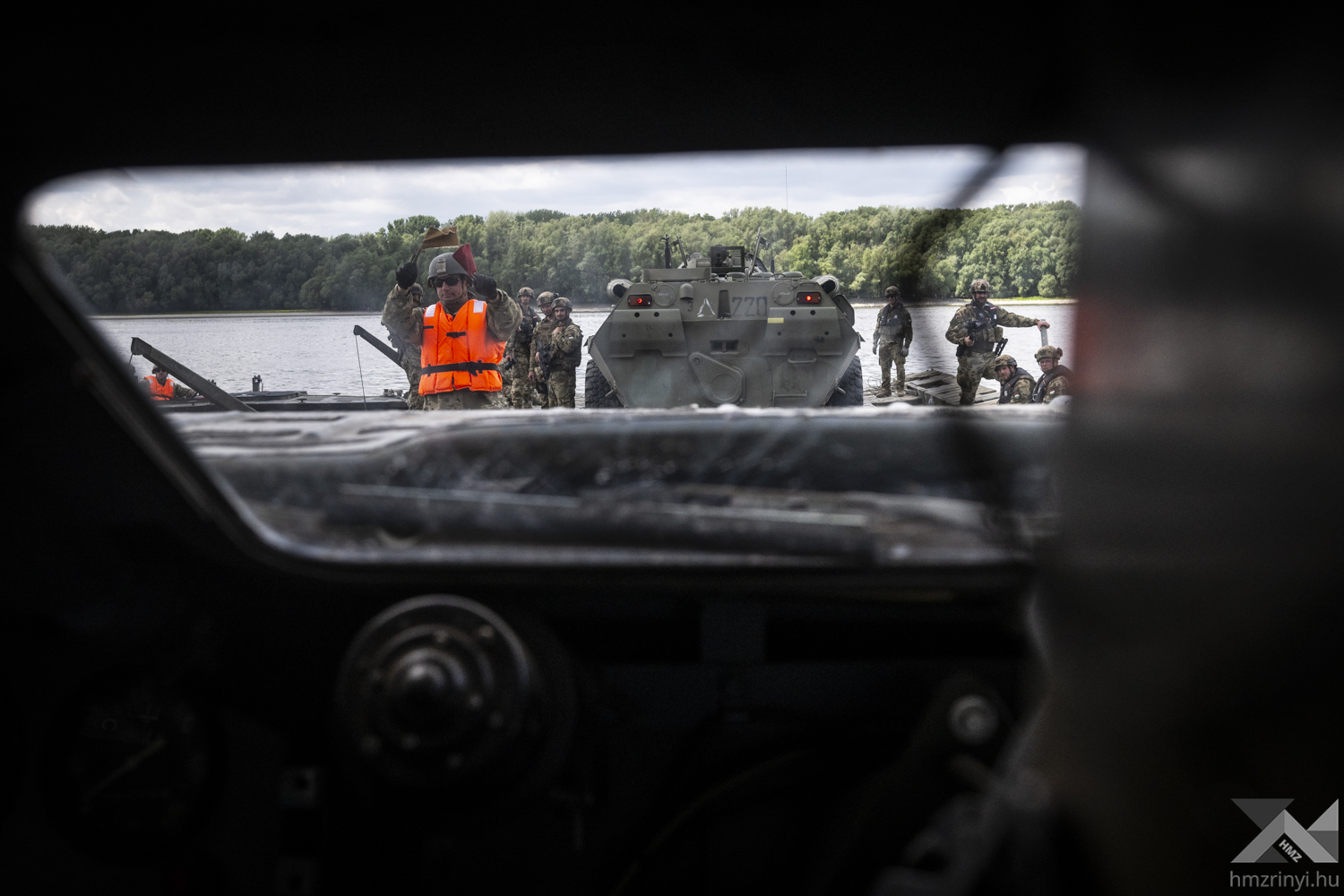
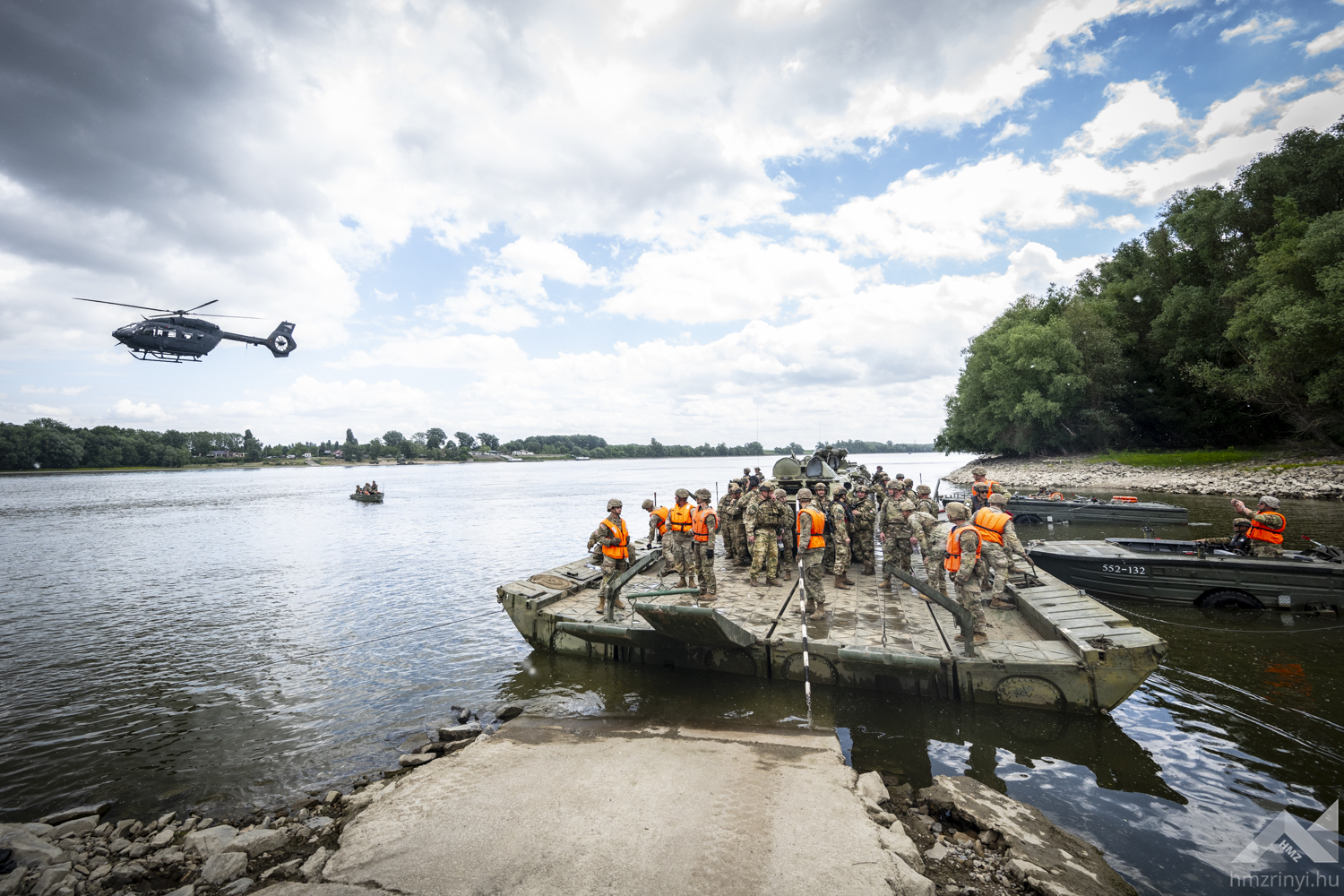
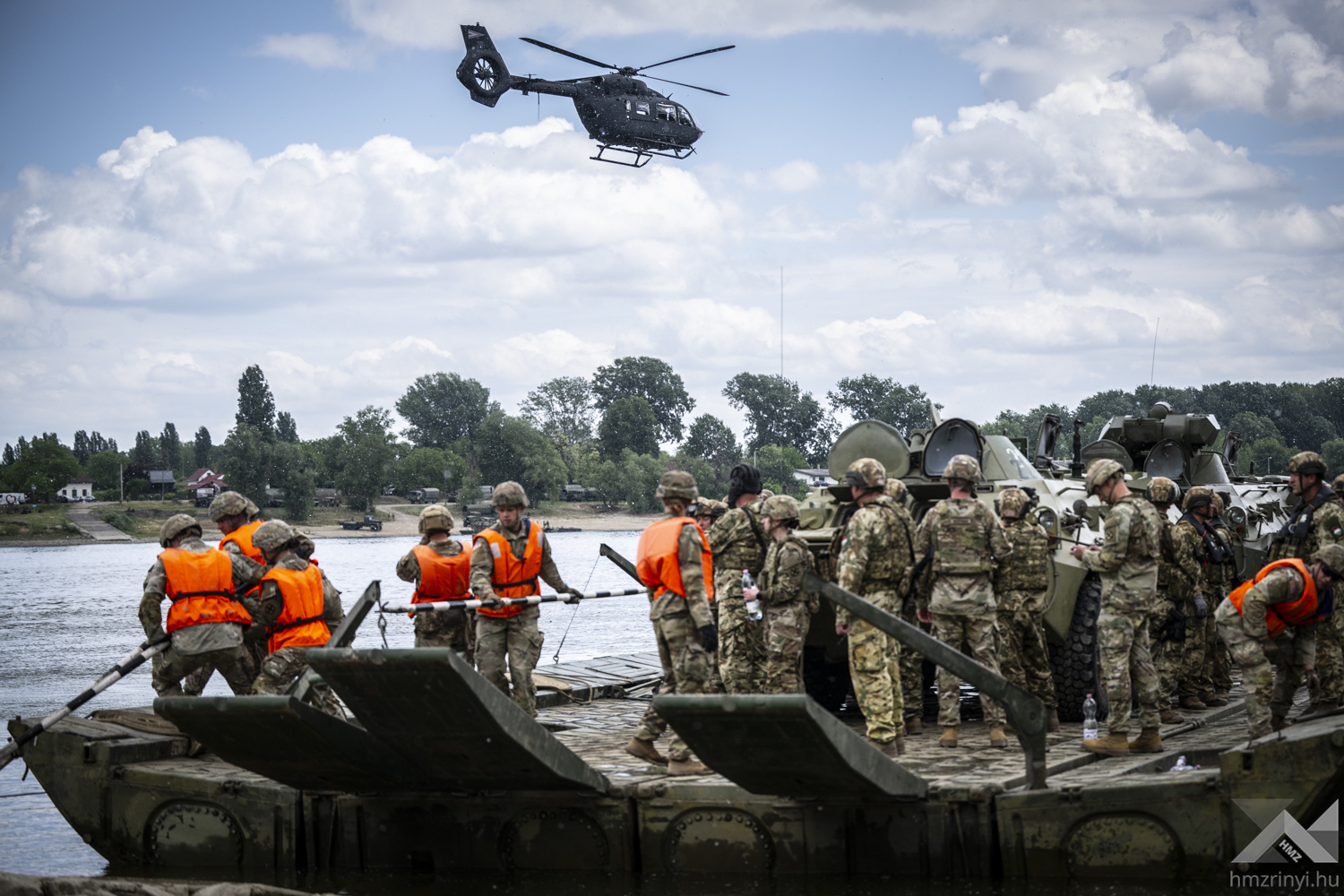
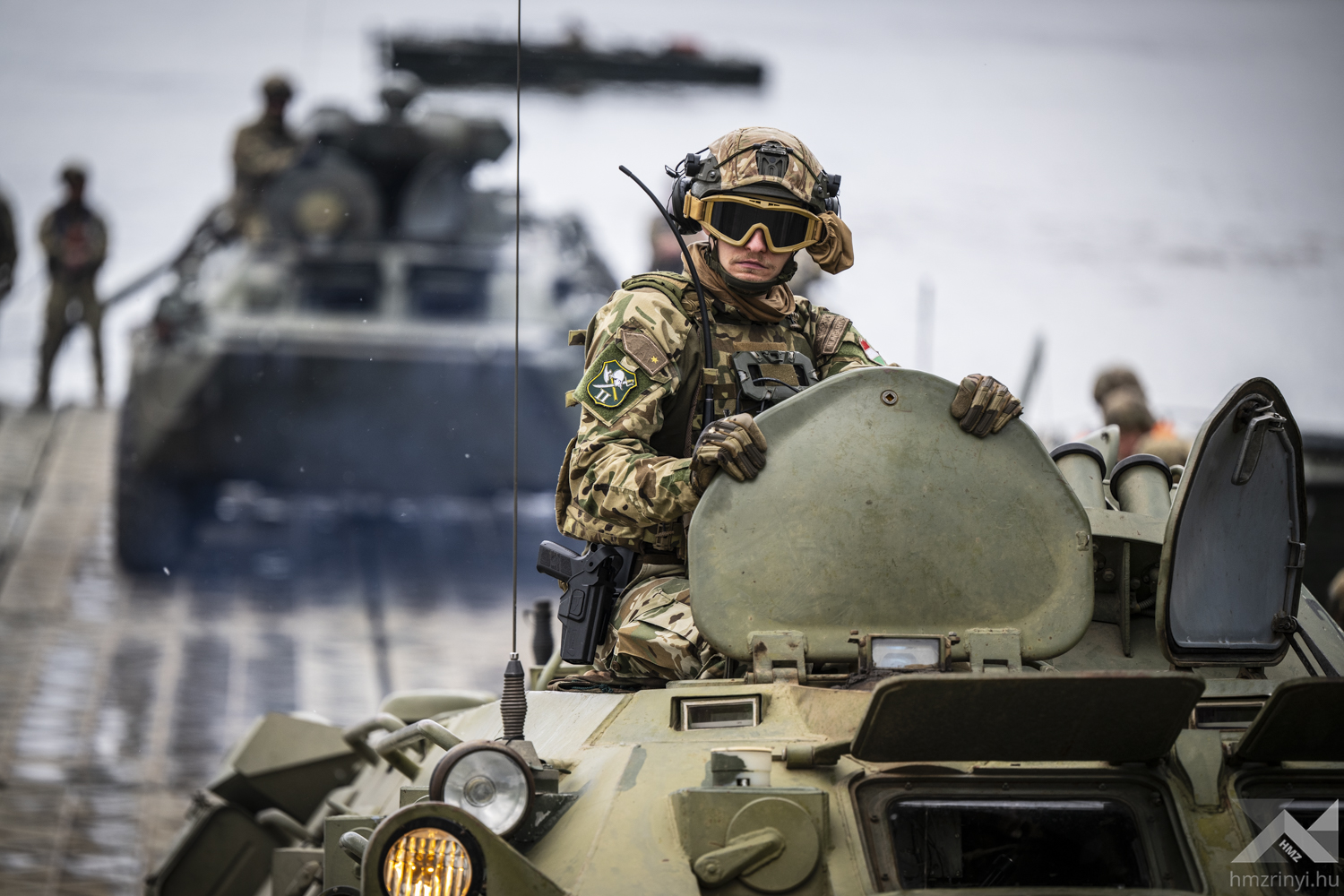
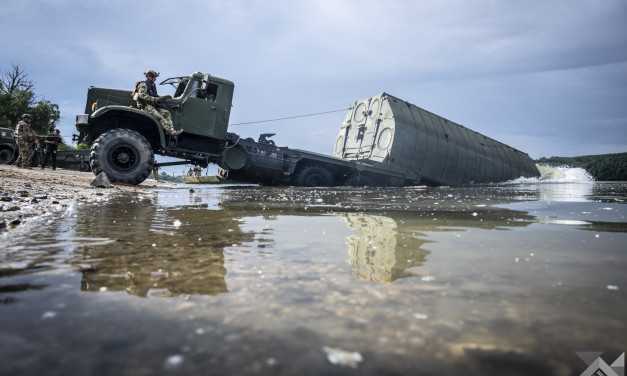
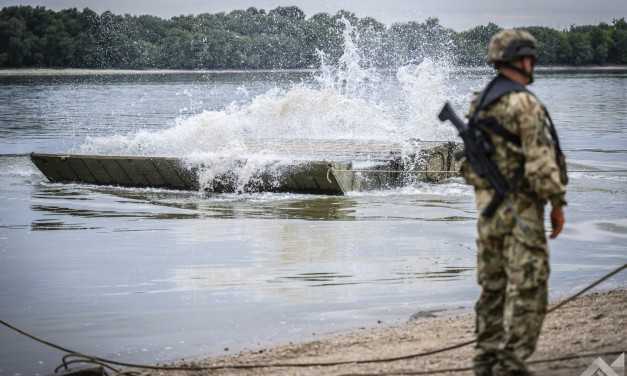
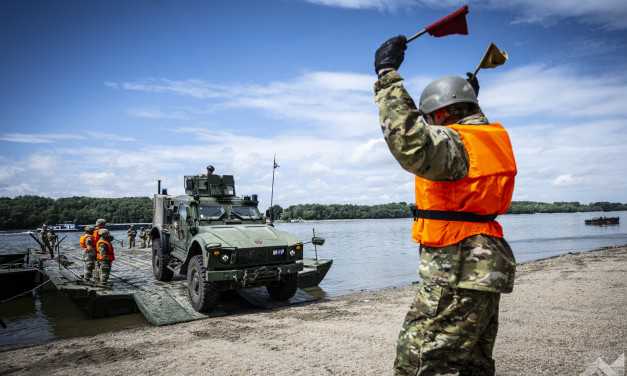
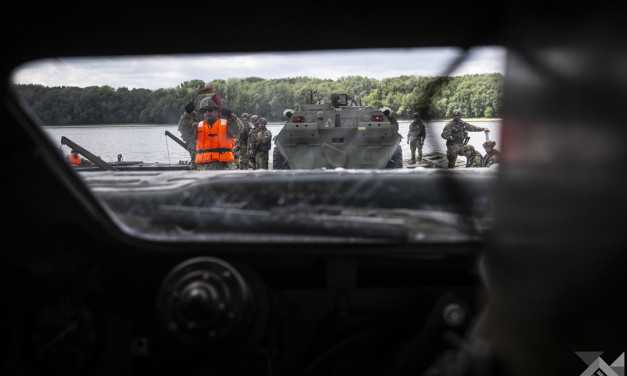
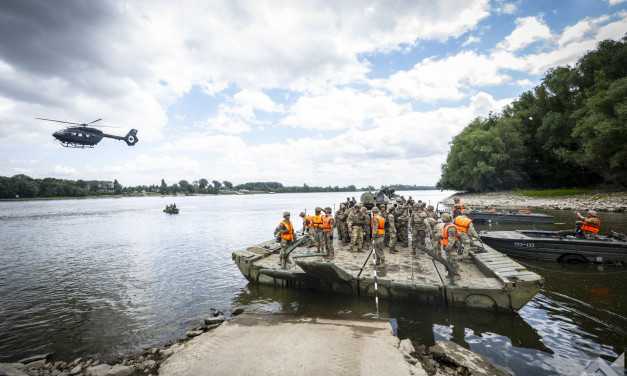
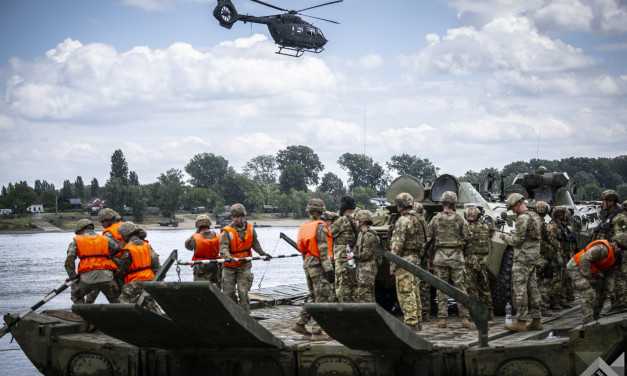
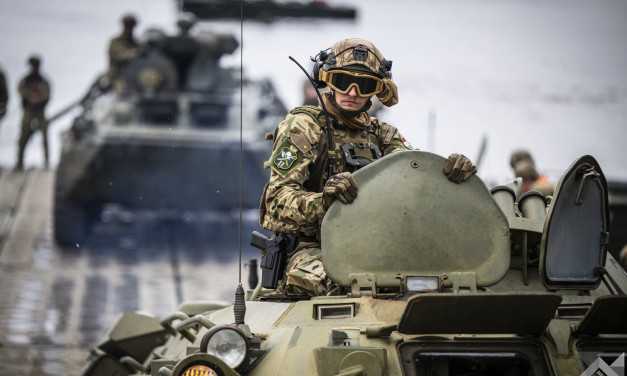
Text: Levente Petróczy, Marcell Burillák | Photo: Tamás Kovács | 11:21 May 14, 2026Figuratively speaking, the ferries and combat vehicles of the Hungarian Defence Forces occupied River Danube on 11 May. They crossed Hungary’s largest river first at Meszes-Gerjen, and then at Fajsz, under cover of night. The wet gap crossing operation of the Lynx infantry fighting vehicles of the HDF 30th Mechanized Infantry Brigade was assisted by soldiers of the HDF 14th Engineer Regiment and the Ohio National Guard.
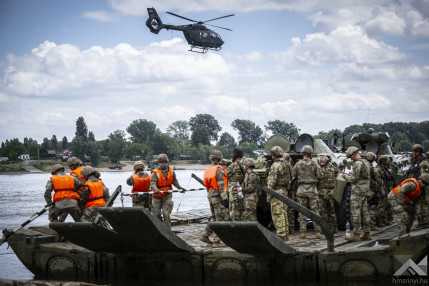
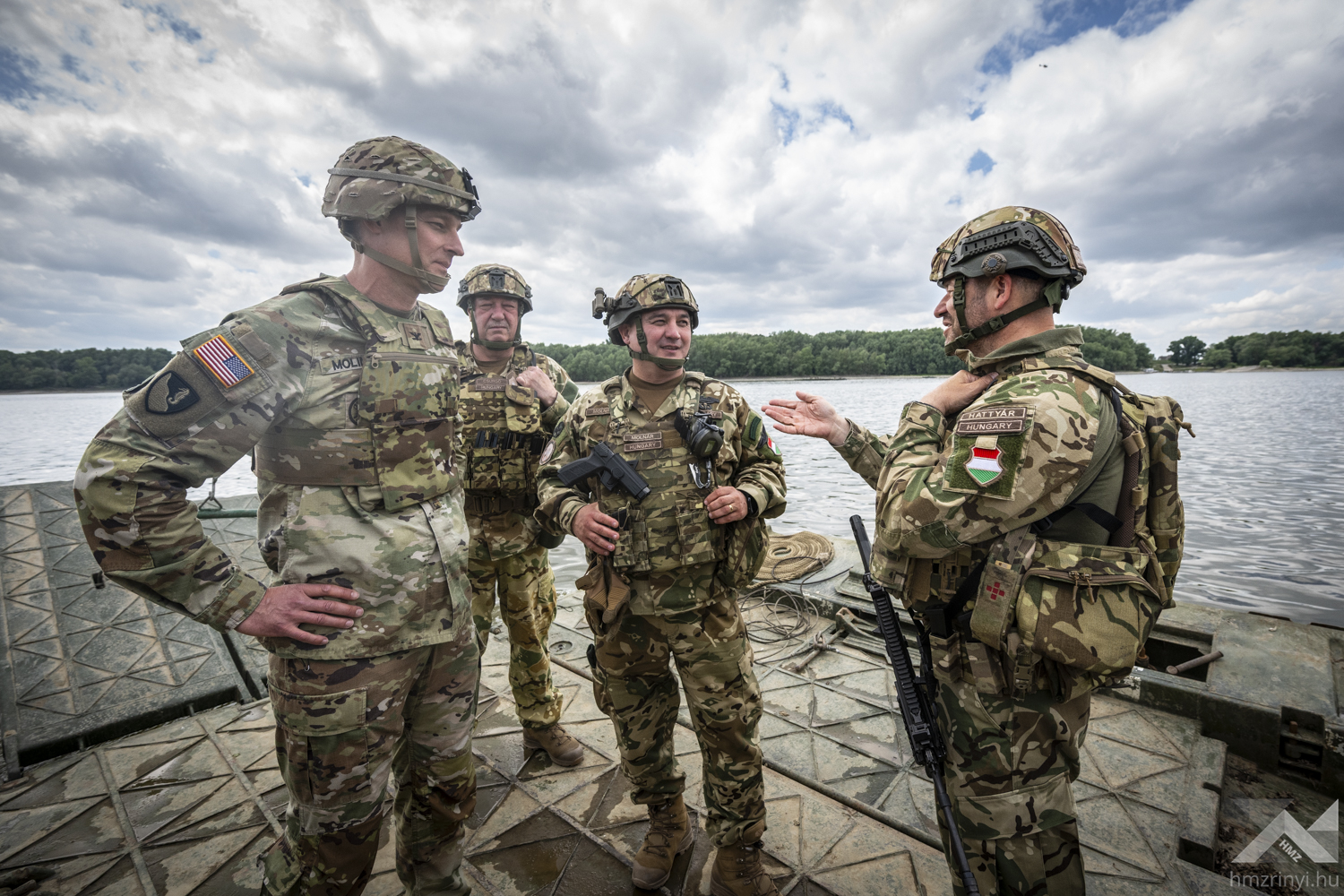
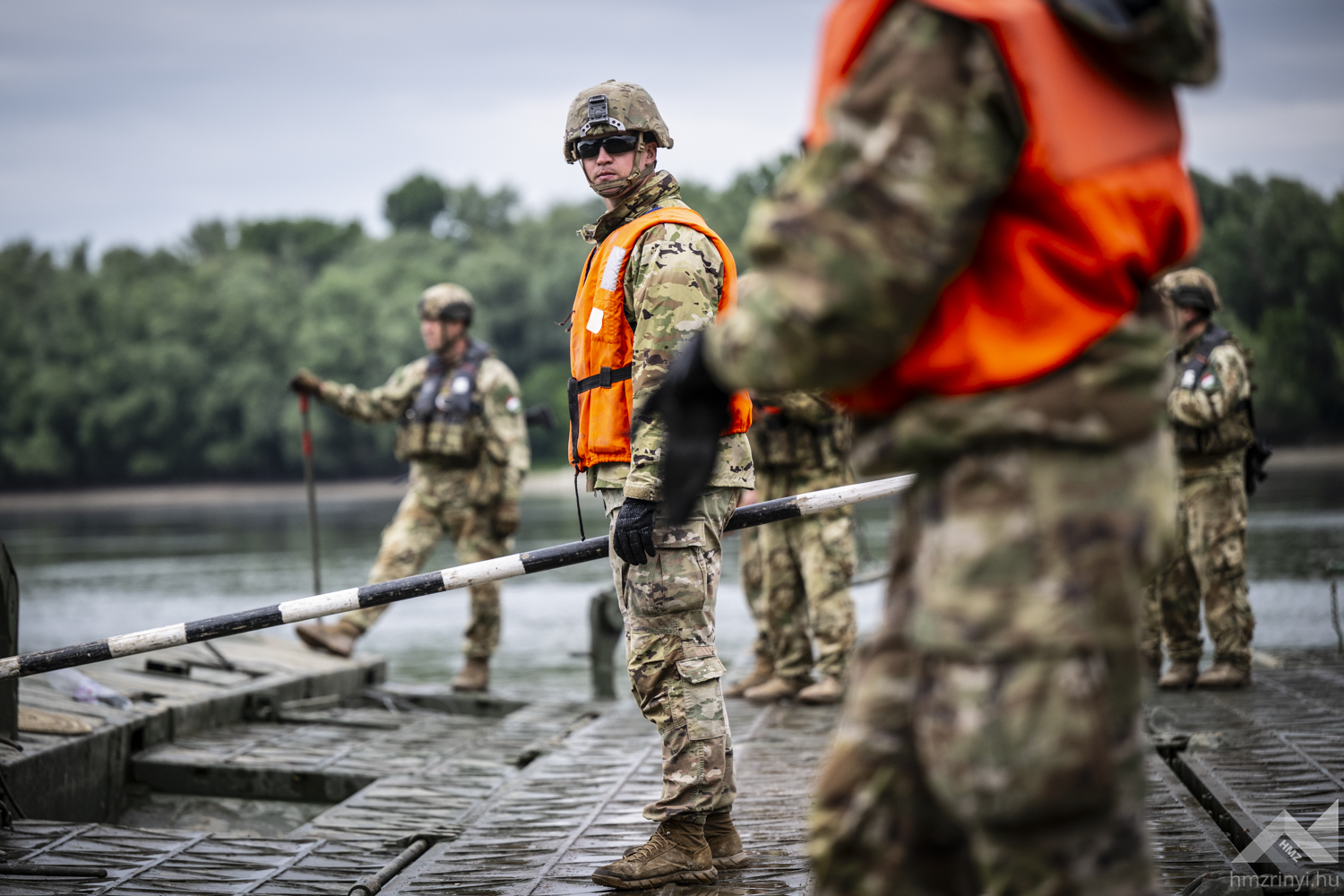
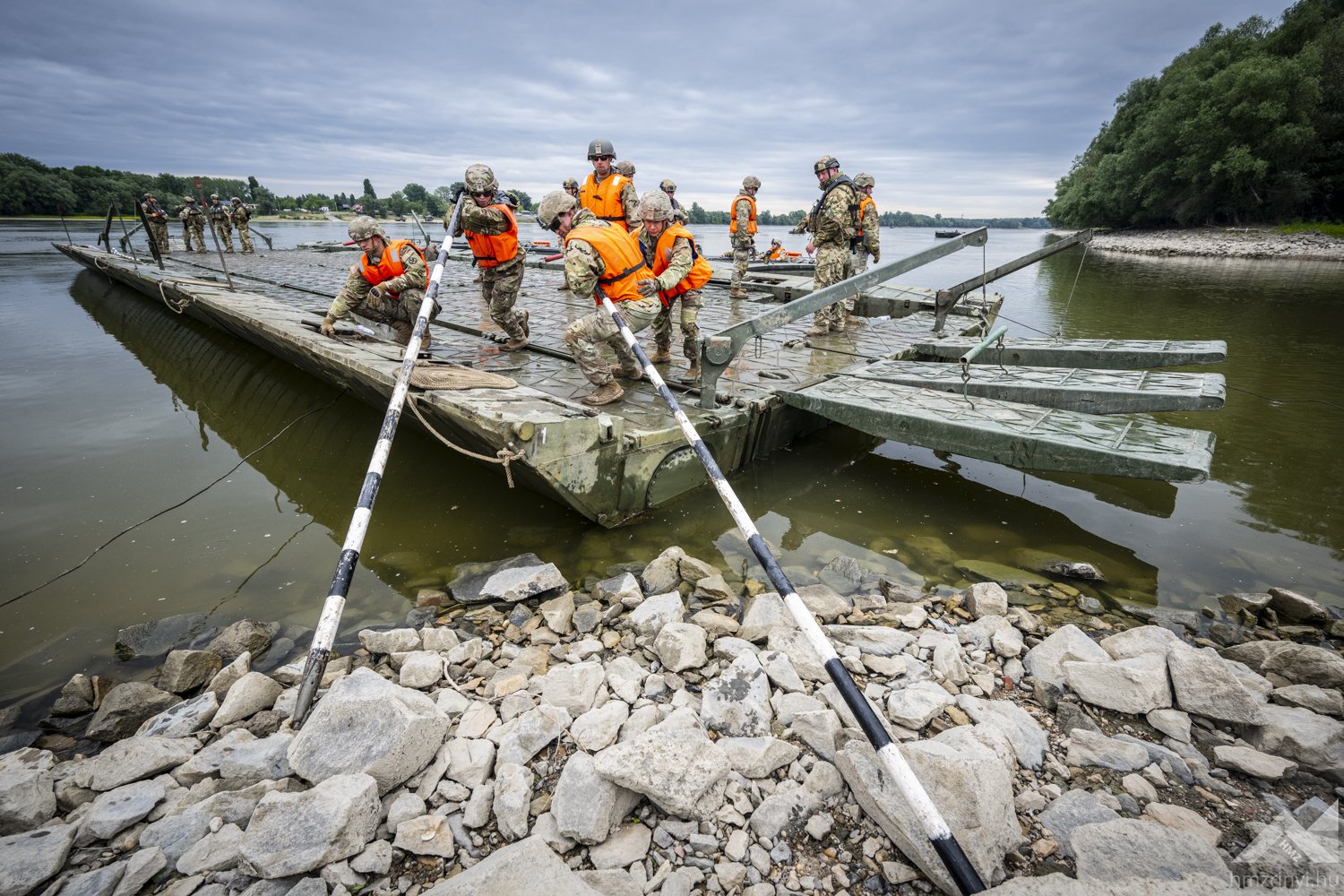
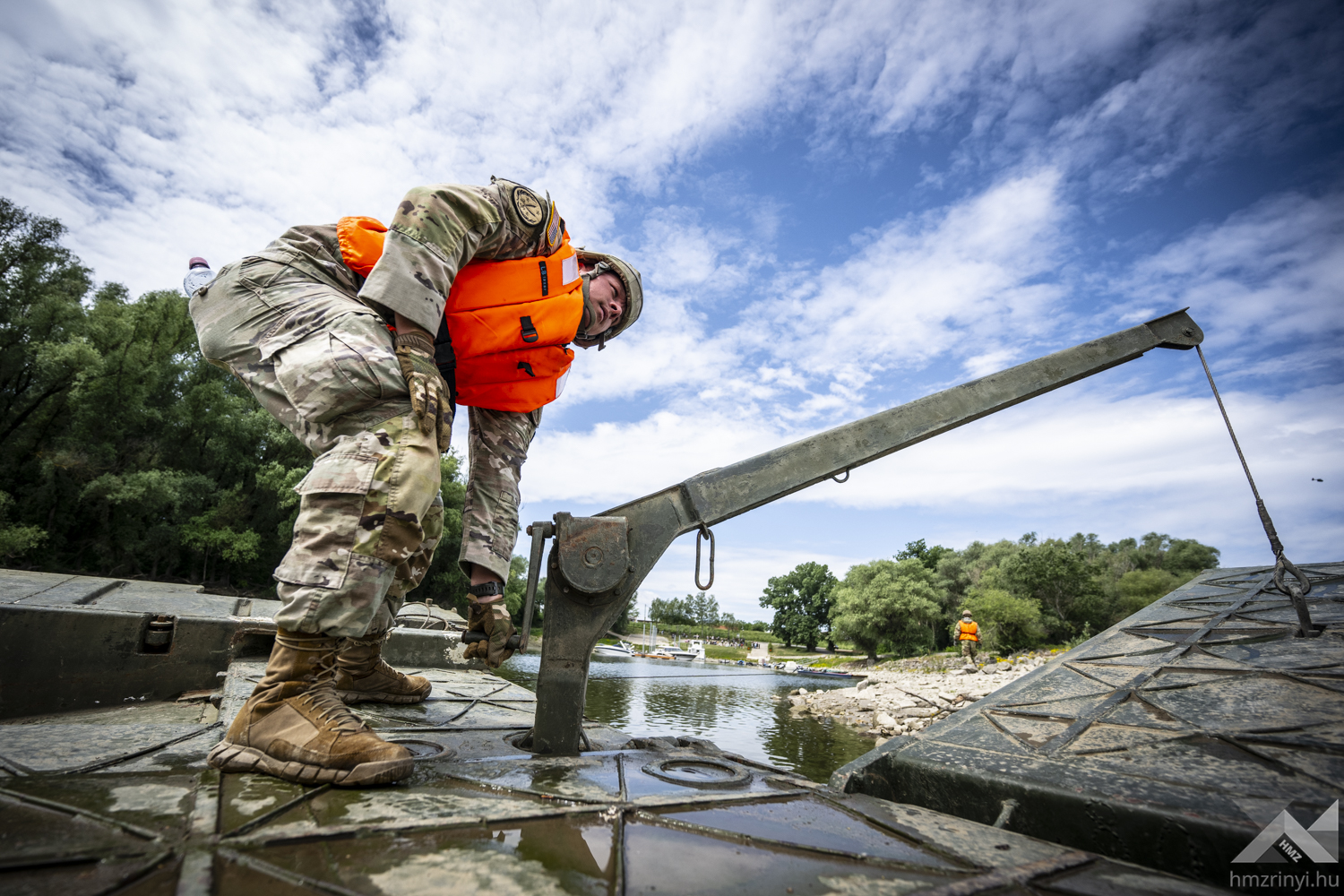
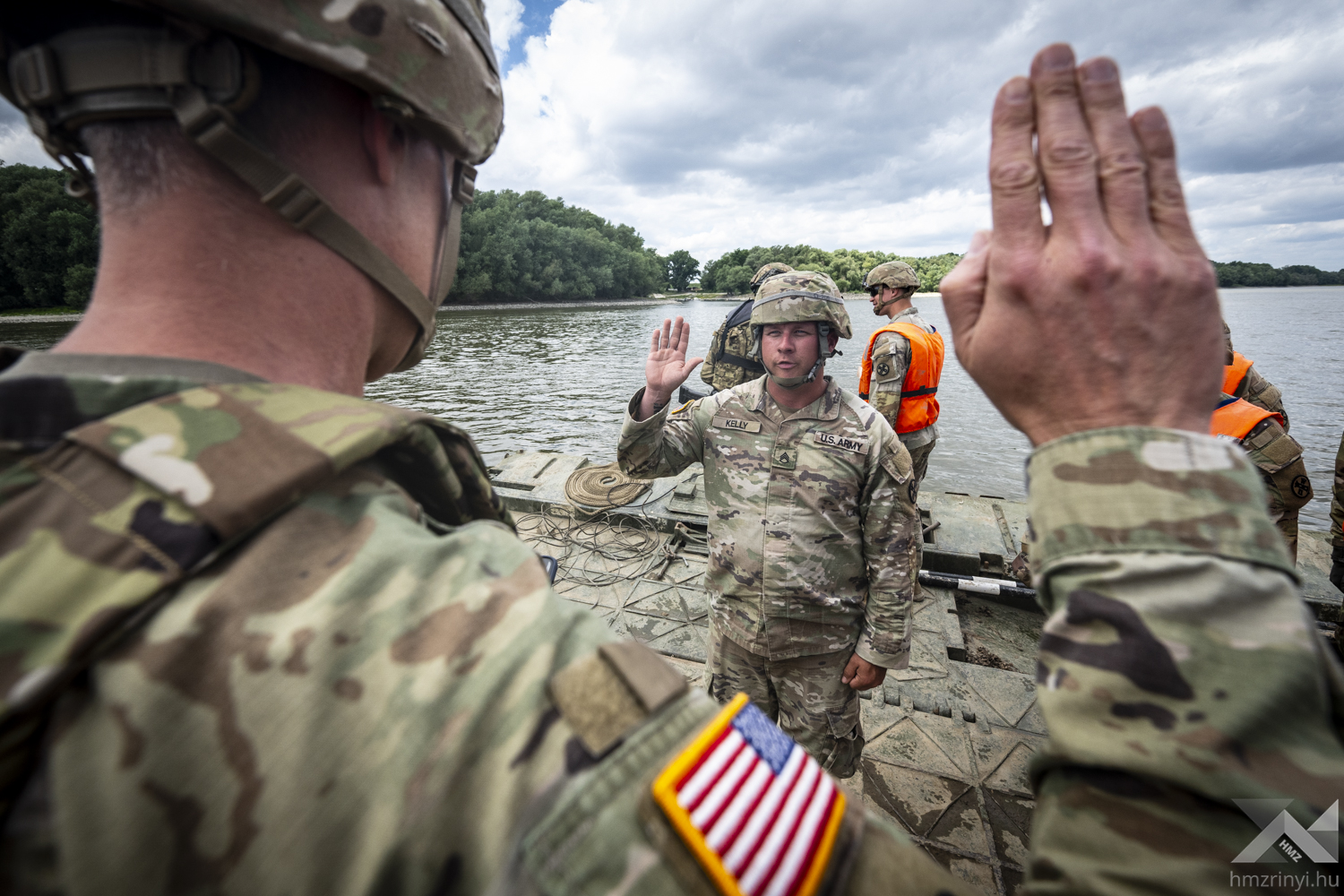
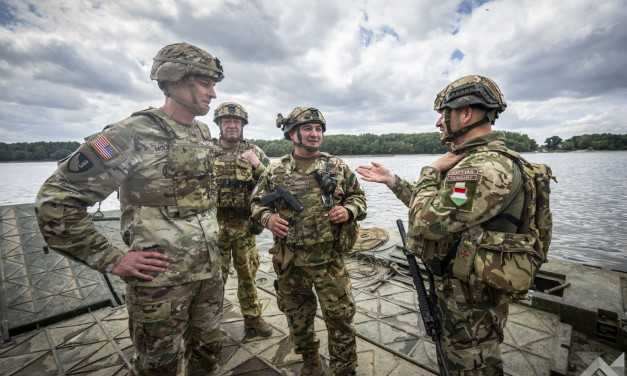
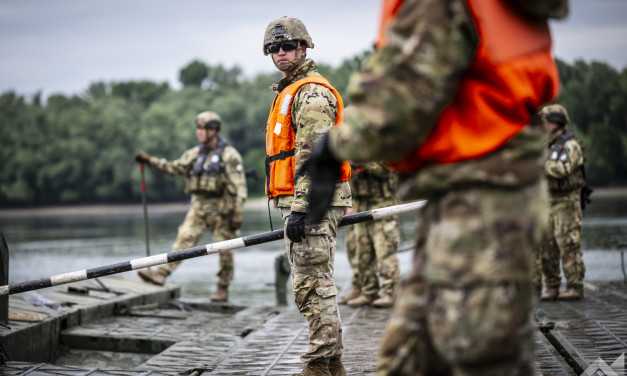
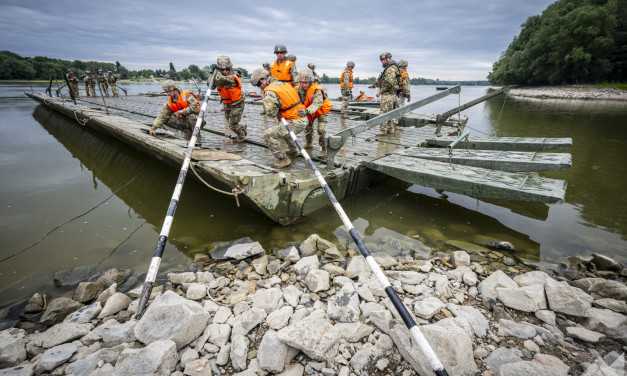
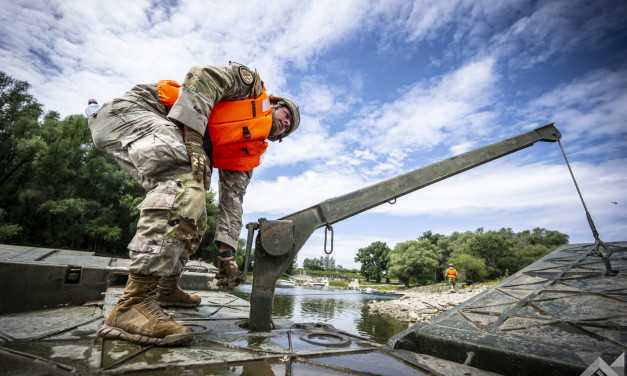
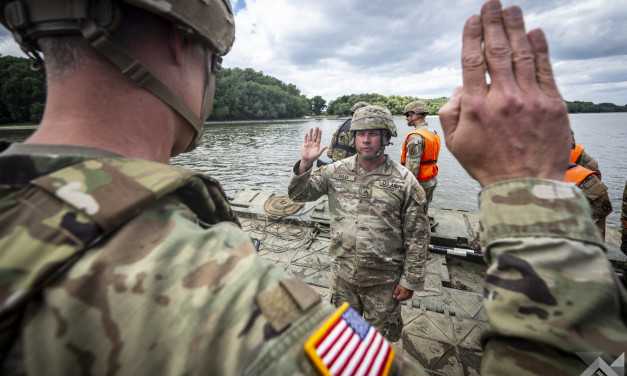
Seen from the riverbank, water crossing may seem a simple operation; in reality, however, it requires coordinated teamwork. Besides operating the ferry, army engineers also make sure that the preparations are safe, and coordinate the transport of combat vehicles. During Exercise Szentes Castle, even more emphasis was laid on teamwork, because the 14 soldiers of the Ohio National Guard underwent their first-ever training in wet gap crossing.
“We are halfway through the training, and the personnel are now tasked with building and operating the ferries” – said Lieutenant Colonel Tibor Vígvári, the commander of the Bridge Battalion of the HDF 14th Engineer Regiment. He went on emphasizing that a bunch of selected instructors are helping the American reservists with acquiring the necessary skills, and added that although learning how to operate the equipment is relatively easy, one cannot conduct wet gap crossing without efficient teamwork – and that day, the personnel even were to support two crossing operations.
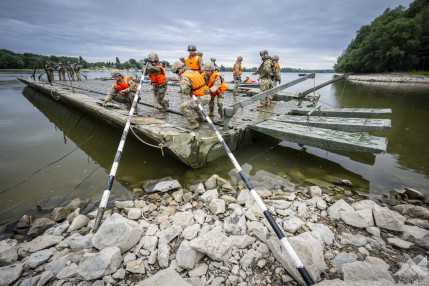
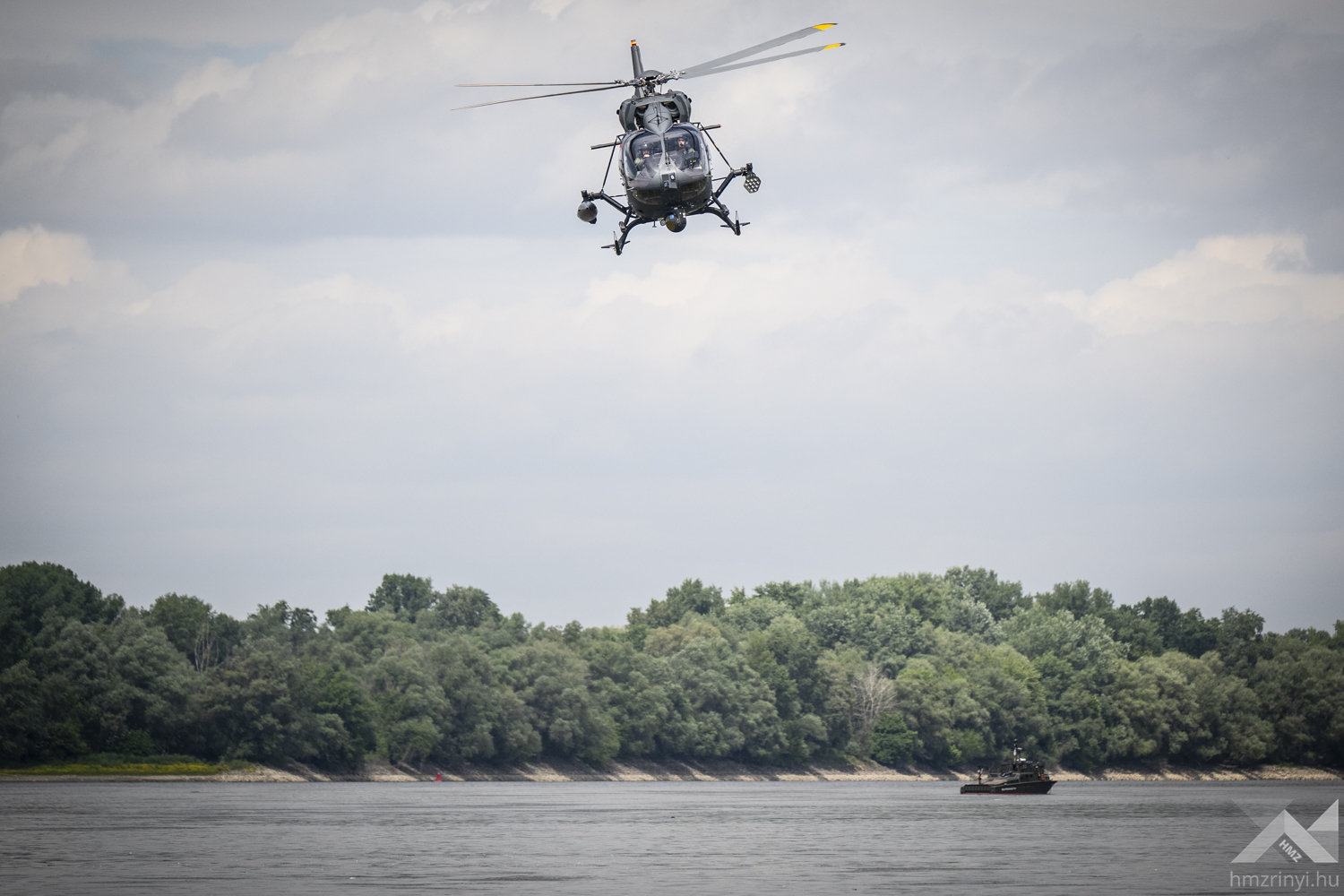
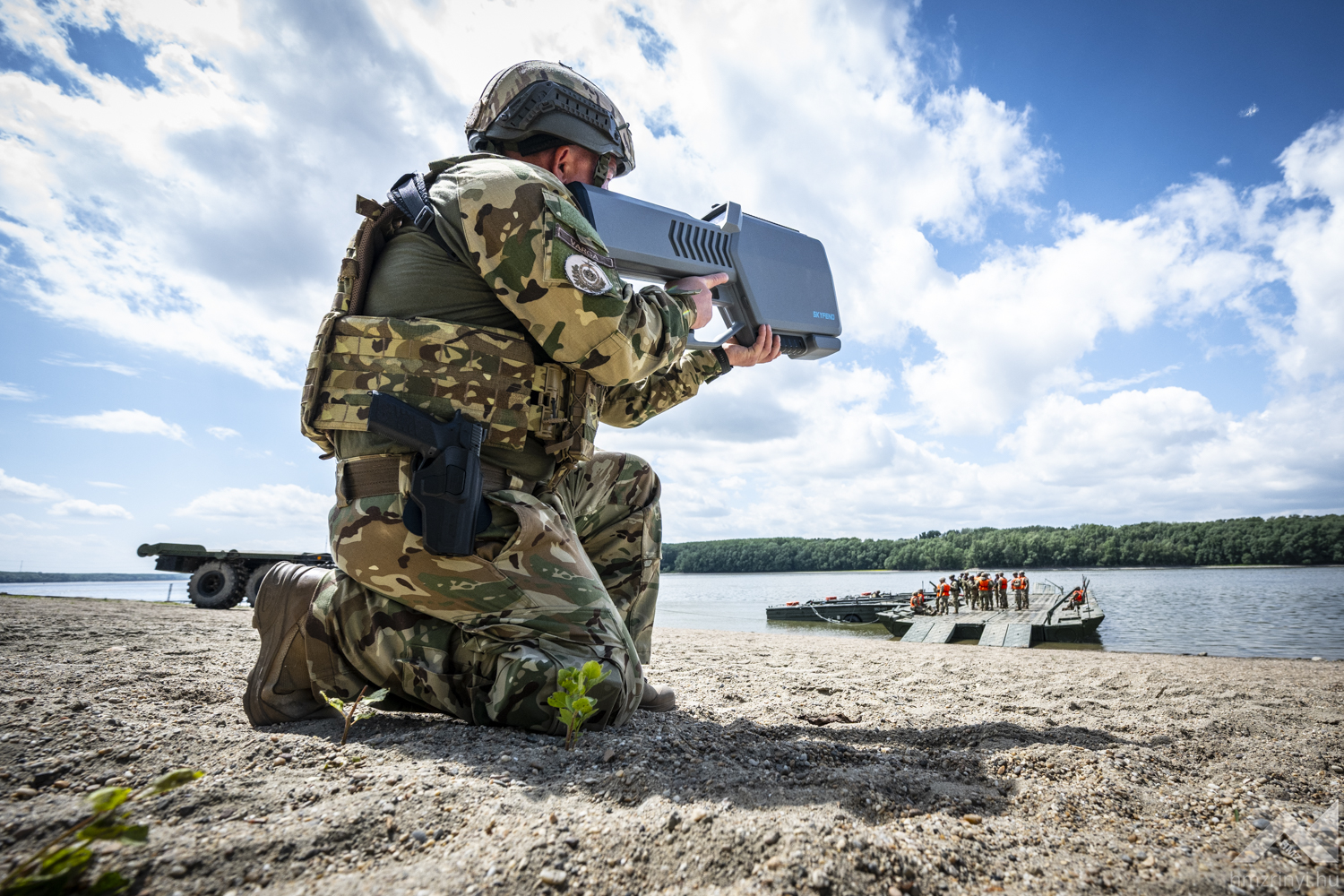
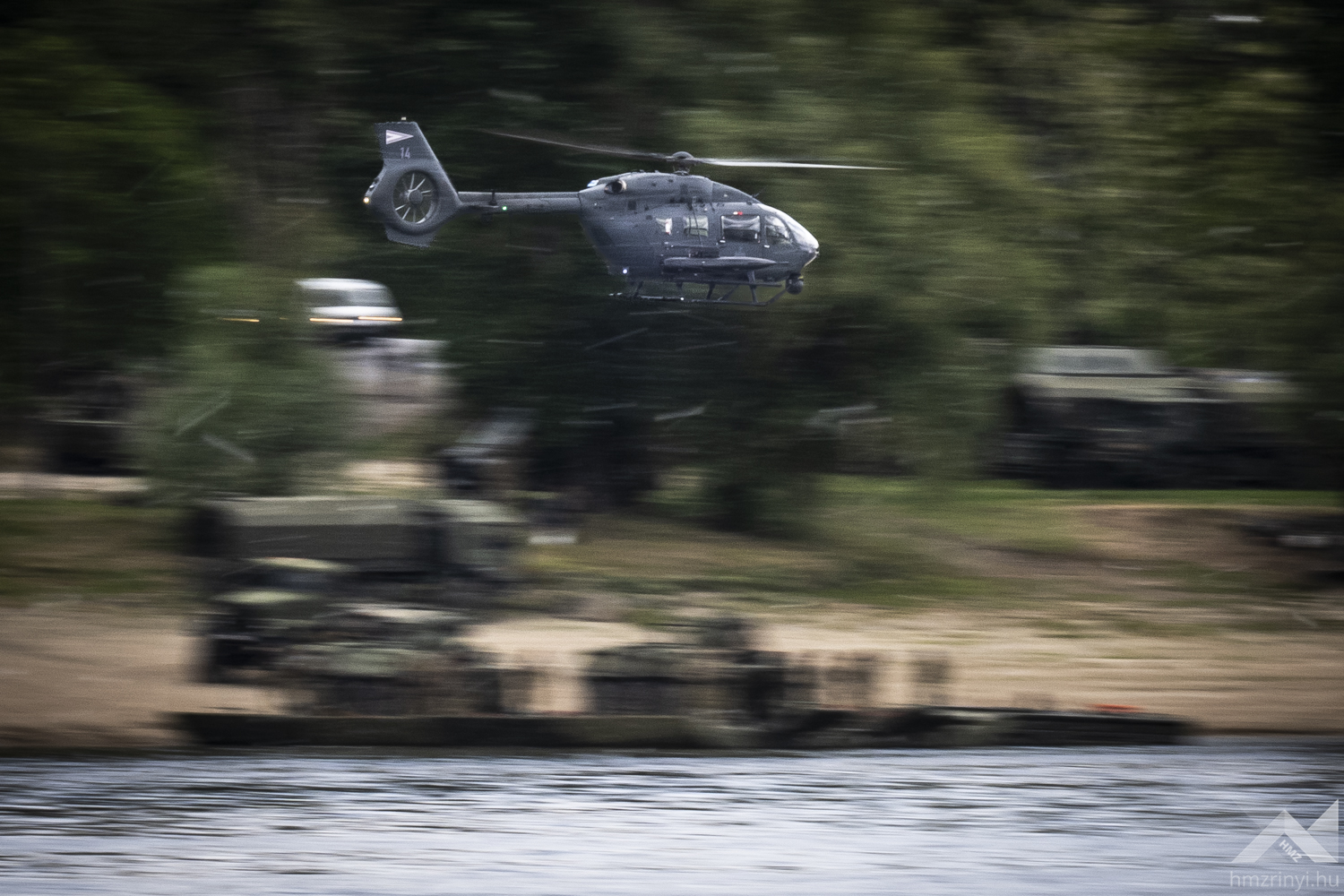
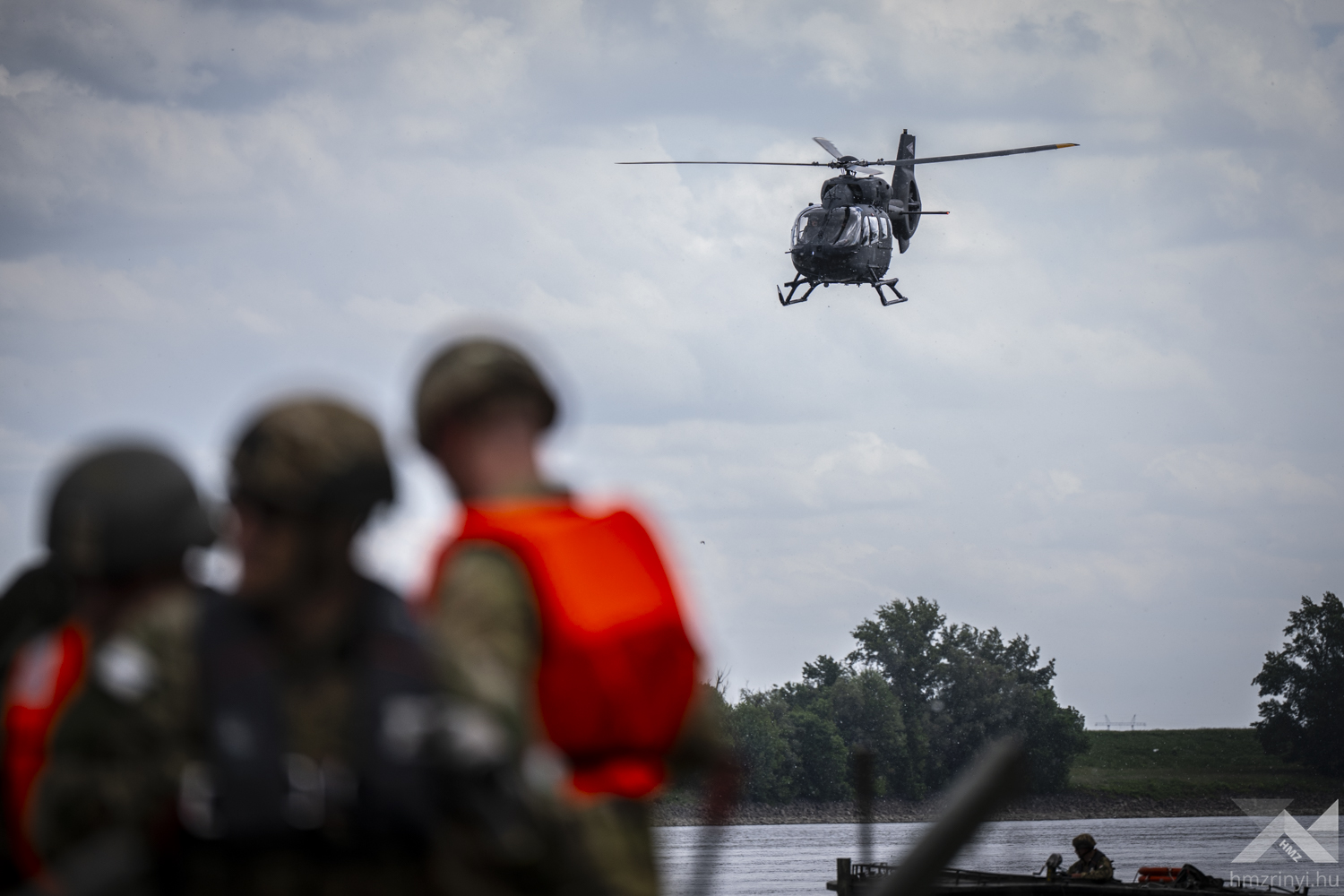
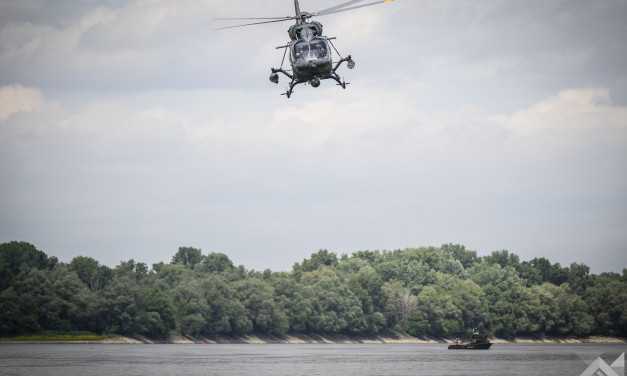
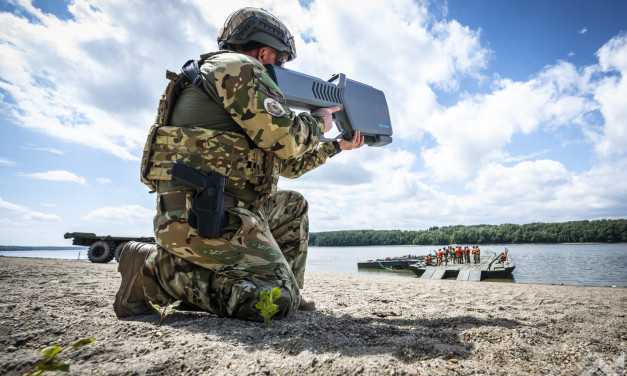
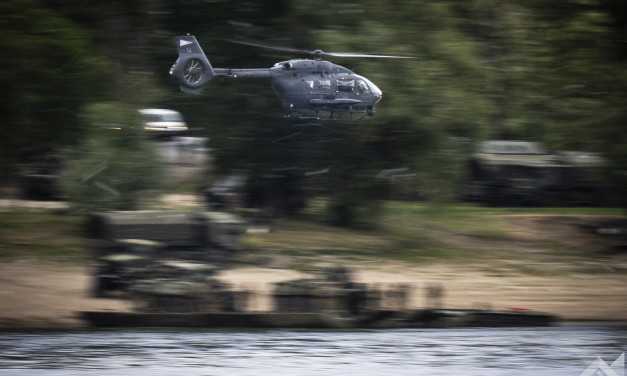
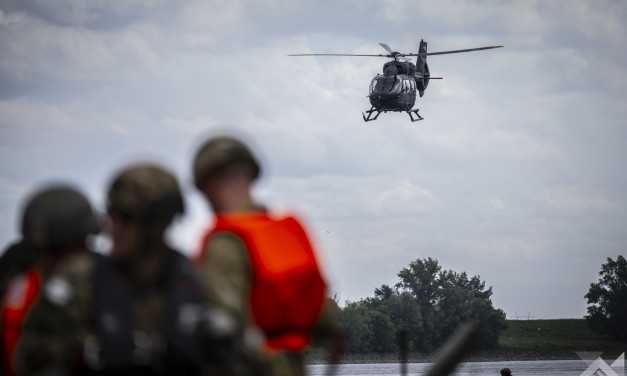
First they ferried a Hungarian maneuver company of the multinational NATO Forward Land Force Battle Group (FLF BG HUN) across River Danube in the vicinity of Kalocsa, between Meszes and Gerjen, as this week the unit is on the move to Várpalota to conduct an international exercise there. This is the section of the river where a civilian ferry had earlier been operated, but now, it was the soldiers that were tasked with making the river traversable again. Besides the smooth communication and the right division of tasks, the ferry operators also had to be alert to external factors, since sometimes – as part of the scenario – role-players using helicopters and drones, i.e. the simulated enemy interfered with the movement of the troops maneuvering on River Danube.
The most difficult task, however, awaited the training audience at Fajsz, where combat vehicles were shifting banks back and forth on a section of the Danube where there were no artificial lights, lit by mere moonlight. This time, too, Hódmezővásárhely Lynxes rolled onto the ferries, but instead of the company of the NATO FLF BG that exercised in the morning, another batch of personnel arrived to execute the night phase.
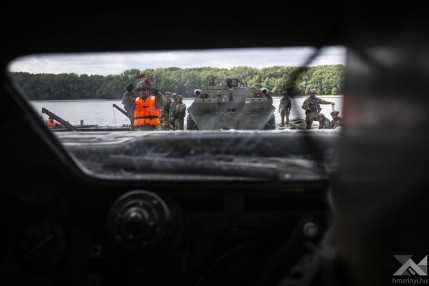
“Of course, every night task requires increased concentration and attention. Coordinated movement becomes more difficult in limited visibility conditions, and we need to pay more attention to the security aspects as well” – said Lieutenant Kamilla Nagy, the commander of a bridge platoon of the Bridge Battalion of the HDF 14th Engineer Regiment. As ferry commander, she had already participated in the preparations, including the assembly of the ferry and the scheduling of the logistics, which involves, for example, planning how to rest and cater for the personnel. During the ferry operation, she was in contact all along with the site commander and checked the working of BKM-130 motor boats, yet she told us that to her, the most difficult phase was the mooring.
KT20260511FLFBGátkelés_Kalocsa29
KT20260511FLFBGátkelés_Kalocsa1
KT20260511FLFBGátkelés_Kalocsa6
KT20260511FLFBGátkelés_Kalocsa12
KT20260511FLFBGátkelés_Kalocsa15
KT20260511FLFBGátkelés_Kalocsa18
KT20260511FLFBGátkelés_Kalocsa21
KT20260511FLFBGátkelés_Kalocsa22
KT20260511FLFBGátkelés_Kalocsa23
KT20260511FLFBGátkelés_Kalocsa27
KT20260511FLFBGátkelés_Kalocsa30
KT20260511FLFBGátkelés_Kalocsa31
KT20260511FLFBGátkelés_Kalocsa32
KT20260511FLFBGátkelés_Kalocsa33
KT20260511FLFBGátkelés_Kalocsa34
KT20260511FLFBGátkelés_Kalocsa36
Multinational Crossing
16:47 May 13, 2026


