Rain, mud and blood
Role 2 field hospital and Mobile Biological Laboratory under strain
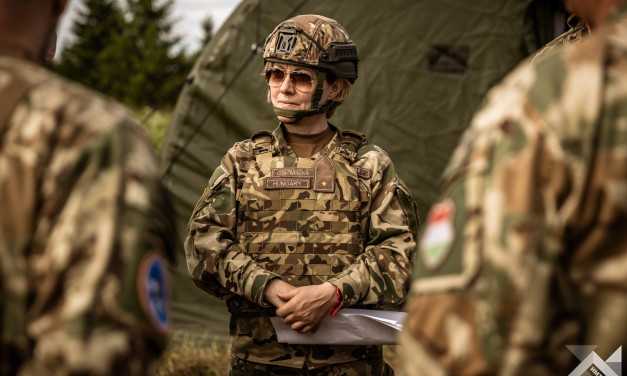
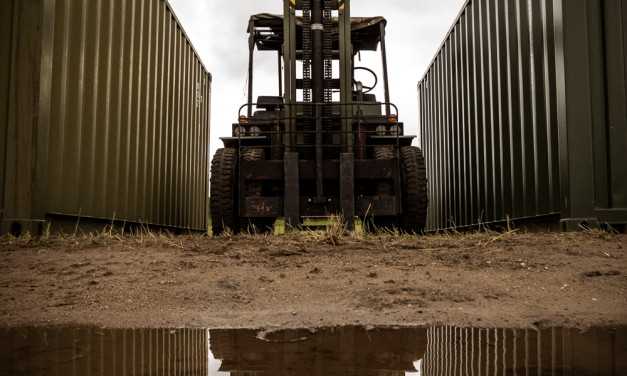
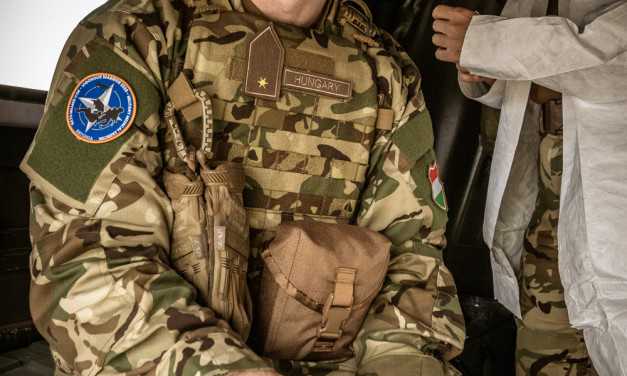
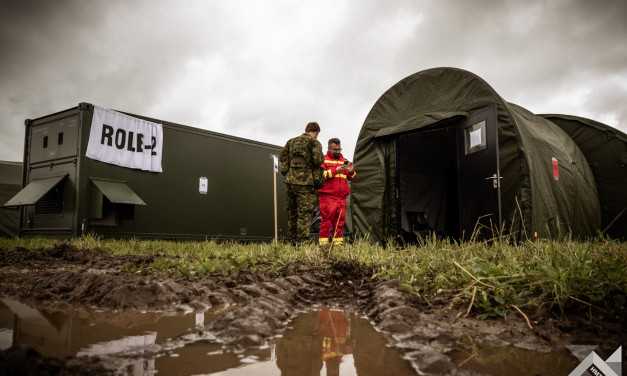
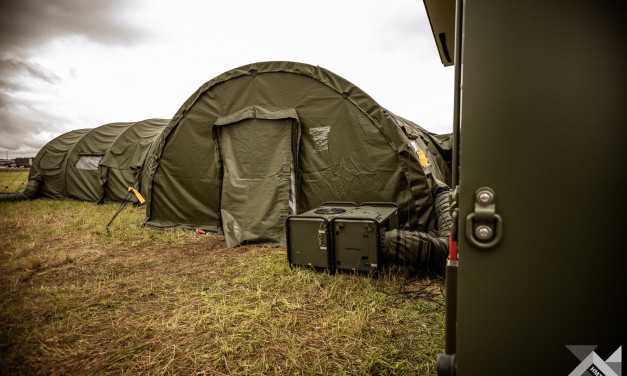
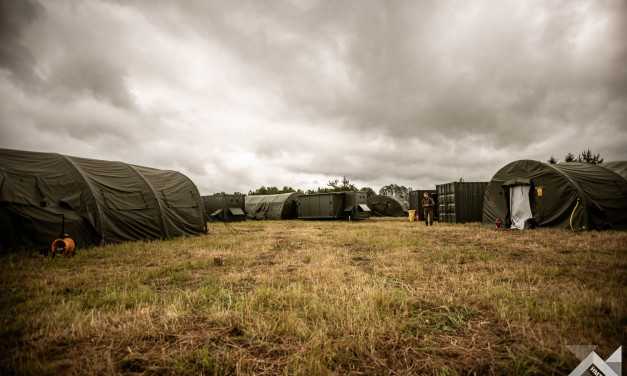
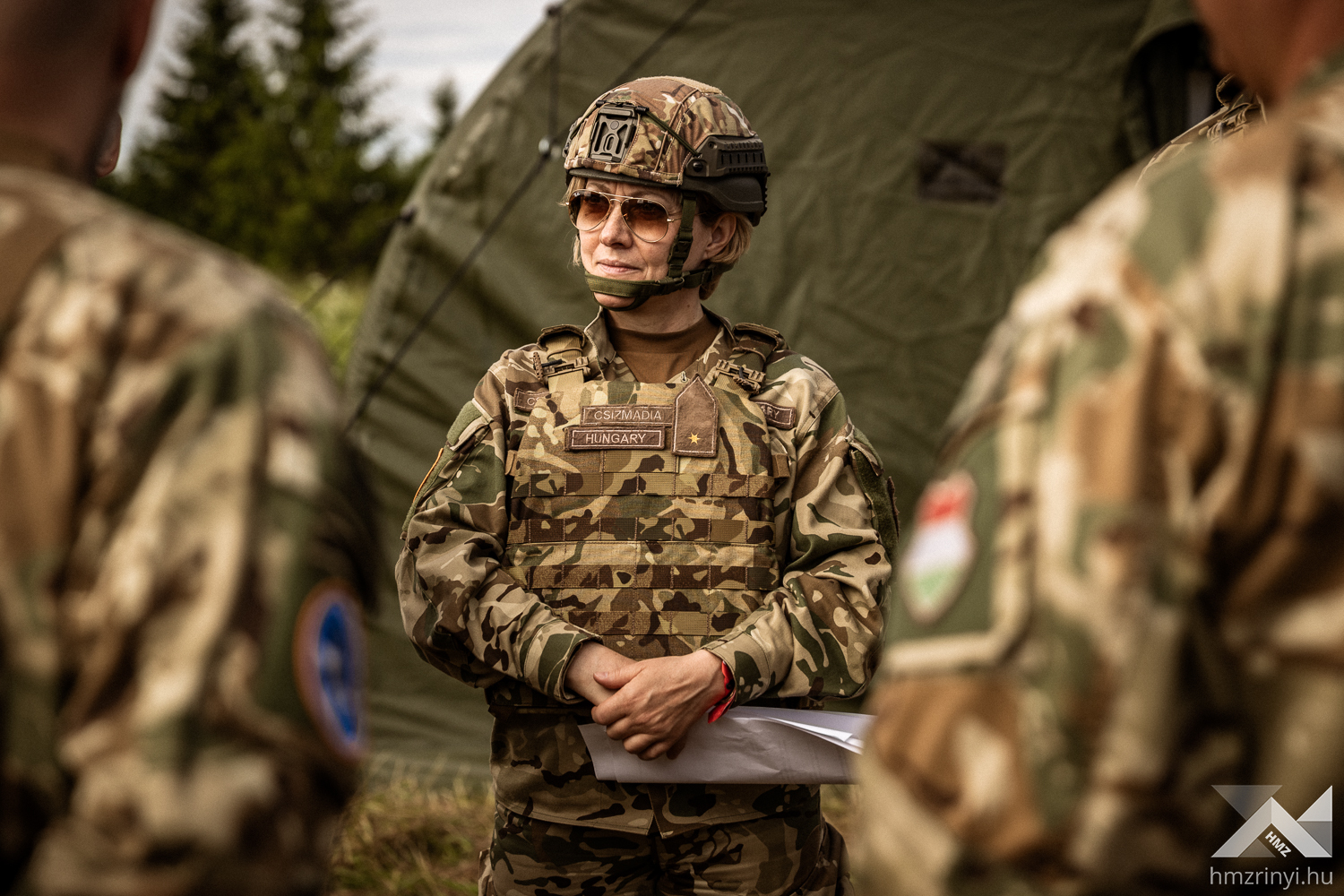
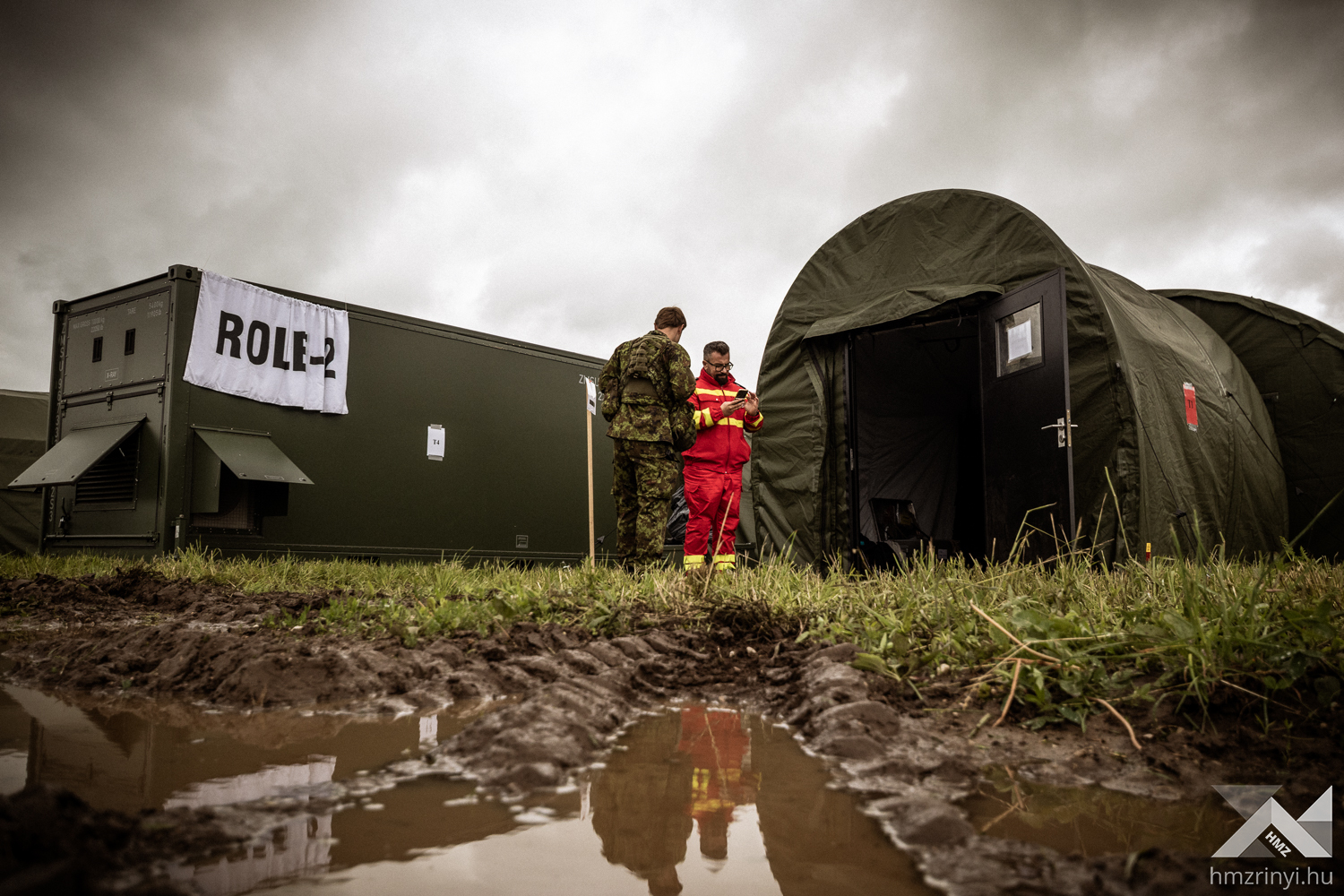
Text: Márton Ördög Kovács | Photo: Dávid Fabók | 13:30 June 17, 2026In a temperature of 13 degrees Celsius and under extremely changeable weather conditions—mostly in rain—the soldiers of the Hungarian Defence Forces Medical Centre started accomplishing their mission in Estonia on the Vigorous Warrior 2026 multinational NATO military medical exercise. To the Hungarian soldiers, this is more than just an exercise, as the objective set to the Role 2 capability is to obtain the NATO MEDEVAL certificate.
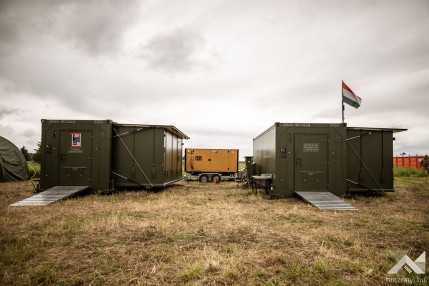
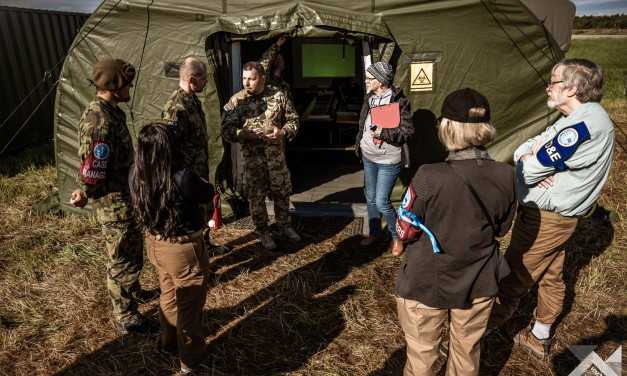
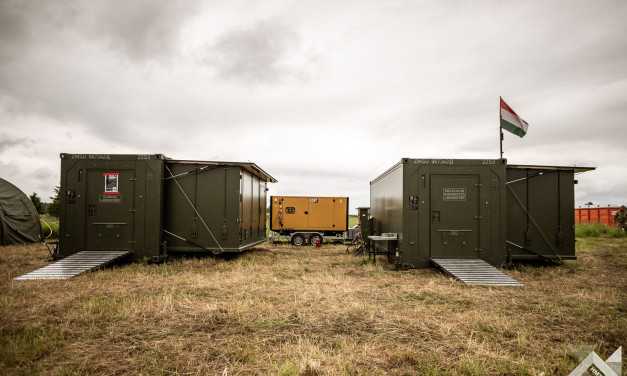
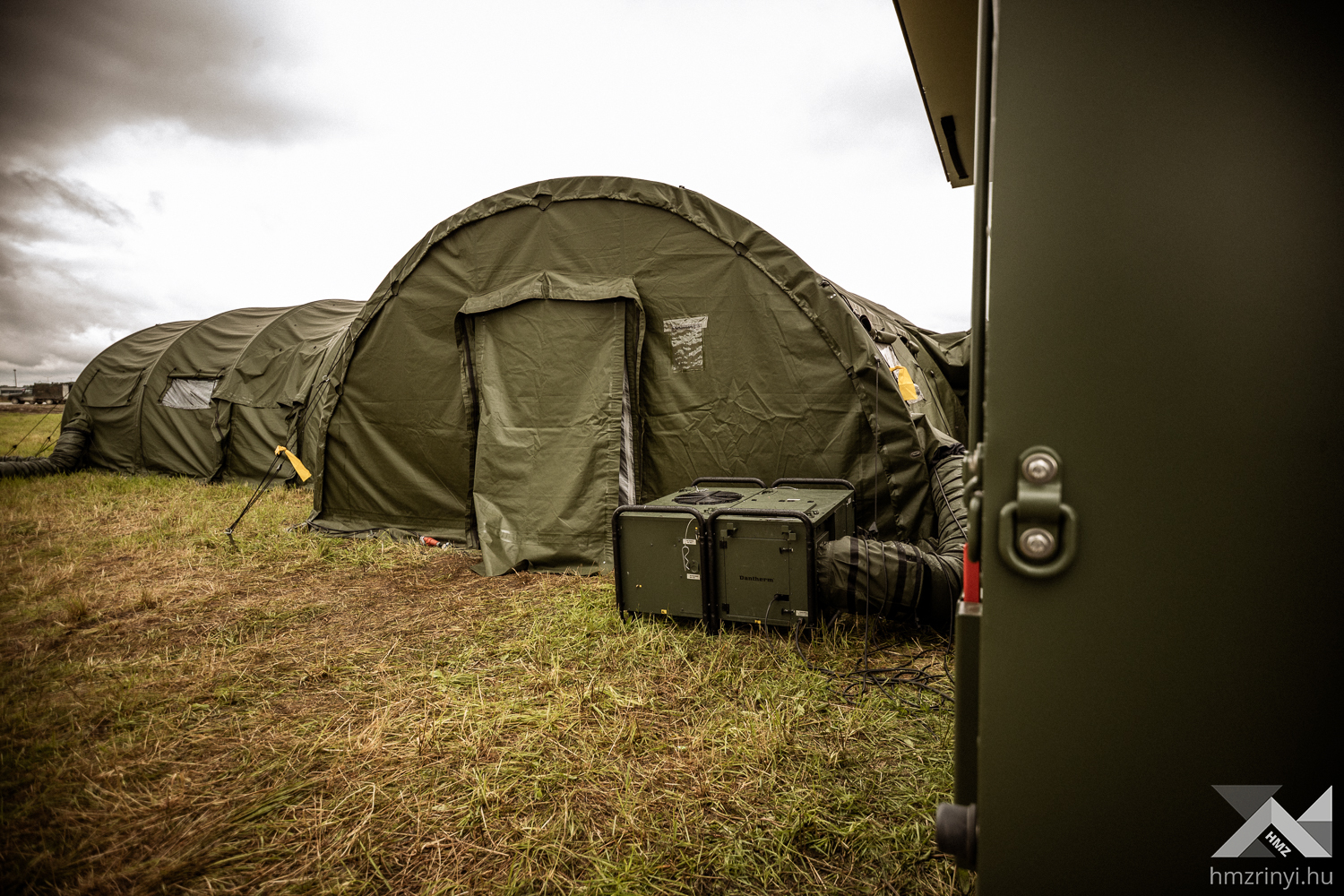
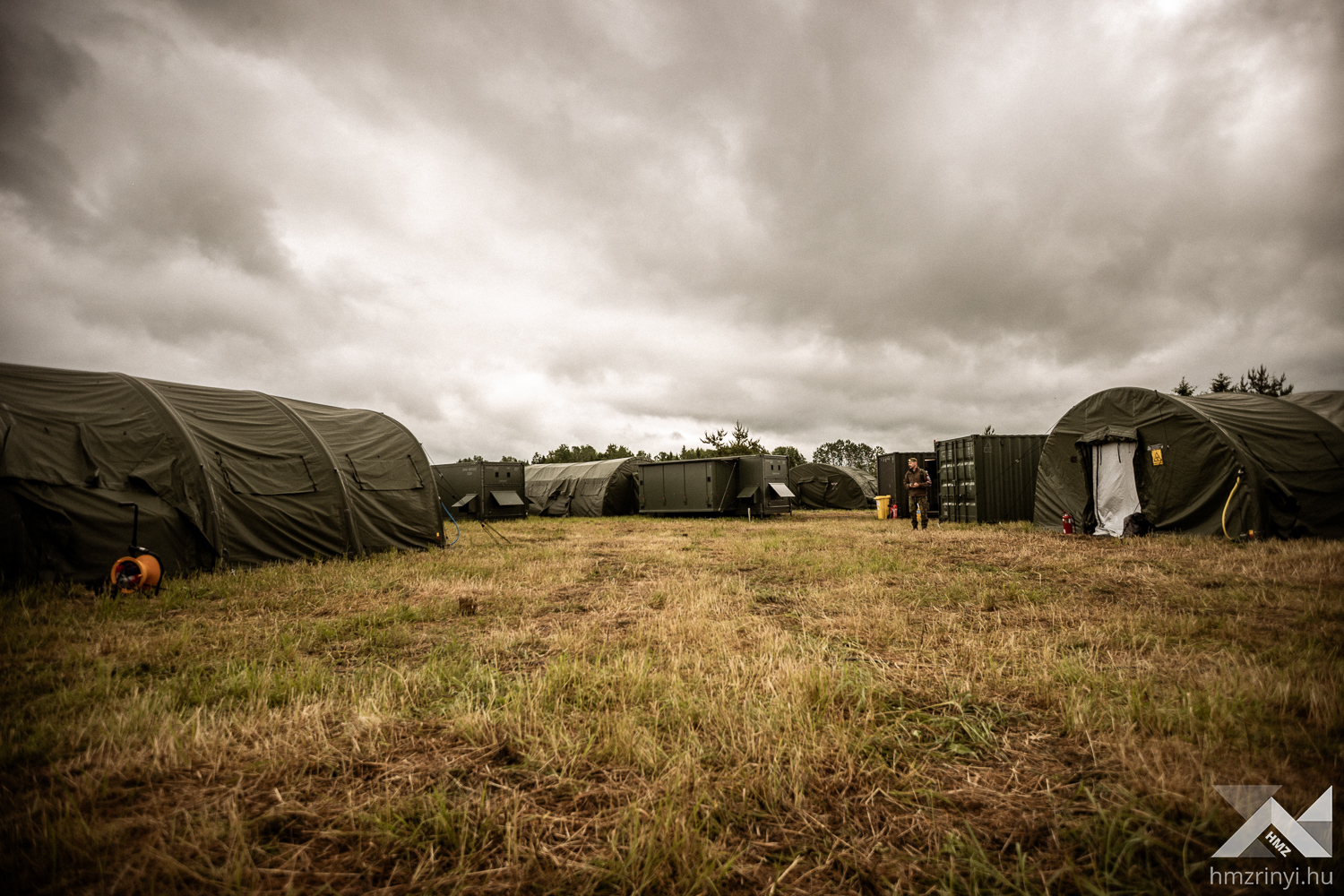
Thousands of soldiers from close to 30 nations are participating in Exercise Vigorous Warrior 2026. The international environment was already noticeable upon our arriving at the Hungarian camp, as it is situated on the edge of a characteristic Estonian forest—a mix of pine and poplar trees—between the Lithuanian and Belgian camps.
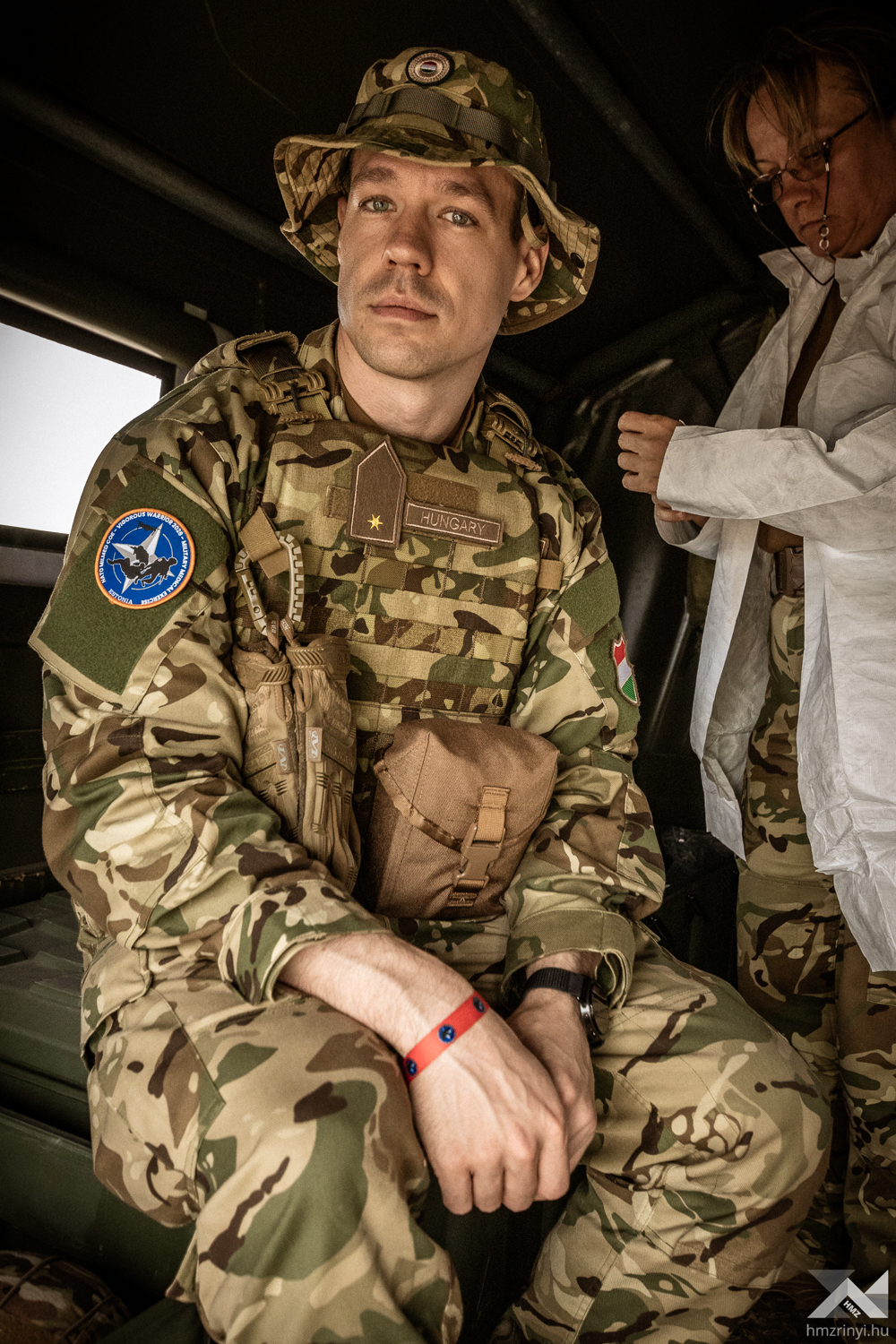
Deployed with the Role 2 field hospital, the Mobile Biological Laboratory, and the Preventive Medical Team, close to 80 soldiers from the Hungarian Defence Forces Medical Centre were awaiting tasks they did not know in advance, as the very purpose of the NATO Centre of Excellence for Military Medicine (NATO MILMED COE) is to evaluate how nations can respond to unexpected challenges in a coordinated manner. There was no shortage of these challenges, already on the first day.
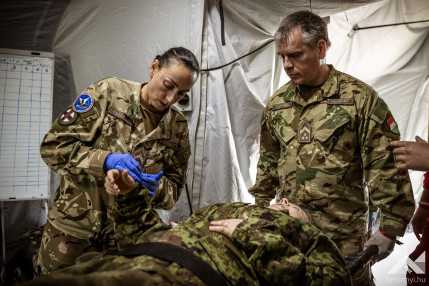
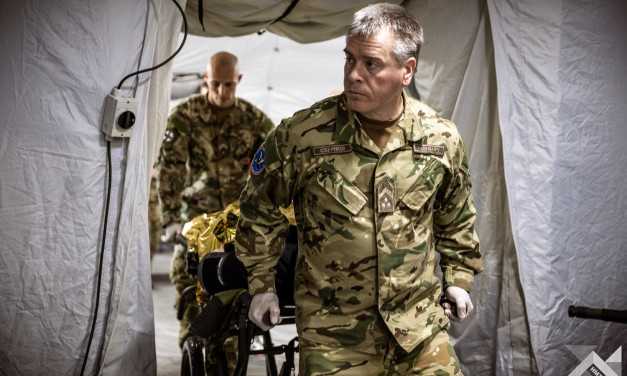
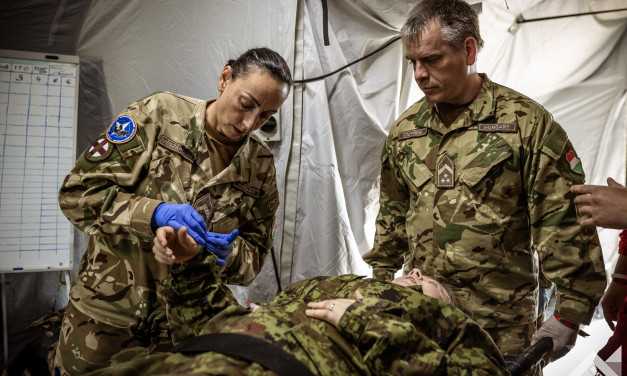
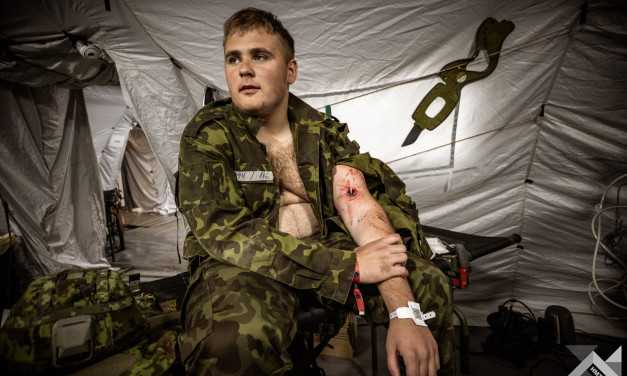
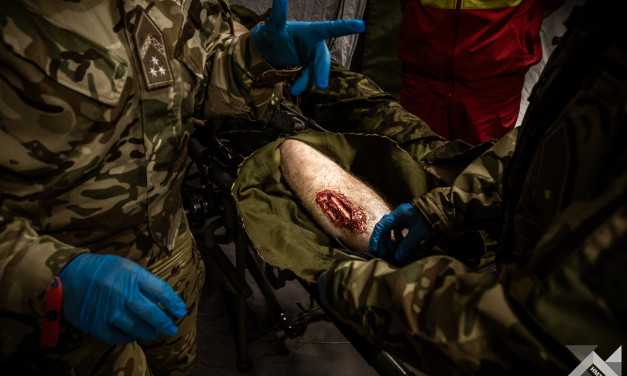
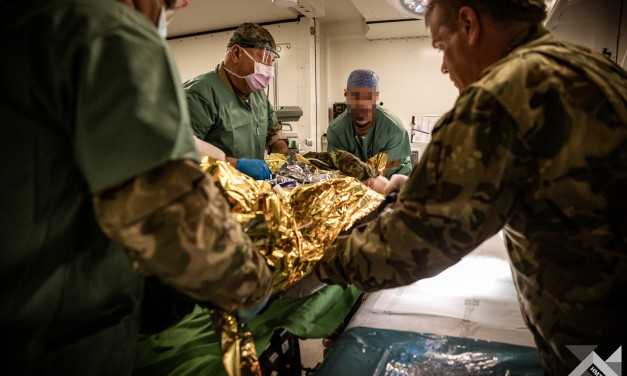
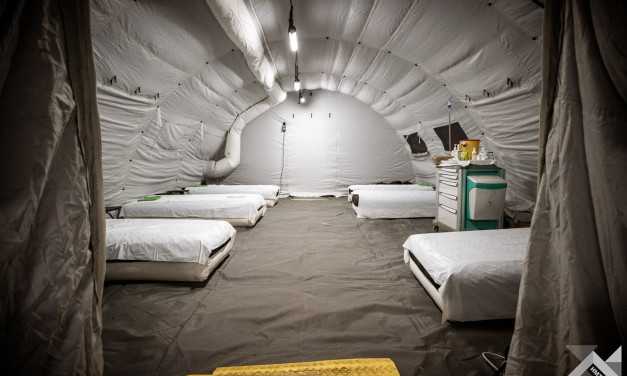
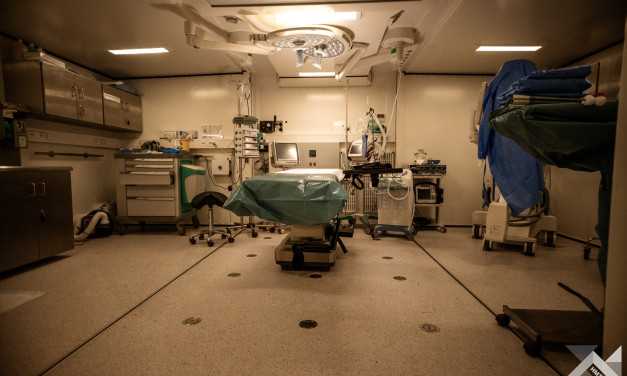
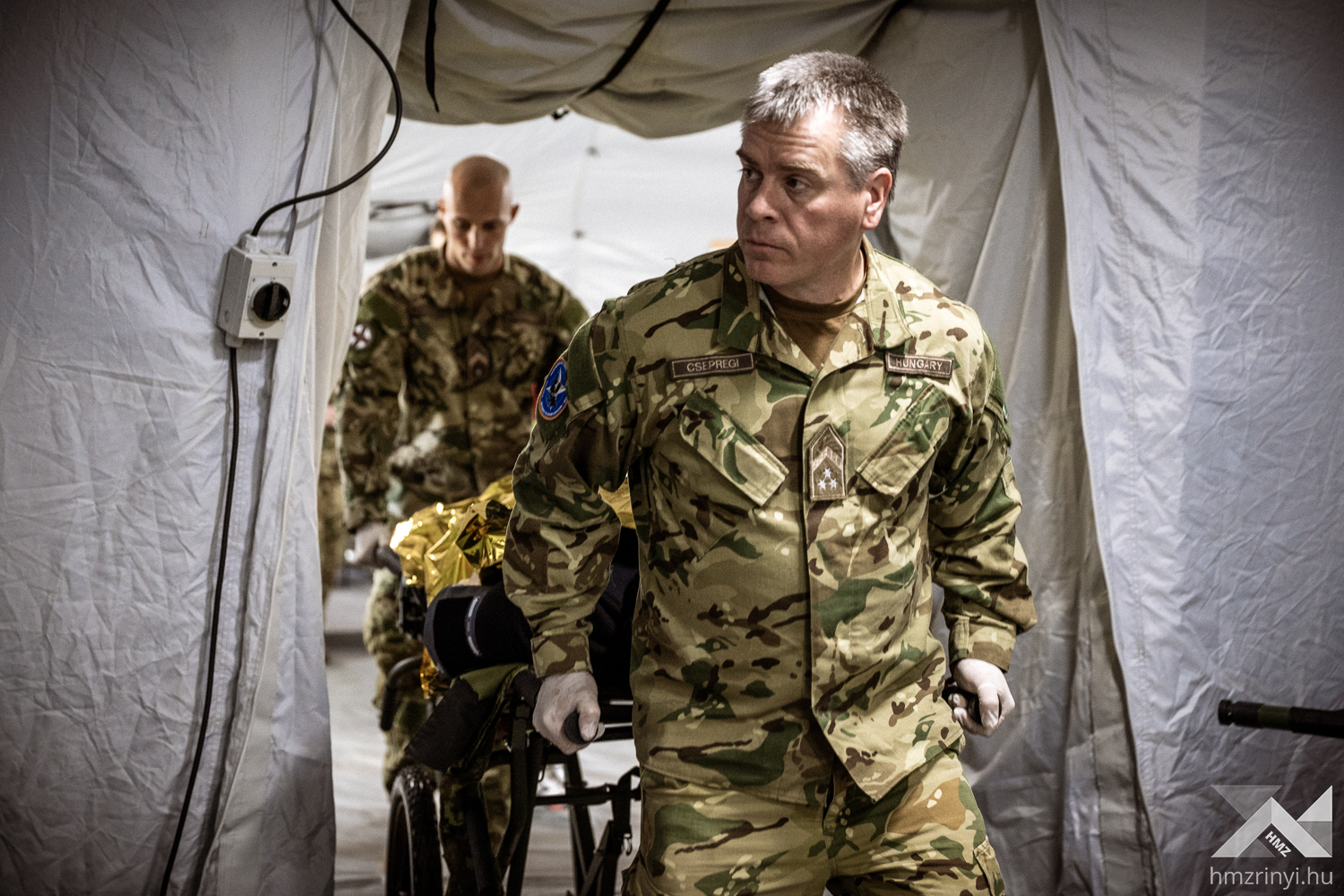
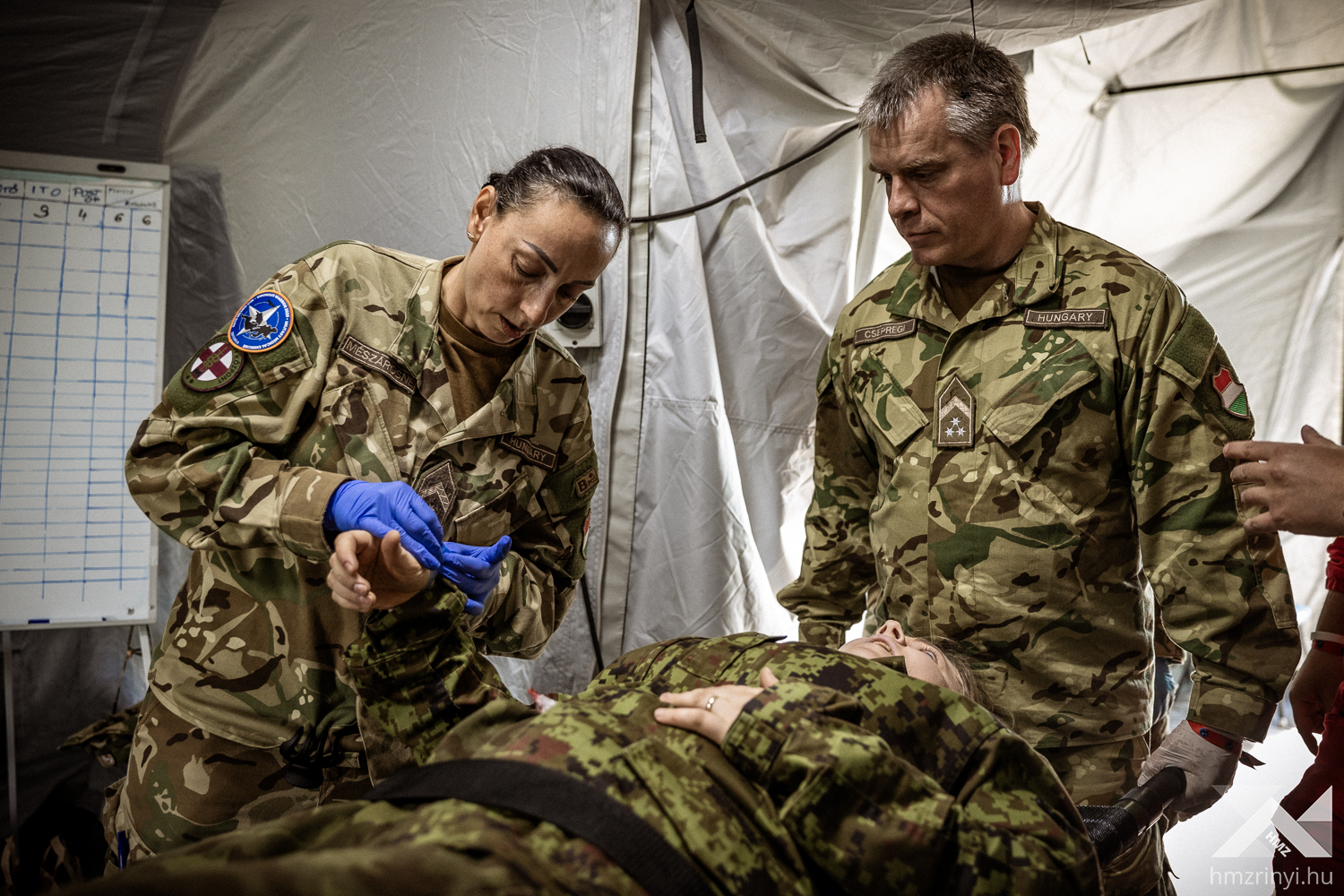
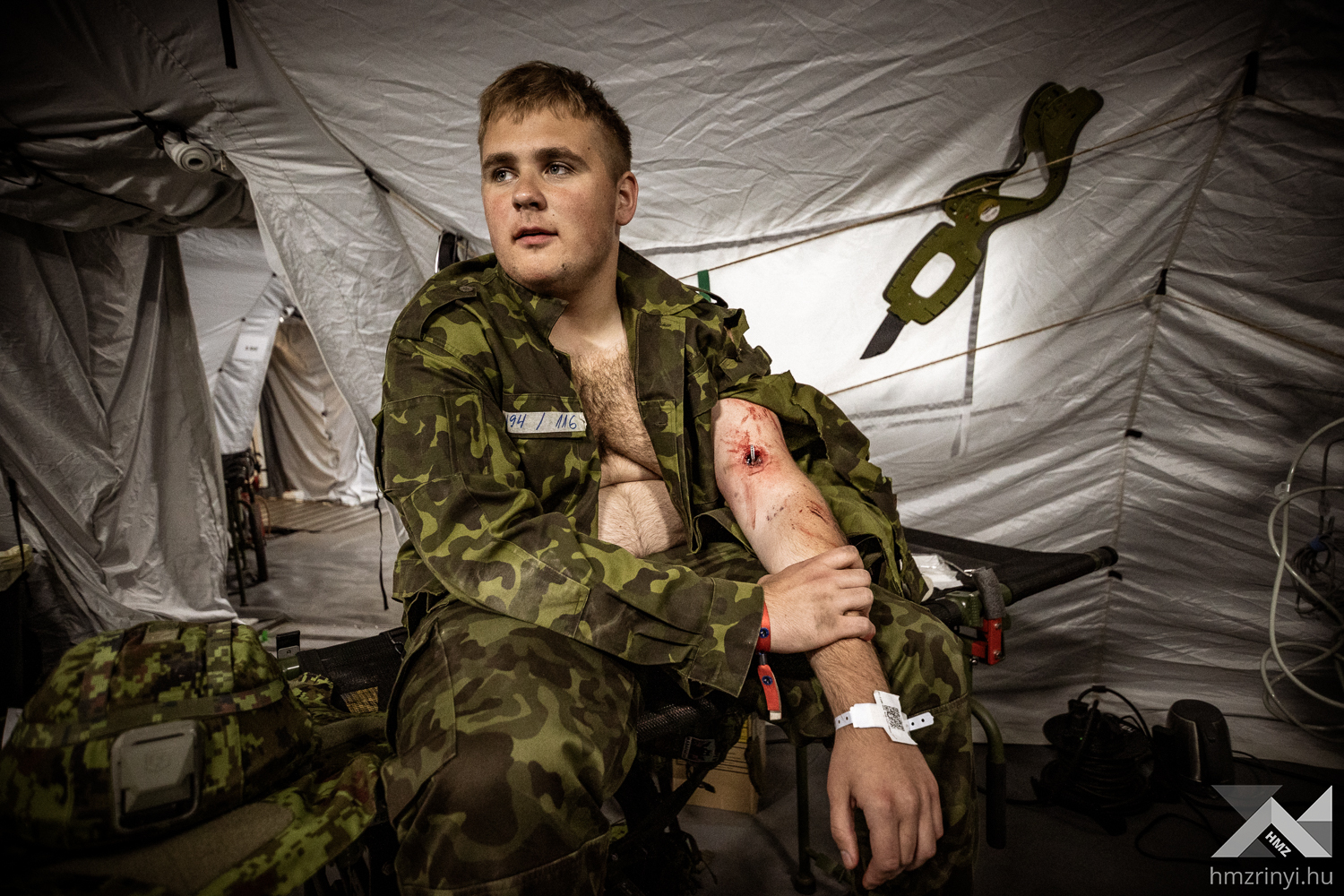
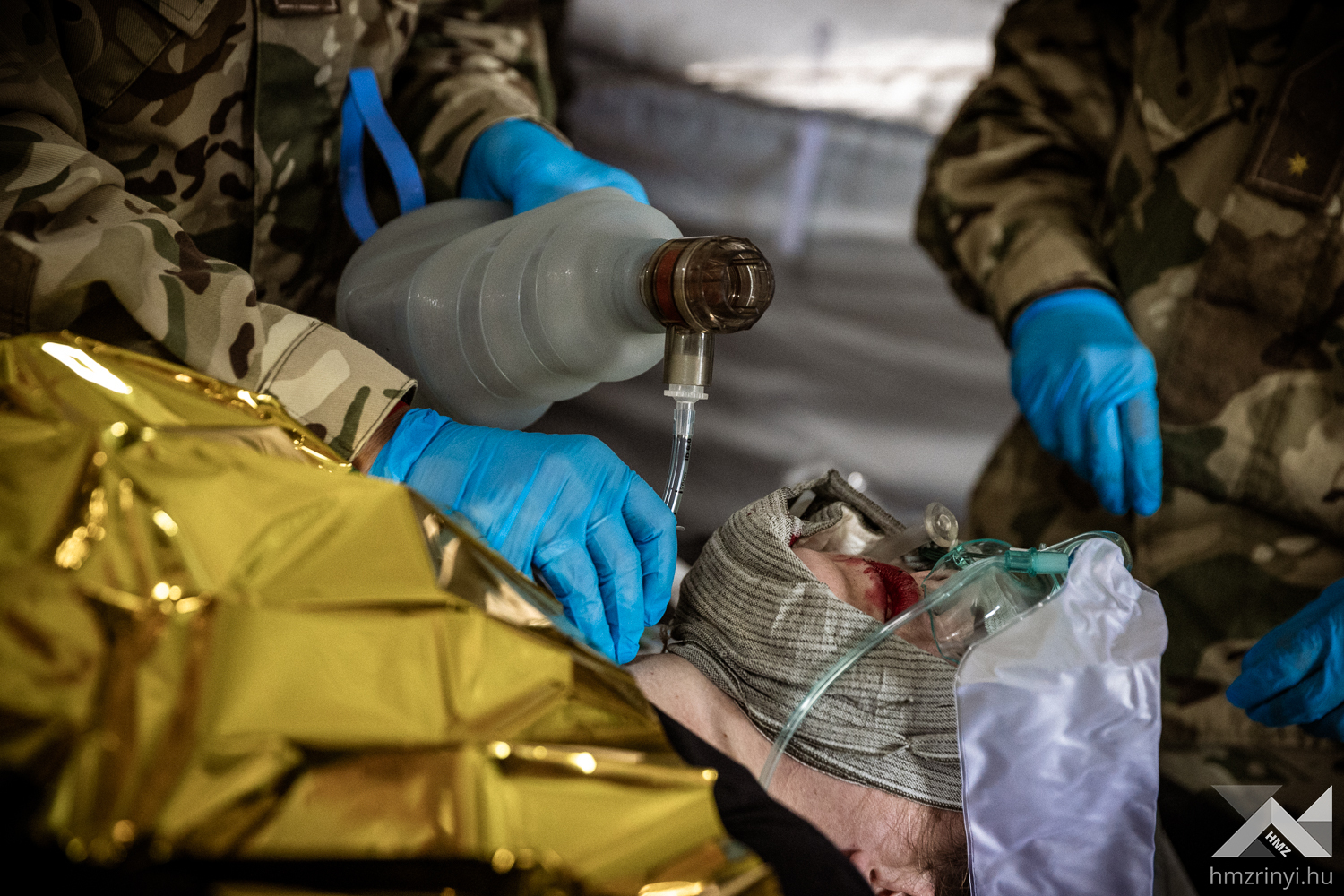
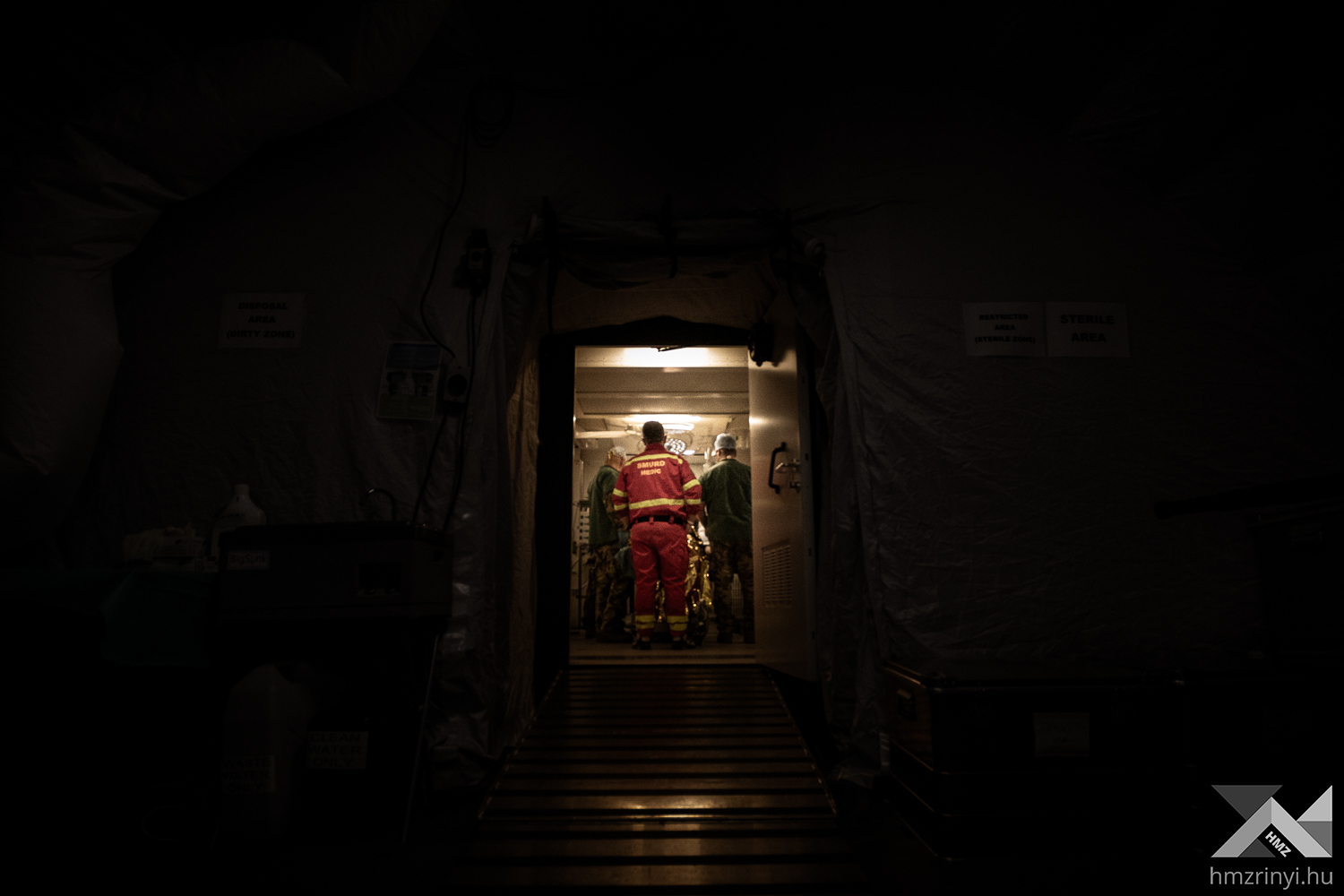
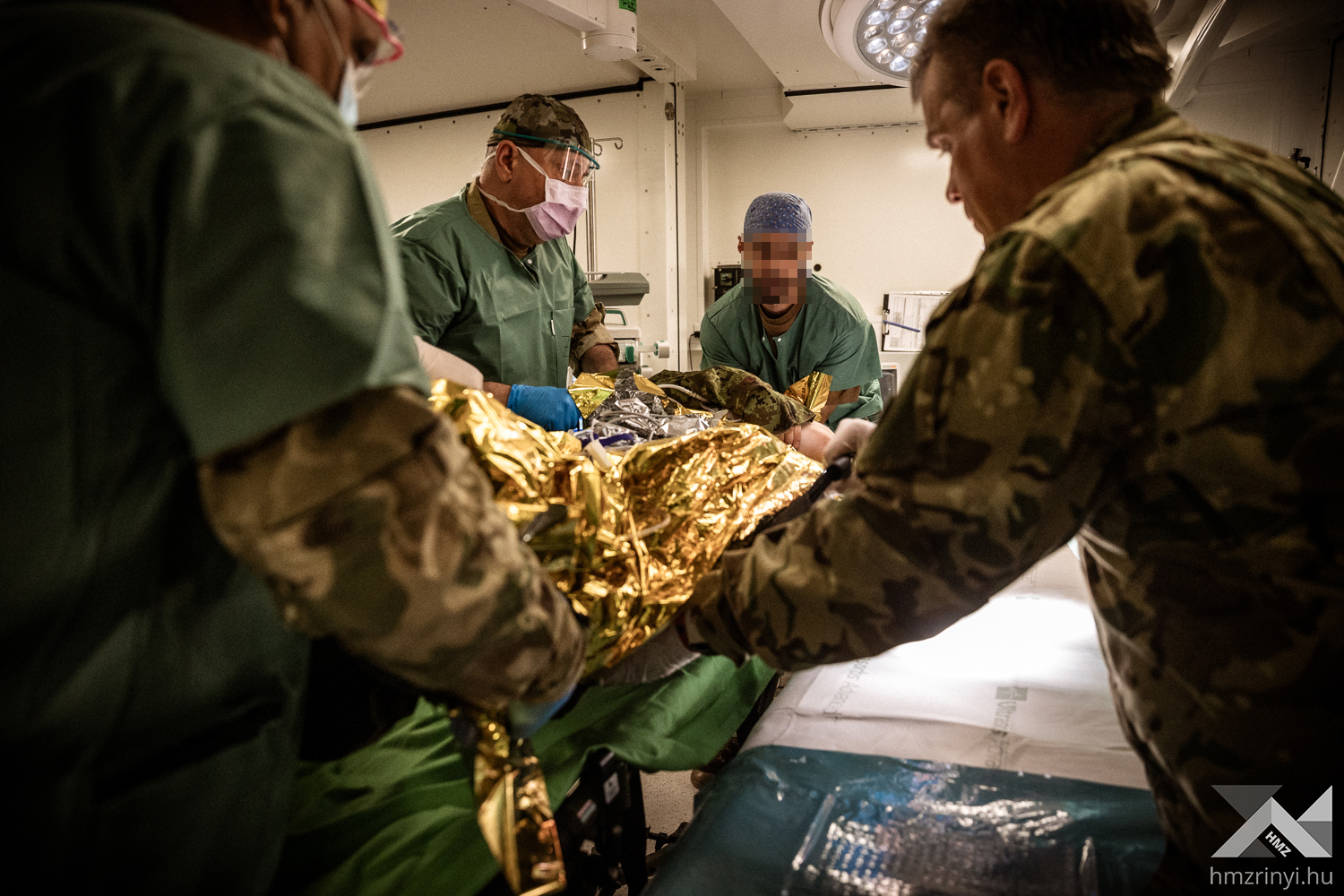
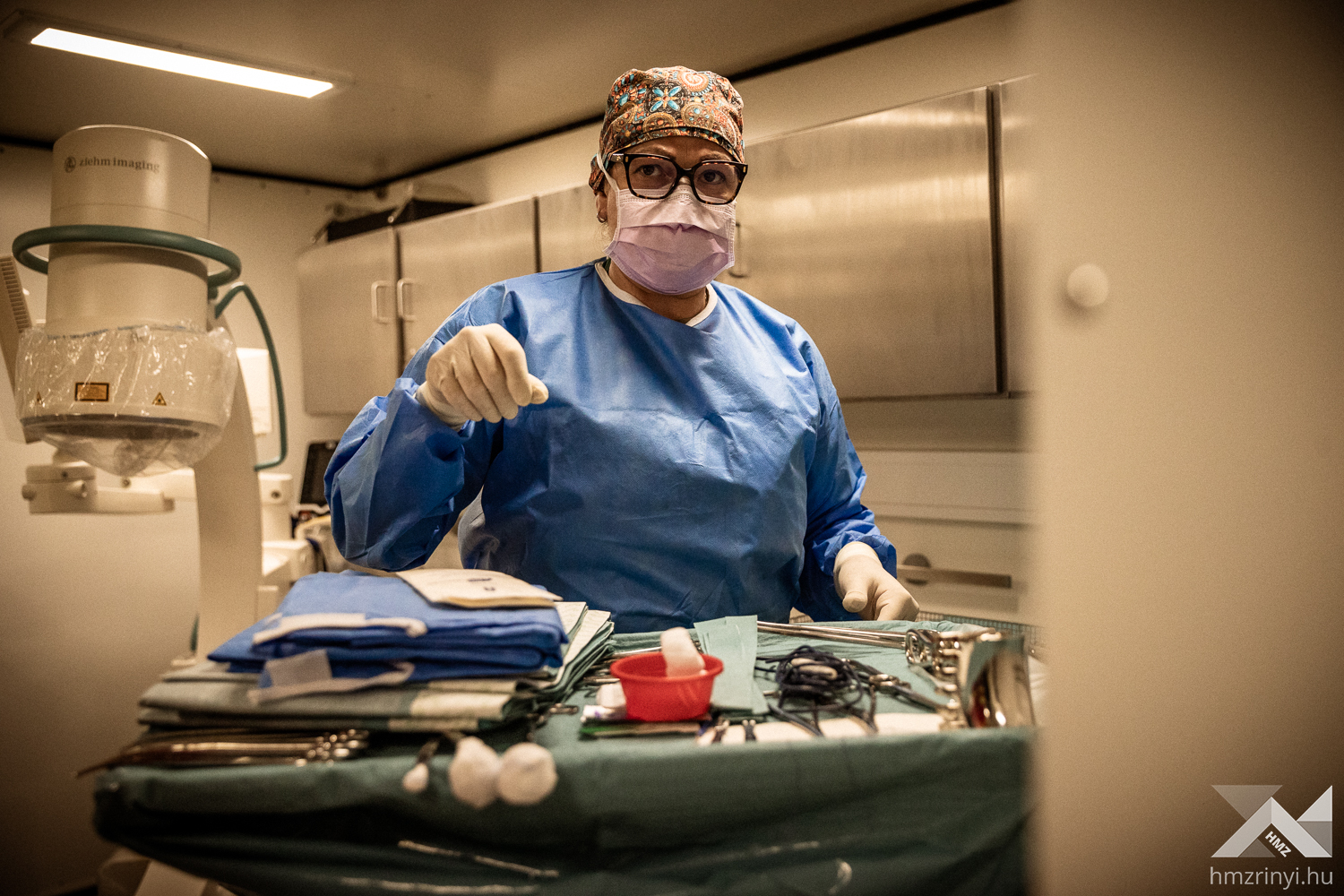
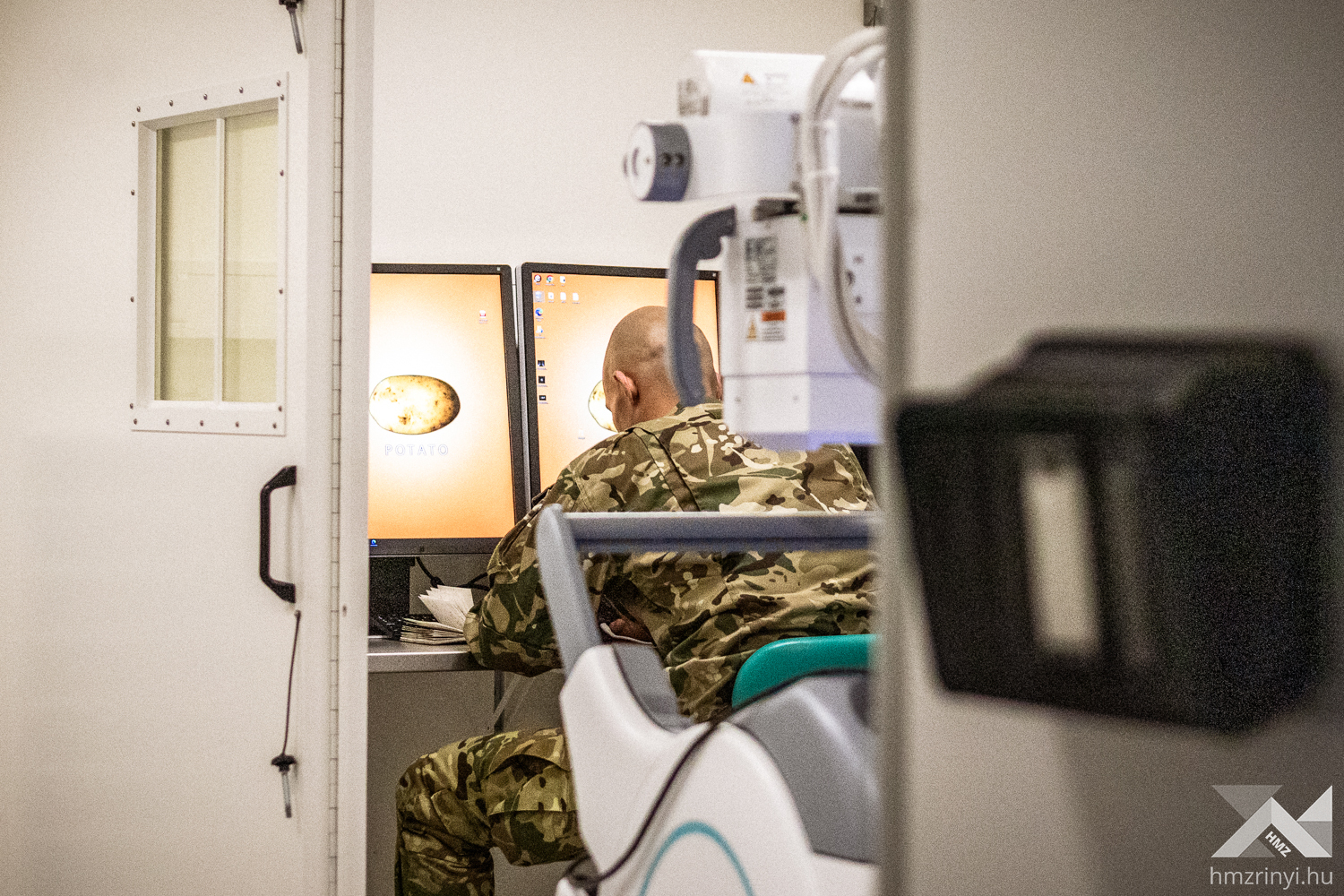
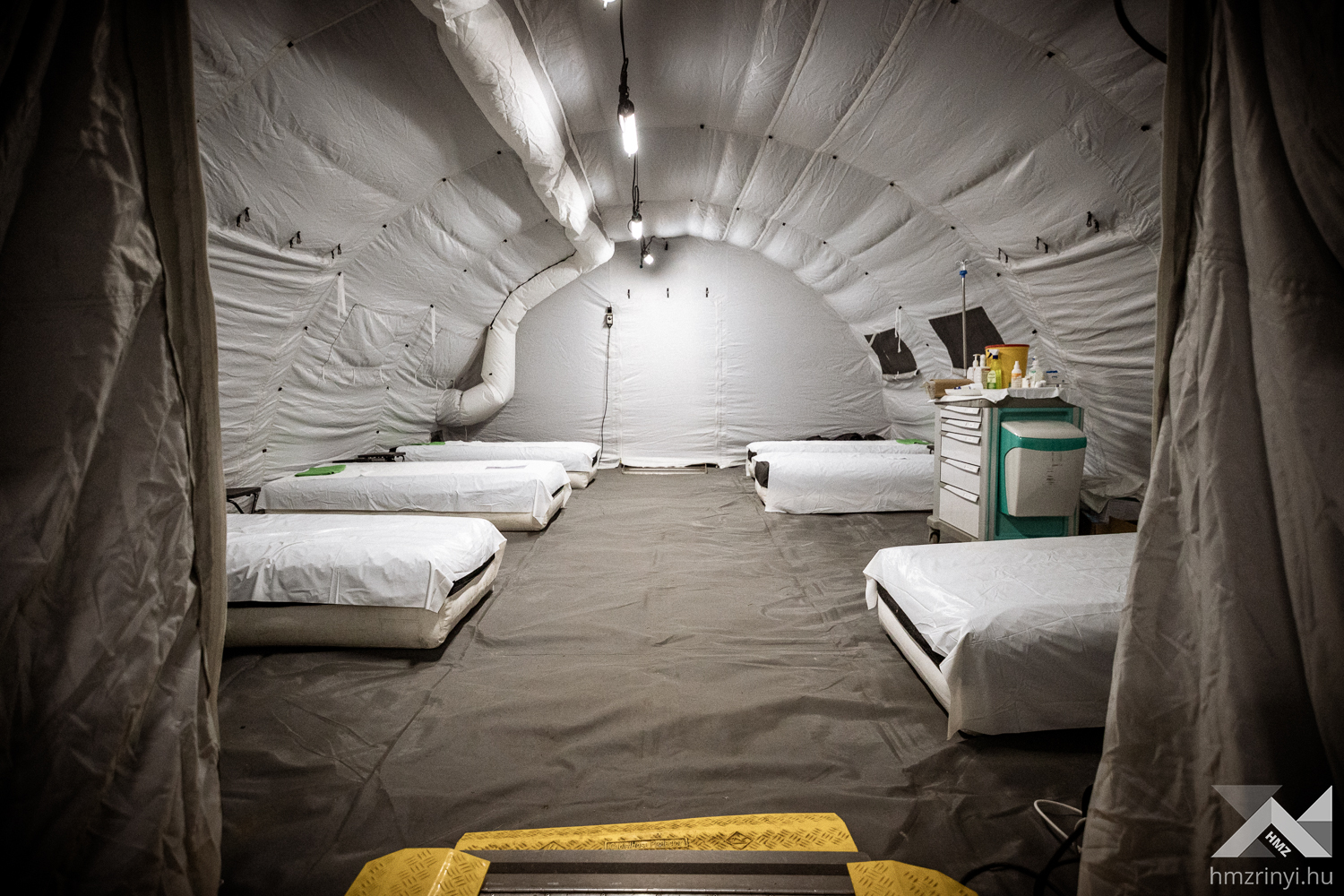
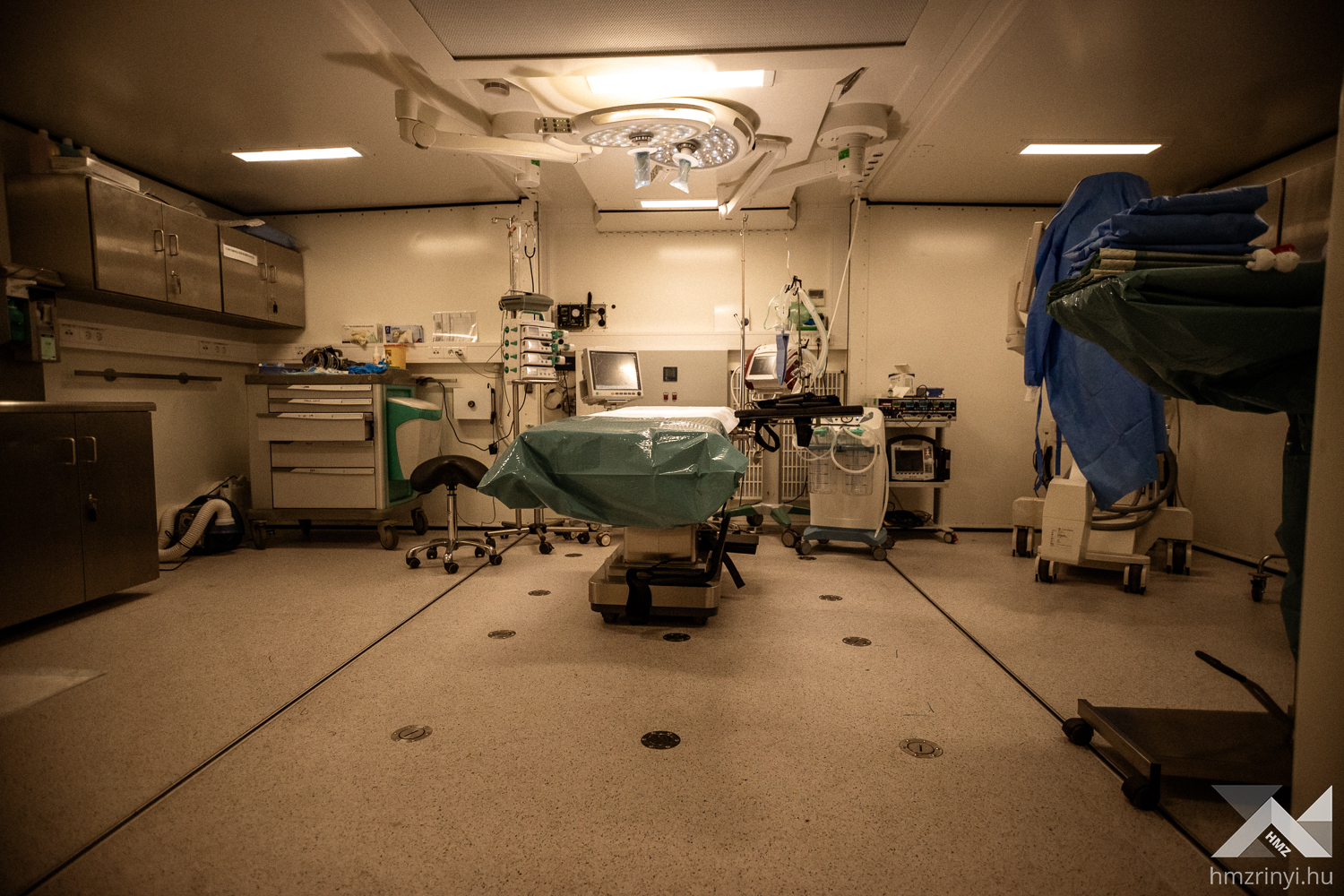
To accomplish the mission, the Role 2 field hospital, the Mobile Biological Laboratory, and the Preventive Medical Team were designated and involved in the first echelon. The first of these saw a flow of wounded allied soldiers arriving by land who, according to the scenario, had been transported from the front line to the Hungarian field hospital—where our military doctors and medical professionals immediately began providing them with professional care.
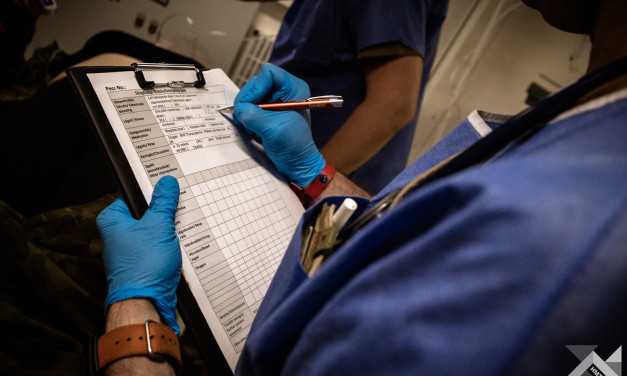
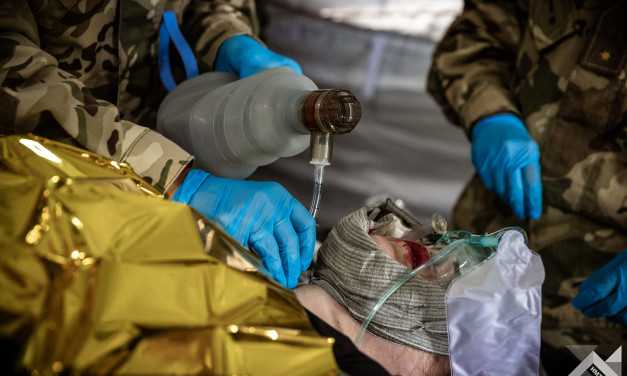
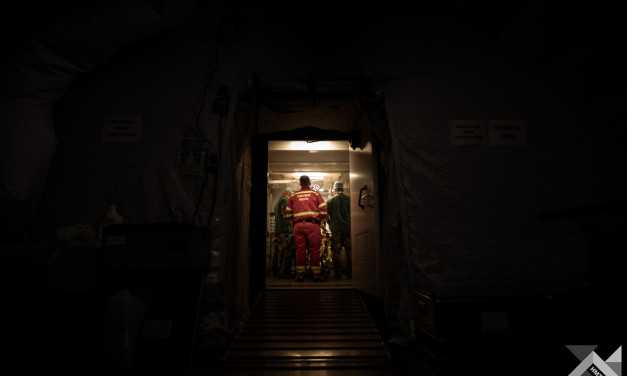
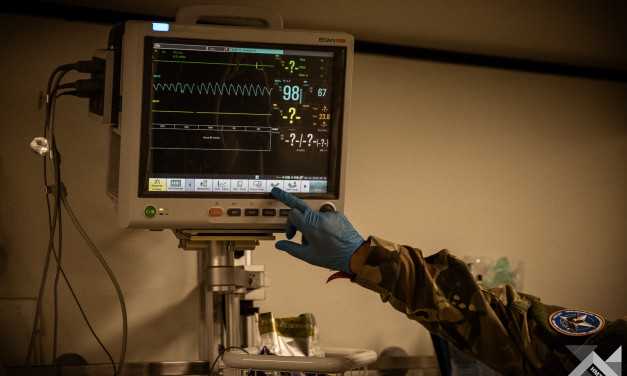
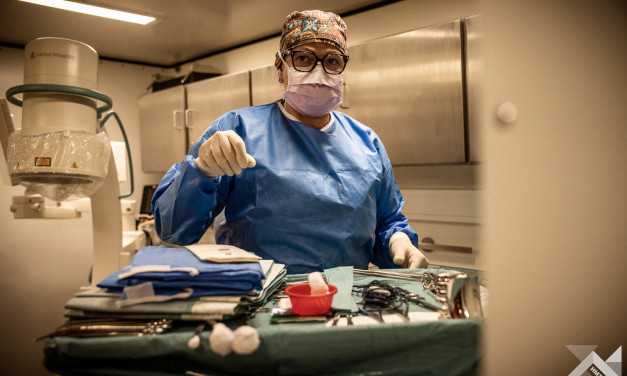
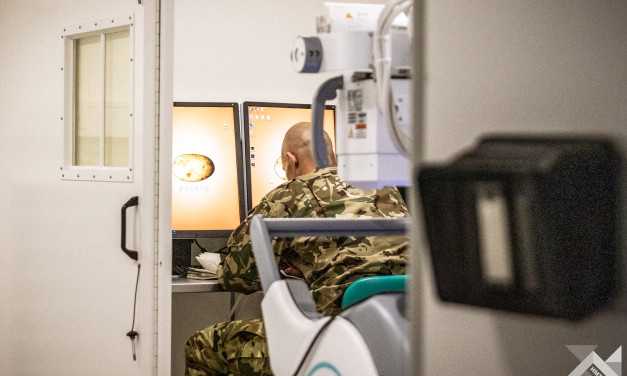
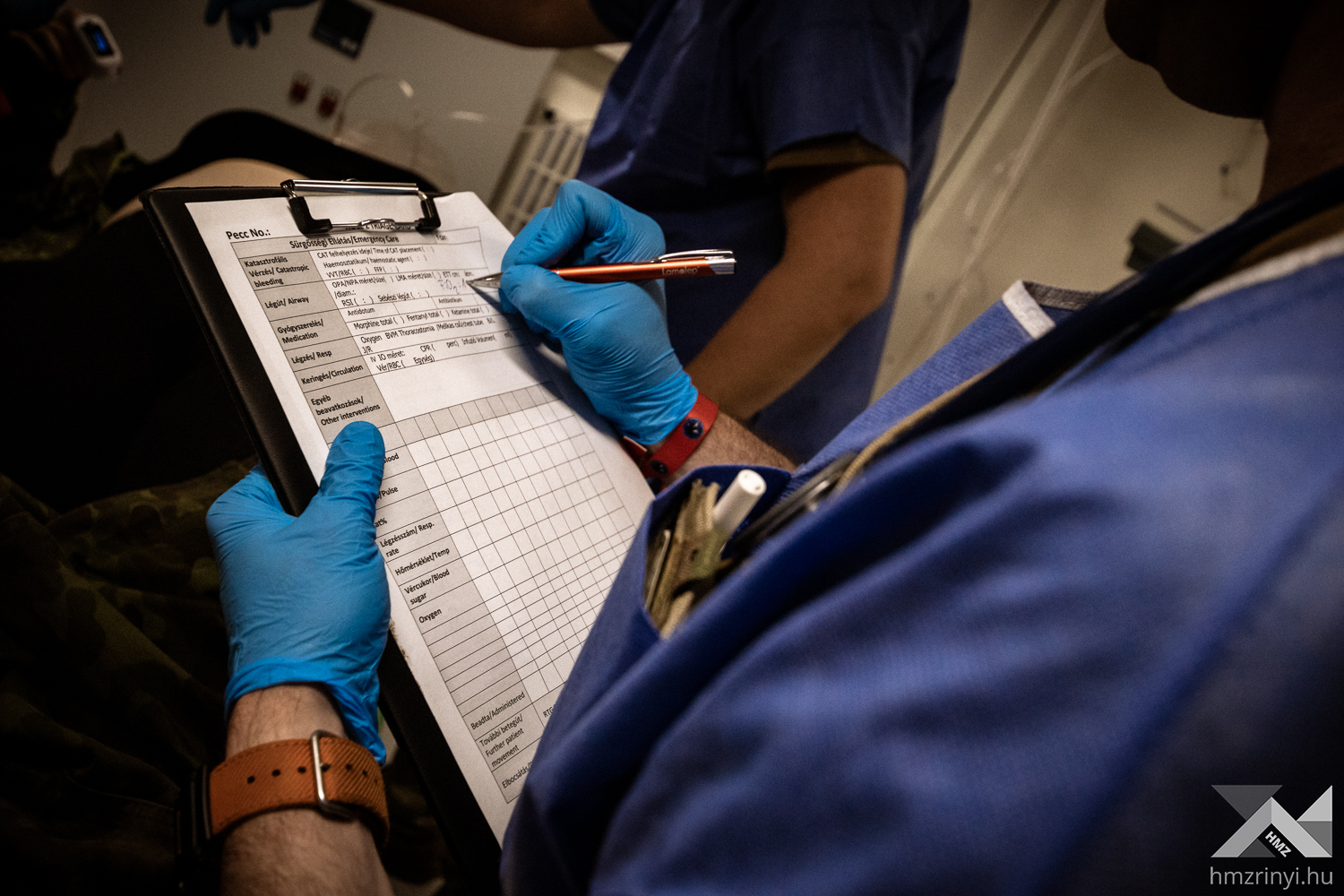
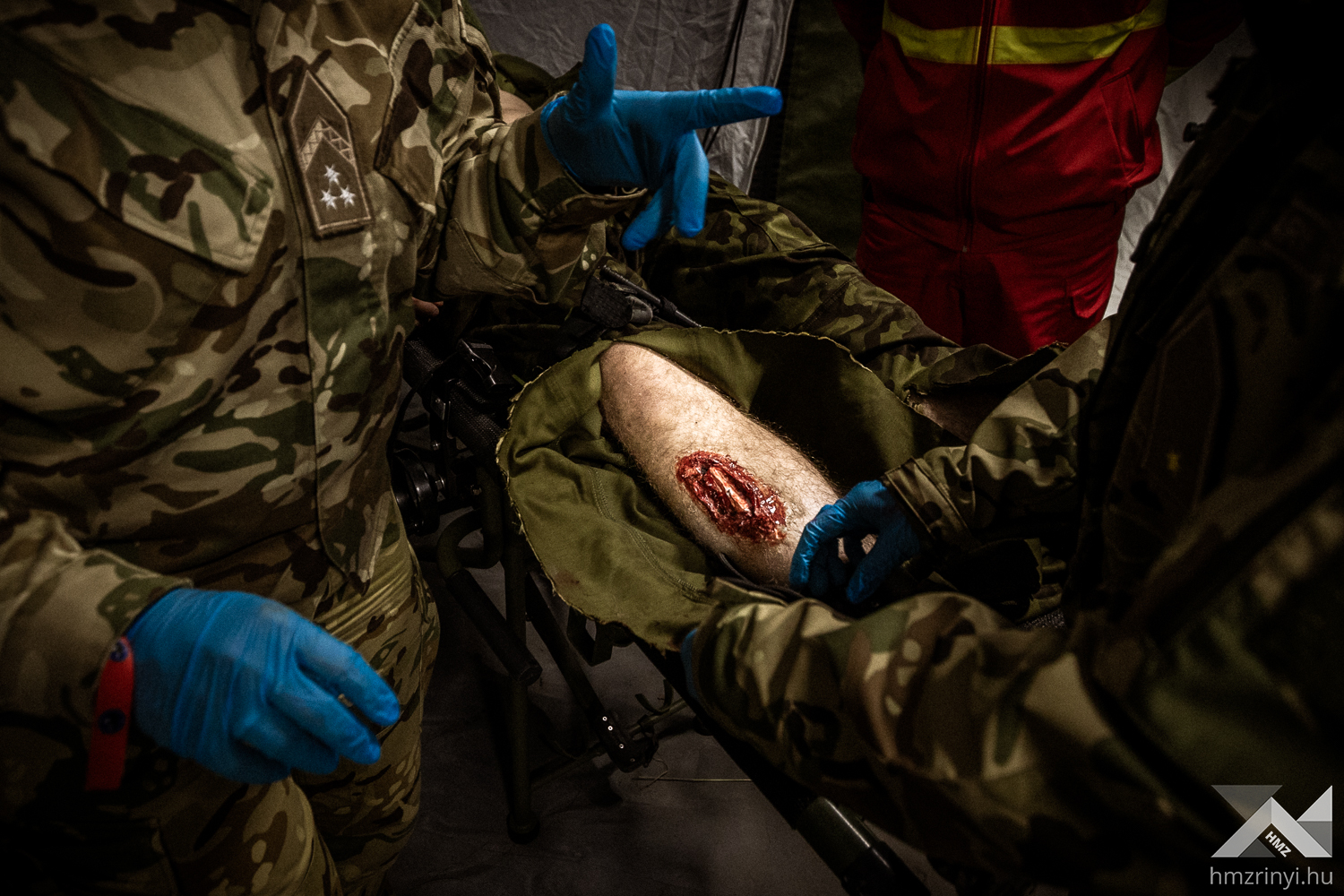
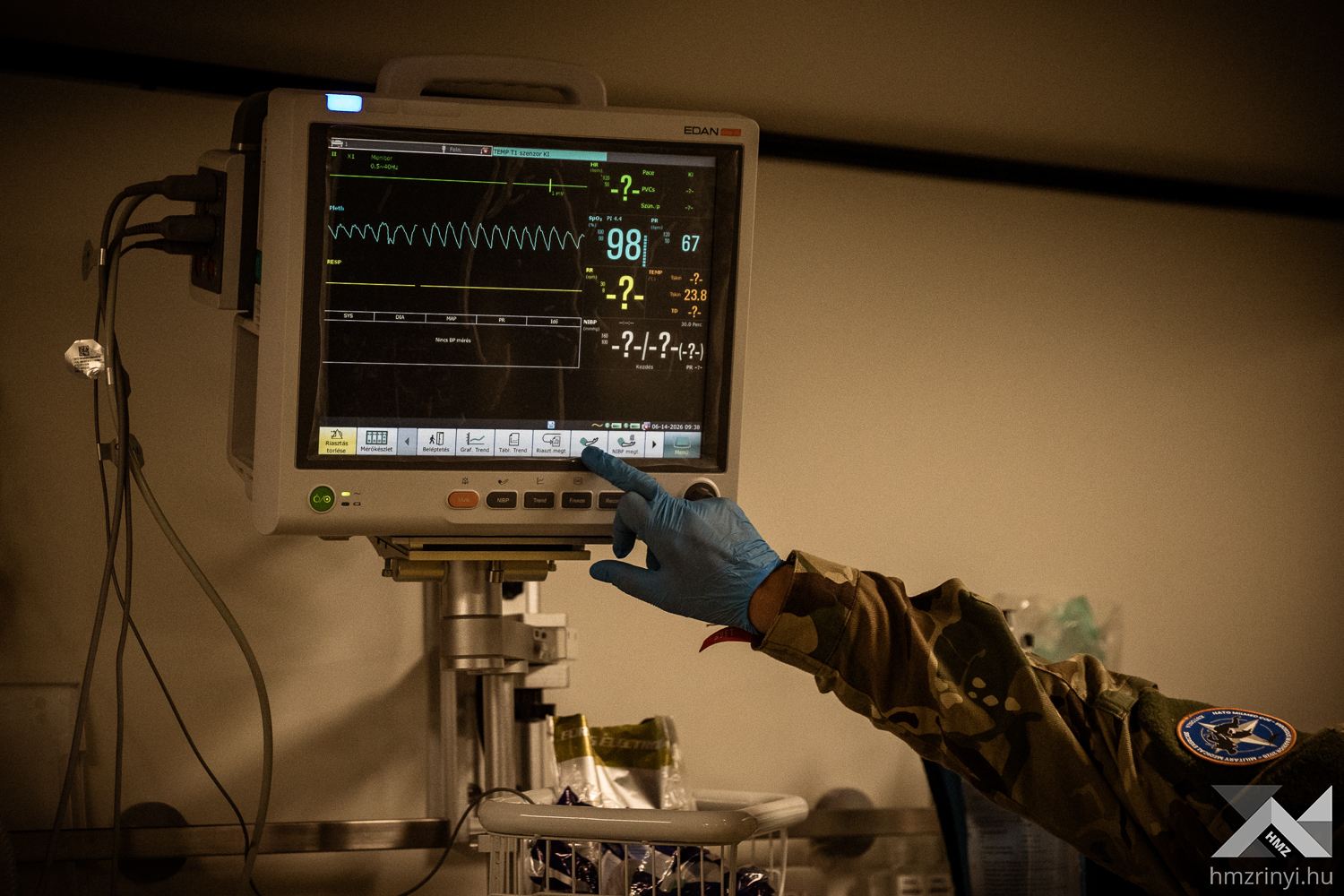
In a matter of moments, the field hospital turned into a hive of activity, where the staff were doing their work in an organized and coordinated manner. During treatment, special attention was paid to adherence to procedures, to precise documentation, and, depending on the condition of the casualties, to transferring them to a higher level of care as soon as possible. During the exercise, the professionals practiced treating numerous types of injuries that may occur in wartime conditions, including trauma cases involving bleeding and poisoning and those resulting from combat actions or accidents.
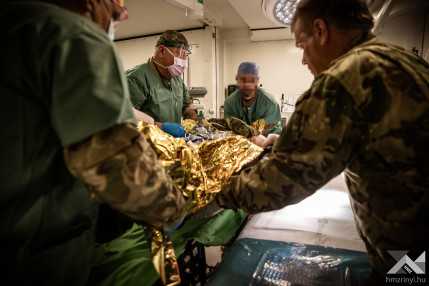
The highlight of the day was the realistic, operable SimX military medical VR simulation platform, which accurately models the human body anatomically, and so enables the practice of surgical procedures. In addition, head, abdominal, and limb injuries were also treated, while the key tasks were to stabilize the condition of severely injured patients and to keep them alive until surgical care became available.
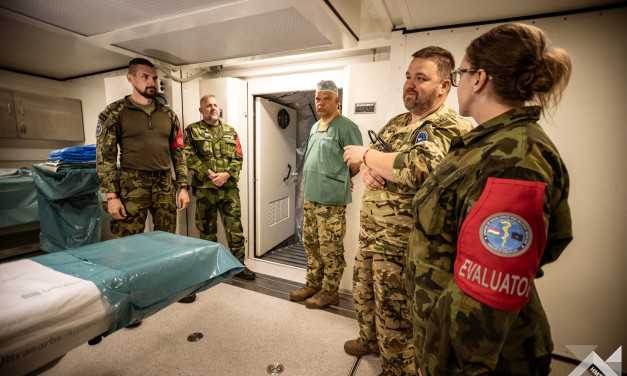
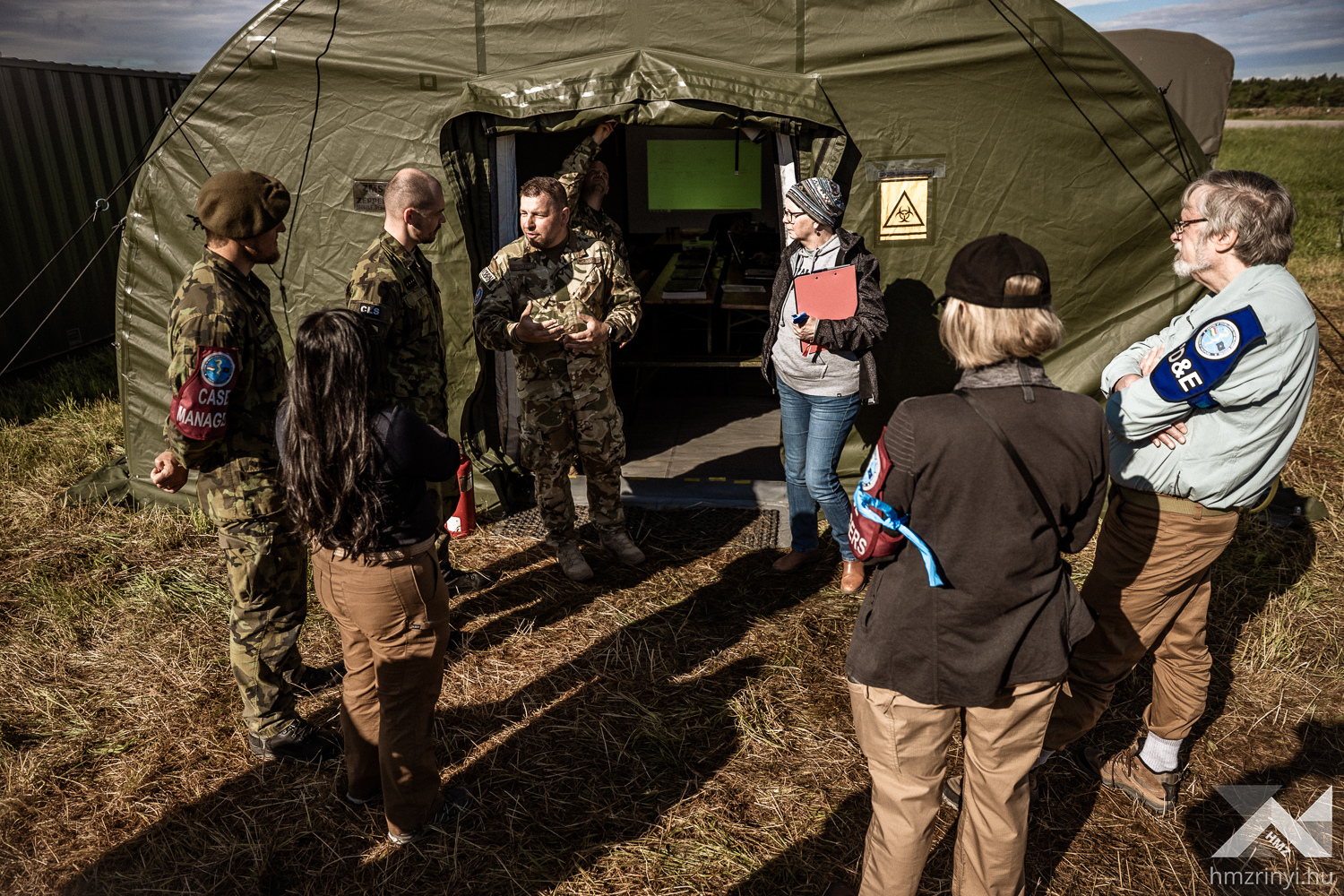
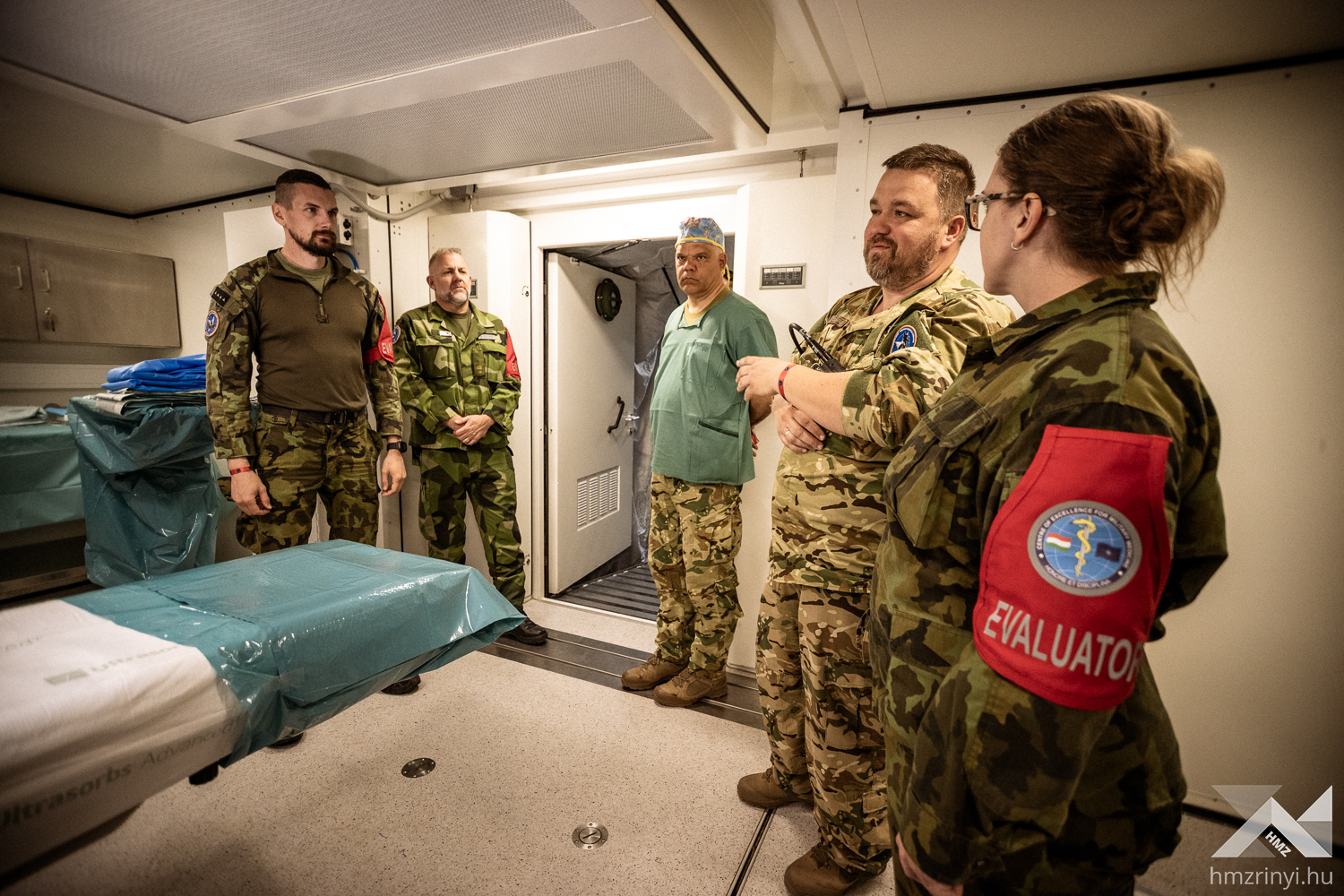
The tasks were made more exciting by the fact that, in the meantime, soldiers of other nations continuously were arriving in small groups, who, as part of an informal visit, had the opportunity to familiarize themselves with the Hungarian Role 2 field hospital.
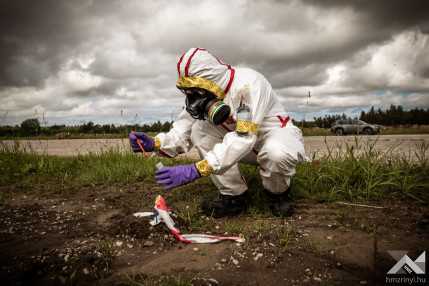
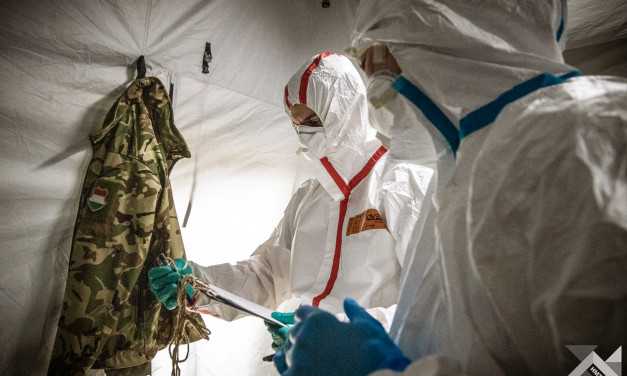
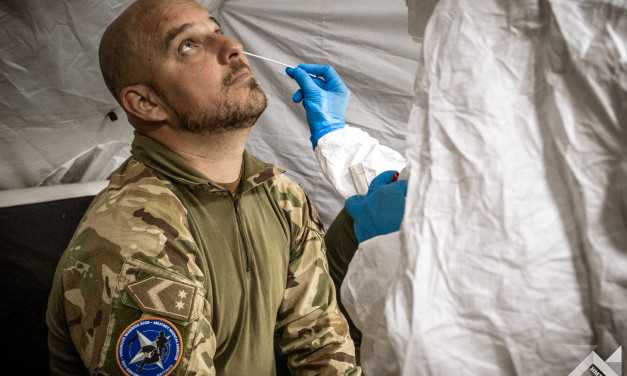
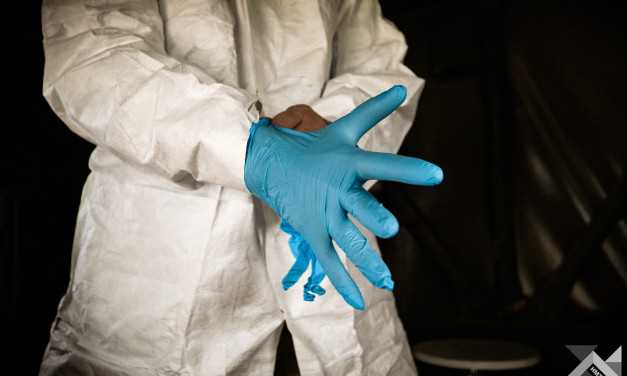
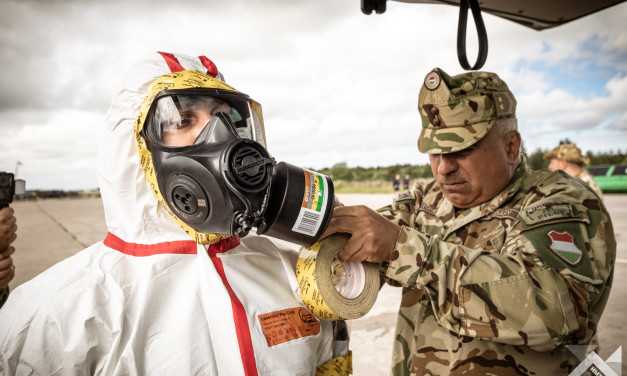
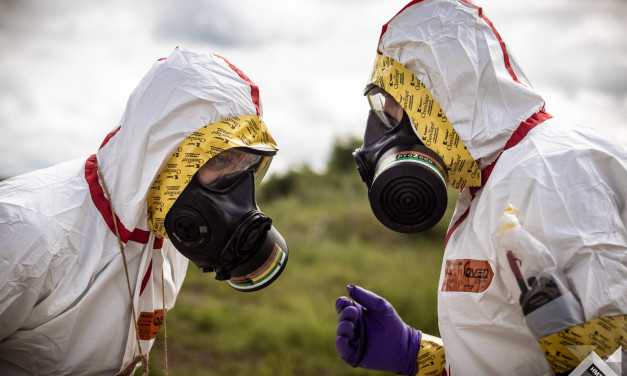
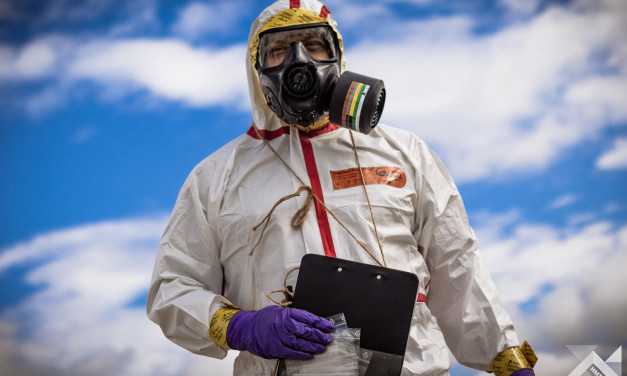
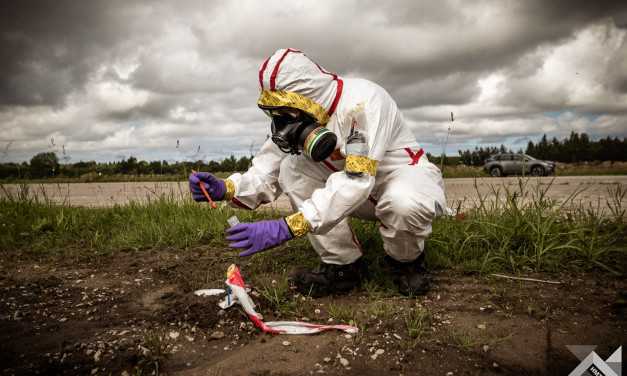
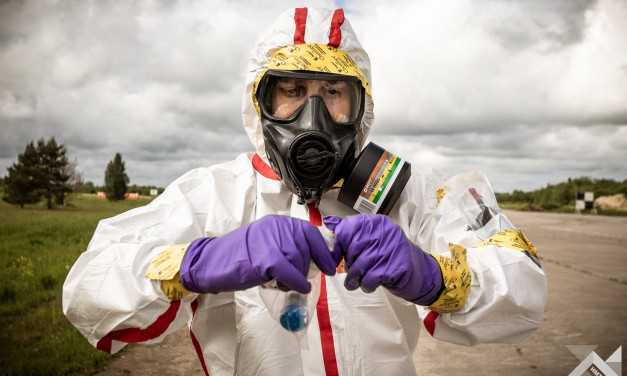
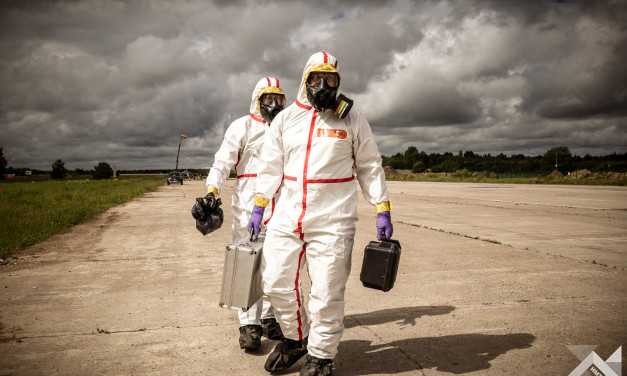
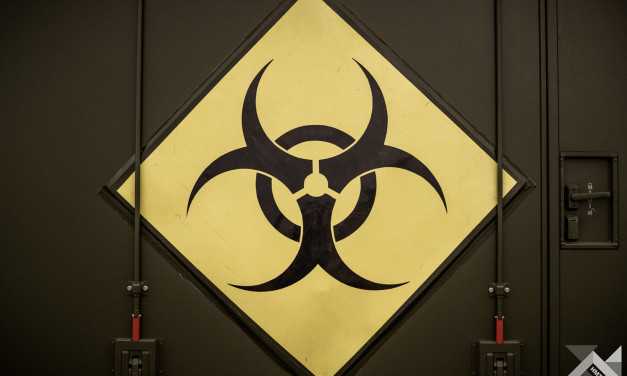
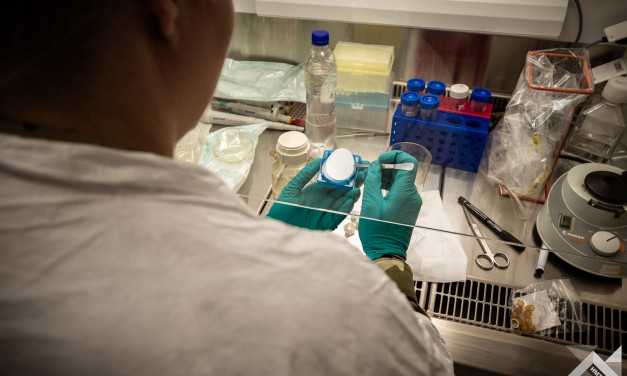
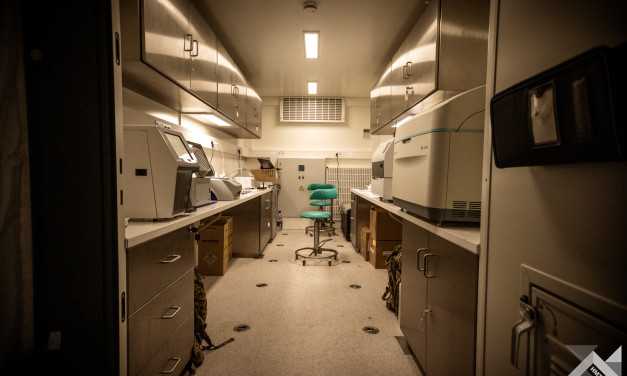
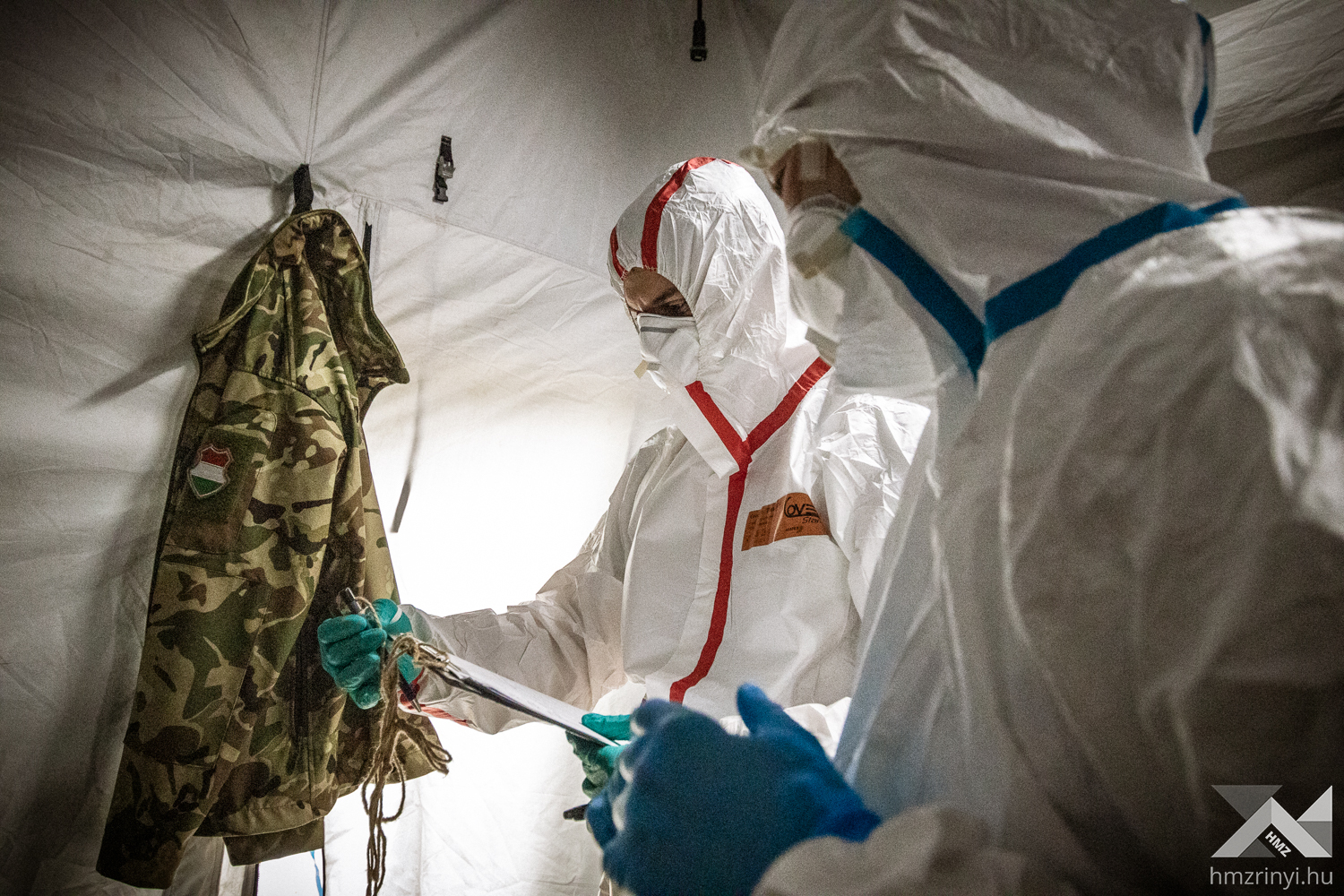
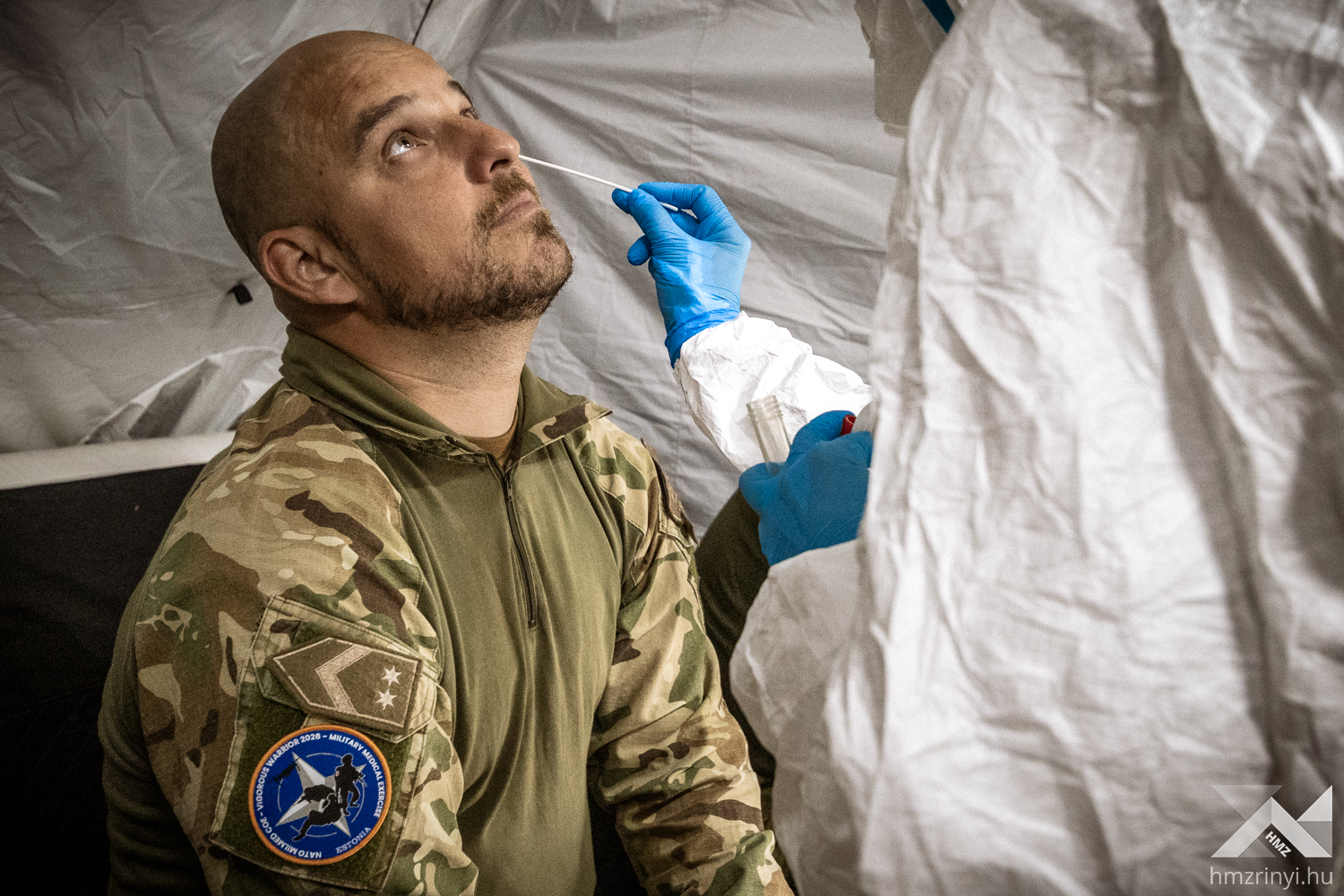
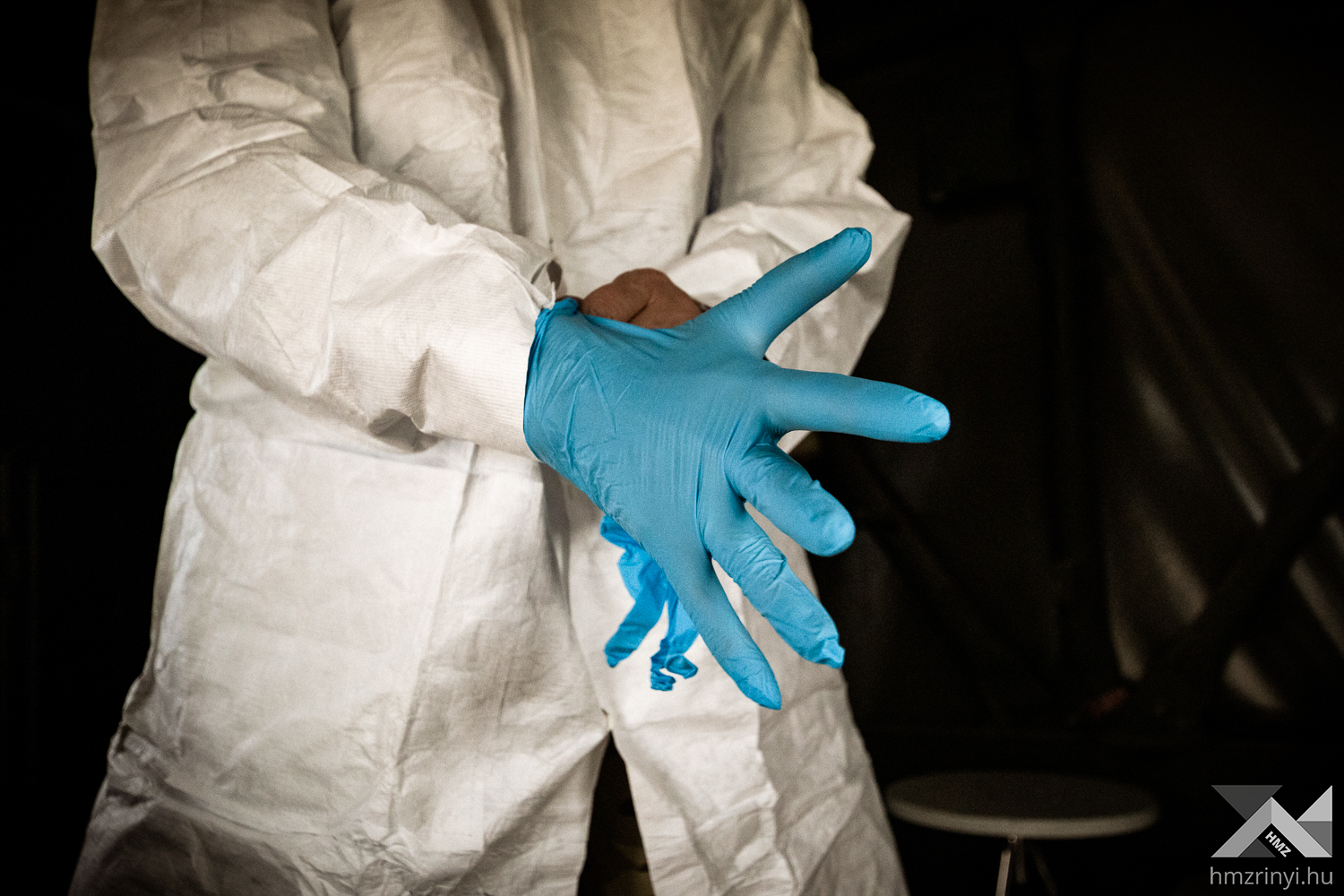
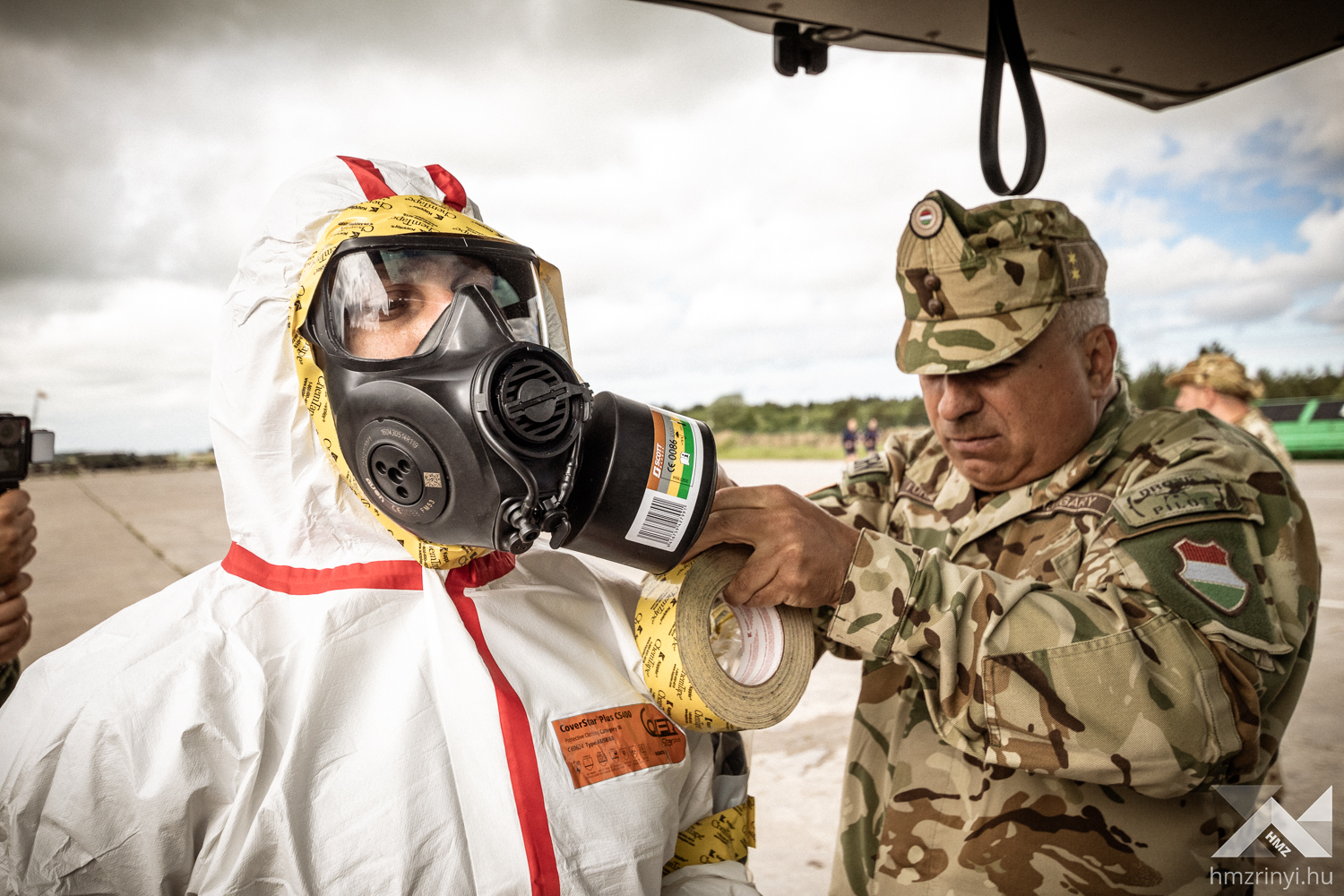
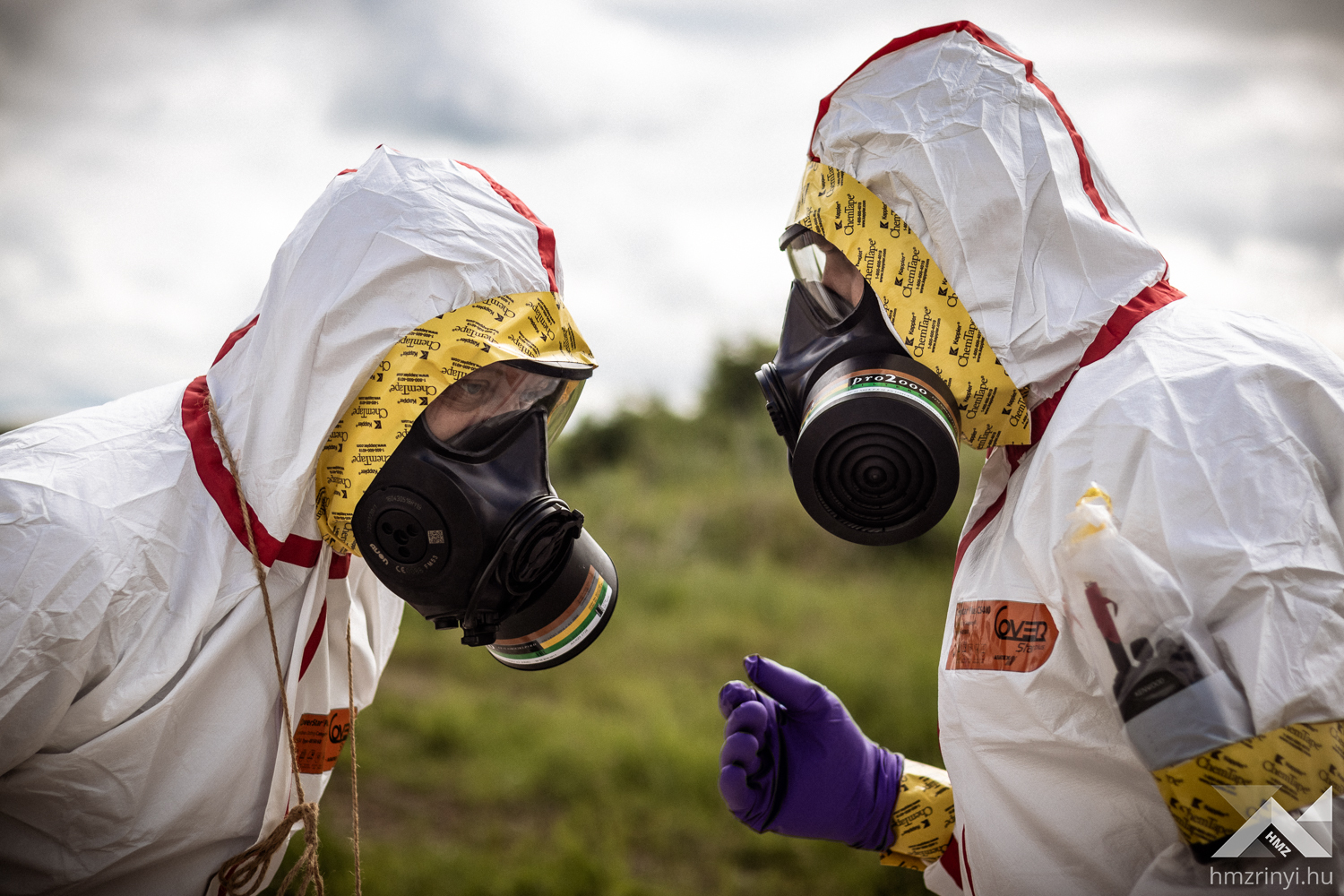
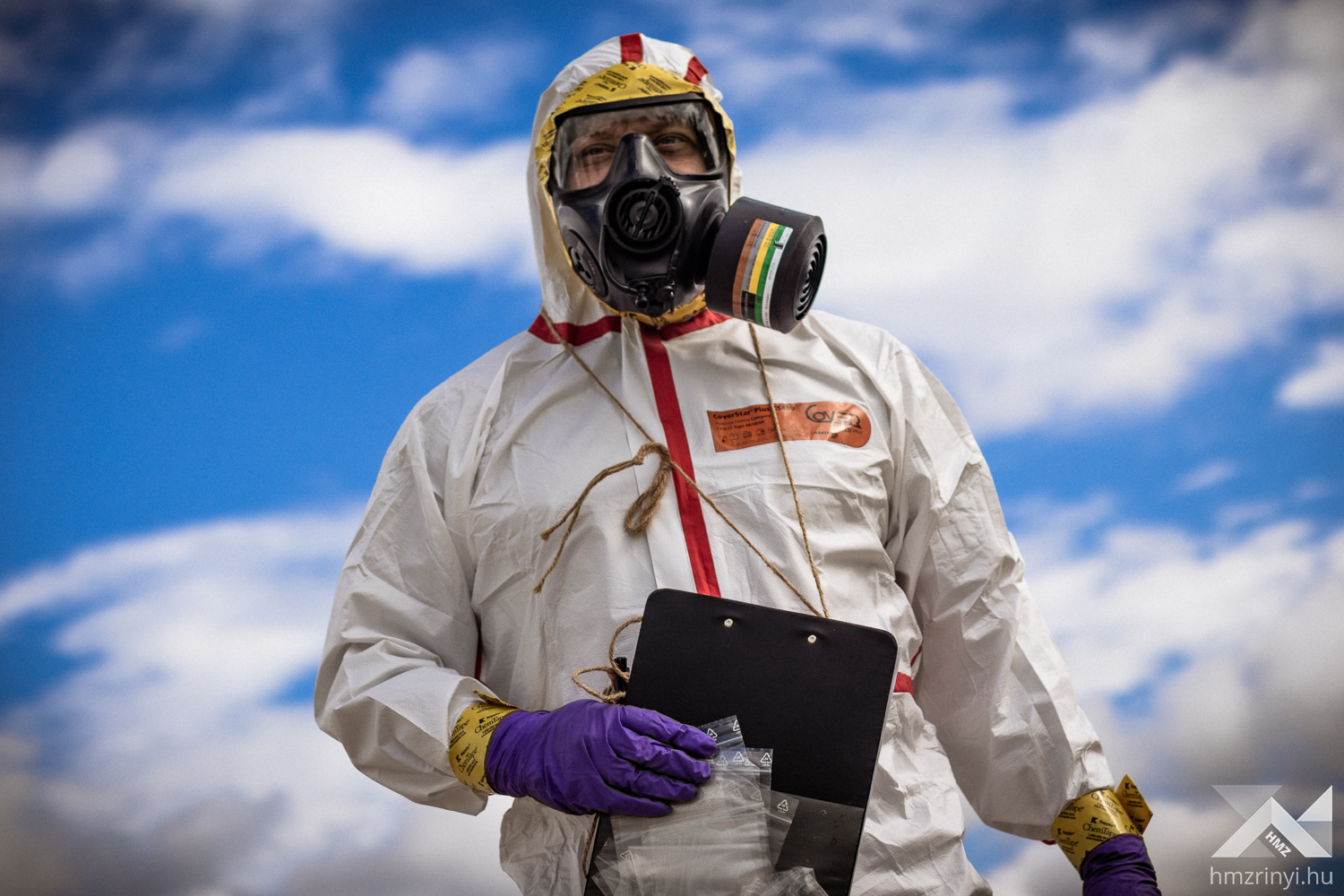
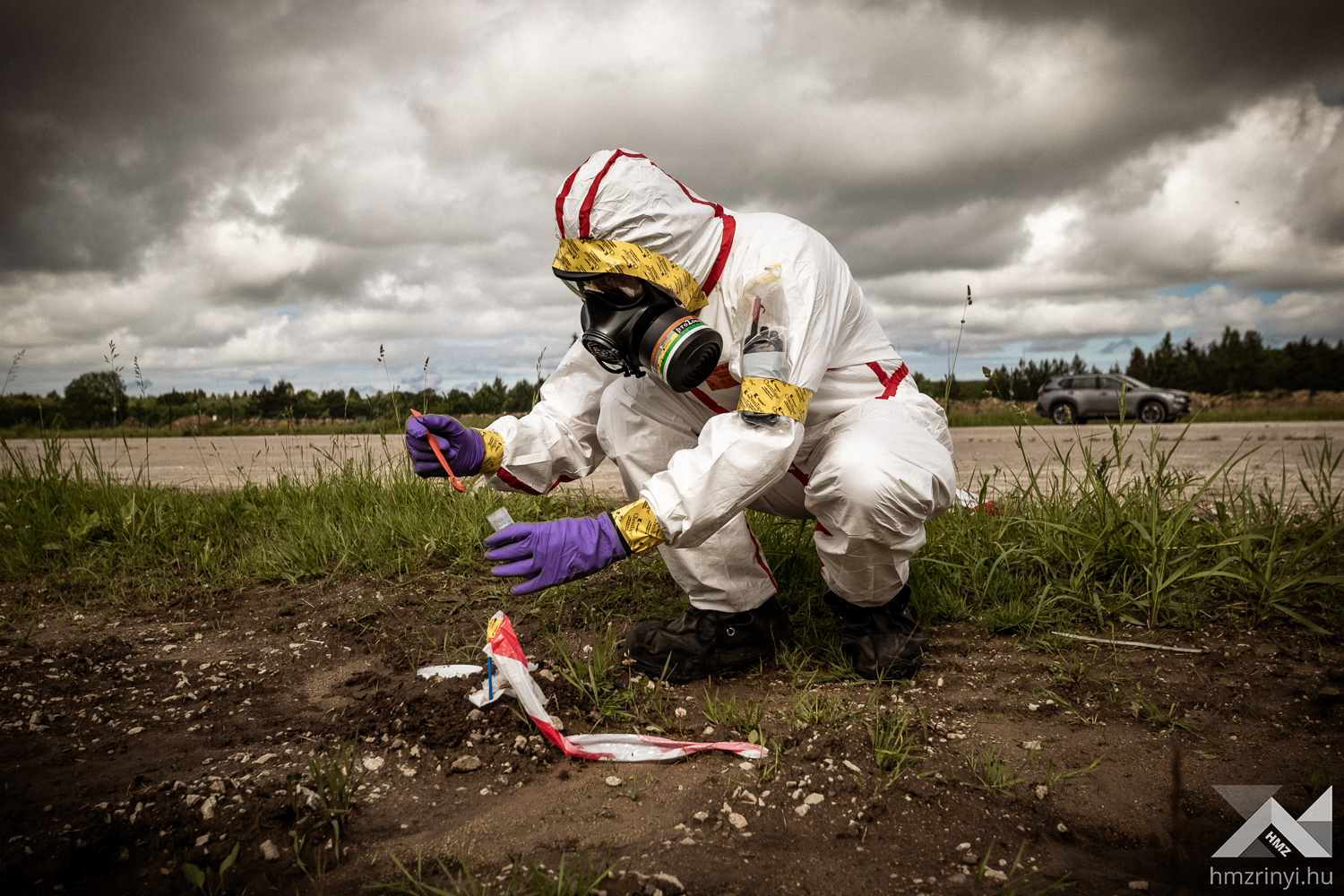
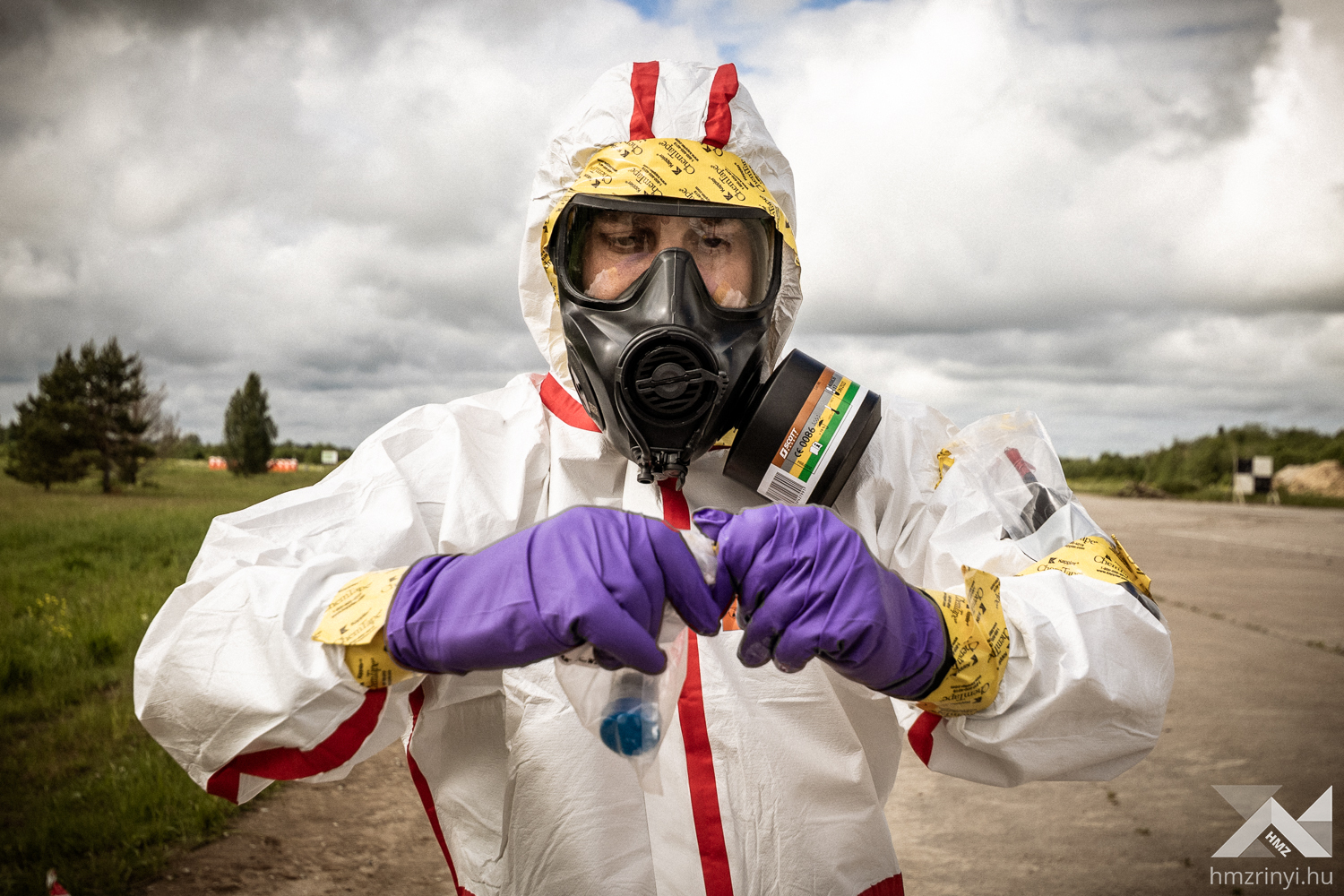
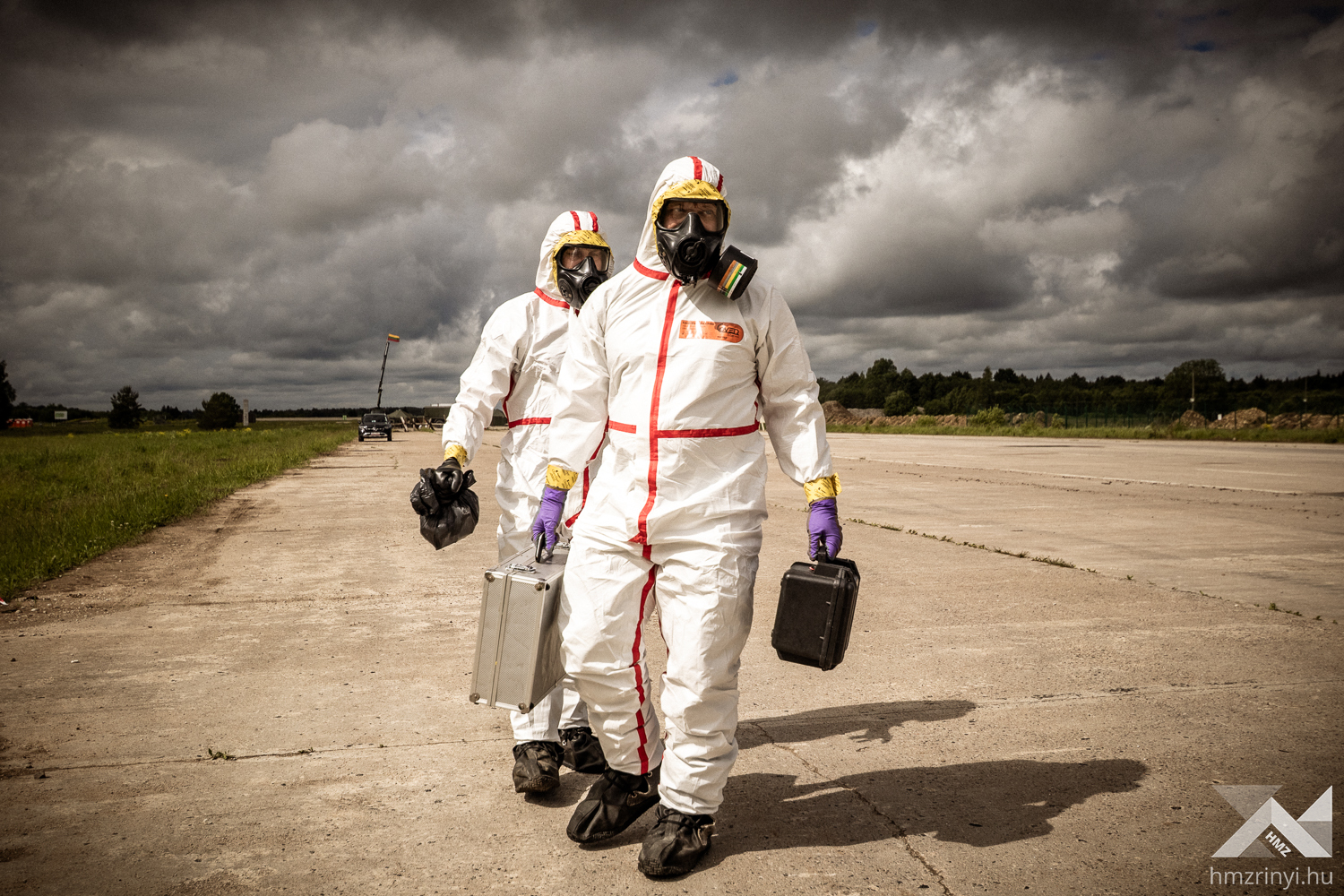
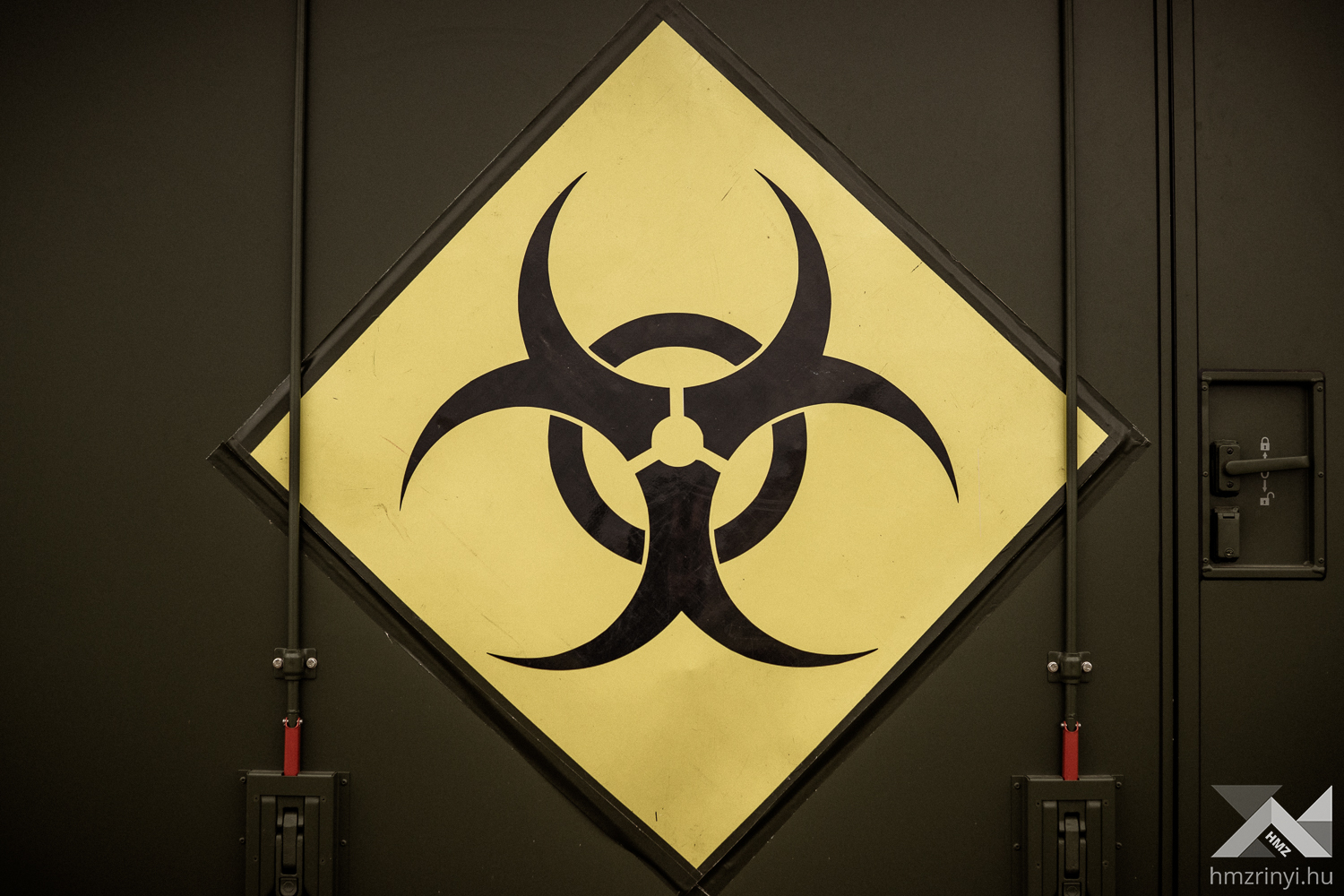
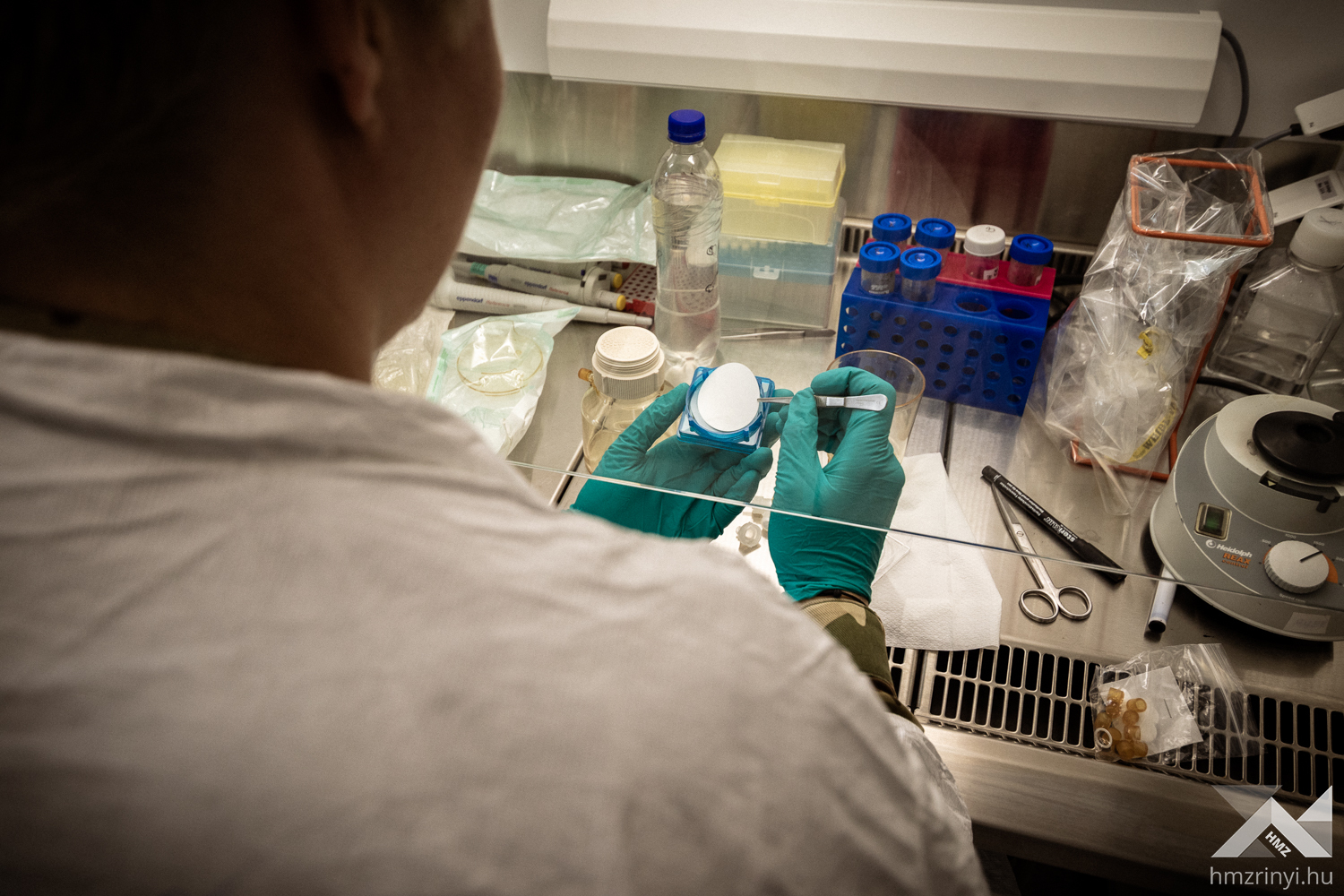
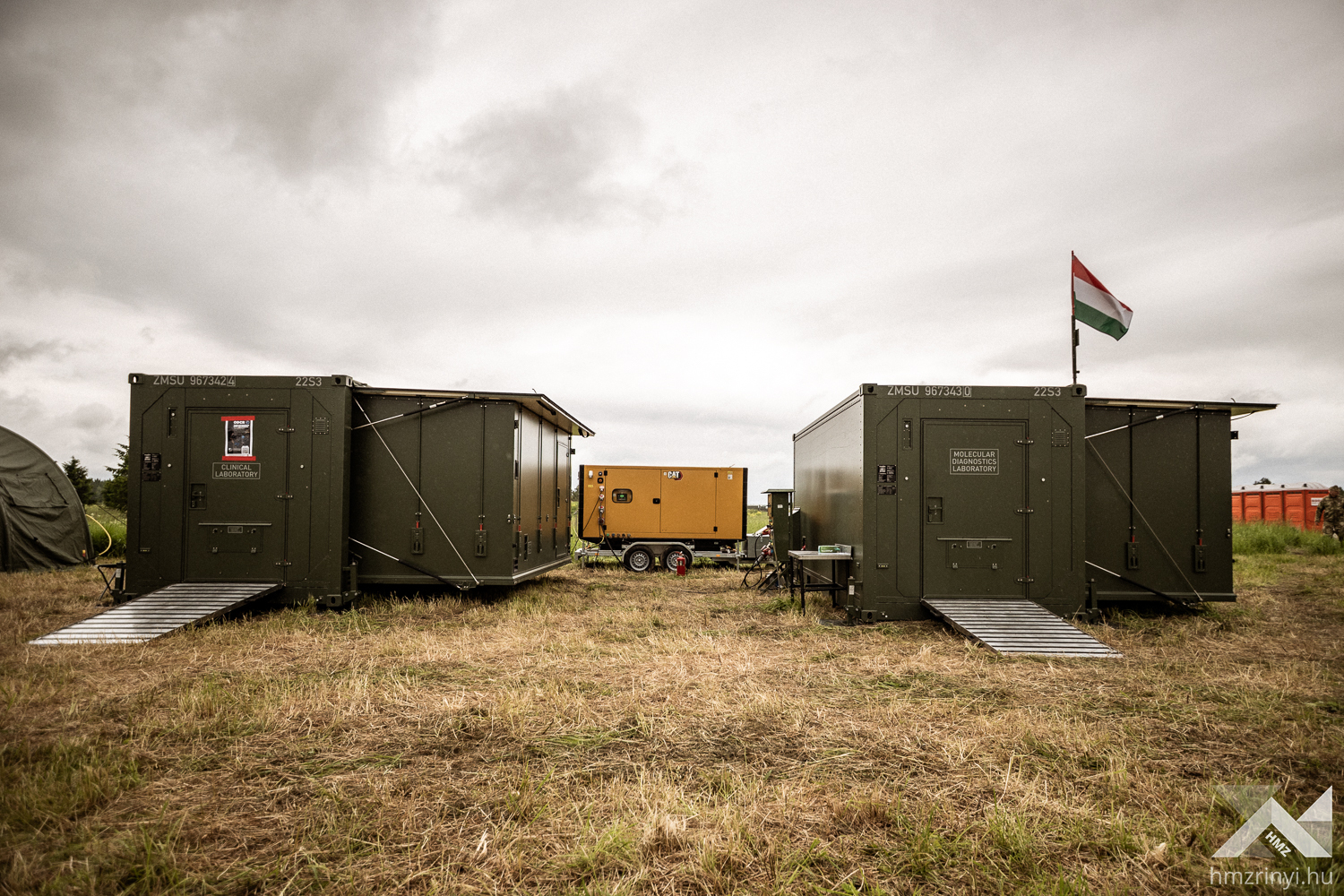
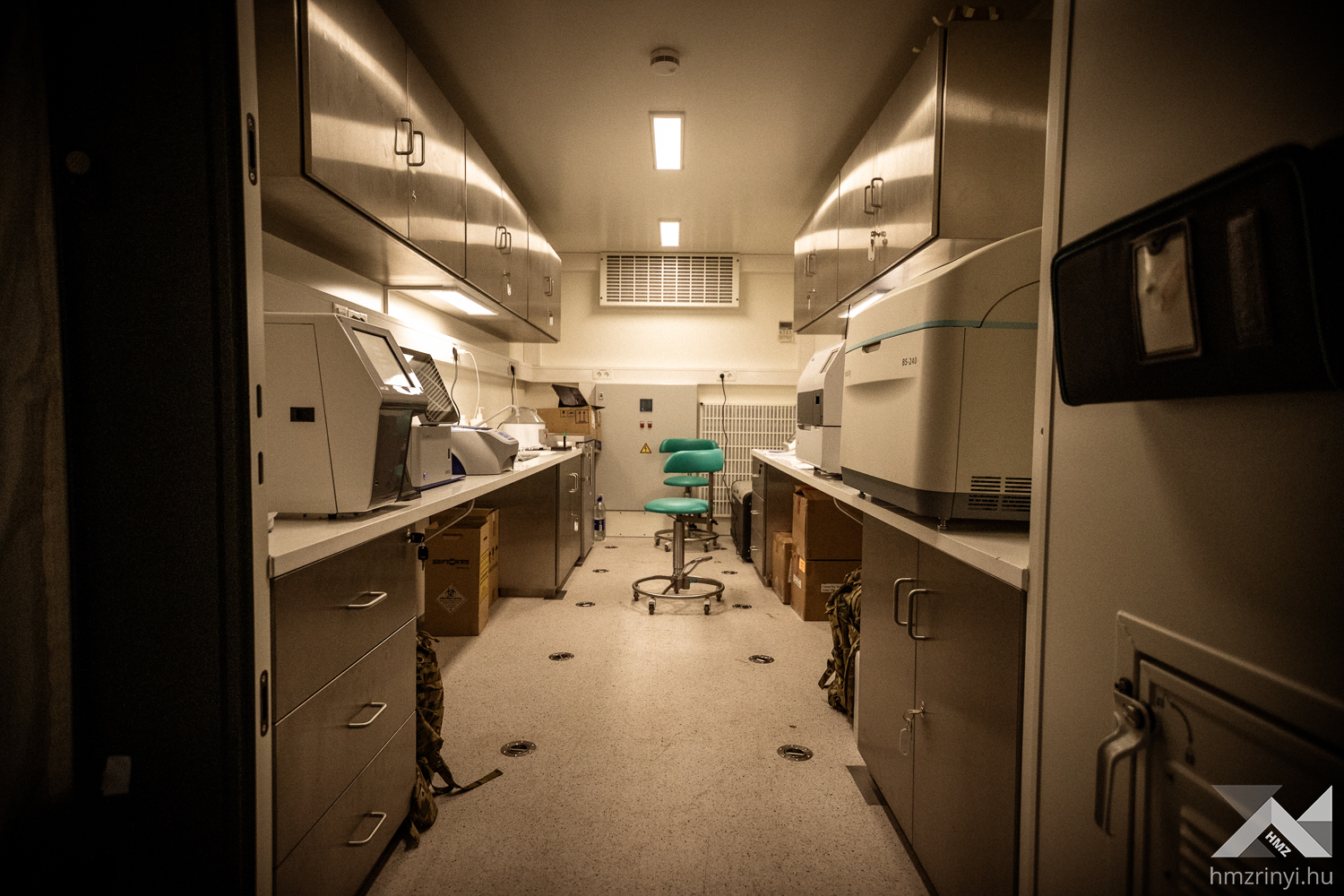
The Mobile Biological Laboratory received several alerts: in cases of suspected epidemics, its staff collected and examined samples, and identified the pathogen. In another case, they conducted on-site sampling: the Preventive Medical Team preliminarily identified the sample and then handed it over to the lab for further testing.
During the exercise, medical evaluators of the NATO MEDEVAL Team conducting the process are continuously monitoring the military medical capabilities of the Hungarian camp as well as their use, and results.
061426WV2026_NapiAnyag1-FD-01
061426WV2026_NapiAnyag1-FD-02
061426WV2026_NapiAnyag1-FD-05
061426WV2026_NapiAnyag1-FD-06
061426WV2026_NapiAnyag1-FD-07
061426WV2026_NapiAnyag1-FD-08
061426WV2026_NapiAnyag1-FD-09
061426WV2026_NapiAnyag1-FD-10
061426WV2026_NapiAnyag1-FD-11
061426WV2026_NapiAnyag1-FD-13
061426WV2026_NapiAnyag1-FD-14
061426WV2026_NapiAnyag1-FD-15
061426WV2026_NapiAnyag1-FD-16
061426WV2026_NapiAnyag1-FD-17
061426WV2026_NapiAnyag1-FD-18
061426WV2026_NapiAnyag1-FD-19
061426WV2026_NapiAnyag1-FD-20
061426WV2026_NapiAnyag1-FD-21
061426WV2026_NapiAnyag1-FD-22
061426WV2026_NapiAnyag1-FD-23
061426WV2026_NapiAnyag1-FD-24
061426WV2026_NapiAnyag1-FD-25
061426WV2026_NapiAnyag1-FD-26
061426WV2026_NapiAnyag1-FD-27
061426WV2026_NapiAnyag1-FD-28
061426WV2026_NapiAnyag1-FD-29
061426WV2026_NapiAnyag1-FD-32
061426WV2026_NapiAnyag1-FD-33
061426WV2026_NapiAnyag1-FD-35
061426WV2026_NapiAnyag1-FD-34
061426WV2026_NapiAnyag1-FD-36
061426WV2026_NapiAnyag1-FD-37
061426WV2026_NapiAnyag1-FD-38
061426WV2026_NapiAnyag1-FD-39