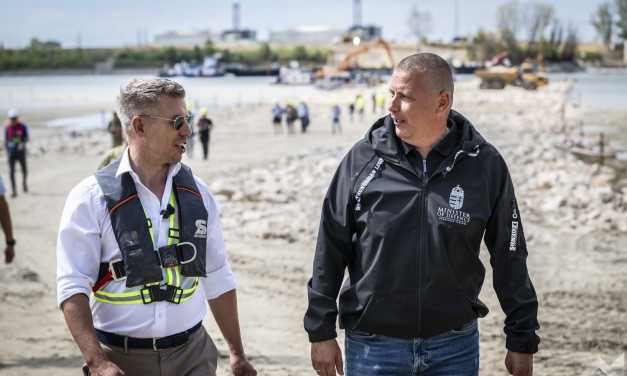
Seven of the eight pumps are already operational
The power plant was already generating 800 megawatts in the morning
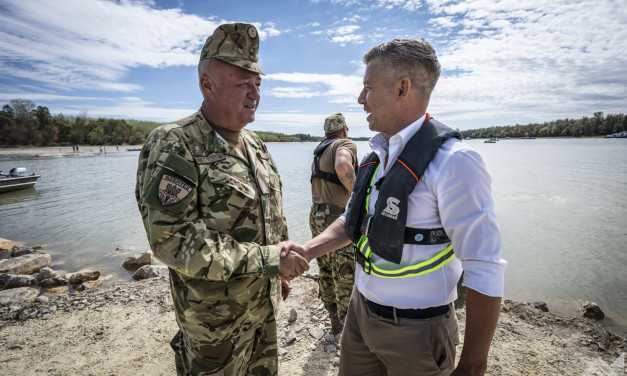
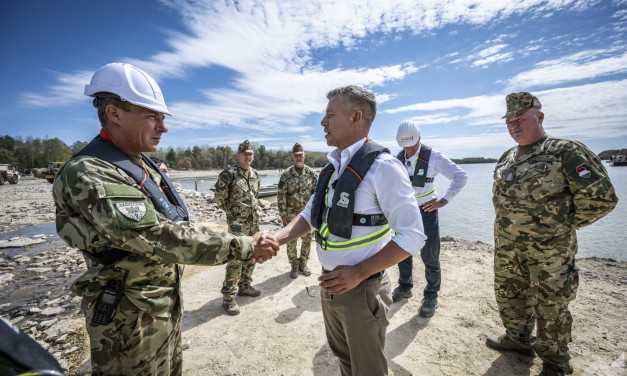
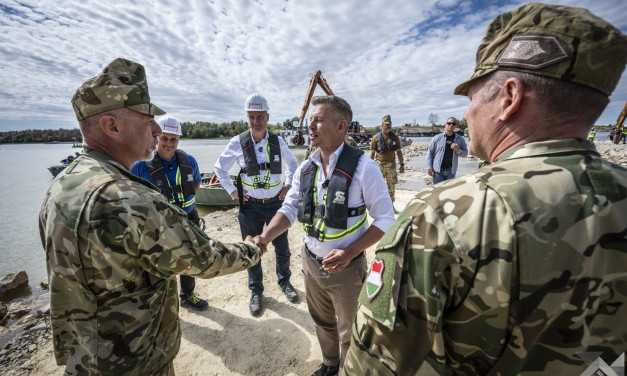
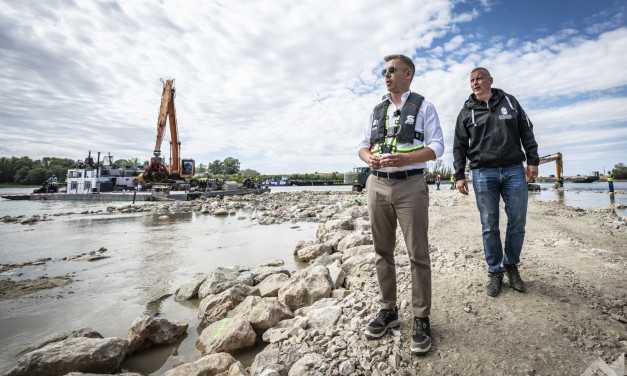
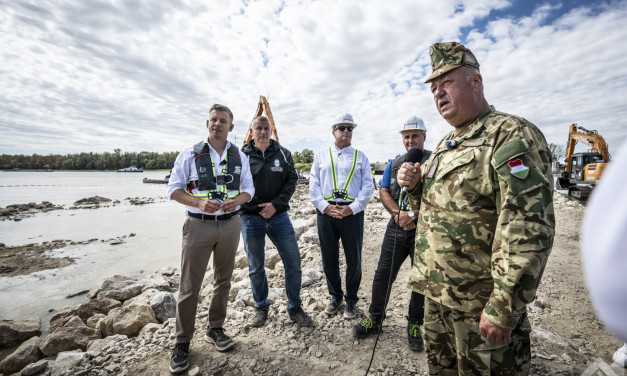
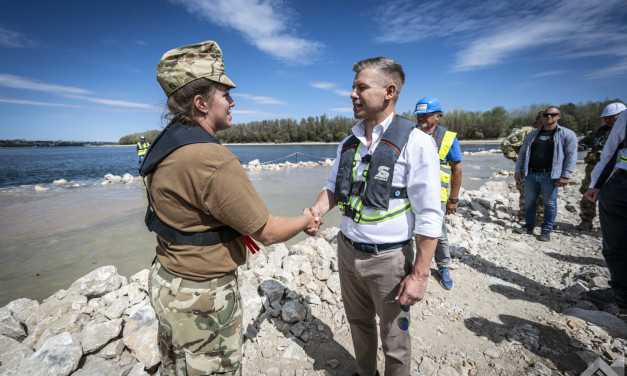
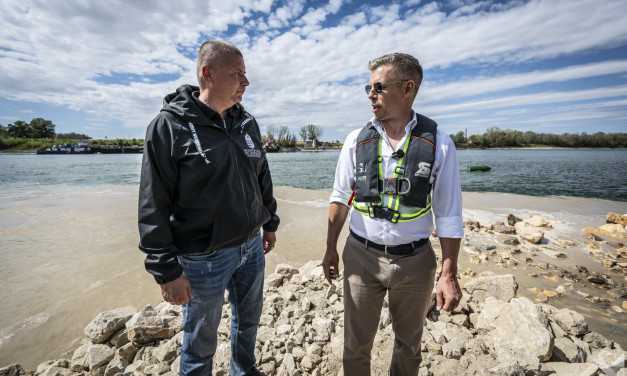
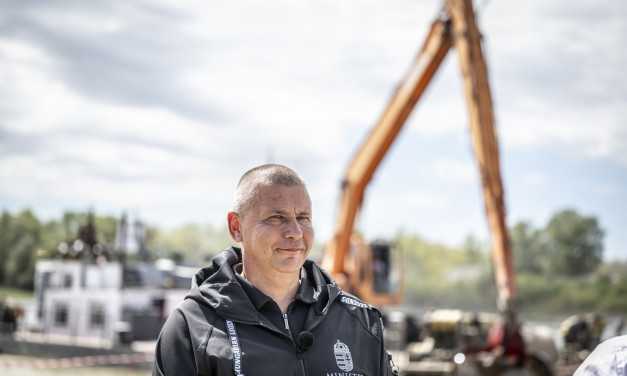
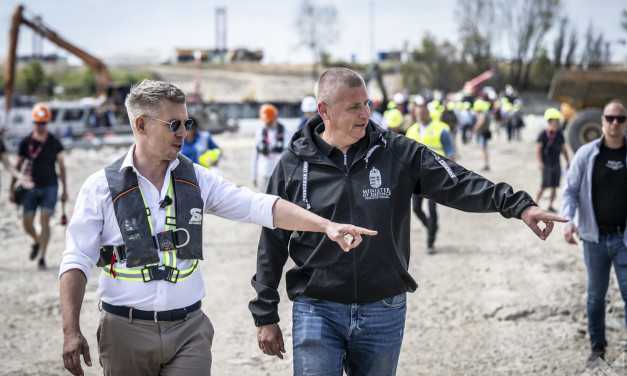
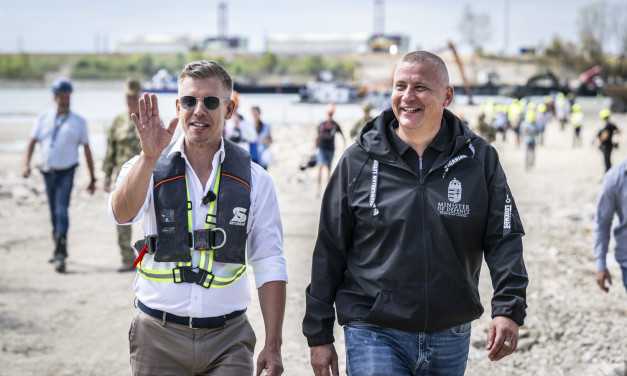
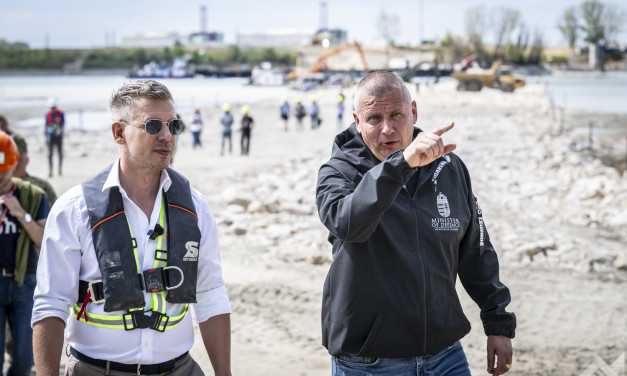
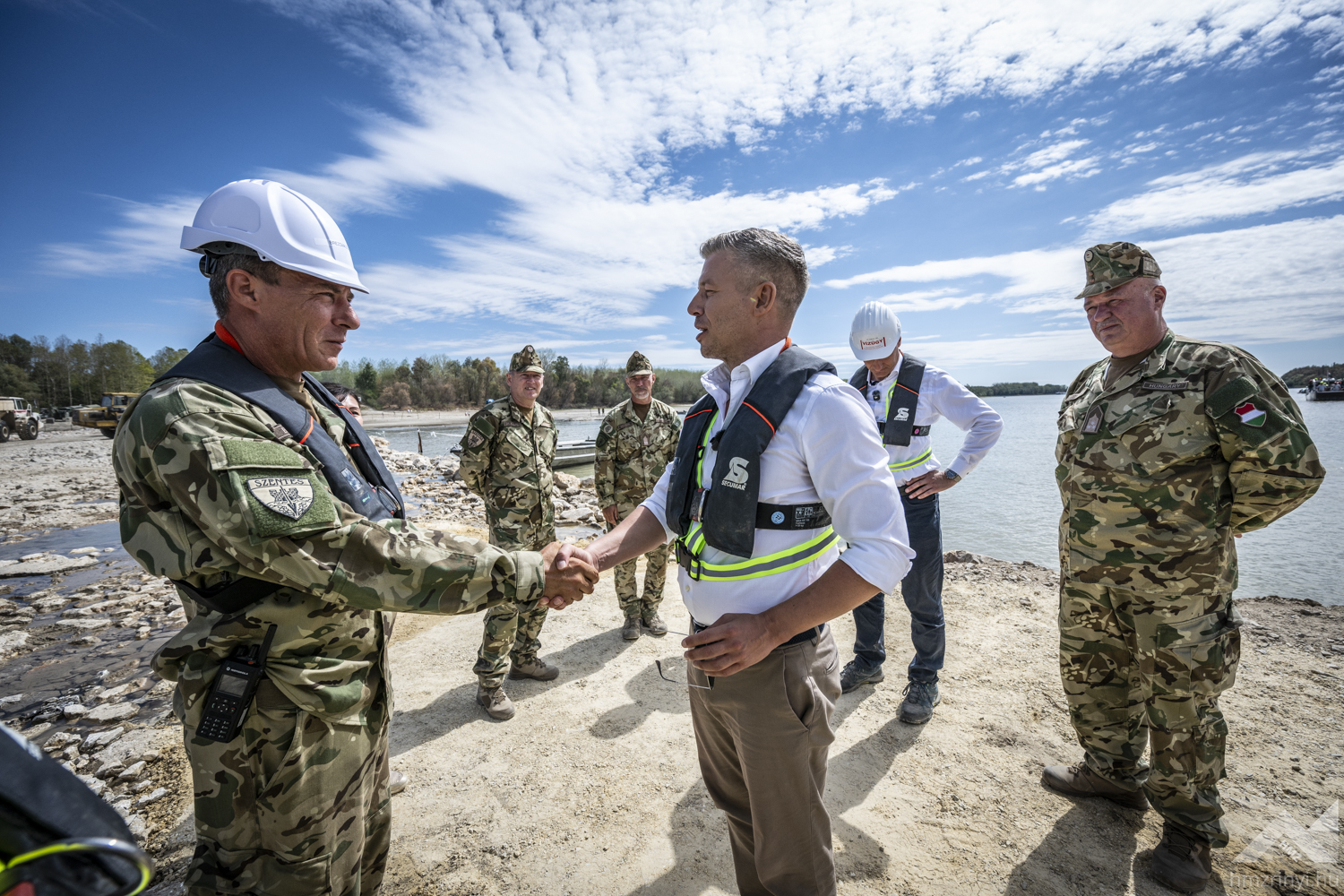
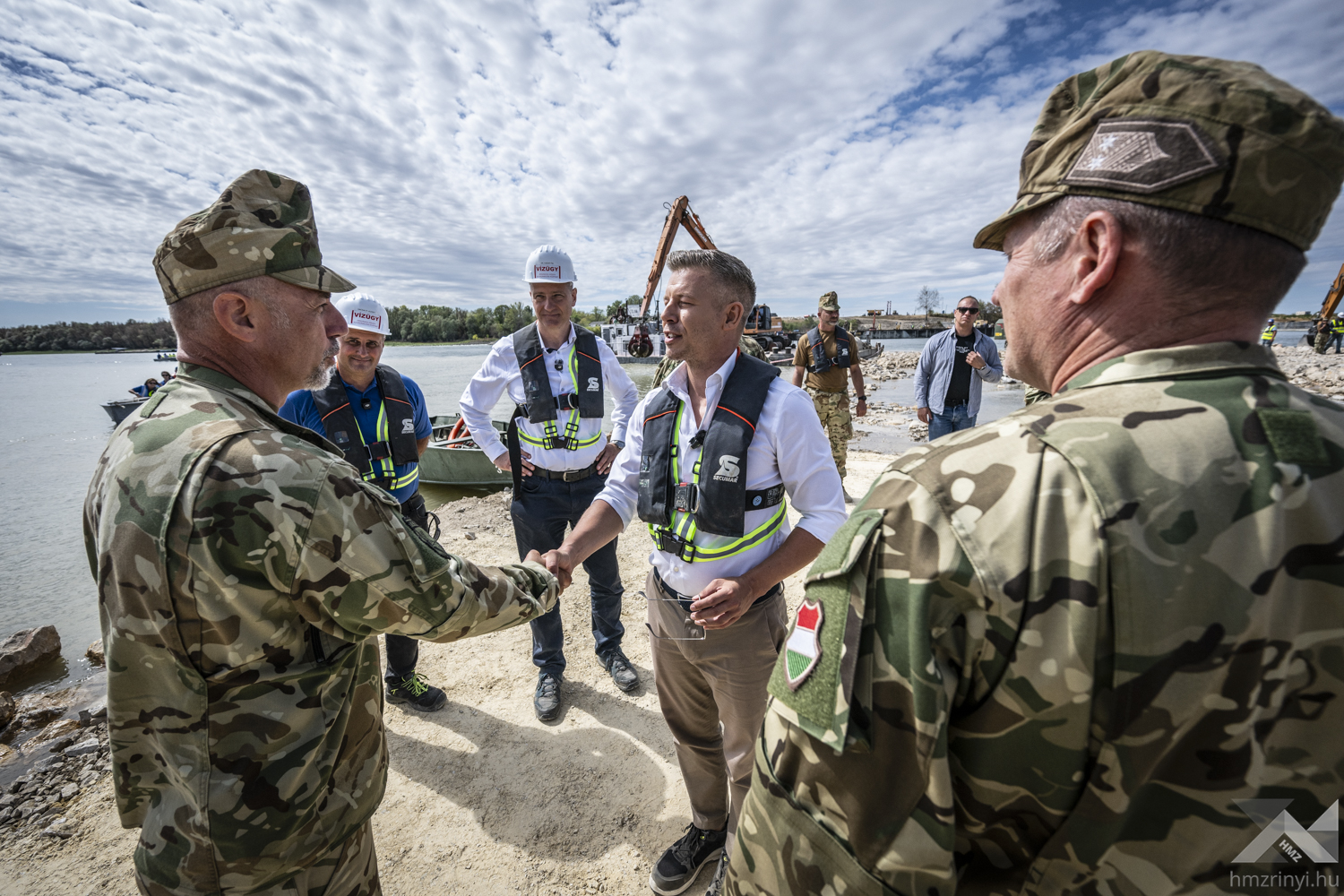
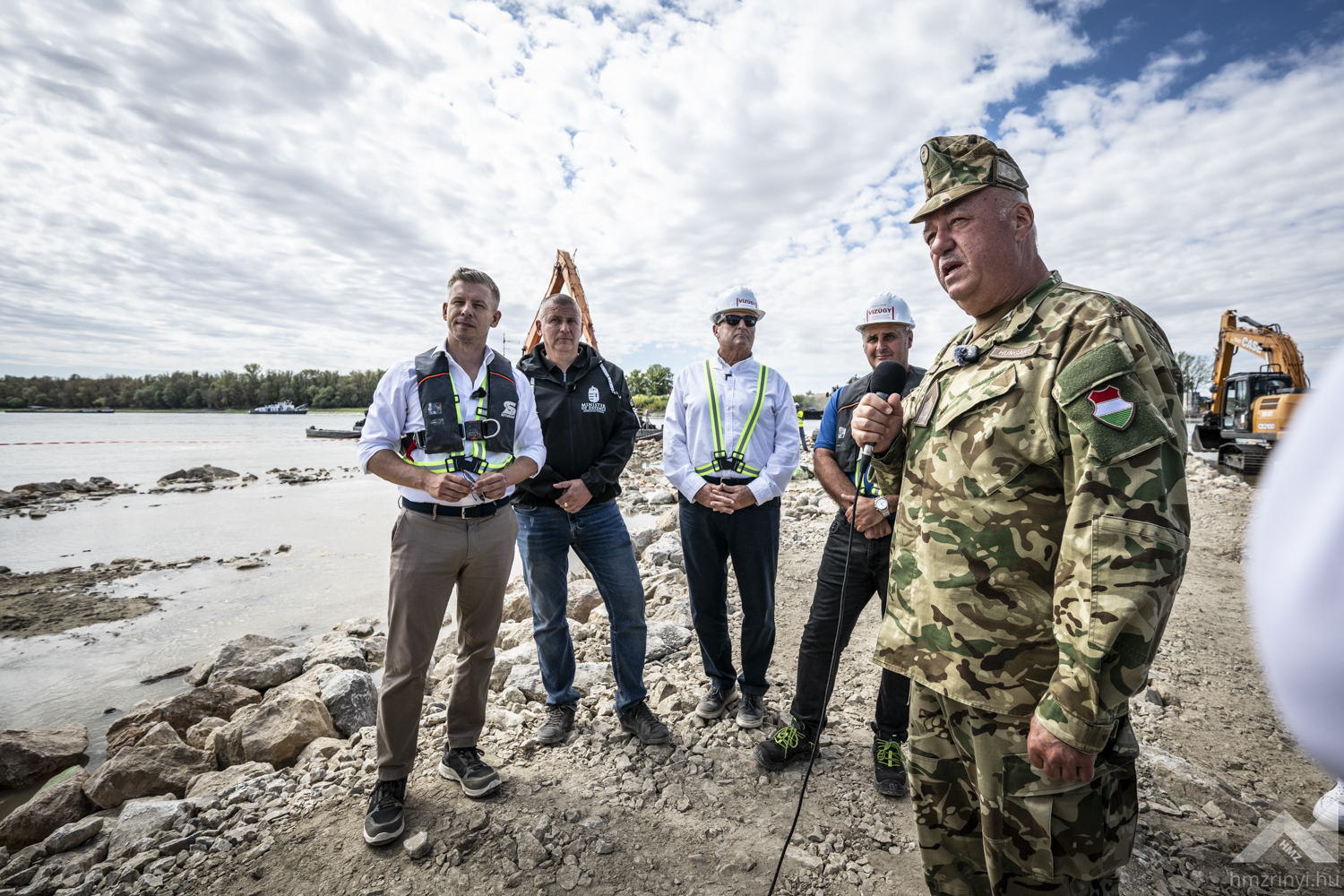
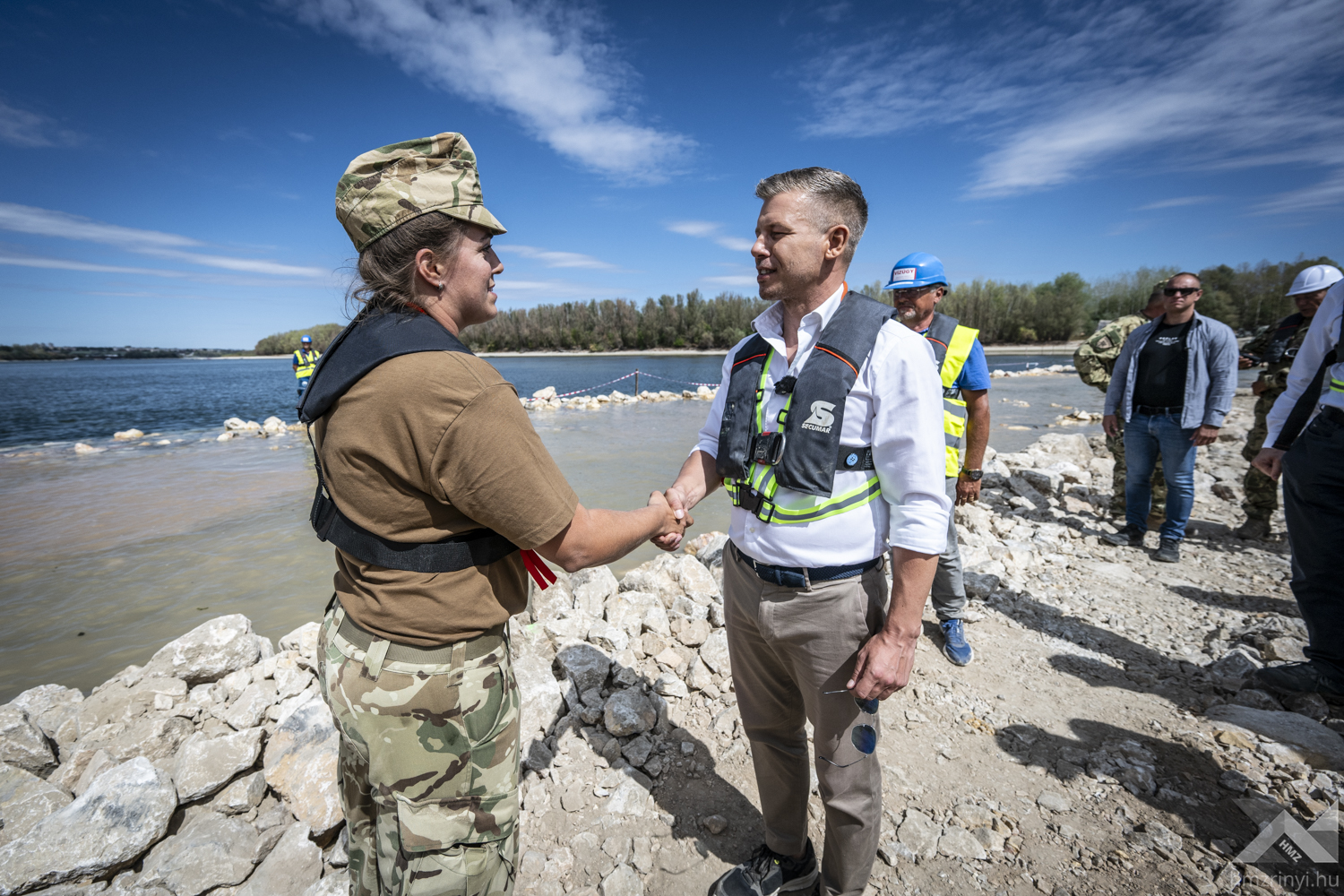
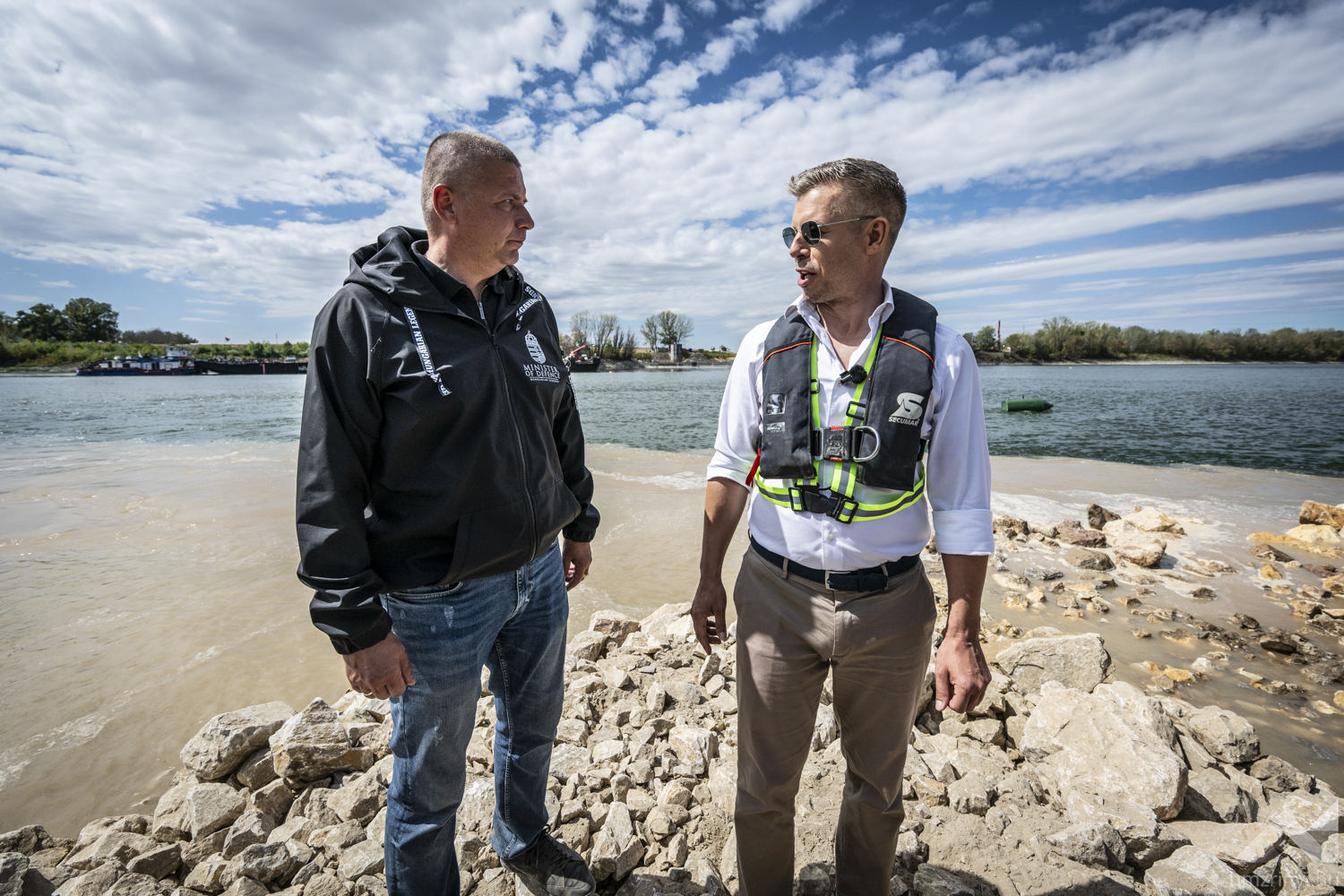
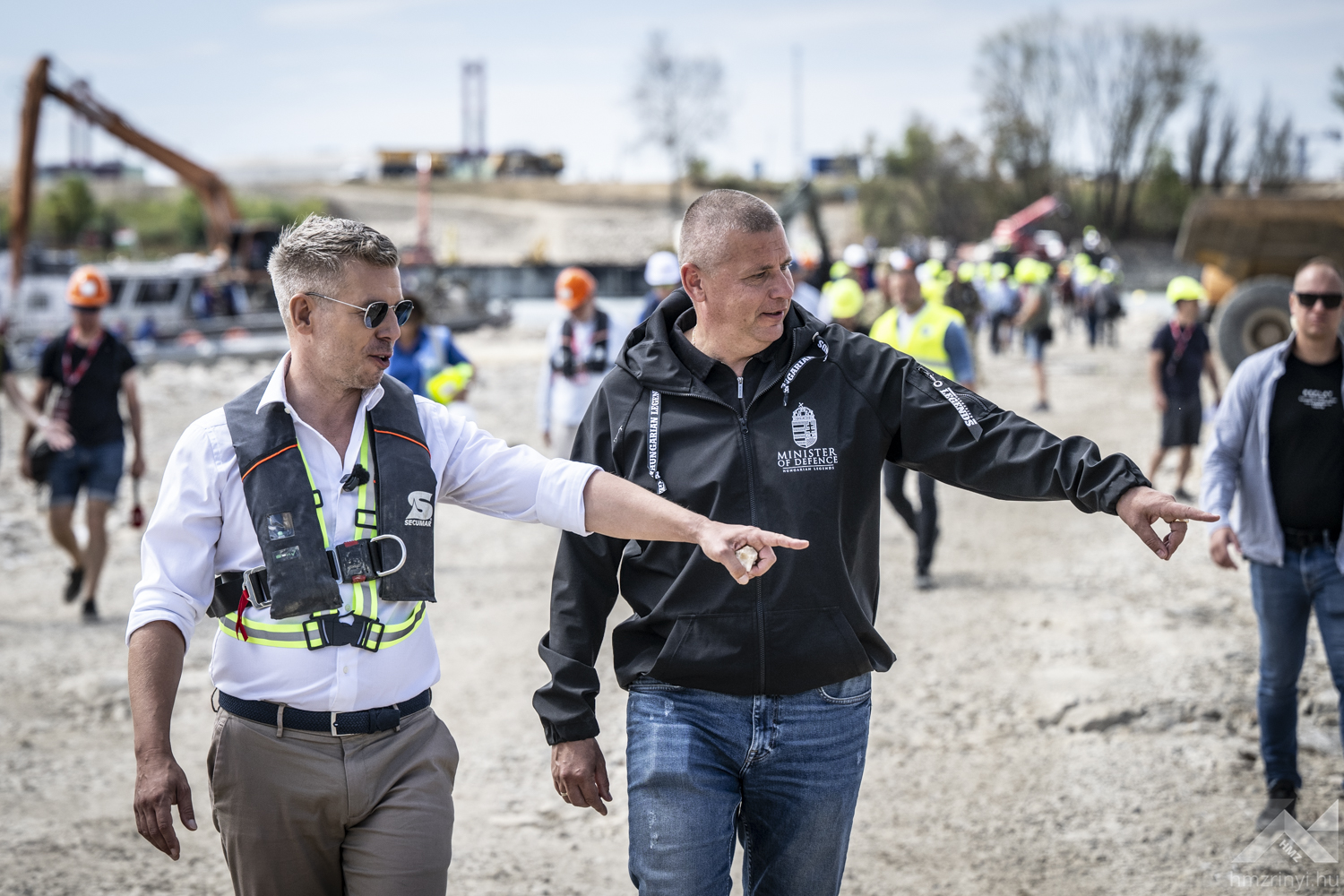
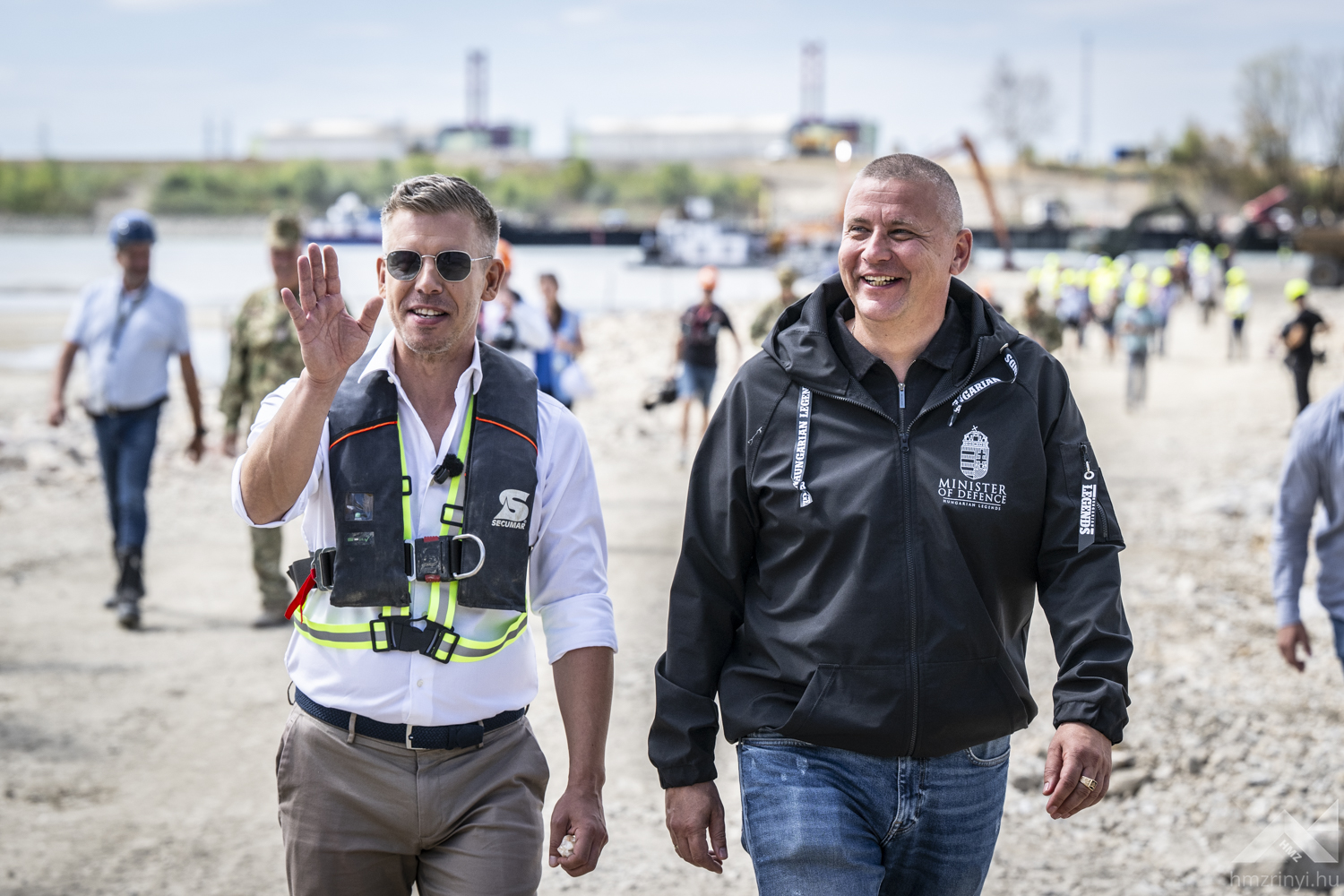
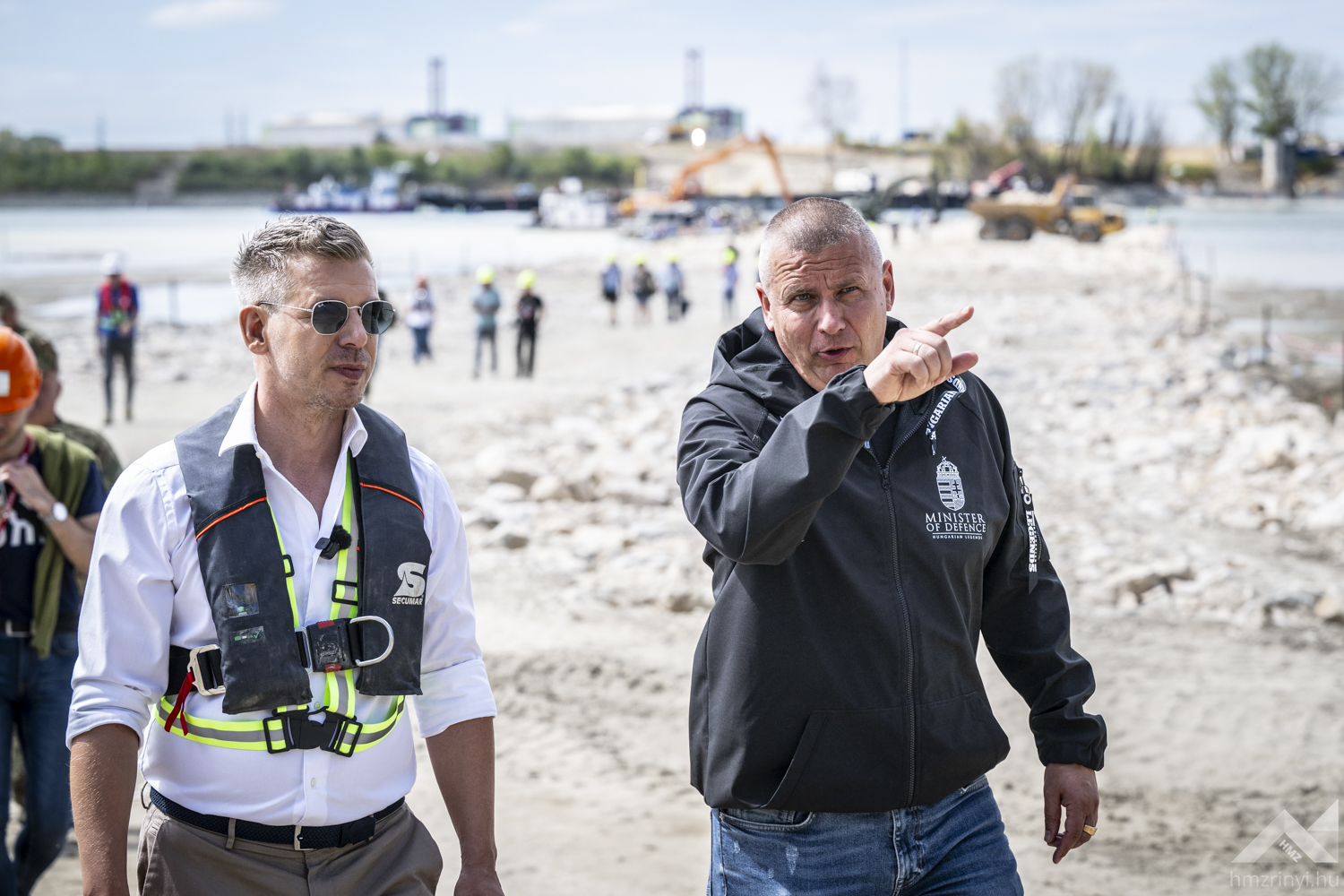
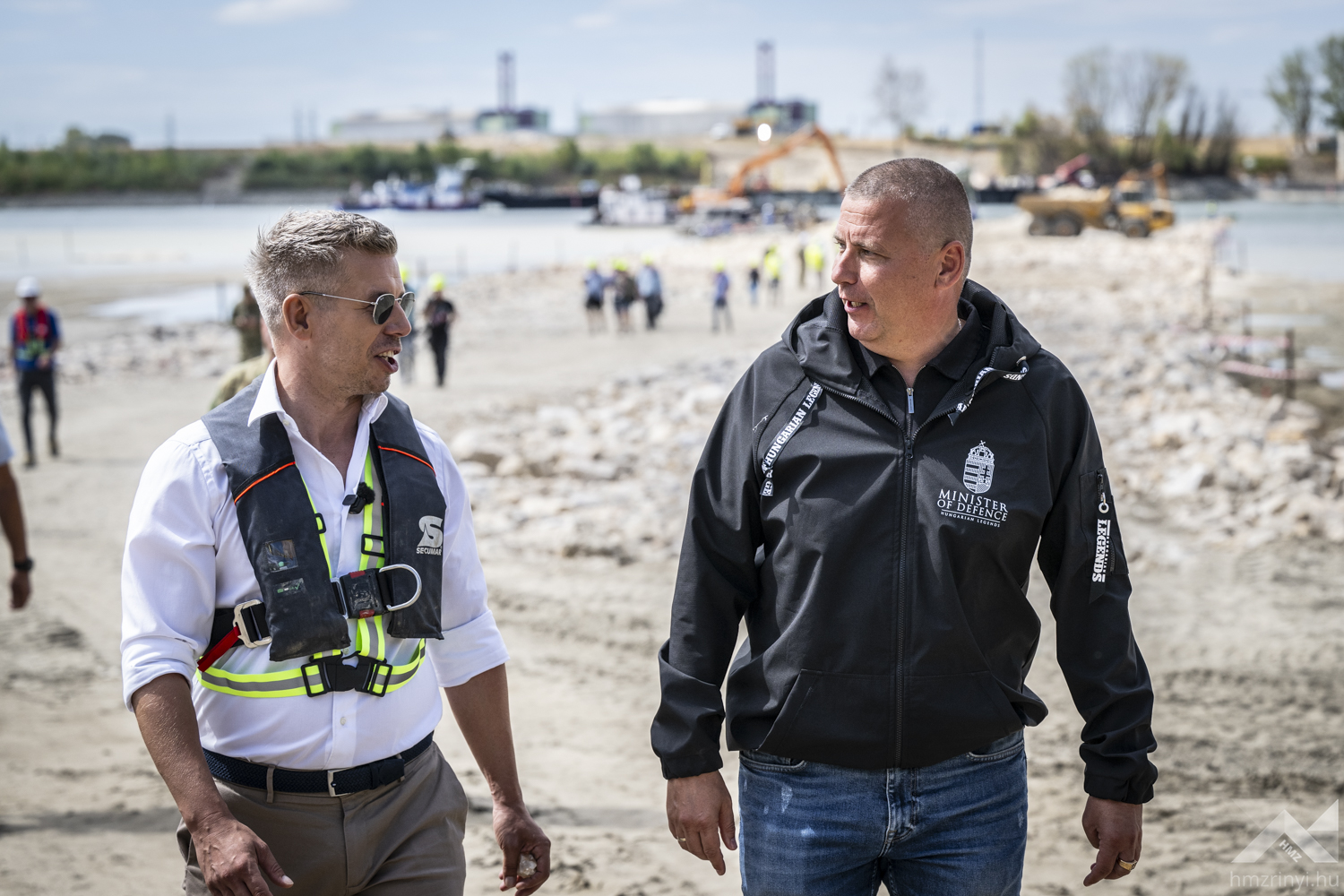
Text: honvedelem.hu/MTI | Photo: Tamás Kovács | 15:51 August 24, 2026The restart of the turbines at the Paks Nuclear Power Plant is going according to schedule and at a good pace, Prime Minister Péter Magyar said in the company of, among others, Defence Minister Romulusz Ruszin-Szendi on August 23 in Paks at an on-site press briefing held about the current status of the works at Paks and the planned switching back of the plant’s turbines.
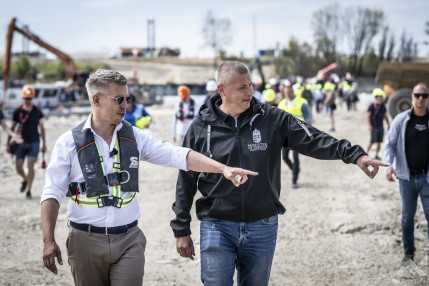
He said that seven of the eight circulation pumps serving to cool the power plant are already in operation, meaning that almost 100 m3 of water per second is now discharged into the coolant system. According to information from the nuclear power plant, the power output had exceeded 800 megawatts by Sunday morning, the prime minister said, adding that one turbine in Reactor Unit 1 is already operating and that its output is being continuously transferred to the national grid. The plant’s output will soon reach 1000 megawatts, and its full capacity of 2000 megawatts is expected to be available by Wednesday, he stressed.
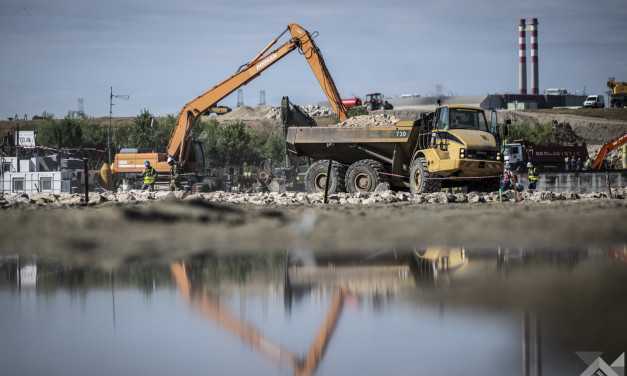
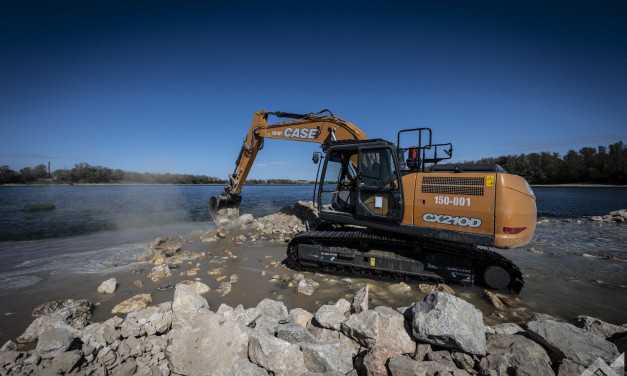
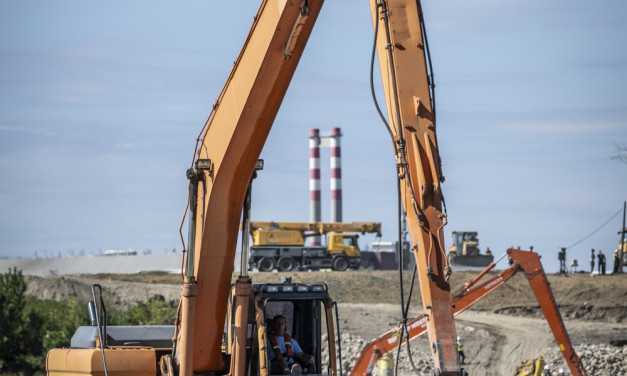
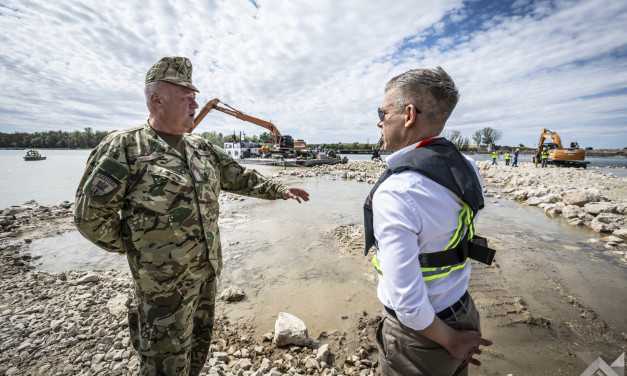
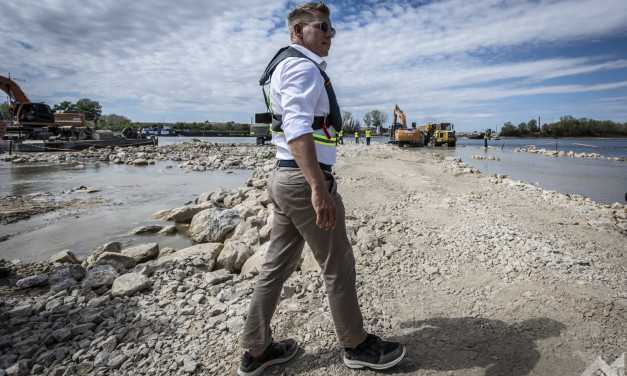
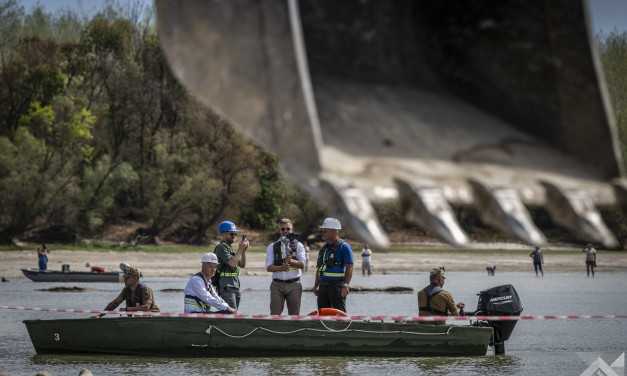
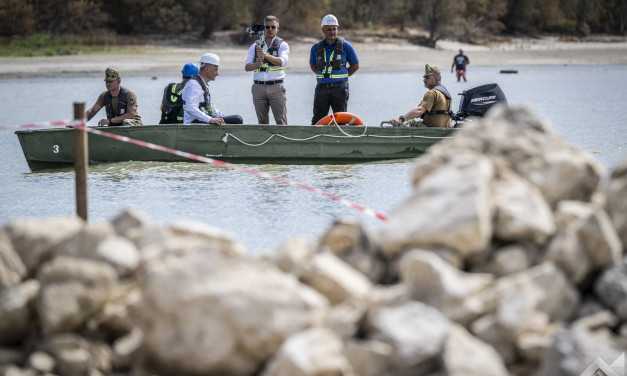
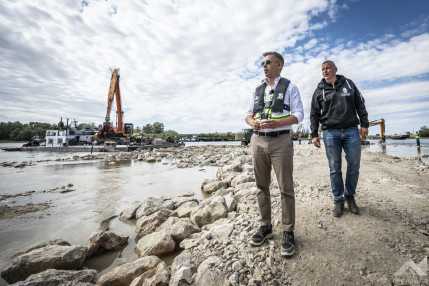
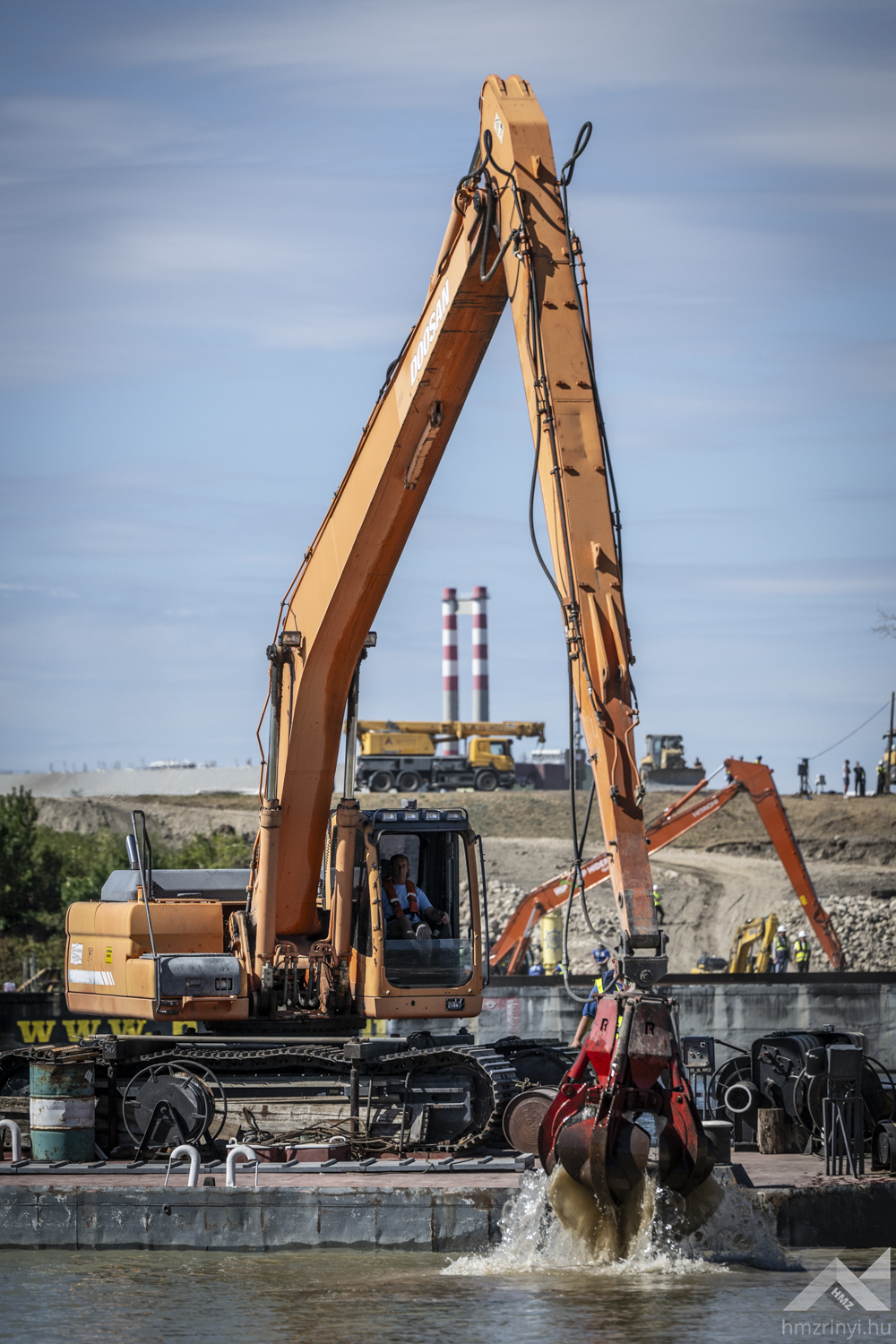
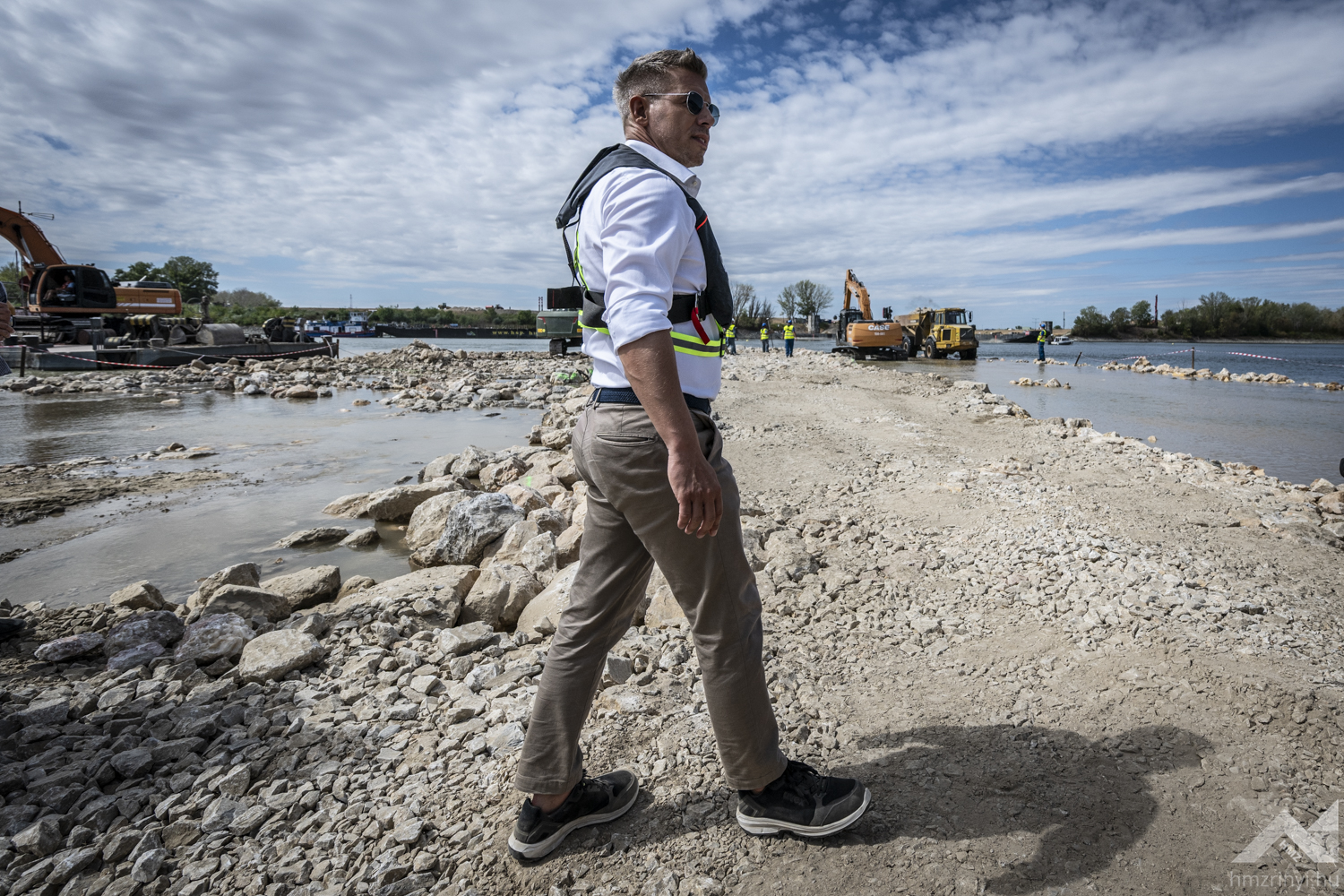
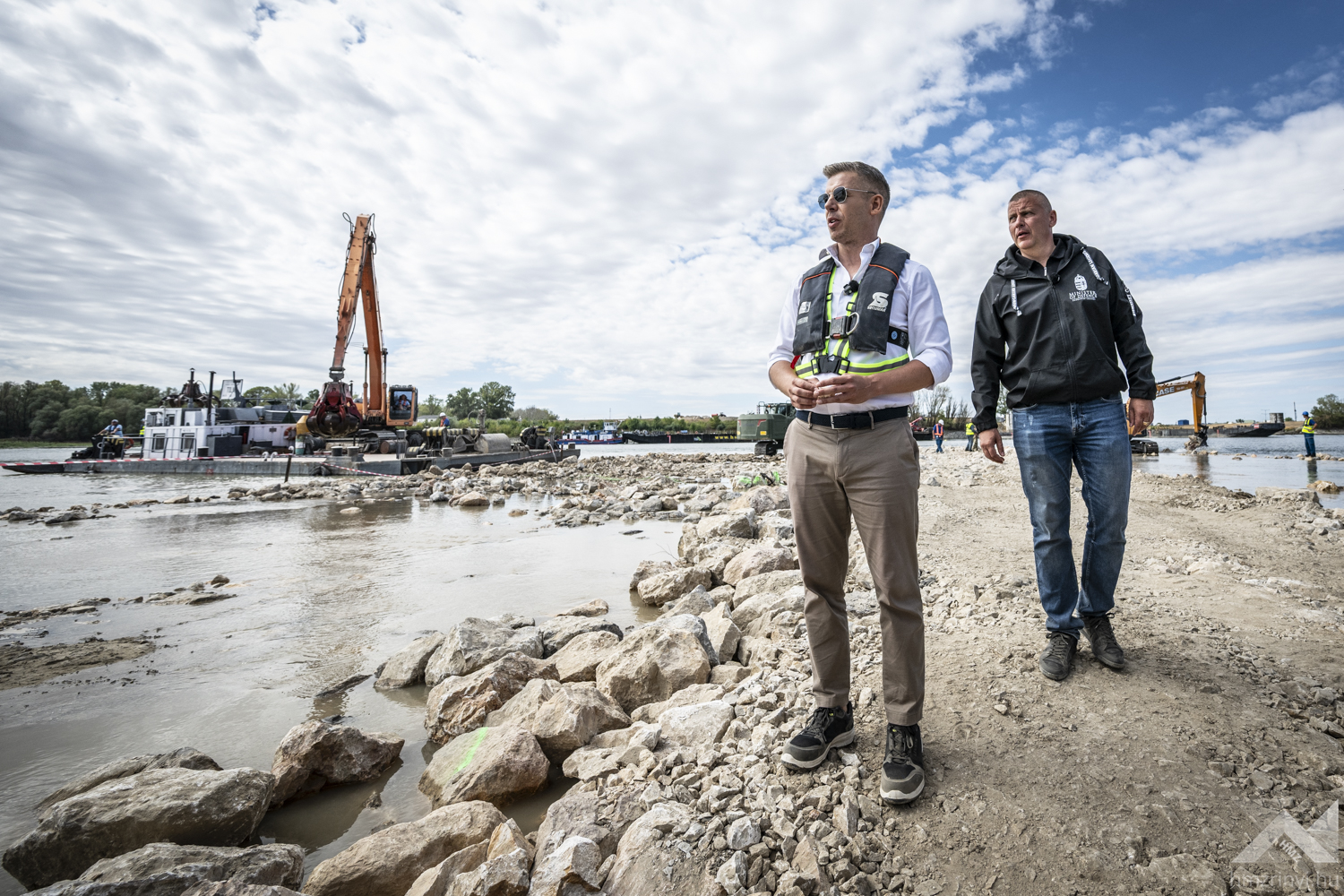
Speaking about the Paks Nuclear Power Plant, Péter Magyar said that the works being carried out there at record speed currently have a backwater effect of 15–20 centimeters. Construction is progressing faster than planned, with already just a 150-meter gap between the structures being built on the left and right banks of River Danube, while reinforcement of the riverbed is also under way. Once this work is completed, the two structures will be joined together, at which point the weir will achieve its full impounding effect, the prime minister explained.
Péter Magyar said that the government would submit a bill on climate, water and energy management to Parliament, which defines what needs to be done to save Hungary in the crisis caused by climate change. He said the bill would be submitted with unprecedented speed, upon completion of the works at Paks or in parallel with it.
We are not in the 24th hour; we are probably already beyond it when it comes to saving our country, addressing the crisis caused by climate change, saving our agriculture, our rivers and lakes, and the way of life we have become accustomed to over 1026 years in the Carpathian Basin, Péter Magyar said.
He said that everyone had seen what happened and is happening this summer: record-breaking drought, never-before seen and record-low water levels on several rivers, unprecedented destruction and a scorched landscape. He added that, in his view, every Hungarian agrees that after this, they could never again bury their heads in the sand.
He pointed out that the government will examine what needs to be done to retain as much water as possible in Hungary, what facilities needed to be built to ensure adequate water supplies for people, agriculture and companies, how lakes could be saved from drying up, and how “life could be breathed into” rivers, because if it does nothing, the country will be heading towards annihilation.
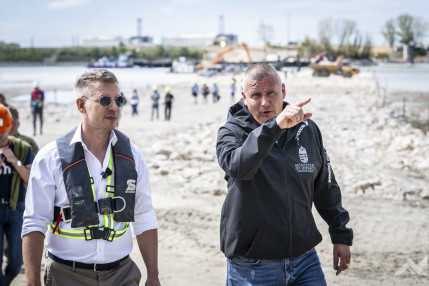
He added that work is also continuing to preserve and further develop Hungary’s energy security as well. Energy diversification is in progress so that “we can stand on multiple legs” while energy storage is even more important, so that Hungary would not have to export the solar energy generated at noon for HUF 0, and so that Hungary would never again be at the mercy of other countries.
He emphasized that the Tisza government will do everything possible to achieve this, bringing home the maximum possible amount of EU funds and allocating them to water retention and to the provision of energy supply. He noted that tenders have already been invited and that the results have already been announced in some cases, worth HUF 500 billion.
The prime minister said that the problem is huge—perhaps we have seen nothing comparable to it ever before—but he is absolutely certain that, just as Paks has been saved and its continued operation has been guaranteed, the country, too, will be saved through collective effort.
Péter Magyar thanked everyone—especially the more than 1000 people who had been working at the Paks Nuclear Power Plant for several weeks—for the work carried out and for their contributions including food, accommodation, tens of thousands of tonnes of stone, technical capacity and expertise.
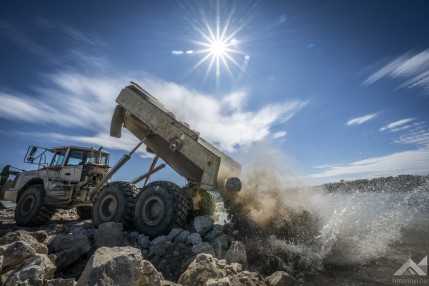
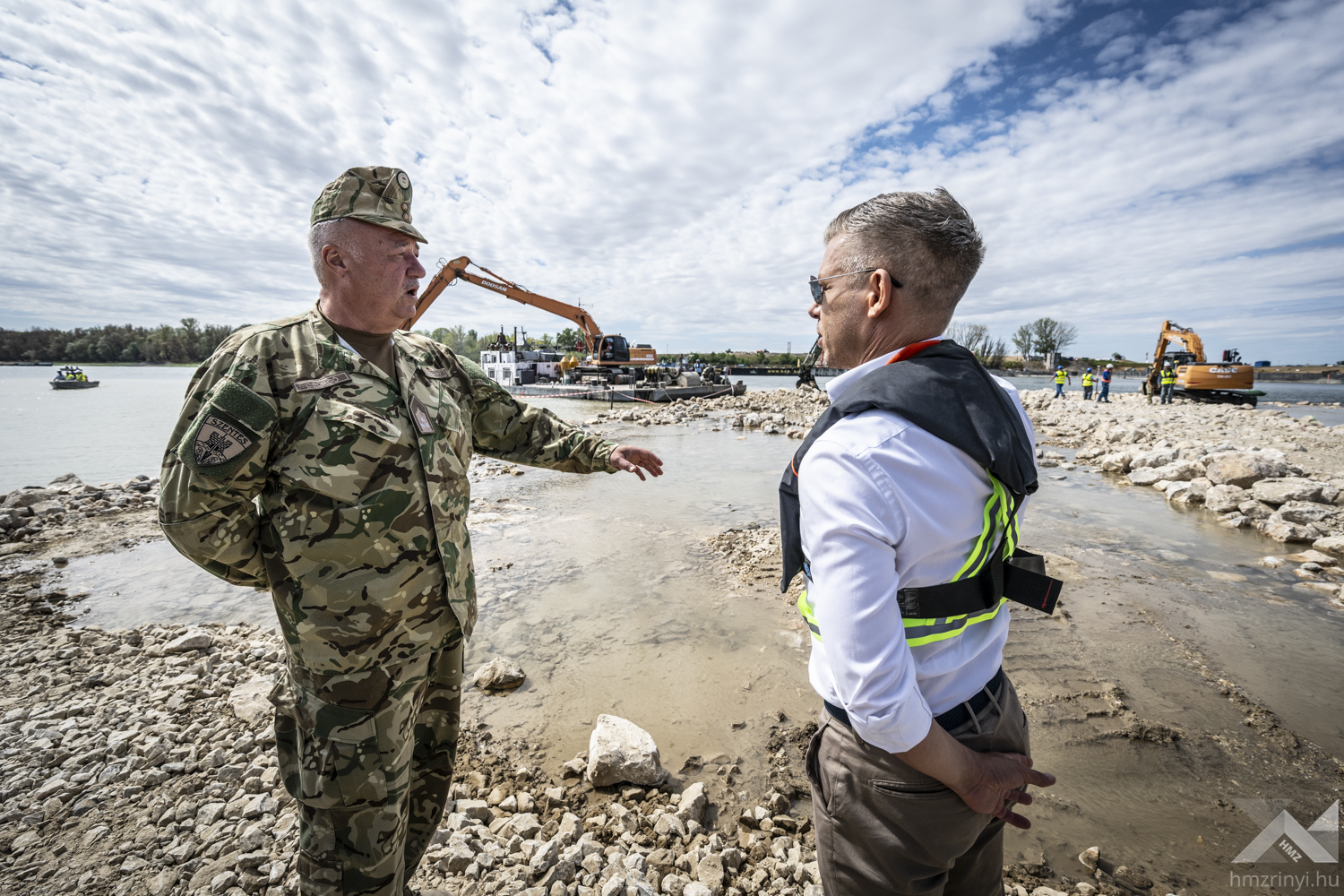
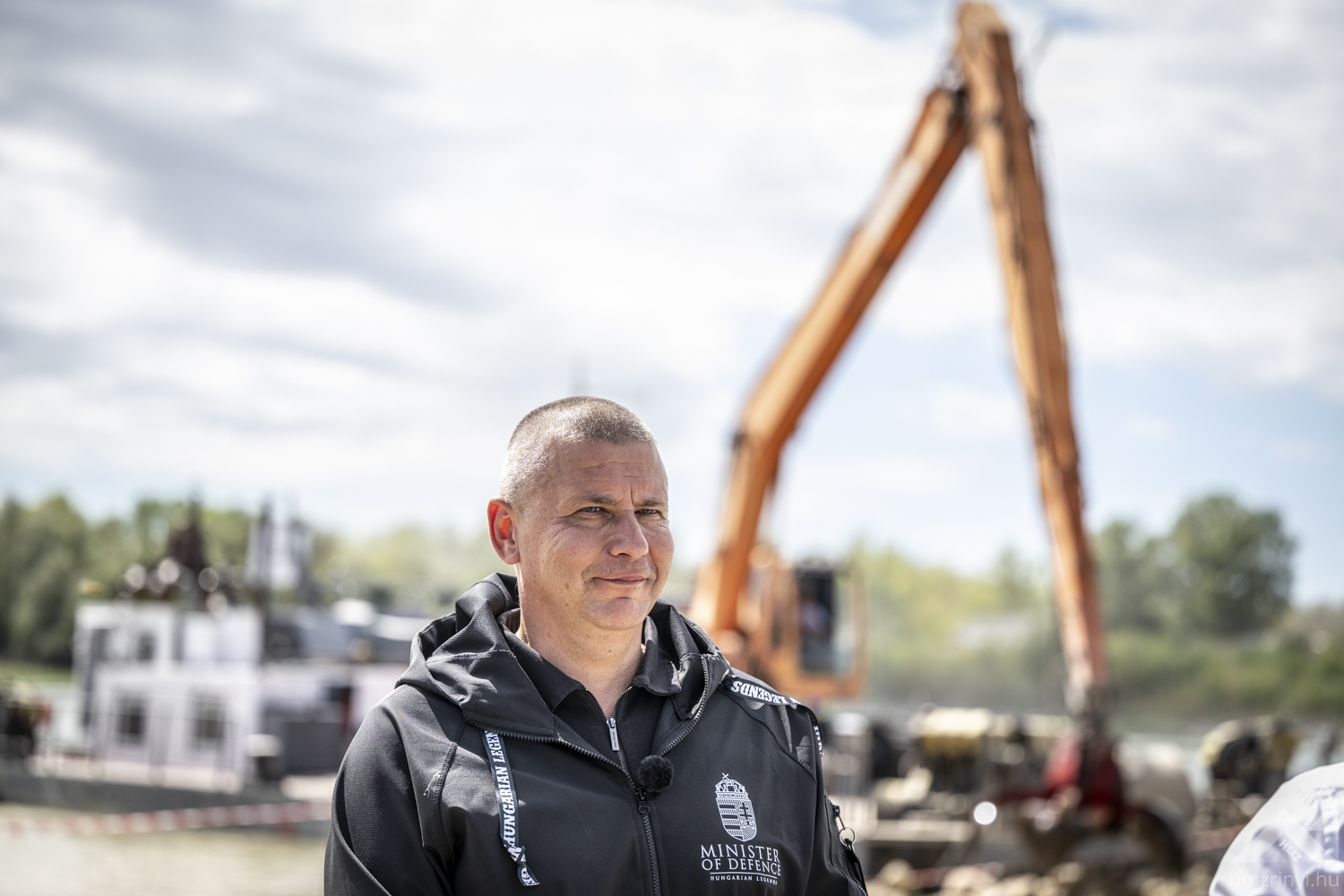
Only about 150 meters are left before the submerged weirs being constructed on the two banks of the Danube can be joined together, the defence minister stated.
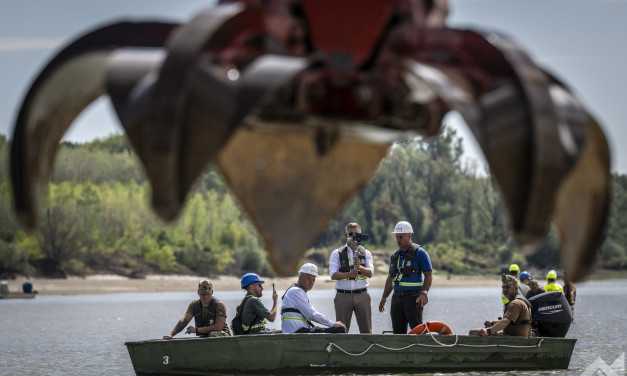
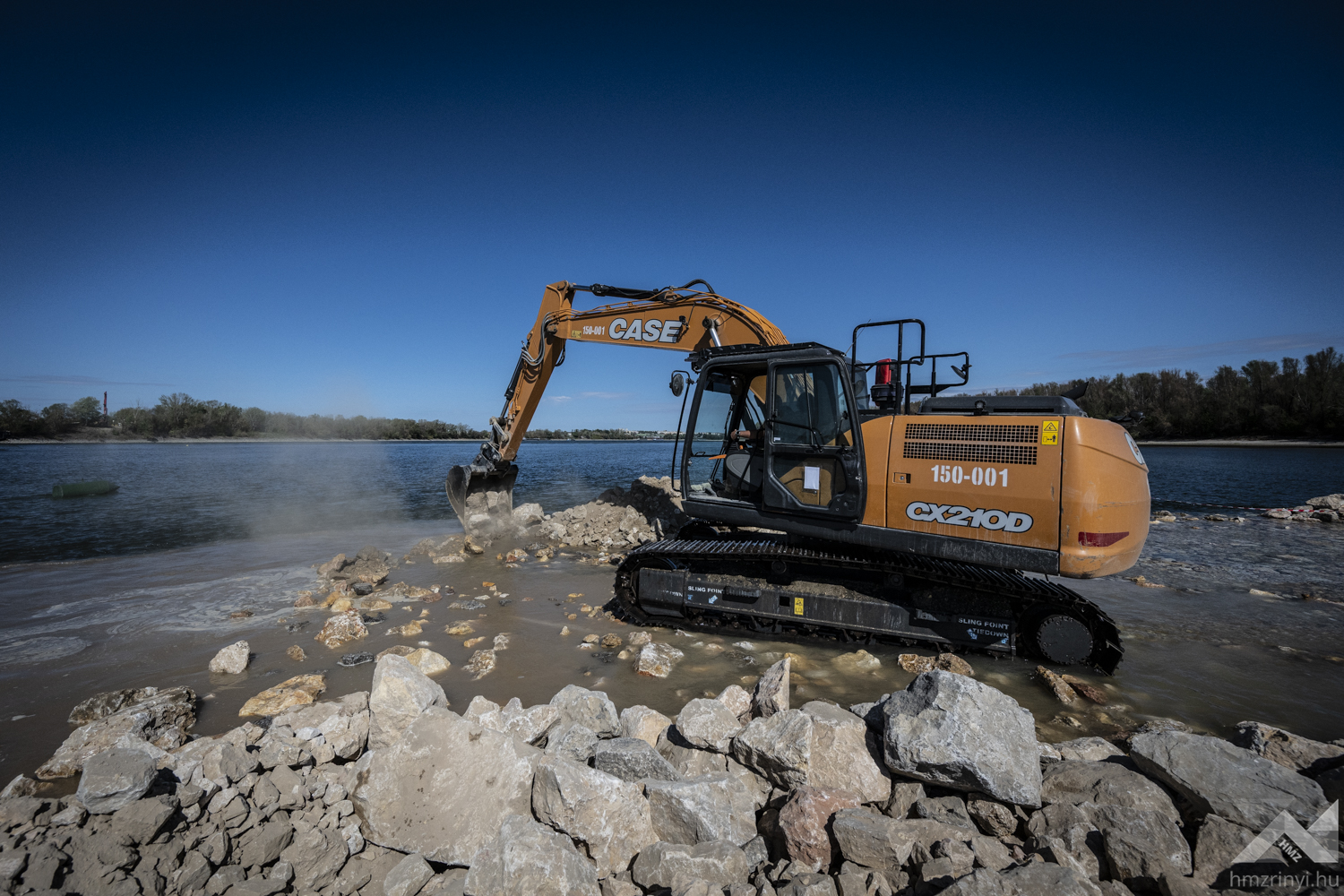
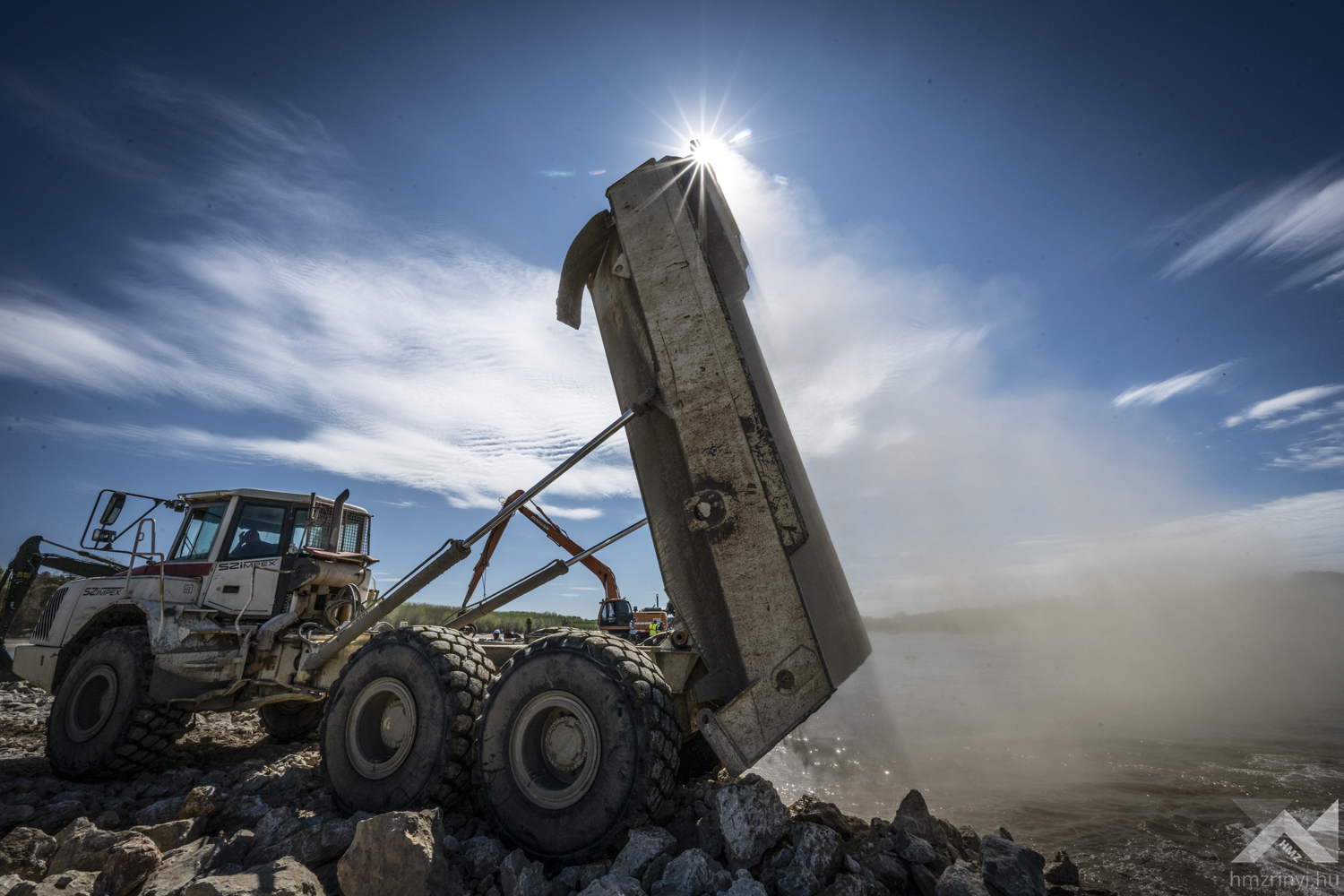
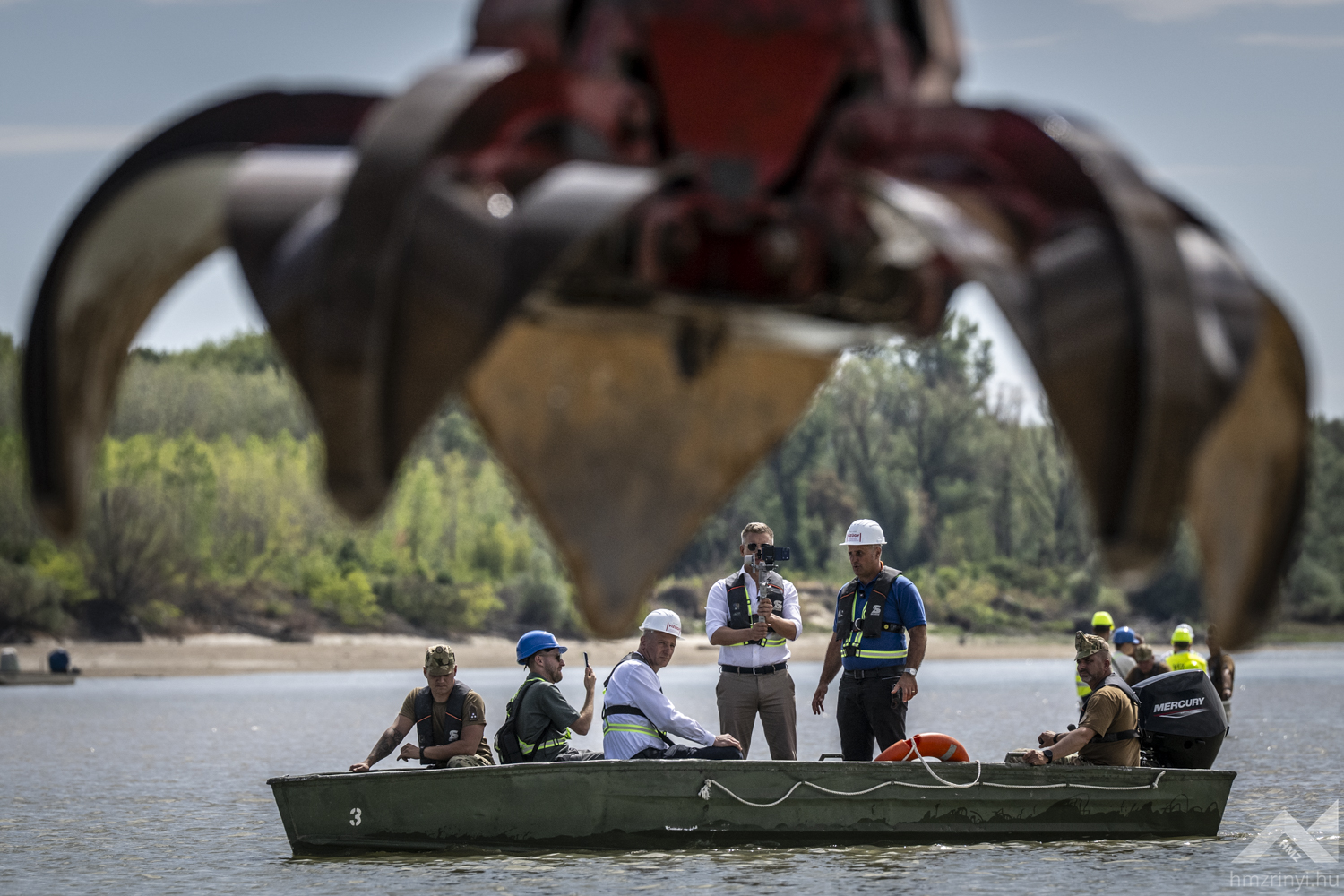
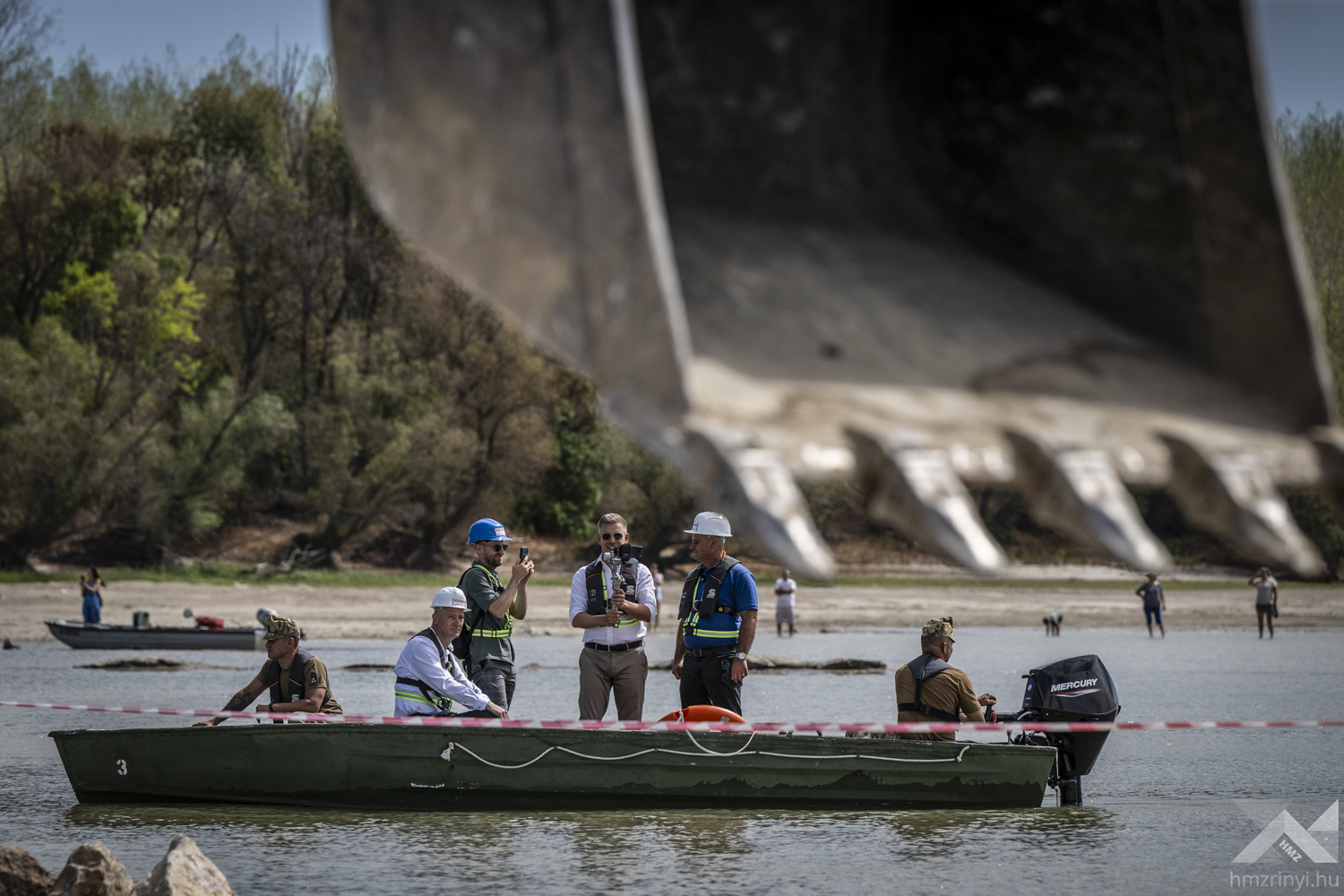
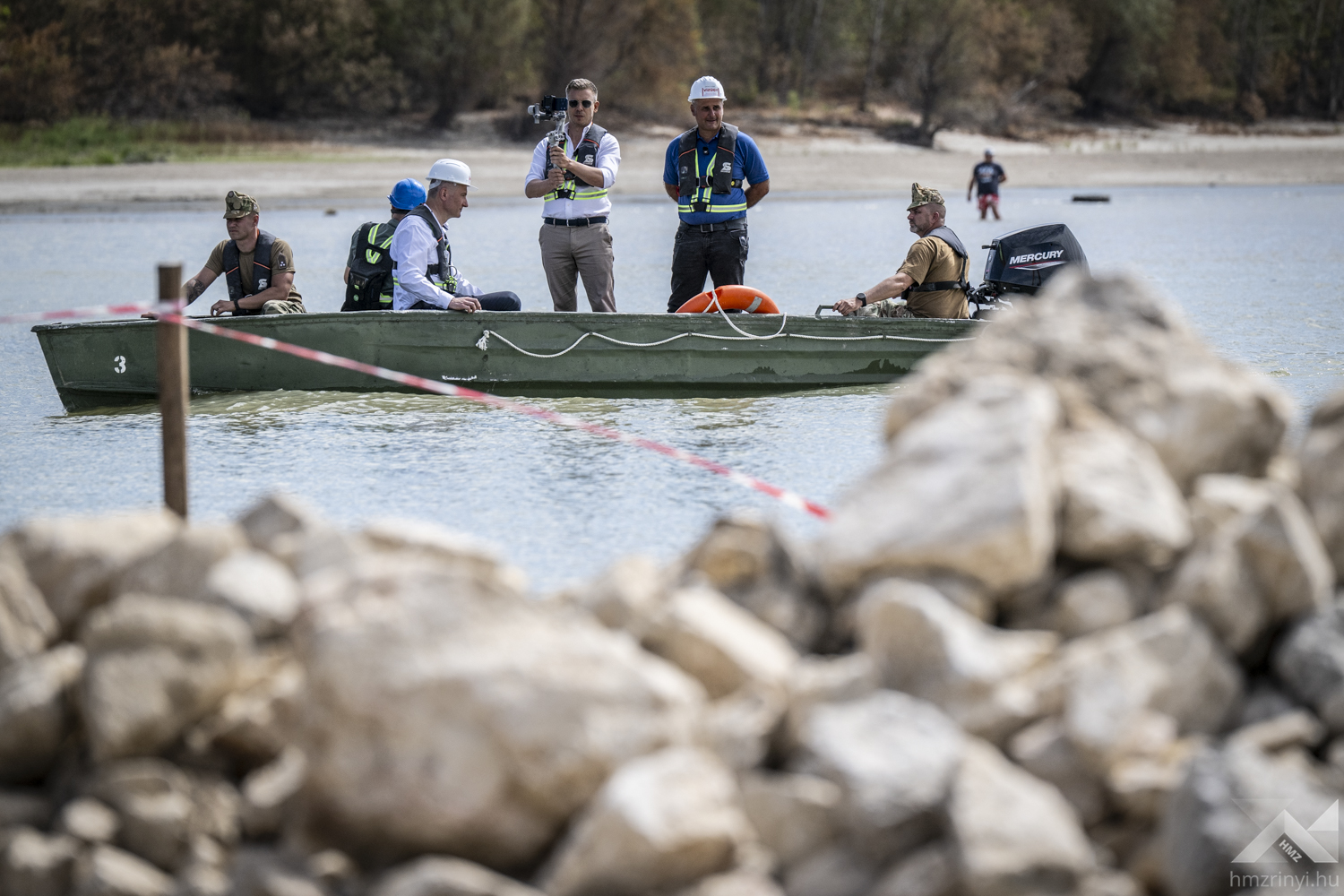
Romulusz Ruszin-Szendi told the press that the first shipment of stone for the construction had arrived some nine days earlier, and that since then army engineers, military police, divers and special operations forces had been working on the construction project.
“There are still 150 meters left before the two weirs being constructed on both banks of the Danube meet”, he said, adding that water management specialists would determine when and what should be built and at what pace, in order to ensure that “the closure is perfect as well.”
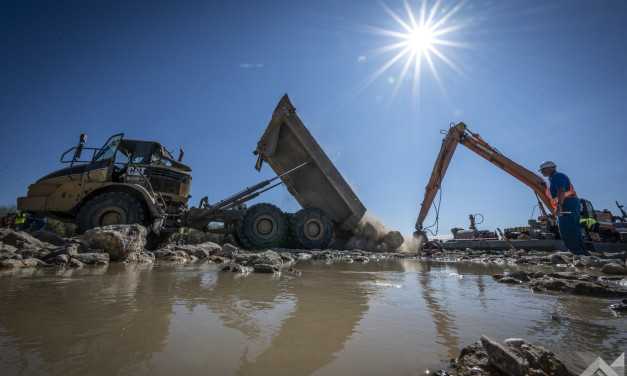
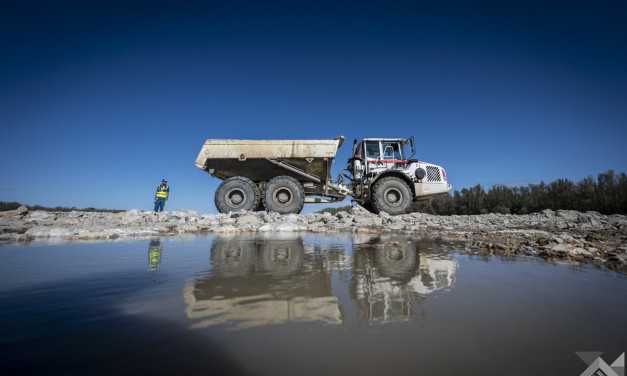
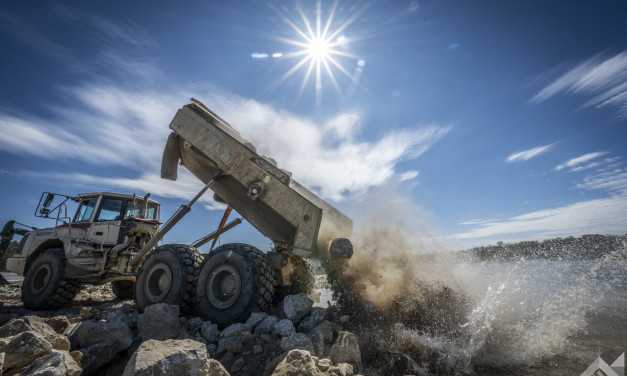
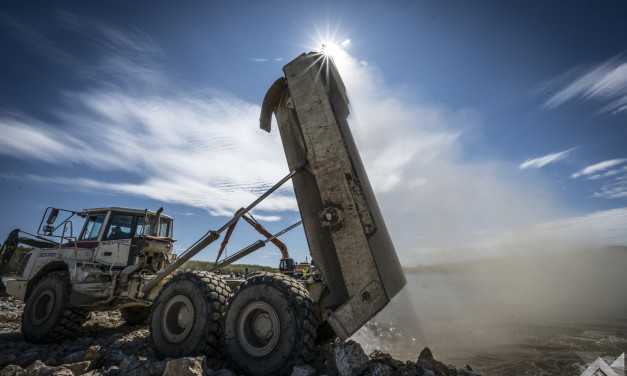
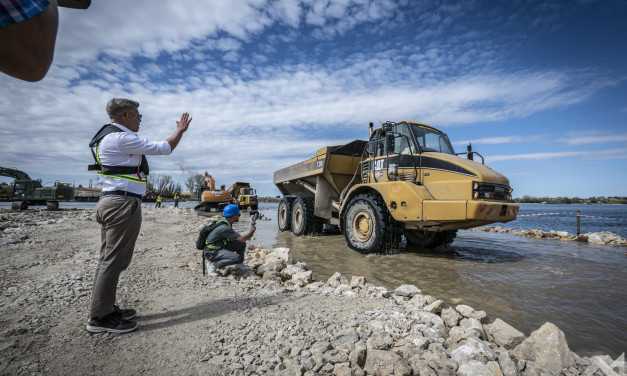
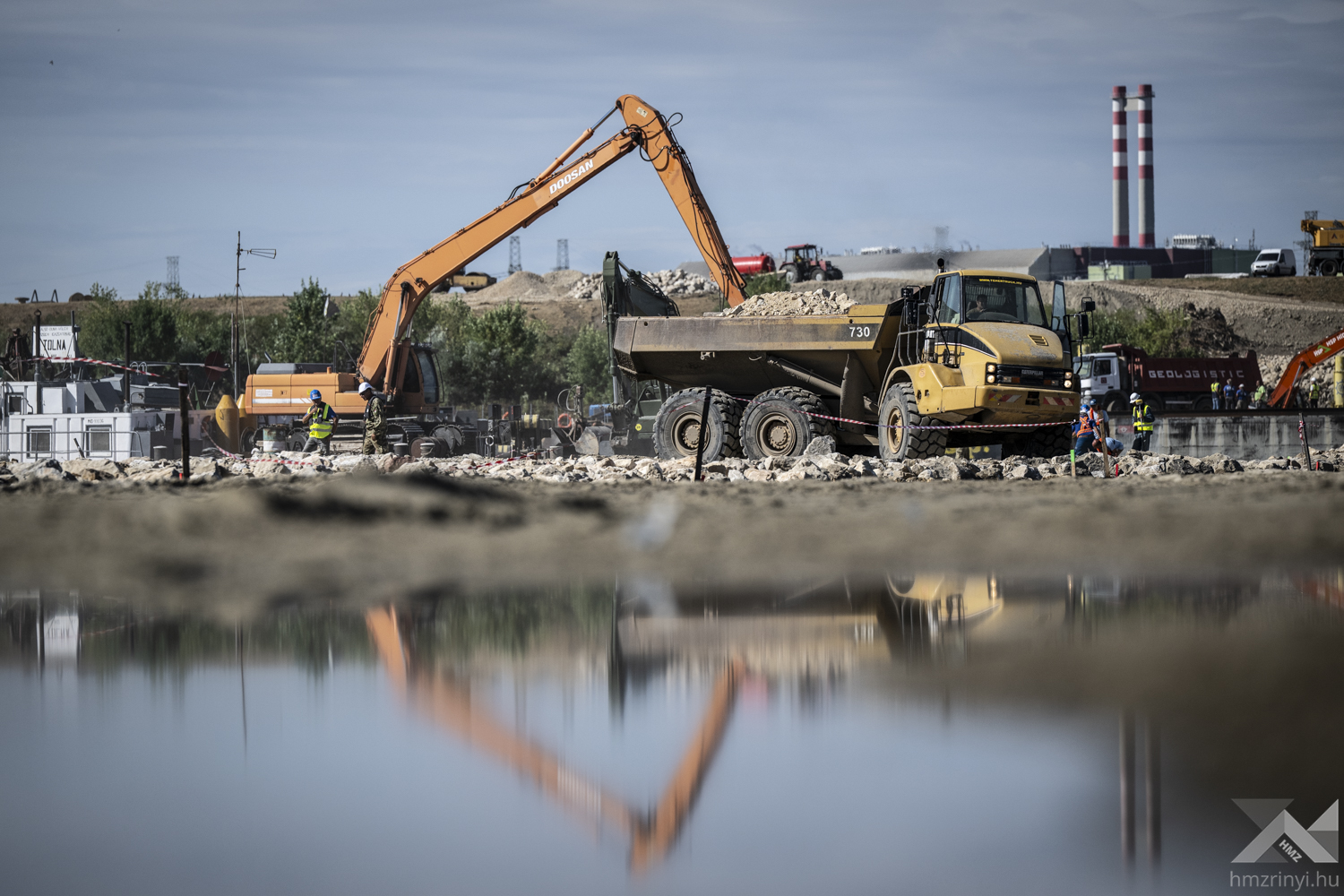
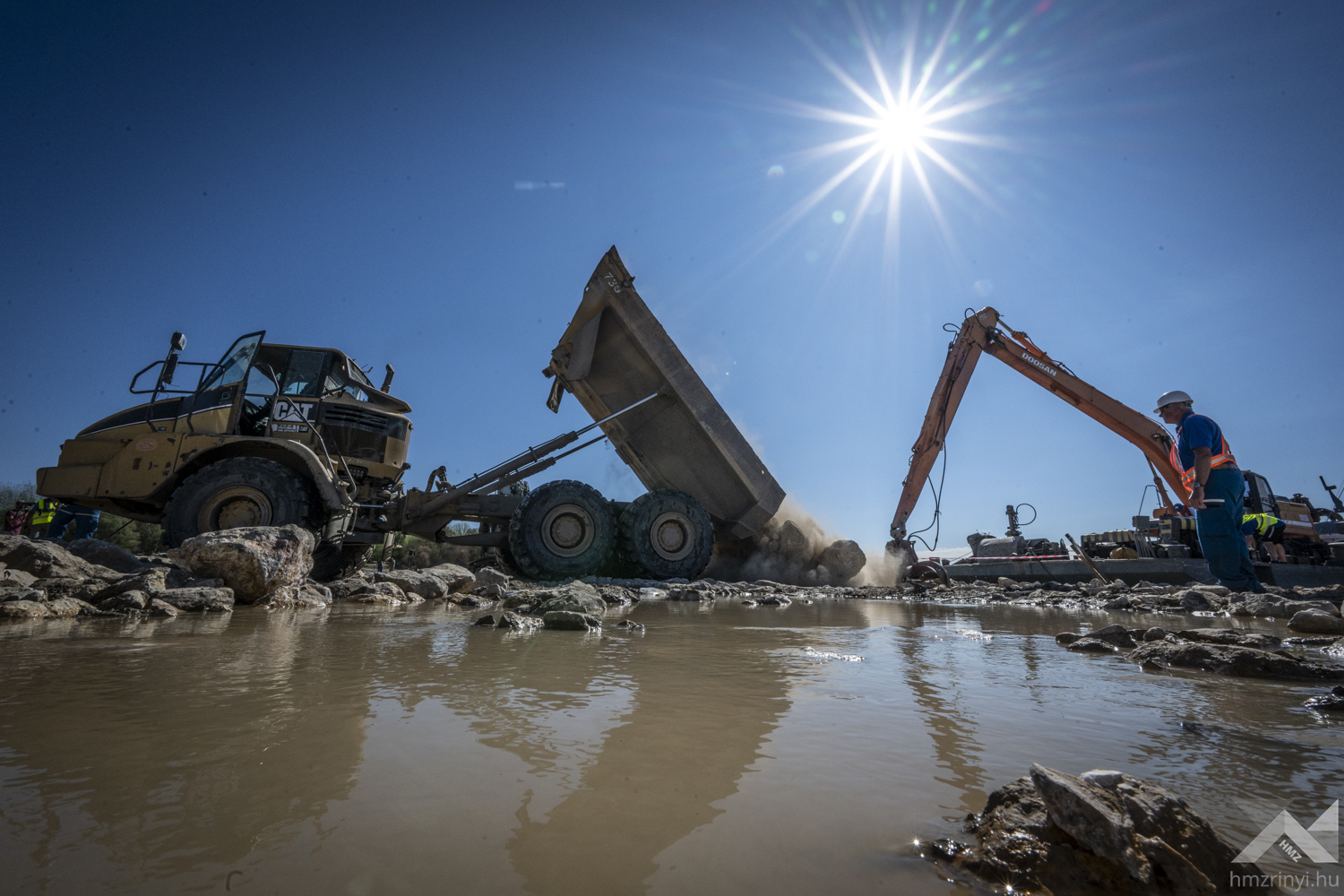
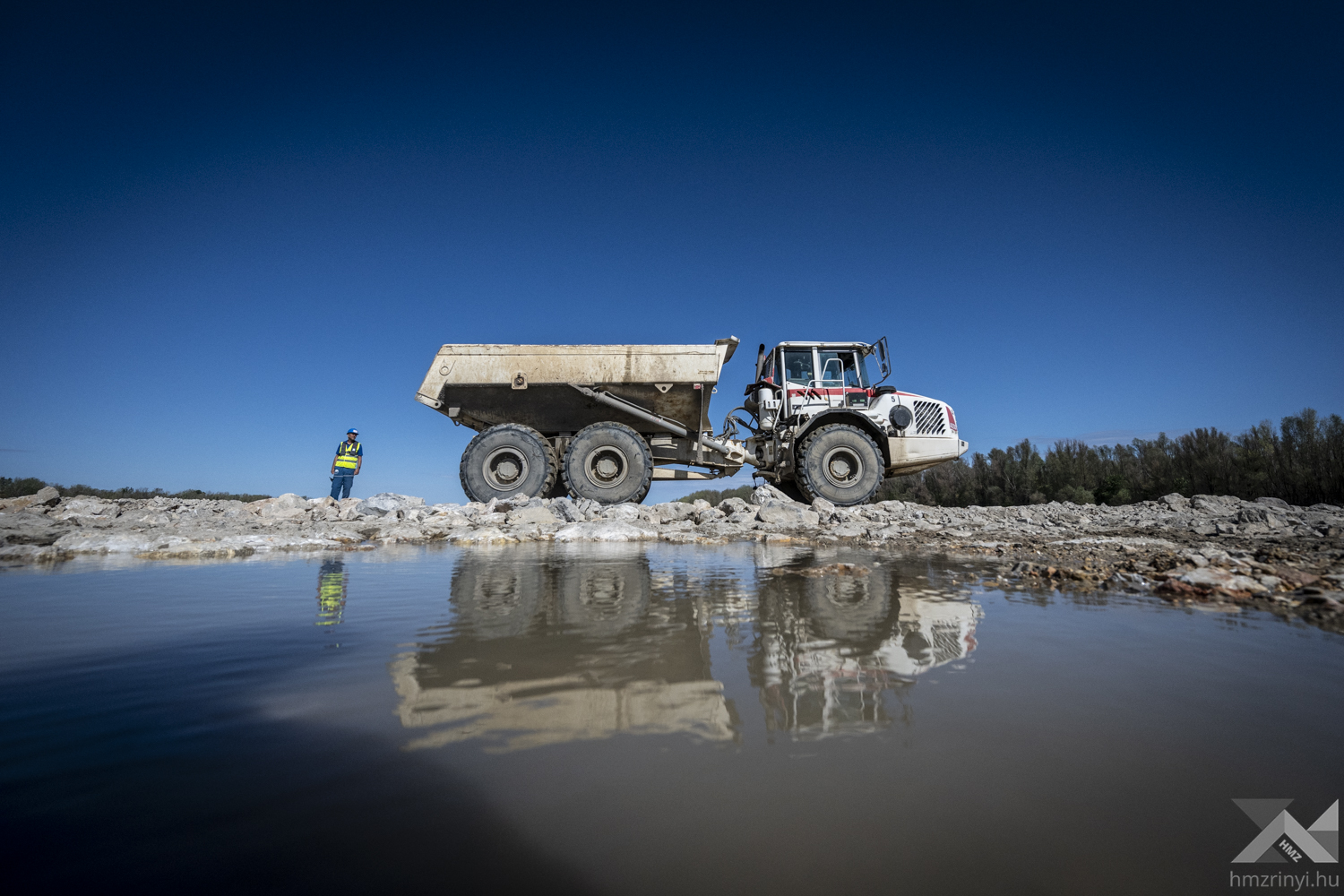
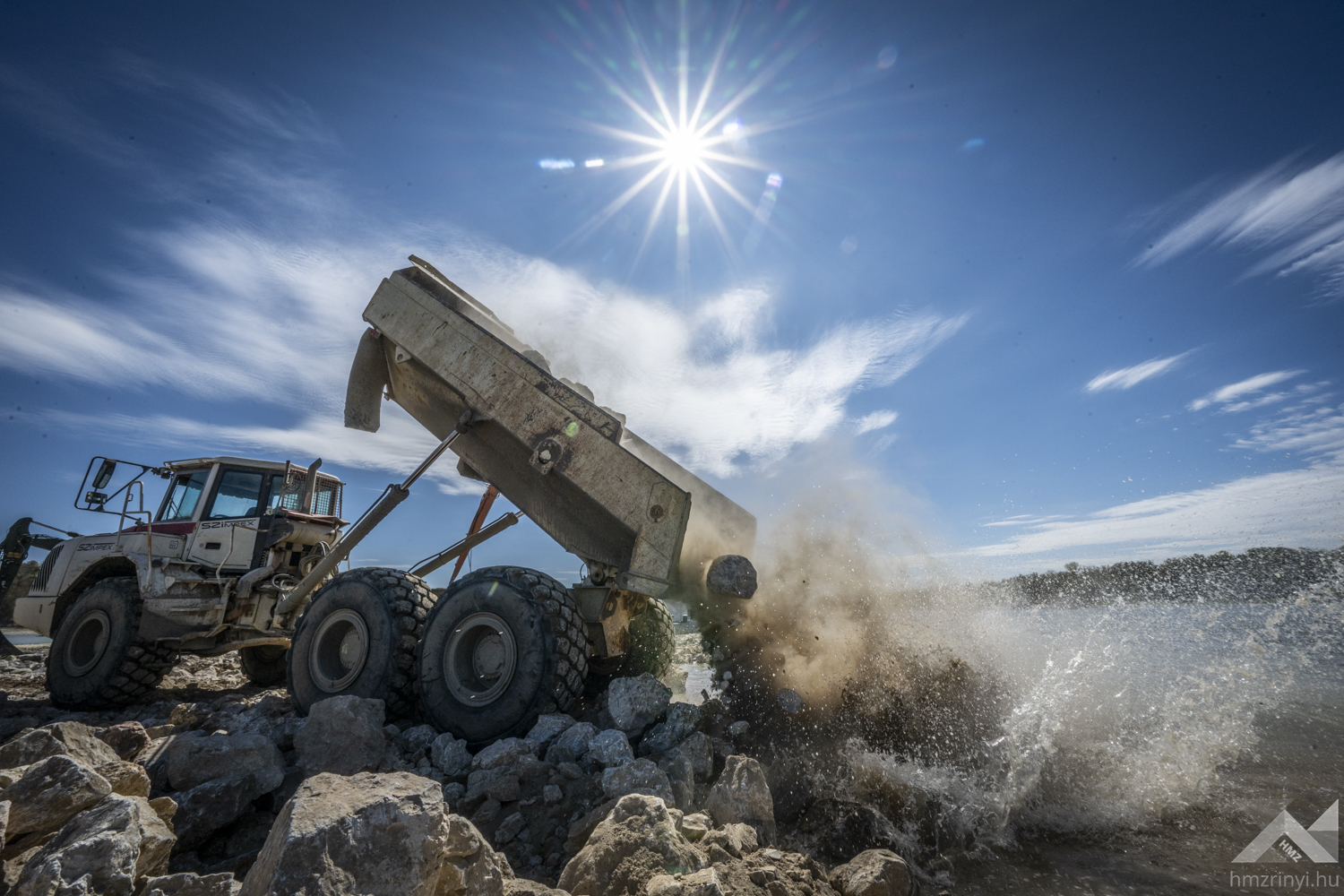
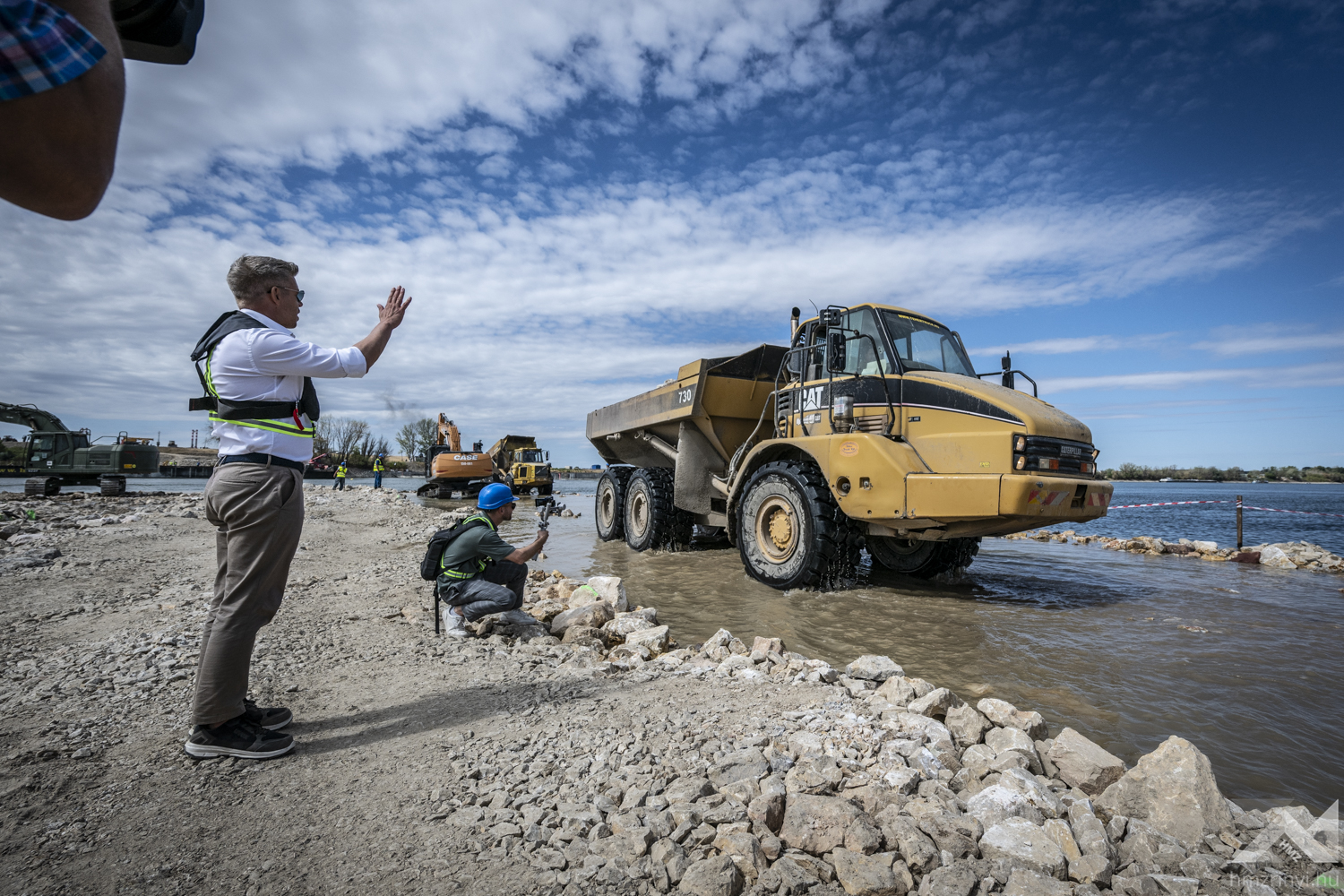
Director General of the Defence Administration Office Pál Kádár said that so far 33,500 tonnes of stone had been dispatched from quarries to the Paks construction site, of which 5000 tonnes had arrived as donations. The stone is being transported by 60–70 trucks per day. Work is going on around the clock with the participation of 180–220 men. The project costs HUF 6.1 billion, of which HUF 1.6 billion has been spent so far.
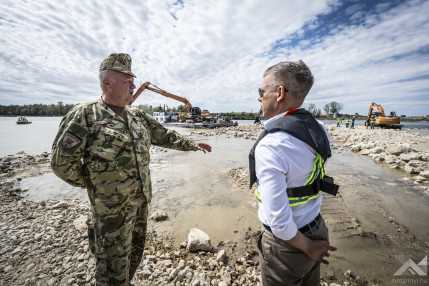
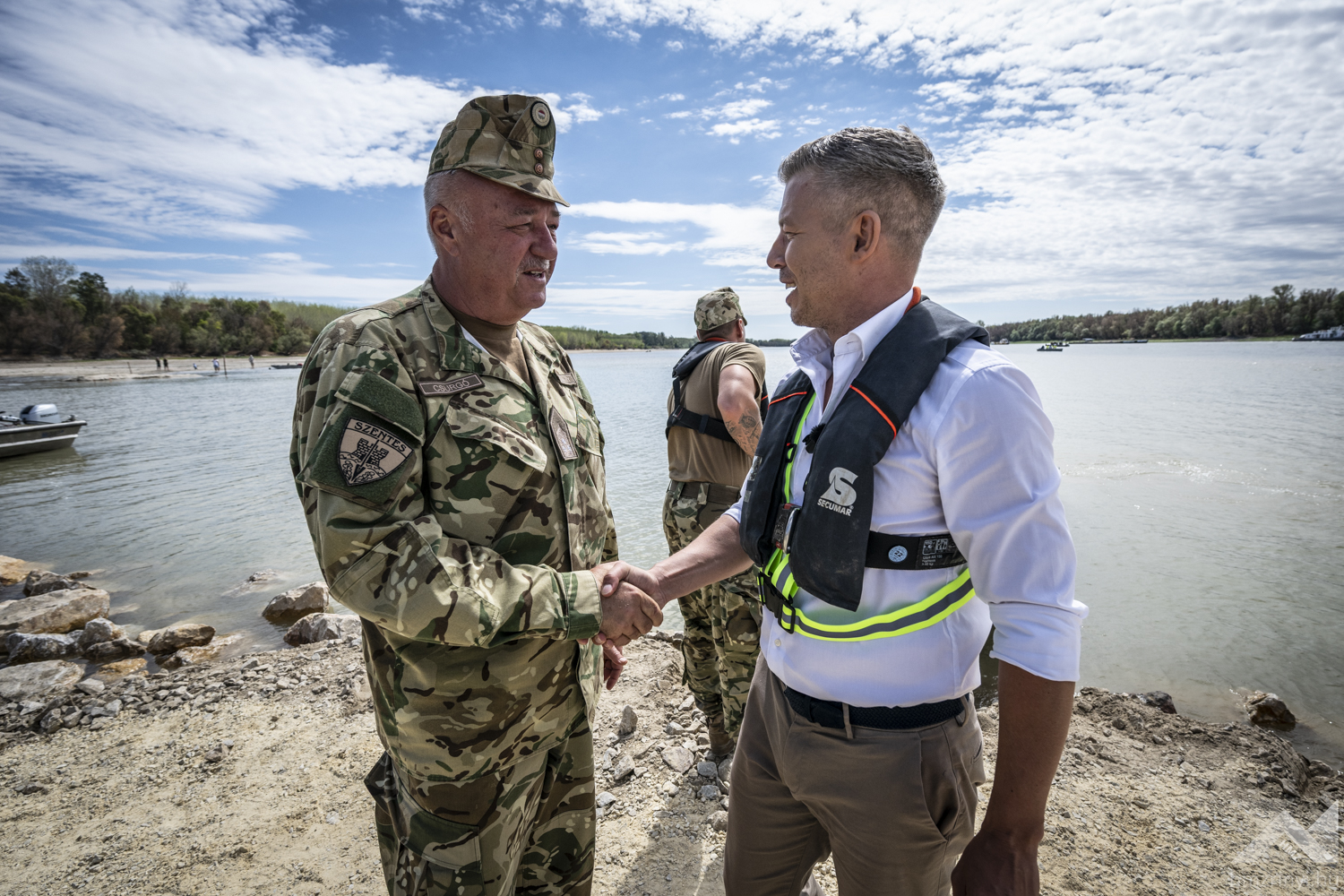
Colonel Attila Csurgó, Commander, HDF 14th Engineer Regiment announced that the soldiers had constructed a 242-meter-long dike, which is now being widened to provide adequate protection for the completed submerged weir. He added that they are also preparing to carry out any necessary narrowing immediately, even by deploying helicopters to position the concrete blocks.
During the short briefing held on the riverbank, it was also said that 140 Hungarian servicemembers are working in the area on three shifts per day, while the soldiers have also assisted with transportation over the long weekend. It was revealed that stone is being continuously transported to the Dunaszentbenedek depot, with 1500 tonnes delivered by 10 a.m. on Sunday alone.
In response to a journalist’s question, Péter Magyar said that perhaps the most critical point in the past few weeks came when the Danube’s water level began to fall drastically again toward the end of the first third of August. At that point, considered yet quick decisions had to be made, and this was perhaps the most important moment of the Paks energy crisis.
KT20260823paks1
KT20260823paks2
KT20260823paks3
KT20260823paks4
KT20260823paks5
KT20260823paks6
KT20260823paks7
KT20260823paks8
KT20260823paks9
KT20260823paks10
KT20260823paks11
KT20260823paks12
KT20260823paks13
KT20260823paks14
KT20260823paks15
KT20260823paks16
KT20260823paks17
KT20260823paks19
KT20260823paks22
KT20260823paks24
KT20260823paks25
KT20260823paks26
KT20260823paks27
KT20260823paks28
KT20260823paks29