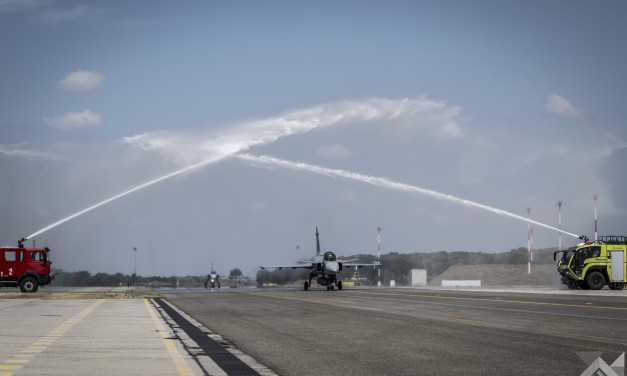
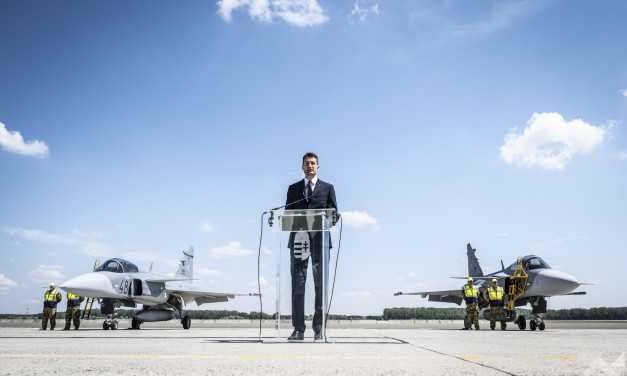
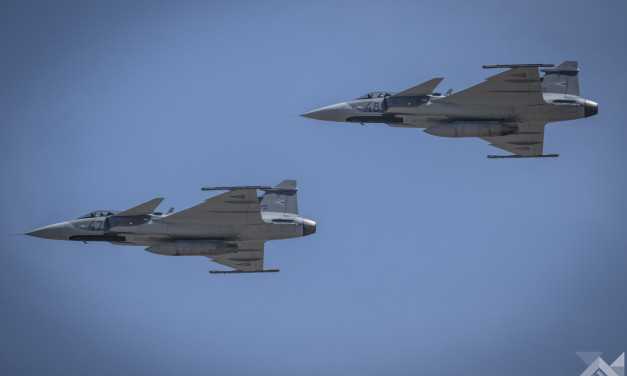
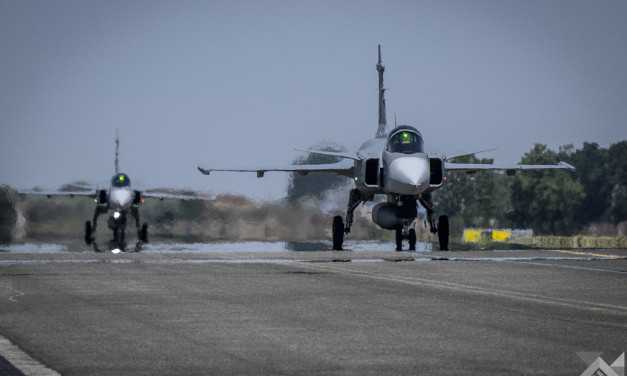
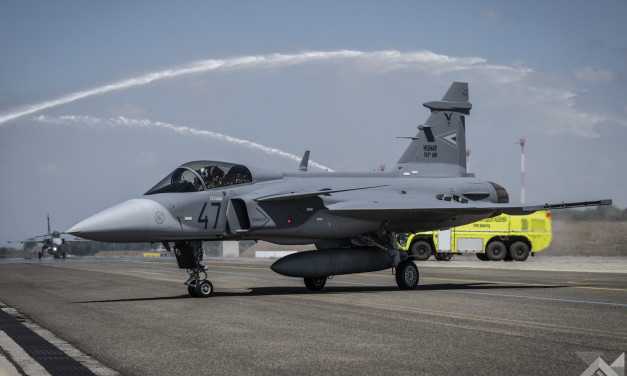
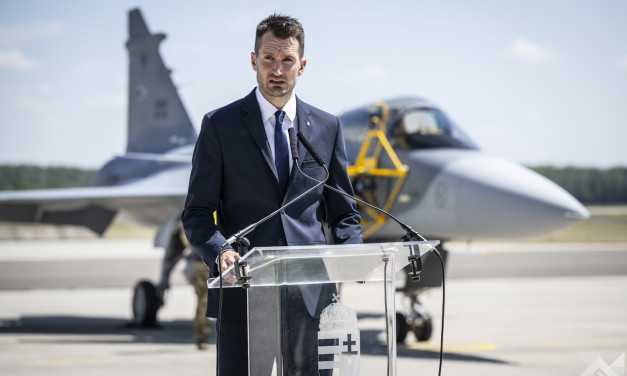
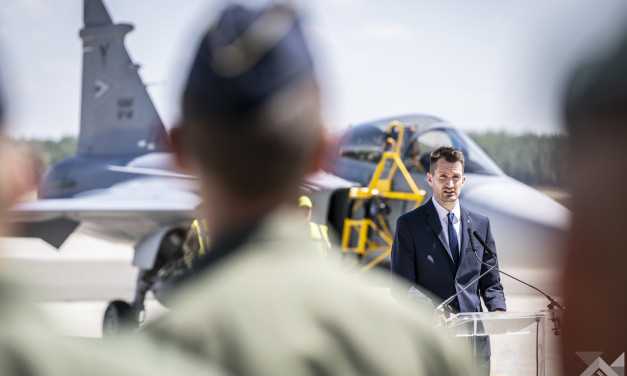
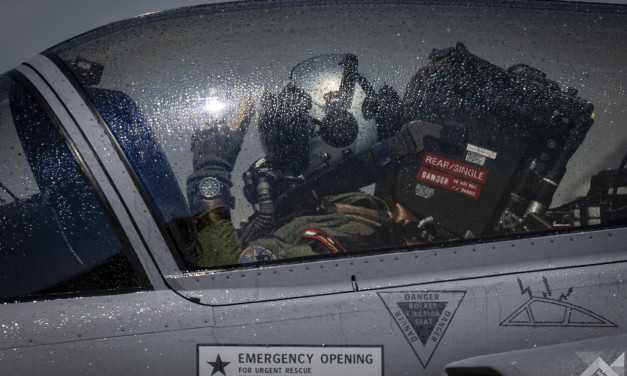
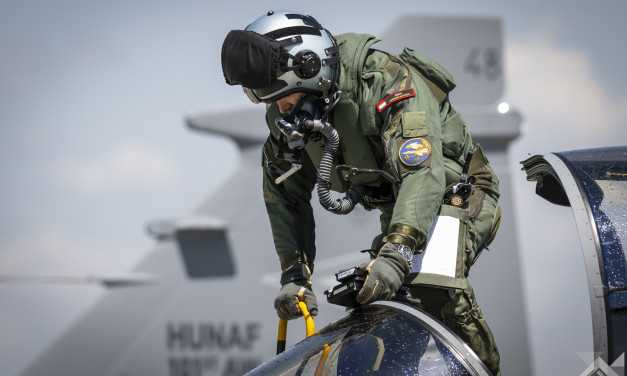
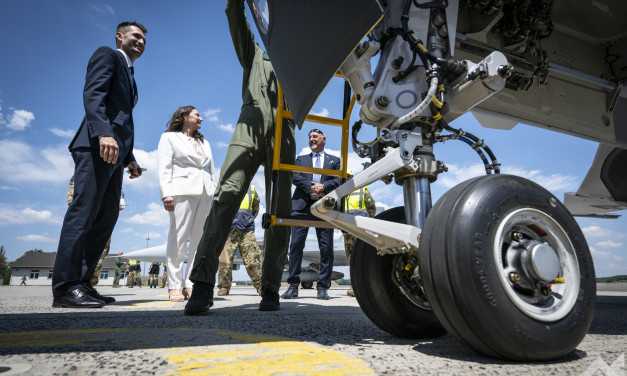
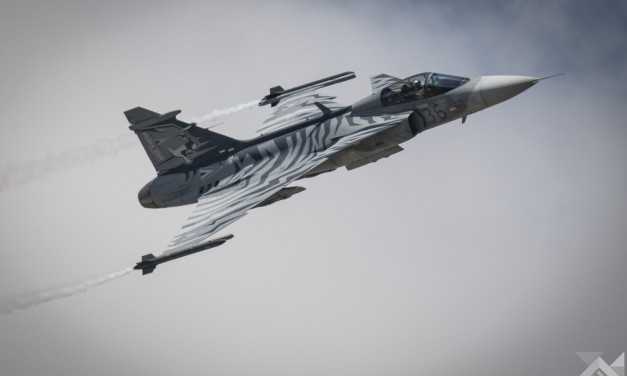
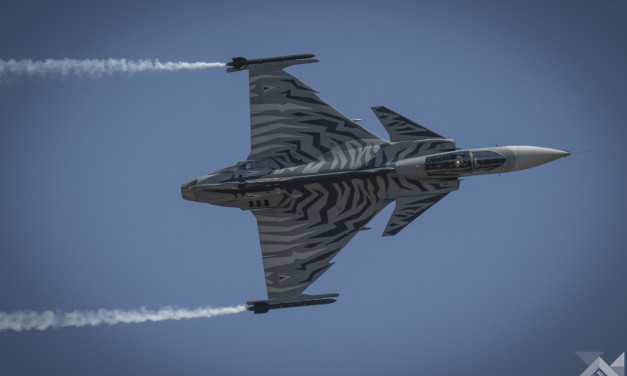
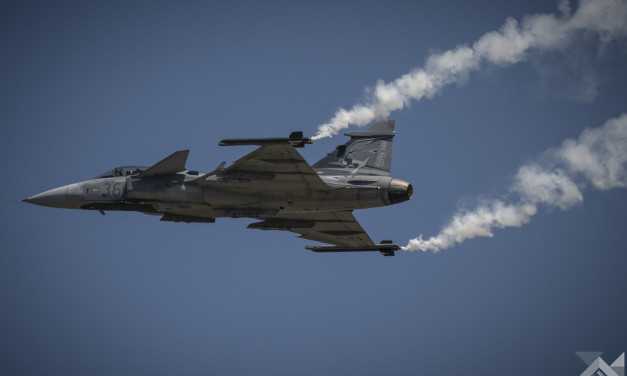
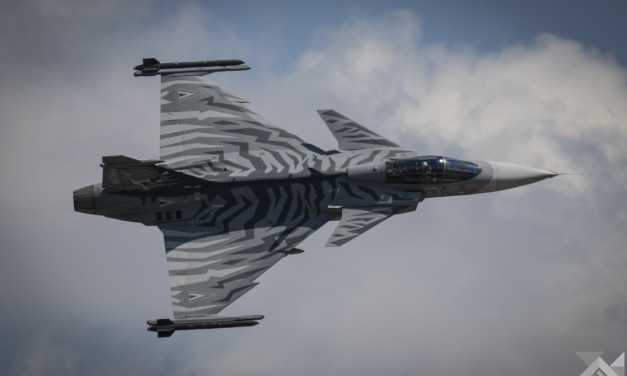
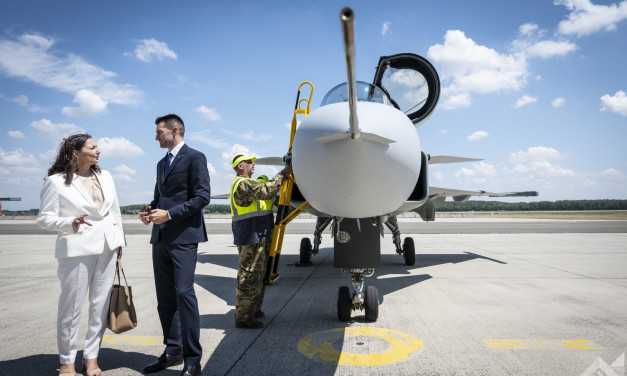
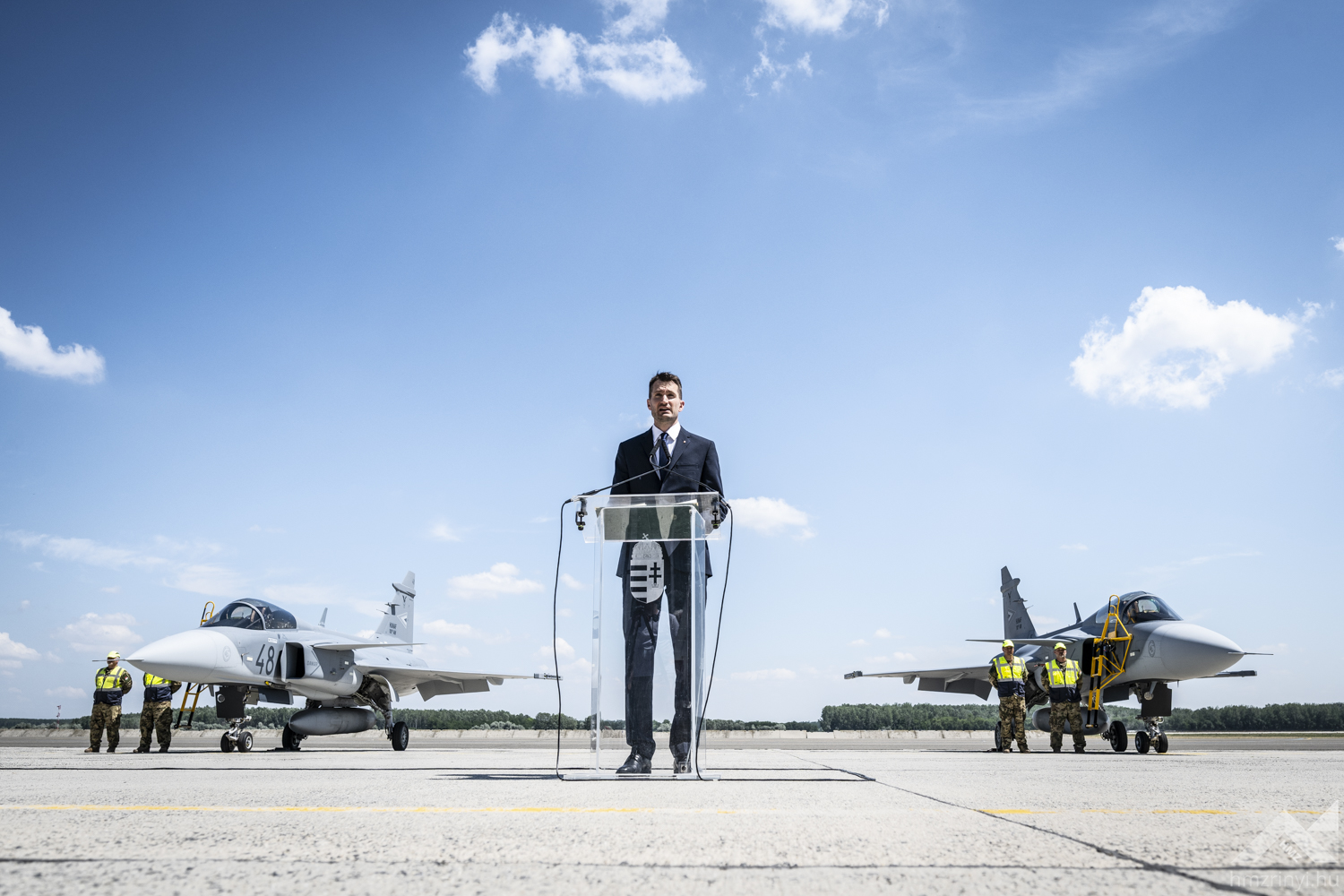
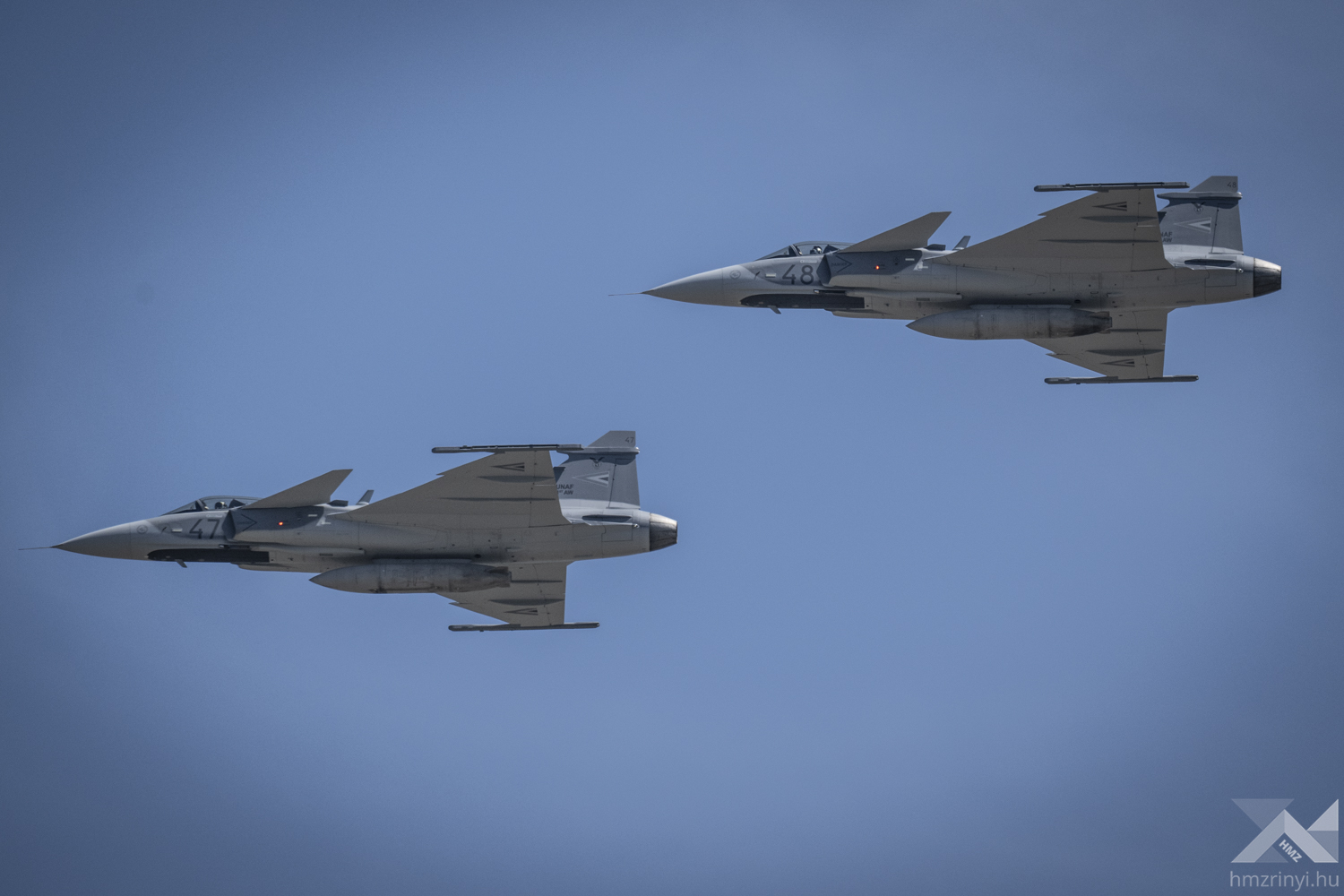
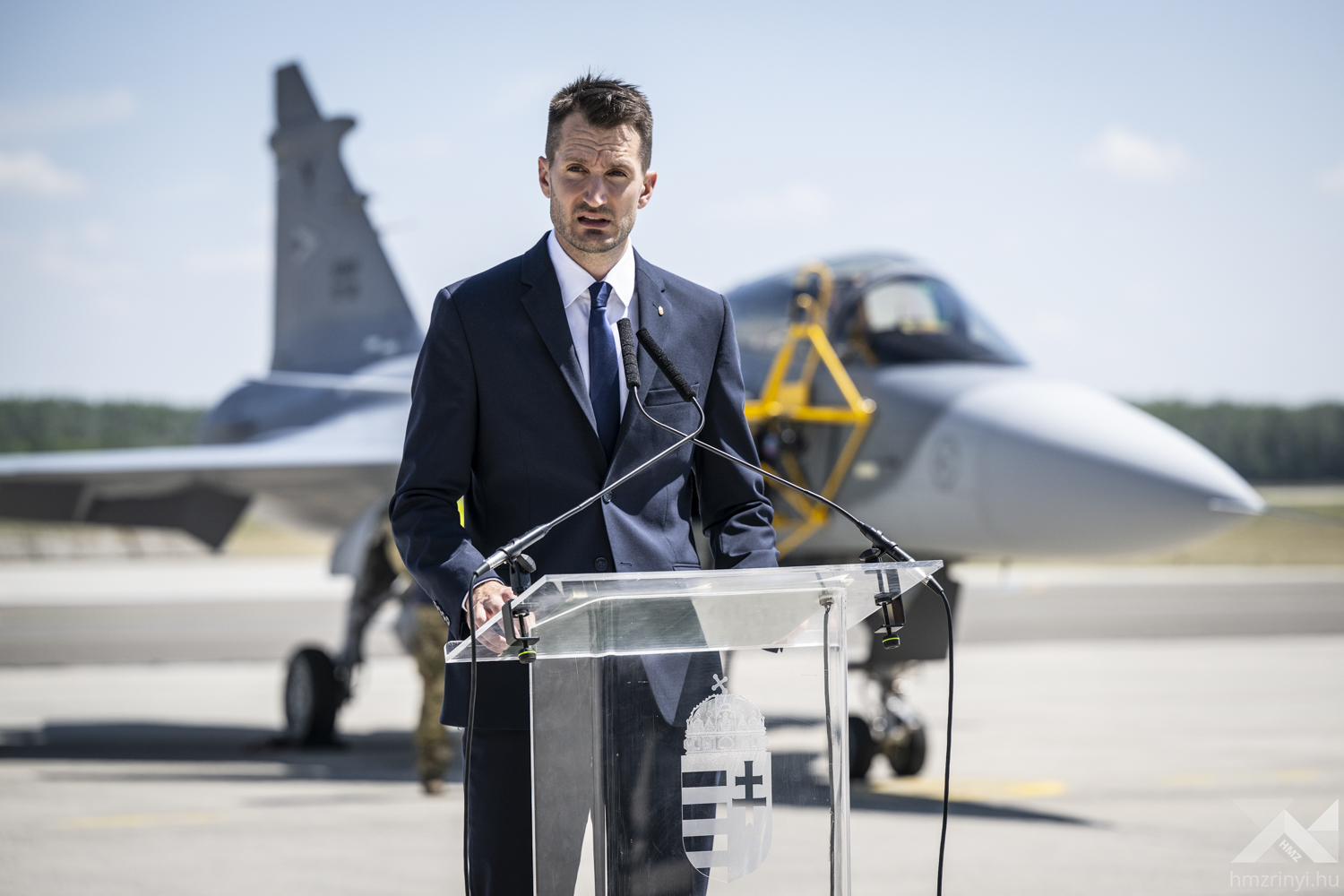
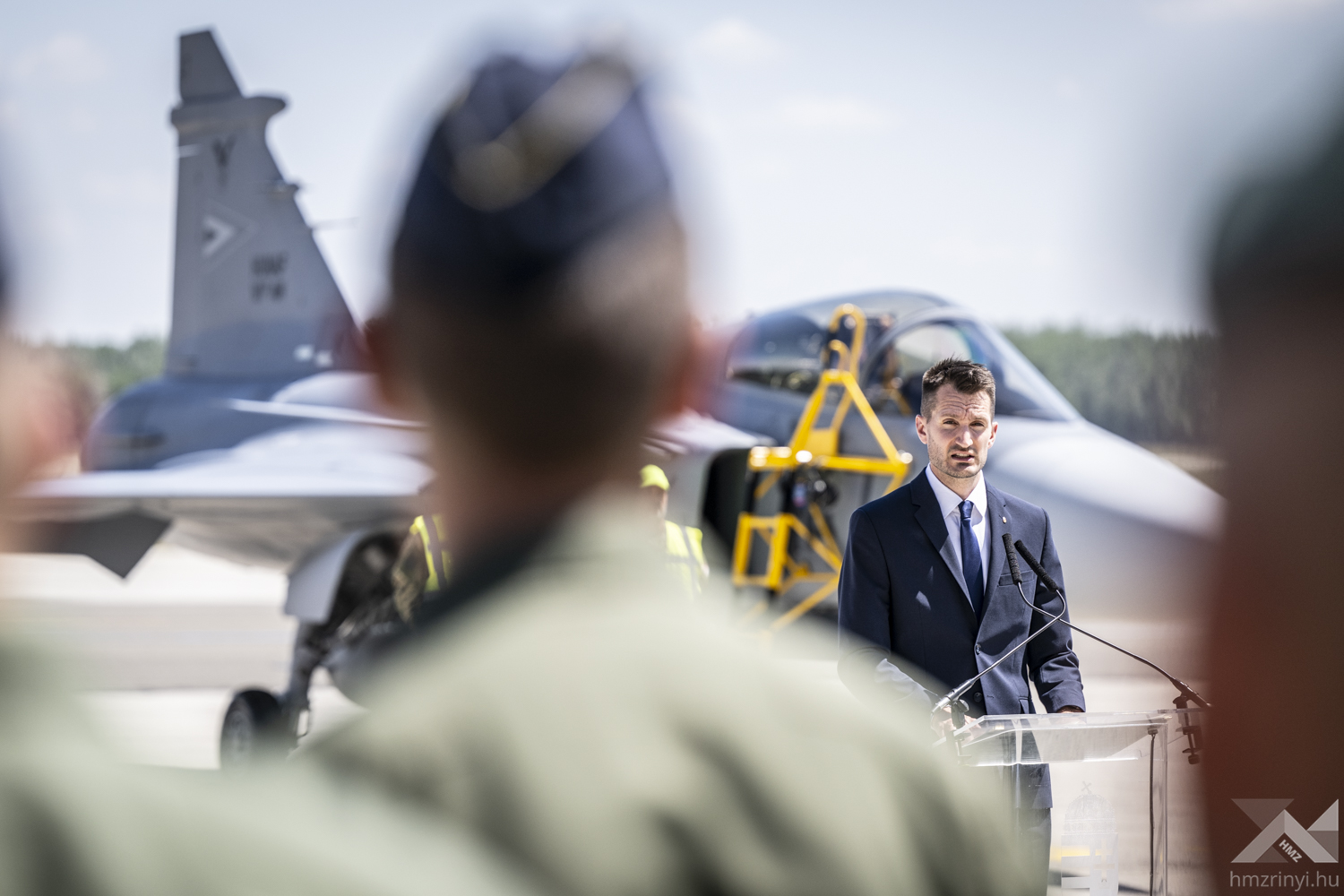
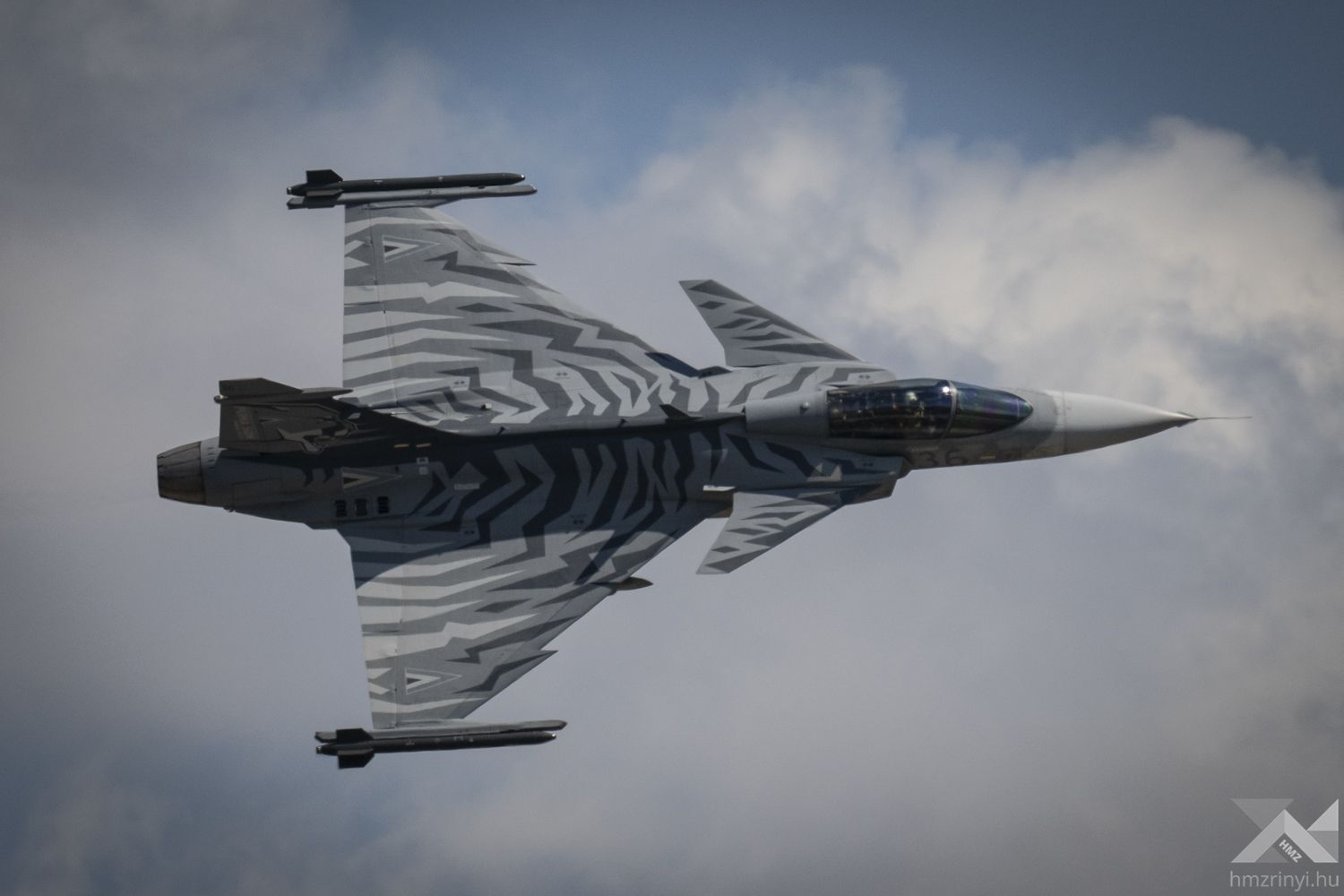
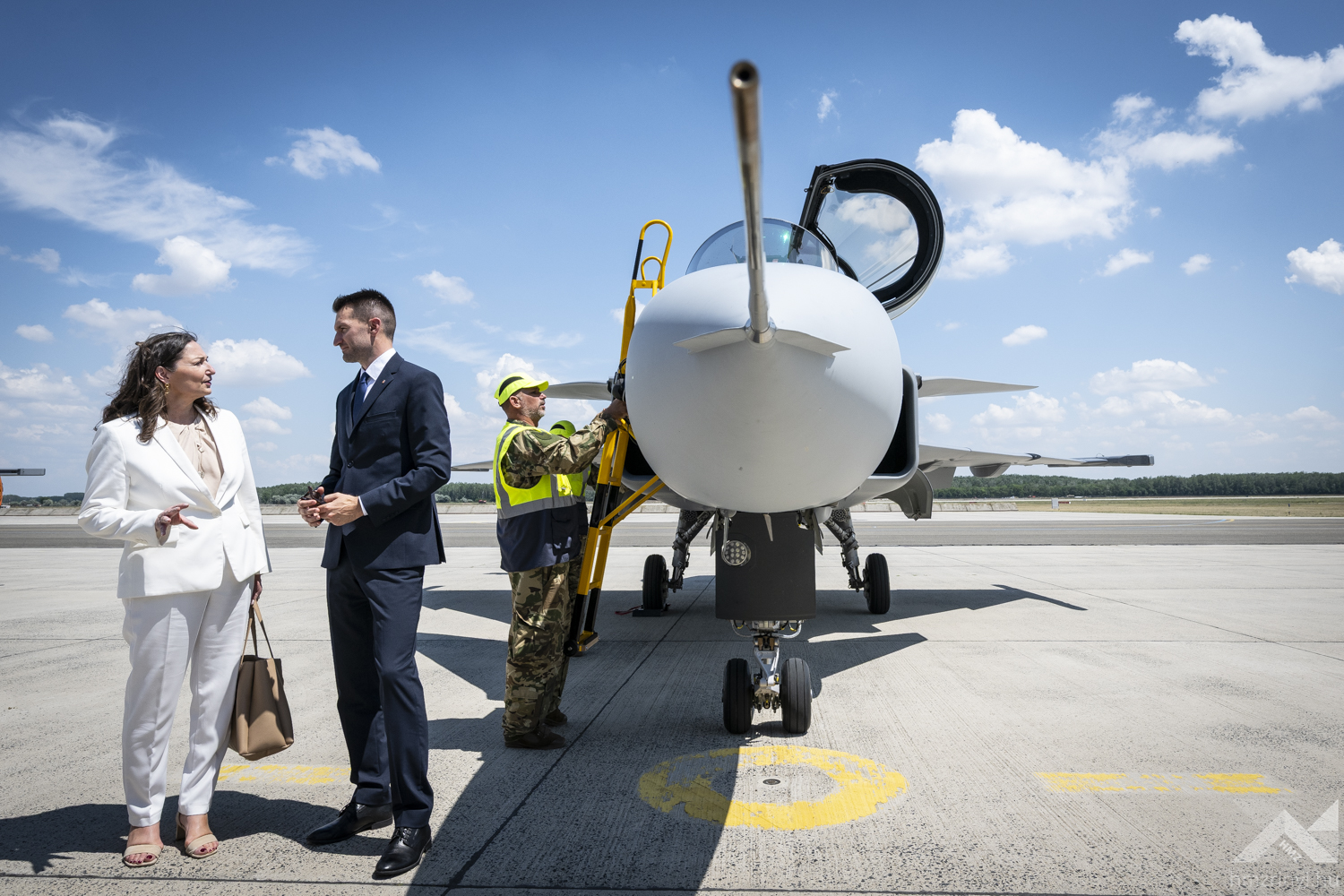
With the completion of the Hungarian Defence Forces fighter aircraft fleet, already 18 armed JAS 39 Gripens safeguard Hungary’s and NATO’s airspace. “Our Gripens protect not only the Hungarian sky” – said MoD Parliamentary State Secretary László Kürtös at the reception ceremony of the last two assets of the fleet on June 23.
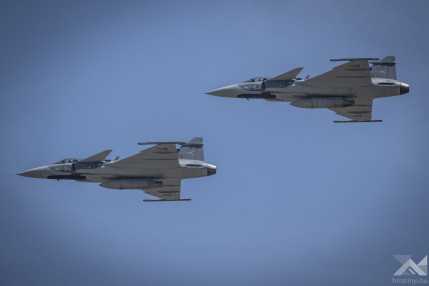
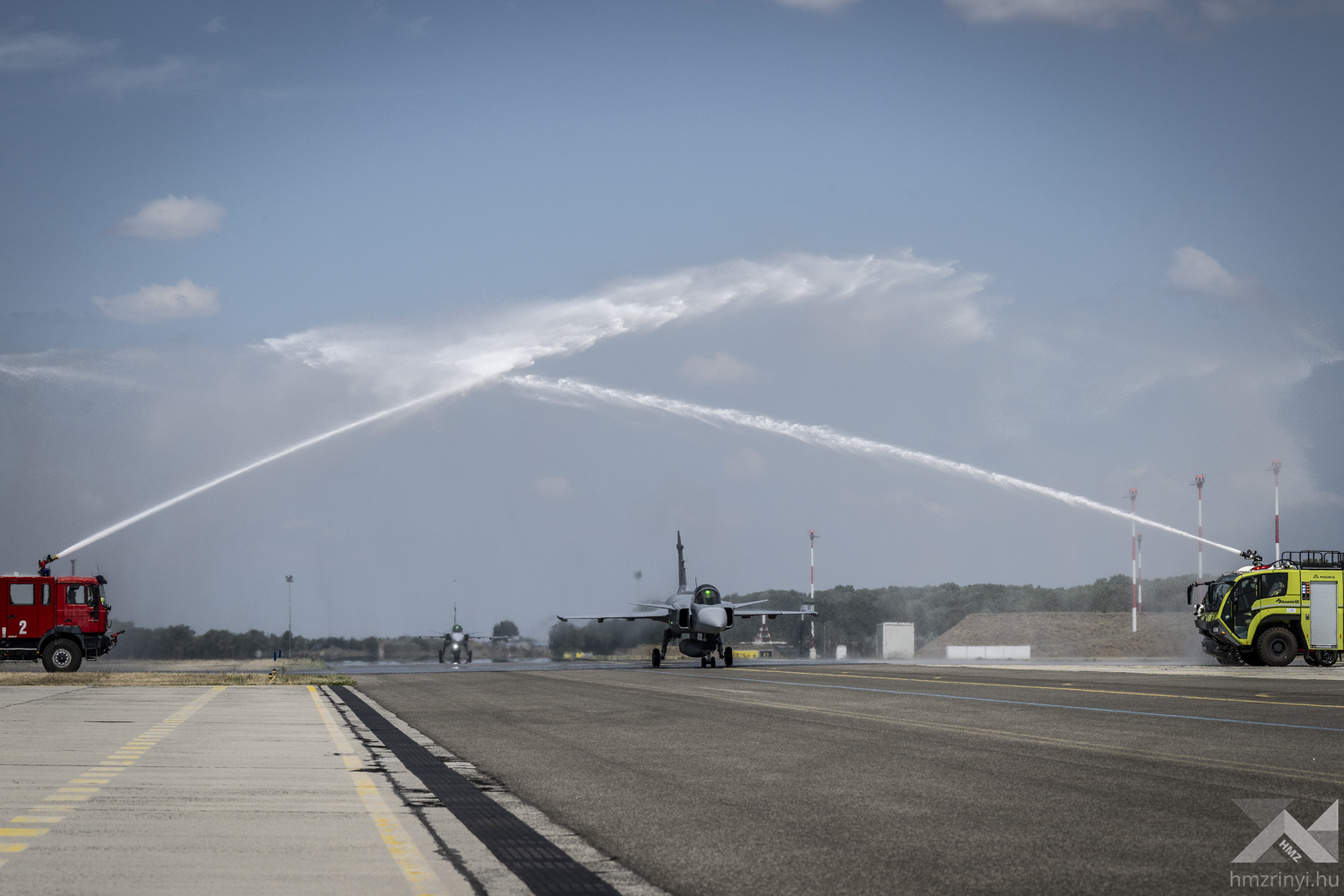
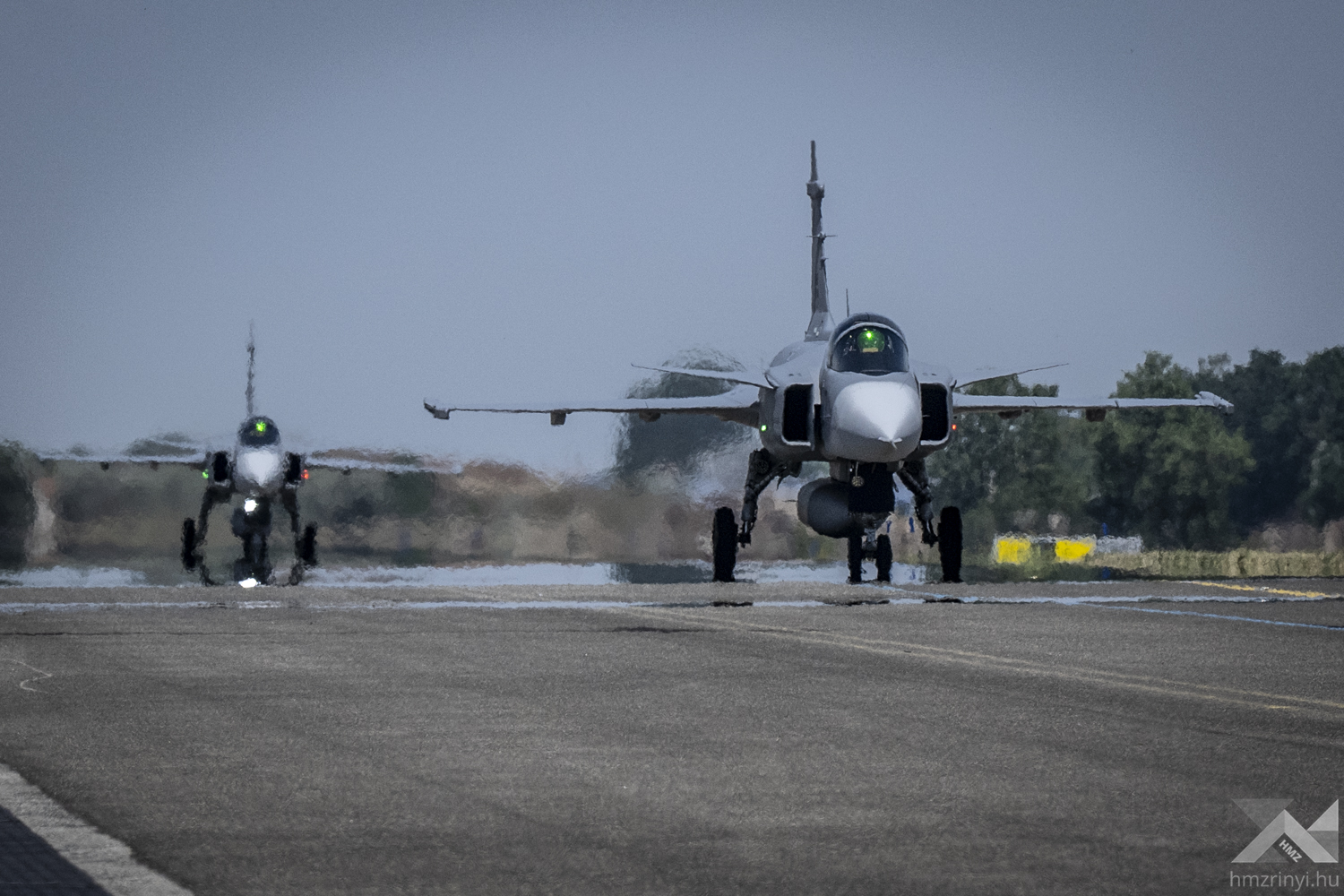
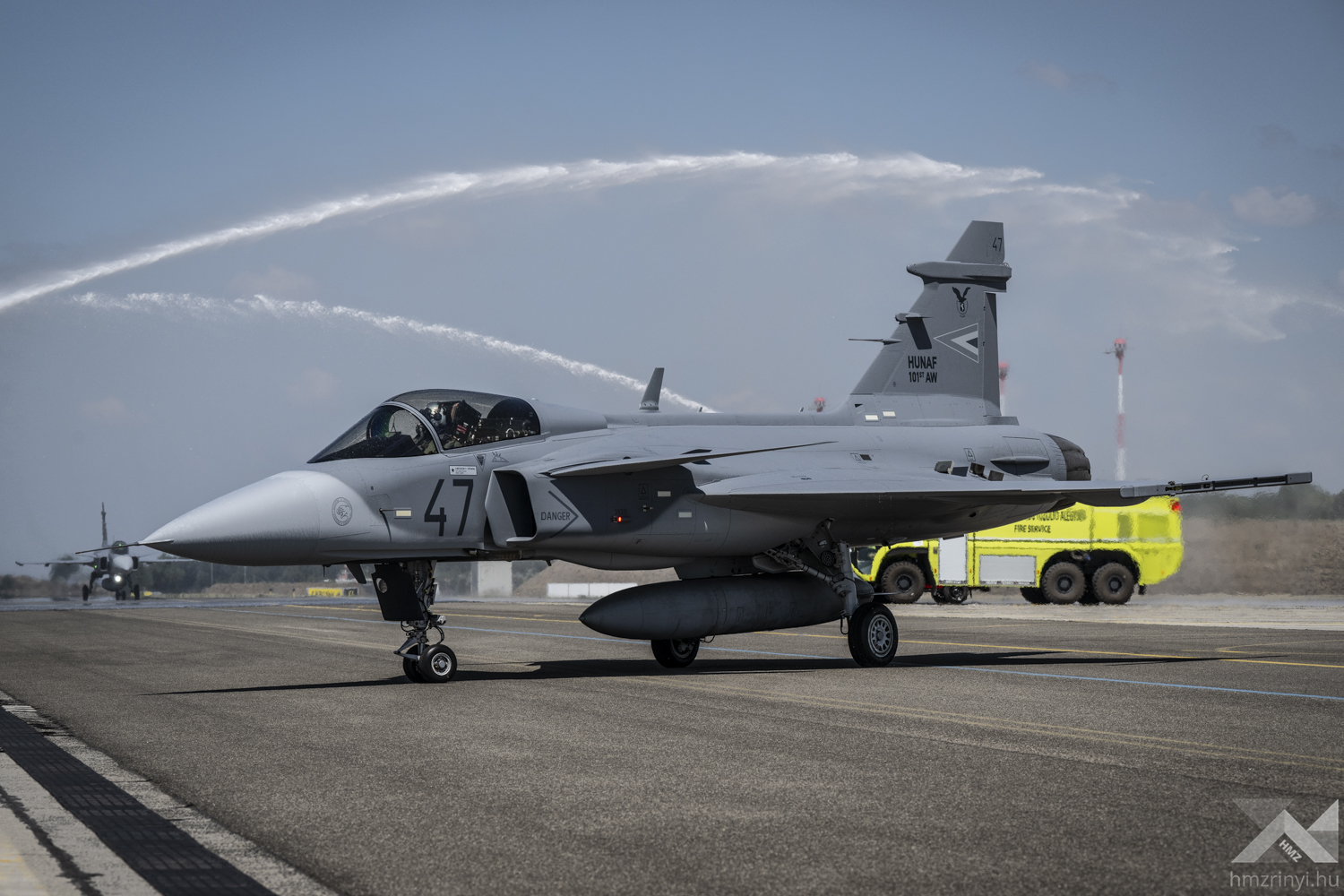
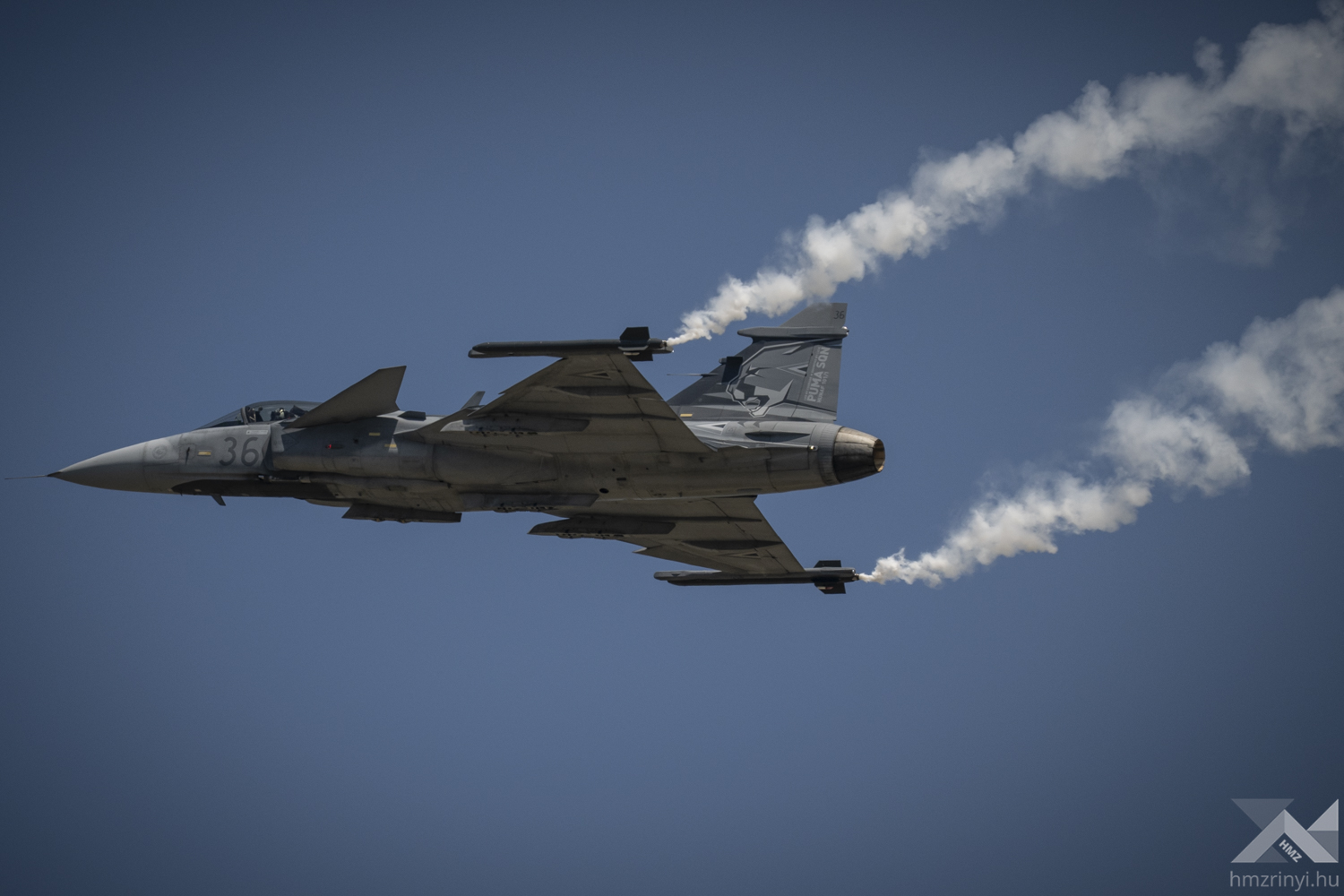
The first Gripen arrived in Hungary in 2006, and since then, the fleet consisting of modern fighter jets has continuously been expanding. Made in Sweden, these aircraft are capable of carrying state-of-the-art armament and almost reaching Mach 2. After the commissioning of two Gripens delivered in late April, the last two aircraft have now landed in Kecskemét.
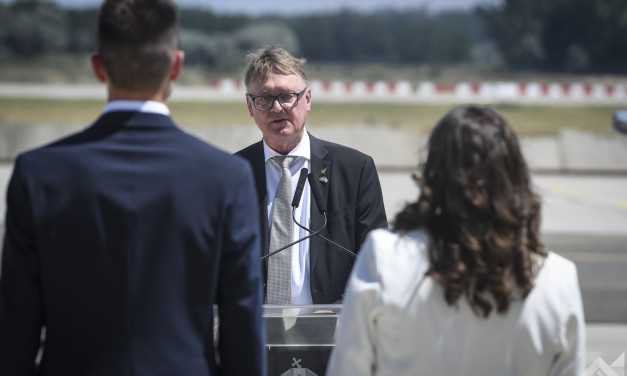
“Besides safeguarding Hungarian airspace, these aircraft also contribute to the defence of NATO’s eastern flank. They fly regular missions in the skies of Slovenia, Croatia, Slovakia and the Baltic States” – emphasized László Kürtös at the airbase of the HDF 101st Aviation Wing. The parliamentary state secretary pointed out Hungary’s efforts to restore the trust placed in it in the North Atlantic Alliance and the European Union.
“Our foreign policy is going to be Europe-centered. We focus on maintaining security and predictable cooperation; at the same time, we consistently represent Hungary’s interests” – he said.
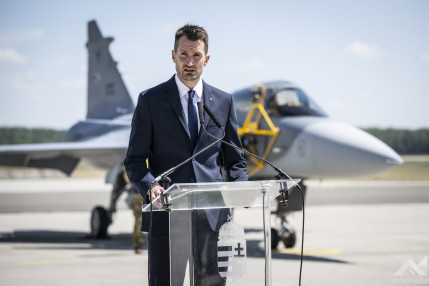
State Secretary Kürtös underlined the closeness of Swedish–Hungarian relations. After invoking Raoul Wallenberg’s significance, the reception of Hungarian refugees after the 1956 freedom fight and the role of the Hungarian diaspora living in Sweden, he emphasized the cooperation between the incumbent governments. He pointed out that “the Swedish cabinet shows openness to Hungary. By this, it conveys the message that it counts on cooperation and is ready to open a new chapter in bilateral relations”.
The joint operation of the Gripens is complemented by collaboration in the fields of research and development (R&D) and innovation. As a case in point, State Secretary Kürtös cited the Aviation Development Hub opened by SAAB in Hungary, which specializes in software development for fighter aircraft. “This institution gives Hungarian aerospace industry a big opportunity, and creates several jobs” – he stated.
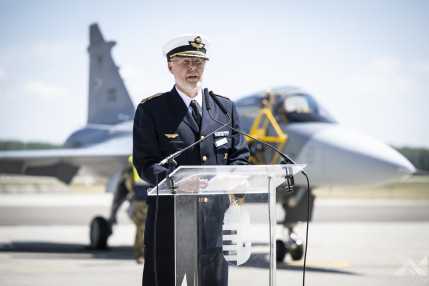
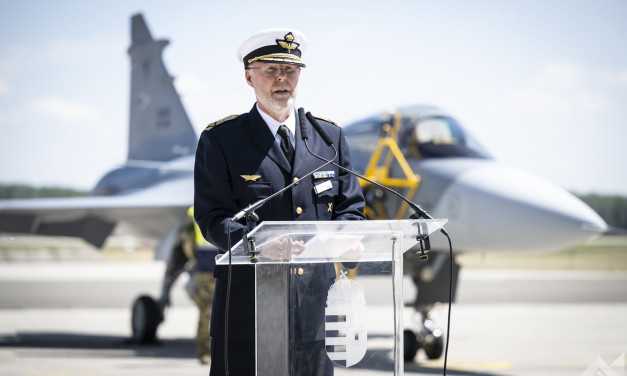
The arrival of the new aircraft is taking place when Europe’s security can no longer be considered self-evident, said Carl-Fredrik Edström, a representative of the Swedish Defence Material Administration (FMV). According to him, this event is about more than the handover of an aircraft fleet: it is about the transfer of a capability. He added that the JAS 39 Gripen is a reliable and cost-effective fighter that is capable of high output despite its small size.
Mr. Edström said that the two countries are reliable allies in terms of maintenance and development as well, adding that the tasks they share among themselves point beyond one-off deliveries. Hungary and Sweden must join forces to do an important job in the field of integrated air and missile defence.
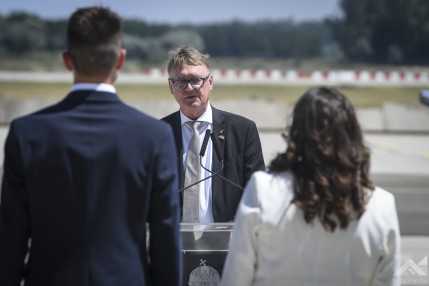
“We are proud of the Hungarian Air Force, which has now operated Gripen fighters for 20 years” – said Lars Tossman, Senior Vice President and head of Saab business area Aeronautics. He praised the personnel of Kecskemét airbase, the Hungarian airmen serving in NATO for their high professional standards and combat readiness in the last 20 years. He pointed out that the reception ceremony was actually about the personnel, i.e. the pilots, technicians, engineers and support crews.
He said that technology in itself does not create any capability. Capability is provided by those qualified experts who take care that every aircraft be ready in line with the operational requirements. Mr. Tossman added that the Hungarian–Swedish alliance that has deepened by the establishment of the Aviation Development Hub in Budapest goes far beyond the operation of the aircraft.
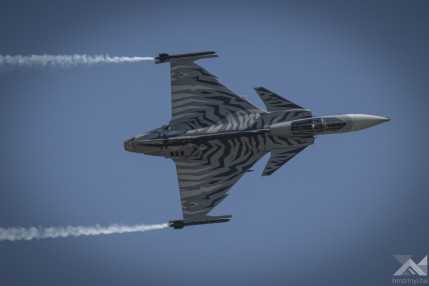
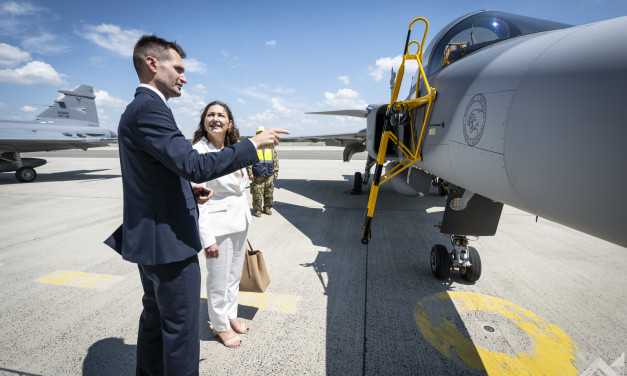
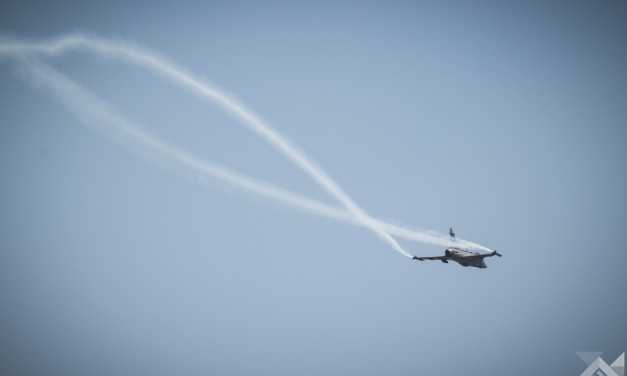
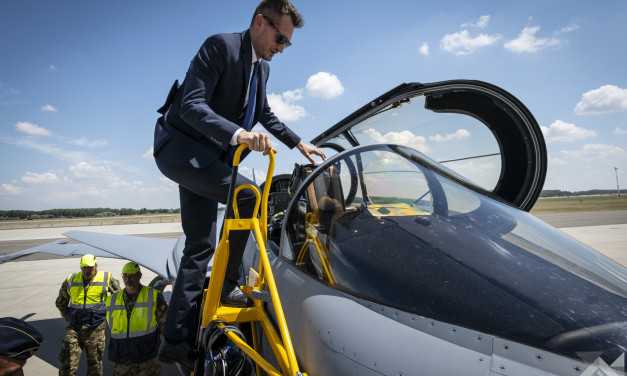
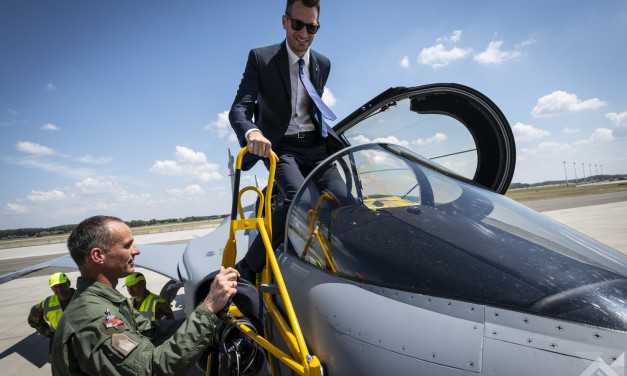
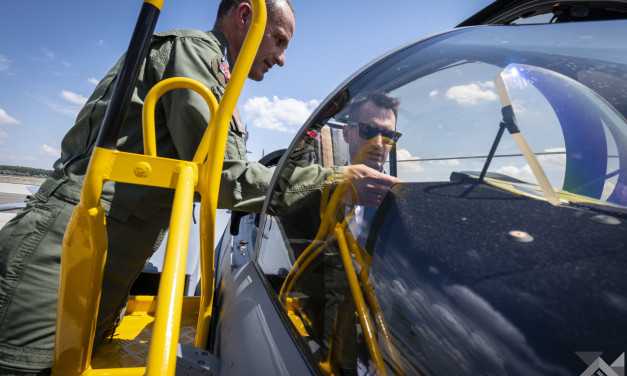
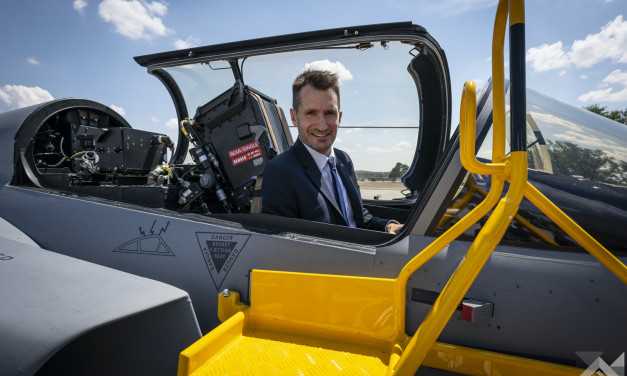
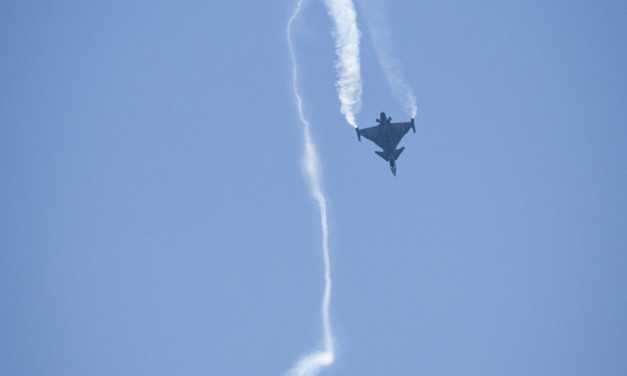
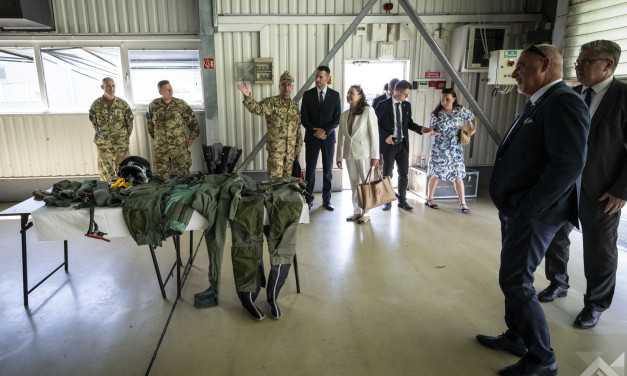
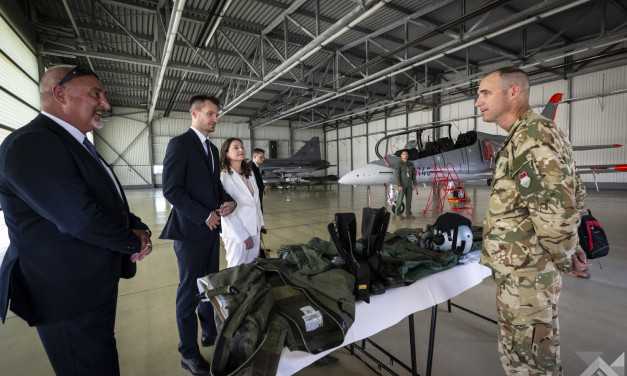
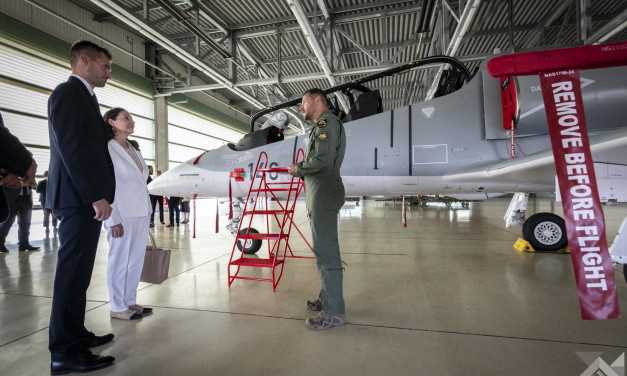
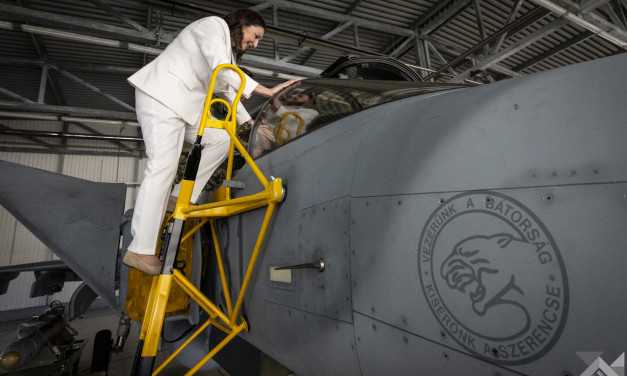
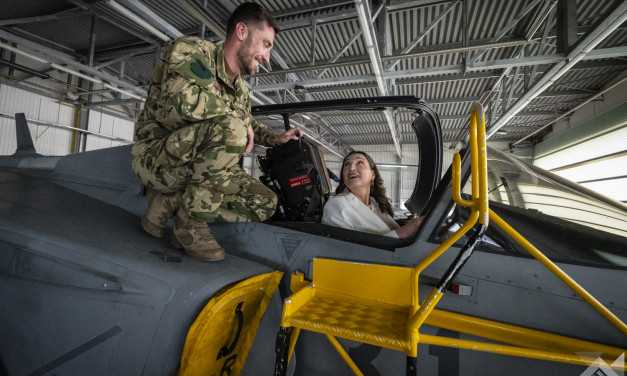
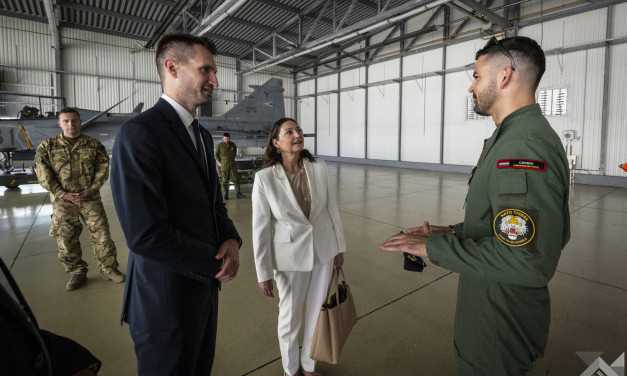
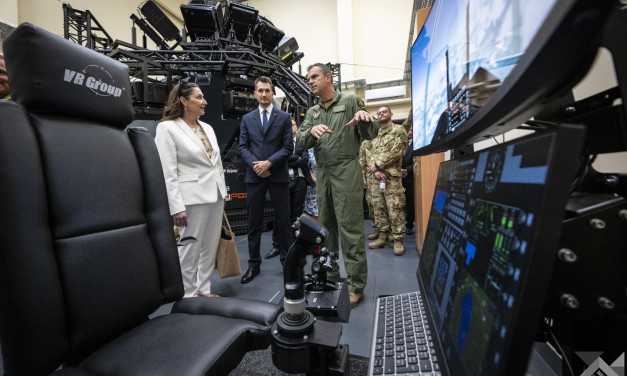
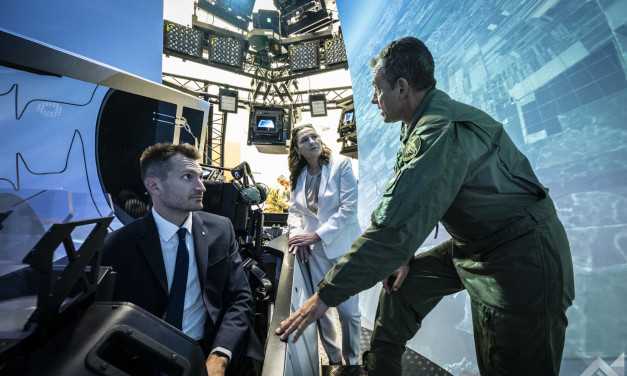
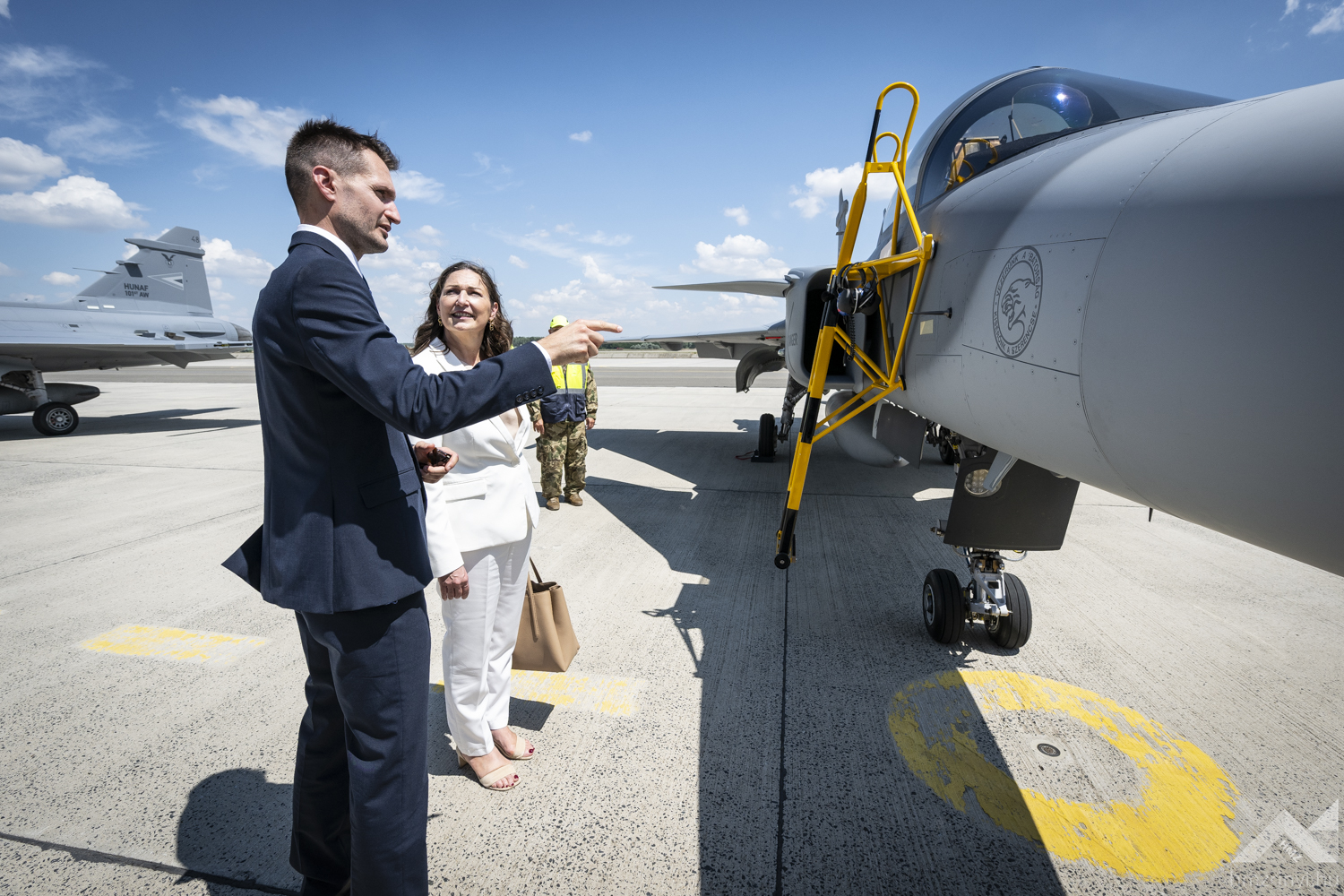
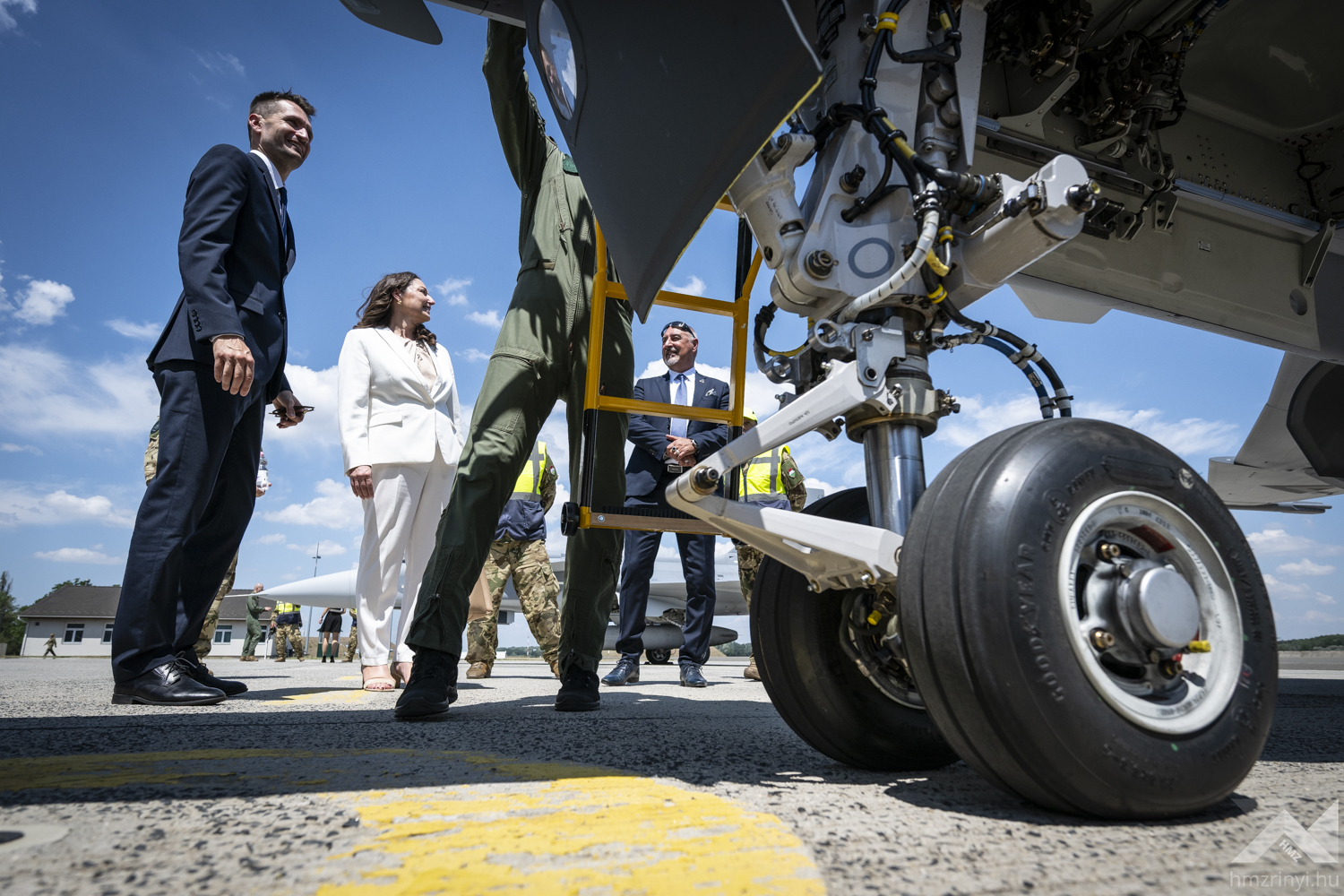
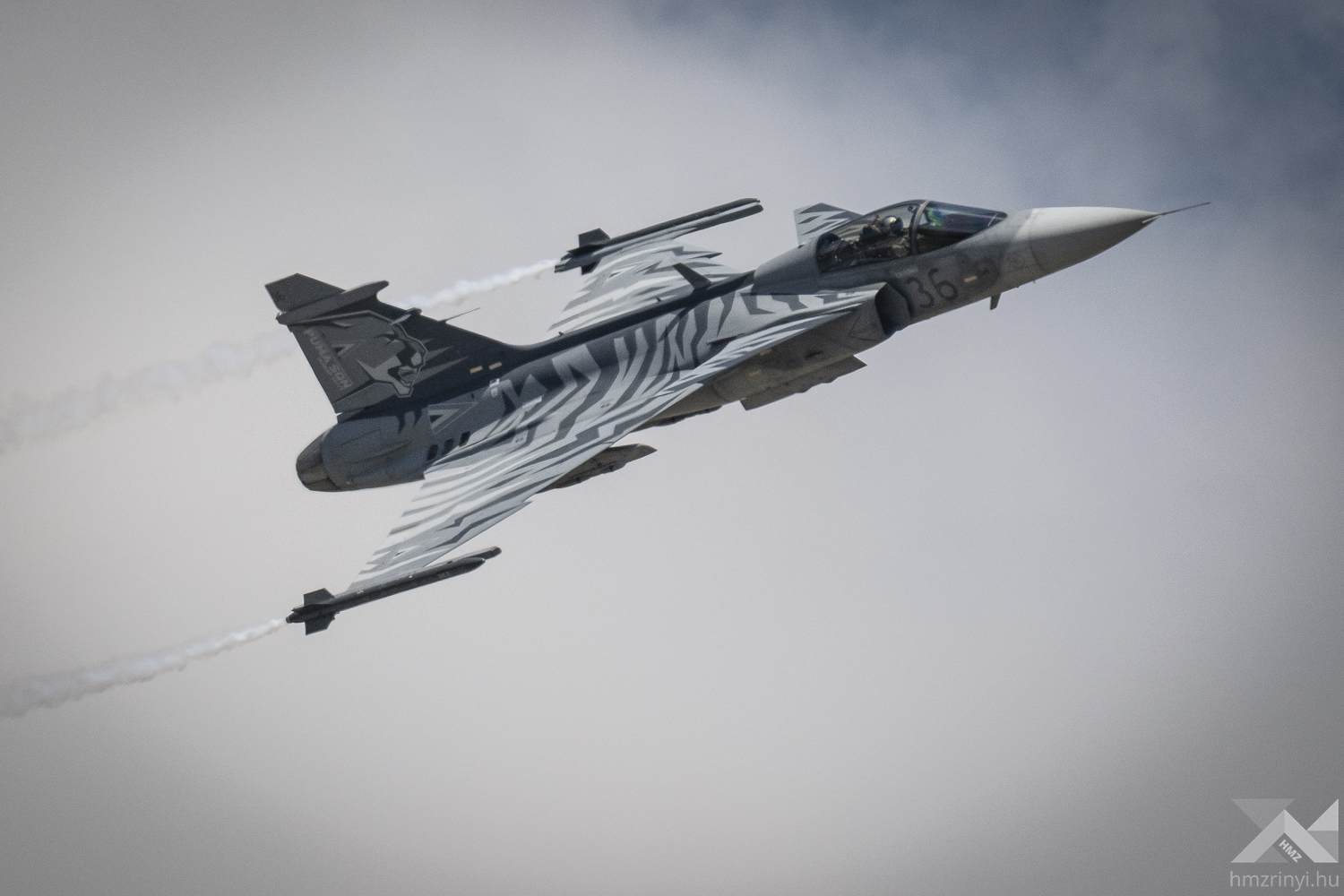
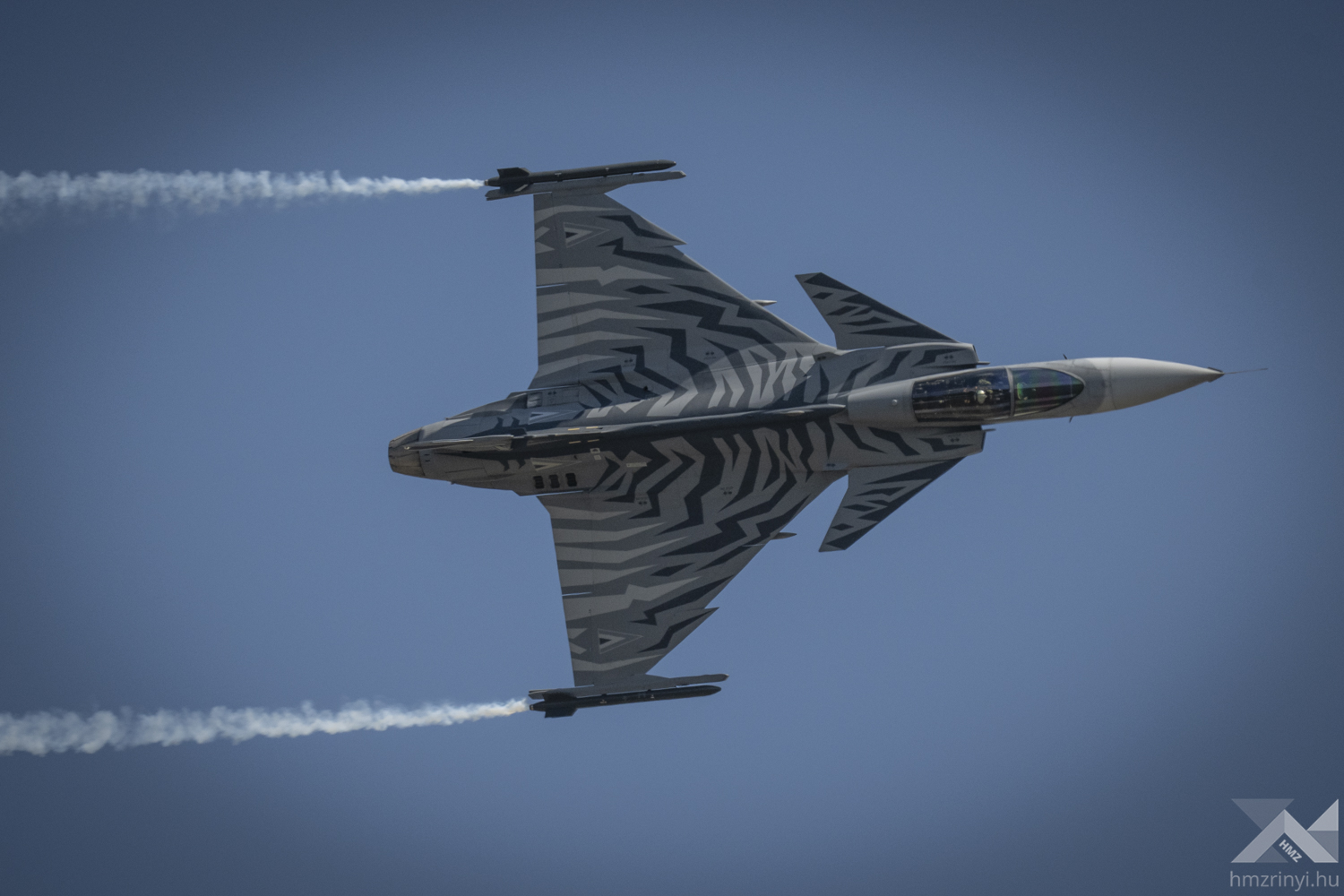
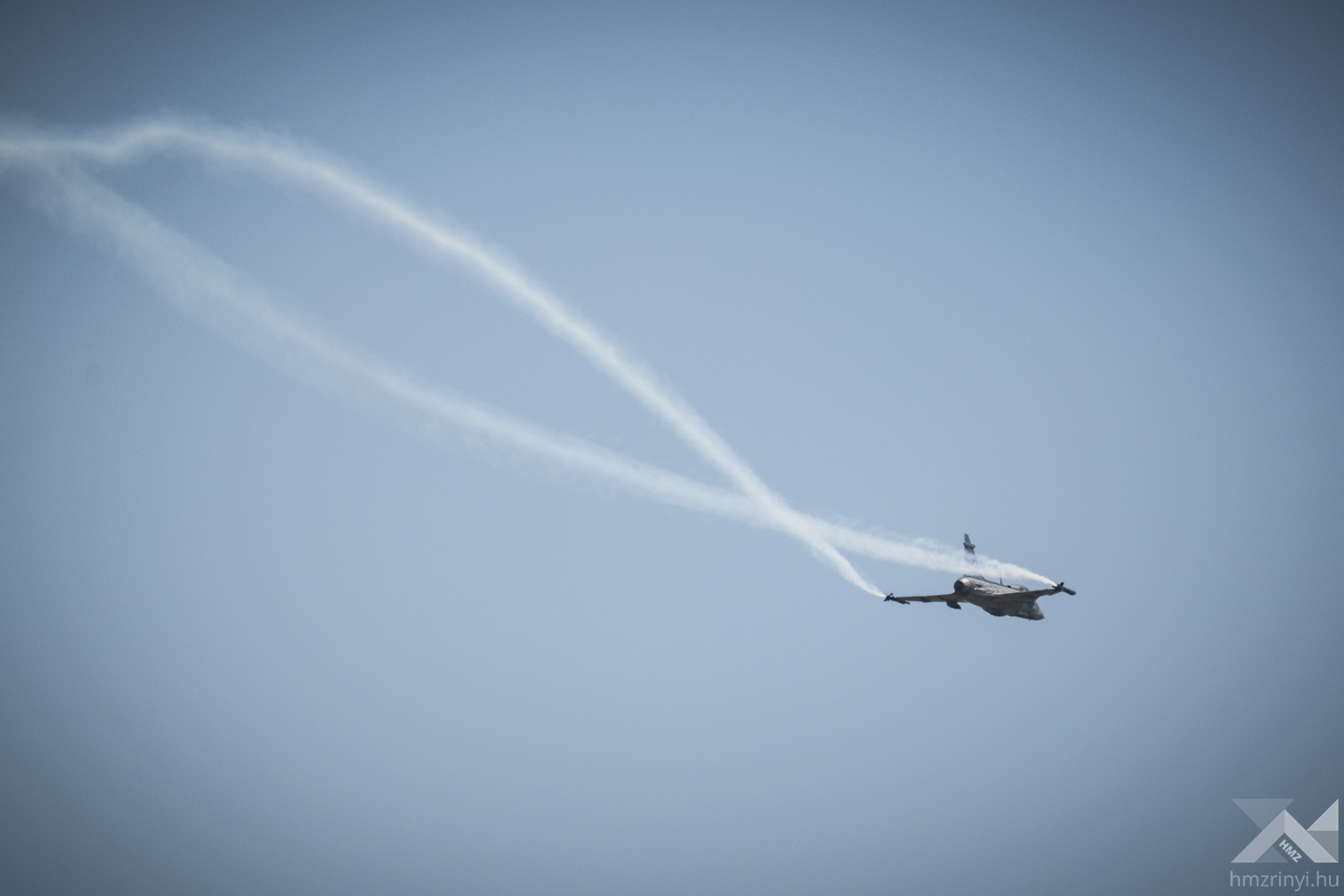
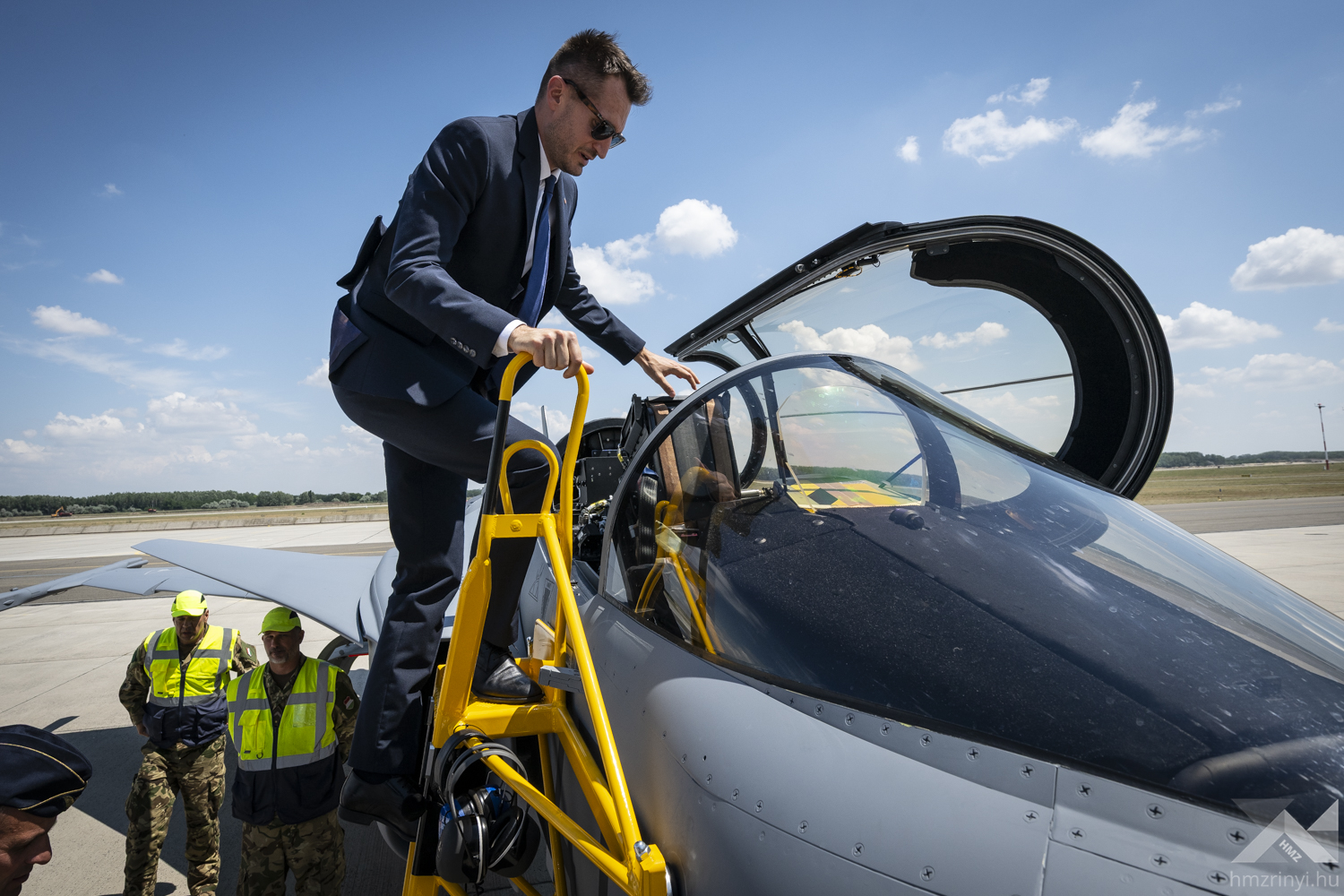
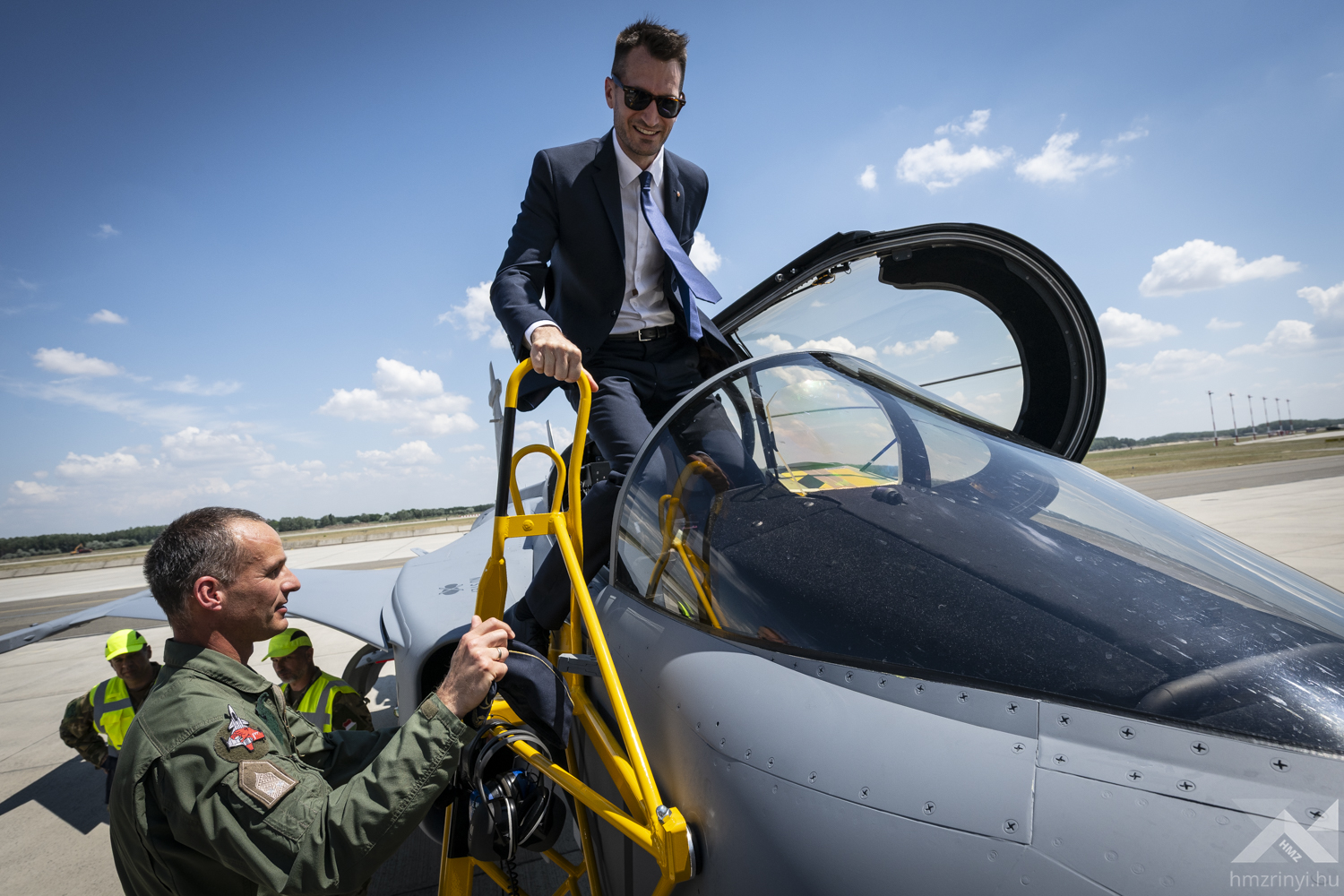
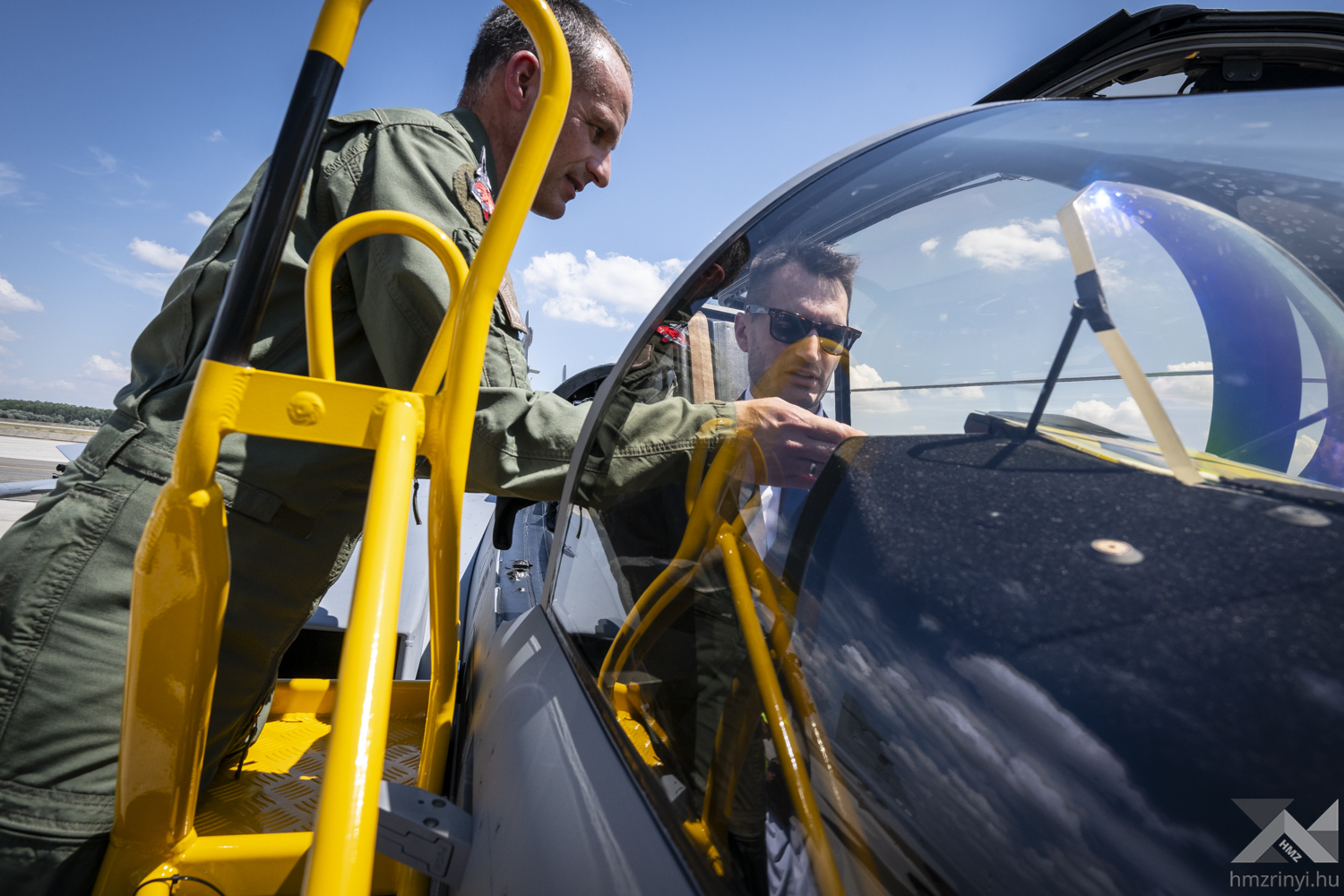
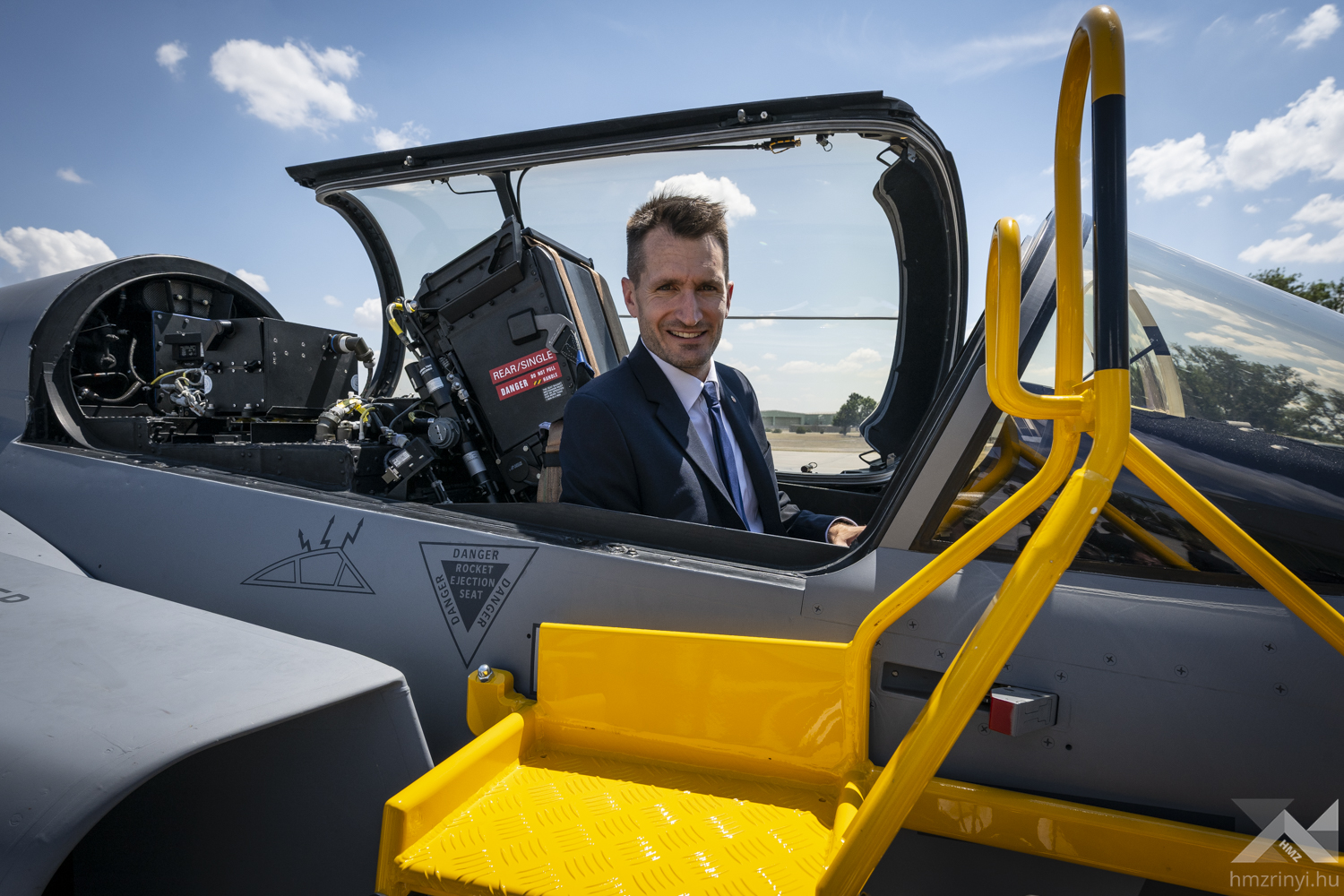
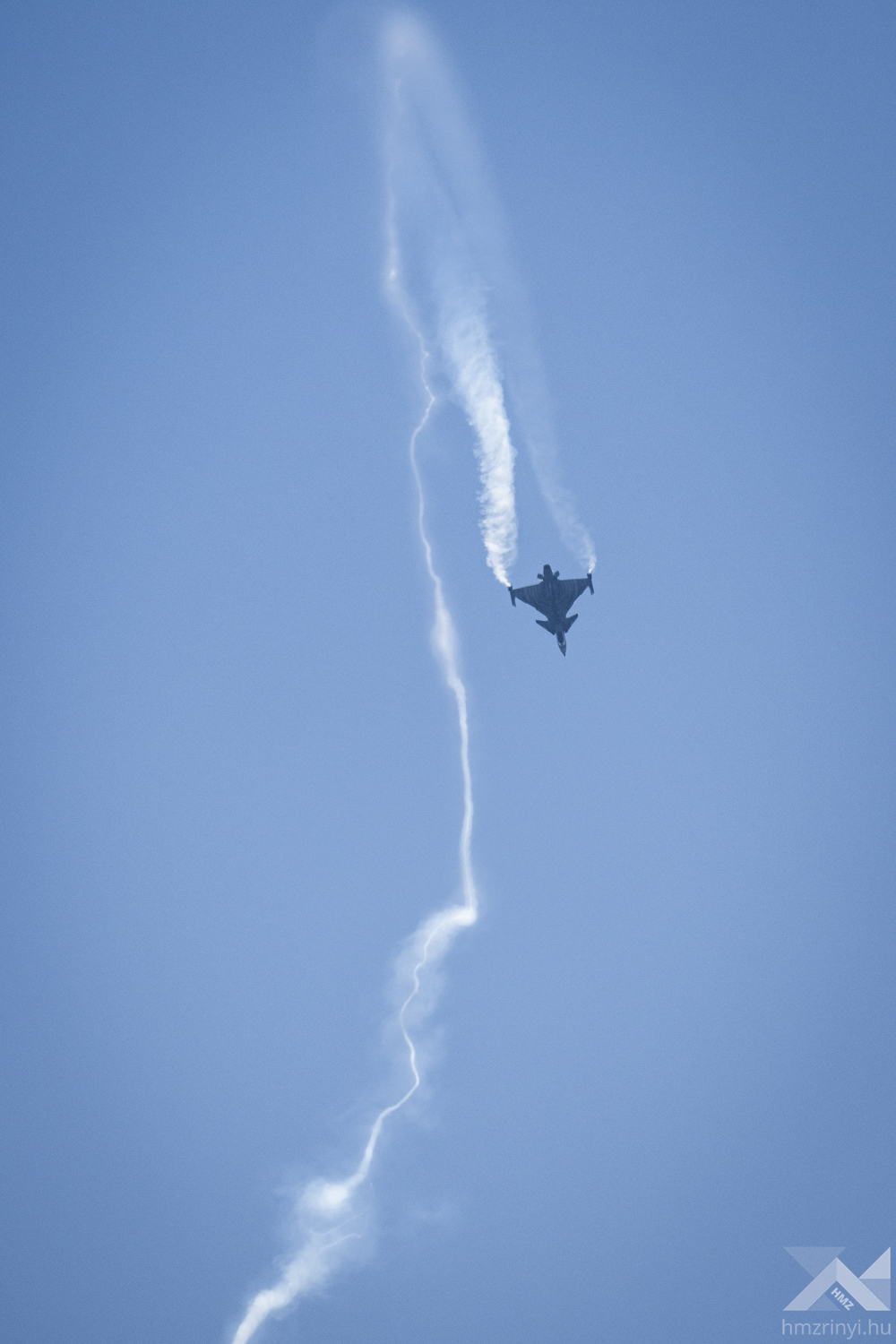
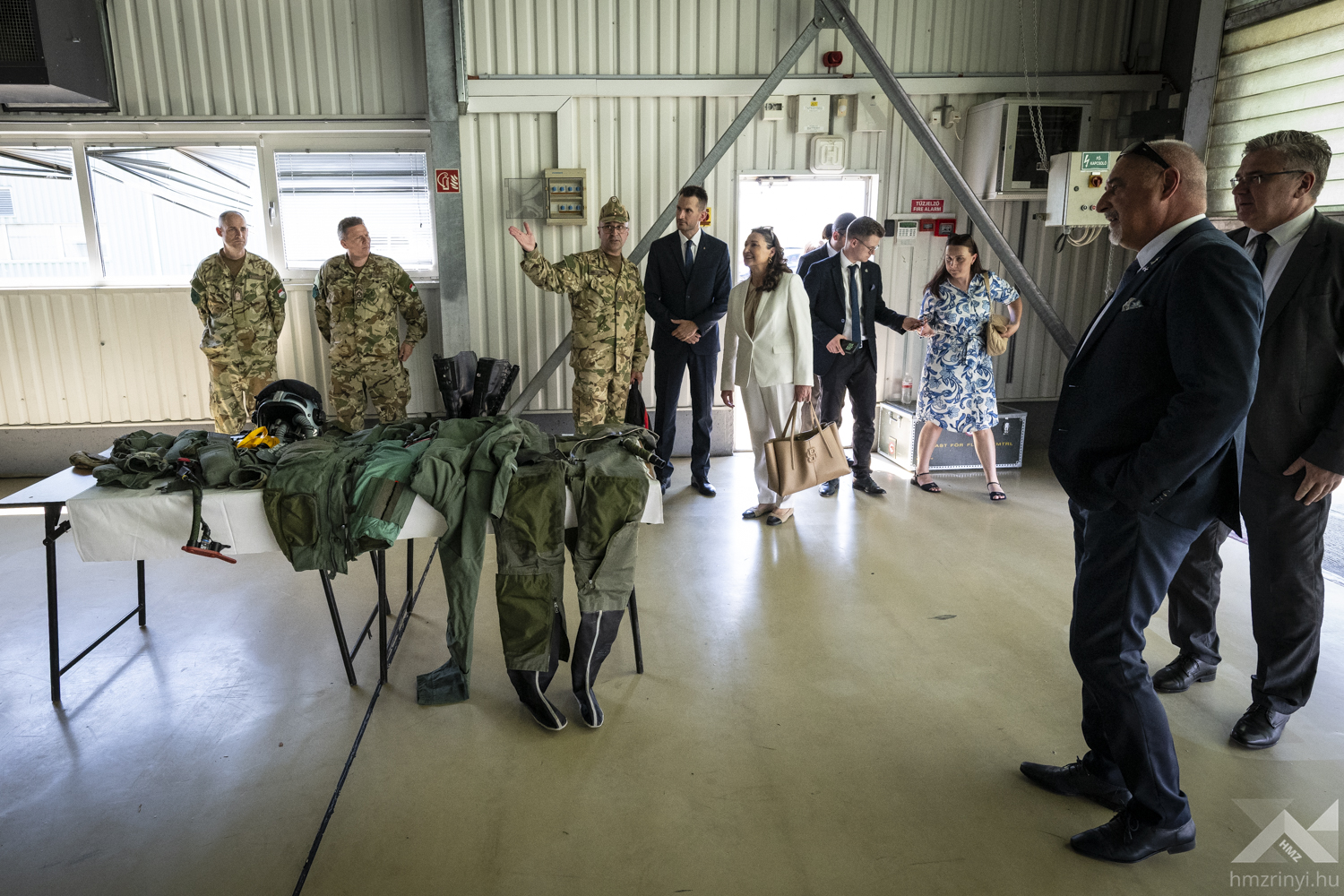
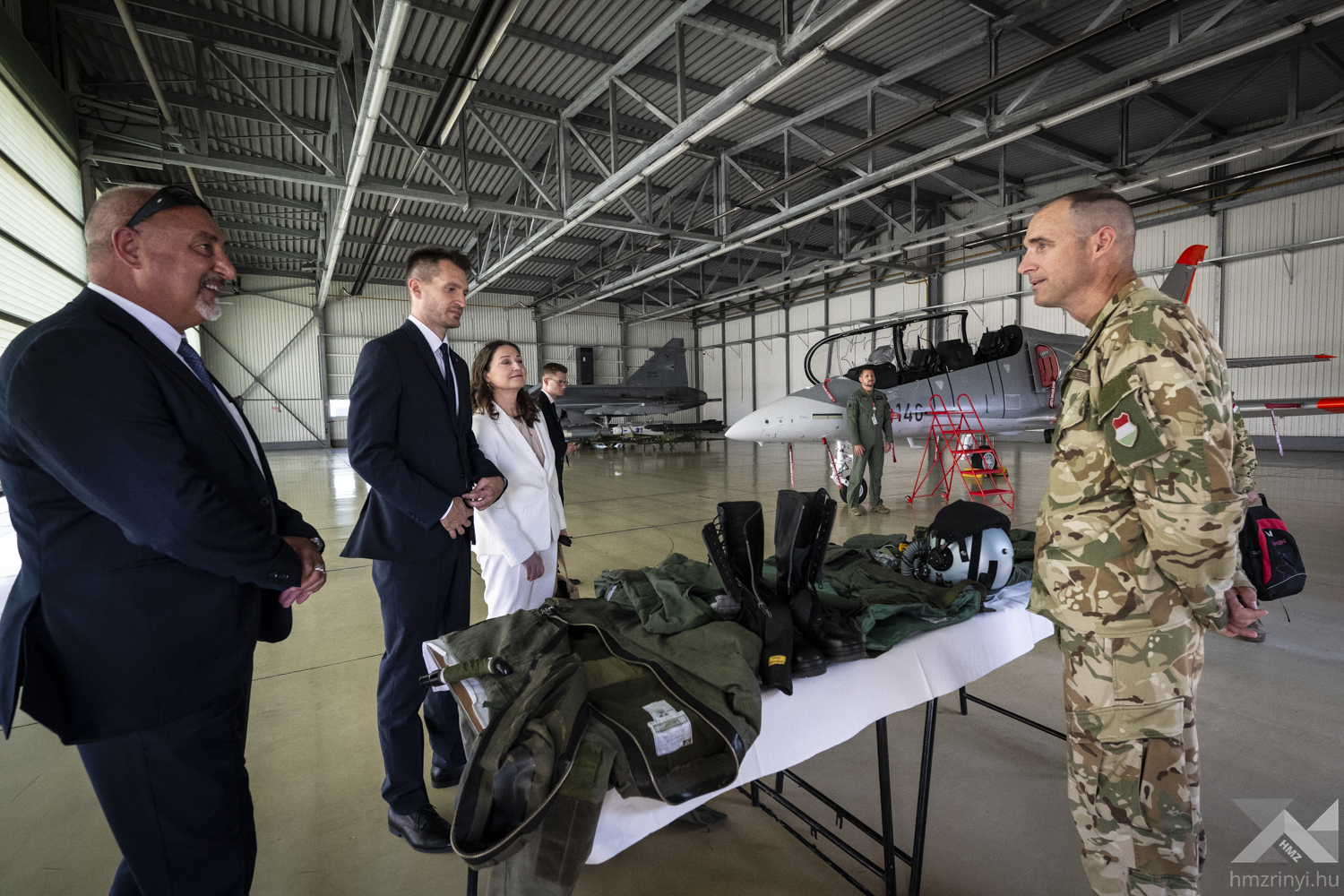
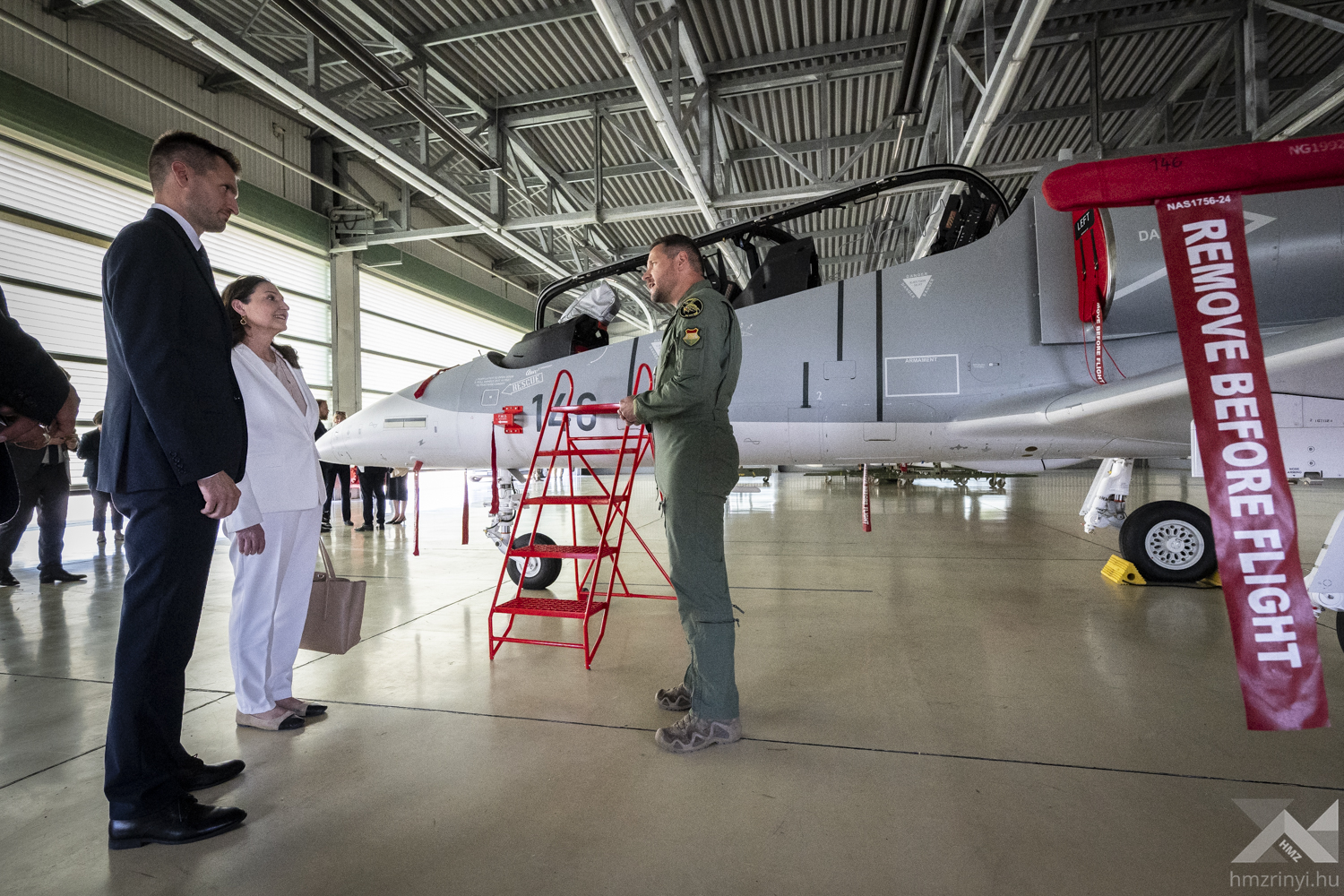
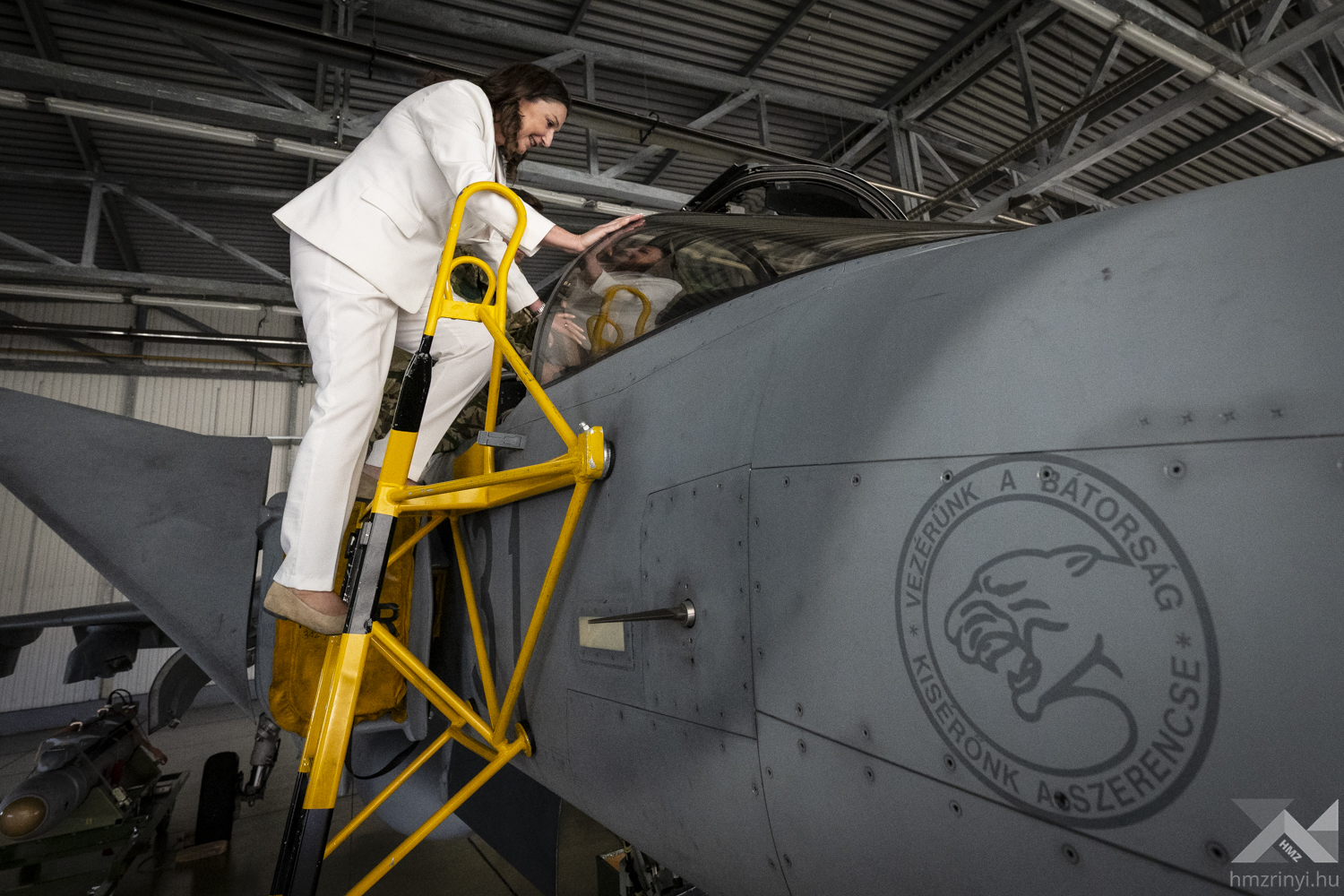
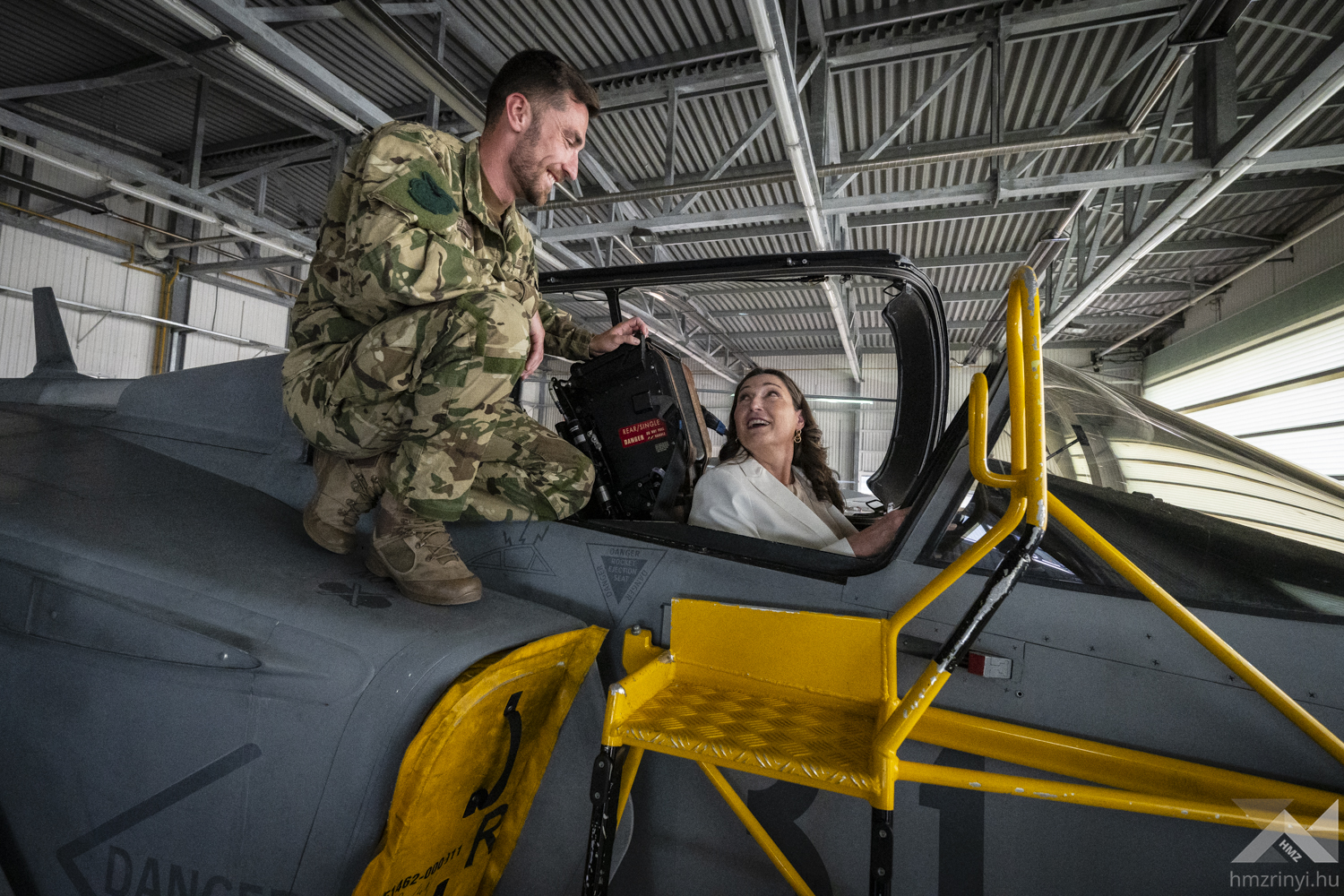
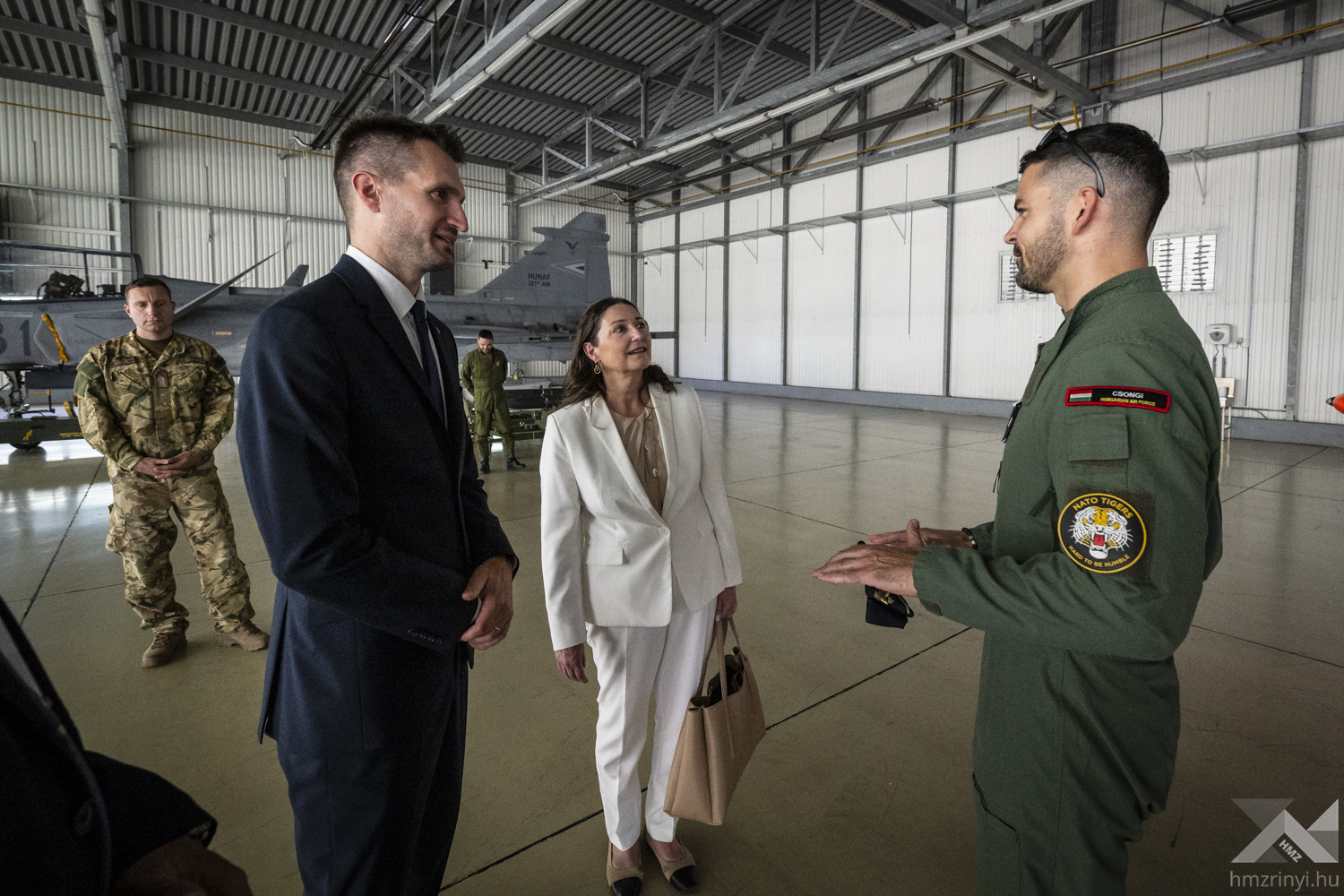
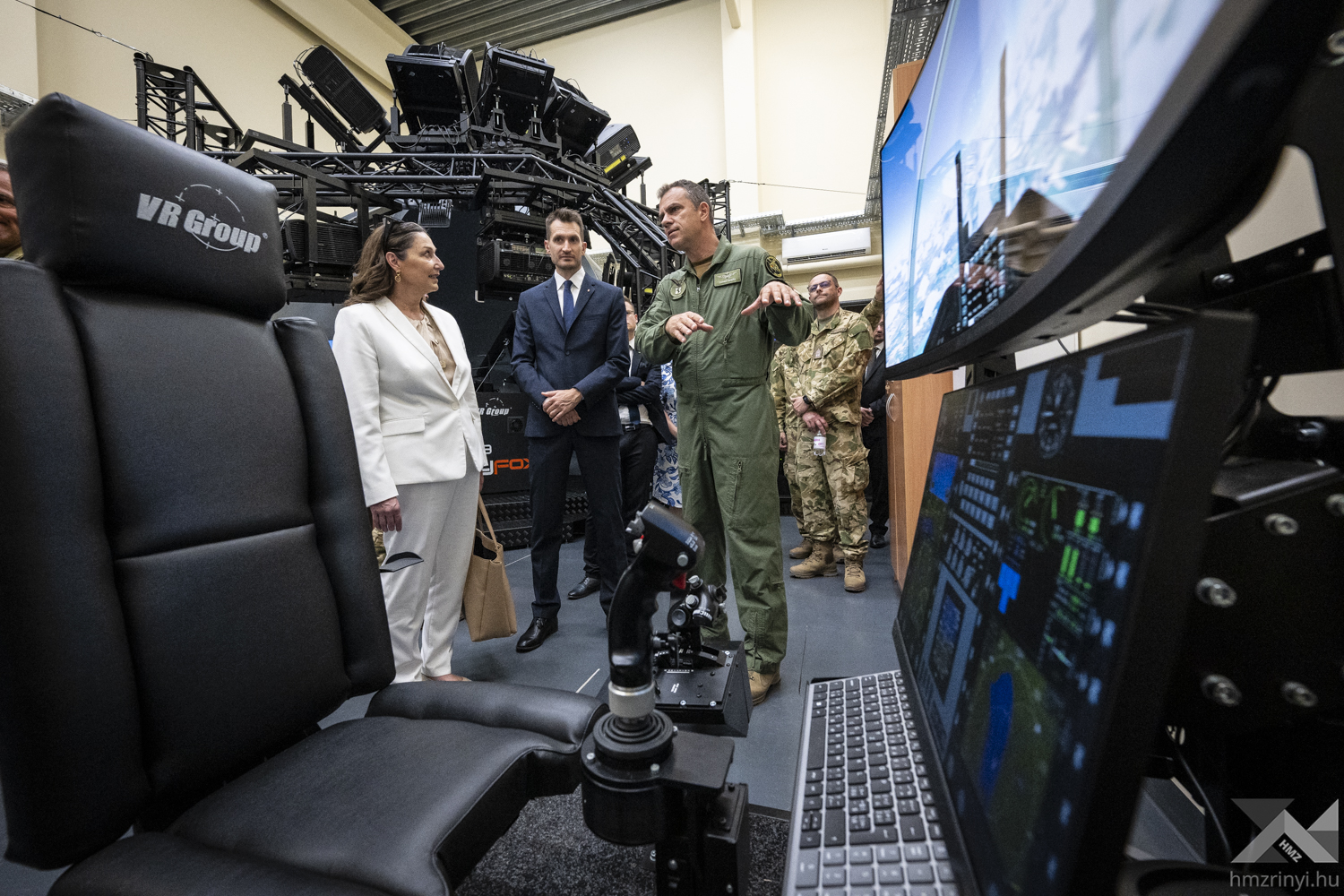
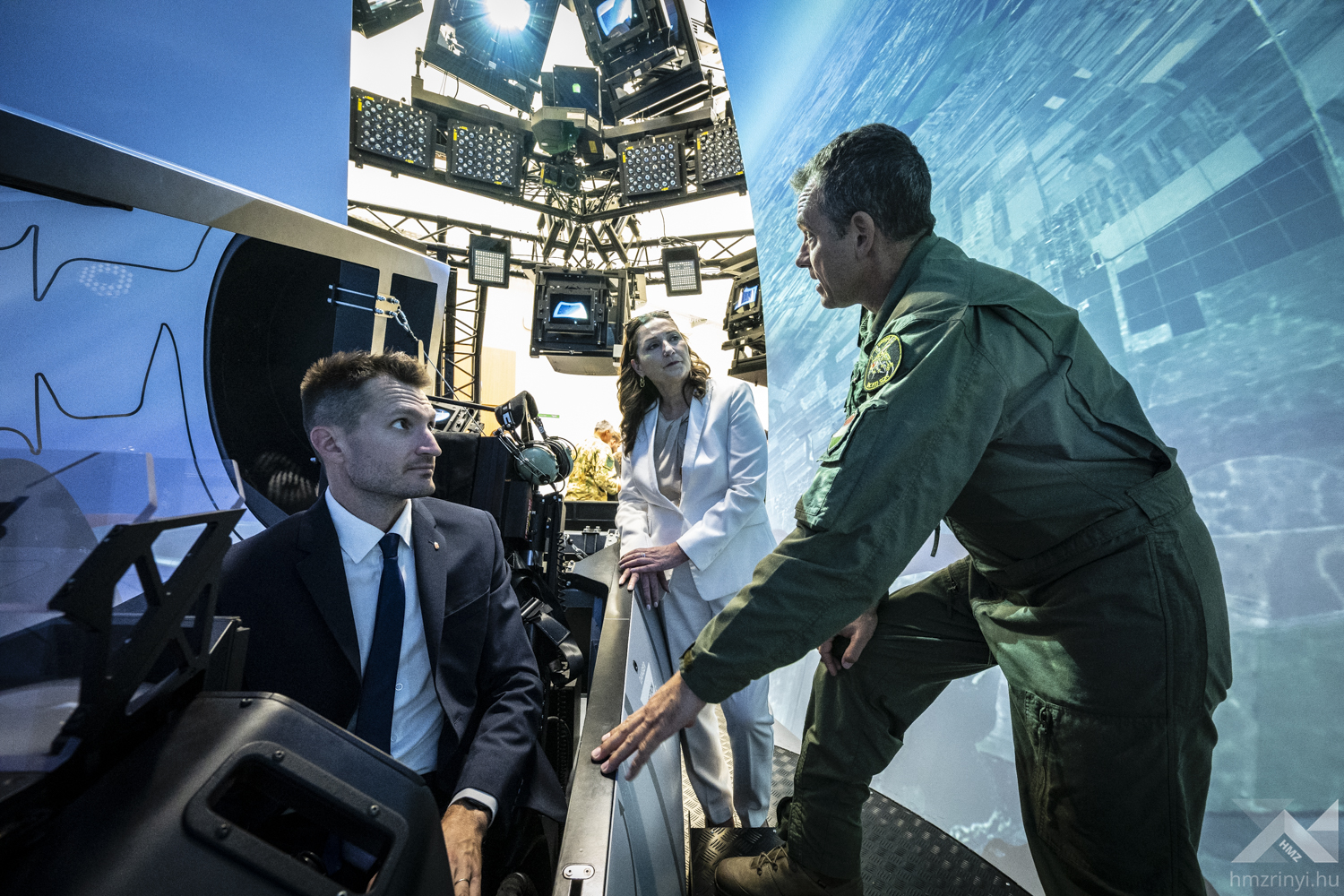
At the end of the event, Gripen Pilot First Lieutenant Csongor Mészáros held a flight demo, then, in the company of the Swedish delegation, State Secretary László Kürtös was shown the KC-390 Millenium aircraft, the L-39 Skyfox and the simulators of the Wing. Among others, the event was attended by Brigadier General Dr. Tamás Bali, Deputy Commander and Air Chief, HDF Joint Operations Command.
KT20260623grippenek4
KT20260623grippenek2
KT20260623grippenek1
KT20260623grippenek3
KT20260623grippenek5
KT20260623grippenek6
KT20260623grippenek7
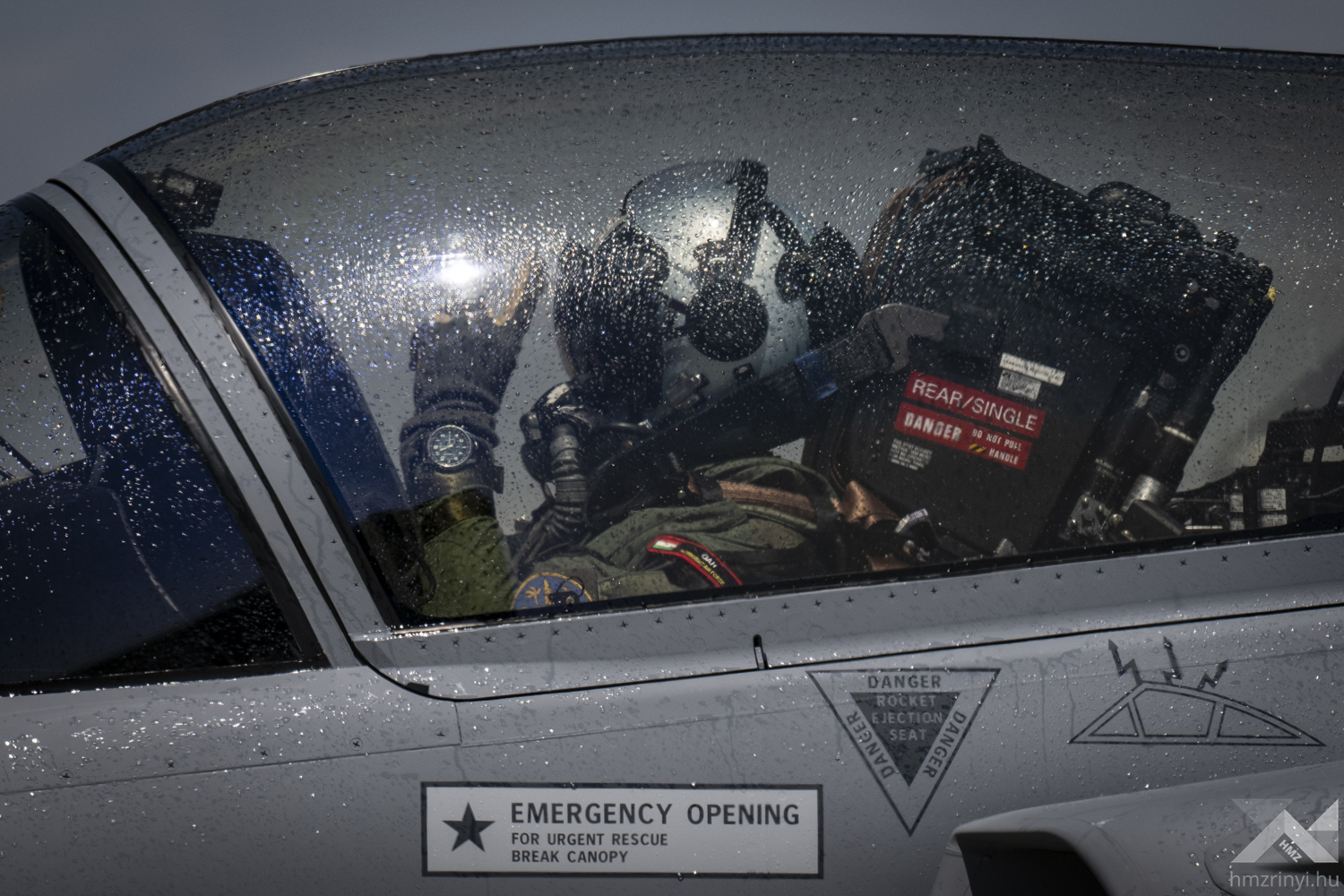
KT20260623grippenek8
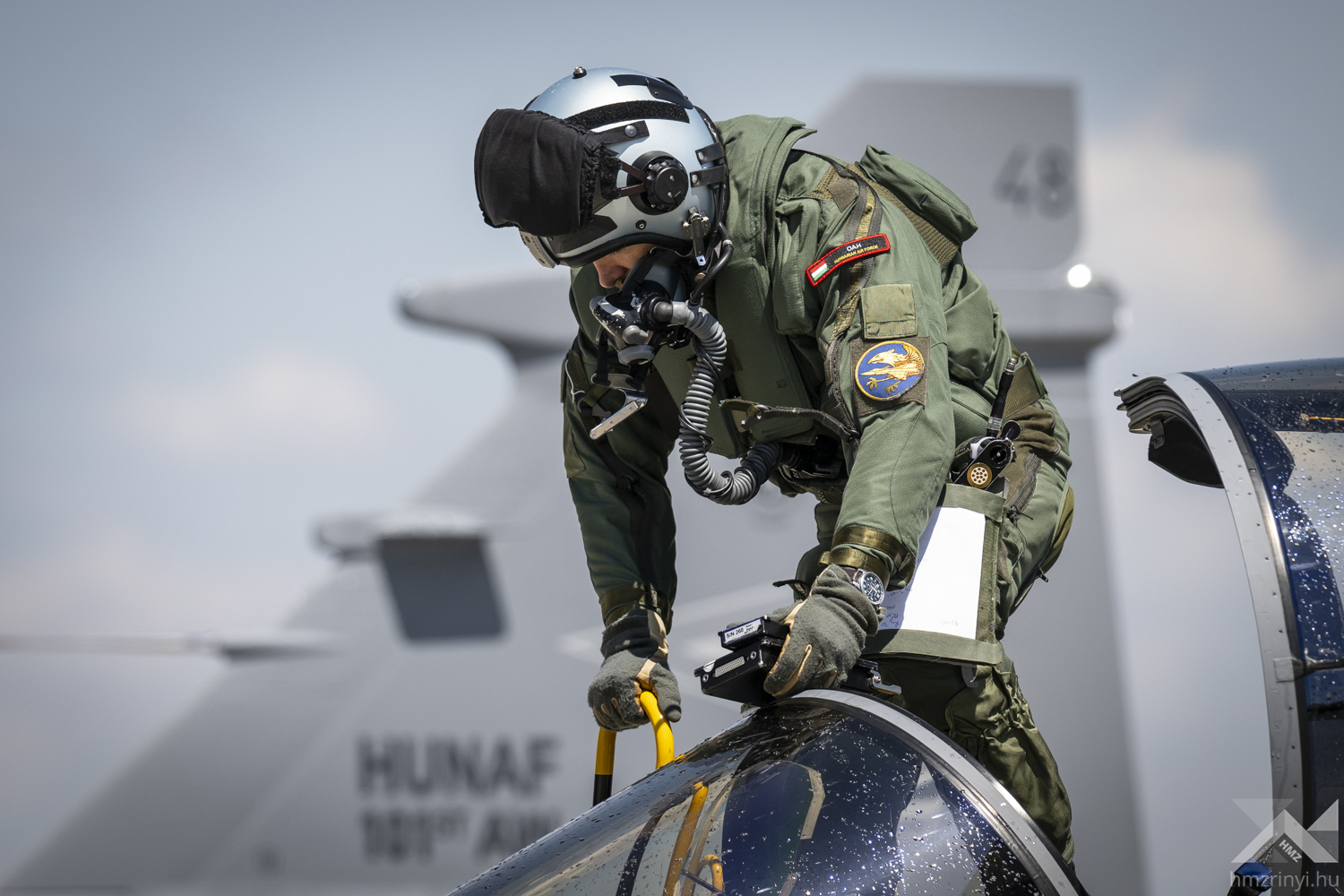
KT20260623grippenek9
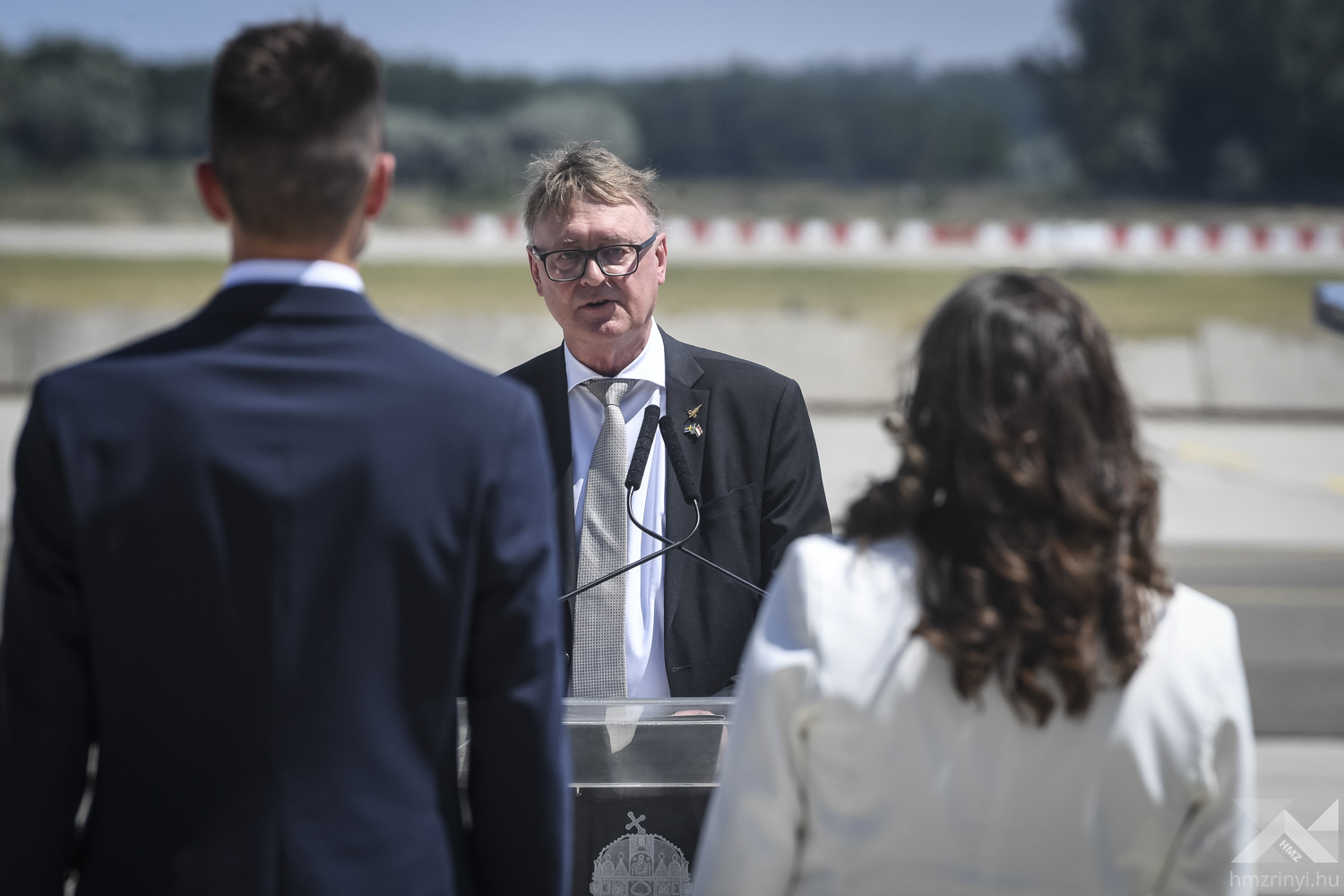
KT20260623grippenek11
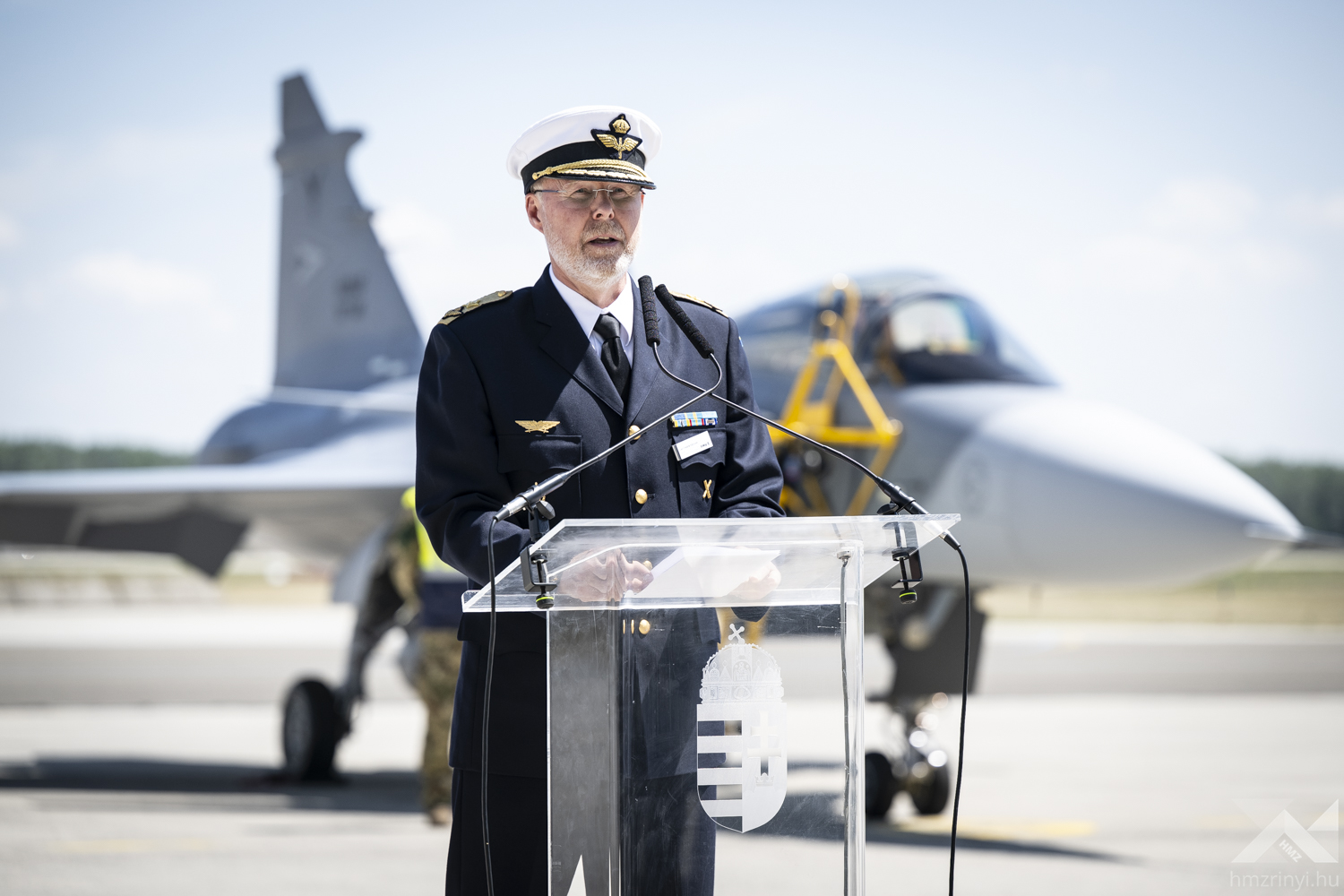
KT20260623grippenek12
KT20260623grippenek13
KT20260623grippenek14
KT20260623grippenek15
KT20260623grippenek16
KT20260623grippenek17
KT20260623grippenek18
KT20260623grippenek19
KT20260623grippenek20
KT20260623grippenek21
KT20260623grippenek22
KT20260623grippenek23
KT20260623grippenek24
KT20260623grippenek25
KT20260623grippenek26
KT20260623grippenek27
KT20260623grippenek30
KT20260623grippenek33
KT20260623grippenek34
KT20260623grippenek35
KT20260623grippenek36
KT20260623grippenek37