„The war took everything from them”
Hungarian and German Soldiers Pay their Respects at Budaörs Military Cemetery
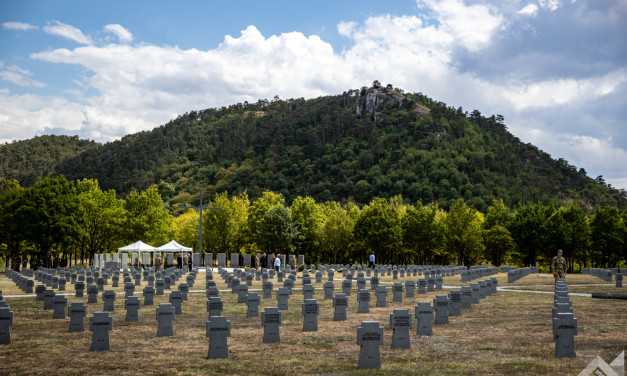
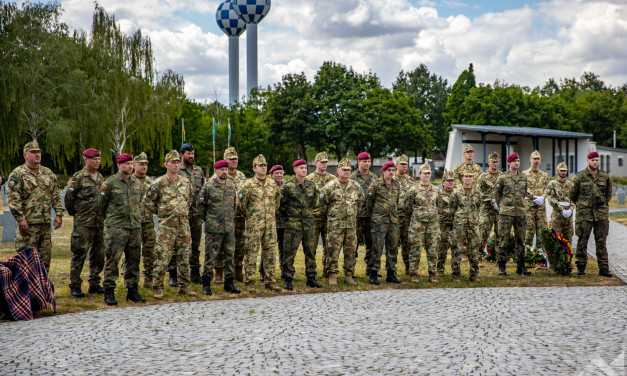
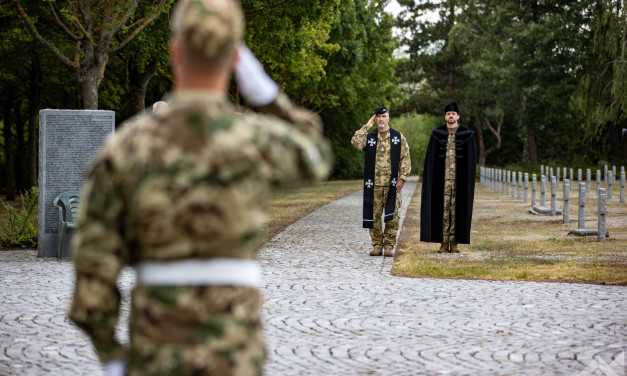
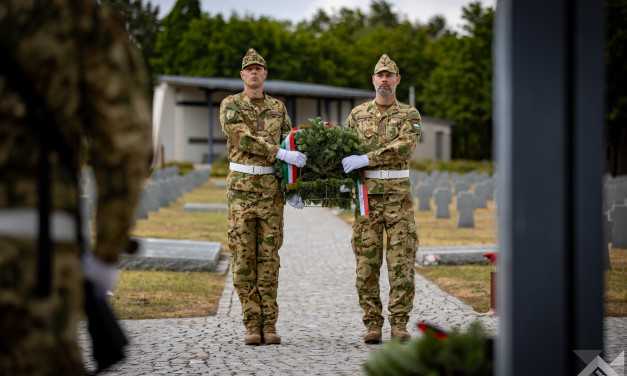
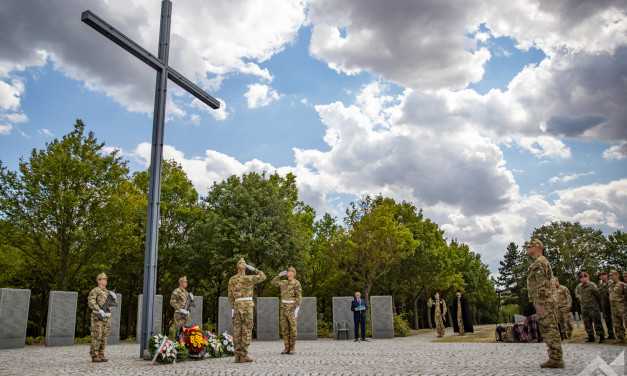
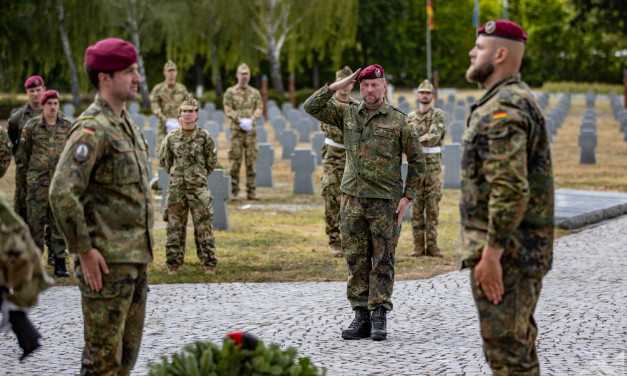
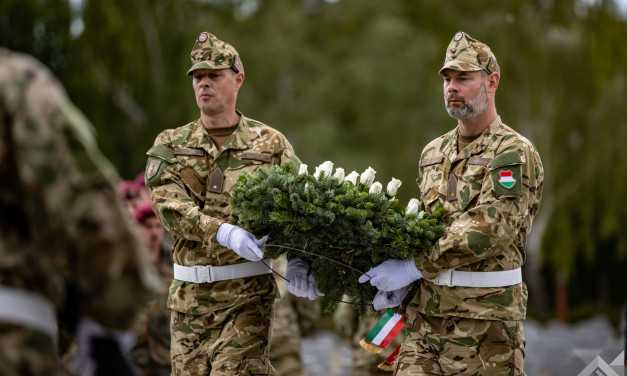
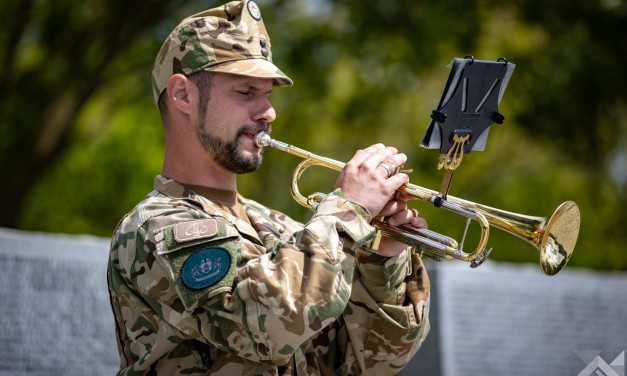
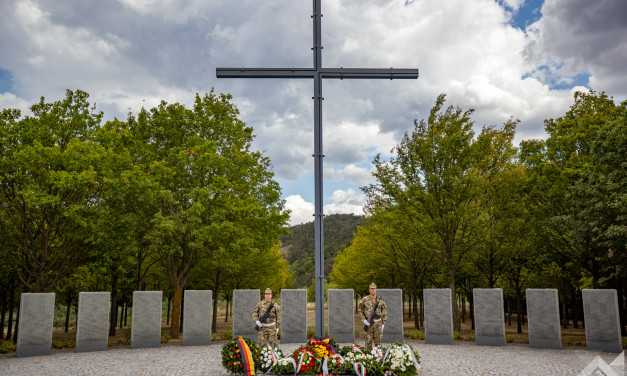
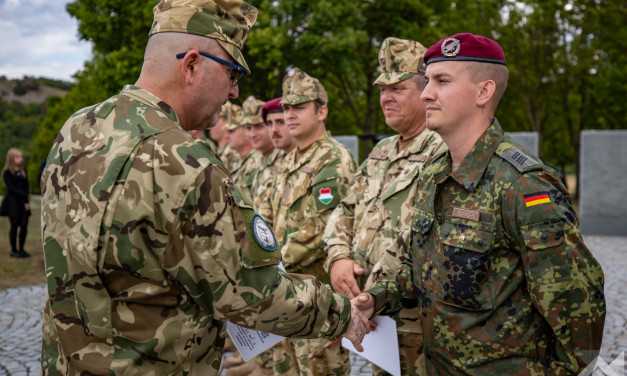
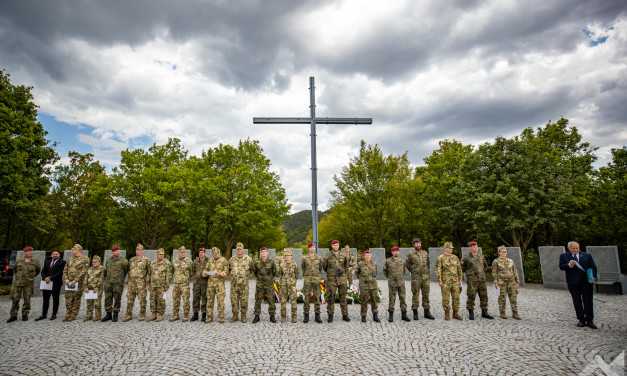
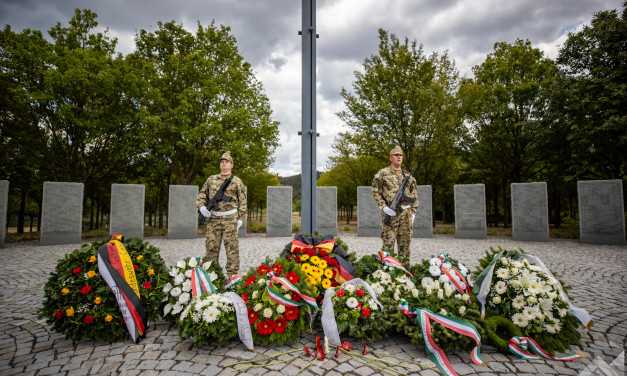
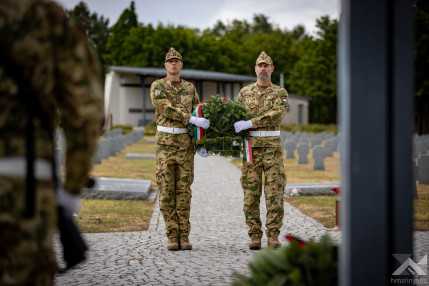
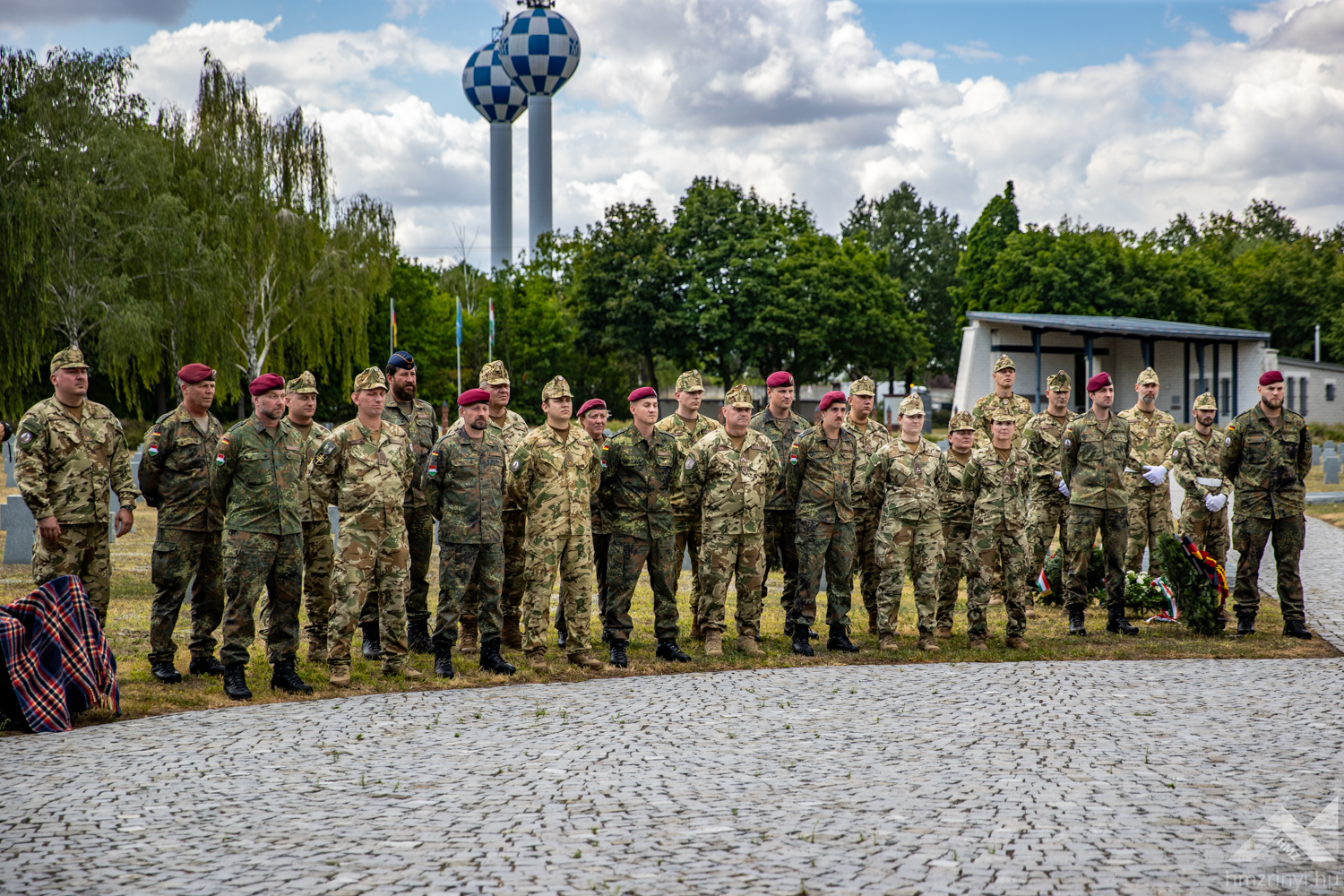
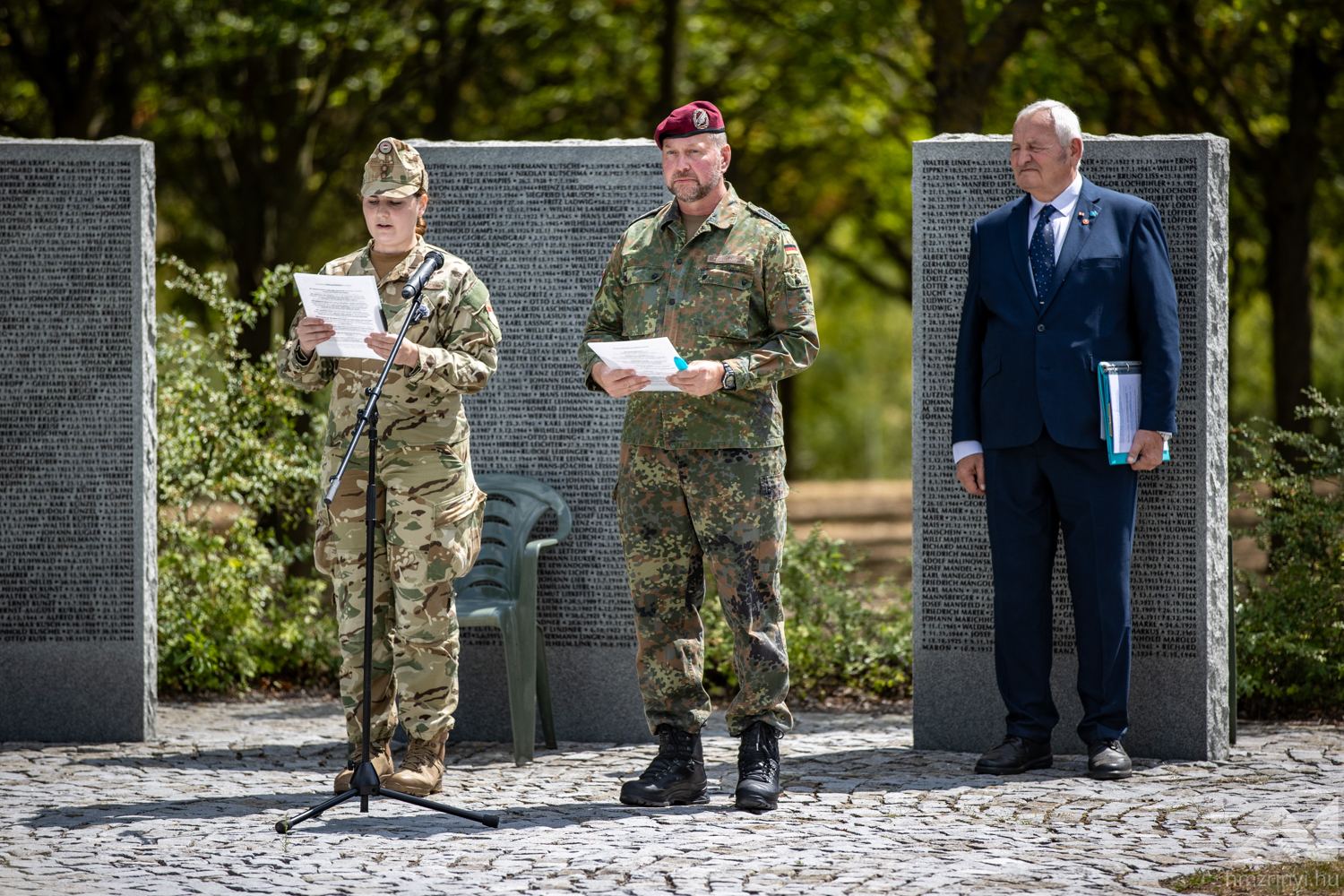
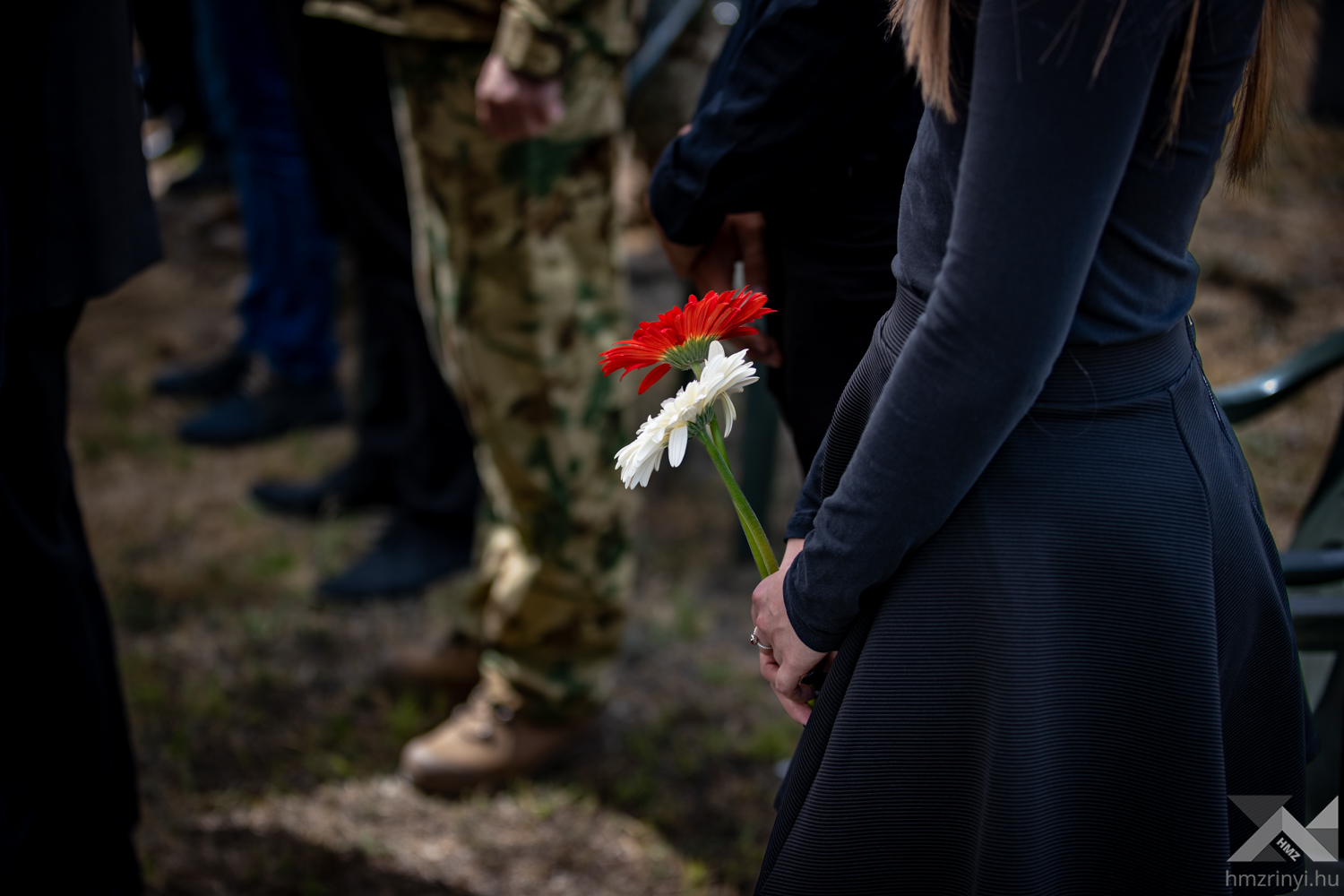
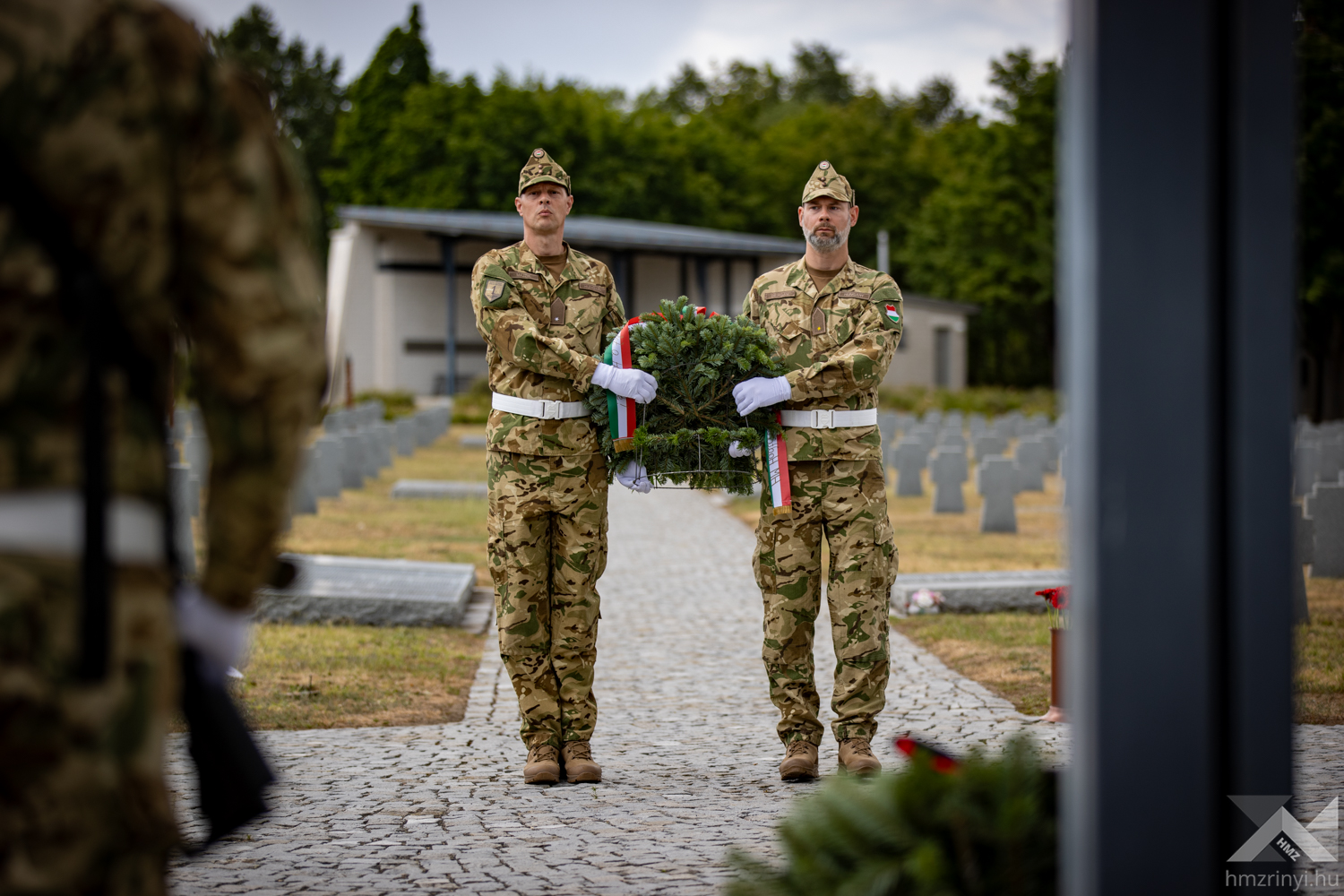
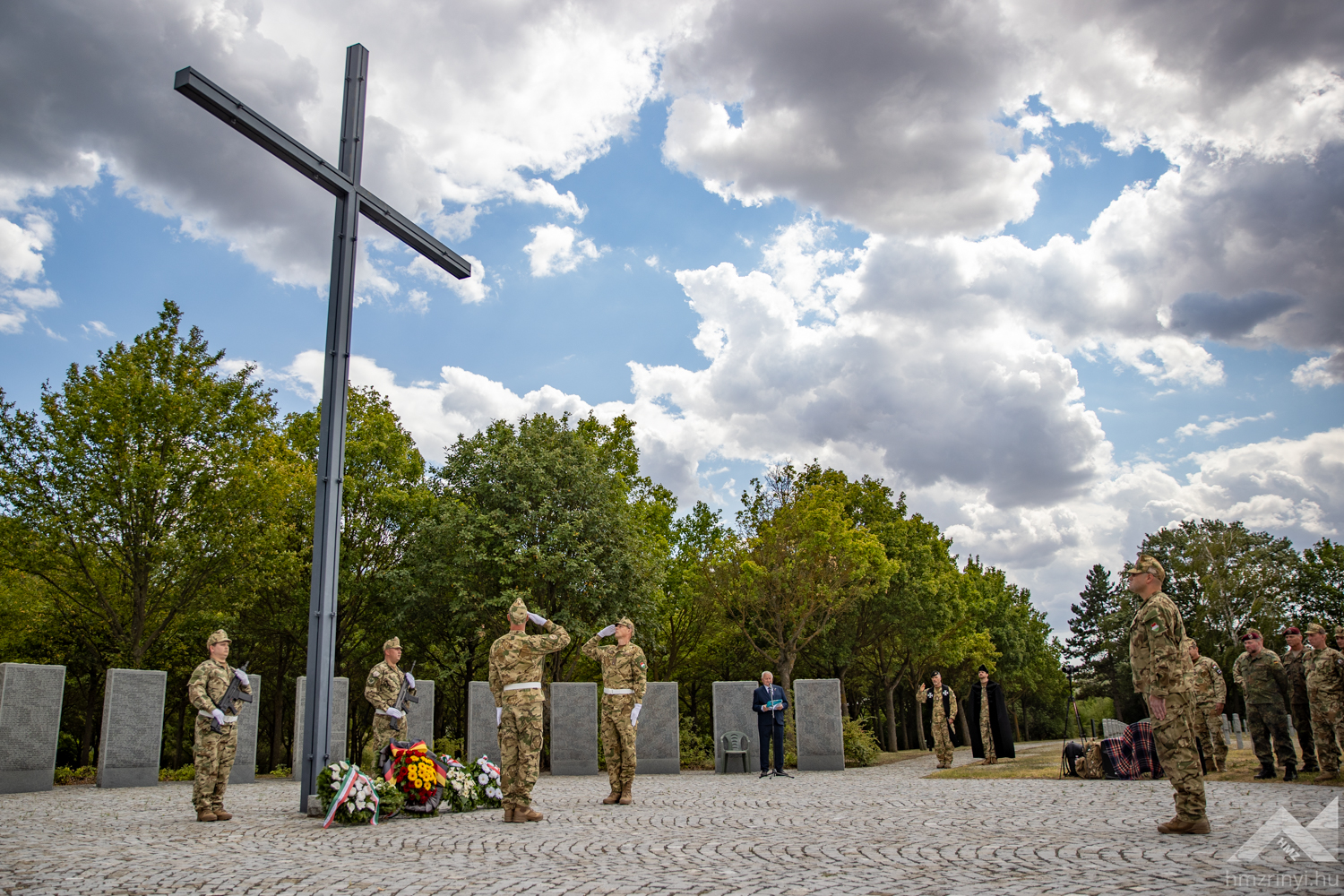
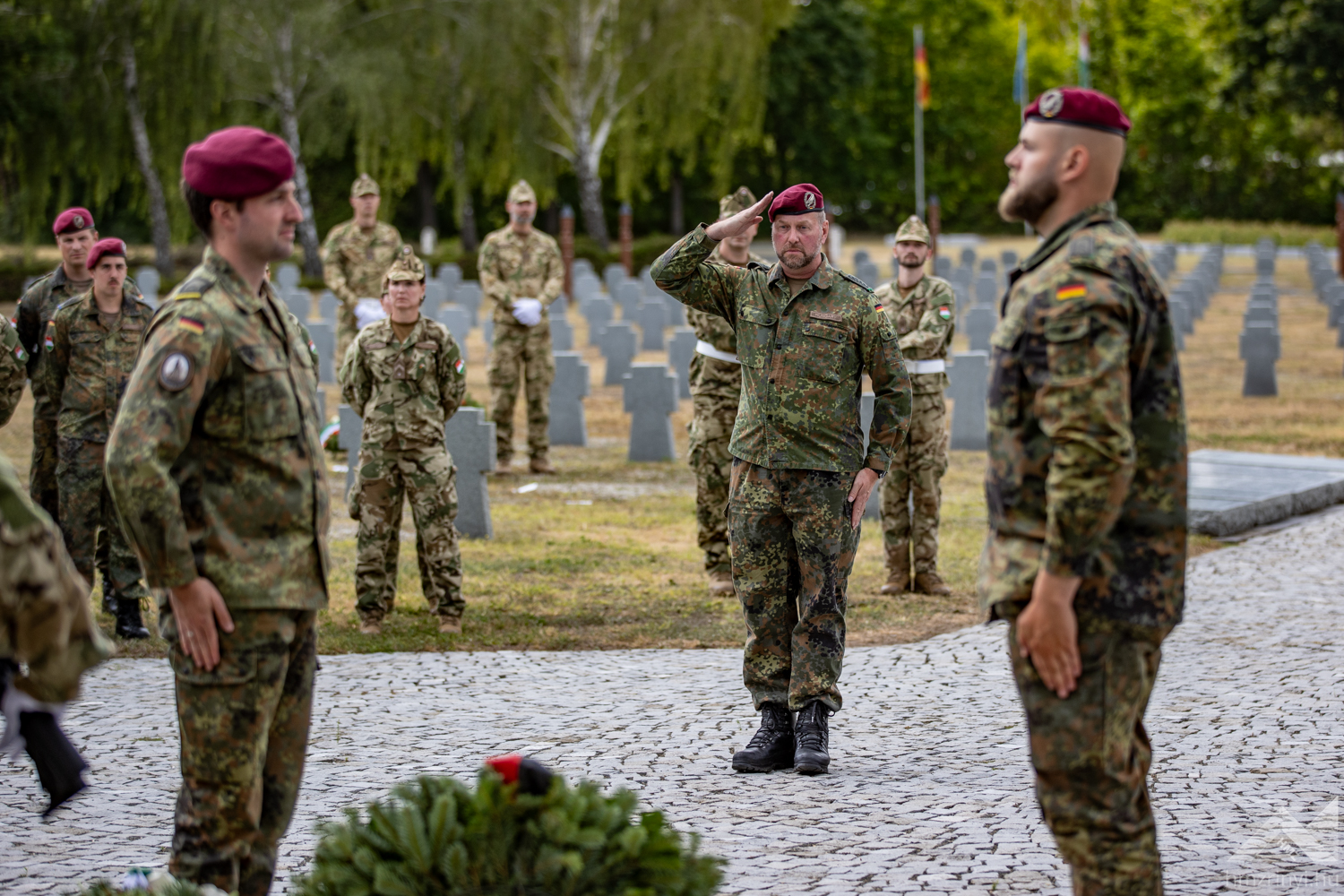
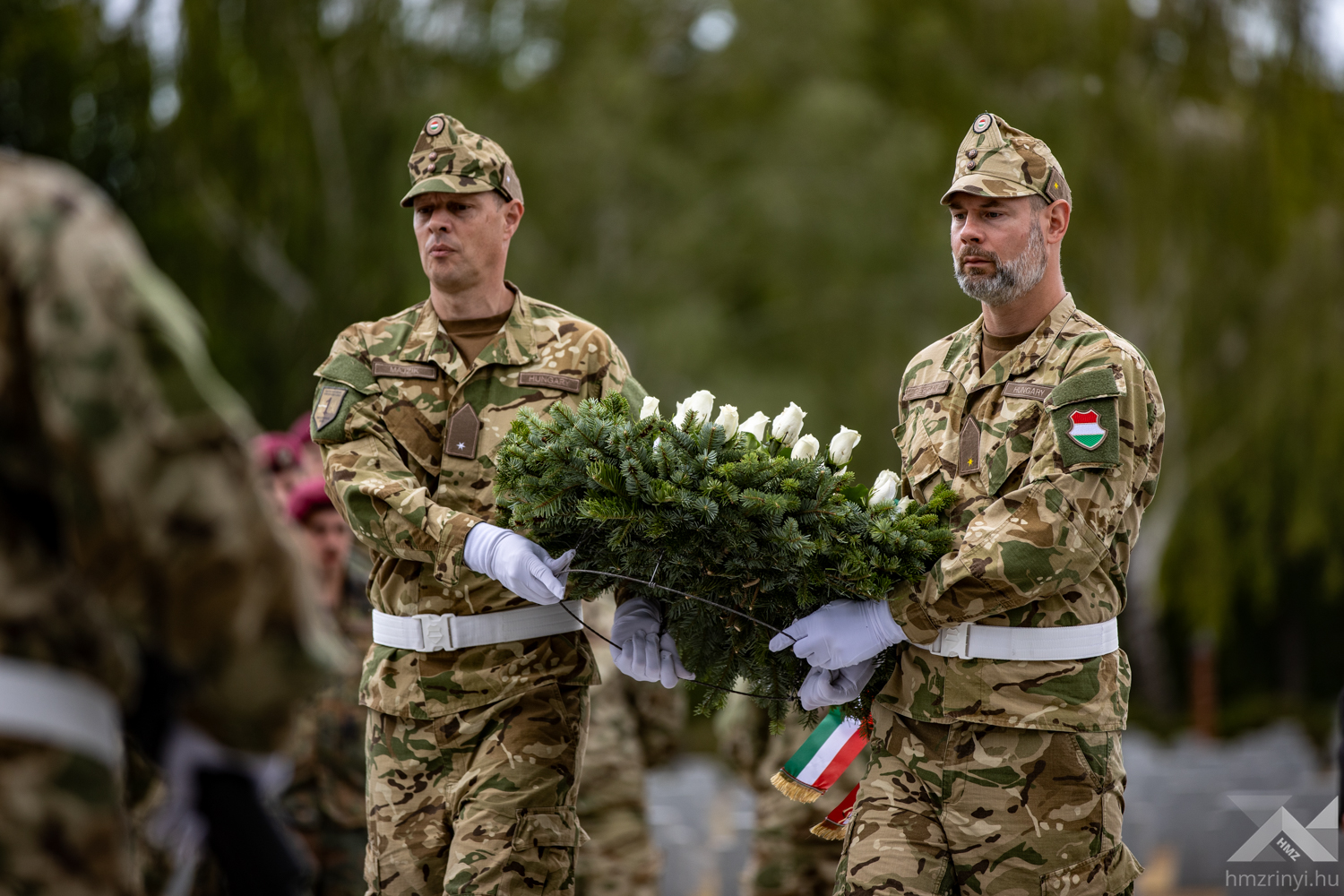
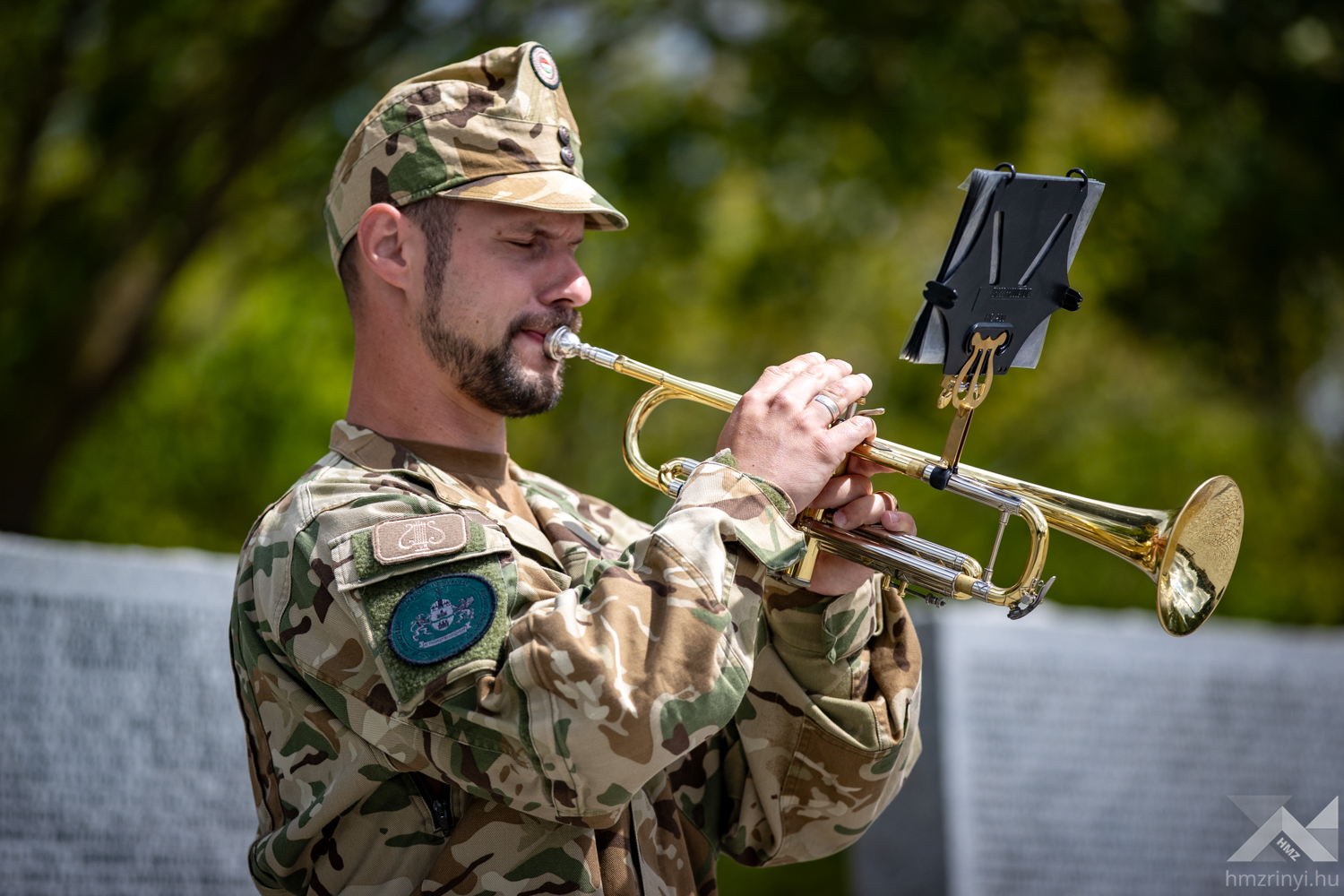
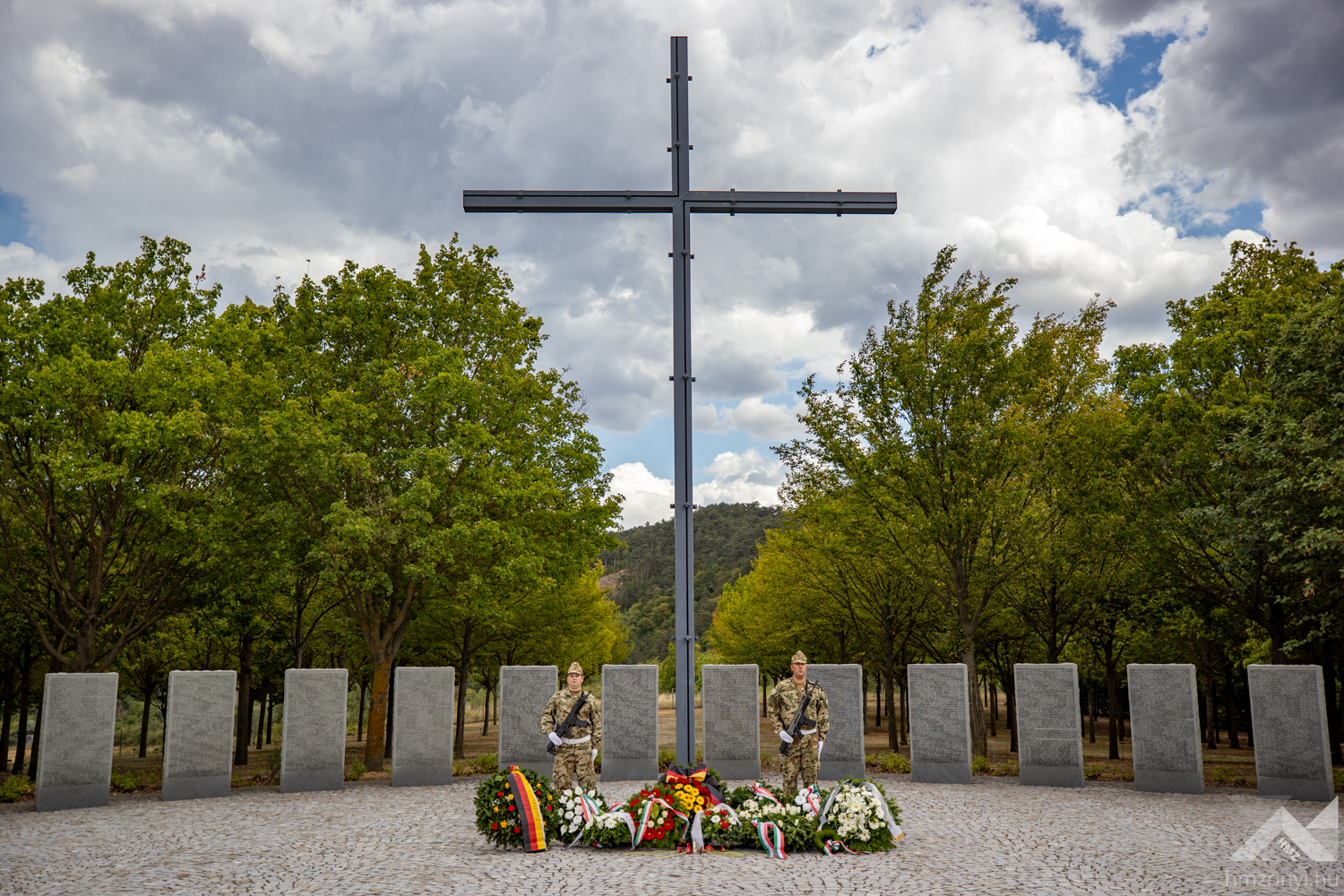
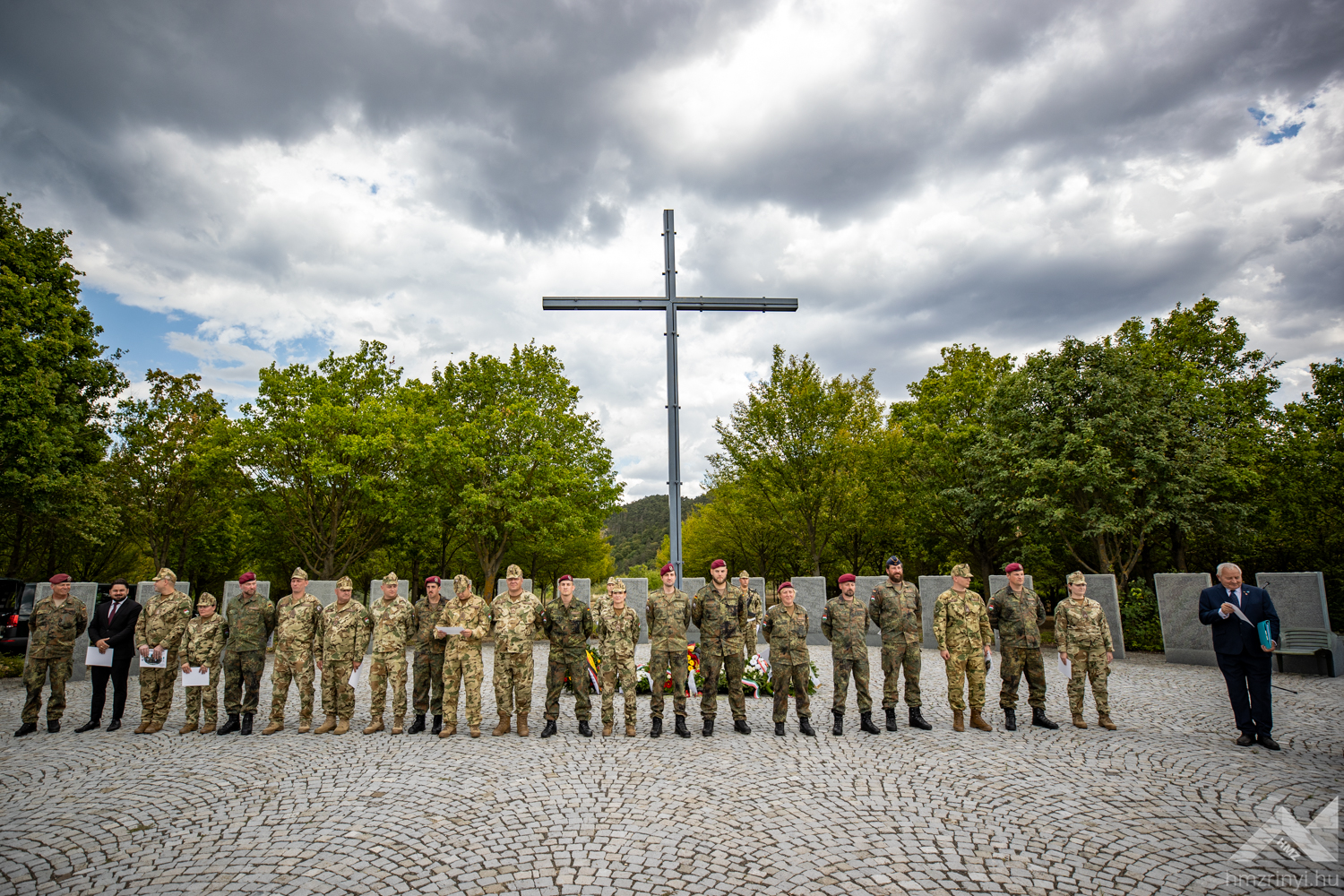
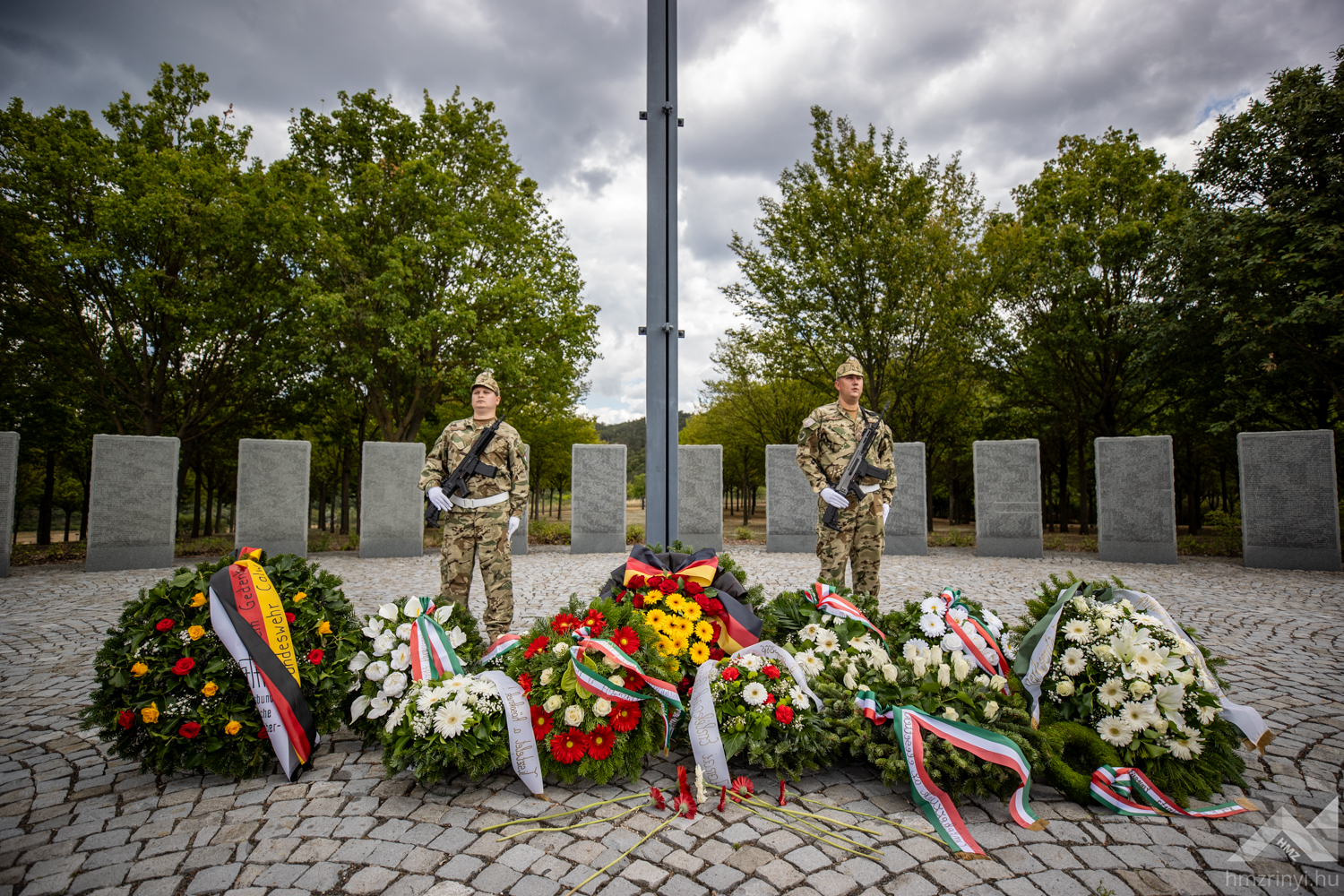
Text: Mihály Réti | Photo: Ákos Pintér | 10:27 July 28, 2026More than 17,000 soldiers are buried at the Budaörs Military Cemetery and Memorial Park. Many of them remain unknown even today, or have been forgotten over time, which is why the ongoing maintenance of their graves is invaluable. This summer, ten Hungarian and ten German war grave caretakers undertook this work of remembrance, and their selfless efforts culminated in a joint, dignified commemoration on July 23.
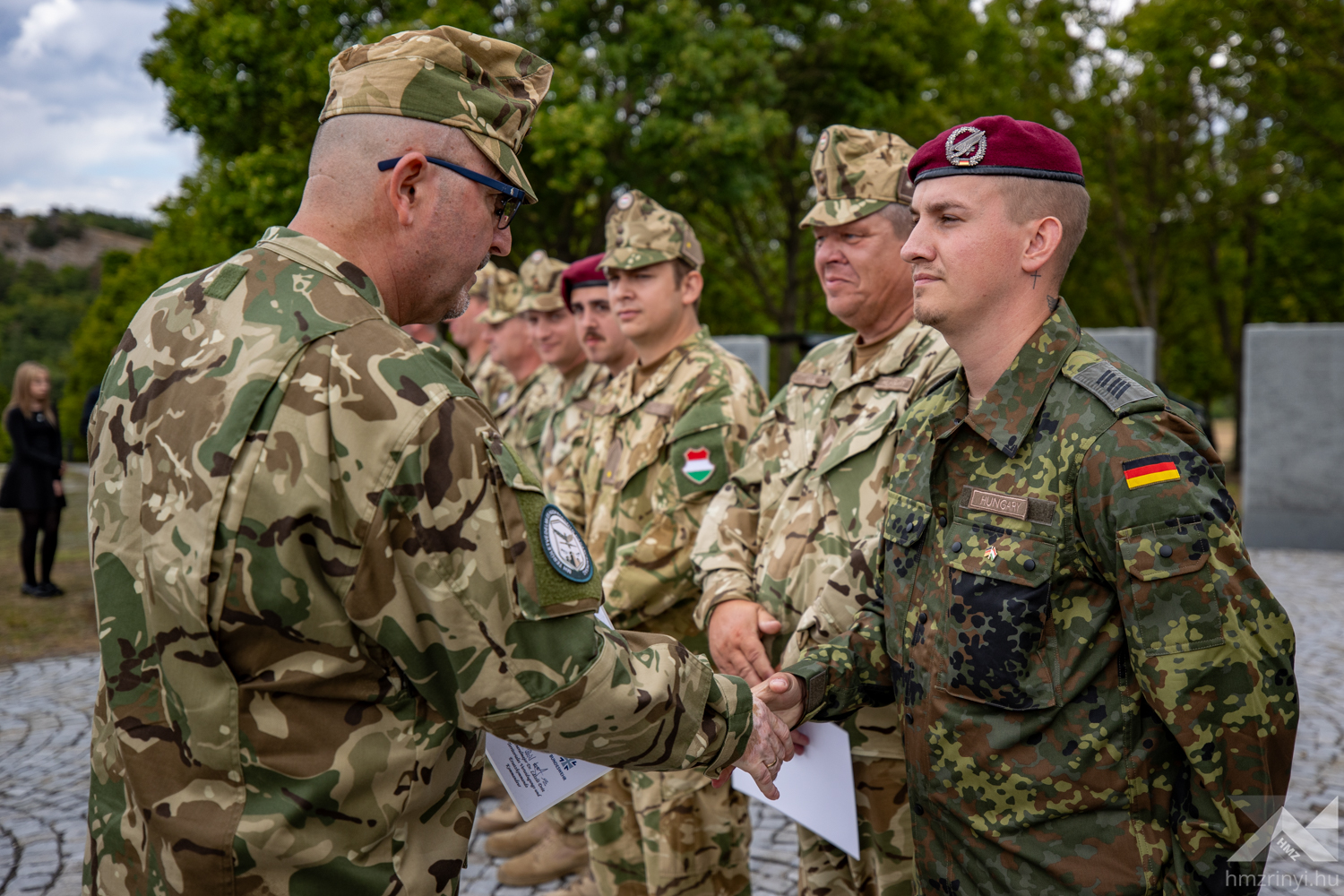
For the participants, this task was much more than just physical labour. The German soldiers arrived from the town of Calw, on the edge of the Black Forest, and volunteered to tend the war graves during their own leave. They were joined by their Hungarian comrades from Gödöllő, from the HDF 1st Territorial Defence Regiment.
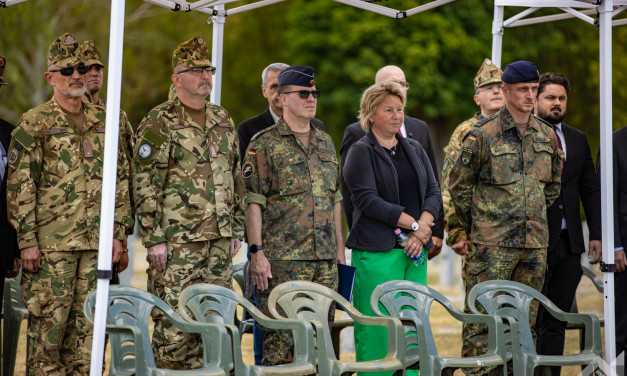
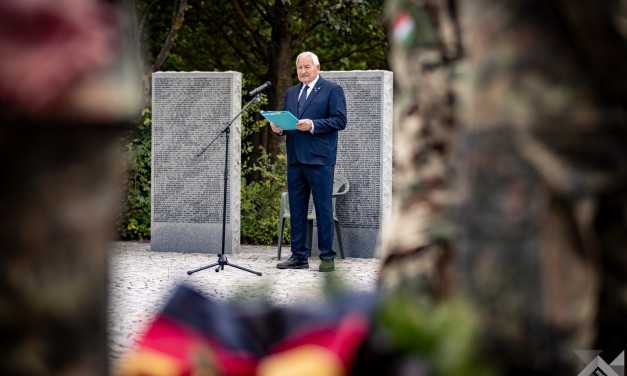
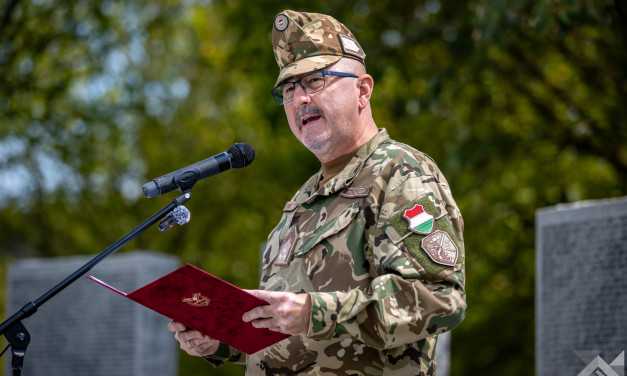
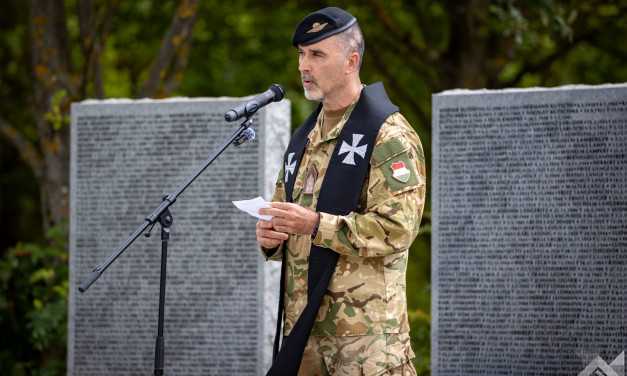
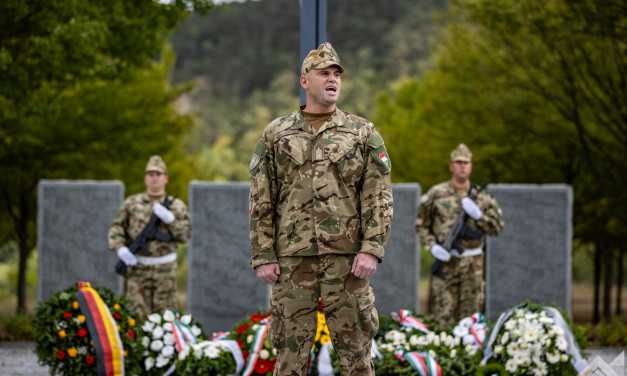
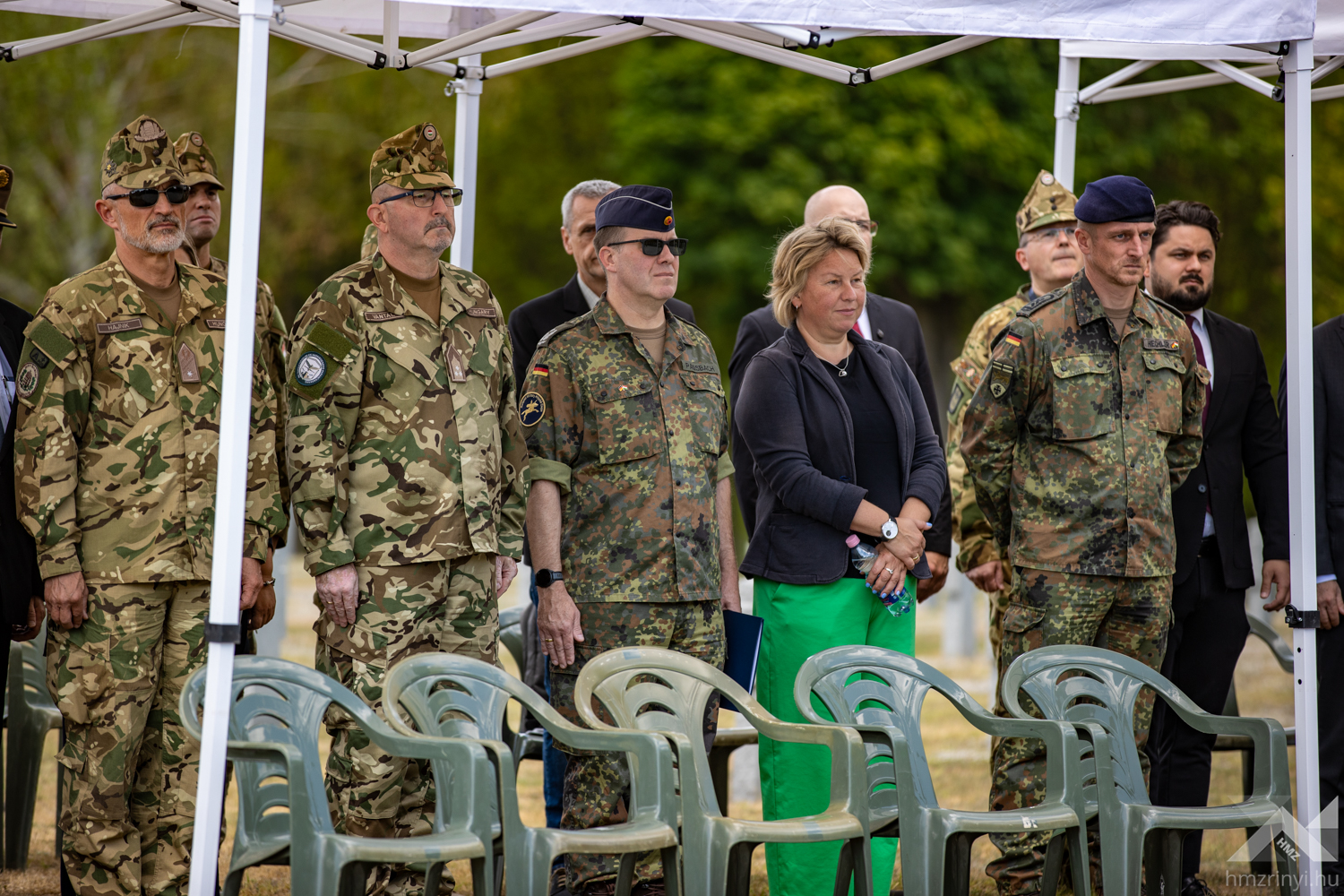
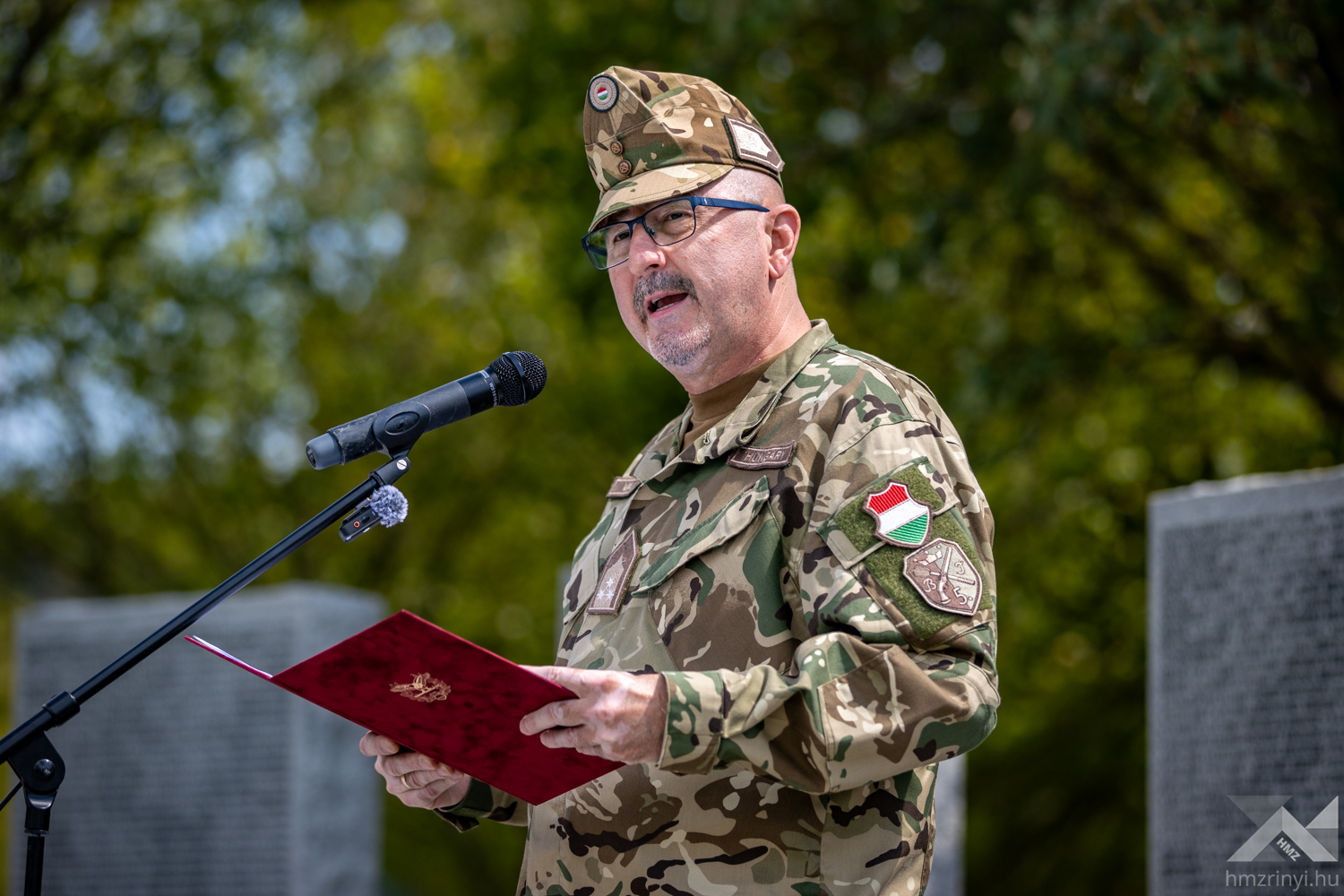
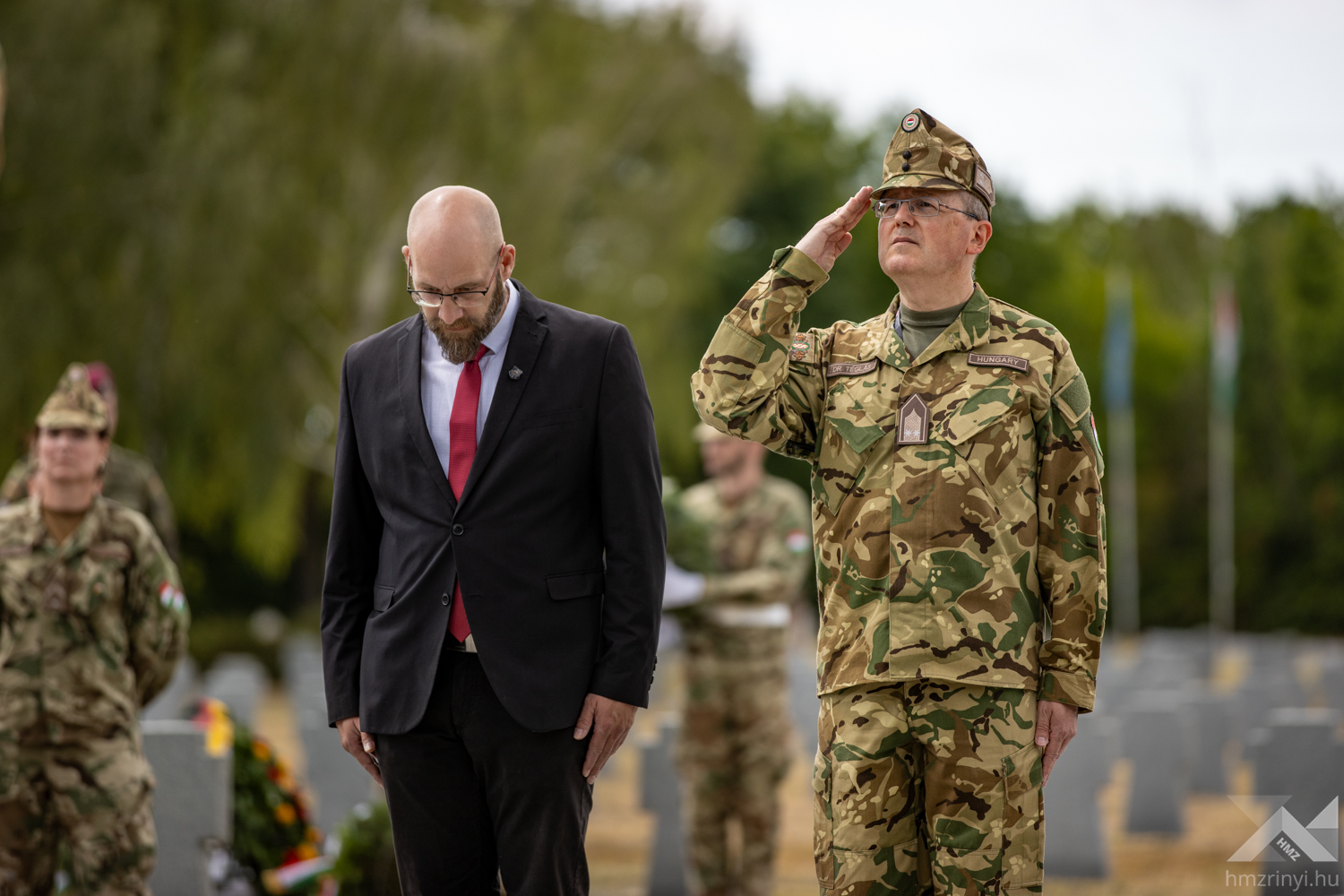
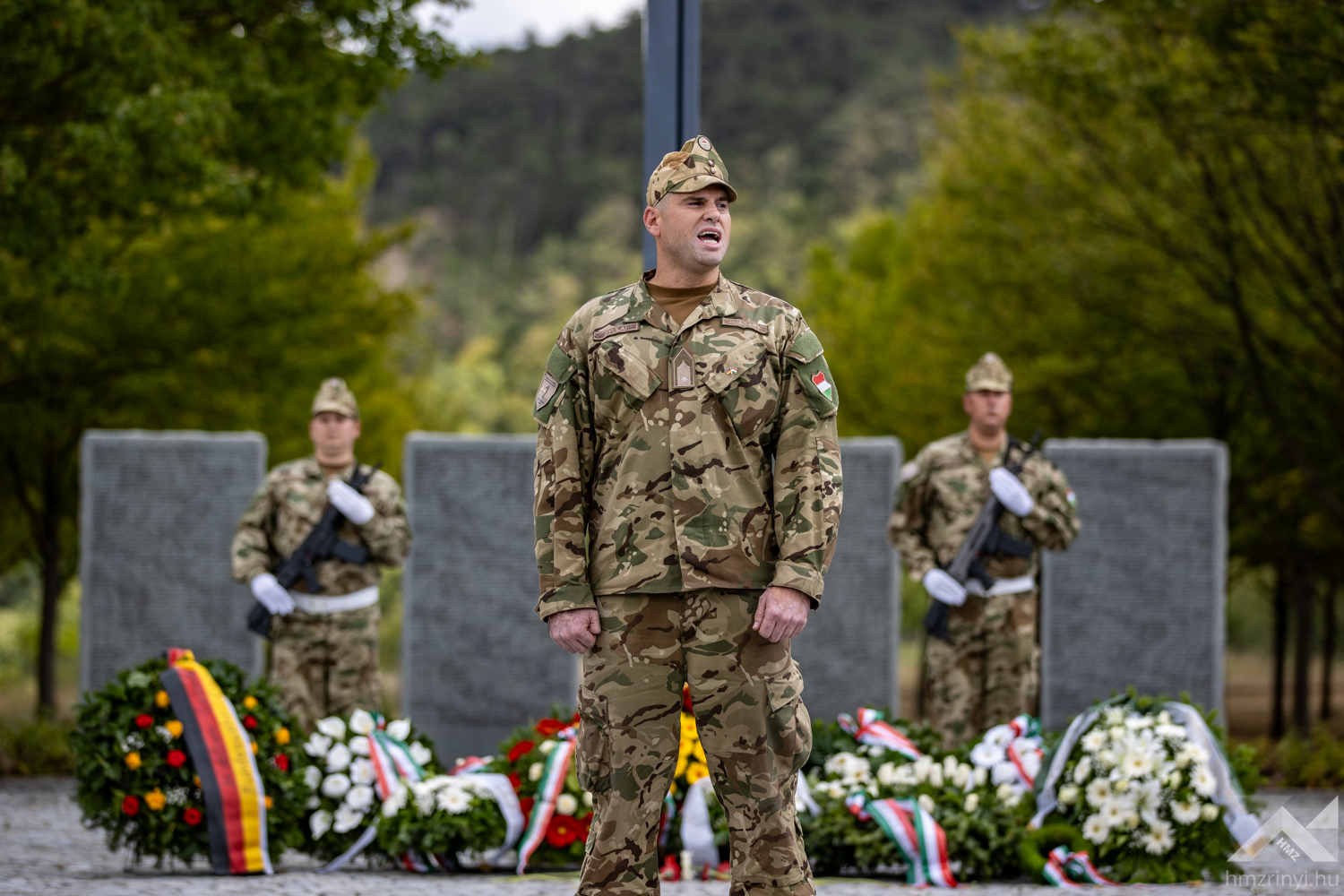
Colonel Zsolt Vantal, Chief of Staff of the HDF Territorial Defence Forces Command, expressed special gratitude for this dedication in his speech. He emphasized that the work they had done went far beyond mere cleanup; rather, it was an act of shared remembrance and a dignified tribute.
„German and Hungarian soldiers made a joint effort to ensure that those wishing to pay their respects are greeted by an environment worthy of the memory of those laid to rest here. However, this task means much more than simply tending to the graves and the cemetery. The work here was an expression of our shared responsibility toward respect, human dignity, and historical memory,” said the chief of staff.
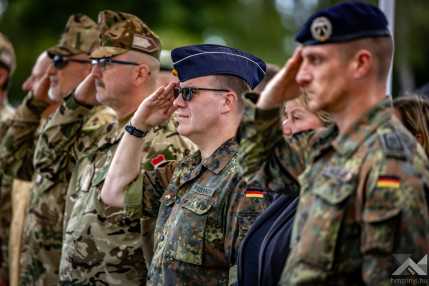
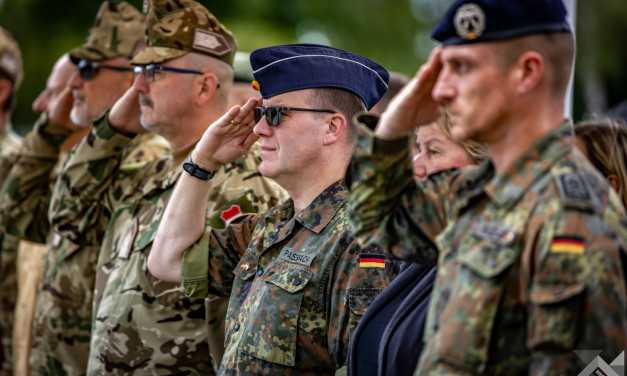
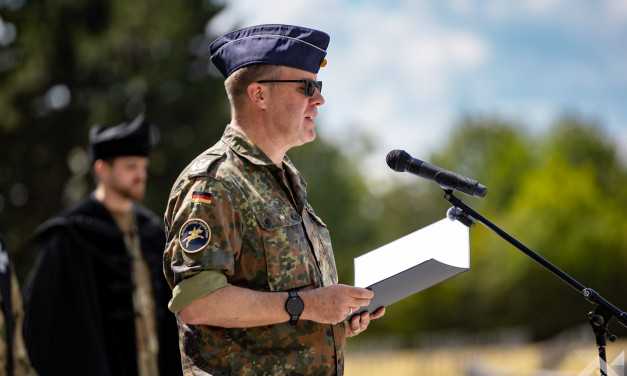
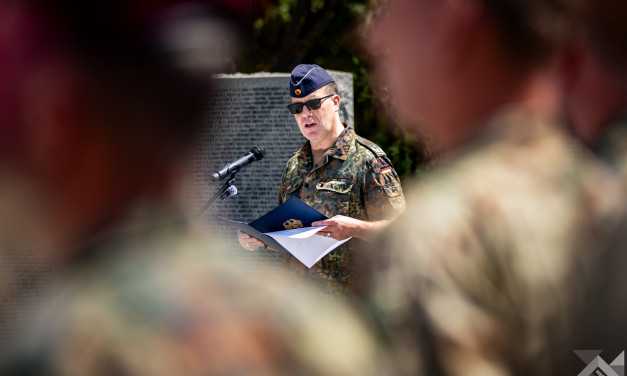
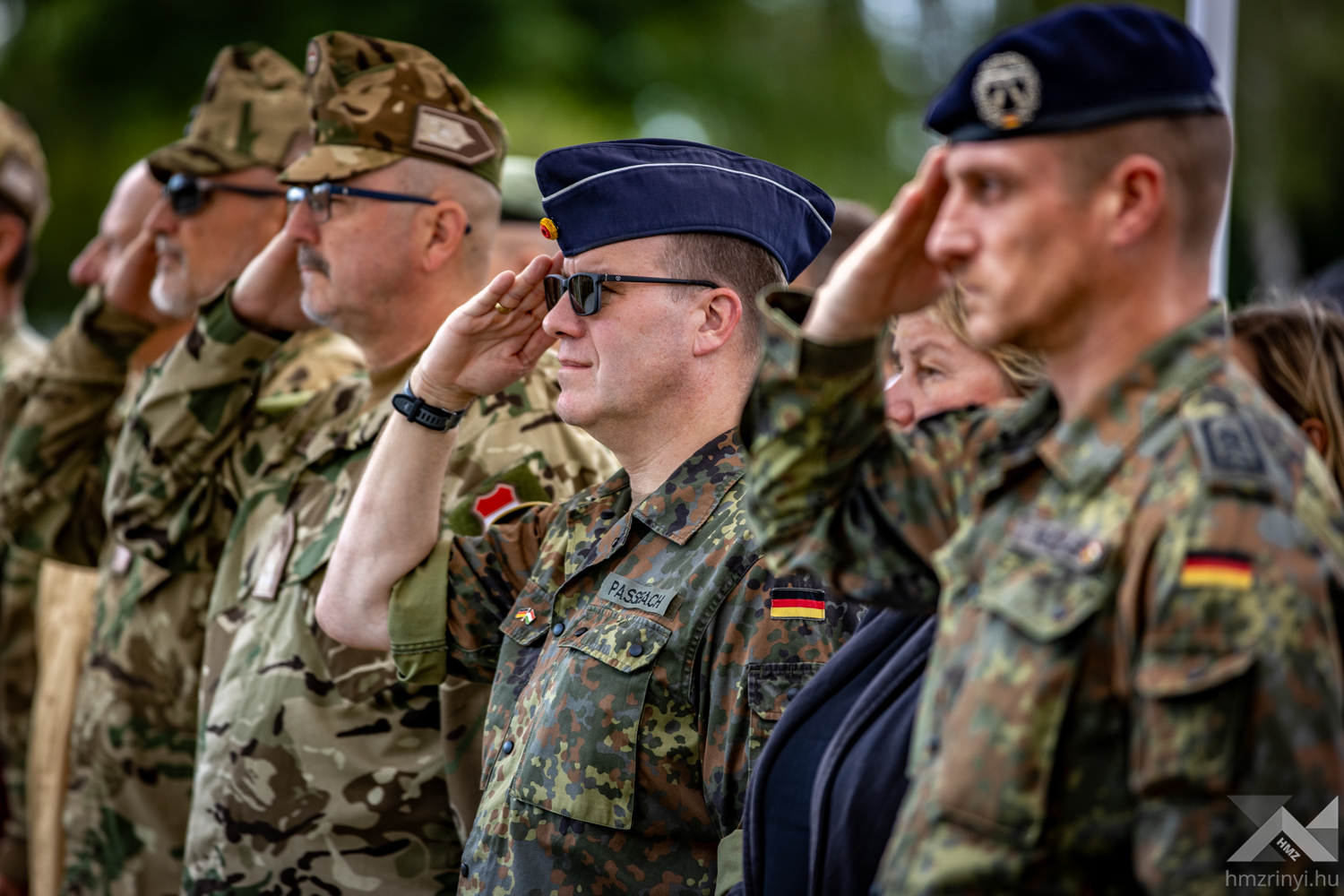
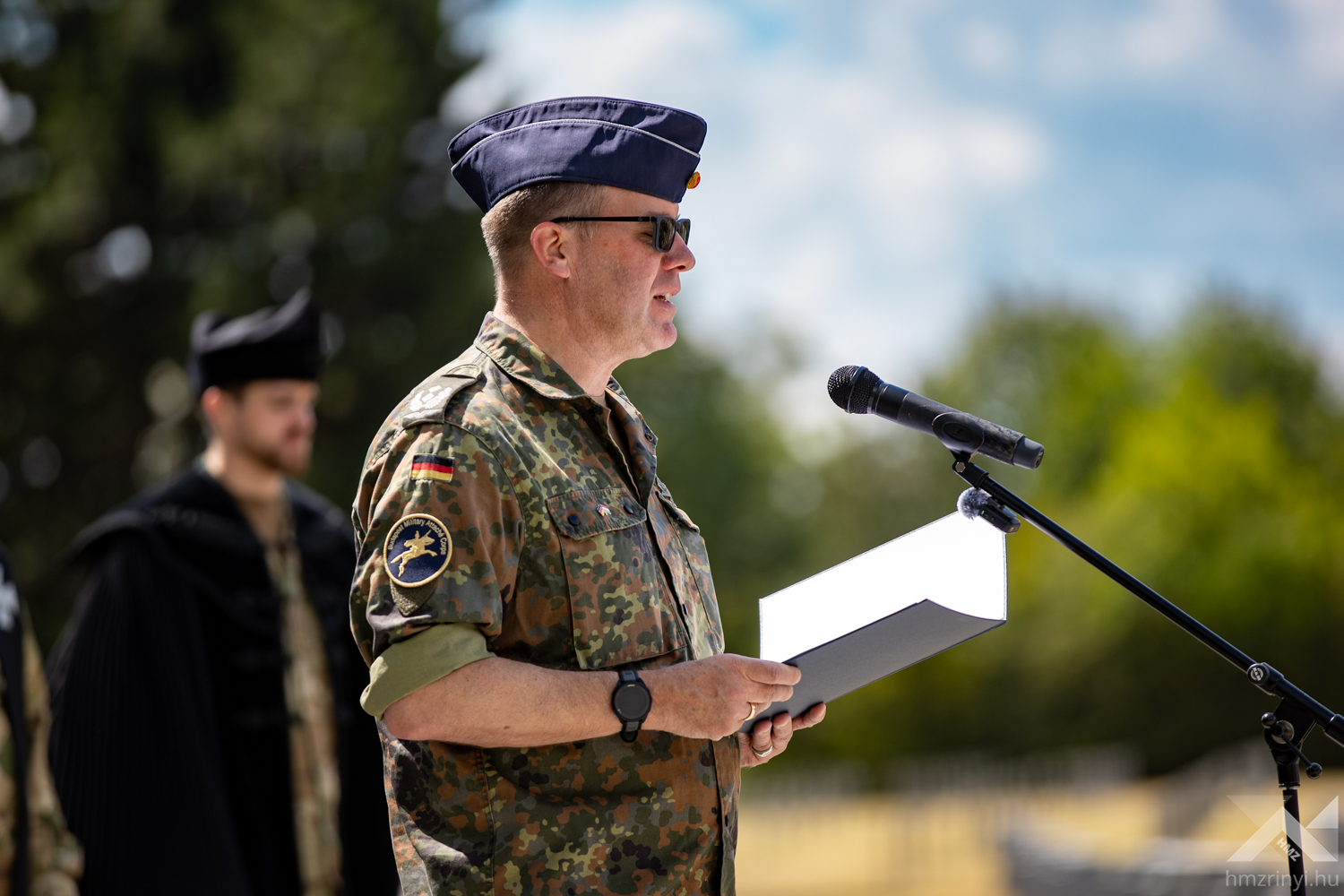
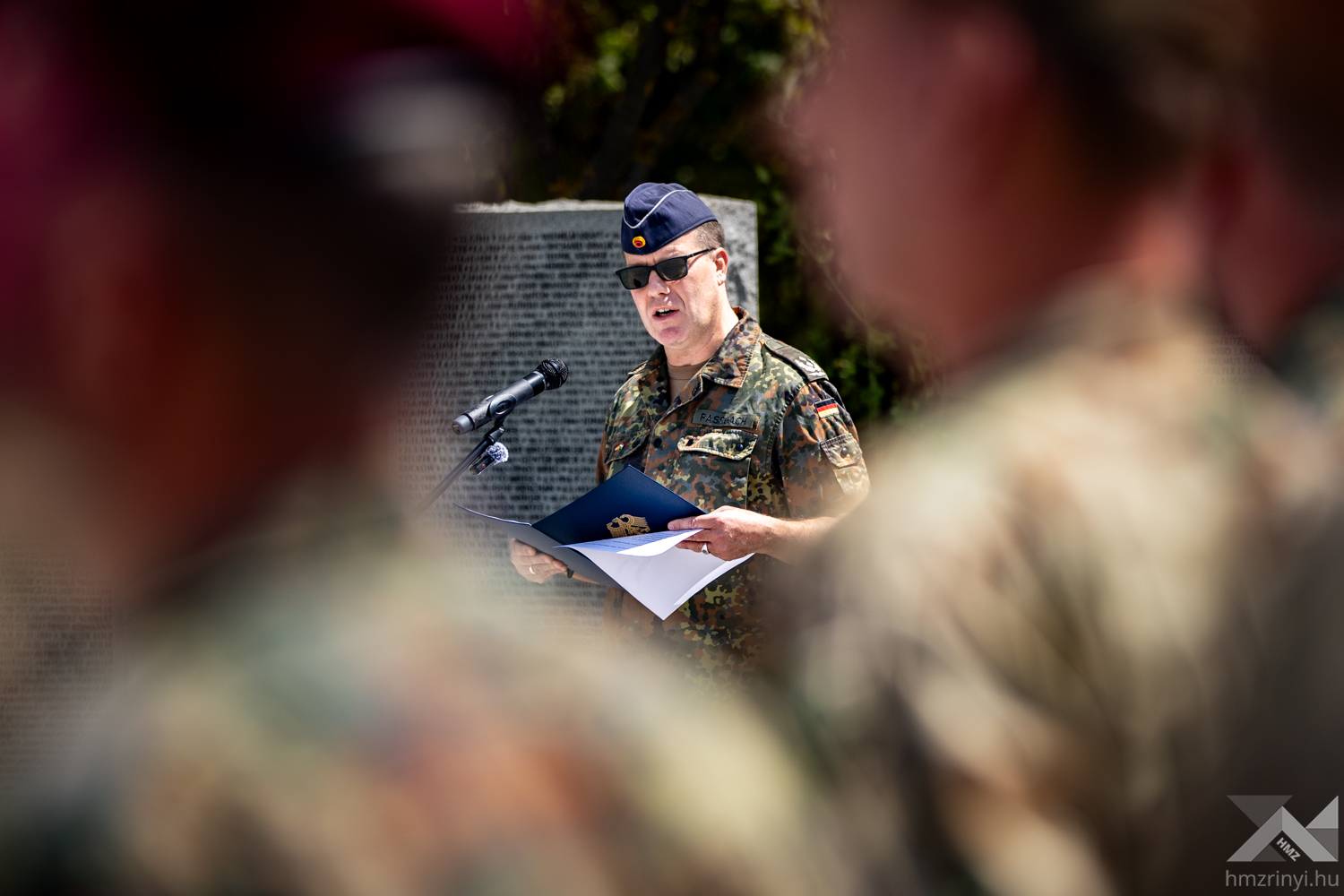
Lieutenant Colonel Daniel Passbach, German defence attaché, drew attention to the weight of history and the importance of keeping a promise. “I thank you from the bottom of my heart for your work. You have not only tended a cemetery, but kept a promise that the dead buried here will not be forgotten,” said the attaché. He emphasized that the victims of the past were flesh-and-blood people just like those living today, and thus deserve to be remembered and cared for. “Because behind every gravestone there is a person: a son, a father, a brother. Germans and Hungarians who lost their lives during the darkest years of the past century. Most of them were young. They had hopes and plans; the war took everything from them.”
At the end of his speech, Lieutenant Colonel Passbach highlighted the ultimate message of grave maintenance, which is perhaps more relevant today than ever: “We cannot give them anything back, but we can preserve their worthy memory and learn the right lesson: peace is not self-evident. Peace is work.”
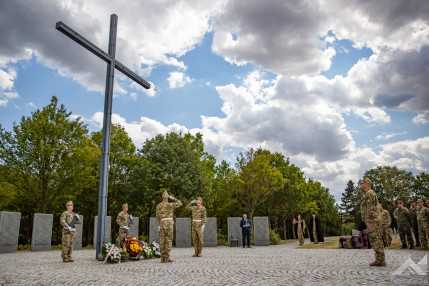
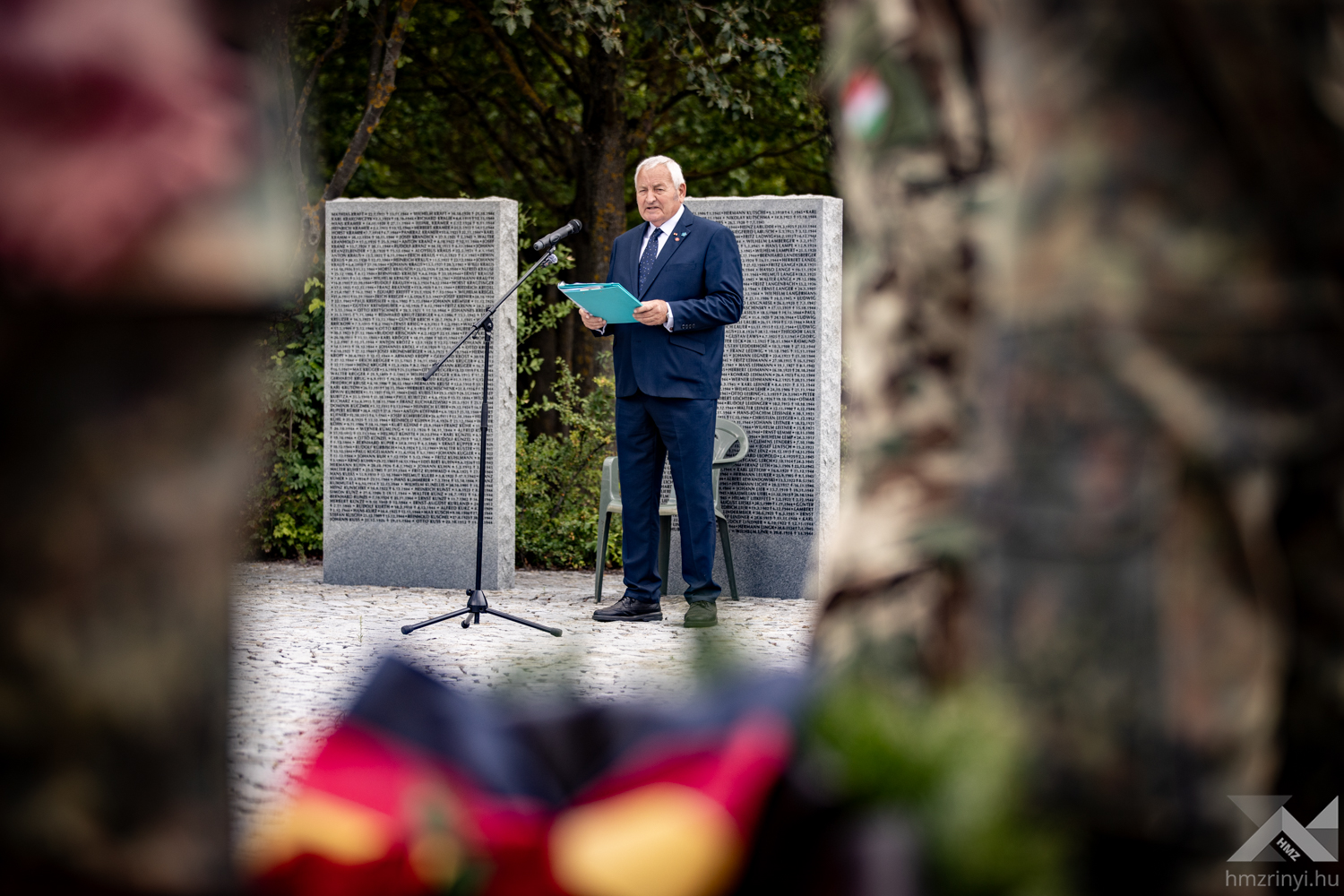
Imre Kovács, the Hungarian representative of the German War Graves Care Commission recalled the historical context of the event. He recalled the 1993 agreement between Germany and Hungary regarding the maintenance of war graves. During World War II, some 53,000 German soldiers lost their lives or went missing in Hungary; in the spirit of this agreement, the cemetery in Budaörs was opened twenty-three years ago and has remained an important site of reconciliation ever since.
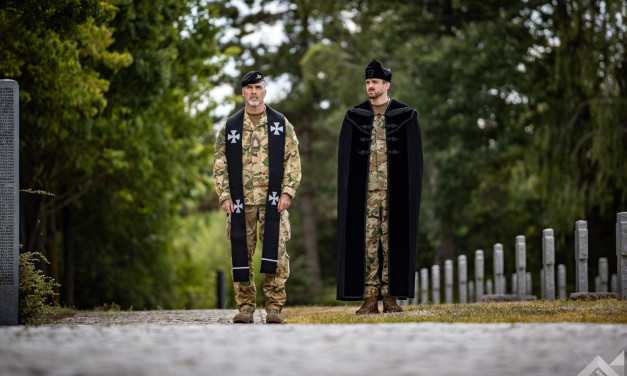
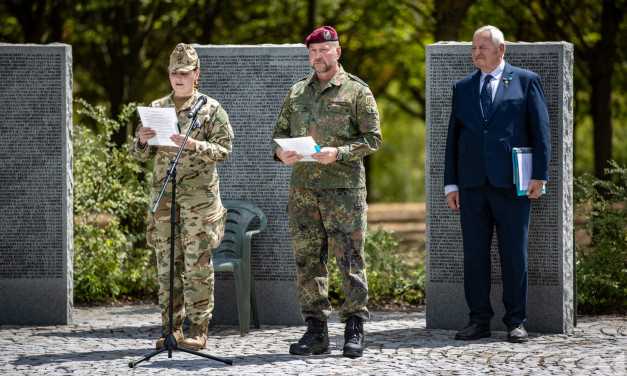
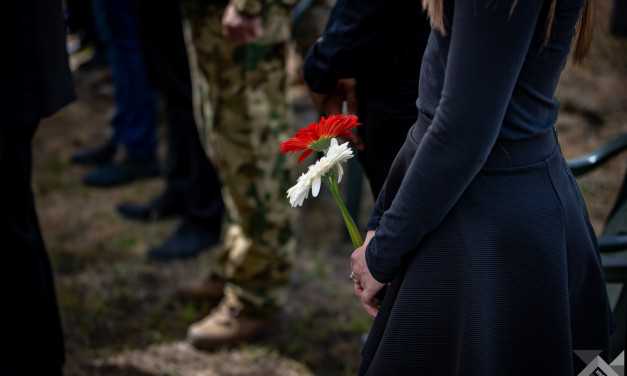
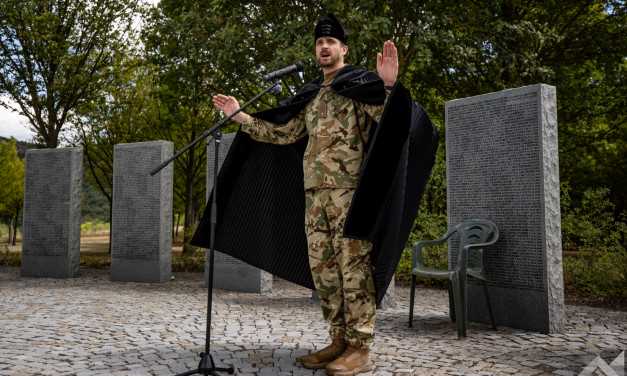
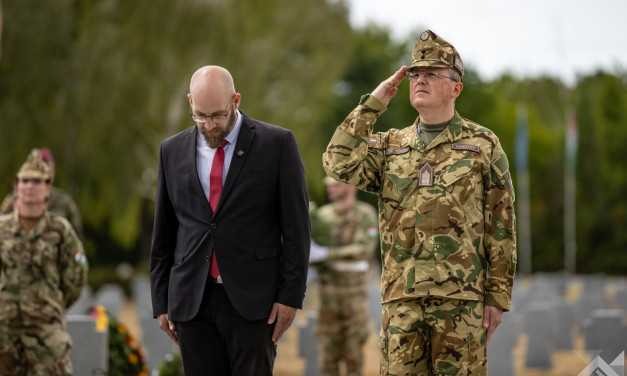
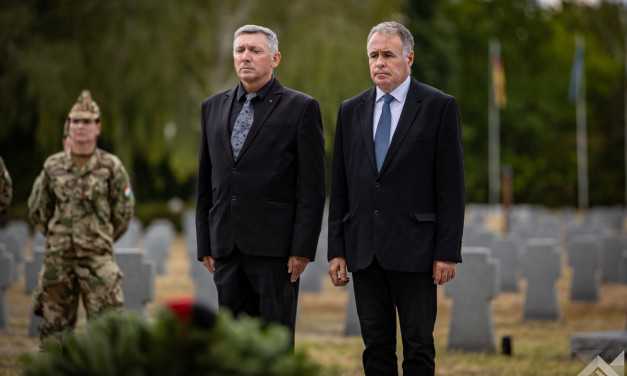
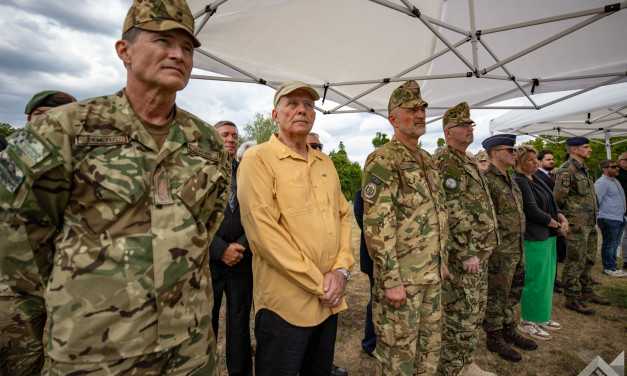
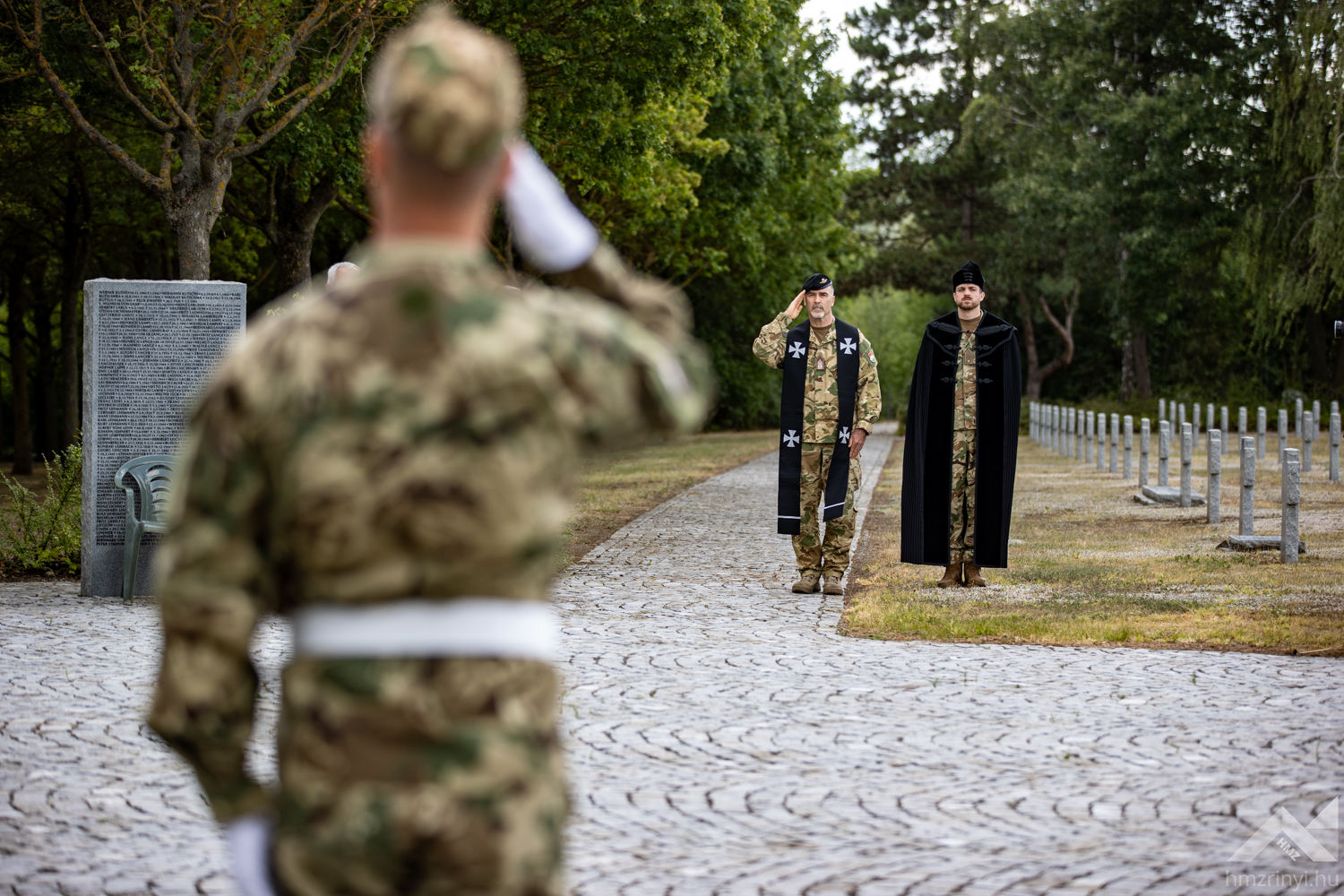
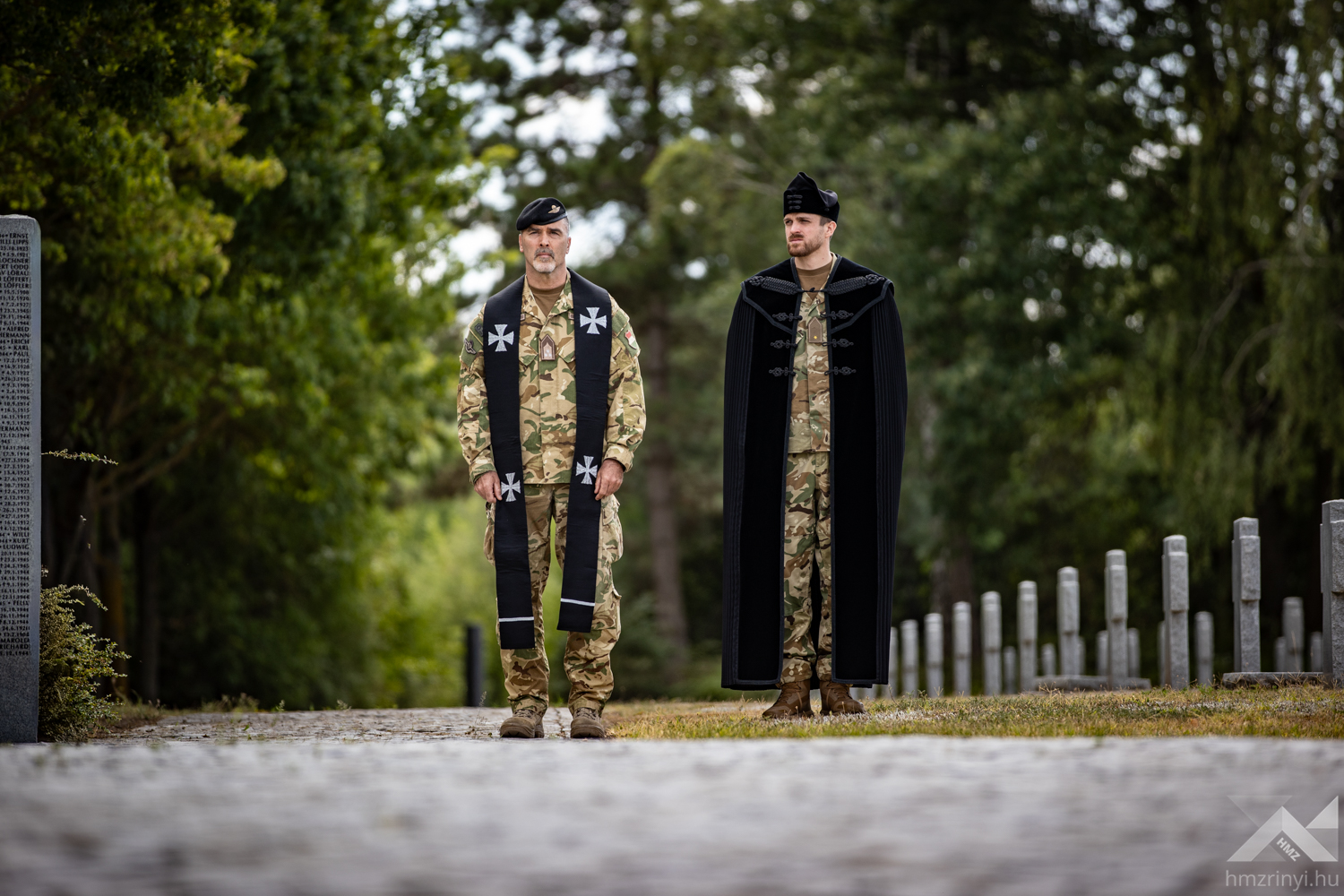
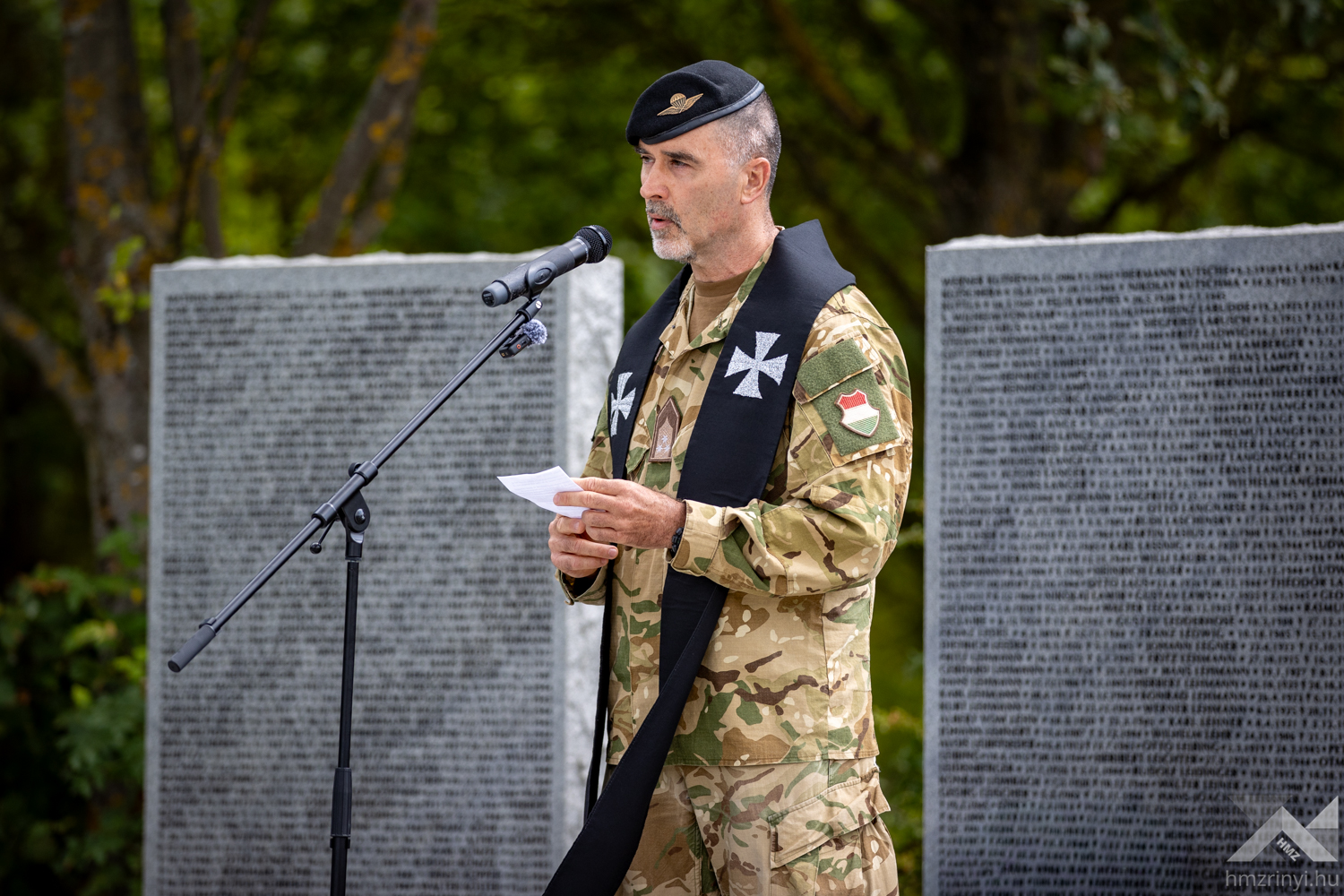
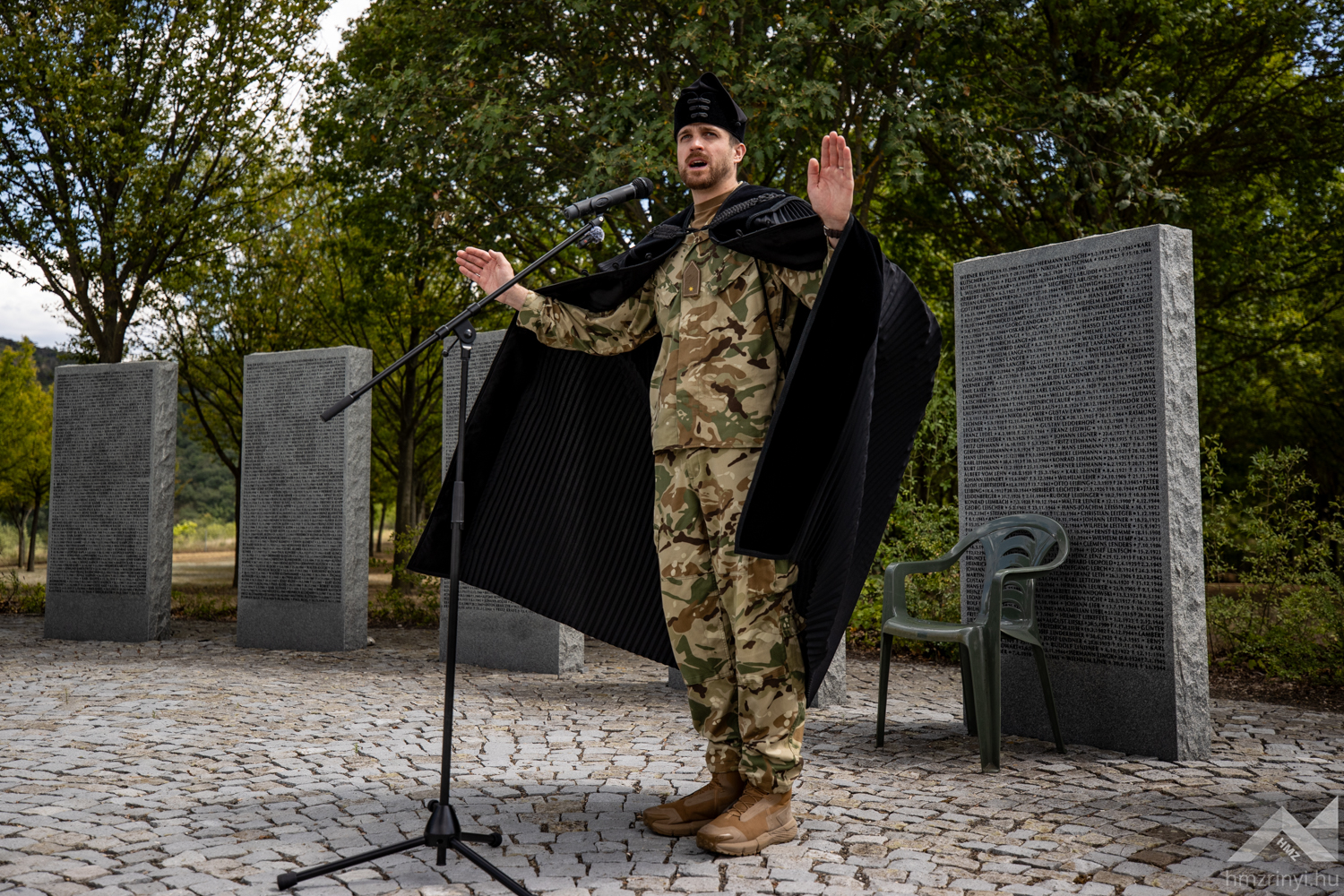
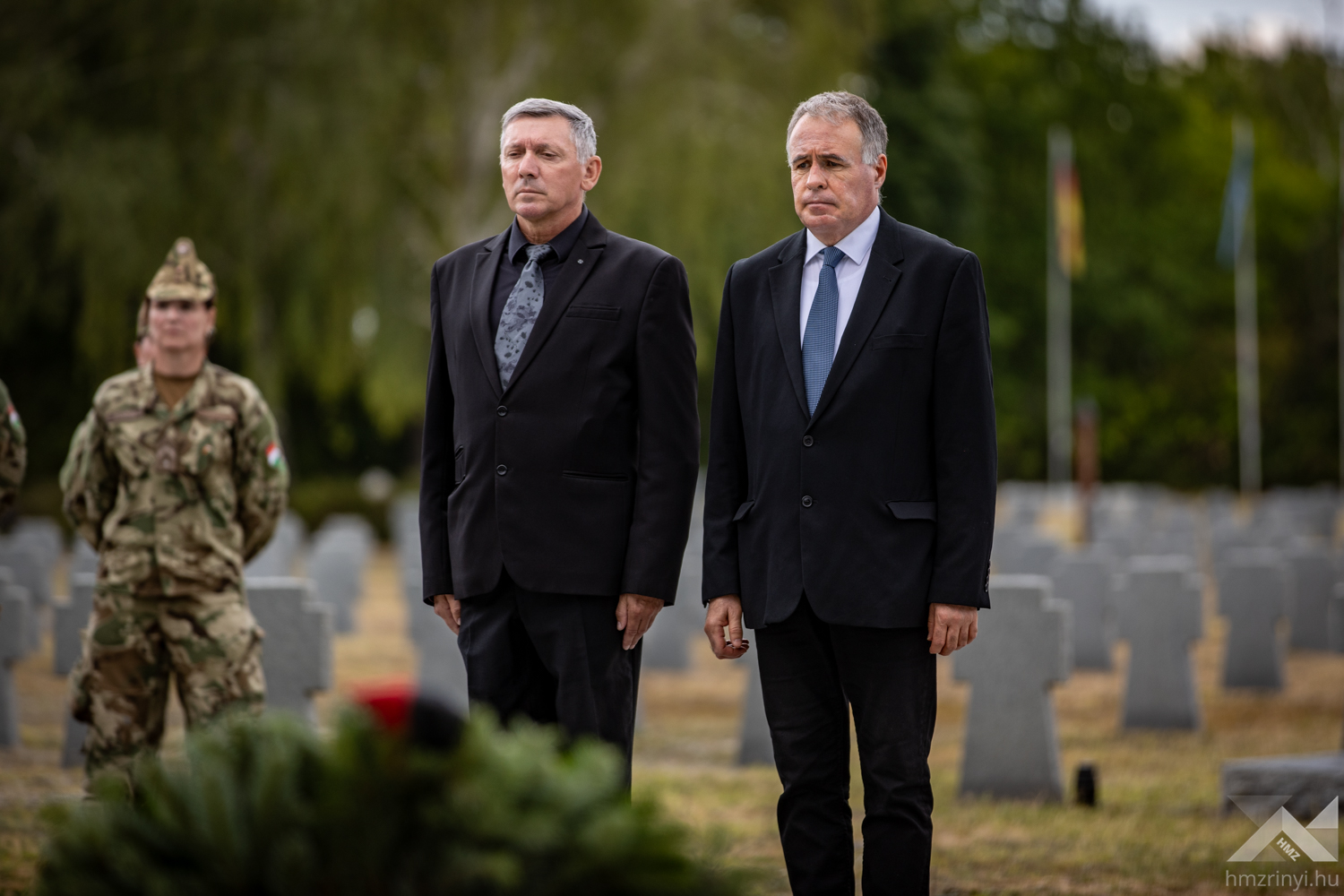
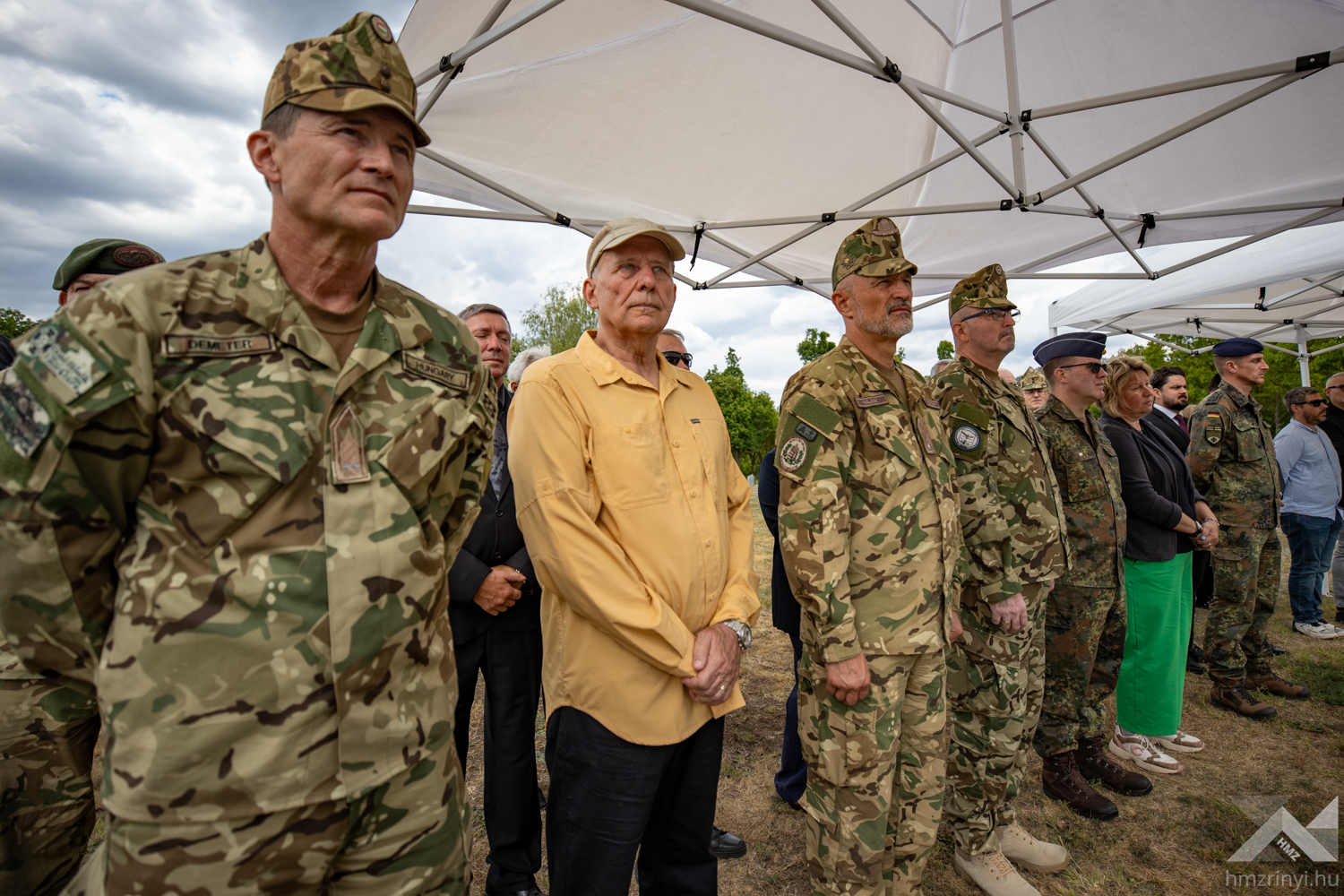
This day of remembrance and shared responsibility concluded with an ecumenical prayer. Colonel Tamás Takács of the Catholic Military Bishopric and Lieutenant Sámuel Boross, Protestant field chaplain, offered prayers for the departed. Among those in attendance at the commemoration were Márk Monostori-Kalovits, deputy mayor of Budaörs, and Márk Stier, deputy director of the Directorate of War Graves and Heroes’ Memorials at the Ministry of Defence Military History Institute and Museum.
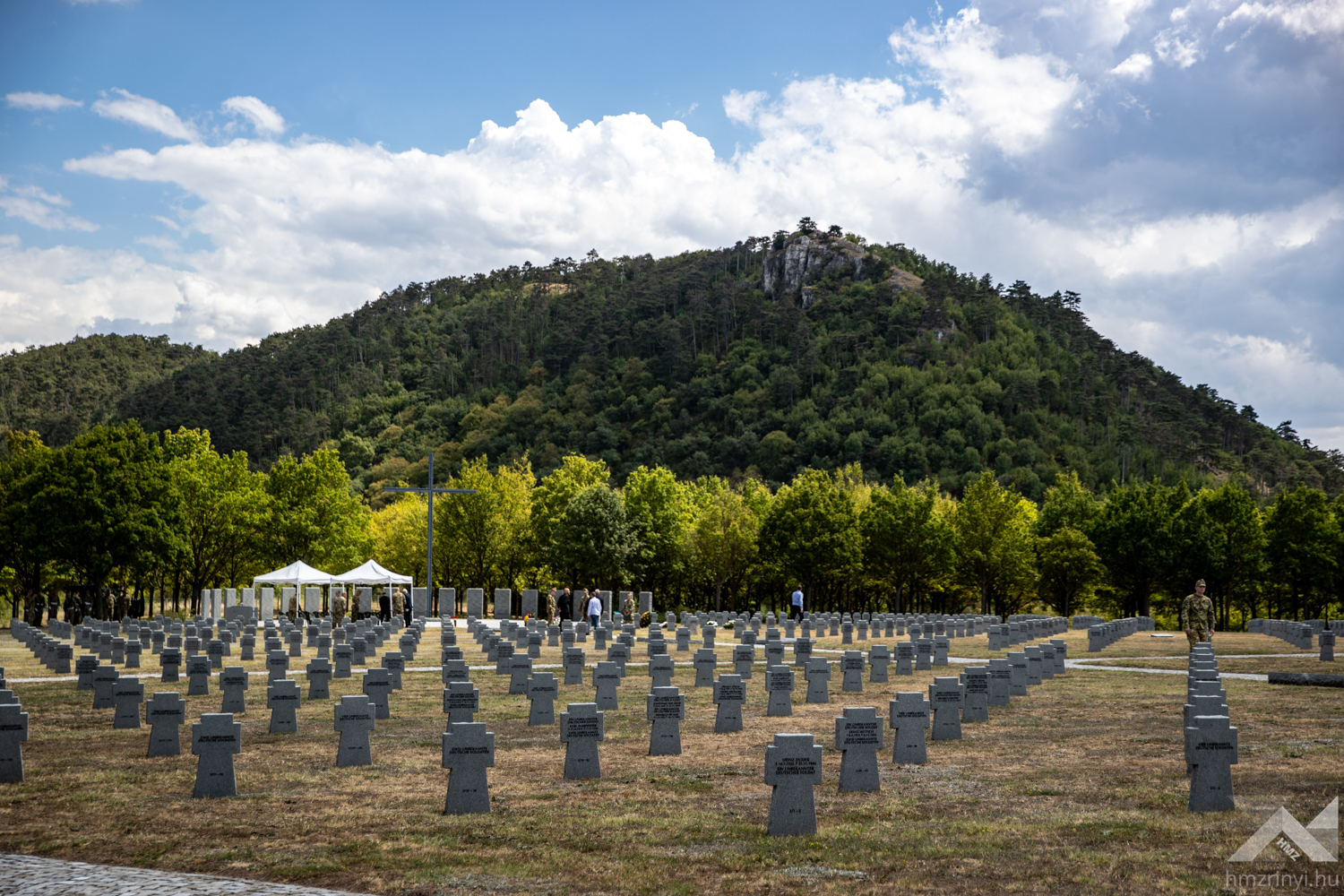
260723_Magyar-német hadisírgondozók_PAK_-1
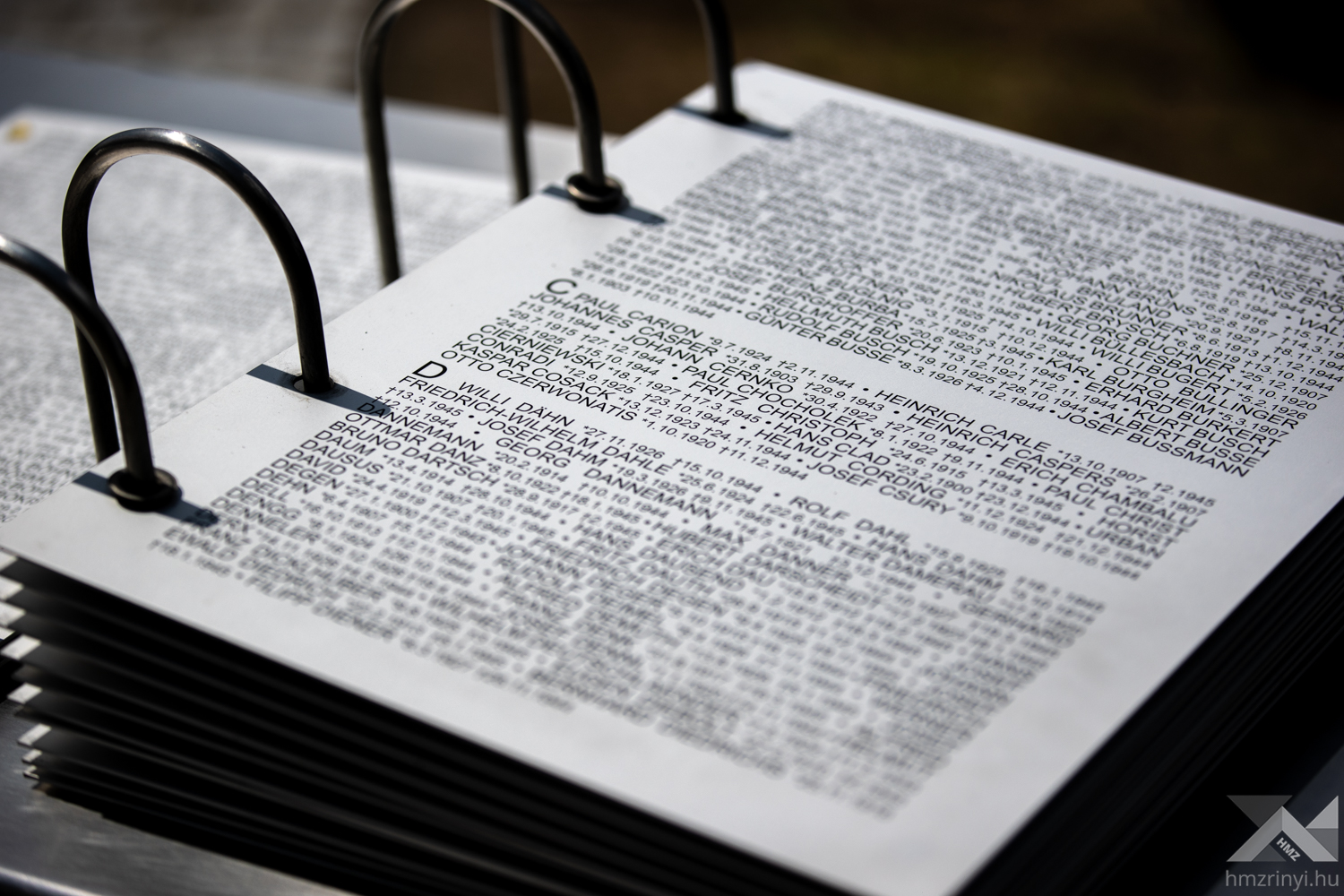
260723_Magyar-német hadisírgondozók_PAK_-2
260723_Magyar-német hadisírgondozók_PAK_-3
260723_Magyar-német hadisírgondozók_PAK_-4
260723_Magyar-német hadisírgondozók_PAK_-5
260723_Magyar-német hadisírgondozók_PAK_-6
260723_Magyar-német hadisírgondozók_PAK_-7
260723_Magyar-német hadisírgondozók_PAK_-8
260723_Magyar-német hadisírgondozók_PAK_-9
260723_Magyar-német hadisírgondozók_PAK_-10
260723_Magyar-német hadisírgondozók_PAK_-11
260723_Magyar-német hadisírgondozók_PAK_-12
260723_Magyar-német hadisírgondozók_PAK_-13
260723_Magyar-német hadisírgondozók_PAK_-14
260723_Magyar-német hadisírgondozók_PAK_-15
260723_Magyar-német hadisírgondozók_PAK_-16
260723_Magyar-német hadisírgondozók_PAK_-17
260723_Magyar-német hadisírgondozók_PAK_-18
260723_Magyar-német hadisírgondozók_PAK_-19
260723_Magyar-német hadisírgondozók_PAK_-20
260723_Magyar-német hadisírgondozók_PAK_-21
260723_Magyar-német hadisírgondozók_PAK_-22
260723_Magyar-német hadisírgondozók_PAK_-23
260723_Magyar-német hadisírgondozók_PAK_-24
260723_Magyar-német hadisírgondozók_PAK_-25
260723_Magyar-német hadisírgondozók_PAK_-26
260723_Magyar-német hadisírgondozók_PAK_-27
260723_Magyar-német hadisírgondozók_PAK_-28