“You who are still alive, see to it that peace remains!”
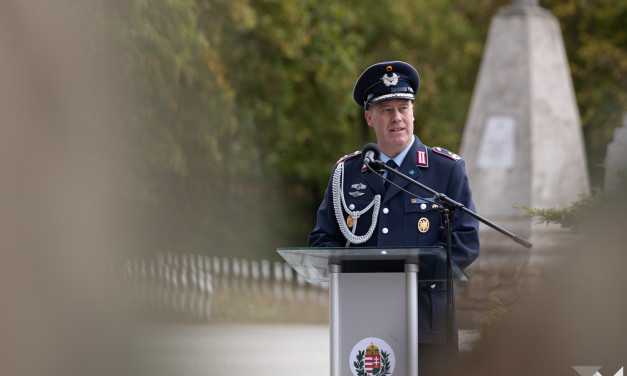
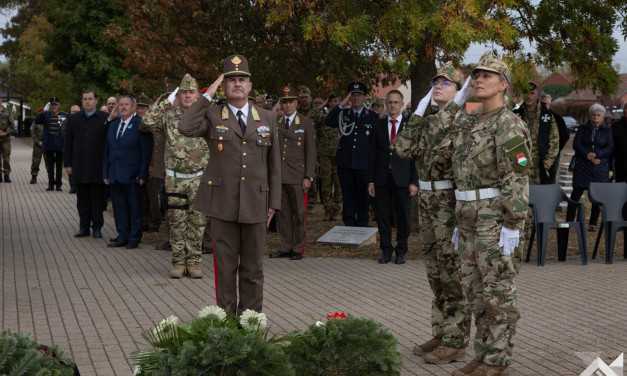
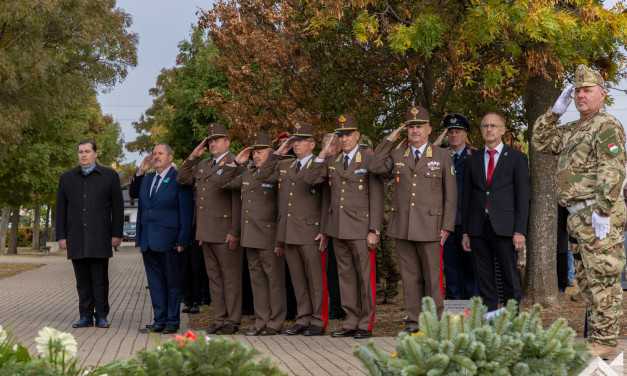
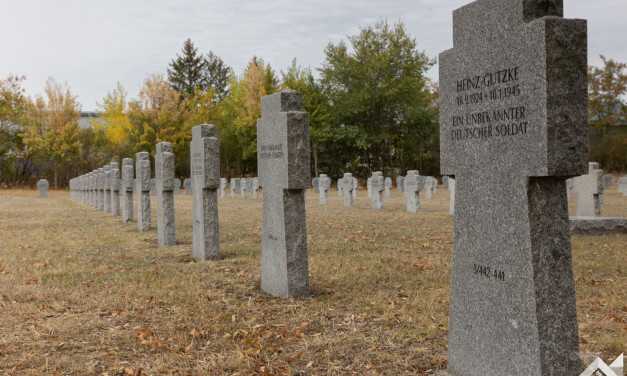
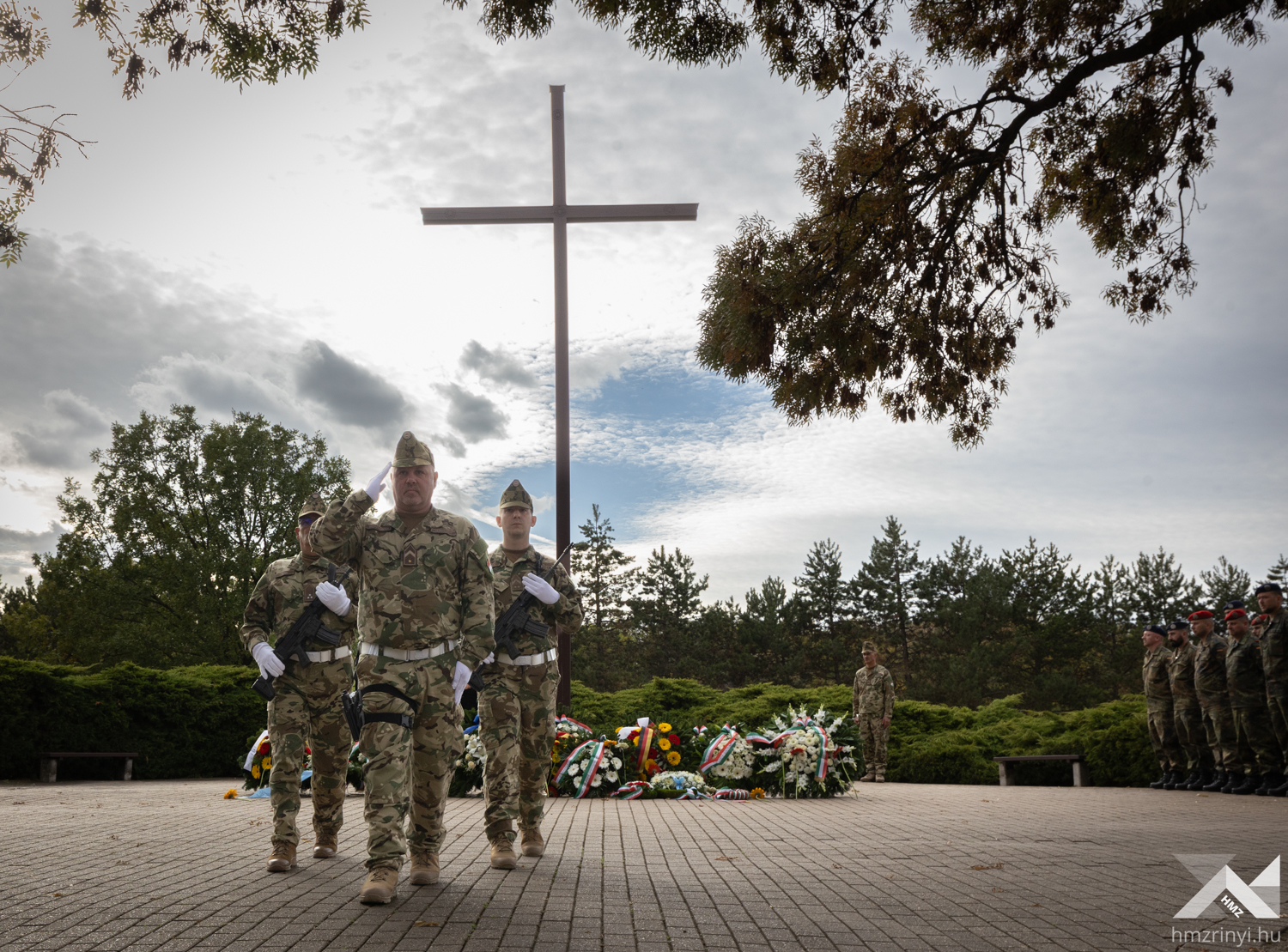
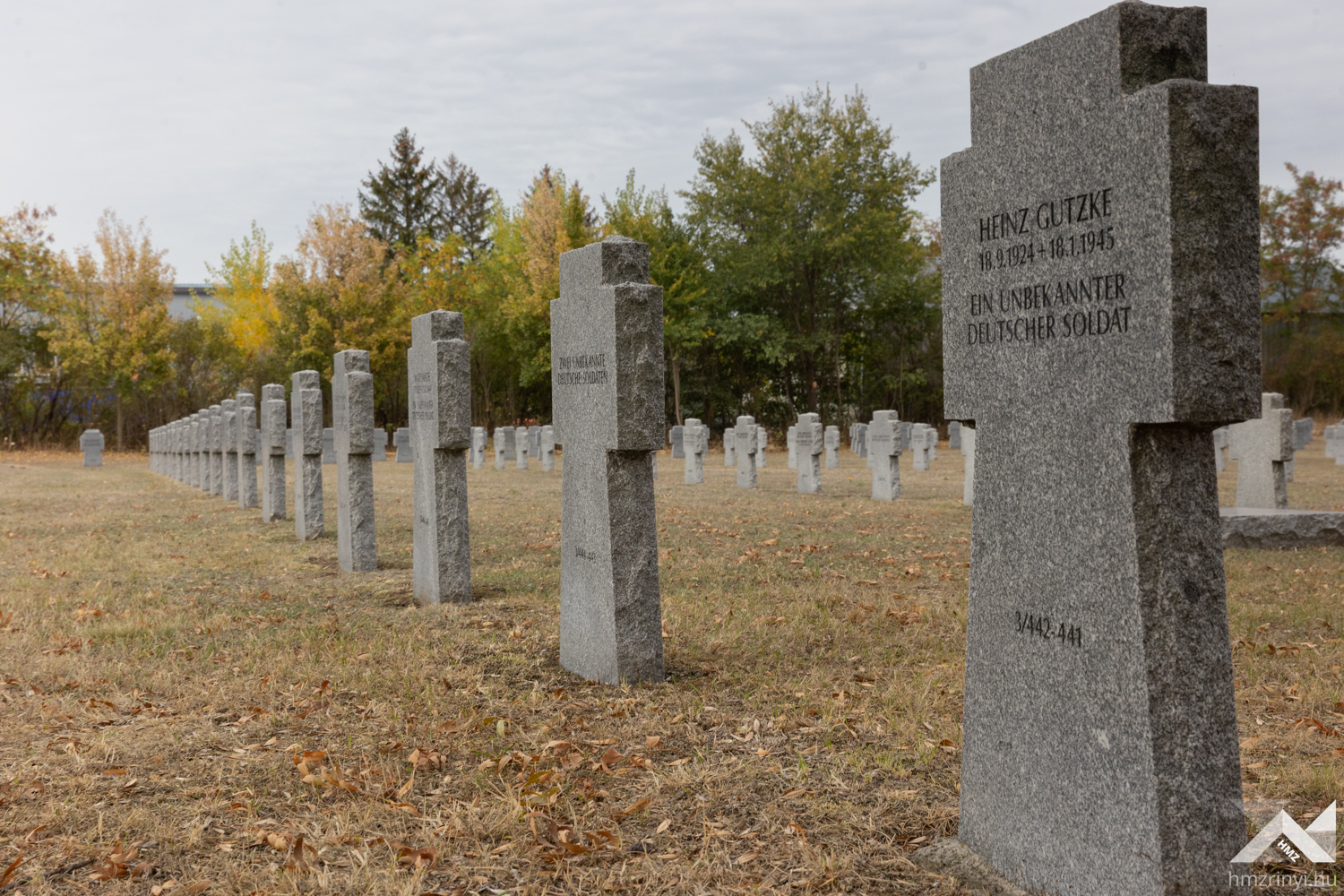
Text: Bettina Sin | Photo: Zsuzsa Szűcs-Horváth | 14:39 October 19, 2026“The strength of a nation is demonstrated not only by how it preserves its present, but also by how it honours its past. Respecting our ancestors is a moral and human duty we all share,” said Major General Dr László Drót, commander of the HDF Territorial Defence and Military Augmentation Command, at a ceremony marking the completion of maintenance work at the Holy Spirit Military Cemetery in Székesfehérvár, co-organised by the German War Graves Commission and the Hungarian Defence Forces.
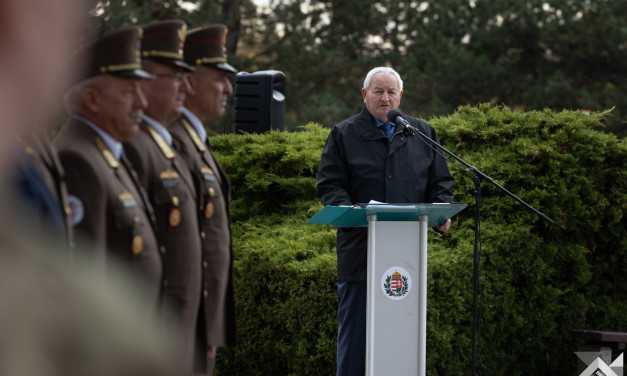
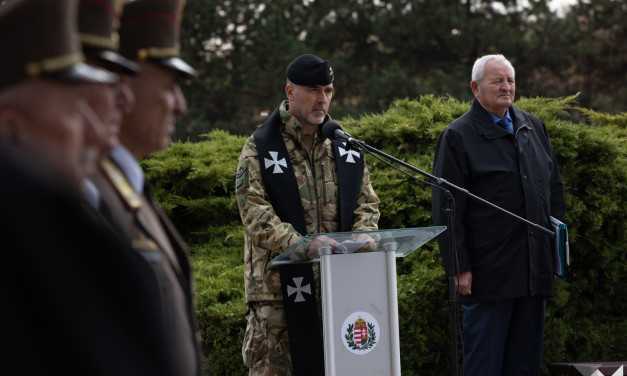
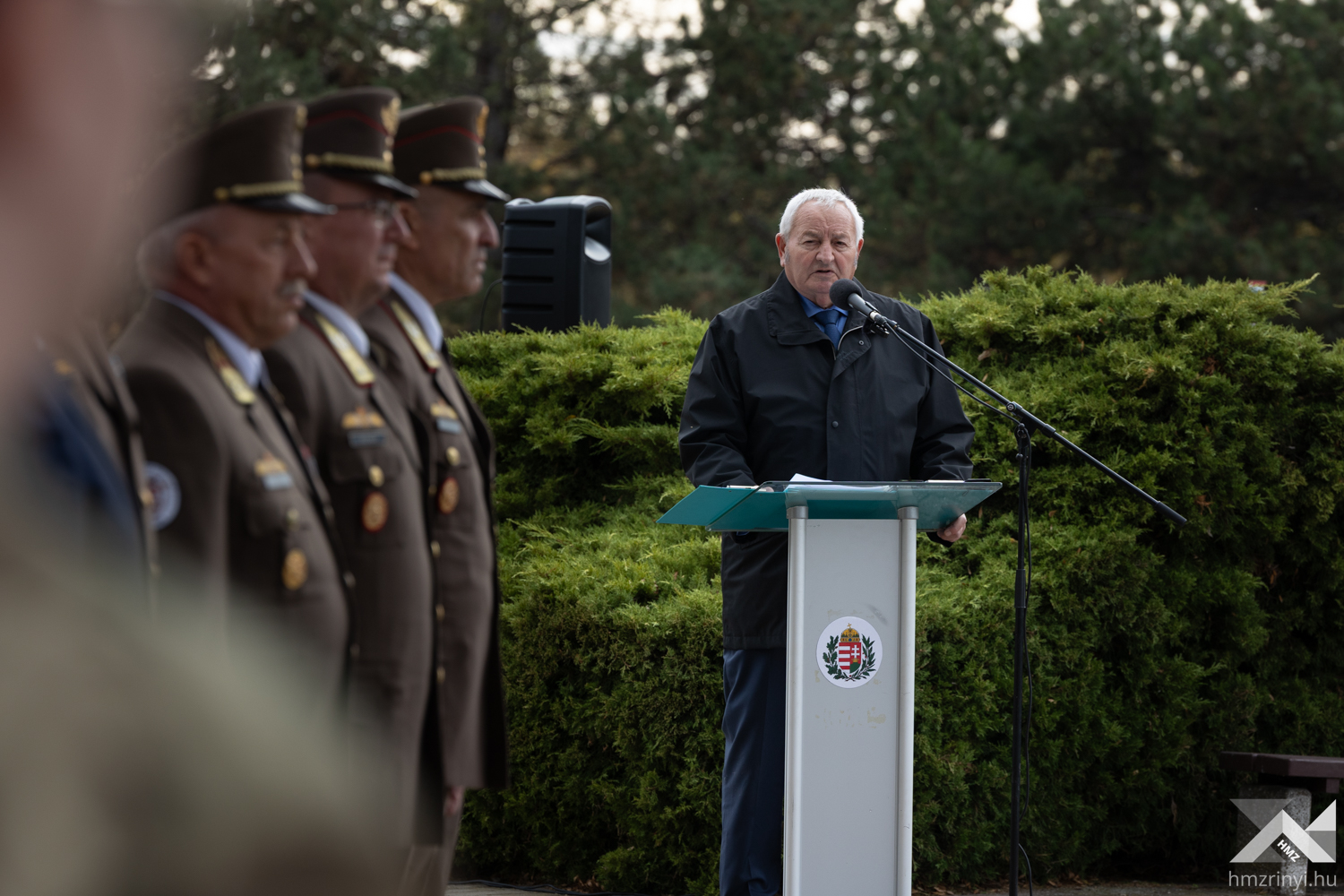
“Our traditions, our camaraderie and our sense of vocation are a legacy that we must pass on to future generations. Over the past two weeks, twenty of our comrades – ten German and ten Hungarian soldiers – have served together to create a fitting environment for those laid to rest in the cemetery. They came from different countries, they speak different languages, yet they were united by a shared purpose. Cleaning the graves, tidying and maintaining the grounds was a silent tribute to those whose lives were taken by the war,” said Major General Dr László Drót.
“As soldiers, we know that part of our vocation is to defend our country, our fellow citizens and our allies,” he added. “When duty calls, we are ready to make the ultimate sacrifice in accordance with our oath, but we would like not only to fight for peace, but also to enjoy its fruits. The soldiers resting in this cemetery were not granted this opportunity; their lives were cut short so suddenly. Their memory serves as a reminder to us that behind military service there are always human lives, families, fleeting moments, and unfulfilled hopes and dreams. Respecting them is a duty and a moral responsibility,” he emphasised.
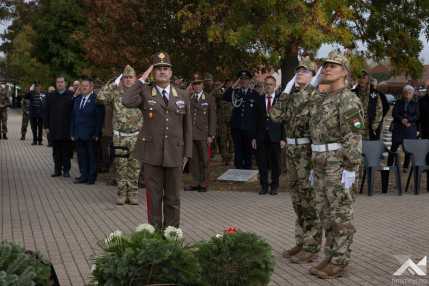
It was noted that the histories of Hungary and Germany are intertwined in countless ways. This shared past holds cooperation and achievements, but also painful and tragic chapters. Coming to terms with the past candidly can help the two nations to act as even stronger allies in the present. The joint maintenance of military graves is a tangible example of this.
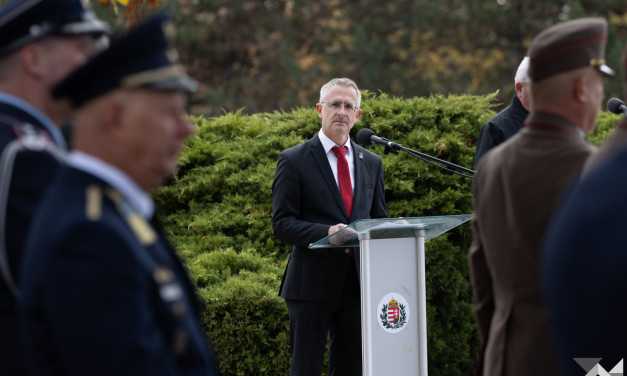
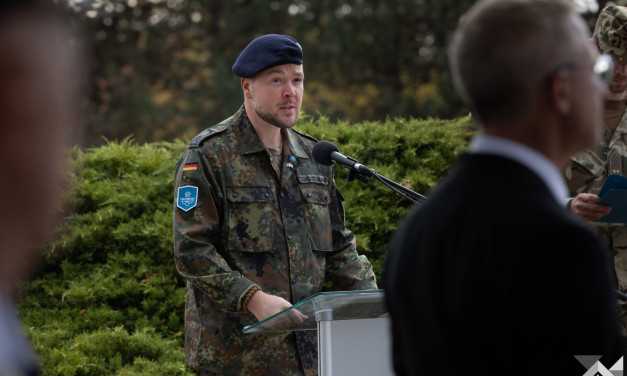
Tore May, a member of the supervisory board of the German War Graves Commission, quoted Dr Theodor Heuss, the first Federal President of the Federal Republic of Germany: “Those who rest in their graves are waiting for us. They want nothing; they do not want us to call them heroes in loud voices. They fought, they feared, they suffered and they died for us. “They were people like us. But when we stand in silence at the crosses, we hear their voices, which have now become composed: You who are still alive, see to it that peace remains, peace to men, peace to nations.”
German and Hungarian soldiers have now been serving side by side in the field of war grave care for three years. The Ministry of Defence, the MoD Military History Institute and Museum, the German War Graves Commission, the Hungarian Defence Forces and the city of Székesfehérvár can count on each other’s support.
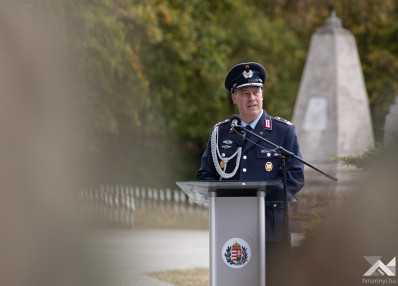
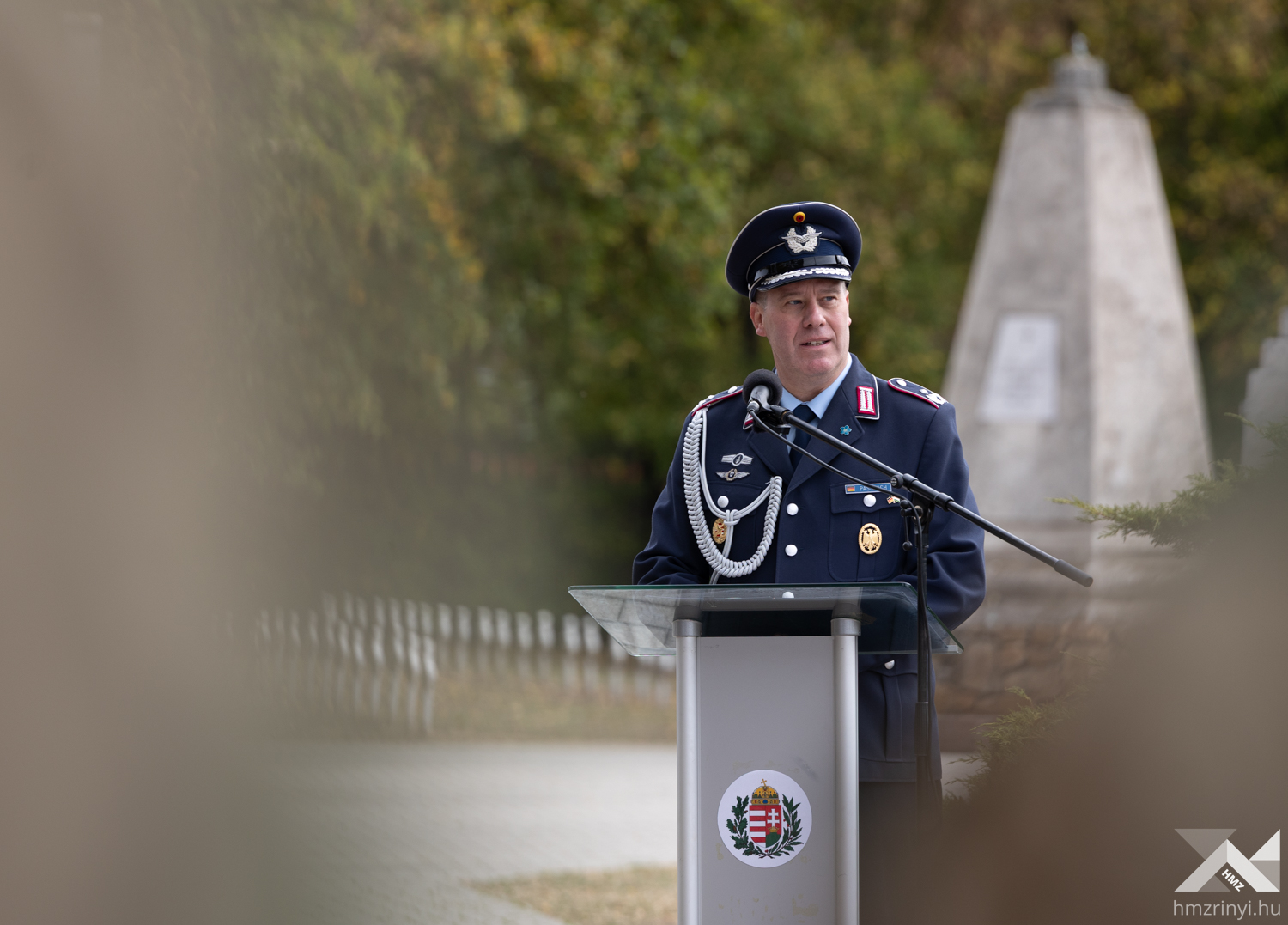
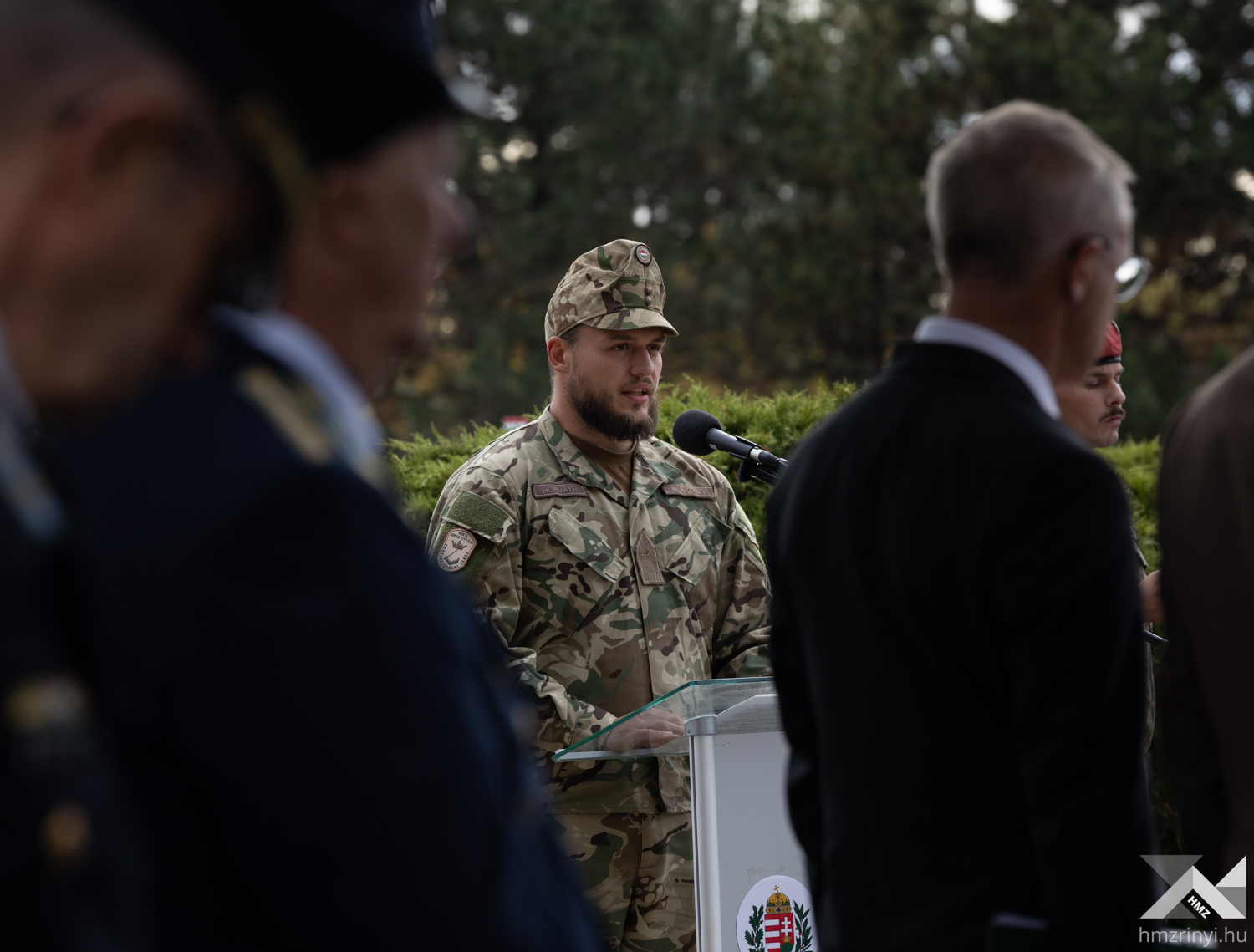
Lieutenant Colonel Daniel Passbach, German Defence Attaché said that the silence of the cemetery serves as a reminder to us. Behind every gravestone is a person whose family waited in vain to return home. “The peace in which we live today is precious. It cannot be taken for granted, because peace requires trust. And trust requires people who are open towards one another,” the Lieutenant Colonel pointed out.
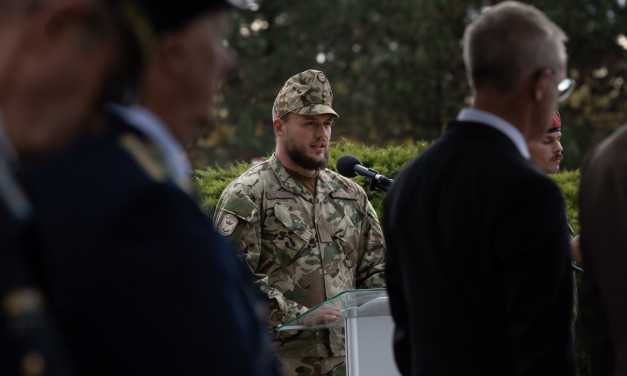
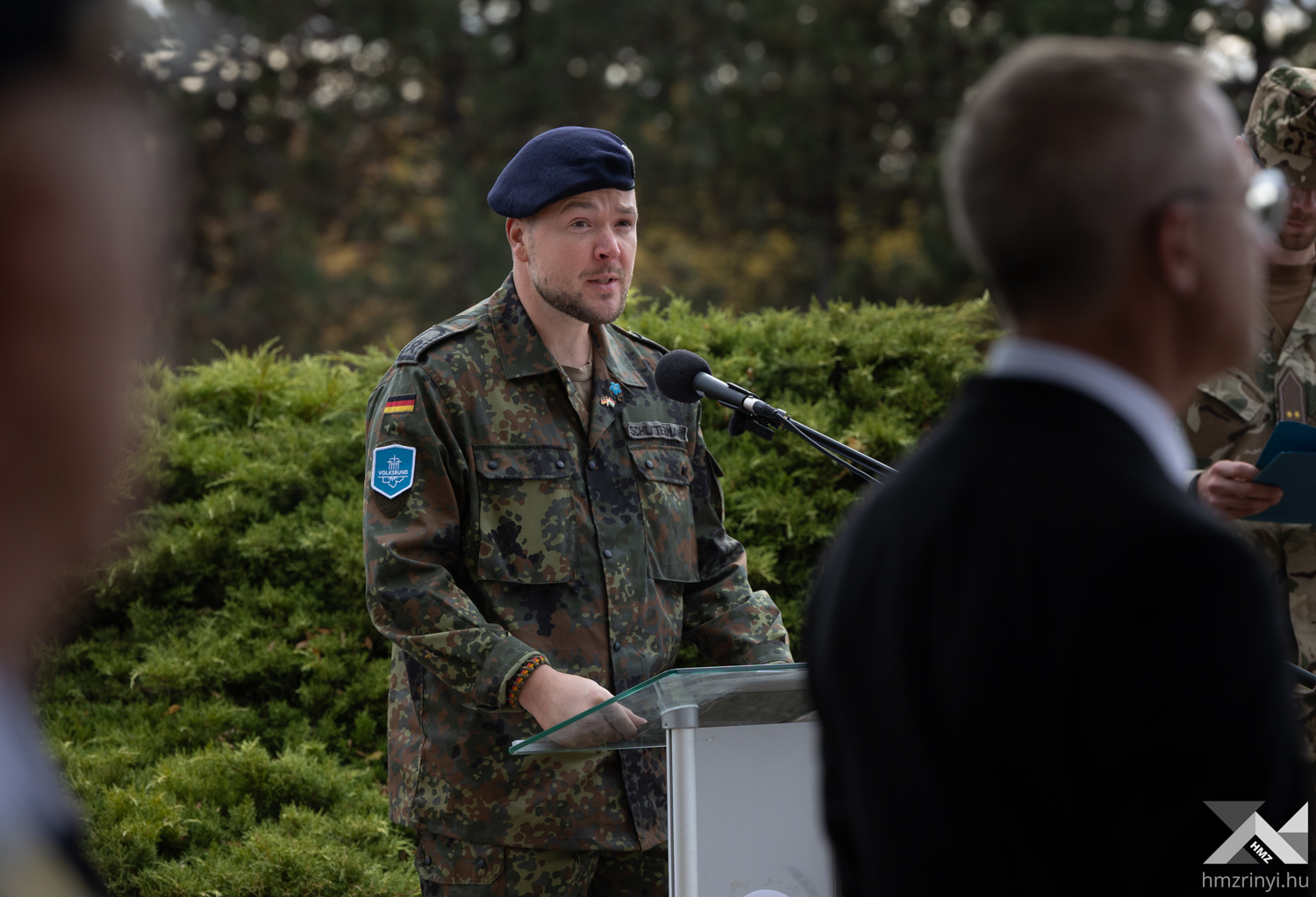
Day after day, one could hear the engines of chainsaws and hedge trimmers in the area, the clatter and clang of axes and spades, and sense the soldiers’ good humour during their lunch breaks. “The soldiers of the Hungarian and German armed forces gradually formed a cohesive and effective team, carrying out every task assigned to them confidently and reliably,” said Sergeant First Class Tim Schlittermann, leader of the German working group, as he shared details of the task.
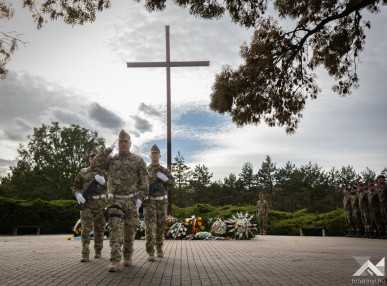
“Many soldiers were deeply affected by their service here, but that is precisely why we undertook this task – so that future generations will not forget the consequences of war.”
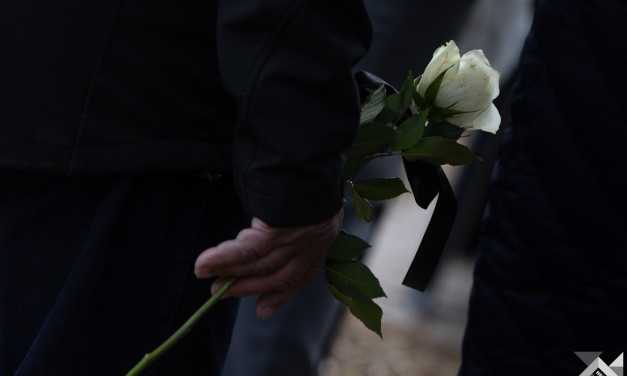
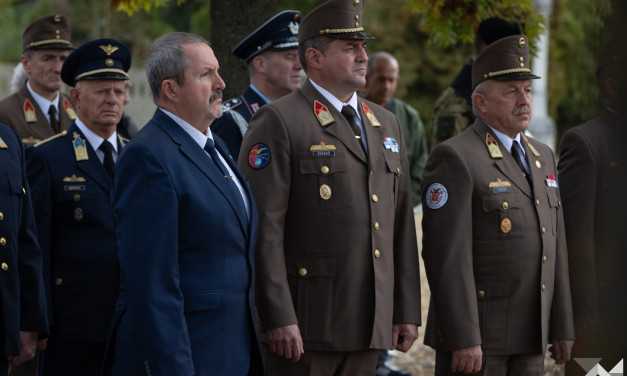
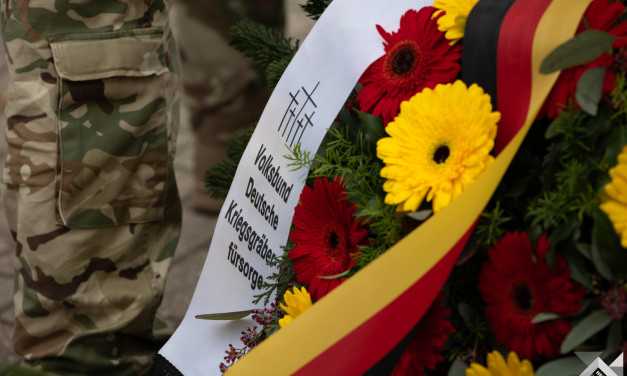
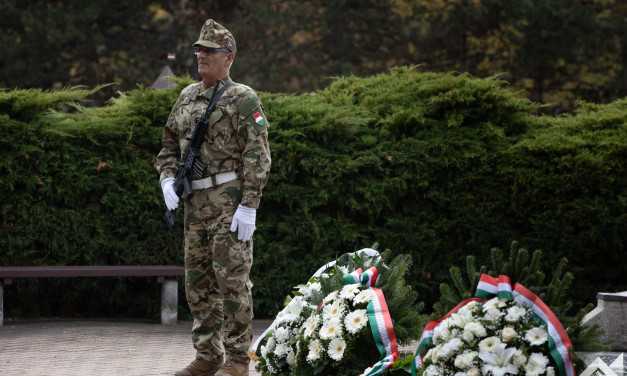
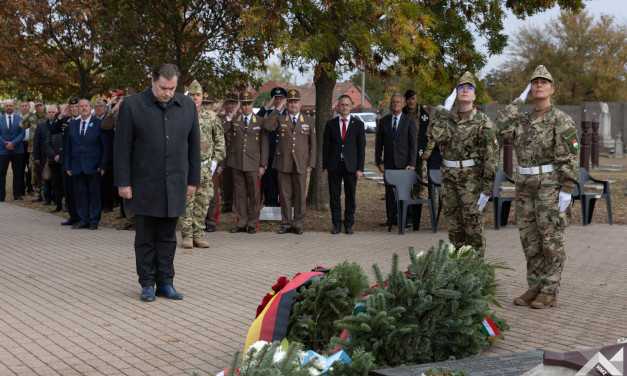
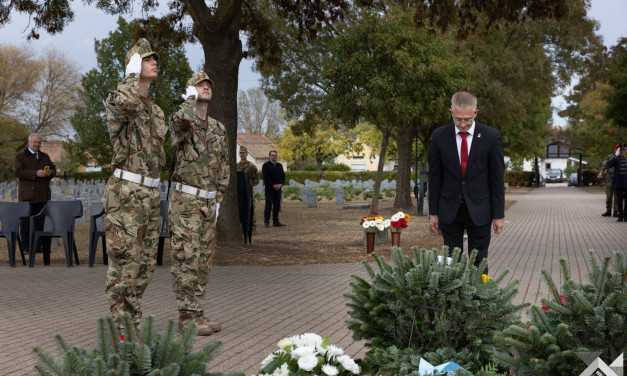
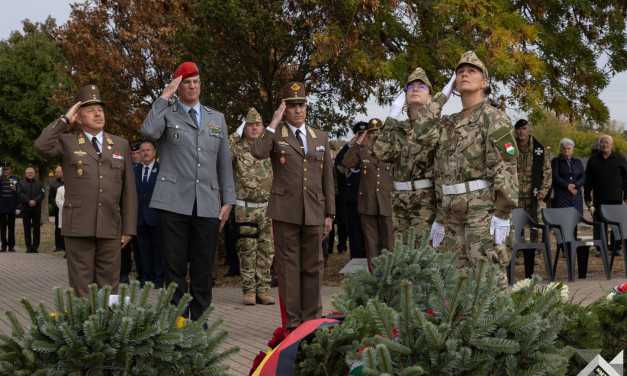
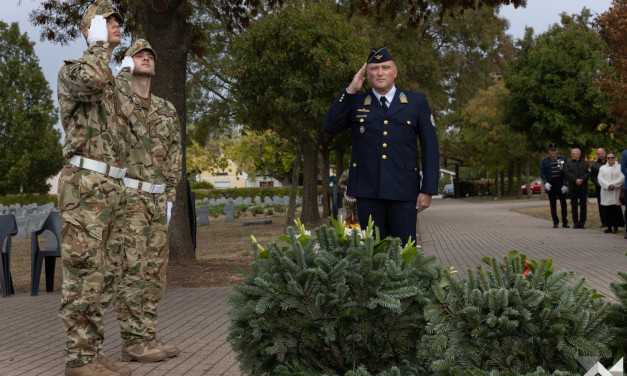
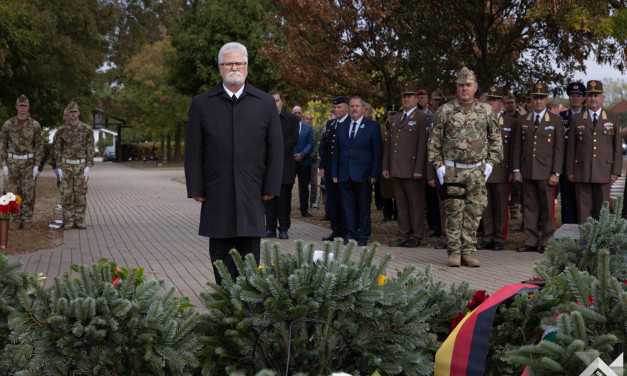
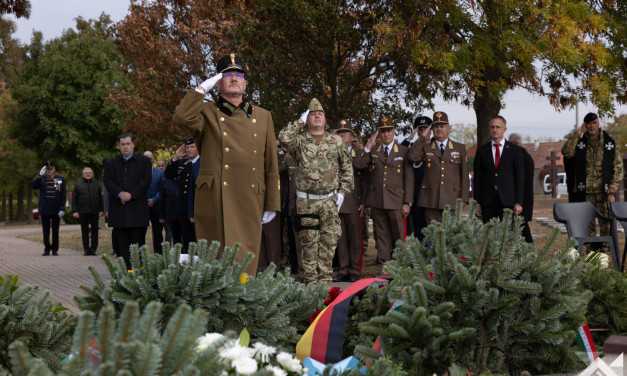
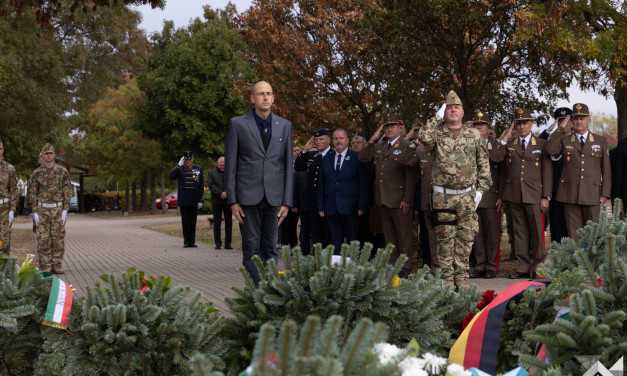
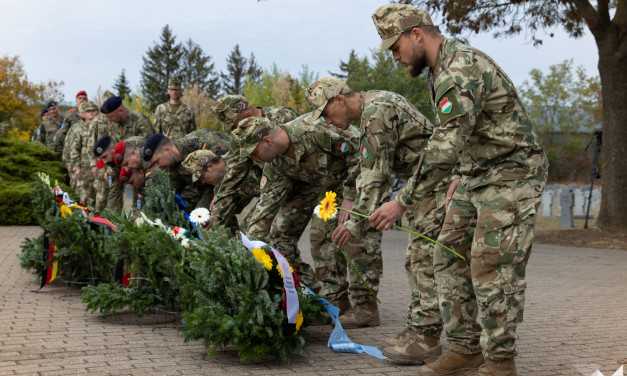
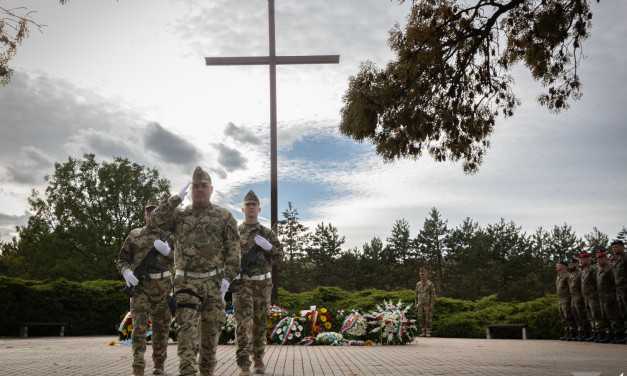
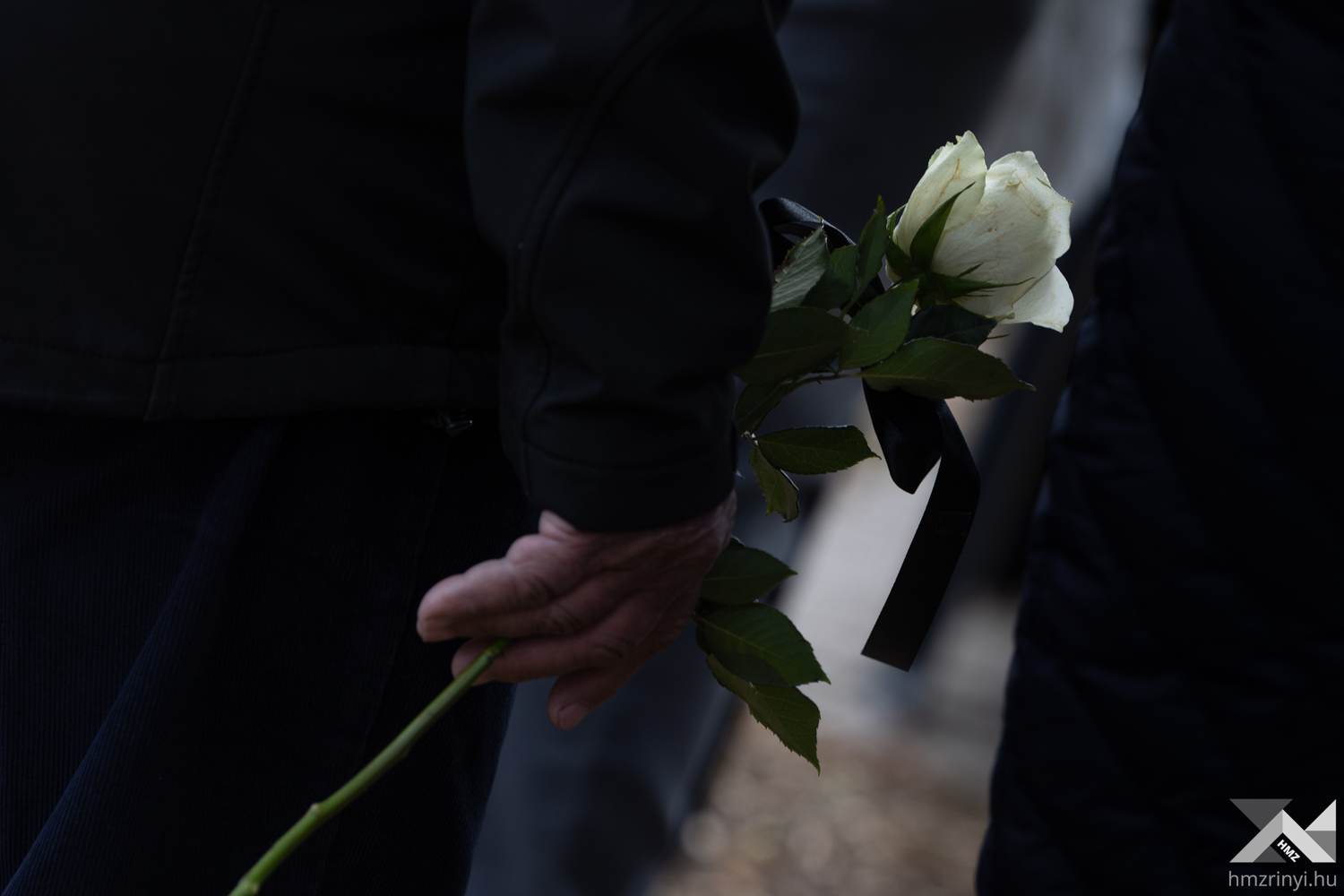
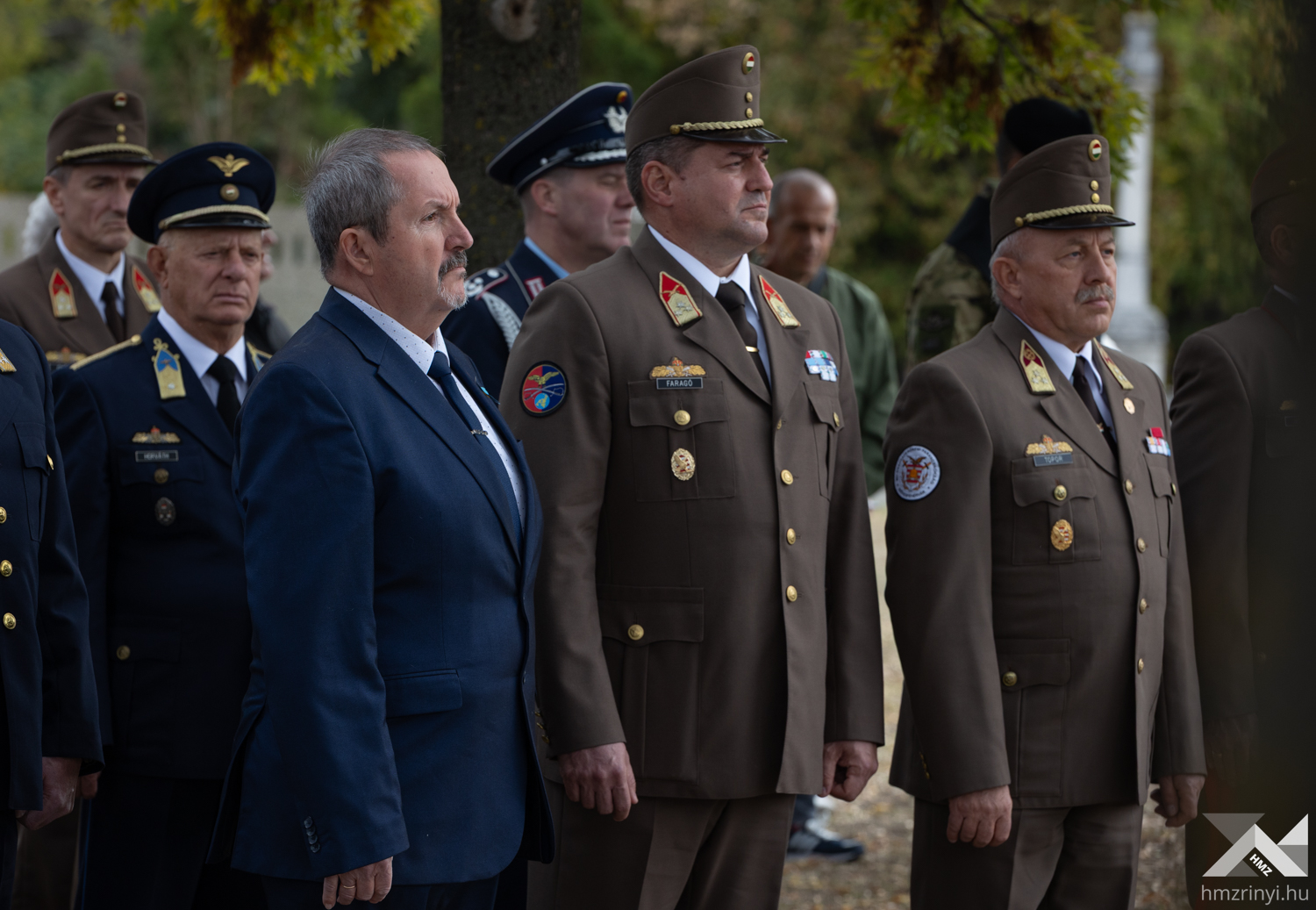
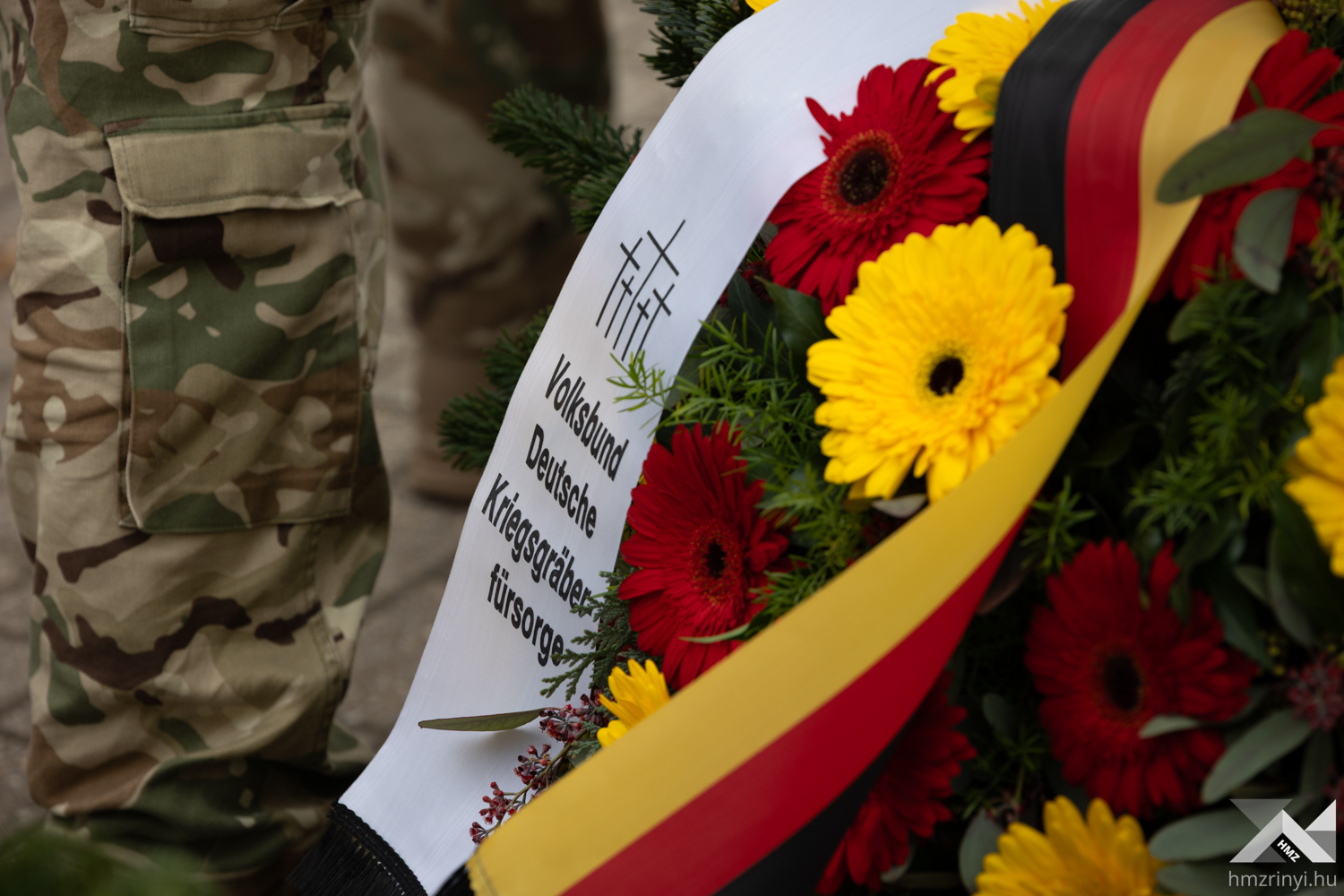
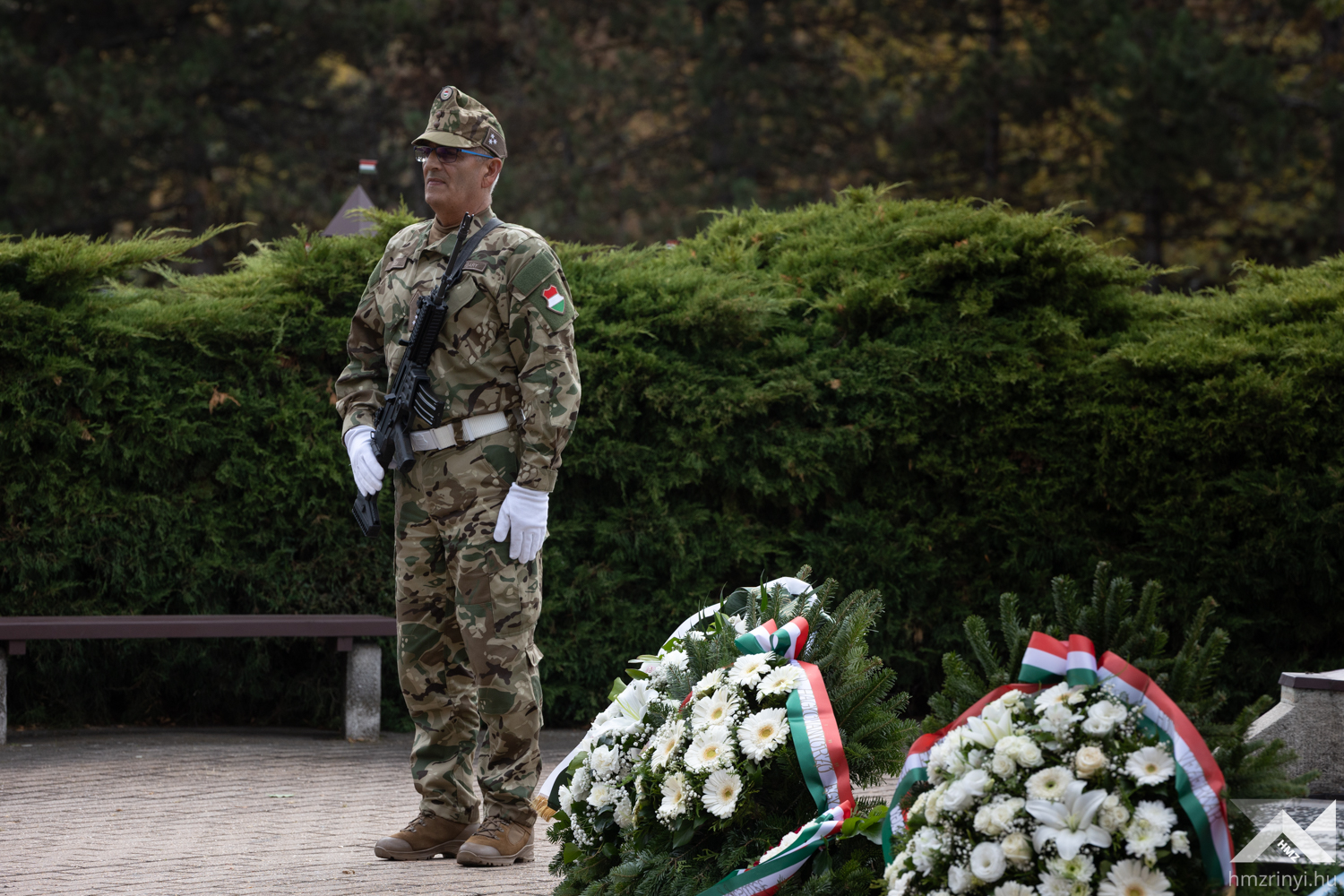
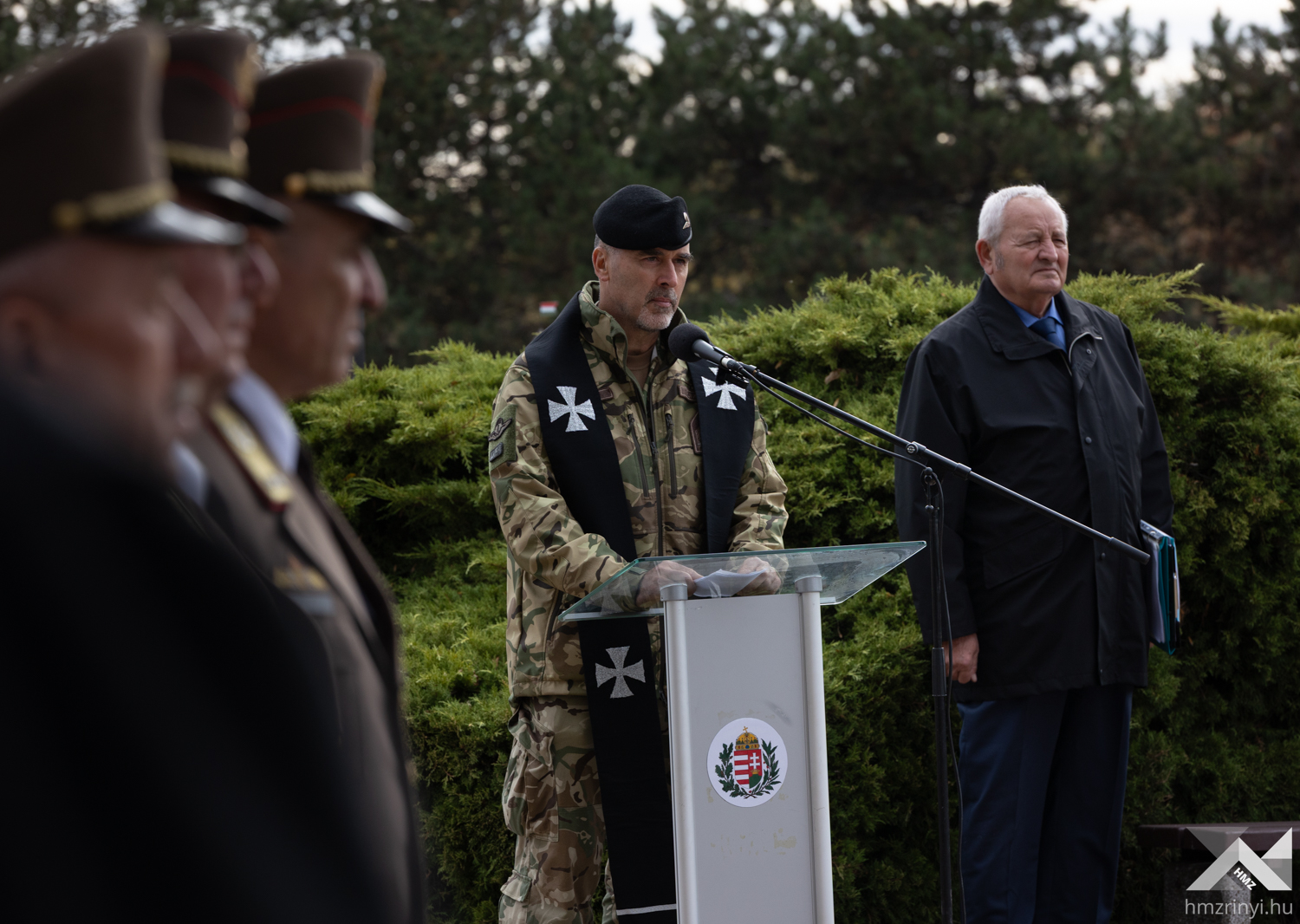
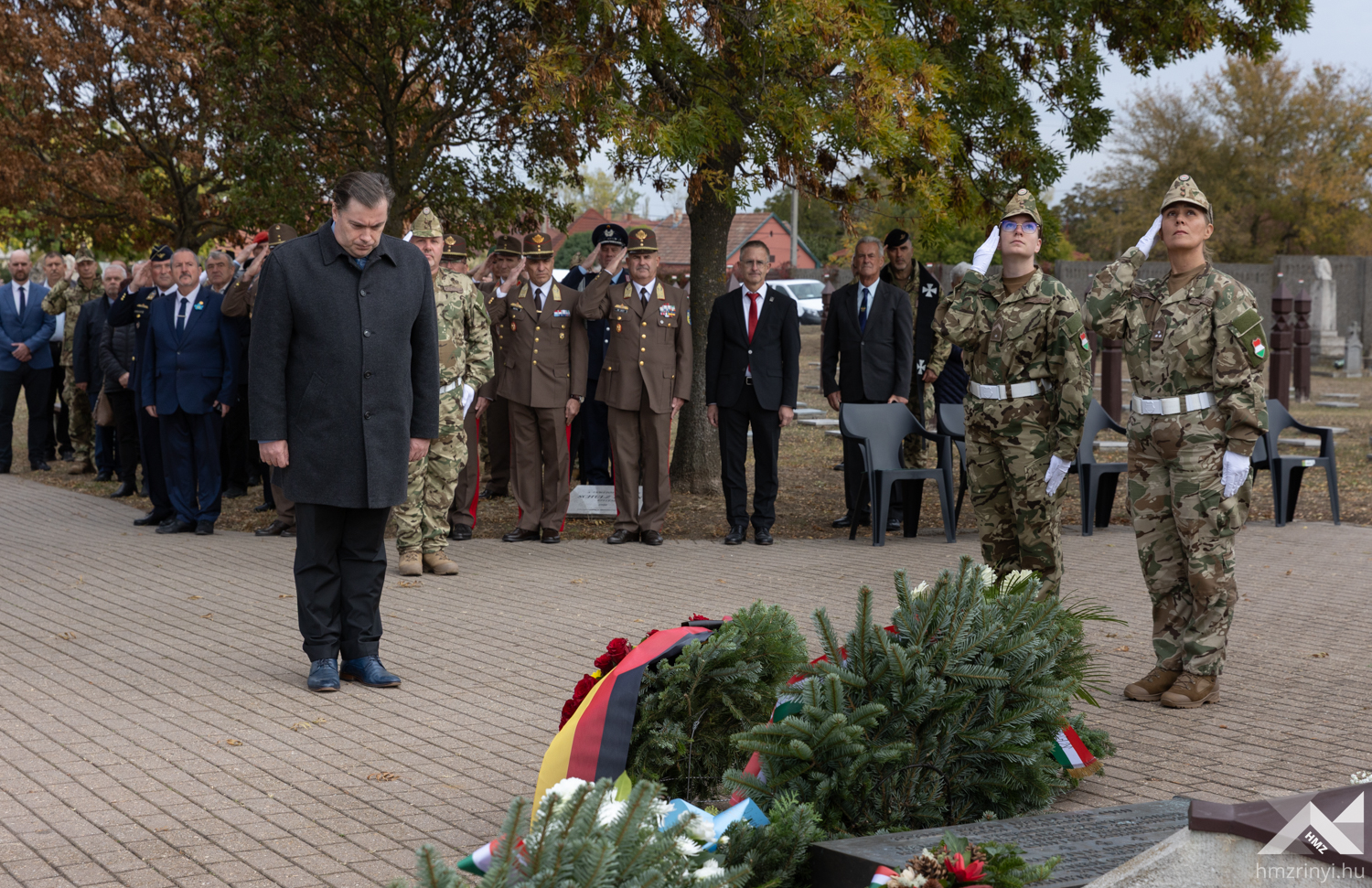
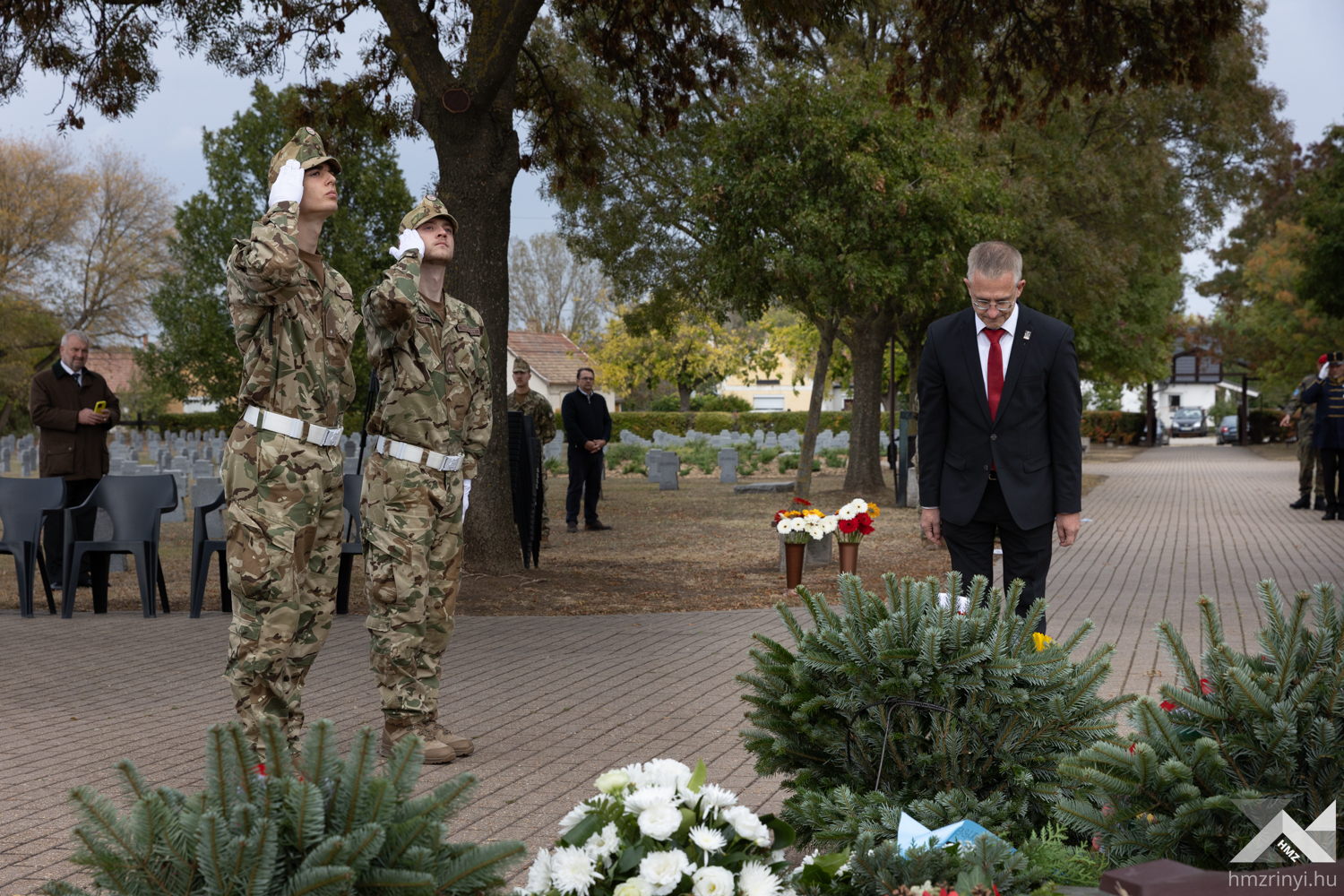
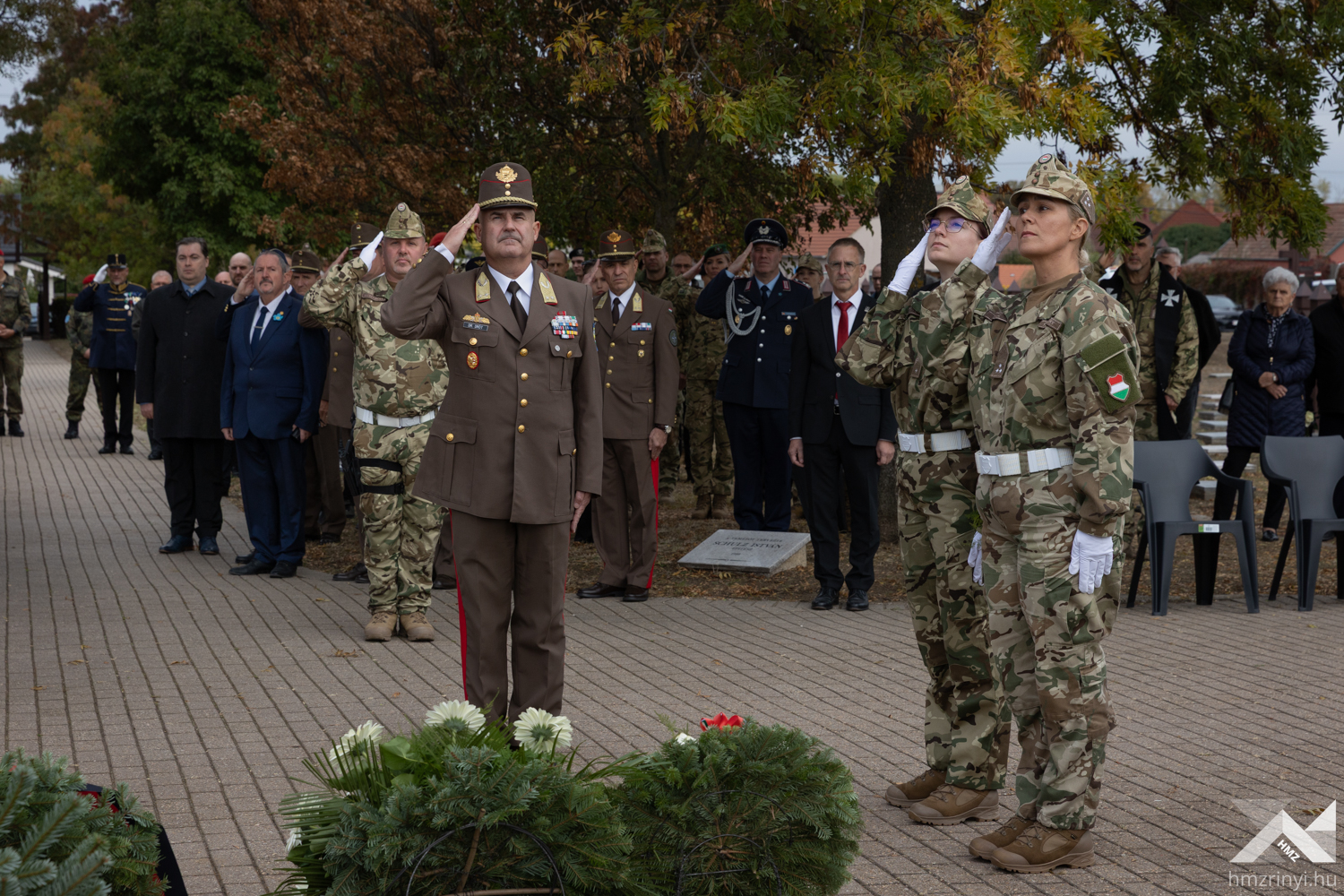
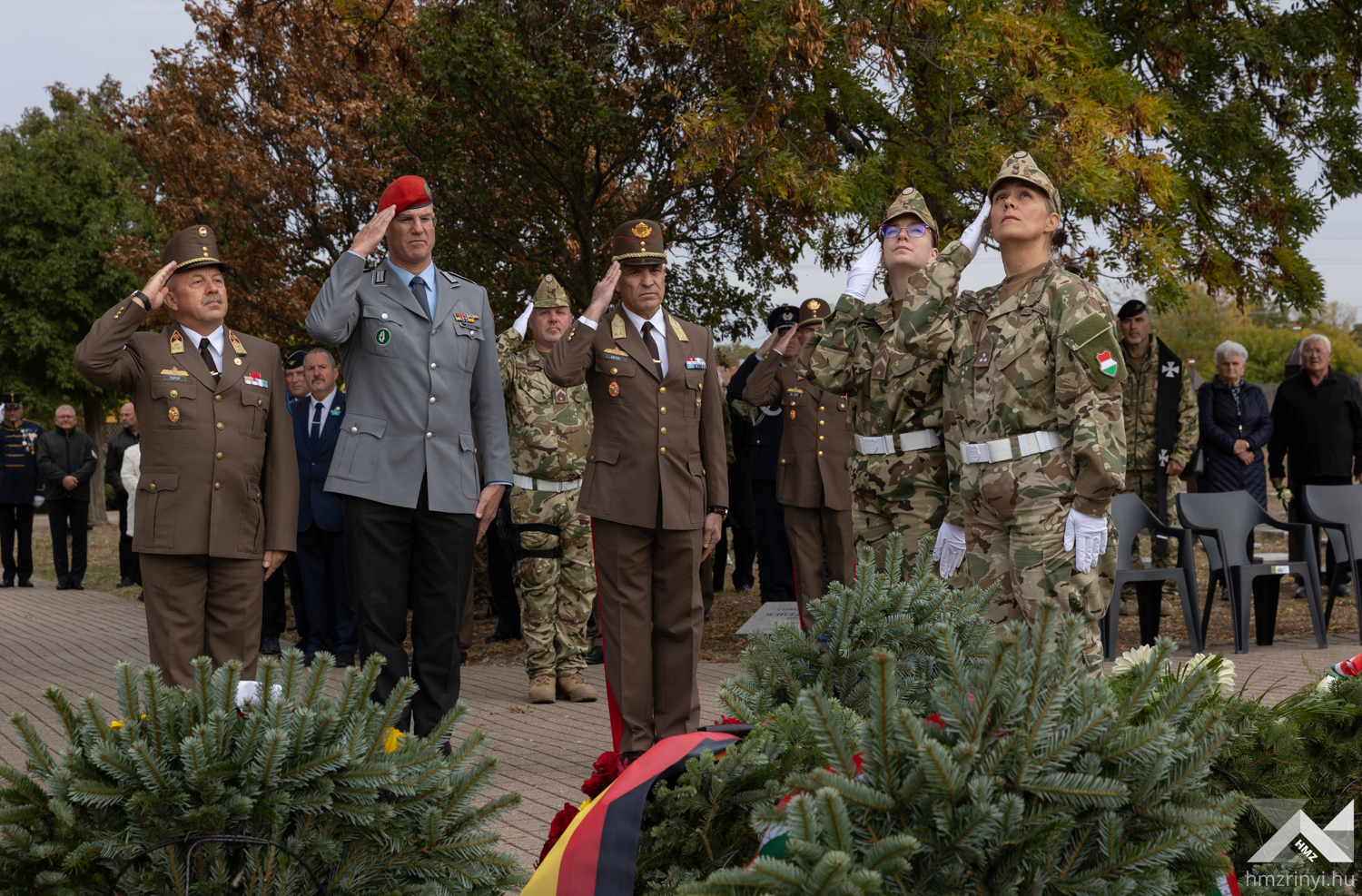
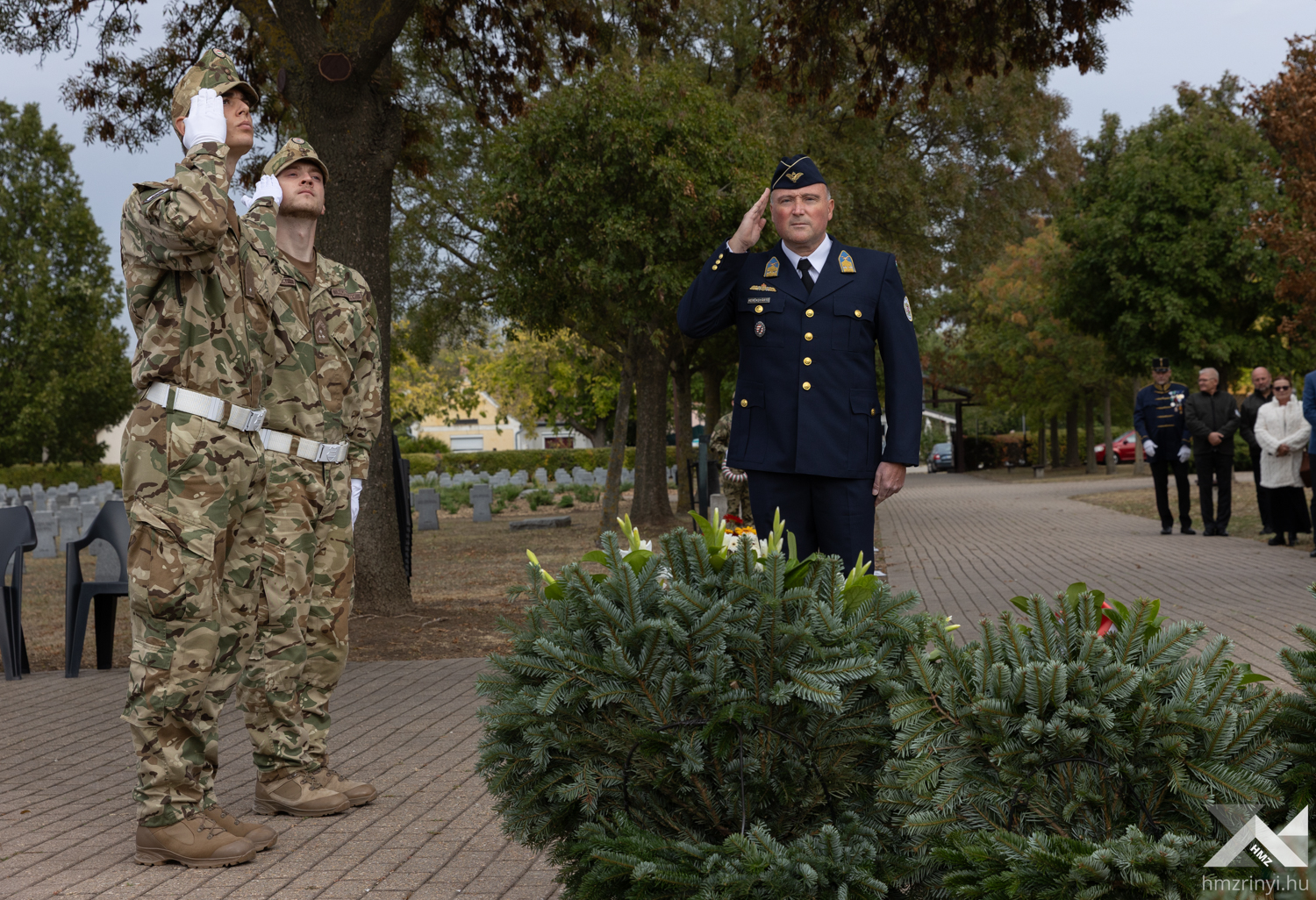
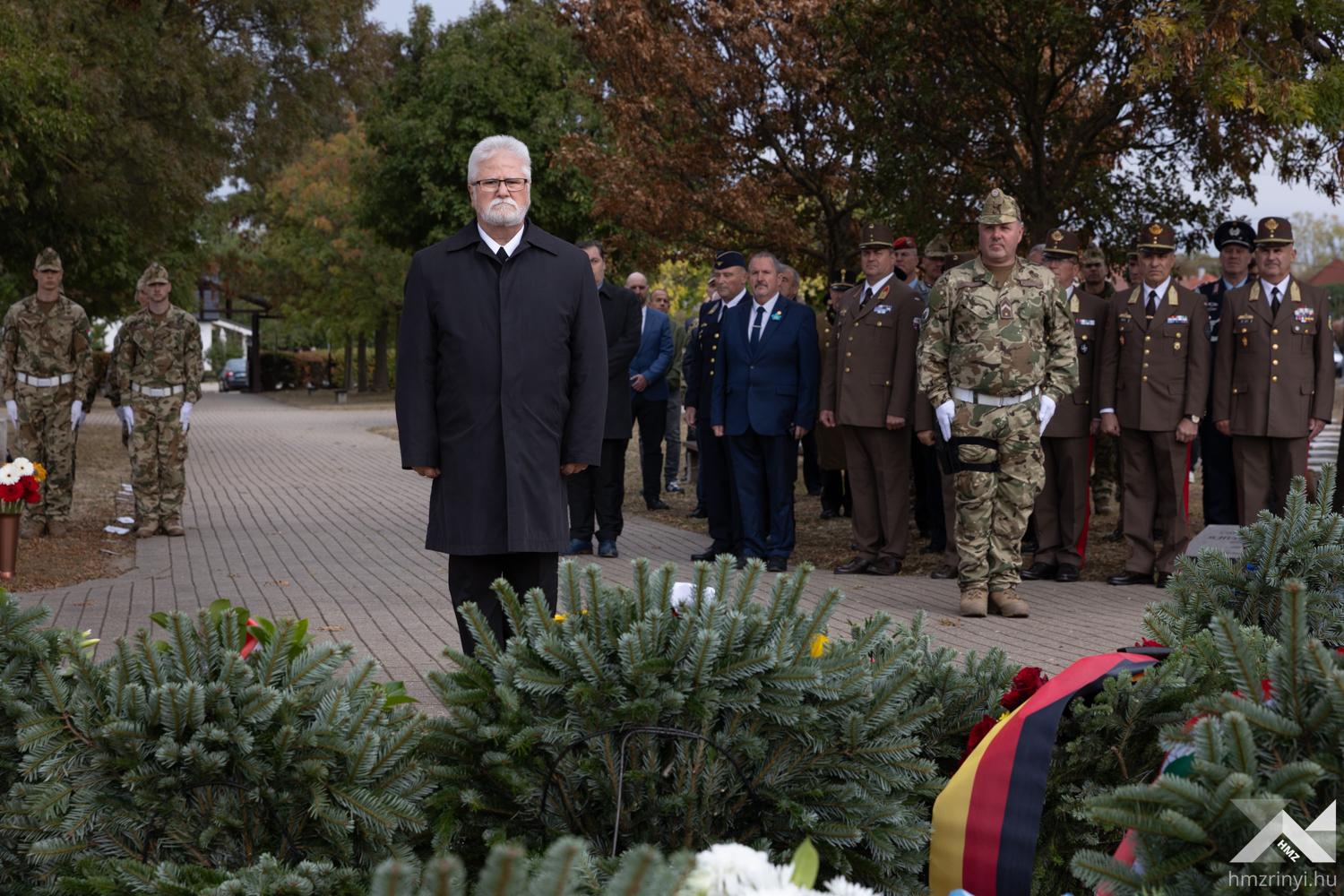
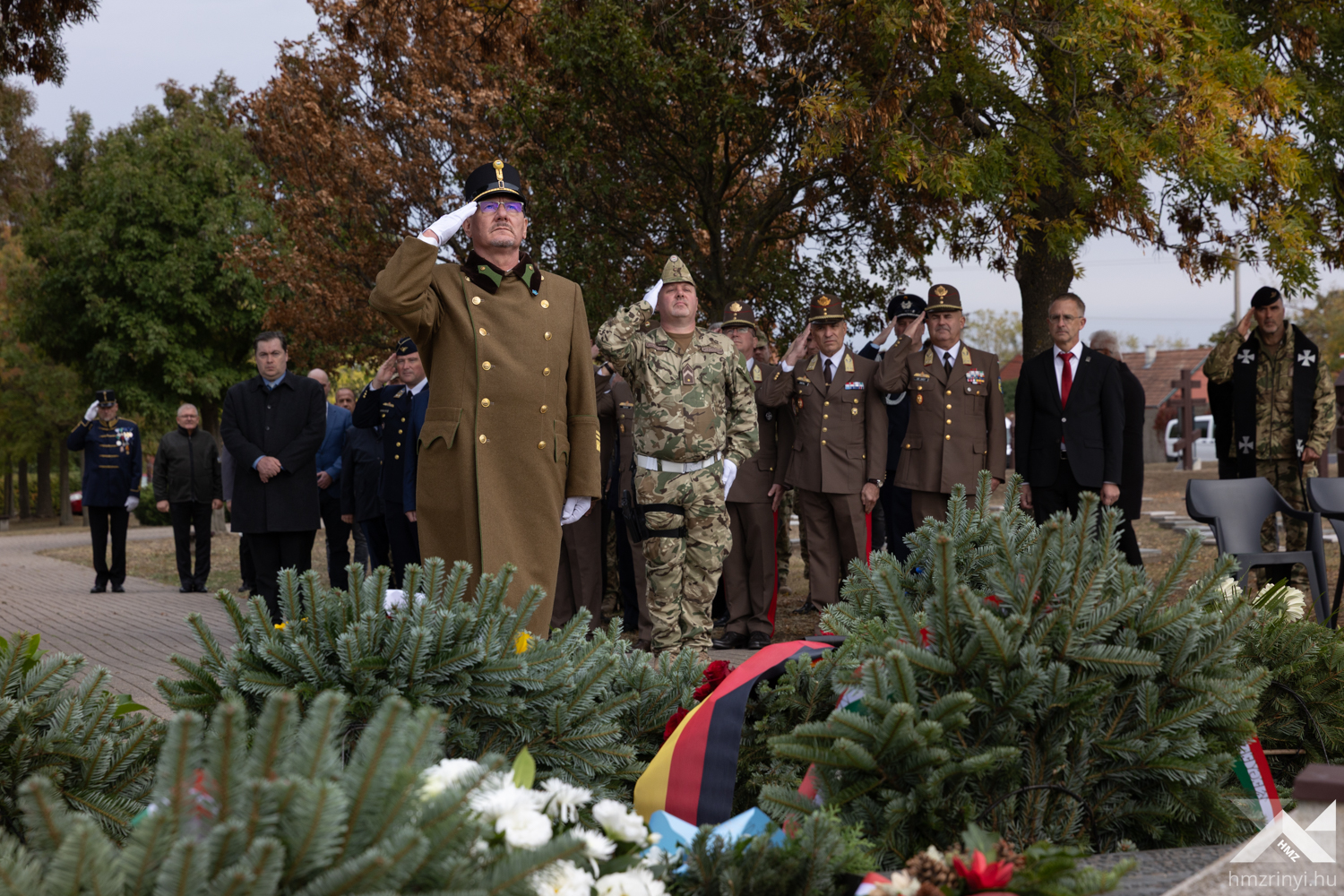
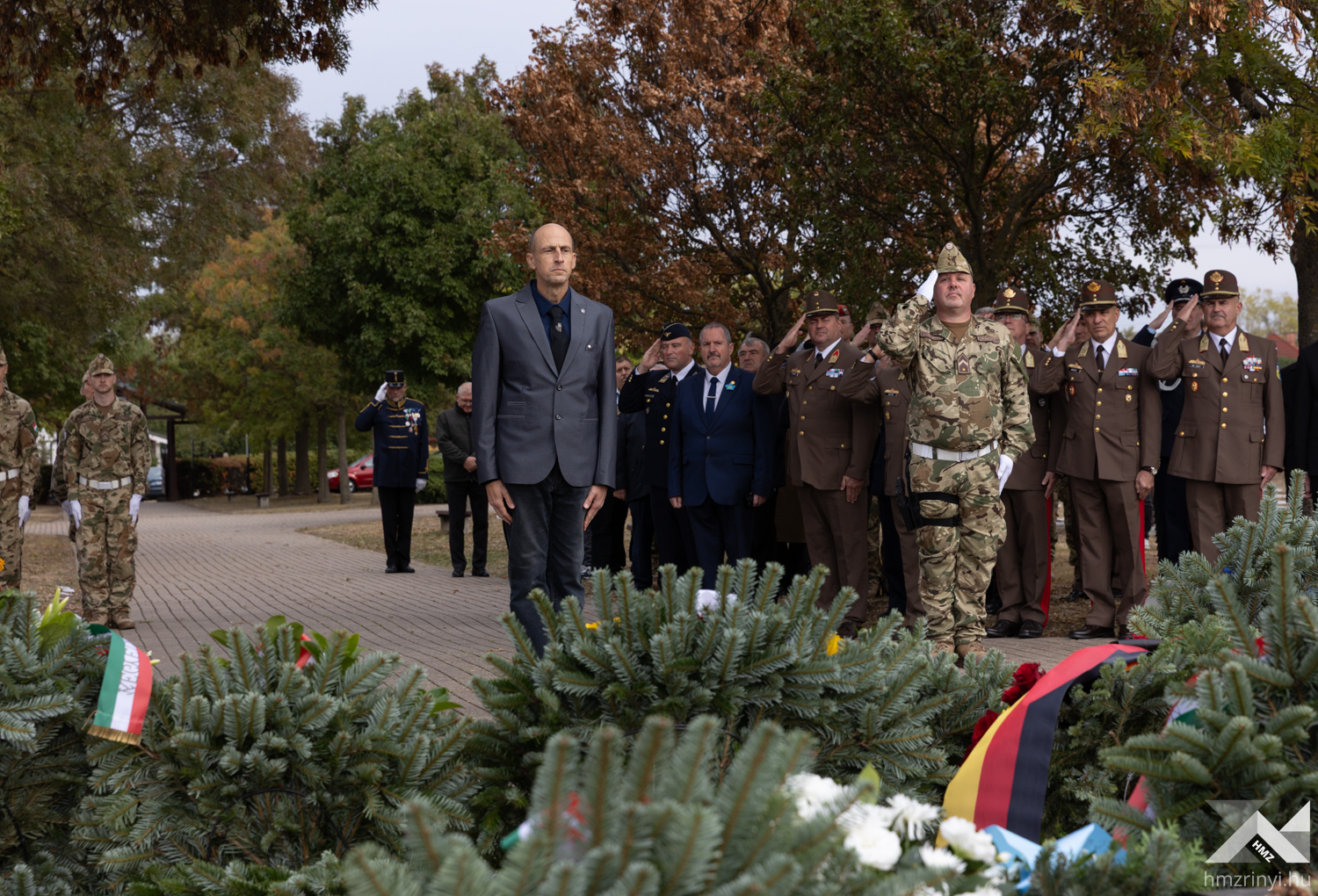
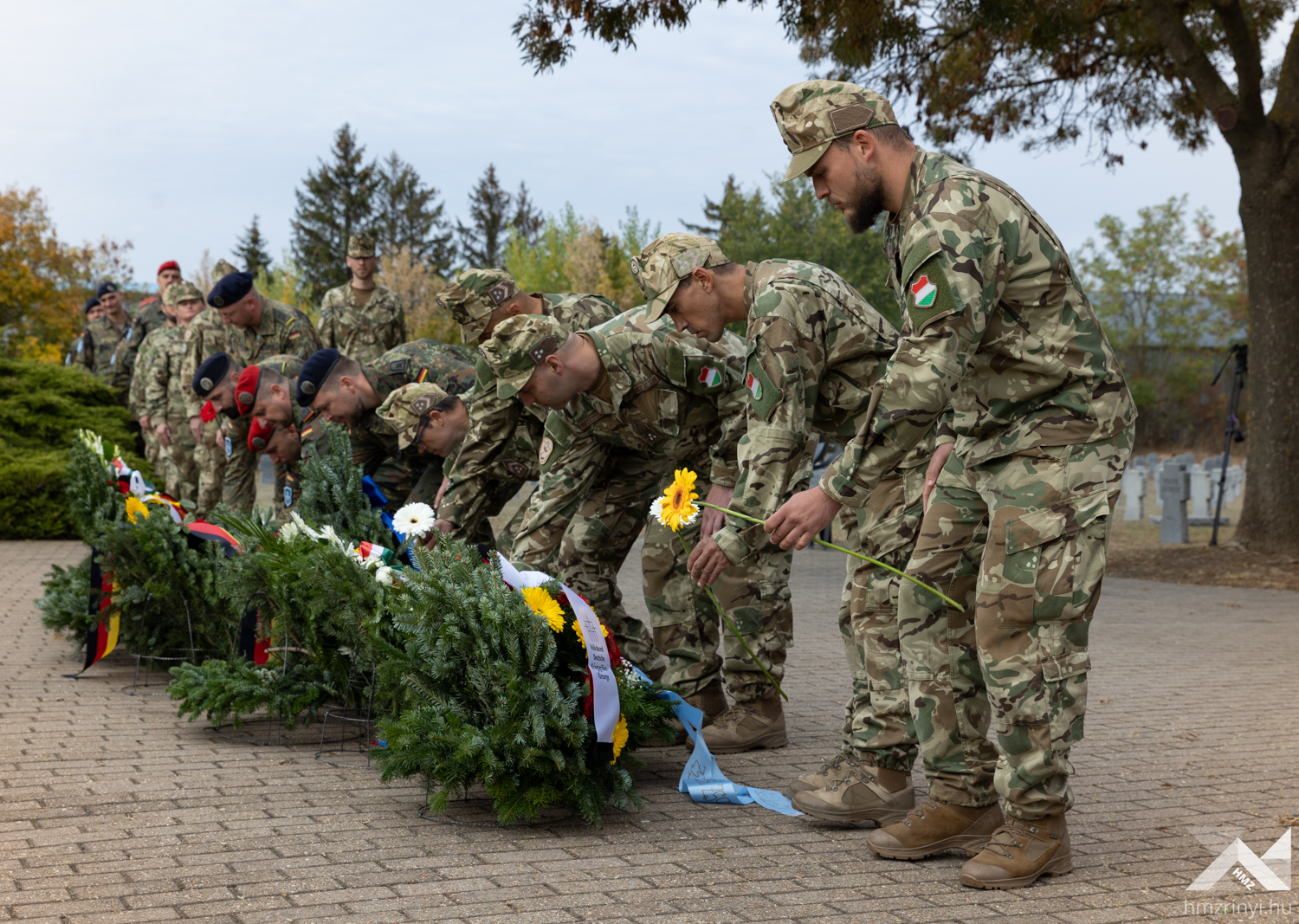
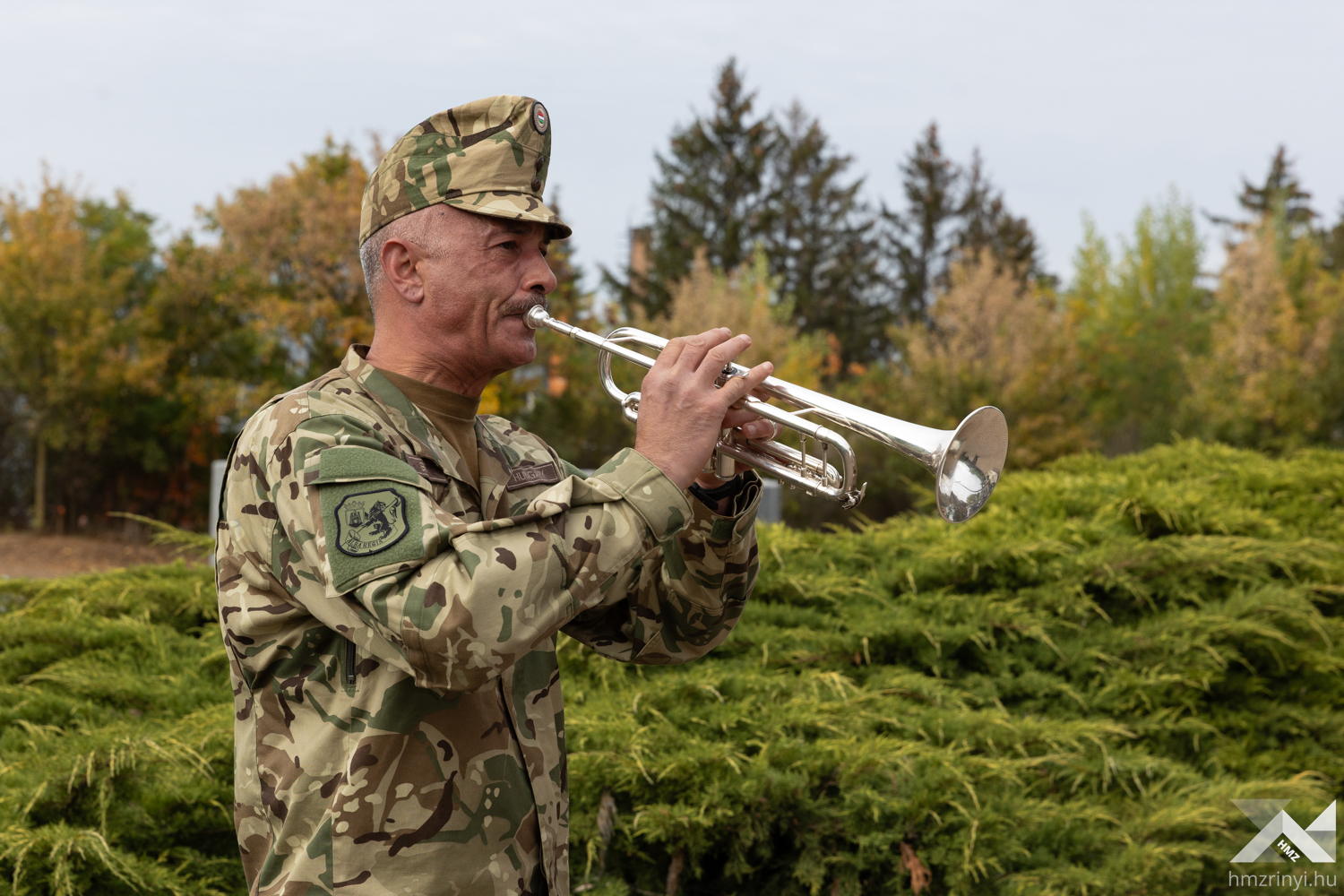
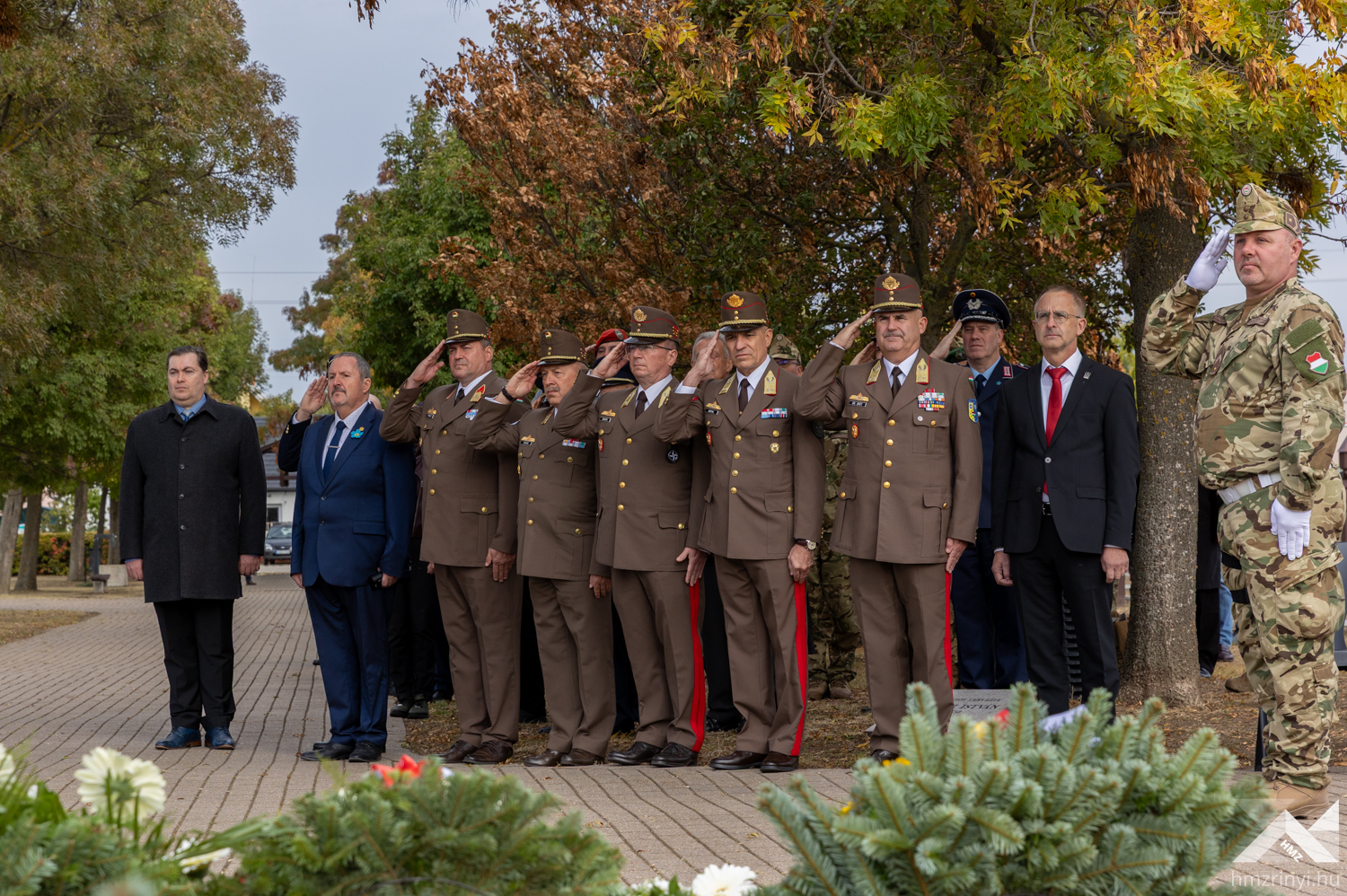
Colonel Tamás Takács, the Roman Catholic field chaplain of the Ministry of Defence Field Chaplain Service, said a prayer for the deceased. The superiors, representatives from Székesfehérvár, the heads of the organisations present, and the soldiers who took part in the task – from the Bundeswehr and the 17th Territorial Defence Battalion of the HDF 6th Territorial Defence Regiment – paid their tribute to the fallen heroes by laying flowers of remembrance.
20261015_magyar_nemet_hadisikarbantartas_szfv_SzHZs-6
20261015_magyar_nemet_hadisikarbantartas_szfv_SzHZs
20261015_magyar_nemet_hadisikarbantartas_szfv_SzHZs-2
20261015_magyar_nemet_hadisikarbantartas_szfv_SzHZs-3
20261015_magyar_nemet_hadisikarbantartas_szfv_SzHZs-4
20261015_magyar_nemet_hadisikarbantartas_szfv_SzHZs-8
20261015_magyar_nemet_hadisikarbantartas_szfv_SzHZs-11
20261015_magyar_nemet_hadisikarbantartas_szfv_SzHZs-13
20261015_magyar_nemet_hadisikarbantartas_szfv_SzHZs-14
20261015_magyar_nemet_hadisikarbantartas_szfv_SzHZs-15
20261015_magyar_nemet_hadisikarbantartas_szfv_SzHZs-16
20261015_magyar_nemet_hadisikarbantartas_szfv_SzHZs-17
20261015_magyar_nemet_hadisikarbantartas_szfv_SzHZs-18
20261015_magyar_nemet_hadisikarbantartas_szfv_SzHZs-20
20261015_magyar_nemet_hadisikarbantartas_szfv_SzHZs-23
20261015_magyar_nemet_hadisikarbantartas_szfv_SzHZs-24
20261015_magyar_nemet_hadisikarbantartas_szfv_SzHZs-25
20261015_magyar_nemet_hadisikarbantartas_szfv_SzHZs-26
20261015_magyar_nemet_hadisikarbantartas_szfv_SzHZs-29
20261015_magyar_nemet_hadisikarbantartas_szfv_SzHZs-31
20261015_magyar_nemet_hadisikarbantartas_szfv_SzHZs-32
20261015_magyar_nemet_hadisikarbantartas_szfv_SzHZs-33
20261015_magyar_nemet_hadisikarbantartas_szfv_SzHZs-35