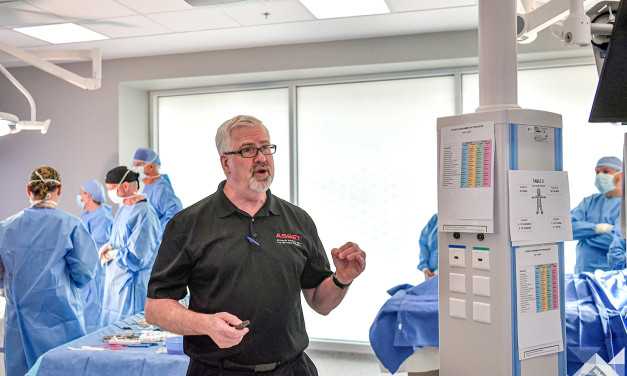
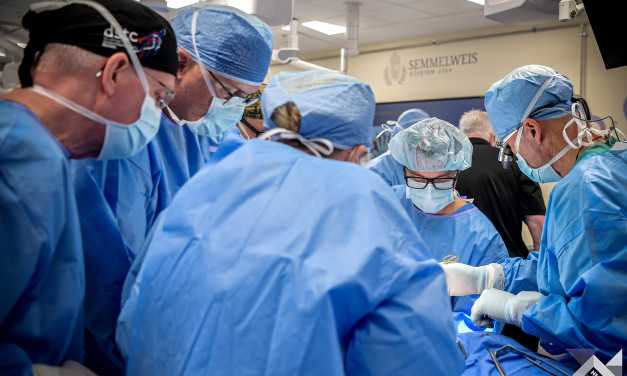
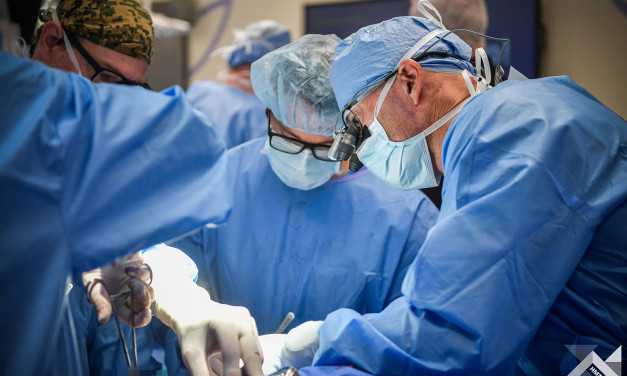
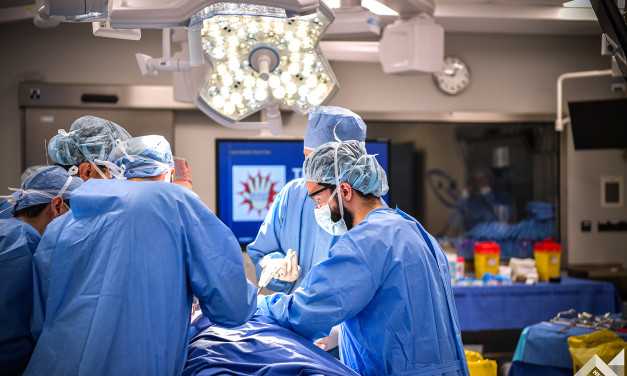
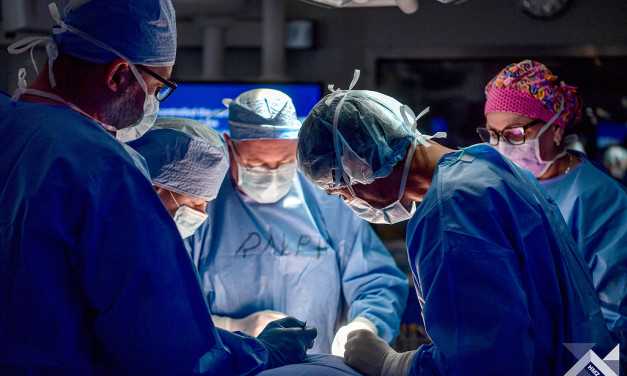
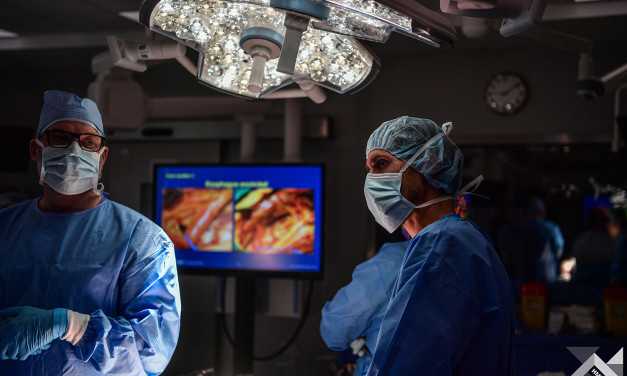
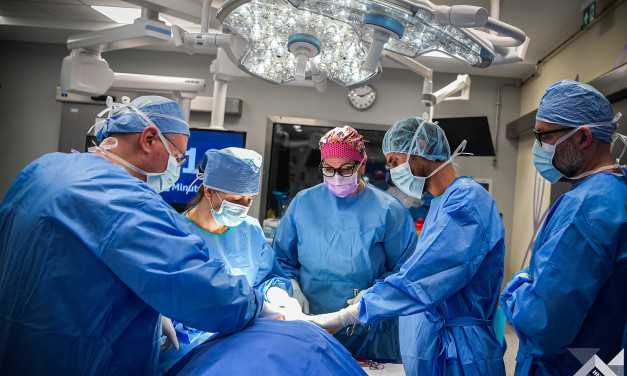
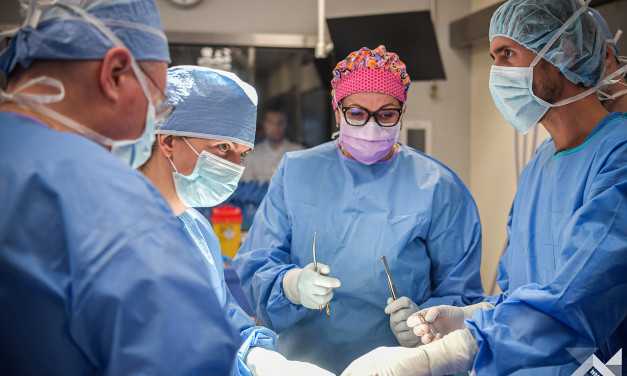
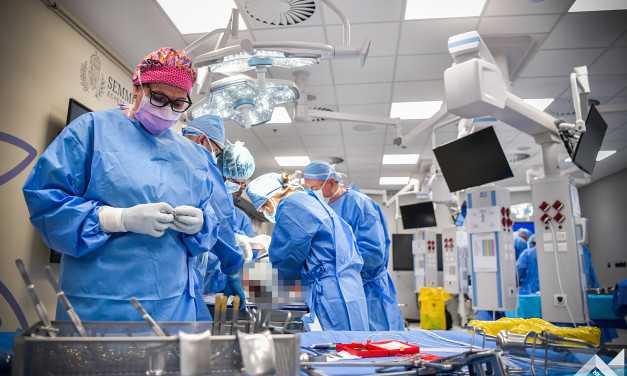
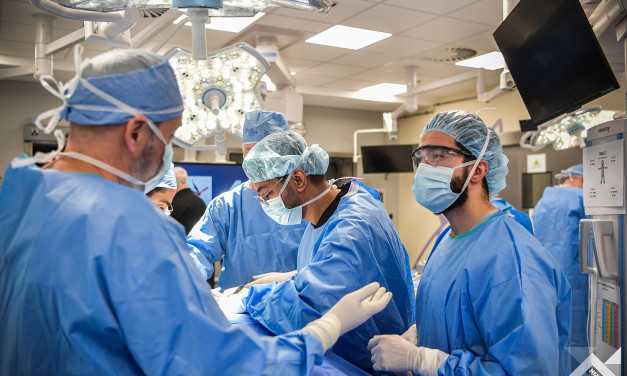
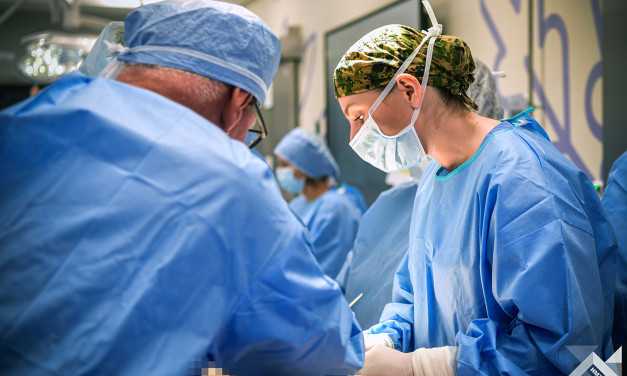
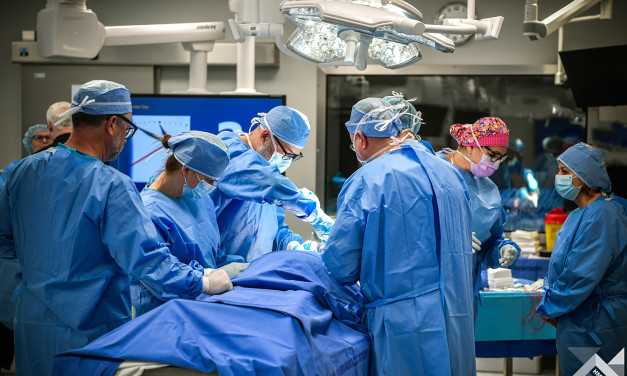
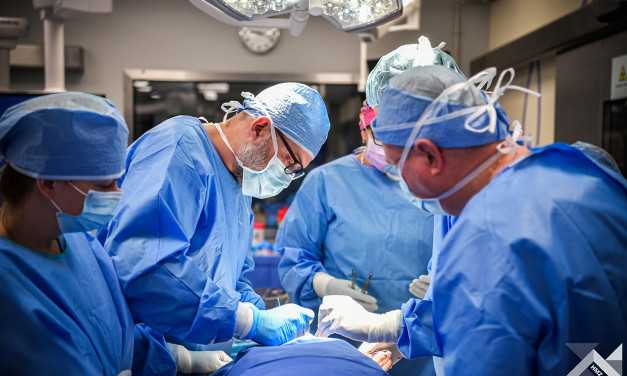
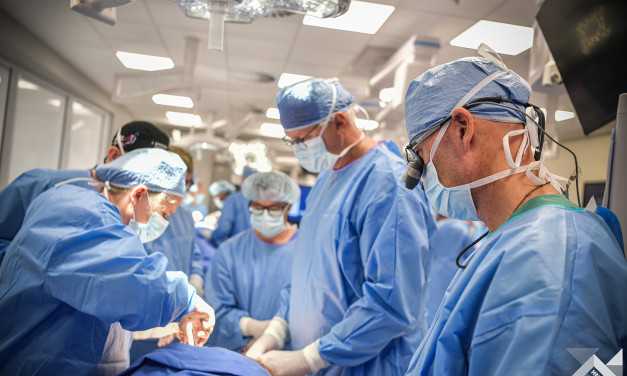
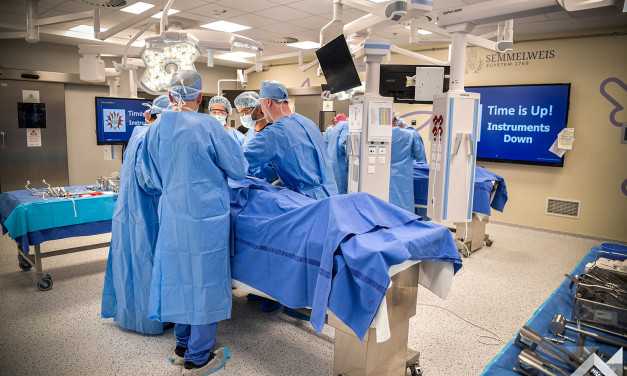
“I can say without exaggeration that after every course, we receive at least one message from participants in which they describe how they have saved a life thanks to the knowledge and practical skills they acquired on the course,” emphasised Dr Mark Bowyer, professor of surgery and US director of the Advanced Surgical Skills for Exposure in Trauma (ASSET) course. The course was organised jointly by the Hungarian Defence Forces Medical Centre and Semmelweis University and took place for the fifth time.
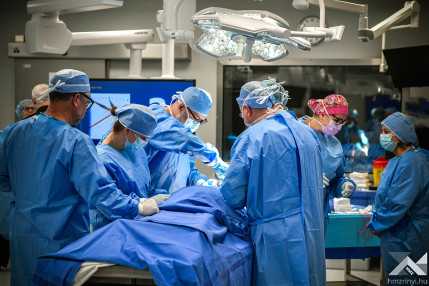
The training program is run in collaboration with Semmelweis University, and most recently it was held at the Anatomy & Innovation Center for Education and Research (AICER), which opened in April. It is growing in popularity year on year: the number of military and civilian professionals – surgeons and surgical assistants – who wish to expand their knowledge and experience in the management of trauma is steadily increasing. This is mainly because the incidence of the serious, complex injuries covered by the course (often but not exclusively stab or gunshot wounds occurring in war zones) is significantly lower on the European continent than in other parts of the world.
“I am proud that, as a result of consistent and dedicated work over recent years, Hungary has now become one of Europe’s recognised centres for high-level trauma surgery training. The fact that the ASSET course is now being held for the fifth time is not only a professional success but also proof that the collaboration between the HDF Medical Centre and Semmelweis University is producing genuine results of international value,” said Colonel Dr (MD) Zsolt Dezső Fejes, commander of the HDF Medical Centre, then added: “I consider it particularly important that we can make the knowledge and experience of world-class instructors directly available to Hungarian and foreign military and civilian professionals.”
The commander highlighted that over the past few years, the HDF Medical Centre contributed to the training of numerous professionals, and forged international professional links that will strengthen the capabilities of the country’s military medical system in the long term. “I am convinced that the knowledge acquired and continuous skills development form one of the most important foundations of operational medical preparedness. Our aim is to continue this value-creating work and ensure that Hungary continues to play a leading role in international trauma surgery training in the future,” concluded Colonel Dr Fejes.
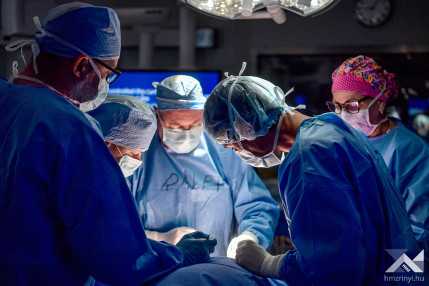
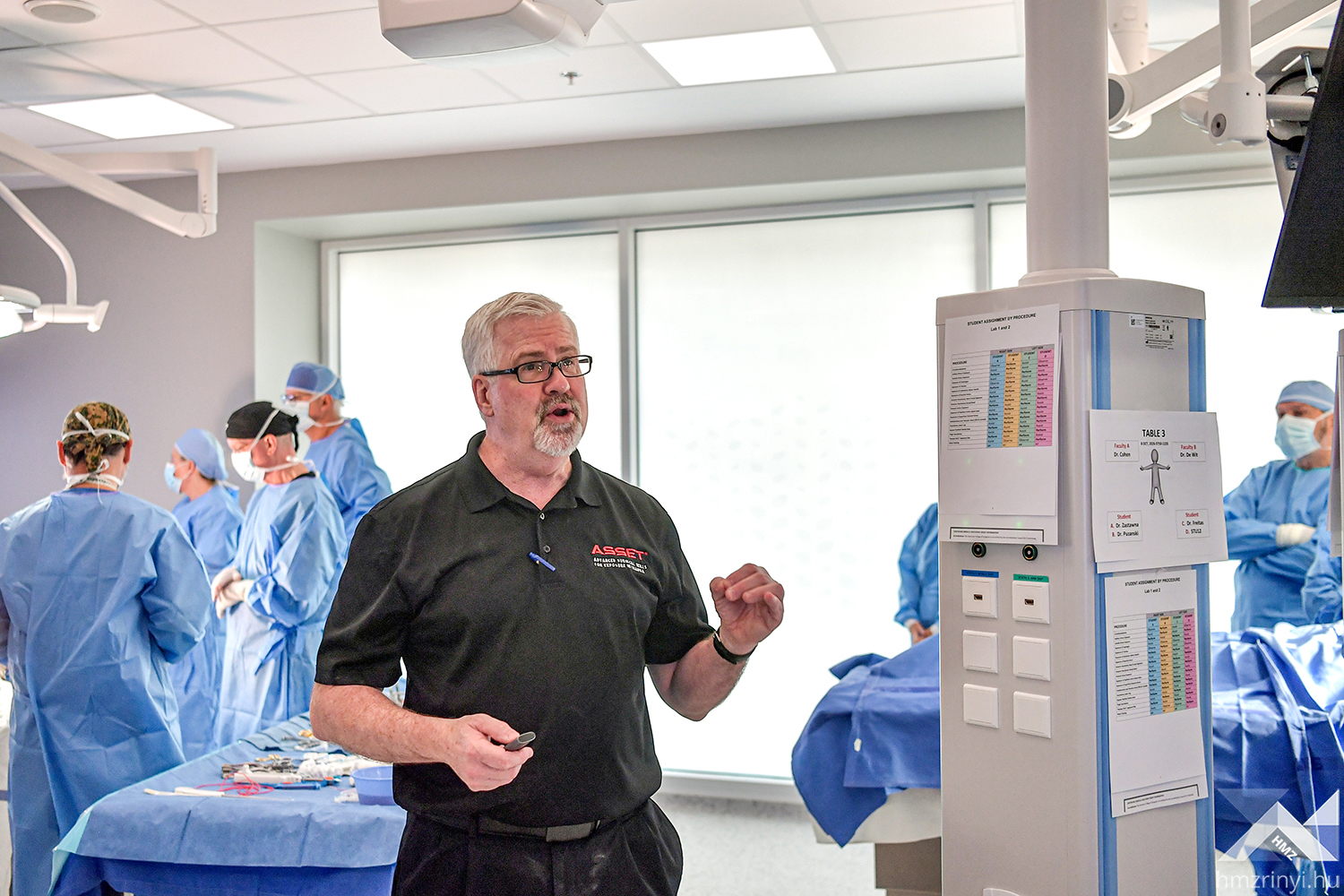
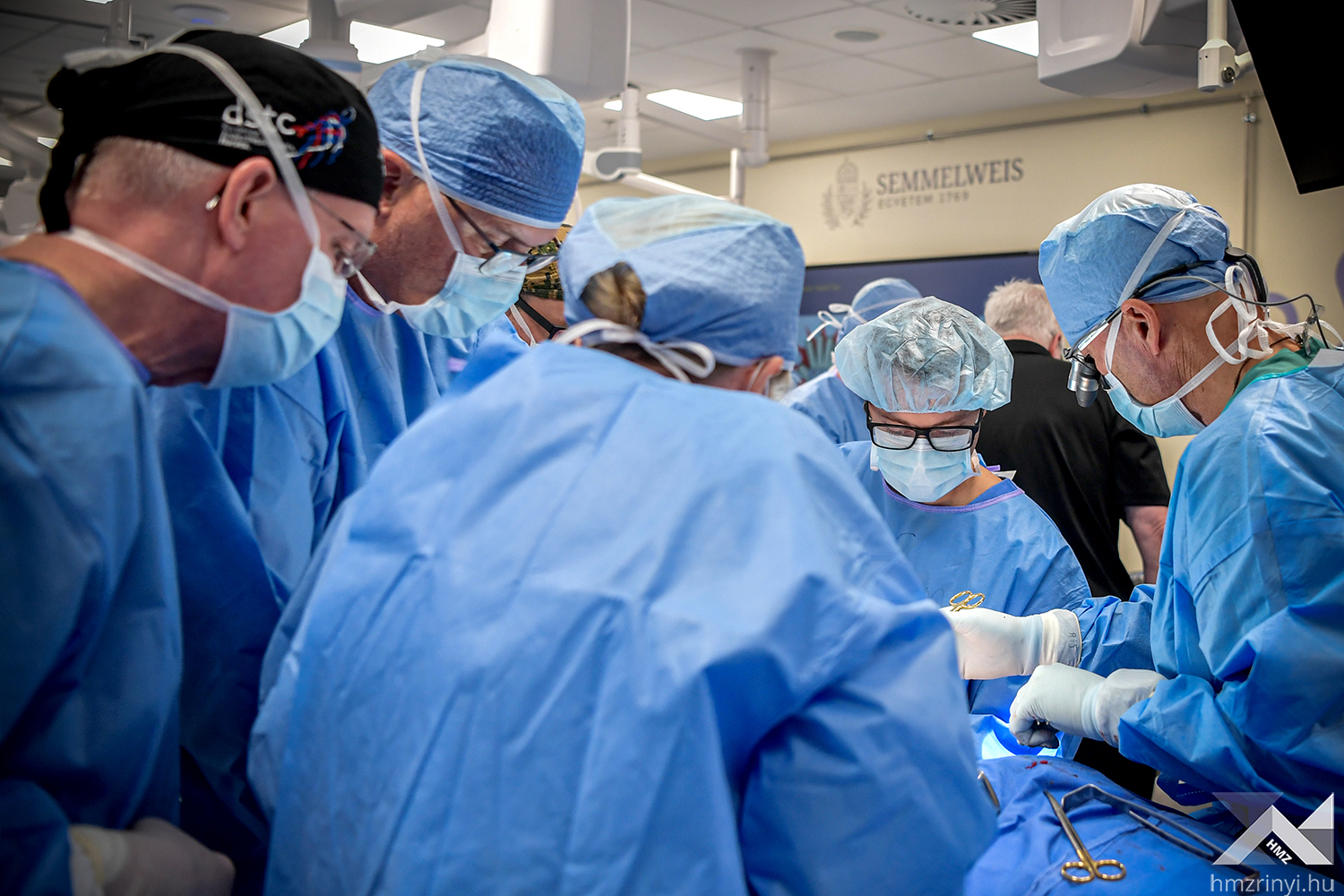
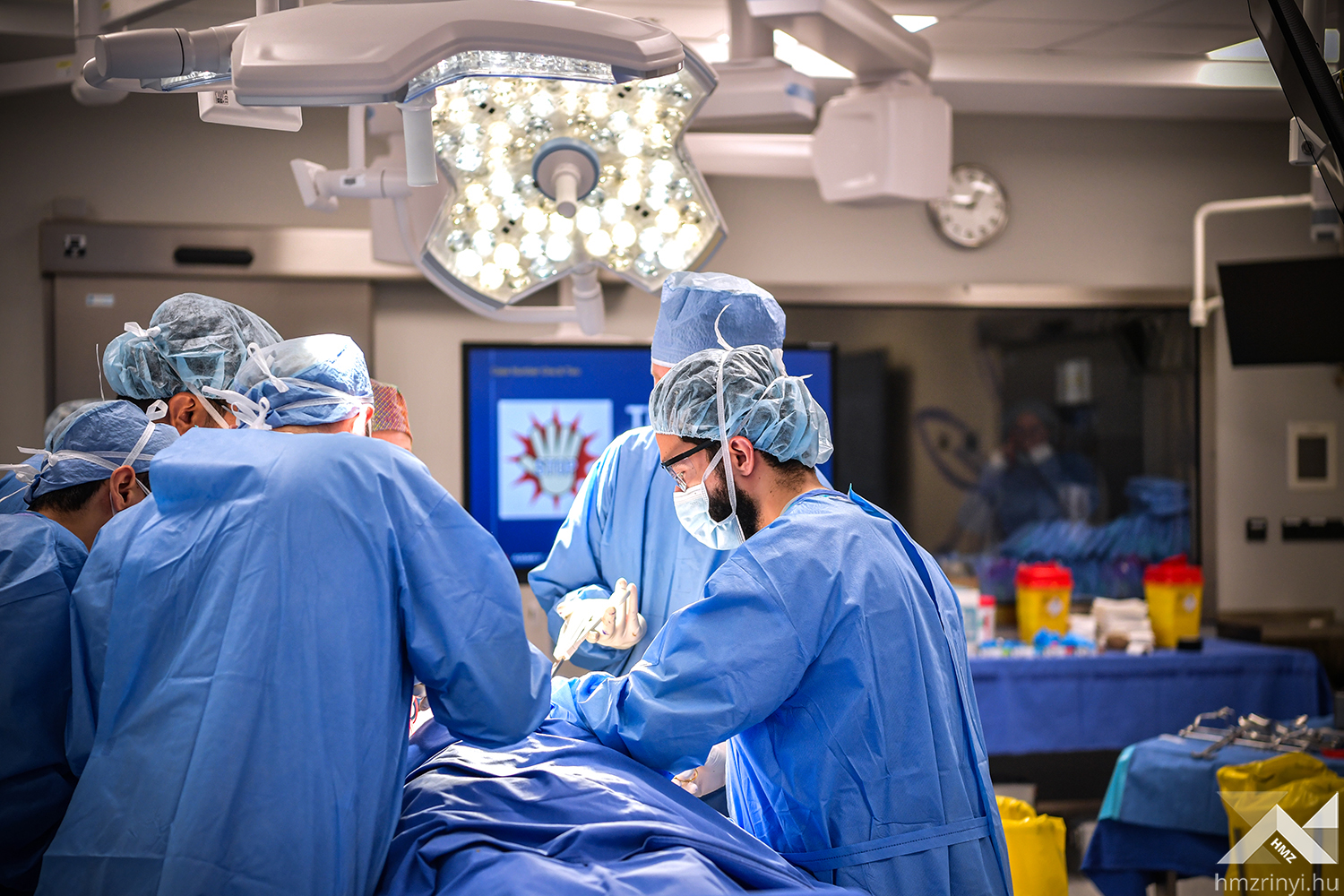
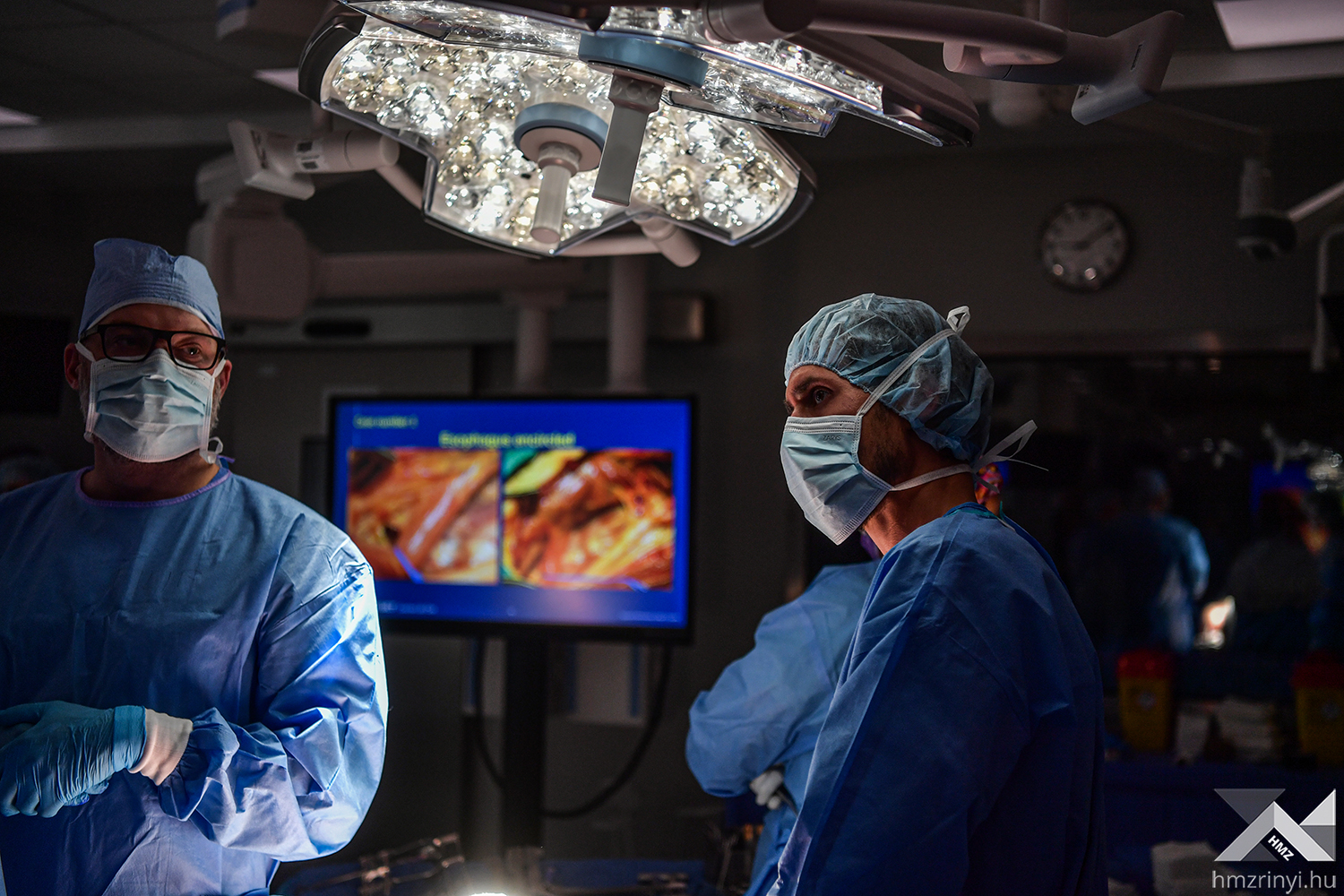
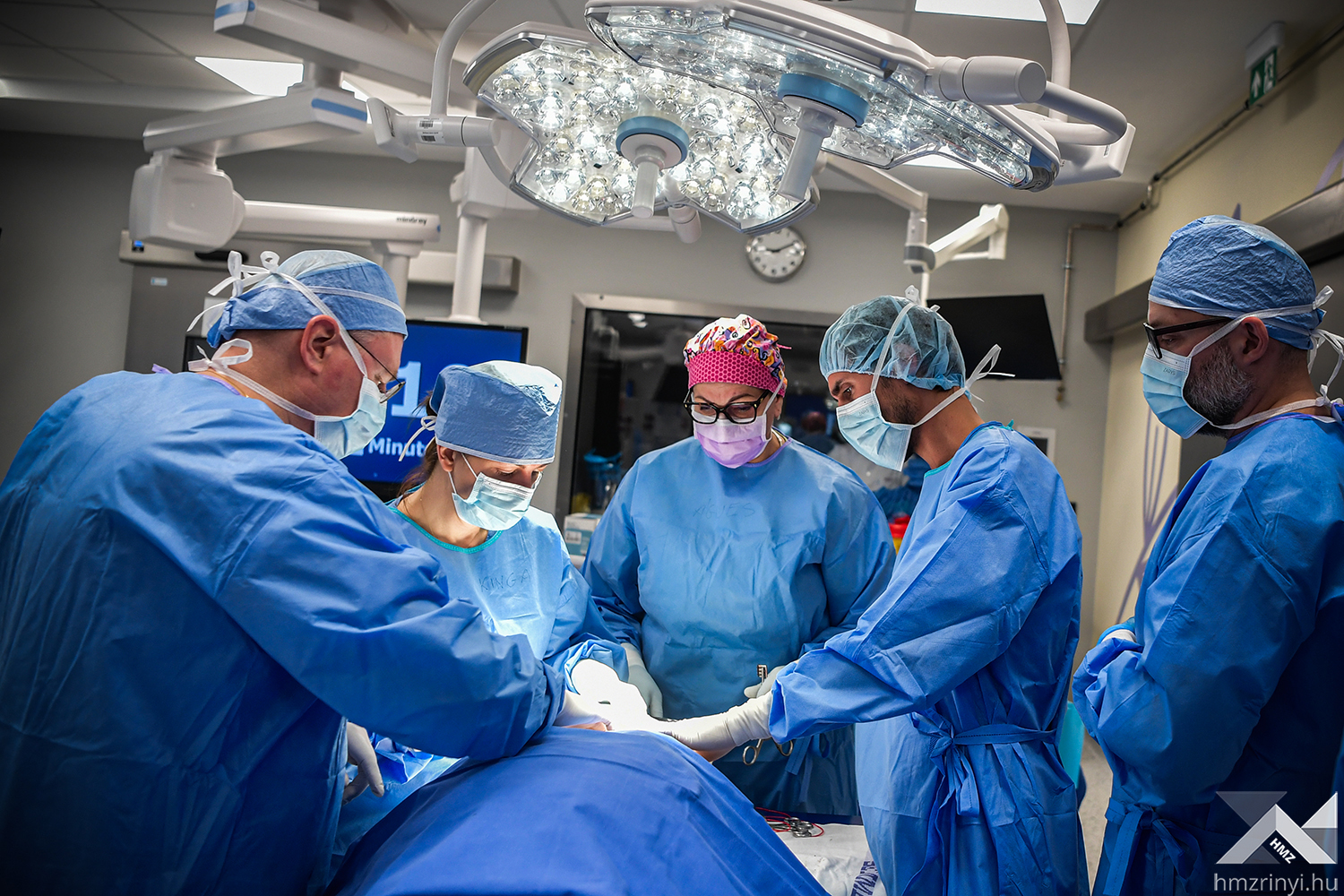
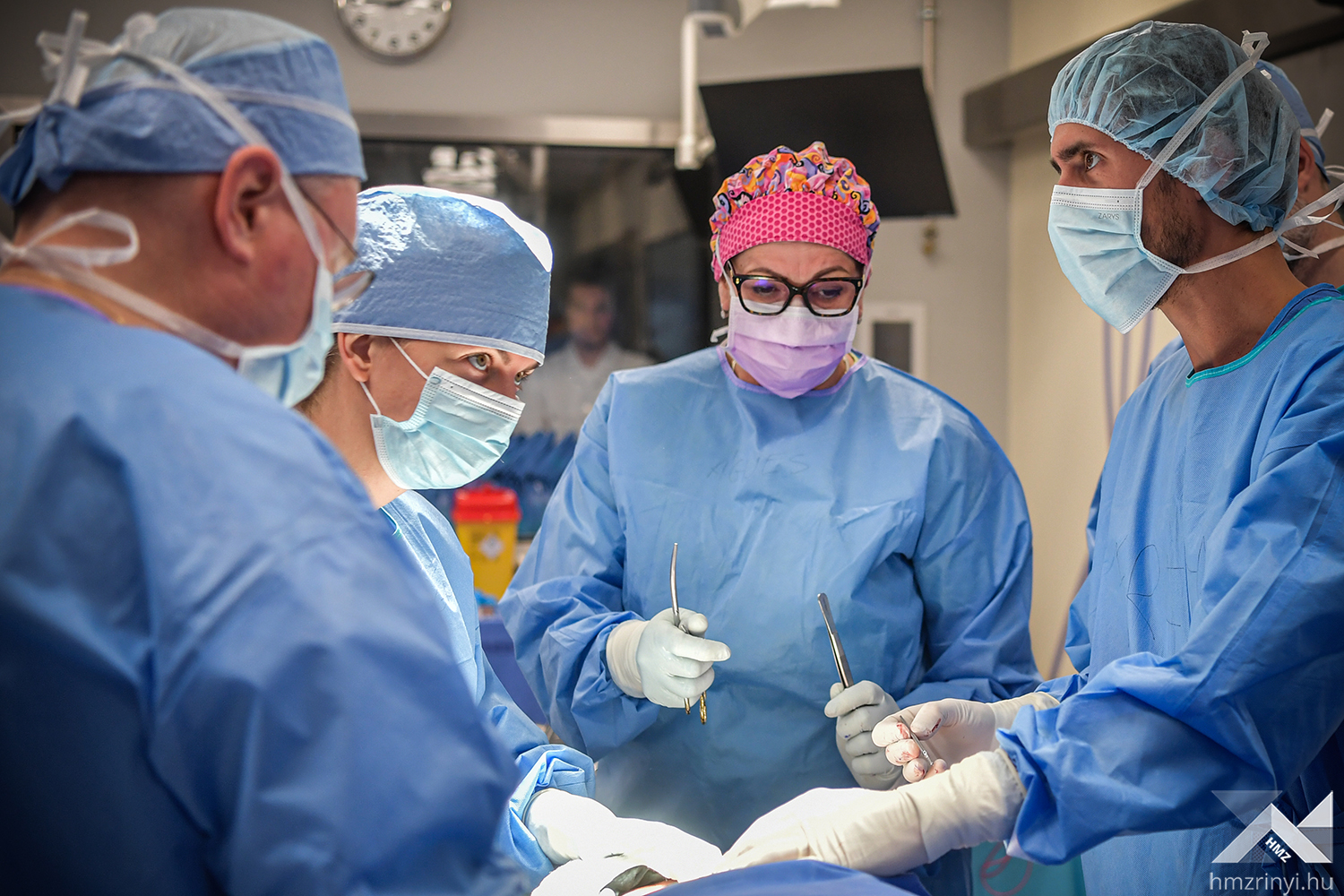
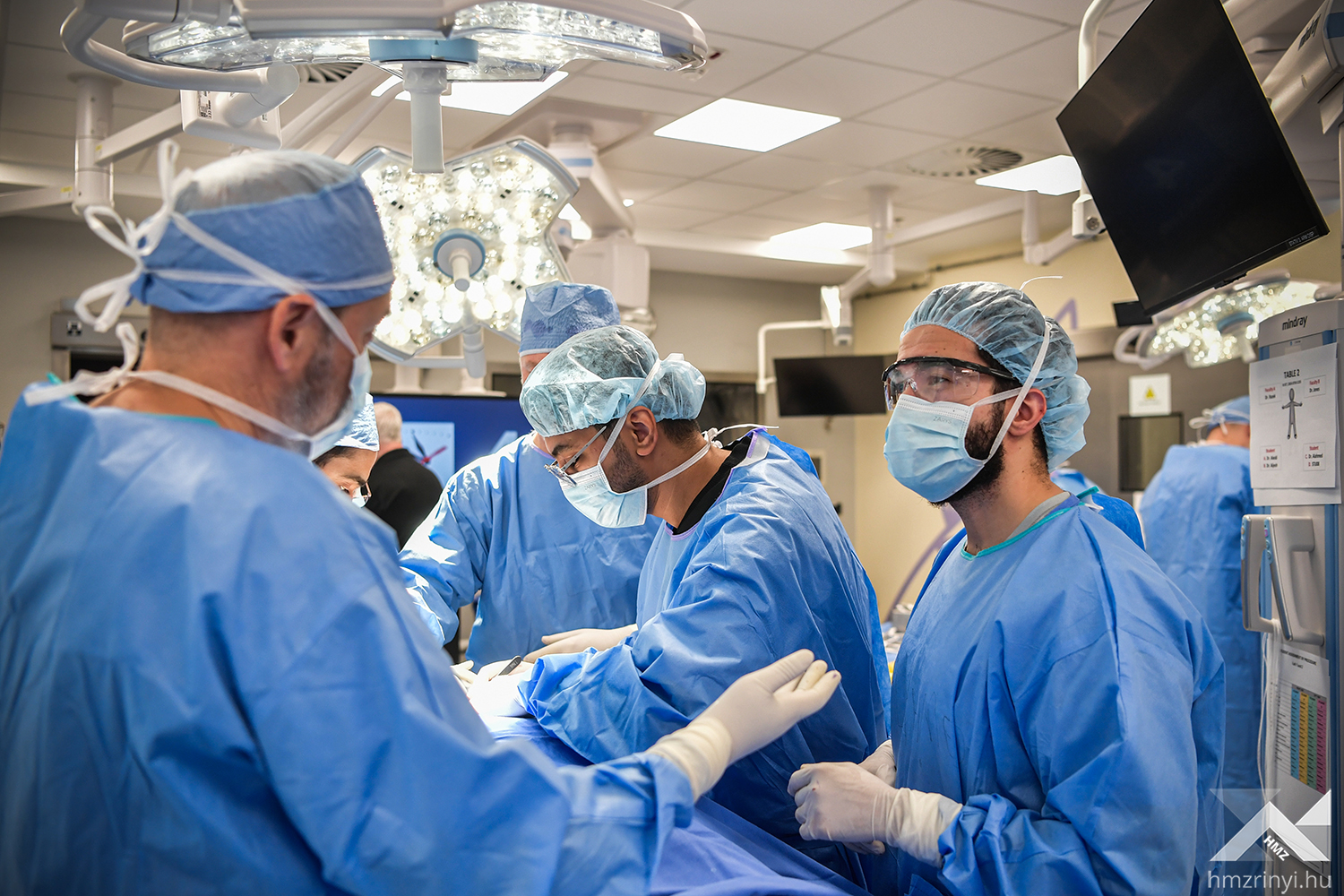
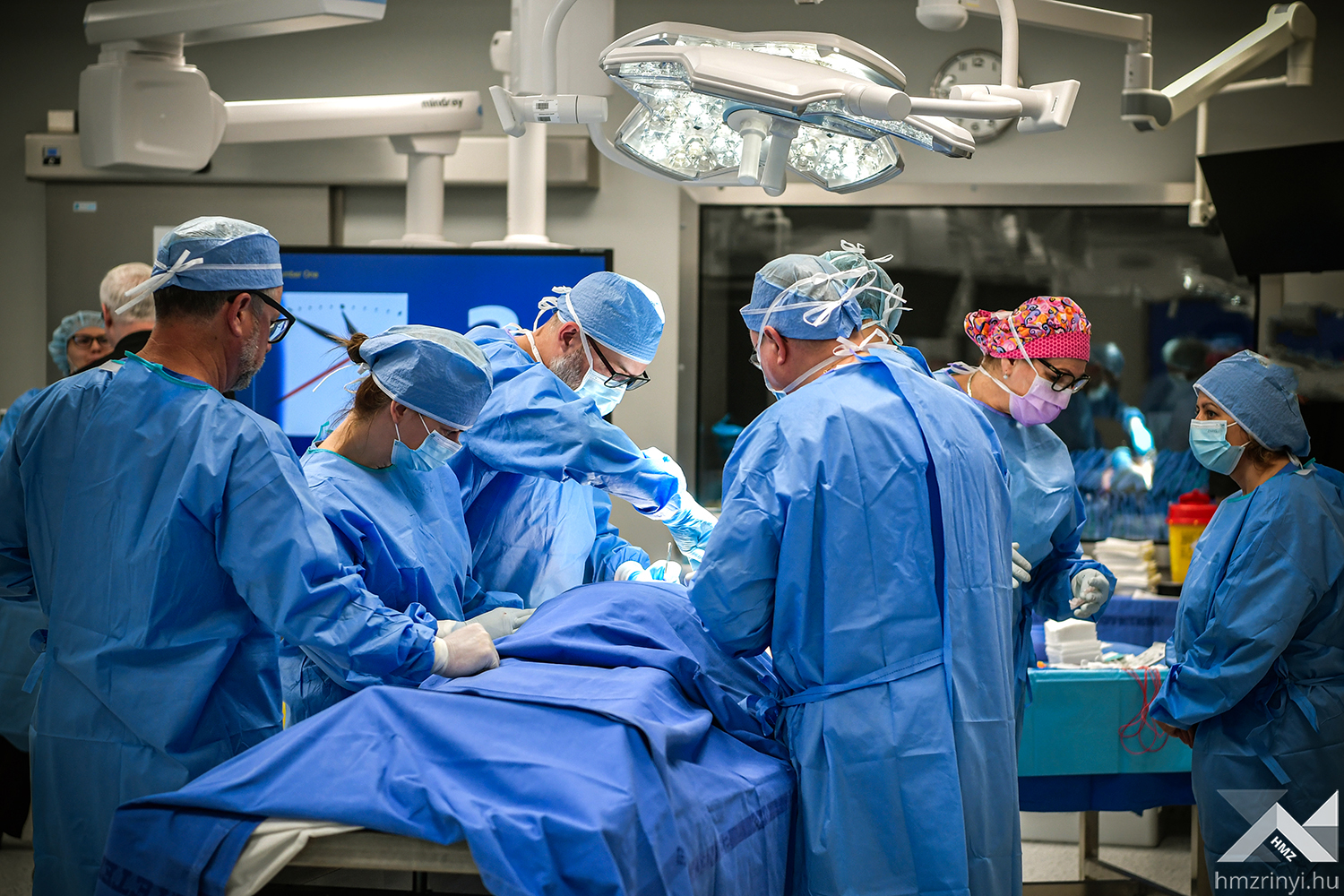
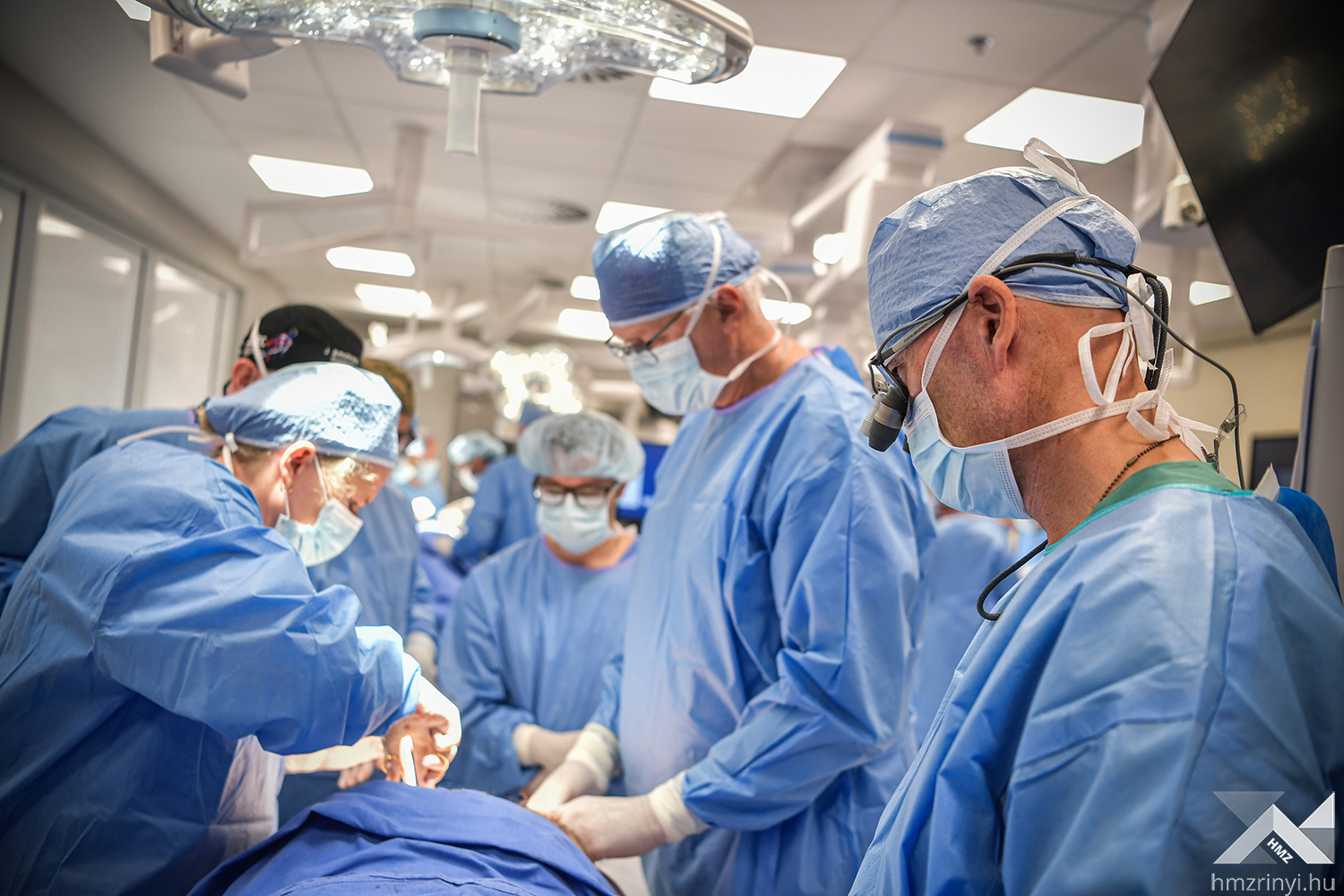
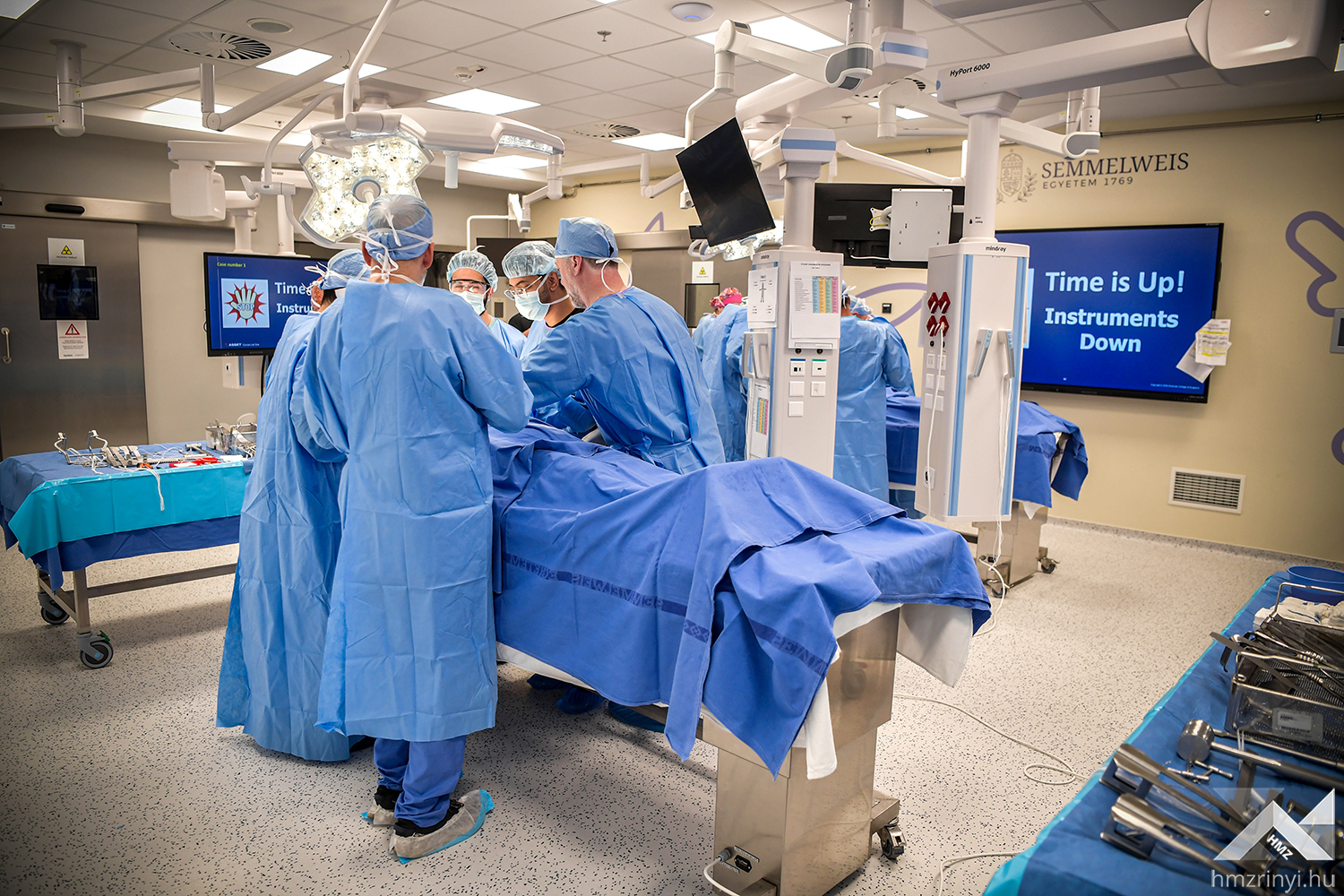
“The key to trauma management is to stop the bleeding – that is what this course is about. Through thirty-five procedures, we explore all the major blood vessels in the body by presenting the teams with a specific case, a scenario, which they must resolve within a set time limit. The time factor is particularly important, as speed plays a critical role in treating such injuries,” explained Dr Mark Bowyer, professor of surgery, describing the course program.
“If you’ve never worked in an international environment, the only way you’ll know how to carry out a task will be the way you’ve always done it. I’ve already run this course in thirty different countries, and I myself always learn something from my colleagues. Within NATO, nations often work together, so why shouldn’t they train together?” said the course leader, emphasising the importance of the course’s multinational nature.
Its success in undeniable: after the course, the majority of participants are able to respond to traumatic incidents with confidence, remarkable speed and efficiency – as the messages sent to Dr Bowyer demonstrate. Nothing illustrates the course’s relevance better than the fact that it is consistently oversubscribed, and some people even book a place a year in advance to secure a spot.
w2026.10.08.assat tanfolyam.rt. (5)
w2026.10.08.assat tanfolyam.rt. (1)
w2026.10.08.assat tanfolyam.rt. (2)
w2026.10.08.assat tanfolyam.rt. (3)

w2026.10.08.assat tanfolyam.rt. (4)
w2026.10.08.assat tanfolyam.rt. (6)
w2026.10.08.assat tanfolyam.rt. (7)
w2026.10.08.assat tanfolyam.rt. (8)

w2026.10.08.assat tanfolyam.rt. (9)
w2026.10.08.assat tanfolyam.rt. (10)

w2026.10.08.assat tanfolyam.rt. (11)

w2026.10.08.assat tanfolyam.rt. (12)
w2026.10.08.assat tanfolyam.rt. (13)

w2026.10.08.assat tanfolyam.rt. (14)
w2026.10.08.assat tanfolyam.rt. (15)

w2026.10.08.assat tanfolyam.rt. (16)
w2026.10.08.assat tanfolyam.rt. (17)