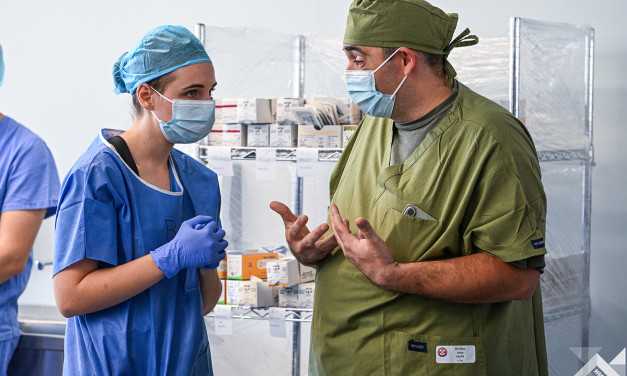
Much-needed course in military medicine
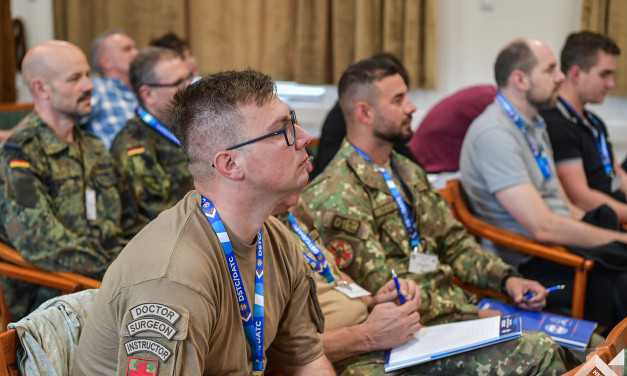
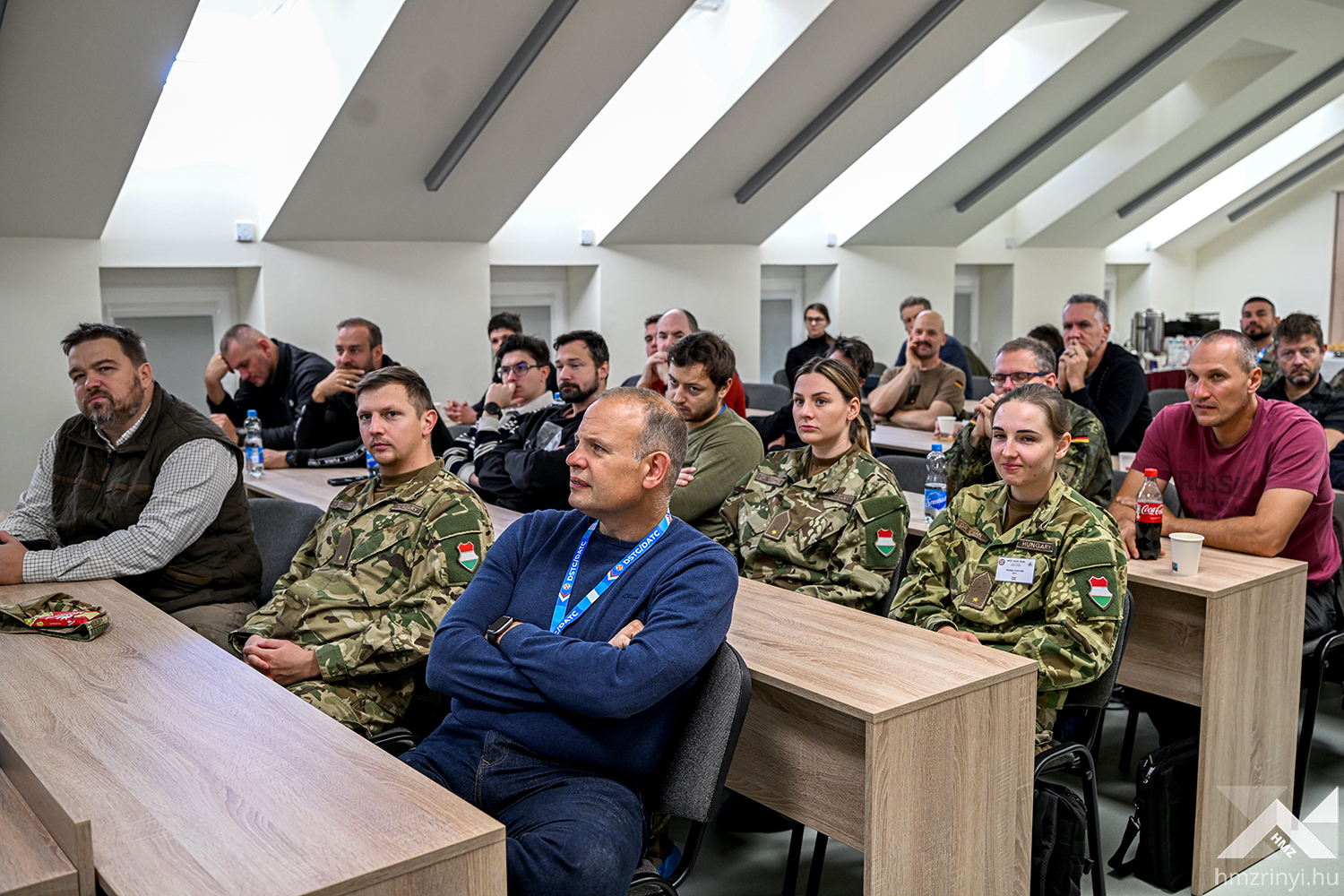
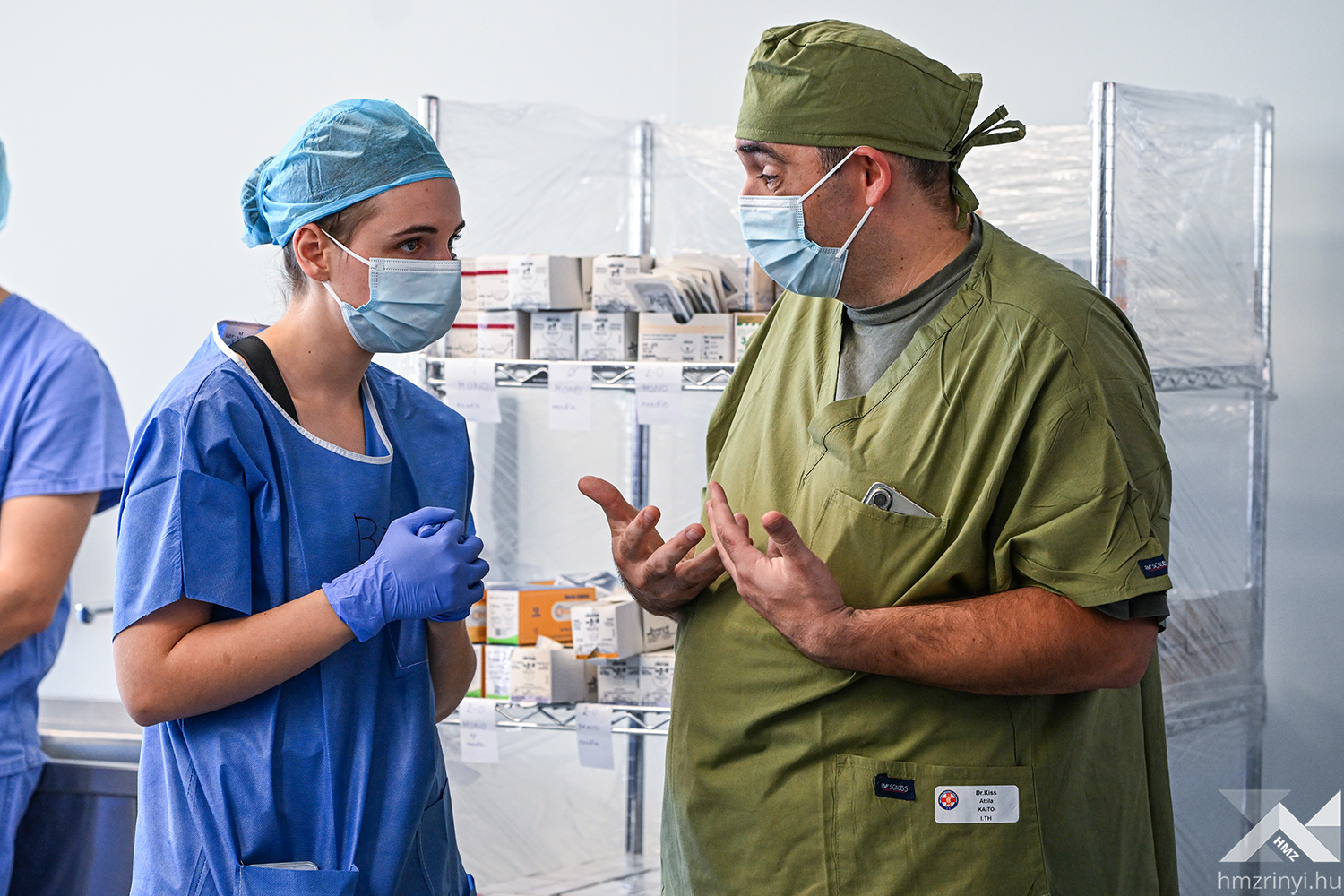
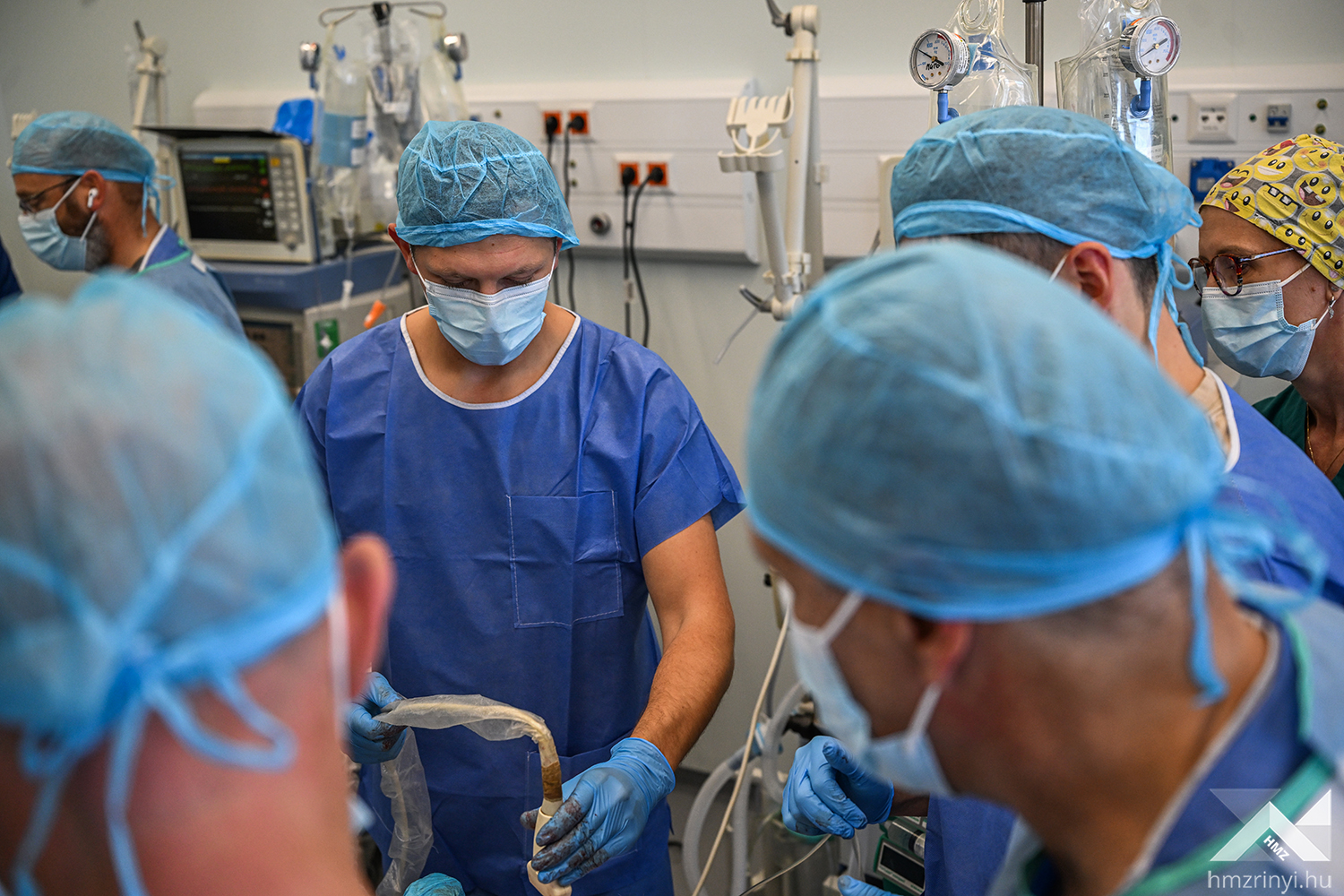
Text: Eszter Bányász | Photo: Tünde Rácz | 16:51 October 28, 2026“Lessons learned in international environment may help the medical work in missions conducted abroad” – emphasized Major Dr (MD) Attila Kiss, Head of Ambulance Department, HDF Medical Centre at the DSTC/DATC course held for surgeons and anesthesiologists treating seriously injured patients, which is run in Hungary already for the third time.
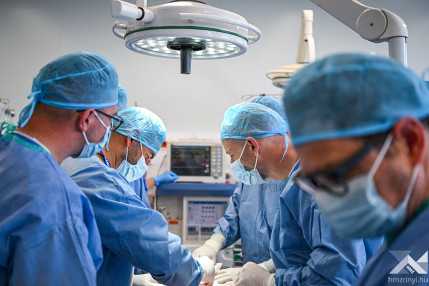
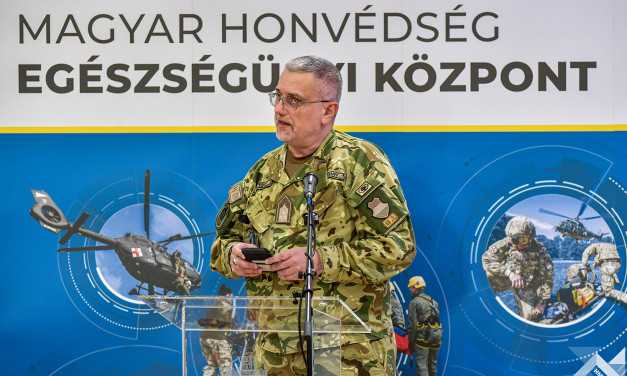
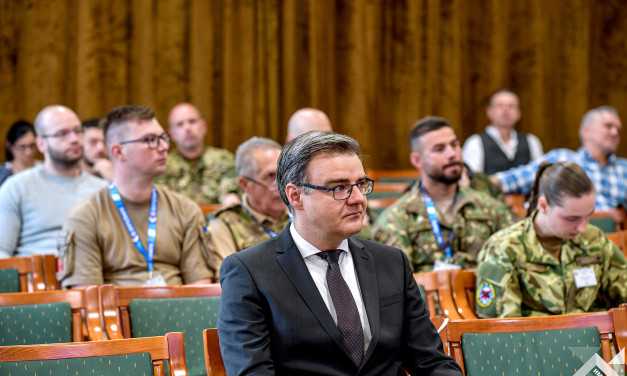
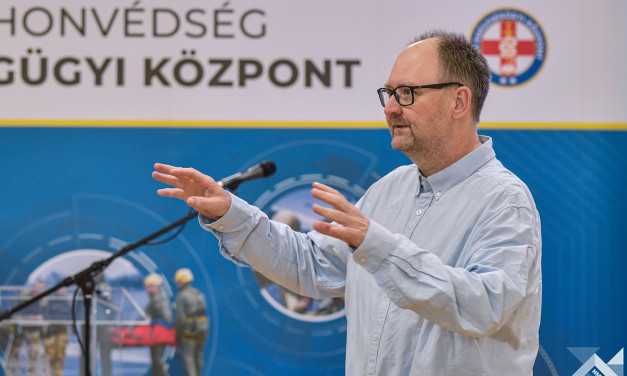
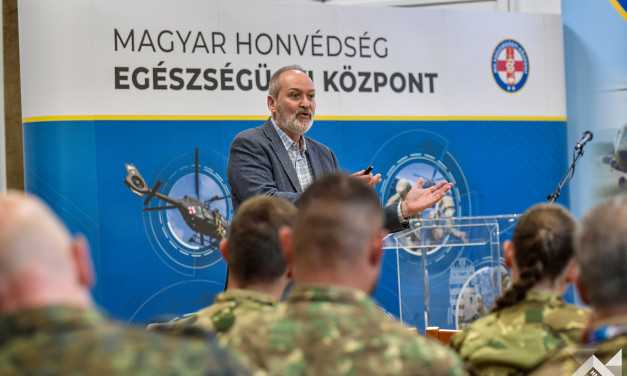
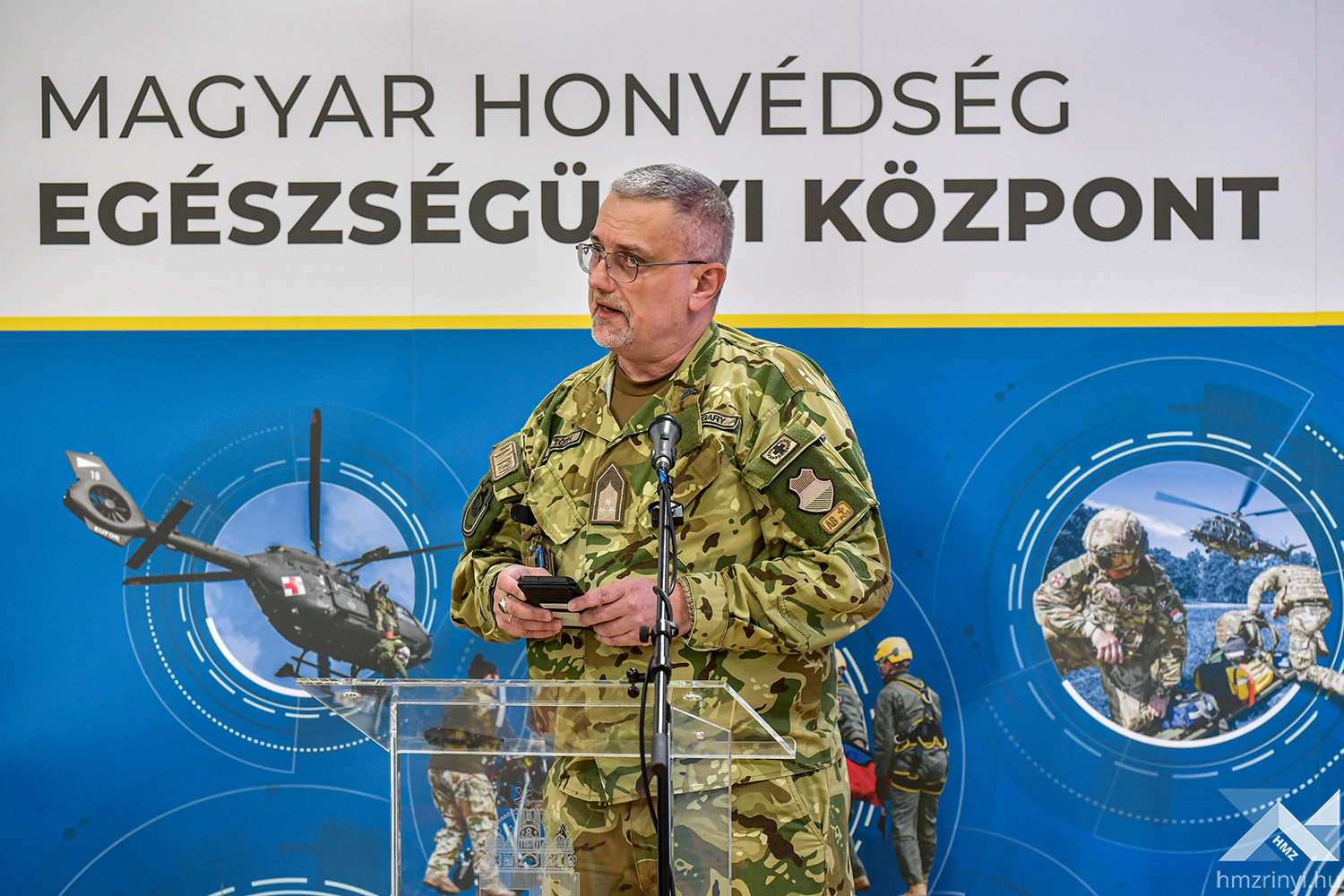
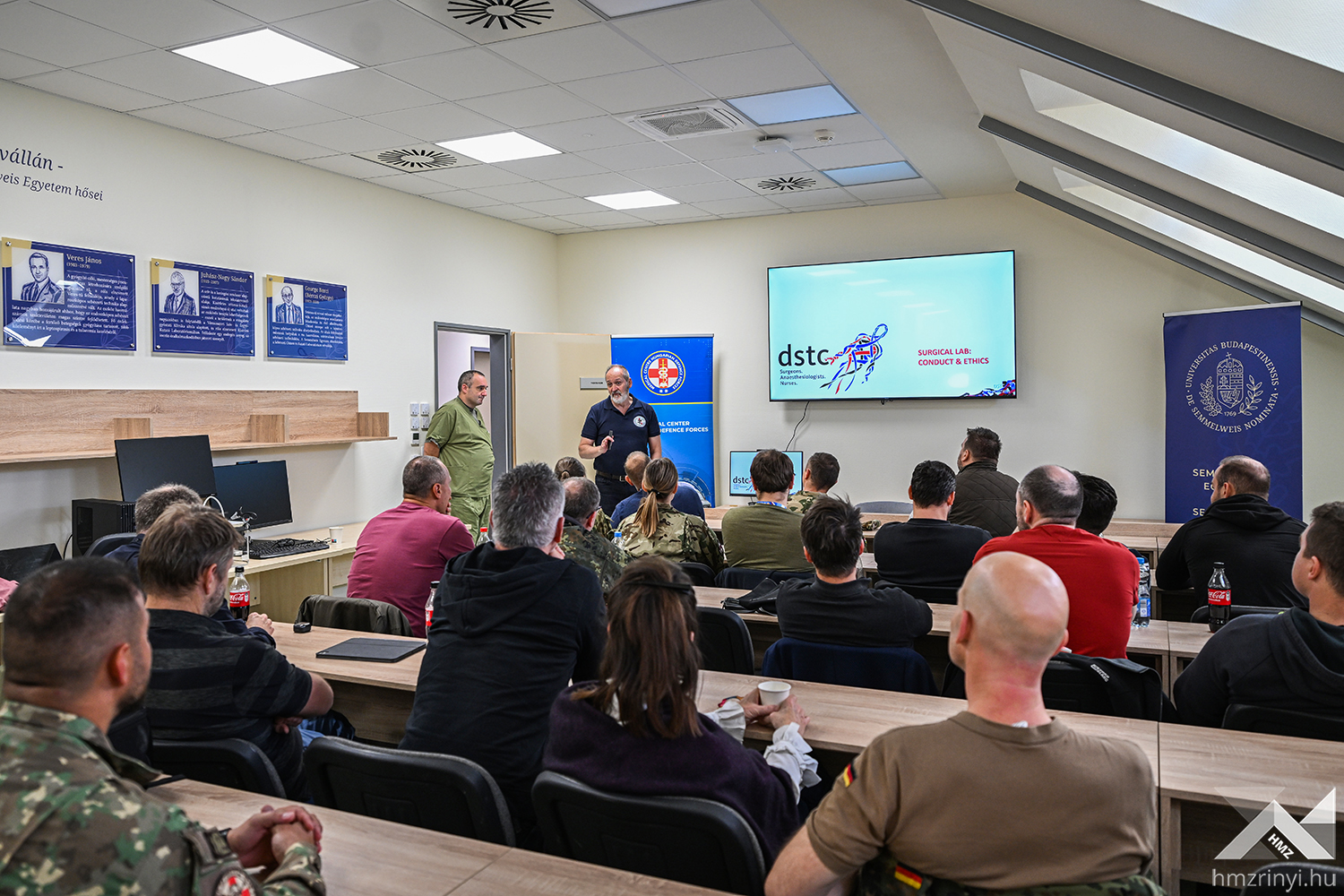
Speaking at the course opening event, Colonel Dr (MD) Zoltán Tóth, Deputy Medical Chief of the Hungarian Defence Forces pointed out that “trauma surgery is highly important to us, soldiers, both in humanitarian peacekeeping missions and in wars, whether on deployment out in the field or in the operating rooms of hospitals in Hungary.”
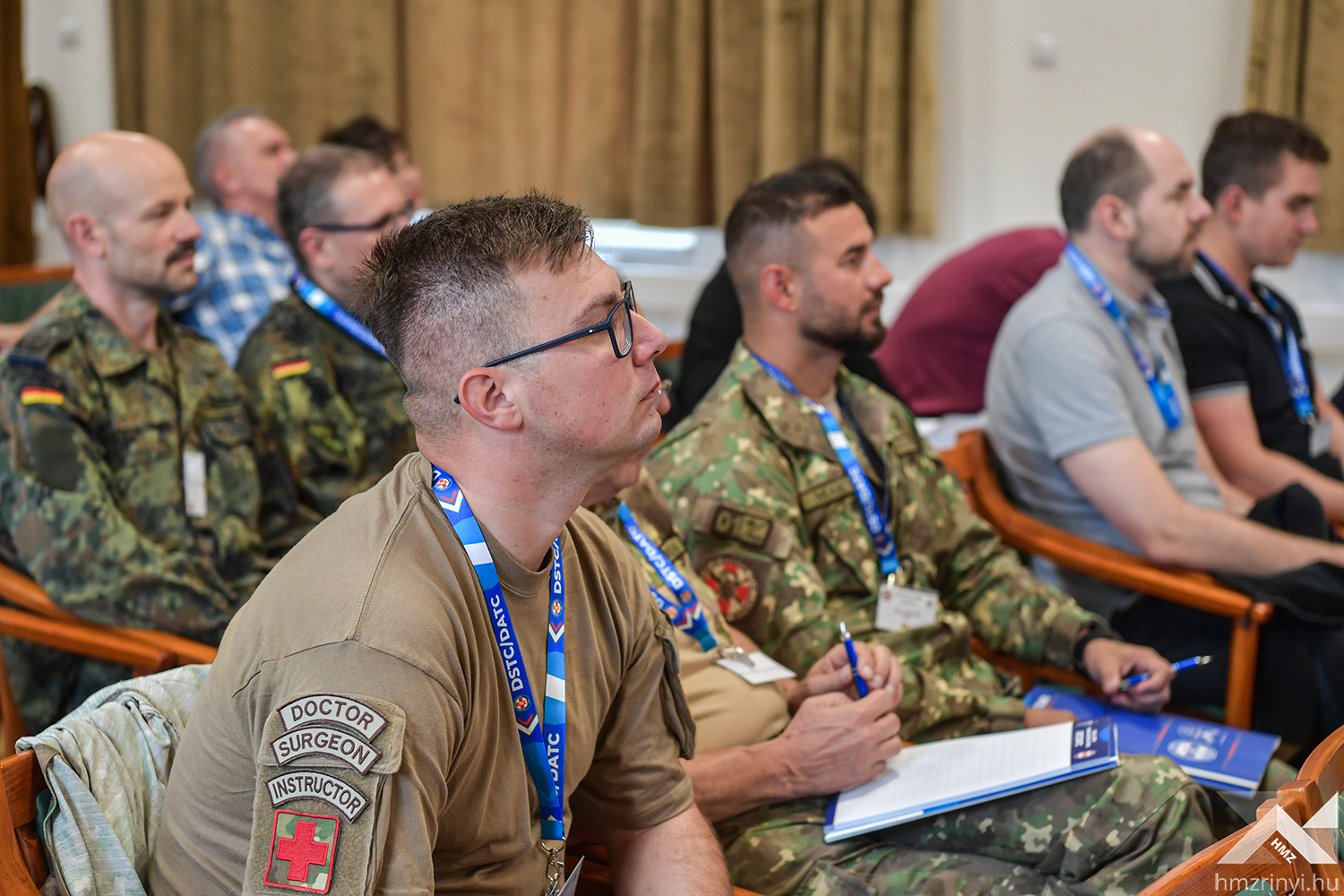
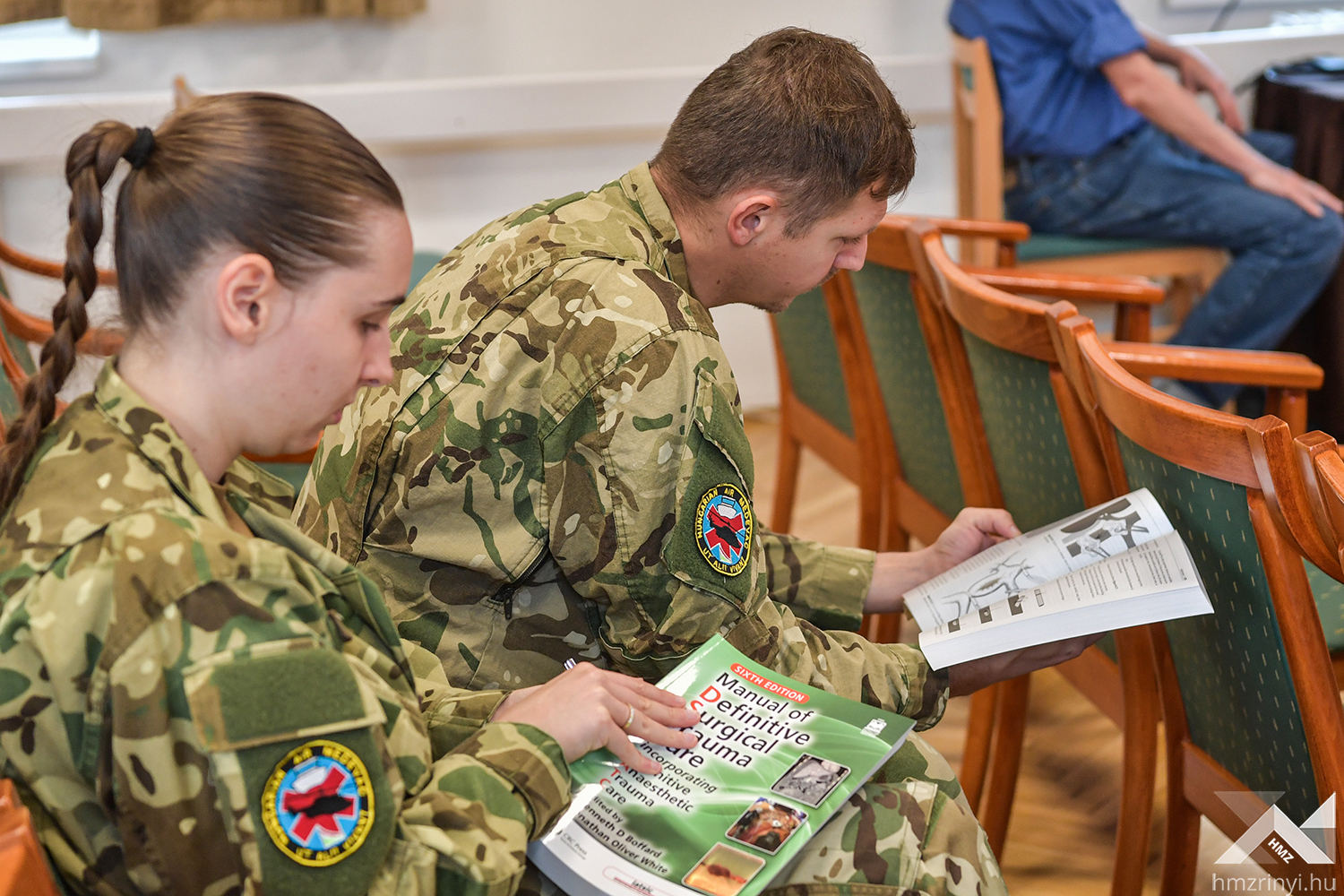
The Definitive Surgical Trauma Care/Definitive Anesthetic Trauma Care (DSTC/DATC) courses date back three decades, and are co-organized year after year in Hungary by the HDF Military Centre and Semmelweis University, in cooperation with the International Association for Trauma Surgery and Intensive Care (IATSIC).
“A couple of years ago, when we first launched these international training courses in Hungary, our aim was clear: to bring such knowledge and practical expertise to Hungary which had earlier been available to our professionals only abroad, to a limited extent” – highlighted Colonel Dr (MD) Dezső Zsolt Fejes, Commander, HDF Medical Centre. “I take special pride in the fact that year after year, we can welcome outstanding professionals among our instructors coming from around the world to attend the DSTC/DATC course. The work of recent years has demonstrated that the cooperation between military and civilian medicine is more than a mere possibility – it is in our common interest and at once one of the most important driving forces of progress”. As he said, treating the seriously injured is no different: the same knowledge, the same preparedness and the same quick, responsible decision-making can save lives in the areas of operations and in domestic trauma care. “The sustainment of modern military medical capabilities demands continuous development, international exchange of lessons learned, and the regular practice of the acquired knowledge. Our long-term goal is to make sure that besides hosting international military and civil trauma surgery courses, Hungary can also actively shape them as well” – summed up the commander.
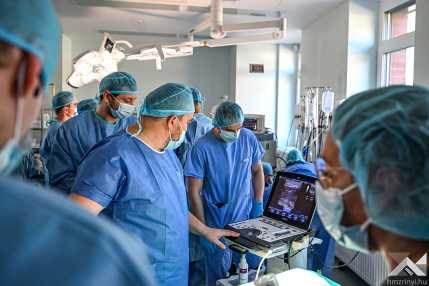
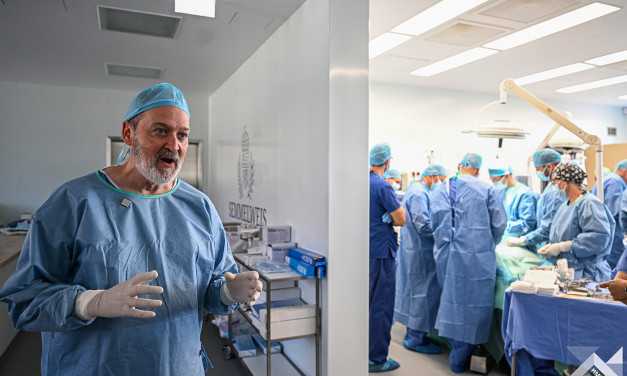
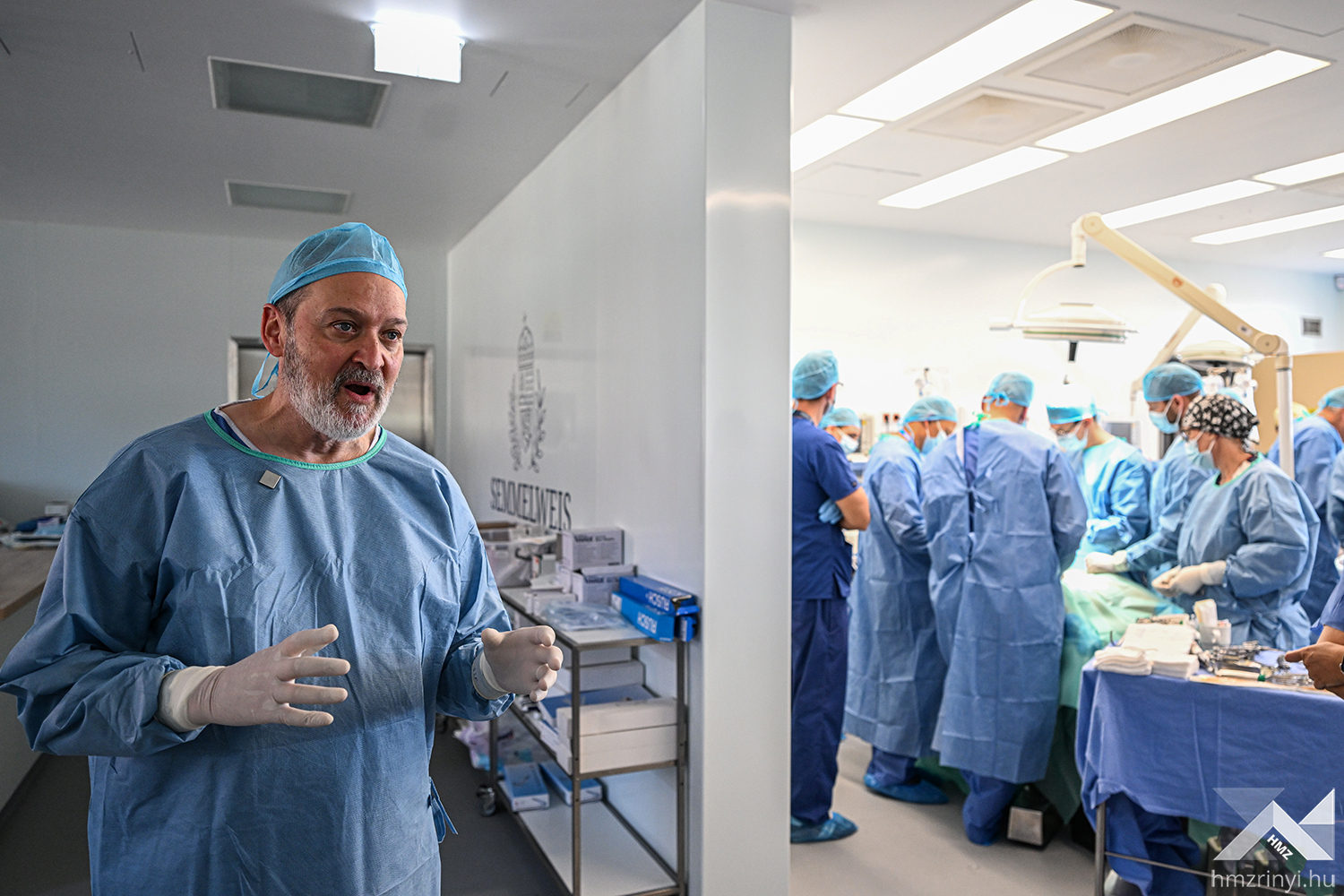
This year, the venue of the international training course was a recently opened building of Semmelweis University, the “George Berci” Surgical Training and Research Laboratory, which plays a key role in the domestic training of medical specialists.
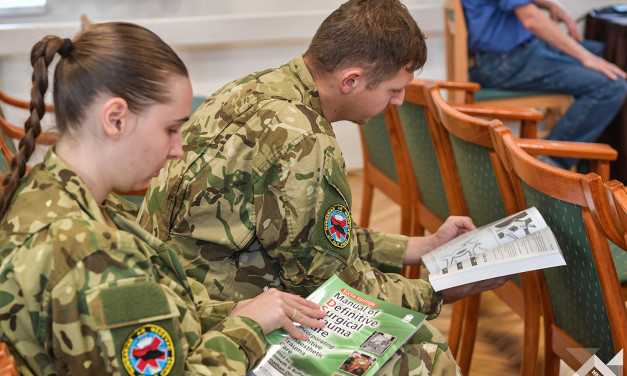
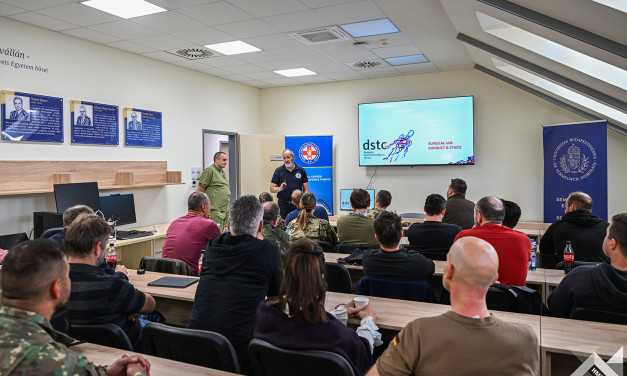
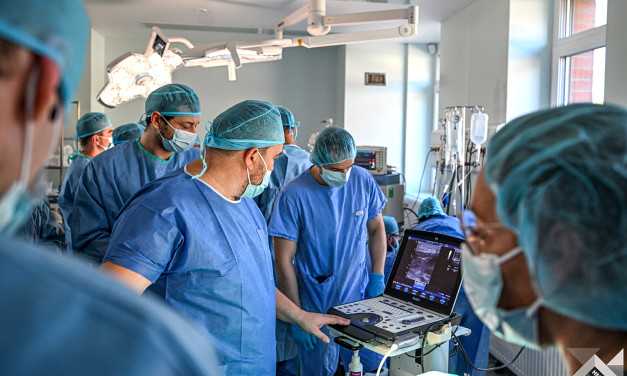
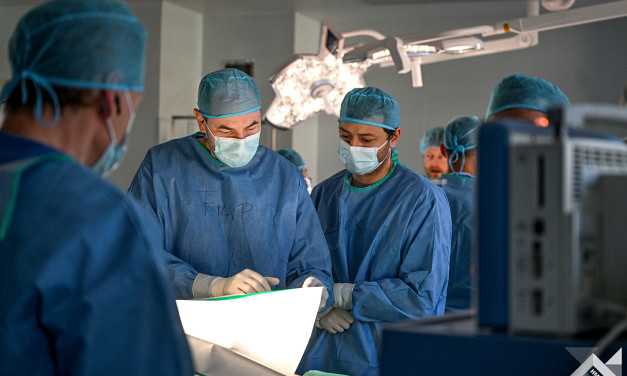
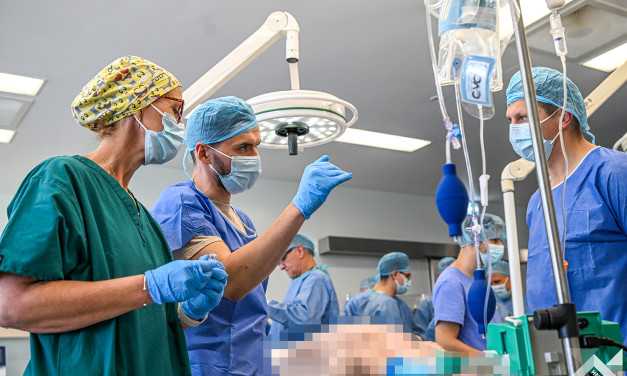
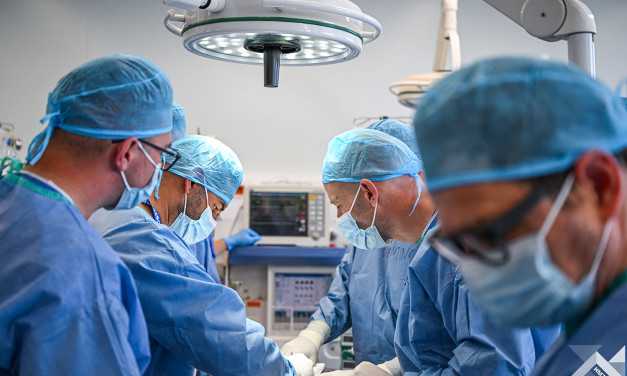
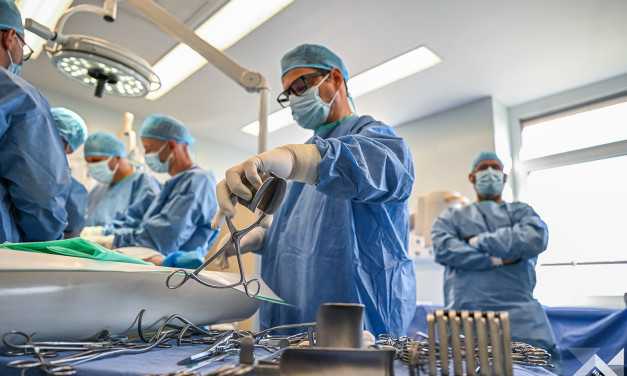
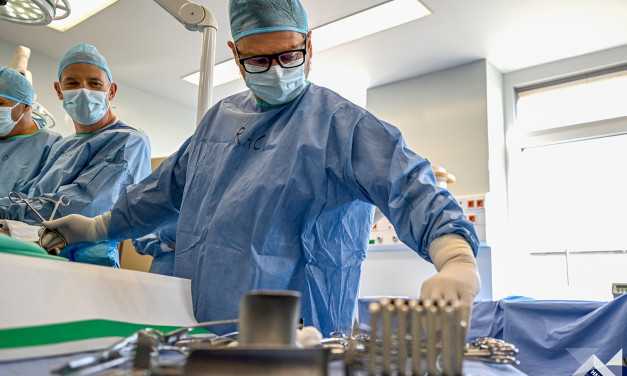
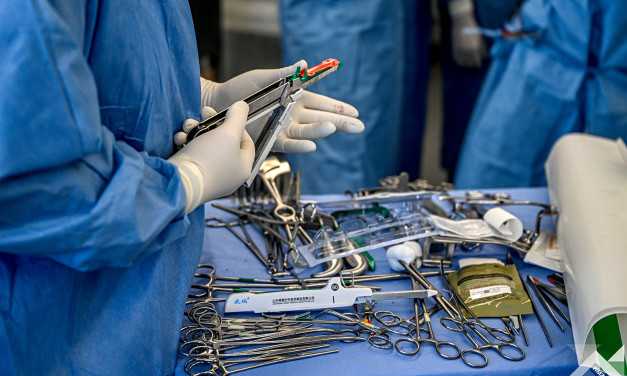
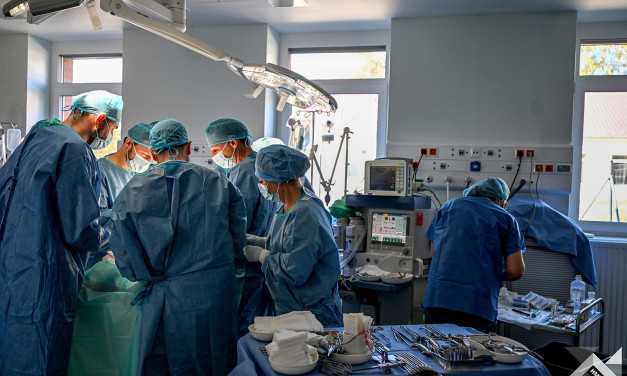
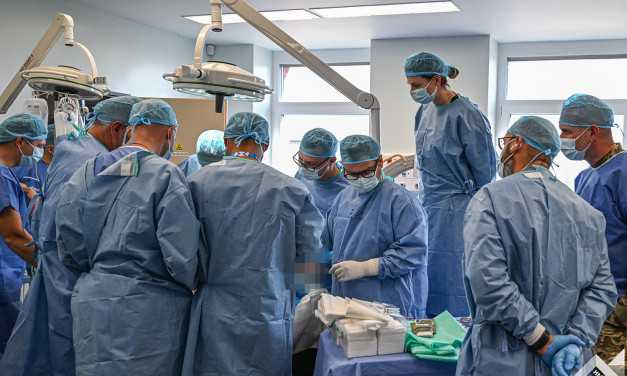
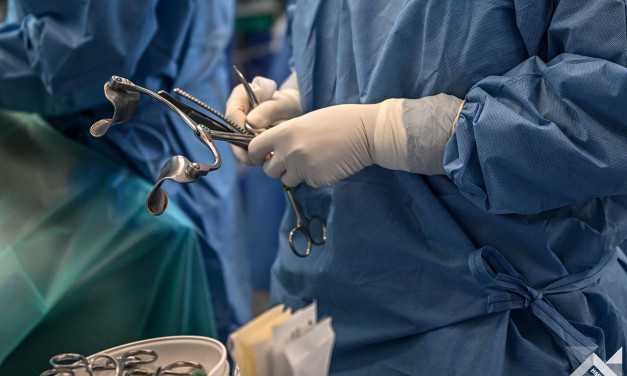
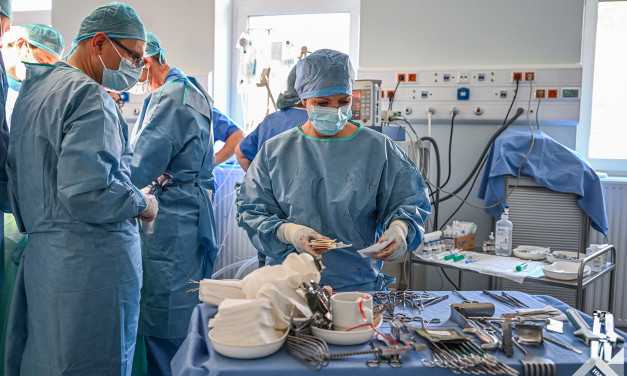
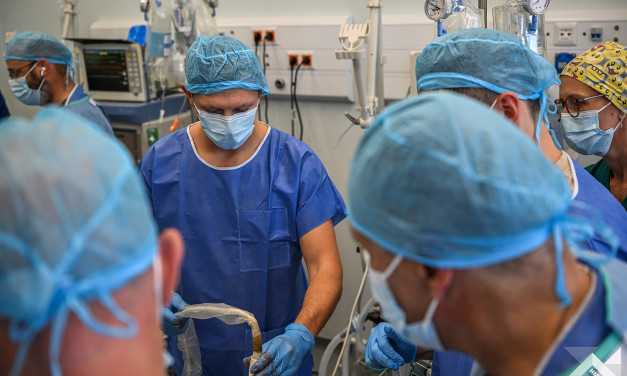
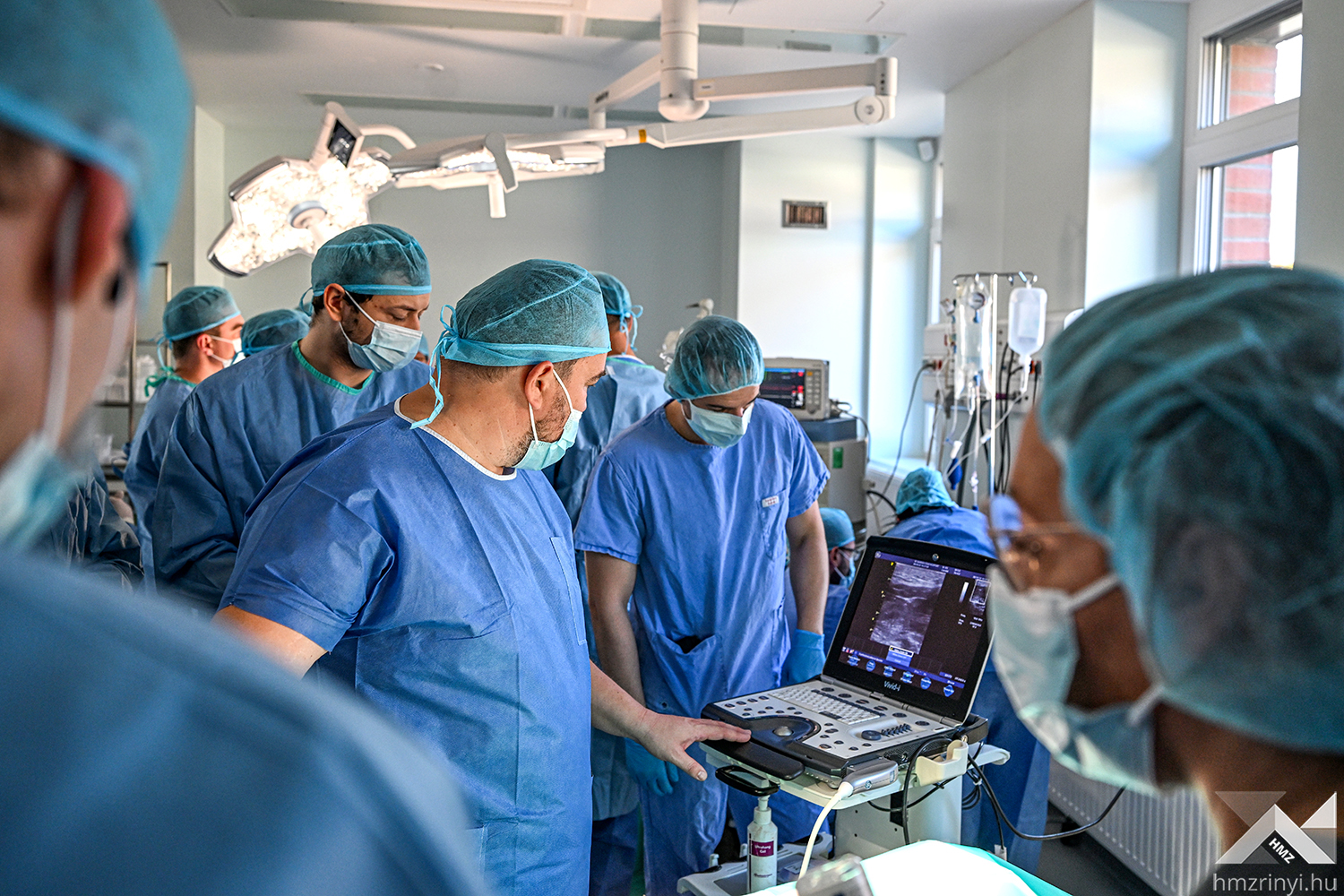
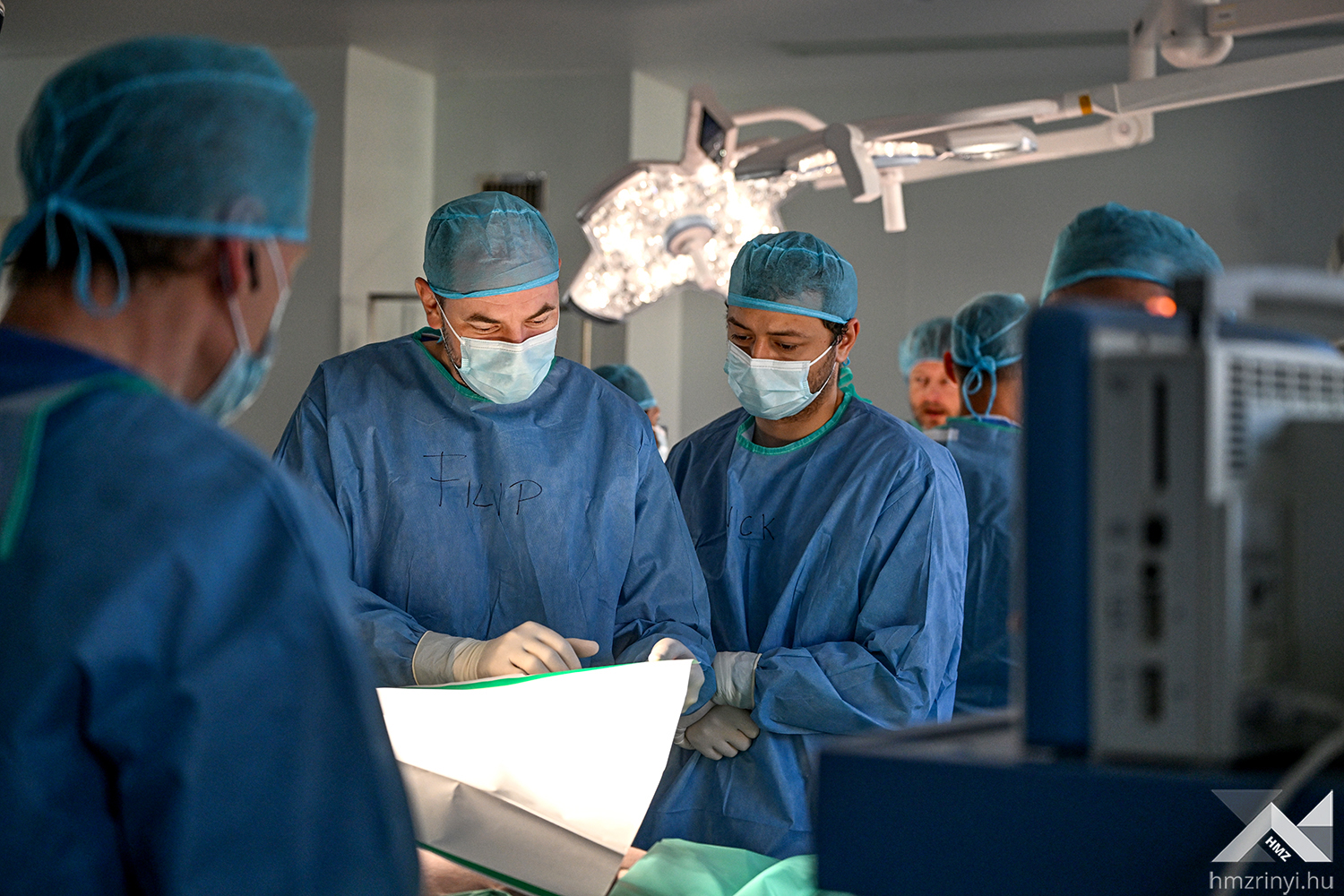
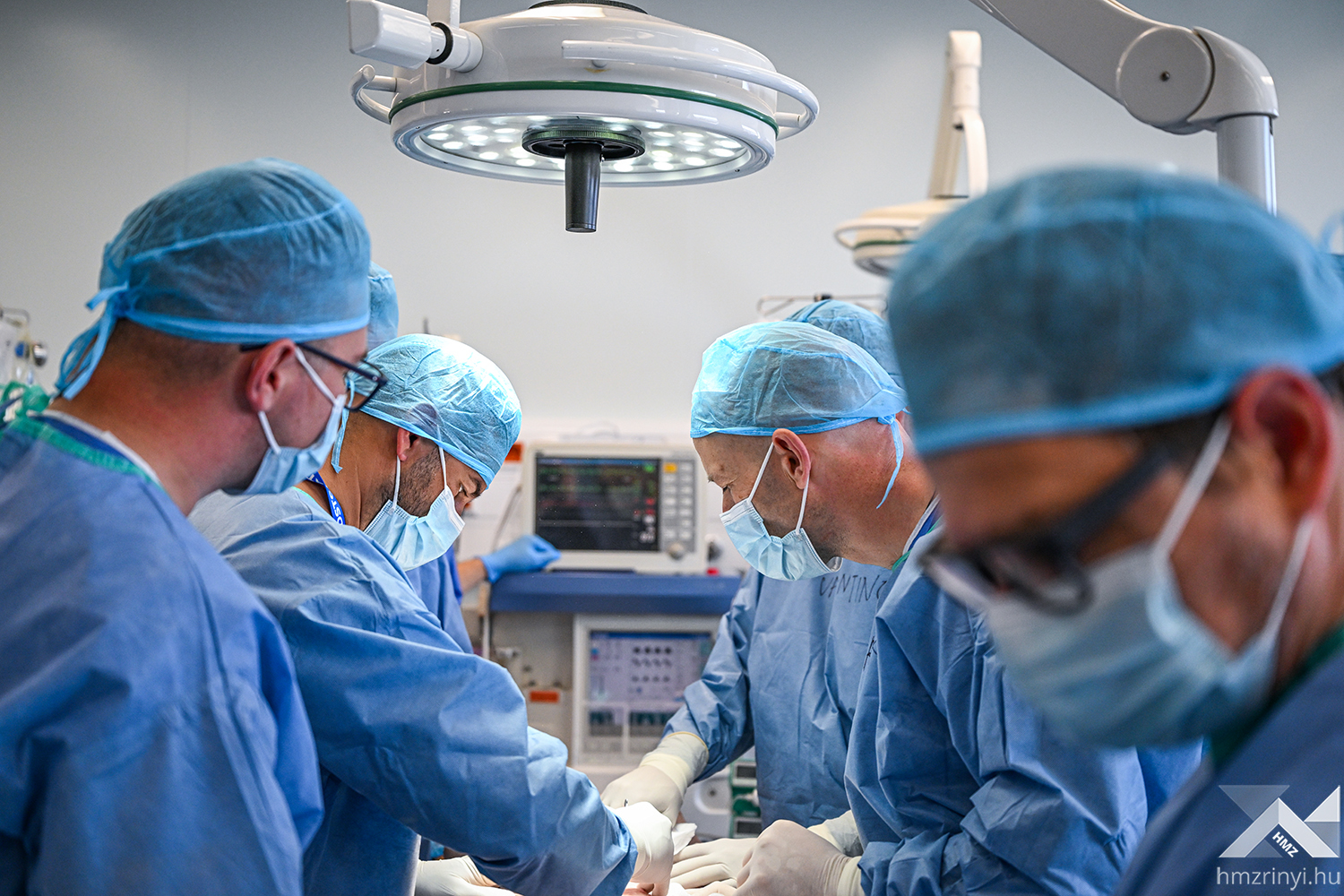
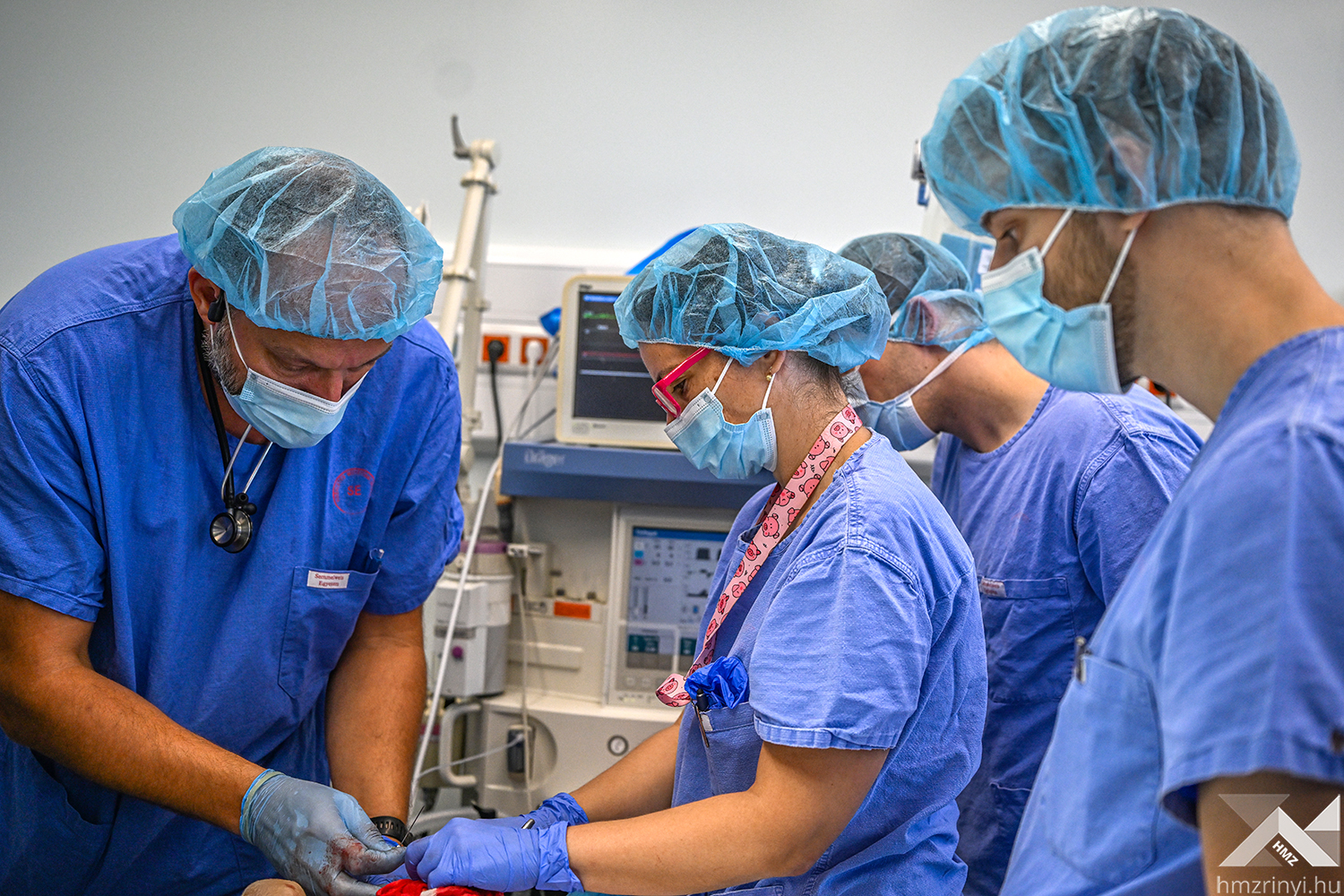
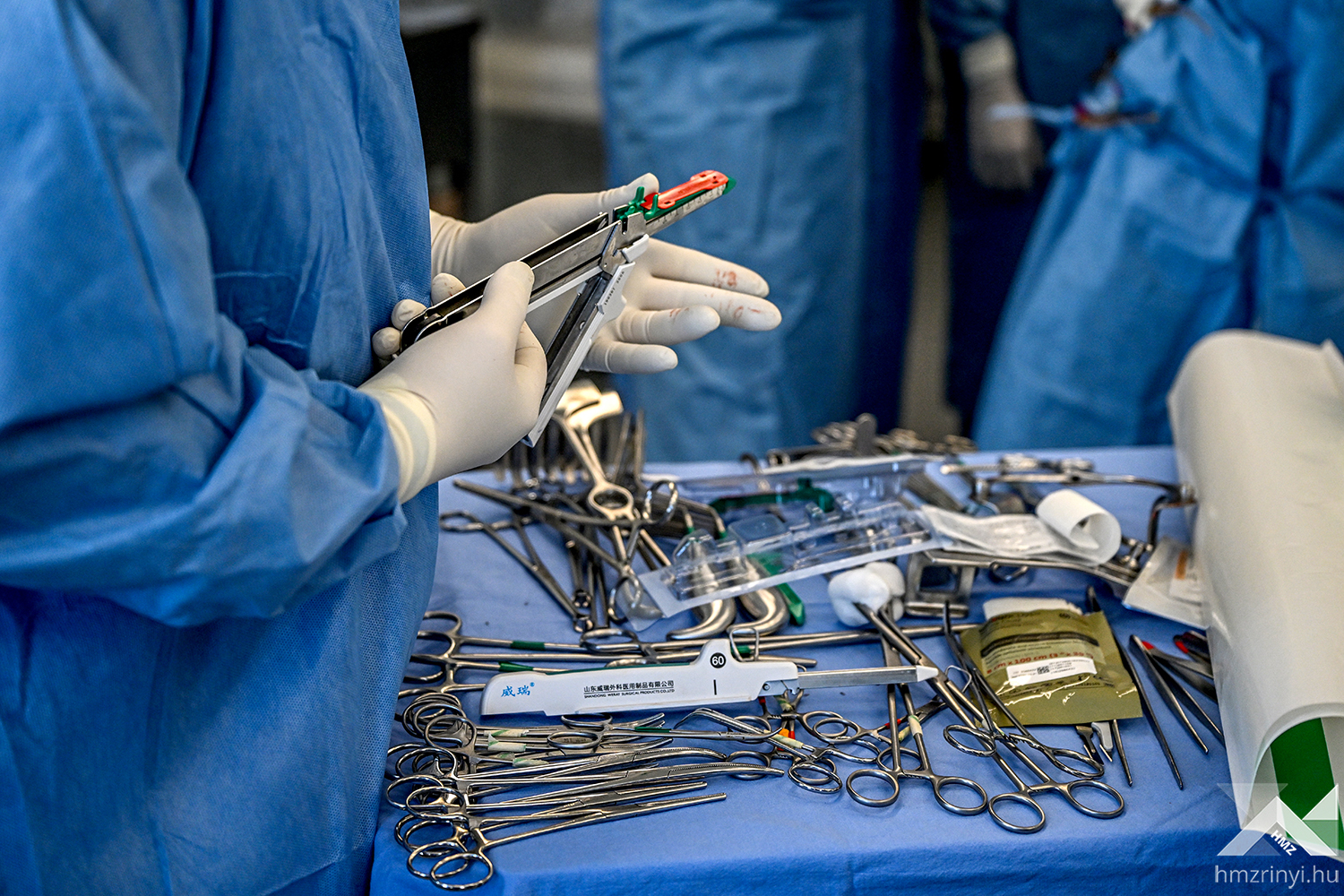
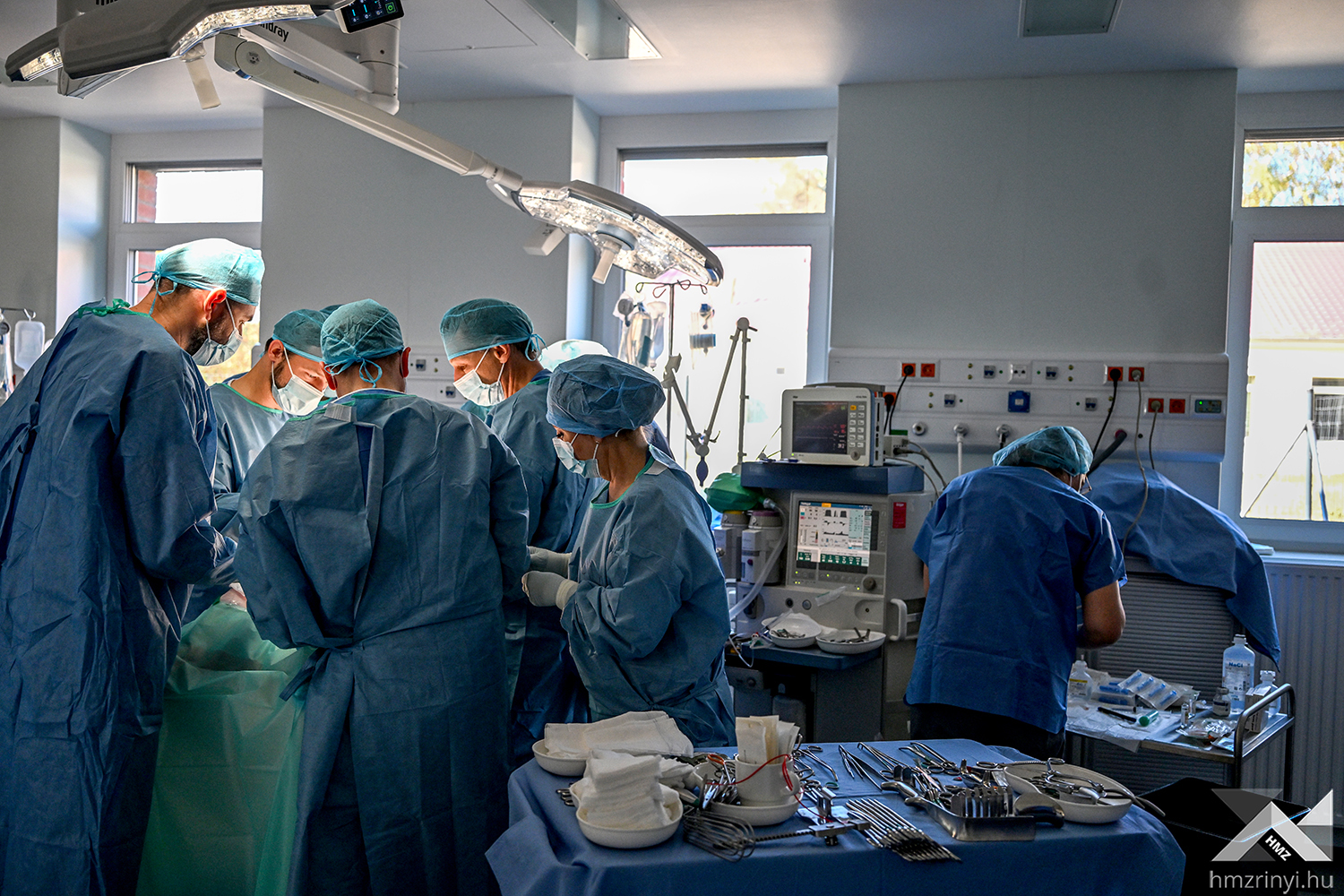
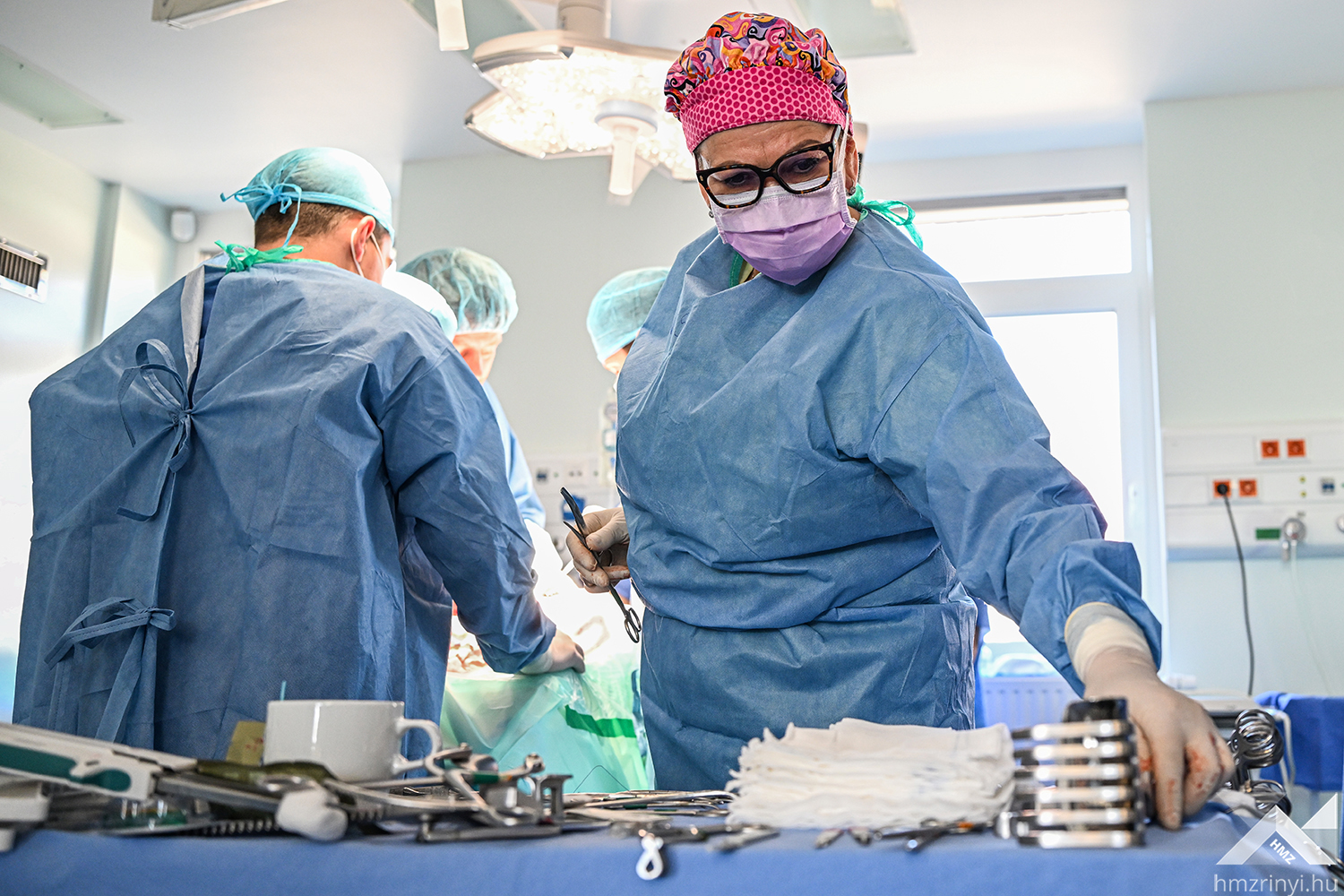
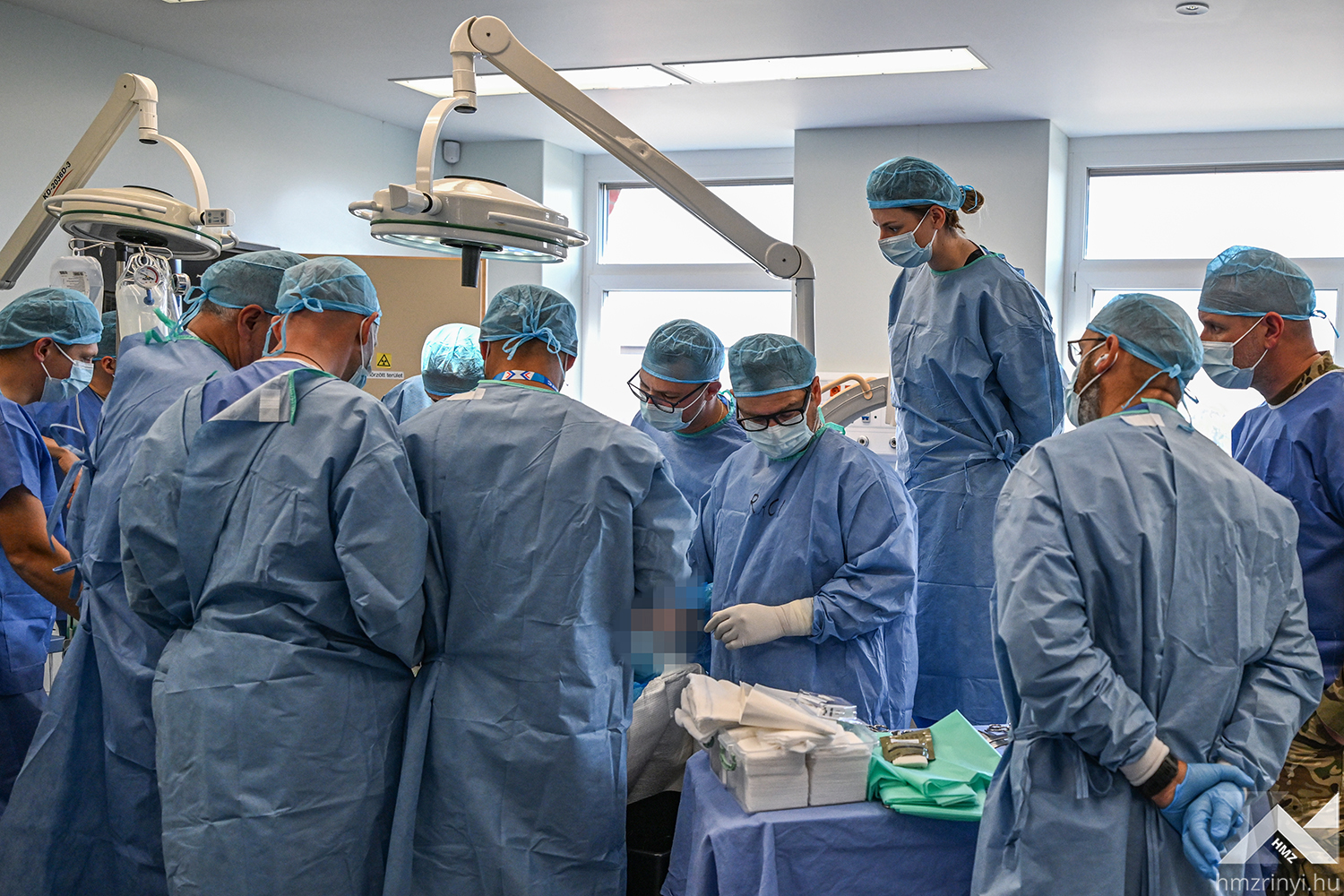
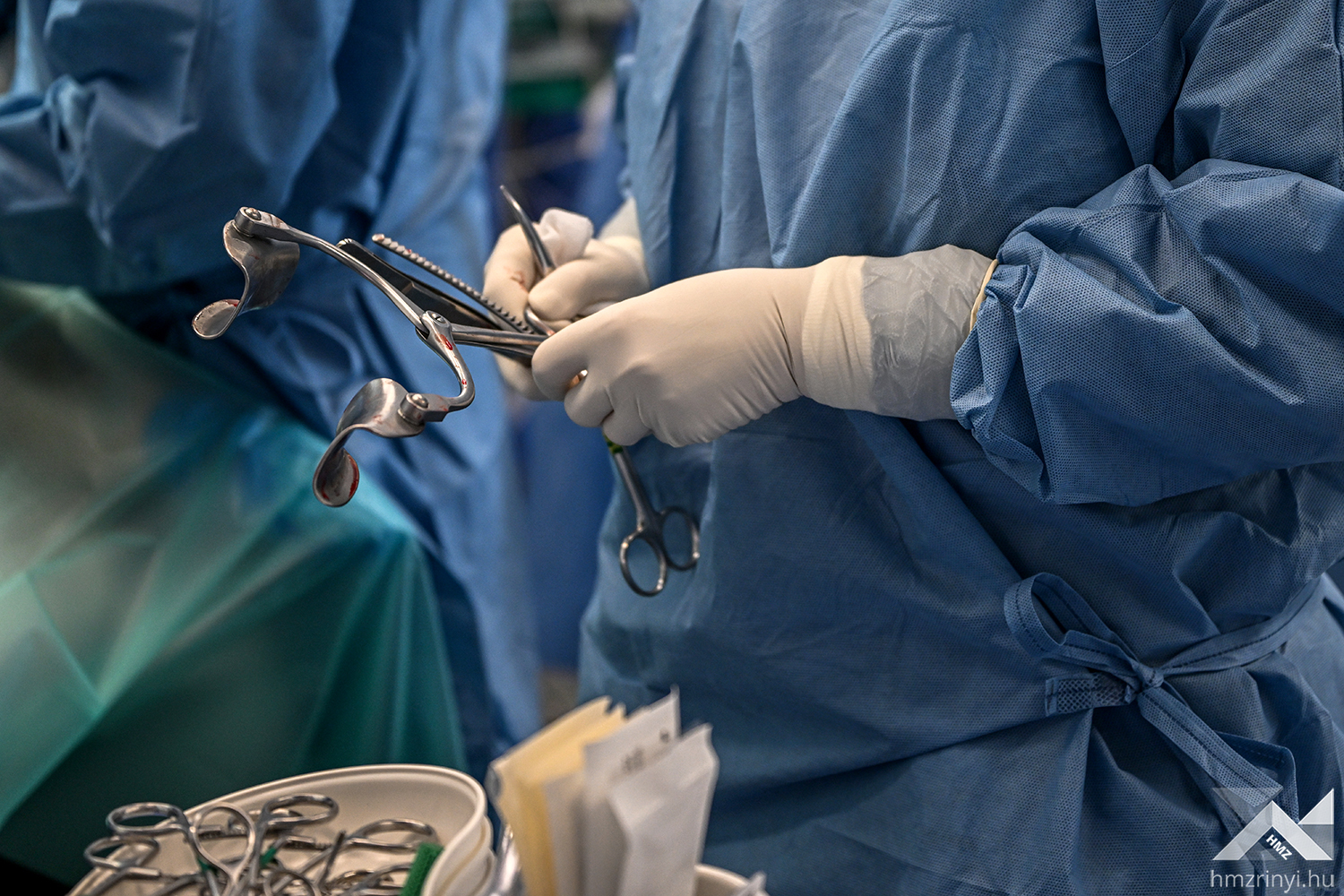
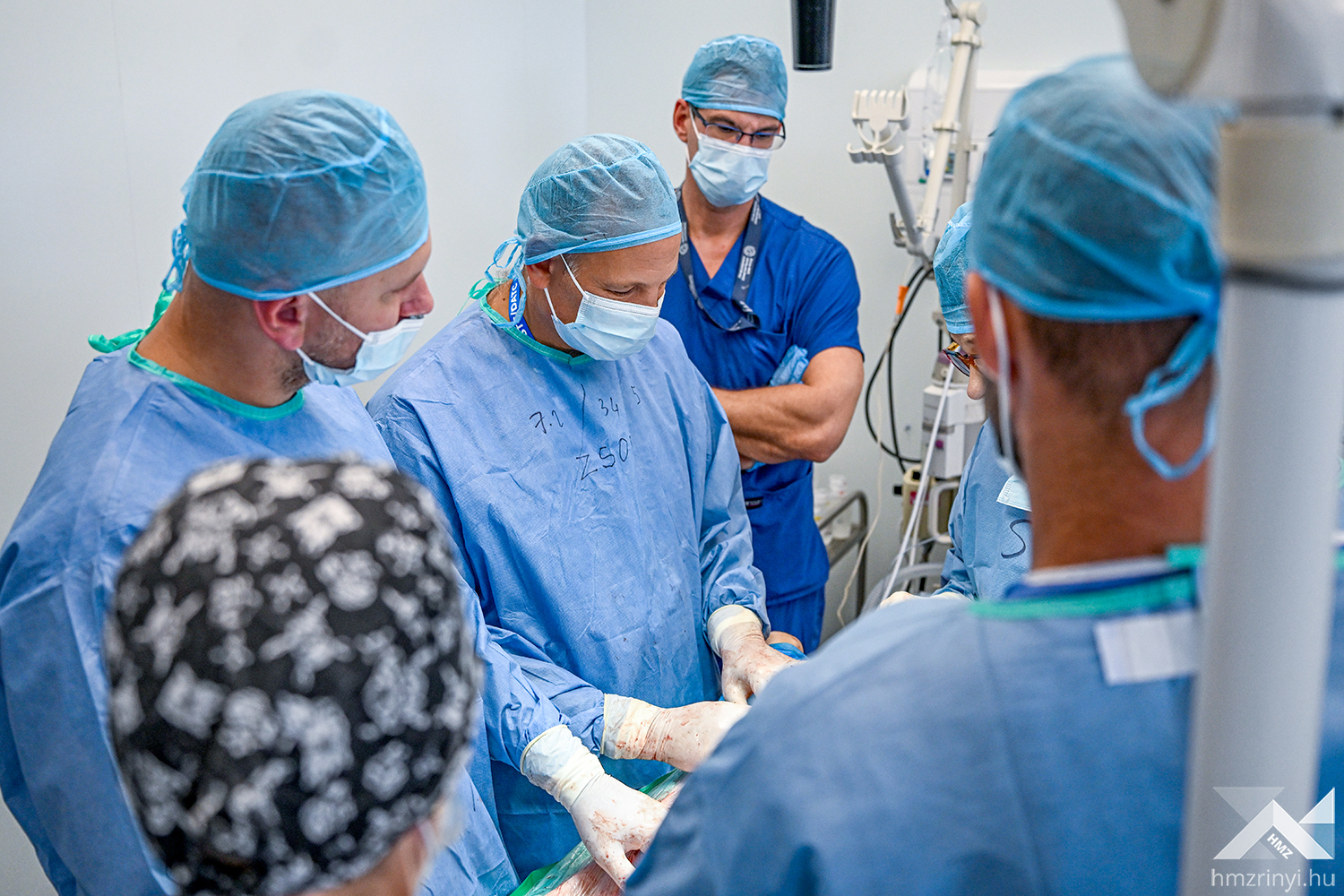
Consisting of an academic and a hands-on phase, the training focuses on injuries penetrating through anatomical borders. Among these are gunshot and stab wounds as well as traumas resembling blast injuries occurring in war zones, but there are also some everyday cases in this group that may occur during a traffic accident or result from falling off heights, for example a cliff.
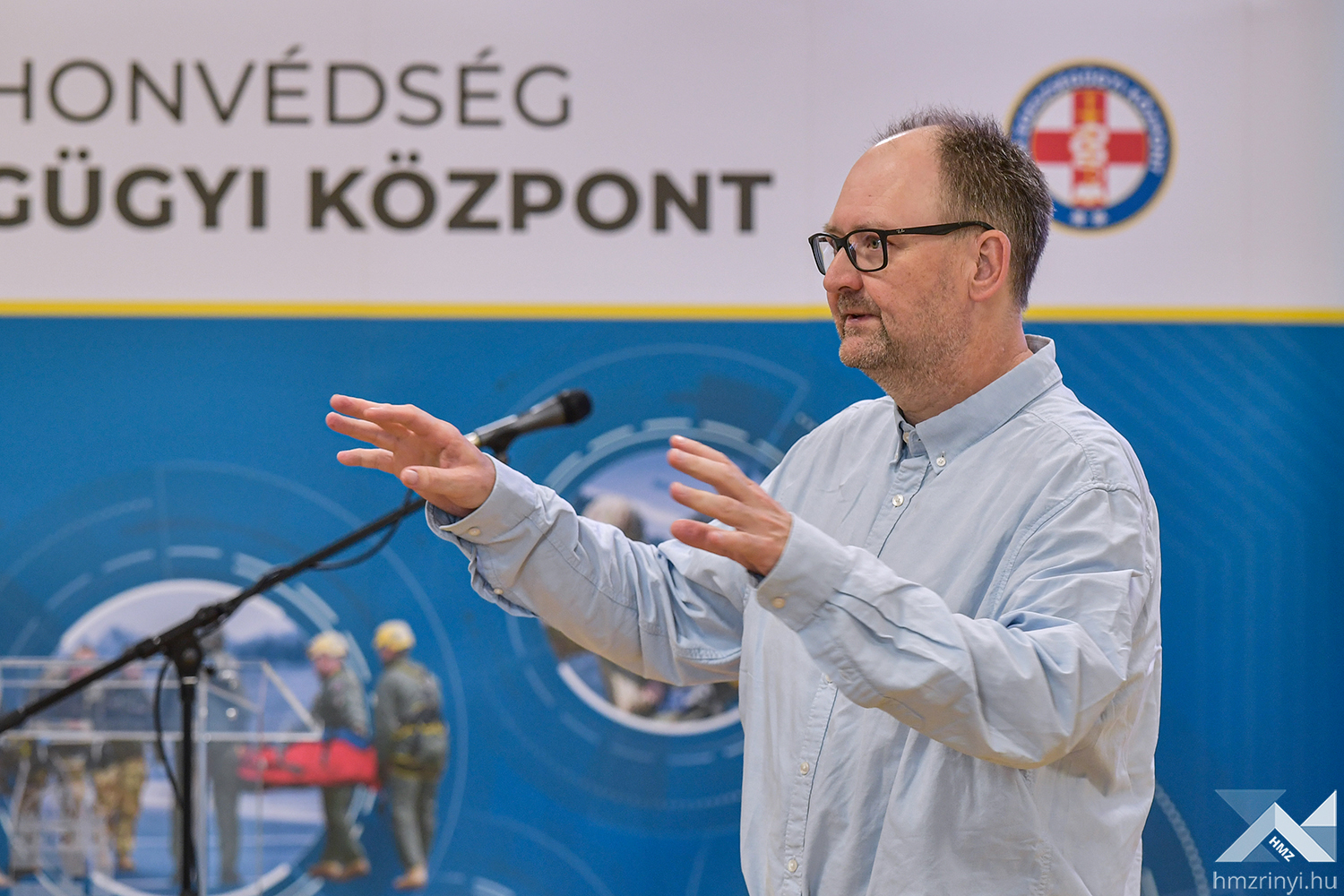
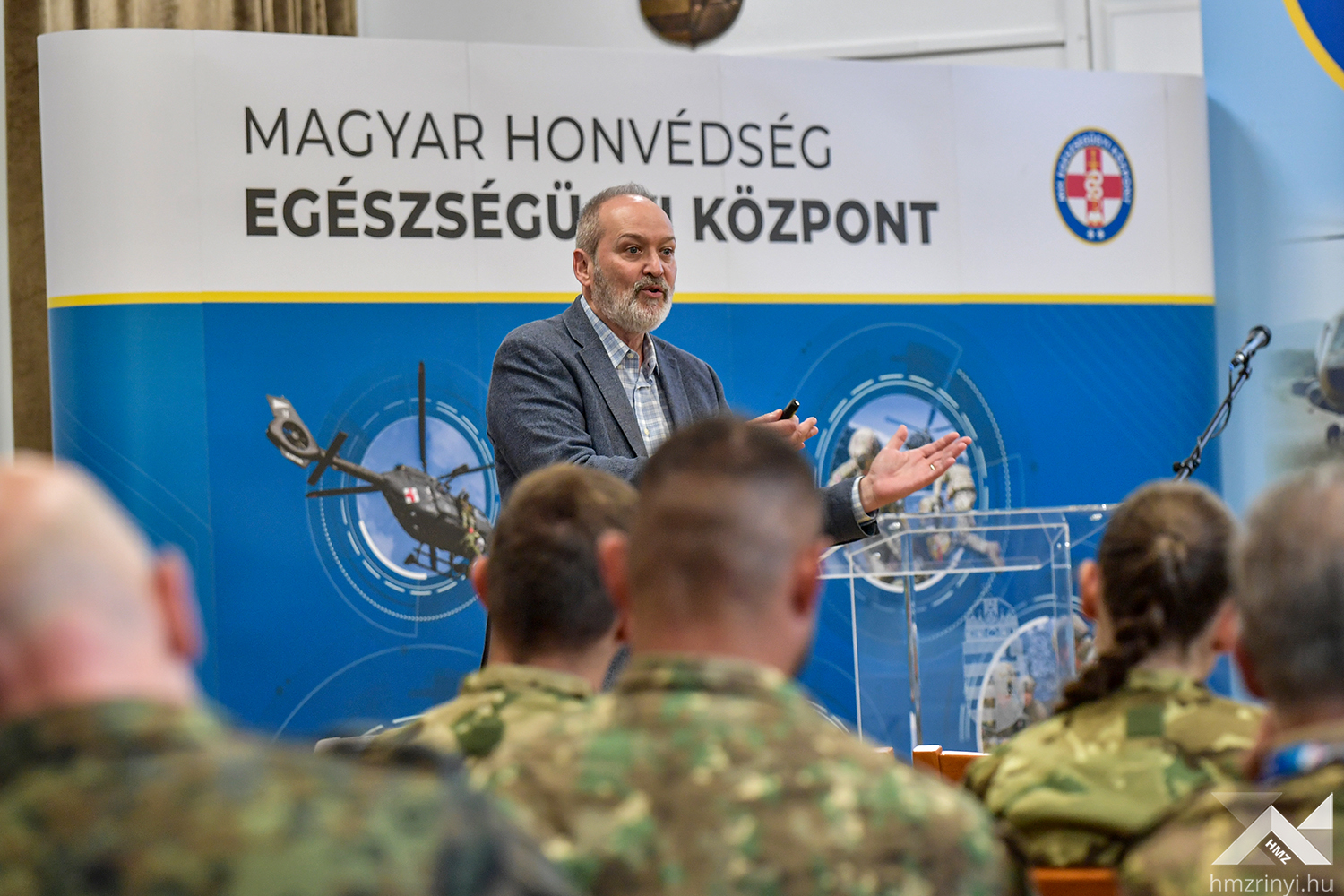
“Among those under 50 years of age, trauma is the leading cause of death all around the world, thus it is considered a public health issue of special importance. Thanks to this training course, however, we can improve survival rates in a given population by up to 15-20 percent” – this was how Course Director Dr (MD) Tarek Razek, IATSIC DSTC Program Director highlighted the significance of the training. To this end, the organizers have integrated the best trauma surgery practices used around the world into the course curriculum.
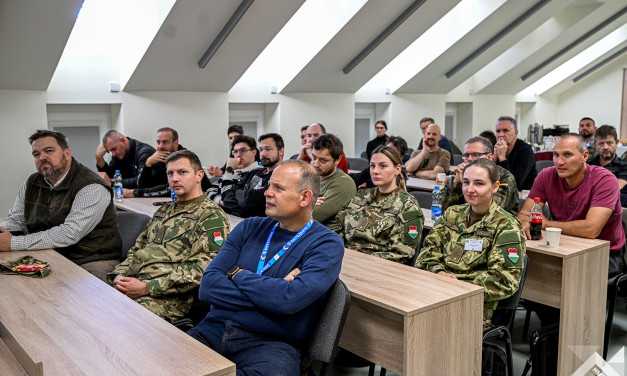
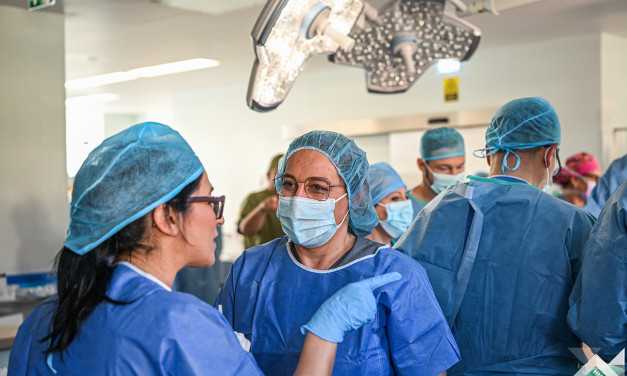
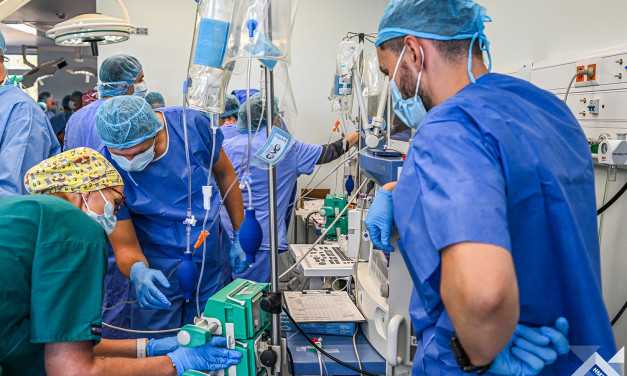
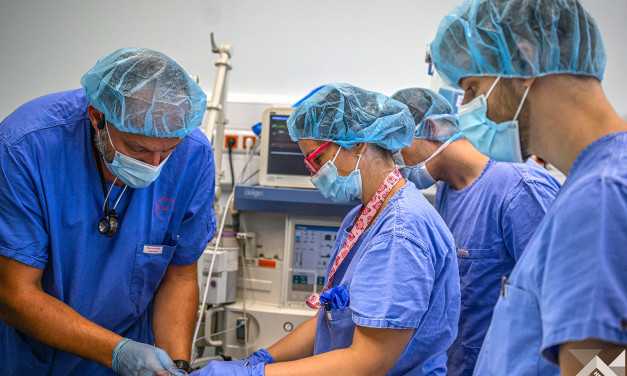
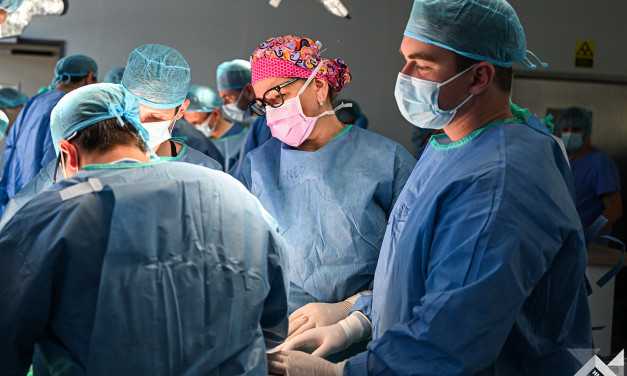
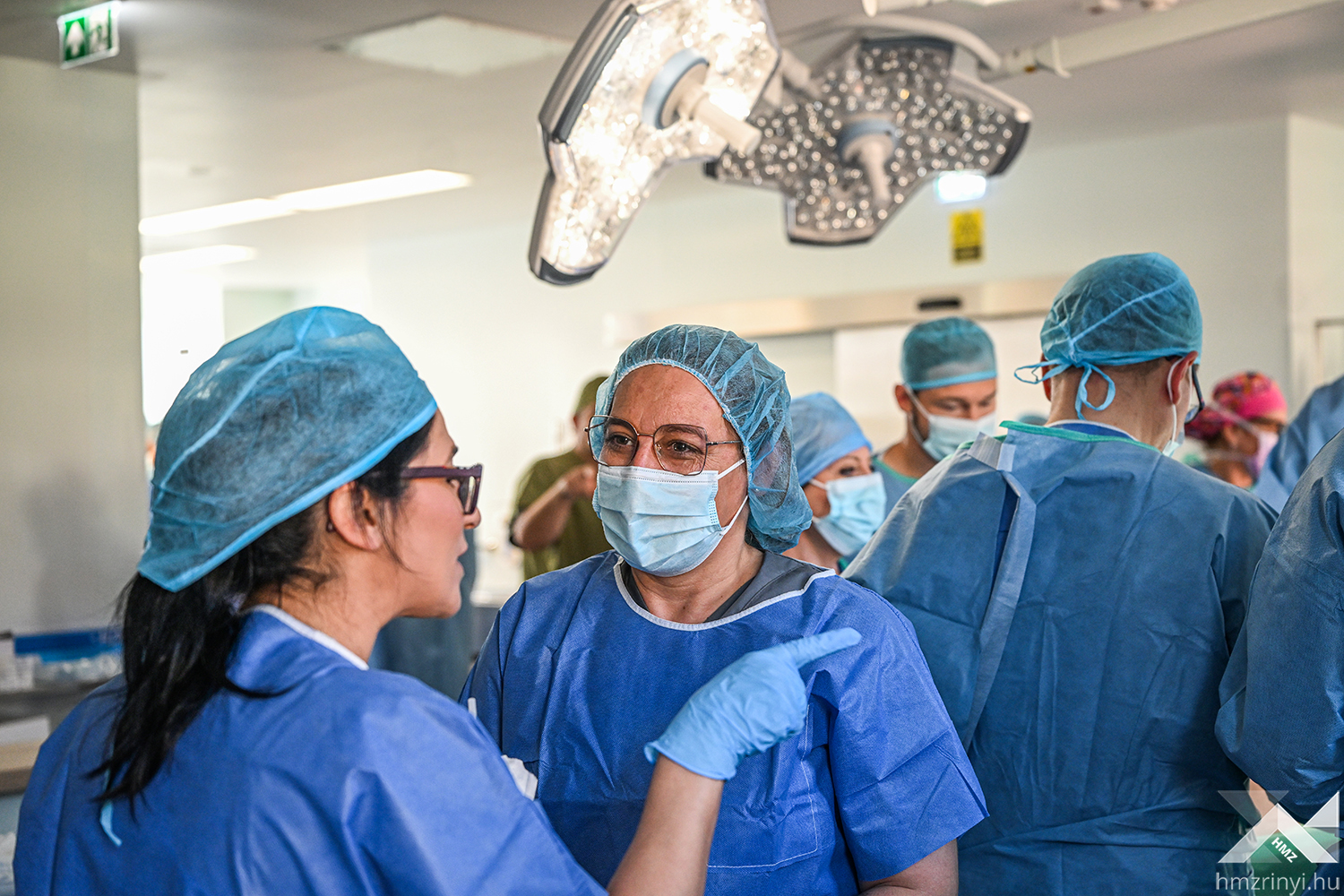
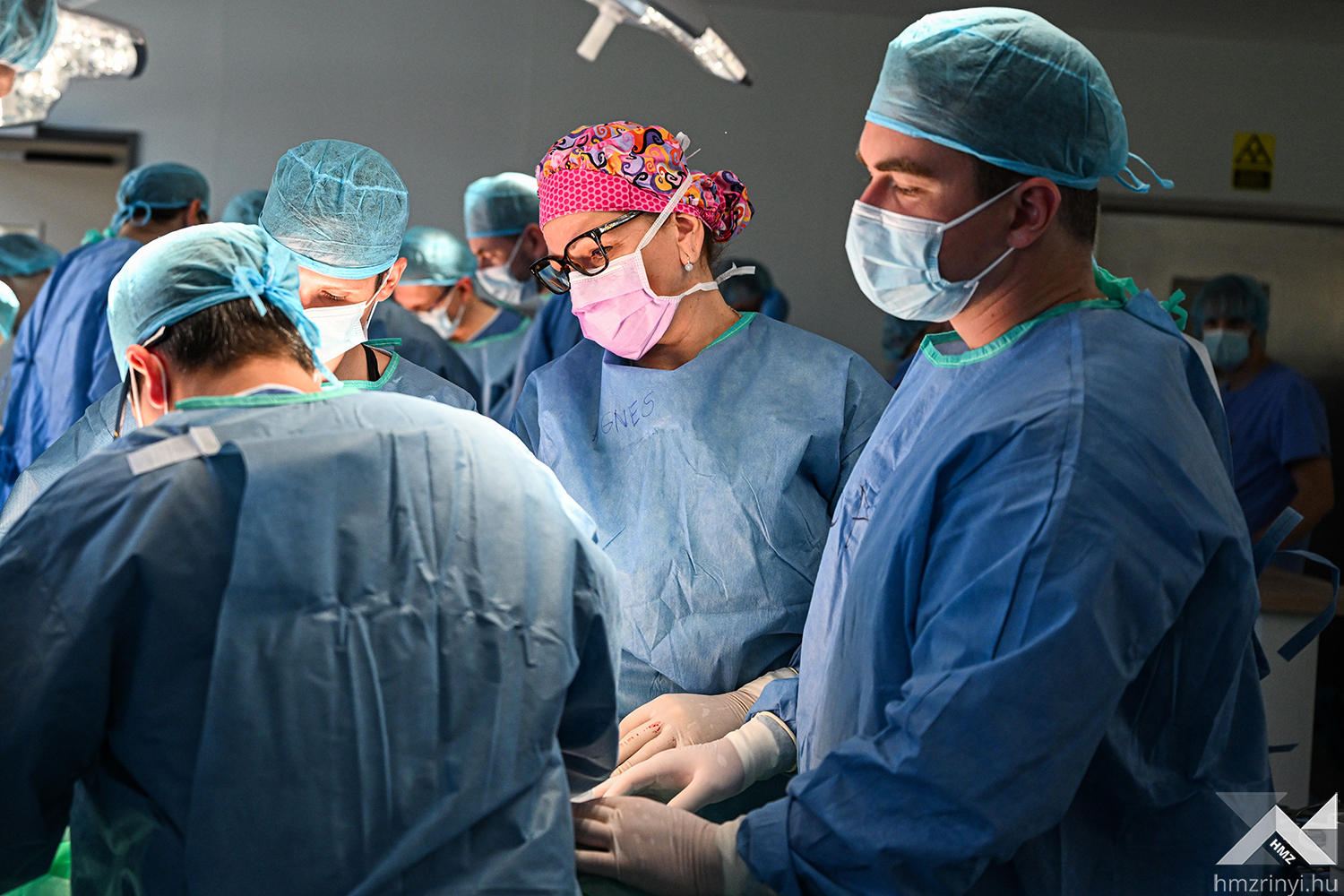
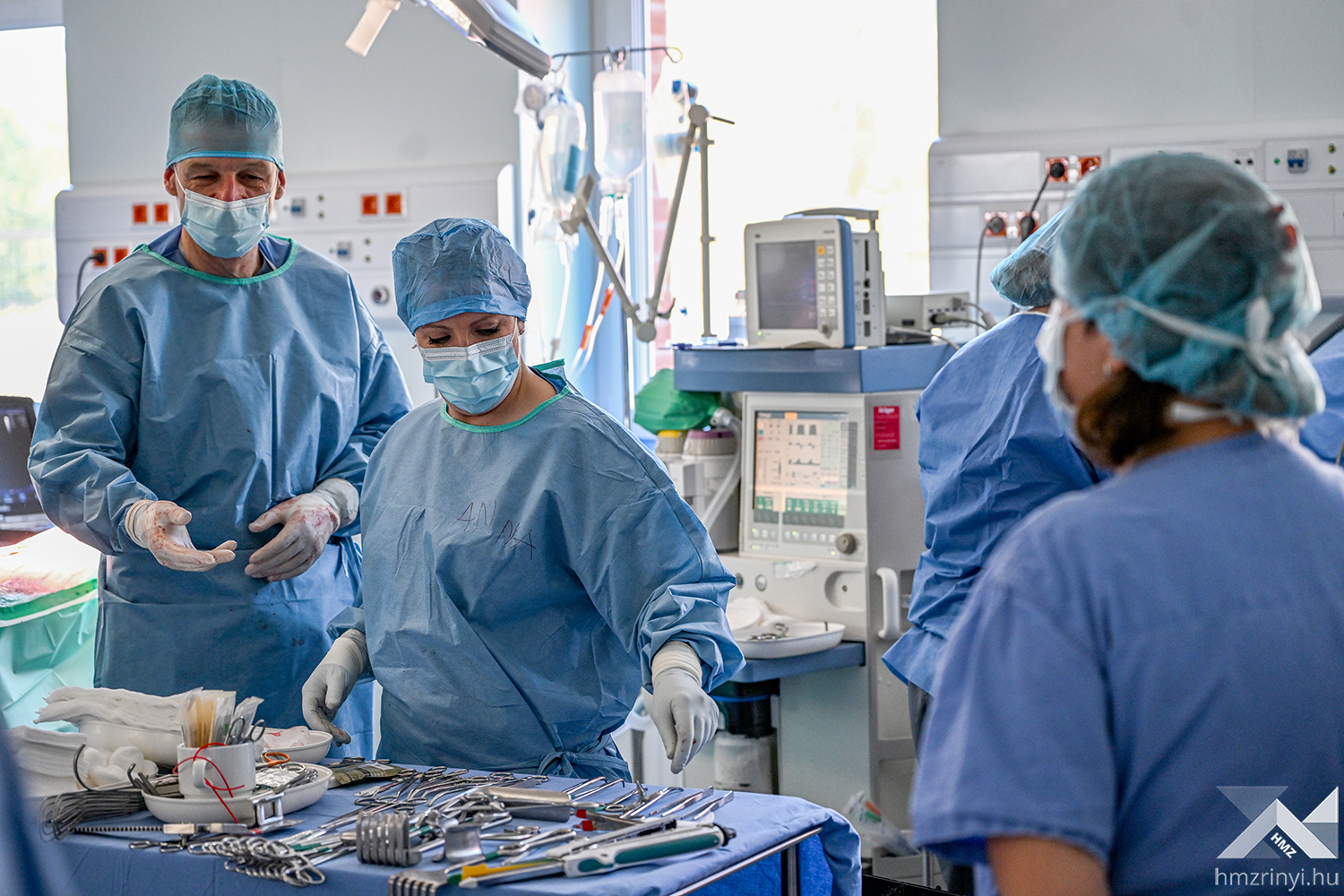
This year’s course has brought together instructors from the South African Republic, Norway, Australia and Canada. The course, however, goes beyond international cooperation: besides being based on civil-military cooperation, it also involves surgeons, anesthesiologists and nurses due to the characteristics of trauma care.
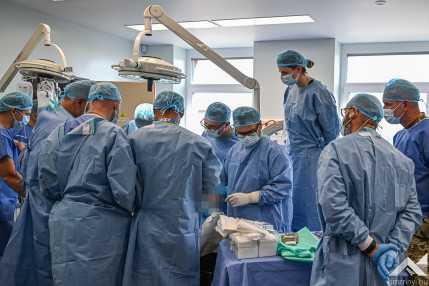
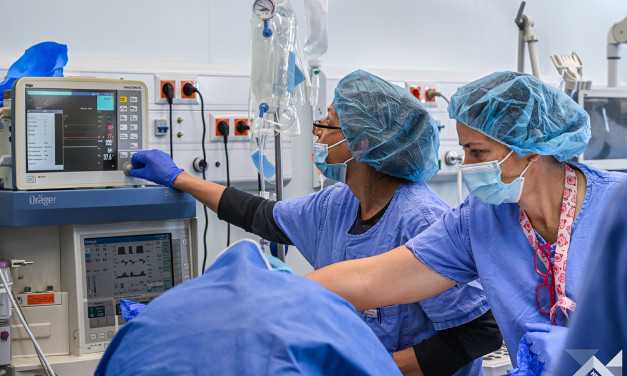
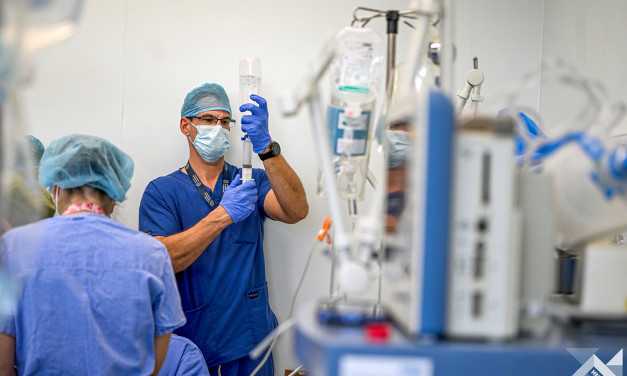
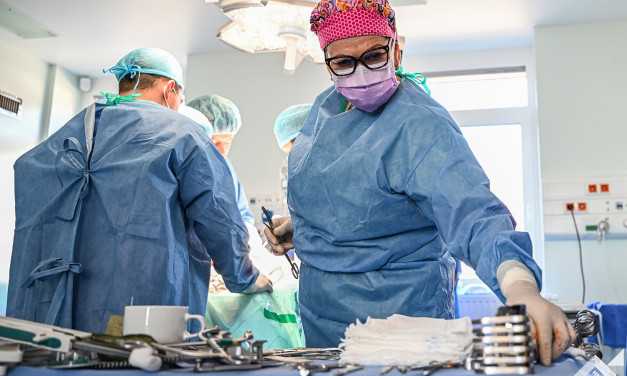
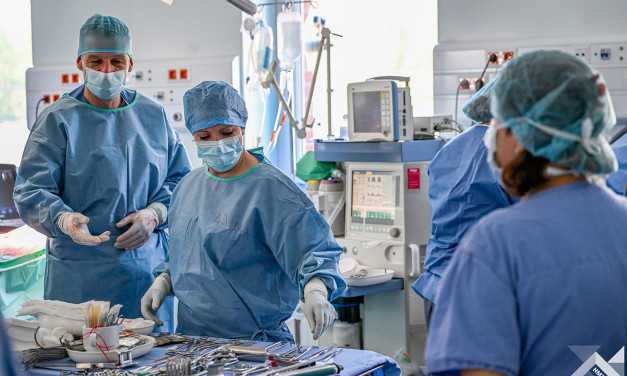
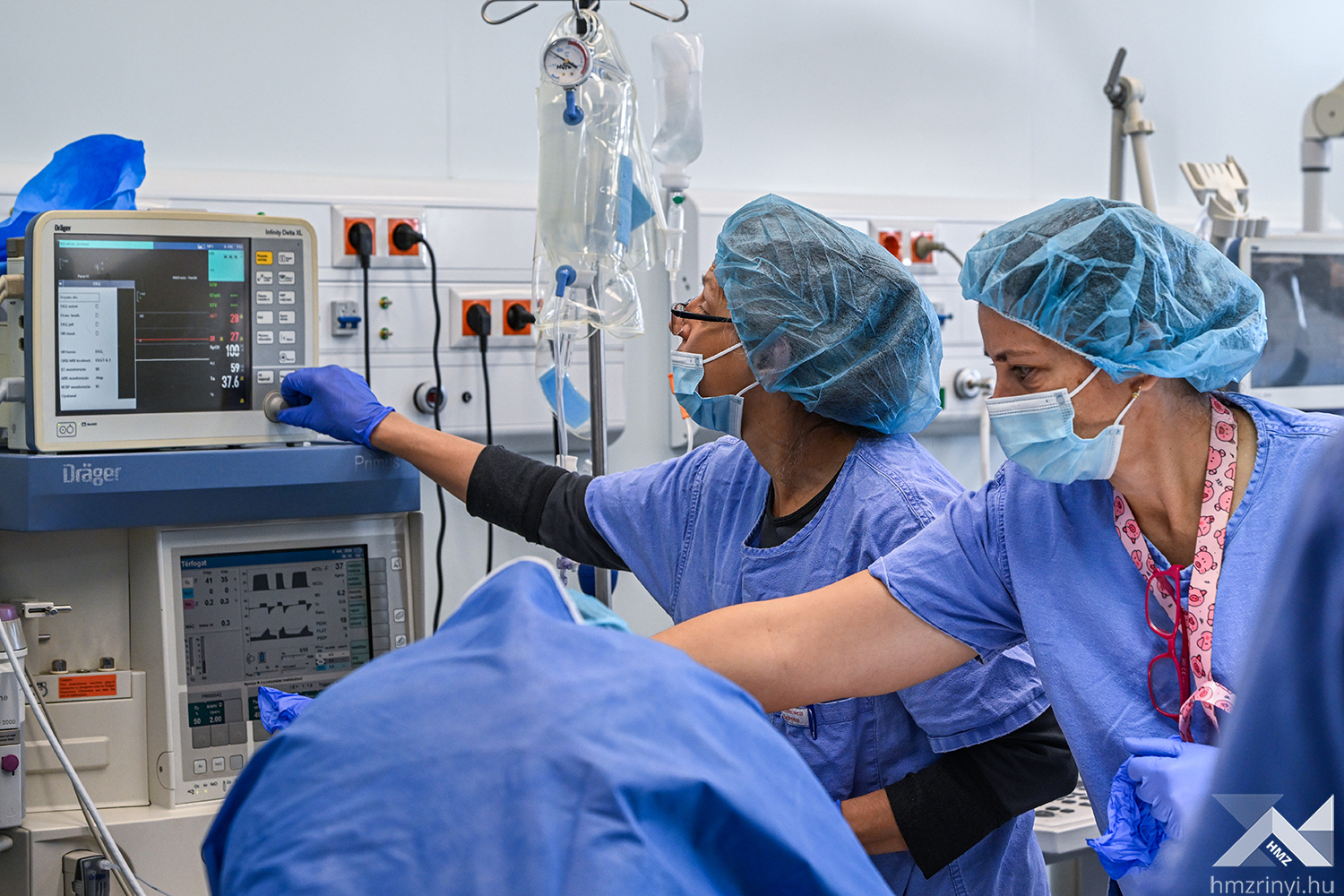
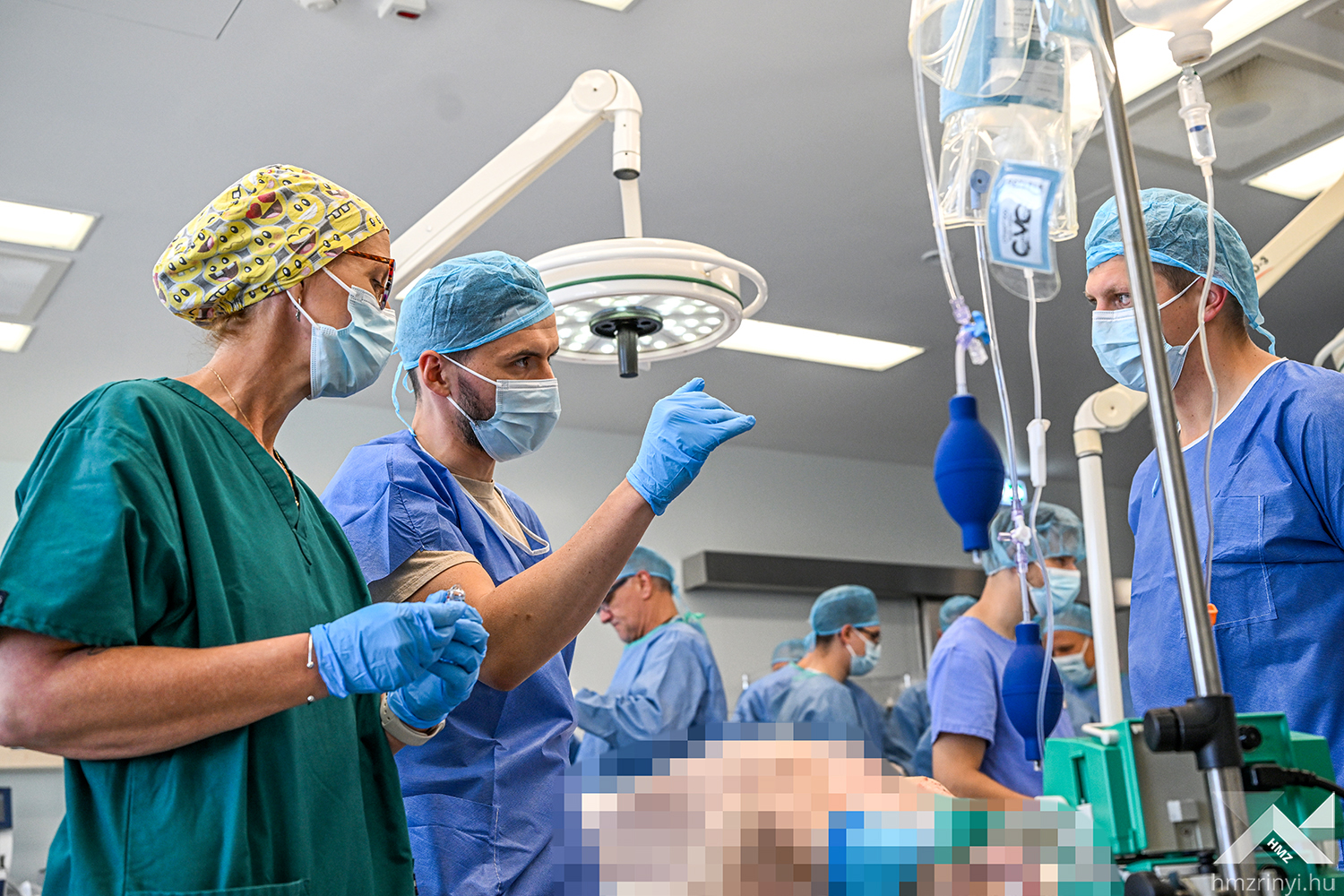
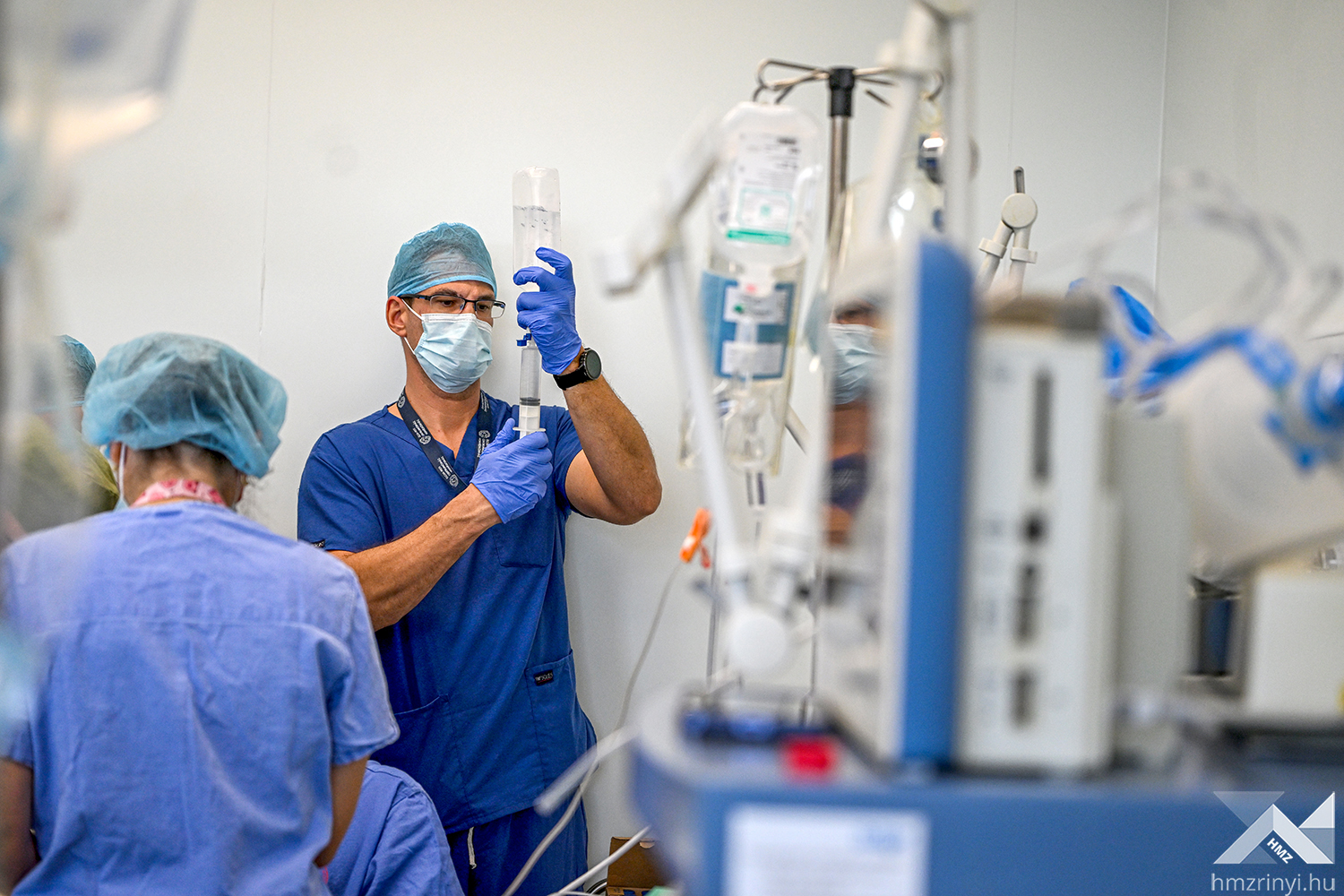
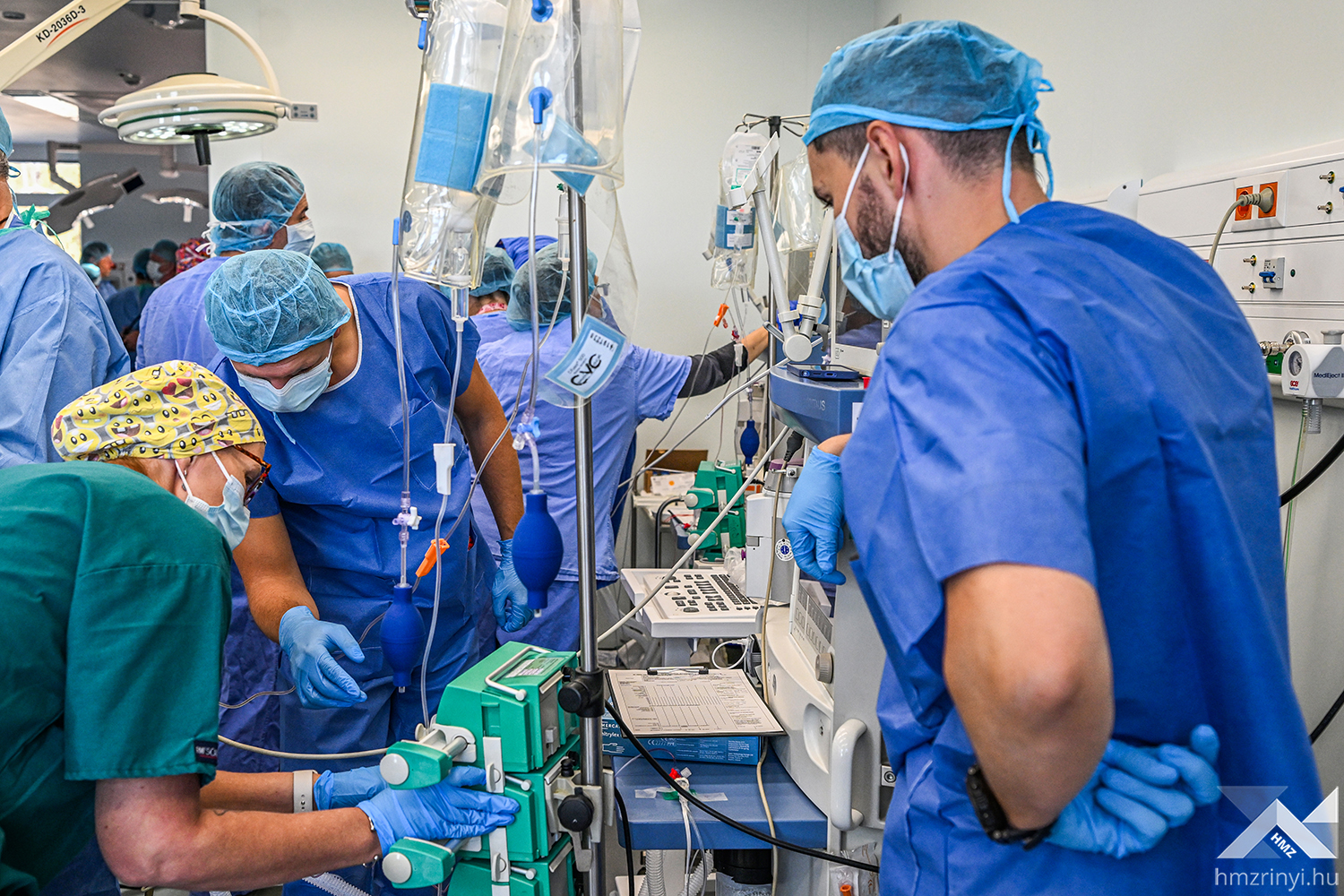
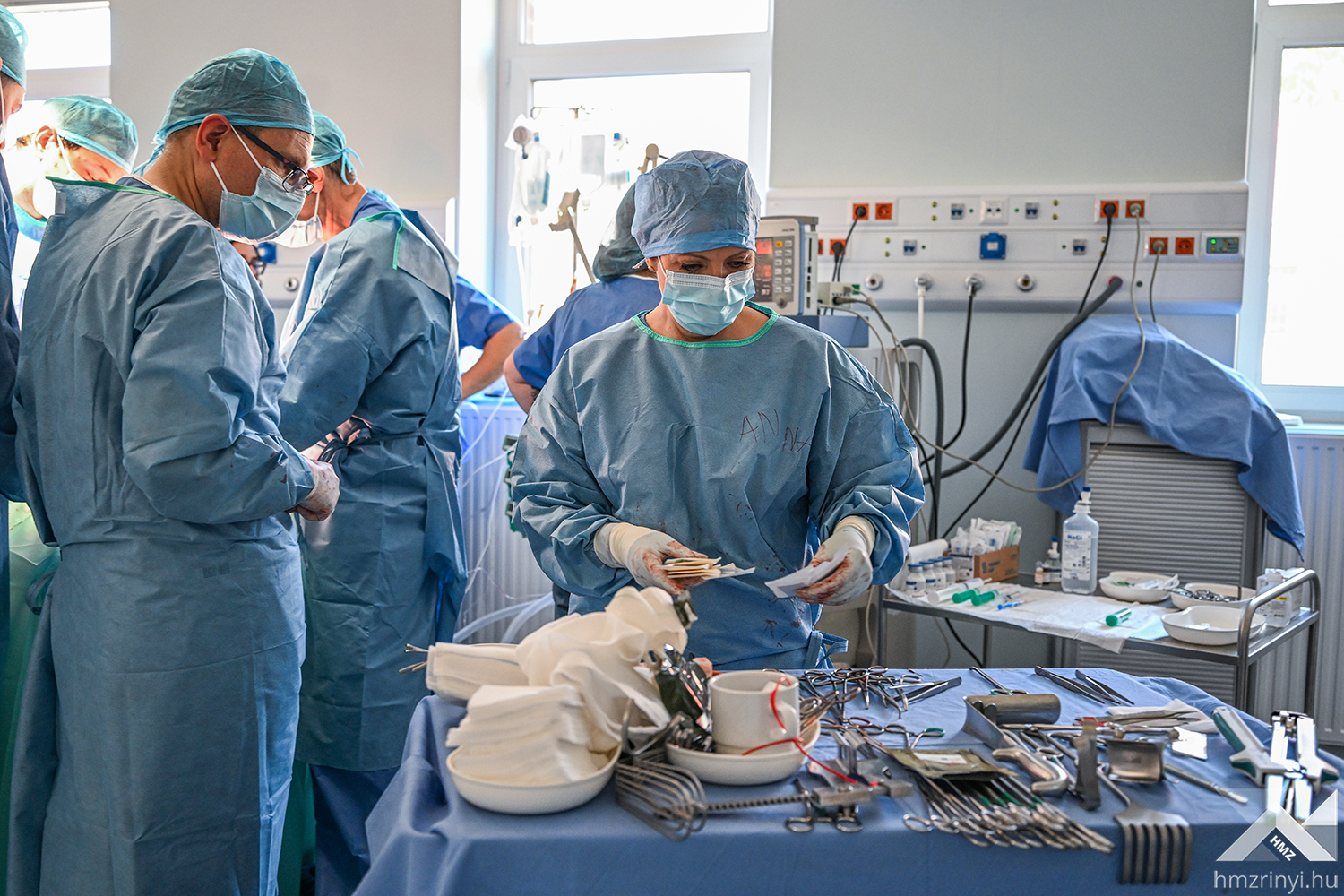
Warrant Officer Zoltánné Mayer, an NCO of the HDF Medical Centre has so far participated in every edition of the course as anesthesiologic nurse. As she said, in addition to facilitating smooth-running activity in an international environment, the main benefit of the course is that it gives participants an insight into trauma cases in a phase that they don’t encounter at the ICU. “Working in harmony with surgeons is important because besides providing anesthesia, we are also responsible for analgesia, so we monitor a given patient’s vital signs all along, including pulse rate and blood pressure. To sum up, our main task is to keep patients alive” – said the special nurse.
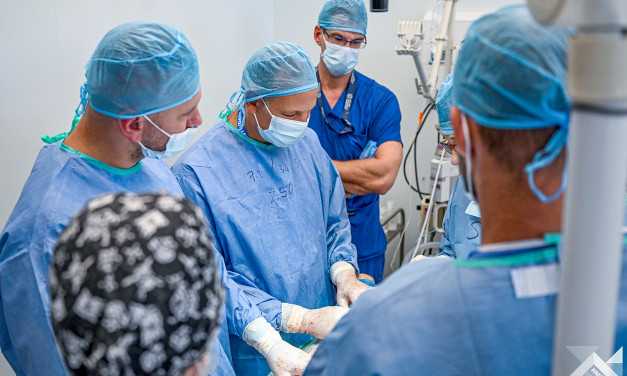
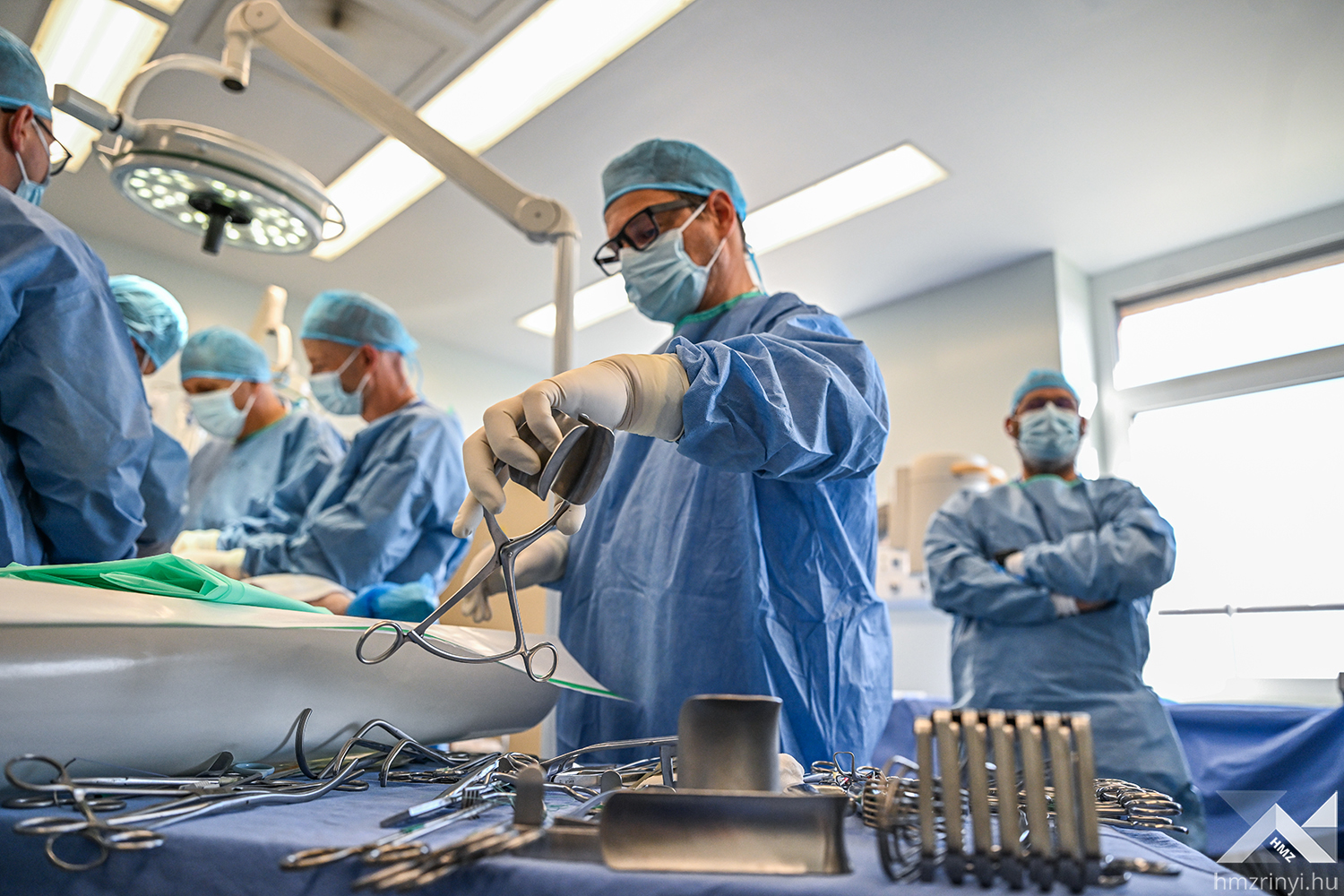
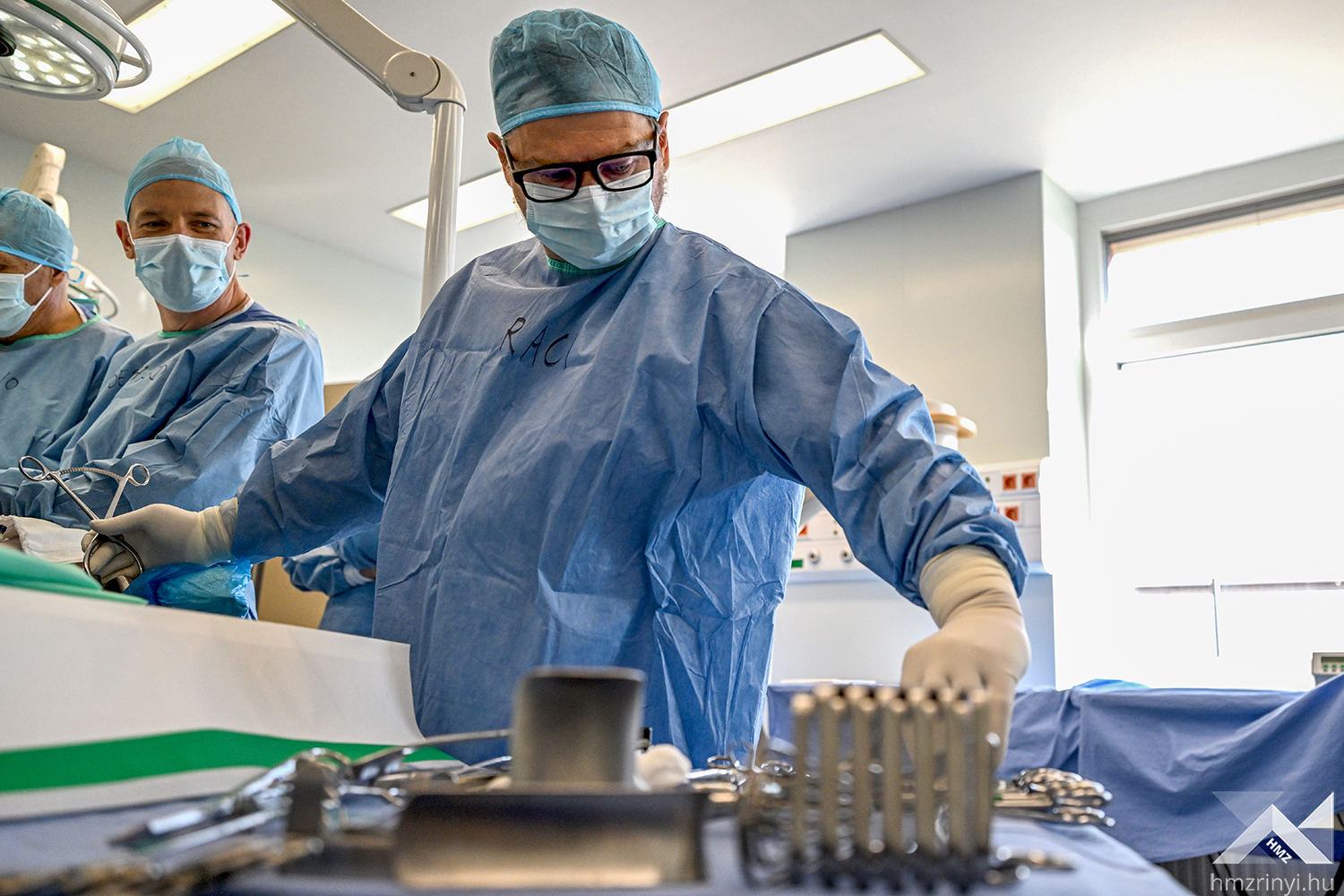
“Besides high-level practical skills, we also teach the participants decision-making procedures, all this in the most realistic situation possible, where they can feel what is at stake and have a sense of responsibility. First of all, it is self-confidence that a course like this provides, which may save lives in a real-world situation” – concluded Dr Tarek Razek.
And what can this course give to civilian participants?
This year, the HDF Medical Centre invited to the international course Dr (MD) Zsolt Dubóczki, who is a surgeon, thoracic surgeon, clinical oncologist and air ambulance medic. At the beginning of the year, Dr Dubóczki performed cardiac surgery on a critically injured man while on the street. During the intervention, he sutured the injured heart and stabilized the patient’s condition in seven minutes. According to the surgeon, the international course primarily fills an important gap in the system of Hungarian surgeon training: “I’m enjoying it very much, especially the hands-on phase, and the approach the instructors bring from places where they see several patients with such injuries”.
w2026.10.06.dstc tanfolyam.rt. (1)
w2026.10.06.dstc tanfolyam.rt. (2)
w2026.10.06.dstc tanfolyam.rt. (3)
w2026.10.06.dstc tanfolyam.rt. (4)
w2026.10.06.dstc tanfolyam.rt. (5)
w2026.10.06.dstc tanfolyam.rt. (6)
w2026.10.06.dstc tanfolyam.rt. (7)
w2026.10.06.dstc tanfolyam.rt. (8)
w2026.10.06.dstc tanfolyam.rt. (9)
w2026.10.06.dstc tanfolyam.rt. (10)
w2026.10.06.dstc tanfolyam.rt. (11)
w2026.10.06.dstc tanfolyam.rt. (12)
w2026.10.06.dstc tanfolyam.rt. (13)
w2026.10.06.dstc tanfolyam.rt. (14)
w2026.10.06.dstc tanfolyam.rt. (15)
w2026.10.06.dstc tanfolyam.rt. (16)
w2026.10.06.dstc tanfolyam.rt. (17)
w2026.10.06.dstc tanfolyam.rt. (18)
w2026.10.06.dstc tanfolyam.rt. (19)
w2026.10.06.dstc tanfolyam.rt. (20)
w2026.10.06.dstc tanfolyam.rt. (22)
w2026.10.06.dstc tanfolyam.rt. (23)
w2026.10.06.dstc tanfolyam.rt. (24)
w2026.10.06.dstc tanfolyam.rt. (25)
w2026.10.06.dstc tanfolyam.rt. (26)
w2026.10.06.dstc tanfolyam.rt. (27)
w2026.10.06.dstc tanfolyam.rt. (28)
w2026.10.06.dstc tanfolyam.rt. (29)
w2026.10.06.dstc tanfolyam.rt. (30)
w2026.10.06.dstc tanfolyam.rt. (31)
w2026.10.06.dstc tanfolyam.rt. (32)