Hungarian-Romanian Military Cooperation Strengthens
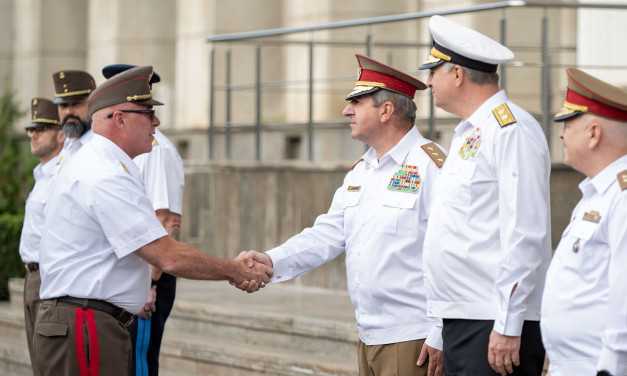
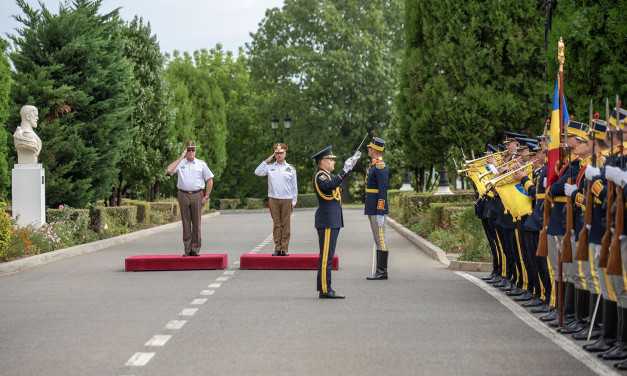
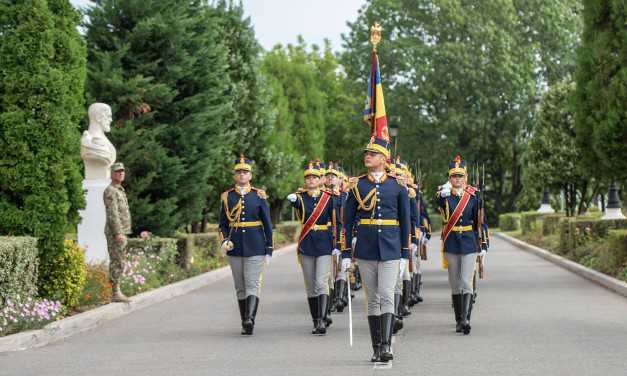
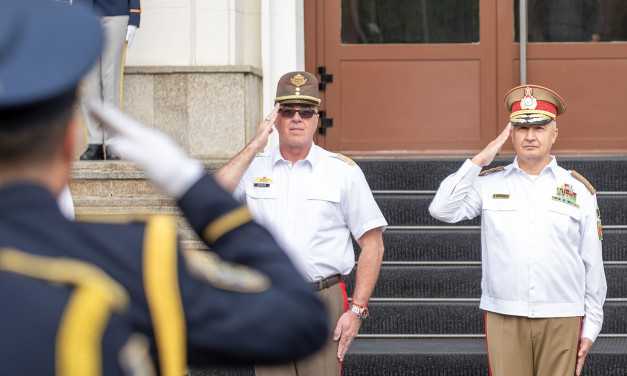
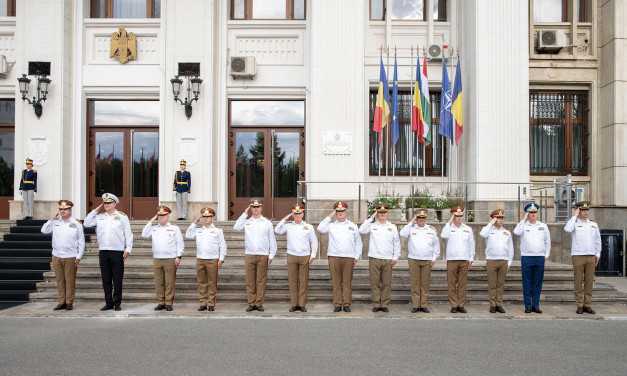
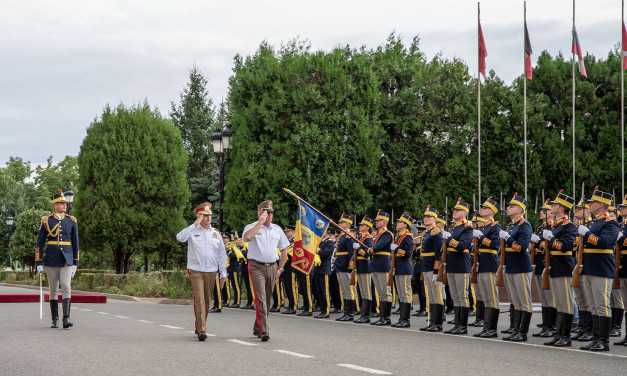
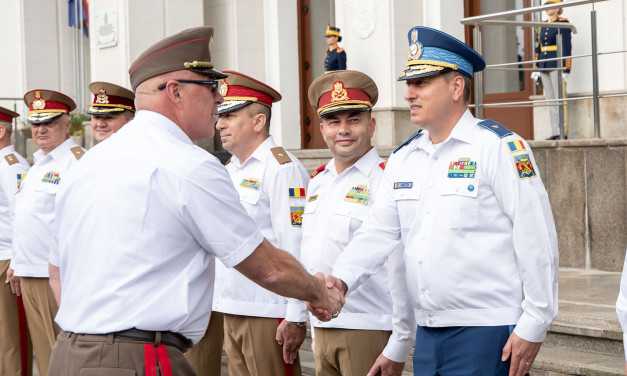
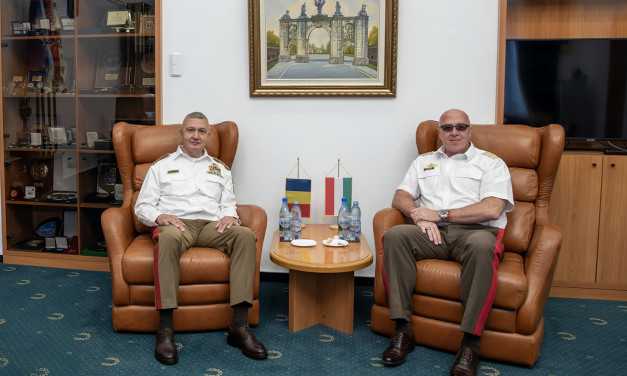
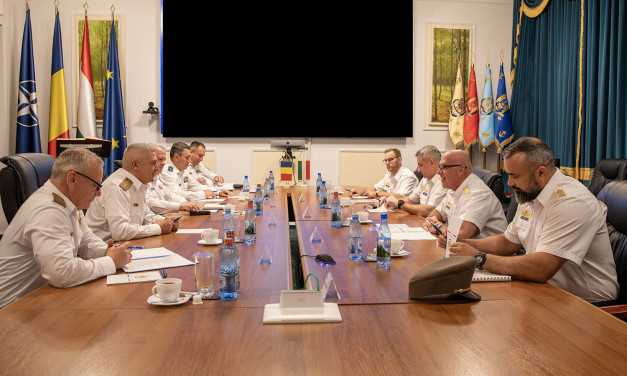
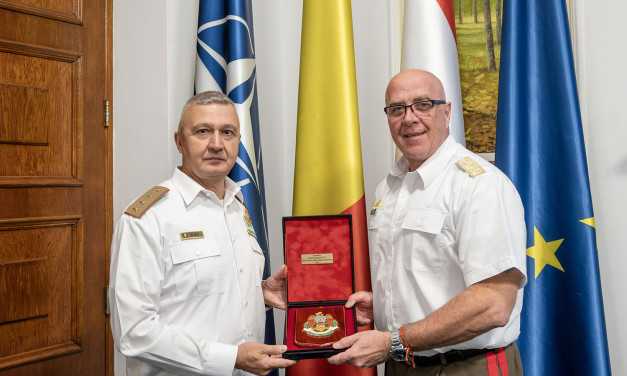
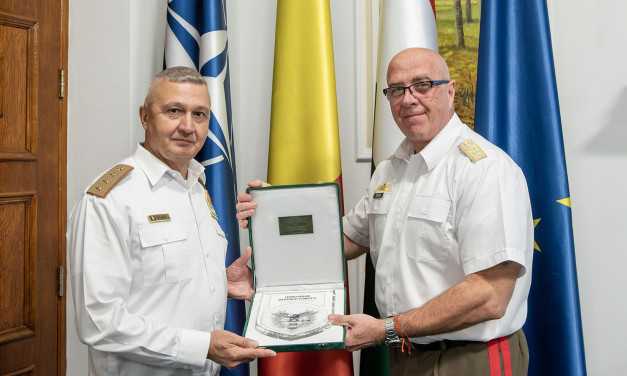
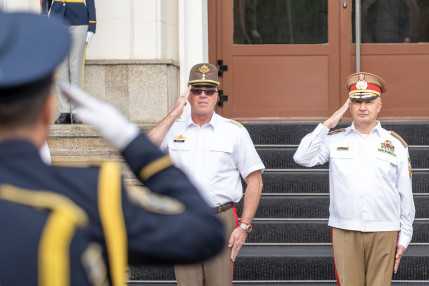
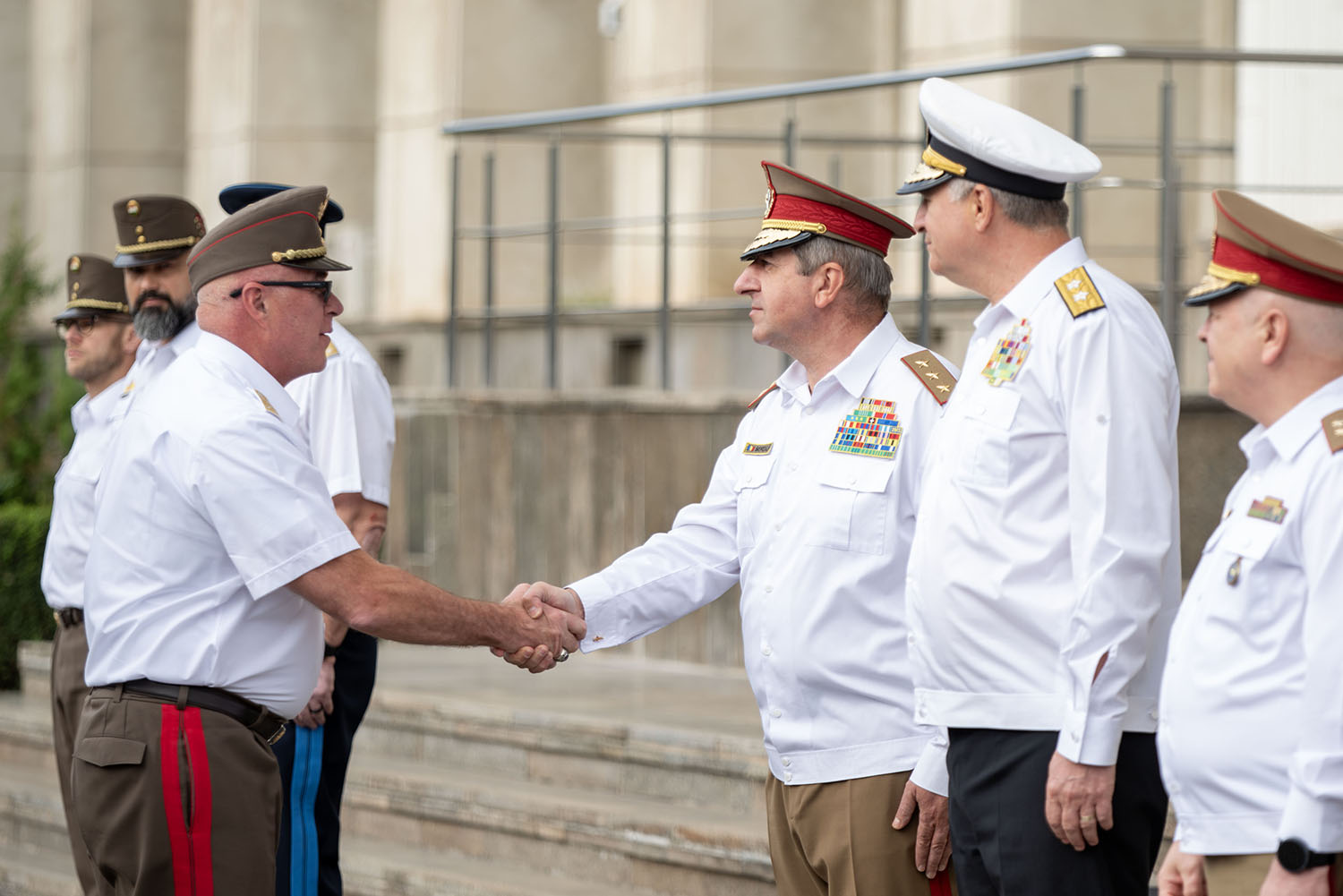
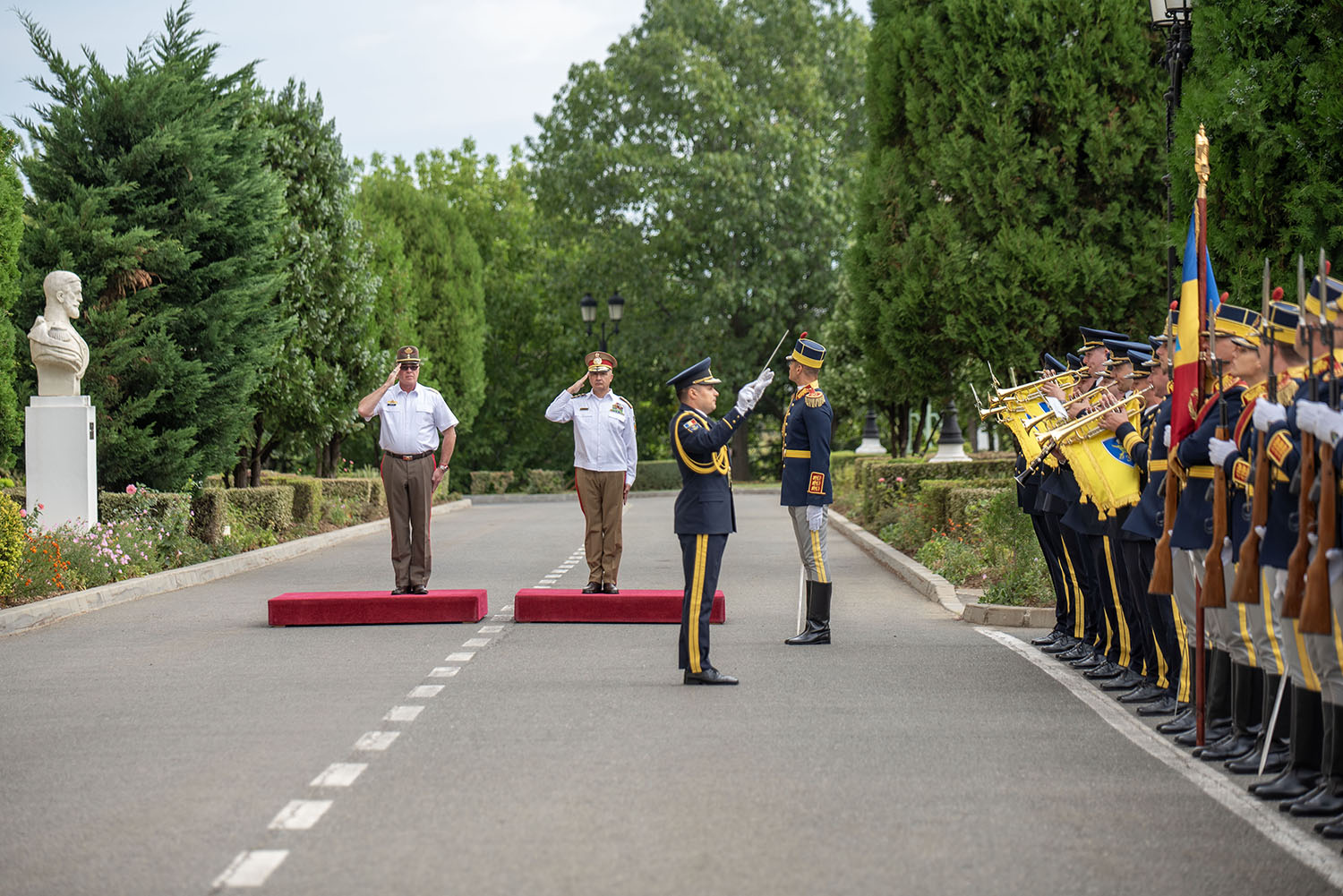
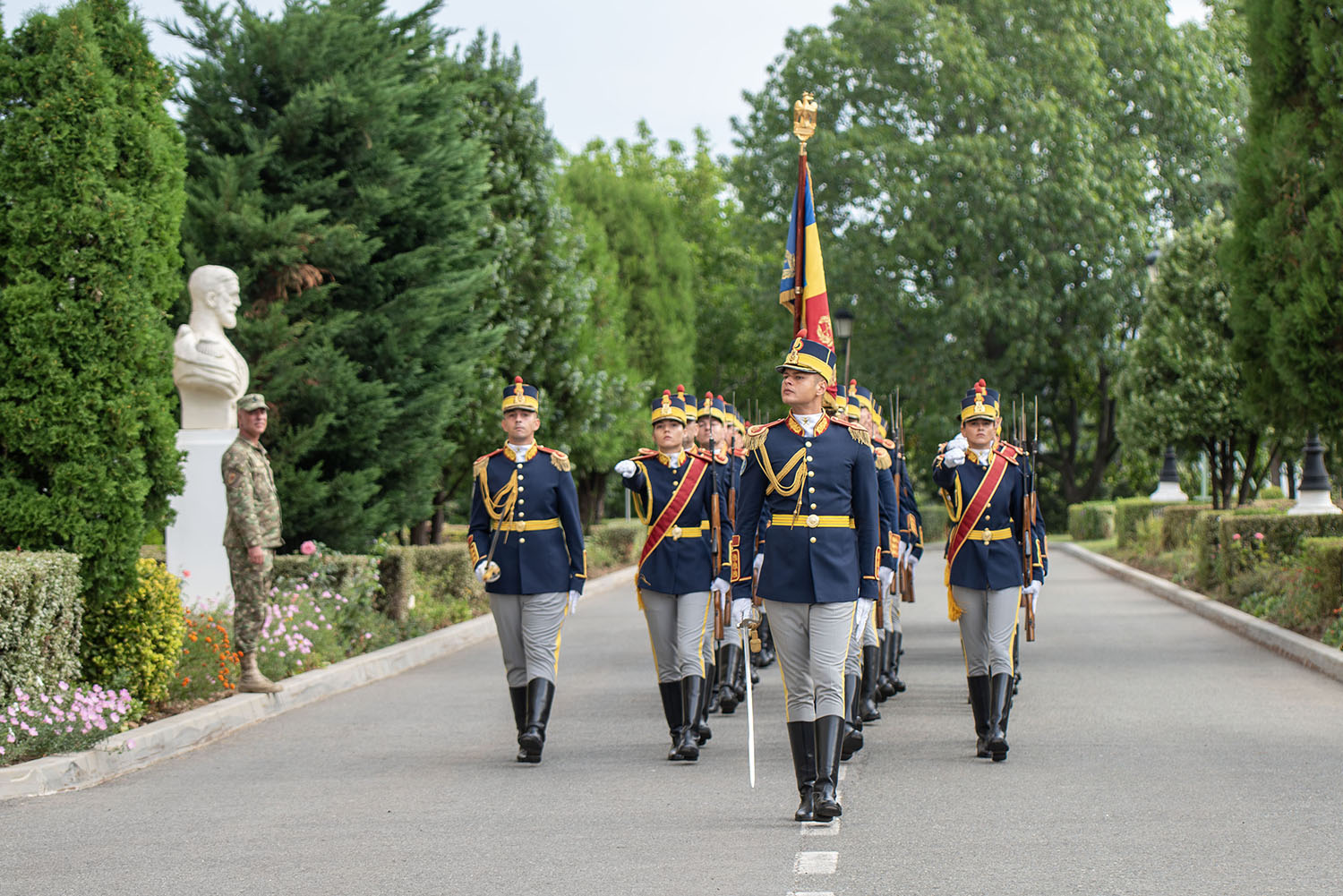
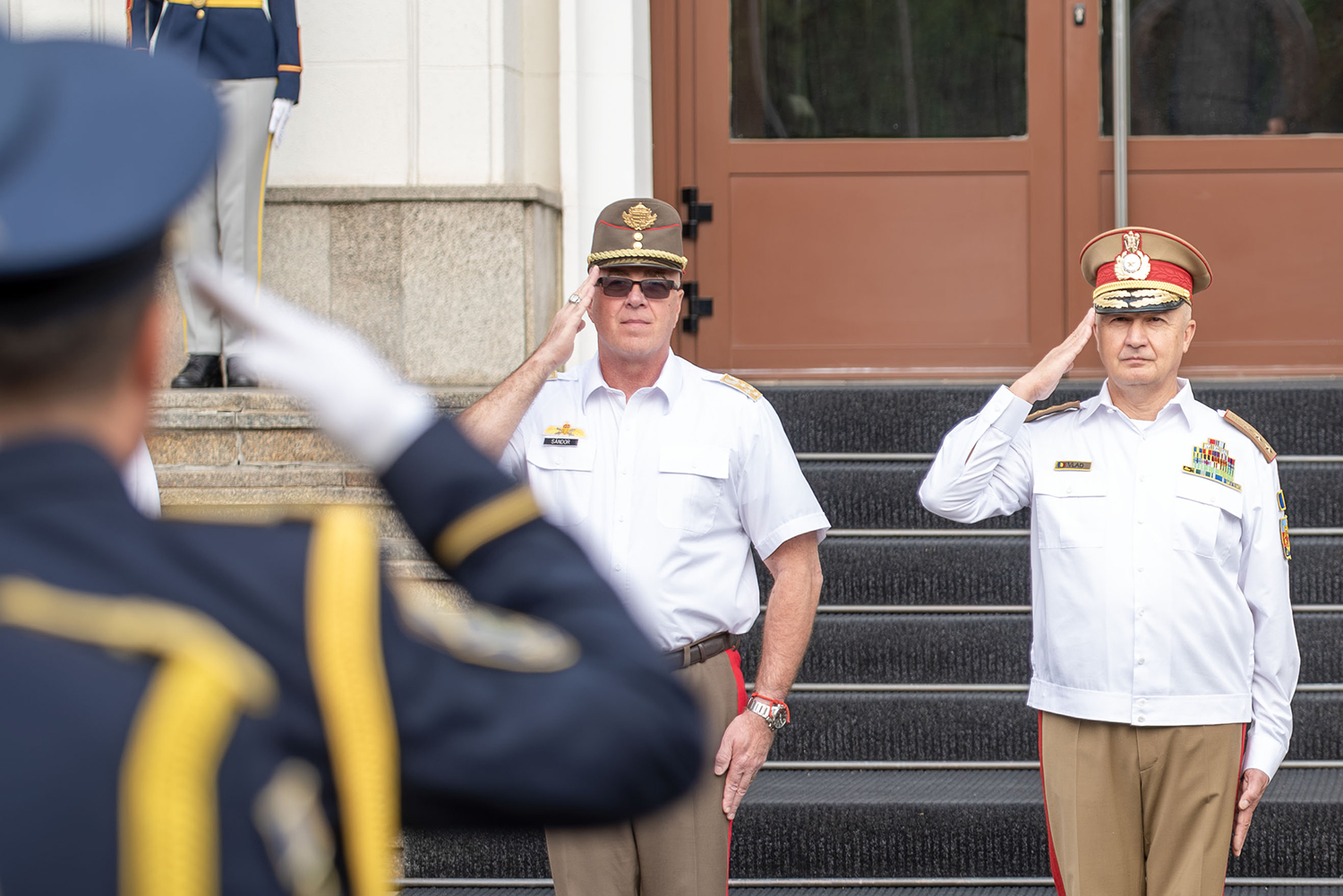
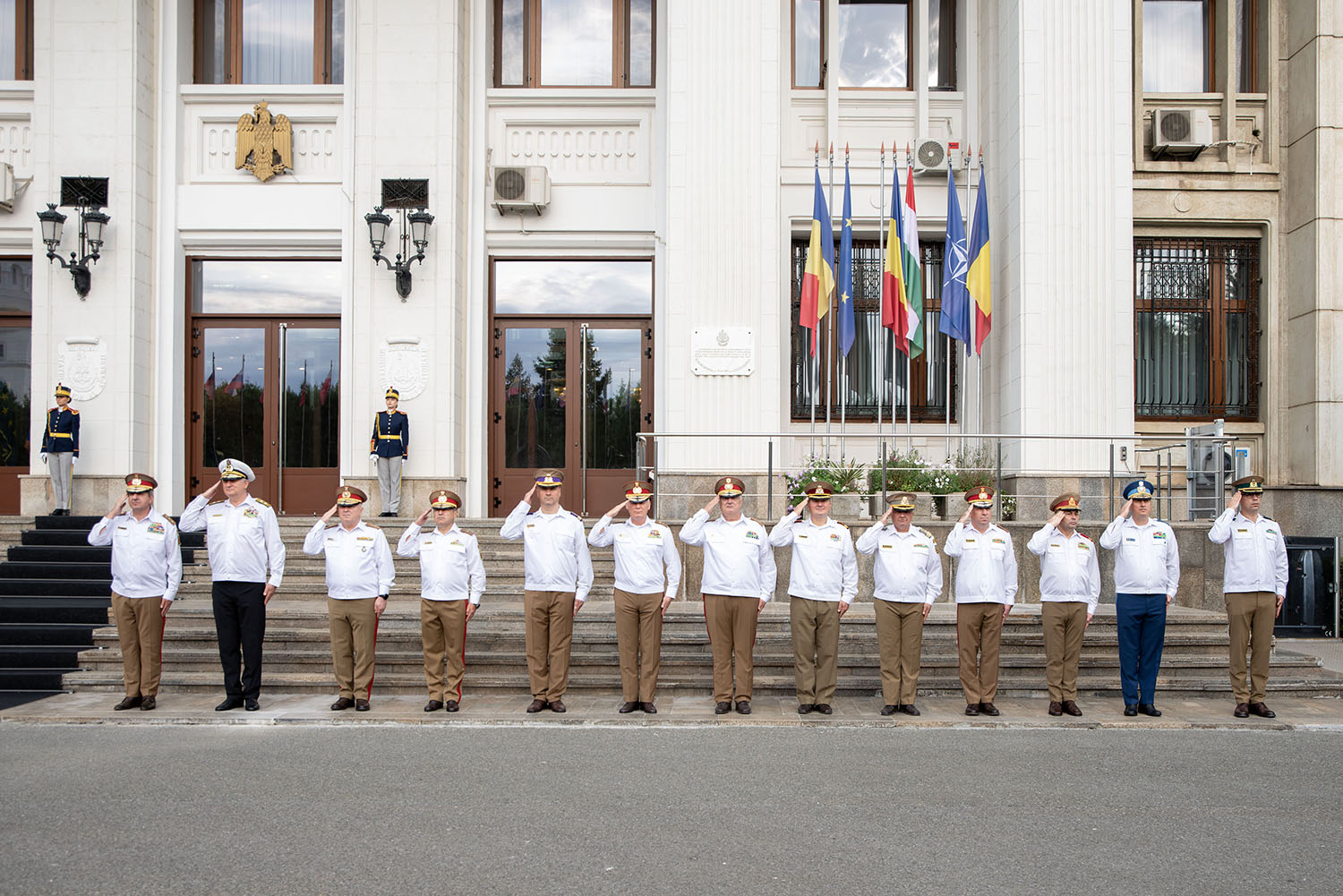
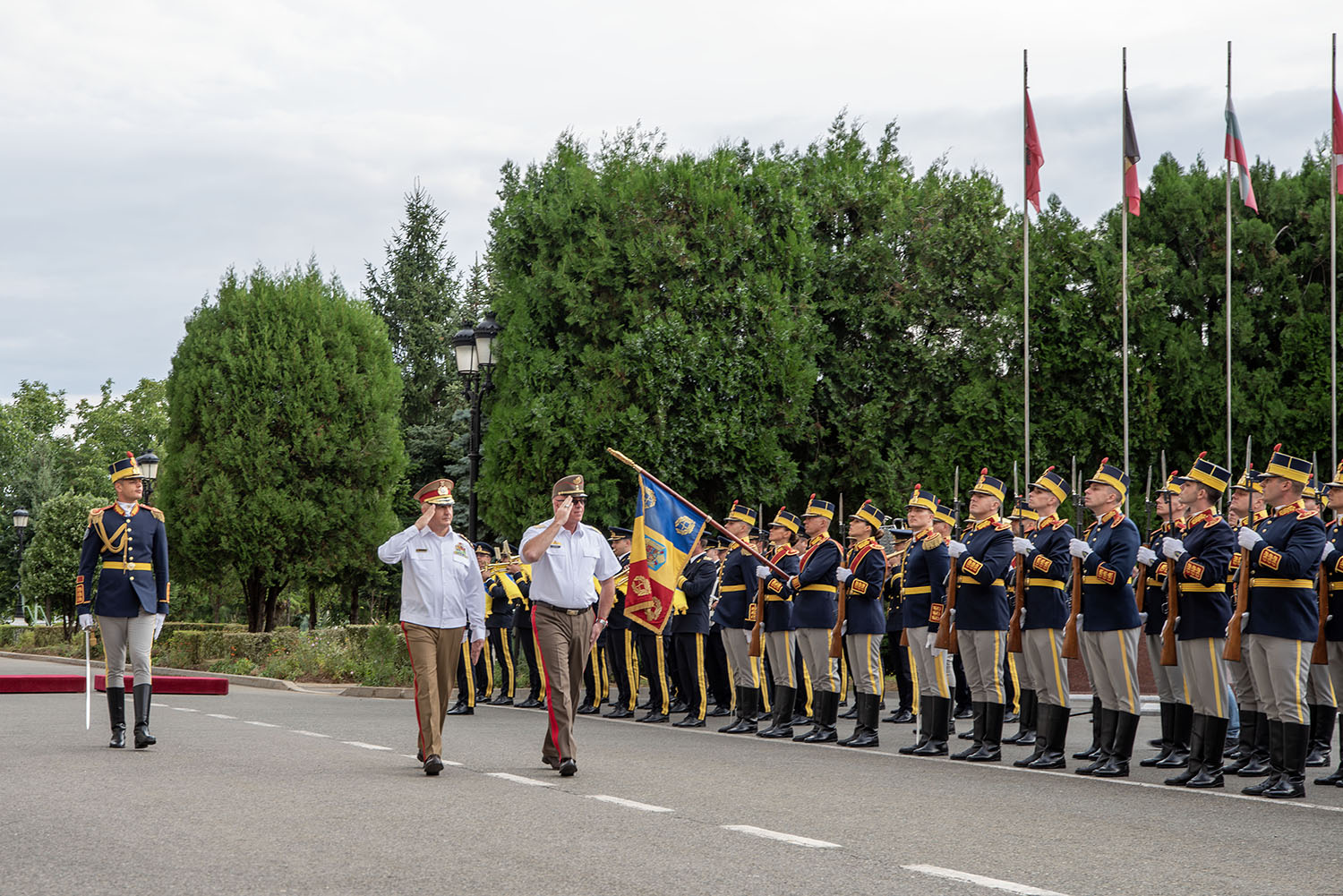
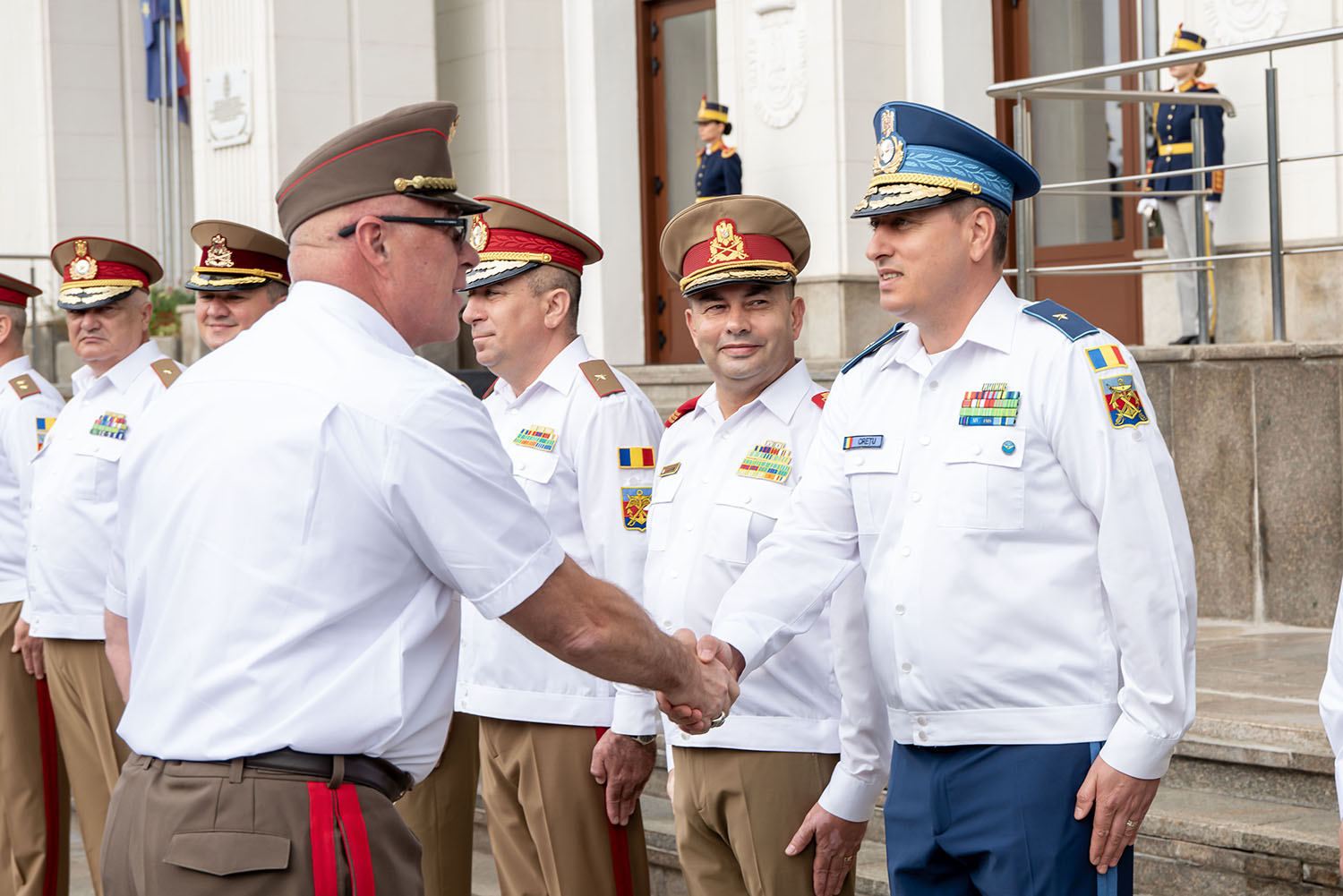
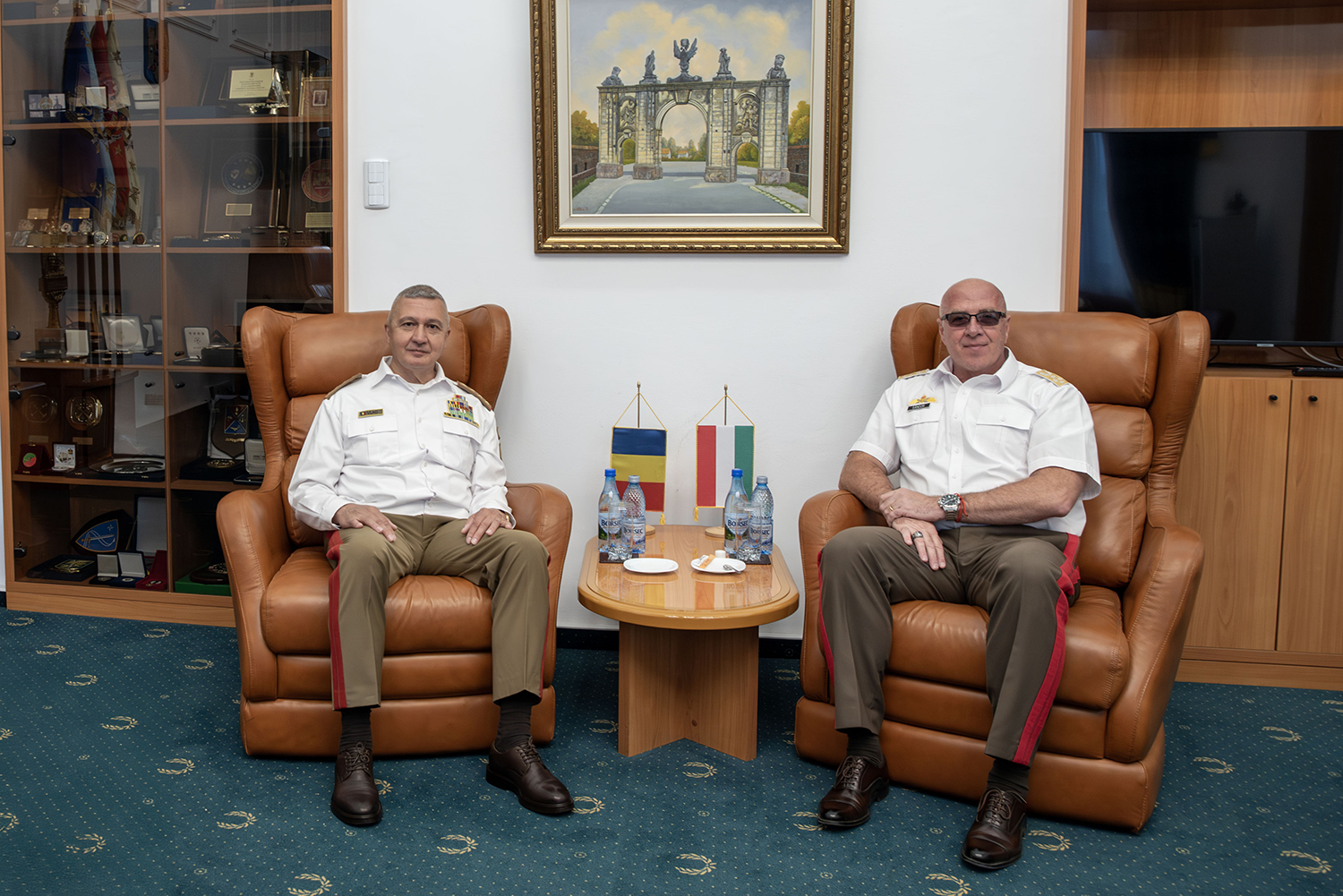
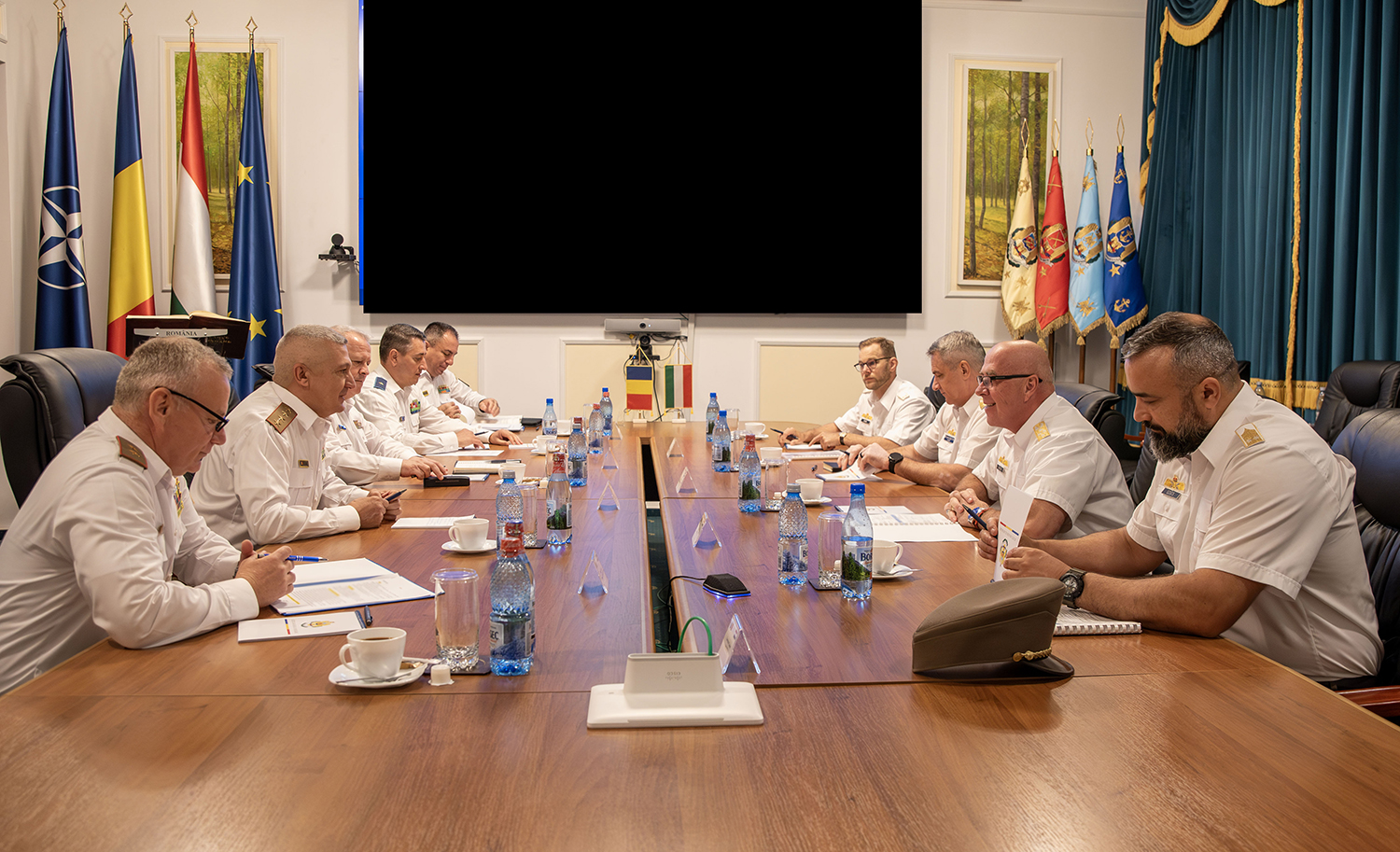
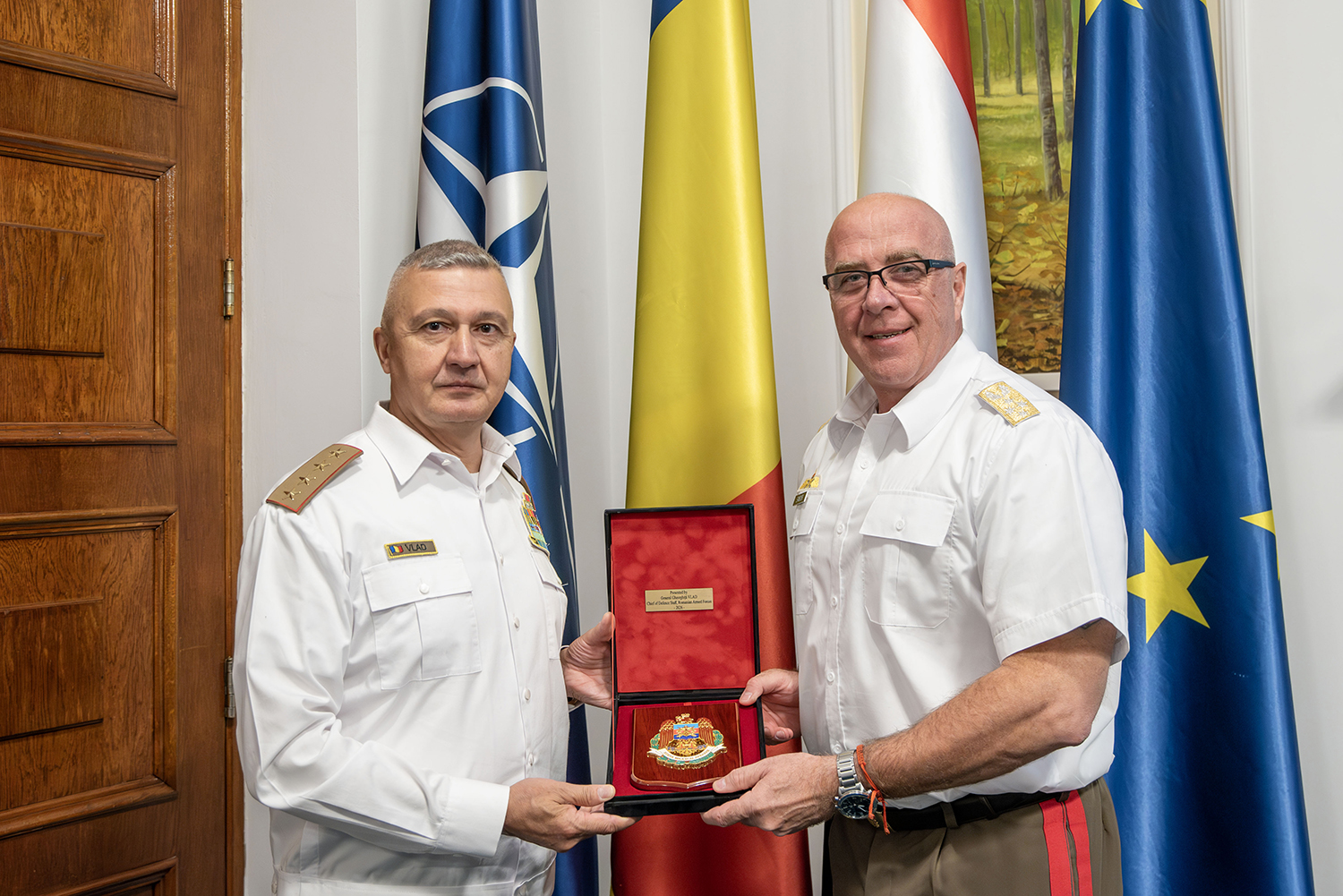
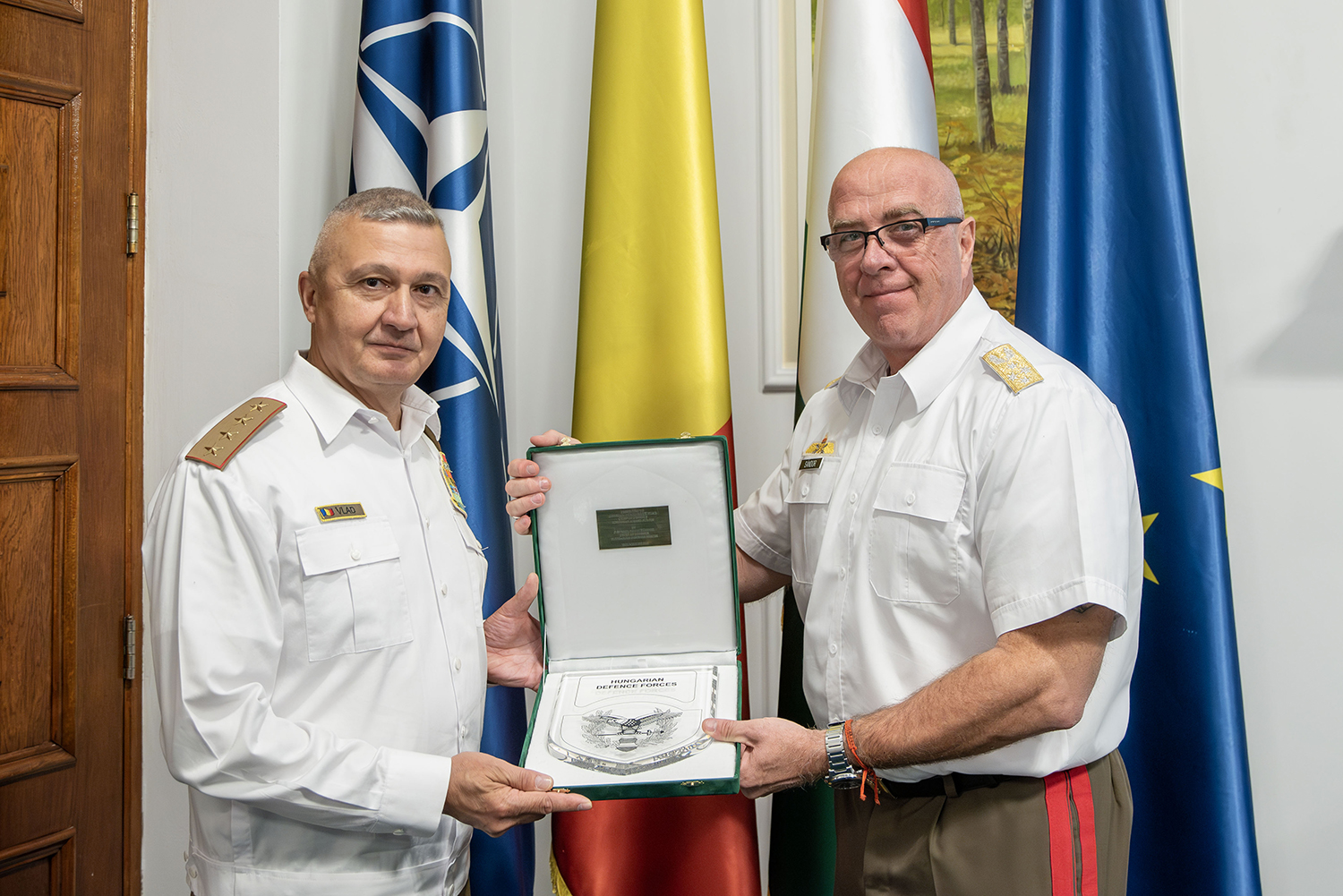
Text: HDF Defence Staff | Photo: Romanian armed forces, archive footage | 13:35 August 14, 2026On 13 August in Bucharest, General Zsolt Sándor, Chief of the HDF Defence Staff, discussed with his Romanian counterpart, General Gheorghiță Vlad, ways to further strengthen military cooperation, joint training exercises and operational involvement, as well as experiences in force development.
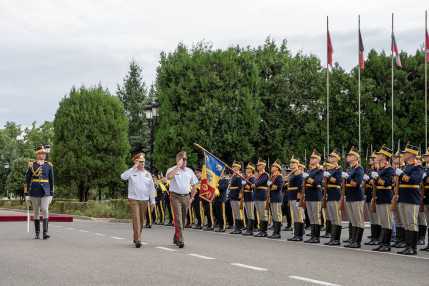
Following the discussions, General Zsolt Sándor emphasised that Romania is important to Hungary not only as a NATO ally, but also because of the partnership that has developed between the two countries’ armed forces over many decades.
“There are many links between the two countries and their armed forces. This network of relations is alive and well, but I believe there is scope for further development,” said the Chief of the Defence Staff.
The Hungarian delegation also received detailed information on the Romanian Armed Forces’ development plans. Under the EU’s SAFE defence financial instrument, Romania has secured more than 16 billion euros in preferential loans, which will enable significant investments. The plans include the procurement of F-35 fighter aircraft and the expansion of the fleet serving in the Black Sea with new vessels. The Romanian Armed Forces’ long-term development plans extend until 2044.
The planned procurements may provide opportunities for the two countries to exchange experiences in a number of areas. In this regard, the Chief of the Defence Staff highlighted the Lynx KF41 armoured vehicles: Hungary already has experience in the deployment and operation of this type of vehicle, whilst Romania is planning to procure a significant number of Lynx armoured vehicles.
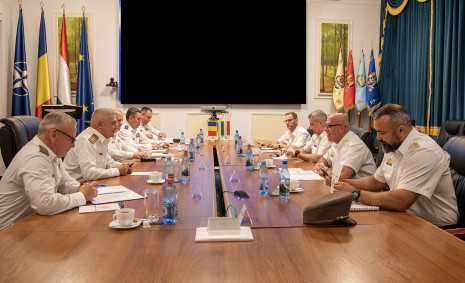
“We already have experience with the Lynx, and the Romanian side is very open to working together in this area and sharing our experiences with one another,” said the Chief of the Defence Staff.
During the meeting, the security implications of the Russo-Ukrainian war for Romania were also reviewed. The Romanian side provided a detailed account of the threats facing the country, with particular regard to the security situation in the Black Sea region and the risks posed by unmanned aerial and maritime vehicles. According to General Zsolt Sándor, the briefing provided an accurate picture of the challenges that require the Romanian Armed Forces to maintain a state of constant readiness. The development of direct professional ties between to two defence staffs also continues. Representatives of the Hungarian and Romanian Defence Staffs previously held a staff-level consultation in Romania, and the next such meeting is planned to take place in Hungary.
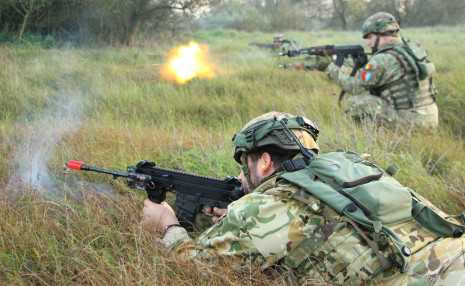
One of the key elements of cooperation between the Hungarian and Romanian armed forces is the Hungarian-Romanian Peacekeeping Battalion, established in 1998. Soldiers from both nations take part in joint preparation and training exercises year after year. Although the unit has not yet been deployed on a joint operational mission, the battalion’s more than a quarter of a century of operation has provided significant experience in cooperation between the two armed forces.
The TISA Multinational Engineer Battalion also has a long history. The unit, comprising personnel from Hungary, Romania, Ukraine and Slovakia, was established primarily to manage the consequences of floods, natural disasters and ecological catastrophes occurring within the Tisza river basin. General Zsolt Sándor emphasised that, although Ukrainian participation cannot currently be counted on as before due to the Russo-Ukrainian war, the jointly developed capability remains available.
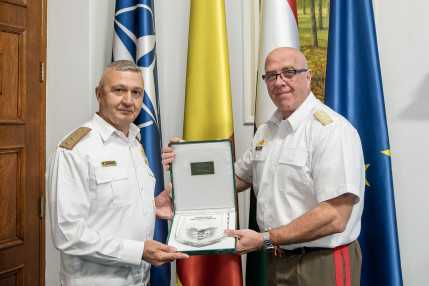
There is also close cooperation between the two countries’ air forces. Hungarian and Romanian personnel regularly conduct cross border air operations, as well as air search and rescue missions. The relationship between the two armed forces is further strengthened by their joint participation in NATO and European Union operations. Romanian soldiers serve in areas of operation that are important to Hungary, such as in Kosovo as part of the international peacekeeping force operating under NATO command, and in the European Union’s peacekeeping mission in Bosnia and Herzegovina.
According to General Sándor, the meeting in Bucharest confirmed that the cooperation established between the two armed forces provide a stable foundation for further joint initiatives, whether in the areas of training, operational cooperation or the sharing of experience gained during force development.
20260813_N_HUN_CHOD_A;exandru BADEA (2)
20260813_N_HUN_CHOD_A;exandru BADEA (1)
20260813_N_HUN_CHOD_A;exandru BADEA (4)
20260813_N_HUN_CHOD_A;exandru BADEA (6)
20260813_N_HUN_CHOD_A;exandru BADEA (10)
20260813_N_HUN_CHOD_A;exandru BADEA (12)
20260813_N_HUN_CHOD_A;exandru BADEA (15)
20260813_N_HUN_CHOD_A;exandru BADEA (19)
20260813_N_HUN_CHOD_A;exandru BADEA (20)
20260813_N_HUN_CHOD_A;exandru BADEA (26)
20260813_N_HUN_CHOD_A;exandru BADEA (27)