Military Development on Realistic Terms
Dr. Romulusz Ruszin-Szendi PhD Outlines the Future of the Defence Sector at BESTalks Conference
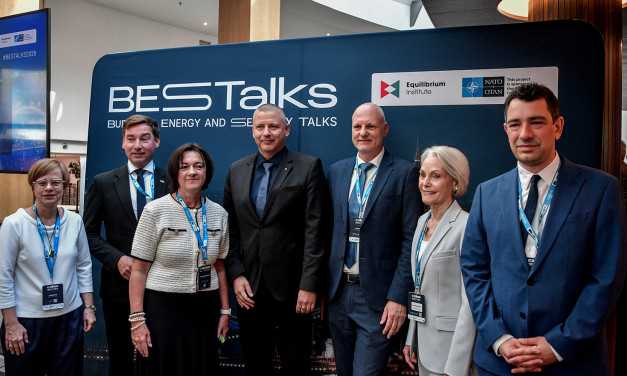
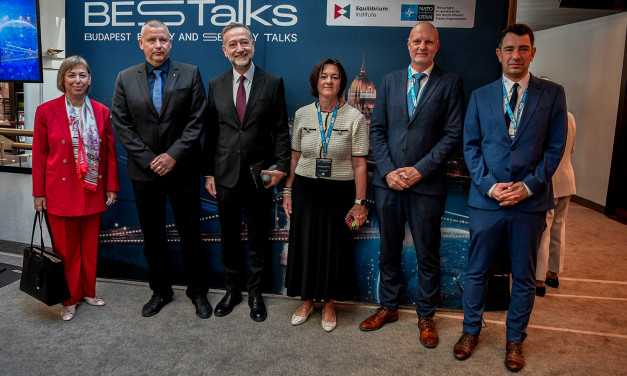
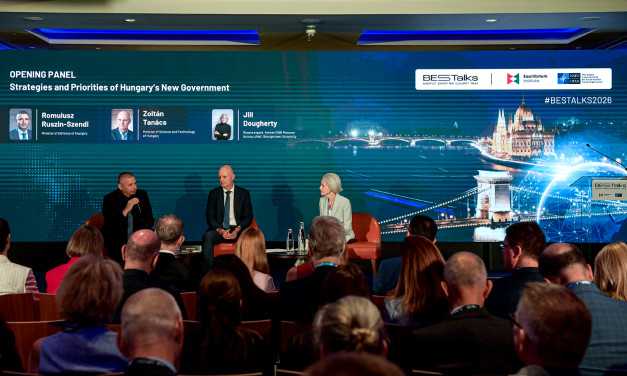
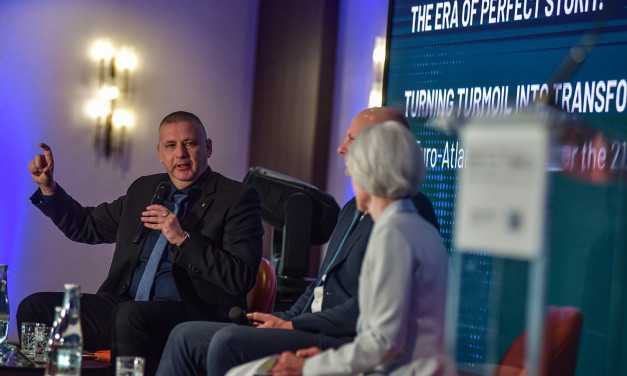
Text: Mihály Réti | Photo: Tünde Rácz | 13:07 July 15, 2026“In a country where the healthcare, social services and education systems are facing serious challenges, we must not allocate all resources exclusively to military development”, emphasised Dr. Romulusz Ruszin-Szendi PhD, Minister of Defence, on July 14 at the Budapest Energy and Security Talks (BESTalks) conference in Budapest. At the prestigious international event, the minister outlined realistic strategies for rebuilding the country's defence sector and industry.
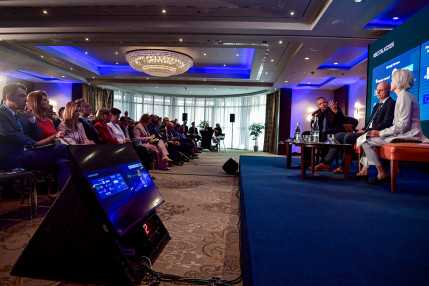
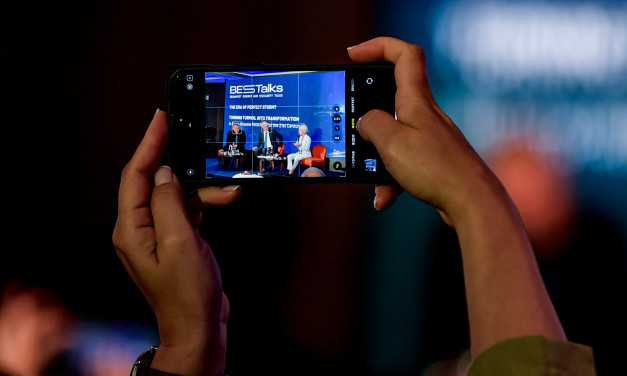
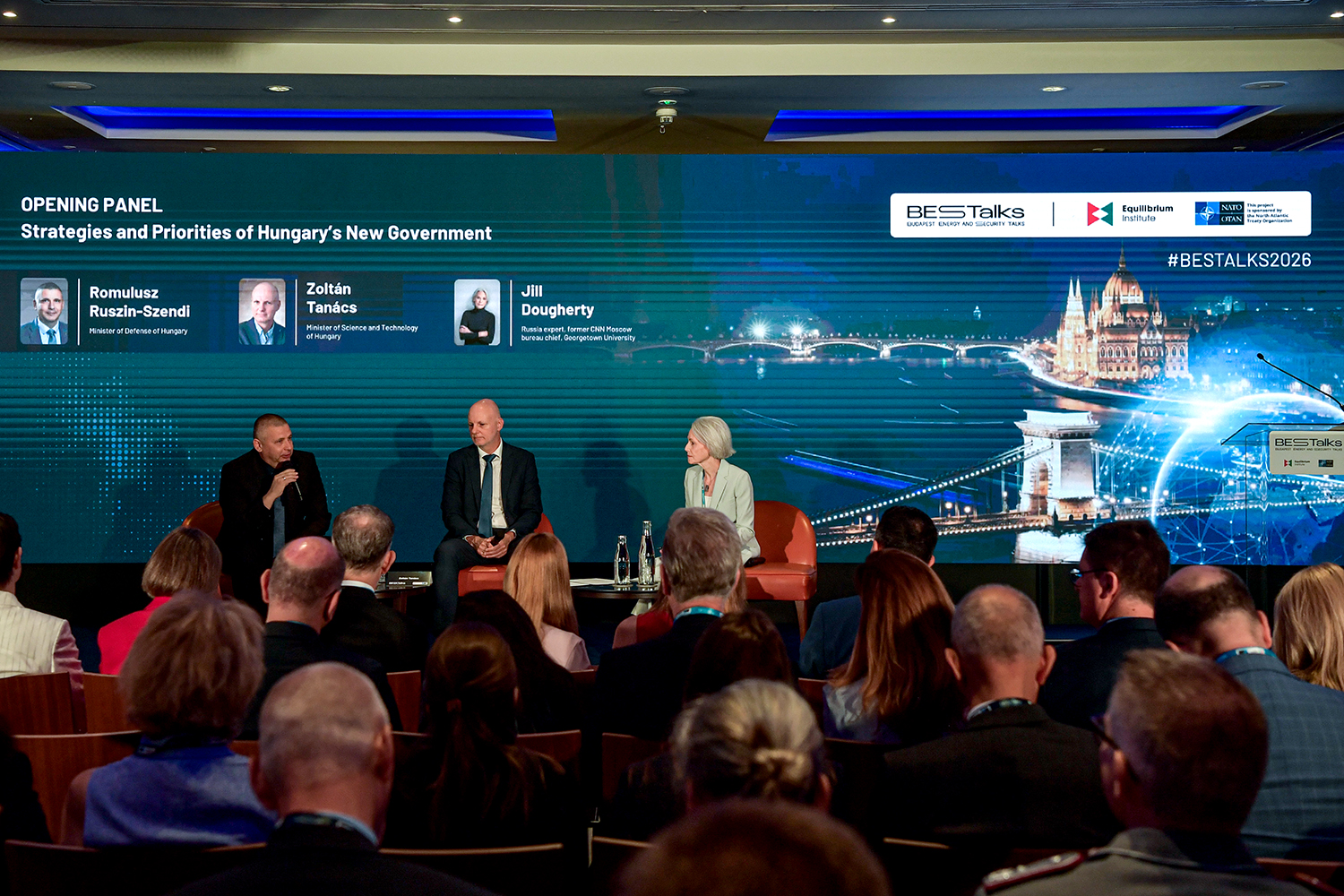
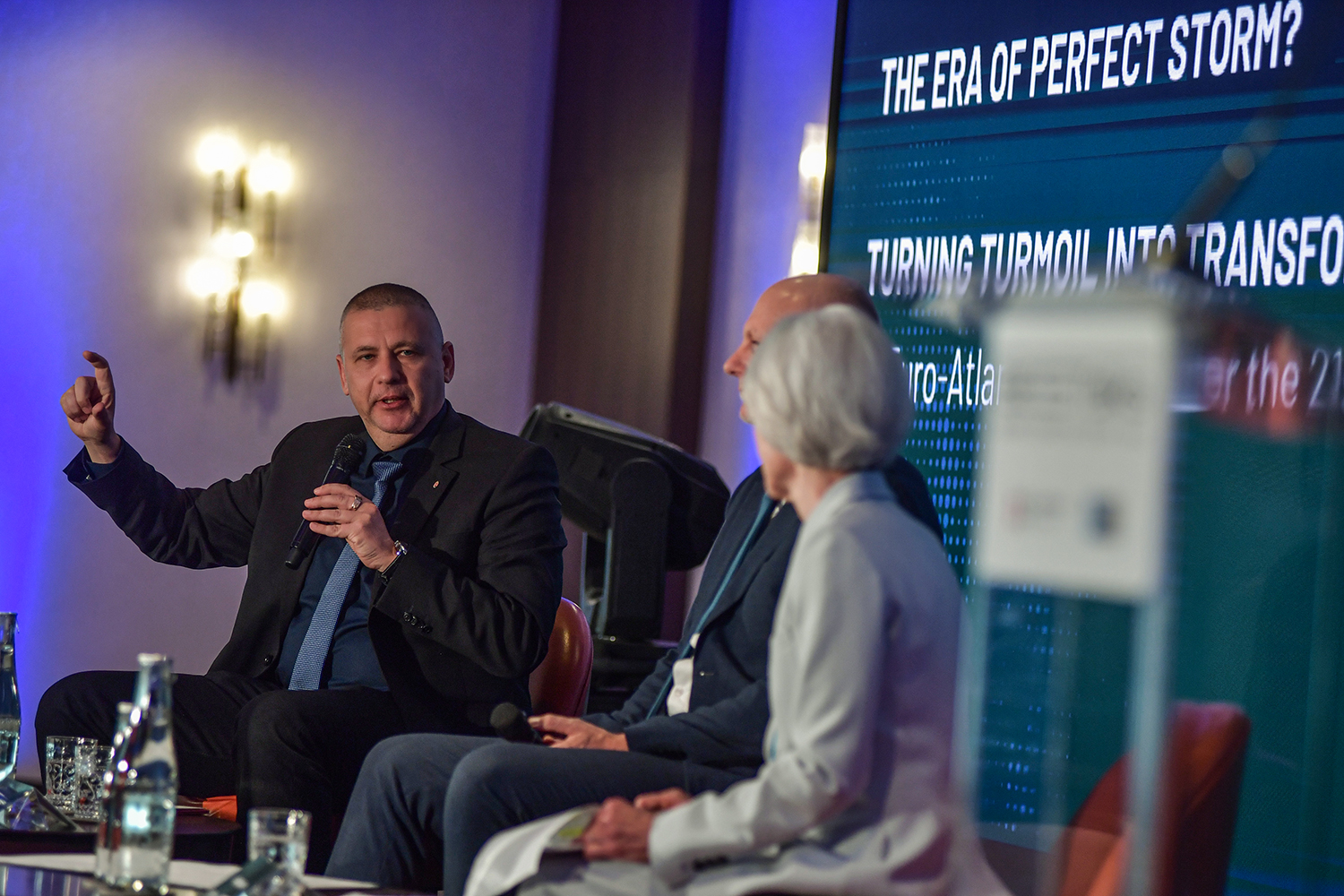
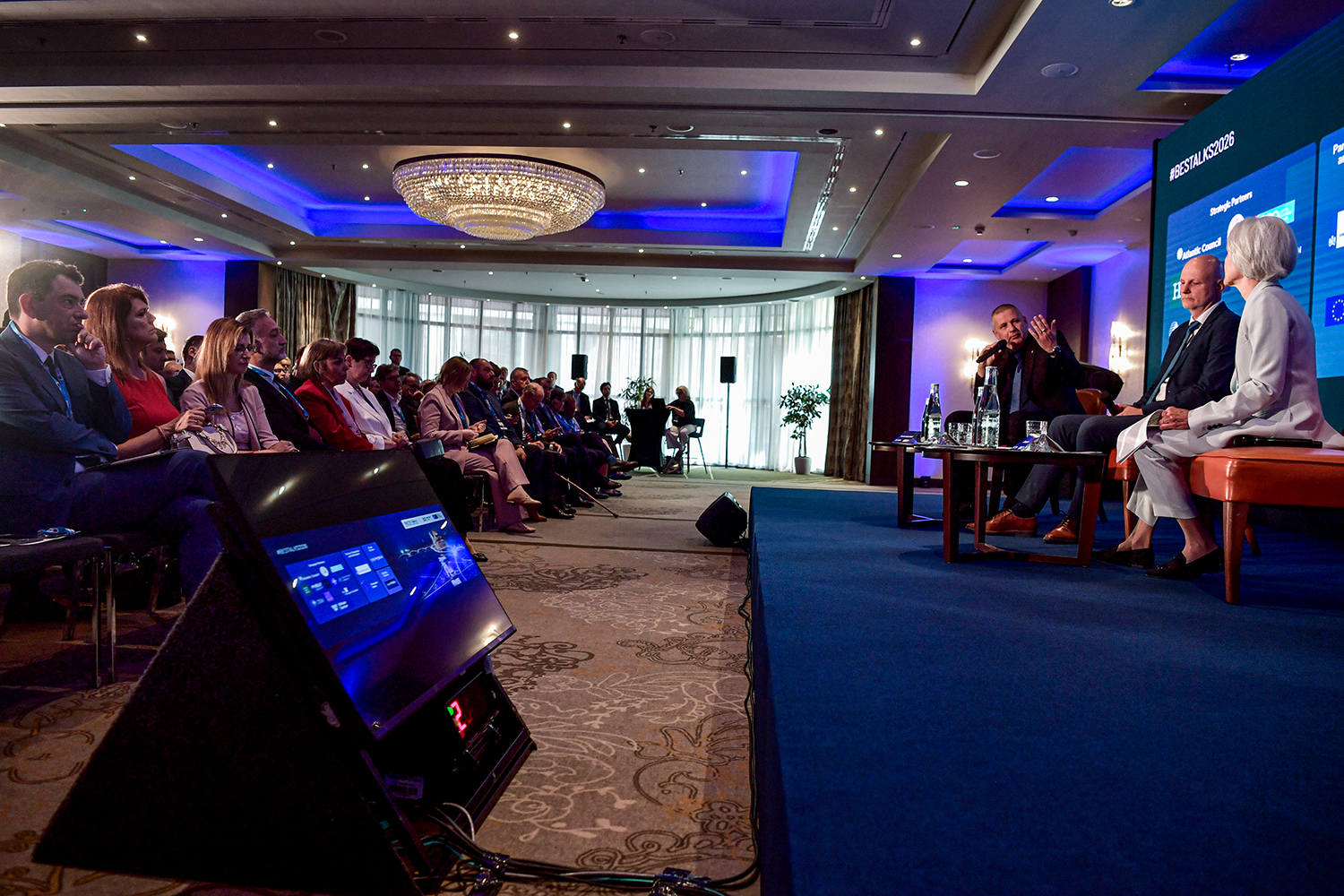
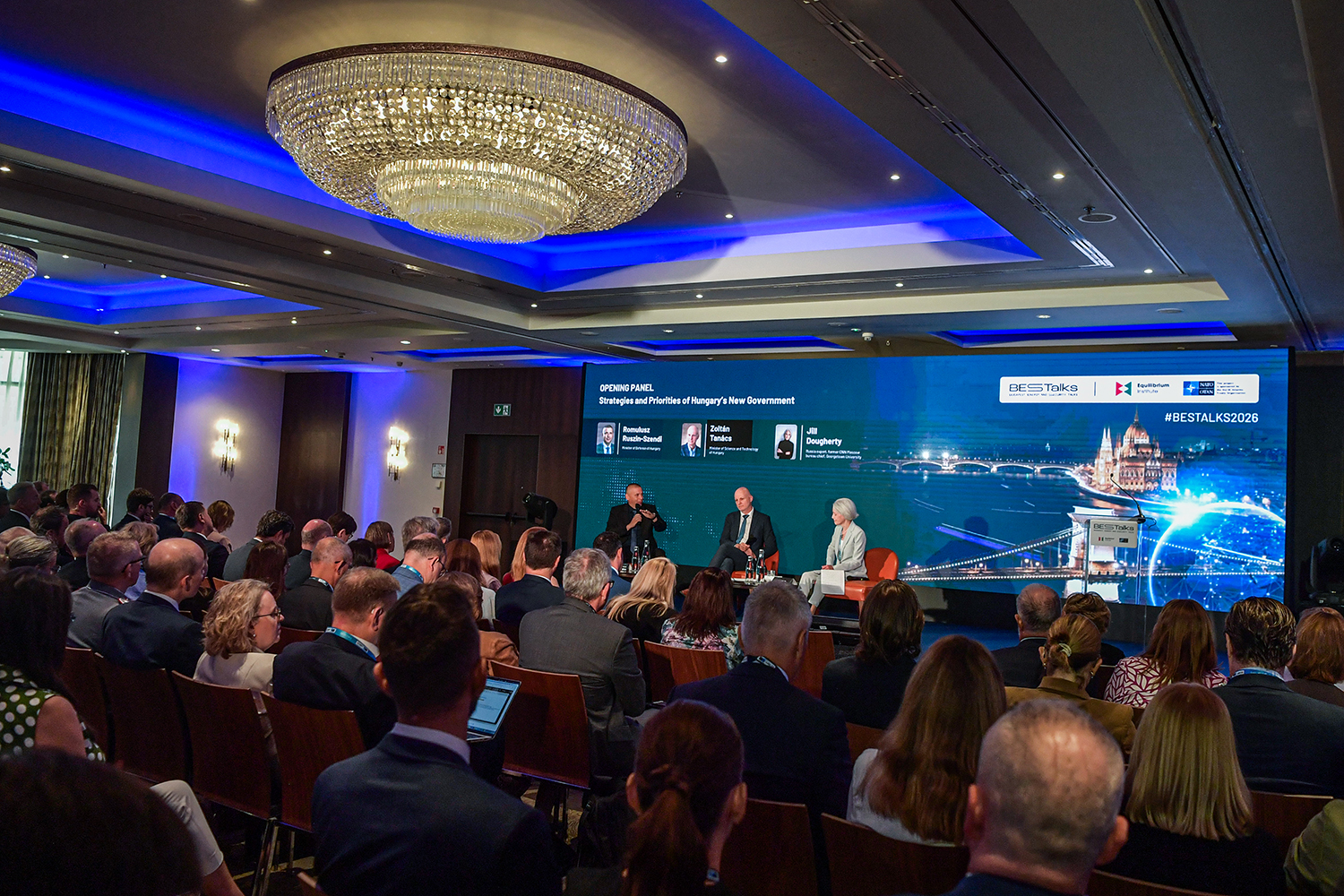
In his discussion of security policy and military strategies, Romulusz Ruszin-Szendi assessed the issue of resource allocation while remaining grounded in reality. “As soldiers, we have to understand this: if we have serious problems with the economy or education, or if there are problems with healthcare, then we cannot rush headlong into spending on military equipment.” —the minister stated during the opening panel titled “Strategies and Priorities of Hungary’s New Government.” The minister highlighted the achievements in military development over the past ten years, while also emphasizing that one of the primary goals is to rebuild the domestic defence industry.
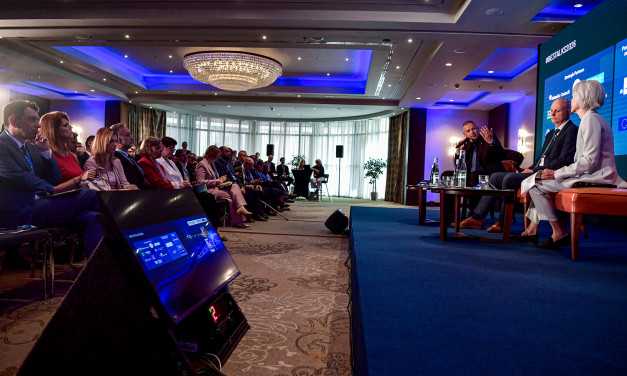
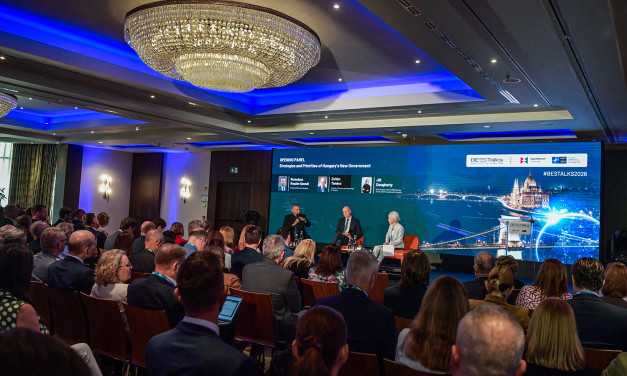
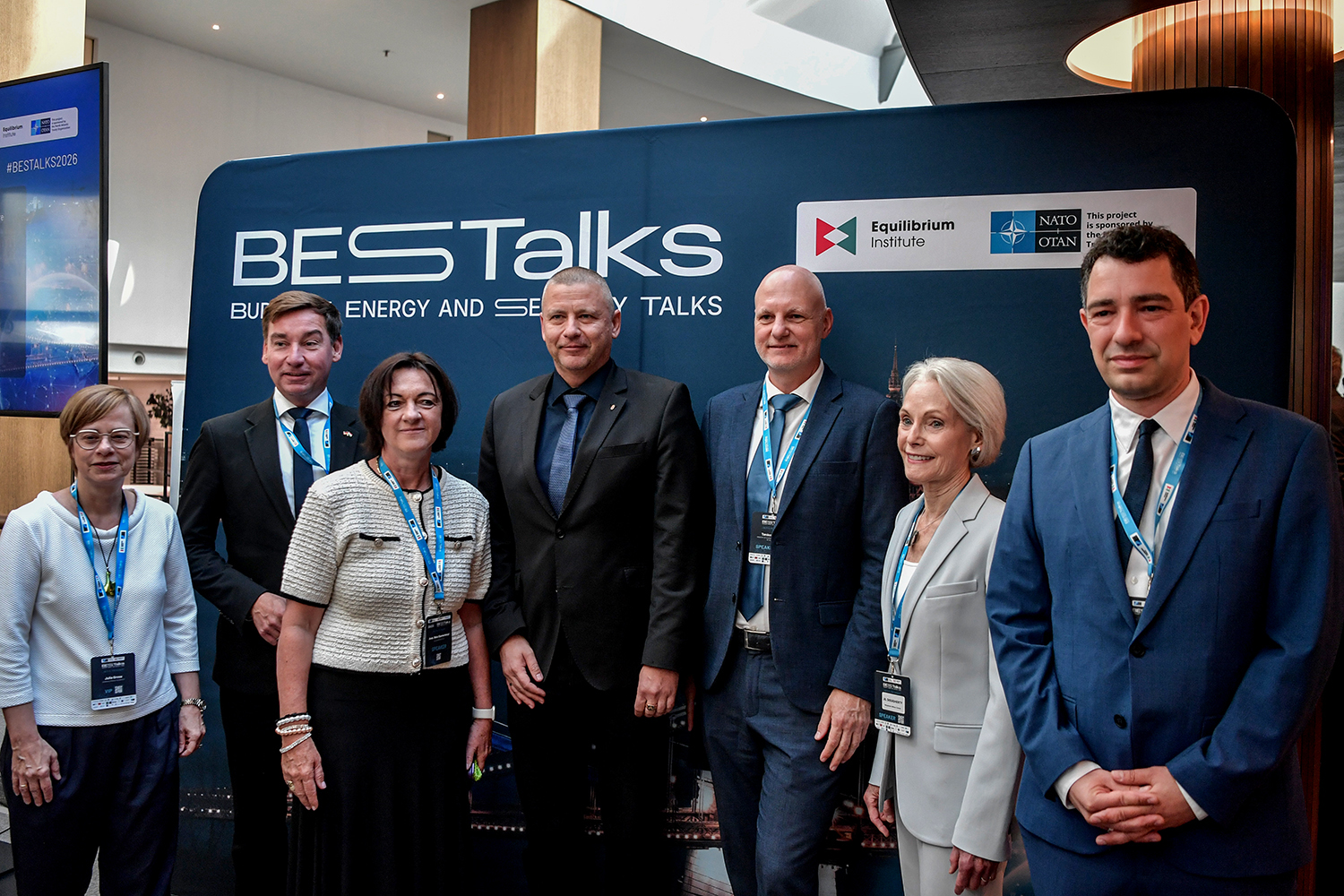
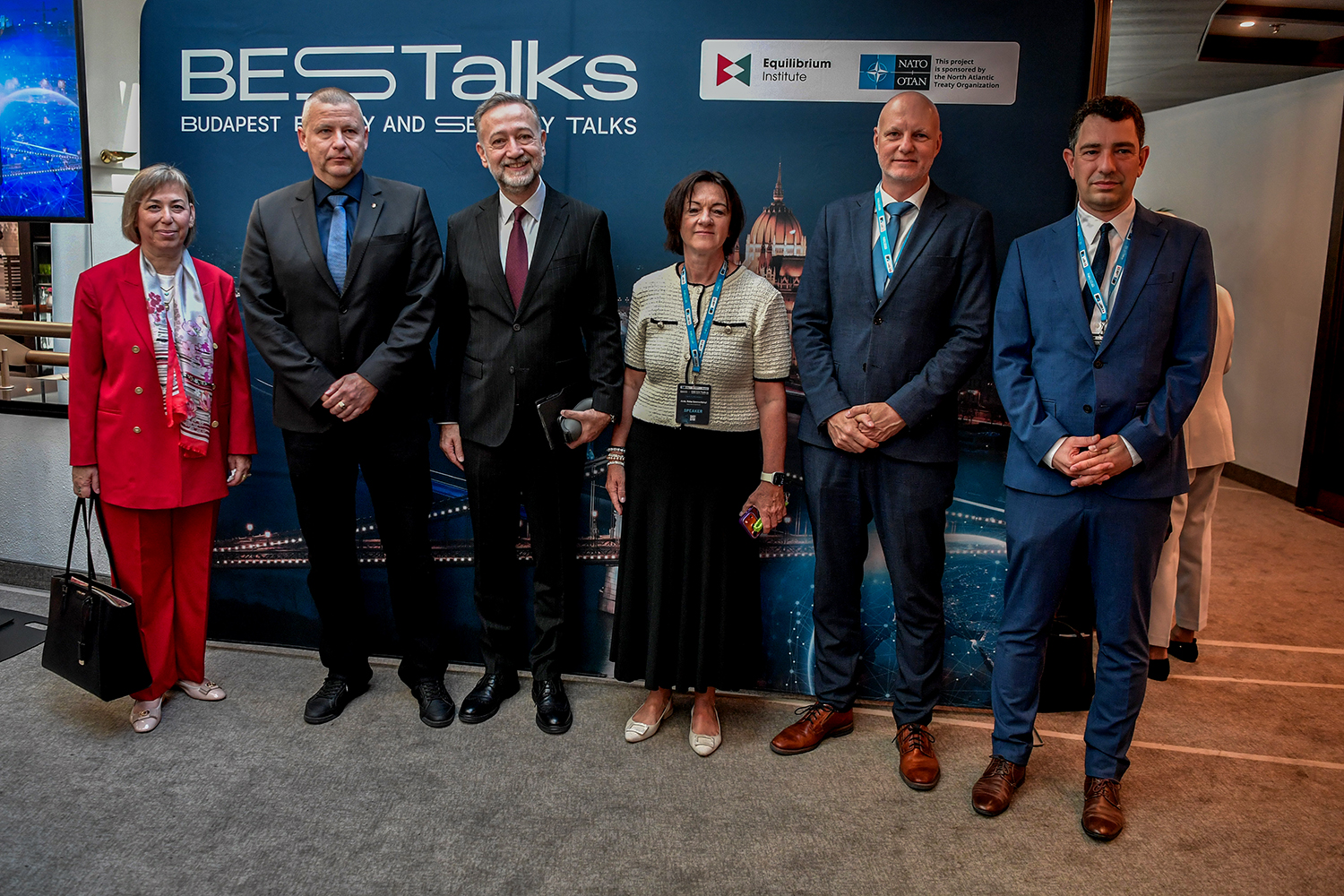
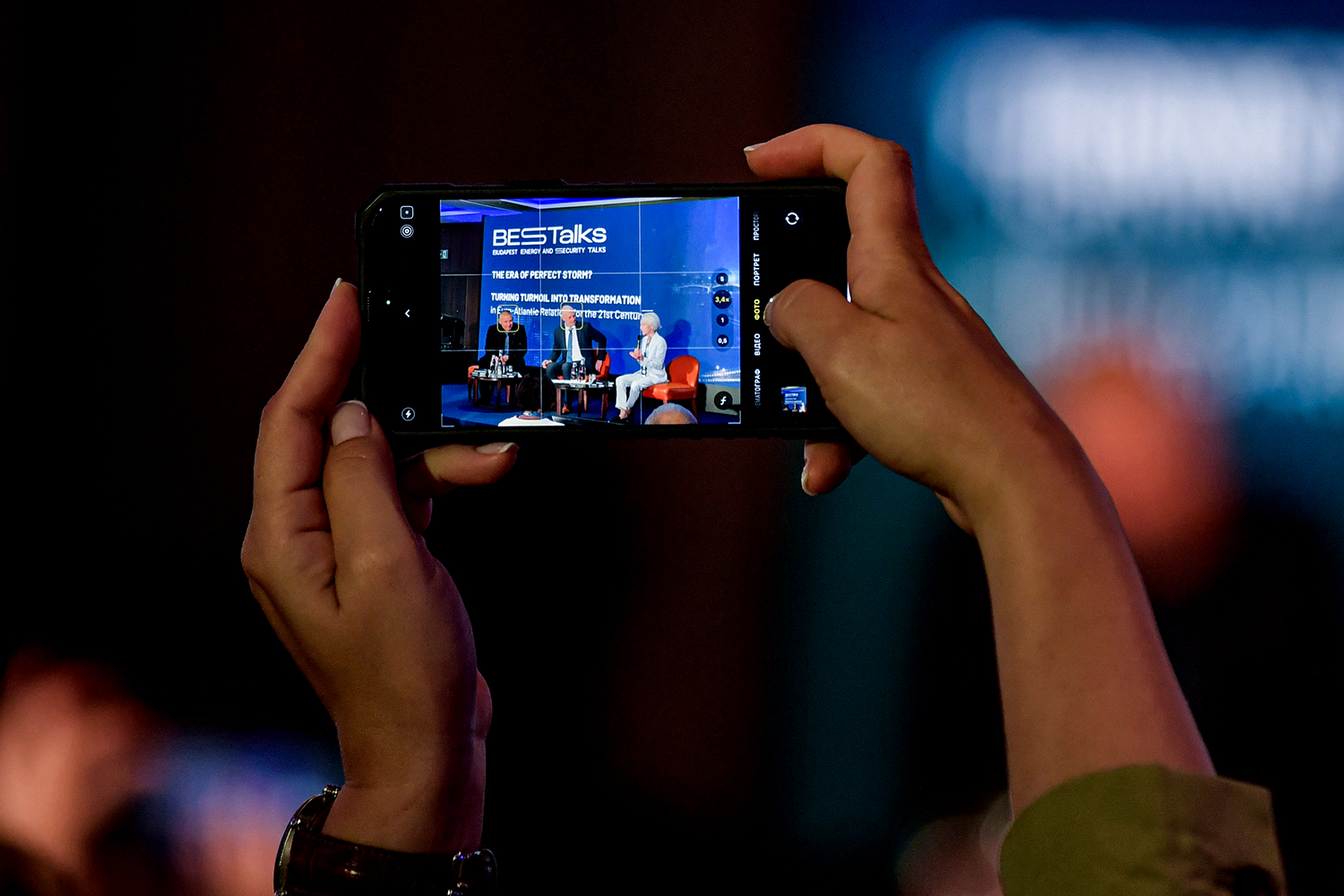
Jill Dougherty, a renowned CNN expert moderated the roundtable discussion at the event, held at Kempinski Hotel Corvinus in Budapest, organized by the Equilibrium Institute and supported by NATO. Zoltán Tanács, Minister of Science and Technology, also participated in the panel discussion. In connection with the government’s vision for the future and international challenges, he set forth a bold goal: “We must move beyond our current role and ensure that we, too, turn from a country that assembles products into a country that develops them.”
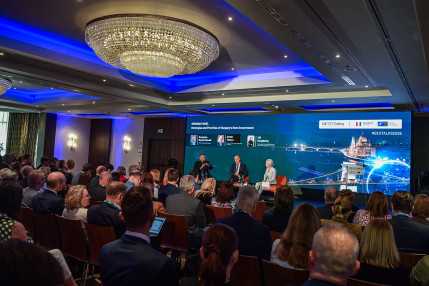
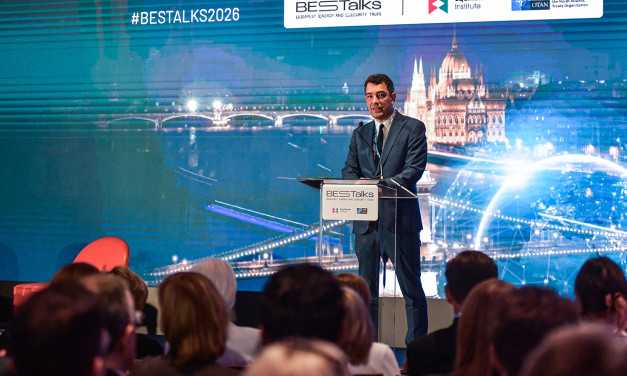
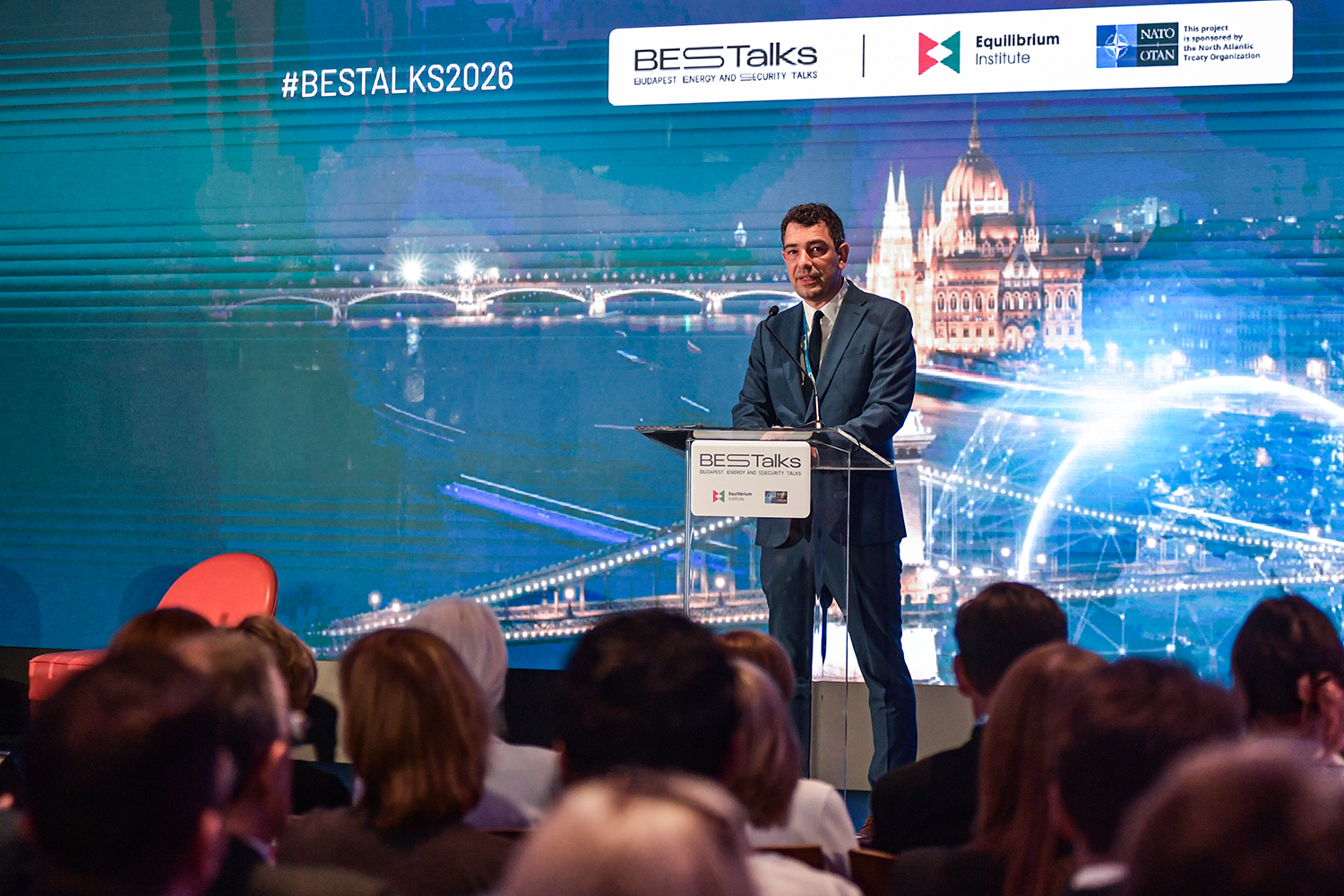
Tamás Boros, co-founder and director of the Equilibrium Institute, opened Tuesday’s session of the prestigious international forum. In his speech, he highlighted the technological paradigm shift that is fundamentally reshaping defence policy: “While military hardware used to be enough, today it is at least as important – if not more important – that we make progress in the field of cyber defence as well.”
From the perspective of the defence sector and the military profession, this BESTalks conference clearly highlighted how theoretical strategies should be translated into everyday practice in this era of 21st-century Euro-Atlantic relations. The roundtable discussions have once again demonstrated that close, integrated cooperation among political decision-makers, the armed forces, and allies is essential in turning the current global “upheaval” into a successful transformation.
20260714_BESTalks_konferencia_RT1_1783_2
20260714_BESTalks_konferencia_RT1_1819
20260714_BESTalks_konferencia_RT1_1925
20260714_BESTalks_konferencia_RT1_1945
20260714_BESTalks_konferencia_RT1_1996
20260714_BESTalks_konferencia_RT1_2050
20260714_BESTalks_konferencia_RT1_2063
20260714_BESTalks_konferencia_RT1_2126