Spotlight on Hospital Major Incident Medical Management
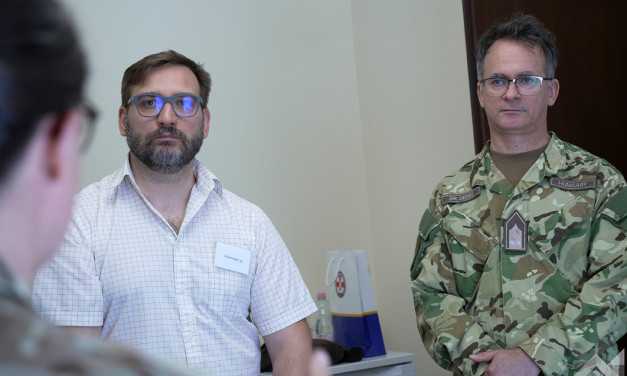
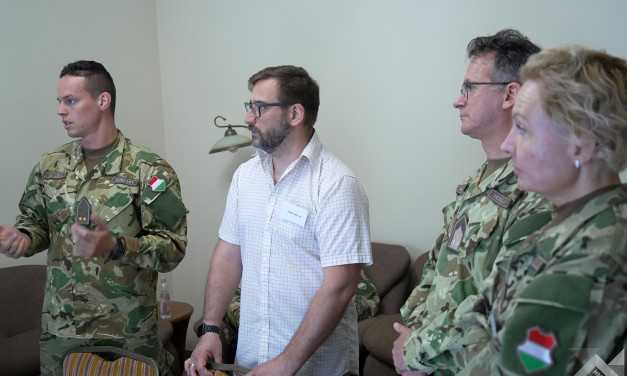
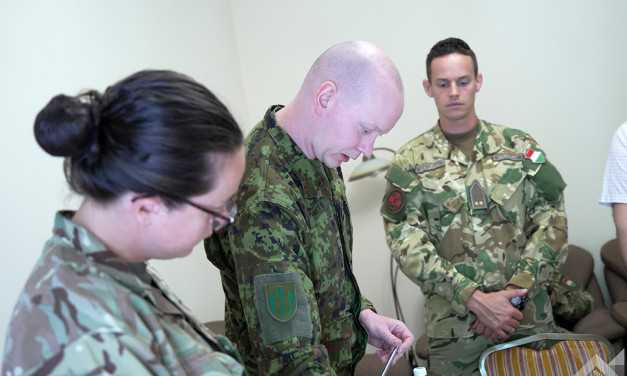
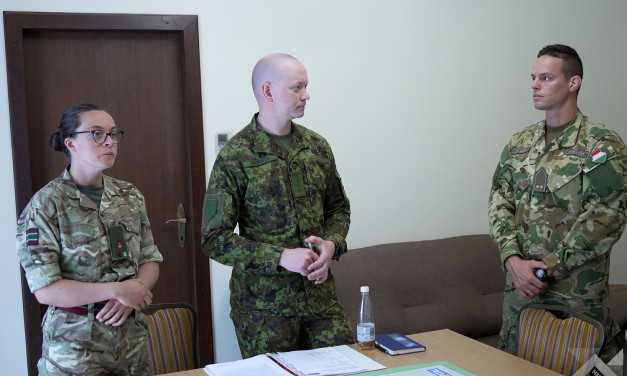
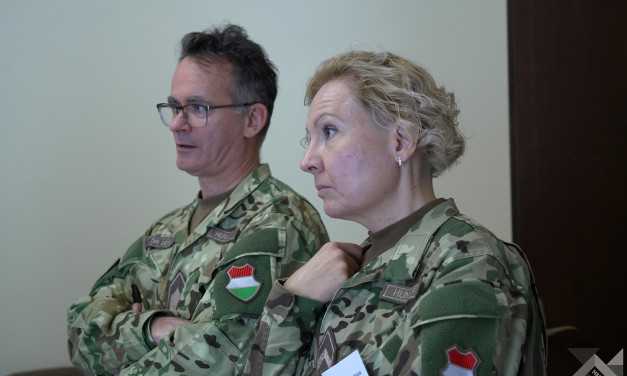
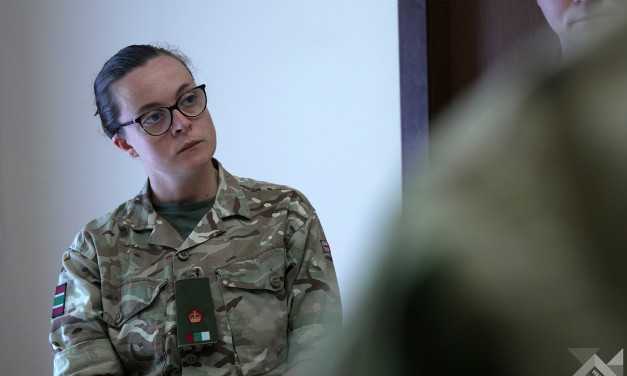
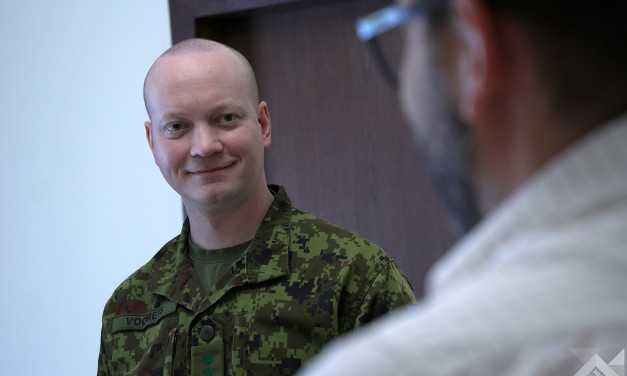
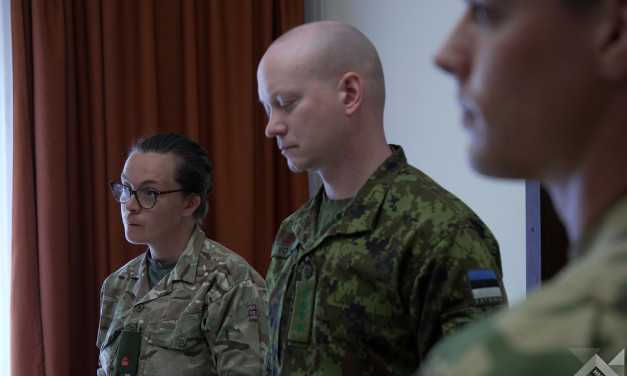
Text: Levente Petróczy | Photo: Dávid Fabók, Gábor Szombati | 16:26 July 27, 2026The Hospital Major Incident Medical Management and Support (HMIMMS) international course is held in Budapest for the second time. British and Estonian military medical professionals provide training to military doctors and specialists of the HDF Medical Centre, as well as civilian doctors, on the effective and standardized organization of hospital major incident medical management.
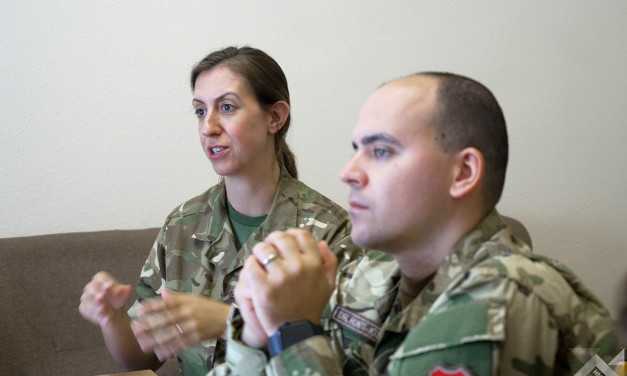
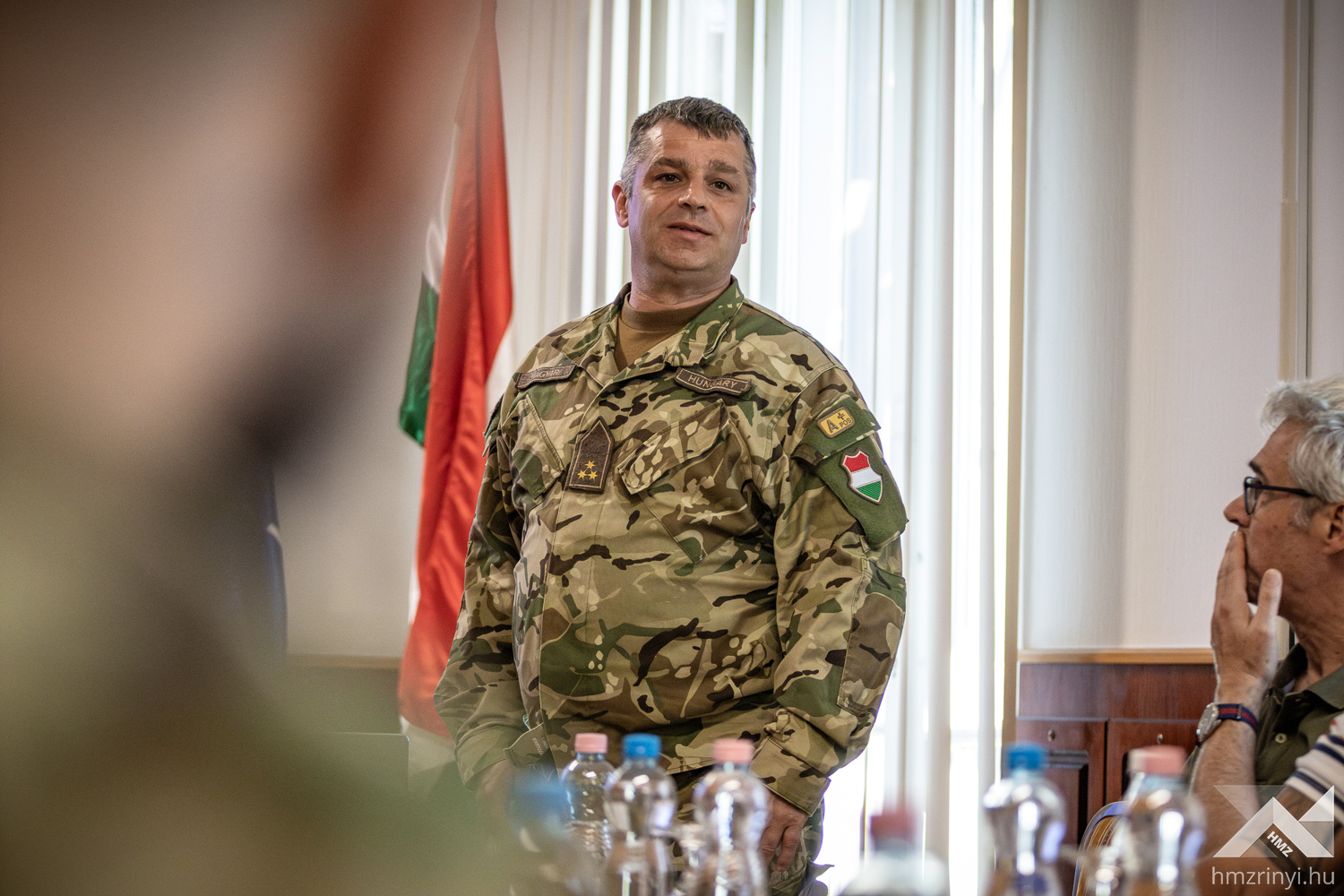
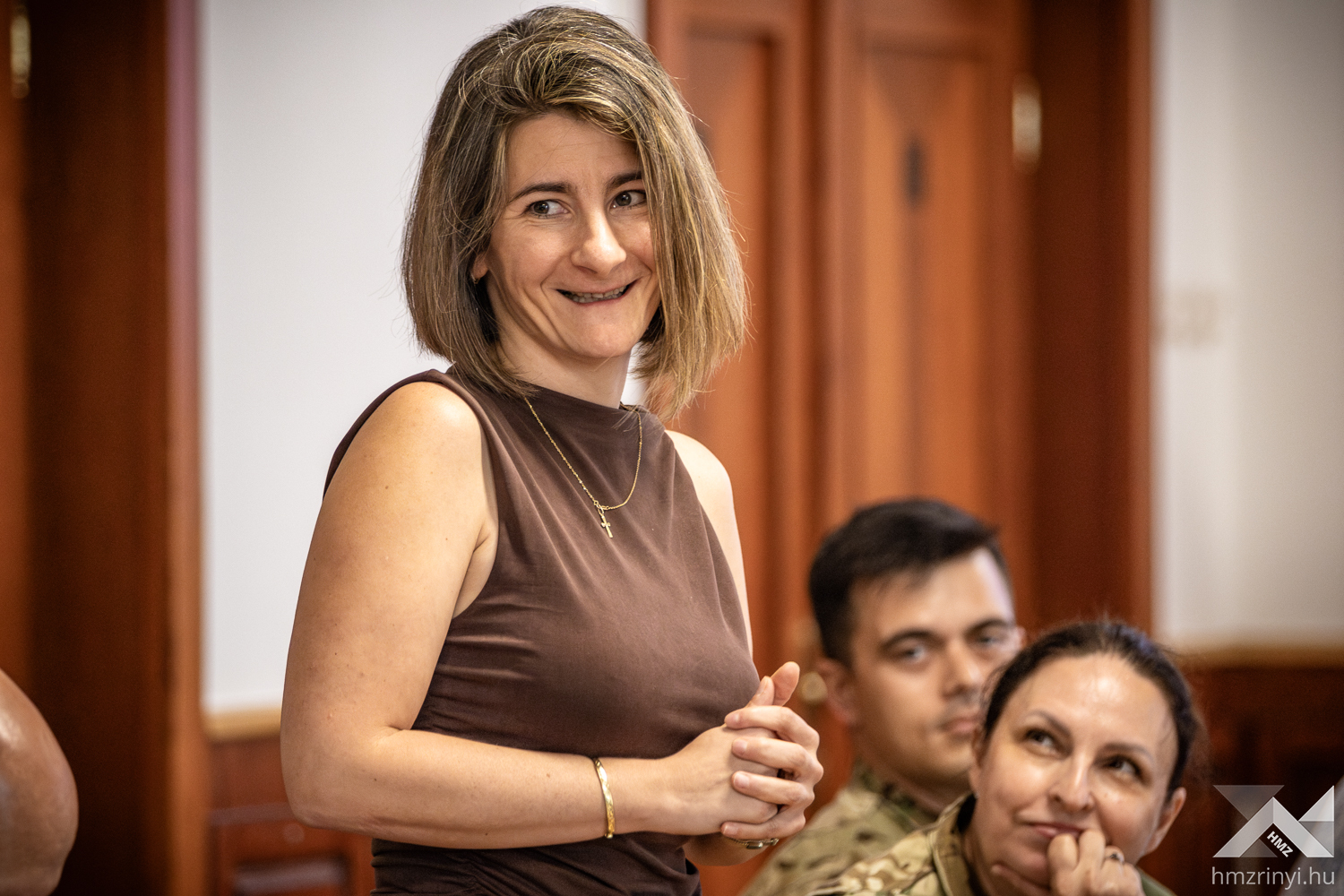
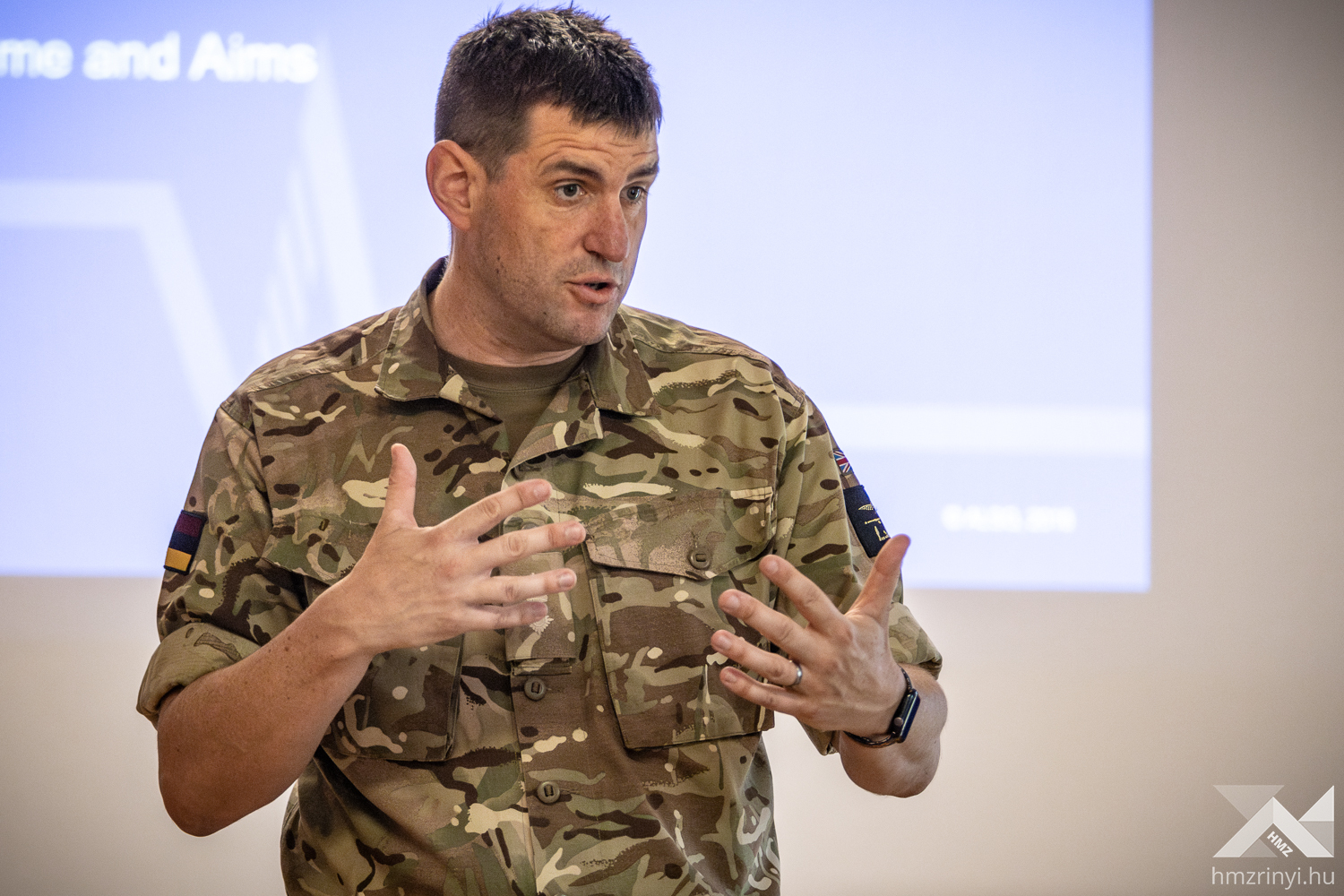
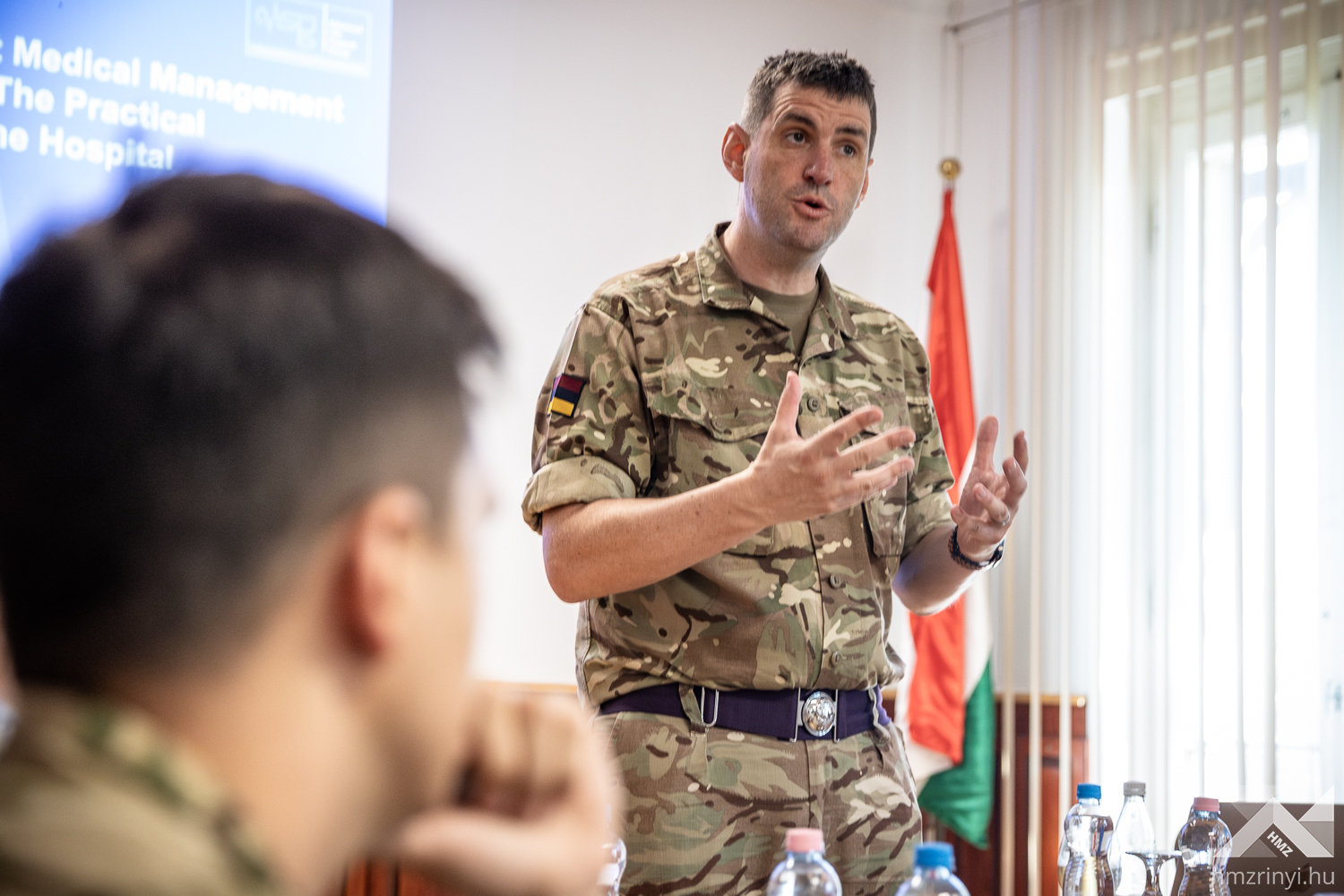
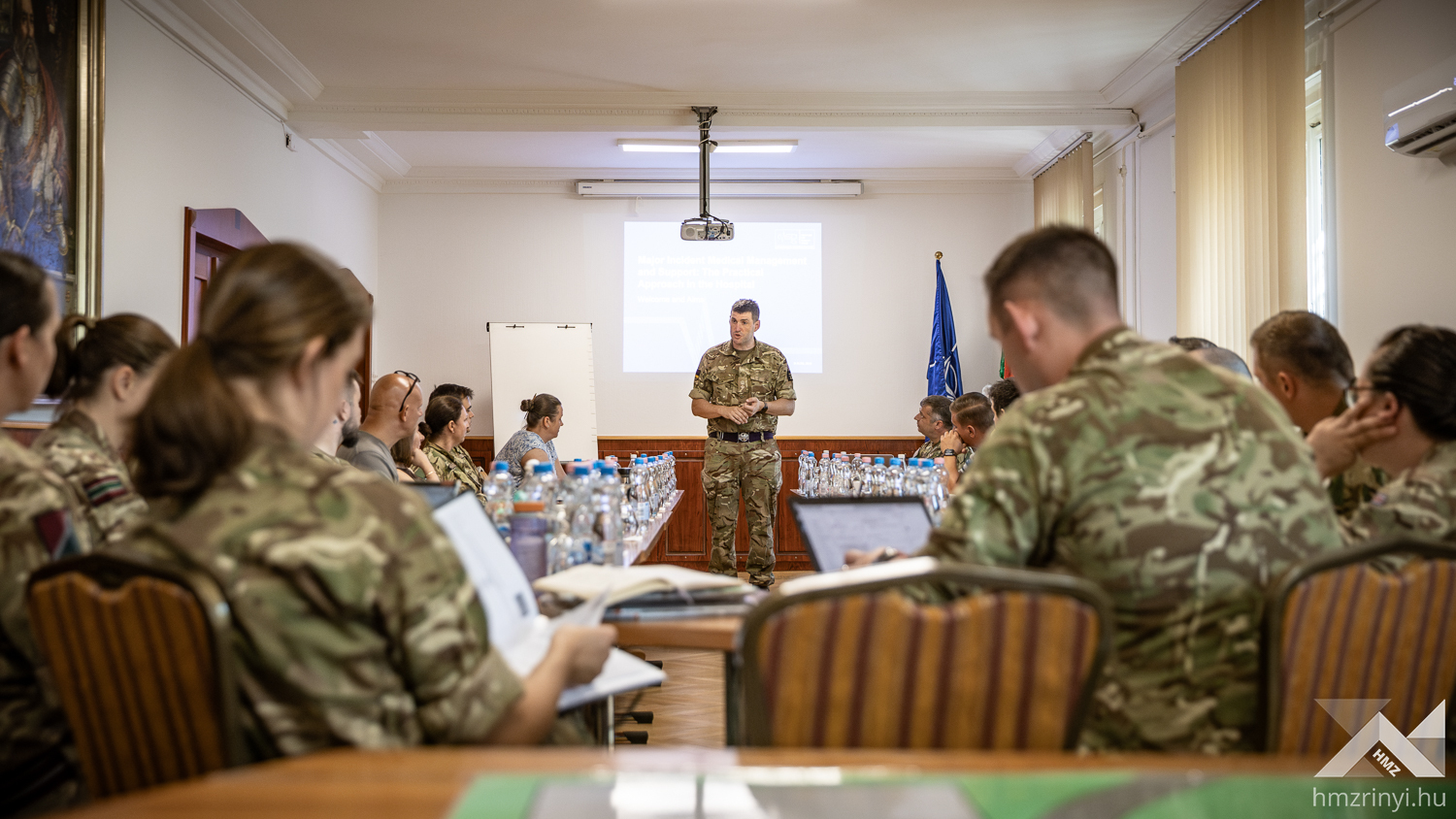
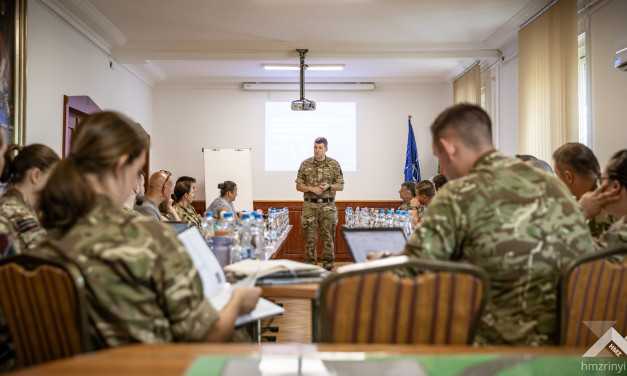
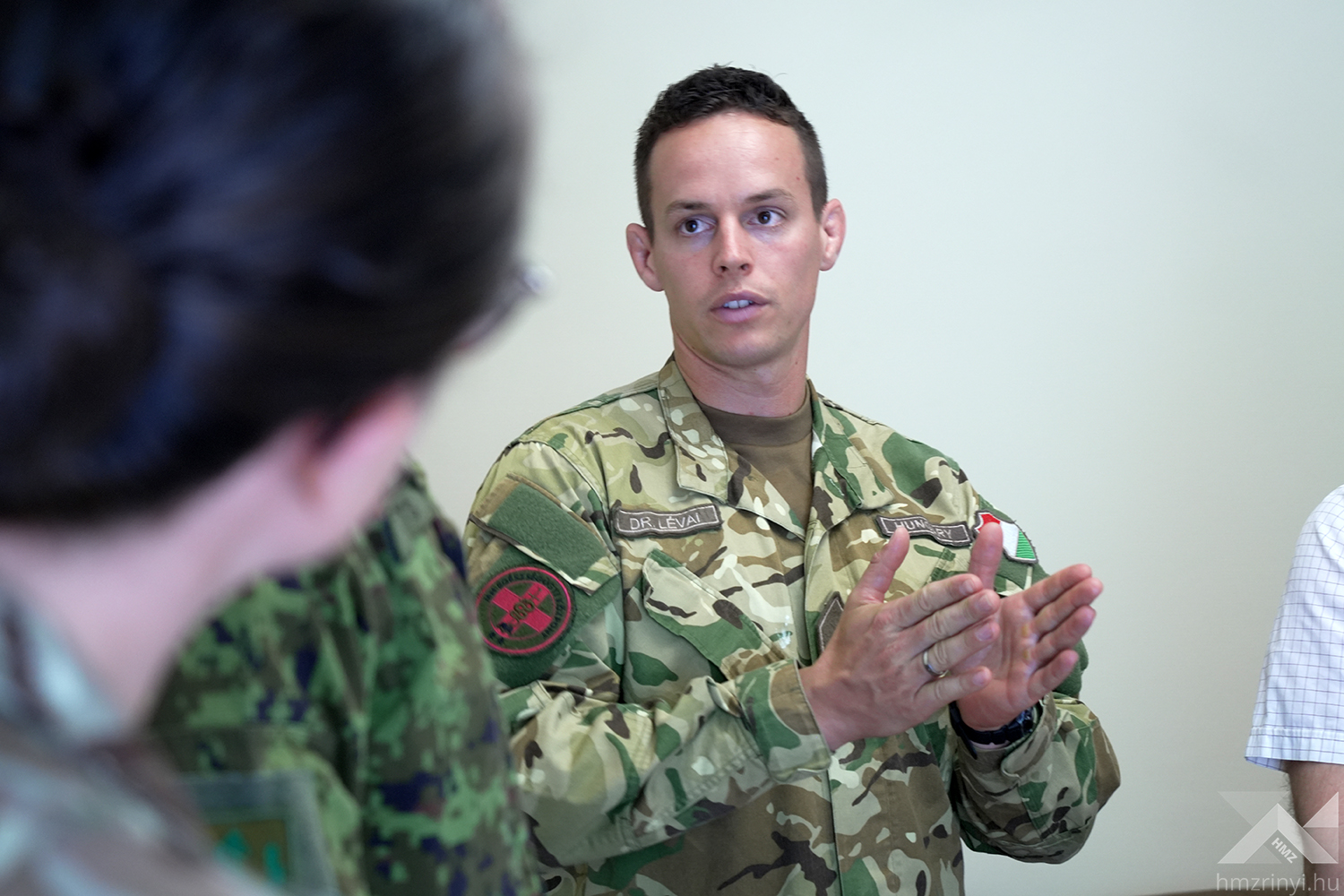
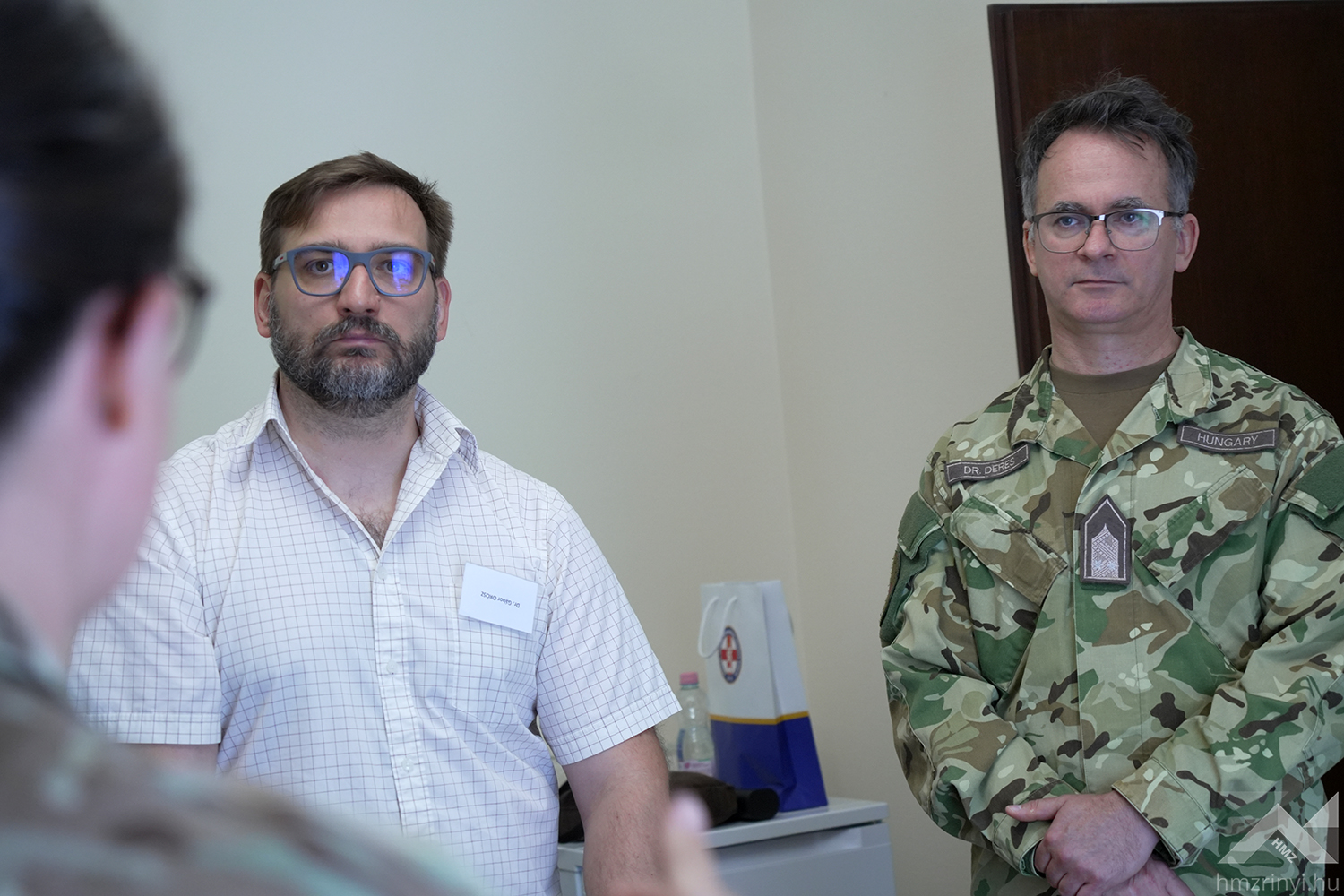
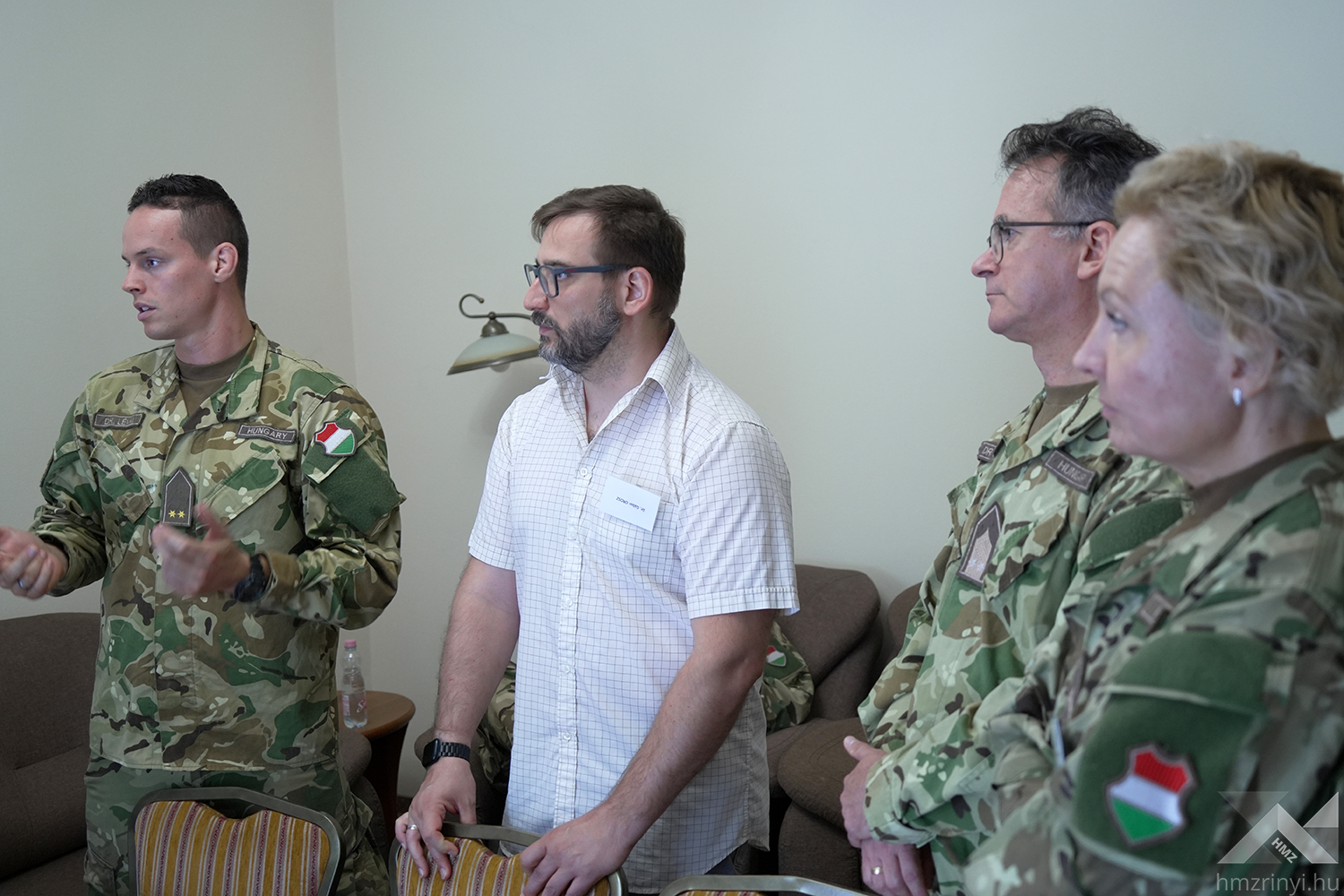
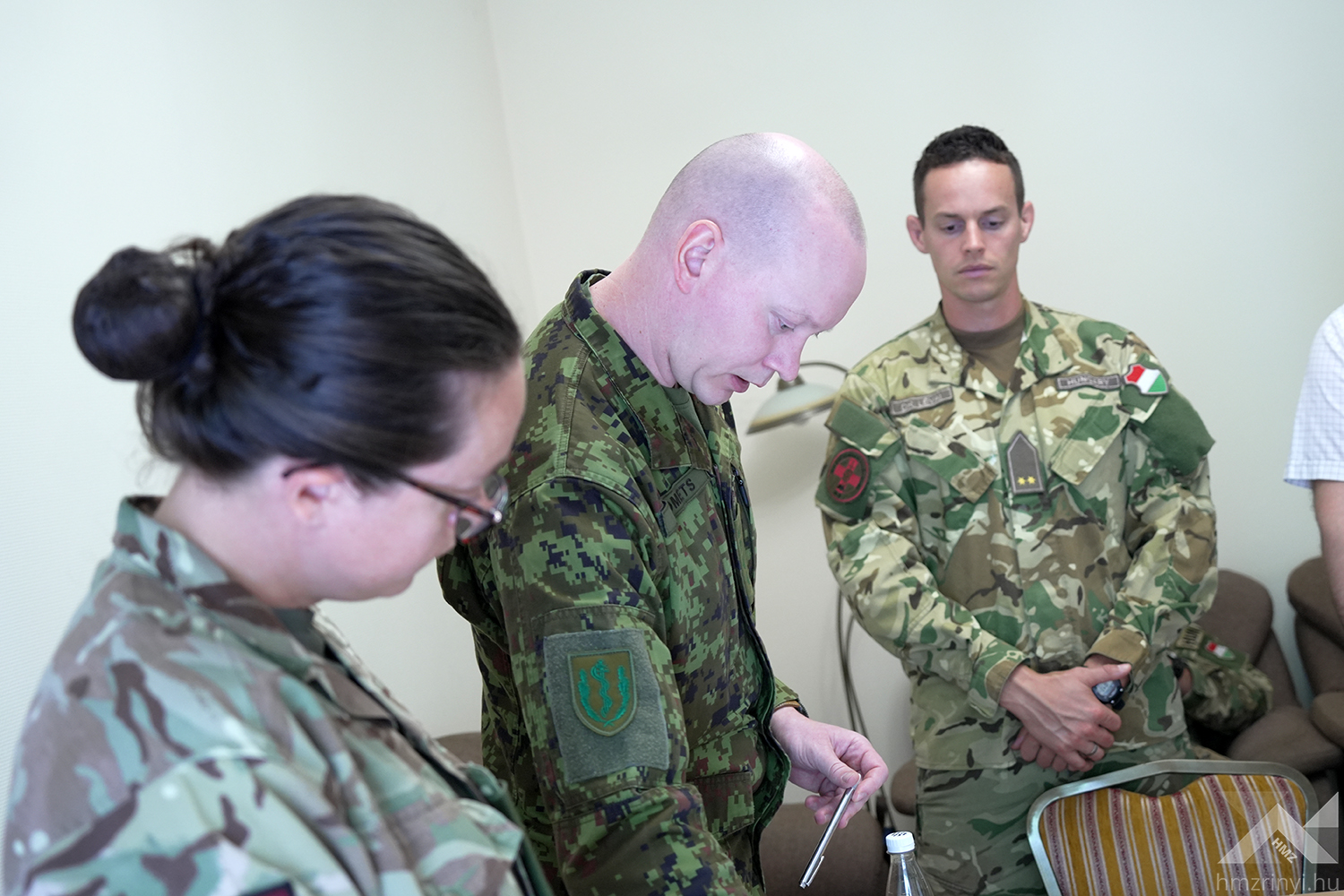
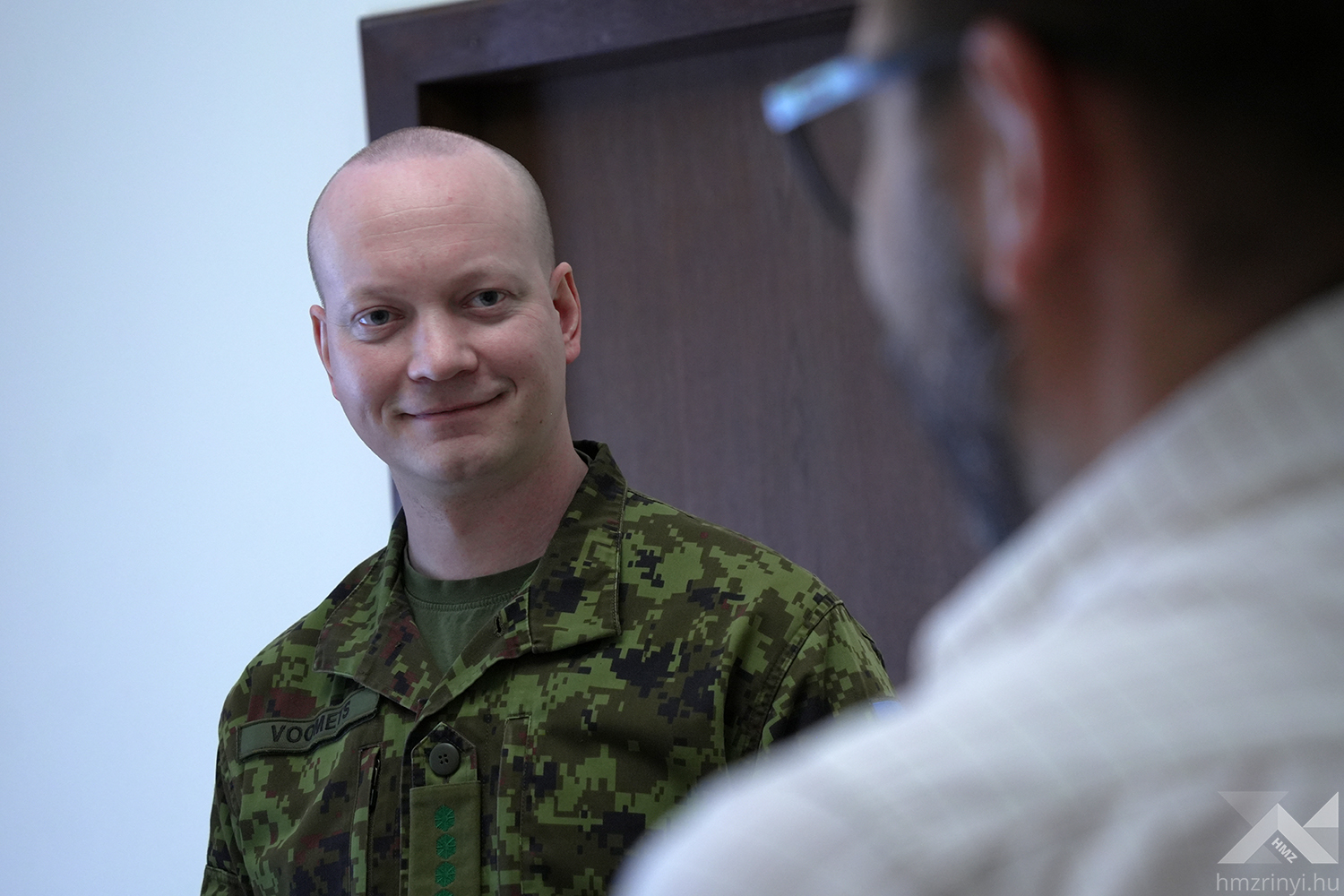
Last year’s successful HMIMMS course highlighted that the rapid and effective organization of major incident management in the wake of a potential disaster or other emergencies is a shared responsibility. The basis for this is the strengthening of international defence medical relations and cooperation between civilian and military medical actors. During an incident involving a large number of casualties, the healthcare system faces extraordinary challenges. In such cases, a shared understanding and harmonization of protocols and procedures are essential. The HMIMMS course embodies this integrated approach, providing participants with a comprehensive overview of the standards and protocols that medical institutions must follow in order to respond to major incidents in an organized manner. This international course, developed specifically for hospital staff, aims to promote the standardization of procedures, improve coordination and response, and support system-wide preparation.
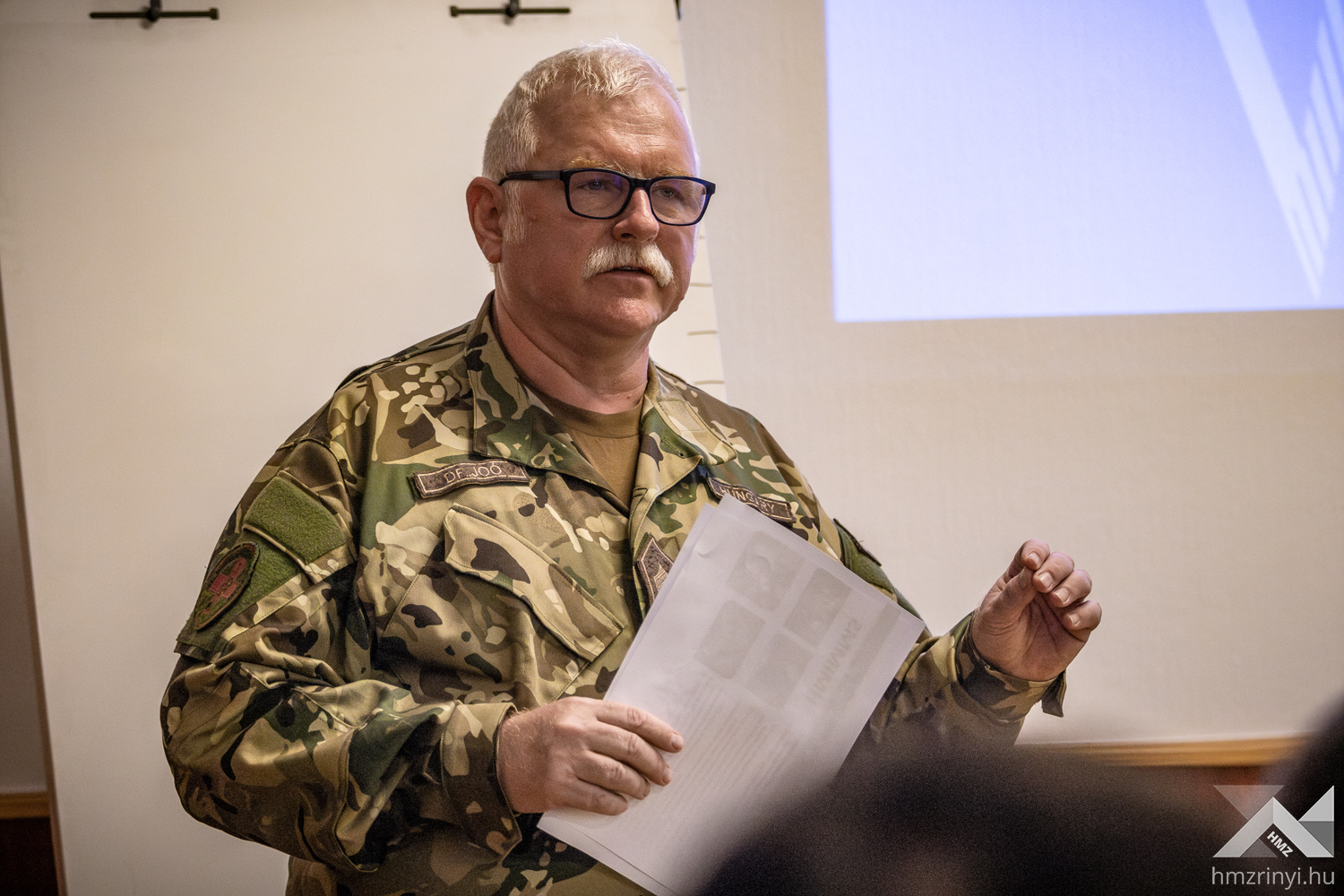
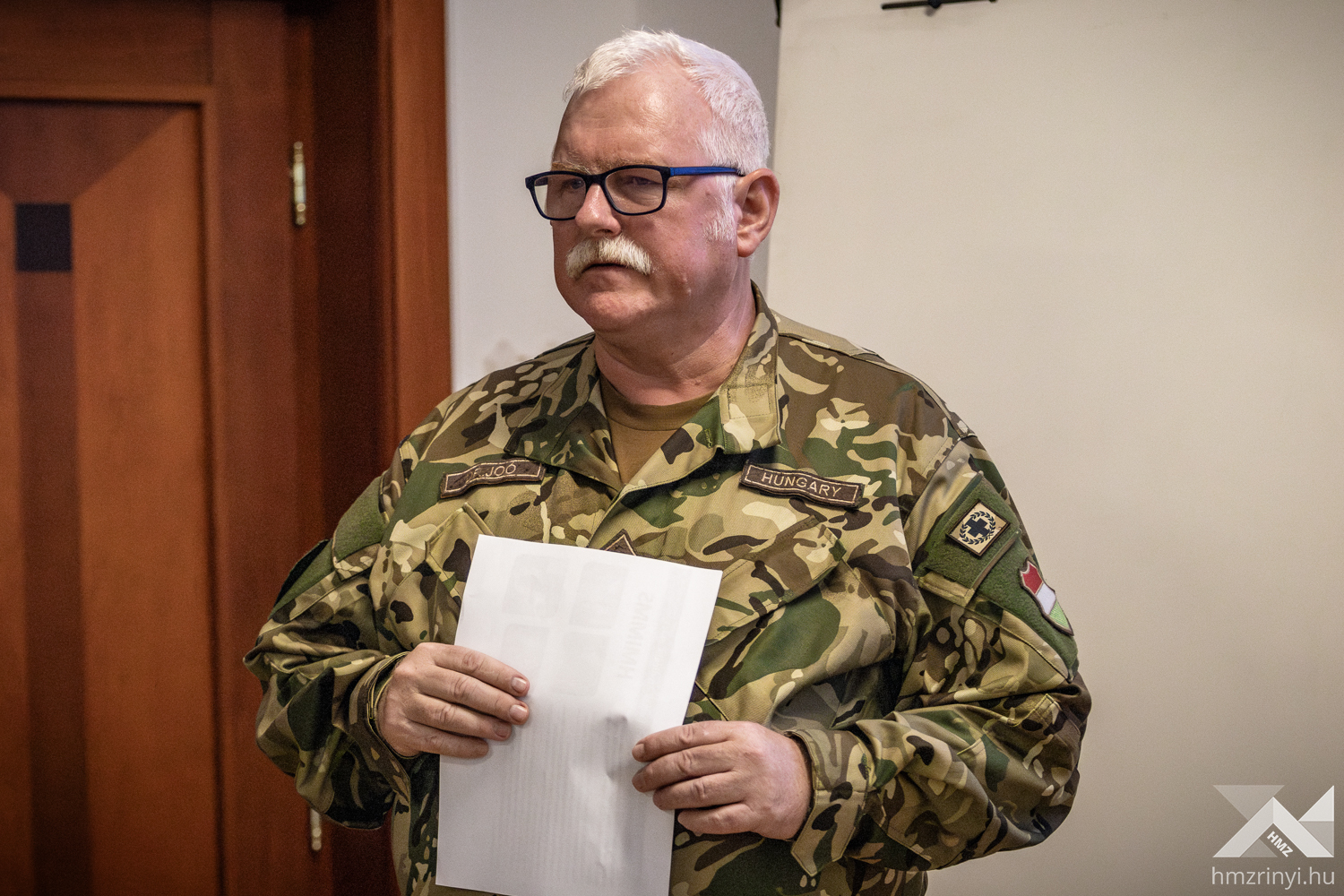
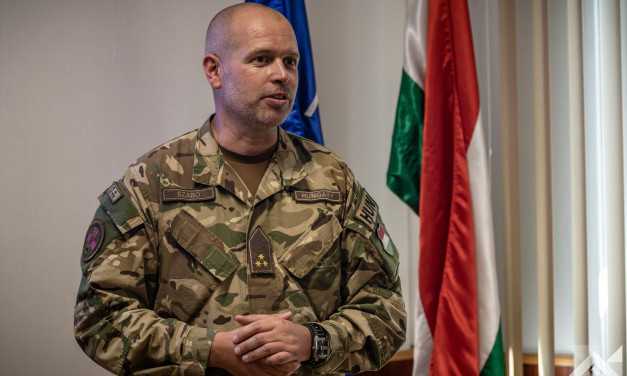
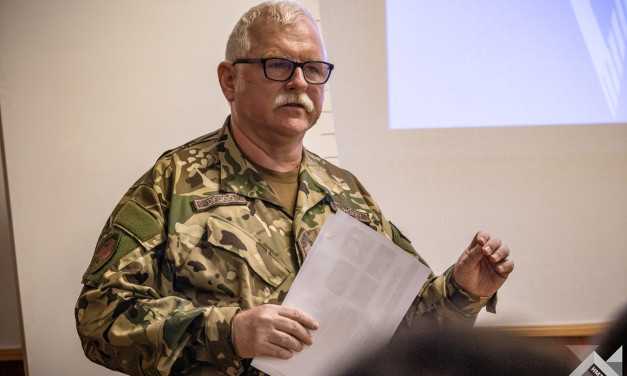
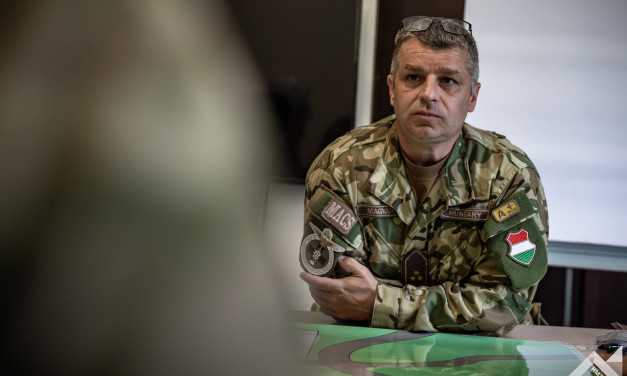
At the opening ceremony of this year’s course, Lieutenant Colonel Dr. Péter Joó, Chief of the HDF Medical Centre’s Medical Operations Directorate, stated that the course is of paramount importance to the HDF, as it provides a platform for medical professionals and creates a valuable opportunity to strengthen civil-military cooperation.
“During the training, not only our soldiers, but also civilian professionals learn the most important principles of effective major incident medical management. However, the training does not end with the course. Educational materials are being developed based on what was covered in the training so many more professionals can learn and apply this knowledge,” said Lieutenant Colonel Dr. Joó.
20260714EÜ_hadik_hotel-FD-14
20260714EÜ_hadik_hotel-FD-01
20260714EÜ_hadik_hotel-FD-02
20260714EÜ_hadik_hotel-FD-03
20260714EÜ_hadik_hotel-FD-04
20260714EÜ_hadik_hotel-FD-05
20260714EÜ_hadik_hotel-FD-06
20260714EÜ_hadik_hotel-FD-07
20260714EÜ_hadik_hotel-FD-08
20260714EÜ_hadik_hotel-FD-09
20260714EÜ_hadik_hotel-FD-10
20260714EÜ_hadik_hotel-FD-11
20260714EÜ_hadik_hotel-FD-12
20260714EÜ_hadik_hotel-FD-13
20260714EÜ_hadik_hotel-FD-15
20260714EÜ_hadik_hotel-FD-16
20260714EÜ_hadik_hotel-FD-17
20260714EÜ_hadik_hotel-FD-18
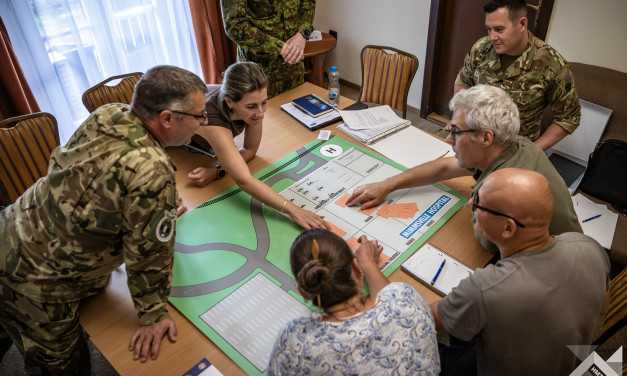
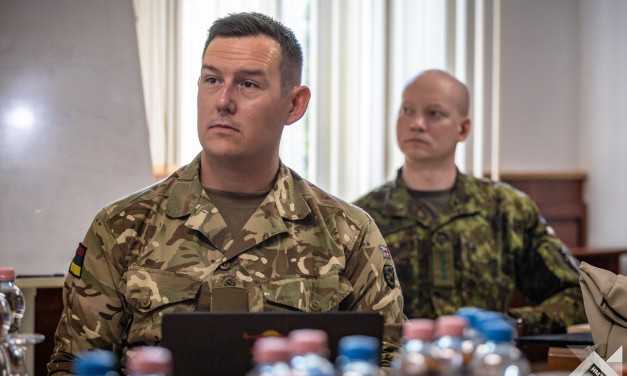

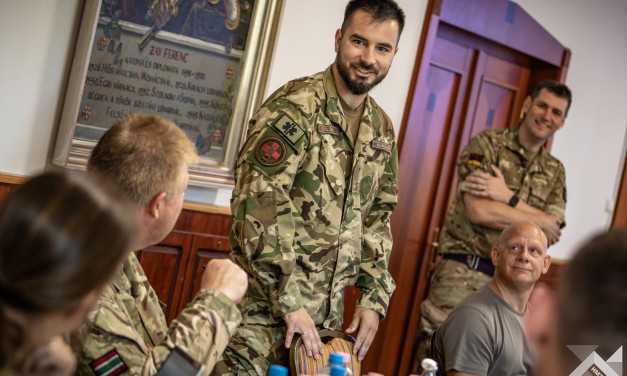
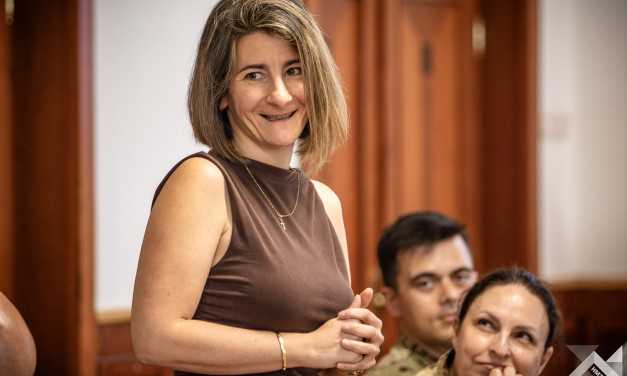
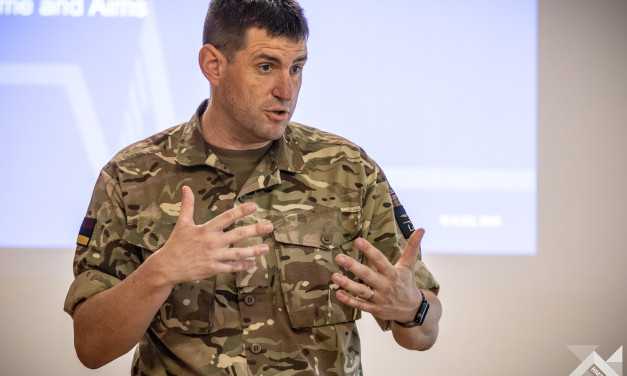
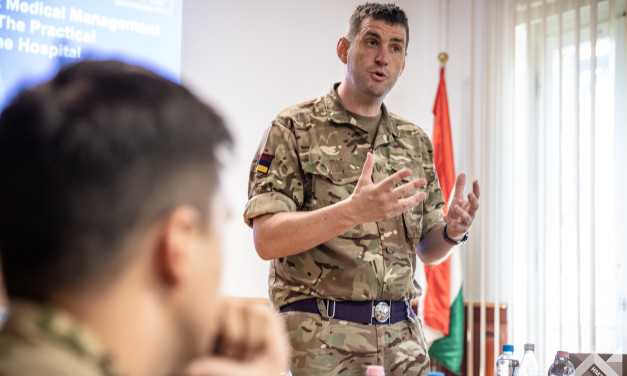
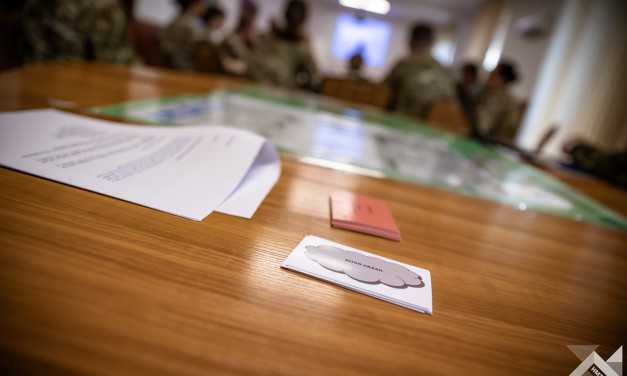
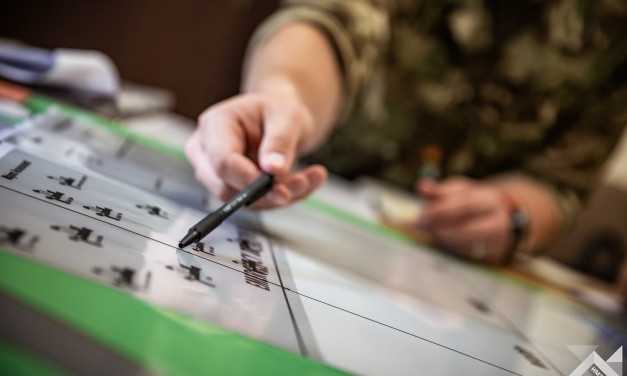
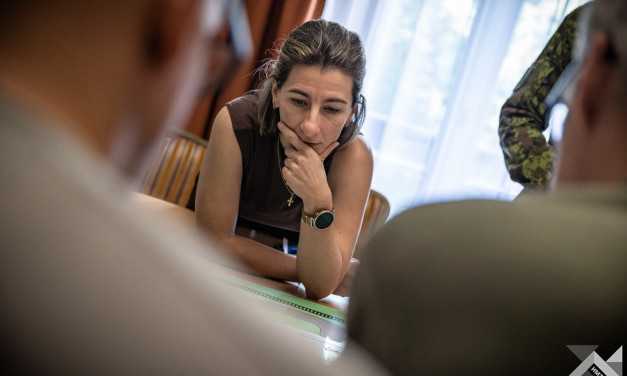
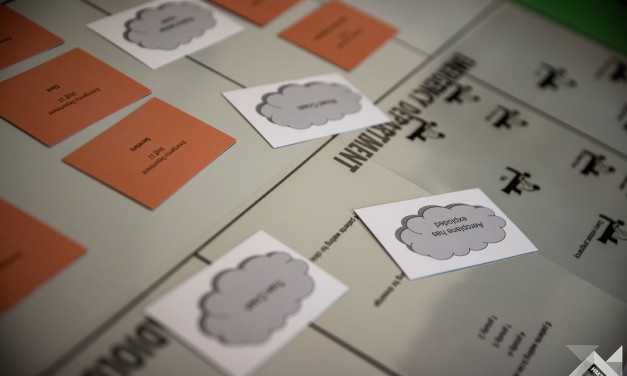
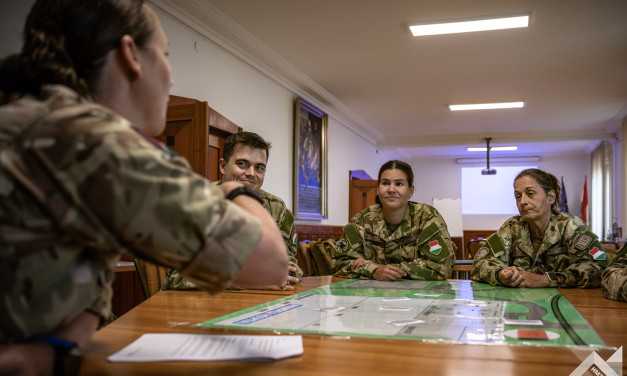
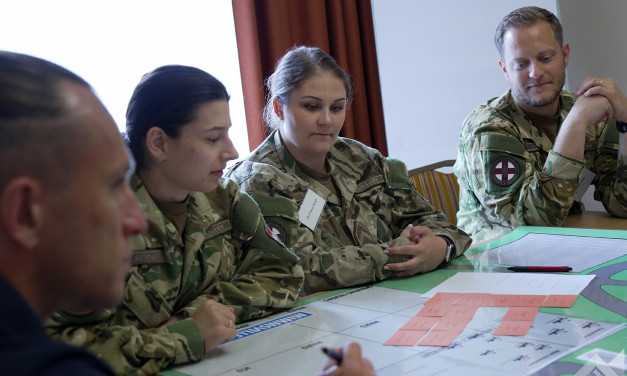
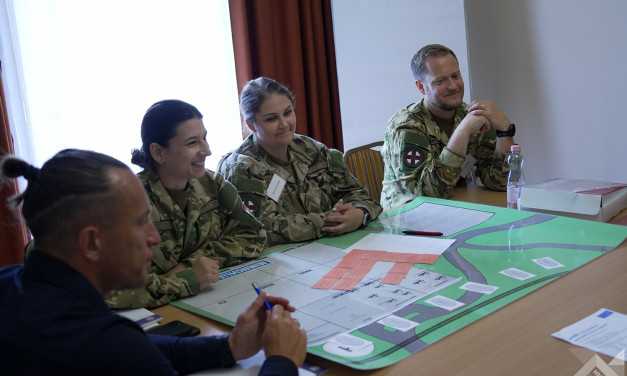
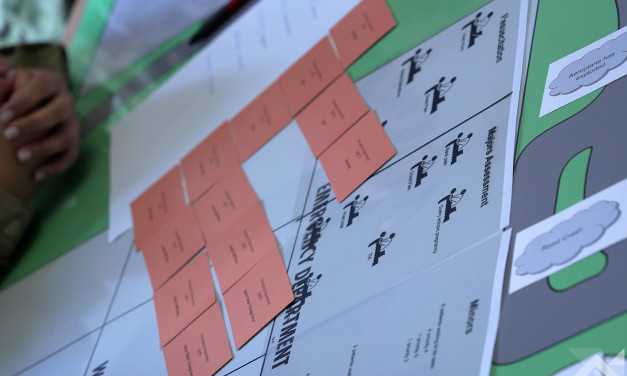
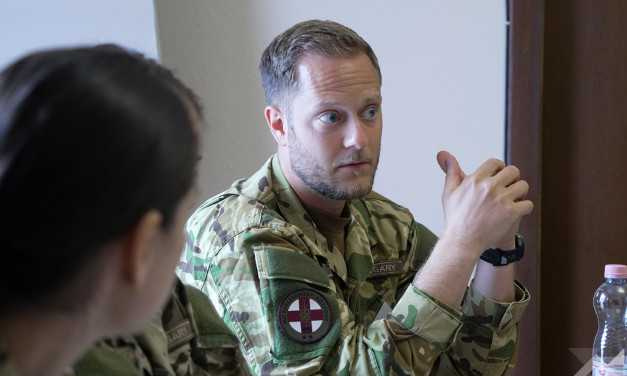
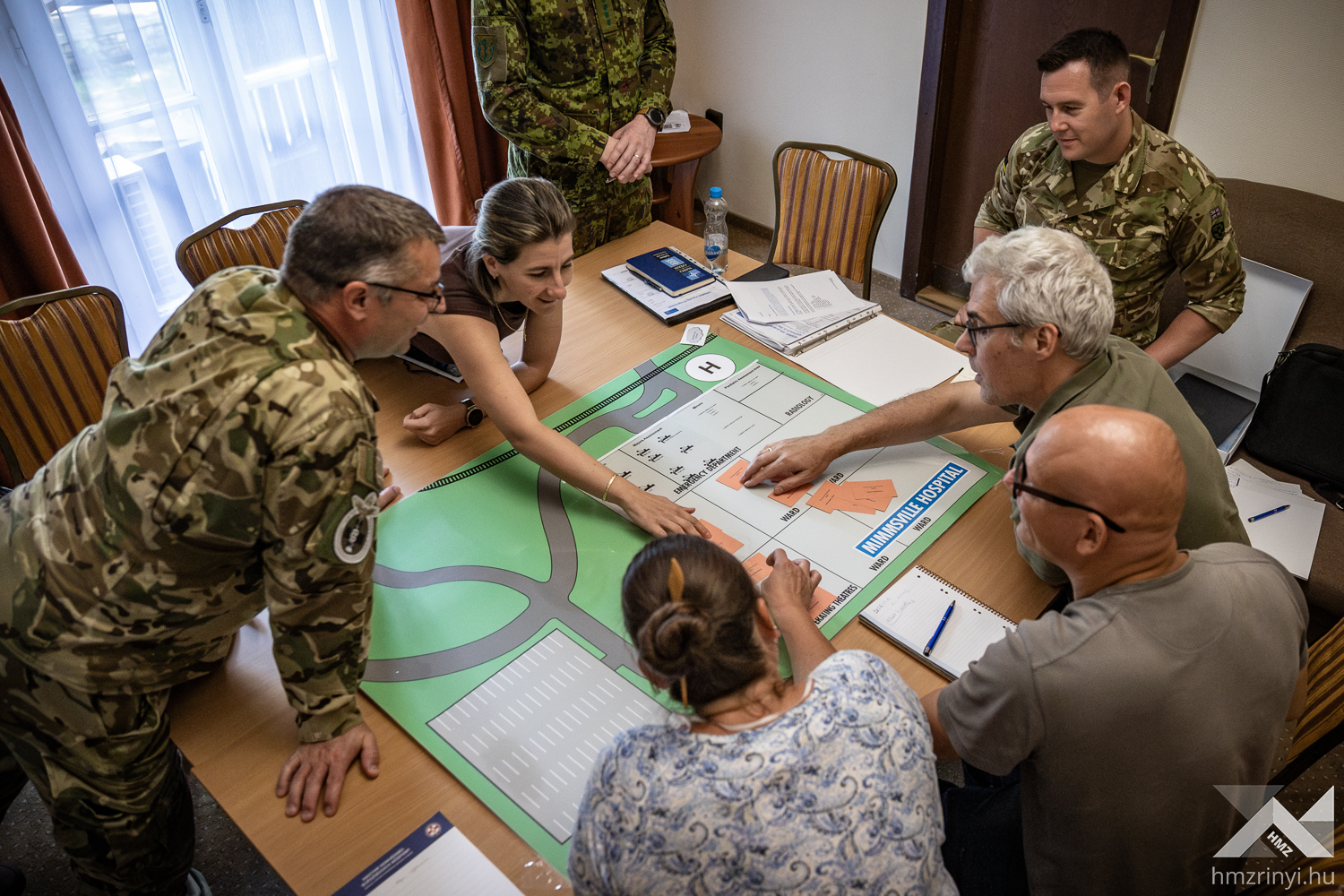
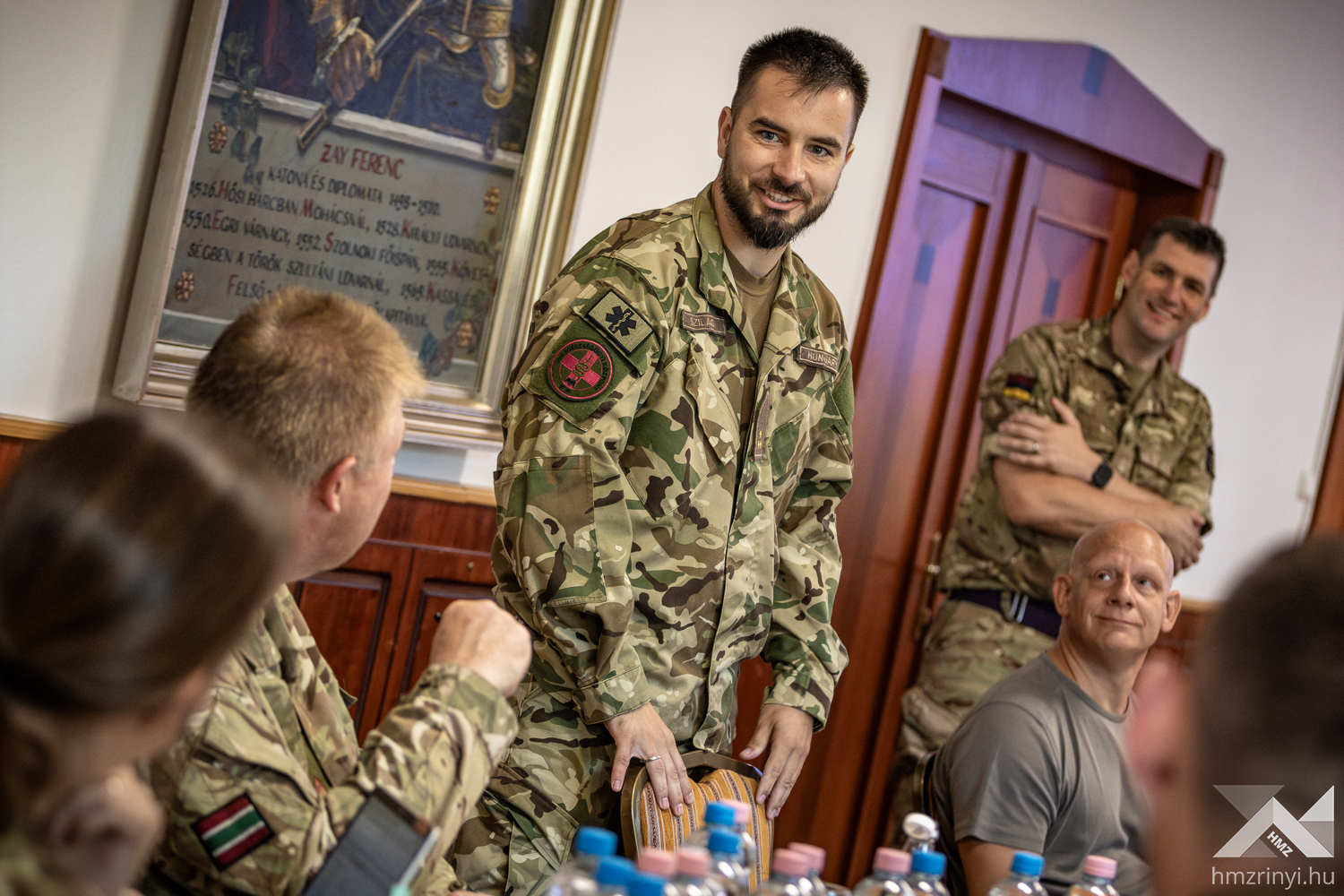
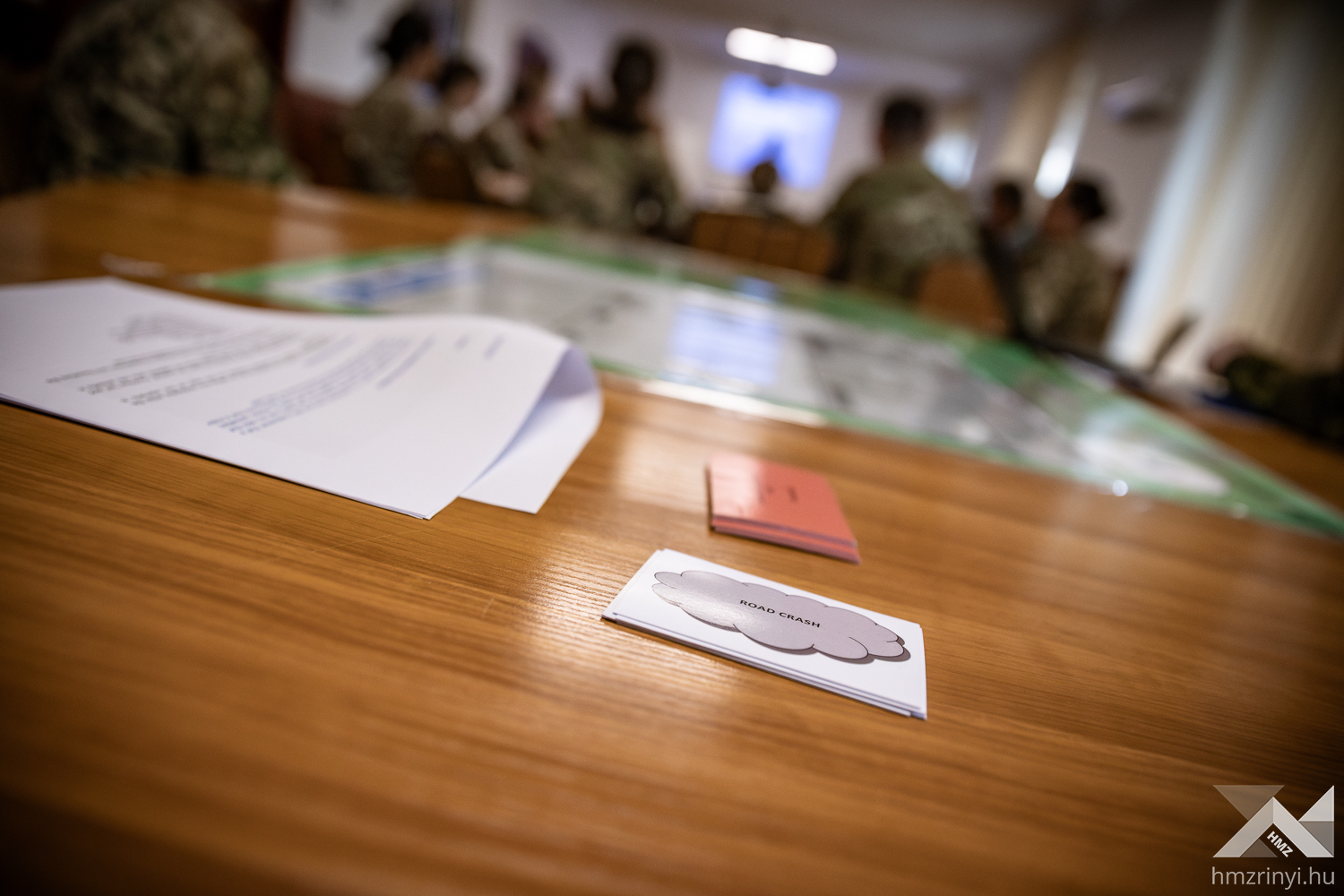
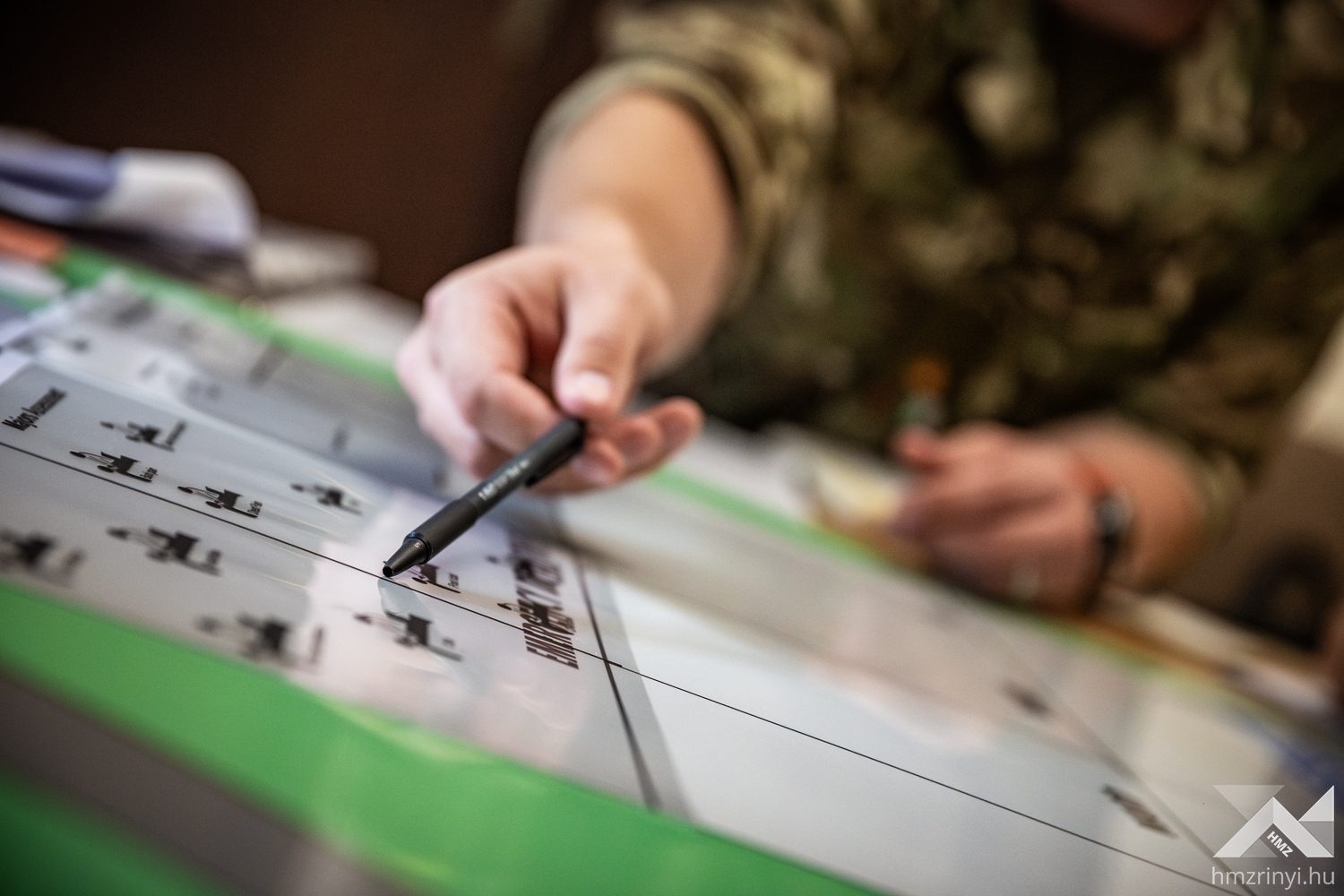
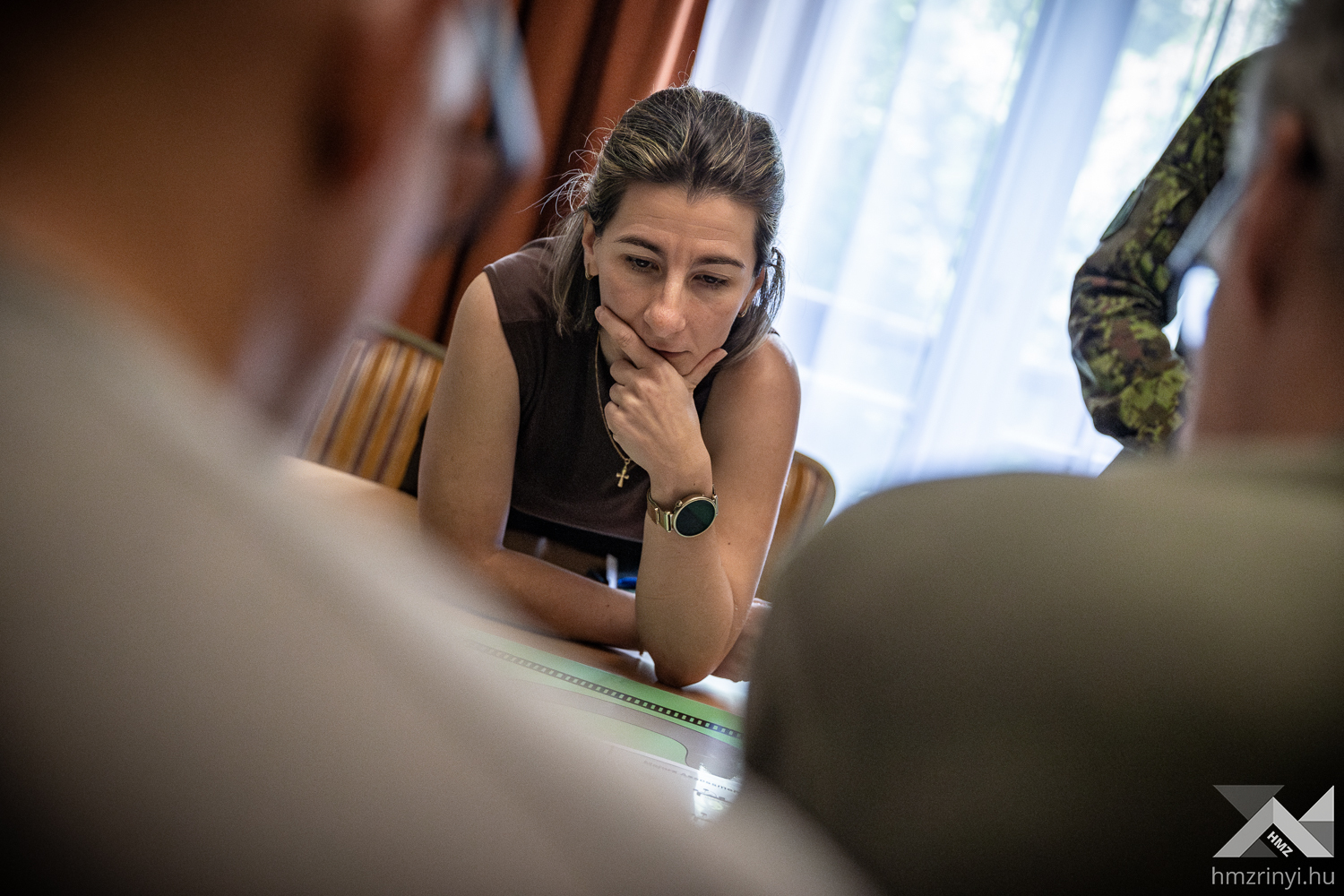
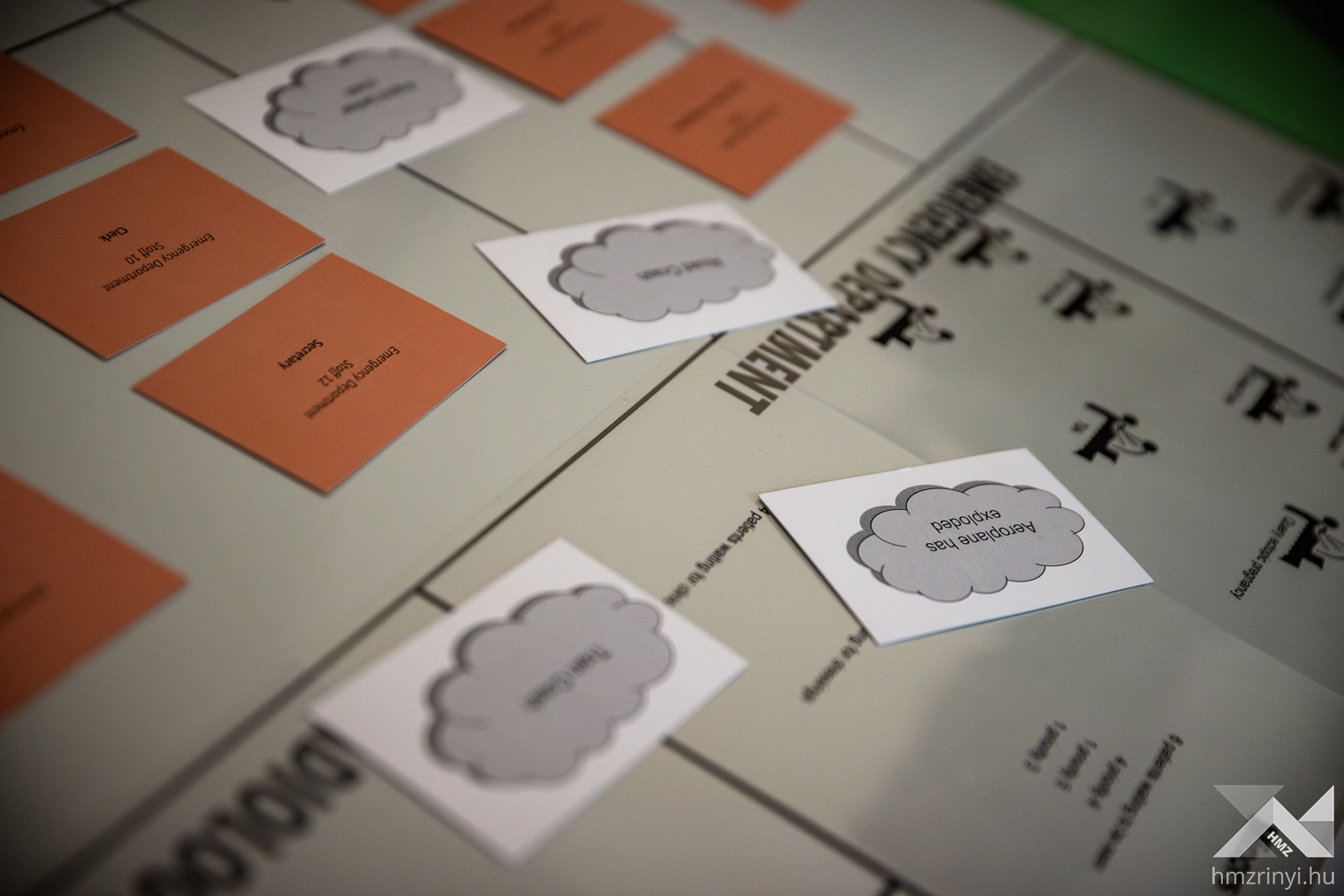
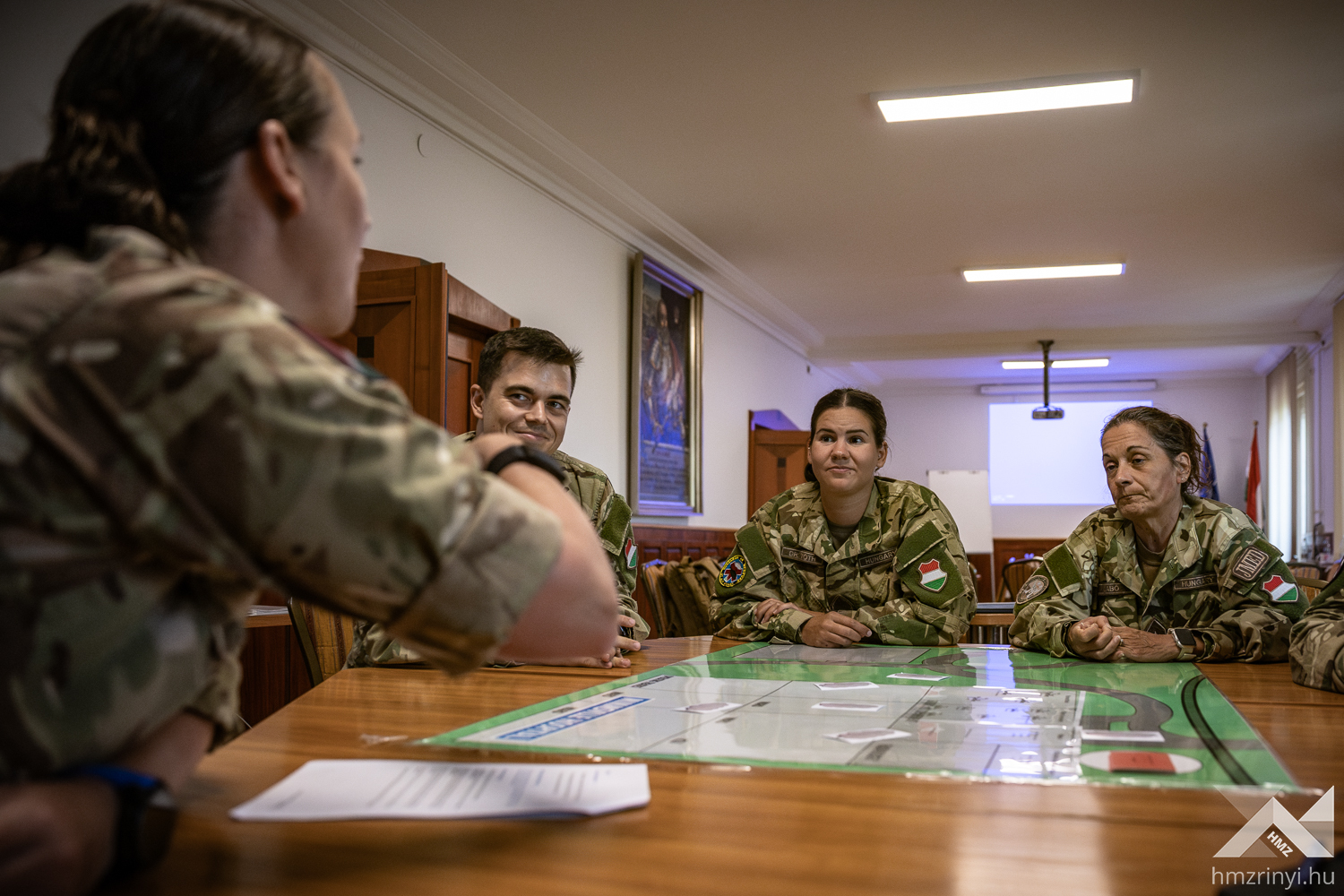
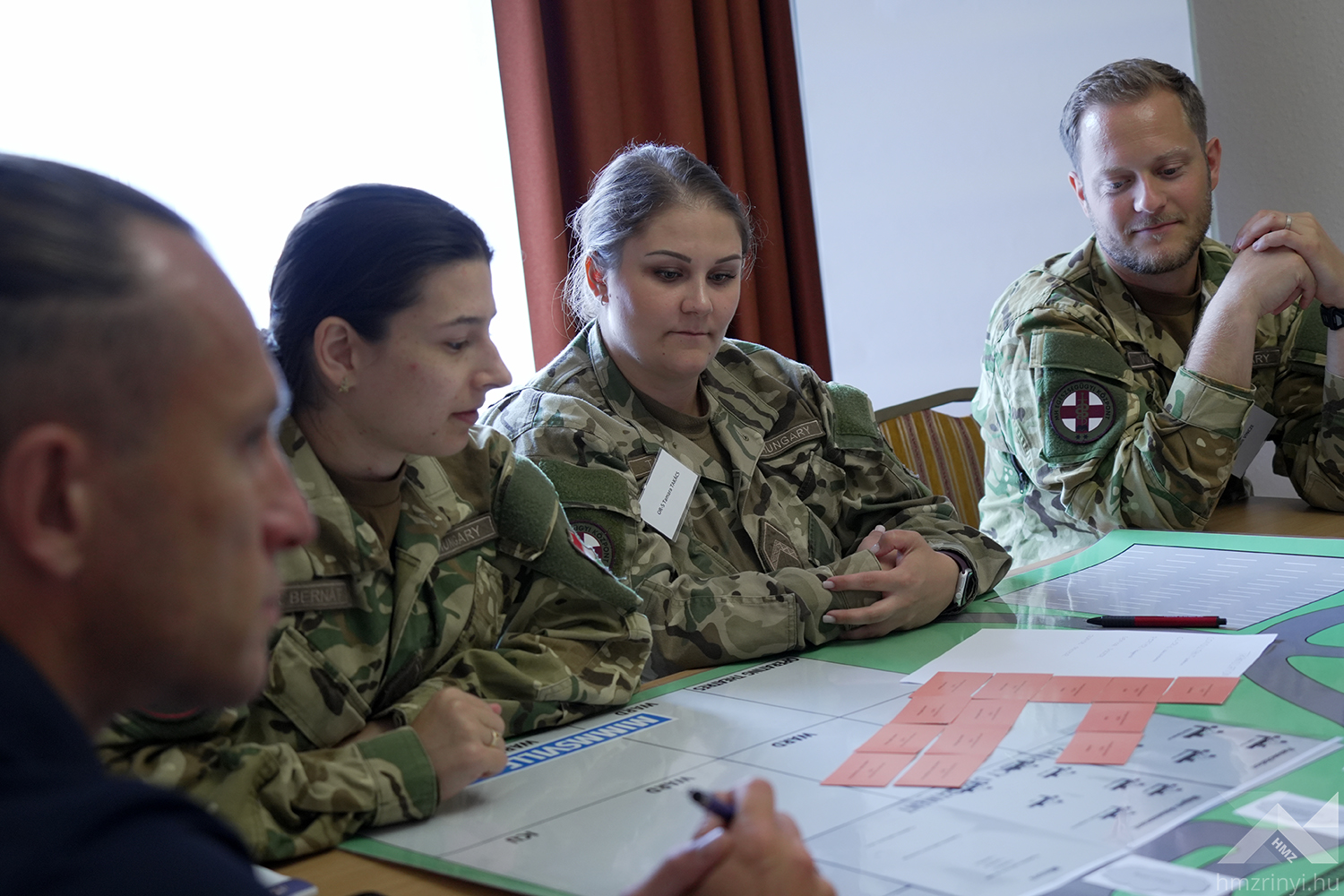
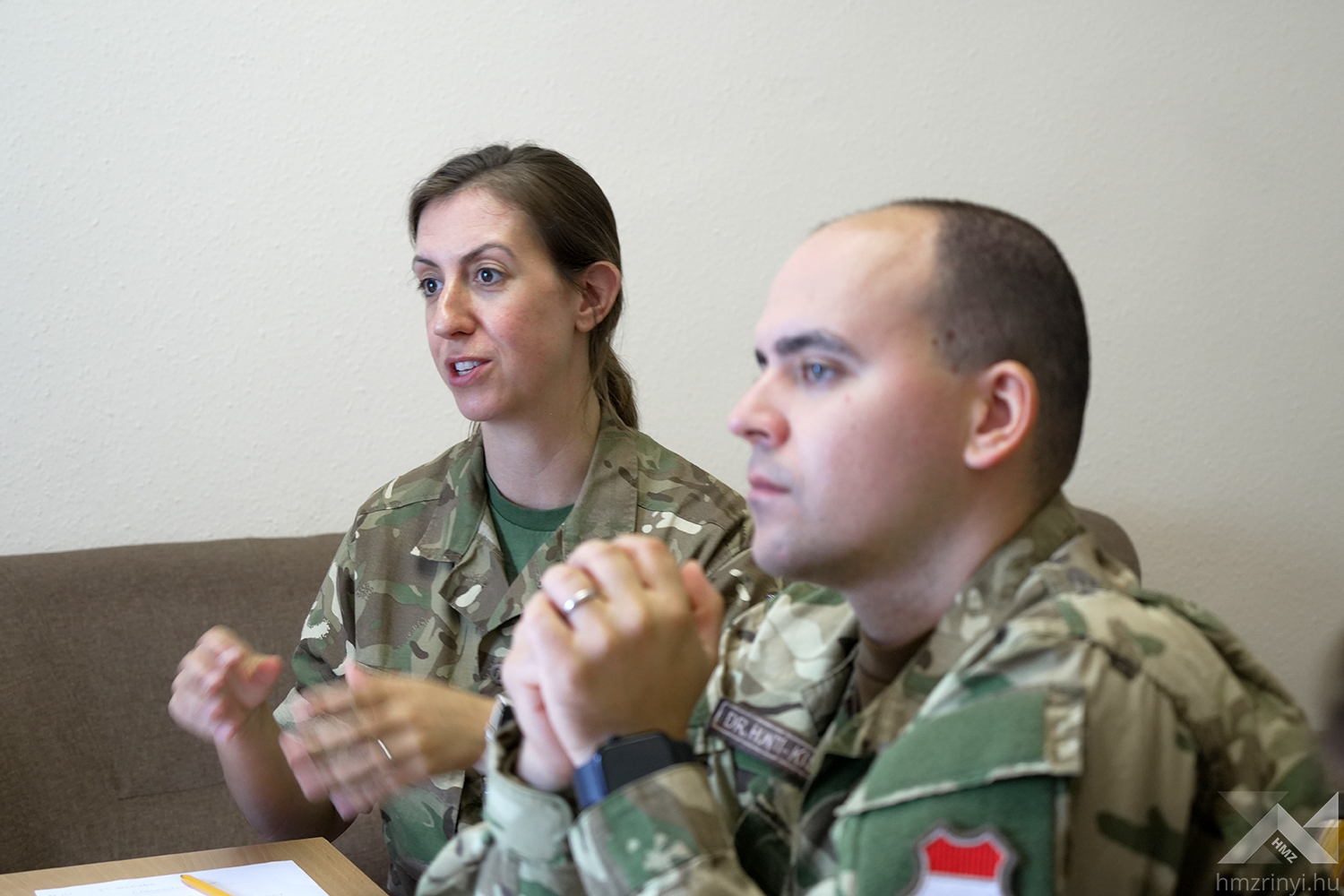
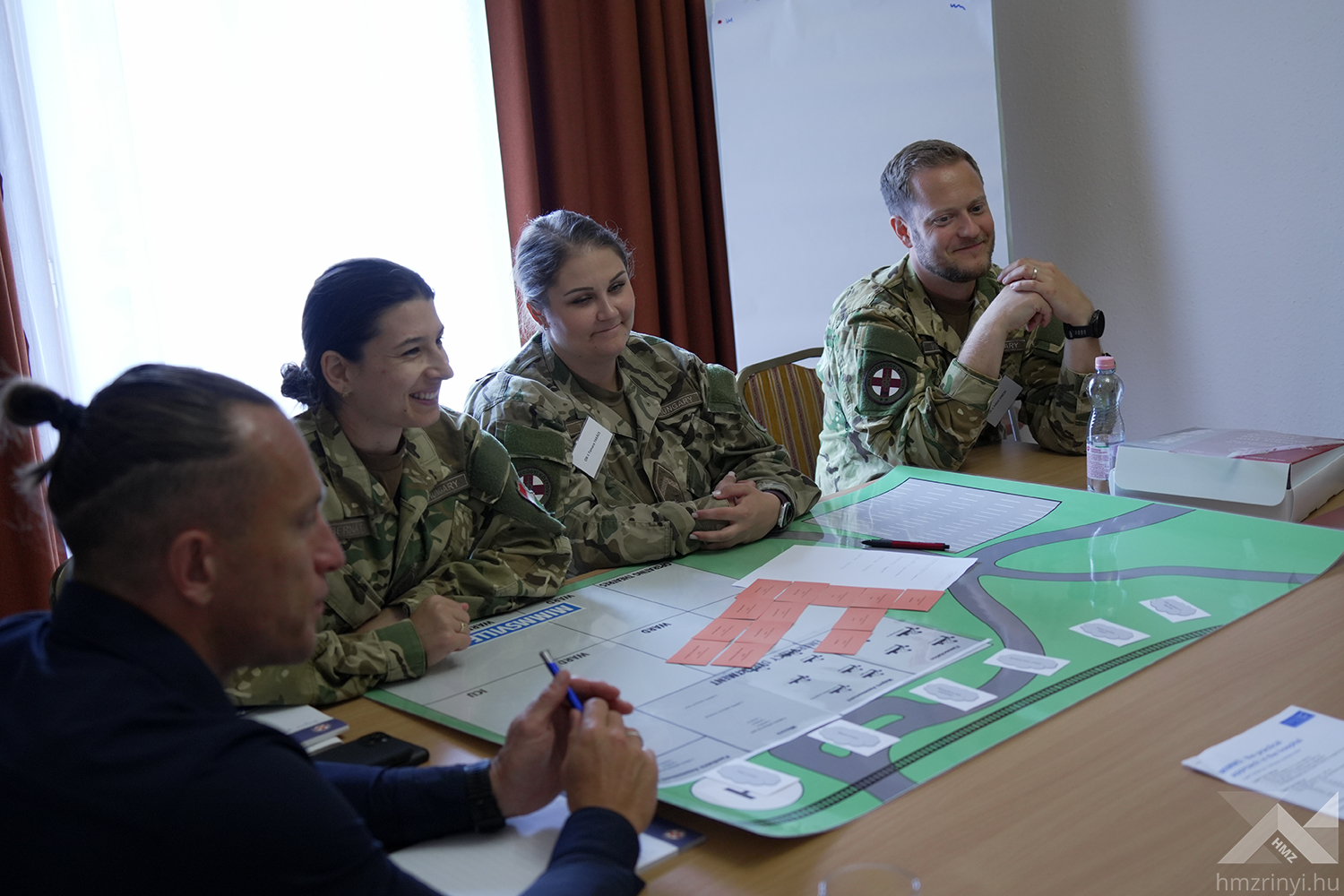
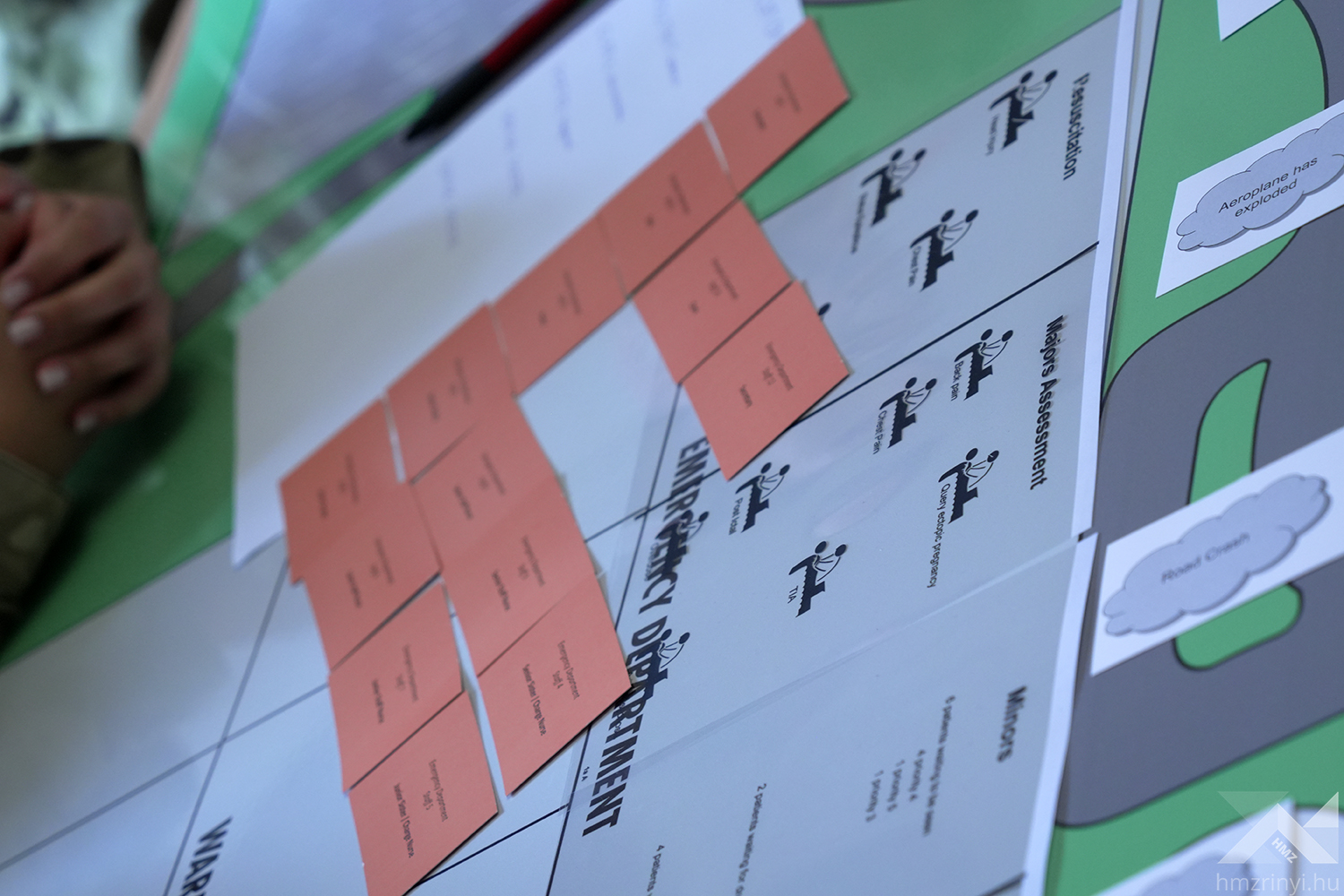
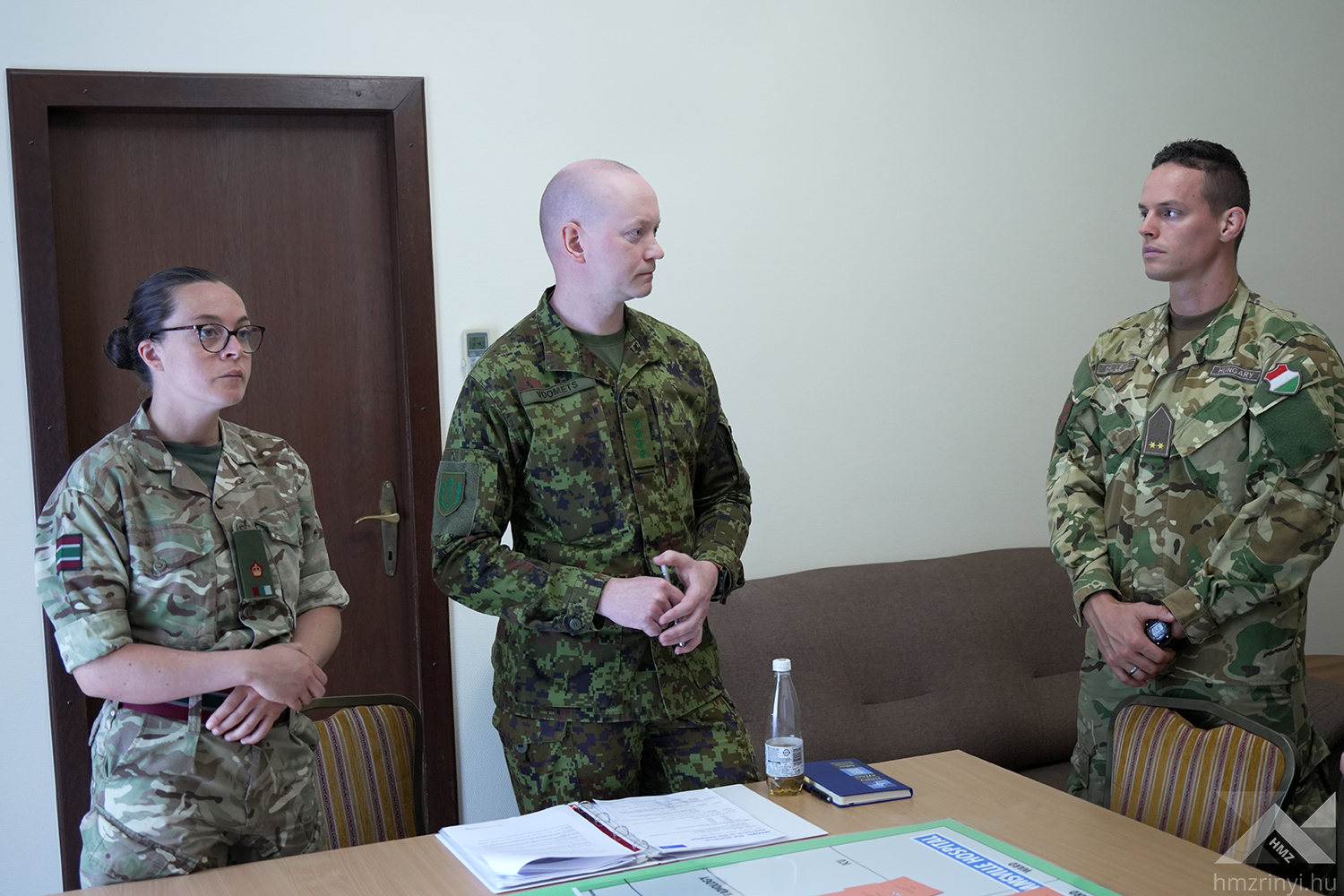
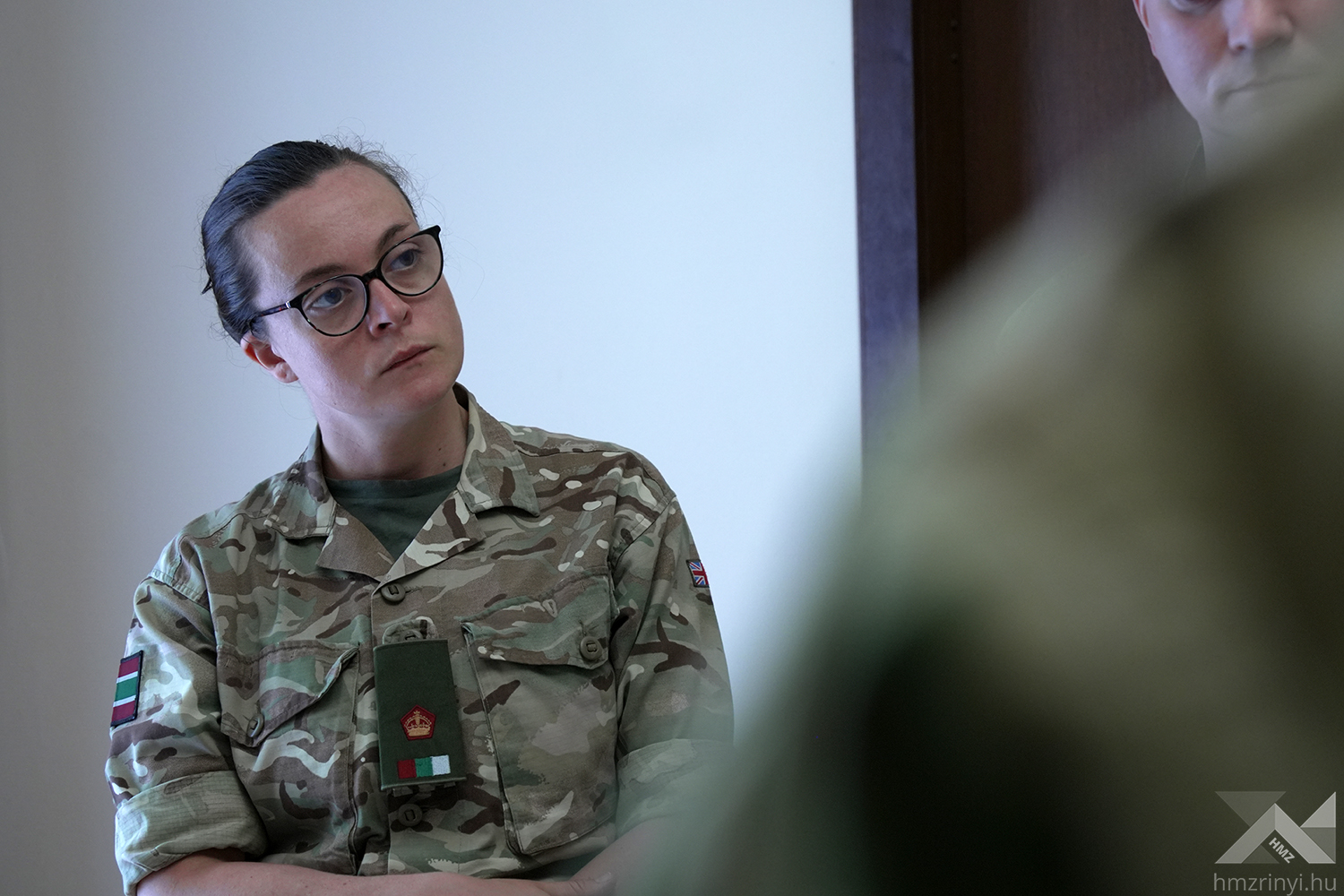
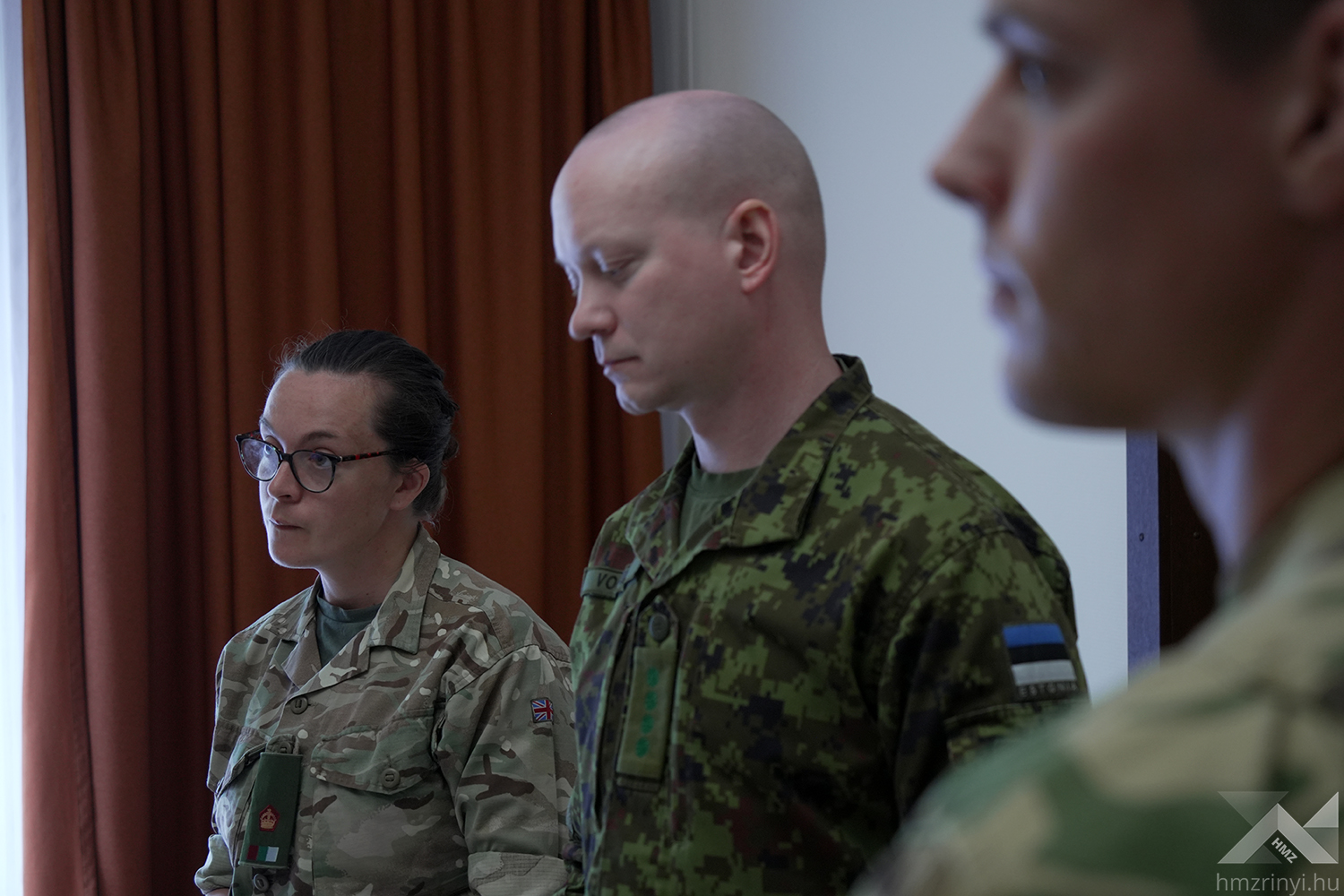
Lieutenant Colonel Natasha Chatham-Zvelebil, one of the British instructors of the course, responded to our question that following the lectures and workshops, the participants analyse a general, simulated major incident in a hospital setting as part of a group exercise. This allows them to collectively interpret the principles learned during the training, and to simultaneously practice applying them in a safe and supportive environment.
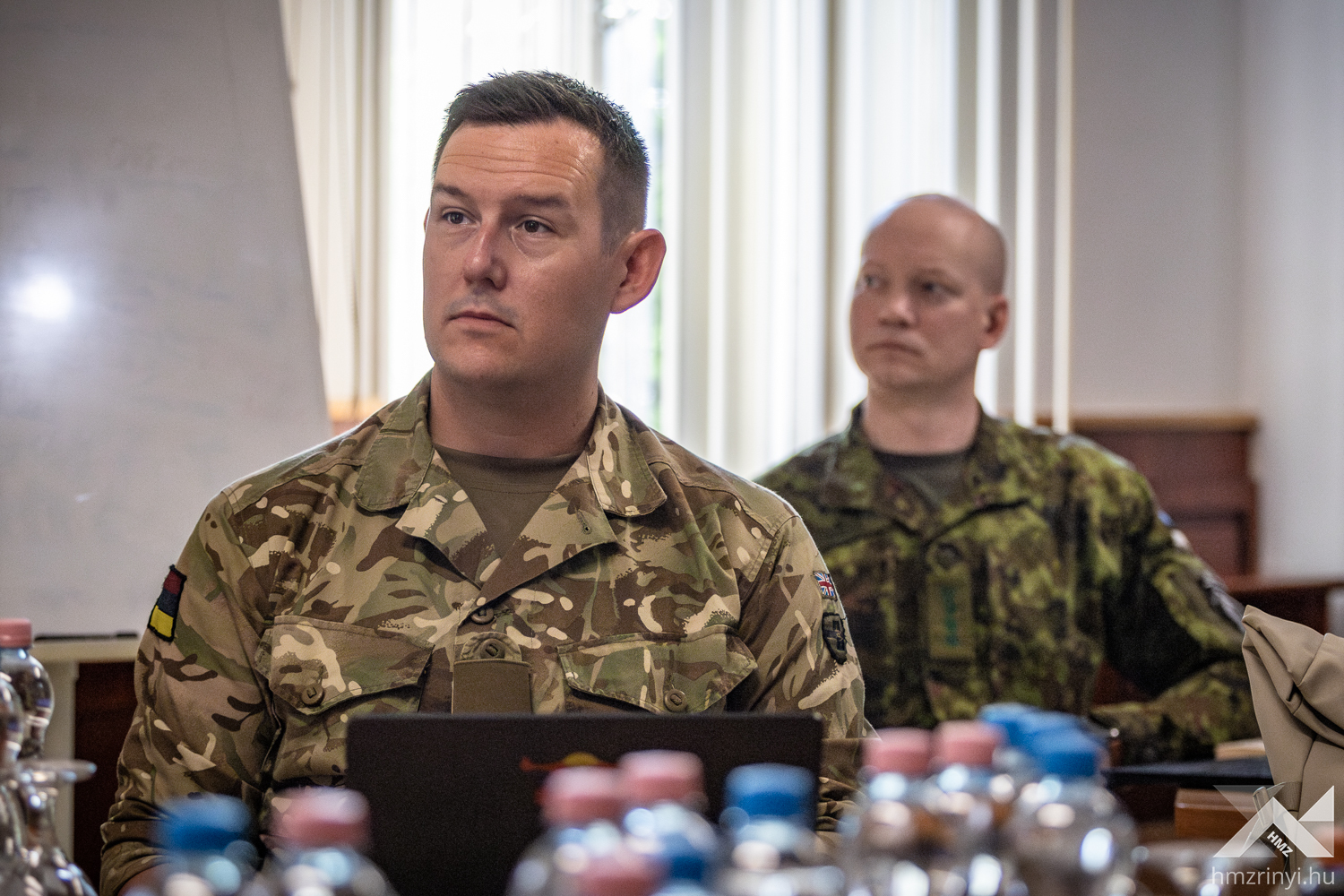
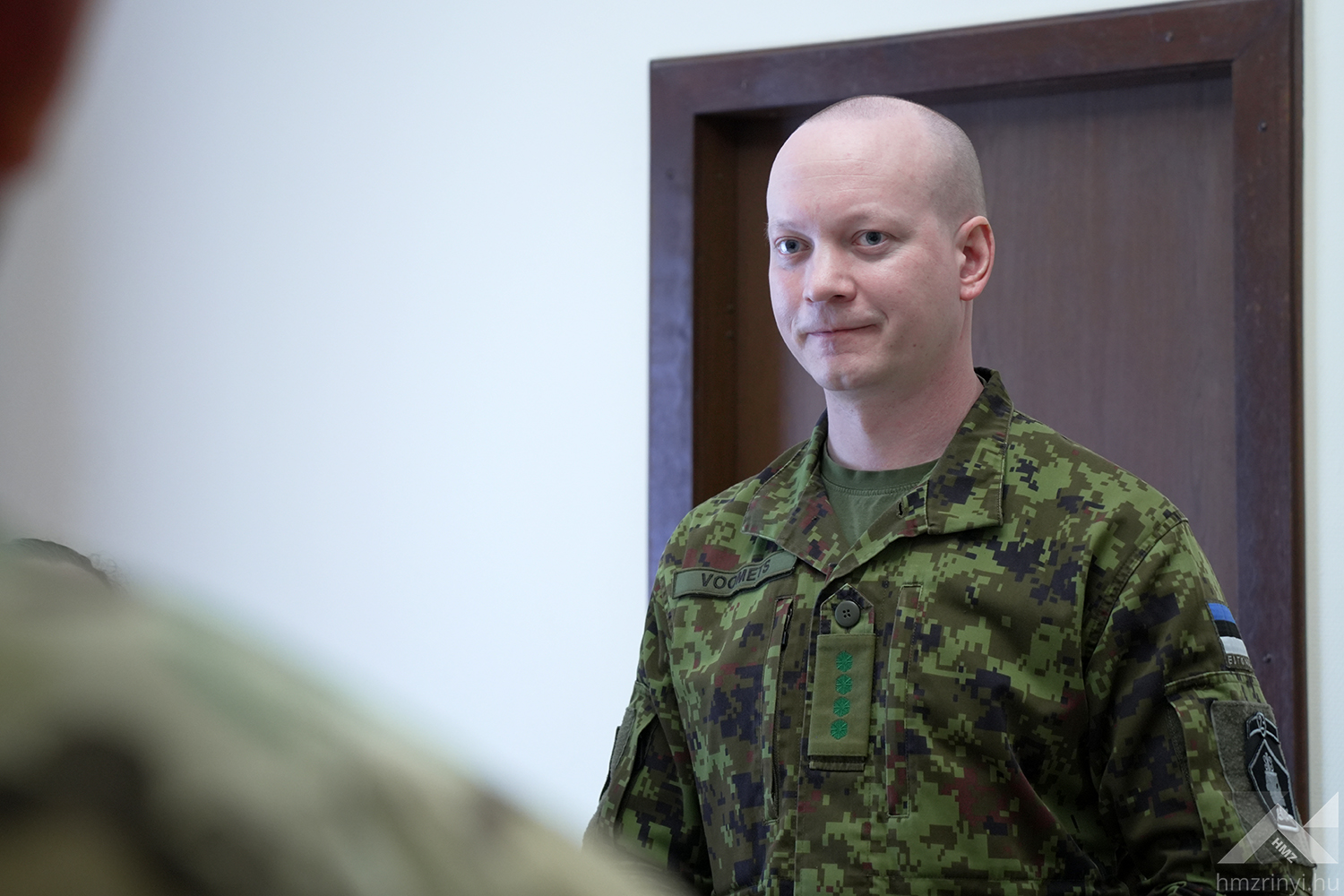
“It’s truly wonderful to work not only with Hungarian soldiers but also with civilian medical personnel. Since there are British and Estonian instructors on this course, we’re not only working with Hungary but also with Estonia. So, as representatives from these three countries work together, they share their experiences with one another, they are always learning from each other, and it’s a wonderful experience,” concluded Lieutenant Colonel Chatham-Zvelebil.
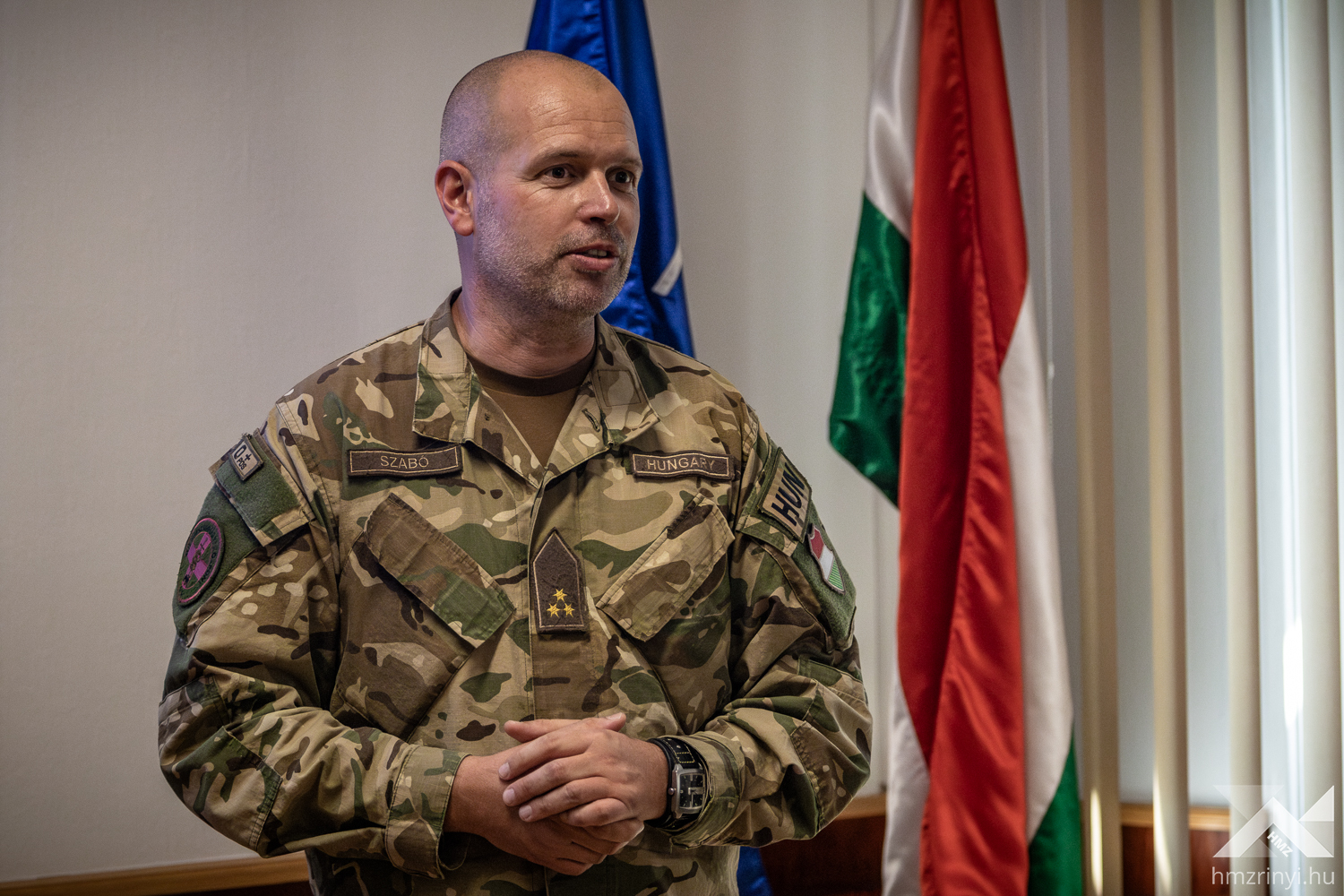
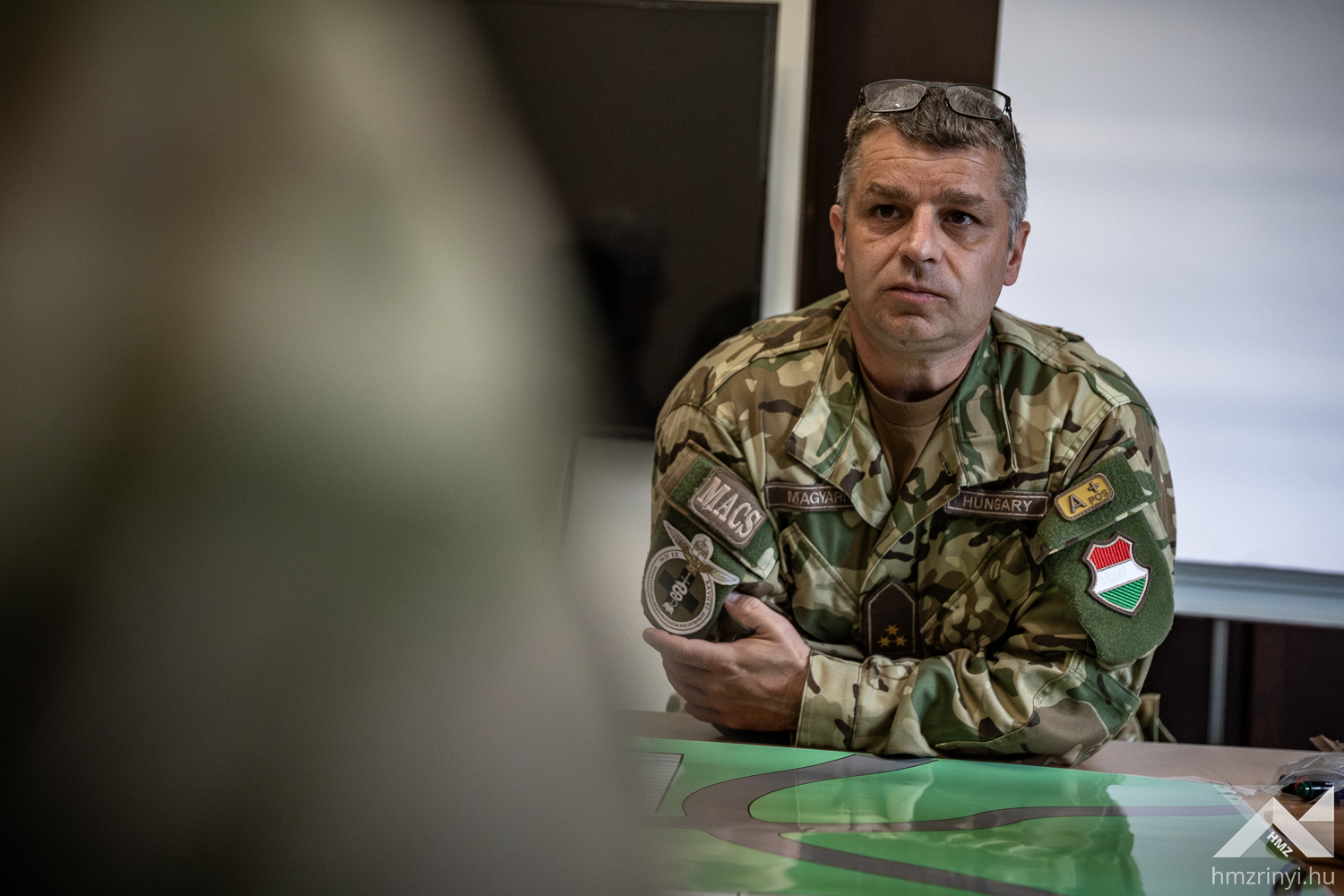
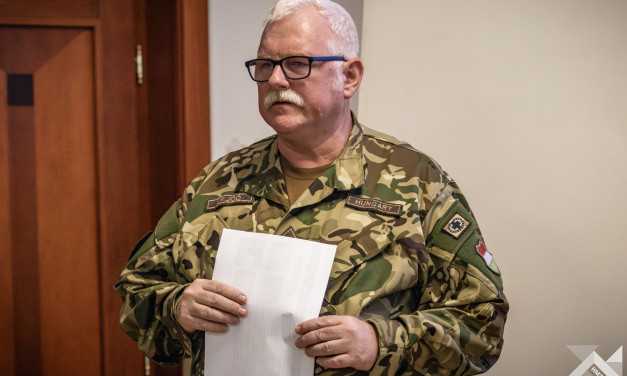
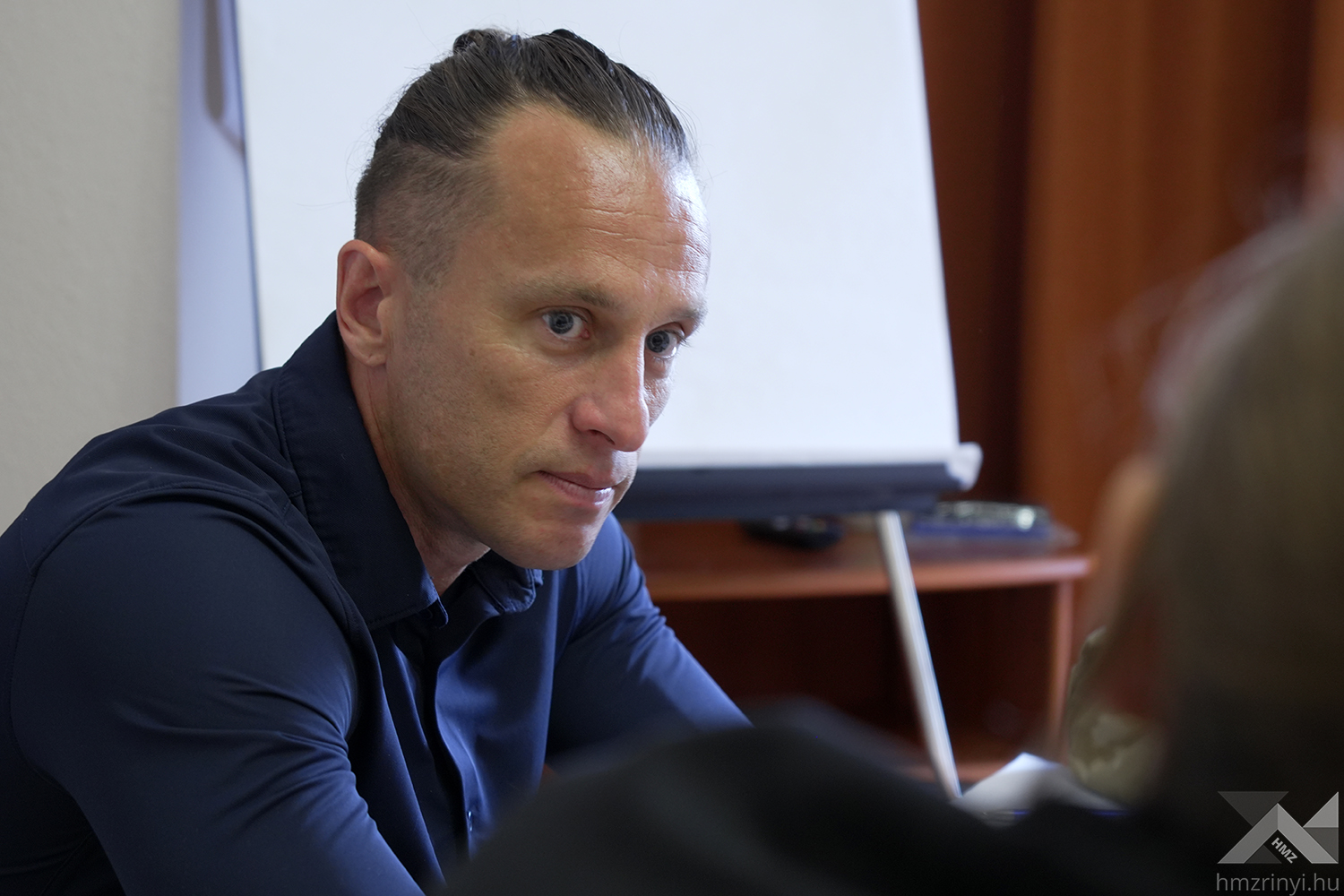
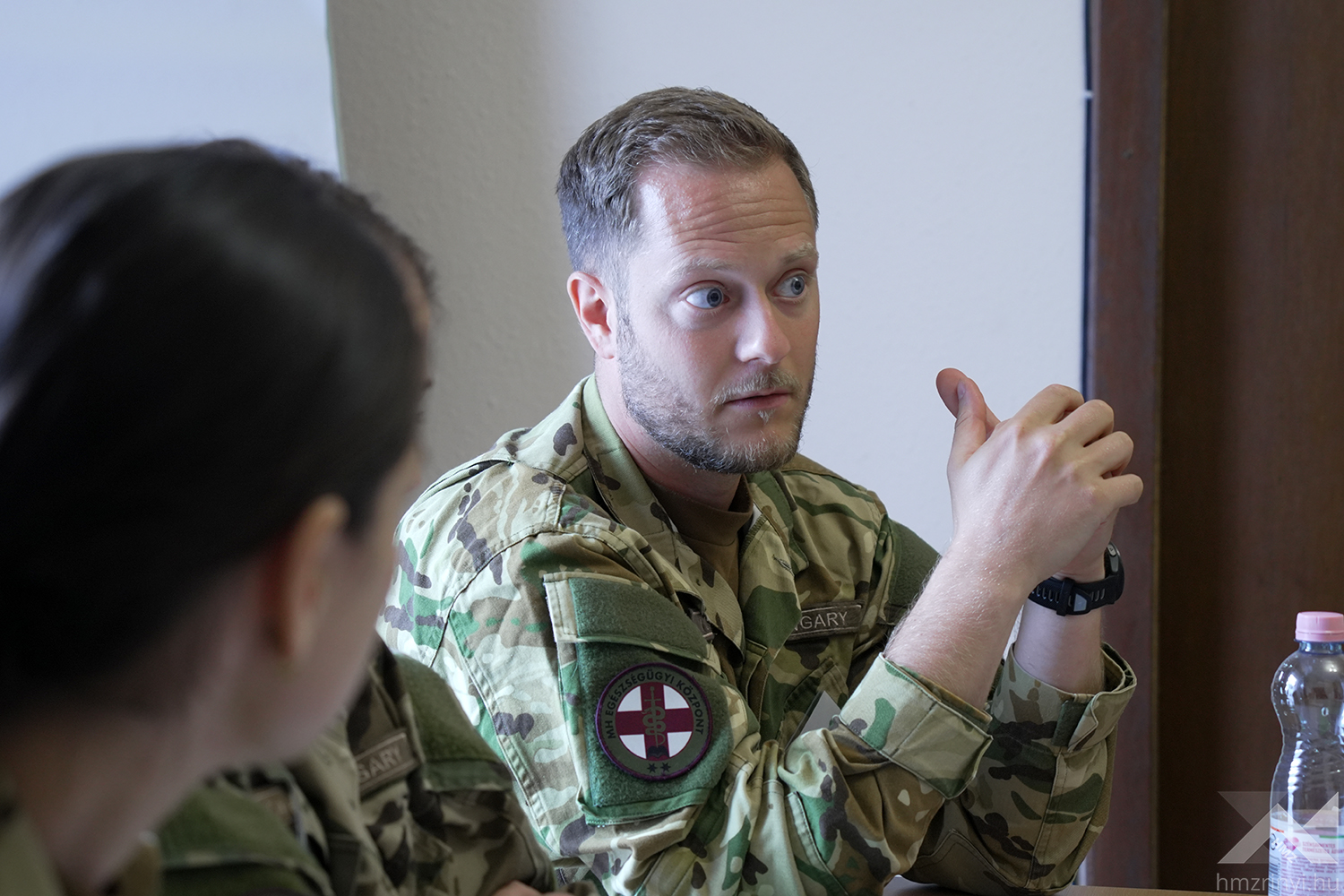
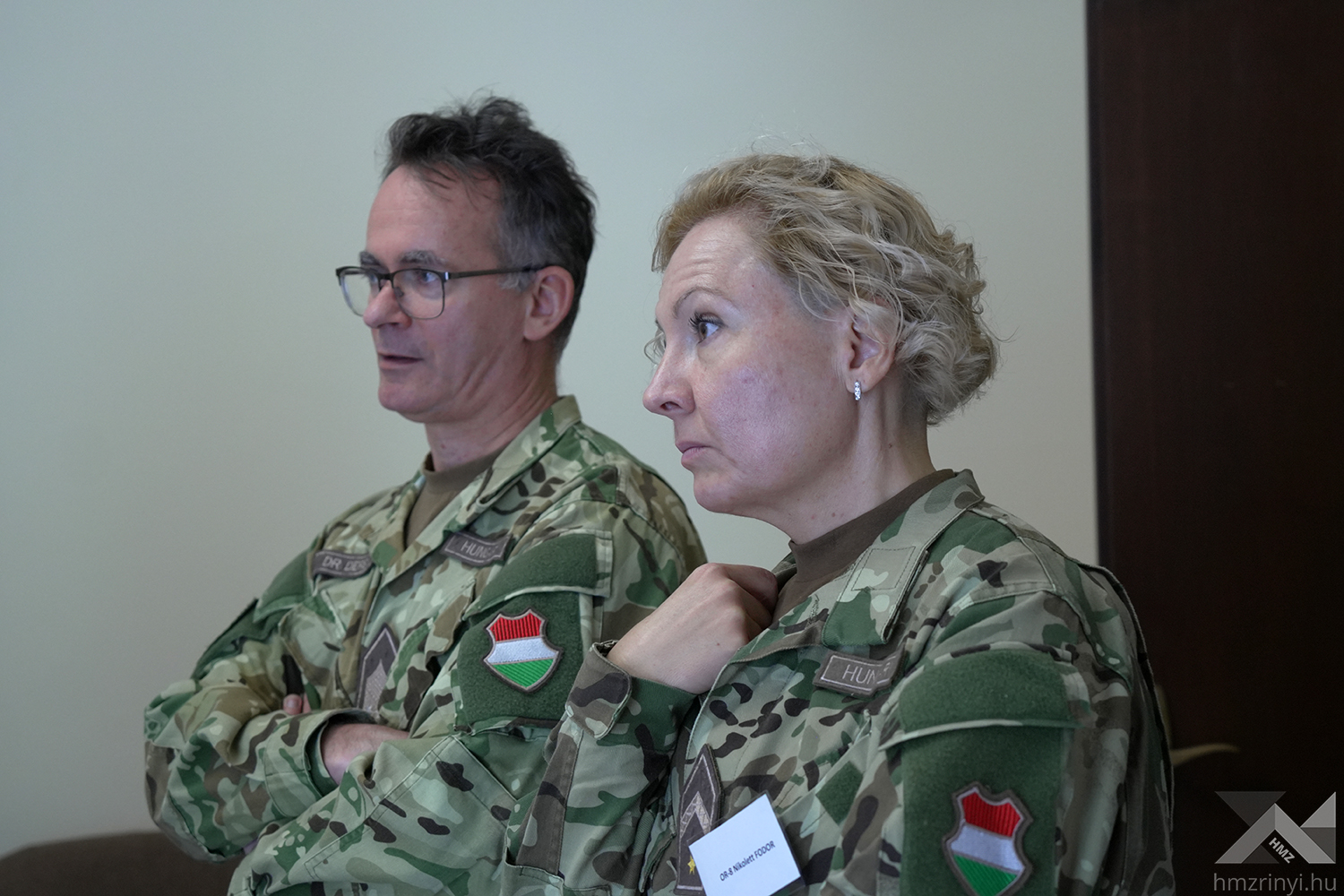
Lieutenant Colonel Dr. Péter Deres, Medical Chief of the HDF Medical Centre, also participated in the course, and he concluded that the key to effective cooperation lies in learning to speak a common language in military medicine (both domestically and internationally) and in civil-military cooperation. Understanding each other’s strengths helps participating organizations cooperate more effectively when necessary and ensures a more coordinated response by building on available capabilities.
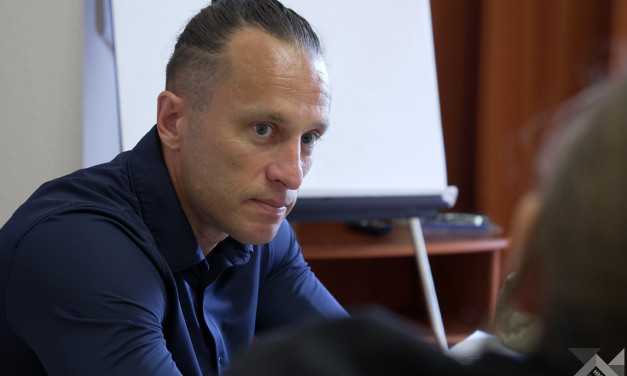
Participating in the course, Dr. Márk Vajda, Director General of the Inpatient and Outpatient Specialized Care Directorate of the National Directorate General for Hospitals, emphasized that in the everyday operations of hospitals and medical facilities there may be situations in which care cannot be provided under normal operating procedures. In such cases, hospitals may need additional resources; to address this, they can work with military medical professionals to develop joint plans.
20260715OMSZ_Látogatás-FD-06
20260715OMSZ_Látogatás-FD-01
20260715OMSZ_Látogatás-FD-02
20260715OMSZ_Látogatás-FD-03
20260715OMSZ_Látogatás-FD-04
20260715OMSZ_Látogatás-FD-05

20260715OMSZ_Látogatás-FD-07
20260715OMSZ_Látogatás-FD-08
20260715OMSZ_Látogatás-FD-09
20260715OMSZ_Látogatás-FD-10
20260715OMSZ_Látogatás-FD-11
20260715OMSZ_Látogatás-FD-12
20260715OMSZ_Látogatás-FD-13
20260715OMSZ_Látogatás-FD-14
20260715OMSZ_Látogatás-FD-15
20260715OMSZ_Látogatás-FD-16
20260715OMSZ_Látogatás-FD-17
20260715OMSZ_Látogatás-FD-18
20260715OMSZ_Látogatás-FD-19
20260715OMSZ_Látogatás-FD-20
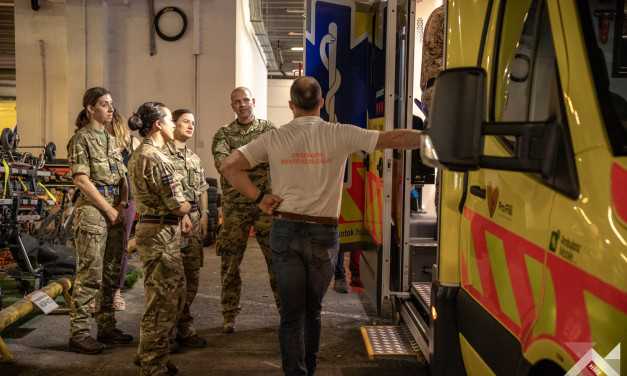
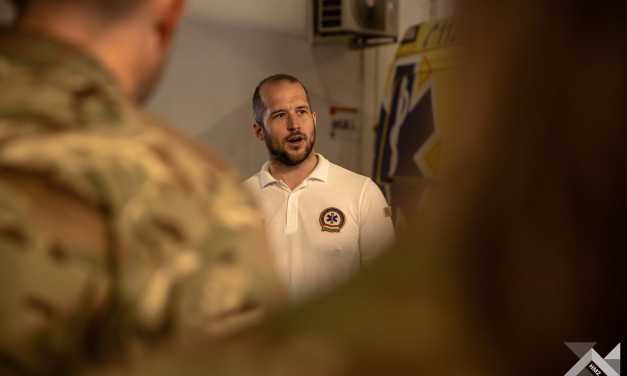
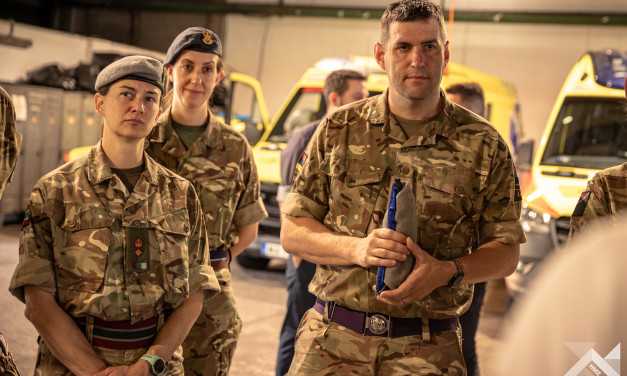
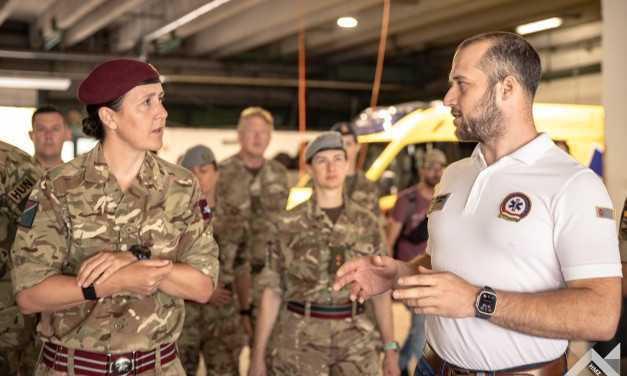
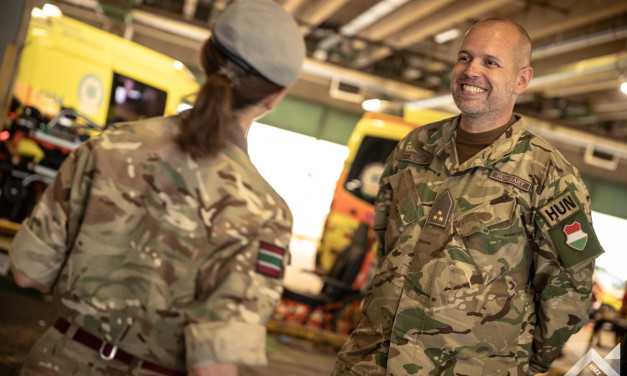
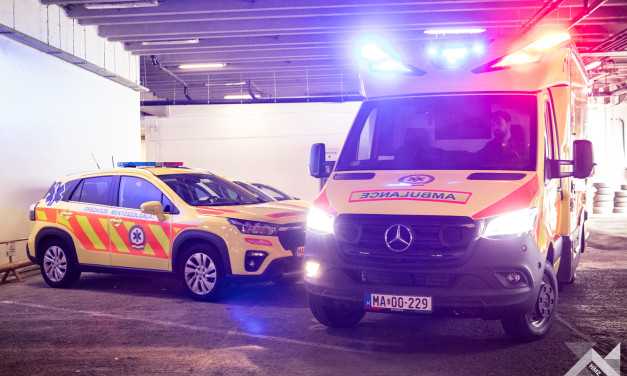
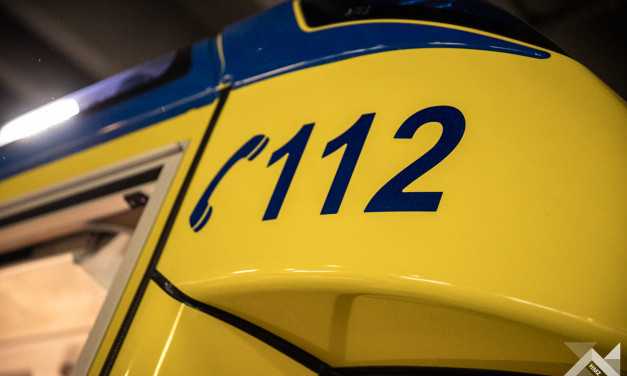
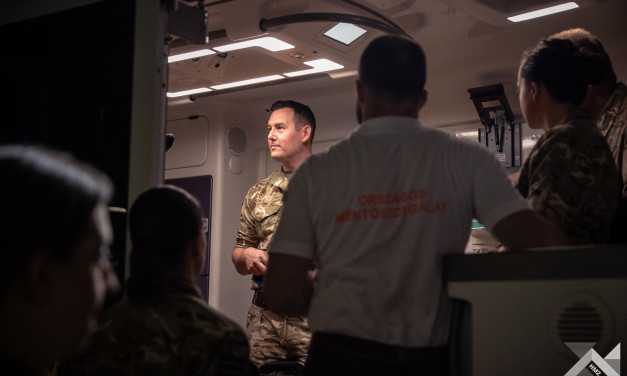
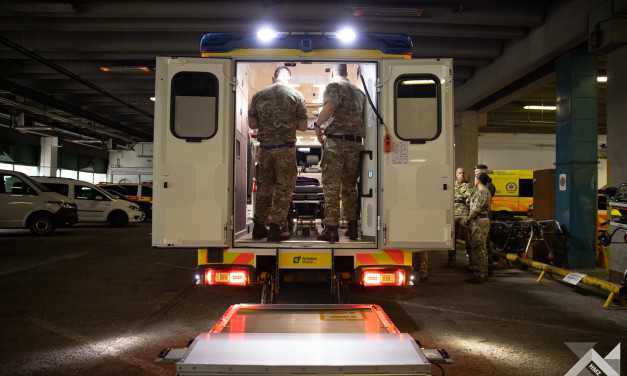
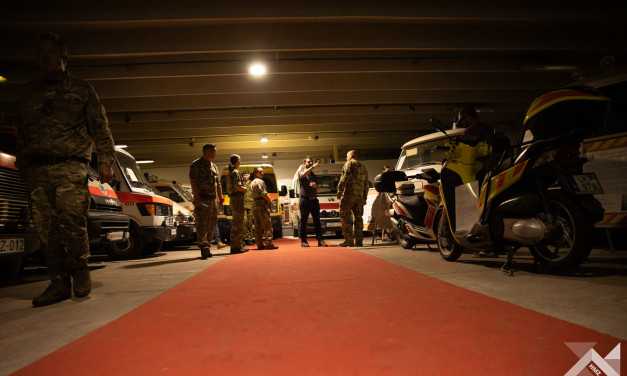
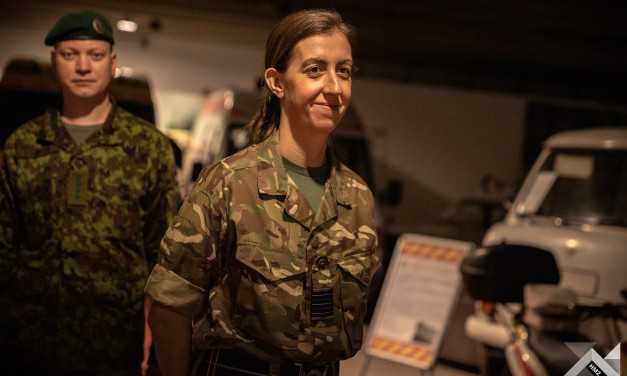
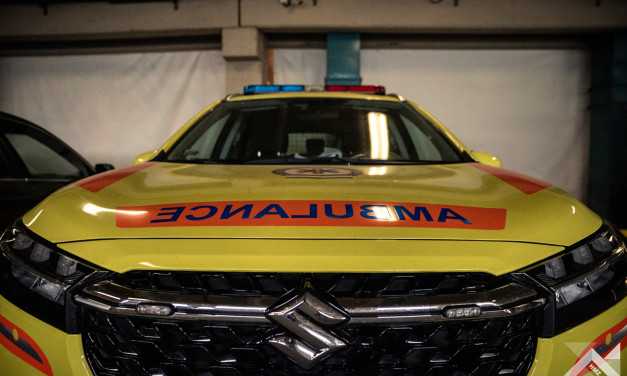
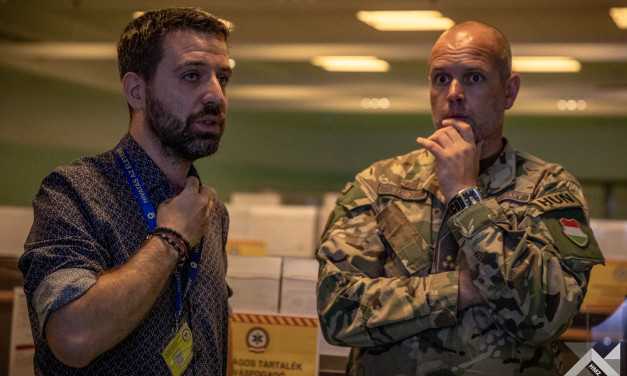
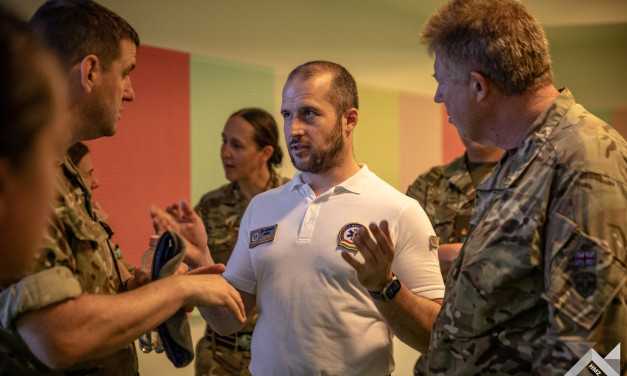
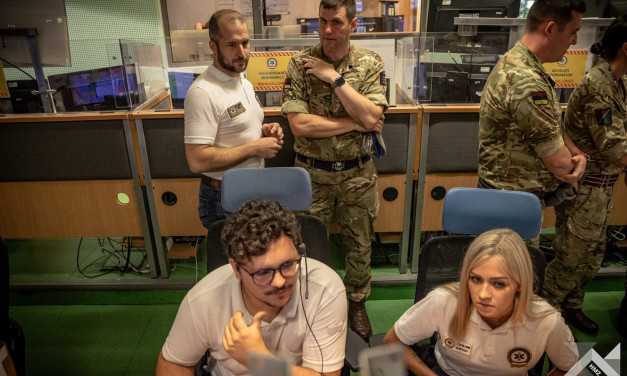
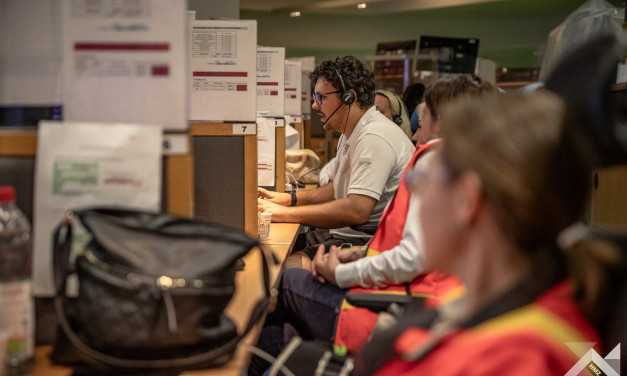
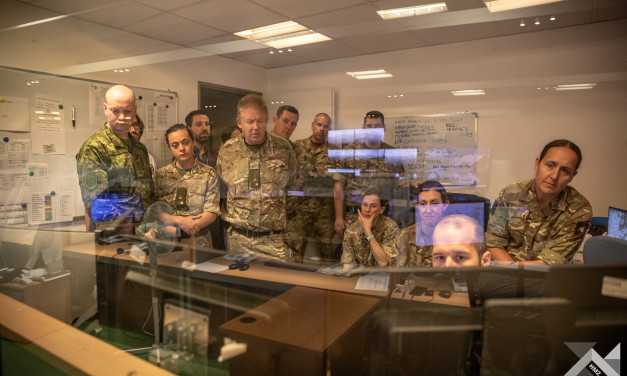

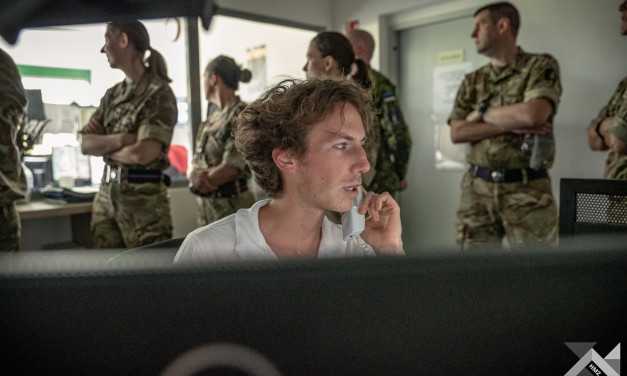
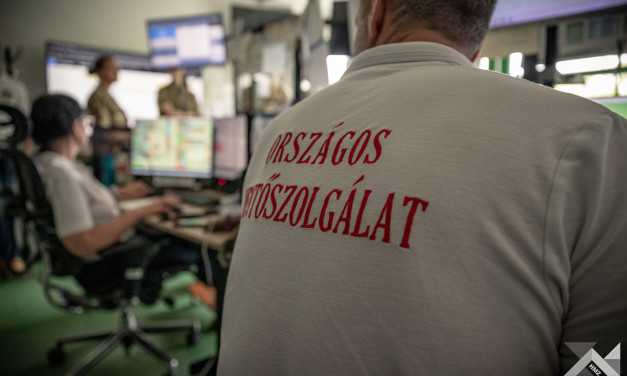
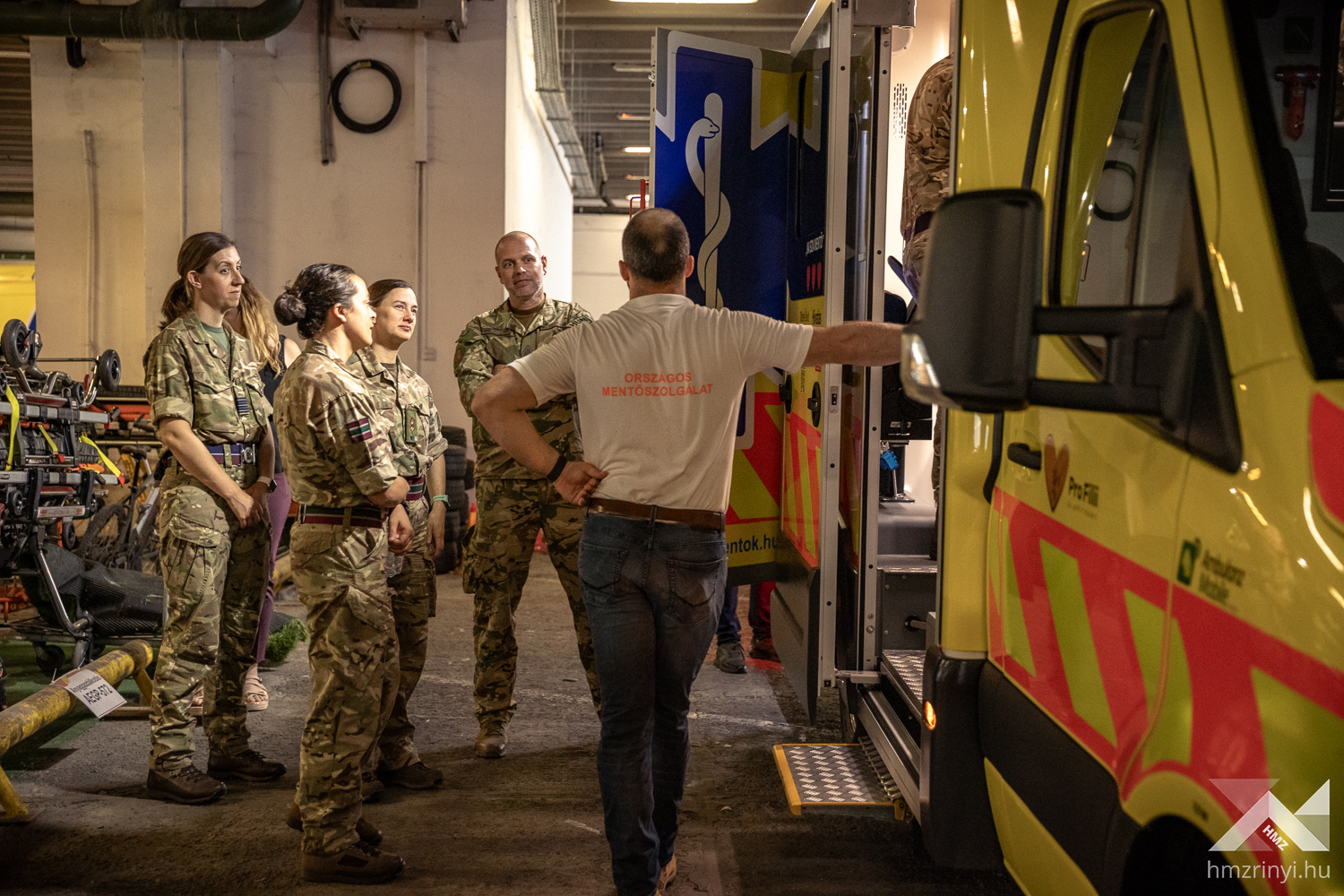
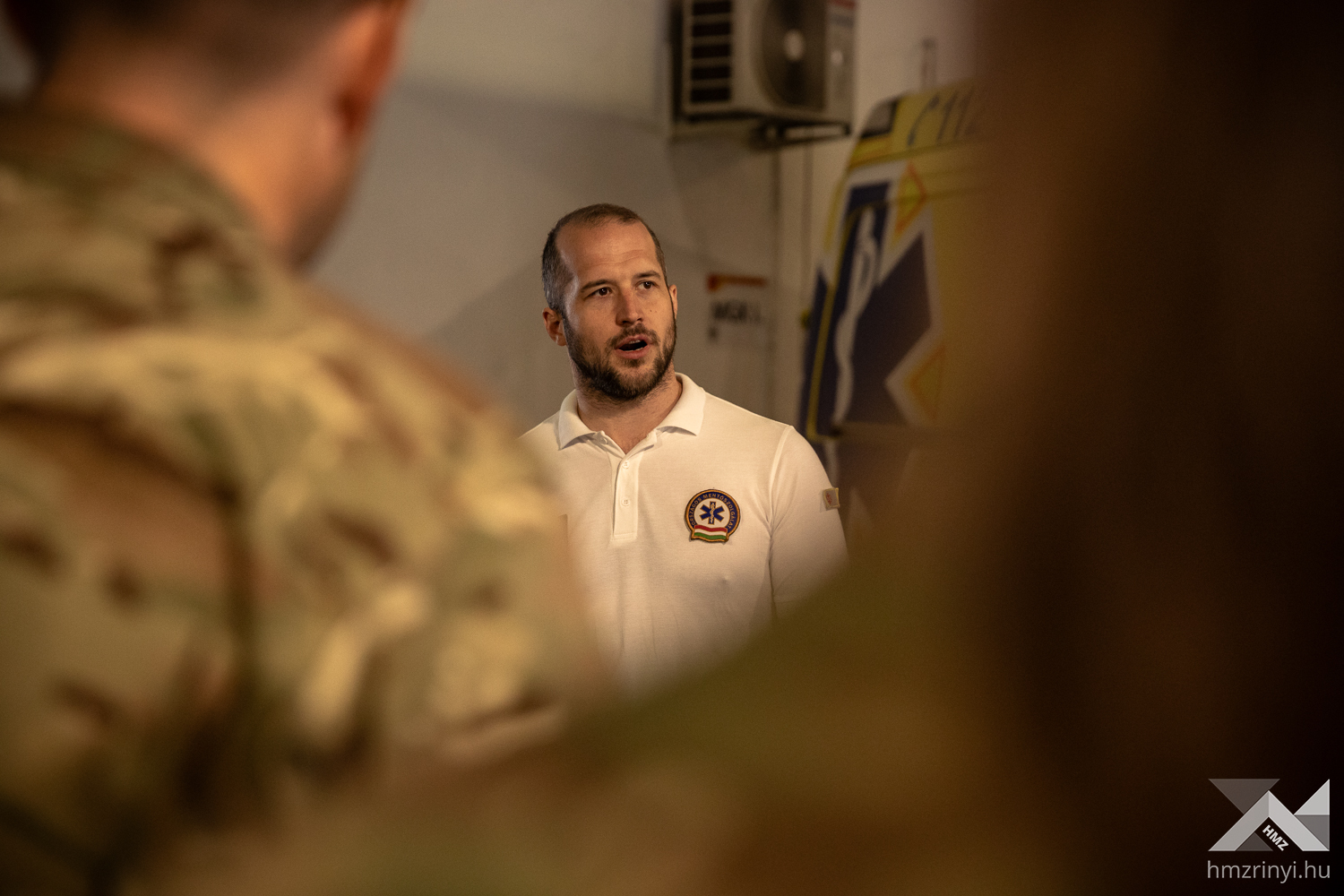
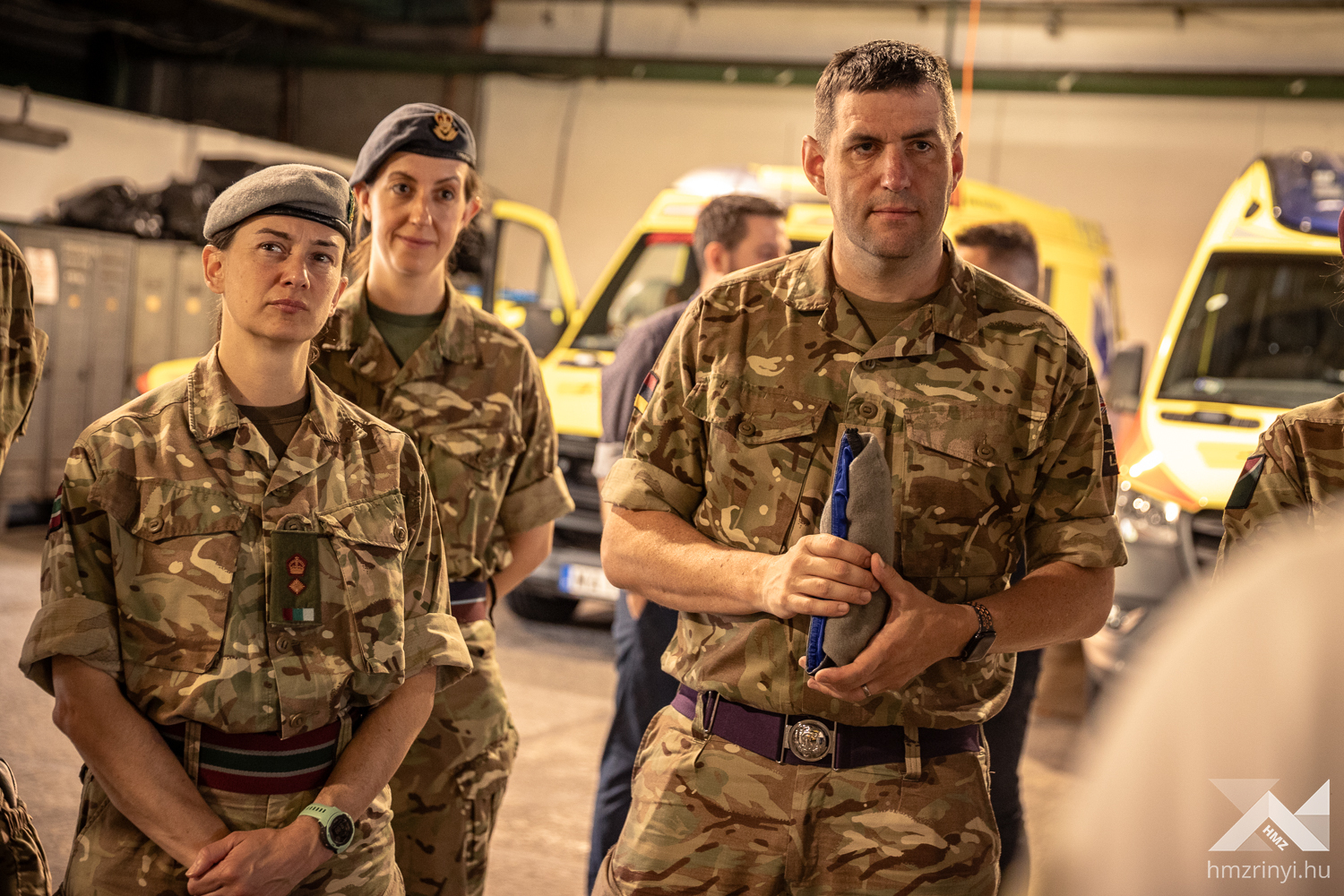
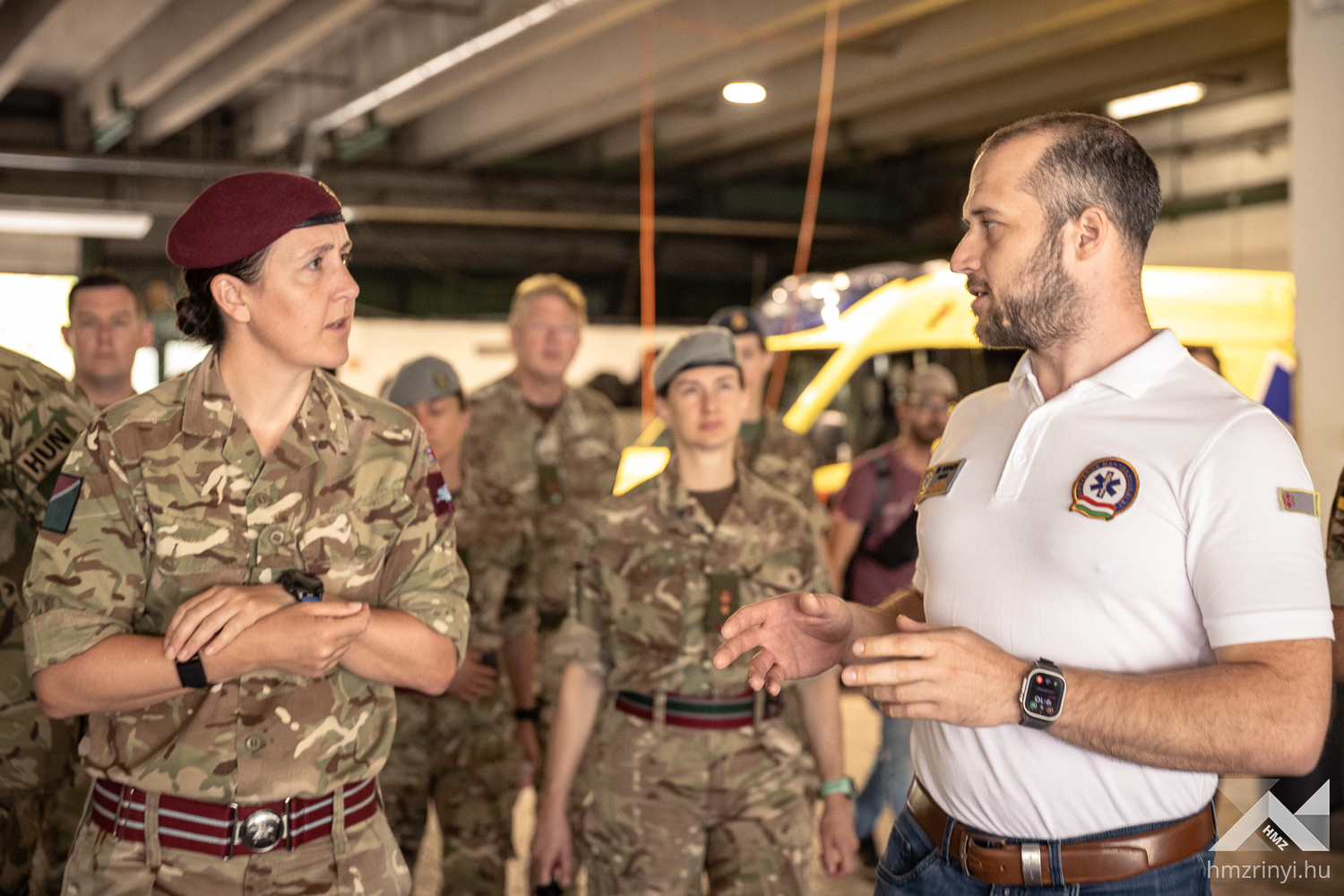
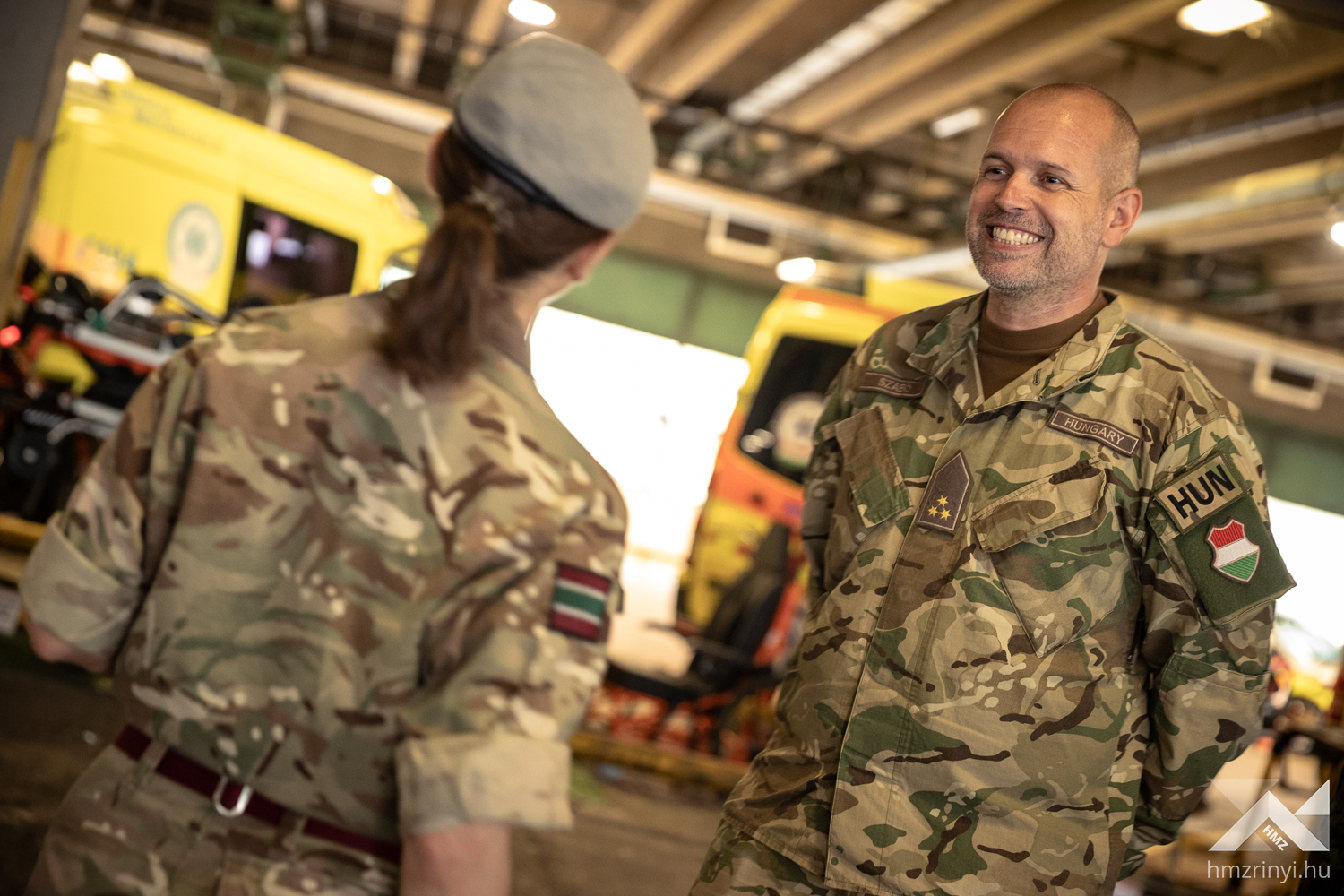
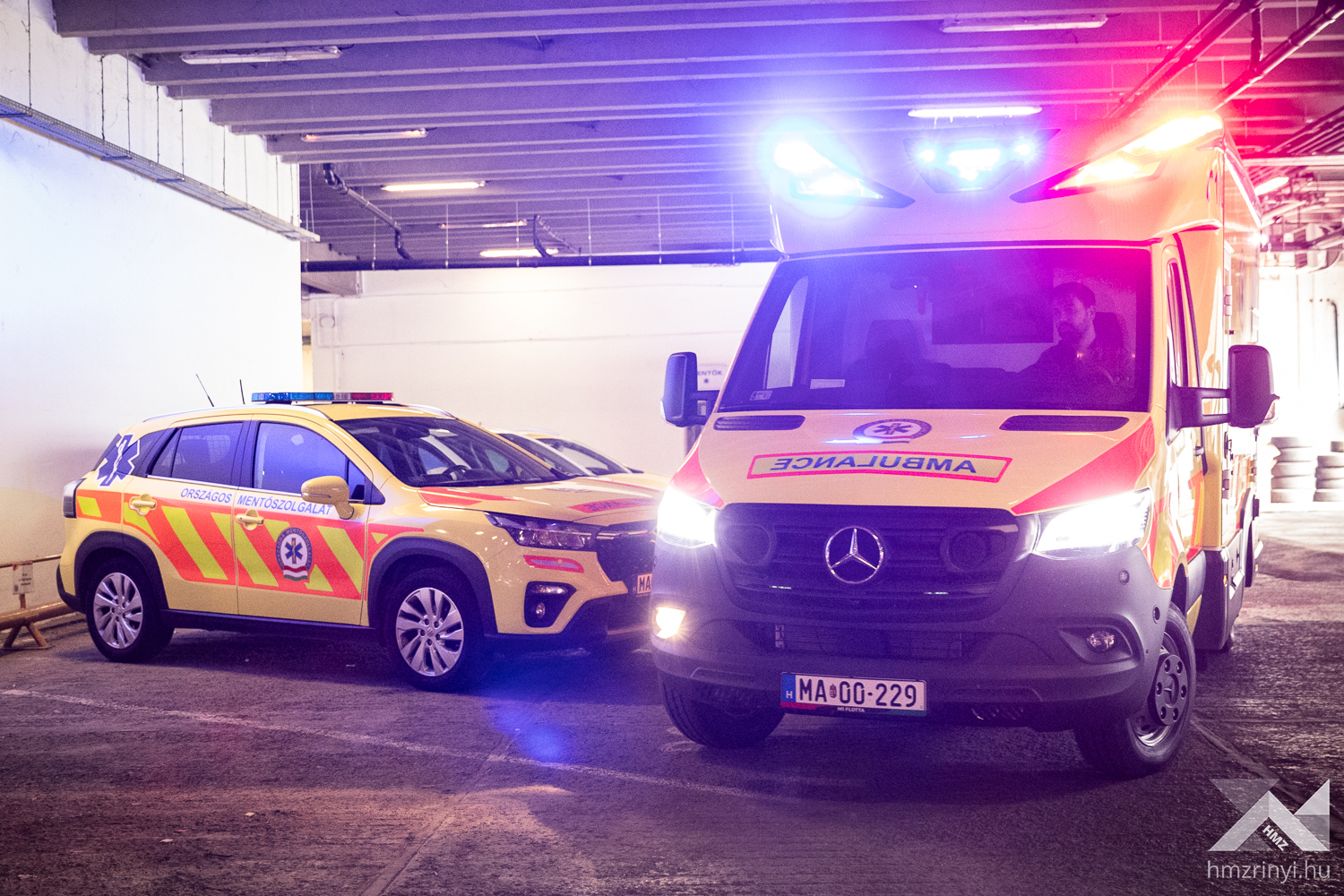
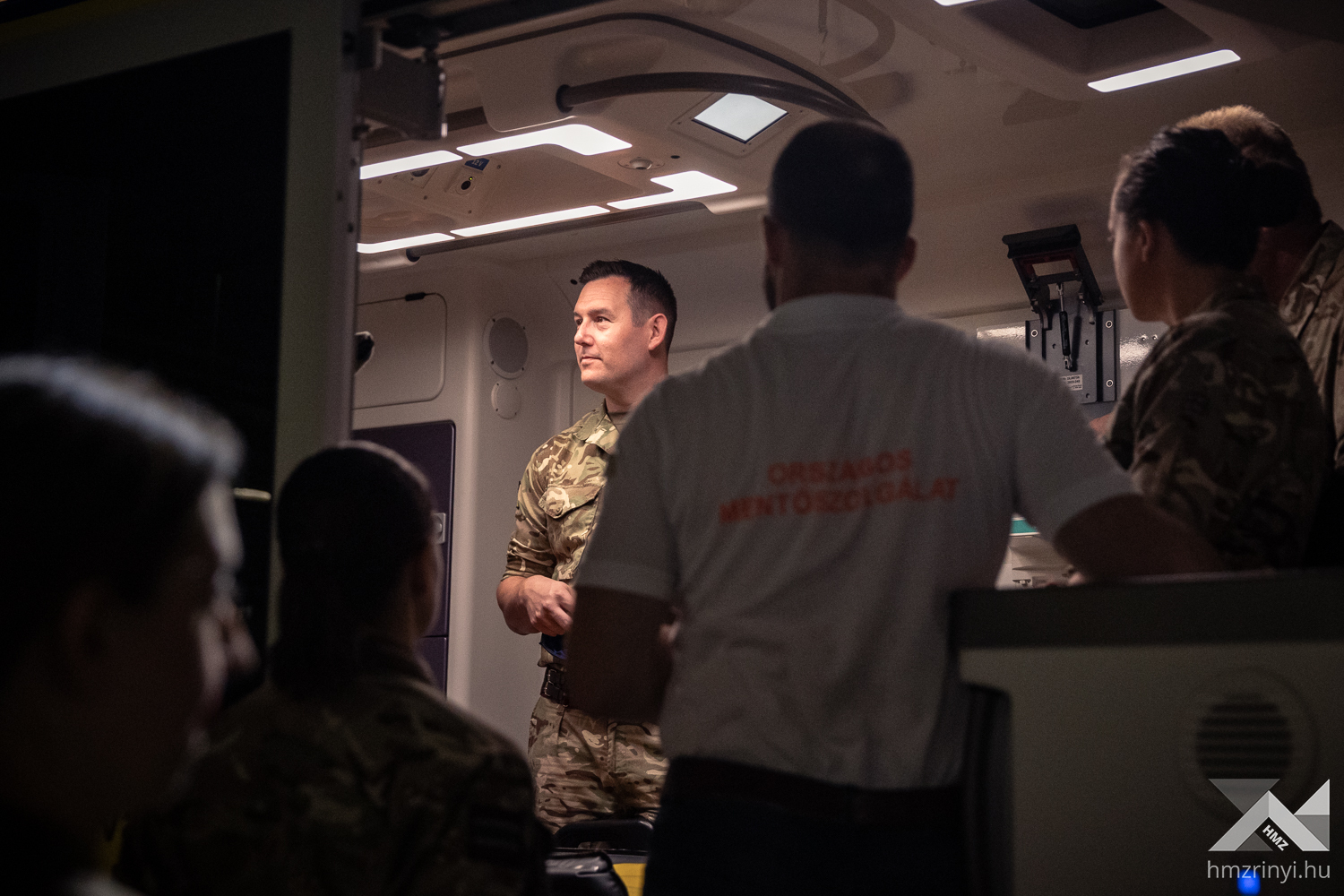
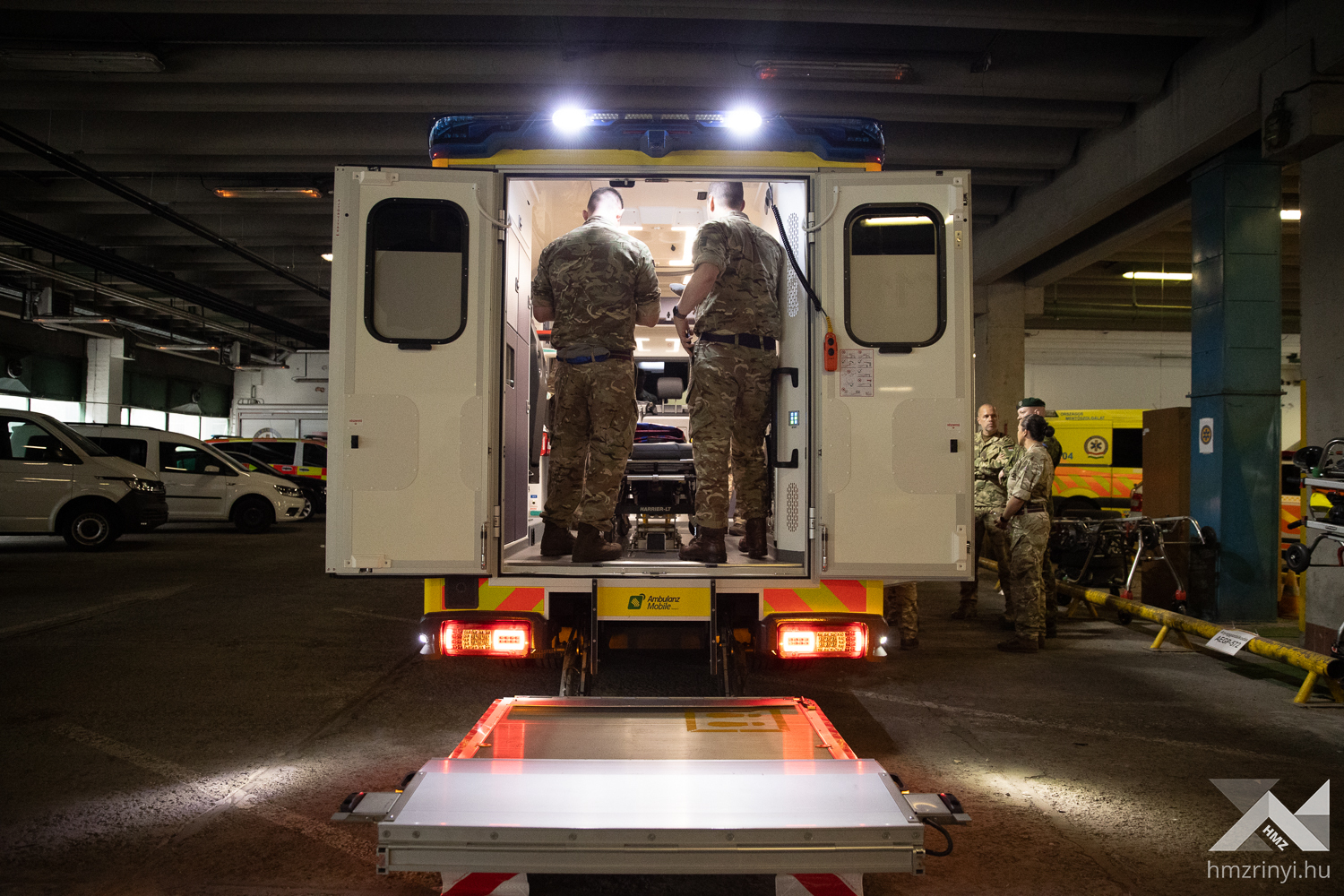
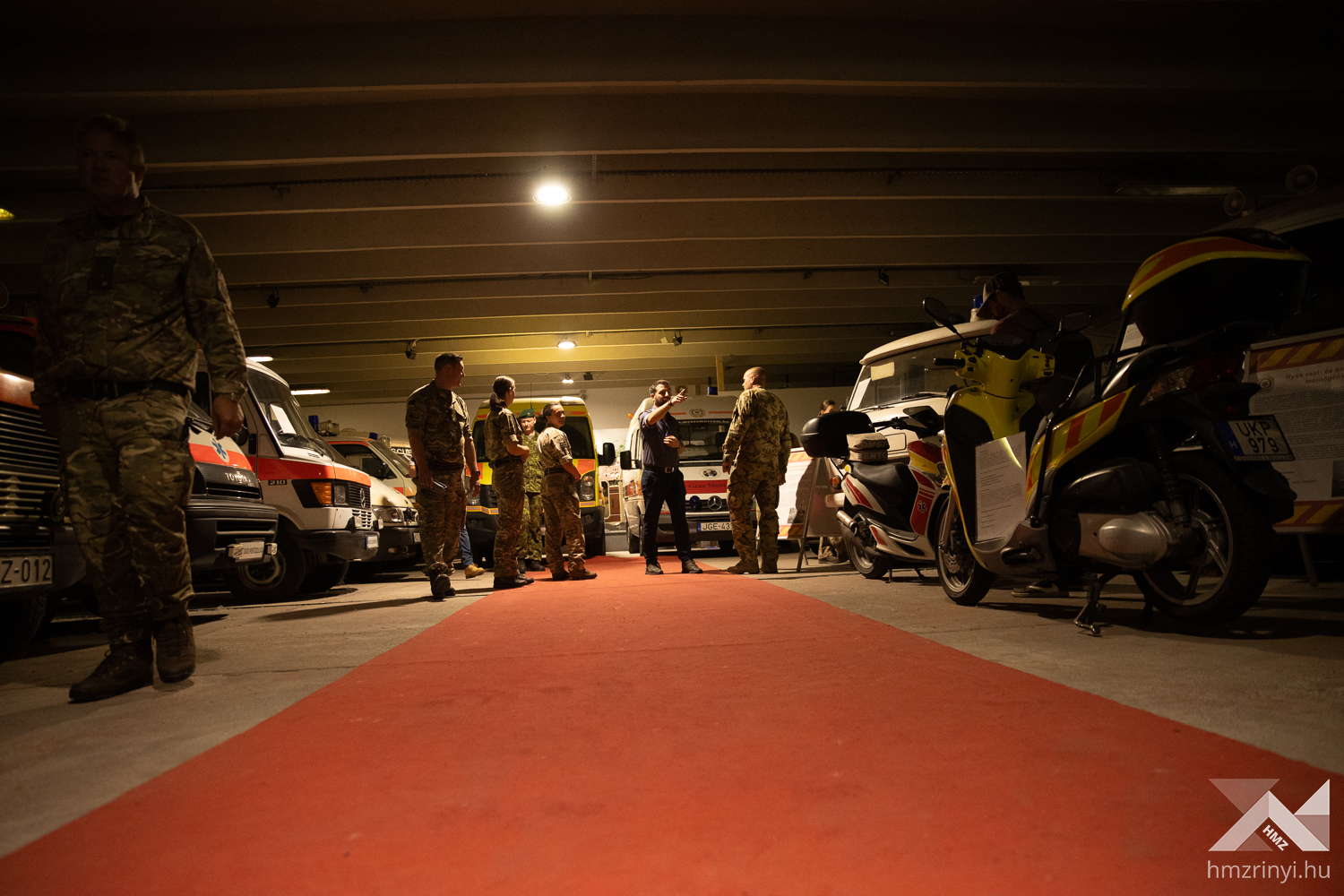
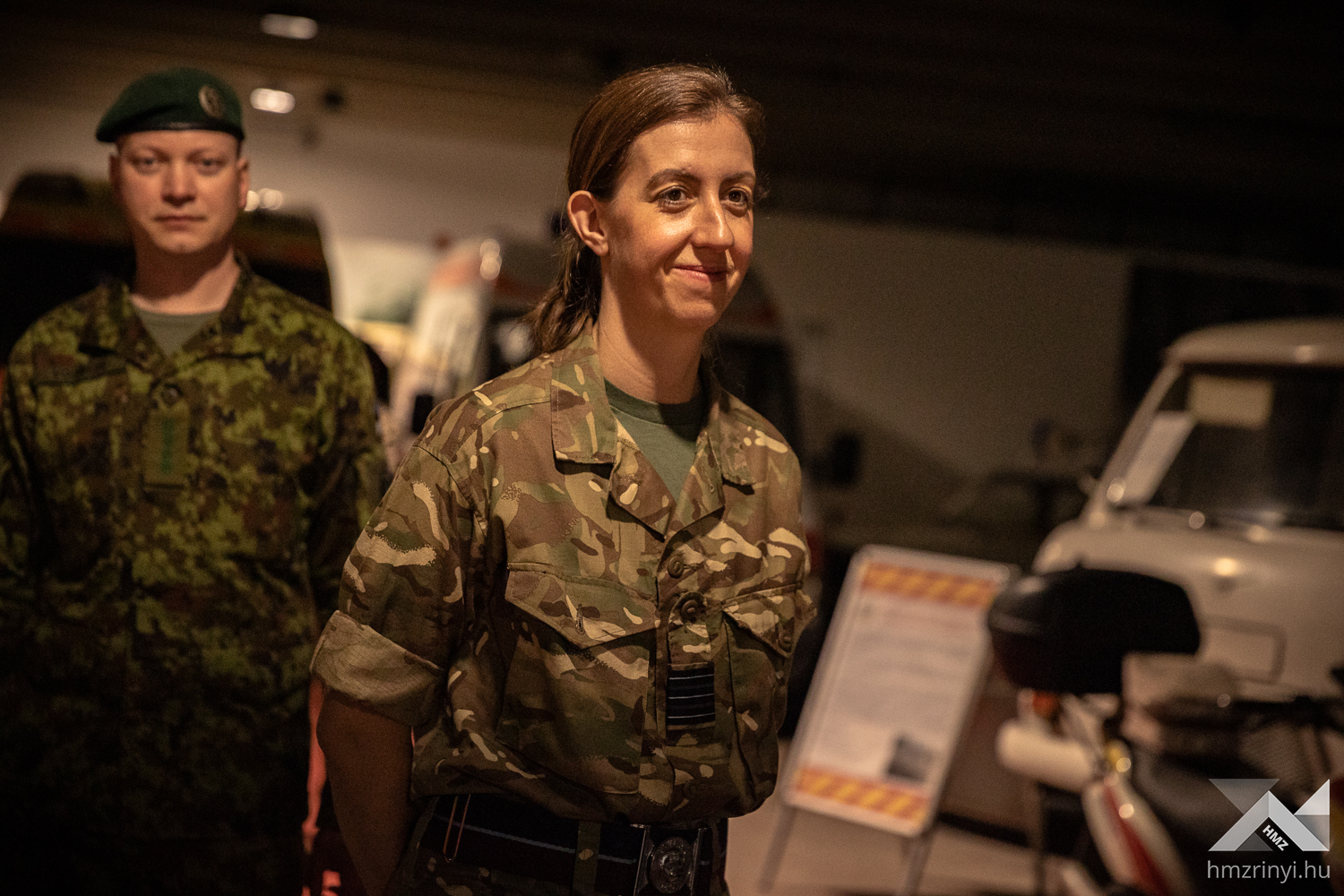
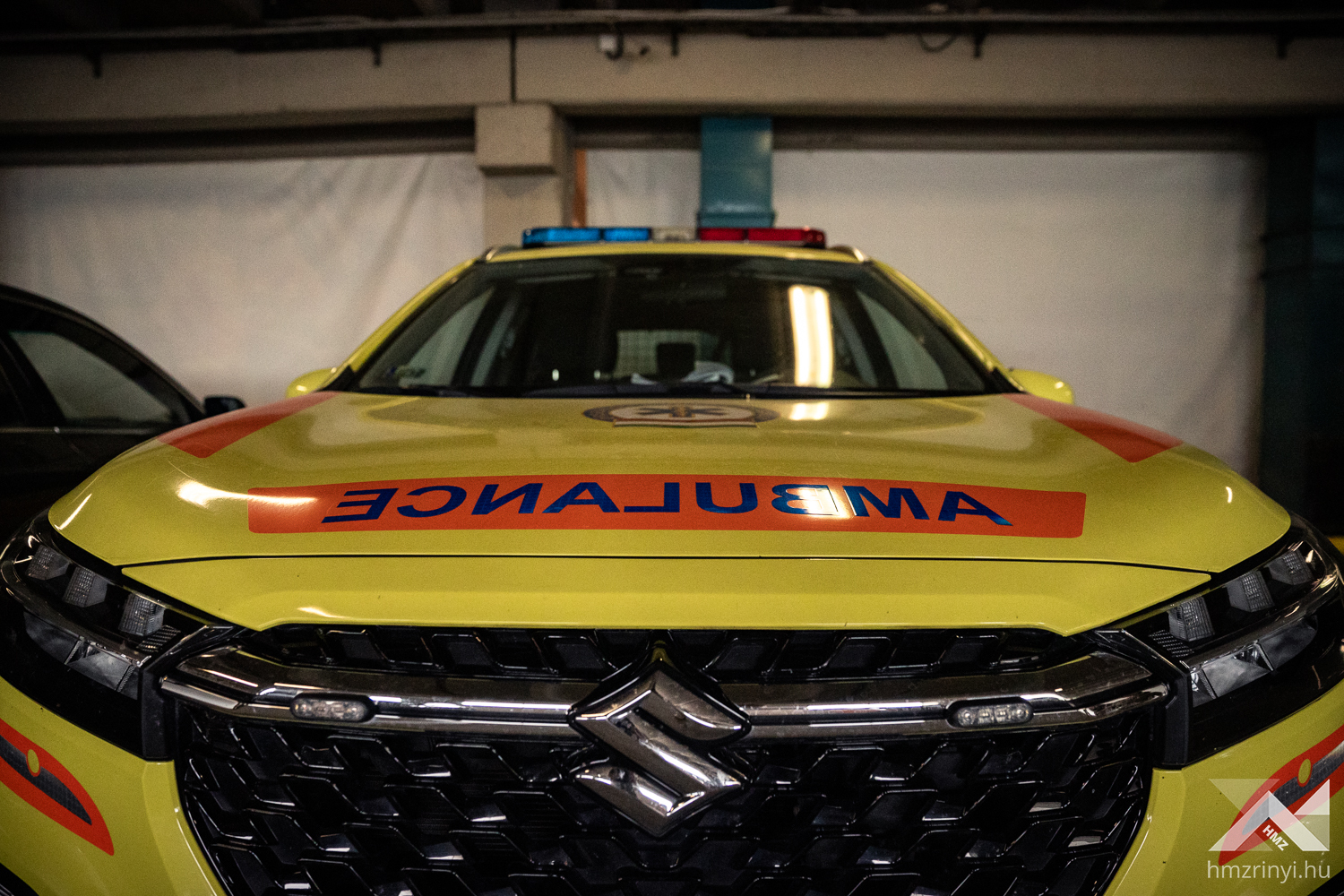
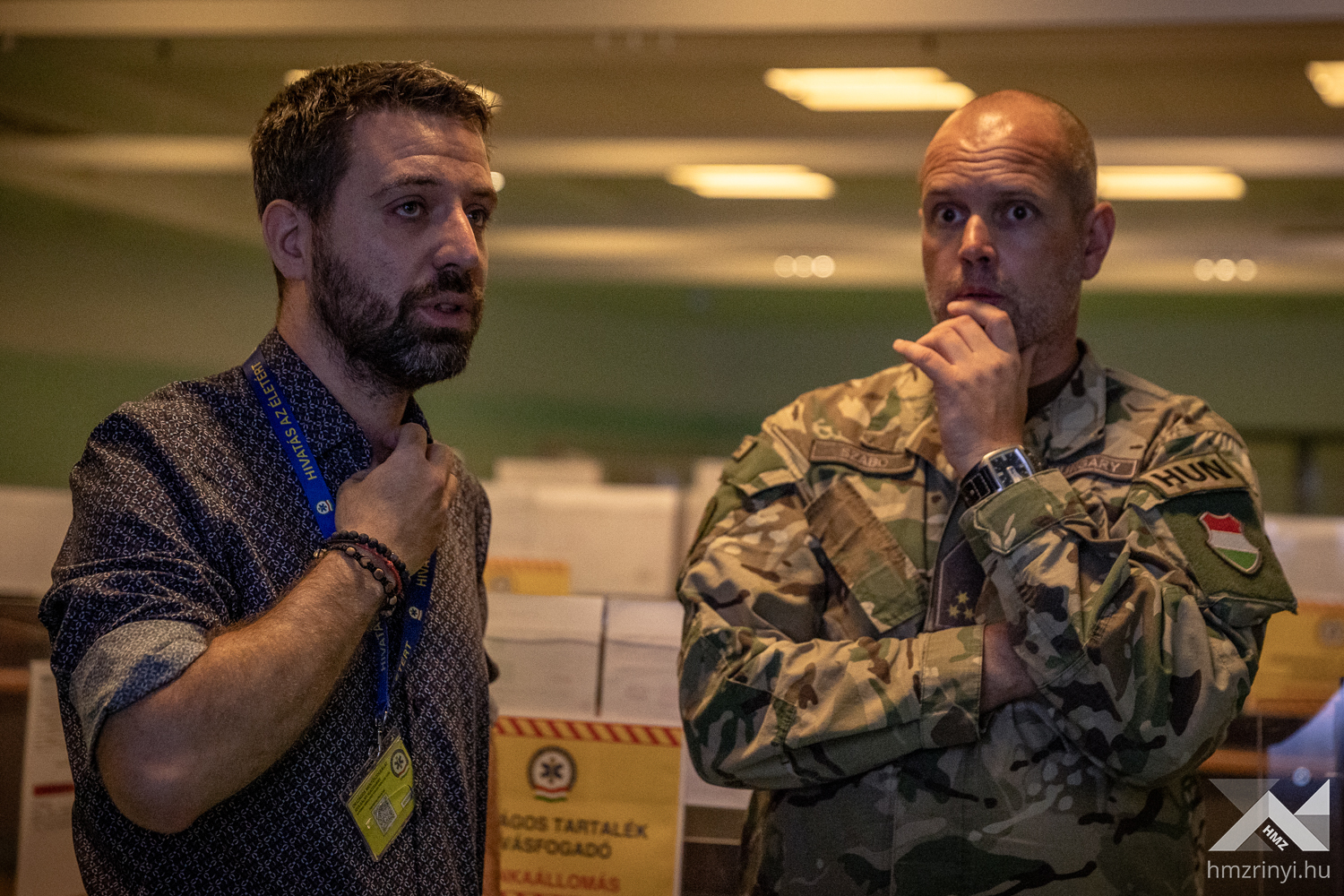
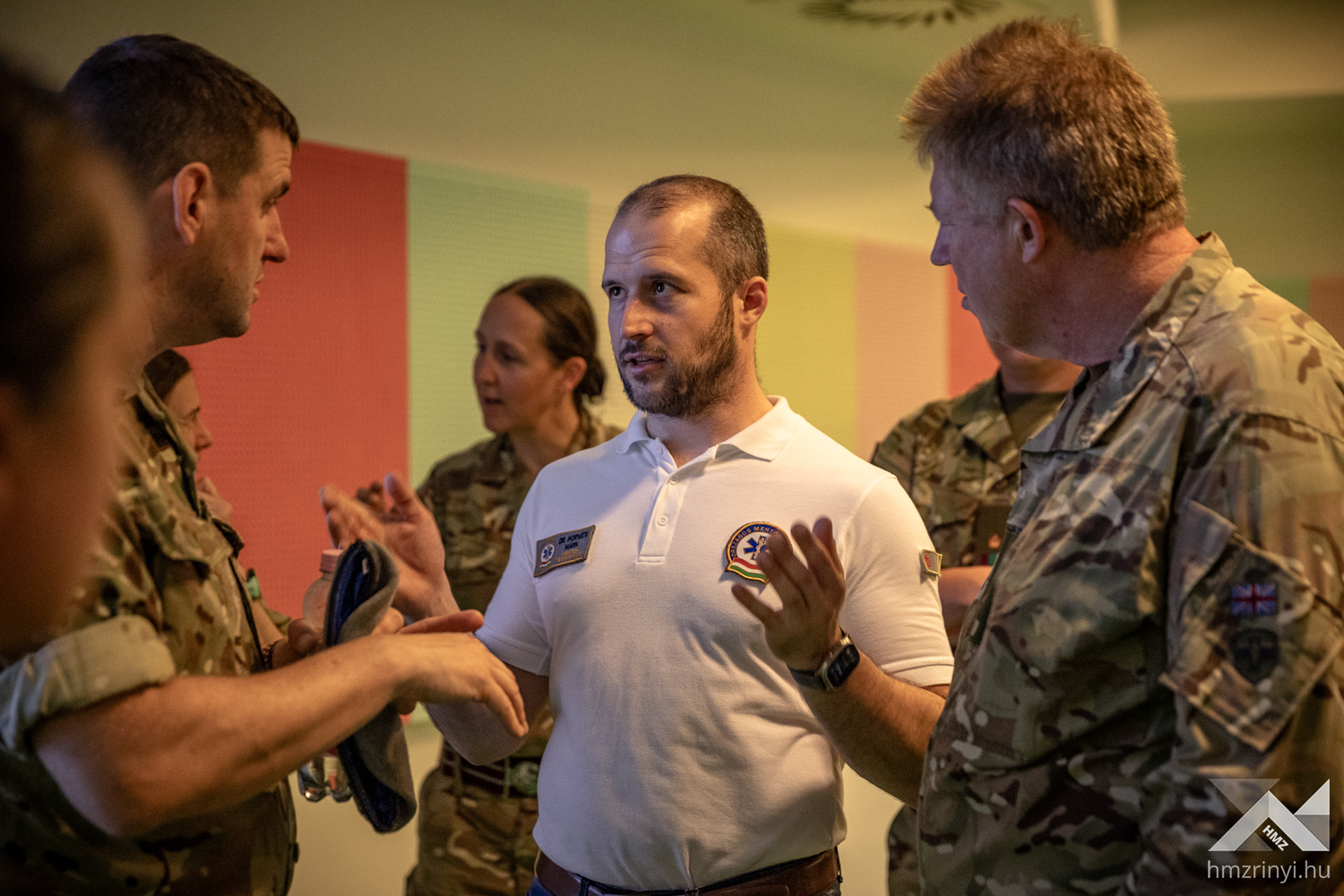
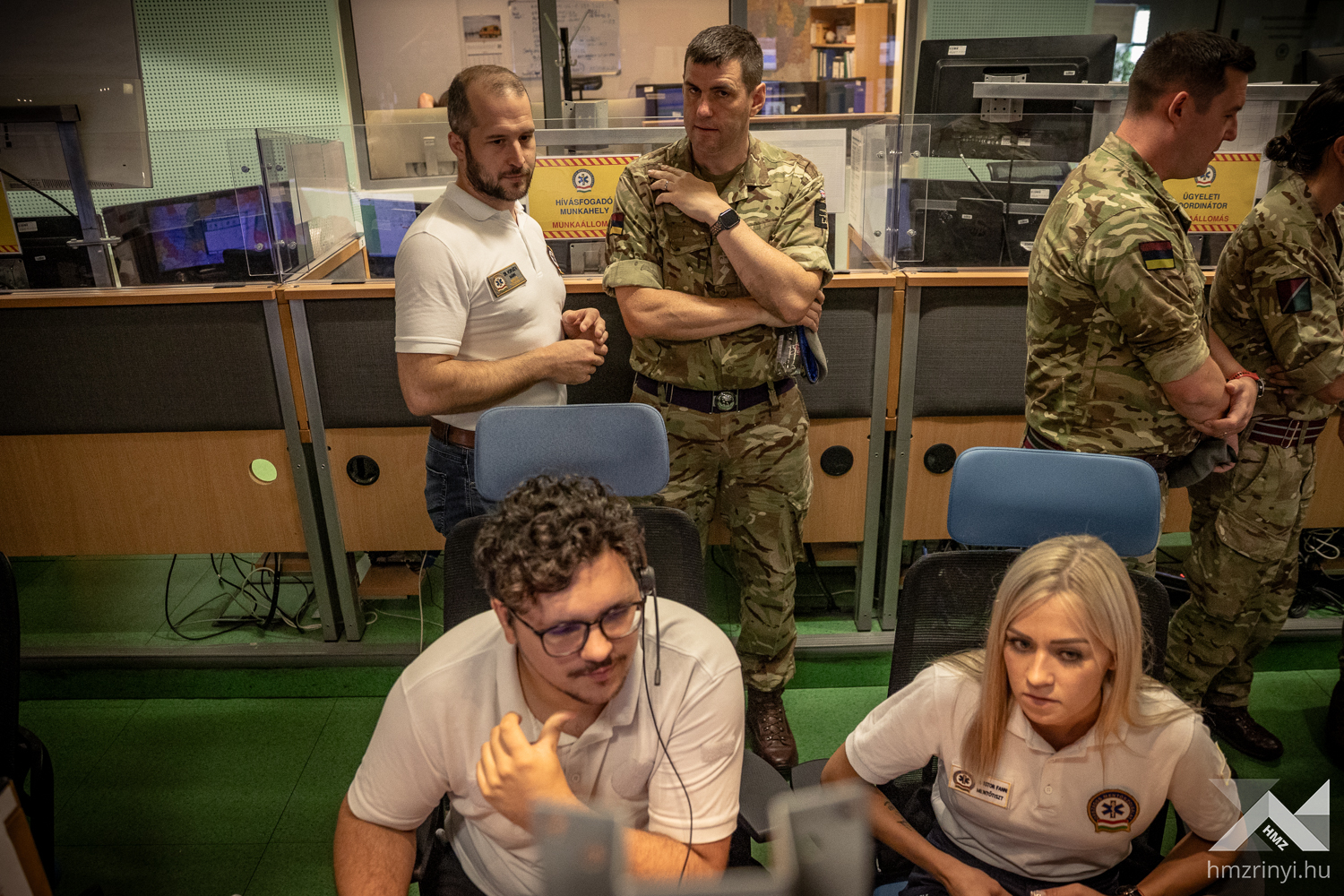
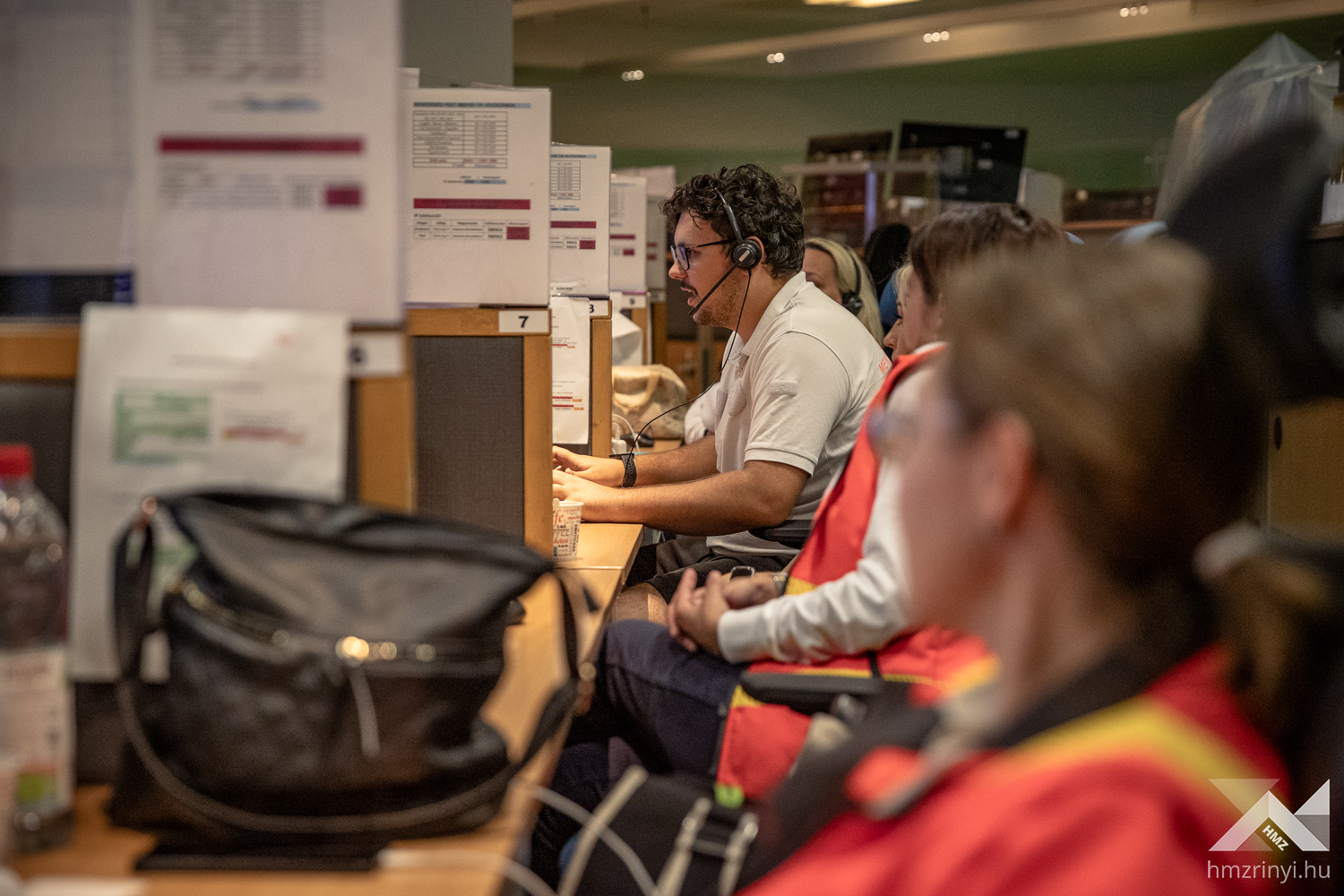
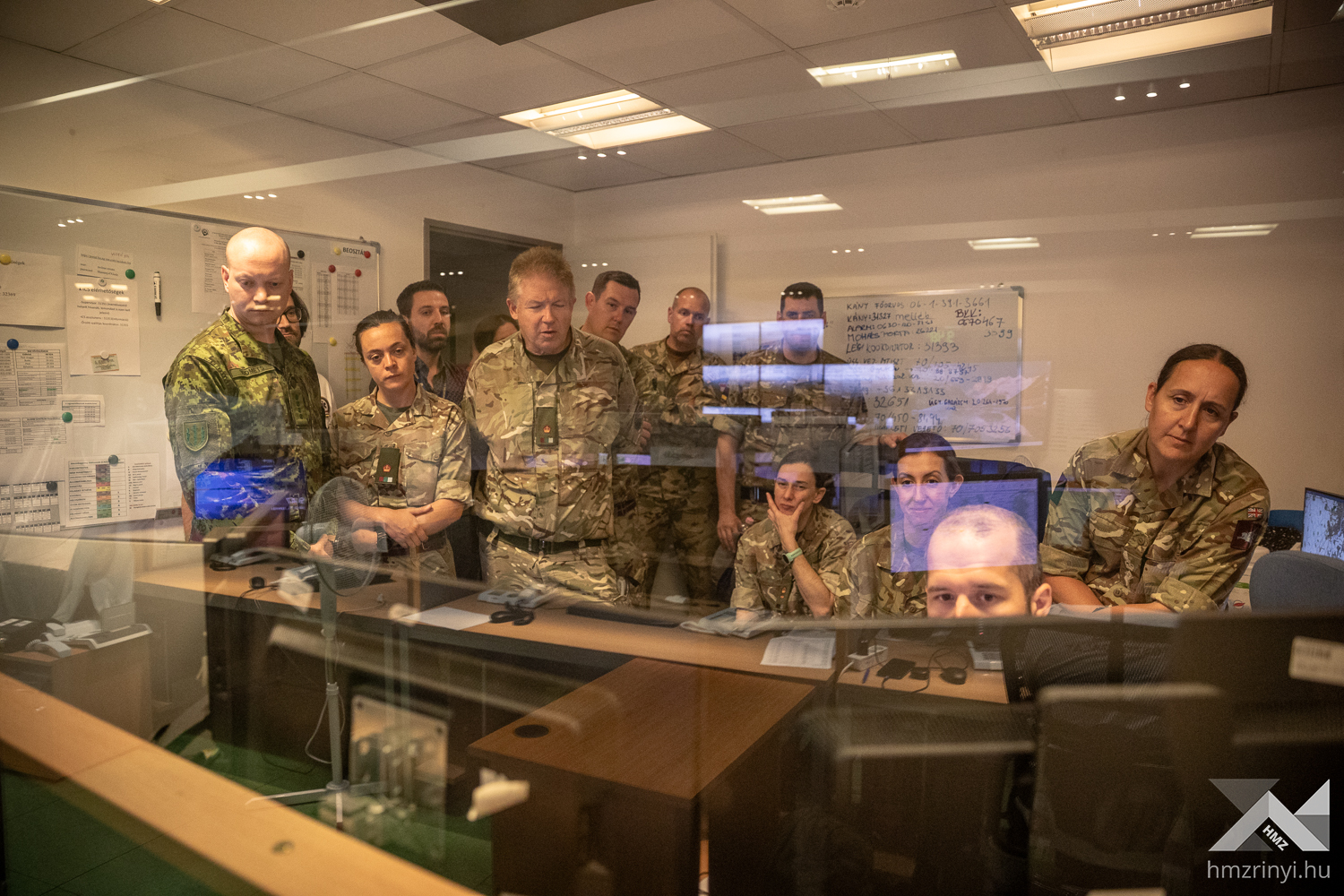
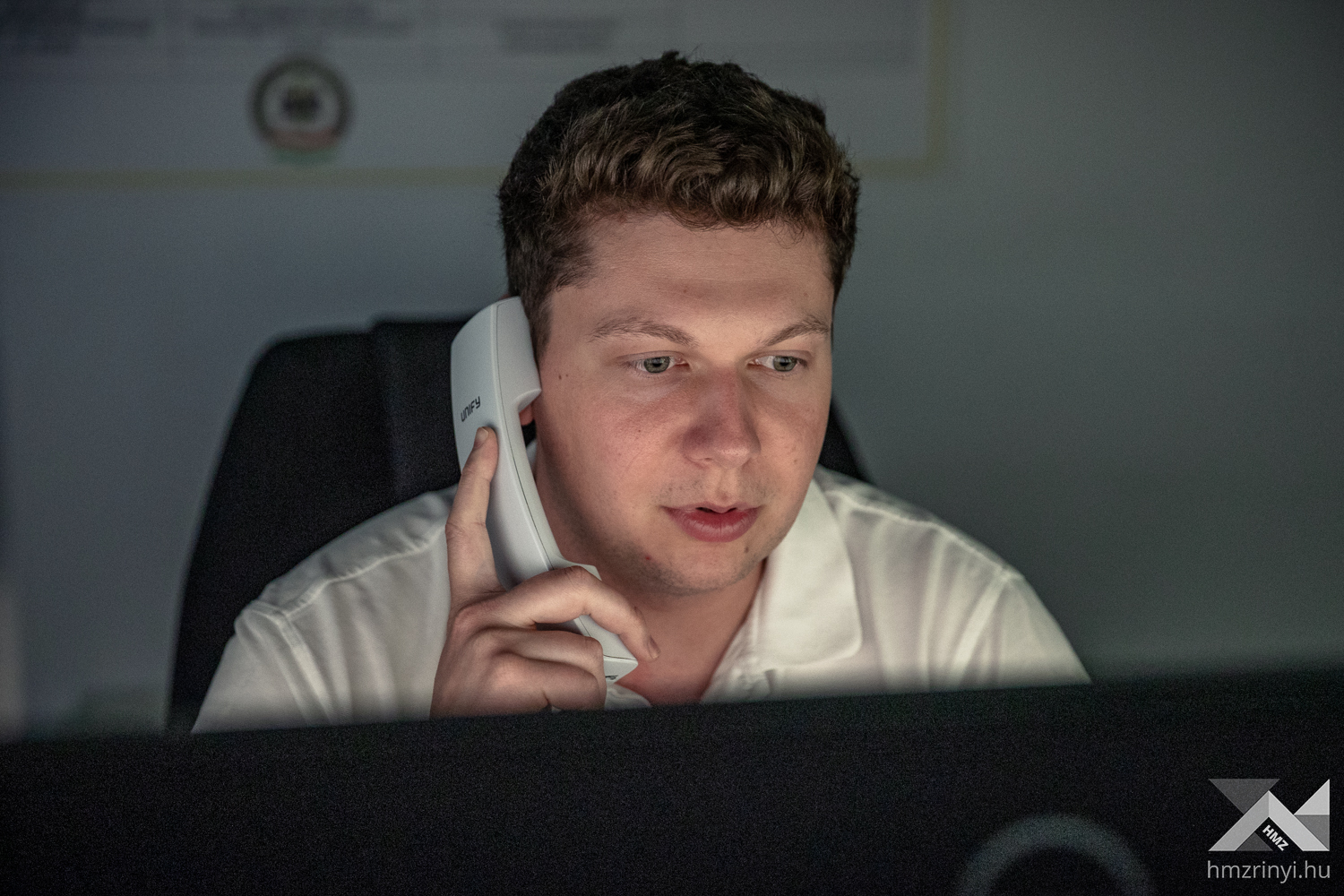
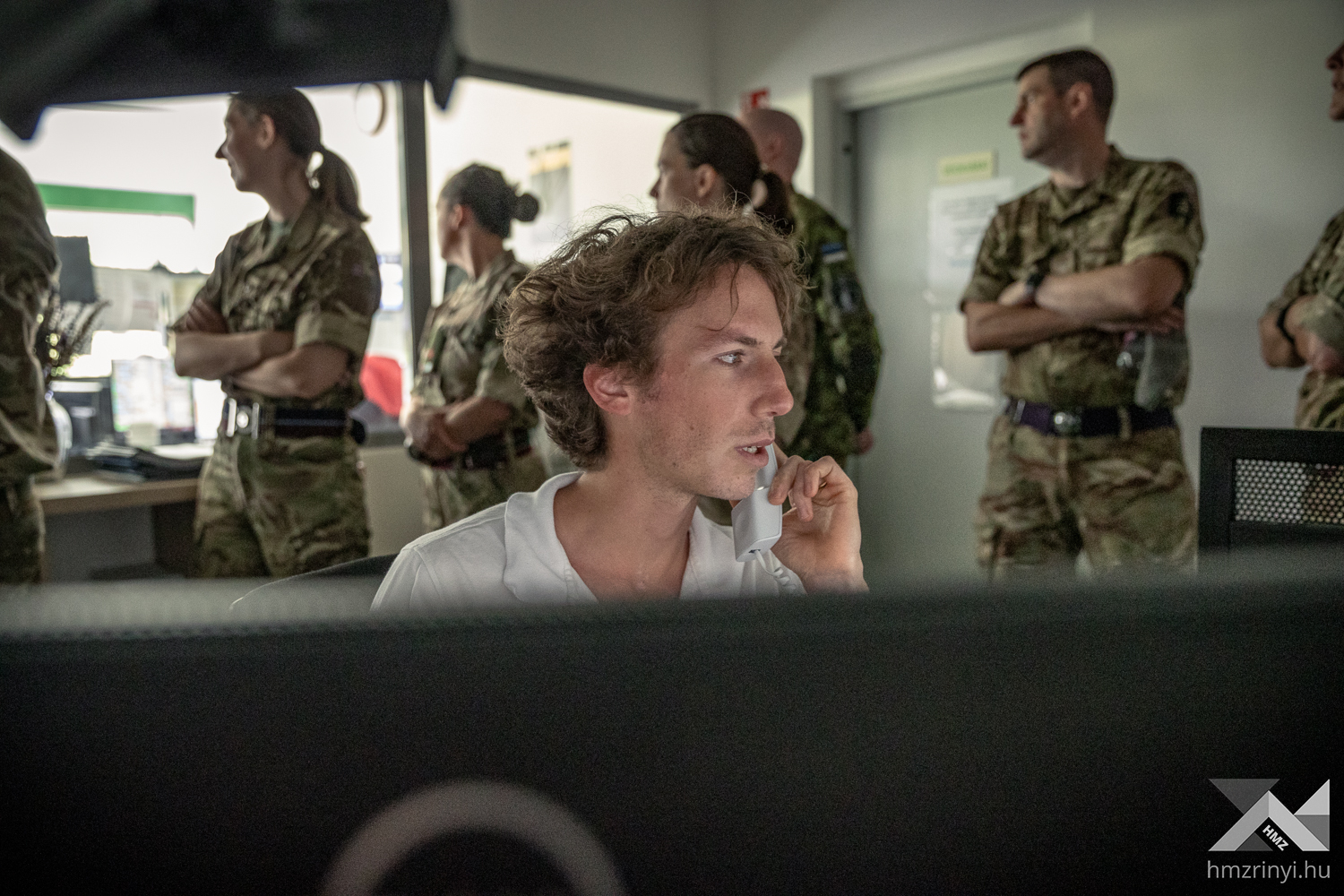
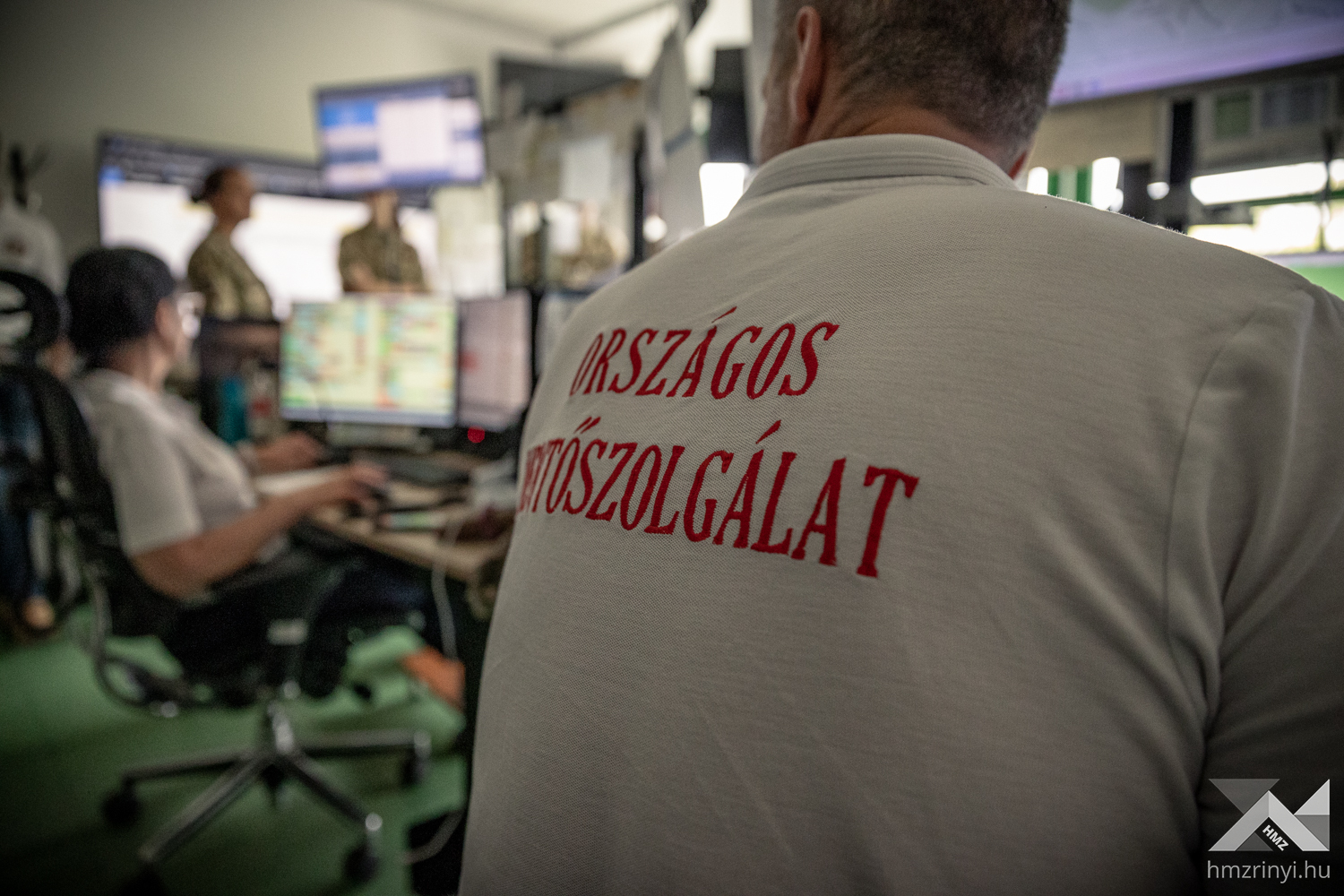
The HDF Medical Centre organized a professional visit for the course’s team of instructors to the Central Dispatch Centre of the National Ambulance Service Base Ambulance Station. During the program, participants gained a comprehensive overview of how the National Ambulance Service operates, learned about the layout and medical equipment of the ambulances, and gained insight into the tasks of the Central Dispatch Centre and the emergency response coordination process. During the visit, the military medical professionals were also able to gain firsthand experience with how civilian emergency medical care operates.
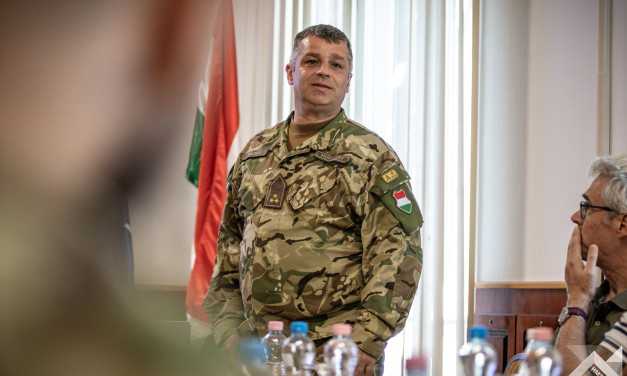
“The HMIMMS course in Hungary not only promotes professional development, but can also lay the groundwork for the establishment of a unified national approach and protocol system for major incident medical management,” said Colonel Dr. Zsolt Dezső Fejes, commander of the HDF Medical Centre. He added that among the long-term goals of the HDF Medical Centre is the integration of the course’s methodology and approach into the Hungarian civilian and military medical systems. It would create an opportunity for many healthcare professionals to acquire specialized knowledge in major incident medical management. As he noted, building on the NATO-approved HMIMMS framework and in close cooperation with the civilian healthcare system, a unified national major incident management system can be established to support the coordinated and effective patient care required during disasters or other events involving mass casualties.
“By undertaking to organize this training and bringing it to Hungary, we are continuing the path we began in 2023, a key element of which is expanding civil-military relations among those involved in the domestic healthcare system, universities involved in medical education, and specialists from the HDF Medical Centre,” the commander concluded.
202607_HMIMMS_kurzs_SzG_174
202607_HMIMMS_kurzs_SzG_176
202607_HMIMMS_kurzs_SzG_177
202607_HMIMMS_kurzs_SzG_178
202607_HMIMMS_kurzs_SzG_185
202607_HMIMMS_kurzs_SzG_193
202607_HMIMMS_kurzs_SzG_196
202607_HMIMMS_kurzs_SzG_200
202607_HMIMMS_kurzs_SzG_204
202607_HMIMMS_kurzs_SzG_208
202607_HMIMMS_kurzs_SzG_211
202607_HMIMMS_kurzs_SzG_212
202607_HMIMMS_kurzs_SzG_214
202607_HMIMMS_kurzs_SzG_219
202607_HMIMMS_kurzs_SzG_223
202607_HMIMMS_kurzs_SzG_225