Hungarian Chief Instructor, Multinational Success
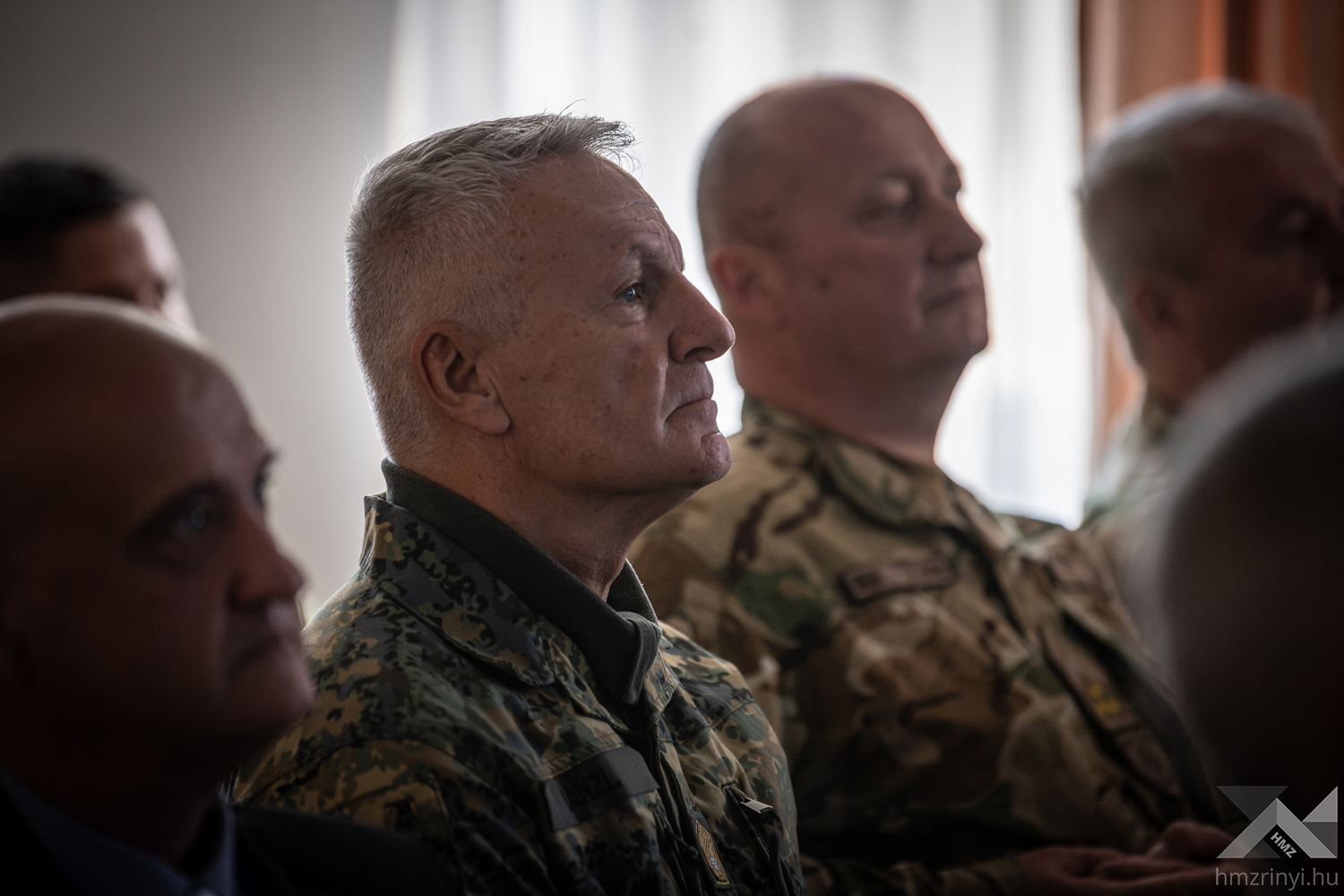
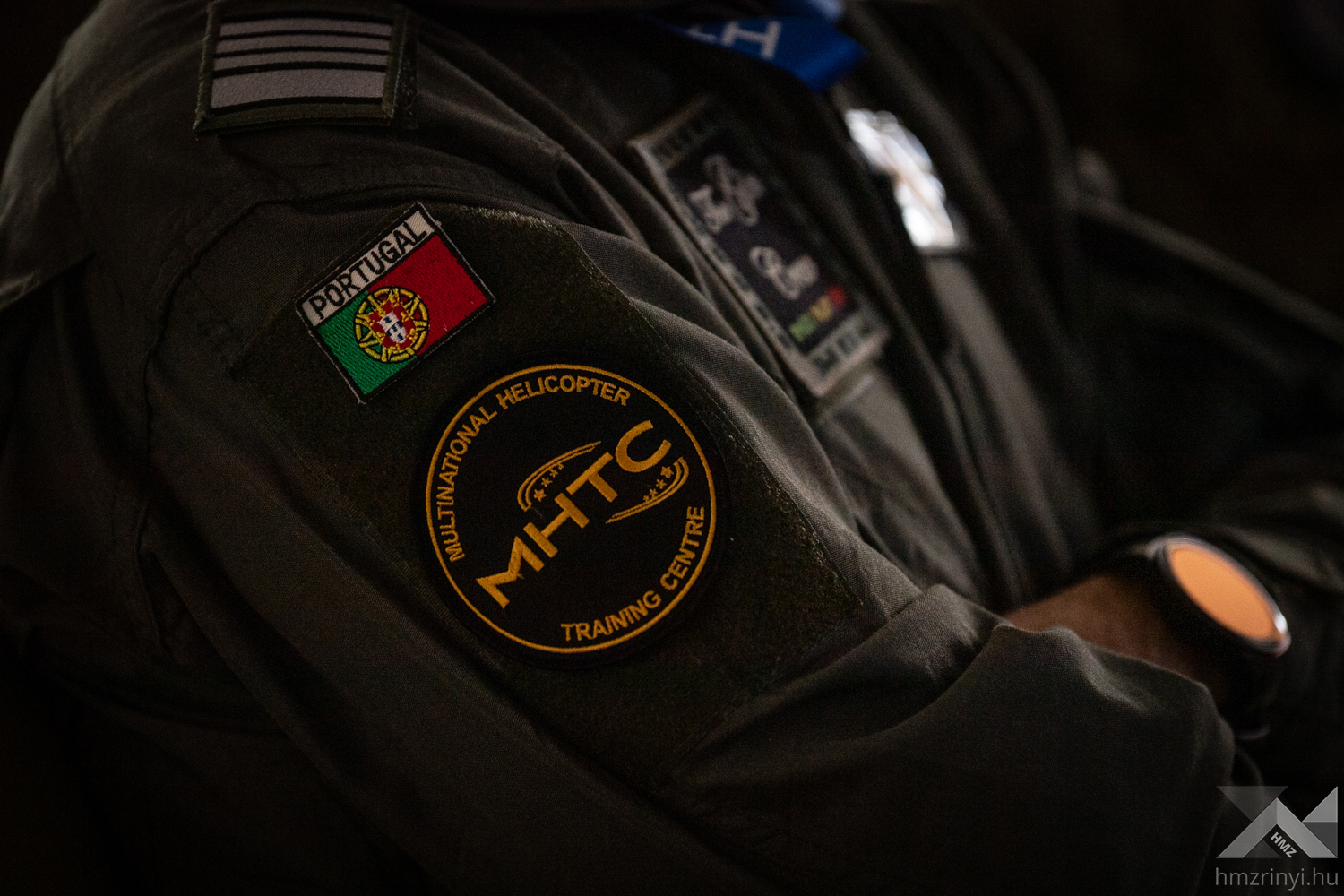
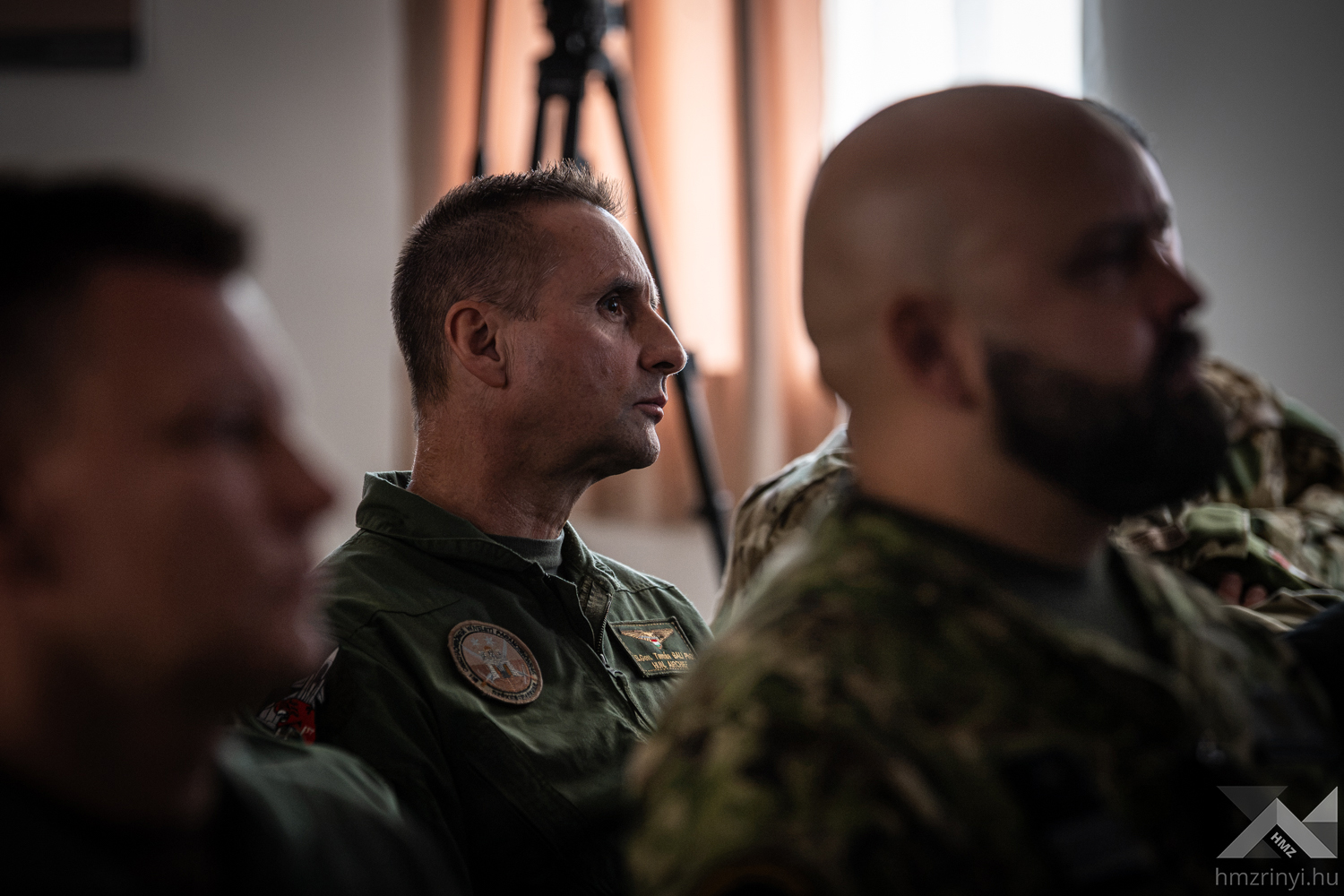
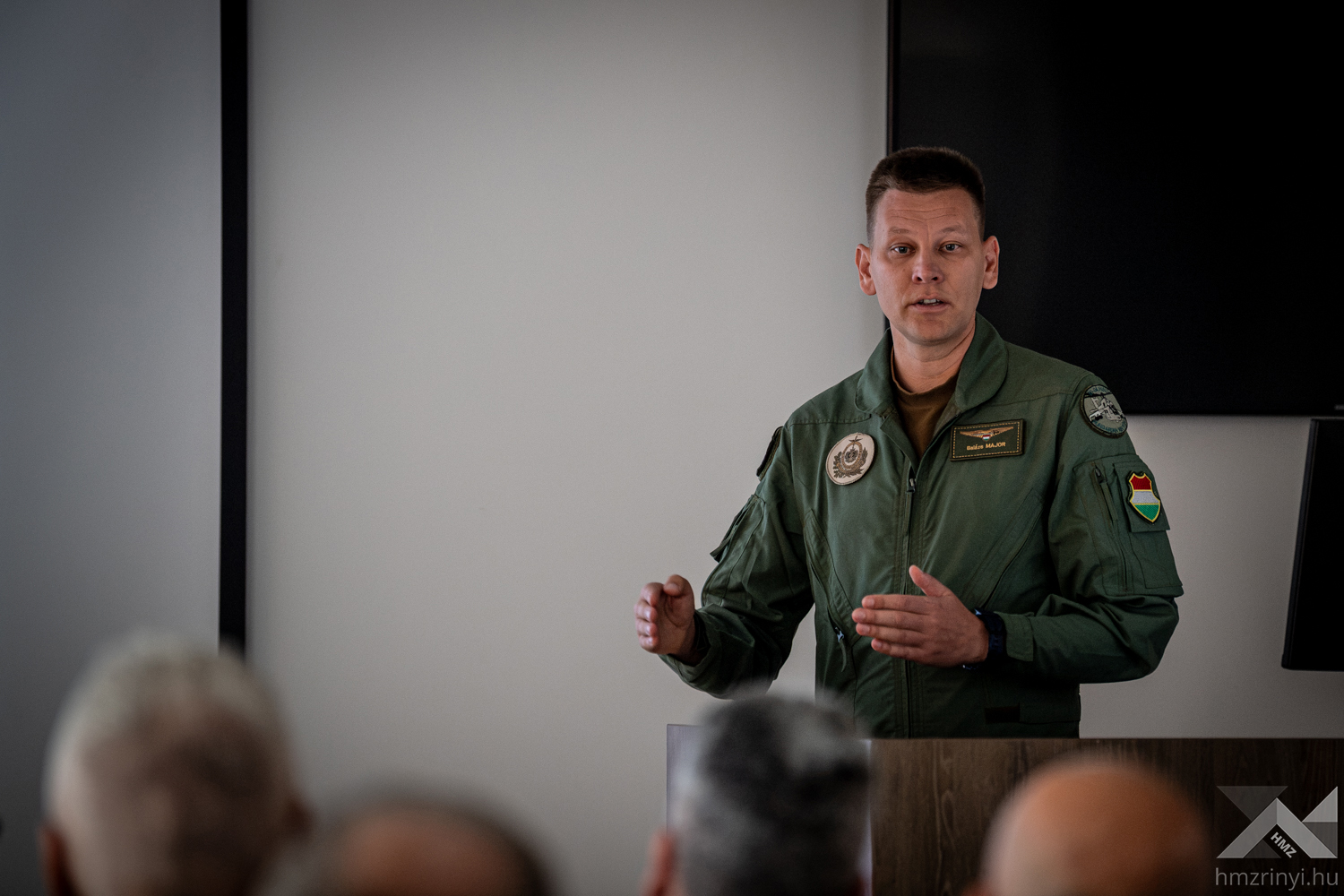
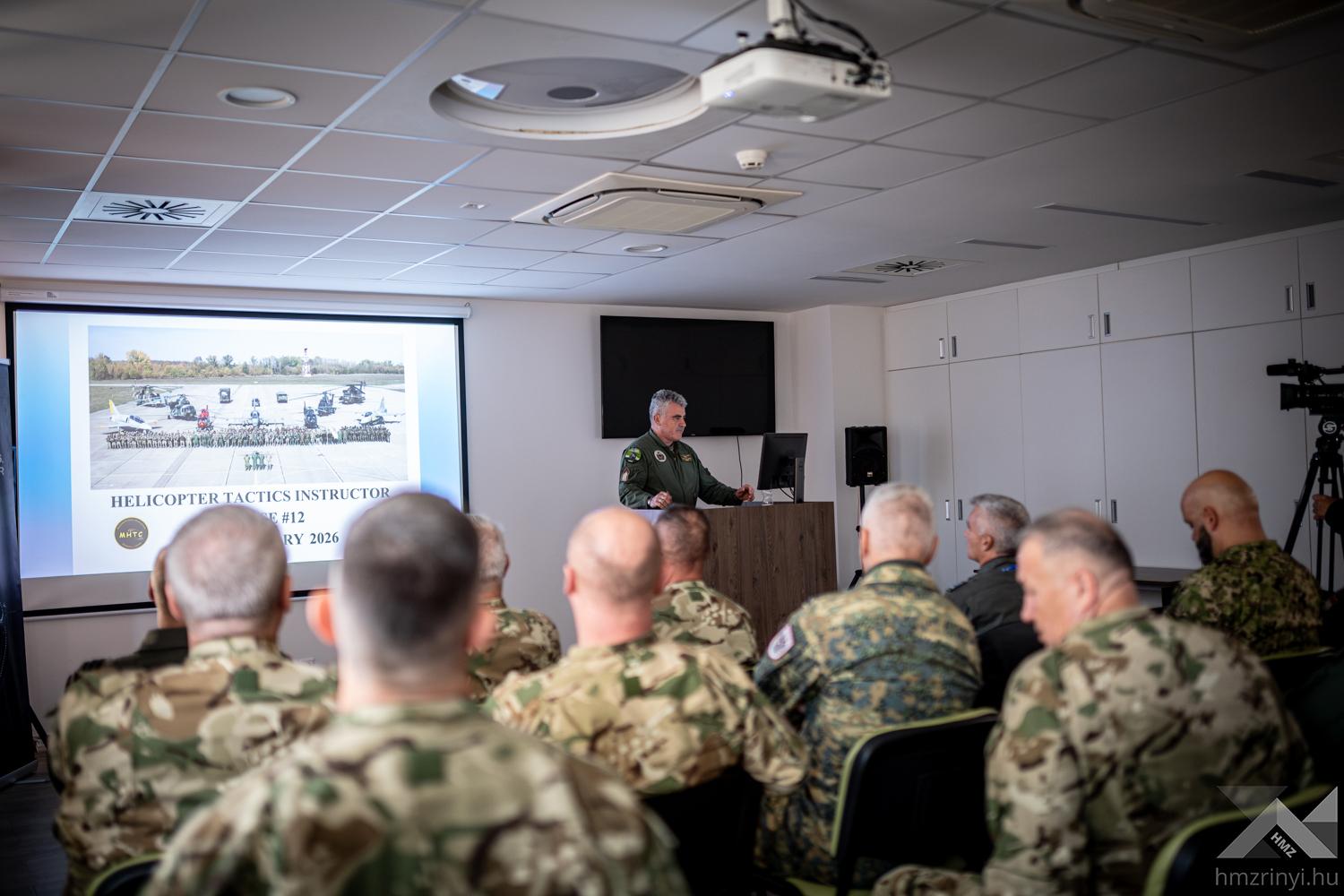
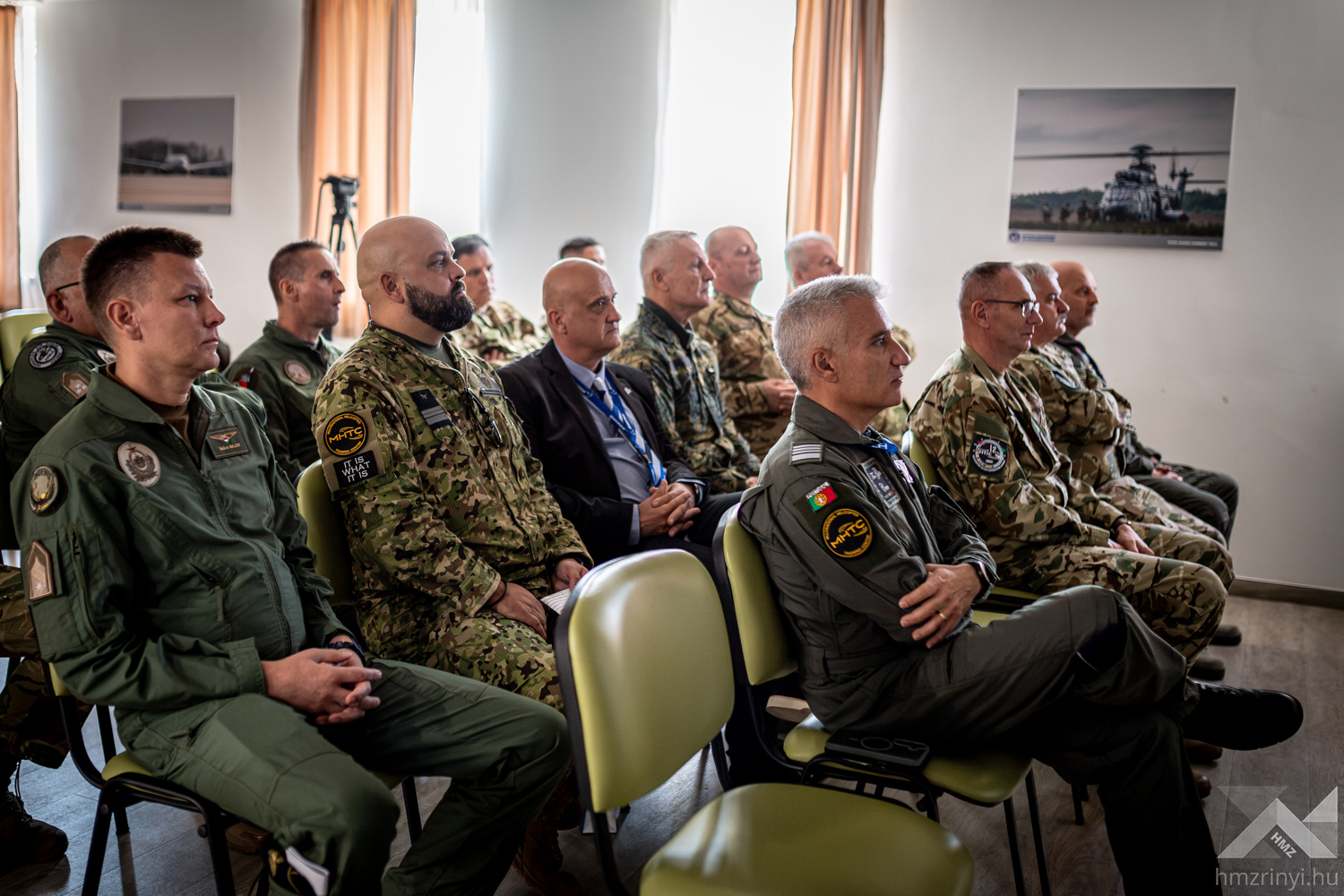
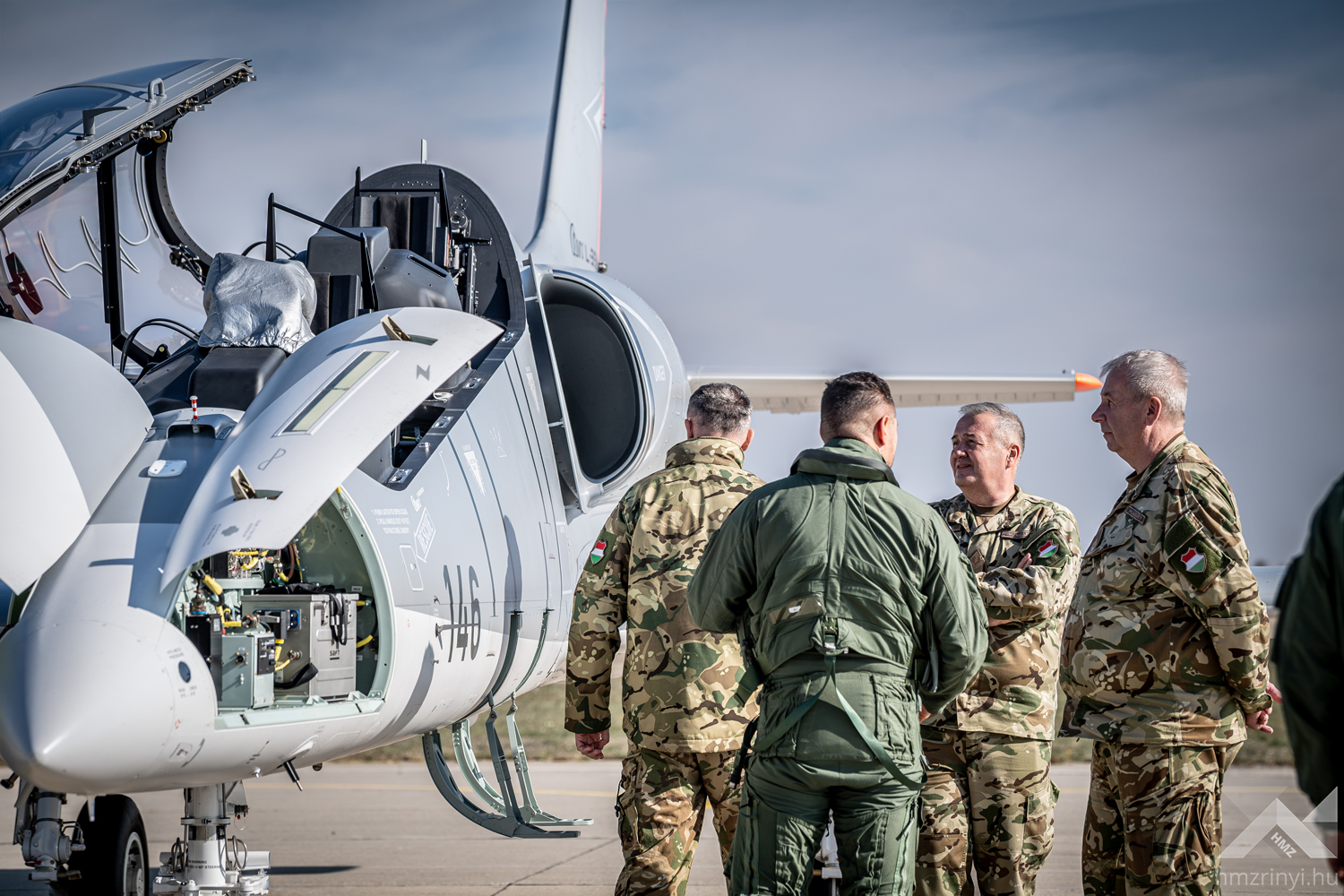
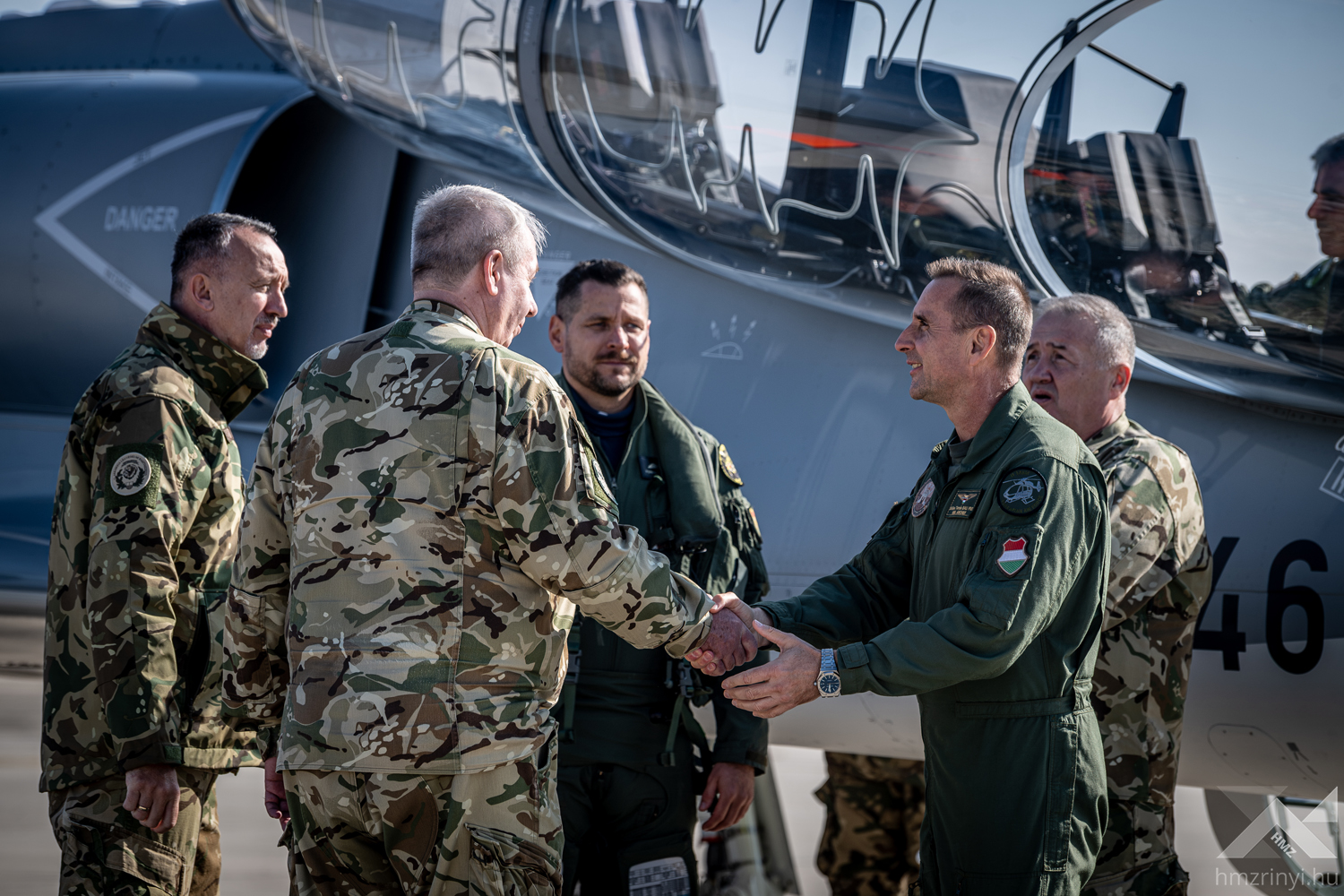
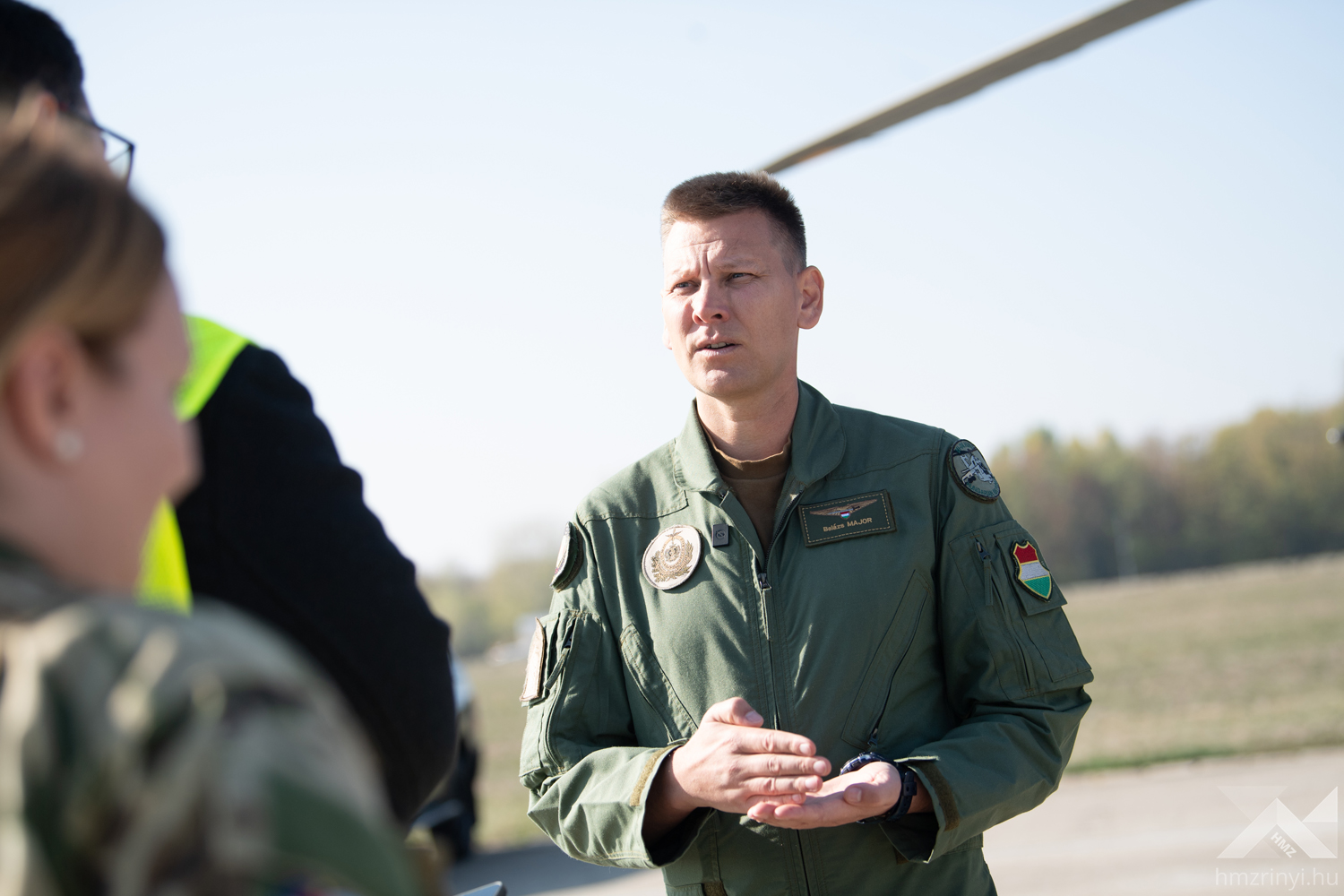
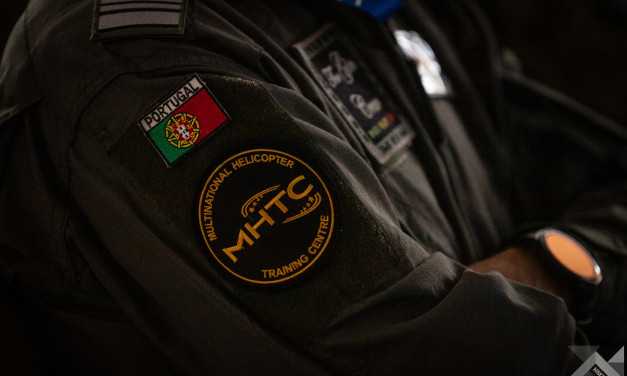
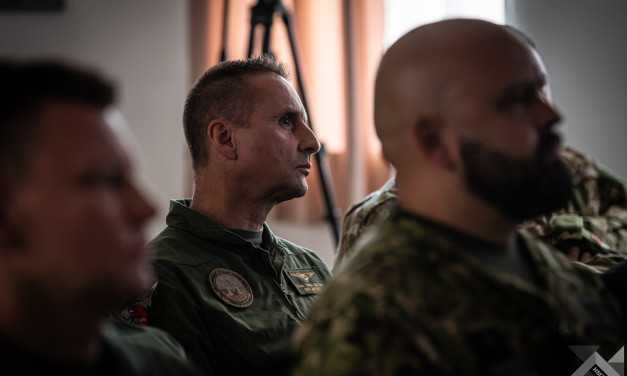
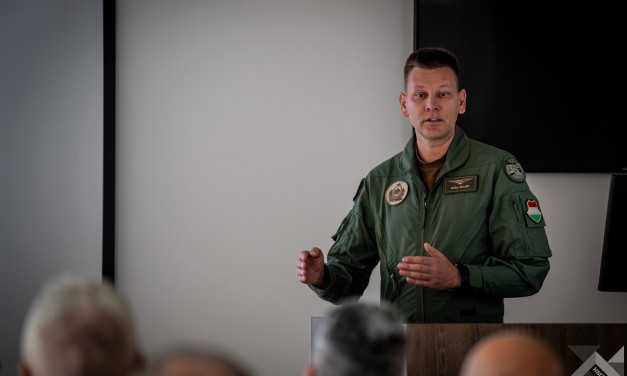
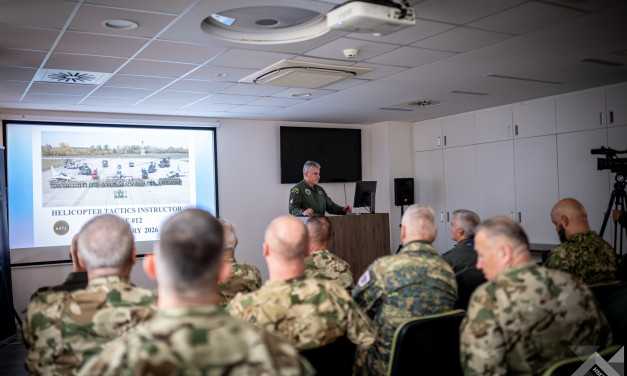
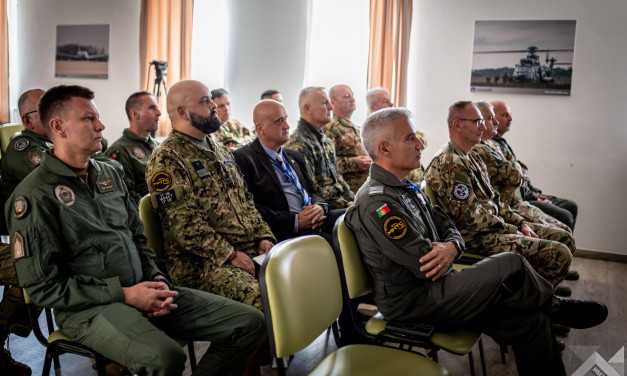
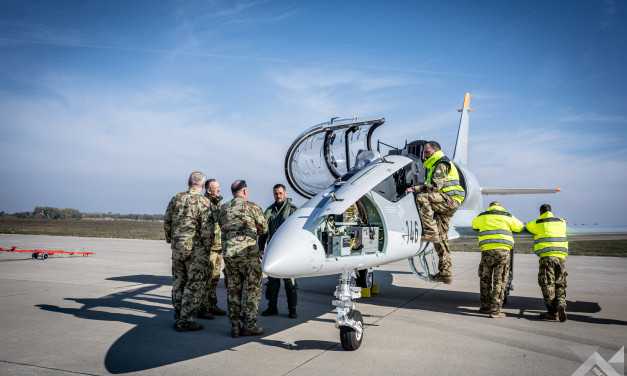
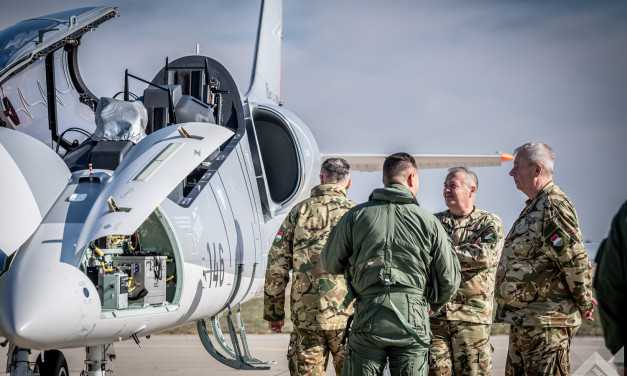
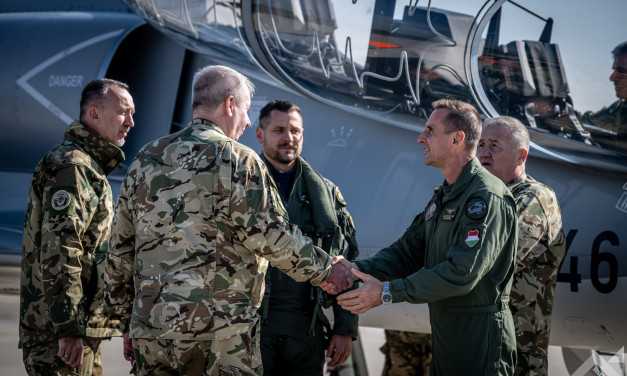
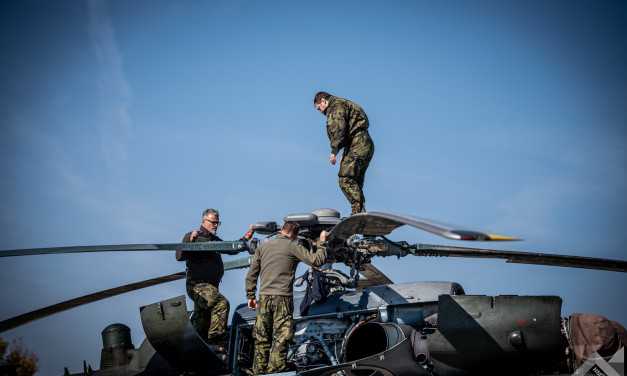
Text: Levente Petróczy | Photo: Franciska Veres | 13:19 October 20, 2026For the sixth time, the HDF Pápa Air Base is hosting the Helicopter Tactics Instructor Course organised by the Multinational Helicopter Training Centre. Major Balázs Major is the first Hungarian pilot to assume the role of chief instructor on this course, which trains experienced helicopter pilots to become combat tactics instructors. On October 19, the course leaders held a professional development day in Pápa.
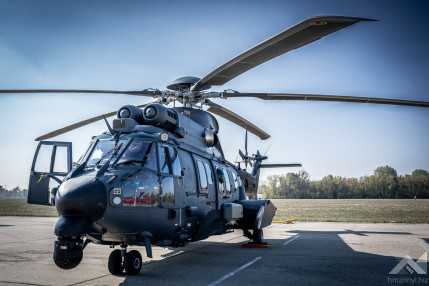
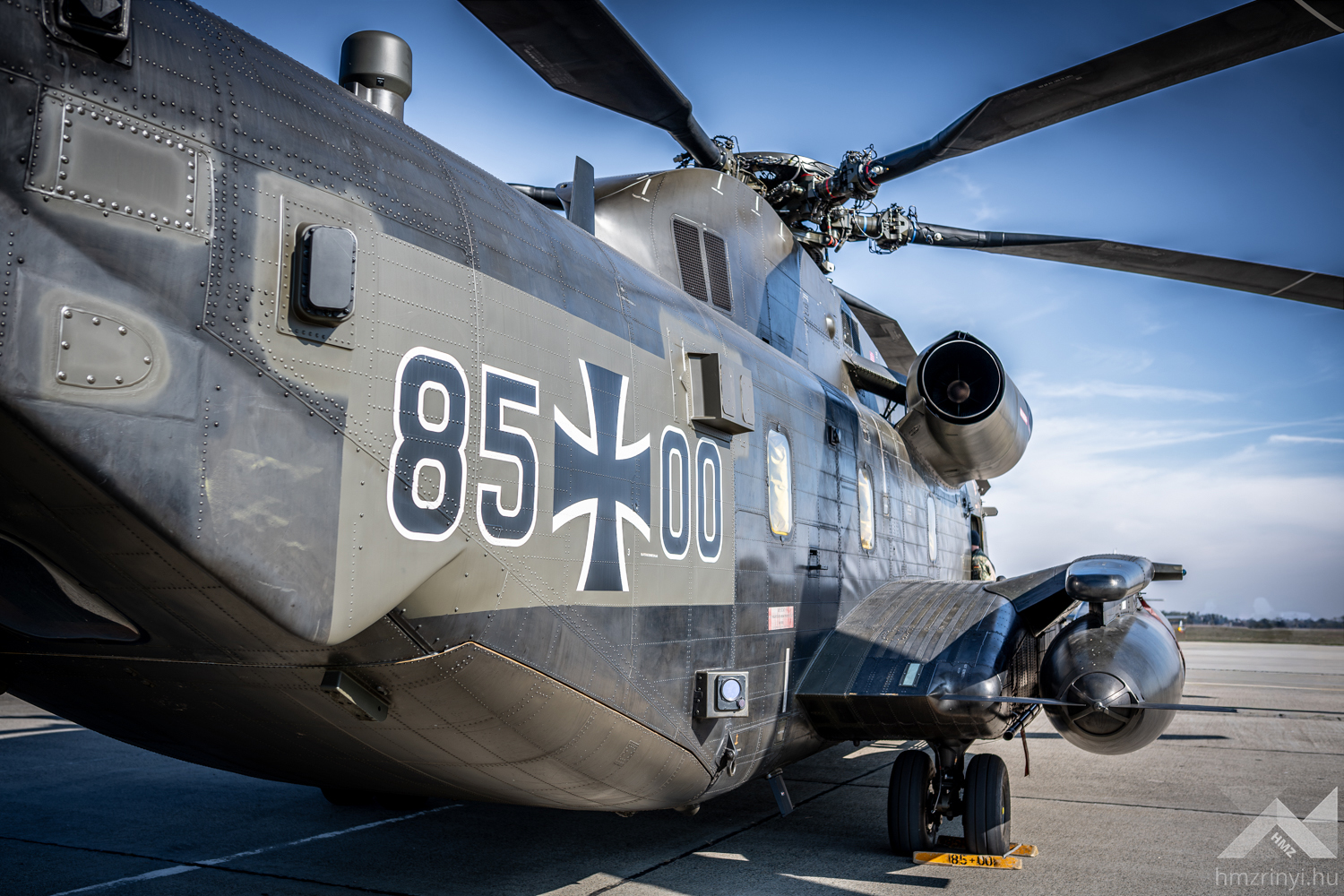
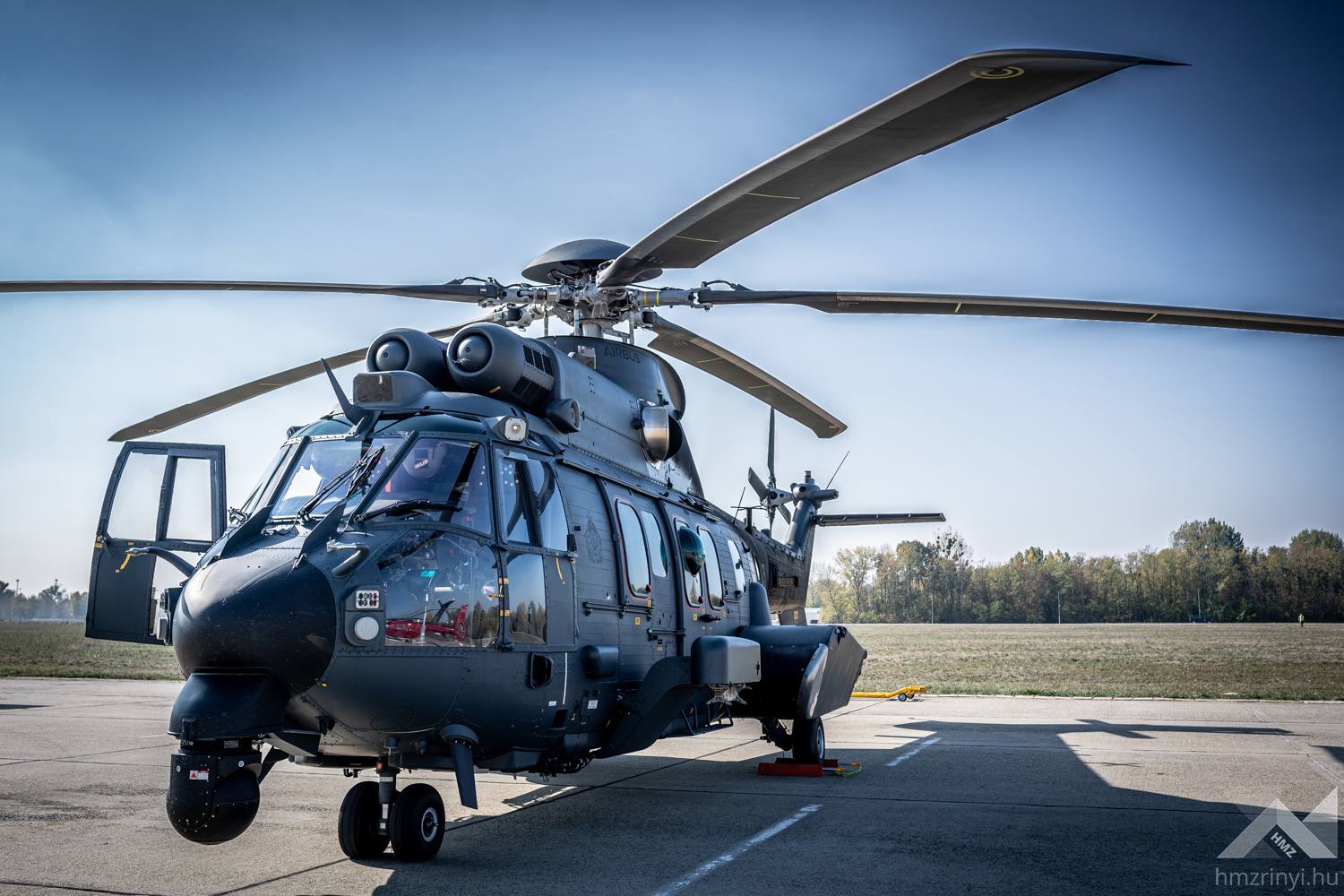
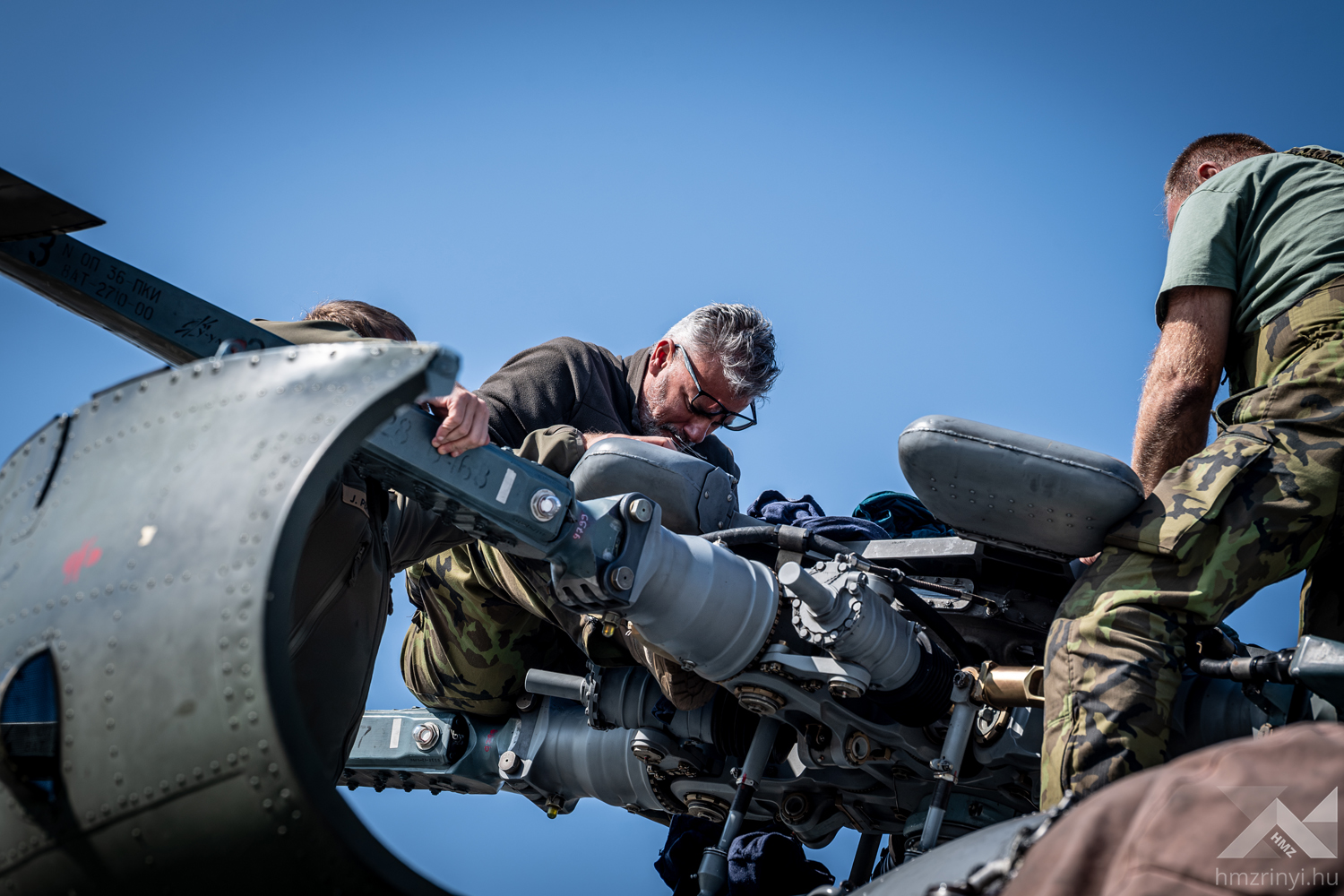
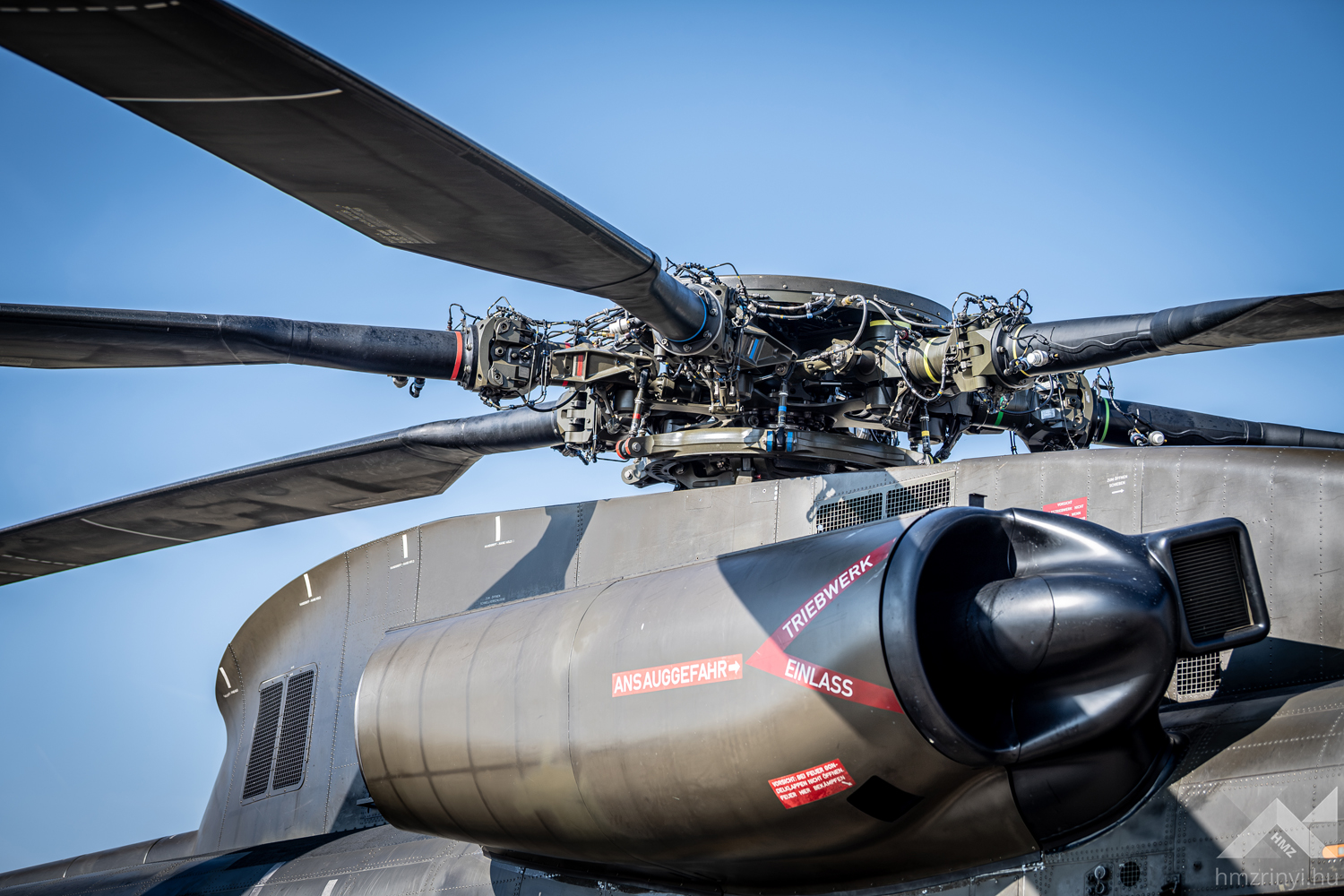
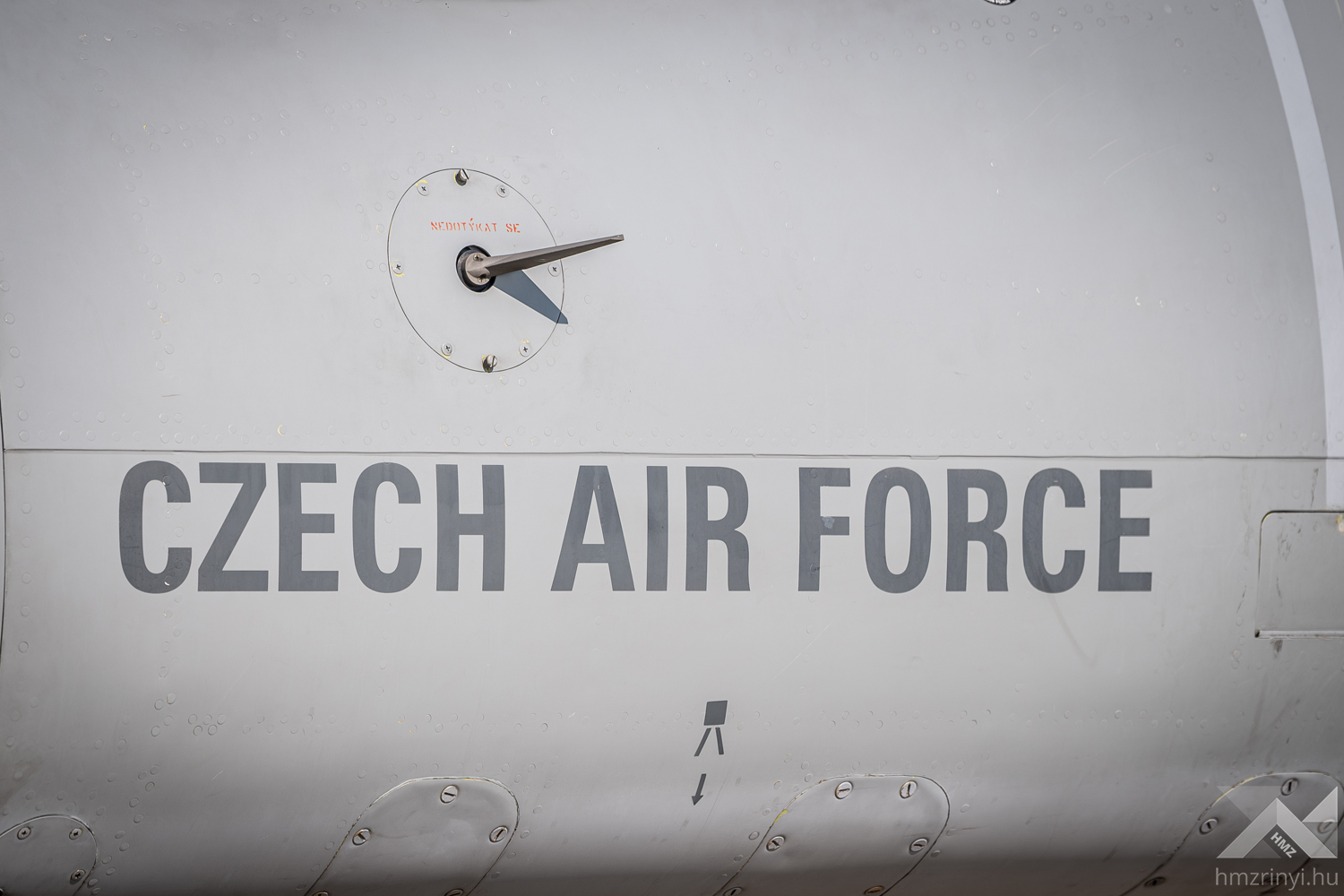
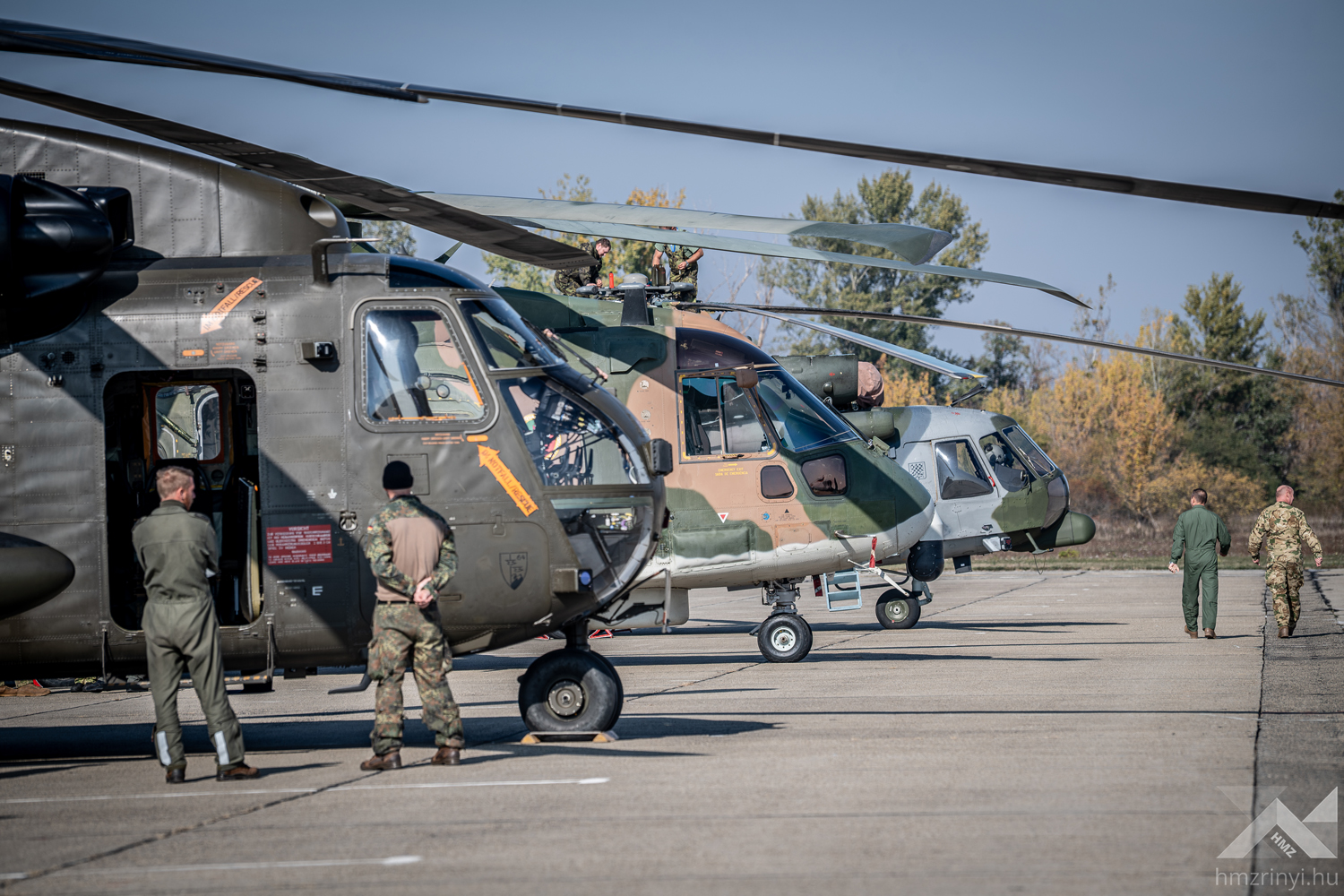
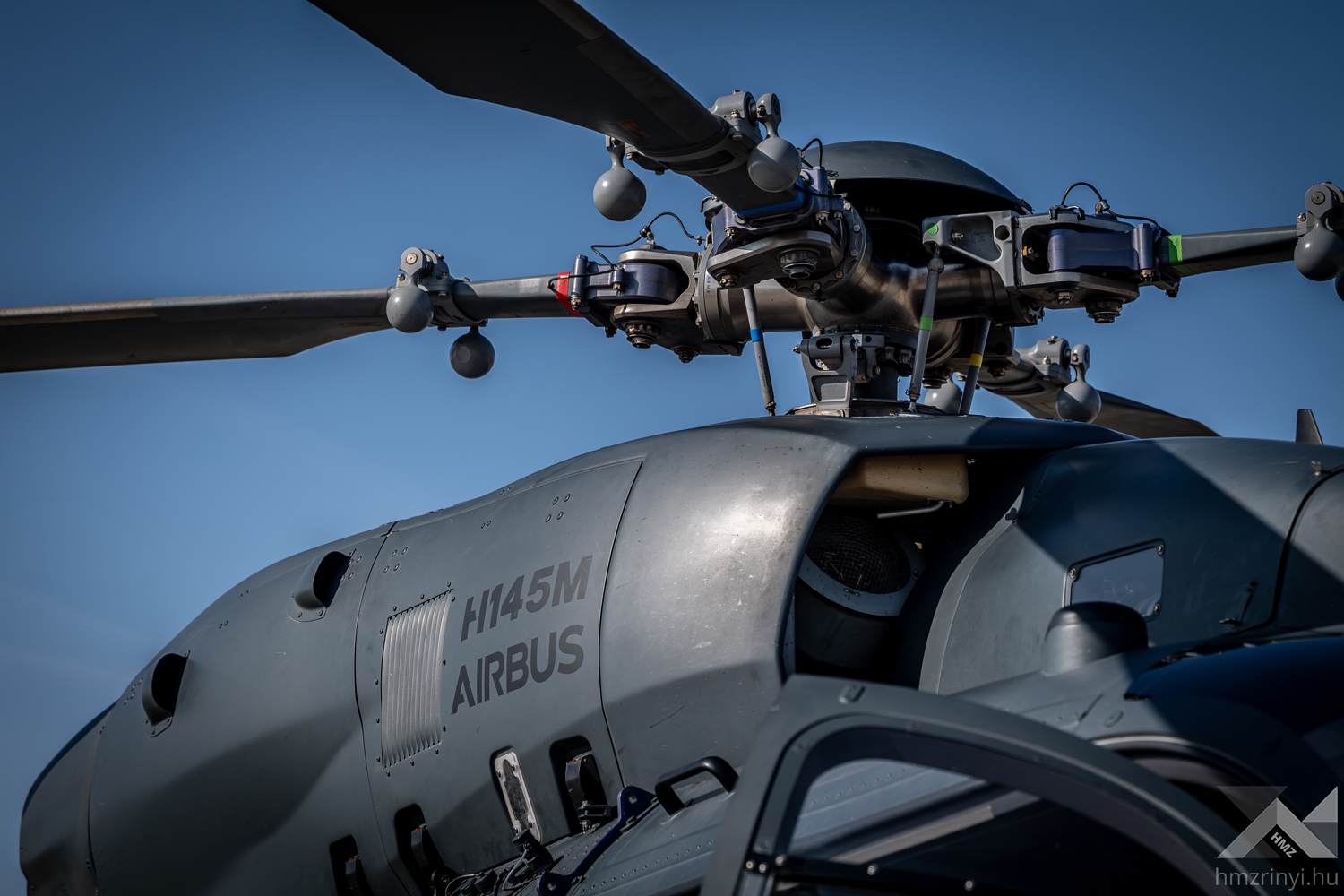
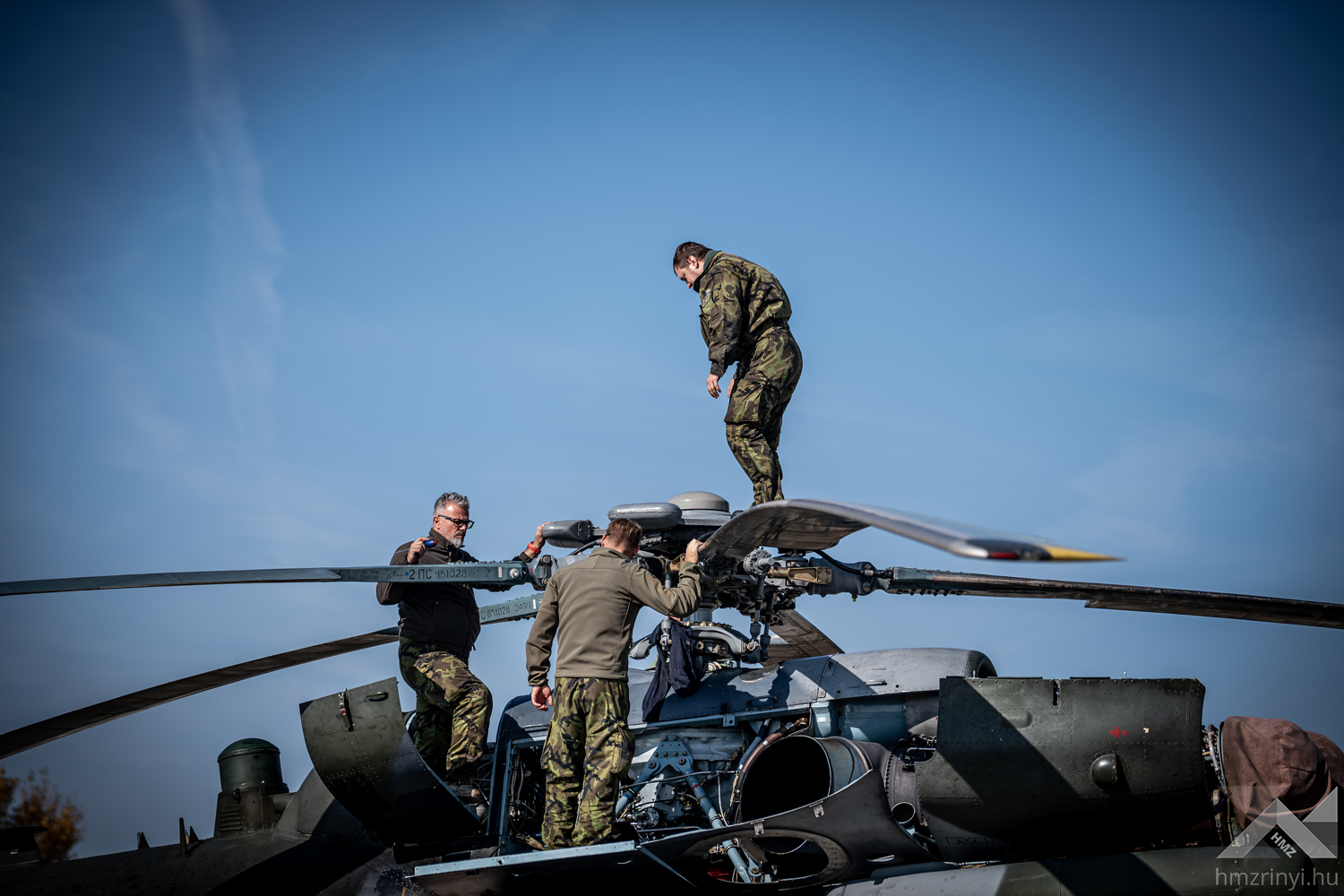
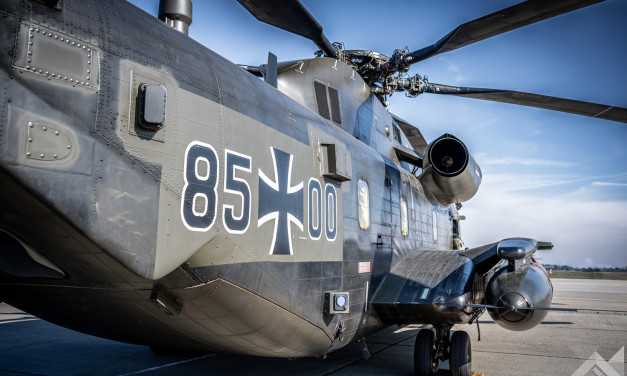
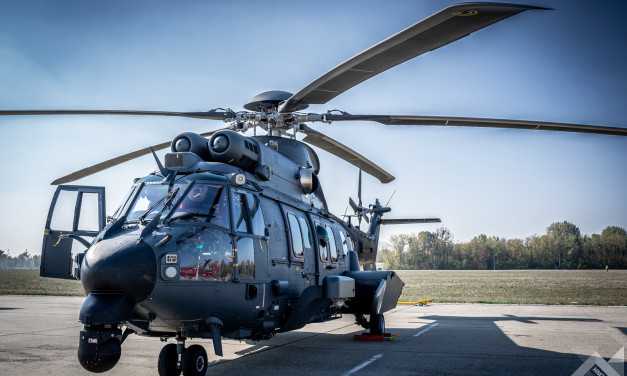
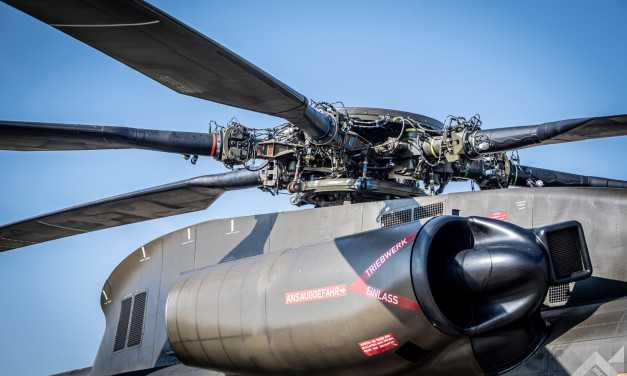
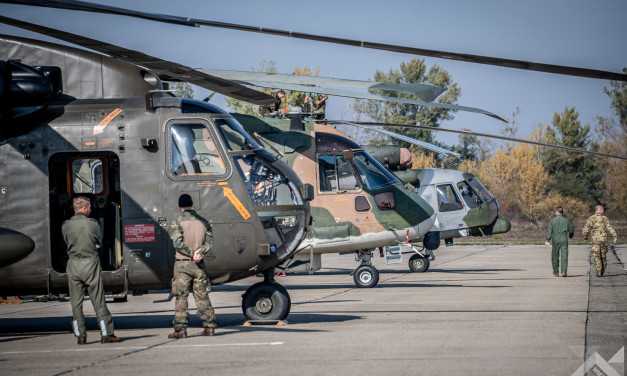
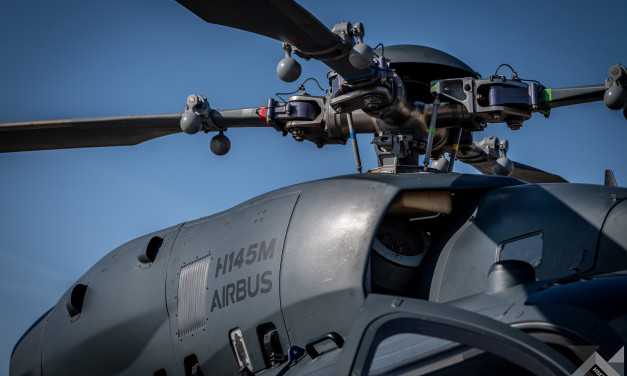
Students in the seven-week course begin their training at the Sintra base in Portugal, where, following three weeks of classroom instruction, they spend a week practicing on simulators. They then move to Pápa Air Base, where they put their lessons learned into practice on Hungarian, German, Portuguese and Czech rotary-wing aircraft, under the guidance of Hungarian, Austrian, Czech, German and Portuguese instructors.
The course is multifaceted, as it is impossible to learn everything in a single course; those wishing to master the full syllabus must complete it on three separate occasions, at different levels. Over the course of three training sessions, students can progress from the bronze to the gold level. The task of a bronze-level participant (first-year student) is to master general helicopter combat tactics. Second-year students on the silver level not only carry out tasks but also train bronze-level students. Gold-level students focus on instructor training and mentoring.
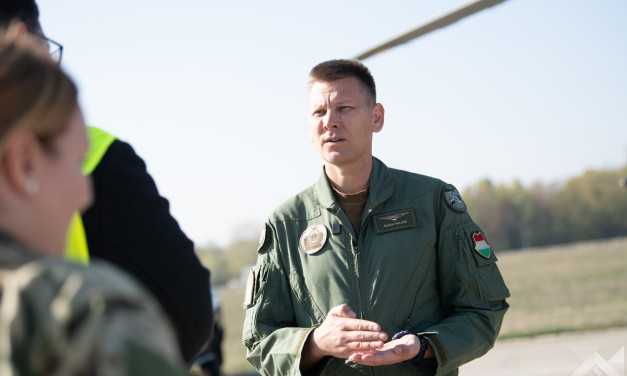
Major Balázs Major also rose through the ranks before becoming an instructor and then, at this year’s exercise, a chief instructor. In response to our question, he explained that the Multinational Helicopter Training Centre (MHTC), based in Portugal, does not have permanent instructors, so his primary task is to organise and convene the team of instructors.
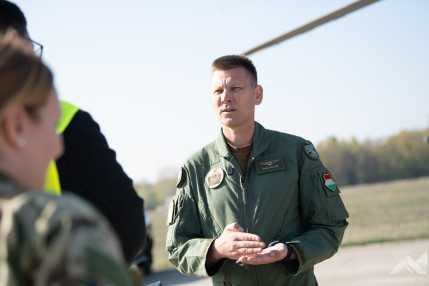
“I had clear expectations at the beginning of the course. I expected students at bronze level to carry out the manoeuvres specified in the task flawlessly. I asked the second-year students instructing them to have a thorough understanding of the requirements to be met and to be able to teach them in English. Third-year students are capable of all of this; they must focus on ensuring compliance with the rules – that is their task,” said the chief instructor, summarising his expectations of the students.
Major Major added that working in an international environment is often demanding, but the personnel did not really show any signs of fatigue. “I like to see the personnel working as a team, when they don’t seek to stand out individually, but rather help one another and work together towards success. We have achieved this by creating an open, safe environment during the seven-week exercise,” he said.
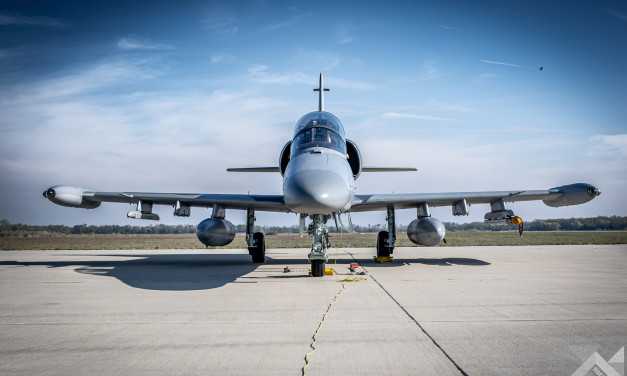
During the three-week flying phase of the exercise, the crew carried out various tactical formation manoeuvres, manoeuvres against fighter aircraft and air defence systems, anti-jamming procedures, convoy escort and motor vehicle interdiction.
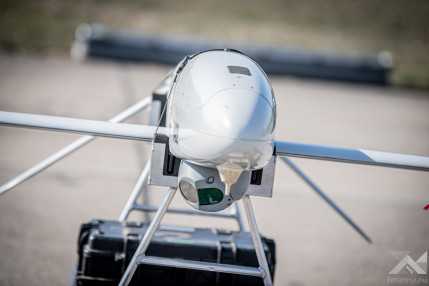
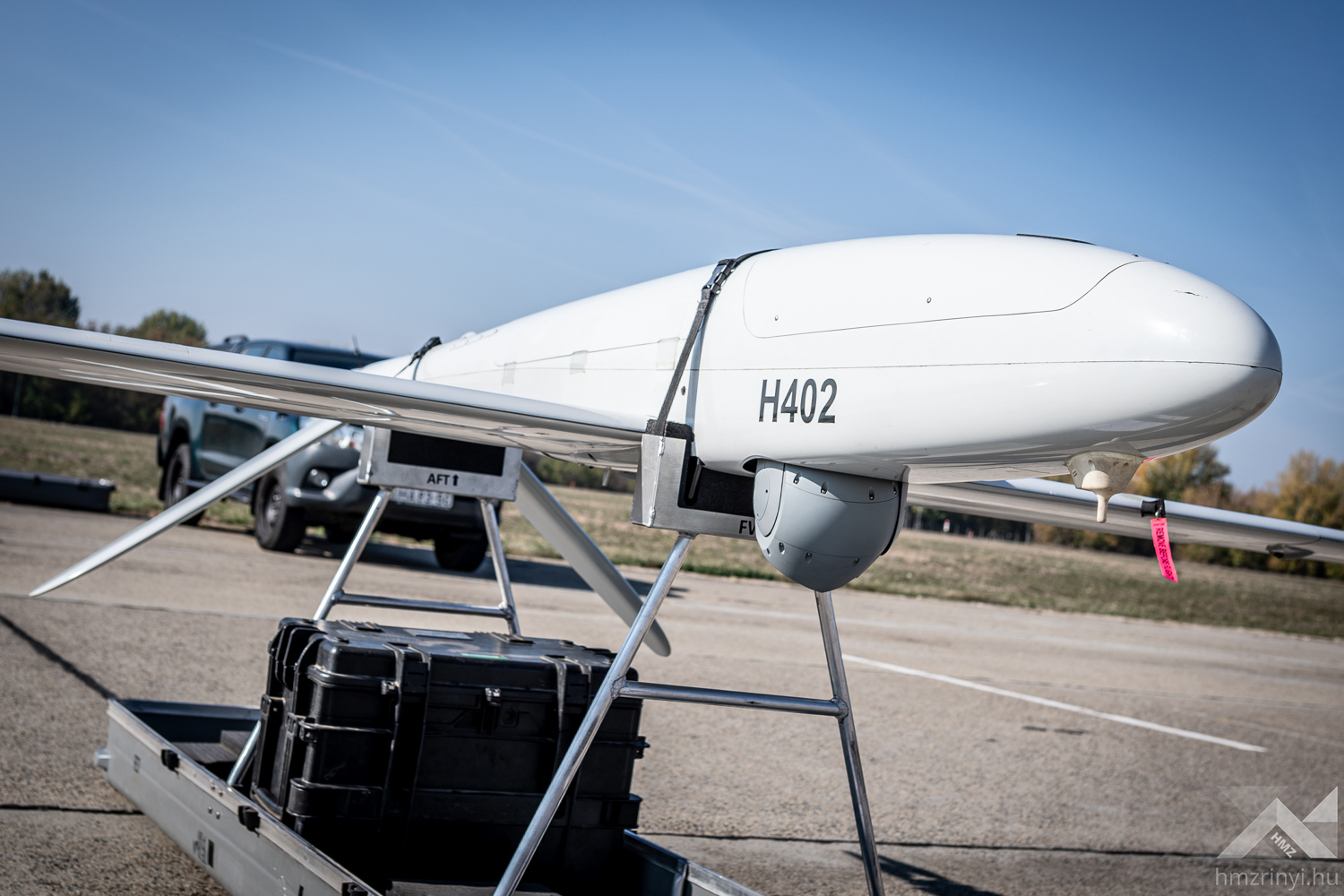
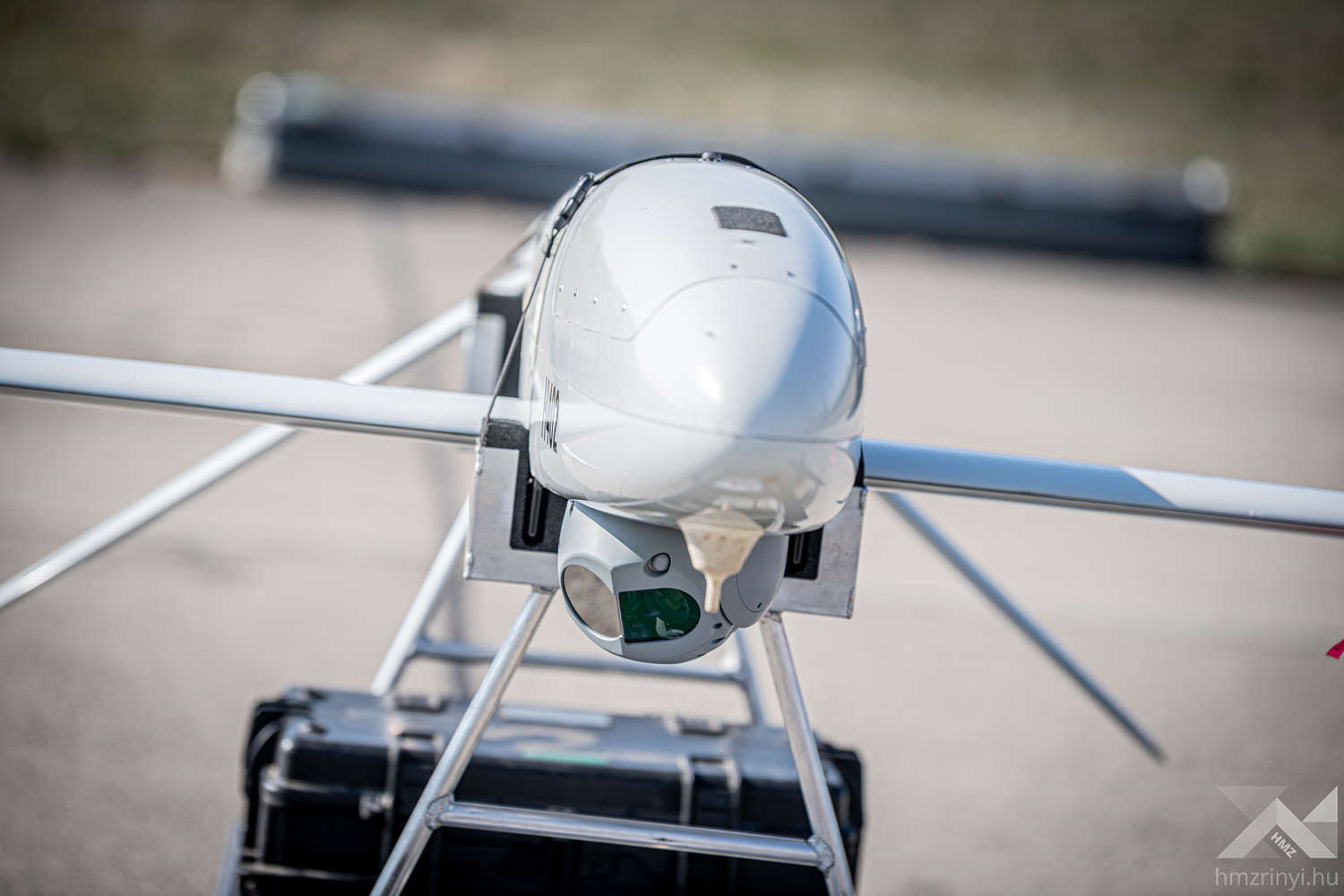
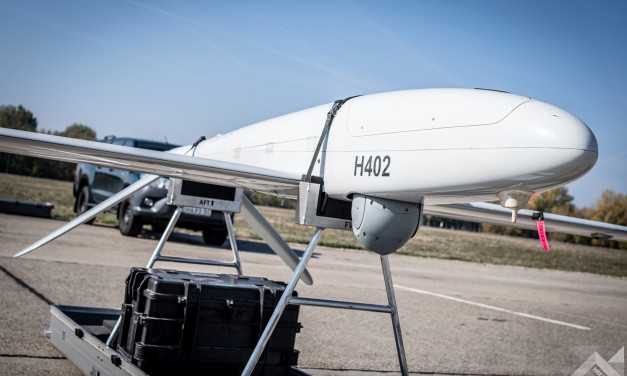
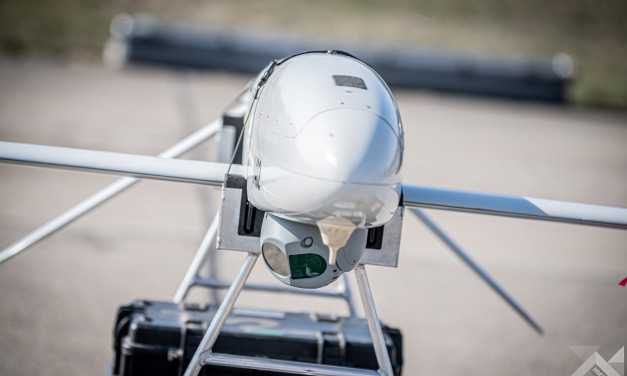
“Drones provide planners with far more information during preparation and operational planning; they can work with more up-to-date information, as drones are able to provide the task planners with a live feed immediately, so they know what is happening around the target objective,” said Lieutenant Colonel Endre Daróczi, Course Director, regarding the new feature of this year’s course: the use of drones.
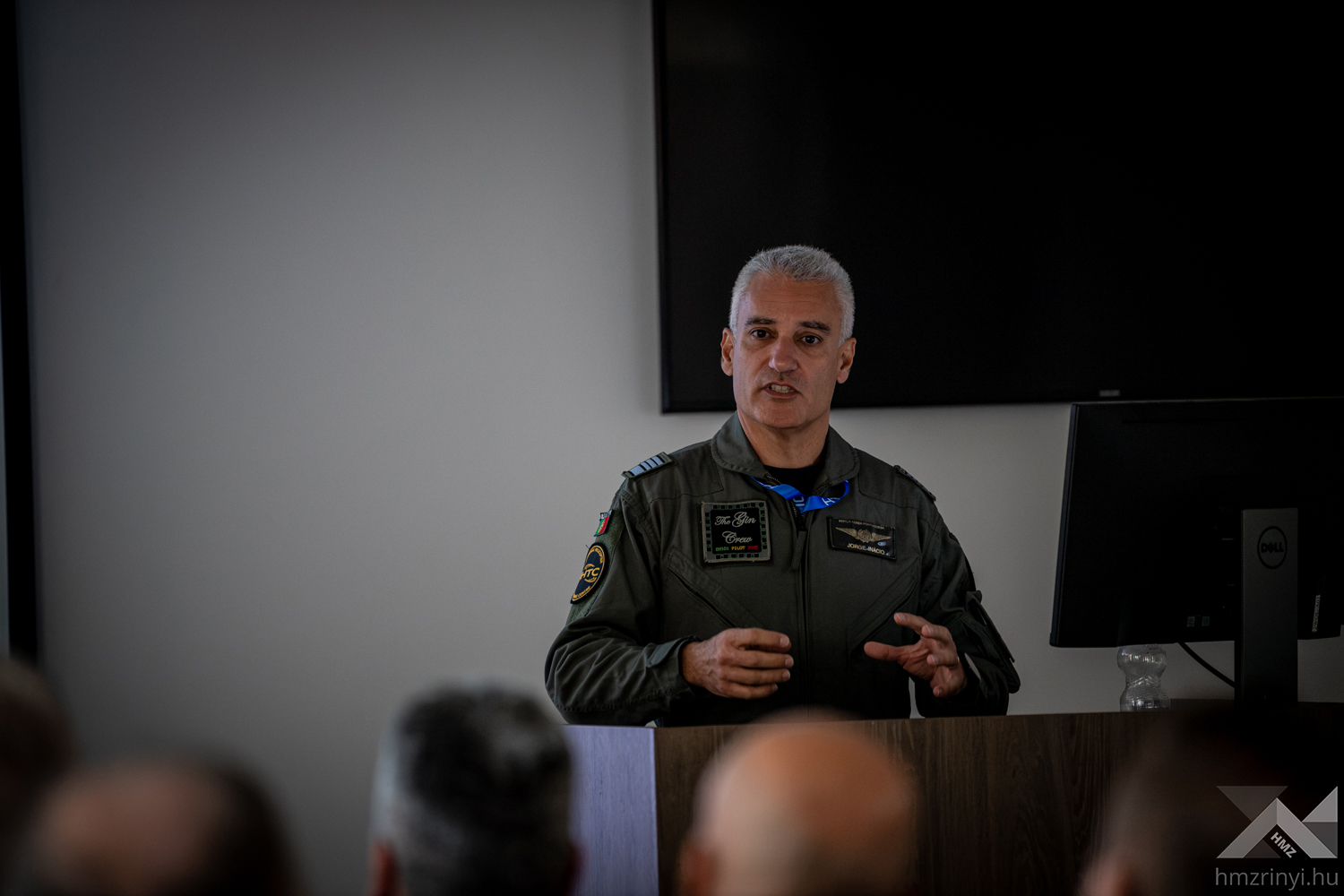
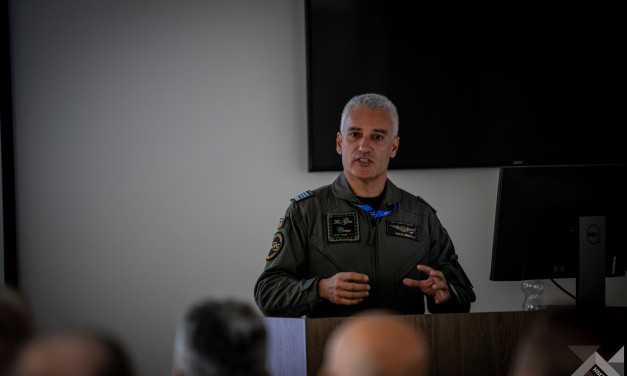
Colonel Jorge Inácio, Commander of the MHTC, explained in his presentation that the centre’s primary task is to develop European military helicopter cooperation through the harmonisation of tactical procedures. The centre, established by the European Defence Agency, is therefore set for further development; in 2027, several new simulators will be delivered, doubling training capacity.
The flying phase of the Helicopter Tactics Instructor Training Course will be hosted by Pápa Air Base until 2029. Hosting and supporting this multinational course is a high-priority task arising from Hungary’s role within the European Union.
20261019_Pápa_HTIC_DVDAY_VF__18
20261019_Pápa_HTIC_DVDAY_VF__1
20261019_Pápa_HTIC_DVDAY_VF_
20261019_Pápa_HTIC_DVDAY_VF__2
20261019_Pápa_HTIC_DVDAY_VF__3
20261019_Pápa_HTIC_DVDAY_VF__4
20261019_Pápa_HTIC_DVDAY_VF__5
20261019_Pápa_HTIC_DVDAY_VF__6
20261019_Pápa_HTIC_DVDAY_VF__7
20261019_Pápa_HTIC_DVDAY_VF__8
20261019_Pápa_HTIC_DVDAY_VF__9
20261019_Pápa_HTIC_DVDAY_VF__10
20261019_Pápa_HTIC_DVDAY_VF__11
20261019_Pápa_HTIC_DVDAY_VF__12
20261019_Pápa_HTIC_DVDAY_VF__15
20261019_Pápa_HTIC_DVDAY_VF__19
20261019_Pápa_HTIC_DVDAY_VF__20
20261019_Pápa_HTIC_DVDAY_VF__21
20261019_Pápa_HTIC_DVDAY_VF__22
20261019_Pápa_HTIC_DVDAY_VF__23
20261019_Pápa_HTIC_DVDAY_VF__24
20261019_Pápa_HTIC_DVDAY_VF__25
20261019_Pápa_HTIC_DVDAY_VF__27
Rotorcraft training at Pápa again
12:44 October 7, 2026
Rotary-Wing “Top Gun” in Pápa
12:22 October 9, 2026


