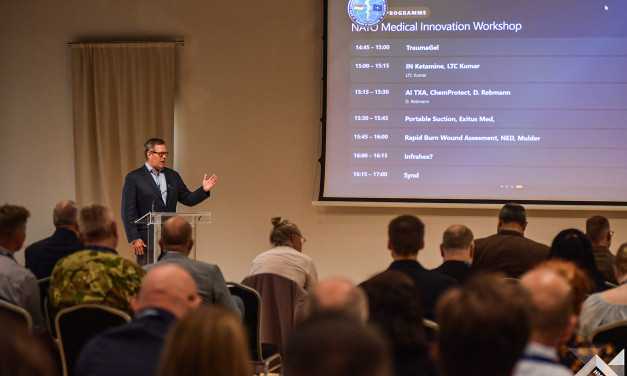
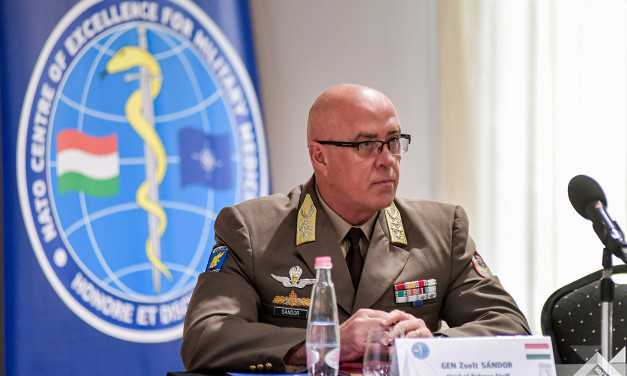
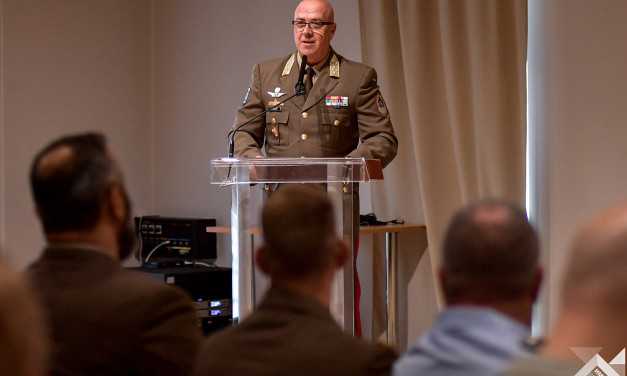
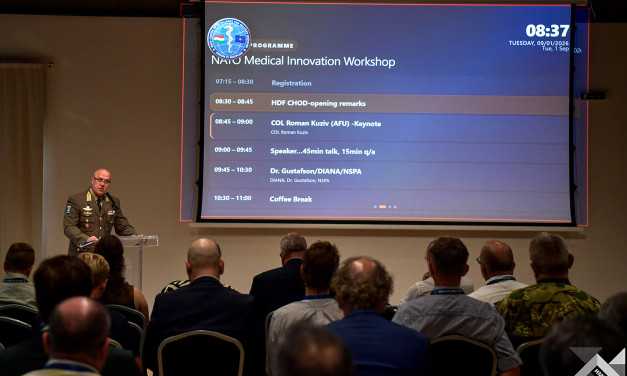
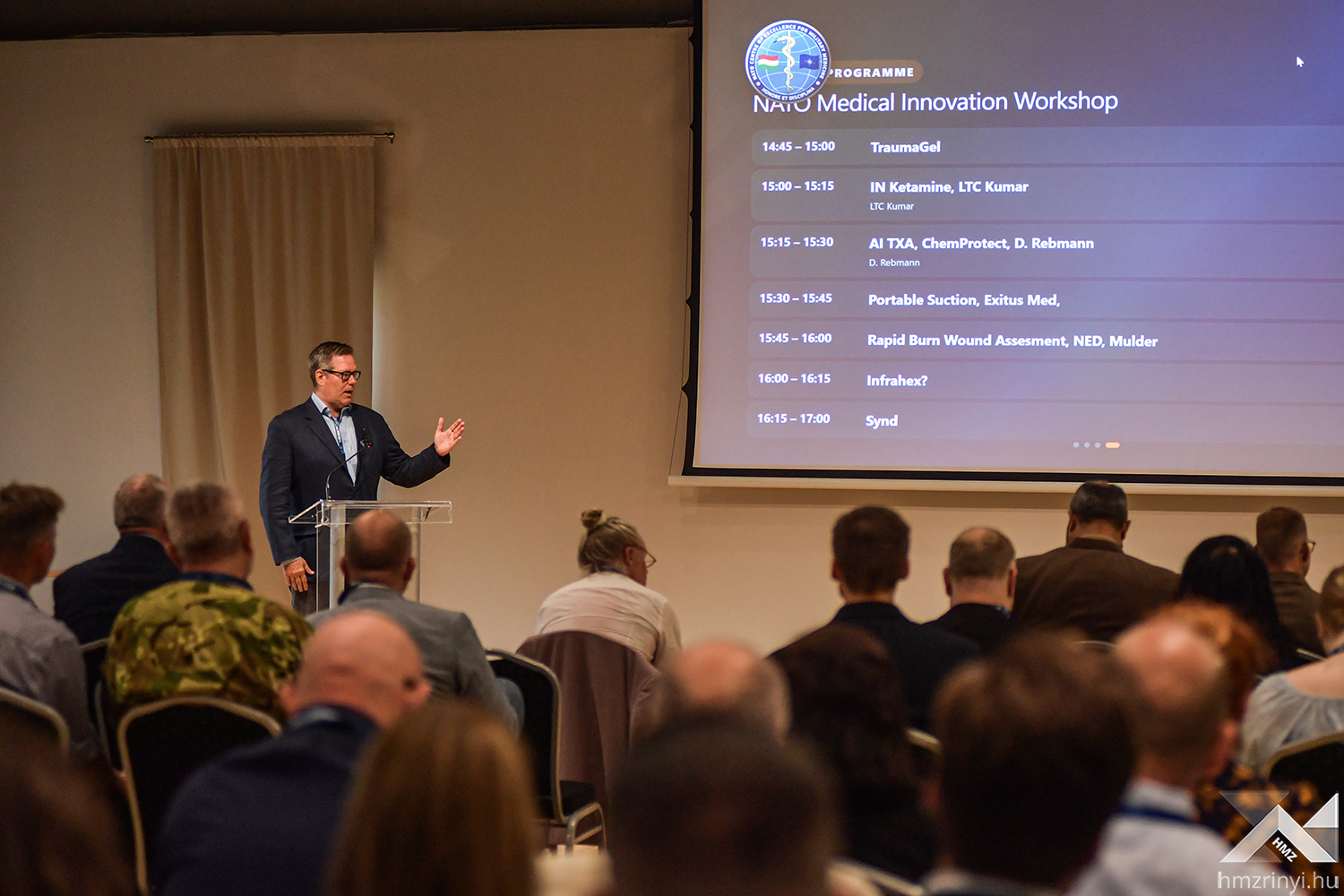
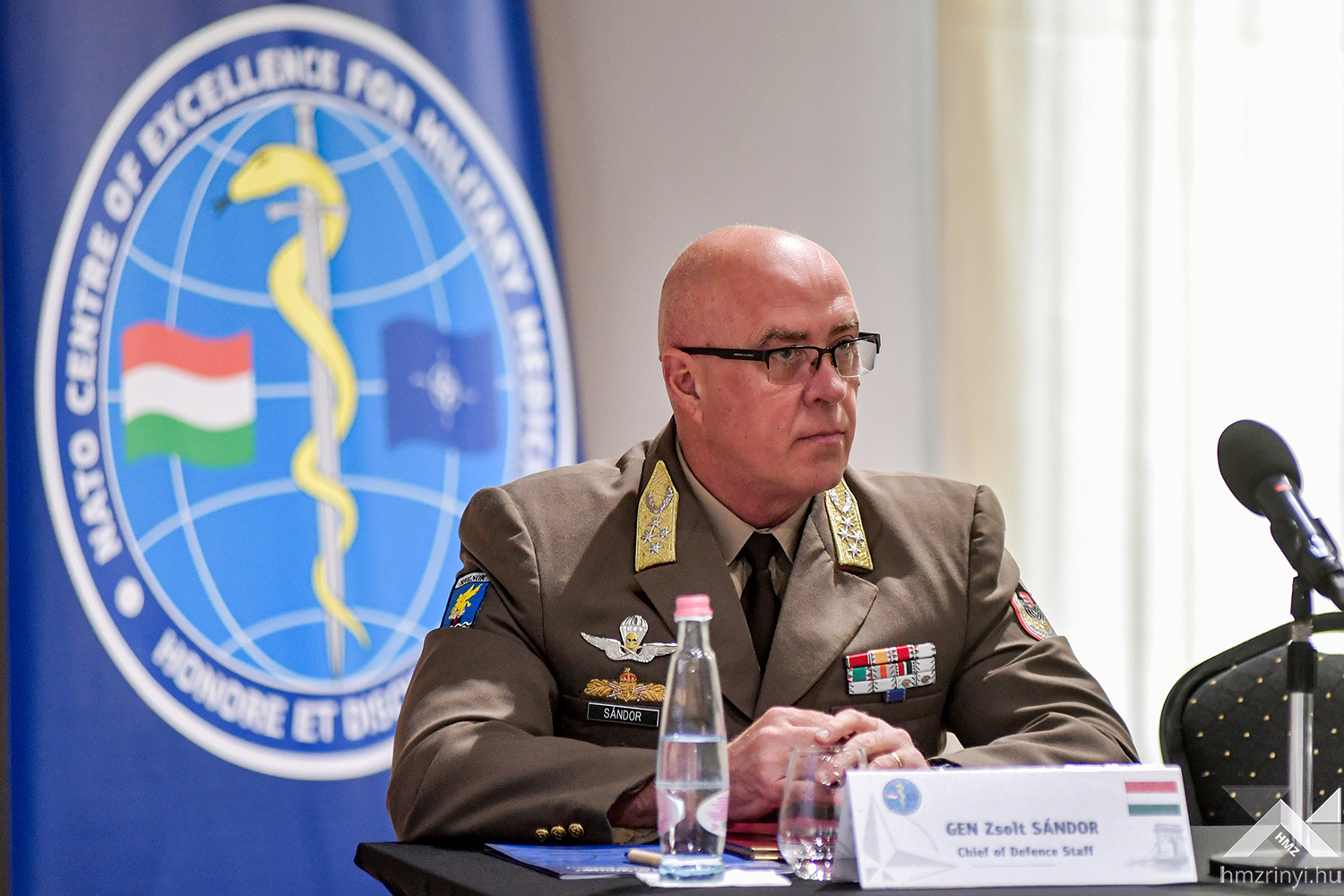
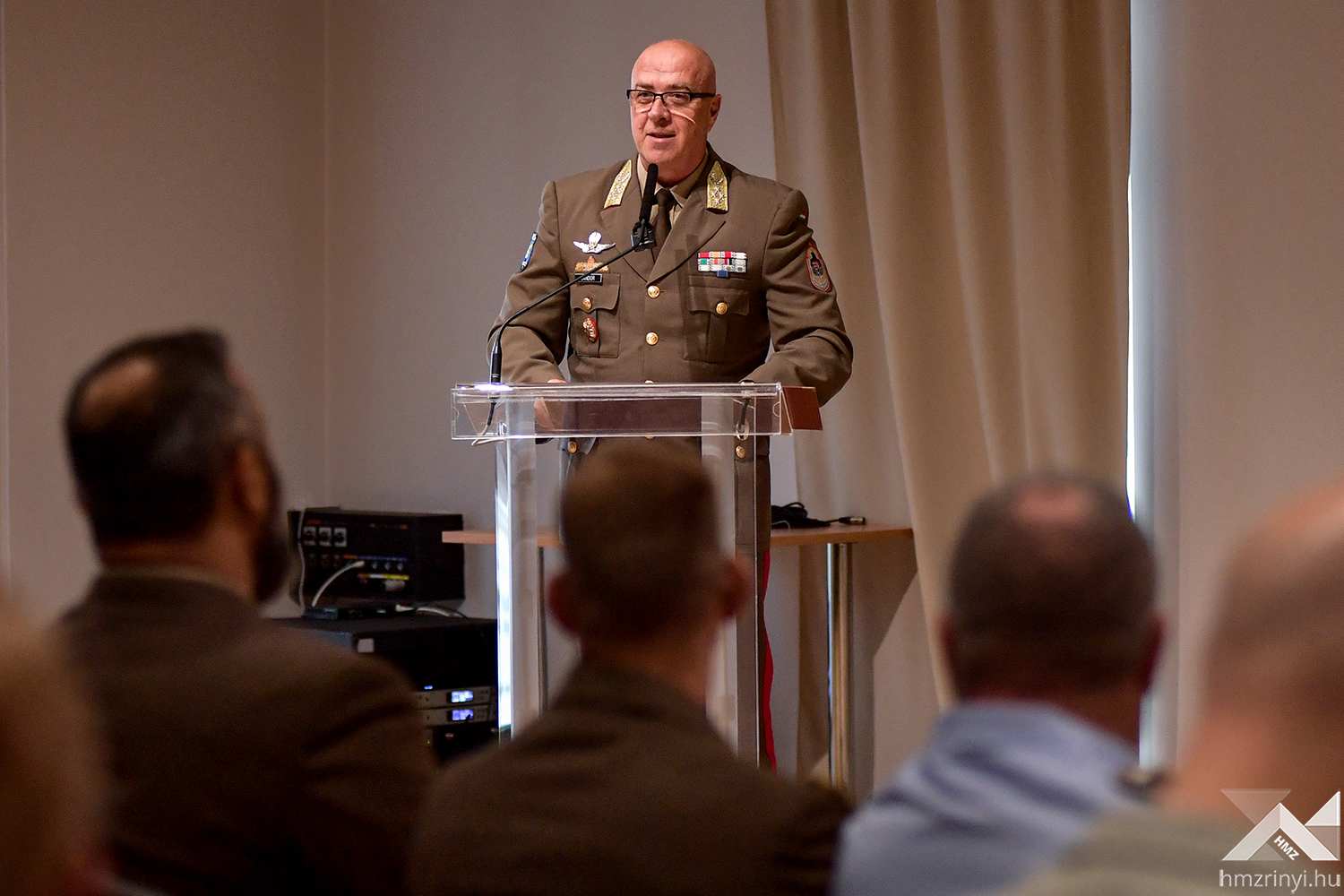
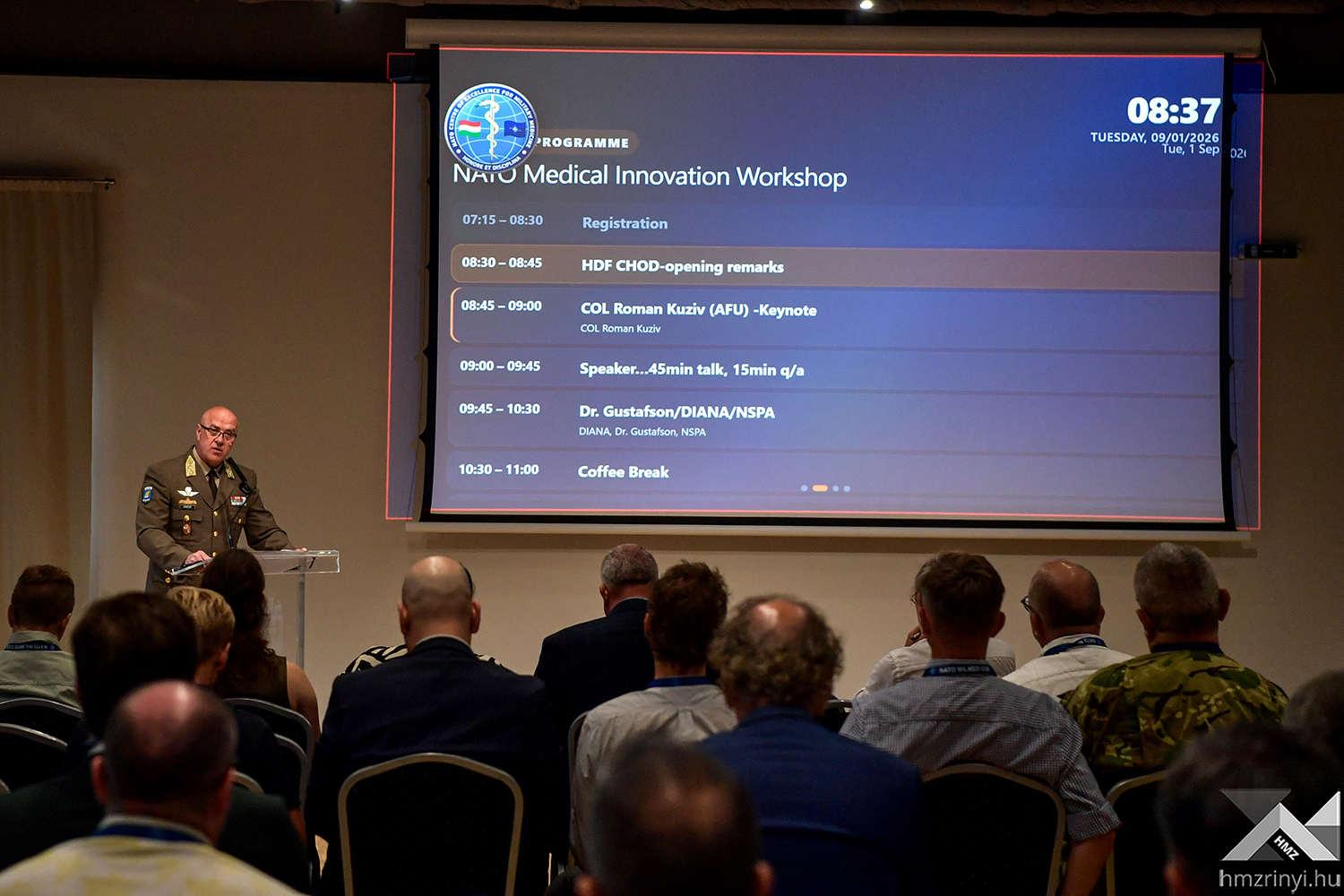
“The issue of innovation has never before been as essential in military medicine as in our days” – noted General Zsolt Sándor, Chief of HDF Defence Staff in his speech delivered at the first NATO Medical Innovation Workshop held at Bálna Defence Centre, Budapest.
“Innovation is always driven by need. It is much more than artificial intelligence, autonomous systems, drones, new medical devices and digital solutions. This is because, among others, innovation also encompasses new ideas, changed processes, new operational concepts and training methods. What matters in successful innovation, therefore, is not only whether a given project or a product can be technically implemented, manufactured or marketed. The real questions are: Is the innovation truly important? Does it solve the actual problem? Does it improve effectiveness or efficiency? Can it be implemented under real conditions on the battlefield? And ultimately: does the innovation improve outcomes and help us survive?“ – said General Zsolt Sándor in his opening remarks.
Speaking about the significance of the workshop, he emphasized that it creates an opportunity for planners, decision-makers, researchers, industry players and military medical professionals to collaborate and exchange information. “It serves as a forum where ideas can be shared openly, development projects that are already in progress many receive higher visibility, and the lessons learned can be shared” – added the Chief of HDF Defence Staff.
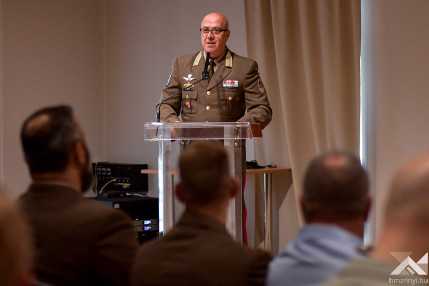
“Military medicine can never stay static, since, if the system is not developing in parallel with changes in the operational environment, we risk preparing for yesterday’s battlefield instead of tomorrow’s one. As the framework nation of the NATO Centre of Excellence for Military Medicine (NATO MILMED COE), Hungary has always played a key role in the development of the field and its support” – this was how General Zsolt Sándor closed his speech.
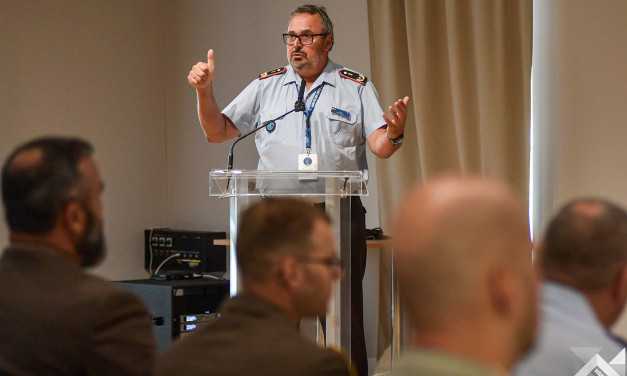
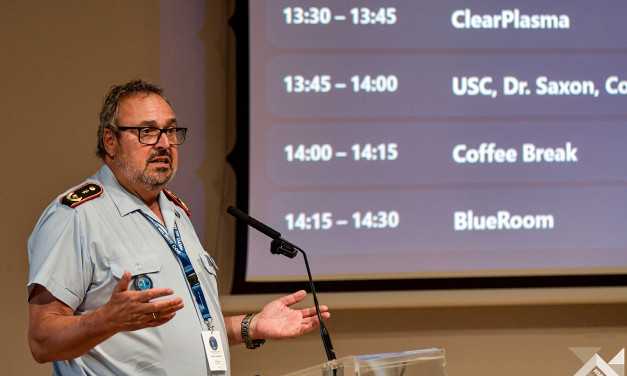
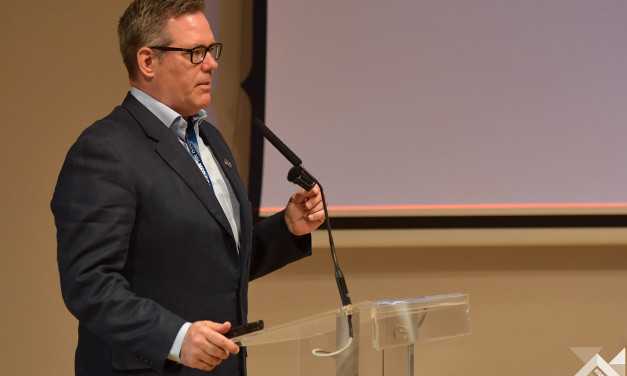
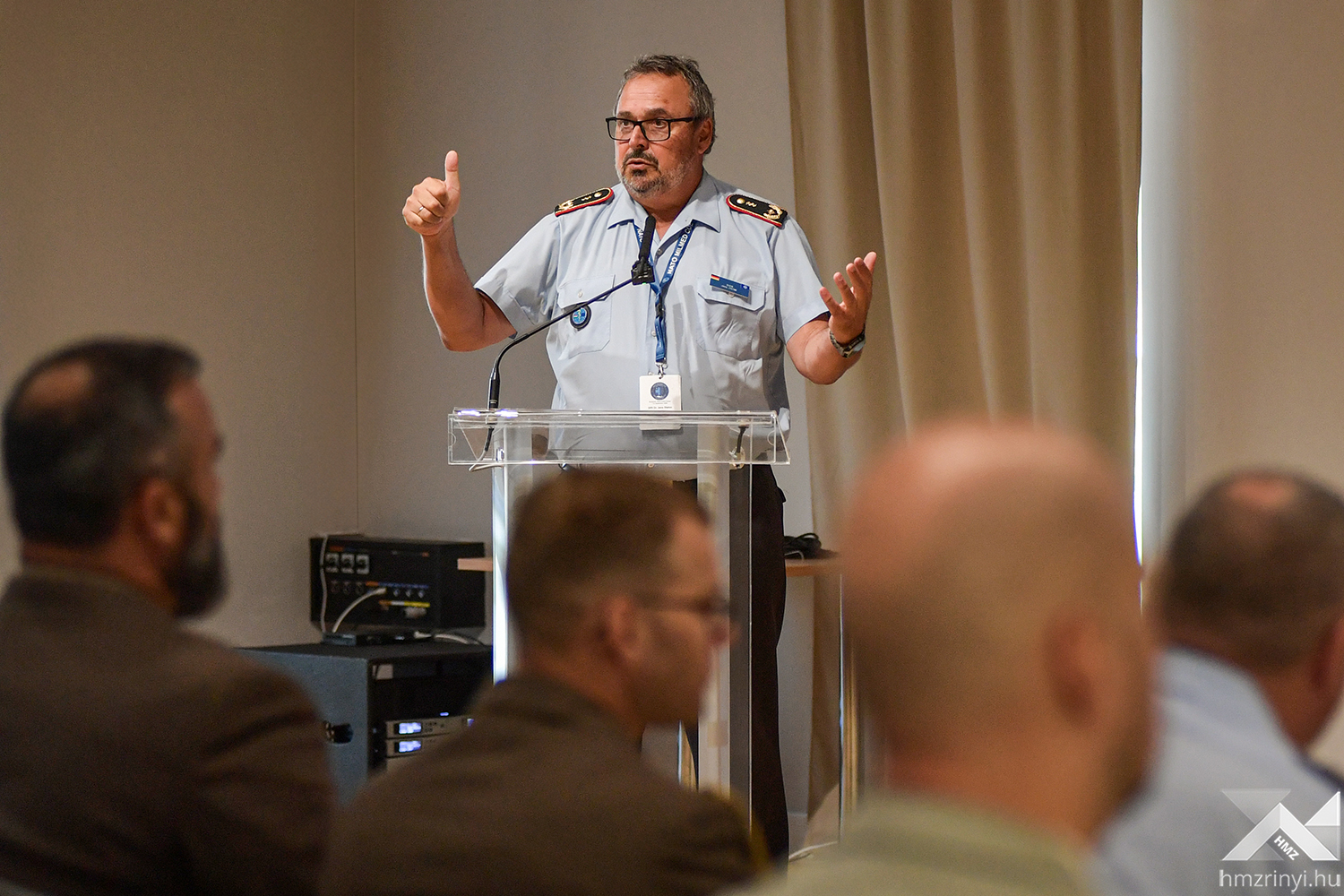
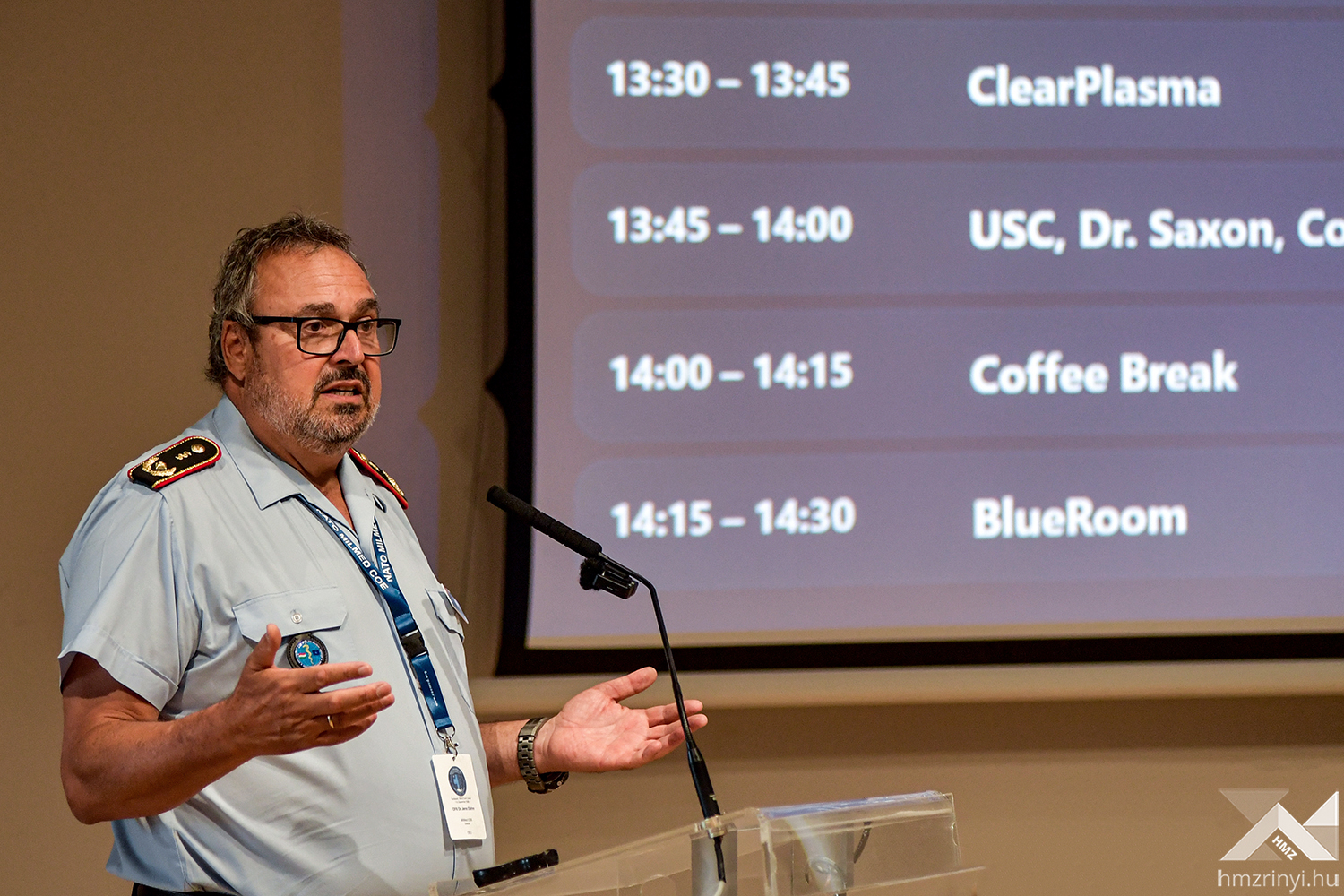
In his speech, Brigadier General Dr. (MD) Jens Diehm, the German Director of the Budapest-based NATO MILMED COE emphasized that the organization of the workshop has been made inevitable by the extremely rapidly changing security environment. However, he also noted that innovation is not new at all, because fire was as new to our ancestors as, for example, the appearance of drones in today’s theatres of war.
Innovation always has disadvantages as well as advantages. When they appear in the theatre of war, “new technologies can be just as useful as they are harmful. The only choice is to learn how to handle them and how to draw benefit from them. And this, already, depends on our mindset” – pointed out Brigadier General Dr. Jens Diehm.
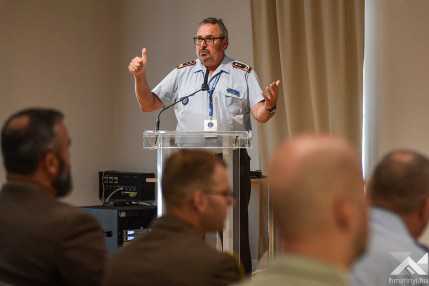
“We, soldiers, always figure out how to use whatever is available to us in the most efficient way. This, however, requires us to create an environment which allows this kind of innovative approach and thinking take wing” – this was how the director of NATO MILMED COE hosting the workshop closed his speech, adding that the event provides a perfect occasion for it.
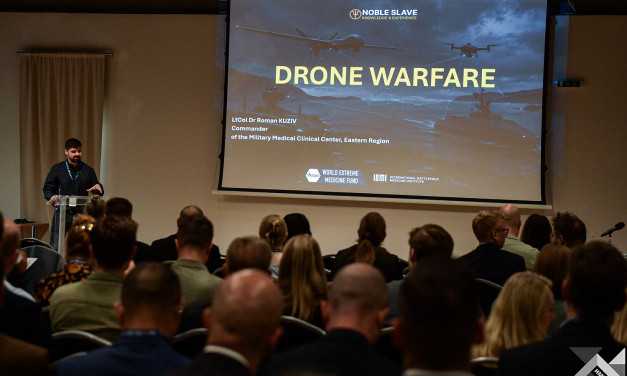
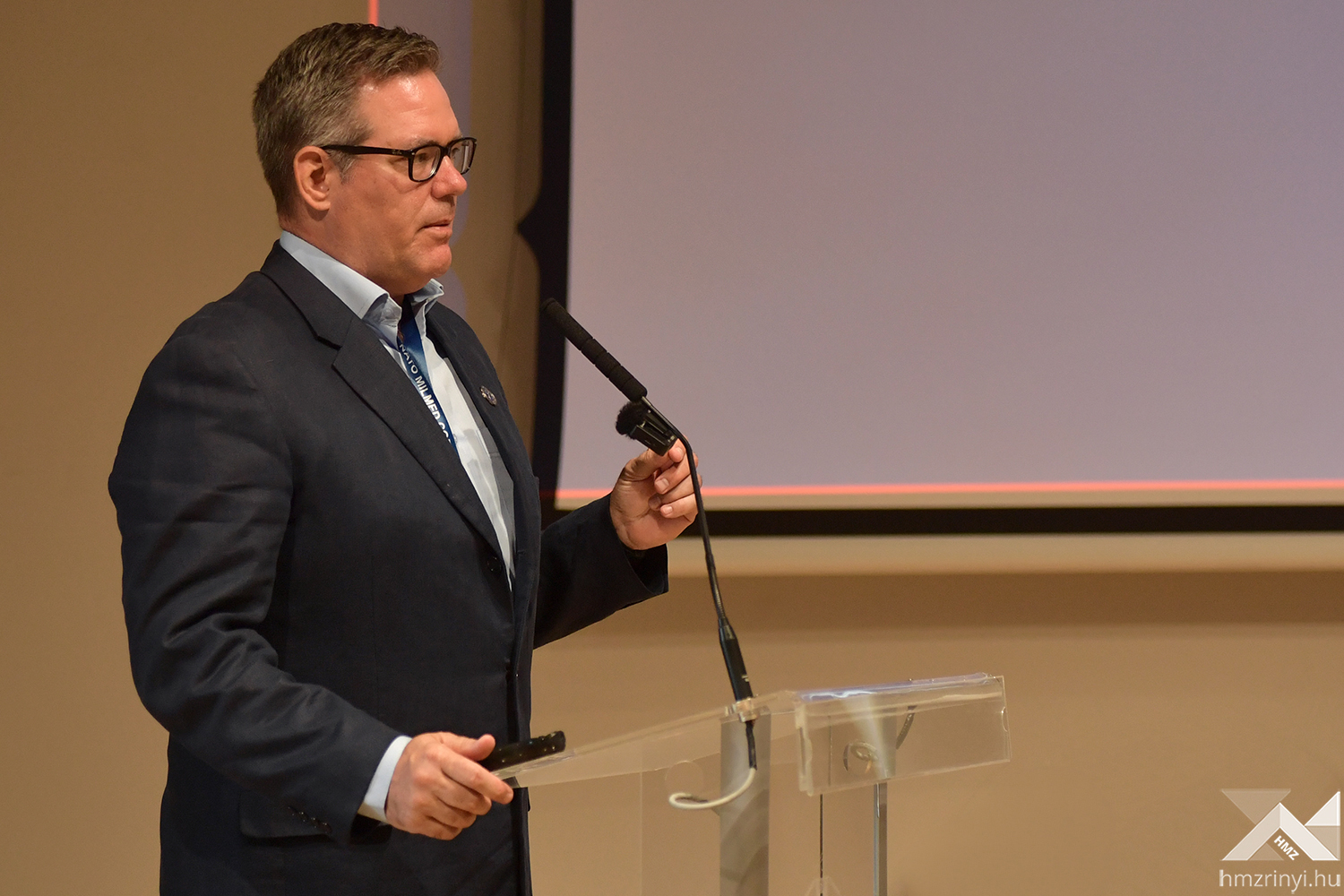
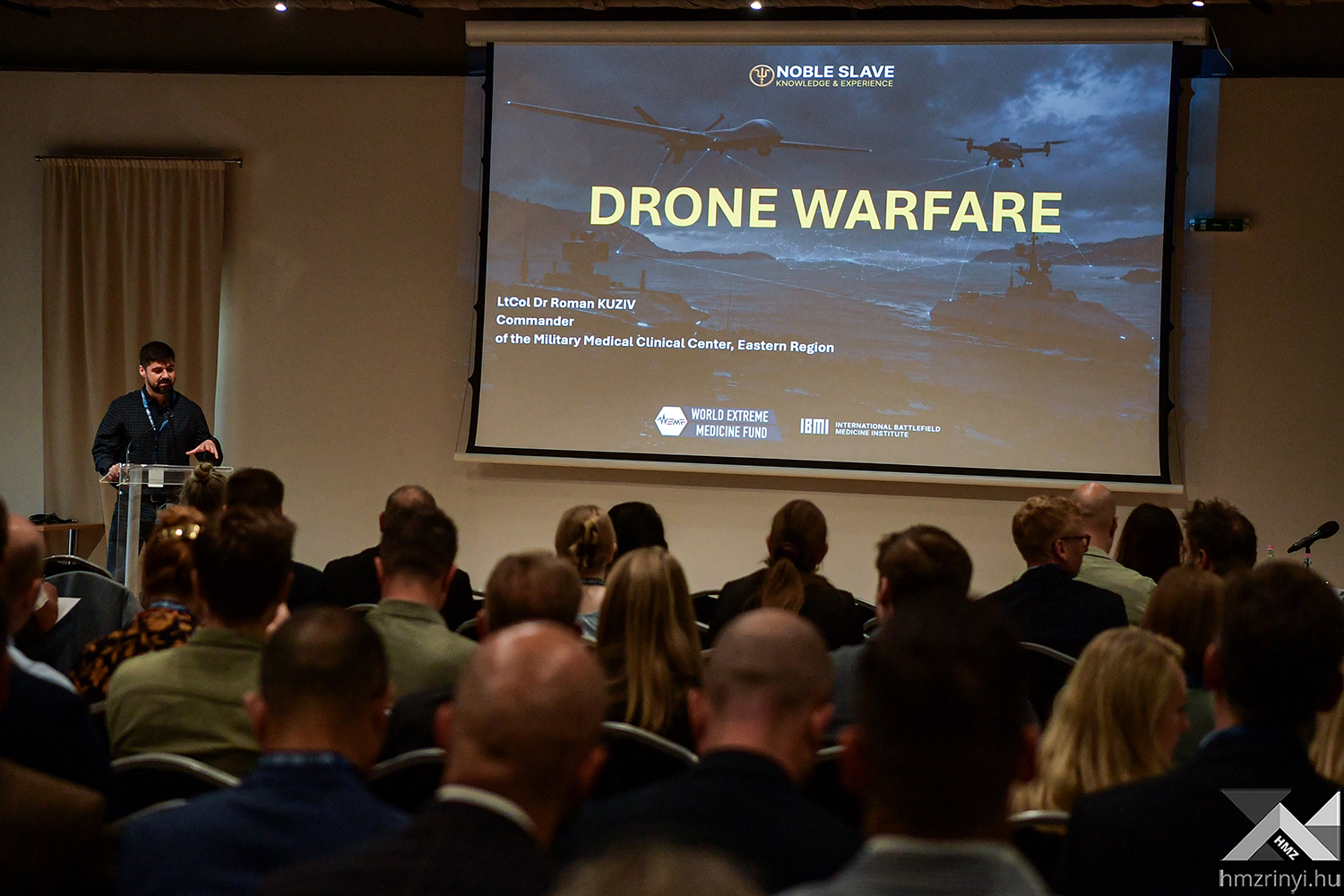
During the first lecture, Lieutenant Colonel Dr. Roman Kuziv, Commander of the Military Medical Clinical Center, Eastern Region, Ukrainian Armed Forces presented the lessons learned by Ukraine in drone warfare. He drew attention to the fact that the rules of warfare have completely changed, as the previously known and used methods have become useless or make no sense in their earlier form. This is because drone warfare has an impact on all domains of operations, and military medicine is among the most impacted fields.
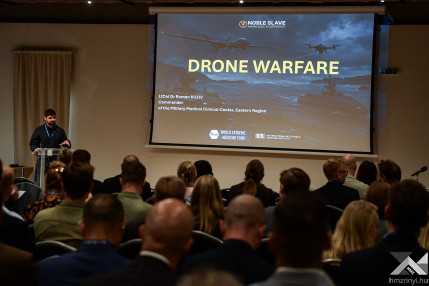
Based on their experiences, currently 75 per cent of all wounds are caused by drones, primarily in the areas of the head and the neck, and so one of the most important future directions is the development of protective gears to protect these areas. From a tactical point of view, the most important lesson learned in the Russo-Ukrainian War is that the battlefield has become fully transparent, which means that all movements can almost immediately be detected and thereby made lethal.
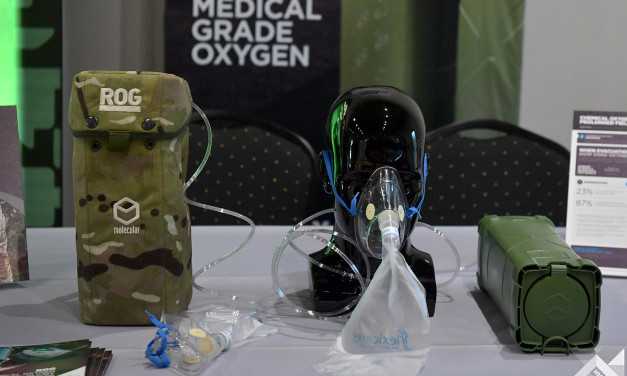
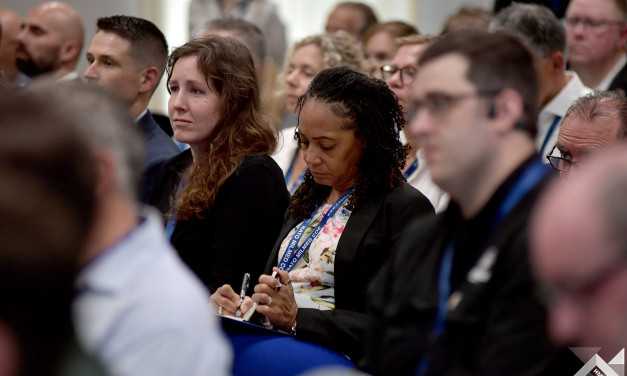
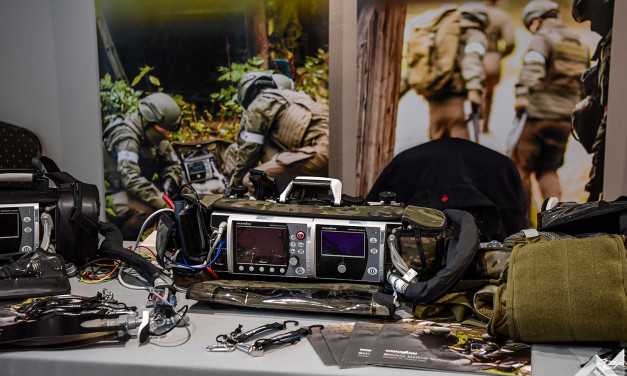
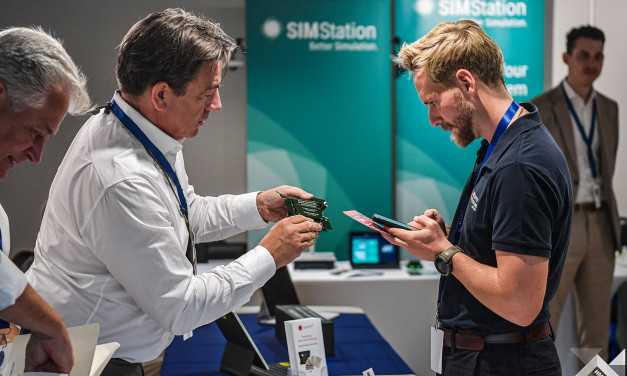
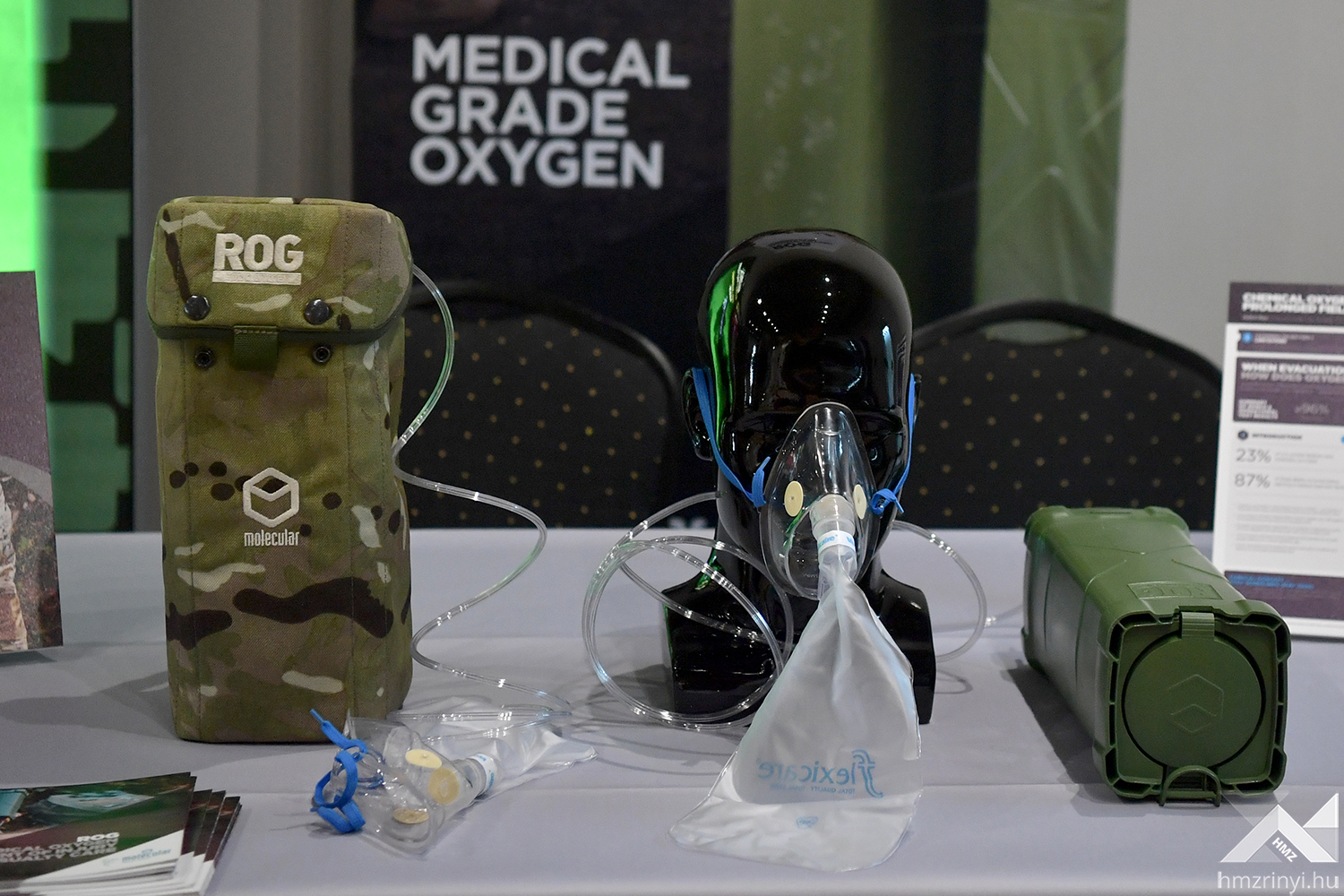
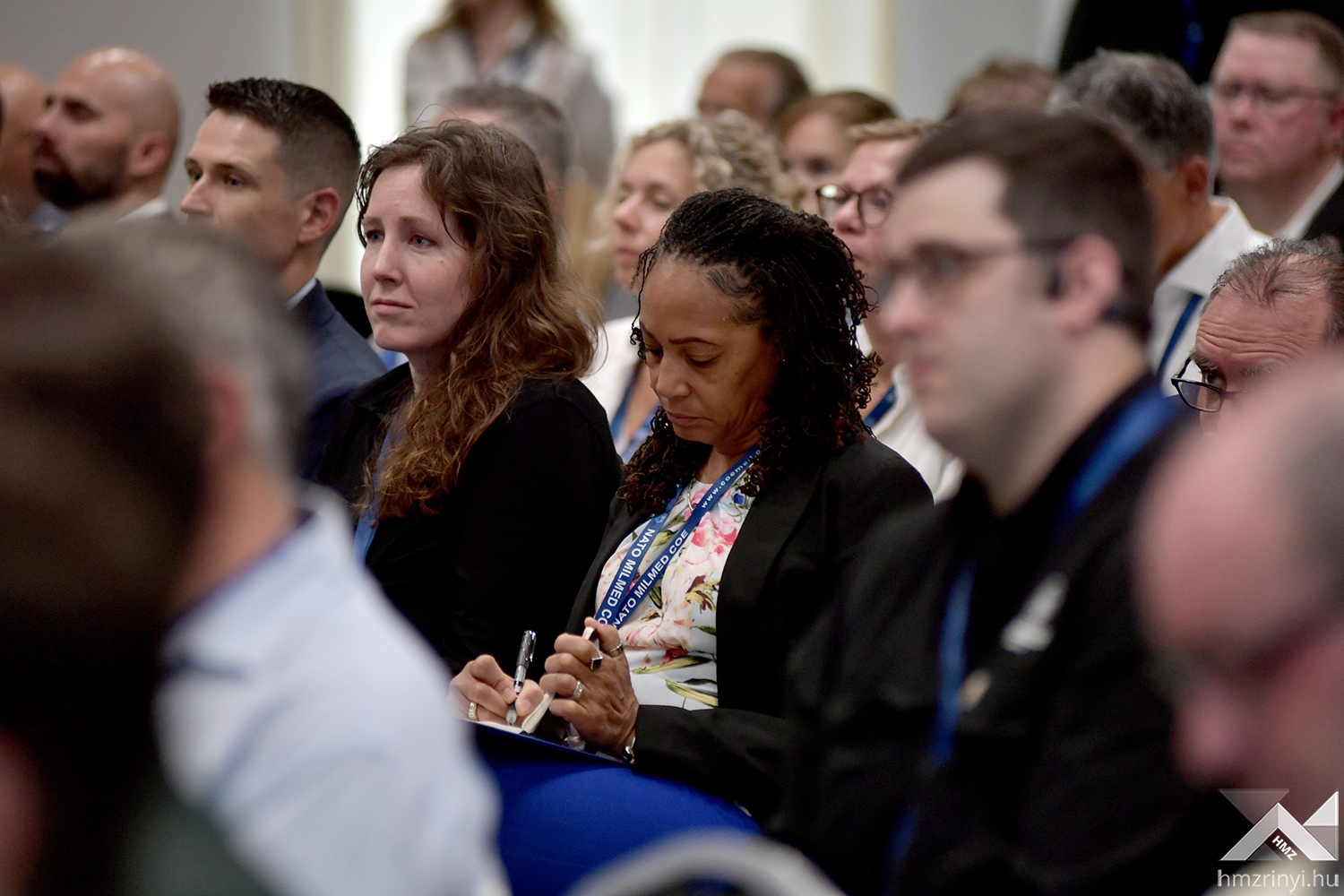
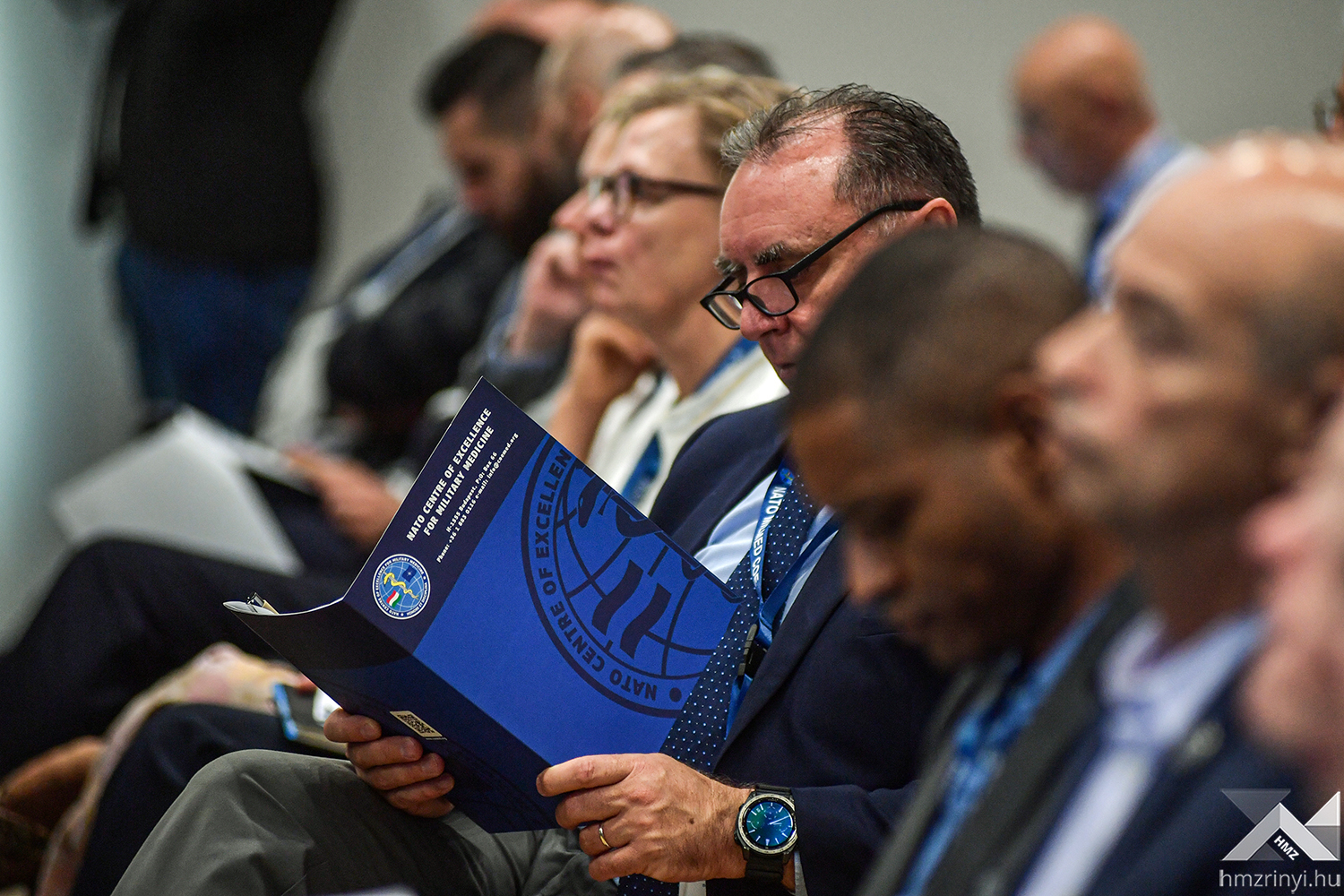
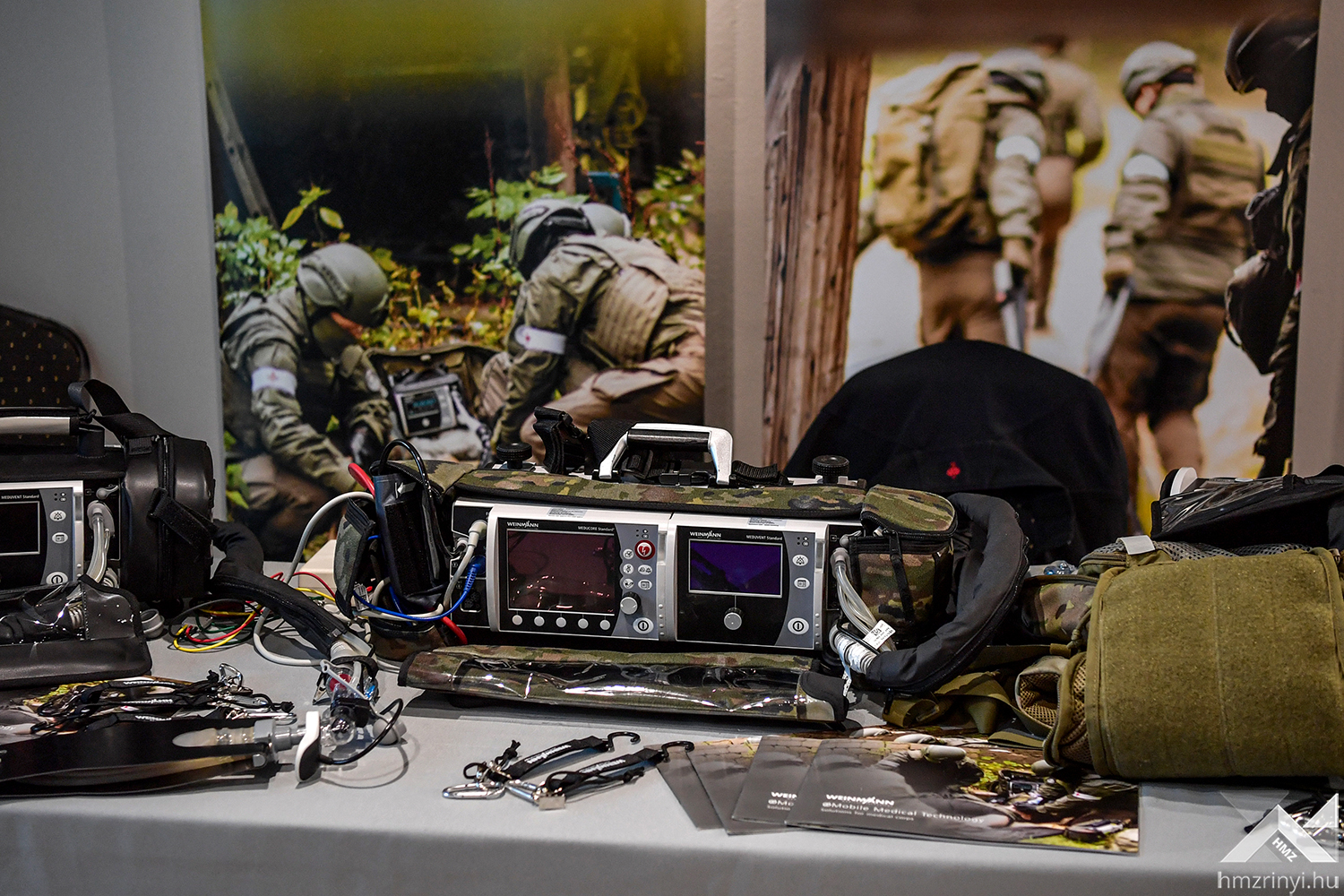
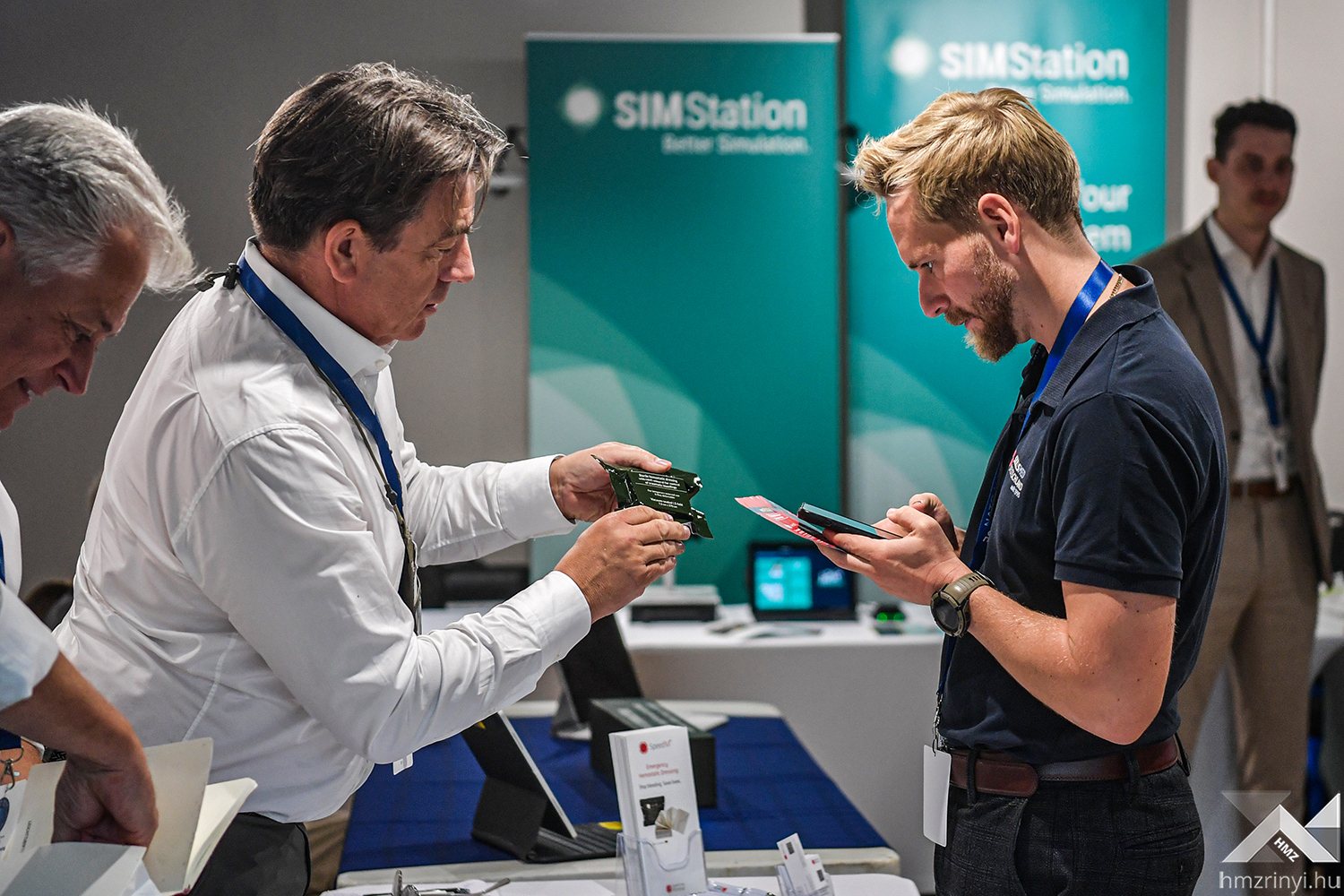
Besides attending a series of lectures and professional programs, participants of the four-day workshop may learn about new equipment produced by civilian players of the sphere – among others, portable x-ray machines and new kinds of bandages for bleeding control.
w2026.09.01.NATO Medical Innovation Workshop.rt (14)
w2026.09.01.NATO Medical Innovation Workshop.rt (1)
w2026.09.01.NATO Medical Innovation Workshop.rt (2)
w2026.09.01.NATO Medical Innovation Workshop.rt (3)
w2026.09.01.NATO Medical Innovation Workshop.rt (4)
w2026.09.01.NATO Medical Innovation Workshop.rt (5)
w2026.09.01.NATO Medical Innovation Workshop.rt (6)
w2026.09.01.NATO Medical Innovation Workshop.rt (8)
w2026.09.01.NATO Medical Innovation Workshop.rt (9)
w2026.09.01.NATO Medical Innovation Workshop.rt (10)
w2026.09.01.NATO Medical Innovation Workshop.rt (11)
w2026.09.01.NATO Medical Innovation Workshop.rt (12)
w2026.09.01.NATO Medical Innovation Workshop.rt (13)
w2026.09.01.NATO Medical Innovation Workshop.rt (15)