The Hungarian Defence Forces keep up with their NATO allies
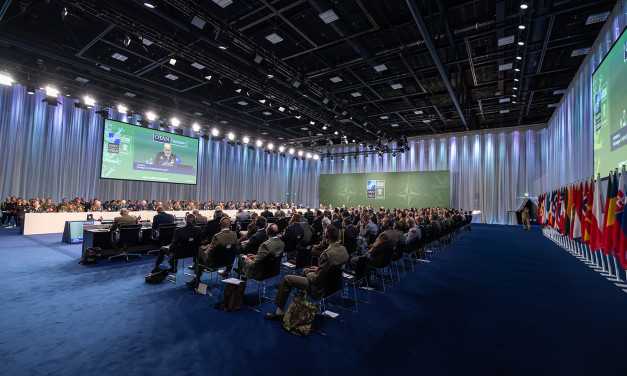
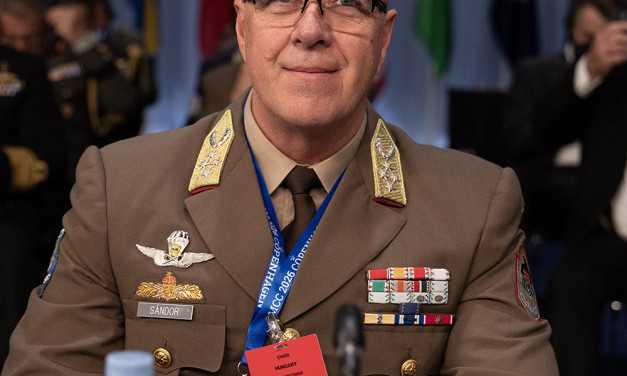
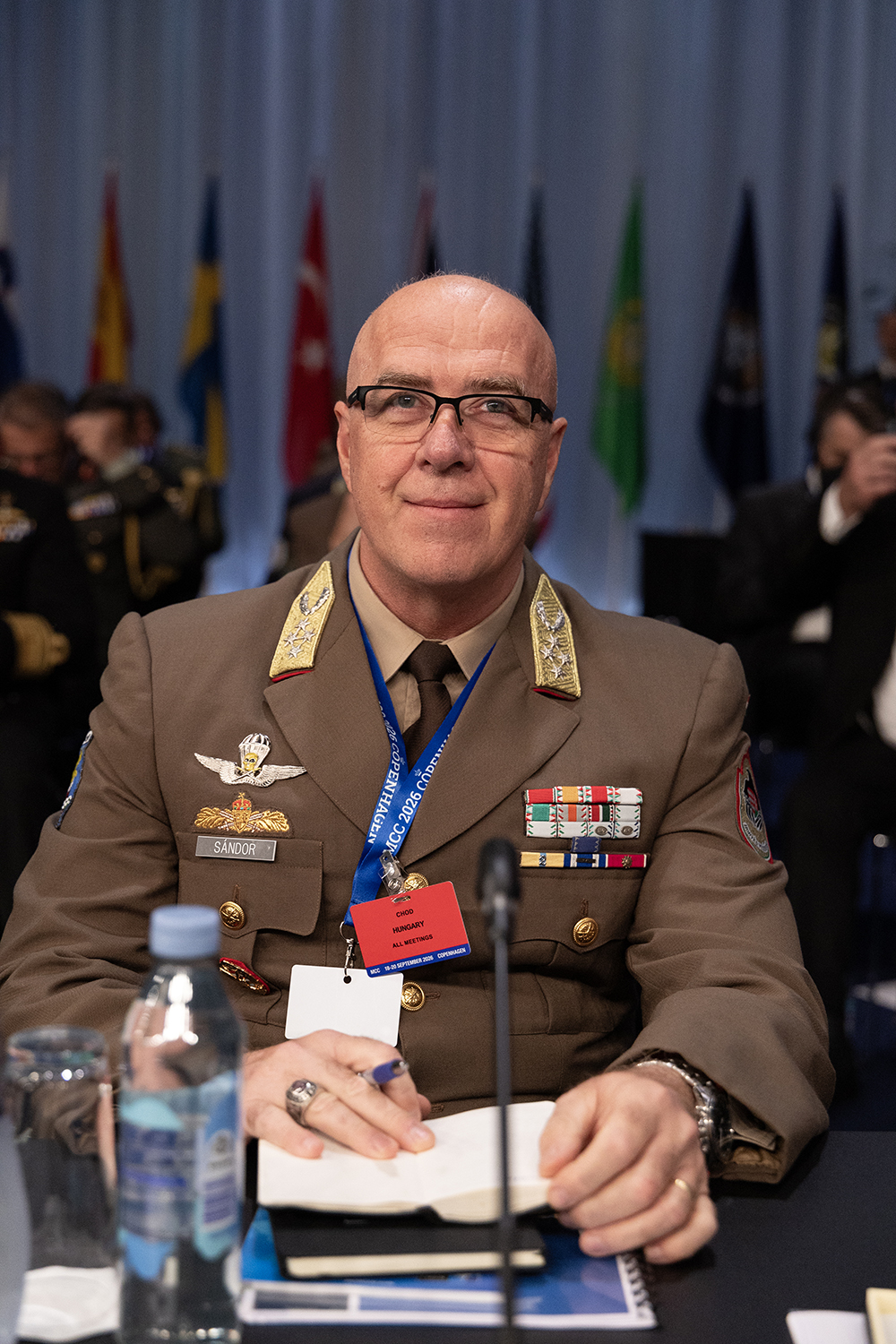
Text: HDF Defence Staff | Photo: archives, nato.int | 12:38 September 22, 2026Hungary represents a stable force among the armed forces of 32 Allied member nations with regard to preparedness, manning levels and operability – emphasized General Zsolt Sándor, Chief of HDF Defence Staff after the NATO Military Committee Conference held in Copenhagen. The Chief of Defence pointed out that the ongoing military development program and the acceleration of training and preparation provide a solid basis for fulfilling Alliance requirements; at the same time, there is need for further developments in some areas.
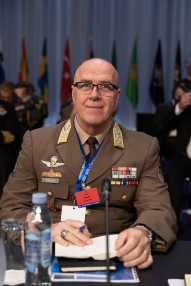
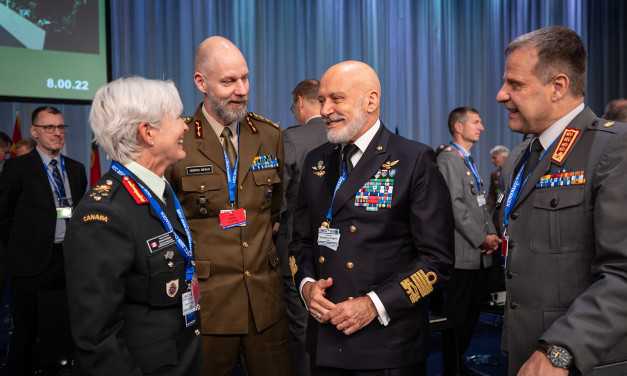
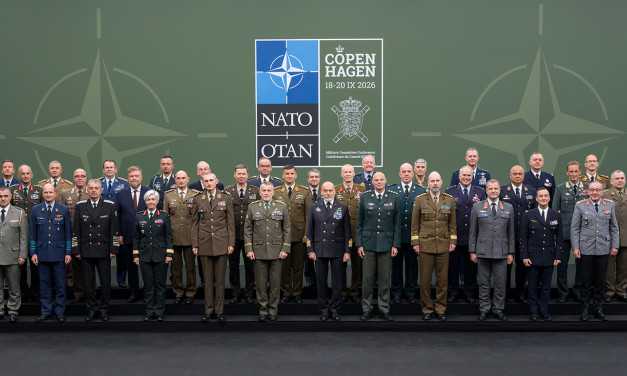
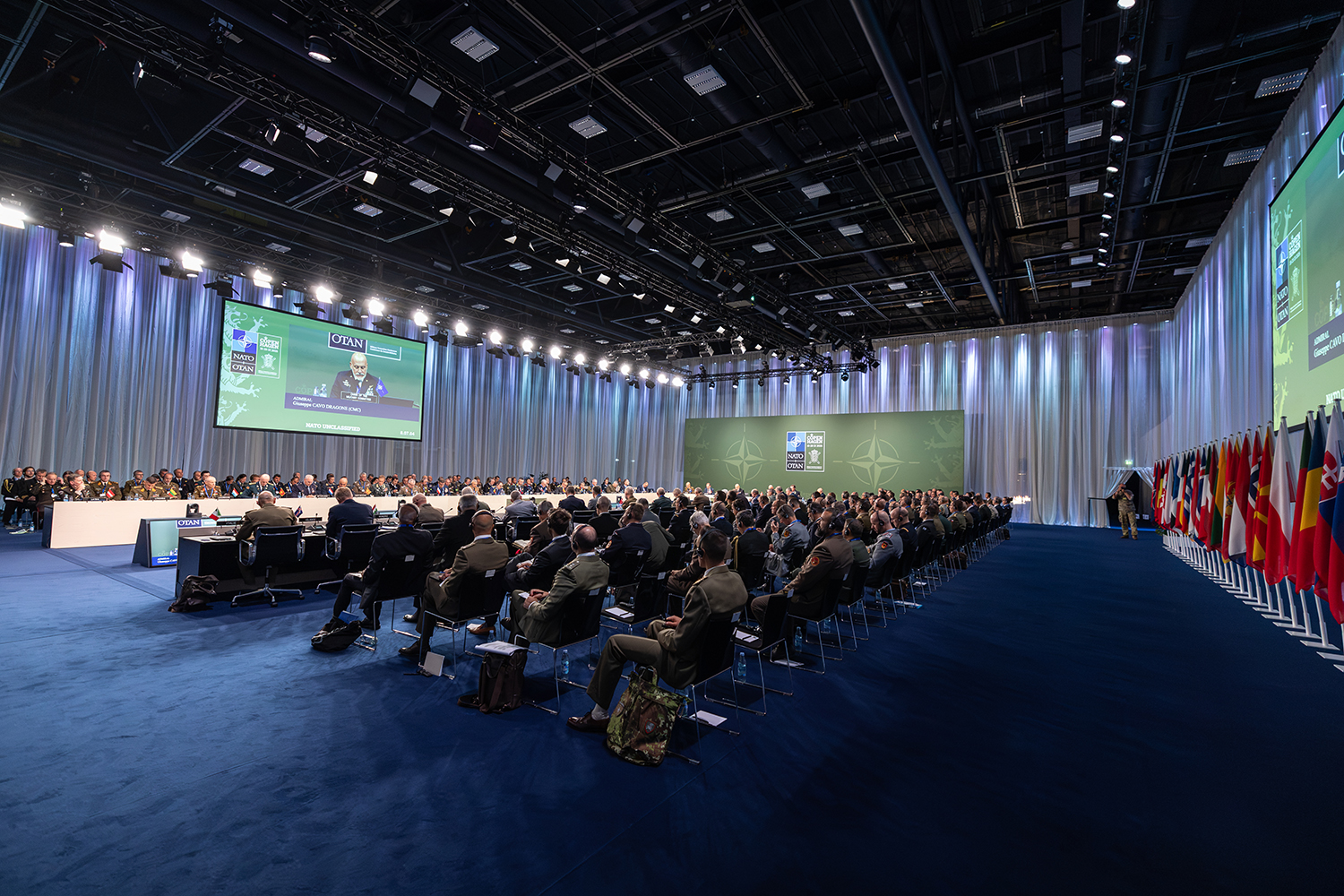
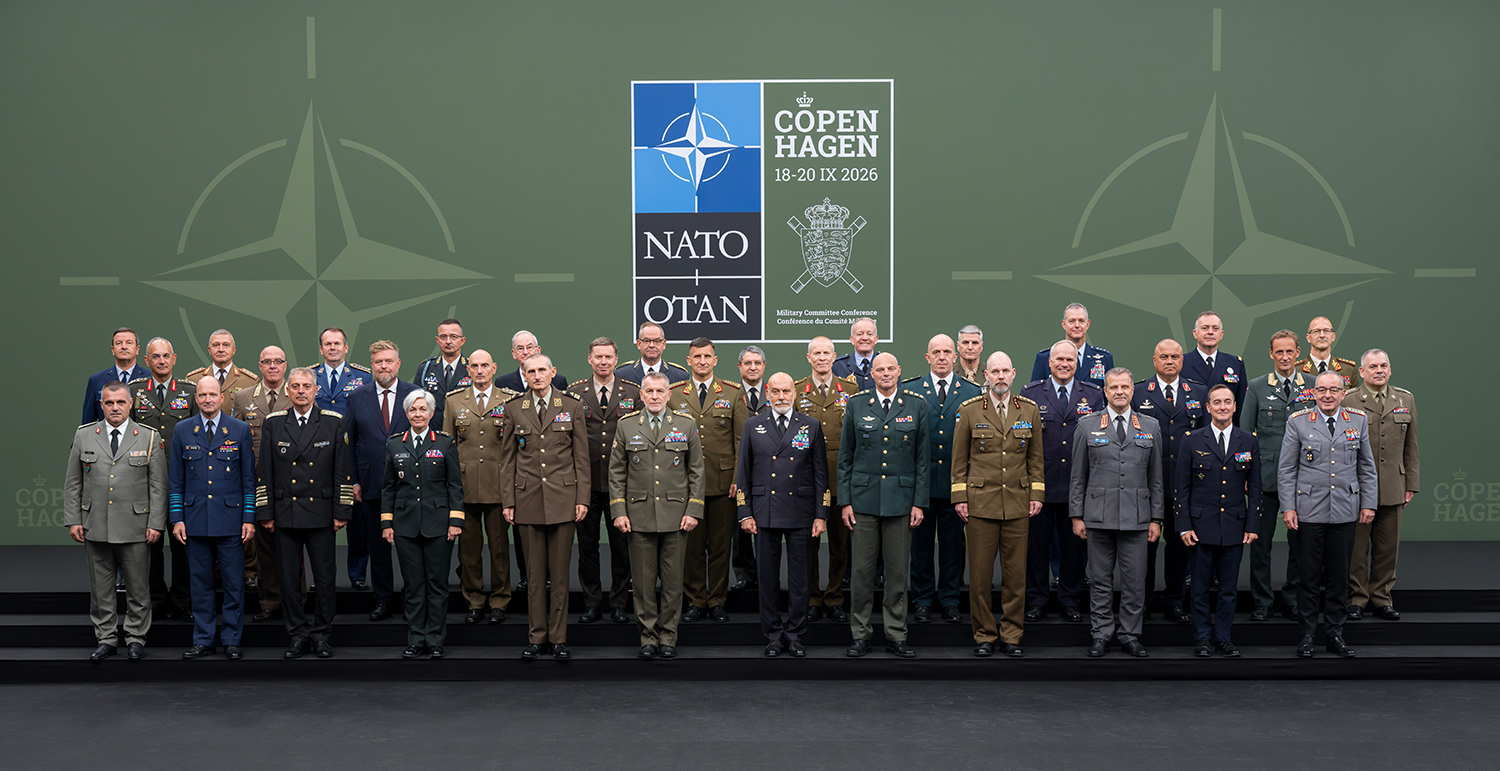
It was the first time that General Sándor had attended the conference of NATO’s highest military authority held in the capital of Denmark on the weekend. Opening the event, the Chair of the NATO Military Committee (CMC) Admiral Giuseppe Cavo Dragone welcomed the Hungarian and Czech Chiefs of Defence as two new members of the MC. Praising the Hungarian military leader’s more than three-decades military career, he highlighted his operational experience and service in NATO positions.
The conference discussed the follow-up from the July NATO Summit in Ankara, with special regard to the implementation of decisions made at the event. Admiral Dragone emphasized that the allies must shift focus from committing defence budgets to delivering on military capabilities that will provide credible deterrence and defence of the Euro-Atlantic area.
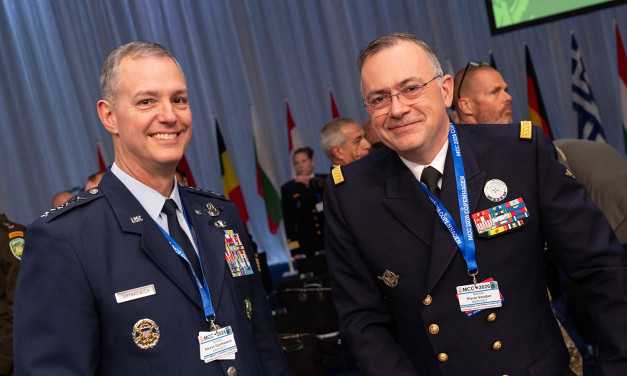
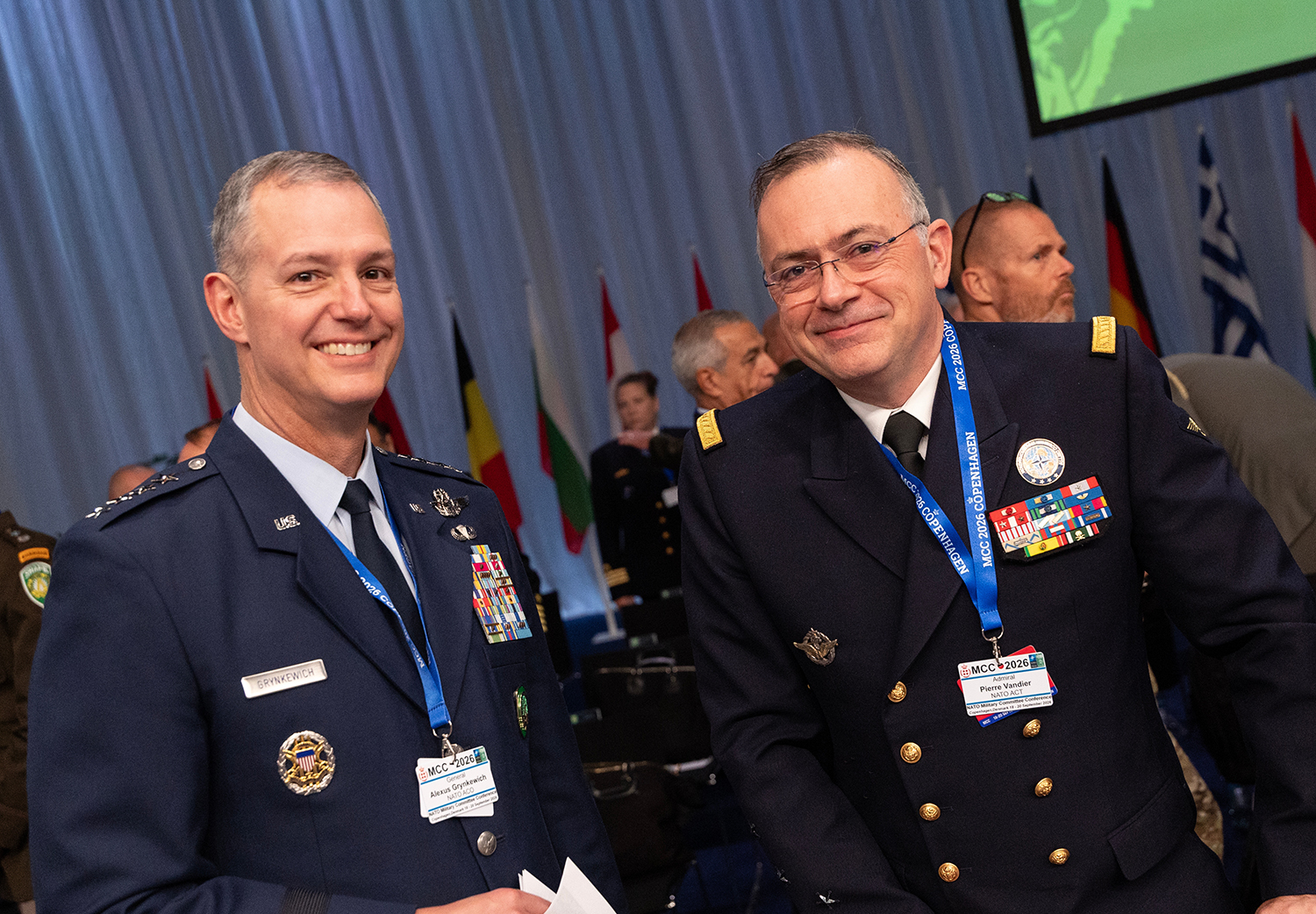
Another topic high on the agenda of the conference was NATO’s adaptability and its enhancement. Supreme Allied Commander Transformation (SACT) Admiral Pierre Vandier informed the participants about the ongoing transformation processes, while the Chiefs of Defence also took a decision on the future leaders of NATO Centres of Excellence.
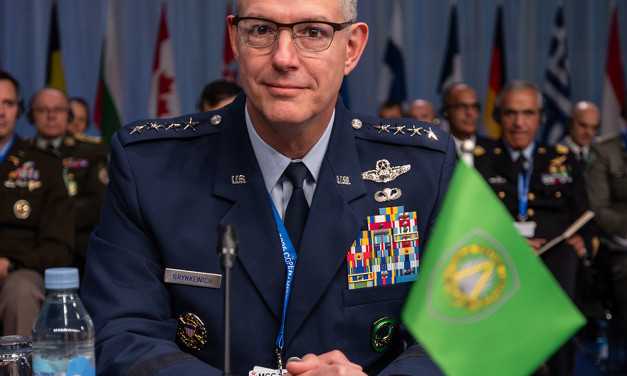
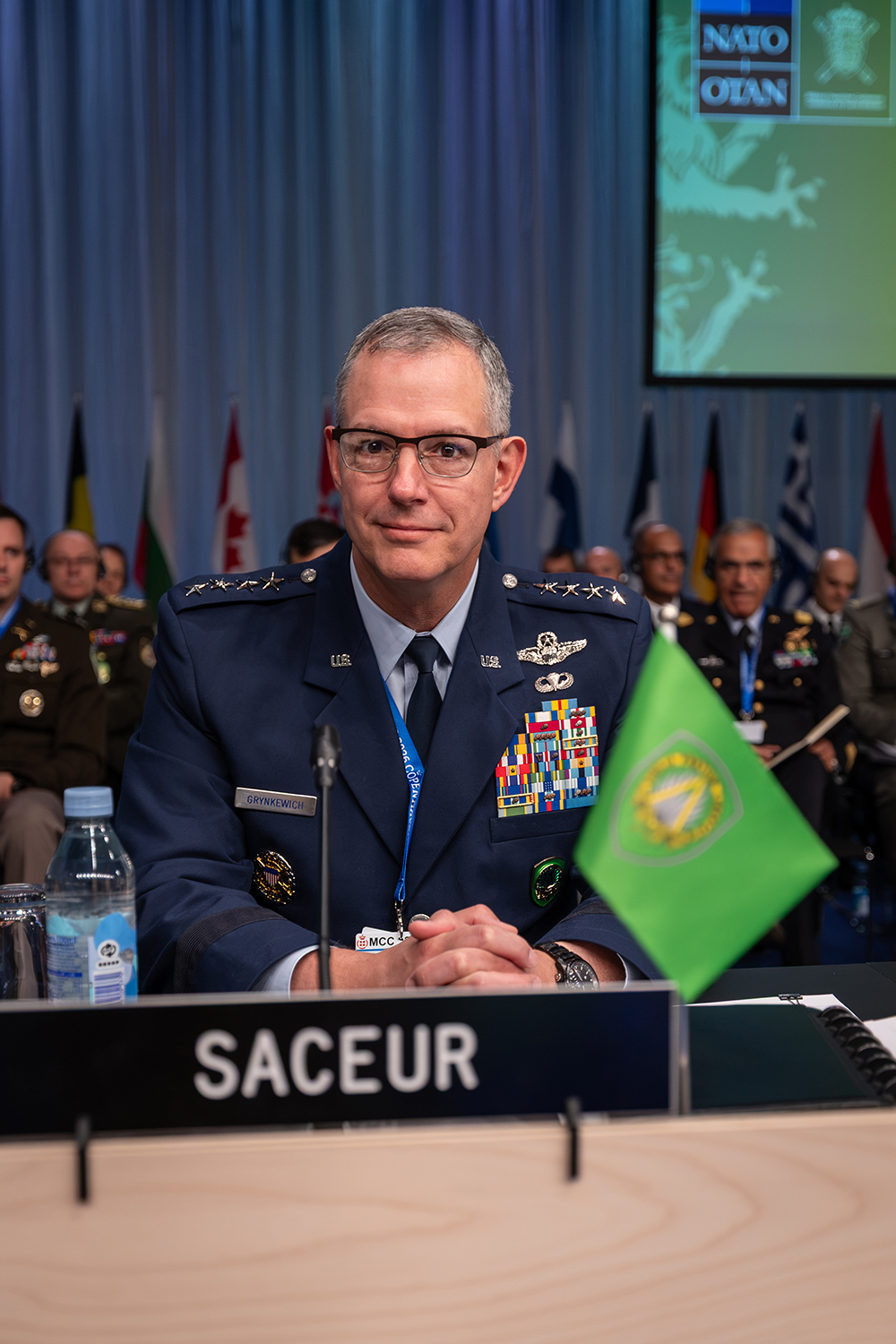
Supreme Allied Commander Europe (SACEUR) General Alexus G. Grnykewich briefed the participants about current developments of the Russo-Ukrainian War. The Chiefs of Defence reviewed the implementation of NATO defence plans, as well as the preparedness, manning levels and operability of the armed forces of member countries.
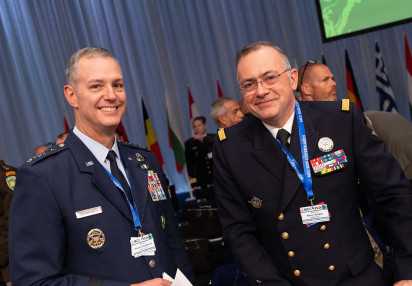
The Allied military leaders also addressed air and missile defence, drone technology, cyber and space operational capabilities and the protection of critical infrastructure. According to their message to the defence industry, “the industry must be able to deliver with speed, scale and predictability”.
General Zsolt Sándor emphasized that the lessons of the Russo-Ukrainian War have shown that in some cases, responses must be found within days to new equipment and tactical procedures. To this end, NATO and the armed forces of member states must accelerate adaptation.
“Thanks to the timely launch of the military development program, the ongoing procurements and the acceleration of training and preparation, the Hungarian Defence Forces are on a pair with other NATO member countries” – said the Chief of Defence. He added that although further developments are needed in some areas, the challenges facing the Hungarian Defence Forces – among them, adaptability and mobilizability – are equally faced by other Allied militaries.
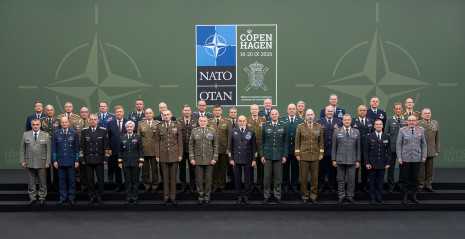
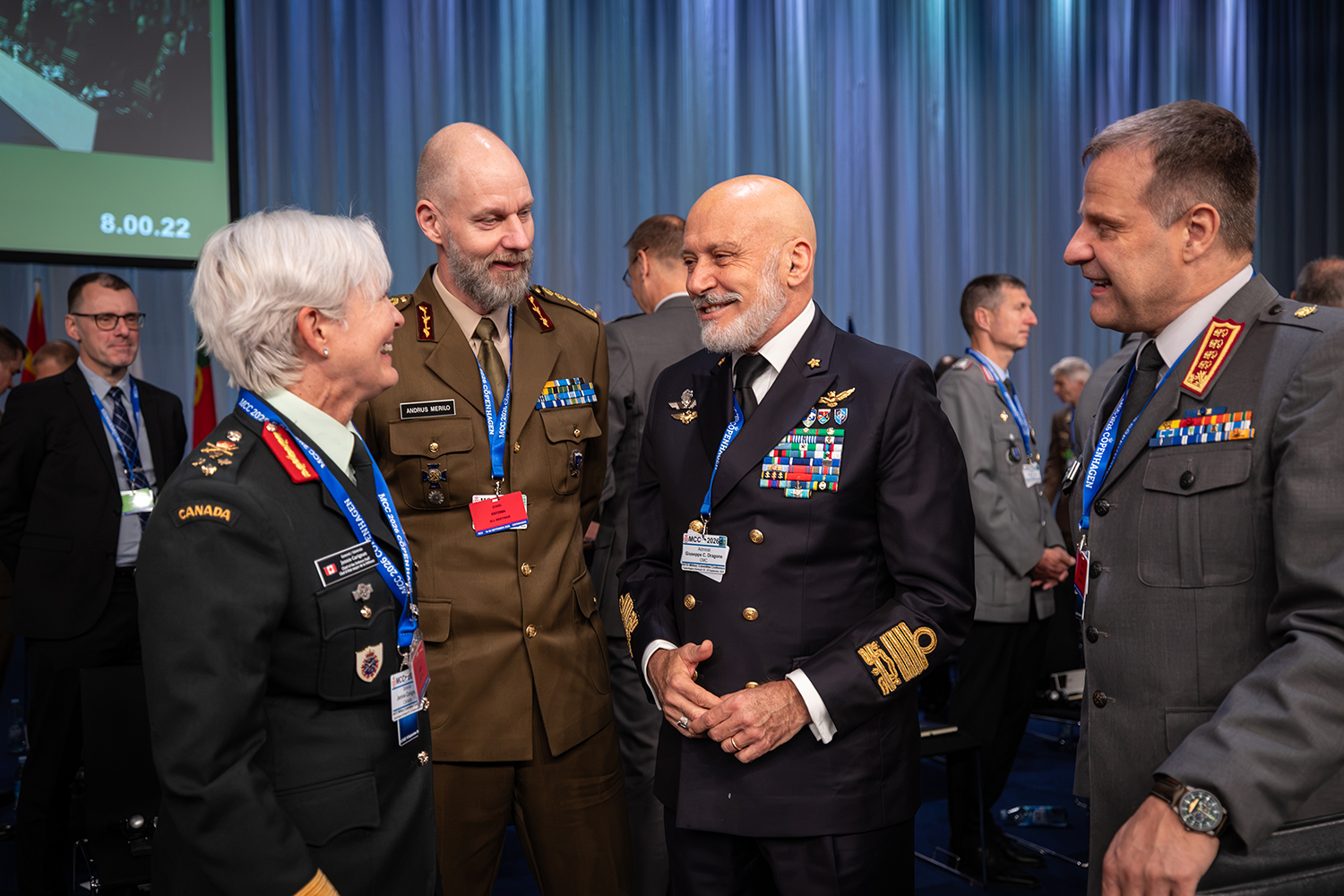
General Zsolt Sándor had several bilateral discussions in Copenhagen. With his Swedish counterpart General Michael Claesson, they reviewed the directions of development in the Swedish armed forces, with special regard to unmanned vehicles and the systems used to counter them. Besides, they also agreed on an investigation into the accident of the recently crashed Hungarian JAS 39 Gripen fighter jet. The flight data recorder of the aircraft is being analyzed in Sweden.
The Chief of Defence held discussions with Lithuanian Chief of Defence General Raimundas Vaikšnoras about the planned Baltic Air Policing mission of the Hungarian Defence Forces, and with Admiral Pierre Vandier about the current status of the transformation of the HDF and the possibilities for accelerating the adaptation process.
During a brief courtesy call, CMC Admiral Giuseppe Cavo Dragone offered General Zsolt Sándor his support for the rest of his tenure.
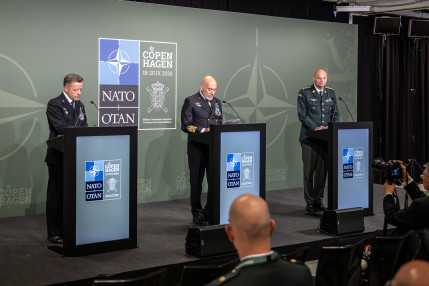
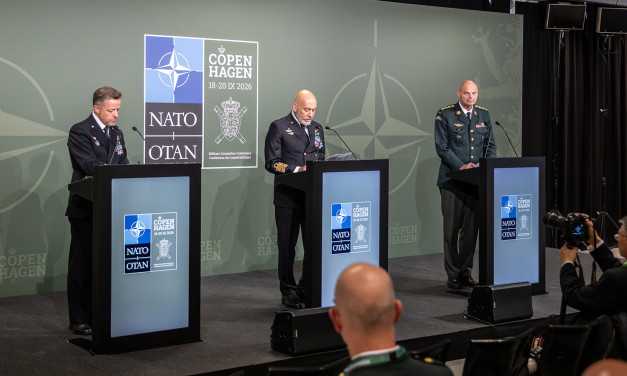
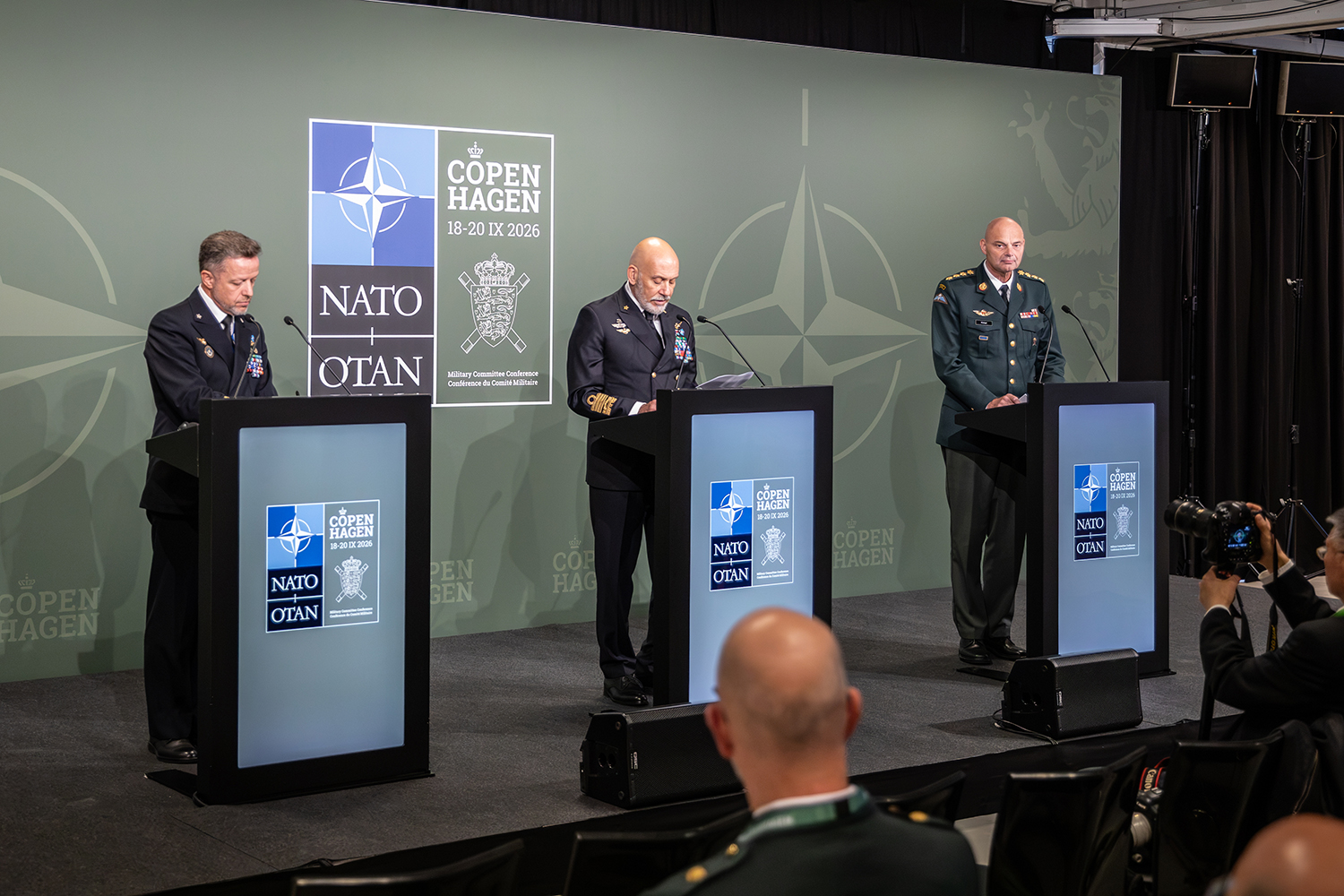
Speaking about airspace violations, drone incidents and hybrid activities a press conference following the event, Admiral Giuseppe Cavo Dragone said that Russia clearly uses them to test Allied resolve and undermine trust. He commended Allied forces for their swift responses, emphasizing that the unity of the Alliance is unshakable and “NATO will do what is necessary to defend every inch of Allied territory”.
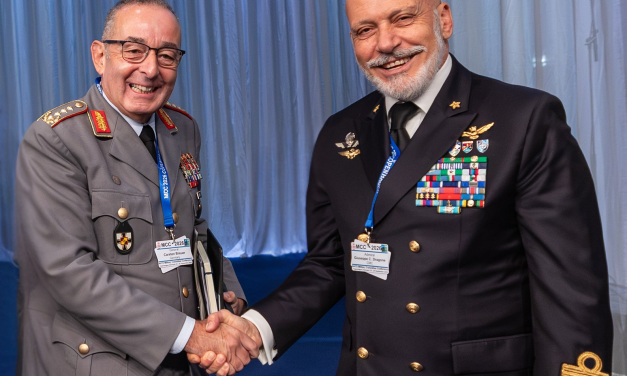
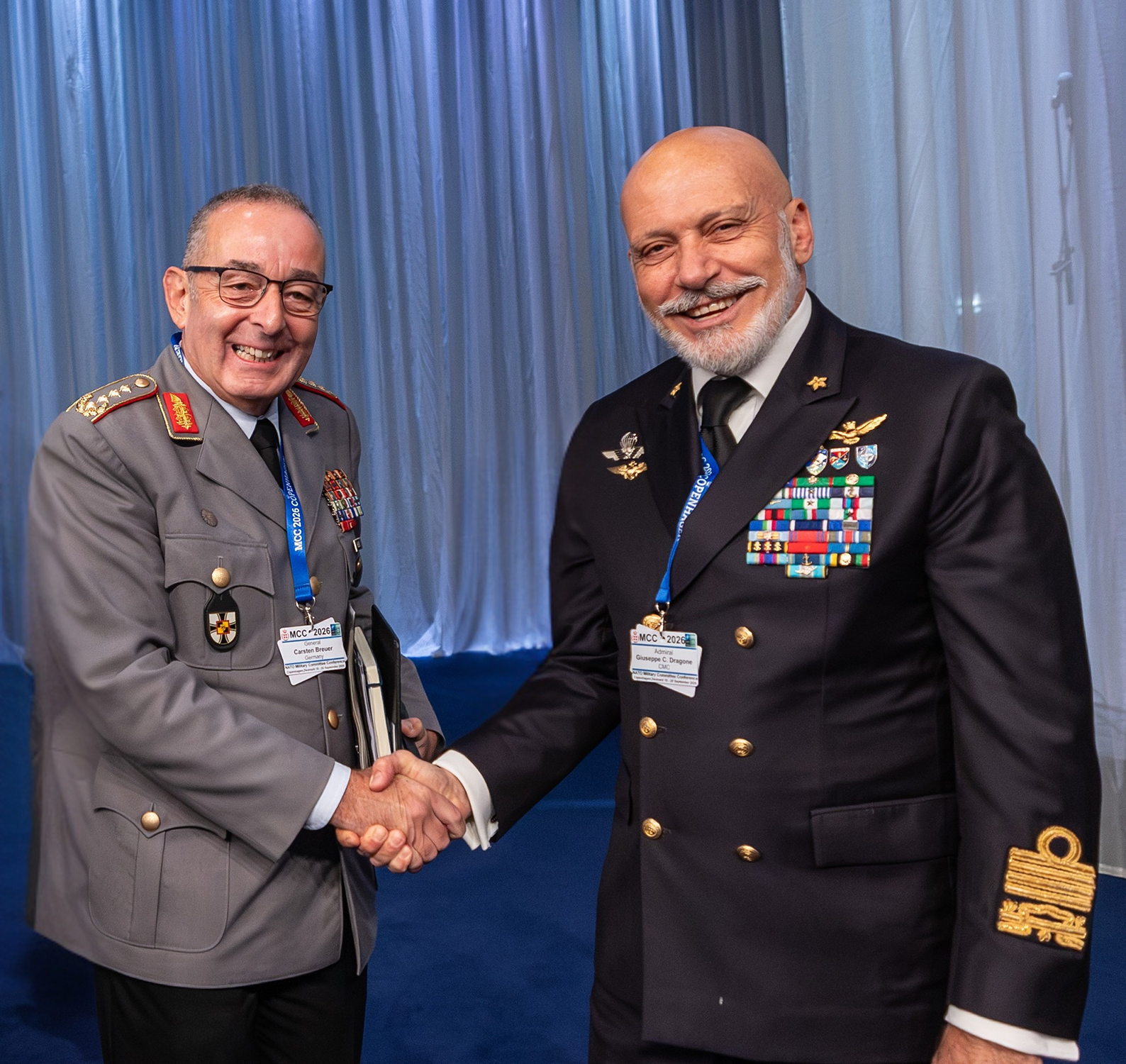
At the Copenhagen conference, the Chiefs of Defence of Allied countries elected General Carsten Breuer, Chief of Defence of Germany to be the next Chair of the NATO Military Committee. He will assume the post in summer 2027, for a three-year mandate.
20260919_NATO_MCC (2)
20260919_NATO_MCC (1)
20260919_NATO_MCC (1)
20260919_NATO_MCC (3)
20260919_NATO_MCC (4)
20260919_NATO_MCC (6)
20260919_NATO_MCC (7)
20260919_NATO_MCC (5)